

Book Recommendations – Volume X

The Summer reading session is well upon us and there is no better time to dive into another edition of my book recommendations. Whether you are at the beach, at the pool, or lounging on a rooftop deck, you can take some leisure time to read a great fictional or non-fictional offering to indulge your mind or open your imagination. The three books I cover are all non-fiction, which is the category that my favorite books often fall under. I do hope to dive into some fiction books sometime soon, but I’ll save that for other post.

The three books I recommend vary from personal finance to progressive politics to self-help psychology, but they all are educational and thought-provoking in their own way. These books aren’t mindless reads, so you’ll have to pay attention and even re-read certain chapters twice or more to really get the gist of what the author is getting at. However, each of these three books have staying power and they would make an excellent addition to anybody’s personal book collection since the different lessons that these books impart are timeliness in nature. Without further ado, let’s discuss which books I enjoyed in this latest volume of recommendations.

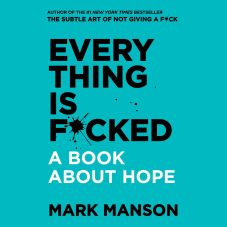
1.) “Everything Is F*cked: A Book About Hope” by Mark Manson
everything-is-f-cked
Following up on the tremendous attention and success gained from his previous New York Times best-selling book, The Subtle Art of Not Giving a F*ck, which dealt with unconventional yet powerful self-help advice, Mark Manson is back with an excellent follow-up book in tackling how to apply similar lessons to humanity as a whole. Whether its today’s turbulent geopolitics, the growing climate crisis, or the negative effects of social media, everything can seem to be f*cked nowadays and hopelessness as a condition of these events seems to be gaining steam.

Manson uses the teachings of Nietzsche, Kant, and other prominent philosophers to denote why humanity is facing these systemic problems and how they came to be based on our collective psychology as a species. He argues that having hope in of itself is a paradox and that it’s best to deal with life’s uncertainties and foibles as they come. Wishing for a better, happier, wealthier, and safer future is unproductive if you do not take actions in the present to create that more hopeful reality. Manson breaks down complex topics such as politics, religion, and even the future of artificial intelligence into digestible concepts on how humanity has gotten to be where it is currently.

One of the aspects I like most about Mark’s writings is that he doesn’t sugarcoat anything, and he allows you to draw your own conclusions based on the evidence he presents and the stories he tells. My favorite parts of Everything is F*cked focus on why treating people as means to an end is a selfish endeavor and how our feeling brain has a lot more influence on our thinking brain than we have been told. Also, in accepting what is ‘The Uncomfortable Truth’, as Mark cites in one of the first chapters is part of recognizing our innate humanity and what drives us collectively. This truth, while uncomfortable to all, is the main reason why we strive to do what we do in life, for better or for worse, and how we tend to live our lives denying that truth when it is staring us right in the face.

Instead of looking to politics or religion to give us hope, which tends to have its own set of consequences, it should rather be our own individual actions of being kinder, gentler, and more respectful of others that carry the day. We should not wait around for other people to change for you or be better to you. This book, like Mark’s first, is well worth a second and third reading to grasp all the lessons he lays out for the reader. Posing deep existential questions and acknowledging hard truths rarely covered elsewhere in the self-help genre, Manson stands out as one of my generation’s best authors and a good example of how to live a better life, not just for ourselves but for others as well.

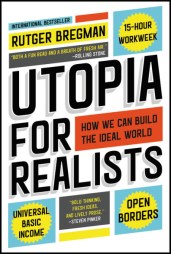
2.) “Utopia for Realists: How We Can Build the Ideal World” by Rutger Bregman
9780316471916
I really liked this book by Mr. Bregman for several reasons. Whereas most books today examine problems and investigate how they came to be, Bregman describes the possible solutions there can be to these problems and how life in the 21st century should be different from the past. Given the rise of automation, how interconnected we have become globally, and increasing efficiencies in the workplace, Bregman dares to ask how we can make life better for vast majority of people in our societies based on these factors.

Rutger Bregman does an extensive amount of research for this book and draws upon years and decades of datasets and public policy to make his three main ideas not only relevant but persuasive to his overall argument. Bregman’s ideas are not new and have been discussed before but in ‘Utopia for Realists’, he really examines each of his proposals individually from a public policy perspective and how the time is ripe to make them become a reality. Today, it seems like we have lost to the drive to implement big changes to both our economy and our society. Bregman asks his readers to think of the plausibility of the 15-hour work week, a Universal Basic Income for all, and an ‘open borders’ policy that would benefits people’s lives in numerous ways as he lays out diligently in each chapter of the book.

While some may not agree with these proposals politically, Bregman backs up his arguments with facts and evidence, as a good social scientist would. One of the things I did not know before reading his book was how close President Richard Nixon and the U.S. Congress came to passing a universal basic income in legislative form back in the early 1970’s. Giving people the chance to have basic economic security, the ability to live across borders without bureaucratic roadblocks, and having more free time for family life or to better themselves through personal hobbies, interests, or side businesses are related to his three main proposals. These societal changes, he says, would lead to greater fulfillment and happiness and benefit our collective mental health.

While his ideas may be unrealistic today, the way in which the job market is shifting and has become more efficient in terms of productivity over the past few decades, how automation and advanced Robotics may affect millions of jobs being lost, and how the demographic crunch in the Western world may lead to more liberal immigration policies to spur economic growth, the main proposals that Bregman focuses on could become a reality sooner rather than later. It’s not a question of if these utopian ideas could ever happen, it’s more about when they will happen and how they can be implemented successfully around the world.

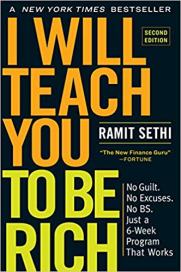
3.) “I Will Teach You to Be Rich” (2nd Edition) by Ramit Sethi
I-Will-Teach-You-To-Be-Rich
I will be the first to say that I have shied away from reading books on personal finance given that the advice given and the person giving it may not be reliable or trustworthy. However, based on the recommendations of other authors I like and how sensible his recommendations are from watching his videos, Ramit Sethi has delivered and recently updated one of the best personal finance books out there. For someone who is just getting started in thinking about optimal strategies for long-term savings and investments, Mr. Sethi breaks it all down from negotiating lower interest rates on your credit cards to how to find the best investment vehicles to deliver you a secure retirement.

If you are new to personal finance, this book is really meant for you. You don’t have to be an expert in 401ks, Roth IRAs, or index funds to make full use of this book. Ramit is not only an author but also provides an additional website, which offers a free blog, multiple courses to improve your finances, and career opportunities. His common-sense finance solutions garner millions of views per month and very positive media coverage. Ramit’s book does not make his readership feel guilty if they have made financial mistakes in the past. Instead, he offers tips and advice as well as personal stories from people he’s helped to get them out of trouble whether its credit card debt, student loan debt, etc. He wants his readers to figure out what exactly a ‘rich’ life is for them and what steps they can take to make it happen.

You are left reading this book feeling uplifted and ready to use his advice to improve your financial situation. You are also left wondering why Ramit’s book isn’t mandatory reading for high school students, given that we tend to neglect this kind of basic financial education for young people in the United States. Whether you are 18 or 28, it’s never too early to start thinking about your long-term finances. With Ramit’s well-written, digestible, and even humorous personal finance book, you are in good hands. He gives you actionable advice on how to greatly improve your finance in weeks instead of years and discusses in detail how many hours it will take you in setting up your savings, investments, and credit card debt payment options with as little of a hassle as possible. While Ramit can give you all the advice in the world, he leaves it up to you, the reader, to take actions yourself to improve your financial situation. Now that you have the knowledge based off his book, you’ll be ready to create a financially secure future for yourself and perhaps your family too.

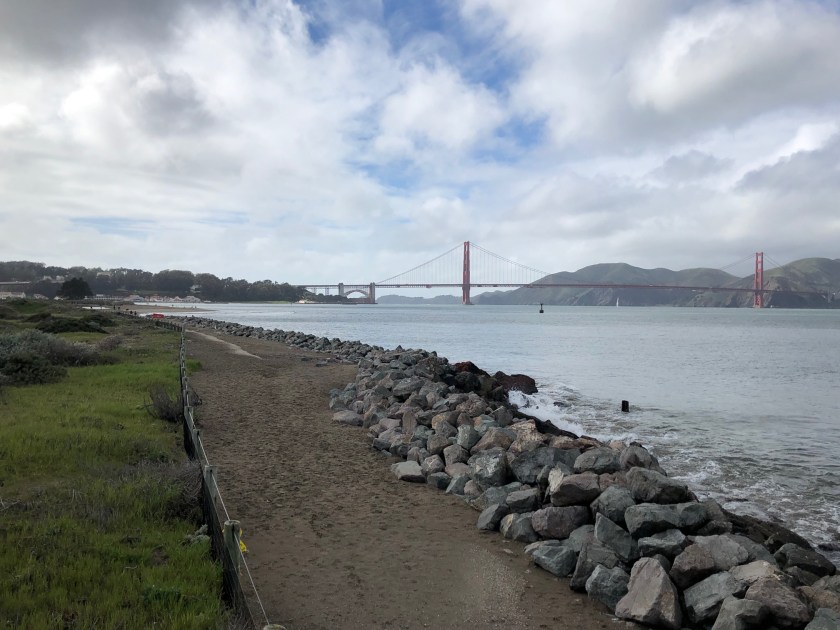
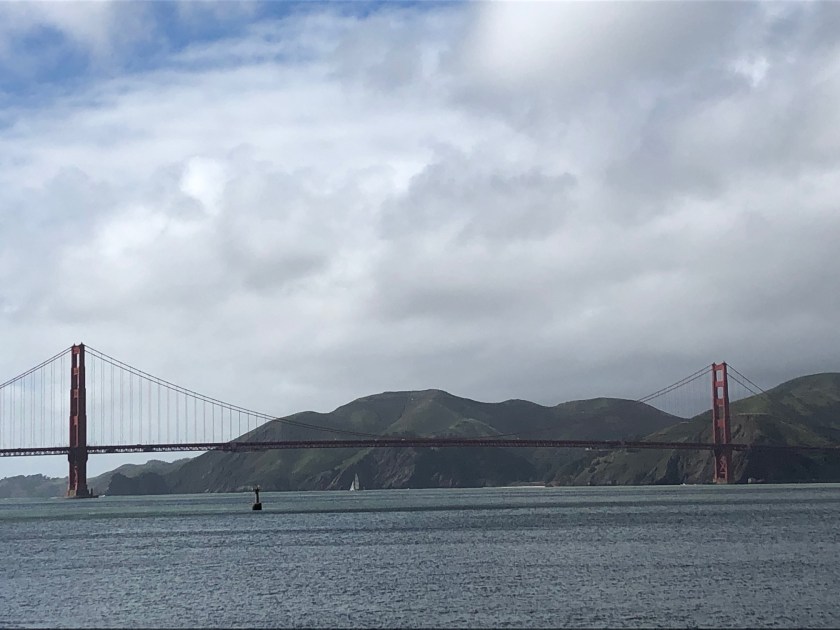
The Golden Gate Bridge

IMG_1705IMG_1739IMG_1737IMG_1735IMG_1733IMG_1732IMG_1730IMG_1729IMG_1728IMG_1727IMG_1723IMG_1722IMG_1718IMG_1716IMG_1707

CameraiPhone 8

Location: San Francisco, California 

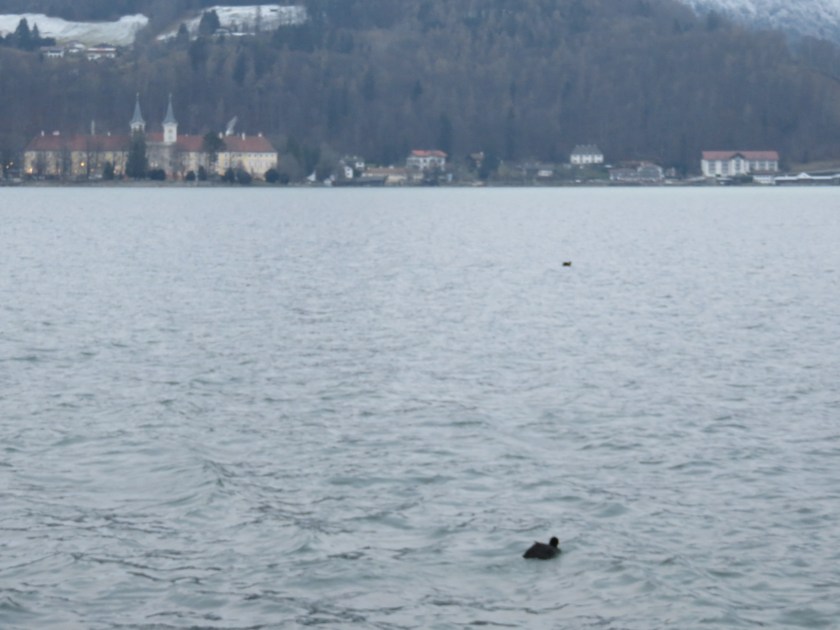
Lake Tegernsee

img_3249img_3251img_3252img_3255img_3259img_3260img_3261img_3263img_3265img_3266img_3267img_3269img_3270img_3271img_3275

Camera: Canon PowerShot SX710 HS

Location: Lake Tegernsee, Bavaria, Germany 

“Get Action”

“Get action. Do things; be sane; don’t fritter away your time; create, act, take a place wherever you are and be somebody; get action.”

Theodore Roosevelt, the 26th President of the United States, was unlike many of the men who came before him or who came after him who served as President. He was a truly unique individual in how much he was able to do during his life. While Roosevelt only lived to the age of 60 years old, looking at how much he was able to accomplish and what he was able to do with his life, you could easily make the argument that he lived the lives of five men put together. To put it simply, he was a man of action regardless of how strenuous and difficult that action may be.

When you look at Teddy Roosevelt, he wasn’t just President of the United States which is a massive accomplishment in its own right, but he was also Vice President, Governor of New York, Assistant Secretary of the U.S. Navy, Leader of the Rough Riders during the Spanish-American war, and a Harvard College graduate. On top of all of that, he was a noteworthy explorer who spent over two years in the Amazonian basin of Brazil, a hunter who herded cattle out in the Dakotas, and a historian who wrote several books including a military history titled, ‘The Naval History of 1812.’ On top of everything that he did, while he was boisterous and a bit cocky to a fault, he backed up his words with actions, and he did his best to maintain his integrity in everything that he did. Roosevelt was not a man who cut corners or looked for shortcuts. Once he committed himself to something, he made sure to give it his best effort.

While Teddy Roosevelt was a member of a wealthy family from Oyster Bay, New York, he struggled with adversity throughout his life. He had severe bouts of asthma and would suffer from attacks that were debilitating. Instead of staying still and not exerting himself, he found that being active, physically and mentally, would actually help to minimize his asthma and improve his spirits. Roosevelt was not a man who would go about and pity for himself ever.

He was home-schooled, naturally curious about the world, and self-educated himself in a number of subjects including taxidermy, geography, French, German, history, etc. Roosevelt to make himself physically stronger would take it upon himself to learn boxing and then rowing in his desire to keep himself fit and active. Roosevelt lost his father at a young age, which was an almost unbearable loss for him, but he used his father as an example of who he should strive to be in life in terms of his father’s morals, career, and his overall character. Also, when he was only 22 years old, Theodore Roosevelt lost both his mother and his first wife within a few hours of each other.

Losing your mother and wife in such a terrible manner would break a lesser man but while Roosevelt grieved in a manner that was natural, he knew that he must go on and that he must live up to the memory of those family members who passed before him. Theodore was not one to sit around and grieve forever but a man who desired to make the most of his life and commit himself to action. Even when he was almost assassinated in 1912 when he was campaigning for the Presidency a second time, he would read his speech and refused medical attention for over ninety minutes before seeking assistance with a bullet lodged in his chest.

What lessons can we draw in our own lives from the energetic and boisterous life of Theodore Roosevelt? There are many lessons to draw upon but the most important one that can just be summed up in two words is to “get action.” Roosevelt believed that man is most content in the pursuit of action whether its’ in the form of academia, physical exertion, public service, and military duty. Roosevelt’s life was made up of numerous actions that fit his various interests and he committed himself to these actions over a long period of time. When we read about Teddy, we admire how much he was able to accomplish and how possibly he could have done of all that. My take on it is that Roosevelt made the most of his time and committed himself to pursuits instead of lazing about and being distracted by idle pleasures.

How many of us can say that we would be able to do ½ or 1/5 of what Theodore Roosevelt was able to do during his life? Not many. In this day and age of Netflix, smartphone, video games, and virtual reality, it’s easier now than ever to not get action but to be lazy. You have to put blinders on and prevent yourself from being distracted from the technologies of today. While Roosevelt may have had a harder time accomplishing everything he did in the early 20th century compared to what he may have done in the early 21st century, his core personality, his priorities, and his spirit would not have changed. Roosevelt’s life is a testament to the power of taking actions in various pursuits and to push both your body and your mind to the limit.

He did not let his setbacks, failures, and limitations hold him back from becoming the great man that we recognize him as being today. He fundamentally knew that he was at his happiest and his most vibrant when he was putting himself to work. His hobbies, interests, and his professional career were his number one priority and he still managed to re-marry, raise six children, and explore the world from Brazil to Egypt. Did he have a leg up in life due to his family name and his wealthy background? Yes, you could argue that fact, but he made the most of the deck of cards he was dealt but still had the common decency and integrity to commit himself to public service and helping out his countrymen and women as well.

Roosevelt could have enjoyed his wealth, spent opulently on material goods and hedonistic pursuits, and sat back for the rest of his days but he was not that kind of man. Not only was he aware that he had one life to live but he knew fundamentally that every day counts and that every day matters. Luckily, he used his mental and physical prowess in the service of others whether that was in the United States Army, the Governorship of New York, or Office of President of the United States. Theodore Roosevelt put his energies and his time into productive matters and was able to do amazing things in his life. If Roosevelt were to give anybody a piece of advice today, it would be to simply ‘get action.’ Without action, there is stagnation and with stagnation, there is no future. Even if you are not successful in your actions, don’t ever be so discouraged that you do not try again or try something new.

Whether it was reading, writing, making speeches, hunting, traveling, Roosevelt was a man who embodied the human spirit when it is fully unleashed. He made the most out of this thing we call ‘life.’ If you are feeling down in the dumps and aren’t sure what to do next, just ‘do something.’ By doing something and sticking to it as a routine, you’ll get better at it and it may take you places in life that you never thought was possible to begin with. Taking any kind of action in your day to day life is the natural and healthy thing to do. Sitting in bed, lazing around, letting your mind and body wither away is no way to go through life.


When you commit yourself to getting out in the world in whatever way appeals to you, you move forward as a person and you develop yourself in various ways. You’ll fail, you may get hurt, and you will learn a lesson or two but at least you got yourself out into the arena as Theodore Roosevelt did. ‘Get Action’ are two words that can make a world of difference in one’s life. Make sure you make the most of the time for which you have been given.

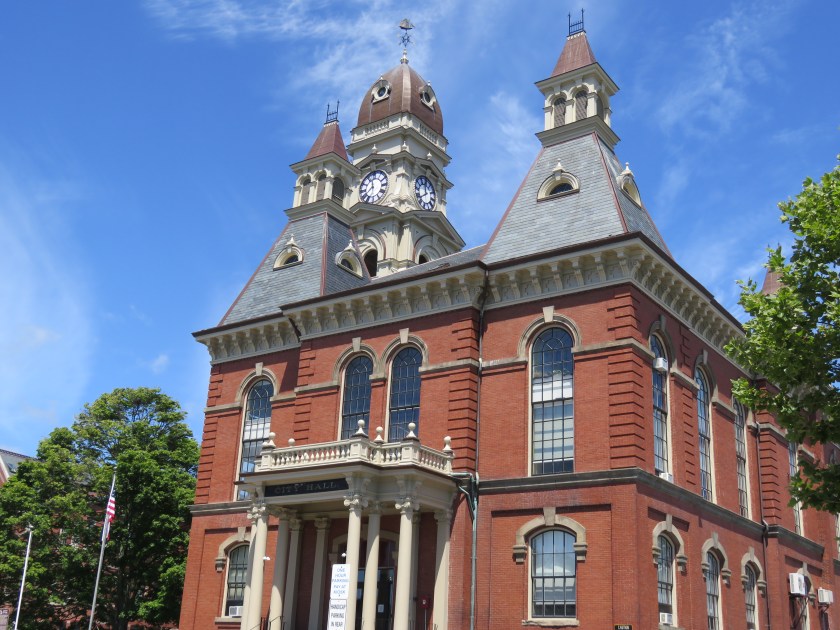
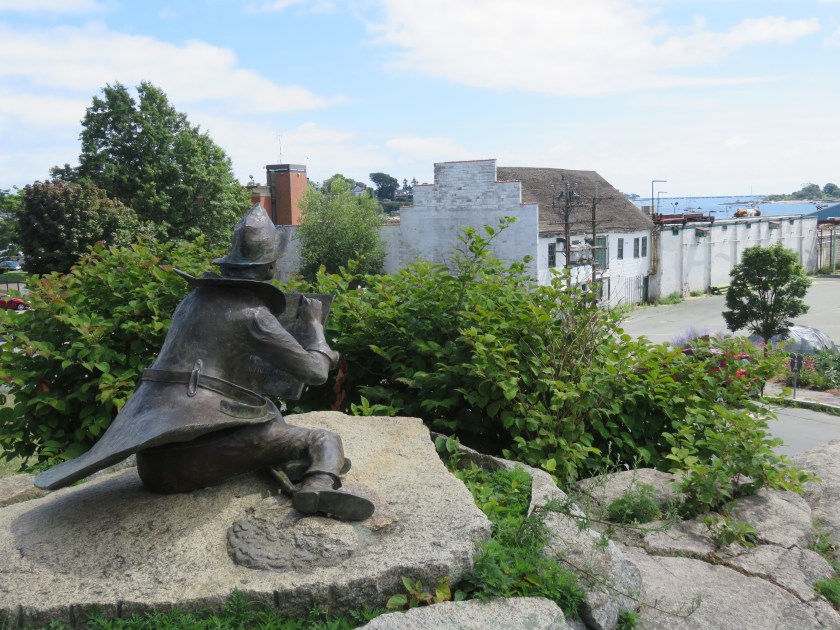
Gloucester

IMG_3198IMG_3199IMG_3201IMG_3202IMG_3204IMG_3206IMG_3209IMG_3214IMG_3218IMG_3220IMG_3224IMG_3226IMG_3229IMG_3234IMG_3238

CameraCanon PowerShot SX710 HS 

LocationGloucester, Massachusetts, United States

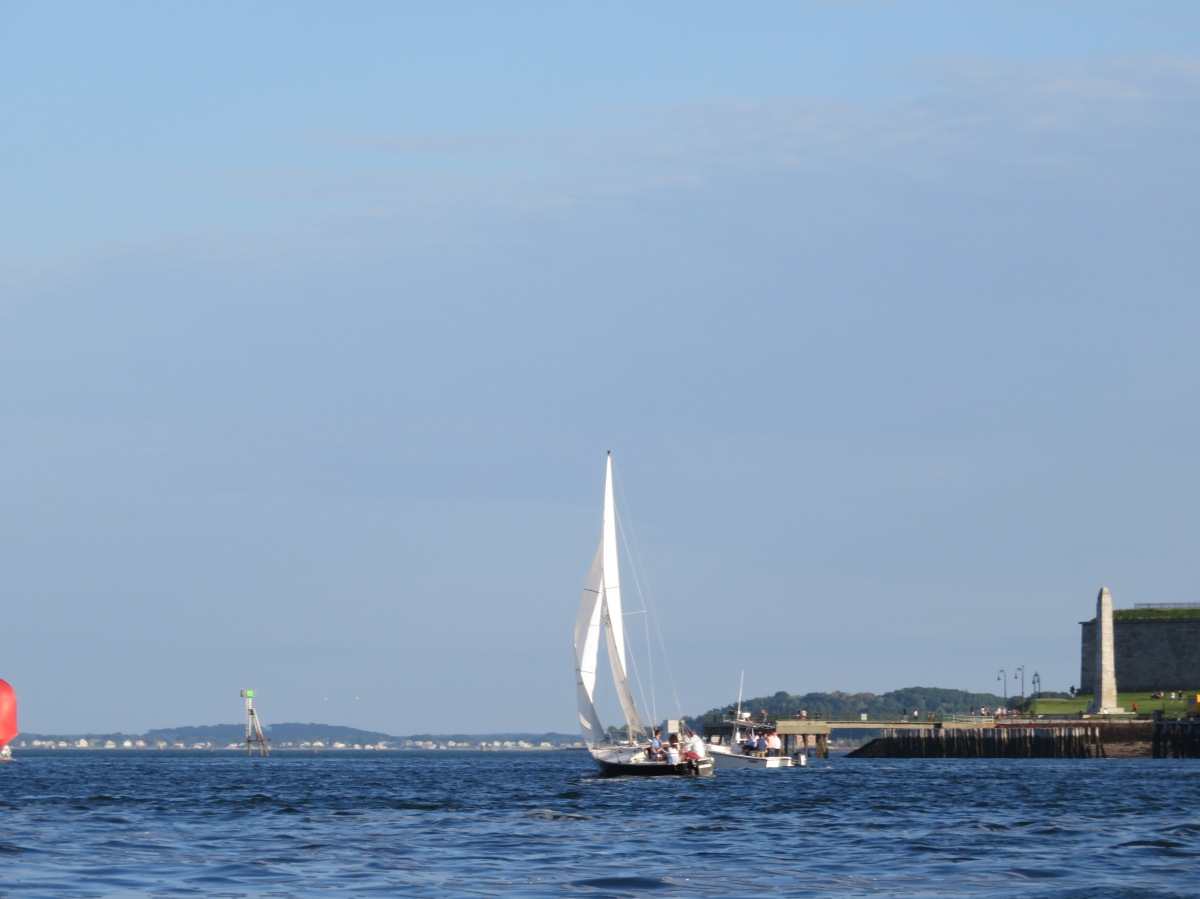
Sailing on the Harbor

IMG_3113IMG_3114IMG_3115IMG_3118IMG_3124IMG_3128IMG_3132IMG_3136IMG_3154IMG_3158IMG_3161IMG_3169IMG_3179IMG_3189IMG_3194

CameraCanon PowerShot SX710 HS 

LocationBoston Harbor; Boston, Massachusetts, United States

Providence, Rhode Island

CamerasCanon PowerShot SX710 HS and iPhone 8

LocationProvidence, Rhode Island

A Lifetime of Learning

Contrary to popular belief, one’s education does not stop when you finish high school, college, or even graduate school. While formal education is often necessary and useful especially for skilled and professional fields, it is not the end all be all for actual learning. Even if you have been through 12 – 18 years of formal schooling, that doesn’t mean that you should stop learning. If anything, you may have the time, the money, and the ability now to study and learn about subjects that you never had the chance to before. Learning doesn’t stop in your teens or in your 20’s. It’s a lifelong process and you should never want to stop learning.

In a previous article titled, “A Wealth of Knowledge”, I highlighted a number of ways and places where you can continue to learn new things to broaden your horizons and expand your interests. As I mentioned previously, we are currently living in a time where knowledge is seemingly infinite, more affordable, and easier to access than ever. While information, data, and subject matter is limitless in the ways that it can be obtained and analyzed, the ways in which you can stand out as a learner is in how much time you devote to the learning process and how dedicated you are to absorbing this knowledge.

Whether it’s coding, learning a language, or developing financial literacy, the amount of effort you put into it will decide how much you get out of it. Even if you’re just learning a new skill or subject as an interest or hobby, it will help you to stand out from the crowd. If you use part of your free time to develop yourself by learning a new skill or trade, it is guaranteed to help you both personally and professionally. There are also different types of learning so if you happen to decide to revisit subjects you forgot about from high school like algebra, physics or chemistry, you may be doing your brain a favor. If you’re not so much into math and science but enjoy the written word much more, perhaps you would be better suited for strengthening your reading, writing, and editing skills. You may want to start your own blog like I did, or become a freelance editor to make extra money, but you are using your personal interests to further your learning to make yourself well rounded.

Reading a new book each month, learning a language for one hour each day, or doing a daily crossword puzzle takes both discipline and effort. A lifetime of learning is not for everyone because it takes some characteristics that some people aren’t capable of implementing. You have to set goals when you’re learning outside of a university or a class setting. Only you will be accountable for your actions and how far you go when it comes to your outside the box learning experiences. It can be difficult to learn new things when you don’t have a teacher or professor looking over your shoulder but you’ll develop more self-confidence, maturity, and intellectual depth by being able to learn and study on your own.

When it comes to learning by yourself, in addition to no one holding your hand through the process, don’t expect others to recognize the work or effort you put in to it. You should be learning for yourself and not for the approval of other people. If you’re expecting recognition just for reading a lot or creating your first website, the world doesn’t work like that. Being confident in your abilities, proud of your efforts, and seeing the fruits of your labor change the world in some way is the icing on the proverbial cake when it comes to taking the initiative to learn.

To make the excuse that you don’t have time or you’re too old or it’s going to be too hard are not good enough. There’s a popular expression that you never know until you try. How can you know that you’re going to fail if you haven’t even tried yet? Don’t limit yourself based on your educational background as well because you may find that you were bad at mathematics but ended up becoming a great coder when you gave it a shot. If you find that you don’t like what you’re learning or that you’ve made little progress over the period of at least a few months of serious effort and hard work, then it may be a good idea to do something else.

You should always be learning something, especially when it’s something new. Letting your creative and intellectual juices stagnate is not good for either the mind or the body in my opinion. Even if learning new things may become more difficult as you get older, it’s still not impossible and it would be good for your mental dexterity. Do not let pressure from your friends and your family prevent you from learning. If they love and care about you, they’ll support your thirst for knowledge. Reading a book, learning a foreign language, or playing an instrument are activities that we should always be encouraging in people regardless of their age and background.

Learning new skills has many mental benefits especially for the brain. ‘Myelin’, the white matter that makes up a good portion of our cerebral nervous system becomes denser when we learn new skills allowing us to improve our performance when it comes to processing new information. In addition to your brain chemistry seeing a boost, the more you learn, the more neural pathways are formed in the brain allowing the electrical impulses to fire off quicker than ever making it continually easier to learn new things. It’s a positive feedback loop for your brain when you learn on a consistent and unyielding basis.

Existing knowledge that you’ve compiled is also more easily retained because you’ll be making connections between the new information you’re learning and the old information that you remember clearly. Having more knowledge and more learning experiences is proven to make you a more interesting person as well. Being able to discuss a wide variety of books or have a detailed conversation with another person in a foreign language are great ways to form deeper connections with people and to boost your self-esteem.

If you’re bored and don’t have much of a challenge in your life, then try something new! Putting yourself to the test with learning a new skill is perhaps the most rewarding thing you can do in your life. In this hyper-technological age, adapting to change is a key trait that you’ll need to take on in order to succeed both personally and professionally. Adapting to the times often means learning new skills so if you embrace this process, you won’t be as afraid of change and you will be better able to meet those challenges.

As mentioned before, your brain is full of muscles that need to be exercised like any other part of the body. You don’t want one of your most important organs to atrophy and stagnate. A good way to prevent the onset of dementia and Alzheimer’s is to keep learning throughout your life to make those degenerative, painful diseases less of a possibility. Learning is contagious so if you have a friend or a family member who seems bored by life or wanting to pursue something new, give them a few suggestions and see what they do with them. Practicing a new language or joining a book club are examples of ideal social activities that are focused around these new learning experiences. A lifetime of learning can truly do a world of good.

SourcePreventing Alzheimer’s Disease

Book Recommendations – Volume VI

As we go into the month of December, the winds start to blow, the snow starts to fall, and the cold begins to set in, it’s no better a time during the year to crack open a book to catch up on some reading. The three books I’ve read at this time and am highlighting in this ‘Book Recommendations’ post focus on current events. I tend to stay away from politics but these books do a good job of reflecting upon the political moment we are living in here in the United States.

All three of these books come from authors who have a wealth of life experiences and are considered to be experts in what they do. If you’re not into non-fiction books, you may want to skip these ones but if you want to understand more about the United States in 2017, you should give each of these books a honest read.

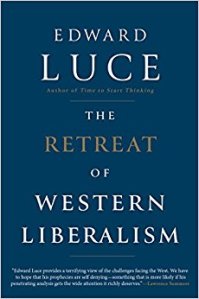
edwardluce

1. The Retreat of Western Liberalism by Edward G. Luce is an excellent take on the current state of liberal democracy in Western countries. Due to growing income inequality, the failure of institutions to handle complex issues involving immigration, health care, infrastructure, etc. causes more and more citizens to doubt the benefits of the current democratic system. Luce pulls no punches and does a good job summarizing the pressing problems that ail the United States and Western Europe.

While not the cause of these problems that have been building up for decades, Donald Trump, Brexit, and the rise of far-right parties throughout Europe are symptoms of a virus that is weakening the fundamentals of liberalism. For every action, there is a reaction and the negligence shown by political and economic elites in the Western world has caused there to be a backlash against our system of governance. Luce believes that there has been a lot of doing away with the principles that made democracy work for the past couple of centuries. In the 21st century, the current political system has not adapted to technological, economic, and social changes that have occurred at a quickening pace. Unless more attention is paid to those men and women not succeeding in today’s globalized economy, there will continue to be political dysfunction within the democratic system.

Unless the Western countries can guarantee that political liberties and freedoms can go hand in hand with an economic system that works for the many and not the few, the status quo will not last. Mr. Luce is not hesitant in using the rise of authoritarianism in countries such as Russia, Turkey, and the Philippines to draw a distinct parallel as to an alternative form of government that is becoming more prominent. The Western system used to be an example of good governance to the rest of the world but is that still the case today?

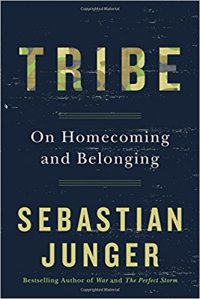
tribe

2. Tribe by Sebastian Junger deals more with modern psychology than modern politics but you can gain a lot of insight into what drives us as human beings from reading this book. Mr. Junger is a war correspondent that has covered the front lines for over a decade in America’s wars in Afghanistan and Iraq. From his experiences, he was able to form the hypothesis that there are certain living conditions that bring out the best of us. When a person is surrounded by the members of the same ‘tribe’, usually about 20-30 people, who he or she has something in common with and for whom survival is not guaranteed but fought for every day, that goes back to our early days on the planet as hunter-gatherers.

Mr. Junger makes excellent points throughout the book that we started out thousands of years ago as a communal society moving from place to place and relying on each other to survive against the elements and against other creatures. He argues consistently that we may do best when we work with each other instead of against each other for a common goal or purpose. The alienation, individualism, and me-first culture in modern Western societies is out of line with our evolutionary history and may be the cause of the mental illnesses and anxieties that have been shown to be on the rise. Combat veterans who come home from war often miss the bonds of brotherhood that were formed from fighting for the guy or girl on the left or the right of you. They often miss the bonds created during battle that are impossible to recreate after re-entry into modern society.

The author uses an example from early American history when some English settlers would leave the colonial towns to join the Indian society, which was exactly like the tribal lifestyle, and the reverse would never be the same. There were no Indians who would leave their tribe to join the English settlers in their more modern colony set-up. In tribal communities where everybody has a say and where everybody has a role to play, it’s easy to make the argument that there would be less stress, less anxiety, and more purpose for those apart of it. Mr. Junger also brings up the example of Great Britain’s citizens during World War II and how only adversity would bring that modern society together.

A lot of Britons felt more patriotic and more cooperative each other during the war than compared to before and after the war. Adversity, struggle, and the fight for survival can be more meaningful to people than the safe and sanitized existences that make up the modern West. The time spent living through natural disasters like earthquakes or hurricanes can stir up people’s memories more than the average vacation or wedding. Tribe is an excellent, must-read book that pulls different elements of history, anthropology, and sociology to make a compelling argument that the average person should think deeply about.

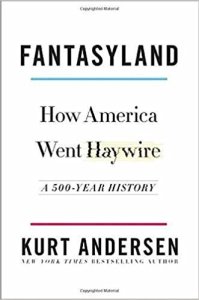
fantasyland

3. Fantasyland: How America Went Haywire – A 500-Year History by Kurt Andersen is not your average American history book. Mr. Andersen spends about 500 pages summing up 500 years of American history through the lens of what’s fantasy and what’s real. Fantastical thinking, Andersen argues, has been apart of American culture since the first pilgrims arrived on Plymouth Rock in Massachusetts. In order to understand what’s going on in the America of 2017, he does a good job of bringing out examples from past centuries to explain how we got to this unique point in our history.

The ‘fake news’, ‘alternative facts’, and other fantastical phrases that have become part of the national dialect are not outlandish in the sense that they have always been apart of the national character. Citing examples such as the extremes of Puritan beliefs, the Salem witch trials, P.T. Barnum and show business, the anything-goes ‘cultural revolution’ of the 1960’s, the spread of Hollywood and celebrity culture, etc., each century in America has brought about new fantasies to become part of the national fabric.

The individualistic nature of American culture has led to dreamers, believers, and magical thinkers being indulged rather than the other way around as done in other countries. The idea that you can be whom you want and believe what you want in America has become a national rallying cry, especially in recent decades. Our belief in the stuff of fantasy (ghosts, extraterrestrials, is the Earth flat?) has made America an international outlier among the industrialized nations.

Mr. Andersen argues that with the rise of Donald Trump and the excessive polarization along cultural and political fault lines that we may have hit a point of no return. The lines of fantasy and reality are becoming increasingly blurred whereas in our past, fantasy and reality were competing ideas in American society but never overtook each other to reign supreme. An amazing and timely non-fiction book that is an easy page-turner, Fantasyland is a must-read in 2017 and will help you understand how we Americans ended up here over the span of centuries.

The Blog Turns Two

Today, September 16th marks the 2nd anniversary of www.benjweinberg.com, my personal blog and website which I have been proud to create and build up over the past two years. I have to say that it’s been the most successful year yet in terms of both overall viewership and unique visitors. I am proud to note that I have reached thousands of people from around the world each month, and have published over one hundred and fifty and photo-blog posts total over the past two years.

In the last year, I’ve documented my travels throughout Colombia and have really made the ‘English Corner’ series a cornerstone of this blog. In addition, I have reviewed many films and analyzed them such as ‘Collateral’, ‘Traffic’, and ‘Lord of War.’ I continue to write about psychological themes that are highlighted in articles such as ‘How You Think Affects Everything You Get’ and ‘Reaching the Gold Standard.’

In this 2nd year of blogging, I have done my best to improve my writing and editing skills in order to create useful content for my site visitors. In the third year of my website, I hope to write longer-form posts at 2,000 or 3,000 words total in order to dive deeper into topics of my choosing. I continue to devote a lot of time and effort into this blog and I am very thankful to all of the readers, friends, and family who have supported it by reading my articles, leaving comments, and giving me constructive feedback.

I’ve recently moved to Boston, Massachusetts so I do hope to focus on some cultural aspects of living in this historical New England city and to highlight some of the destinations that are popular here. I will continue to write about ESL topics in my ‘English Corner’ posts but also focus more on personal and professional development ideas that I think will help my readers to succeed and advance themselves in different parts of life.

As this blog enters year three, I will continue to produce consistent content on a weekly basis, and to also update the layout and design of the website to be more viewer friendly. If you’re new to this blog and don’t know much about me or my writings, I have an archives section which has the location of all one-hundred and fifty of my posts which have occurred in the past two years. I also have a ‘Best Of’ Articles page where I highlight the ten-blog posts that I like the most when it comes to culture, lifestyle, traveling, music/movies/books, and personal development. You can find the individual links to these ten top posts here: https://benjweinberg.com/best-of-articles/.

Lastly, the biggest changes that I’ve made to my website are to incorporate the ability of ESL students to sign-up and take private English lessons with me if they are interested in doing so. If you go to the ‘Learn English With Me’ page, you can find out more about which kinds of private lessons I’m offering as well as my pricing per lesson. There’s a sign-up interest form at the bottom of this webpage, and you can also check out my ESL teaching background and experience here: https://benjweinberg.com/learn-english-with-me/.

I also have advertised my freelancing services in writing and editing. I have done freelance writing and editing jobs for clients over the past couple of years and am looking to expand my clientele. If you would like to find out more information about my pricing, experience, and see my portfolio, you can check it out at this webpage: https://benjweinberg.com/freelance-services/. There is a sign-up interest form at the bottom of that webpage too so you can get in touch with me through an e-mail message.

In this third year, I hope that my website will continue to grow in terms of audience and produce better and more useful content. I want to say thank you to all the readers and supporters of benjweinberg.com. I look forward to keeping in touch with you throughout the rest of the year and into 2018. As always, you are free to comment on any and all of my articles, give me helpful feedback through a direct message, or to show interest in my freelance and teaching services by completing a sign-up form. Thank you again for your readership and I think that this 3rd year of benjweinberg.com will be the best one yet. Cheers!