English Corner – Colons

The colon is very useful in the English language, but it is also considered to be a bit underused as a means of punctuation within the world of grammar. You have to understand the circumstances for which a ‘colon’ can be used as well as a few examples of when it can show up in a regular sentence. If you can master colons, you can definitely count yourself as being advanced as an English learner. It will take time, but I hope that this tip will help you get a little bit better in making the colon work to your advantage as a writer.

What is a colon? Well, a colon indicates the meaning of what you want to say as well as to list what is necessary for the reader or the listener to understand. Colons and semicolons are very different in terms of meaning and use. They should never be used in the same sentence and are very rarely used together.

There are a number of uses for colons, but the three top ones would be the following:

Use #1: To introduce two or more items and to list them together separated by a comma(s).

Examples:

  1. You should do the following tonight: Practice your instrument, study for the test, and help clean the dishes.
  2. He got what he wanted today: A big promotion and an increase in his salary.
  3. Remember what we talked about: work hard, tell the truth, and always give it your best effort.

Use #2: To start a letter or an e-mail to somebody.

  1. Dear Mrs. Jones:
  2. To Whom It May Concern:
  3. To My Beloved ________:

Use #3: To introduce a quote or a short summary of a few sentences:

  1. John F. Kennedy once spoke: “Ask not what your country can do for you, ask what you can do for your country.”
  2. The author of Huckleberry Finn, Mark Twain, wrote in the second chapter:

“Tom Sawyer went back to his bed and stared at the fence where Jim was painting for Tom’s father. Tom wondered whether his father and Jim were friends or even if they spoke to each other.” (Not a real quote from the book, just an example)

  1. The Presidential candidate was quoted as saying: “I agree that we must move forward on fighting climate change in order to create a better future for our people.”

As you can see now, there are three main uses for colons as well as some rules that have to be observed. Let us now look at some of the important rules for using colons and how to make sure that we abide by them.

Rules of Colon Usage

  1. Colons are used in the middle of most sentences and are usually followed by a list of items or words belonging to the same or similar categories.
  2. Colons can also be used between two sentences especially if the second sentence relates to the meaning of the first sentence.
  3. A colon should always be used to introduce a numbered or a bulleted list, such as for grocery items or different types of grammar concepts.
  4. As mentioned earlier, colons can be used to introduce a quote from a speaker who was reported to have said the following words and sentences. This kind of long quotation does not need quotation marks if you have already introduced who the speaker is and what they are talking about followed by the comma (:).
  5. Colons can also be used at the beginning of a letter or an e-mail in both formal and informal settings for co-workers, bosses, friends, and family members. From seeing the examples above, you can note that instead of a comma (,), a colon (:) is being used instead to introduce the salutation or the greeting for the reader of the letter or e-mail.

These are the main rules for how to use colons and it’s important to keep in mind that a colon can:

  1. Never start a formal sentence.
  2. Never end a formal sentence.
  3. It is rare to have more than one colon used in a single sentence.
  4. Colons can be used between two sentences provided there is no period (.) separating them.
  5. While not very prominently used like a comma or a period, this form of punctuation has its uses which you should know how to utilize.

Colons are a tricky subject but once you understand both the main uses and the main rules, you will be well on your way to creating better sentences and more detailed quotes from the use of this punctuation. Similar to semicolons, colons are an advanced topic that separate an advanced English grammar learner from an intermediate learner. Once you can list items, introduce quotes, and start an e-mail off right, you will know that you are using colons correctly and for the right reasons.

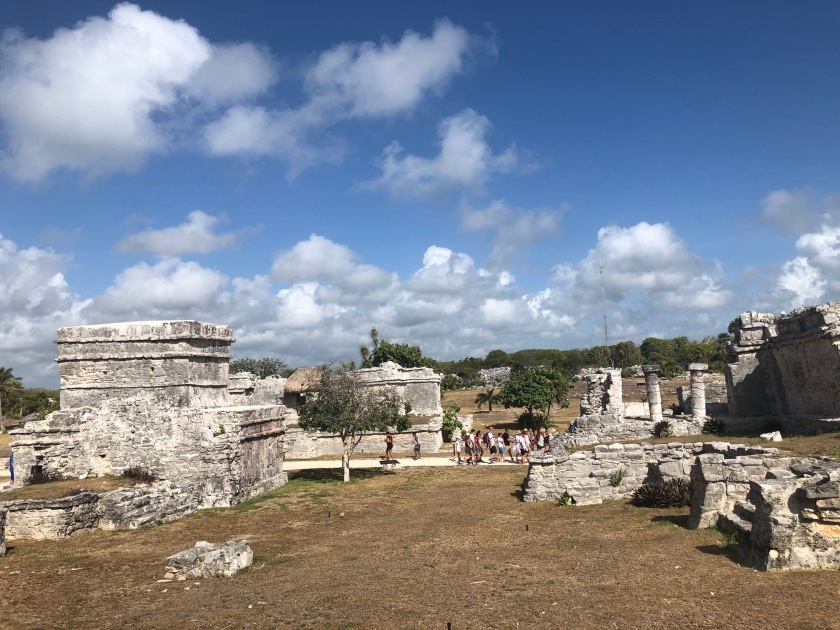
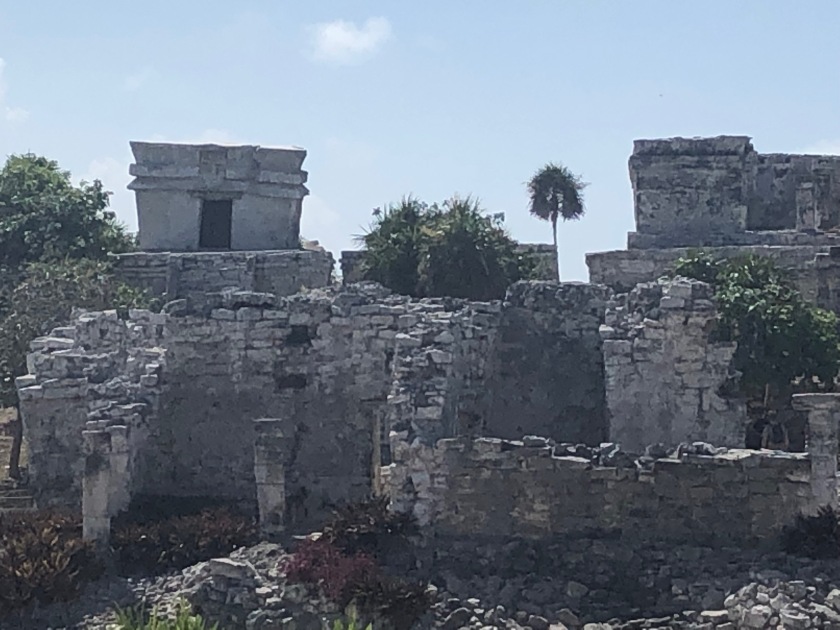
Tulum

IMG_3204IMG_3201IMG_3208IMG_3215IMG_3216IMG_3218IMG_3220IMG_3221IMG_3225IMG_3229IMG_3240IMG_3251IMG_3254IMG_3255IMG_3261

Camera: iPhone 8

Location: Tulum, Quintana Roo, Mexico

What are we left with? (Our Memories)

I was asked a question recently that was very deep and thought-provoking. A friend asked me if I had to choose between an old age spent losing my physical abilities but keeping my mental faculties or an old age spent losing my mental faculties and keeping my physical abilities, which one would I choose? The question gave me pause because I normally do not focus a lot on my impending aging but it’s natural to think of what life will be like once you are an elderly person. My friend did not hesitate to say that he would choose having his physical abilities intact since he is a very active person and enjoys running, hiking, and exercising at the gym.

He thought that I would agree with him and I do like to keep active as well physically but I also thought of what would happen to my mind if I could no longer process and retain information about books I love, music I enjoy, and movies where I can recite a lot of lines of dialogue from. Perhaps most importantly, I thought of all the memories I have made up until this point of both friends and loved ones and how it would be anguishing to me if I succumb to a disease of the mind where I lose sight of who I am or who my family or friends are. I think that really is a fate worse than physical deterioration because I find that our physical abilities and our peak performance do not last and Father Time will have our way with all of us regardless of how much we exercise, take vitamins, and play sports. Eventually, your body will break down especially the older you get and there is only so much you can do to spot that.

However, I tend to believe that exercising our mind and our mental capabilities can be a lot easier and take a lot less work than it takes to maintain our physical body. We live in an age where you can learn anything you want about an unlimited number of subjects. Keeping our minds sharp by studying foreign languages, learning new subjects, reading good books, writing our thoughts down in a journal are all healthy activities to kind the mind sharp. I am not an expert in terms of how to keep our mental capacities up as we go through life but I would imagine that putting your brain to the test especially with puzzles, trivia games, and sudoku especially can help you preserve what is most important to you.

Unfortunately, I have seen firsthand how sad and tragic it is for others to slowly lose their mental capacities and that is what tipped me towards the idea of focusing as much, if not more so, on giving myself the best show to work on my concentration, my memory, and my ability to learn new things. I believe that we all have that same capacity to preserve our mental capacities although it does take consistent work that not only last years but lasts decades as well.

Part of the reason why it is good to be able to exercise your brain as much as possible is because I really believe it makes you a more well-rounded and thoughtful person. Learning new things is something you should never really give up on. Having a college degree or a law degree or a medical degree is not really an excuse to stop learning and stop exercising your mind to the most you can push it.

We do not know what old age will hold, what will it be like, what abilities or faculties we will be left with but what we have control over is today and what we focus on whether that is mental or physical exercise. What I do know is how meaningful it is to remember what has happened over the course of your life and to be aware of those special memories that are yours and yours alone. In the end, what are we left with? We are left with our memories and hopefully it is more of an endless ocean than a single drop of water.

To focus today on making those memories with the people we care about and the things we enjoy doing will make old age that much sweeter. If your body one day gives out but your mind is still sharp, I think that is the better side of the deal. Obviously, it would be great to be fit as a fiddle and sharp as a tack until your last day, but I find that to be wishful thinking. I hope to remember who I am, what I’ve done, who I met, and most importantly who I loved when that time comes to reminisce and there aren’t many more memories to make.

Having memories in your mind that are fresh and seemed like they happened yesterday is the best you should hope for and what you can strive for by working today to strengthen your mental capacities as much as possible.  Your body at 70 is unlikely to be as good as your body at 70 but I’m a believer in the capacity of your mind at 70 to be as sharp as your mind at 20 within reason.

There are definitely outside factors to contend for in terms of your ability to retain your memories such as your genetic predisposition, your family history, and your own mind’s chemistry, but you can control a lot today through your own actions what memories you will be left with 50 years later. It also does not hurt to start writing down in a journal or diary on a daily basis or at least a weekly basis what happened in your life. This is especially the case if you live an exciting or an eventful life.

In addition, having photographs of yourself at different ages and in different places will jumpstart your memories and remind you of where you have been and what you did. Towards the end of your life, think of what you will have left. Yes, you will have your money, your possessions, and hopefully good physical health but I wish you also to remember deeply the memories you have made from different parts of your life and they are as vivid as possible. Your life towards the end of it should be like a cinematic movie of many parts, one as distinct from the other, and I hope you can look upon those memories you have made with great enjoyment and great fondness for what was and what it meant to you.

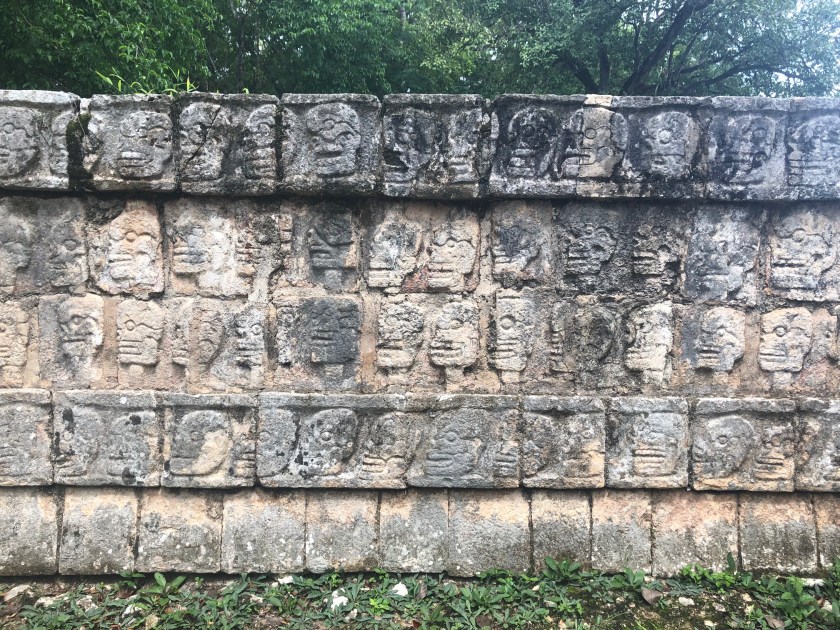
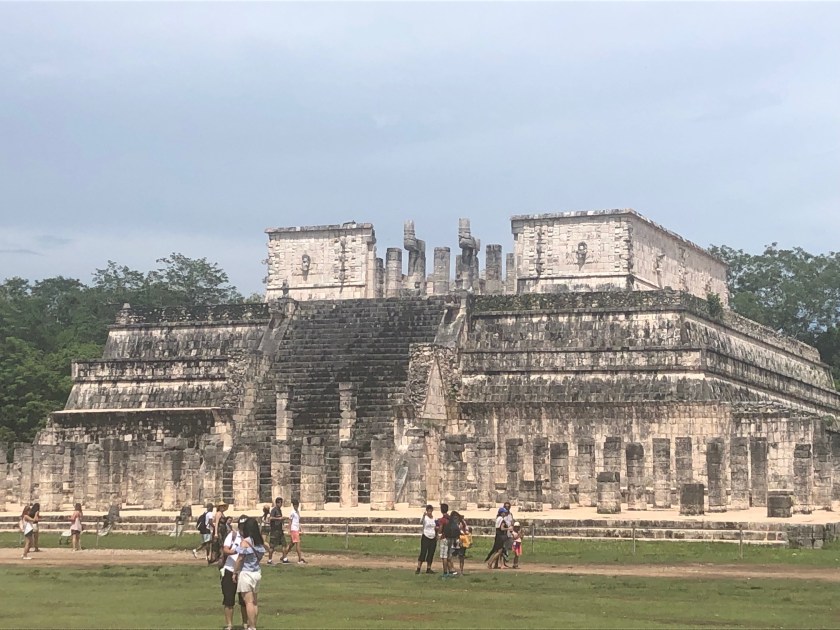
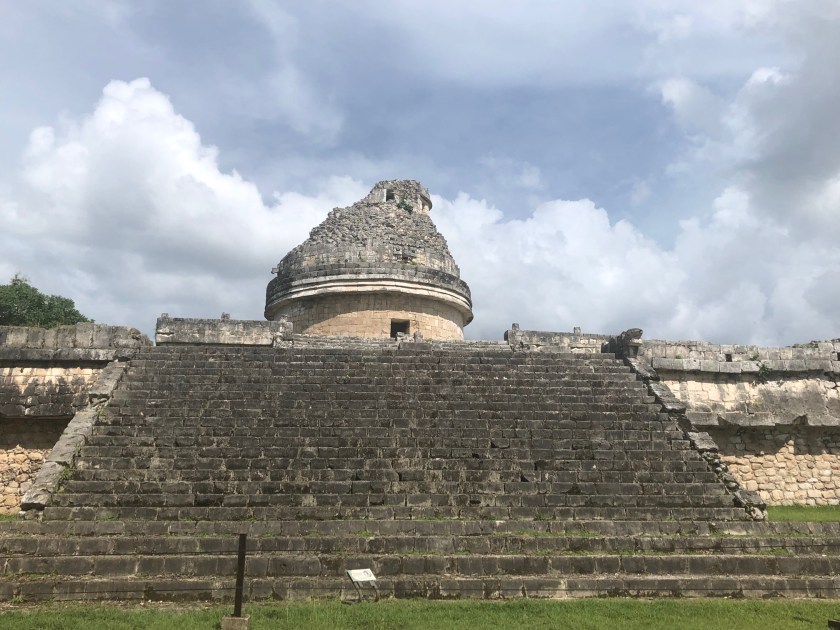
Chichen Itza

IMG_3099IMG_3086IMG_3109IMG_3114IMG_3115IMG_3128IMG_3123IMG_3133IMG_3137IMG_3138IMG_3144IMG_3157IMG_3166IMG_3194IMG_3176

Camera: iPhone 8

Location: Chichén Itzá, Yucatan, Mexico

English Corner – An Introduction to Rhetorical Techniques

Rhetorical techniques are used in English writing to convey a meaning or a sentiment that the reader understands and is able to relate to emotionally or otherwise. A technique like a metaphor or a simile is used to persuade a reader to consider the topic being addressed from a different point of view(s).

There are numerous techniques out there, but I would like to focus on the most important ones that come up the most in English writing. Out of the dozens of rhetorical techniques in the English language, I will highlight the most commonly used and the most popular ones that you should know of as a writer.

The first rhetorical techniques I would like to introduce focus on the type of ideas you use in your writing, the emotions and feelings that you are describing, the characterization of the people you are referencing as well as their credibility, and the strength of your argument. These particular techniques are known as Logos, Pathos, Ethos, and Kairos, which are all likely to come up during your writing exercises. You should keep each of them in mind when you are writing and to know which rhetorical technique is which when you use them in your writing.

  • Logos – Logical and Consistent Ideas
  • Pathos – Emotions and Feelings
  • Ethos – Plausibility and Credibility, characterization of the person(s) involved
  • Kairos – Timeliness and relevance of your argument

Here are some additional and commonly used rhetorical techniques as well as some examples of each of them in action when used in a normal sentence.

  • Metaphor – a figure of speech in which a word or phrase is applied to an object or action that is not literally applicable.

Example: He is suffering from a broken heart.

  • Cliché – Not an original thought, an opinion or a sentence that has been used many times before.

Example: They really lost track of time when they were studying for the test.

  • Pun – A joke that plays on the possible meanings of a word or a fact.

Example: “I asked my French friend if she wanted to play video games. She said Wii.”  (Oui)

  • Euphemism – A polite or indirect word, expression that is a substitute for something more blunt or severe.

Example: My grandfather passed away last year sadly. (died)

  • Alliteration – The occurrence of the same letter and/or sound at the beginning of closely connected words.

Example: Alice’s aunt ate apples and almonds.

  • Simile – A different figure of speech in which two different, unlikely things are compared to one another.

Example: Her smile is like the shining sun.

  • Analogy – Making a similarity between the features of two things or people and which a comparison can be made.

Example: “Just as a sword is the weapon of a warrior, a pen is the weapon of a writer.”

  • Allegory – A story, poem, or picture that can be interpreted to have a hidden meaning.

Example: “When Jack finally finished climbing up the beanstalk even when his Father told him not to, he found an unwelcome surprise at the summit that reminded him of his father’s warning…”

  • Irony – A state of events that seem deliberately contrary to what one expects and is often amusing or bewildering as a result.

Example: Even though John had overslept for the exam and ran all the way to the school to take the exam, his teacher belatedly told him that it was tomorrow, and that today was Sunday.

  • Sarcasm – The use of irony to mock someone or show contempt.

Example: “Tina asked her mother how much her purse had cost her when she bought it. Her mother responded playfully that it was about $20,000 and she had to use Tina’s college savings fund to help pay for it. Tina was upset about her mother’s joke and that she wasn’t being serious with her.”

Here are some of the last major rhetorical techniques to consider during your English grammar studies for writing purposes:

  • Synonyms – Similar in meaning and context with Vocabulary words.
  • Antonyms – Opposite in meaning and Context with Vocabulary words.

Strong – Weak (Antonym)                         Intelligent – Smart (Synonym)

Big – Small (Antonym)                              Caring – Kind (Synonym)

Tall – Short (Antonym)                              Sad – Unhappy (Synonym)

Fat – Thin (Antonym)                                Funny – Humorous (Synonym)

Remember to keep your sentences short and concise as a beginner. As you improve and use correct punctuation, your sentences can become longer and more detailed. Please be sure to focus on the rhetorical techniques that are used the most. There are more than a dozen techniques that you should now be familiar with so try to memorize how, when, and where you use each of them.

Don’t try to memorize all of them but try to become more and more knowledgeable of a few that you recognize that keep coming up again and again. Lastly, do not forget TOP or “Techniques, Order, and Punctuation”, which are the three main concepts that form the basis for correct English writing structure.

Why Is Having Willpower Important ?

Willpower is a key trait that has an immense effect on our daily lives. Without its presence, we are often at the whim of short-term pleasure, gratification, and sustenance. However, while it is not a trait that is equally shared among each of us, it can be built up over time by achieving bigger and bigger goals. The key thing with having willpower is that you have to start small and work upwards to really make a big impact in your life. Depending upon what goal or result you are trying to achieve, you have to set your willpower to be in line with that timeline to achieve it.

For example, if I want to become a consistent runner to become healthier, should I start out one day with a five-mile run of less than an hour? No, because it’s not necessary and you’ll often suffer for setting your sights too high. If you’re just starting out with it, it’s best to build up your willpower over time by building up your capacity and your progress. Having long-term willpower takes short-term success and this example is no different really from others.

If I am just starting out with running, I don’t go for five miles at first and almost an hour of running. You want to start small and build up to your final goal of five miles. It may take you a month or two to reach it, but you will be satisfied knowing that you got out of the house and achieved something. Perhaps in the first week, you ran once for ten minutes and it was a little over a mile within your neighborhood. That is something to be proud of! You need that initial spark to keep the flame within you rising over time.

Building up your willpower requires incremental change that is often measured and compared with your results getting better and better over time. After that first week, maybe you run twice the second week and run each time for 15 minutes for 1 ½ miles. Then, by the third and fourth week, you build up to three times a week for about 20 minutes. By the end of the first month, you should get to about the halfway point or more by running a couple of times per week for about a half an hour.

Sometimes, your goals such as running five miles may take a month, three months, or even a year. Everybody is different but having a basic sense of willpower will help launch your goals forward and keep you on a path where you are changing yourself a bit at a time. Thinking yourself as a failure for not reaching your given goal after a few weeks, a month, or even a couple of months is immensely counterproductive. Each week, you want to be making strides to build up your willpower as a muscle that is constantly flexed out to become stronger over time.

Consistency is key for becoming better with willpower and it also comes with exercising restraint. You have to be aware also of the consequences of your actions ahead of time. Eating chocolate ice cream before bed might feel really good in the short-term but you might not be able to fall asleep that easily and wake up the next day feeling hydrated and groggy. You know it feels really good to take out your phone when you’re out with friends to get a small dopamine hit of attention but you know you might be disappointing the people you’re out with and consciously decide to keep that phone in your pocket or purse.

Having good willpower, in my opinion, takes both consistency and awareness. You have to be consistent in building it up over time like you would with your muscles by working out at the gym. The second part is a lot more difficult in that you have to be aware of the consequences of your actions when you fail to exercise your willpower as you would normally. You also should not be too hard on yourself when building up your willpower. There will be times when you fail, when you get discouraged, when you feel like giving up but don’t.

Give yourself time to decompress, to relax, and to think about how you can improve with it. On those days you fail, think consciously about why it is you failed and how you can succeed in the future. You don’t have to be striving to be better 100% of the time with your will but if you can put in more than average effort over time, then you will definitely see positive results. When you commit yourself to a goal, stay at it and realize that consistent action and knowledge of the consequences of doing nothing will help see you forward.

Perhaps most importantly, find those family members and friends willing to support you with whatever you’re going to do. If you have a positive goal for yourself and you want their support, they should definitely be behind you and giving you words of encouragement. If they want to track your progress with you, then they should be able to do so to hold you accountable. Without pressuring you too much or faulting you for coming up short, please make sure that they are behind you for the right reasons. If you want to better yourself in some way and reach your goals by improving your willpower, they should want that for you and not judge you for making that your personal prerogative.

Willpower is important for a number of reasons but the main one is because it is the key to unlocking your full potential. It all starts with your mind and your decision to change something about yourself. Exercising your willpower is definitely like exercising your muscles. You have to do it consistently and with good effort to start achieving noticeable results. You have to be aware of what your final goal is and to strive towards reaching it. Even if you fall short, you can take pride in knowing that you are now better off than you were a few weeks ago, a few months ago, or even a few years ago. You can see that your willpower is improving when you start to see incremental progress in where you are at as opposed to where you were when you started. Each conscious effort we do each day takes some amount of willpower and that is why it is so important to improve upon.

Whether it is going to the gym, having a healthier diet, learning a new language, taking better care of your home or apartment, willpower is a key part of achieving any of these measurable goals. Without exercising your willpower, you will not go anywhere with these practical goals. You have to be willing to sacrifice some short-term pleasures to achieve these long-term results. You may have to cut a few people out of your life as well if they are not supportive of your goals or actively preventing you from reaching them. You also may find that your own identity will change because of your newfound habits but that I believe is a good thing as we cannot stay stagnant throughout our lives and must always be moving forward.

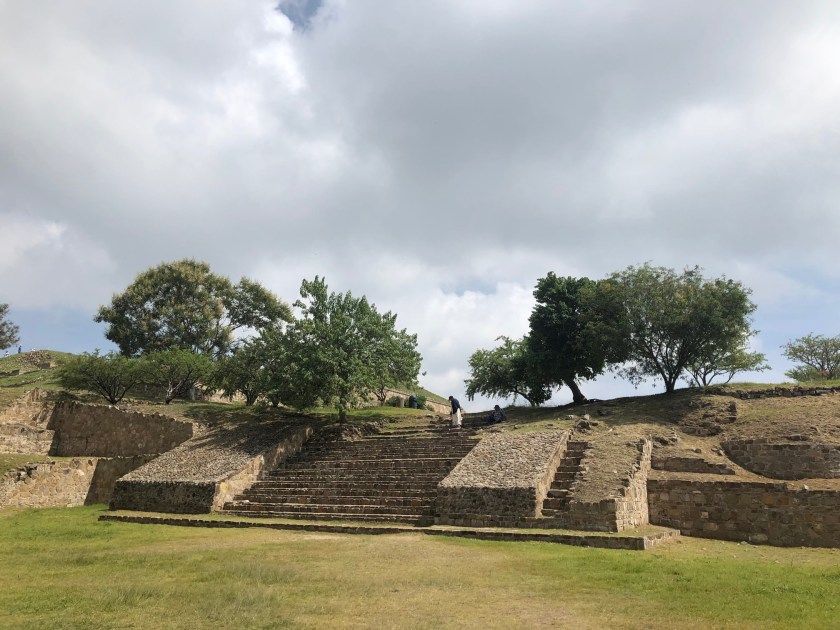
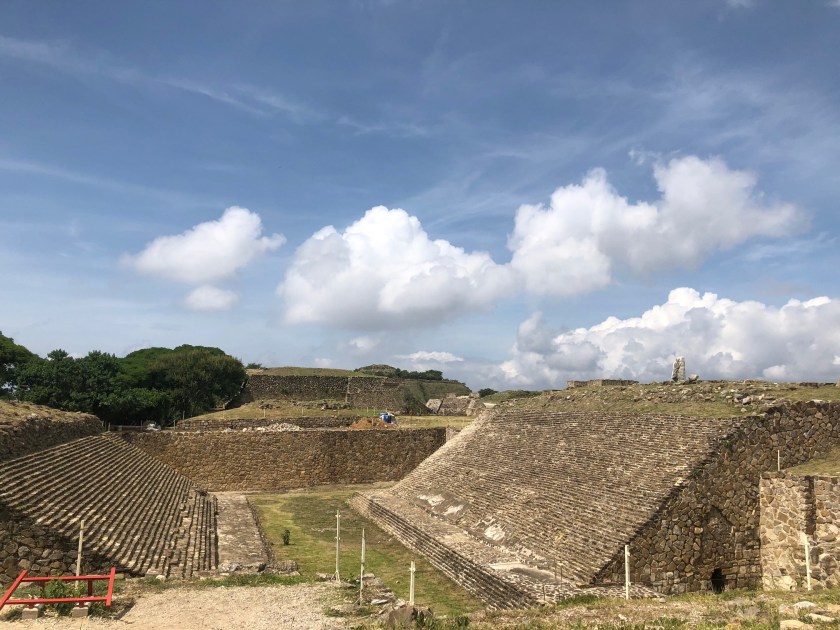
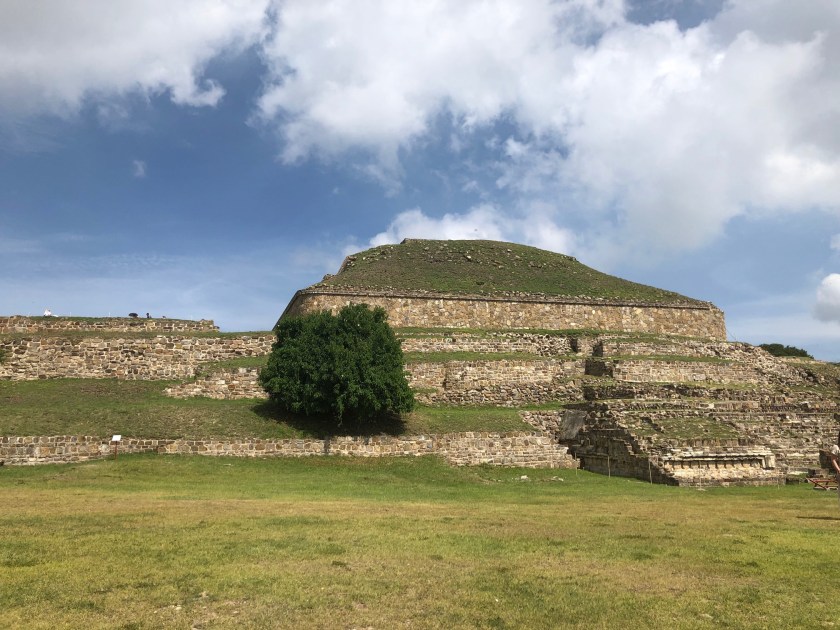
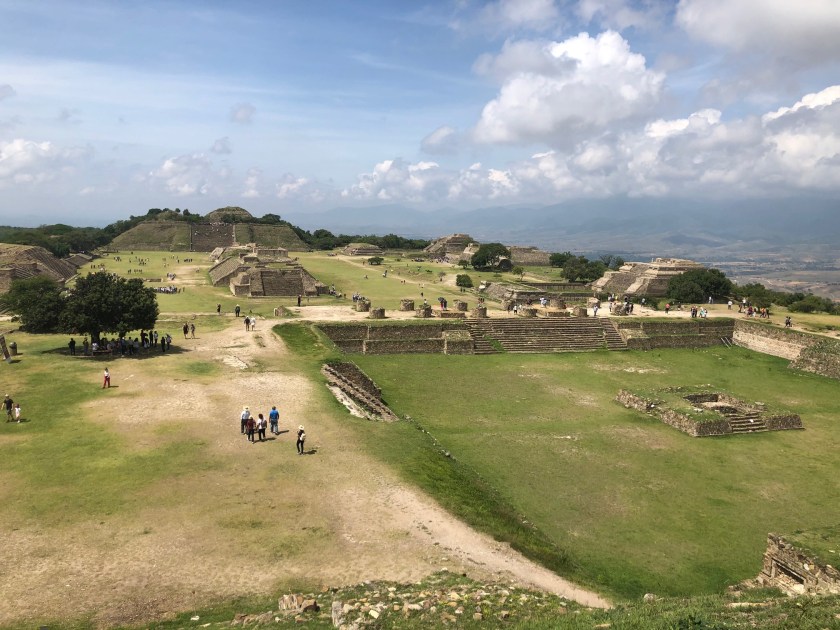
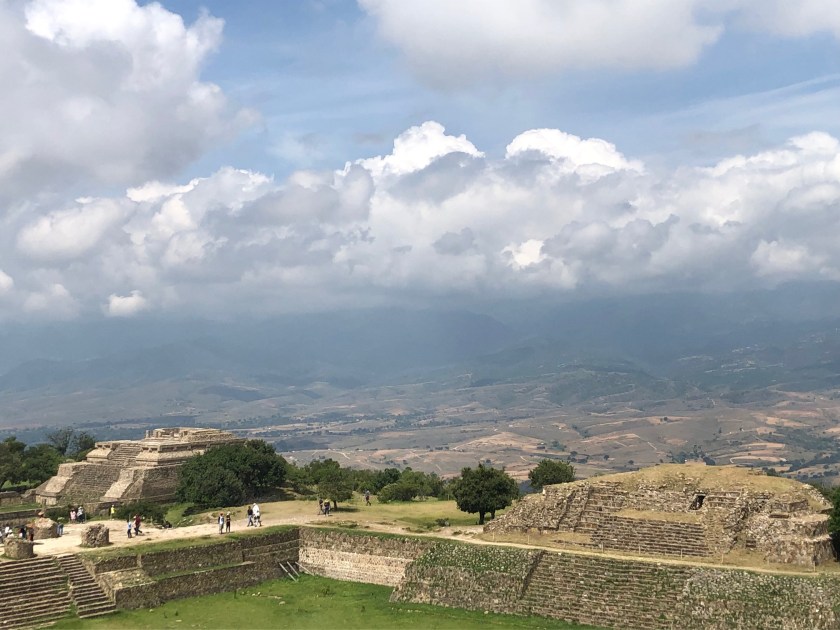
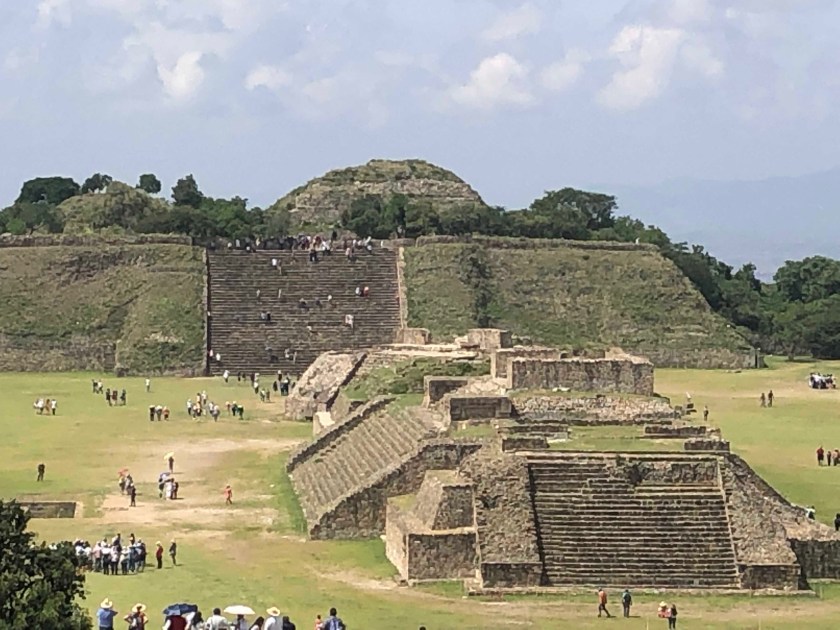
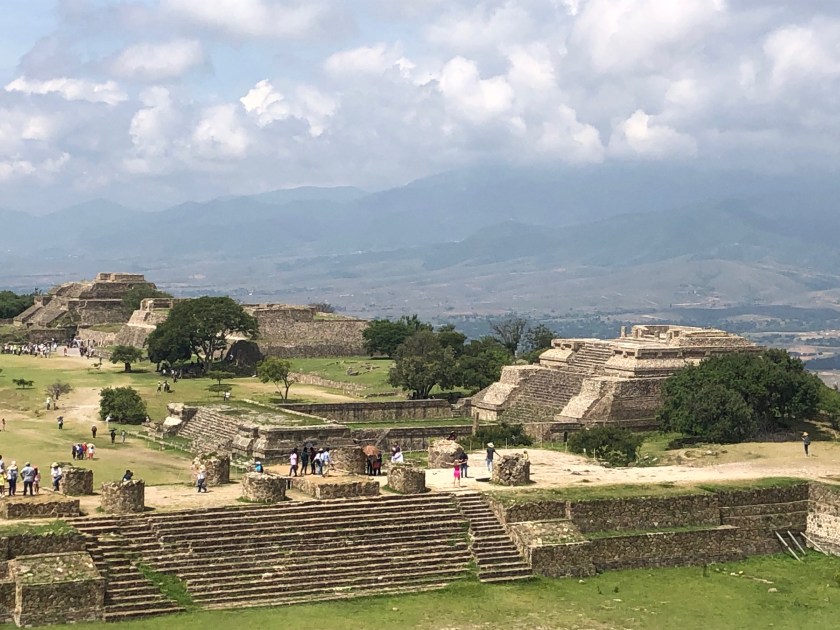
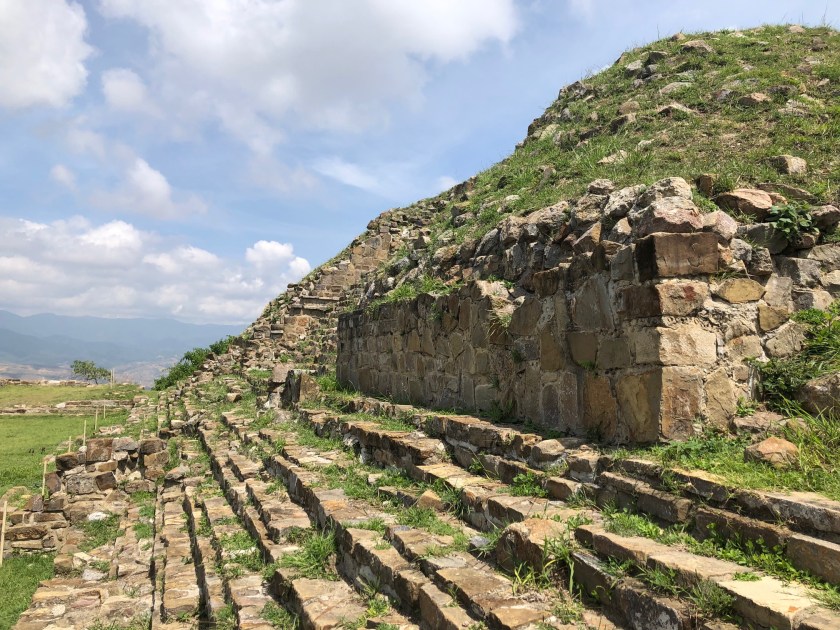
Monte Albán

IMG_2673IMG_2676IMG_2682IMG_2684IMG_2686IMG_2691IMG_2697IMG_2699IMG_2706IMG_2707IMG_2712IMG_2719IMG_2718IMG_2735IMG_2766IMG_2778IMG_2782

Camera: iPhone 8

Location: Monte Alban Archaeological Site, Oaxaca, Mexico

Life’s Fleeting Moments

Why is that sunrises and sunsets are often so captivating and moving? Perhaps it’s the uniqueness of the colors blending and merging together to form a painting-like setting that can’t be reproduced elsewhere. Maybe it’s the sense of satisfaction that comes from seeing a new day born or see the old day fade to its end. However, I tend to think the beauty of these happenings lies in another part of its overall appeal.

While some aspects of sunrises and sunsets bring a lot of beauty and perspective to life, I think the main reason why sunrises, sunsets, and even the random rainbow appeal to the human psyche is because these events represent fleeting moments that last for only a few seconds or minutes. They are impermanent, awe-inspiring, and hard to experience often. Sunrises and sunsets are ephemeral events that can be easy to miss and require one’s full attention to really appreciate them.

These sunrise and sunset events are what I like to call ‘fleeting moments’ and they are truly special. I say this because they do not last, and they require you to really pay attention and let your distractions float away. You have to be in the moment and that is increasingly difficult for most people to do nowadays. We are constantly bombarded by sensory overload that is often man-made and unnatural. Advertisements, loud noises, screeching vehicles, bumps in the roads we drive, these can cause us to lose sight of what’s truly important in life. Taking measure every now and then of why these fleeting moments are important to experience not only reminds us of the beauty of life but also how impermanent our time here really is. When you compare the fleeting moments of life to the routine moments in life, it really is no contest to as to which kind of moment is the preferred option to experience in full.

Categorically, the rewards of these fleeting moments are among the best in life because we all know that they are not common. Among the daily monotony and chores that encompass our routines, taking a few moments to appreciate being alive and being at peace are really what we all should be striving for even if these moments are fleeting. The fleeting moments are hard to capture but when you do, they bring the most joy and happiness that you can possibly have. As I mentioned in a previous article, there is a rule of diminishing marginal returns that we should be aware of and that’s why the more common we experience certain things in life, the less we really value them.

It’s quite a paradox when you think about it. The most enjoyable moments in life are the ones that we cannot plan for or anticipate, but that is part of the beauty of life and of living. Going back to my sunrise and sunset example, if they happened every hour instead of every day, that would be boring, right? You would probably start yawning after the fourth sunrise and the third sunset. Fleeting moments are special inherently because they are temporary, and you may not be able to enjoy them forever. Fleeting moments can also be part of your daily routine but ones that can only last a few seconds or a few minutes.

For some of us, it could be the first sip of a fresh cup of coffee at the beginning of the day or for others, it could be a hot shower after a long day of hiking. We know that the 2nd or 3rd cup of coffee like the 2nd or 3rd shower would not be as pleasurable or as enjoyable because then it becomes routine and our mind adjusts to it happening. However, the fleeting moment when your lips touch the coffee or when your face is enveloped with shower water, then it’s almost pure ecstasy for your body and mind. While these moments are definitely fleeting, they are the most enjoyable. Keeping them as part of your routine is important so that you will feel better both mentally and physically.

What we should all keep in mind is how to maximize the most enjoyment from these temporary moments because we know they don’t come around every minute or every hour of each day. My thinking on this is to really put all distractions away for those moments so you can be living fully and freely. When you are having a nice dinner with friends, make a habit to engage yourself in the conversation rather than daydream about what you’re doing afterwards. When you are watching the sun rise or set, put the phone away and just watch the colors merge together to form the painting-like canvas. Let your stress and worries melt away as much as possible to really enjoy these moments. There are so many distractions out there, but your sense of contentedness will be much higher if you are able to have the willpower yourself to be in the here and now wherever that may lead you.

Laughter among friends, patting a baby’s back, a spontaneous rainbow, a beautiful vista after a long climb, holding the hands of a beloved family member, these are the moments you want to remember throughout life. They are fleeting in length and a small amount of sand in the hourglass known as one’s lifespan, but they are precious and powerful. If you can take the time to work, to play, to sleep, to eat, then you can take the time to live in the moment and appreciate beauty and joy when it comes your way.

Being able to live fully by being in the moment will set you on a path of fewer regrets the further you go through life. Letting yourself experience moments of happiness and joy without distraction or worries will improve your well-being. It is a conscious effort to stay in the moment, but the rewards are well worth it. If you have to meditate, exercise, or even do yoga to help yourself stay present, then do so but don’t let life’s fleeting moments pass you by.

Book Recommendations – Volume X

The Summer reading session is well upon us and there is no better time to dive into another edition of my book recommendations. Whether you are at the beach, at the pool, or lounging on a rooftop deck, you can take some leisure time to read a great fictional or non-fictional offering to indulge your mind or open your imagination. The three books I cover are all non-fiction, which is the category that my favorite books often fall under. I do hope to dive into some fiction books sometime soon, but I’ll save that for other post.

The three books I recommend vary from personal finance to progressive politics to self-help psychology, but they all are educational and thought-provoking in their own way. These books aren’t mindless reads, so you’ll have to pay attention and even re-read certain chapters twice or more to really get the gist of what the author is getting at. However, each of these three books have staying power and they would make an excellent addition to anybody’s personal book collection since the different lessons that these books impart are timeliness in nature. Without further ado, let’s discuss which books I enjoyed in this latest volume of recommendations.

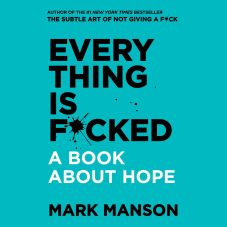
1.) “Everything Is F*cked: A Book About Hope” by Mark Manson
everything-is-f-cked
Following up on the tremendous attention and success gained from his previous New York Times best-selling book, The Subtle Art of Not Giving a F*ck, which dealt with unconventional yet powerful self-help advice, Mark Manson is back with an excellent follow-up book in tackling how to apply similar lessons to humanity as a whole. Whether its today’s turbulent geopolitics, the growing climate crisis, or the negative effects of social media, everything can seem to be f*cked nowadays and hopelessness as a condition of these events seems to be gaining steam.

Manson uses the teachings of Nietzsche, Kant, and other prominent philosophers to denote why humanity is facing these systemic problems and how they came to be based on our collective psychology as a species. He argues that having hope in of itself is a paradox and that it’s best to deal with life’s uncertainties and foibles as they come. Wishing for a better, happier, wealthier, and safer future is unproductive if you do not take actions in the present to create that more hopeful reality. Manson breaks down complex topics such as politics, religion, and even the future of artificial intelligence into digestible concepts on how humanity has gotten to be where it is currently.

One of the aspects I like most about Mark’s writings is that he doesn’t sugarcoat anything, and he allows you to draw your own conclusions based on the evidence he presents and the stories he tells. My favorite parts of Everything is F*cked focus on why treating people as means to an end is a selfish endeavor and how our feeling brain has a lot more influence on our thinking brain than we have been told. Also, in accepting what is ‘The Uncomfortable Truth’, as Mark cites in one of the first chapters is part of recognizing our innate humanity and what drives us collectively. This truth, while uncomfortable to all, is the main reason why we strive to do what we do in life, for better or for worse, and how we tend to live our lives denying that truth when it is staring us right in the face.

Instead of looking to politics or religion to give us hope, which tends to have its own set of consequences, it should rather be our own individual actions of being kinder, gentler, and more respectful of others that carry the day. We should not wait around for other people to change for you or be better to you. This book, like Mark’s first, is well worth a second and third reading to grasp all the lessons he lays out for the reader. Posing deep existential questions and acknowledging hard truths rarely covered elsewhere in the self-help genre, Manson stands out as one of my generation’s best authors and a good example of how to live a better life, not just for ourselves but for others as well.

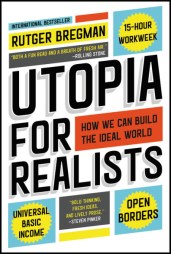
2.) “Utopia for Realists: How We Can Build the Ideal World” by Rutger Bregman
9780316471916
I really liked this book by Mr. Bregman for several reasons. Whereas most books today examine problems and investigate how they came to be, Bregman describes the possible solutions there can be to these problems and how life in the 21st century should be different from the past. Given the rise of automation, how interconnected we have become globally, and increasing efficiencies in the workplace, Bregman dares to ask how we can make life better for vast majority of people in our societies based on these factors.

Rutger Bregman does an extensive amount of research for this book and draws upon years and decades of datasets and public policy to make his three main ideas not only relevant but persuasive to his overall argument. Bregman’s ideas are not new and have been discussed before but in ‘Utopia for Realists’, he really examines each of his proposals individually from a public policy perspective and how the time is ripe to make them become a reality. Today, it seems like we have lost to the drive to implement big changes to both our economy and our society. Bregman asks his readers to think of the plausibility of the 15-hour work week, a Universal Basic Income for all, and an ‘open borders’ policy that would benefits people’s lives in numerous ways as he lays out diligently in each chapter of the book.

While some may not agree with these proposals politically, Bregman backs up his arguments with facts and evidence, as a good social scientist would. One of the things I did not know before reading his book was how close President Richard Nixon and the U.S. Congress came to passing a universal basic income in legislative form back in the early 1970’s. Giving people the chance to have basic economic security, the ability to live across borders without bureaucratic roadblocks, and having more free time for family life or to better themselves through personal hobbies, interests, or side businesses are related to his three main proposals. These societal changes, he says, would lead to greater fulfillment and happiness and benefit our collective mental health.

While his ideas may be unrealistic today, the way in which the job market is shifting and has become more efficient in terms of productivity over the past few decades, how automation and advanced Robotics may affect millions of jobs being lost, and how the demographic crunch in the Western world may lead to more liberal immigration policies to spur economic growth, the main proposals that Bregman focuses on could become a reality sooner rather than later. It’s not a question of if these utopian ideas could ever happen, it’s more about when they will happen and how they can be implemented successfully around the world.

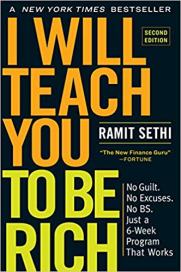
3.) “I Will Teach You to Be Rich” (2nd Edition) by Ramit Sethi
I-Will-Teach-You-To-Be-Rich
I will be the first to say that I have shied away from reading books on personal finance given that the advice given and the person giving it may not be reliable or trustworthy. However, based on the recommendations of other authors I like and how sensible his recommendations are from watching his videos, Ramit Sethi has delivered and recently updated one of the best personal finance books out there. For someone who is just getting started in thinking about optimal strategies for long-term savings and investments, Mr. Sethi breaks it all down from negotiating lower interest rates on your credit cards to how to find the best investment vehicles to deliver you a secure retirement.

If you are new to personal finance, this book is really meant for you. You don’t have to be an expert in 401ks, Roth IRAs, or index funds to make full use of this book. Ramit is not only an author but also provides an additional website, which offers a free blog, multiple courses to improve your finances, and career opportunities. His common-sense finance solutions garner millions of views per month and very positive media coverage. Ramit’s book does not make his readership feel guilty if they have made financial mistakes in the past. Instead, he offers tips and advice as well as personal stories from people he’s helped to get them out of trouble whether its credit card debt, student loan debt, etc. He wants his readers to figure out what exactly a ‘rich’ life is for them and what steps they can take to make it happen.

You are left reading this book feeling uplifted and ready to use his advice to improve your financial situation. You are also left wondering why Ramit’s book isn’t mandatory reading for high school students, given that we tend to neglect this kind of basic financial education for young people in the United States. Whether you are 18 or 28, it’s never too early to start thinking about your long-term finances. With Ramit’s well-written, digestible, and even humorous personal finance book, you are in good hands. He gives you actionable advice on how to greatly improve your finance in weeks instead of years and discusses in detail how many hours it will take you in setting up your savings, investments, and credit card debt payment options with as little of a hassle as possible. While Ramit can give you all the advice in the world, he leaves it up to you, the reader, to take actions yourself to improve your financial situation. Now that you have the knowledge based off his book, you’ll be ready to create a financially secure future for yourself and perhaps your family too.


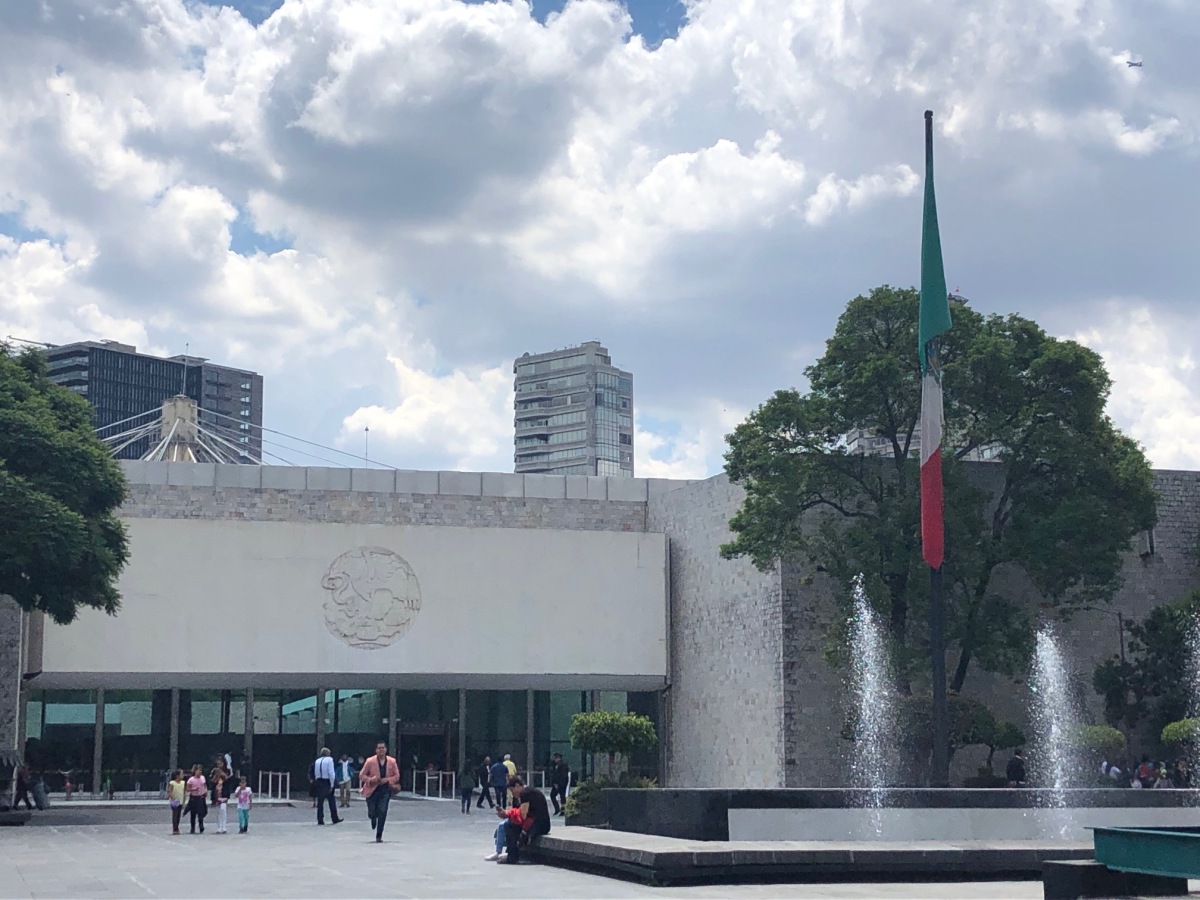
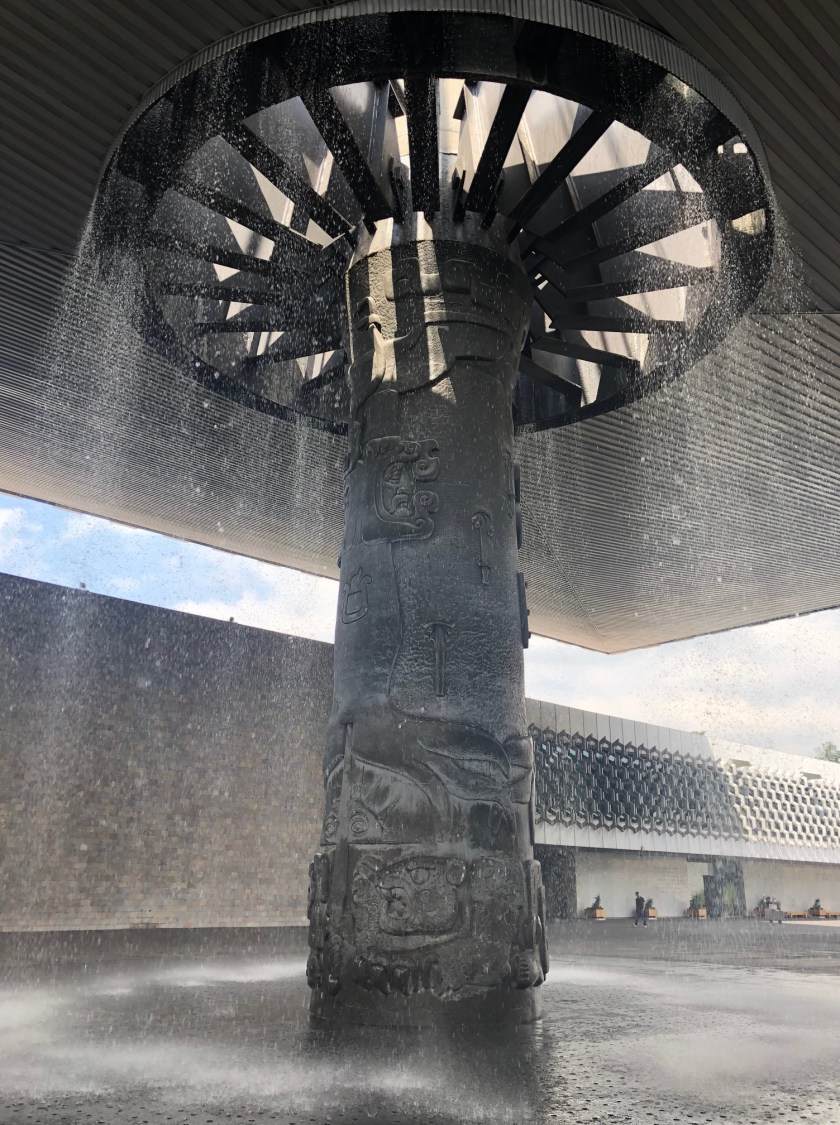
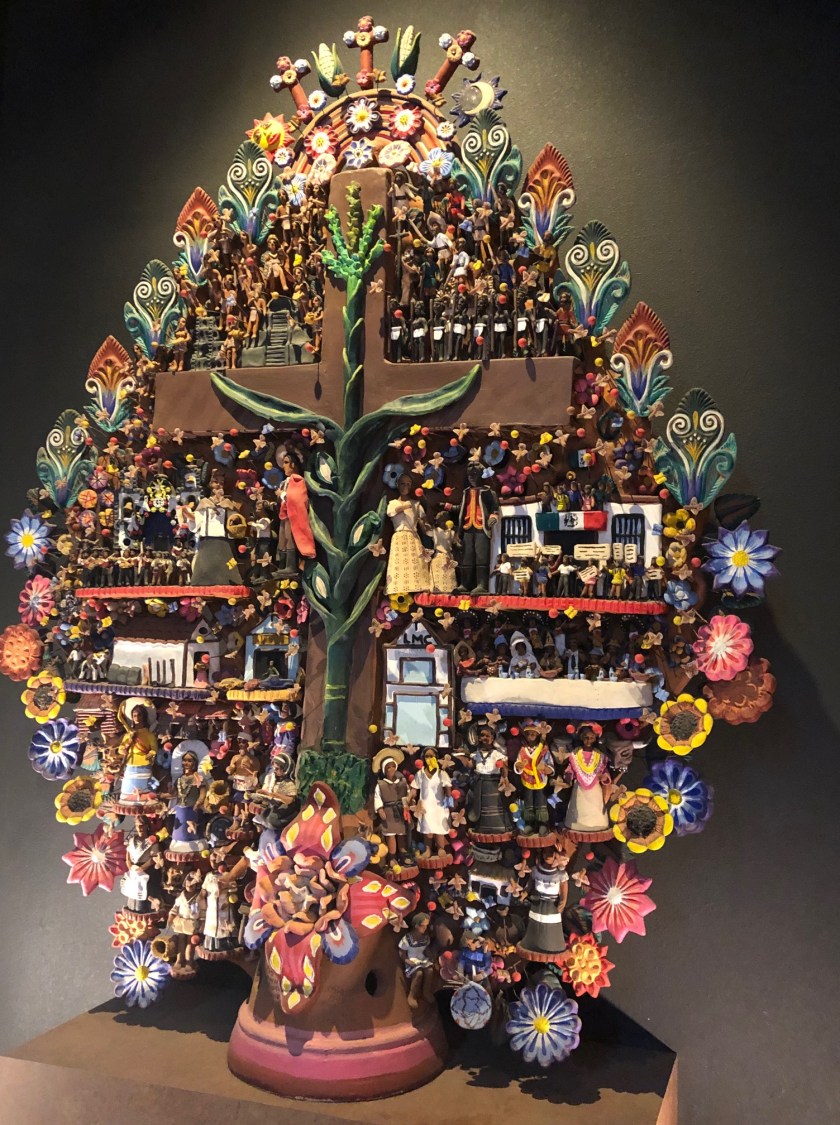
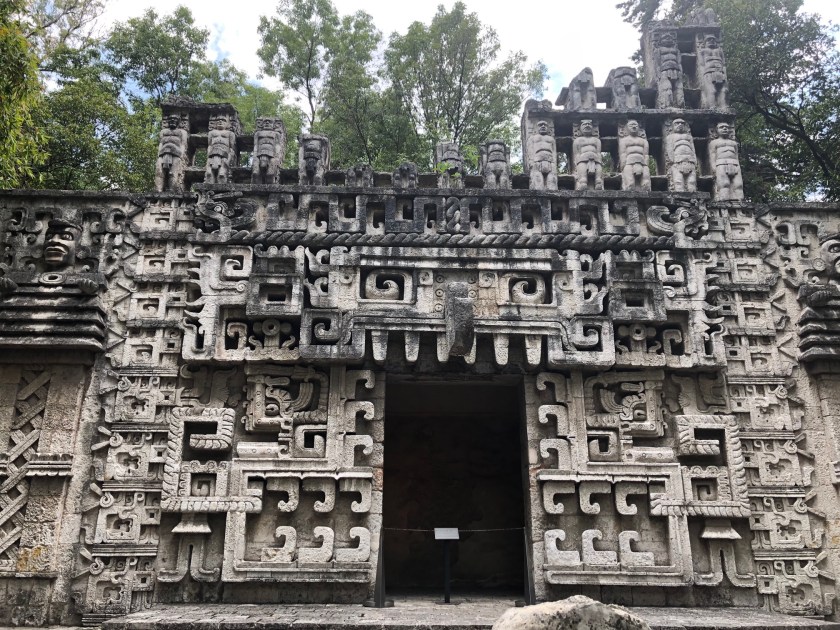
National Museum of Anthropology (Mexico)

IMG_2439IMG_2443IMG_2444IMG_2447IMG_2449IMG_2450IMG_2452IMG_2454IMG_2456IMG_2460IMG_2464IMG_2465IMG_2468IMG_2473IMG_2451

Camera: iPhone 8

Location: Mexico City, Mexico