San Francisco

IMG_1679IMG_1682IMG_1683IMG_1684IMG_1686IMG_1687IMG_1727IMG_1728IMG_1791IMG_1795IMG_1796IMG_1797IMG_1798IMG_1800IMG_1801

CameraiPhone 8

Location: San Francisco, California 

‘The Grey’ – Film Review and Analysis

The actor Liam Neeson has become one of the main action figures in Hollywood, starring in such popular films as ‘Taken’, ‘Batman Begins’, and ‘Gangs of New York.’ However, while these roles were a bit one-dimensional or short lived in terms of his supporting role, you get to see the full scope of his talents in a powerful and dramatic role in the 2012 film, ‘The Grey.’ In this fictional drama, we get to see a man pushed to his mental and physical limits and how he is able to come to grips with such weighty topics such as his own mortality and his religious beliefs.

Not only is ‘The Grey’ a great film when it comes to its views on mortality, religion, and the depths of human nature when pushed to its limits. The cinematography, direction, pacing and setting in the film help make it stand out. There’s something in this film for everybody who is a fan of serious cinema especially when it comes to character backstory, action scenes, and touching moments of vulnerability and camaraderie. ‘The Grey’ doesn’t sugarcoat anything as well and does not shy away from addressing real life struggles such as depression, a search for meaning, and the futility of having bad luck run roughshod over one’s life.

Man can only control so much in his life and that includes what happens to those who he loves, how he adapts and survives when it exposed to the worst elements of nature and of the animal kingdom. Sometimes, the only choice that you have is to fight, persevere, and struggle to the last breath even when things look bleak. Neeson and the other men in the film have to grapple with a lot of bad events that make it a hopeless situation to get out of. There is no choice though and all of them have to do their best to make it out alive especially to the ones they love.

John Ottway, the main character in the film played by Liam Neeson, is a guy you want with you in the oil fields of Alaska. We know little about his backstory in the film, but it is revealed that he struggles with depression, meaning, and his faith in a higher power. He dreams of a woman who is his wife and the audience are not sure if he is still with her or if they divorced or each other or if something fatal has befallen her.

We assume that he is in Alaska working as a marksman protecting oil workers from the wolves and that he is doing this job for lack of better options and to preserve some remaining meaning in his life. Part of the brilliance of this film is that it doesn’t reveal everything too quickly about why Ottway is in Alaska or what happened to his wife. ‘The Grey’ does not ignore the great sense of suspense that can be built up over the course of the film to make a true compelling drama that captures and holds your attention until the end.

Ottway and the other men are facing grey wolves who see them as a threat and it’s not possible for the men to communicate to these wolves that they are friends and not foes. The animal kingdom suffers no man especially when he is in their territory. They can’t communicate with each other so it’s a battle for survival between man and wolf. While the grey wolves in real life are harmless and do not hunt humans, ‘The Grey’ takes some creative liberties with this fact in order to have a compelling film. Despite the criticism from animal rights groups, if you enter the area of a wolf’s pack den, you are likely asking for trouble regardless if you didn’t mean to do so, man or animal alike.

After a freak plane crash, Ottway and the other oilmen must fend for survival in harsh conditions while they are stalked by wolves including its alpha leader who see the men as threats to be reckoned with. Ottway has killed wolves before to protect the oilmen when they’re working in the fields and he knows what they are like. Against ever increasing odds of survival, he proves to be a great example of how to lead men in times of crisis and peril. His leadership, throughout the film, proves pivotal in giving the men a shot to get out of the Alaskan wilderness and back to their families. Even though it seems at the beginning of the film that Ottway has lost his will to live due to the situation with his wife, the freak plane crash and his survival from it propels him to try and save the men and outwit the wolves if possible.

Still though, ‘The Grey’ is a serious and realistic film about how far faith will carry you out of a real crisis. There is an underlying atheistic outlook of the movie that may rub some people the wrong way, but I found it to be needed. In life, when you face a tragedy, a crisis, or a perilous event, faith can only do so much, and you have to claw and fight your way out of it. I think ‘The Grey’ does a great job of showing how important it is to confront your fears, show true leadership, and fight as hard as possible against the odds to make it out alive of a bad and deteriorating situation.

Ottway’s character and his fight against the Alaskan wilderness and the wild wolves is a great metaphor of how each of us is fighting against our own personal demons and against events that are beyond our control in life. We each have a struggle to face and we have to do it on our own. If we have a wife or a crew by our side, that’s a great thing to have but that’s not always the case as it is in ‘The Grey.’ When you’re put into a bad situation and all hope is lost, you have to truly fight for survival and live like it’s your last day because it might just be it.

There’s an excellent quote from ‘The Grey’ that has a lot of resonance for how true it is regarding life’s fragility and how you have to live like it’s your last day and to do the best you can to survive against the odds. “Once more into the fray…into the last good fight I’ll ever know. Live and die on this day…live and die on this day.” This quote that Liam Neeson’s character recites throughout the film is not only a metaphor for his fight against the wolves and nature but his fight against depression and to make it through the day when all hope seems lost.

‘The Grey’ is a true survival film and it is excellently directed with a great starring performance by Liam Neeson. I believe it is an extremely underrated film and does a good job of bringing up various themes surrounding hope, faith, loss, and about life’s injustices. If you can check it out, I highly recommend giving ‘The Grey’ a view. It will be well worth your time.

On Leadership

There are a number of keys and steps that it takes to become a good leader. There are also many interpretations of what a good leader can be, but I believe there is also a specific formula of characteristics, habits, and traits that separate the good leaders from the bad ones. It is extremely useful nowadays to go over the themes and the values that often make up the blueprint of a good leader whether you are referring to a business executive or to a prime minister. I particularly rely upon using books and other reference materials for further analysis, which help to highlight the importance of leadership when operating under difficult circumstances.

Especially when it comes to working within an adaptive leadership framework, you have to be able to address different challenges and crises that arise which may cause you to adapt your leadership style to fit the times. In order to meet these challenges, a leader has to be open to new ideas, be able to self-reflect, and stay true to the overall vision or goals at hand even when obstacles are thrown in the way.

Each modern and historical leadership figure that you can think of was an adaptive leader since they were not following a specific script or manual and had to sometimes improvise or change their beliefs or views when the time came for it. Still though, these leaders had a steadfast vision, were good communicators, and had the trust of their constituents and colleagues to carry out the work they were doing even under high pressure situations.

The most useful example for me of displaying adaptive leadership in action was the movie “Invictus”. That movie portrays an excellent example set by the former President of South Africa and human rights icon Nelson Mandela as an adaptive leader. He did not let his past experiences of being jailed unjustly in Robben Island cloud his ability to forgive and bring his country together to fight for a better future. He was open to compromise, dialogue, and reconciliation to heal a very divided country.

I think that even if we do not consider ourselves to be a natural leader, it would do us a lot of good to put ourselves in other leaders’ shoes to decide how we would act if we had been the leader in those situations. I believe it would be very beneficial for anyone to do role playing scenarios, either historical or modern-day ones, where someone is forced to put our leadership abilities to the test and see how they would do when evaluated by counterparts or colleagues.

Being a principled leader takes time but can be rather straightforward when you really think about it. Anyone can have principles that they stand for but that does not necessarily make a good leader. There are other qualities that make a good leader which involves having a deep sense of who they are including their strengths, weaknesses, and how they can tell their story. Even if a leader has principles, they may not be morally sound or ethically fashionable, which is what someone can conclude when you consider the actions of controversial leaders such as U.S. President Donald Trump and Saudi Arabia’s Crown Prince Mohammed bin Salman.

When you contrast these principled yet morally compromised modern leaders with positives historical examples of real leadership from the likes of President John F. Kennedy or Attorney General Robert F. Kennedy, you can get a better sense of how a leader can be principled in their decision-making but still a bad leader in terms of reputation. The Kennedy brothers still had principles, but they were based in sound morals and humane values as well as an ability to reach out for advice and counsel before making an important decision. They were decisive but not arrogant. Both men would be considered well-versed in exercising what is known as emotional intelligence. Under immense pressure, they were able to not let their ego or personal feelings get in the way of making a fateful executive decision that prevented World War III.

I have learned through my own life experience and by reading about other people that a leader must be able to put him or herself in difficult situations where their ability to exercise leadership will be tested. Being able to open yourself up to risk, setbacks, and failure can help to mold a true leader as overcoming adversity has helped many people in the past to rise up to take charge when their community, their country or the world needed them.

You do not need a stirring personal narrative to be a good leader, but it does help you build a strong connection with others. Sharing your story and connecting that story to the larger society is a very powerful tool that can make you stand out as a leader. I believe that a leader should always aim to be authentic when they connect with other people and to see themselves as not the center of attention but a small part of a larger story. To be transformational and a servant of the people, you have to put your ego aside. Those leaders who are the most developed as individuals are those who know themselves well.

A leader must not only be successful in leading himself or herself but also in successfully leading a team to achieve goals and in working together collaboratively. In order to lead a team, every member must be open and honest with each other. Accountability is a key aspect of being a team leader both to themselves and the rest of the group in order to be a more cohesive force.

While the leader has to hold the team members accountable for how they work and what they do, the leader must expect that the team members can also hold their leader fully accountable in response. Each member of the team must live up to the duties expected of them because if just one of the team members isn’t pulling their weight, then everyone on the team will suffer as a result. A true leader will not let the weight of the powers and responsibilities given to them let it go to their head. True leaders must be humble as well as selfless in how they set the example for the rest of the team or organization that they are in charge of.

In a group setting, each member of the team including the leader must be willing to have difficult conversations and point out both the positives and negatives that are ongoing within the team. Sometimes, I believe it is best to pull a team member aside to have a private conversation if the matter is really serious but if it is a consistent yet small error that is hampering progress, then that should be brought up in the team meeting. However, it’s best for the leader or any members to gossip or talk negatively about someone in a passive-aggressive manner.

I, myself, am wary of a hierarchical structure when it comes to leading teams. It creates an unhealthy dynamic where the team leader may not be accountable to anyone in the group but himself or herself. They may be able to critique their team members flaws without any fear, but the team members would not be able to do the same to the leader. The hierarchical system of leadership should be considered imperfect in its nature and I think it’s best to consider a more collaborative approach to the concept of leadership where the team or group take turns becoming the leader at different intervals in order to better understand what it’s like to lead the group rather than just stay on the sidelines and carry out orders from above.

As a leader, you should be willing to bring together qualified people of different skill sets and capabilities together in the hopes of achieving a common goal that you have set for your team. There is an inherent importance of being open with your teammates as well as a willingness to accept your own boundaries within the team or organization. In order to be an effective leader, one must realize their own limits within their given expertise and skillset. A good leader will not try to do everything or infringe upon the necessary work of other team members. Building a true sense of collaboration and cohesiveness instead of competition and infringement is key in order to achieve the goals and objectives you set as a leader.

Being vulnerable with your team members is a key part of being an effective leader. However, there’s a balance that you have to have as a leader. You should be open to having difficult yet necessary discussions with all team members, a few of them, or just one-on-one if the discussion is extremely sensitive. I believe it’s best to be open and honest with your team members rather than closed off and withdrawn. You should act with transparency when it comes to your decision-making process and the actions that the team as a whole should implement. It’s also necessary to not sweep things under the rug and let a small issue become a big one. A leader should also admit his or her own shortcomings, which will let others in the team be more comfortable around you in expressing their flaws as well.

When constructive criticism is warranted both for the leader and team members, it should be discussed. Before criticizing, I think it’s important to follow the rule of saying one or two nice things about the work the team is doing before discussing what should be improved upon. Any kind of critical feedback should be preempted by a positive remark that would soften the blow of a negative comment that could be taken the wrong way. A true leader will let himself hear open feedback from the team he or she is leading and implement those changes to improve the results of the team. Also, it’s the most important job of a leader to delegate responsibilities and tasks well enough so they are not responsible for too much or find themselves to be too prideful to bring on new team members.

Lastly, I think another distinct priority of a leader should be to always actively look for the most qualified people and bring them onboard. Having the diversity of background and of opinion can build a strong team but you must also have a variety of opinions available to you so as to avoid groupthink within the ranks. A leader should be aware of their strengths and weaknesses at all times and be humble enough to fill in the gaps with wise counsel, strategy through the addition of others who compliment his or her area of expertise. Any leader can only go so far in life and in work by themselves, but it is the team, the organization, the army, or the people that the leader builds who can help that leader build their legacy in the history books for their good governance and fair decision-making.

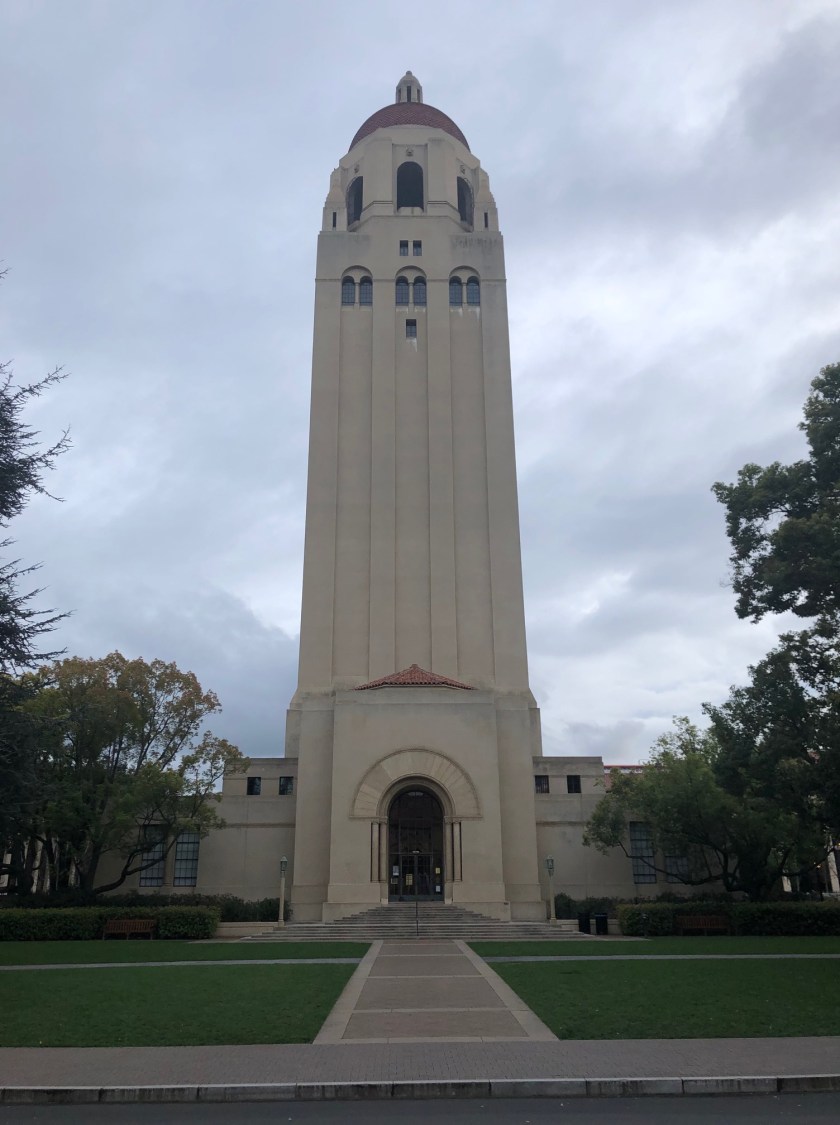
Stanford University

IMG_1778IMG_1777IMG_1774IMG_1771IMG_1769IMG_1767IMG_1765IMG_1763IMG_1762IMG_1761IMG_1759IMG_1758IMG_1757IMG_1755IMG_1754

CameraiPhone 8

Location: Palo Alto, California

Silicon Valley

IMG_1590IMG_1788IMG_1750IMG_1649IMG_1647IMG_1646IMG_1645IMG_1643IMG_1642IMG_1639IMG_1636IMG_1595IMG_1594IMG_1593IMG_1592

IMG_1648

Camera: iPhone 8

LocationBay Area, California (Silicon Valley)

Waterloo

IMG_3656IMG_3657IMG_3660IMG_3664IMG_3667IMG_3668IMG_3670IMG_3671IMG_3677IMG_3679IMG_3683IMG_3691IMG_3692IMG_3694IMG_3695

CameraCanon PowerShot SX710 HS

Location: Waterloo, Belgium

The European Parliament

IMG_3617IMG_3621IMG_3623IMG_3625IMG_3627IMG_3632IMG_3633IMG_3634IMG_3635IMG_3636IMG_3640IMG_3643IMG_3644IMG_3645IMG_3647

Camera: Canon PowerShot SX710 HS

LocationBrussels, Belgium

Paying It Forward

Over the course of a lifetime, you can acquire knowledge, resources, and perspective from having lived longer and experienced more than perhaps your peers and more so than those people younger than yourself. Hopefully, although this is not always the case, you will have gained ideas, maturity, and wisdom, which you can impart on those who will come after you. Now while I am not directly referencing mentorship or being a mentor to others, I encourage those who have the knowledge and skills handed down to them or learned through their own efforts to pass that wisdom down to the next generation.

While ‘paying it forward’ may have gone out of style, it has been a part of human history since the early days of man. All great works in this world could be lost if it was not for oral or written recordings so that the knowledge could be passed on to those younger and curious to learn from those who came before them. Teachers, professors, coaches, and mentors play a valuable role in our society because they are entrusted with the high responsibility on passing on their mastery of different subjects on to the next generation. While these are not perfect people, they take it upon themselves to pass on their teachings to those younger and more inexperienced in the hopes that they will take their learnings to improve the world in some way.

However, you do not need to be a teacher or a professor to pass on your knowledge or your skills to younger peers or students. Everybody should take it upon themselves to ‘pay it forward’ in some way by imparting your hard-earned knowledge on to others whether they are family members, friends, mentees, or work colleagues. Part of paying it forward is realizing that you will not be around forever and if you bottle up all of your wisdom, experiences, and overall knowledge inside your mind then it will be truly lost with your passing.

You can be sure that one way to leave an impact, make your mark, and have a legacy is to teach others what you were taught while adding your own perspectives on what you have learned so that you can add your own context to the subjects you have mastered. Nobody is perfect but it is better to share that knowledge with an apprentice or a student than to let it go to waste and be lost to the ether.

From Socrates to Plato and Robespierre to Napoleon, both knowledge and wisdom has been passed down from one generation to the next. In order to progress and advance in your professional life, you’ll sometimes need to reach out on your own to those older and more experienced than you in your field of work. Guilds, trade apprenticeships, and mentoring programs do a lot of the good work in terms of paying it forward, but these opportunities don’t always come around for the average person.

If you see someone who you can help out either professionally or personally and you want to take them under your wing to see how they progress, that’s the best way of paying it forward. Instead of just choosing anyone to help, focus on those people who are interested in your line of work or have the same kind of personal life as you did. You will want to help those folks who are willing to listen, to learn, and to actually implement the advice that you give them. Sometimes, it’s best to let that person reach out to you when they are looking for help but you may have to take the initiative if you don’t have anyone reaching out.

As I discussed in a previous post, mentorship goes both ways but paying it forward is something you should do out of the good of your own heart and out of a desire to leave the world better than when you found it by positively impacting someone’s life. All of us have a lot of experience, knowledge, and skills to share and there are many people out there who don’t or won’t have access to the same resources as we did.

Of course, first, you’ll have to find who that person is who you want to help but remember to not be too selective or wait forever to make your impact. If you have been working hard over the years and decades to build up your knowledge, you should not let it all go to waste by keeping it to yourself. When no one sets the example of paying it forward, it can create a negative ripple effect whereas that kind of useful information or life experience won’t be passed down to those who need it the most.

You may not see the rewards of your efforts in sharing your knowledge or expertise right away but over the years and decades of you helping others, you will definitely see the results whether its’ in the neighborhood, the community, the country, or the world. Everybody has something to contribute to the overall society and even more so when you are able to help others do the same in their own way. ‘Paying it forward’ may not be requirement in living a good life but it will certainly leave an impact on yourself and those who you assist and help during the course of your life.

Movie Recommendations – Volume I

‘Good Kill’ (2014)

220px-Good_Kill_poster

Good Kill is an excellent drama/thriller film that highlights the ethics and the cost involving drone warfare and how it can affect the servicemen and women who have to pull the trigger and live with the consequences. Starring Ethan Hawke, this film is a deep and probing look at how warfare conducted from thousands of miles away can still leave a lasting imprint on those who have a role in it even when they are not anywhere near the battlefield.

The film highlights correctly how while drone strikes may carry less collateral damage to civilian lives, there will always be the chance for the loss of innocent life and families being destroyed. Whether that’s an errant missile crashing into a wedding party or a group of children running by a targeted building within seconds of a missile being launched and getting caught in the crossfire, death from the skies will not only affect terrorists, but women and children too. Because drone strikes are less costly to governments and militaries, the rules of engagement can sometimes be abused to focus too often on low-level targets, who pose some actionable threat, but who could also be captured for intelligence purposes. A lack of international norms and standards regarding drone warfare leads to serious consequences in terms of possible abuse by governments who overuse it on secondary targets.

Airmen and women such as Ethan Hawke’s character and his colleagues, who conduct drone strikes, are shown to suffer from symptoms of post-traumatic stress disorder because they get to know their targets, see how they live, and struggle with having the power of death over them. High-resolution surveillance makes the act of killing personal despite the fact that these servicemen are thousands of miles away. When a drone strike goes wrong and innocent civilians are killed, it leaves a long-lasting psychological effect on the military personnel involved.

They may not see their victims when they are flying an F-16, but they are aware of what collateral damage is when they see the dead bodies of women, children being shown on the high definition screen. Military service members do not last long as drone pilots due to the immense mental strain placed on them especially when they did not sign-up for conducting warfare with a joystick. Alcoholism, depression, and family problems have occurred due to pilots being asked to conduct drone strikes in the name of national security. All of these issues are highlighted in Good Kill making it more than just your average film about war, but also about an excellent look on how the human condition is affected from holding life or death decisions over those who never see it coming.

‘Roma’ (2018)

220px-Roma_theatrical_poster

Roma is more than just your average film about a family. It is excellent in its scope and ambition in covering a tumultuous period in Mexican history and for highlighting the issues of family, race, and class within the larger society. What I enjoyed most about this film was that it felt personal and it is based off of the childhood of the director Alfonso Cuaron. The way the story unfolds feels as if it has been lived out before.

Cuaron’s work and that of his film crew that was done with the cinematography, film editing, and screenplay is extremely impressive and goes to show the audience just how film is another form of human artwork that can display beauty, meaning, and pure emotion.

Amidst the story of this family are real-life events in Mexican history that overlap with the film without overwhelming the intimacy of the story being told. For example, The Corpus Christi Massacre or “El Halconazo” in 1971 are intertwined with Cleo’s search for a crib for his newborn baby to be.

Nobody in this film is perfect and true human error of both behavior and character are laid bare. Amongst the flawed characters in this film are redemptive qualities about them and how they fight and struggle to overcome betrayal, disappointments, and tragedy. The film is gripping in that it is about real life and there is no sugarcoating. In Roma, no one is immune from setbacks and struggles, and that is what makes the audience invests in the story being told even more.

Compared to many other films that I have seen, few have touched me more on an emotional level than Roma. The realistic dialogue, the set pieces, the chain of events, and the character development all lend to its longevity as one of the best films of the decade. If you have a Netflix subscription, do yourself a favor and watch Roma. You won’t regret the chance to view this pure work of art and I would not be surprised if it sweeps the awards at the Oscars. It is that good of a film and a noteworthy achievement by director Alfonso Cuaron.

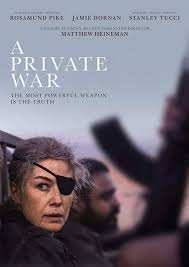
‘A Private War’ (2018)

Unknown

This is a biographical film without feeling overwhelming or too much tied up in the protagonist. This film does a good job in covering the life of the deceased war correspondent, Marie Colvin, who reported from multiple war zones over two decades including Sri Lanka, Iraq, Libya, Syria. Marie was a fearless and bold reporter who did the under-appreciated work of reporting the facts on the ground when it came to what was going on in these war zones.

The film portrays her as someone who battled the terrible things that she witnessed and the horrors that she could not avoid. She struggled with her dependency on alcohol, cigarettes, was divorced twice and also had her bouts with post-traumatic stress disorder (PTSD) as many war correspondents deal with when they return home from a war zone. Rosamund Pike, the lead actress in A Private War does an incredible job in accurately portraying who Marie Colvin was in how she mimics both her mannerisms and her speaking style throughout the film’s entirety.

Despite losing an eye, suffering from PTSD, and struggling with maintaining her friendships and relationships away from the battlefield, Mrs. Colvin dedicated her life to reporting the truth and the facts from war zones around the world so that everyone would else would know the costs of war.

While she was afraid and while she was fearful, she had the courage to press on and do her duty in informing the public on what was going on. While she was killed during the siege of Homs, Syria, her memory lives on with this film and the work that she did for two decades in holding the powerful accountable for the wars that they started. In an era where journalists are being denigrated and dismissed with increasing impunity, it’s refreshing to see a film that pays tribute to a war correspondent who gave her life to the cause of reporting the facts so that people would be more informed on what was going on and to also care about why it was happening.  

Book Recommendations – Volume IX

What better way to enjoy the Winter season than by enjoying a few good books by the fireplace or in a coffeeshop. Whether its’ fiction or non-fiction, being able to sit down and read for an hour each day is one of the best activities one can do during those cold, winter months. The three books I have recommended cover very different themes and topics but each of them is worthwhile reads especially if you are into non-fiction. From Candice Millard’s vivid storytelling of President Theodore Roosevelt’s perilous journey to the Amazon, James Clear’s atomic habits to build a better life, and author Chris Hedges’ look into the dark underbelly of American society, each book is one that I thoroughly enjoyed and would recommend to anyone depending upon what kind of non-fiction they are looking to dive into.

1.) The River of Doubt: Theodore Roosevelt’s Darkest Journey by Candice Millard

51JoMiXhYqL._SX322_BO1,204,203,200_

In our current era where past Presidents settle into retirement by creating foundations, writing memoirs, and going on paid speaking tour circuits, it can be difficult to recall that there was a time when the American president would not stay still but rather seek out new adventures. President Theodore Roosevelt was just such a former President when he embarked on a perilous and physically strenuous journey down the Rio Duvida (River of Doubt) in the heart of the Amazon. In the aftermath of his election defeat in 1912, the former President did not stand idly by and settle into a quiet retirement from politics. Instead, he did what he did best and ended up taking upon himself an adventure that no other modern President would think of doing nowadays.

Still in the early days of the 20th century, it was still the age of exploration as explorers from the Western world would go to the lesser known parts of the world to make their mark on mapping areas and landmarks that had not been discovered yet. From Antarctica to the Himalayas to the Amazon, men like President Roosevelt were drawn to both the adventure and the notoriety but also to discover the flora, fauna, and newly discovered animal species, which had never encountered humanity before. This expedition’s success relied upon the men whom Roosevelt and his Brazilian counterpart, Colonel Candido Rondon, would bring on to make sure it was successful in its mission of mapping the extent of the mysterious Rio Duvida. Because of the courage, hard work, and perseverance that men including the former President’s son, Kermit, displayed, they were able to get through a series of trials and tribulations that would have broken lesser men.

Over the six-month period of 1913-1914 when the 19 Brazilian and American men descended the River of Doubt, they were faced with multiple challenges including diseases like malaria, perilous weather conditions, intense rapids, and murder among their ranks. President Roosevelt dealt with near misses to his life including a close encounter with a venomous snake as well as a ghastly injury suffered when trying to retrieve a loose canoe that caused a serious gash injury to his leg. The President flirted with thoughts of suicide after his injury and infection leading his son and counterparts to decide whether they should honor his wishes or to carry him the rest of the way’s journey. Because of their pledge to not leave any man behind including the President of the United States, Kermit and others pushed through the physical obstacles ahead of them to arrive at the successful end to their journey through perseverance and the belief in their mission to map the entire river.

Brilliantly told and remarkably intense in its description as a fast-paced tale of adventure, Millard’s ‘River of Doubt’ is an excellent book that details a harrowing journey of the 26th President, his son, the Brazilian colonel Rondon, and his courageous men. It is hard to believe that there was a time when an American president would go on a journey like this one well into his 50’s but that was the kind of man Theodore Roosevelt was. Because of his courage and his perseverance, the Rio Duvida was renamed Rio Roosevelt in his honor. This story reminds us of what it takes to push past our mental and physical limits and why we remember these tales to understand what true bravery looks like and how Presidents should act in the face of a great challenge.

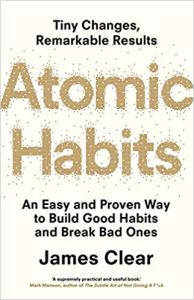
2.) Atomic Habits: An Easy & Proven Way to Build Good Habits & Break Bad Ones by James Clear
51q1UbBbv-L._SX320_BO1,204,203,200_

‘Atomic Habits’ by James Clear is an excellent book on how to re-think our habits and our reliance on them based on our awareness of how they come to be, how they are implemented, and how to change or remove them based on their overall utility. As Mr. Clear explains, “Habits are the compound interest of self-improvement.” We can only develop ourselves based on the habits we have on a daily basis. In order to change them effectively, small changes that lead to incremental improvements are what we should be aiming for. It’s not advantageous to change our systems of living overnight but rather to slightly shift our habits each day and start to see progress over a longer period of time.

One example is going to the gym for the first time. You may not stay for very long but if you are there for five to ten minutes and get through the initial hurdle of showing up, you can feel better about the progress you have made. Over time, you should start to feel more comfortable and attuned to going to the gym as well as staying longer once you get used to the new routine. I found James’s four-step process to breaking a bad habit or creating a good habit to be very persuasive in its argument. The ‘cue, craving, response, reward’ system is laid out in greater detail in his book but I believe that it’s an effective tool for developing better habits and eliminating bad ones.

Also, keeping track of both your bad habits and good habits will help you measure if you are making progress with either by understanding what habits you have on a daily or weekly basis. In order to better change our habits, we firstly have to be aware of them and classify them as ‘good’ or ‘bad’ based on their utility to our lives. For example, if you don’t floss your teeth, perhaps you have to make it attractive by highlighting the benefits associated with the action, putting the floss in a visible place on your bathroom counter so it’s visible, and then make it easy by not using mouth wash without flossing first to develop the system.

Mr. Clear’s book is easy to read, the system he advocates for is immensely appealing, and the four-step process is clear in its methodology. You cannot change your habits without doing it yourself but ‘Atomic Habits’ successfully gives its readers a vision of how you can do so while not making it overly complicated. The system is easy to follow and he incorporates outside materials like the ‘habit tracker’ to make it easy to start changing them while reading his book.

3.) America: The Farewell Tour by Chris Hedges

america-the-farewell-tour-9781501152672_lg

Beyond the stock market, the unemployment rate, and even the gross domestic product, notable author and journalist Chris Hedges writes eloquently and profoundly about the state of America in 2019. He does this through excellent on-the-ground reporting from Anderson, Indiana to Atlantic City, New Jersey in an effort to understand how while Americans at the top of wealth and power are doing well, the rest of us are struggling to get by in this new gilded age of income inequality. Hedges pulls no punches regarding the societal ills that have been wrought due to political dysfunction and record income inequality in America by describing in great detail the effects of the opioid crisis, the recent rise of hate groups, increased reliance on gambling, pornography, and sadism to escape reality.

Our ability to combat these negative societal trends is nullified when communities are weak and the bonds that religion, union membership, and rotary groups provided have been cast to the side. In an age of increased atomization and loneliness, Hedges argues that the average person will not be able to build a better future for themselves or their families if they have no ways of accessing economic opportunities or through having deeper social connections.

This book is a true warning sign that time is running out and that we must start paying attention to the swirling negative political and economic trends going on because it is likely that the next generation in America will be worse off if serious changes are not made. By failing to combat income inequality, climate change, gun violence, the opioid crisis, and failing infrastructure, faith in both the economic and political system will continue to decline. When power is concentrated in the hands of the few, that prosperity is not going to spread around or ‘trickle down.’

While it may be a dark and disturbing book to some, Mr. Hedges is a student of history and is eloquent in describing what are the warning signs or symptoms when a society is on the verge of decline or overall collapse. From the Roman Empire to the Soviet Union, the warning signs were there in the forms of inept political leadership and an unholy concentration of wealth. Mr. Hedges warns that we are on the same path to potential ruin and that the societal hollowing out relating to increased suicides, the fall in overall life expectancy, and the epidemic of gun violence are the sad consequences of how we are failing the average American citizen in 2019.

What I enjoyed most about this book is the sheer effort that went into meeting with people across the country to get a sense of how difficult things are and what challenges they are facing. Mr. Hedges should be commended with focusing on the real issues that confront us as Americans and being a truth-teller when it is not always popular to do so. My hope after reading this dire book is that we are able to make the necessary changes and confront these systemic challenges before it’s too late.