Anatomy of a Scene – ‘Family, Jimmy, Family’ (The Wire)

“This scene that I’ve titled, ‘Family, Jimmy, Family’ feels like it’s not just about the character, Jimmy McNulty, one of the leading roles of the show and a deeply flawed one at that but also could reflect on our own lives and who we prioritize in them.”

Sometimes, it takes a great work of fictional television to cause the viewer to do some soul searching themselves. ‘The Wire’ is not only an excellent crime drama and takes a critical lens to different facets of American society, but there are also multiple scenes that stand out for how they deliver truths to each of their characters for what they themselves are ignorant of or choose to forget. One of those scenes is short but whose succinctness of its message and point-blank delivery is something that you could do a deep analysis of. This scene that I’ve titled, ‘Family, Jimmy, Family’ feels like it’s not just about the character, Jimmy McNulty, one of the leading roles of the show and a deeply flawed one at that but also could reflect on our own lives and who we prioritize in them.

For a little bit of background before diving into the scene itself, which takes place in ‘The Wire’ Season 5, Jimmy McNulty is an obsessive workaholic and a functional alcoholic. His thirst for booze rivals his own thirst for self-satisfaction in being able to solve murders as a detective in the Baltimore Police Department. While he does crave justice, he craves adulation, admiration, and boosting his ego too because of his natural talents with regards to being a lead detective. However, without getting into too many details, the stress of the job, the clashes with his bosses, and the long hours cause him to drink heavily, carouse with random women, and cause him to lose control of his relationship with both his ex-wife and his children.

Jimmy loves being a detective, the purpose that comes with the badge, and the colleagues who he handles cases with. It’s also about the camaraderie that he finds in the work, the all-consuming nature of the work, and by outsmarting criminals and thugs who think they have successfully outwitted him and the police. The thing with letting work consume you is that it takes over your life and suffocates the rest of your identity with it. Jimmy is a great detective but throughout the show, the job takes a toll on his personal life and about separating work from his time out of work. When you have nothing but the job and the people in it, is it really a good life?

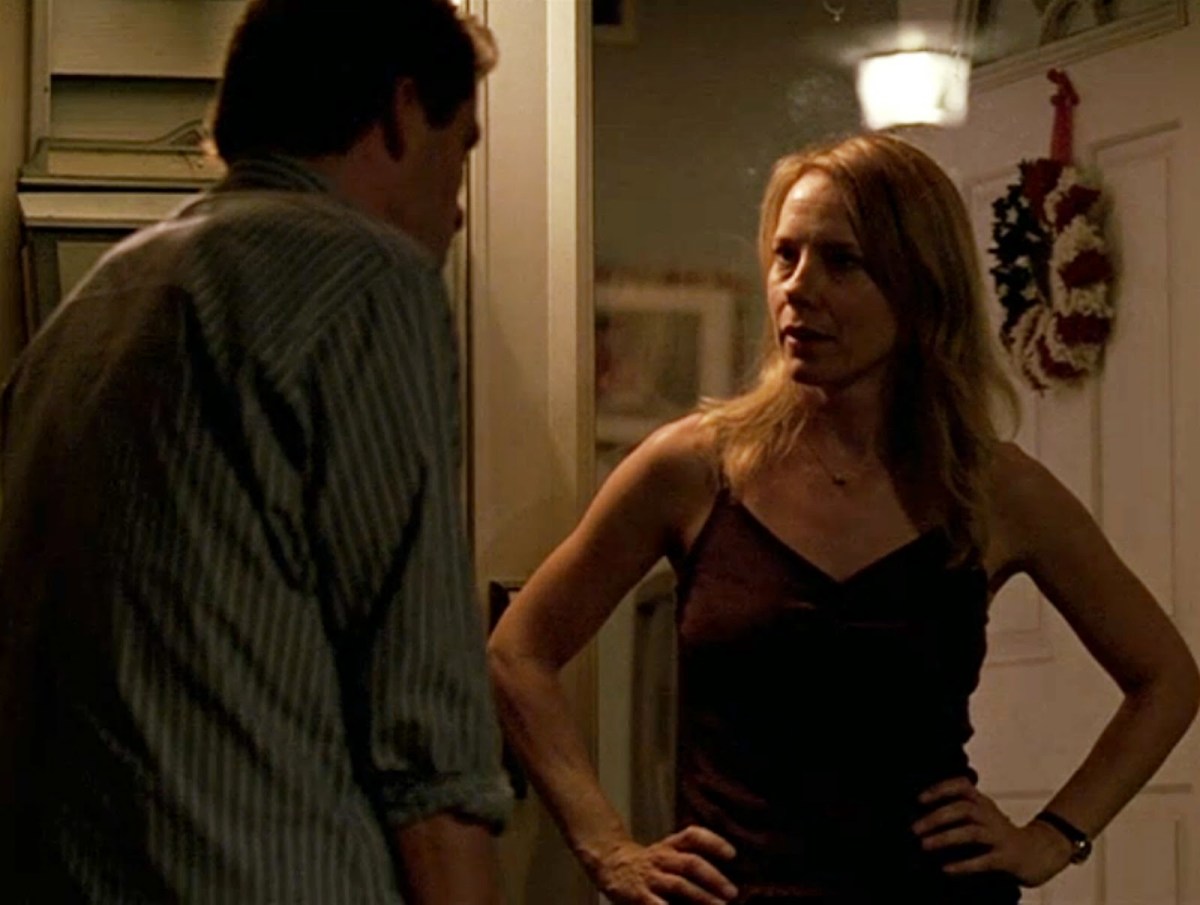
The scene I refer to titled, ‘Family, Jimmy, Family’ is instrumental in telling Jimmy McNulty what he needs to hear and what other workaholics need to hear: “The job won’t save you.” It takes five seasons but Beadie Russell, a Baltimore Port Authority police officer, introduced in season two, but for which her and Jimmy start to become romantically involved does what no one else in the show has the courage to do, tell Jimmy that the job isn’t everything.

“In the end, they’re not going to be there either.” Beadie sums it up in less than a minute with this scene but reminds Jimmy that the drinking pals at the bar, the workmates who he shares a patrol car with and shares stories, or even the girls he’s met for quick flings, they won’t be there when he really needs it. Yes, you can have fun, enjoy their company, and make the most of the work hours, but those people won’t be there for you when it comes to your health, wellness, and your overall fulfillment as a person. Beadie indicates to Jimmy that his workaholic behavior and his propensity for alcohol won’t save him and won’t give him the internal satisfaction he is always looking for.

“Family, that’s it. Family, and if you’re lucky, one or two friends who are the same as family. That’s all the best of us get. Everything else just…” Beadie pauses at the end of this scene and lets it all sink in for Jimmy. She knows she has reached him and lets him know that at your funeral or in your last days, you won’t have the girls you dated, the workmates or bosses, or the casual bar buddies you swap stories with there. If you’re lucky, you may have close family to care for you and maybe one or two close friends and that’s the truth of this scene not just for Jimmy McNulty of ‘The Wire’ but for all of us.

Beadie makes it clear that everything else goes away at some point once the job is done, the glasses are empty, and everybody goes their separate ways. Nothing is permanent but maybe your family will be there for you through most of it, thick and thin of life, if you’re lucky and until your dying day if you are truly blessed in that regard. Jimmy knows by the end of the scene that he needs to shift his priorities based on his body language.

He does not say anything back to Beadie, but he knows what she is saying as his new girlfriend is 100% true. It’s been a while since anyone has laid it out to him that clearly, but she gets through to him by telling him the unvarnished truth that he has refused to face up until that point. Like Beadie, we all need someone to cut through the nonsense and tell us what we really need to hear and if you watch this scene from ‘The Wire’, it’s not just Jimmy who this scene can reflect upon but maybe for our own lives too.

We all want to have productive work lives, make friends, and enjoy the fruits of our labor, but we must remember that it all does go away, and that family can be the most important and reliable thing we have throughout our lives if we’re lucky. Workmates, casual buddies and flings, and even friends come and go, but family can sustain us if we nurture those relationships and don’t let them atrophy and go away too.

Beadie reminds Jimmy to not let the work and the environment around his work consume him entirely. She saves him from himself to some degree but telling him what he needs to hear before he spirals out of control as a functioning alcoholic and workaholic. I think we all need a Beadie Russell in our lives to tell us what we need to hear rather than what we want to hear so that we can get that needed support to help reassess our priorities in life and change ourselves for the better.

How to Evaluate Your Year

“Evaluating the year that has passed can be a valuable exercise for yourself to gain deeper insights, identify growth opportunities for the new year, and celebrate the accomplishments or successes you had.”

2024 is ending soon as I write this article and I do believe it is important to look back on the year that was to evaluate it holistically, such as whether it was good, bad, or a mixed bag. Evaluating the year that has passed can be a valuable exercise for yourself to gain deeper insights, identify growth opportunities for the new year, and celebrate the accomplishments or successes you had.

Reflecting on various aspects of your life, even areas that you can improve upon will help you to set meaningful goals for the year ahead. Here’s a guide I have created on how to evaluate your year comprehensively, focusing on the five major areas of friends, family, relationships, experiences, and work or business.

Friends

Friendships are an essential part of life and key to one’s mental health as a surefire way to stay truly connected and bond over shared activities or hobbies or even lend each other a helping hand. Think about reflecting on your relationships with friends from over the past year. Ask yourself the following questions when doing so:

  1. Giving or Getting Support: Were your friends there for you during challenging times? Were you there for them when they needed you when they were in a rut or needed help? Did they offer emotional or practical support when needed? Could you say the same?
  2. Showing Mutual Effort: Did you invest some effort into maintaining these friendships? Conversely, did your friends reciprocate to make the effort to reach out to you as well?
  3. Quality over Quantity: Did you prioritize meaningful, deep connections over superficial ones with your friends? Were your interactions enriching and positive with your friends?
  4. Encouraging Growth: Did your friendships encourage personal growth or help you broaden your perspective? Did you give each other advice on how to better yourselves?

Document the moments and memories that stood out to you, whether they were fun gatherings, heart-to-heart conversations, or instances where you and your friends supported each other through a difficult time. Evaluate if there were any friendships that became draining or unbalanced and consider whether to address these issues or set boundaries or even cut off the friendship if it isn’t working out.

Family

Family relationships can greatly influence your emotional well-being in both positive but also negative ways depending on your own situation with your family members. I encourage you to reflect on the past year’s interactions with your family members and consider these questions:

  1. Building Connection: Did you spend enough quality time with your family? Were you present and engaged during these moments or were you distracted by your phone or another device?
  2. Conflict Resolution: Were there any unresolved conflicts? How well did you communicate and handle disagreements? Why did those conflicts arise and how can they be avoided next year?
  3. Support System: Did your family serve as a source of strength or encouragement? Were you able to offer the same in return? Did you help each other out in a mutual manner?
  4. Milestones and Memories: Were there any significant events or milestones within your family? How did you contribute to these moments? Did they celebrate your wins this year and did you do the same for them when they had successes?

Think about whether you balanced your time and energy across the various family member dynamics that are constantly evolving each year along with the different personalities that you have in your family. Identify some ways to strengthen bonds with family members next year who may need more of your attention or love than you were able to give up until this point.

Relationships

If you’re in a romantic relationship currently, evaluating this aspect of your life is crucial to keeping it on the right track into next year. Even if you’re single, reflecting on your relationship with yourself or any potential romantic connections is just as important. Ask yourself these questions as you close out the year:

  1. Compatibility: Are you and your partner aligned in your values, goals, and vision for the future? Have you talked about how you felt about the relationships enough in terms of how it is going?
  2. Communication: How effectively did you communicate this year? Were you able to express your needs and listen to your partner’s? Did you handle disagreements respectfully and come to a positive resolution with each other?
  3. Growth: Did your relationship encourage mutual growth? Did you feel supported and loved? Did they support you when you needed it, and have you done the same for them?
  4. Quality Time: How much time did you spend together? Were those moments meaningful and fulfilling? Were you also able to spend time apart in a healthy manner?
  5. Self-Reflection: If you’re single, consider how you’ve nurtured your relationship with yourself. Did you take time to understand your needs, desires, and goals in a potential relationship for next year?

Identify areas where you’ve grown together as a couple or individually when you two were apart. If there were challenges this year, consider how you’ll address them moving forward in your relationship.

Experiences (Travel, Hobbies, Interests, Fun Activities)

Reflect on how you spent your free time outside of work, school, or business and how engaged with life outside of your daily obligations and weekly chores you were. Think about where you went, what you did, what you learned, and how much you enjoyed life beyond the office or the shop or the factory floor. Consider the following in your assessment of your experiences:

  1. Local and International Travel: Did you explore new places, whether locally or internationally? How did these experiences broaden your perspective? What did you learn from the places you traveled to? Would you travel in 2025 and how did you grow as a person in your travels?
  2. Hobbies and Interests: Did you pursue activities that bring you joy or help you grow? Did you try something new? Were you committed to these hobbies and spend enough time on them? What new hobby or interest would you like to try in the new year?
  3. Having Fun and Relaxation: Did you allocate time for leisure and enjoyment? Were you able to strike a balance between work and play? How often were you able to relax yourself?
  4. Making Memories: What were the highlights of your year? Did you attend events, celebrate milestones, or create special moments? Who did you share those memories with?

Take note of the activities, hobbies, interests, etc. that brought you the most happiness and fulfillment. If your year felt monotonous and a bit too routine, think about incorporating more variety or adventure into your life next year. Plan the destinations, places, or cities with regards to travel ahead of time that you hope to visit in the new year.

Work or Business

Your professional or business life is another crucial area to evaluate at the end of any year as it makes up about 80% of our time throughout the year. Reflect on your career or business journey over the past year by asking yourself these questions:

  1. Major Accomplishments: What were your major achievements? Did you meet or exceed your professional goals? What was the process you used to achieve your goals?
  2. Overcoming Challenges: What obstacles did you face, and how did you overcome them? Were there any failures, and what lessons did you learn from them? Who helped you overcome these challenges in your professional or business pursuits?
  3. Professional Growth: Did you acquire new skills, take on new responsibilities, or achieve personal growth in your role? How will these new skills help you next year and beyond?
  4. Managing Work-Life Balance: Were you able to maintain a healthy boundary between work and personal life? Did work leave you feeling fulfilled or drained? Did you take enough time off for vacation or for staying healthy? How did you spend your time outside of work or business?
  5. Establishing Future Goals: Are you satisfied with your current trajectory, or do you feel the need for a change? Did you take steps toward your long-term career aspirations? Will you find a new job next year? Do you plan to launch a new business or company? Will you ask for a raise or promotion and how will you ask this question to your supervisor?

Reflect on whether your work or business aligns with your personal values and passions. If there are gaps in that assessment, start thinking about how to address them in the coming year with regards to making your work or business more personally fulfilling Once you’ve reviewed these areas and answered as many questions in these five major areas as possible, combine your thoughts to identify patterns, strengths, and areas for improvement.

Lastly, think about the following ways generally on how you could make next year the best one yet:

  1. Showing Your Gratitude: What are you most grateful for this year? Acknowledge the people and experiences that enriched your life and made it the year that it was.
  2. Compile Lessons Learned: What did the failures, challenges, and successes of this year teach you? How will these lessons shape your approach to the new year and beyond?
  3. Having Goals for Improvement: What areas need more focus or change from you? How will you set realistic and actionable goals to address these aspects next year?

Evaluating your year holistically gives you a clearer perspective on where you stand in your life and how to move forward in a positive manner. Use this article, the questions I’ve posed and to write a yearly reflection about these five major areas as a substantive foundation for setting meaningful goals and resolutions for the year ahead.

The Importance of Being Reliable and Responsive to People

“It is important to be both reliable and responsive to the people you care about and even to those you’re just getting to know if you can do so.”

How many times have you sent a text or an email to someone thinking it was useful, humorous, thoughtful, or even just to reach out for it to have been received but not replied to? Chances are good it’s happened at least once if not multiple times to the people reading this article. It is one of the inevitabilities in life that not every text, call, or email will receive the attention it deserves and that’s alright as not everyone has the time or the urge to respond. However, when it’s a friend, family member, or a colleague, who you trust or respect or have some kind of relationship with, then it can be a real problem when your outreach goes ignored.

It is important to be both reliable and responsive to the people you care about and even to those you’re just getting to know if you can do so. Nobody’s perfect but you can really stand out nowadays in a good way when you’re willing to make the effort to respond to someone, to be relied upon and follow through, and to hold yourself accountable. These are qualities in a person that will always make you stand out in a good way because in our attention-deficit addled society, these kinds of traits are becoming less and less common.

Things happen in life such as emergencies, setbacks, and sometimes we just need a break from being plugged in to what’s going on with everyone else. It’s okay to take time off from reaching out if you want to focus on yourself for a while. If people try to reach out still, let them know though that you need some time away from the phone or the computer and if they really need you, indicate that it should only be for an emergency or an urgent matter. I don’t mind when people are unreachable but if there’s a lack of communication about why or for what purpose, it can cause some resentment and the fraying of the relationship or friendship in the long-term.

Nowadays, you can silent your notifications, put your away message up for colleagues to be aware of, or just simply turn your social media channels or phone off for a little while. You can be unresponsive and still be a responsible person in my view. What causes concern in my view is when you refuse to answer me when you read my message and wouldn’t give me any reason or indication of what’s going on. There’s a lot of talk about ‘Ghosting’ people today and I believe we are all guilty of ‘ghosting’ on each other at one time or another, but if it’s a recurring pattern, you really should think twice in how you act towards other people, especially if they value your feedback, opinion, or just want to see how you are.

Whether at work or at home or in ‘third spaces’ with friends or someone you’ve just met, remember to be responsive within reason because it’s about common courtesy not only regarding your time and effort but also of theirs for having reached out to you in the first place. It’s something we overlook but when someone is reaching out to you, they are first thinking about you and spending some time out of the millions of other things they could be thinking about to focus on you as an individual to some degree. It does not mean you need to spend a lot of your time but if you have the availability, it doesn’t hurt to give a simple response or at least let them know where they stand with you, whatever kind of relationship you may have with that person.

Whether it’s a co-worker sending you a message on Microsoft Teams asking for advice on a presentation, an elderly family member asking you to do them a favor regarding a health question, or a friend inviting you to their wedding or their birthday party, you do have a responsibility to be responsive. These situations I posed may not be urgent, but they are important, and to ‘ghost’ them is neither mature nor responsible. You have a duty not only to yourself in how you act but how you carry yourself with others.

At the end of your life, how do you want people to remember you? That’s part of why being reliable and responsive takes on such importance especially as you get older. People will remember in any kind of relationship that you have or had with them how you treated them, if you responded to them, and how much you invested into the relationship, whatever it may have been. Make sure to remember this kind of legacy that you’re building each time you answer that e-mail, respond to that voicemail, or send that text message out. The irony of our technological age is that we are connected by our devices but are as disconnected as ever regarding reaching out, making plans, and being reliable in how we present ourselves.

You can set the tone by being a reliable person who’s available and is reliable whether at work, at school, or at home. Be the person who can be trusted, who gets things done, and is able to follow through when you make a commitment to someone else. Sadly, being both reliable and responsive to other people is becoming rarer and rarer in my view. I believe you can have a lot of professional success and personal happiness if you are able to respond to others in a timely manner and be counted on when they need you.

Hopefully, they will remember you for what you did, how you acted, and how well you treated them. They won’t forget it and ideally, they will follow your lead by picking up those kinds of traits in response. Being someone who is reliable and responsive can have that positive effect on how others behave as well creating a good kind of ‘domino effect’ and improving people’s behavior in a family, in an office, or in a group. You do not have to be available 24 / 7 and nobody is expecting you to be doing so but it’s important to be willing to respond, to follow up, to check in, and to be present with other people whomever they may be and whatever kind of relationship you may have with them.

Gone Fishin’ in the Great South Bay

“Showcasing the allure of Great South Bay in Long Island, New York through captivating imagery.”

Camera: iPhone 12

Locations: Captree State Park; Bay Shore, New York; Great South Bay, Long Island, New York

Navigating the Down Days in Life

“During these inevitable down days that we all go through, when challenges seem insurmountable, and the losses keep piling up, it is essential to cultivate your internal mental strength to navigate through the storm.”

Life inevitably has its various peaks and valleys, days filled with various successes and other days where nothing goes your way. During these inevitable down days that we all go through, when challenges seem insurmountable, and the losses keep piling up, it is essential to cultivate your internal mental strength to navigate through the storm. Being mentally strong doesn’t mean avoiding any hardship and making sure no problems ever find you; rather, it involves developing the resilience and coping mechanisms necessary to face your adversity head-on.

Everybody has down days in their life, and it is better for you to acknowledge and accept the down days, face them rather than run from them, understand the factors contributing to building up your mental strength, and adopting the practical strategies to emerge stronger and better on the other side.

As the popular English saying goes, “when it rains, it pours.” I’ve found that things tend to go wrong in bunches similarly to how when things go well, they tend to go well all at once. You must be able to brace yourself for these tough times and to look for the positives where you can during the down days. The first step towards bolstering your mental strength during challenging times is acknowledging and accepting the existence of down days.

Denying or suppressing negative emotions can exacerbate the situation, leading to prolonged stress and anxiety for every challenge that comes your way. You should not shy away from the reality of difficult moments as it will allow for a healthier processing of your emotions. It is essential to recognize that everyone faces hardships in life, and experiencing these lows is an integral part of what makes us human.

In addition, acknowledging the down days in life doesn’t equate to having a weakness. On the contrary, it is a testament to having both emotional intelligence and self-awareness. By accepting the presence of challenges that you are facing, you can better understand your emotional state and take proactive steps towards building up resilience.

Mental strength is not a fixed trait but a skill that can be developed through intentional efforts and experiences. Understanding the components of mental strength is crucial for cultivating resilience during tough times. If you can manage your emotions, have a positive mindset despite your circumstances, and still build healthy habits, you will be able to meet the down days head on instead of letting them consume you.

Effective emotional management is a cornerstone of one’s mental strength. It involves acknowledging and expressing emotions in a healthy manner. Suppressing your emotions can lead to a buildup of stress, anxiety, and other negative feelings. When things are going wrong, you should work even harder to navigate your emotions, seek healthy outlets such as writing, playing sports, talking to a friend or family member, or engaging in fun activities. Don’t let an argument, a disagreement, a difference of opinion make your down day worse than it needs to be.

Cultivating a positive mindset doesn’t mean denying the existence of your problems but rather in adopting an optimistic perspective to getting through them. This involves reframing those challenges as actual opportunities for growth and learning. Practicing gratitude, focusing on the solutions rather than the problems only, and surrounding yourself with positive influences can all help contribute to the development of a resilient mindset.

Our Mental strength is closely tied to our daily habits. It is key to keeping your routines going that prioritize physical health, such as regular exercise and sufficient sleep, which positively impacts mental well-being especially during down times. Additionally, I believe that incorporating mindfulness practices, such as practicing meditation, yoga, or deep breathing exercises, can help manage your stress, anxiety and enhance your resilience.

While understanding the components of our mental strength is crucial during rough periods of time, you should be thinking of practical strategies for navigating the down days of life. Here are some strategies that can come in handy when you are going through a tough time and may not know where to go for sustained support:

  1. Cultivate a Support System: During tough times, the value of a strong support system cannot be overstated. Whether it’s family, friends, or a professional counselor, having someone to share thoughts and feelings with about what you are going through will provide both emotional validation and a sense of connection. Social support acts as a buffer against stress and fosters one’s resilience.
  2. Set Realistic Goals: In the face of sustained adversity, it’s essential to set realistic and achievable goals. Breaking down larger challenges into smaller, manageable tasks on a day by day basis can make the journey seem less daunting. Celebrating small victories that happen to you, especially during the down days along the way, contributes to a sense of accomplishment and boosts confidence.
  3. Embrace Change as an Opportunity: Life is inherently dynamic, and change is a constant. Instead of resisting changes to your life, instead, you should view the change(s) as an opportunity for growth and adaptation. Flexibility in your thinking and the ability to adjust to new circumstances are key components of maintaining mental strength. Embracing the change(s) will allow you to navigate challenges with a more open and resilient mindset.
  4. Practice Self-Compassion: During difficult times or days, it can be tempting to often criticize oneself and focus on your perceived shortcomings. Practicing self-compassion instead involves treating oneself with kindness and understanding. Acknowledge that everyone makes mistakes and faces challenges. Nobody’s perfect. Treat yourself with the same empathy and support you would offer to a friend or a family member.
  5. Learn from Adversity: Every challenge, no matter how difficult or large it is, provides an opportunity for personal learning and growth. Reflecting on your past experiences, identifying the lessons learned from past challenges, and applying them to current situations contribute to personal development. Adversity can be a powerful teacher, which can shape individuals into more resilient and resourceful beings.
  6. Seek Professional Help When Needed: It’s important to recognize when professional assistance is necessary and that you do not have to go through it alone. If feelings of sadness, anxiety, or hopelessness persist, reaching out to a mental health professional can provide valuable support. Therapy offers a safe space to explore emotions, develop coping strategies, and gain insights into one’s thought patterns and habitual actions. There is nothing wrong and no stigma with taking care of yourself mentally in my view including reaching out to a mental health professional during down times.

Life’s down days are an inevitable part of being human, but they need not define us. Building mental strength to make it through the down days involves a combination of acknowledging the challenges, understanding the different components of resilience, and implementing practical strategies to navigate adversity and stress. By cultivating a strong support system, setting realistic goals, embracing change, practicing self-compassion, learning from adversity, and seeking professional help when needed, you can develop the mental fortitude necessary to weather life’s storms.

In the journey that is life, it is not the absence of challenges that defines us but our ability to rise above the ones we face. Mental strength is a skill that can be honed, a muscle that grows stronger with intentional dedication, effort, and practice. By embracing the down days and seeing them as possible opportunities for growth and self-discovery, you can emerge from adversity not only intact from having overcome them but also having been strengthened and made more resilient than ever before.

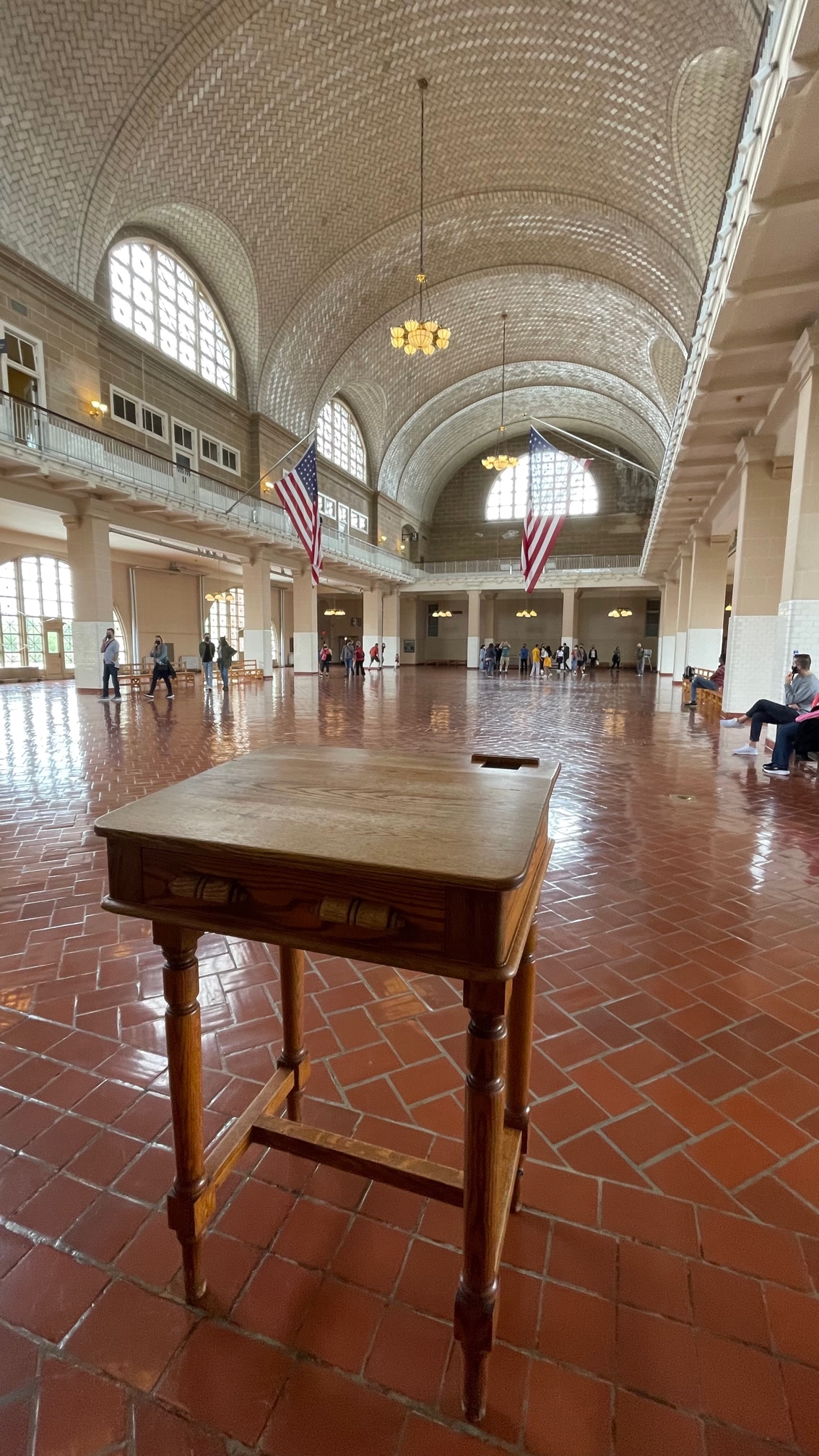
Ellis Island and The Statue of Liberty

Camera: iPhone 12

Location: Ellis Island and The Statue of Liberty; New York, New York, United States

Anatomy of A Scene – “I came in at the end…The best is over.”

“A lot of the best scenes in the show revolve around this conflicted mobster, Tony Soprano (played brilliantly by James Gandolfini), who suffers from both innate anxiety and depression, along with his dysfunctional families who intend to drag him down if he can’t help doing it himself.”

https://www.youtube.com/watch?v=0cQOej9nuho

‘The Sopranos’ is one of the most highly acclaimed television shows of all-time and is not just a show about a man caught between his real family and his mafia family but also about a certain period in American life. A lot of the best scenes in the show revolve around this conflicted mobster, Tony Soprano (played brilliantly by James Gandolfini), who suffers from both innate anxiety and depression, along with his dysfunctional families who intend to drag him down if he can’t help doing it himself.

There is a particular scene early in the 1st season where we are first getting to know the character of Tony Soprano and what makes him tick. The first scene in his therapist’s office, which would be a recurring motif throughout the show, has Tony trying to pin down the roots of his depression, which is what brought him to Dr. Jennifer Melfi (Lorraine Bracco) in the first place. Tony has no idea what is causing him the blues, pontificating openly that it could be “stress, maybe?” especially as he has recently started to have panic attacks occur out of nowhere.

Dr. Melfi asks him about what could be causing the stress he is feeling? Tony isn’t sure but believes that “it’s good to be at something at the ground floor.” Now, the audience can assume what he is referring to is the La Cosa Nostra or Italian-American mafia, which is on the decline as the show first aired in 1999 and could be on its way out. However, since Dr. Melfi isn’t aware yet who Tony Soprano is and what his life in the mafia like, she assumes he means about life in suburban America in the 1990s, which had a lot of amenities including bigger houses and bigger cars with a more privacy, but for which has left many Americans feel unfulfilled.

“I came in at the end…the best is over.” While Tony may be referring to the historical arc of the Italian mafia and how it’s in irrevocable decline, the show paints it to Melfi and the audience as something deeper yet not as pronounced. Melfi replies, “Many Americans, I think, feel that way”, implying that while the country has gotten materially wealthier and more prosperous to a degree, our family and perhaps spiritual life has been on the decline for quite some time and perhaps has led to a moral decline.

While Tony was inferred to be talking about the mafia and how he is now boss of his Soprano crime family unlike his father who never ‘reached the heights like him’ or wasn’t as successful materially in terms of his life in the suburbs, Tony still feels unfulfilled by his success.

While his father wasn’t as successful in the mafia life, he still passed it down to his son, but in those days, Tony feels as many Americans would relate to that there was more pride and togetherness in their communities among families of different backgrounds. In the atomized suburbs, it’s harder to connect with those in your family or to form as tight of cultural or religious or social bonds with people of your background.

“But in a lot of ways, he had it better. He (Tony’s father) had it better. He had his people. They had their standards. Their pride. Now, today, what do we got?” The scene also demonstrates that this was filmed in 1999, just at the turn to the 21st century, before 9/11 happened, the 2008 financial crisis, the election of Donald Trump as President, and the COVID-19 pandemic. Even on the cusp of 2000, the show demonstrates that not all was rosy in America and there was a sense of dissatisfaction back then with where the country was headed and that the ’best days may be behind us’ in more ways than one.


While the focus is on the decline of mob life in this scene and in the show, which does so consistently over six brilliant seasons, it also highlights a parallel loss of faith and trust in American institutions as well as the rise of greed, malaise, and apathy in our cultural attitudes, and a sense that maybe American decline is our future. While the scene is not overtly political, you have Tony reading the Newark Star-Ledger, a New Jersey daily paper, indicating that “President Clinton warns of Medicare going bust in Year 2000.”

The front-page newspaper headline tells you that even back then in 1999, there were worries about our institutions eroding, the promises meant to be kept at danger of being broken after many decades of effort, and the average middle-aged suburbanite feeling unsatisfied about the prospect of a dimmer future, especially for his or her children. While Tony’s parents were better off because of their closer family and community ties in the big city or the exurbs nearby, he was not able to say the same about his suburban life. Even at a time where his generation were able to still have had a better life materially and perhaps financially than their parents, would their children be worse off in both ways if the decline is to pass, both financially and spiritually?

Twenty-two years later since this scene first aired on HBO, it is interesting to look back at Tony’s anxieties as being prophetic rather than misplaced. Younger Americans of my generation and the generation behind me look at it reasonably and think that Tony Soprano, despite his crimes and misdeeds and his Mafia boss life, may have had one thing right: “I came in at the end, the best is over…” Now, the question remains, how do we deal with it as a country and as a people?

A Pleasant Vision

“The cool, ocean breeze blows the wisps of water onto my face and my hair with the soft rustle of the wind refreshing and relaxing me as the sunset envelopes the bright horizon leaving just one solid line of distinction on the horizon to separate the sea from the sky.”

The sand beneath me is coarse yet soft as it envelopes my feet and legs whole as I begin to pull myself up after admiring the waves lapping up to cool my body and soothe my worries as if I were in a welcome trance. Looking around at the vast sunset before me, the canvas of colors from blue to yellow to orange to pink, light up the seascape village I find myself near to but still so far away from. The cool, ocean breeze blows the wisps of water onto my face and my hair with the soft rustle of the wind refreshing and relaxing me as the sunset envelopes the bright horizon leaving just one solid line of distinction on the horizon to separate the sea from the sky.

I am wearing all-white as I pick myself up out of the sand and I see the shimmering lights behind me of a picturesque village where there is laughter, unknown music, and the smell of delicious food cooking over an open flame. After the sun sets over the village, I feel the distinct urge to go towards the village where everything and nothing seems familiar to me at the same time. The shimmering lights help me as I climb from the base of the beach up through the rocky hillside feeling at ease even as my bare feet climb over the rocks and shrubbery covered boulders.

As I climb higher and higher to the top of the hillside that juts out of this mountainous formation, the sound of people in different languages laughing heartily, the sounds of beautiful music playing in a sweet symphony as to not clash with the people’s joy. The smells of enticing foods, which become more and more familiar to me that come either from a distant past or of a future yet to come. The arduous hill climbing causes me to stumble and rest prematurely but I am undeterred. I do not bleed and while I tire, I do not fall back. Eventually, I make my way to the entrance of this pristine yet unfamiliar village with cobbled streets and stucco walls. Each of the village homes I walk past have large windows but no one’s inside, the walls are white or pastel-colored, and the arches speak to a grandeur of which I immediately fall in love with.

The windows and doors are arched with beige or dark red clay roof tiles with outdoor space with gardens likely filled with lush tomatoes and other plants to grow one’s own food. Surprisingly, I encounter women and men dressed from different eras on these cobbled streets who greet me in the languages of my ancestors. They have carriages and horses with them and exchange pleasantries with me as I pass them by on the way to the party. While I do not know them, they know me and perhaps they’ve known me my whole life. Even though I am tired from my journey, my hunger and thirst apparent to them all, they whisper words of belonging and encouragement in my ears and tell me that, “everyone is waiting for me.”

Who is everyone? Is it my friends? My family? My loves of past, present, or future? Where am I? Questions wash over me, but I am not anxious. It’s that strange sense of anticipation that comes after a fortuitous journey where my last destination is not known but I have no doubt of where it is that I am supposed to go. I am here for a reason and while I do not know when, where, or how I got here, I finally know that I have a destination in mind that may be what I was looking for all along.

Once I get there, the high, wooden entrance of a pure white village house made of solid brown doors swing wide open for me as an honored guest. There are sturdy, mahogany tables filled with known faces who have known me throughout my life and unknown yet familiar faces who I may be related to by blood or folks who I don’t remember as a child or baby but have also met them at one point or another. The tables and chairs seem to go on forever up to the edge of the hillside looking out on the moon, the sea, and the stars as gloriously bright as can be with no way not see hundreds or thousands in the night sky. Ornate dining sets have been set up with wine goblets and delicious foods with peaceful music playing in the background and it seems everyone is waiting for me to arrive to begin the meal together.

Everybody at each table is dressed up in their own regalia from the era they lived in and are at the age that they most would like to be remembered by. Surprisingly, while each person is exchanging languages with each other that they themselves may not speak, they are somehow being instantaneously translated so everyone can understand one another even while having not been from the same century or same continent.

It dawns on me that this is exactly where I’m meant to be. The food is as delicious as can be, the wine and other drinks plentiful, and everyone is enjoying each other’s company with pure joy and happiness lighting up the evening. They all know me as if I were a family…which I am. Many hugs, kisses, and handshakes are exchanged as each of my ancestors and family members encourage me to join them at the table through a night that seems to stretch across time like a flowing river.

I am the latest to arrive to the celebration here, but it feels like they’ve all been waiting a while for me to join them here at this heavenly setting. There is no mention of anything negative in the conversations I have. We don’t highlight my or their own Earthly failures, setbacks, heartbreaks, and tragedies. There is just happiness, joy, warmth, and discussing the fine setting and meal we find ourselves enjoying together after having been apart. There are no hard feelings, no pain, no remorse, no odd person out, as we are a whole family again united after all this time, which feels like just yesterday we were all together but may have been decades, centuries, or millennia since our paths have crossed. If this is heaven, I ask myself, it is certainly a pleasant vision of it.

A Sense of Balance

“When the show talks about balance, it is not just about karate in terms of making sure you are able to work to anticipate your own movements as well as those of your own opponent but to be sure to not be balancing too much where your life suffers from imbalance.”

Recently, I have been watching the ‘Cobra Kai’ series on Netflix and while I was never really a huge fan of the Karate Kid movie series, I have really taken a liking to this TV series featuring the same characters with some new ones over 35 years later. There are a lot of great things about this particular popular series such as the 80s music and influence, the acting, the fight choreography among other positives that make you root for each character for different reasons. However, my favorite thing about the series is the life lesson that is not only applicable to the martial art of Karate but to someone’s life in general.

Without spoiling too much about the show, Mr. Miyagi’s philosophy of living life with a sense of balance is applicable not only to his protégé student, Daniel LaRusso, but also to the audience who is watching the show. When the show talks about balance, it is not just about karate in terms of making sure you are able to work to anticipate your own movements as well as those of your own opponent but to be sure to not be balancing too much where your life suffers from imbalance.

Imbalance can cause you to slip, fall, and end up in a fishpond as what happens to Daniel in the movie and to some of the characters for whom he teaches. When you balance on a plank or board, you have to balance your body but beyond karate as in regular life, you have to balance your mind in order to succeed in life. It’s important to be able to not lose sight of what is important in your life to what is trivial at best. When you don’t have balance, you can quickly lose sight of what’s important and what should not take up both your time and your mental capacity.

In the movie and the show too, Daniel, the protagonist of Karate Kid and a teacher in Cobra Kai, struggles to balance his responsibilities as an adult. He has a loving wife and two great kids but finds his life is out of balance. He loves Karate and misses Mr. Miyagi, his sensei or teacher, so when the show begins, his life is somewhat out of balance, which takes time for him to realize. He has a really successful car dealership business with multiple locations but even then, he uses Karate metaphors as a way of expressing how much he misses the martial art he had been practicing for years. In a way, while his life is successful on the surface, he has placed too much weight on his family and personal success but had forgotten the nurturing, passionate side of who he is as a person.

This sense of balance can be missing as it was for Daniel when we put too much weight on professional and personal success but forget what makes us passionate about life and to devote some time out of our busy lives to focus on that passion even if it doesn’t make us money. When it comes to balancing out responsibilities, duties, and habits, you should make time for each part of one’s life but not too much where one responsibility crowds out the rest.

With Daniel as an example, he has to balance it out, so he does not overwhelm himself with one part of his life when he is being pulled in three directions. He has to keep his marriage romantic and show love to his children while not neglecting his role as a business owner and making sure his customers are satisfied. If he spends too much time at work, he still has to be a present father and a loving husband, so he has to be extra cognizant of how much time he is spending on each responsibility.

When you add his love of Karate in the show to the mix, it makes that ‘sense of balance’ much harder to achieve. However, the love of Karate and spending time on his passion makes him as happy, if not more so, than when he is at his job or when he is with family. If you in your life find a passion that great where you want to mentor or help others develop that passion, you should try to add that to your life and do your best to maintain balance.

Karate, like life itself is about maintaining balance and anticipating what your opponent or what life will throw at you next. Part of having a sense of balance is to predict what is to come and adjusting your duties and responsibilities in terms of time spent on those commitments.

For example, if Daniel has a big meeting at work, hypothetically, when it comes to car sales, he may need someone to fill in at the Karate dojo for him such as a top student so that his business does not suffer. If he has to do so, he can move his training hours for the dojo to nights or weekends but that may conflict with his family obligations so maybe he has to ask his wife first to make sure he is spending enough time with them when he’s not managing the car dealership. He also has to be sure to not spend too many hours at the dealership so as to miss breakfast or dinner with his children who may be in school all day.

A good way Daniel can balance his love of Karate with his love of family and work is to incorporate an element of Karate in his work and with his family. He can add a line like ‘kicking the competition’ to his company logo or giving away Bonsai trees to customers who buy cars from them. He can also involve his wife in his dojo by showing her around the training center he set up for his students. Daniel can also encourage his children to join him and to show them how to use Karate in their lives when they are not busy with school.

Similar to Daniel in ‘Cobra Kai’ and ‘Karate Kid’, we must continue to maintain that sense of balance in our lives and to keep adjusting the balance when we become too top heavy in one part of our life which can crowd out our other responsibilities. Be sure to not lose your passion or your family or your livelihoods in the process but see first how much time and effort you can devote to each commitment you make to yourself.

Rather than totally give up something you love or are passionate about, try to do better with time management first, see if it really conflicts with your other daily or weekly tasks, and then determine if it brings enough joy in your life before getting rid of it to improve your internal balance. Balance is not just about time management but it’s also about being aware of other people’s feelings and emotions. You have to anticipate how they’ll react to what you choose to focus on. If you spend too much time at work, you should be aware of how your wife may feel about it. If you are working on a passion too much, your family may feel neglected. If you are focusing on family too much and your work suffers, you have to improve your concentration in order to be able to provide for them.

Balance involves analyzing how your life is going and being self-aware enough to know if change is needed in it. If you do nothing, your life balance is likely to suffer. When you can instead manage your time better, seek out input from others, and figure out what priorities come first, your life balance will be that much better, and your level of happiness will likely increase as a result.
Stay on Top of Things

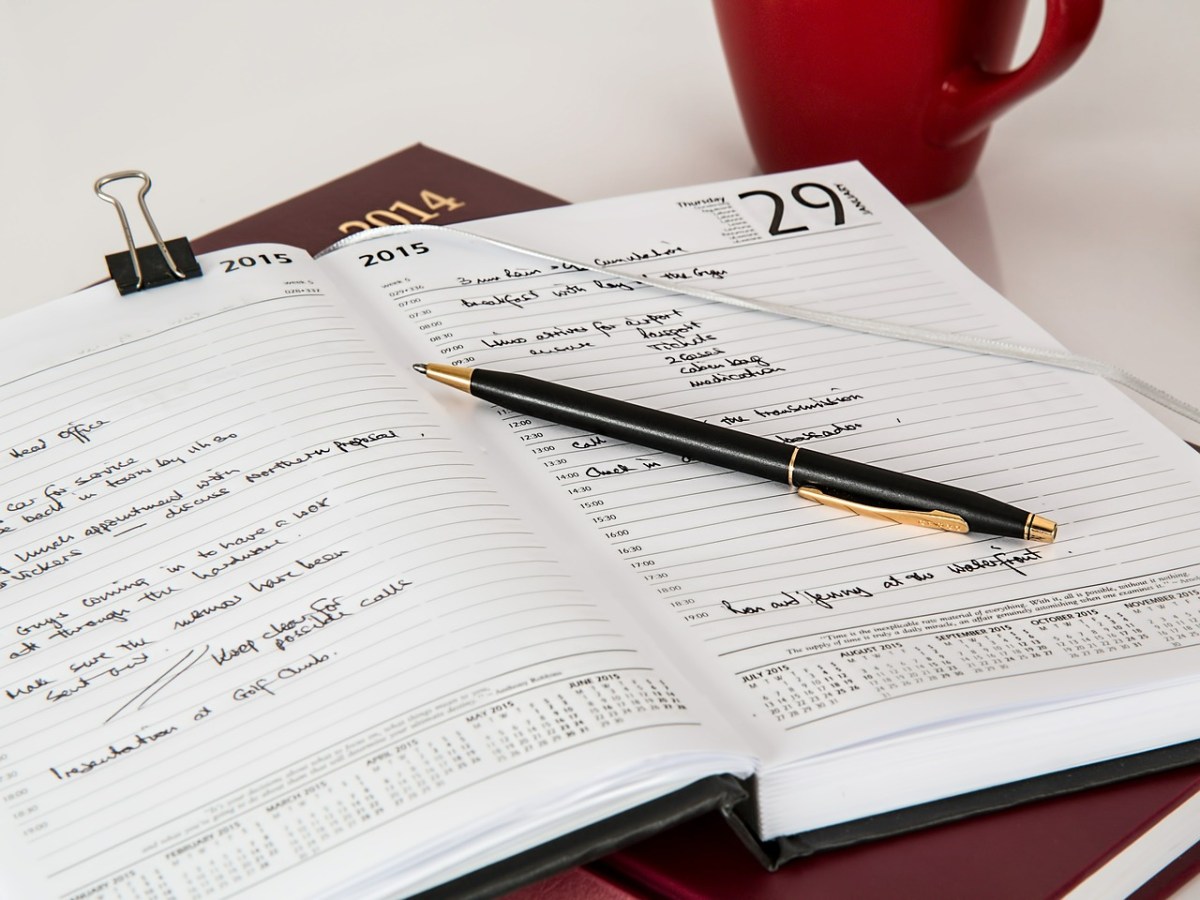
“Staying on top of the things in your life from finances to exercise to managing your home are all ways to have peace of mind. There are a lot of things in life we have no control over so I encourage you all reading this article to put those things you can control on your to-do list each day and each week.”

It can be hard for a lot of us these days given what’s going on in the world. It is easy to be stressed out, anxious, and generally worried about the future. I would say that on the whole people don’t do well with uncertainty and not knowing what the future holds. It can be quite daunting not know what will happen a month from now, six months from now, or even a year from now. When I think of myself who prefers certainty and planning things out on a week-by-week basis, it can be frustrating to have to change or amend plans due to lack of feasibility or to remember that the world has changed, and you have to adapt to it.

Instead of fighting an uphill battle against the various changes going on in our society right now not alone to due to the pandemic but other economic and social factors, you have to learn to swim with the tide and to adapt as best as you can. Part of doing that is also knowing what it is strictly under your control each day and exercising that kind of control as best as you can. Given a lot of things in our lives now are out of our own control, the best way to combat that fact is to stay on top of the things we can control and to do them to the best of our abilities.

As I’ve mentioned in a previous article about the common-sense kind of wisdom of U.S. Navy Admiral William McRaven, who said that the best way to start your day is “to make your bed” and it relates to having a sense of control in a world where we often lack control. It is also a larger part of staying on top of things or tasks in your life that will always need your attention and won’t get done without your effort. Making your bed is a good habit to build each day and will make you feel better right away for taking action over a thing that you have direct control over.

Other things involve getting enough sleep each night (7-8 hours preferably) and managing that aspect of your life well so you can perform better in your work or schooling. Staying on top of things also involves our diet and our exercise routine. These things are more open ended but establishing what is a good diet for you, buying the food items each week that contribute to your diet, and then cooking the meals to reflect that diet are important things to stay on top of in your life. The general guidance for exercise is 3-4x a week and I’ll leave it up to you to decide how you exercise whether its weightlifting, yoga, running, sports, or even martial arts. The important thing to do is to keep track of how much exercise you’re getting each week, how consistent you are being with it, and whether you are seeing any improvement(s) in your life based on your exercise regime.

I also want to prioritize the importance of control over one’s domain or where you are living. You will feel better when your place is clean, when things are organized, and when you are not living in a place that is messy and unkempt. Part of being a responsible adult is to independently take care of yourself with your grooming, your appearance, but also your abode. Don’t let another thing that you have control over fall by the wayside. Take the necessary time to clean and to tidy your place up from the bathroom to the kitchen to the living room. Your self-esteem will be raised from doing that and you’ll be better off for exercising control of your living space, which is an important place where now we are working from more often and also studying from in this time of the pandemic.

When it comes to staying on top of things, it means making sure too that you are managing your finances whether it’s saving more money, not spending beyond your means, and recording your budget on a weekly or monthly basis. Financial management is a key thing to stay on top of and it will help you to organize your life in another necessary way. It is also a way to be in control because it’s your money and only you know where it’s going each month and how much money you have available to you.

Our own relationships with friends and family members are another aspect of our lives that we often overlook our control of. We can choose to associate with people who value us, respect us, and care about us and I would say that it’s important to prioritize those people, whether family, friends, or general acquaintances who value not only our time but who we are as human beings. You can control who you give your time and effort to in relationships and it’s important to exercise that right to let those people into your life who treat you well, who like you for who you are, and don’t try to belittle or demean you.

Lastly, I do want to mention that beyond taking care of your bed, your sleep, your diet and exercise, your finances, and your relationships, you have to take care of yourself. Mental health is extremely important as well as physical health these days and it’s important that you make time in your life to check in with yourself, to go easy on yourself in terms of not beating up on yourself too much for past mistakes. If you need to meditate or treat yourself to a movie or a video game or a hike on your own, I believe you should do so. If you need to talk to someone about your mental health in a private manner, I encourage it as well. Talking to a licensed professional is something you always have control over so you should feel free to do so if you need to help your mental health. There is absolutely nothing wrong with doing that and it should not carry with it any kind of stigma or reservation.

Staying on top of the things in your life from finances to exercise to managing your home are all ways to have peace of mind. There are a lot of things in life we have no control over so I encourage you all reading this article to put those things you can control on your to-do list each day and each week. Please make it a priority to handle those pending things in your life that you alone are responsible for and don’t let these small things pile up.

You will feel better and happier for handling the small things well before you take on the big things. If you want to make a difference in the world, start by making a difference in your own life and see how that positive momentum will carry you forward. If you can handle your own business successfully, you will gain more confidence and be more self-reliant, which are positive traits when it comes to handling uncertainty, unease, or the inability to know what the future holds. Take things on one day at a time and do the things you can to the best of your ability as often as you can.