Why It’s Important to Romanticize Life a Little (While Not Losing Your Grip on Reality)

“When I say romanticize life, it’s about choosing a balance between being aware of suffering and cruelty in all its forms but not letting it steal our joy or every drop of beauty we should experience during our short time we are living on this planet.”

A star-filled sky, a sunset that looks like a colorful painting come to life, a delicious cup of coffee on a patio or rooftop, a smile from a stranger, or a song that just puts you in a good mood; romanticizing life itself is important to maintaining one’s contentedness. Romanticizing life itself isn’t about deluding oneself about the ills of our troubled world or denying that life has its problems, but it’s about choosing meaning, joy, and pleasure in a chaotic thing that we call existence. When I say romanticize life, it’s about choosing a balance between being aware of suffering and cruelty in all its forms but not letting it steal our joy or every drop of beauty we should experience during our short time we are living on this planet.

What does it mean exactly to romanticize life itself? For me, it’s about viewing life not only through its troubles, struggles, and effort, but also about embracing wonder in all its forms, keeping your imagination going, and living life with intention to observe joy and be appreciative of being able to exist in this moment. Being able to romanticize life does not come easy and we can lose track of how precious life really is. However, you can appreciate life more when you’re able to enjoy the small rituals and little moments that bring you a sense of calm and contentedness.

Maybe it’s your morning coffee or your daily walk around the neighborhood. If you’re a parent, maybe it’s the sound of your child’s laughter or if you’re married, your partner smiling at you. In those precious moments, you are left with a sense of what the good stuff in life is and that it can be good. You know those moments don’t last forever so it’s important to recognize them when they happen and to find enjoyment in them. I also think romanticizing life is about embracing yourself as the ‘main character’, which I have written about in a previous article. Being able to embrace new places, new foods, new cultures, and new adventures can give your life much more volume of good memories, meaningful connections, and some amazing stories to tell upon your return.

Life isn’t perfect and neither is your own, but it’s important to remind yourself daily of the good stuff even if it’s minor things in your routine and daily rituals. Even if life seems bad, I always think there’s the ‘little’ things in life to be grateful for and to remind yourself of what to be fortunate for even if things can look bleak at times. Romanticizing life matters even more in today’s world in my view. Modern life is designed to overwhelm us seemingly everyday and can drain our joy completely if we are not careful.

A lot of us are burnt out from work, overstimulated by 24/7 news cycles, and overwhelmed by the technological change going on around us. Romanticizing life is not about ignoring these changes going on around us but to remember exactly why life is still beautiful and how to find out what inspires us, moves us, and allows us to embrace the good things in our world.

It is also a good antidote to apathy, nihilism, and numbness to the problems in our society because remembering the good things in life and what’s worth fighting for. We cannot control the world or right every wrong, but we can control how we experience and move through the world in our own way. Being able to romanticize life and the good it can offer us encourages positive feelings of gratitude, mindfulness, and presence especially when there are so many distractions around that can cause us to lose sight of what we really should be focusing on.

While I advocate for romanticizing life, I’ll never shy away from acknowledge the pain and suffering we all inevitably go through in life. However, we cannot let ourselves be consumed by the pain we experience or seek to escape reality in unhealthy ways. Remember to be able to hold the good and the bad of life in you, the joy and the grief, stress and peace, happiness and sadness.

Don’t romanticize life to escape your problems or the pain you experience but instead use it as a tool to ground yourself, to have perspective, and to think in a more balanced way rather than ‘everything is terrible’ or ‘everything is perfect.’ For some examples of this you may experience in life, you can still pay your bills and light a candle for a nice dinner in the same day. You can still enjoy Paris while it’s raining down on you and you’re late for a tour. You can still have a bad day and still journal your thoughts down while being grateful for the good things you have in your life overall.

As the famous philosopher Albert Camus once wrote, “There is no love of life without despair of life.” To me, this quote represents that you can still be in touch with life’s beauty and joy without being broken by the pain and sorrow you experience that’s a part of life too. This is the kind of perspective that you should be cultivating like Mr. Camus in that you need to be romanticizing the ordinary and mundane of life and to find some beauty in it if you can.

How to do this exactly? Well, I like to write and observe to romanticize and find joy in the world. For others, it could be reading literature, watching films, or learning about art. Even better than that is to create these types of output yourself and to collaborate and work with others because building out human connection through these endeavors makes life more enjoyable and makes it easier to romanticize it all.

Romanticizing life does not mean broadcasting for the world every photo you take, every meal you consume, or every sunset you enjoy. It’s about living in the moment, not being performative or fake about what you experience, and taking the time to really embrace beauty wherever it can be found. It’s about being intentional in how you embrace life, little by little, the good and the bad. You need to have perspective in that things are never as bad as they seem nor as good as they seem. Romanticizing life is not about pretending bad things don’t exist or that good things don’t exist, but it’s about believing in that there is good in the world still and it’s worth taking pleasure in.

If you’re into romanticizing life through travel and adventure, do more of that, and for others it could be the comfort of family and friends, while others can do it more simply with watching the passing of a cloud or the blossoming of a flower, you need to find one small way each day to bring some good energy to your life and to uplift oneself when you can. Life is not meant to be an endless grind where we are meant to struggle endlessly without taking some time to reflect, be present, embrace beauty when we see it, and to live life with as much passion  as you can muster when we find things worth enjoying, both big and small, both random and planned, and above all else, reminds us that while life can be tough, it can also be beautiful too.

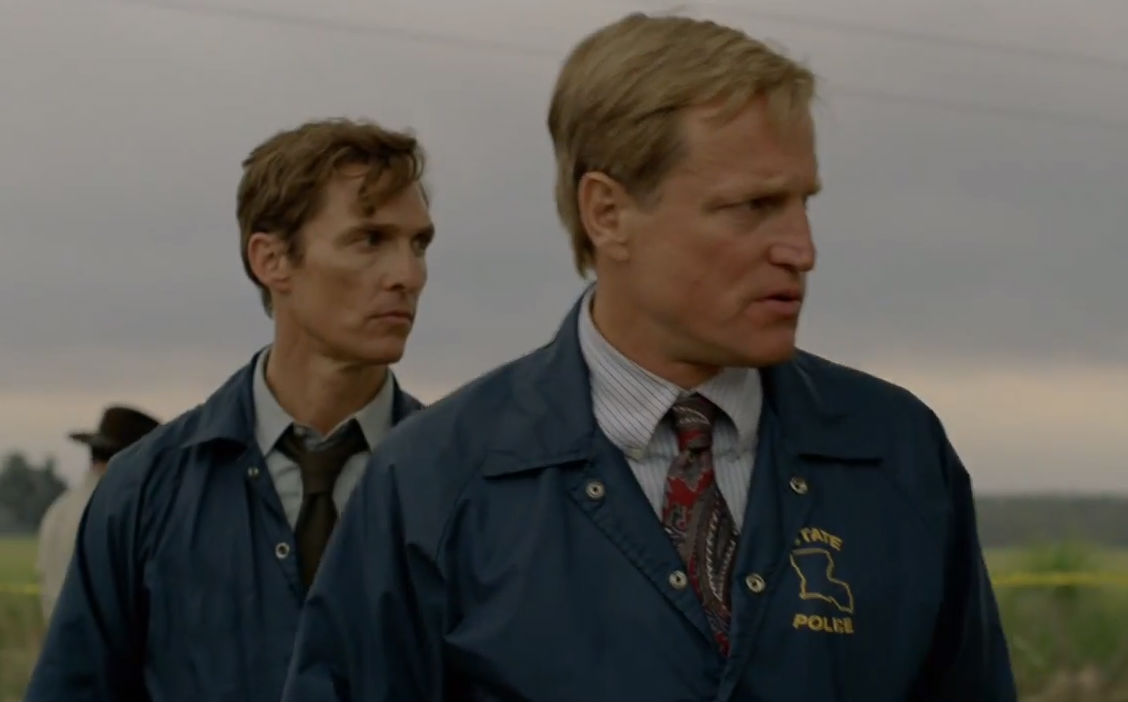
Anatomy of a Scene – ‘How you been, ya know, besides work?’ (True Detective)

“However, they both are excellent detectives, dedicated to solving crimes, and are each other’s yin and yang by keeping the other one honest.”

True Detective, Season 1 on HBO aired over ten years ago but it’s still regarded as one of the best TV drama seasons of all time. Part of its lore lies in its storyline and direction, but a lot of credit also should go to the lead actors, Matthew McConaughey and Woody Harrelson. The two actors who play Rustin ‘Rust’ Cohle and Martin ‘Marty Hart’ respectively do an excellent job of showing these actors at different periods in their lives and careers as detectives with the Louisiana State Police. Both men appear to be opposites at the start and the friction(s) that they have intensify over the year. However, they both are excellent detectives, dedicated to solving crimes, and are each other’s yin and yang by keeping the other one honest.

Few shows since that season of True Detective or the seasons of the popular anthology series since the 1st season with Rust and Marty have achieved the same level of on-screen chemistry and presence. It helps that off-screen both actors are close friends and have known each other for decades. They’ve been quoted as almost being like ‘brothers’ sharing the same sense of humor, profession, and having different hobbies in common. While True Detective with Marty and Rust happened over ten years ago, there are rumors swirling around that both characters could come back in the future for another story by showrunner Nic Pizzolatto.

One scene on the show that really sums up their rocky relationship and occurs later in their troubled careers. Not only do they have unfinished business with each other in terms of reconnecting and perhaps getting over their troubled past but also to attend to possibly solving a murder mystery central to the season’s plot. At this point in the season, they are older, not on the force anymore as detectives, and life has both affected them in different ways including estranging them from their former family and friends.

Marty Hart, for example, is balding, lives alone after separating from his now ex-wife, and doesn’t have sole custody of his daughters anymore. He doesn’t cook much (it’s implied), likes to fish for a hobby, has trouble finding purpose in his current job, and has resorted to online dating (unsuccessfully so far) even though he insists it’s ‘casual’, but likely wants to have a new relationship via Match.com. Rust Cohle, has grown his hair and beard out, looks a bit older due to his smoking and drinking habit, owns a bar in rural Louisiana, is isolated but does seem to enjoy the quiet of living by himself and spending time watching the sunset each night while drinking a beer.

You can tell by the montage of this scene in the show that as the years gone by, they’ve lost connection not only to their purpose and to each other, but also to what made truly worth living. They may have other jobs and maybe some other things keeping them going, but they miss the work they did, the past relationships they squandered, and even each other begrudgingly.

While the montage showing them settling into middle age monotony may be unsettling, the short scene does give them a chance to reconnect again, get to know each other on a personal level outside of detective work, and work together to find a purpose again. In this case, there’s a murder mystery to solve and they cannot do it by themselves. Since they both are single, one divorced and the other non-committal to it, seemingly estranged from their current work and lacking purpose, they need each other ten years later more than they could ever know.

Life can get lonely without friends or family but especially if there’s no one around to help you find your purpose. I think that’s why this scene is so key within the show is that it shows Marty and Rust may feel like they’re alone, but they do have each other despite their past differences. Sometimes, you must go through some solitary times in life to find out what you really want to do or who you really want to spend your time with. Rust knows he is alone as the scene makes clear, but he has made peace with the loneliness even if he might wish for a girlfriend or a friend to drop by the bar after it closes. Marty had a marriage and a good relationship with his children but unfortunately, he was not able to balance it with his work life and his infidelity.

The scene’s montage shows the years have been a bit hard on Marty as he tries to rekindle what he once had but being unsuccessful at doing so. The montage shows you just how precious our situation can be with work, with love, and with family, and that you can’t go back and change the past. As much as you might wish to catch lightning in the bottle twice as is the case with Marty in terms of finding love or companionship, sometimes, those second chances never come around. The fact that they each have each other in their lives again, even with their storied pasts, is a good thing and shows that they still have an innate purpose regarding their work as detectives and that they are better off working together than being apart. In time, they will get back their skillset, work to solve the case, and even become friends again, which can help put their loneliness at bay.

While this scene of them living isolated lives may be looked on as depressing, I think it is a realistic look at how life can get as you get older. You may have to deal with periods of loneliness or getting swept up in a routine that grows stale. However, it’s important to remember for all of us watching is that life throws us curveballs sometimes and you never know who will appear in your life again or what kind of purpose and worth you can find in the most unlikely of places. For Marty, it was seeing Rust’s trust again on the road after ten years as they drove on the same road, and there was more to their story together, and they think they were both happy to find each other again and work towards getting their sense of purpose back together.

Life, Subscribed: How Everything Became a Recurring Fee

“Welcome to the age of subscriptization: a world where the default mode of engagement is no longer ownership, but ongoing payment(s).”

Okay, not literally everything, but it’s certainly starting to feel that way. Remember that feeling you had as a kid or teenager picking up a compact disc (CD), a DVD, or a book from the local school fair. You paid for it only once and then you owned it for life or if you didn’t sell it to someone else or lose it entirely. I get nostalgic for those days when ownership of items was the priority in this economy. We used to buy things.

Now, we rent or subscribe to experiences, housing, streaming services, and even our identity, one monthly or yearly payment at a time. From software and streaming to meals, mattresses, and meditation, life itself has undergone a quiet revolution from owning to subscribing. Welcome to the age of subscriptization: a world where the default mode of engagement is no longer ownership, but ongoing payment(s).

At first glance, this model seems like a win to anyone. Why drop hundreds upfront on a good or service when you can pay $9.99 a month forever? Subscription services promise convenience, affordability, and flexibility, and they’ve reshaped how we consume as a society. Need entertainment? Subscribe to Netflix. Need groceries? Subscribe to weekly HelloFresh deliveries. Therapy? BetterHelp sessions, available by month or more. Transportation? Try Tesla’s subscription model. It’s not just media and goods anymore; it’s your health, your fitness, your mental well-being, and your relationships.

However, beneath the surface of ease lies a subtler transformation if you haven’t noticed it already, one that touches everything from personal finance to cultural values. Subscriptions create the illusion of choice and control while tethering us to an endless cycle of micropayments that add up over time and can lead to a financial trap. They can fragment our budgets, blur the line between need and want, and slowly chip away at your financial autonomy. When every facet of life comes with a recurring fee or payment, you may never feel “caught up” or always feel like you need to add one more service to make your life more convenient. There’s always one more plan, one more upgrade, one more renewal reminder in your inbox making it harder and harder to unsubscribe entirely.

Beyond our bank statements, the subscription model is rewiring our expectations and sense of satisfaction with our choices. We’ve become conditioned to expect instant access, regular updates, and constant novelty, whether it’s a new show to binge, a wardrobe refresh, or the latest application feature update. That “always something new” mindset can quietly foster impatience, restlessness, and even entitlement. Why wait for anything or stick with something you buy once when everything can be delivered, streamed, or unlocked for a monthly fee? This kind of mindset creates a culture that prizes immediacy over depth, reducing life’s experiences to transactions, and undermining the joy that can come from delayed gratification or from rewarding true craftmanship.

As people, we are also internalizing the logic of subscriptization in how we relate to ourselves and others. Self-improvement has become something you can subscribe to, through fitness applications, meditation platforms, career coaching, or therapy on demand. While these tools have value as subscriptions, they often position growth as something you consume, not something you do. There’s a growing risk that we start seeing our personal progress as another product, measurable, trackable, and cancelable, rather than as a slow, often uncomfortable process that lasts a lifetime.

This recent economic shift also speaks volumes about our societal mindset. In an era marked by career instability and a gig-based economy that more people must participate in to survive and make ends meet, people are more hesitant to commit entirely for the foreseeable future, whether it’s to a car, a house, or a romantic partner. Socially, we now navigate dating and relationships through platforms that resemble subscription services themselves, where matches, friends, or followers can be swiped, upgraded, or ghosted as easily as deleting your Spotify playlist.

The emotional consequences of this wide shift are still unfolding, but the early signs suggest it’s making genuine connection more fragile, and commitment feel optional entirely. Subscriptions cater to our age of societal anxiety, offering an easy way out at any time. Don’t like it? Cancel it. Swipe left. Move on. That same disposability in what we subscribe to may be eroding our sense of permanence, ownership, and investment, in both materialistic and emotional ways.

Meanwhile, companies aren’t just selling services, they’re collecting our data for months and years because of the subscription model. Every subscription is a pipeline of behavioral intelligence; when you watch, what you skip, how often you order, when you’re most likely to purchase. Algorithms then feed this data back into your shopping, dating, or entertainment experience, shaping your preferences before you even know you have them. It’s a form of consumer surveillance masquerading as personal freedom.

The subscriptization of life isn’t inherently evil, but it’s worth examining the consequences of moving more and more to a subscription-only economy. As we increasingly trade ownership for access to services and goods that we need rather than just want, and permanence for flexibility, we must ask ourselves: what are we gaining with this model, and what are we losing? Subscriptions might make life smoother, more convenient, but they can also make it shallower, more transactional, and harder to disconnect from. It is also possible that we end up paying more for these goods and services in the long run every week, month, or year, rather just one-time only.

The question isn’t whether we’ll return to owning everything again as that ship has sailed. In this new economy of access, the challenge is to subscribe with real intention, not out of pure habit. Because if everything is on auto-renew, or there’s no longer a ‘buy now’ option, it might be time to ask: who’s really in control of our choices as consumers?

More importantly, we need to consider what kind of life we’re curating through this endless stream of monthly and yearly commitments. Are we building something lasting or simply paying to keep the lights on in a lifestyle we don’t fully own? The convenience is real, especially for those who benefit from seamless access. However, so is the quiet erosion of autonomy when we outsource our decisions to algorithms, platforms, and plans we barely remember signing up for. At some point, the goal should be more than just temporary access. It must be about intentionally creating meaning, through what we purchase, who we support, and how we contribute. And meaning, as it turns out, isn’t something you can just rent or subscribe to.

Be Bold and Take Chances in Life

“Nothing will ever be given to you on a plate whether that’s a new job, a pay raise, acceptance to your preferred college, or achieving a new professional certificate. You have more say over your life than you think with the effort you put into it.”

I want everyone reading this article to succeed in life. I want you to make good choices and not be to rash in your decision making as well. However, to foster new opportunities, you have to take the initiative, be bold, and take chances to really get ahead in this world. Nothing will ever be given to you on a plate whether that’s a new job, a pay raise, acceptance to your preferred college, or achieving a new professional certificate. You have more say over your life than you think with the effort you put into it.

Nowadays, you can’t be too complacent especially with the pace at which we are going through life. Time speeds up the older you get, and you have to make the most with the time given to you. You must be bold, take some chances, and see if it pays off. You don’t want to go all-in per say and take too much risk on to achieve a goal, but you also don’t want to never try at all so be sure to balance your desire to take chances with your need to preserve your livelihood. Going all-in without doing your research, not knowing your limits, or being unprepared is a recipe for disaster and that is the opposite of being bold, it is being foolhardy instead.

Calculated risk-taking is what you should be striving for in your life and to prepare yourself to succeed in whatever you choose to pursue to give yourself the best shot at success. Being bold is not about going all-in with no resources or preparation but it’s rather about taking a shot where you feel as if you have a realistic chance of succeeding. You should always think about what I am getting out of this pursuit, is it worth the risk, and what happens if I succeed or fail? You want to make sure that you can bounce back if it doesn’t turn out well and you still have the means to try again.

To cite a personal example from my own life, I prepared myself for the project management professional (PMP) certification for months, took multiple preparatory exams, enrolled in an intensive course, and took evenings and weekends to study the exam material. It was a good strategy because I didn’t go all-in without preparing myself first and reminding myself that if I fail, it’s not the end of the world and I can try again.

I also thought if it was worth the investment and if passing the exam and getting certified would benefit me in my own professional pursuits. I did the analysis before spending the money and the time to get ready for the certification exam and to go through the steps also to qualify to sit for the exam. Was it easy? No, not at all, but I’m glad I took the time to take and pass the exam because I knew that this kind of chance was worth it and would benefit me in the long run.

You will find that to be bold in life, you may have to suffer to achieve or do something truly great. Whether that is starting your first business, applying for that dream job, moving to a new city, or just asking that girl or guy out who you’ve been meaning to talk to but haven’t yet. Doing anything worthwhile in life is far from easy and often will be painful and difficult. However, the alternative of doing nothing, never trying at anything you want to do, and going through your life thinking of ‘what if?’ is no way to live your life.

I am so adamant about this topic because I’ve been through a lot of these situations I’m describing, and it required a lot of boldness to do it. You have to be bold often to get what you want out of life, especially since nothing is going to be handed to you. Make sure you take measured risks and think before you take upon a challenge as well. Boldness isn’t thoughtlessness or recklessness. Rather, it’s about thinking about what challenges you wish to take on, being realistic about your success chances, and coming up with a plan to give yourself the best shot at being successful.

Whatever dreams, goals, or ambitions you currently have, think about what it would take to make them a reality. Come up with a few steps on how to achieve your goal(s), eventually formulate a plan with further details, and then execute to the best of your ability. Sometimes, your bold decisions will be more instantaneous such as networking on the fly, asking someone out by introducing yourself and being vulnerable, or pitching your supervisor at your job about why you deserve that promotion in a one-on-one conversation.

It’s better to look back on your life and think of ‘how it happened’ rather than ‘why didn’t it happen?’ You want to live life with fewer regrets as you get older and avoid ‘what if?’ in your thoughts as much as possible. That is why I stress to you about the importance of being bold, taking an action, and working hard on what you really want out of life. If you fail, at least you gave it the best effort that you could, and the next time you try, it will be less painful, you’ll have more confidence and you’ll likely have a better chance of success the more times you take the initiative. Good luck and remember to be bold!

Emulating ‘The Most Interesting Man in The World’

“You don’t have to be the most interesting man or woman in the world, but I think these commercials did do a good job of why it’s necessary in life to embrace curiosity, experience, adventures, and being charismatic.”

I am not a big fan of commercials or advertisements generally, however, if they can be humorous or insightful, such as one kind of commercial that has captivated me for years, on what it is like to be ‘the most interesting man in the world’. I have long had a soft spot for the now defunct ‘Dos Equis’ beer commercials focusing on the character of “The Most Interesting Man in The World.” These commercials were not only humorous but also served as a cheesy yet truthful take in my view regarding how to be a more well-rounded, open-minded, confident, curious, and adventurous person. You don’t have to be the most interesting man or woman in the world, but I think these commercials did do a good job of why it’s necessary in life to embrace curiosity, experience, adventures, and being charismatic.

“The police often question him because they find him interesting.” In many of the ‘Most Interesting Man in The World’ commercials, you see the character actor, Jonathan Goldsmith engaged in various activities such as climbing Mount Everest, arm-wrestling a military general, or flying a plane. The character thrives on experiencing life and all it has to offer despite the risk(s) and danger(s) involved.

Whether its fencing, sea diving, or rescuing a lion, he thrives on novelty and making the most out of what life is all about. I don’t see anything wrong with you incorporating this kind of mindset such as seeking out new hobbies or interests, traveling to unique places, and learning new things to make life more exciting and fulfilling. You don’t need to be the most interesting man or woman in the world to do that, but you do need to take action to make that happen.

“He has inside jokes with complete strangers.” Having charisma, being appealing to other people, and showing confidence in your actions will carry you far in life. What ‘The Most Interesting Man in The World’ commercials show us is that it does help to be charismatic, confident, and able to handle social situations with ease. This kind of character takes time to develop and won’t come easily, but like ‘the most interesting man’, it can pay off for you when you invest in your social life and take time to get better at building those social skills. The character in the commercial is not doing these activities alone and he is not at the bar or restaurant alone. He is self-assured, confident, telling a story, and being humorous to enhance his relationships. You should work on doing the same in terms of having those characteristics in both your personal and professional relationships. You never know when having these kinds of interpersonal skills will come in handy, but I can guarantee it will help you in life in one way or the other.

“He can speak French…in Russian.” The character himself is well versed in those activities and is knowledgeable in many fields such as learning languages, playing sports, or knowing different instruments. These commercials, while funny, do show the viewer the value of being a lifelong learner as it will make you a more well-rounded person. Being able to ride widely on different subjects, picking up new skills over the years, and engaging in a wide array of activities will make you stand out in a good way in terms of forming a holistic personality. If the character can do it, you can make it happen as well though take it one step at a time in terms of becoming a Renaissance person. You may not get there right away with being well-rounded, but years or decades of work will help you get there most often.

“People hang on his every word, even the prepositions.” The most interesting man in the world doesn’t boast and talk at length without being prompted first to share his adventures and experiences. He is intriguing because he is mysterious and saves his best stories for those, he wants to share them with. Even in these commercials, the actor has a real presence about him, partly because of his age but also because of his body language. You do not need to overshare with the average person or stranger, but you should intrigue people with your aura and your confidence. You can let someone new know a little bit about you without giving everything away. It takes time to get good at that, but you should save your best stories for your most intimate friendships or relationships. You should divulge a little bit about yourself at a time while maintaining some mystery for those people who really care to get to know you better.

“His blood smells like cologne.” When you dress well like the character does, when you have strong composure and when you carry yourself with both dignity and respect, people will treat you better and take you seriously. Remember to boost your confidence this way by paying more attention to how you present yourself, how you speak, and how you think you’re being perceived. You don’t need to be a fashion icon but like ‘the most interesting man in the world’, you have it in your power to dress well, have more refined taste, and present yourself as best as possible. Having good body language, dressing well, and being confident may not make you the ‘most interesting person’ but it will make you much more appealing and intriguing to know more about.

“Presidents take notes when he speaks.” Everything about these commercials suggest that ‘The Most Interesting Man in The World’ has a legacy worth remembering and that his persona lives on long after he’s gone. The idea of having a legacy, contributing to something bigger than yourself, and being part of a greater mission are all themes from these commercials. Being remembered well, pursuing meaningful work, helping others who are less fortunate, and making bold choices should never be shied away from. You don’t have to be a fictional commercial character to do all these things.

The overall message behind this part of the character is something that we all can relate to in our lives. We want to have a positive impact in the world and leave something good behind whether that’s a family, a garden, or a charity. Whatever legacy you intend to have, ‘The Most Interesting Man in The World’ encourages us all to life a life worth remembering and one in which we have a positive and memorable impact on the lives of other people.

At the end of the day, The Most Interesting Man in the World may be a fictional character from a beer commercial, but the essence of his magnetic and charismatic persona offers real life lessons. By embracing curiosity, confidence, and a spirit of adventure, anyone can cultivate a richer and more well-rounded life by following this example.

Whether it’s learning a new skill, traveling to unfamiliar places, or simply carrying yourself with both charisma and composure, you can become more interesting as a result, man or woman. The key to remember here is to stay open to new experiences and never stop growing as a person. You don’t have to be the most interesting person in the world or even the most likable person in the world but by following the character’s example, you just might become the most interesting person in the room and that’s a big deal. Stay curious, stay bold, and of course, stay thirsty, my friends.

My First Attempt at English Poetry (March 2025)

Taking a break from my Spanish poems to write some poems, the first in a series on English language poetry, which I am new to!

1. Layover Nights

Jetlagged again,
3 AM blinks on the clock,
Sleep slips through my fingers,
Mind unraveling miles away.

Is this the life I chased?
A suite with a view, but you’re not here.
Other side of the world,
Feet to the floor,
Another day in paradise—
Or just another day alone?


2. Trapped

Loveless job,
Loveless bed,
Loveless life?

The hamster wheel spins,
But I refuse to run.
Not again.
Not this time.

Life’s too short
To live behind glass.


3. Hotel Bar

A stranger in a dim-lit room,
Another Elton John hit sways through the air.
The piano man knows the chords,
The bartender waters down the whiskey,
And your eyes hold a question.

Shall we dance to Tiny Dancer?
No names, no promises,
Just a song, just a moment
Before morning erases us both.


4. Big Fish or Small Fish

Catch the big fish,
Be the big fish,
So much pressure on both.

Is it better to swim unseen,
A small fish in deep waters?
Or to rise, to glisten, to be devoured,
A trophy too tempting to let go?

Big fish take the bait,
Small fish slip through the cracks.
One feeds on ambition,
The other on time.

Who really wins?

Unlocking More Freedom By Escaping The Hamster Wheel

“I am hopeful that everyone reading this article can find a way to escape at some point in the sense that you keep pursuing a life that is freer, more fulfilling, and less constricted than what is expected of you rather than what you are wishing for.”

Life can feel a lot like a ‘hamster wheel’ the older you get. The responsibilities, bills, obligations, and societal expectations can pile up without you even noticing at first. The hustle and bustle of life can keep us trapped without a way out. I am hopeful that everyone reading this article can find a way to escape at some point in the sense that you keep pursuing a life that is freer, more fulfilling, and less constricted than what is expected of you rather than what you are wishing for.

It is easy to settle into the steady job, the steady paycheck, the comfort of the ‘daily grind’ despite the dislike of it that a lot of us feel about it. It’s called a ‘grind’ for a reason and while there’s nothing wrong with steady work, paying your bills, and handling your responsibilities like an adult, but it’s about not questioning or working towards a different path that may make you get more out of life and what it has to offer you. You should not resign yourself to a life of constantly chasing something that you don’t even want or what doesn’t make you fulfilled. You should consider the ‘hamster wheel’ as a temporary station and not your permanent status in life.

Society often encourages each of us to take the ‘safe route’ and to ‘climb the ladder’ without thinking about if it’s really fulfilling or giving you the purpose and satisfaction we yearn for as human beings. It’s a cycle of working, earning, spending and saving, and while that’s fine if that’s your choice, I do believe there is more to life than that and you have to try to figure out which path is the right one for you off the wheel.

You may want to get off the proverbial ‘hamster wheel’ if you have a feeling of monotony and boredom each day, there’s a lack of passion or purpose in what you’re doing, and if you’re not earning or having the kind of success you envisioned in your current role in whatever work you are currently doing. Time slips away faster and faster as you age, and you really got to ask yourself more and more is if it’s worth my time and effort. If you’ve aged five years and your goals are still not in reach or if the job or vocation you chosen isn’t doing it for you anymore, you need to have some internal reflection on whether your life is heading in the right direction.

Productivity and achievement can be fulfilling at first but if you find the work to be repetitive, listless, or without any growth, it will often lead to burnout and a lack of overall fulfillment. If you are feeling that days are becoming more listless, directionless, or without any purpose, you may need to adjust your career, your lifestyle, or even your values to decide if where you’re heading is where you want to end up being. If that involves refocusing your priorities to less possessions or less spending or a change in your home location, you may need to shake things up a bit to see if you can get more out of life than you’ve been getting.

I am a fan of routines but if that routine, daily or otherwise, is sucking the life out of you, then you need to change up your routine or lifestyle in a big way. Living freely means not just breaking free of an unfulfilling routine but also creating space for deeper relationships, more creativity in what you do, activities that contribute to personal growth, and diversifying your identity outside of your work and more towards experiences and living more outside of the grind.

If you can’t escape the ‘hamster wheel’, I completely understand but you can still create a more intentional approach to your life. You can still prioritize those things that give you greater satisfaction and meaning including balancing out work, leisure time, and personal development without sacrificing each of these life aspects. Other strategies involve being less materialistic and being minimalistic with your possessions, setting boundaries with people at work and at home, practicing mindfulness in your decision making, and exploring different careers and lifestyles that serve you and not someone else. Those practical steps can help you break free a bit more and help you reclaim control over your life.

Meaningful change takes time and having more personal freedom involves making gradual shifts to where you live, who you work with, how you spend your time, what you prioritize, and how you live your life each day. You don’t need to quit your job today, sell your house, and move to a different city or country, but you can try to make some changes in your life to improve your freedom and choice as much as possible.

Living outside the ‘hamster wheel’ can bring a greater sense of peace, clarity, and contentedness that will allow you to enjoy your time more, bolster your relationships, and allow you to have more experiences that you want to have. Think less of what other think of your life and prioritize a life where you are constrained less about what others think of you and focus more on creating your own joy, happiness, and connections with other people as much as possible. Getting off the hamster wheel fully will not be easy but if you can’t get off now, try to slow down, take measure of what’s working and what isn’t, and make meaningful changes to enjoy life before that spinning wheel comes to an end.

Avoiding Analysis Paralysis

“We also often must think if the choice or decision we make is ‘perfect’ but to put it bluntly, no choice or decision is ever perfect.”

With the rapid pace of change and constant streams of information coming at us each day, it leads a lot of us to overthink decisions and choices to the point of inaction. There are too many choices we have to make, sometimes big and sometimes small, but we can easily get overwhelmed by the fear of making the wrong decision or if it’s better to avoid deciding altogether. We also often must think if the choice or decision we make is ‘perfect’ but to put it bluntly, no choice or decision is ever perfect.

Everyday, we are faced with hundreds or even thousands of choices such as choosing what to eat, what to wear, to what to do with your life, career, or school choices. Major life decisions should always take precedence in terms of your focus and your analysis, but you have to make the decision at some point regarding career, school, investments, and relationships. You must be able to prioritize effectively the decisions you have to make in the order of what’s more urgent and what’s most important. Smaller choices should deserve some time, but they should take away from the big choices we have to make day in and day out. Prioritization, knowing when to limit the time spent on a choice, and embracing choices or decisions that are ‘good enough’ over ‘perfect’ will help prevent you from falling into an ‘analysis paralysis.’

I believe that ‘analysis paralysis’ is more common than ever due to several factors. We have too much information and it’s overloading our thought process because it’s seemingly endless with regards to the Internet and it’s harder than ever to filter out good information from bad. The fear of missing out (FOMO) has us thinking that we have endless choices in life rather than a few immediate choices we should focus on that affect our lives.

Social media makes it seem like we have endless time or endless options to consider but we must reframe it as these are the choices I can make that are within my control and for which directly impact me. Society tends to reward those people who seem to have made the best decisions even when we know we don’t know the full story behind the choice because social media and the Internet don’t give us everything regarding how a person decided or made a choice to begin with.

Too many choices each day of life, which society can thrust upon us all at once, is a modern problem especially regarding how many streaming services, career paths, educational options, and other non-essential choices that flood our attention spans. While it’s important to make choices, you should not waste more time than you need analyzing every option out there because it would be a waste of your time.

As I mentioned earlier, to avoid analysis paralysis, you have to choose only on what you can control or have an impact on your life to decide upon immediately. You got to set time limits on these decisions you can make and are relevant to your life at the time. There is also no such thing as a ‘perfect’ choice or decision and every decision we make has positives and negatives to it as well as unknown factors that we cannot foresee upon making the choice.

You should be identifying the key factors of the choice and what impacts it’ll have from making one choice or the other, but for which truly matters rather than analyzing what could be or should be without knowing what those unknowns may lead to. Identifying what truly matters and really impacts you day to day should be priority in your decision making and should be based on relevant information that is creditable and trustworthy too.

Taking small choices or decisions can make it easier as well to handle bigger decisions but both need to be happening in your life. You can’t ignore the big choices or the small choices and often they will need to be made at the same time or same day. Breaking down your decisions and the steps that lead to them will reduce the chances of you being overwhelmed by making them. Take the decision-making process one step at a time, especially for the big decisions, will make it less daunting and give you more confidence in how you analyze the choices you have.

Limit the amount of information you expose yourself to and make sure the information you get is trustworthy before making your choice or decision. There is too much information out there for every choice we could make in this information age so make sure you trust your sources, limit them to a handful, and try to analyze both sides of the choice without delaying it too much.

By recognizing what ‘analysis paralysis’ is, how often it can affect us in our daily lives due to living through the ‘information age’ and taking steps to overcoming this paralysis one choice or decision at a time, you can improve the quality of your life immensely. Go easy on yourself and try to make the best decisions you can with the best information you can get. We all make mistakes in our choices and our decisions because we’re human but it’s important also to learn from past mistakes and do the best we can each day we make a choice or decision.

Control What You Can Control

“Instead of trying to change things that we cannot control, it is best to focus solely on things that we can control and hope that we can make a positive impact on the people around us and the wider world through this kind of ‘ripple effect.’”

There is only so much that we have control over in our lives. We are constantly being influenced and affected by factors outside of our control for which we may not even have any awareness of. There are events that take place each day of our lives that can change our trajectory without us even knowing. We try to make sense of the lack of control we have but it does no good to constantly be wishing things were different if you were to have control where none exists. Instead of trying to change things that we cannot control, it is best to focus solely on things that we can control and hope that we can make a positive impact on the people around us and the wider world through this kind of ‘ripple effect.’

Life is unpredictable each day, filled with uncertainties and unknowns that can provoke anxiety, frustration, and stress within us. From work pressures to global events, it’s easy to feel overwhelmed by circumstances that appear beyond our control or influence. In this chaotic and ever-changing world, I believe it’s important to adopt the mindset of “control what you can control” to foster both resilience and personal fulfillment. By focusing on what is within our reach, we gain clarity on what is most important, reduce stress, and strengthen both our mental and physical health, preparing us to navigate the complexities of life.

It’s natural to feel compelled to try to control everything or as much as we can in life, especially in a world that rewards constant achievement and control over one’s surroundings. However, trying to control things that lie outside our influence can lead to a never-ending cycle of frustration and disappointment. Conversely, focusing on what we can control allows us to feel grounded and empowered, fostering inner peace despite external turbulences.

By narrowing our focus on what we have control over, we can manage our energies better and put it toward actions that genuinely make a difference in our lives and for those around us. Concentrating on our own responses, attitudes, and habits lets us sidestep the paralyzing effect of factors beyond our control. This approach is about freeing us from wasting energy on things that simply cannot be changed. Adopting this mindset is not about giving up or avoiding the ills around us but about creating a more productive and healthy approach to life’s challenges.

It’s a fair question to ask at this point in what do we have control over? It is more than you would think based on this list below of what we can control in our life.

  1. Our Attitudes and Perspectives

How we perceive situations has a profound effect on how we experience them. While we may not control the events, we do have control over how we interpret and react to them. Developing a positive or growth-oriented mindset allows us to find lessons, strength, or motivation even in difficult situations. When we focus on what can be gained or learned from the events, setbacks become opportunities for growth rather than new sources of despair.

  1. Our Reactions and Behaviors

Our reactions are among the most tangible aspects we can control in life. Although emotions often arise involuntarily without much forethought, we can practice responding to situations in ways that align with our values. Choosing how to react, rather than allowing automatic responses to take over, is a skill that can be developed with focusing on mindfulness. This life skill enables us to handle our challenges more constructively, turning potential stressors into manageable experiences.

  1. Our Habits and Choices

The habits and routines we cultivate each day play a significant role in our quality of life. We control what we eat, what we drink, how much sleep we get, and how we manage our free time. Positive routines, such as regular exercise, limiting social media content, focusing on healthy eating, and setting aside time for relaxation, create a foundation for resilience and better health. When we invest in these areas of life, we build a stronger buffer against the impact of unexpected difficulties and changes.

  1. Our Goals and Efforts

While outcomes that happen to us or that which affect us are not always within our control, our efforts are in our control. Setting personal goals and consistently working toward them provides us with a sense of purpose and direction. Focusing on the quality of our work, rather than obsessing over the potential results, ensures that our self-worth remains stable regardless of external factors. This effort-oriented mindset helps us feel accomplished and satisfied even in unpredictable and changing environments.

Understanding what lies beyond our control is essential in practicing acceptance and letting go of what is beyond our grasp. These examples include:

  1. Other People’s Actions, Behaviors, and Opinions

Attempting to control how others think, feel, behave, or act is an exhausting and fruitless endeavor. People are influenced by their own experiences, beliefs, and emotions, which we cannot change. Rather than trying to shape others’ opinions or actions, focusing on tolerance, self-respect, and authenticity allows us to establish genuine connections without feeling responsible for people’s behaviors.

  1. External Circumstances and Events

Natural events, market trends, or political shifts are all examples of uncontrollable circumstances that happen to all of us. While we can adapt to these realities and prepare for them to some extent, we cannot dictate or know when they will occur or what the outcome(s) will be. Learning to accept and know that the world will continue to evolve with or without our influence is liberating; it relieves the pressure of feeling responsible for the many forces beyond our own reach.

  1. What Happened In The Past and What Will Happen In The Future

The past is unchangeable as we cannot go back to change anything about it and the future remains uncertain at best. While reflecting on our past experiences can provide insight and comfort to us; dwelling on past mistakes or obsessing over potential future scenarios drains our energy that could be used in the present to improve our daily lives. Embracing the present moment enables us to shape our future without being paralyzed by what it may be or what you think it could be.

When we focus on controlling what is within our reach, we naturally turn inward to cultivate resilience especially when times are tough. Investing in our mental and physical health creates a solid foundation that allows us to weather the storms of life, even those we cannot control at all.

Practicing mindfulness and self-care helps us stay present and reduces anxiety about both the present and future. Activities such as meditation, journaling, painting, or simply spending time in nature help to cultivate a calmer mind. Regular acts of self-care, such as setting boundaries, prioritizing rest, and engaging in hobbies helps nurture a strong mental state. When our minds are balanced, we’re better equipped to face challenges with a clear, calm perspective.

Physical health also supports mental resilience, making daily exercise, balanced nutrition, and sufficient rest, vital components of handling stress and anxiety. Physical exercise releases endorphins, boosts our mood, and reduces out stress. When our bodies are well-nourished and strong from exertion, we can face life’s uncertainties and changes with more stamina and energy.

We can always control who we spend time within our personal lives. Building meaningful connections with others we care about creates a network of support, which is especially important when facing various challenges. We cannot control how others act, but we can control the energy we put into cultivating positive relationships. Trusted friends, family, or networking groups offer encouragement, perspective, and comfort during tough times.

Developing a growth mindset will serve you well throughout life especially in being able to exert more control in areas of professional and personal development. It is key to have an openness to learning from every situation, which helps us adapt and thrive both in the workplace and at home. Life rarely goes exactly as planned, but those who can adapt to those changes we cannot control maintain resilience and will be better off as a result. Investing time in learning new skills, embracing change as much as possible, and nurturing a lifelong curiosity and inquisitiveness empowers each of us to see life’s challenges as opportunities for growth and improvement.

Adopting this philosophy of “control what you can control” is not easy to do but it does empower us to live more peaceful, healthy, and balanced lives. By focusing on what we truly have influence or control over such as our attitudes, learning, reactions, habits, and health builds resilience and clarity. Accepting that certain aspects of life are beyond our control frees us from futile worry and frustration as a result. In this way, we prepare ourselves to not only withstand life’s uncertainties but to thrive amid them, cultivating inner strength and well-being. In the end, it is not about being able to control life itself; rather it is about becoming the best stewards of ourselves as we navigate the beautiful, unpredictable, and uncertain journey that is life itself.

Be Careful Of Who You Associate With

“One key trait that is often undervalued is knowing how to spot someone who is not just friendly, kind, and decent but who values this kind of traits and characteristics in other people whom they surround themselves with professional and/or personally.”

A good way to examine someone’s character and moral values is who they surround themselves with. Whether they are a friend, a family member, a public figure, or even someone in the workplace, you can tell a lot about someone based on who they spend their time with or confide in. One key trait that is often undervalued is knowing how to spot someone who is not just friendly, kind, and decent but who values this kind of traits and characteristics in other people whom they surround themselves with professional and/or personally.

You must be able to get comfortable with both analyzing and understanding how other people act and whether their behavior or their personality will not just be good for you but also whether it is good for other people too. It’s often overlooked but being able to assess accurately the character of a man or a woman is key to keeping potential trouble or problems out of your life as a result. It can take a lot of time to really get to the heart of who someone is but if you feel that you want to truly know that person deeply and how they act not only to you but towards other people, it’s important to spend a lot of time around them not only privately but publicly as well to get a real sense of who they are.

Remember that who you surround yourself with by choice reflects either good or bad on you. We can’t choose our family members, but we can choose who are friends are, who we have a relationship with, which work colleagues we mentor or learn from, and our other associates in our network of personal or professional connections, however casual they may be to us. If you don’t take the time to truly assess someone’s moral compass, their character, and their overall behavior, you may be drawn into negative situations or circumstances that could affect your life badly.

Do not put yourself into those kinds of negative situations in life by choice where you could have instead cut ties with the person(s) who were affecting your life poorly. Be able to say ‘no’, walk away, maintain your distance, or cut ties permanently to preserve your own peace and your own moral character. It is extremely important in life to avoid the sycophants, suckups, liars, cronies, fools, toadies, goons, and flunkeys who can make our life much more complicated or worse as a result.

Life is too short to hang around people of poor behavior and character especially when you have a choice in the matter. That is why it is so key to be careful of the people who you associate with freely. I encourage everyone reading these words to take seriously how you size up your fellow man or woman even if it is a casual connection or someone in your general network of connections. Who you surround yourself with says a lot about a person and you do not want your connections or friends or network to reflect poorly on you.

It is often said that a man’s / woman’s reputation is built over decades but can be lost in minutes or hours. Surround yourself with people of moral fiber and good character and your reputation will be positive as a result. There are so many numerous examples of public figures or well-known people in our society who do such a poor job of surrounding themselves with the right people and it harms so many others as a result. People who cannot judge the character of someone well enough should have no business being a leader or overseeing a company, organization, or a country. Judgment of character is a key skill that must be honed over the course of our lives whether it is thinking of having that person as a friend, a romantic partner, or a business associate.

When you can judge character well and find good people to surround yourself with, the benefits of doing so will reverberate throughout your life. You will have much less stress, anxiety, and experience much less negativity as a result. Your own reputation won’t suffer, and you’ll be able to spend time better with those good people creating both positive experiences and the good memories from them. In addition, you want to have people not only of good character and moral fiber but to have people around you who will tell you the truth, tell you what they really think, let you know when you’re messing up, and who will support you during the good times and the bad.

Being around people who lie to you, mislead you, talk about you behind your back, kiss up to you, or act phony around you are not worth the time or the effort to keep around you at all. It takes a while to really get to know someone but if you let people who you don’t vet or don’t really get to know into your life especially your inner, private life, you are asking for trouble as a result. Maybe you will have fewer friends or a smaller professional network because of your own vetting or analysis of people around you but to me, it’s always better to have a few true friends and associates than a bunch of liars, sycophants, and phonies who tell you what you want to hear rather than what you need to hear.

Please be careful of who you associate with whoever they may be. Be sure to know how to evaluate and assess the people in your life and believe in your own intuition of who a person is and whether they deserve to be part of your life. Remember that who you surround yourself with reflects who you are as a person. Don’t try to be everyone’s friend and have suspect people in your life as a result. Find people of strong moral character, vet them well, and make sure you and they continue to do good and be good to themselves and to others in life.