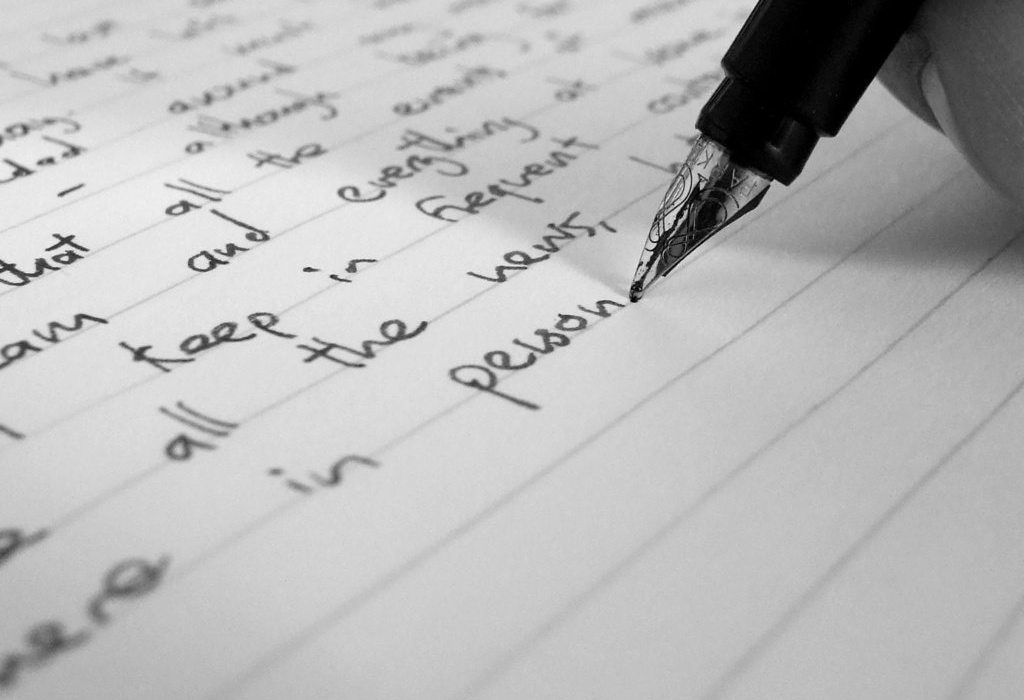
A Mixture of English and Spanish Poems #1 (September 2025)

My first post regarding English and Spanish language poems together as I wanted to do a mixture of them in this edition of my poetry.

English Language Poems:

  1. The Sands of Time
    Can you feel it slip through your fingers?
    The grains of sand whisked away.
    Moments frozen in time;
    The places you remember being present,
    The times you felt fully alive,
    The smells that made up your lifetime.
    But the memories now have faded away.
    Can you embrace the sands of time?

___________________________

2. Cravings
It’s only natural,
The burning desires,
Mind, body, and soul.
Scratching that itch,
Placating that urge.
Keep it in moderation;
Don’t let it destroy you.
Remember: you’re only human.
Desire is the flame that ignites us.

___________________________

3. A Mile Wide, An Inch Deep
Face down, eyes unaware,
Nosedive into fake consciousness.
Blank-faced, artificial realities.
Lost connections thrown asunder,
Stagnant friendships, hollow ties.
You’ve spread yourself too thin across reality;
Living life a mile wide, and an inch deep.

___________________________

Spanish Language Poems:

  1. Es un gusto
    Es un gusto conocerte por primera vez.
    Es un gusto tenerte en mi vida.
    Es un gusto verte de nuevo.
    Es un gusto besarte en la noche.
    Es un gusto darte placer y amor día a día.
    Es un gusto pensarte todo el tiempo.
    Es un gusto quedarme contigo hasta el día final.

____________________________

2. Solo en mis sueños
¿Podría ser quien yo quiero ser?
Veo nuevas posibilidades,
Nuevas formas de vivir.
¿Podría hacer ese sueño realidad?
Soy un aspirante en mis sueños.
No hay nada que no pueda hacer,
Solo en mis sueños podría ser realmente libre.

My Second Attempt at English Poetry (June 2025)

My second attempt at writing English poetry and covering different topics such as the open road, nature, love, summertime, and the stillness of life.

1. Silence on the Open Road in Iceland

No horns, no hurry, no traffic rush, just endless sky,
Lava fields hush as the glaciers sigh.
Each mile whispers what words cannot say,
The road and I just slip away.


2. The Peace and The Quiet

No noise, no news, no fuss,                                                                                                   only my breath and the calm breeze.
The world exhales at once,                                                                                                     putting me at ease.
In stillness, truth begins to speak,
The loudest peace is soft and sleek.


3. The Majesty of Nature

Snowcapped Mountain peaks glimmer far and wide,
Wild rivers roar and tumble with pride.
Bold explorers yearn for each high crest,
to leave a mark, and to pass the test.
Bow to the wind, the sky, the flame,
this wild world remembers your name.


4. Summer Breeze

My warm hands go across your soft skin,                                                                            a flirty tease, a calming sense of ease,
salt, sand, and sun felt in a lazy breeze.
Time forgets to check the clock,
Summer sighs and slips its lock.


5. My Blue-Eyed Baby

Your blue eyes flash, like a new day’s dawn,                                                                        Pure joy and glee I see, you could never do wrong.
One smile, the world turns sweet and slow,
you’ve got that magic, baby, don’t you know?

Mi Quinto Conjunto de Poesia en Español (My Fifth Set of Spanish Poems)

My fifth set of Spanish poems focusing on the springtime, solitude, Guatemala, and experiences becoming new memories.

  1. La Distancia Entre Nosotros
    La distancia entre nosotros
    Me da una pena tan grande
    No sé lo que puedo hacer
    ¿Este es el fin, cierto?
    Tu cariño no lo siento como antes
    Eso me va a lastimar mucho
    La pérdida definitiva de ti.

2. Primavera Eterna
Quisiera ver las flores y toda la belleza
Por toda mi vida
El sol me da fuerza para enfrentar la vida
La belleza que no va a dañarme nunca
El florecimiento de la vida animal y vegetal
Es donde quiero estar por siempre


3. La Soledad
Al principio, me siento bien
La paz y la tranquilidad
Pero la soledad no es para todos los días
Es algo que puede destruirte sin interrupción
La conexión es insustituible
Nosotros nos necesitamos como humanos


4. Los Colores de Guatemala
Un país con belleza inmensa
Colores brillantes, ropa brillante y alimentos brillantes
Casi demasiado para mis ojos avellana absorber
Belleza natural se mezcla con belleza humana
Guatemala, impresionante y expresionista
Quisiera explorar la cacofonía de colores aquí


5. Ahora, es un Recuerdo
Momentos bonitos que ya están en el pasado
Quiero volver, pero ya no puedo más
Recapturar el mismo sentimiento será imposible
Los recuerdos que compartimos fueron especiales
Yo sé que solo existen en mi mente ahora, pero para mí
Todos mis días voy a recordarlos y a ti también

Watching The World Go By In Paris

“Many cities are great for people watching or just seeing daily life transpire in front of your eyes, but Paris is different from the others because you are allowed to slow down fully to take it all in.”

Few cities embrace the pleasure of watching the world go by more than Paris. No wonder why writers from all corners of the globe have come to the ‘City of Lights’ to be inspired to reach their creative goals. If you’re a keen observer as any good writer should be, you’ll see all walks of life come through Paris each day. Whether it’s a starry-eyed tourist with a camera in their hand, a bookkeeper plying his trade by the Seine River, or a street music performer trying to earn a Euro or two. Many cities are great for people watching or just seeing daily life transpire in front of your eyes, but Paris is different from the others because you are allowed to slow down fully to take it all in.

In Paris, the pace of life is fast like any city but the city’s awe-inspiring beauty, its prominent café culture, its pleasant on their ears language of French encourages you to slow down, have a coffee or a pastry, sit down with a book or a pad of paper, and really take it all in. One of my favorite aspects of the city is that compared to most major cities or even other cities I’ve been to in France is that you are encouraged not to rush the experience whether when you’re dining, drinking, or smoking (for those who partake).

No one cares how long you sit at a café or a brasserie (some places are even open 24/7), if you pay for something on the menu and be kind to your server. Some tables may have you face each other if you’re with a companion but often, your chair(s) and table will be facing out on to the lively Parisian streets or plaza whether you are alone or with someone else.

Paris does not bemoan the lone traveler or the lone wanderer who comes to visit it. It is perfectly normal to be by yourself with your thoughts, your sketch pad, and your cup of coffee spending as much time as you need with whatever you happen to be working on. I’d imagine that even if you visit in the Fall or Winter, you’ll still see people out in the streets or in the plazas, talking, laughing, eating, drinking, and making the most out of their lives in the big city. When you are in Paris, you can watch the world go by and even if you’re in a rush personally that day with work or studies, the city will encourage you to slow down, stop somewhere, and take in its ever-enchanting beauty and detail.

Writers, painters, musicians, and other kinds of artists have had a field day with creating great works from having lived in Paris because there is so much to be inspired by. The city of Paris and French culture, in general, have a high emphasis placed on beauty, aesthetics, and the art of good presentation. Any type of artist will be able to come to Paris to draw or paint about the daily scenes of life they see there, have time to think deeply about their approach to their work, and foster ideas without being interrupted endlessly.

Even with the humming noise of traffic and pedestrians, it is not a overly loud city when compared to other major cities I’ve been to in the world. You can find those moments of quiet and peace amid the waves of people and vehicles who pass you by. Sitting and facing out towards the world and not with your back to it allows you to assess better how you fit into this magnificent city and where you fit into its ever-changing melody and rhythm.

I believe you could spend years in Paris and not have tried every restaurant, café, brasserie, or bar. There are seemingly endless places to sit, drink, relax, think, write, and reflect, which is why the city is and will always be such a haven for brilliant artists of all kinds throughout the millennia. Paris encourages you to soak it all in and to pay attention to what you’re surrounded by.

Throughout Paris’s history, the city has sought to inspire humanity to move forward through making new inventions, creating new works of art, writing new literature, and building more beautiful and awe-inspiring architecture. When you think about a self-fulfilling prophecy for a city to have, Paris was built on reaching higher and higher in terms of our human aspirations to create beauty in this life and to find the beauty in each other.

We may fall short from time to time, but Paris is a city built on pursuing excellence in all facets through the pursuit of one’s dreams. For those people who are creative in any sense of the word, who want to share their creativity and gifts with the world, Paris is a great home to begin doing so. When you come to the ‘Ville de Lumiere’, not only can you watch the world go by without a care in the world and be able to take in all its beauty and charm, but you will also be inspired by the city that was built on fulfilling the hopes and dreams of its many inhabitants.

Paris would not be the city it is today without the creative and forward-thinking men and women who built it to be what it is today and will remain for the future, a beautiful and inspiring beacon of human ingenuity and vision that inspires both visitors and Parisians alike.

To Write, You Must Observe

“Being a good observer contributes to being a good writer. Taking the time to observe the world around you help to stimulate a good sense of what to write about and what could be put to paper.”

Being a good observer contributes to being a good writer. Taking the time to observe the world around you help to stimulate a good sense of what to write about and what could be put to paper. I find that observing people, animals, or just nature without distractions can stimulate your ability to process possible ideas whether for poetry, stories, or for articles. You can draw both hypotheses and conclusions from you observe the world around you. It allows you to come up with scenarios or storylines just from seeing what’s going on around you.

You can really let your imagination run wild with coming up with fictional events, stories, or essays when you can draw on what you observe. Being observant allows you to think about good ideas for what you would like to write further about or to come up with ways to flesh out a person’s story or history. A good writer can flesh out the details based on what they are observing and create a good story or plot from what they may see out in the world. Being an observer doesn’t have to be a majestic place like from a mountain top or overlooking a lake.

You can make insightful and creative observations just by sitting at your neighborhood café for a few hours or from walking through your local nature park. A simple change of scenery stimulates your mind just from putting yourself in an unfamiliar location. A writer should immerse yourself in different settings and bring a pen and paper or their laptop with them. Having a quiet place to observe is also much better than a noisy place, similar with how a pond or a backyard porch is better for observations to be written down than going to Times Square or Las Vegas to come up with good writing ideas.

I do believe certain places are better for writing down your observations especially if they are quiet and allow you to concentrate more. You’re able to not only come up with story or novel ideas in those places but can write more in-depth about what you’re seeing without being distracted in those crowded, noisier, or places with sensory overload. It is a key part of being a writer to hone your observations as much as possible without overwhelming your senses by trying to observe everything all at once.

It is more productive to focus your observational writing on a particular part of a place or scene rather than trying to make sense of everything going on around you all at once. To develop your creative writing abilities, when making observations, do your best to hone your story idea or your poetry to a specific animal, nature scene, person, or theme. Observational writing can really let you hone your descriptive abilities by letting you expand your vocabulary, develop your chance to set the scene, and use your imagination to create a story out of nothing.

I would also say that being a good observer does not end at fictional scenarios but can help you with your non-fiction writing as you can attend live events like concerts, protests, or speeches, where you can observe the speaker or the attendees and writing about the setting along with the sequence of events that happened from first to last. Observational writing comes in handy when you are a news reporter, journalist, or in forming opinions. Without being able to be at the scene or where something is happening as it happens; you rob your writing from being able to recall in as much detail as what happened and how it happened when you’re not actually there.

Experiencing something virtually or secondhand does not lend the same kind of credibility or have the same kind of feeling as when you’re there in real life when something is happening live. Your observations when writing should be experienced firsthand as much as possible. I’ve found that my own writing about things, places, or events I’ve been to is not as sharp when I wait a few days or a week after to recap what happened and the accuracy is not the same as when you are writing about it as it happens.

If you are looking to improve your writing skills, I recommend sitting yourself somewhere quiet and peaceful where you can make your live observations and develop them if you would like to into poems, stories, or essays to use your imagination. You can really develop your vocabulary, your prose, and your own form of storytelling through making live observations. Good writing tends to come from being a good observer. The more time you can spend in different places observing the world and its inhabitants, your writing is going to improve and will also help you develop your own narratives, settings, and plotlines. Be sure to use your observations to further your writing skills and to take your compilation observational notes to make yourself a better and more complete writer.

Reading Between The Lines Is A Key Skill

“When you ‘read between the lines’, you understand better what someone means even when they may not be outright saying or expressing it.”

‘Reading Between the Lines’ is a popular expression or phrase that really holds a lot of weight to it when you think of the meaning. When you ‘read between the lines’, you understand better what someone means even when they may not be outright saying or expressing it. Beyond simply verbally conveying their thoughts or feelings, the key ability to perceive how someone really feels through other factors such as their tone, their body language, their interaction(s) with the environment around them, this can really make a difference in how well you read them and what they really mean.

Culturally, indirect speech, behavior, or communication is quite common and what is not said is as important or if not more so important than what is said. You can save yourself a lot of trouble in life by reading between the lines and inferring what is meant or indicated than what is vaguely said or stated to you directly. Maybe you will be able to grasp a basic idea of what someone means through their speech or their mannerisms, but you will often have to look at not just those factors but also the environment for which it was said, the context for which it was given, the body language of the person(s) involved, and the tone of voice that they used to convey the message.

Because of trying to protect sensitivities or not disrupt group harmony or not wanting to ‘rock the boat’, another similar expression, either professionally or personally, you will be asked to read between the lines of what is written and what is said throughout life. Knowing the difference and how to understand what is directly implied to you but indirectly stated will save you a lot of confusion, disappointment, and time above all else. I’ve written before about how important it is to mind your surroundings, and that ties into why it is key to notice the environment you’re in when the speech is given, or where the meeting happens.

Some factors that come into play when it comes to reading between the lines of a speech or a public discourse that is happening, the speaker(s) body language, tone, and whether they are really conveying their true feelings or beliefs in what they are saying. If they are masking what they truly believe or feel, you should be able to pick that up through steady practice. It is not just about the spoken word but also about the written word and this can be crucial when it comes to important legal, medical, or financial documents.

You should constantly be noting the who / when / where / what / why / how of the author and who is the audience they are addressing. It is also necessary to ask are they writing with a specific tone and do they have a personal bias or an agenda that shows through their written piece. It is much easier to read between the lines when you are with that person in the same room and they are speaking to you directly or indirectly in an audience because you can hear the tone, see the body language, and watch their emotional state. It is much harder yet no less important to be able to pick that up through writing whether it is a text message from a friend or a legal contract from a lawyer.

This kind of skill is not taught to many people, but it is a vital skill to have especially when you are trying to tell if someone is being truthful, if they have your best interests at heart, and if they really understand what you are telling them. If you are listening intently, absorbing what you are hearing or reading, and able to come to your own conclusions after putting some thought into it, you will be ahead of other people. Reading between the lines is a skill that takes not only additional concentration but patience as well. You should not be interrupting when you do this verbally, be distracted by another task or person to mix up your attention, really watching the person(s) talking and observing how they act in the environment they’re in, and most importantly, what is your relation to the person, how long have you known them for, and if you know anything about their background for which you can infer something about who they are.

It is easier to know someone’s true thoughts, feelings, or beliefs when you are giving them your undivided attention. You also have an advantage if you know a little bit about them beforehand, their background, what their personality is like, and what their point of view is likely to be based on all those factors. This kind of perspective can make a big difference especially professionally because you’ll know better of who you’re dealing with, where they’re coming from, and what they might be like when they meet and talk with you.

There are going to be crucial points in your life where you’ll need to read between the lines such as during an intense negotiation, dealing with business meetings, and just making sure in your day-to-day life that you’re not being taken advantage of. It can be hard to trust other people at times and you really must screen them hard to see if they are giving you the truth, embellishing a little bit, or outright lying. Being able to read between the lines will not only help with the major events in life but also in small day-to-day interactions as well. Most importantly, if you carry yourself well, give steady eye contact, listen without interrupting, speak clearly and in a steady tone, avoid distractions when you’re reading or listening, you will have a much easier time being able to read people.

You likely won’t be anywhere near 100% successful in thinking you know the person or people you’re reading in terms of body language, behavior, and their actions but you’ll be much better off than before if you at least try. Indirect communication can be a real pain to navigate but it is quite common in our culture and our society. To remedy that, make sure you do your best to read between the lines, make an assessment, and carry forward with the best intentions. I think it is quite likely you’ll be in a better position than you were before by adopting this skill and making it a priority in your life.

English Corner – The Basics of Writing

“You must first be aware of what exactly your writing will be used for or can be used for, so we need to think about the uses for writing and how best to express yourself.”

In this article, I am going to cover the basics of writing, and to do this, we need to first figure out how to use the printed word. You must first be aware of what exactly your writing will be used for or can be used for, so we need to think about the uses for writing and how best to express yourself.

There are numerous examples of how we print words correctly and what each kind of writing does with its own different style or substance to it. There are dozens of ways to use English words but the most important ones that come to my mind are articles, books, emails, and stories. Because of technology, we are exposed to English writing in numerous ways including text messages and emails, so I believe that when you’re writing in English, you need to be able to write articles, emails, and stories but you also need to be able to write text messages as utilizing technology when writing in English is a key part of using the language.

There are multiple ways to write for English and I want you all reading this article to be aware of the major literary elements. Further on, when you’re writing something fictional, it is important to be aware of which literary elements you’re using. Remember that it’s not real if you created it out of your own imagination. Nonfiction writing is real, but it’s based on historical current events, for example, when we think of nonfiction, we think of World War Two and in your writing as you’ll discover, you need to use some or all these literary elements to be taken seriously as a writer. You should always remember the 3 Ss of writing specifically: Style, Syntax, and Substance.

To begin with, it is important to be exposed to multiple literary elements but the most important of which is the plot or otherwise known as the storyline. There is also the tone, which is about the emotions you’re expressing such as whether you are sad or if you are angry, happy, or what exactly is the kind of tone your emotions are taking when writing. In addition to the emotions expressed, a good writer can both answer and describe the important question about “what is the setting?”

Any writer should know where your story is taking place whether it is in a city, a farm, or an island. The point of view of the written article should also be expressed if there is a narrator who is telling the story. Your audience should know about the characterization of the people or things involved such as “what are the personality traits of the characters and how do they act?” “What is their personality?” “What is their emotional status?” and for the general characterization, when you’re writing in English, you need to be aware of, especially for fictional writing, “how are you are developing your characters?” and “what is the mood of your writing, such as is it light or heavy in terms of mood?”

It’s different than tone in that mood is kind of like the combination of the setting and the plot along with the tone together. You should be asking yourself if your writing piece is a comedy or is it a drama or another genre? Be aware when you begin your written draft about “what kind of writing you are focusing on?” and to know, “which themes or main messages you’re trying to get across to the reader?”

For example, “are you trying to give them a political message a social message or are you trying to come up with a particular moral or a value to share with them?” The purpose of knowing about these literary elements is to expose yourself to these different ideas and then that will help you develop yourself as a writer because you will be familiar with the general plot or important viewpoint or main themes. This will come across in your writing very easily, but you must know what the literary elements represent and how they can be used.

Every writer has a different drafting process when they begin but there are some fundamental steps that you can take to be a better writer. You should go from beginning to end in terms of the structure of the draft and to be diligent in creating that process, which will make you more focused and organized, and you need to do your research as well to be successful. I think that is the most part important part of becoming a writer is doing your research. You need to take notes about what you’re going to be writing about and you need to focus on a few rough drafts before finalizing your piece of writing.

I would also highlight the benefits of having a native English speaker review your work, especially if you’re a non-native English speaker and you’re writing English as a second language. Keep in mind that becoming a good English writer is a marathon, not a sprint. It takes a lot of time to be a good writer as writing is difficult even for a native speaker.

You should also know that you’re going to make mistakes and you’re going to have errors. You’re going to have structural problems with your writing at first, but you need to keep trying. You need to keep writing and writing until it becomes almost second nature to you. I would encourage you to try out writing a paper or a report after getting these basics down. Being a good writer is a marathon, and not a sprint, which means it’s going to take a while. Lastly, when you know it’s not going to happen overnight, you know to take the writing process more seriously. Remember that you are not in a race and it’s best to draft, edit, revise, and write again before submitting your final written work especially for your job or for your school.

Like any important vocation in life, it’s going to take thousands of hours to become a good writer. However, if you get down the basics such as knowing about literary elements, figures of speech, and understanding the emotions and viewpoints involved, you will be successful in developing different written forms of work. Keep practicing daily, get input from others, and learn from your mistakes, and you will continue to improve with writing in English.

English Corner – The Building Blocks of Reading Materials

“When you are first starting out in reading the English language, it’s important to incorporate reading materials into your weekly habits.”

When you are first starting out in reading the English language, it’s important to incorporate reading materials into your weekly habits. It is a necessary complement to your learning and will help flex that muscle needed to retain both the grammar and the vocabulary that can drive your overall proficiency forward. It is not so much which reading material you choose but the fact that it should be appropriate for your reading level as a whole.

For example, it would not make sense to try something very difficult because you think you will advance that much quicker. Often times, if you go beyond your reading level in English, it will often cause an unnecessary step back and you will waste precious time in trying to understand a level of vocabulary and grammar that you are not yet ready for. It is often better to be err on the side of caution in terms of selecting multiple reading materials that you find yourself comfortable with and will challenge you yet you know for sure what the material is about and you can interpret the meaning and explain it to a teacher or a colleague.

If you are a beginner in the English language, I would start off your reading adventure with short poems and short stories, not more than a couple hundred words. Even if you are an adult as well, children’s books are a great way to get more familiar with the language level that you are currently at with basic vocabulary, phrases, and grammar principles. You may also want to read fliers and short email examples as well to become aware of the structure of those forms of writing.

I would also recommend short letters written about different subjects such as sports, weather, the daily habits someone has, and about going shopping or out to eat. It is key to read these short pieces of writing twice or three times to really understand the full meaning of what is being written. You may also want to read the story, the poem, or the letter out loud to work on your own pronunciation too to feel more comfortable absorbing the vocabulary that you are learning. A beginner should not be reading anything more than a few pages in length and at a very low vocabulary level. Preferably, a children’s book, a short email, or a quick poem are best for beginners in this sense.

For the intermediate learner, it is important to challenge yourself more and depending upon one’s age level, there are different options to consider. I encourage students who are younger to choose comic books, short stories, and even short mystery novels as well. Older students may enjoy reading magazines about sports, news, and even fashion depending upon their interests. I also encourage becoming more familiar with reading current events and news articles and being able to explain them to the teacher or to a friend.

Adding on to the difficulty means reading longer reading passages as well as longer letters or poems as well at any age group. You want to make sure that the reading level is higher so instead of at a 1st or a 3rd grade level, you should try to read materials that are at a 5th or an 6th grade level and perhaps up to an 8th grade level. Perhaps most importantly, at the Intermediate level, you should be able to hold a conversation about the topic you just read and to explain the main ideas and supporting ideas of the piece you read. Lastly, with your vocabulary, I would encourage being able to explain too your point of view for an article, what you thought about it.

The advanced learner should be at the point where they can read full books, magazines, and longer-form pieces of writing of at least a few thousand words or more. They should be able to understand and interpret vocabulary at the high school level. Depending upon which English-speaking culture they would like to learn more about, they should do their best to become familiar with writers of different backgrounds and be able to read successfully in a few genres, both fiction and non-fiction.

Reading and interpreting different kinds of texts that deal with different subjects and modern-day issues is also a key part of advancing in the English language. You should be a flexible enough reader at this point to be able to handle different types of reading that is longer than the other levels. From a 500-word poem to a 2500-word article to a 100-page book, being able to handle these types of reading at a high level will set you apart from the beginner or intermediate levels that you used to be at.

Another key to this advanced reading level is one’s ability to speak and write about what you just read with accuracy and by utilizing some advanced vocabulary and phrases learned from these reading exercises. If the professor or teacher were to assign you a persuasive, narrative, or argumentative essay for you to write about your reading assignment, you should feel comfortable by this point in doing so across a number of genres.

‘Building blocks’ take time to assemble and the same goes for building up your reading prowess. Again, it is necessary to start slow with short forms of writing from poetry to a short story to a quick email and then work your way up to a long article or a magazine and then on to the full novel or book that may take a month or two to finish. Getting better at reading in English is a key skill to have and is necessary to boost your proficiency and to do so in a comprehensive manner. It is not only true that your reading skills will get better the more consistent and driven you are with each page but your speaking skills should also improve and your writing abilities will be complemented if you can analyze, interpret, and describe what you have just written in your own words.

Patience is a virtue and reading are the biggest part of that quality when it comes to developing your English language skills. You may show quicker gains with speaking or writing but the long-term success of your English proficiency will be determined about how well you read, how you understand the reading, and what you can tell others about what you have read.

English Corner – Proper Email Etiquette

“In order to write good emails for your professional pursuits or for your career, you need to be able to understand the proper etiquette that comes with this kind of writing.”

Writing cohesive yet concise emails is a key professional trait to be successful at as part of your overall English writing skills. In order to write good emails for your professional pursuits or for your career, you need to be able to understand the proper etiquette that comes with this kind of writing. If you are able to master the etiquette of emails, you will be able to do a good job in working well with others, being cooperative, and being considered a team player.

Without proper etiquette, you are likely to not be taken seriously at your work and you may not be able to have others take the rest of your email as seriously as it should be. Once you have the etiquette down, the content of your email is likely to be read and taken into consideration for whichever subject you are addressing.

The Introduction: Email etiquette starts with the introduction of any email message so if you do not get it right from the beginning, the rest of the email will suffer. I believe it is important to remember that how you introduce your email depends on if you know the person or not. If you do not know the person, you should begin your email with the following: ‘To whom it may concern,’ ‘Dear Sir’ (for a man but without a known name), Dear Madam (for a woman without a name known). These three ways are both formal and proper in terms of addressing someone at work or for business if you do not know who they are.

However, if you do know the person, it is best to address the email as ‘Dear Mr. __________ / Dear Ms. __________’, their last name should always come after Mr. or Mrs. To indicate the formality of the email and the unknown status of the woman’s marital background, it is best to use Ms. or Miss for the woman’s last name rather than assuming that she is married right away.

Lastly, I would refrain of saying ‘hello’, ‘hello there’, ‘hi’ to start off the email if you do not know who it is you are emailing. It is best to instead go with good morning / good afternoon or even good evening depending upon the time of the day that you are emailing for your work. I would say that once you have exchanged an email or two, you can be more informal by starting off your email with Hello ________, Hi __________, or just ‘Dear _________’ as you had for the first email.

Continuing on with the introduction, the first paragraph should begin with Hello and then a few following options below depending upon your preference.

Hello, I hope that this email finds you well, I hope that you are doing well, I hope that you are having a good week, etc.

You can also say the purpose of your email in that first paragraph by stating your clear purpose up front by something like:

            I am emailing you today because _______________.

            The purpose of my email is to __________________.

            I am messaging you today in the hopes that _______.

            This email is to inform you that _________________.

These are all great ways to start off a formal email and to inform your reader quickly what you are messaging them about, and it should be done in the first sentence after your salutation at the beginning. I would keep the overall introduction just two or three sentences and state the main idea of your email quickly and succinctly. You want to make it easy for the professional person or the worker to know what it is you are messaging them about and how does it involve them, all in the introduction paragraph.

The Body Paragraph(s): There is not too much to keep in mind when it comes to formality in body paragraphs but make sure you use formal words like ‘please’, ‘thank you’, ‘if you could’, ‘it would be great if…’, ‘we would be appreciative of…’, etc. The main thing to keep in mind is that you are using sir or ma’am throughout the paragraph(s) and to add in a Mr. ______, Mrs. _________ every now and then. If you need to ask something or request a few items of need, always use ‘please’ and ‘thank you’ for any major thing that you are asking for business purposes.

In order to make the email a two-way exchange, relay what you are planning to do in response to make sure that the business relationship or the exchange of information goes smoothly. Beyond the purpose of the email outlined in the introduction, you should add the supplementary details beyond the ‘ask’ or the ‘request’ in the body paragraph(s). Towards the end of the body, make sure you list a timetable for when you might need a reply back and who else you may have CC’d or added on to the email who is pertinent to the message.

While not the main focus of email etiquette, you should be using formal vocabulary throughout this part of the email and don’t forget to use ‘could’, ‘would’, ‘when’, instead of insisting with ‘you need’, ‘you will’, which is not polite at all. Any request in the email should be made with the possibility that the person may say ‘no’ to you and you should be ready to hear that kind of answer but it can help your chances of success when you are polite not just in the introduction but throughout the heart of the email as well.

The Conclusion: The most important thing to keep in mind when it comes to email etiquette in this part is to thank them above all else for their time and their attention to your message. Whatever the ask was in the body paragraph, you should thank them formally for their consideration and that you hope to hear from them soon.

You also want to say that you hope to stay in touch and to leave your contact information with them including your work phone, your best email address, and what time(s) of the day are best to be reached. It does not hurt to also say that you are hoping that they are doing well or if it’s a Friday, ‘to wish them a good weekend’, if you are writing the email before a holiday, it’s nice to also ‘wish them a good holiday’ but only best to do so when it’s a non-religious holiday rather than assume they are of a certain religion, of course.

To end the formal email on a good note, you should sign off with one of these options, which are both formal in nature and also really considerate to other people. Depending upon your preference, any of these options would be fine. It is also key to remember that you put a comma after any of these closing salutations and then write or sign your full name below it so they know who sent the email and who is making the request(s).

The following closings are good ways to end the email according to proper etiquette:

-‘Best,’

-‘Sincerely,’

-‘Warm Regards’,

-‘Kind Regards’,

-‘Regards,’

-‘Best Wishes’,

-‘Warm Wishes’,

‘Thank you,’

‘With gratitude’,

-‘Many thanks,’

The one closing that I would not endorse for a formal email of this nature is ‘much appreciated,’ because it is a little too informal in its vocabulary and would best be used instead with close friends or family members or for a business connection whom you already know very well.

After having the etiquette down well, you will be able to draft much better business or career-related emails because not only will your vocabulary improve but also your understanding of the English-speaking business culture. This kind of email writing takes time and practice but if you are willing to learn from others, practice a lot, and make a few mistakes every now and then, you will definitely be benefitting in your business or career after some time. There are clear differences between formal emails and informal emails and the etiquette that each kind of email shows makes all of the differences known. In order to write a complete email of a formal nature, you have to use etiquette properly not just for the introduction but also for all of the body paragraphs and for the conclusion as well.

From the opening salutation to the closing wish, your email etiquette must be consistent and clear for whoever is reading it. Be sure to use your best judgment, edit it before sending, and be patient in waiting for a reply. Do not be afraid to make a few mistakes because emails are sometimes hastily written, and you may fudge a word or two but that should not stop you from forgetting your overall etiquette with that person with whom you are corresponding. Writing the first draft of any email is the hardest part but once you got that part down, you will be well on your way to becoming a great English email writer.

English Corner – Writing Formal Letters

Writing a formal letter has gone out of style with the rise of e-mails and text messages. However, it is not gone yet and if you would like to stand out as a great English writer, I really recommend you learn more about the art of writing formal letters. Writing a letter, in general, is great practice especially when it comes to developing your vocabulary and sentence structure. Being able to write down your thoughts, be truthful with your words, and hold the person’s attention singularly is not easy to do nowadays but it is not a lost art.

Simply put, it is an extremely thoughtful gesture that won’t go unnoticed by the person or people whom you write letters to. It is also a nice way for you to be able to receive letters and to work on your reading comprehension skills too as an English learner. It is also overlooked how writing a letter by hand especially will increase your penmanship and make your writing more legible. Perhaps most importantly, you are using formal language in writing letters and there are various ways you can use this kind of language from the beginning of the letter to its final conclusion.

Let’s start with writing formal letters in a general way. Depending upon the gender of the person you are writing to, it will change. In terms of greetings, your options will look like the following:

  • Dear Sir
  • Dear Madam
  • Dear Sir/Madam
  • Dear Mr Brown
  • Dear Ms Jones

Then, after the greeting and citing who you are writing to, you must state your purpose or you reason for writing your letter to them, also in a formal manner.

  • I am writing in response to your article/advertisement/letter/email/message
  • I am writing with regard to your article/advertisement/letter/email/message
  • I am writing regarding your article/advertisement/letter/email/message
  • I am writing to you about my proposal / my business / my project, etc.
  • I am writing for the purpose of sharing my findings / research / news / updates, etc.

When you come to ending a generally addressed letter, you can choose to end it formally in a number of ways and it would be fine to do so in any of these cases. Here are some of the most common examples:

  • I look forward to receiving your reply
  • I look forward to your reply
  • I look to hearing from you
  • I am, yours faithfully (if you don’t know the name of the person you are writing to)
  • I am, yours sincerely (if you know the name of the person you are writing to)
  • Yours faithfully
  • Yours sincerely
  • Sincerely
  • Warm Regards
  • Best Wishes

Beyond just writing letters for general purposes, we can sometimes write letters that involve complaints whether it is to an airline for their baggage policy, to a restaurant for unusually poor service, or to a company to request money back for a product that didn’t work, sometimes, a written letter with the right language can do the trick to help you get your money back and also help maintain your patience with that same company.

If you would like to formally introduce a complaint that is singular in nature, there are a number of ways to do so and politely since you don’t want to hurt anyone’s feelings unnecessarily.

  • Firstly
  • In the first place
  • First of all
  • My first complaint is
  • The first problem is
  • The first thing I would like to draw your attention to is
  • My first concern is

If the letter you are writing happens to have more than one complaint, do not worry because there are ways in English for you to make it known to the reader that there is more than one thing that you disproved of or would like to see fixed in the future.

  • Secondly
  • In the second place
  • Not only…but also
  • In addition
  • In addition to this
  • Added to this
  • ________ was also unacceptable and unfortunate

The heart of this kind of complaint letter involves demanding some kind of action on the part of the reader and you can make this also known in a polite way. If you would like to see change happen, you have to be kind about it even if you are steaming mad on the inside. A sign of a mature person is when they can make their complaints known in a polite way without using insults or derogatory language to demean the person reading the letter.

After you have made your complaint(s) known, you can wrap up the letter by demanding action and then ending it with the form of resolution you hope comes about after they read it.

  • I suggest that you replace the item
  • I therefore suggest that I be given a full refund
  • I would be grateful if my money was refunded
  • I would be grateful if you could give me a full refund
  • I look forward to hearing from you
  • I look forward to receiving a full refund
  • I look forward to receiving a replacement
  • I look forward to receiving your explanation

Beyond just your complaints, formal letters are also great ways to make suggestions to people you know on how they could improve or become better in some way, shape, or form. You can describe possibilities, options, and opportunities that they did not know existed.

  • I am writing to suggest
  • I am writing to arrange
  • I am writing to offer suggestions
  • I am writing make arrangements

When it comes to making these suggestions, the beginning of your sentences should look formally like these options:

  • My first suggestion is
  • First of all, I suggest
  • I would like to suggest
  • Another possibility is
  • A further possibility is
  • I further suggest
  • I would further suggest
  • Secondly

Giving suggestions in a letter also means not forcing anybody to act or do anything they would not want to do so part of your language used should offer a choice that they must decide upon themselves. Here is how that might look in your letter’s formal language:

  • Would you therefore mind choosing between ….?
  • Either……or
  • You might choose either ……. Or

Requesting information is another big reason why people choose to write in-depth letters so they can be made aware of a person, place, or situation that they do not know much about but would like to find out more. In terms of the English language, there are numerous ways to express your reason for writing a formal letter in this case:

  • I am writing to receive further information about….
  • I am writing to inquire about…
  • I am writing to receive more detailed information about…
  • I am writing to receive further details about…

Further on in the letter, you will ask for the details or pieces of information and there are likely to be more than one of them. In these cases, you have to phrase your sentences to the point but in a polite manner so as to get that information over to you without causing any hard feelings or distrust.

  • The first thing I would like to know is…
  • First of all, I would like to know…
  • I wonder if you would mind telling me first of all ….?
  • Could you also tell me….?
  • Could you also inform me ….?
  • Would you also mind informing me ….?
  • Would you also mind telling me ….?
  • Do you know ….?
  • I would also like to know if…
  • I would also like to know whether…
  • I hope you might also let me know about…

In this particular kind of letter, you really do have to thank the person for their work in helping you get the information you requested. It probably takes a lot of work on their part so it would be nice of you to show thanks in terms of your language used towards the end of this particular letter.

  • I would like to thank you in advance for this information.
  • Thanking you in advance for this information.
  • Thanking you in advance…

Often times, you will be writing these letters to give out information that will be necessary for business, work, or for school. There are a few ways to address the reasons you are writing to give out this information such as:

  • I am writing to inform you about…
  • I am writing to provide you with information about…
  • I am writing to let you know that…

Next, you will want to lay out your main point and supporting points regarding the information you are giving out that would help the reader out and inform them of what they need to know.

  • The first thing I would like to inform you of is..
  • The first thing I would like to tell you is..
  • The first thing I wish to inform you of is..
  • I would like to begin by informing you of…
  • I would also like to let you know that…
  • I would also like to inform you that…
  • You might also find the following information useful:
  • It might also be useful for you to know that…
  • Another piece of information that might be useful is…

When you end a formal kind of informative letter, you should conclude with asking if they need anything else or if there are any other questions that they may have regarding the information given.

  • If you require further information, please do not hesitate to let me know.
  • If I can be of further assistance, please do not hesitate to ask…
  • I will willingly provide further information on request…
  • I am at your disposal should you require further information…
  • I am at your disposal should you need further assistance…
  • Please do not hesitate to ask should you require further information…

Lastly, you will want to write a formal letter from time to time regarding requesting or asking for permission to do something, go somewhere, or start a new project. To start off your reason for writing a permission kind of letter, it should look something like this:

  • I am writing to ask permission for…
  • I am writing to ask permission to…
  • I am writing to request permission to…
  • I am writing to request permission for…
  • I am writing to ask if I might…

Your permission or request letter might come with more than one enclosed in the letter so make sure you let the reader know that there is only one request or more than one request and what are these requests specifically.

  • Firstly, I wonder if you would…
  • First of all, I wonder whether you would mind…
  • The first request I would like you to consider is…
  • I would be grateful if you would also consider doing…
  • I wonder if it might be possible for me to…
  • I would also like to request permission for…
  • I would also like to request permission to…

Make sure you thank the reader for their permission or for granting your request(s) ahead of time and upon reading the letter. Hopefully, they will grant you permission after you give them formal reasons and good explanations as to why your requests are necessary. Here are the examples:

  • Many thanks for kindly considering my requests
  • Thank you for considering my requests

Writing formal letters is clearly an underrated skill as it has gone out of practice, but people will really appreciate it if you are able to do it for them especially for a family member or a friend. You can practice your penmanship, handwriting, and your overall writing knowledge. It is clear that with enough practice, your vocabulary and your grammar will also improve, and it will benefit you in the long run.

Whether it is a letter to a work colleague about a project, a letter to your girlfriend or your boyfriend about a wedding plan, or a letter to a friend about your next semester classes, these are all formal letter examples that you can use these sentence examples to get started.

Once you have formal letters down, you can move on to more informal topics, which are much easier and much faster to master. However, becoming an expert in writing formal letters about formal topics will put you ahead in your English language learning and give you great writing practice that will stay with you as a student into the future. It will also make you a more compassionate and understanding person to communicate by letter instead of by a short e-mail, or an even shorter text message.