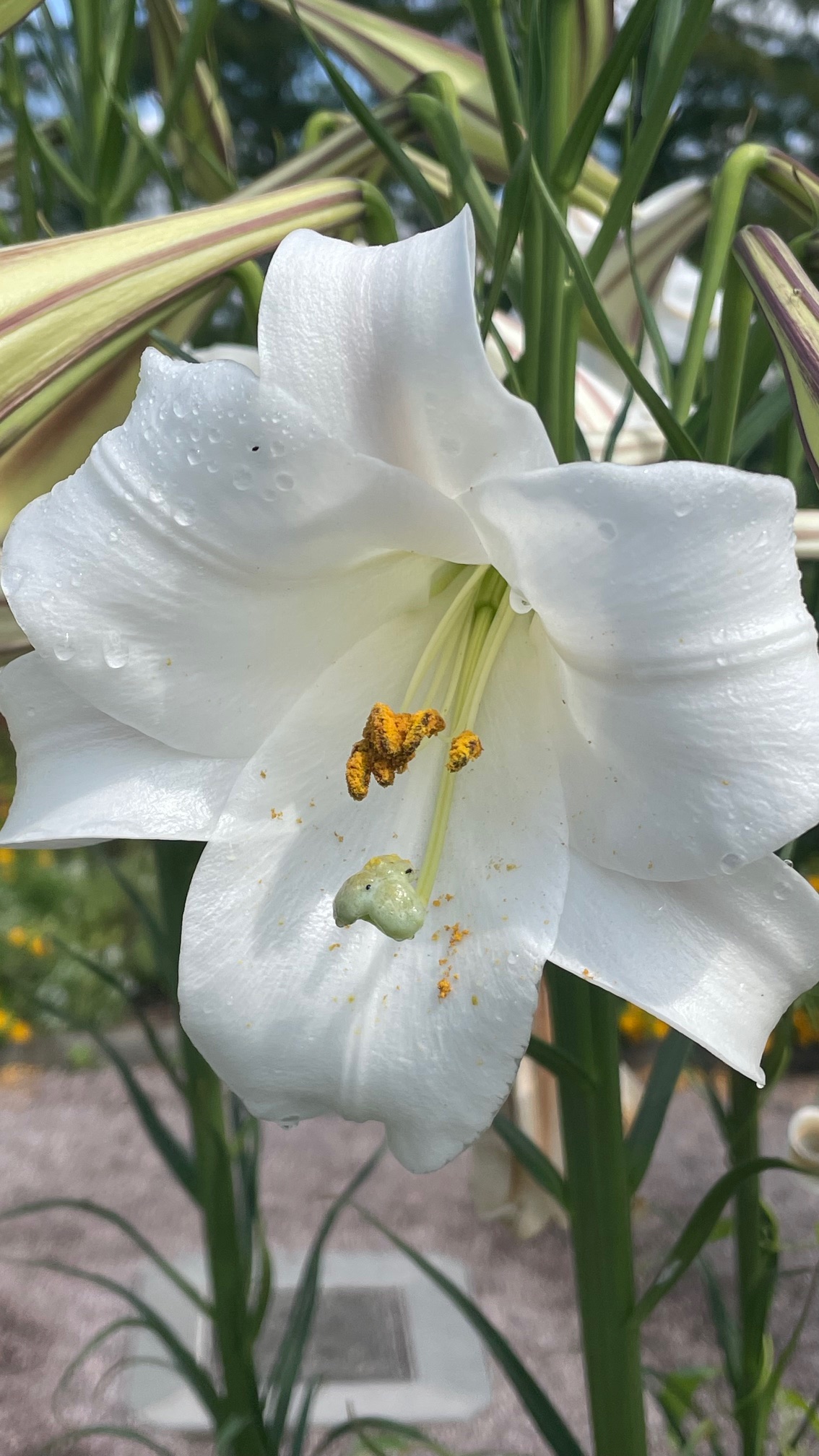

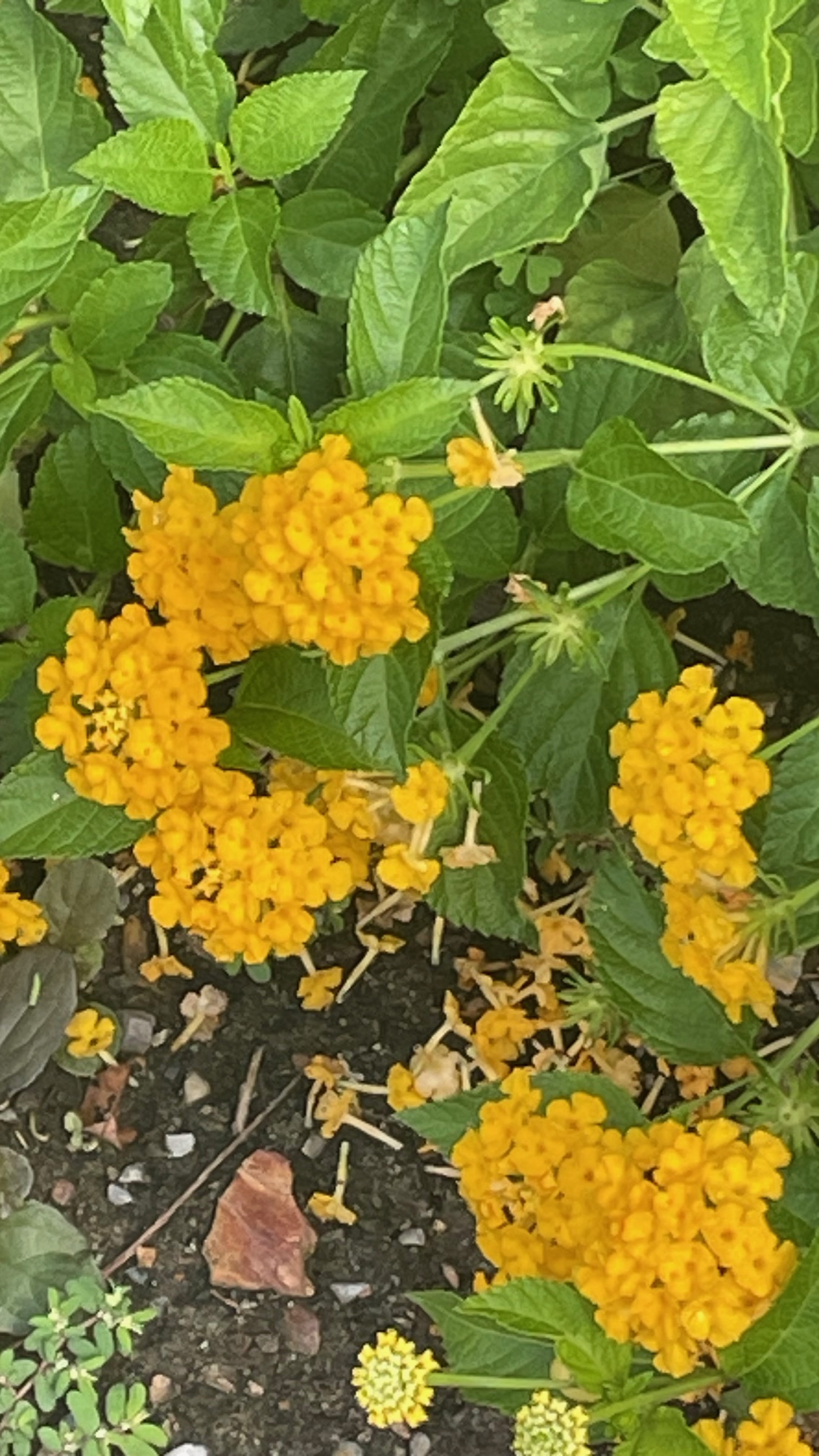










Camera: iPhone 12
Location: United States Botanic Garden; Washington, District of Columbia, United States

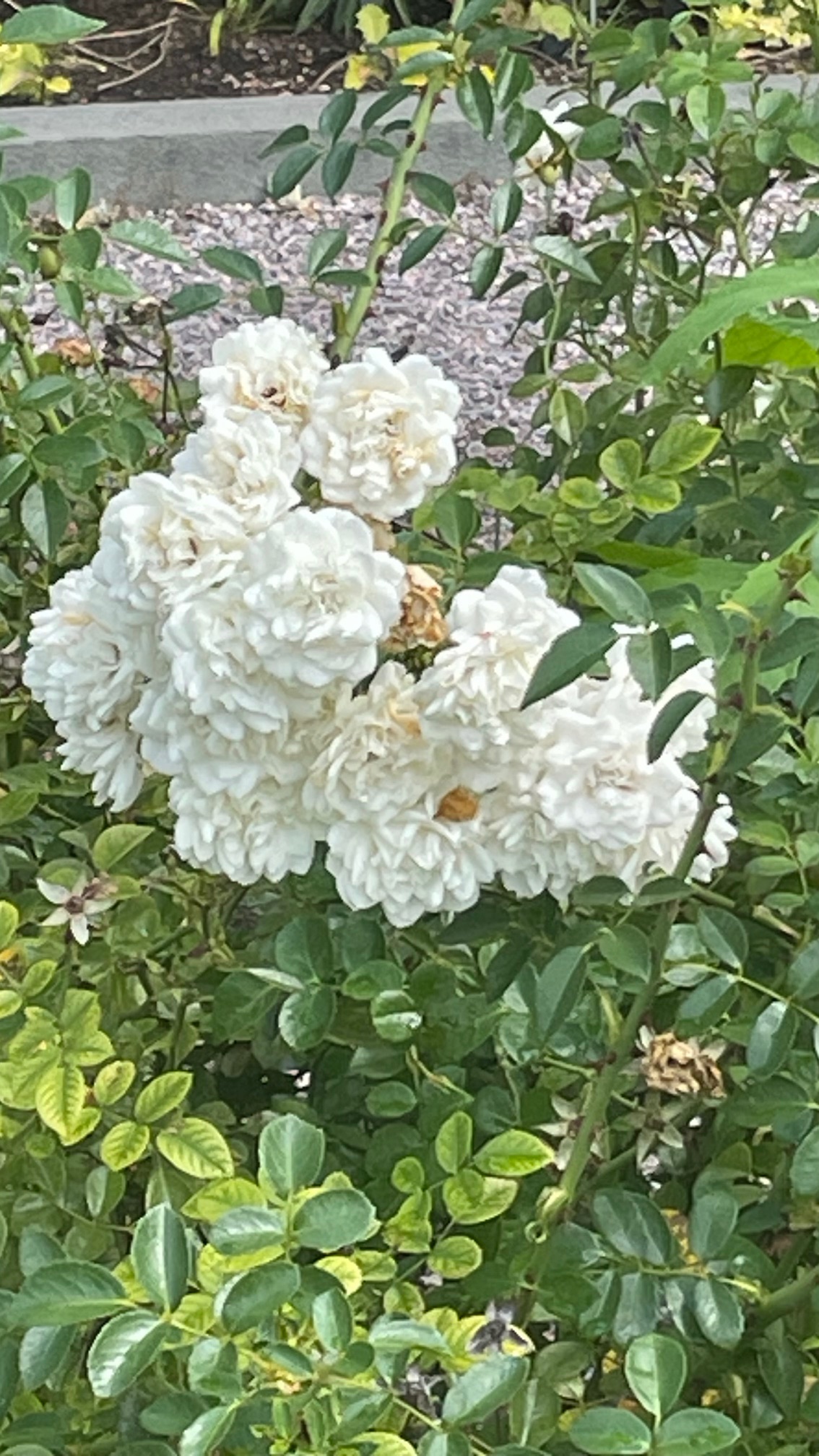
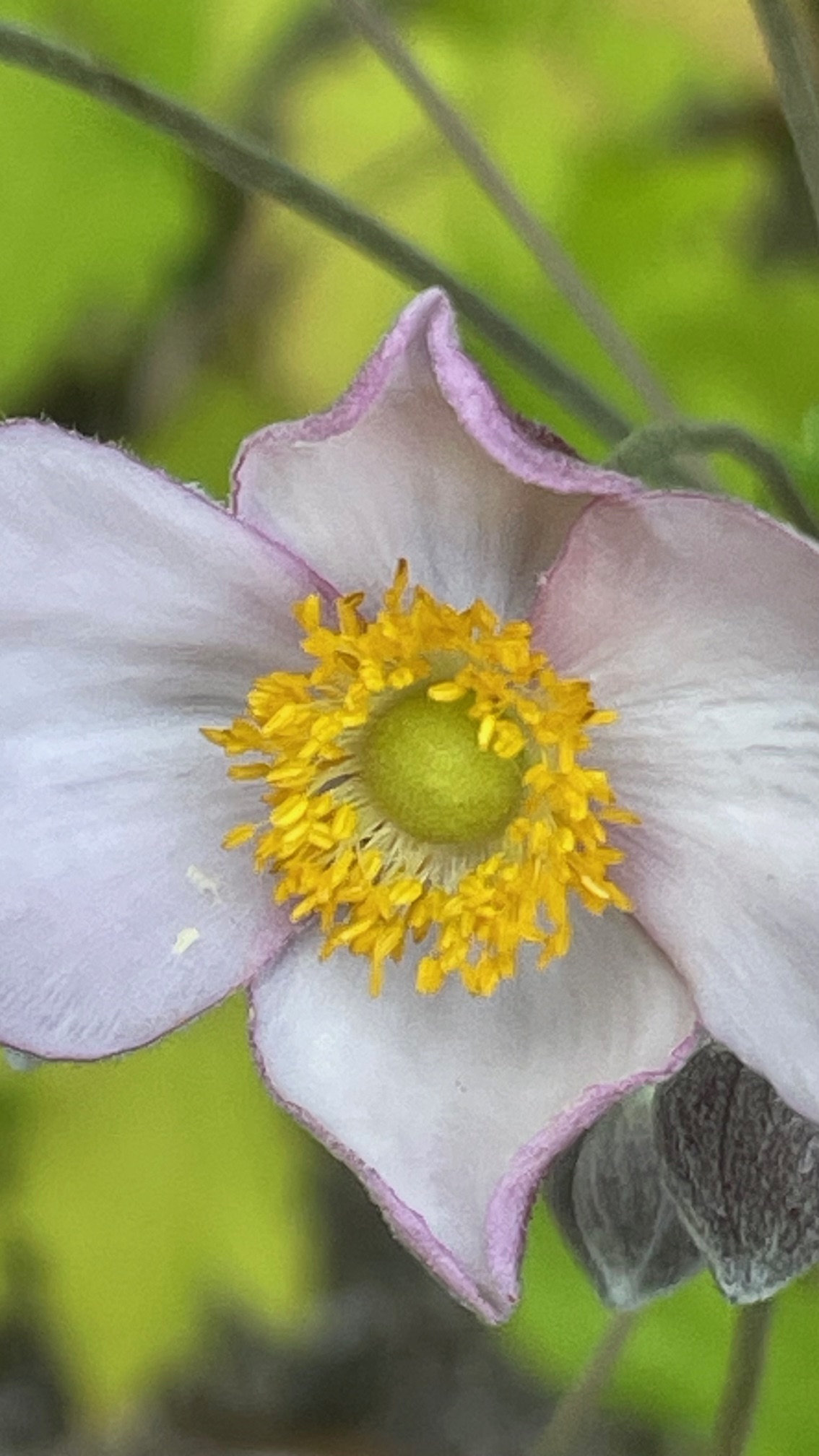
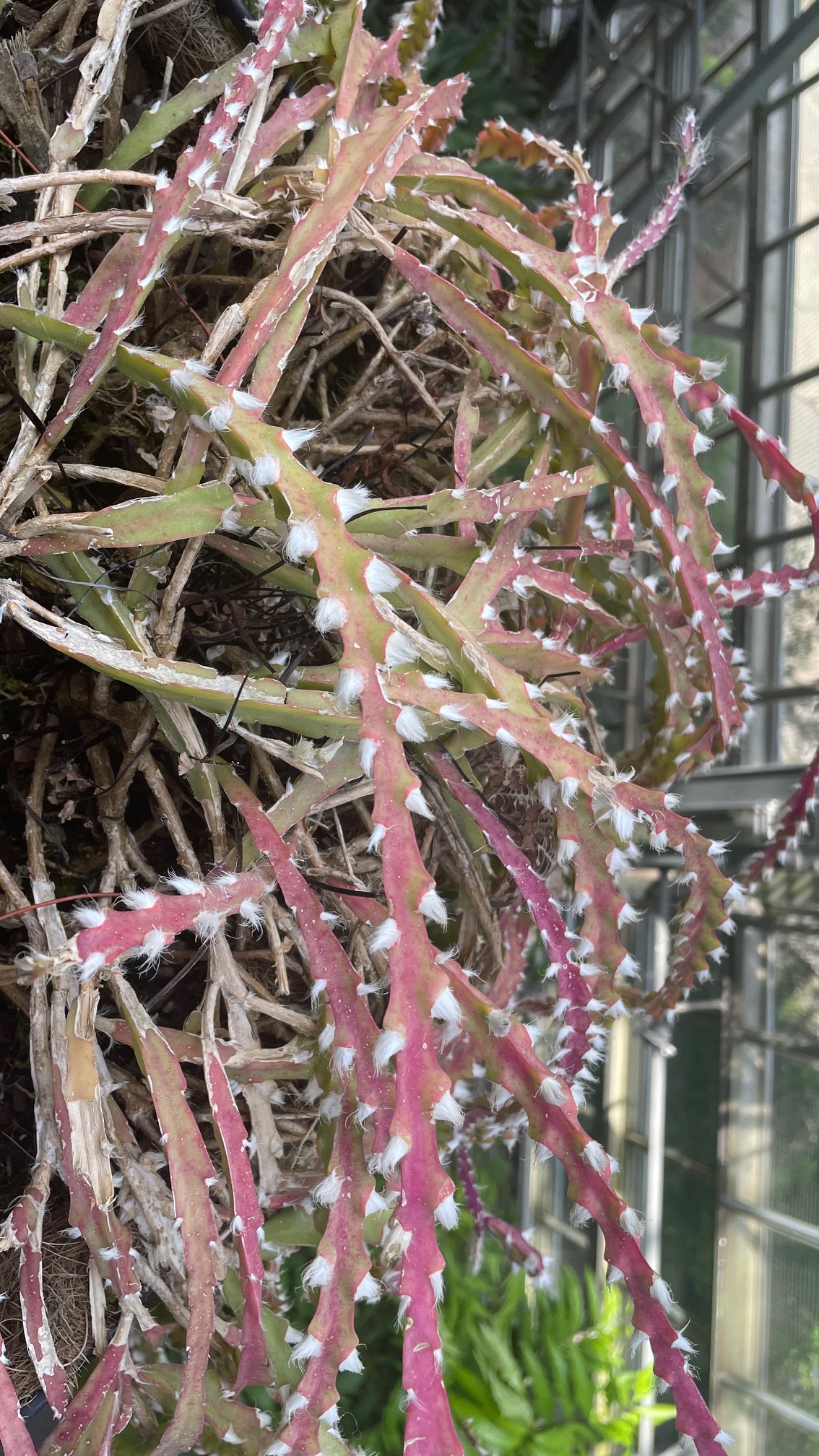
A visit to the United States Botanic Garden, a national botanical garden in the heart of Washington, DC.
Camera: iPhone 12
Location: United States Botanic Garden; Washington, District of Columbia, United States
“To be, feel, or act the same or to be resistant to change can hurt us in an ever-changing society where we are constantly at the mercy of forces that are beyond our control.”
Being adaptable is largely thought of as a good characteristic and for which you are usually commended for. We try our best to be adaptable to the challenges and opportunities that life throws at us as best as we can. To be, feel, or act the same or to be resistant to change can hurt us in an ever-changing society where we are constantly at the mercy of forces that are beyond our control.
When you can adjust to new conditions or changes, there is usually positive reinforcement from others who also are adaptable to the changes or conditions at the same time. My concern is that while adaptability has helped us thrive in different eras as a species, it has at the same time been a weakness of ours in adapting to norms or behaviors that harm our collective progress.
Adaptability is both our biggest strength and our biggest weakness in that it both allows us to change conditions and norms for the better, but also it can make things worse when we backslide into previous harmful attitudes, values, and beliefs that can make a comeback. Being adaptable has helped humanity survive different tumultuous eras since the early days when we were foraging for basic sustenance and shelter to survive.
The act of adaptation goes back to what makes us innately human, at our core, even when we get used to adapting to less-than-ideal conditions or changes that revert progress we’ve made rather than embracing further progress to our benefit. While change does not always equal to progress, my concern is that when we are adaptable to any kind of change, both positive and negative, without thinking of the consequences of such constant adaptability, we remain at risk for going backwards and worsening our quality of life.
To give a few examples of when adaptability is a strength of ours as a species, I would refer to our ever-increasing desire to assimilate, tolerate, and promote diversity, inclusion, and equity in our world. This social inclusion and desire for equal rights has been an adaptation that is rather recent when you consider how far humanity has come from the centuries and millennia of mistreatment, discrimination, slavery, and wars that were fought to keep the horrible status quo of how we treat each other.
Our ability to adapt to making sure that this previous status quo was no longer acceptable and repugnant in terms of previous attitudes has led to greater tolerance, acceptance, and more diversity throughout the world. Yes, there are still challenges to our adaptability in this important area but to say that we haven’t made progress in this area of life would be a falsehood. Being able to adapt successfully to these societal changes has by and large been a positive development in my lifetime and beforehand earlier on in the 20th century. While there has been negative resistance to this kind of adaptability, I’ve found there has been most people accepting these changes that have gone on and while the struggle continues, this strength of humanity to seek greater equality and inclusion has been a net positive of our adaptability mechanism.
In addition to that previous point, the expansion of social and economic rights to more and more people throughout the world have led to greater political and civil rights as a result. They have been tied to each other and have been a positive step in the right direction. There is greater representation politically and economically for more diverse populations than ever before and while progress still needs to be made, the status quo has been upended by our adaptability in this area to these kinds of societal changes.
While adaptability is our greatest strength, it can also be our greatest weakness ironically, and this has been shown in different areas of life where there has been a reversal of progress recently or too much comfort shown with a lack of progress. I’ll point to two different areas where there been a reluctant yet steady adaptability towards the climate crisis and for democratic backsliding across the world. Where there is significant resistance in both areas, we are running out of time in preventing these new ‘norms’ from taking hold. It’s common knowledge that our planet’s climate is changing with disastrous consequences for livability for more and more people in different worlds.
Longer-lasting heat waves, disastrous storms with greater frequency, and unyielding glacial icecap melting threaten to become the rule of our life on this planet rather than the exception. From my perspective, we have become complacent to these changes and are looking to adapt rather than to work harder to change course. From our political leaders to our civil society, we are looking more and more like we are giving up rather than trying harder to reverse the negative changes set to befall us around the world.
Our ability to adapt to a warming world highlight how while we can adapt to negative changes, many of us will still suffer as a result and some won’t survive this kind of adaptation. Rather than seek to change the status quo in climate action, I believe that we are seeking to adapt to the changes that will befall us despite the harm it will do to the planet and our place in it rather than do our best to collectively try to resist such a negative adaptation.
Related to this regretful kind of adaptability, our political leadership worldwide has failed to martial the resources and the willpower necessary to combat climate change as quickly and as effectively as needed. Instead of championing solutions and working across societies to solve the climate crisis, there has been instead of focus on centralizing power, holding on to political office, and reversing previous norms and values of democratic rule to a forthright shift towards autocratic or dictatorial rule. I think this is a negative adaptation that more and more countries are seemingly getting used to as previous norms, values, and equality under the law are being undermined. It is not too late to reverse the damage done while the power of the vote and the right to assemble and protest is still allowed but that is not a given.
As much as we had to adapt to democratic rule centuries ago, it’s been shown that when there is no fight to keep those norms and values alive, we can just as slide backwards to the days when kings, tyrants, and demagogues ruled by force and decree across broad swaths of the world. Democratic norms and values are not universal values these days but our adaptions to them have largely further greater equality, inclusion, and prosperity than the opposite of autocratic rule. If we get used to the unraveling of previous norms that had served us well as a society to a previous time where we adapted to autocratic norms and rule by the few over the many, then we are in for a rough period of adaptation which will not serve us as well.
Adaptability has largely served humanity well since our early days of foraging and hunter-gathering. It is an innate trait that we must make whatever conditions we live in work well enough for us. Being able to adapt can both help us but also harm us depending on what we are adapting to. Let’s continue to set a higher standard individually and collectively to what we tolerate and adapt to and what we will not adapt to. We still have a choice in what we get used to and for what we do not accept and let’s hope we always will but right now, our adaptability is leading us on a crash course where instead of choosing to adapt to our surroundings, we will be forced to do so and will have to do so as a result without having had the choice in previous eras.
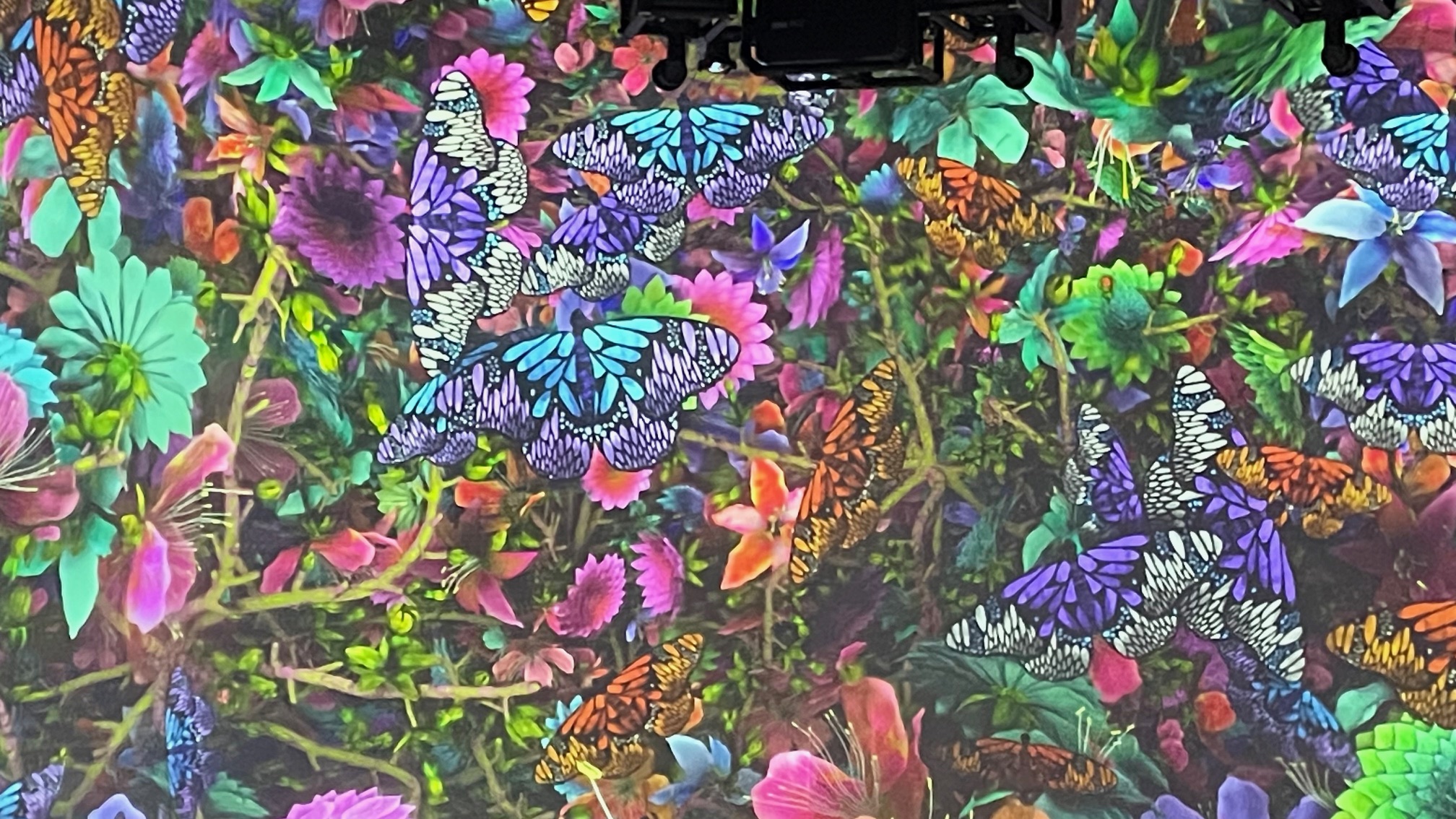
A unique visual art experience and exhibit in Washington, DC.






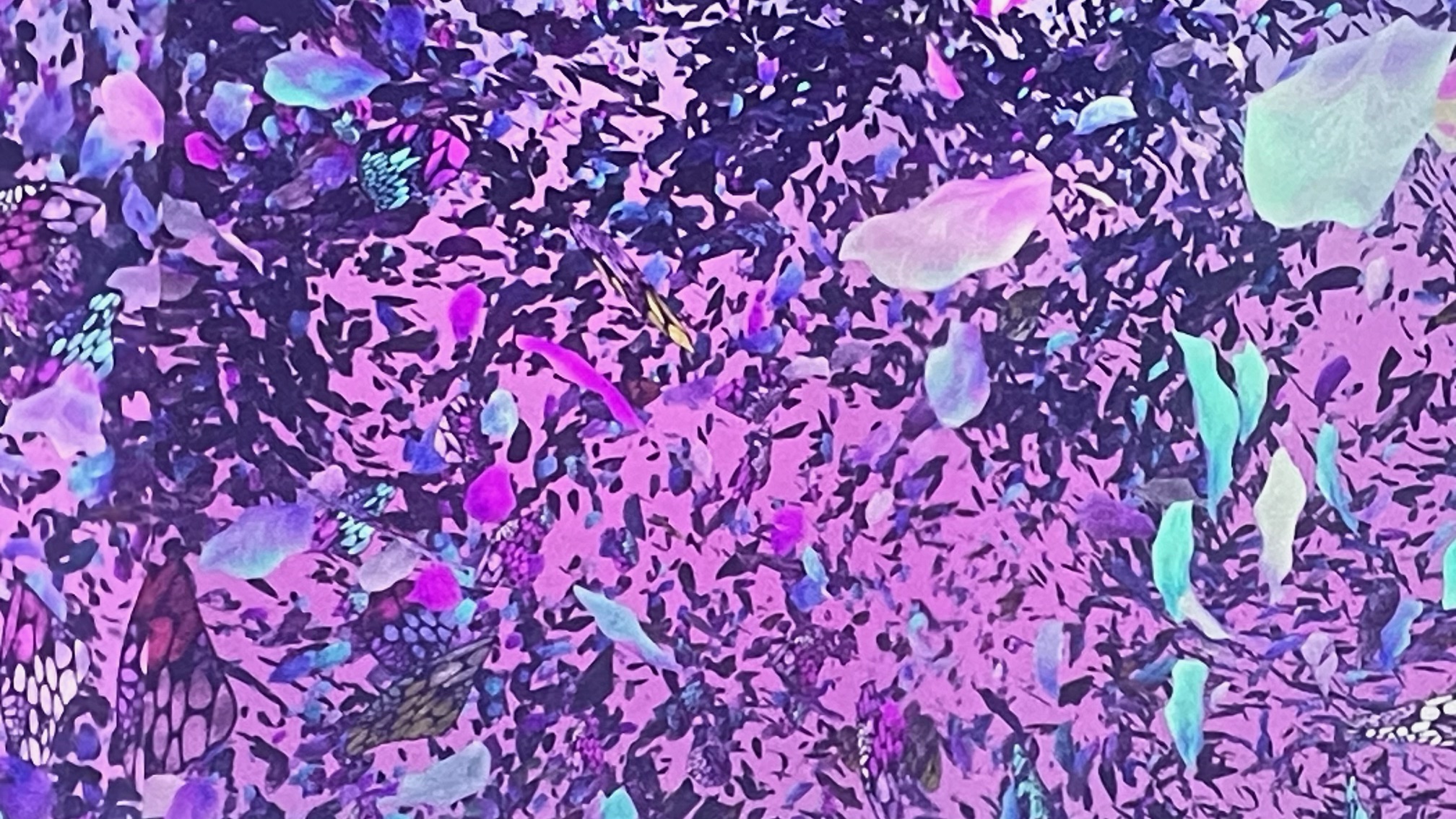




Camera: iPhone 12
Location: Artechouse; Washington, District of Columbia, United States
“Only from above can you see how such massive populations can occupy relatively small portions of the Earth, while vast stretches of land remain sparsely populated.”
Flying into a megacity offers a unique perspective on its scale as I have done countless times over the years. From the window seat of an airplane, it’s impossible to fully grasp the size of cities like Istanbul, Mexico City, São Paulo, New York, or Los Angeles—cities that house tens of millions of people. Only from above can you see how such massive populations can occupy relatively small portions of the Earth, while vast stretches of land remain sparsely populated.
In these cities, one can sense how humanity has evolved over the centuries, transitioning from primarily agricultural societies to industrial powerhouses, and now, to the complexities of a post-industrial world. The growth of cities, especially megacities, reflects humanity’s ongoing desire to improve civilization, particularly in the realms of efficiency, innovation, and social equity.
In the 21st century, megacities are projected to grow at an unprecedented rate, particularly in Africa and Asia. New cities are expected to join the ranks of those already housing tens of millions of people, with some approaching populations of 100 million. This trend of urbanization is part of a broader pattern that dates to ancient civilizations. From Ancient Rome and Babylon to Athens, our cities have always concentrated power, knowledge, culture, commerce, and industry in urban centers. With a global population of 8 billion and rising, megacities are a relatively recent development, but they reflect historical trends toward greater urbanization. This process will likely continue throughout the 21st century.
More than ever, megacities are testing grounds for technological advancements and infrastructure developments that will shape the future. Whether it’s high-speed rail, autonomous vehicles, smart electricity grids, or renewable energy sources, these cities are ideal laboratories for innovation. Given their size and complexity, megacities allow for large-scale experiments in sustainability, from energy-efficient buildings to advanced waste management systems. These cities are also at the forefront of efforts to address current environmental challenges, integrating technologies that reduce their carbon emission footprint and improve water and energy use.
With millions of people living in near proximity, megacities serve as testing grounds for the social systems that underpin modern life: healthcare, education, and public safety. Cities with large populations can quickly reveal whether social safety nets are effective or in need of reform. These urban centers provide a direct feedback loop for policy ideas and social services, offering a unique opportunity to evaluate and improve the systems that impact the quality of life. The success or failure of these initiatives in megacities often sets the tone for broader national or even global policy shifts.
Megacities are also microcosms of global culture, where different languages, customs, and traditions coexist, creating a vibrant and diverse urban fabric. This cultural mixing is a hallmark of humanity’s increasing interconnectedness. Cities with millions of people can foster greater cooperation, creativity, and tolerance, but they also present various challenges. Integrating diverse cultures and languages in ways that promote social cohesion can be difficult, especially when disparities in wealth, power, and opportunity persist. However, megacities are often sites of cultural innovation and collaboration, where new ideas are born and tested on a global stage.
Cities are often the birthplace of new political ideas and social policies. When these policies succeed, they can be scaled up and implemented nationwide or even worldwide. Urban areas, being more densely populated and diverse, offer the ideal environment for experimenting with solutions to systemic issues, such as education reform, income inequality, or civic engagement. The ability to gather immediate feedback from a large and diverse population means that cities can rapidly assess the effectiveness of new public policies, making them key players in shaping the future of society.
The rapid urbanization of the world since the industrial age brings with it both opportunities and challenges. As cities continue to grow and scale, they will increasingly become the focal points for innovations and social experiments that shape the trajectory of human civilization. At their core, cities reflect humanity’s inherent desire to evolve, improve, and create something greater than us. The drive for progress embodied in the ambition, growth, and efficiency of urban areas mirrors our collective aspiration for a better future. However, this continued growth plans to bring more complexities. As megacities expand, they face the challenge of providing a good quality of life for millions of people while managing the unintended consequences of scale, such as overcrowding, pollution, and social inequality.
The success or failure of megacities in the 21st century has global implications. As urban centers grapple with present challenges like climate change, wealth inequality, and the effects of economic globalization, the solutions they implement or fail to implement will have ripple effects across the globe. From Tokyo to Cairo, from Bogotá to Kinshasa, these cities are testing grounds for humanity’s ability to adapt to a rapidly changing world. The development of megacities is not just a local issue or an urban issue; it is a global concern that reflects our collective ability to meet the challenges of the 21st century.
The paradox of progress is that while we strive to improve our cities and societies, we must recognize the complexities of providing a high quality of life for growing populations. The ambition to create more efficient, sustainable, and equitable urban environments must be balanced with the practical realities of physical infrastructure, resource management, and social integration. If megacities are successful in making responsible choices now, they will be better equipped to meet these challenges in the future. The decisions made today will shape the cities of tomorrow and, by extension, the world at large.
As the world becomes increasingly urbanized, the fate of megacities and urban areas will be intertwined with the well-being of all people. What happens in these cities, whether positive or negative, will affect everyone, whether they live in rural, suburban, or exurban areas. The interconnectedness of our societies means that the success or failure of urban areas will have far-reaching consequences. We must ensure that the policies and solutions developed in megacities are inclusive and benefit all members of society. The prosperity of our cities is not just the concern of city dwellers, but it is a global concern too. This becomes particularly evident to me when I fly over a city or megacity, witnessing its sprawling lights and endless streets, and realizing that the future of our civilization is unfolding in these urban spaces.
The 2023 Mubadala Citi Open in Washington, DC for Men’s and Women’s Tennis




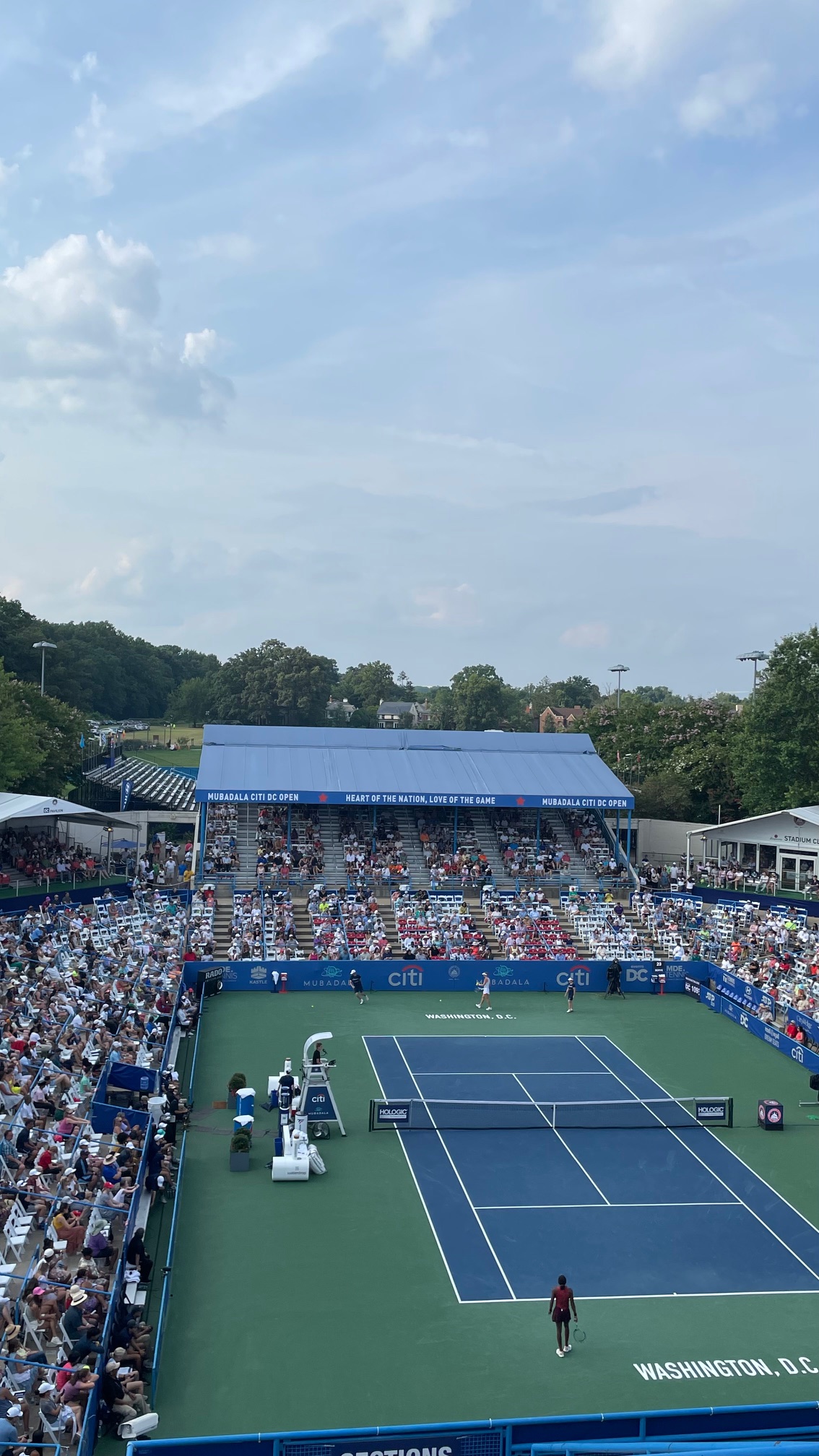








Camera: iPhone 12
Location: Washington, District of Columbia
“Instead of trying to change things that we cannot control, it is best to focus solely on things that we can control and hope that we can make a positive impact on the people around us and the wider world through this kind of ‘ripple effect.’”
There is only so much that we have control over in our lives. We are constantly being influenced and affected by factors outside of our control for which we may not even have any awareness of. There are events that take place each day of our lives that can change our trajectory without us even knowing. We try to make sense of the lack of control we have but it does no good to constantly be wishing things were different if you were to have control where none exists. Instead of trying to change things that we cannot control, it is best to focus solely on things that we can control and hope that we can make a positive impact on the people around us and the wider world through this kind of ‘ripple effect.’
Life is unpredictable each day, filled with uncertainties and unknowns that can provoke anxiety, frustration, and stress within us. From work pressures to global events, it’s easy to feel overwhelmed by circumstances that appear beyond our control or influence. In this chaotic and ever-changing world, I believe it’s important to adopt the mindset of “control what you can control” to foster both resilience and personal fulfillment. By focusing on what is within our reach, we gain clarity on what is most important, reduce stress, and strengthen both our mental and physical health, preparing us to navigate the complexities of life.
It’s natural to feel compelled to try to control everything or as much as we can in life, especially in a world that rewards constant achievement and control over one’s surroundings. However, trying to control things that lie outside our influence can lead to a never-ending cycle of frustration and disappointment. Conversely, focusing on what we can control allows us to feel grounded and empowered, fostering inner peace despite external turbulences.
By narrowing our focus on what we have control over, we can manage our energies better and put it toward actions that genuinely make a difference in our lives and for those around us. Concentrating on our own responses, attitudes, and habits lets us sidestep the paralyzing effect of factors beyond our control. This approach is about freeing us from wasting energy on things that simply cannot be changed. Adopting this mindset is not about giving up or avoiding the ills around us but about creating a more productive and healthy approach to life’s challenges.
It’s a fair question to ask at this point in what do we have control over? It is more than you would think based on this list below of what we can control in our life.
How we perceive situations has a profound effect on how we experience them. While we may not control the events, we do have control over how we interpret and react to them. Developing a positive or growth-oriented mindset allows us to find lessons, strength, or motivation even in difficult situations. When we focus on what can be gained or learned from the events, setbacks become opportunities for growth rather than new sources of despair.
Our reactions are among the most tangible aspects we can control in life. Although emotions often arise involuntarily without much forethought, we can practice responding to situations in ways that align with our values. Choosing how to react, rather than allowing automatic responses to take over, is a skill that can be developed with focusing on mindfulness. This life skill enables us to handle our challenges more constructively, turning potential stressors into manageable experiences.
The habits and routines we cultivate each day play a significant role in our quality of life. We control what we eat, what we drink, how much sleep we get, and how we manage our free time. Positive routines, such as regular exercise, limiting social media content, focusing on healthy eating, and setting aside time for relaxation, create a foundation for resilience and better health. When we invest in these areas of life, we build a stronger buffer against the impact of unexpected difficulties and changes.
While outcomes that happen to us or that which affect us are not always within our control, our efforts are in our control. Setting personal goals and consistently working toward them provides us with a sense of purpose and direction. Focusing on the quality of our work, rather than obsessing over the potential results, ensures that our self-worth remains stable regardless of external factors. This effort-oriented mindset helps us feel accomplished and satisfied even in unpredictable and changing environments.
Understanding what lies beyond our control is essential in practicing acceptance and letting go of what is beyond our grasp. These examples include:
Attempting to control how others think, feel, behave, or act is an exhausting and fruitless endeavor. People are influenced by their own experiences, beliefs, and emotions, which we cannot change. Rather than trying to shape others’ opinions or actions, focusing on tolerance, self-respect, and authenticity allows us to establish genuine connections without feeling responsible for people’s behaviors.
Natural events, market trends, or political shifts are all examples of uncontrollable circumstances that happen to all of us. While we can adapt to these realities and prepare for them to some extent, we cannot dictate or know when they will occur or what the outcome(s) will be. Learning to accept and know that the world will continue to evolve with or without our influence is liberating; it relieves the pressure of feeling responsible for the many forces beyond our own reach.
The past is unchangeable as we cannot go back to change anything about it and the future remains uncertain at best. While reflecting on our past experiences can provide insight and comfort to us; dwelling on past mistakes or obsessing over potential future scenarios drains our energy that could be used in the present to improve our daily lives. Embracing the present moment enables us to shape our future without being paralyzed by what it may be or what you think it could be.
When we focus on controlling what is within our reach, we naturally turn inward to cultivate resilience especially when times are tough. Investing in our mental and physical health creates a solid foundation that allows us to weather the storms of life, even those we cannot control at all.
Practicing mindfulness and self-care helps us stay present and reduces anxiety about both the present and future. Activities such as meditation, journaling, painting, or simply spending time in nature help to cultivate a calmer mind. Regular acts of self-care, such as setting boundaries, prioritizing rest, and engaging in hobbies helps nurture a strong mental state. When our minds are balanced, we’re better equipped to face challenges with a clear, calm perspective.
Physical health also supports mental resilience, making daily exercise, balanced nutrition, and sufficient rest, vital components of handling stress and anxiety. Physical exercise releases endorphins, boosts our mood, and reduces out stress. When our bodies are well-nourished and strong from exertion, we can face life’s uncertainties and changes with more stamina and energy.
We can always control who we spend time within our personal lives. Building meaningful connections with others we care about creates a network of support, which is especially important when facing various challenges. We cannot control how others act, but we can control the energy we put into cultivating positive relationships. Trusted friends, family, or networking groups offer encouragement, perspective, and comfort during tough times.
Developing a growth mindset will serve you well throughout life especially in being able to exert more control in areas of professional and personal development. It is key to have an openness to learning from every situation, which helps us adapt and thrive both in the workplace and at home. Life rarely goes exactly as planned, but those who can adapt to those changes we cannot control maintain resilience and will be better off as a result. Investing time in learning new skills, embracing change as much as possible, and nurturing a lifelong curiosity and inquisitiveness empowers each of us to see life’s challenges as opportunities for growth and improvement.
Adopting this philosophy of “control what you can control” is not easy to do but it does empower us to live more peaceful, healthy, and balanced lives. By focusing on what we truly have influence or control over such as our attitudes, learning, reactions, habits, and health builds resilience and clarity. Accepting that certain aspects of life are beyond our control frees us from futile worry and frustration as a result. In this way, we prepare ourselves to not only withstand life’s uncertainties but to thrive amid them, cultivating inner strength and well-being. In the end, it is not about being able to control life itself; rather it is about becoming the best stewards of ourselves as we navigate the beautiful, unpredictable, and uncertain journey that is life itself.
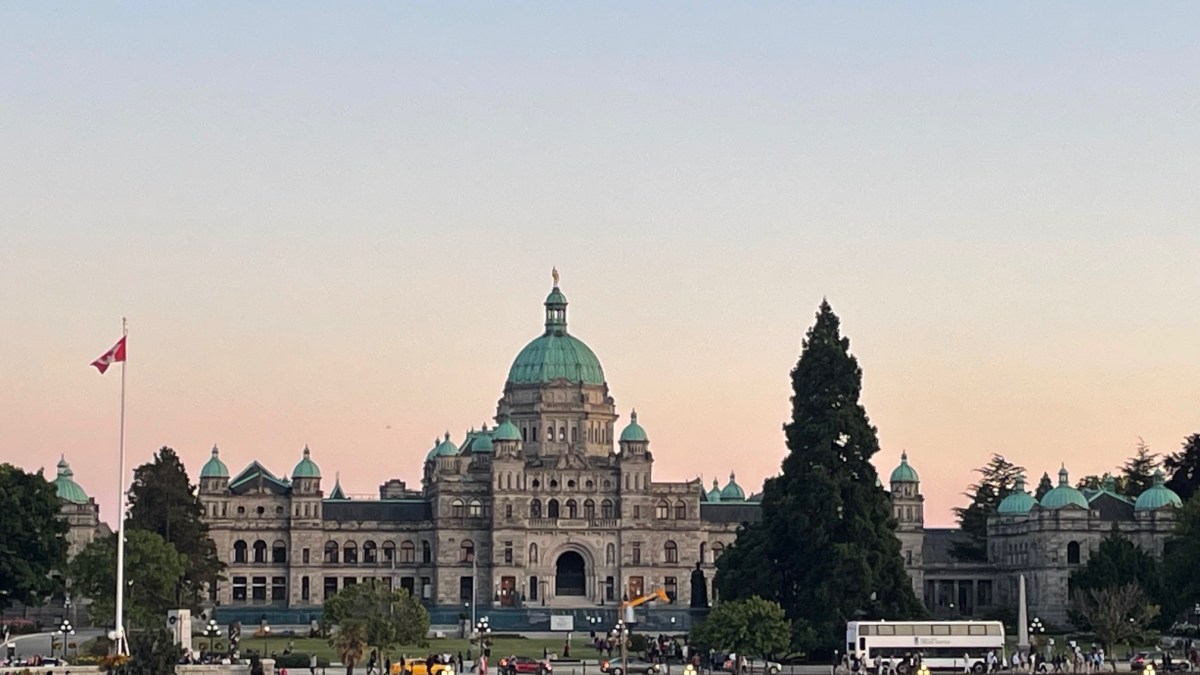
A quick visit to the city of Victoria on Vancouver Island in the British Columbia province of Canada.


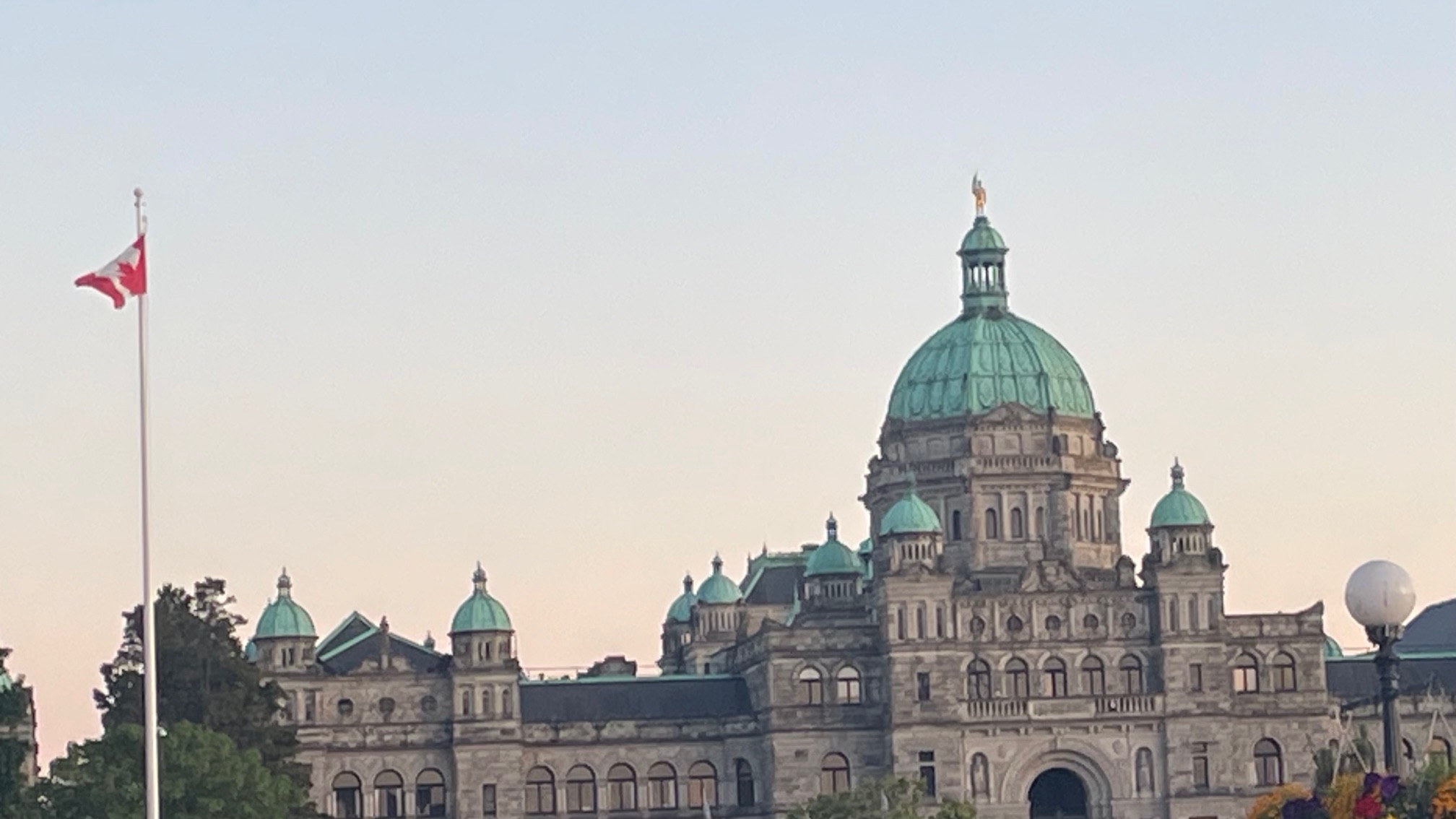




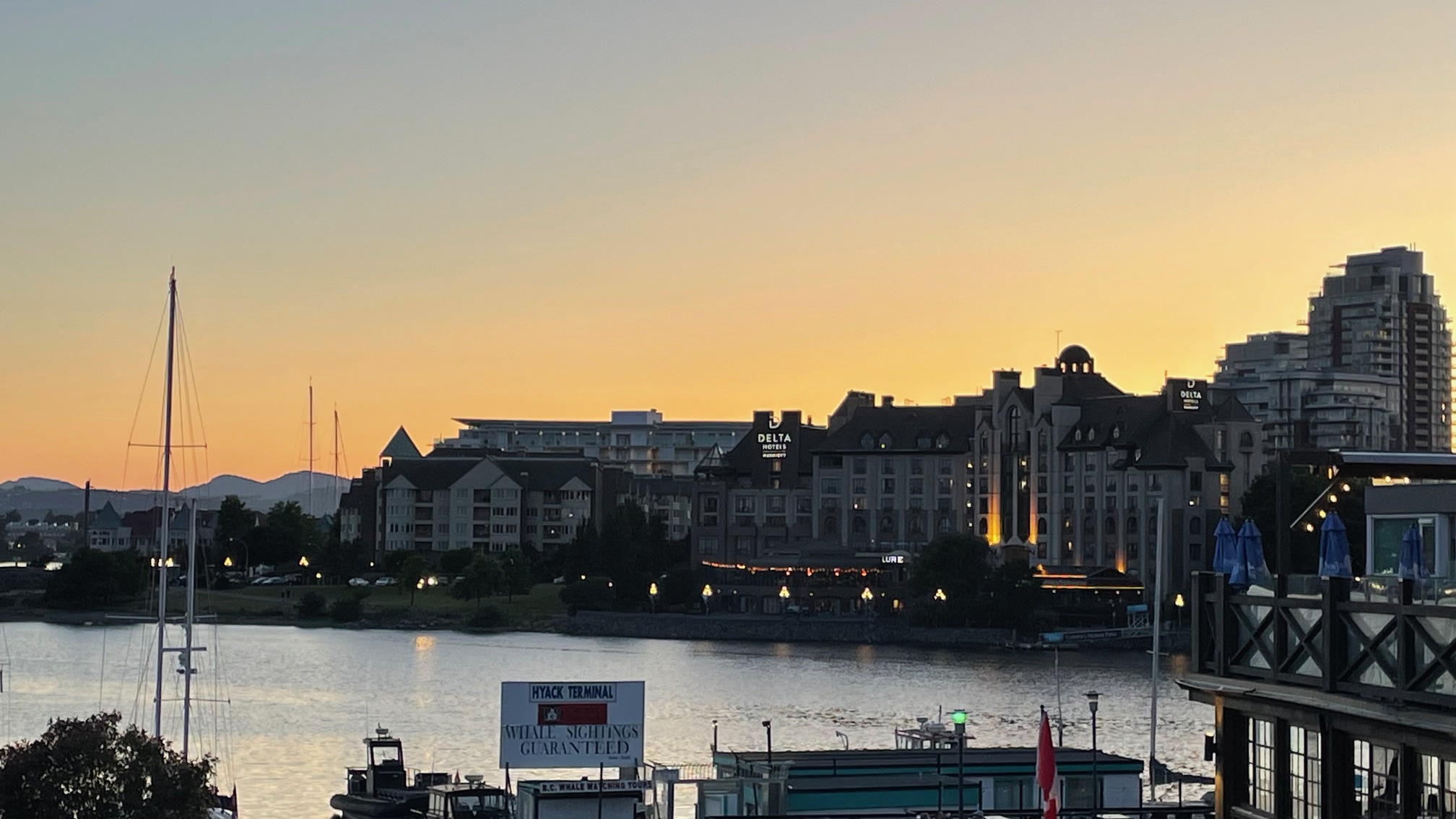


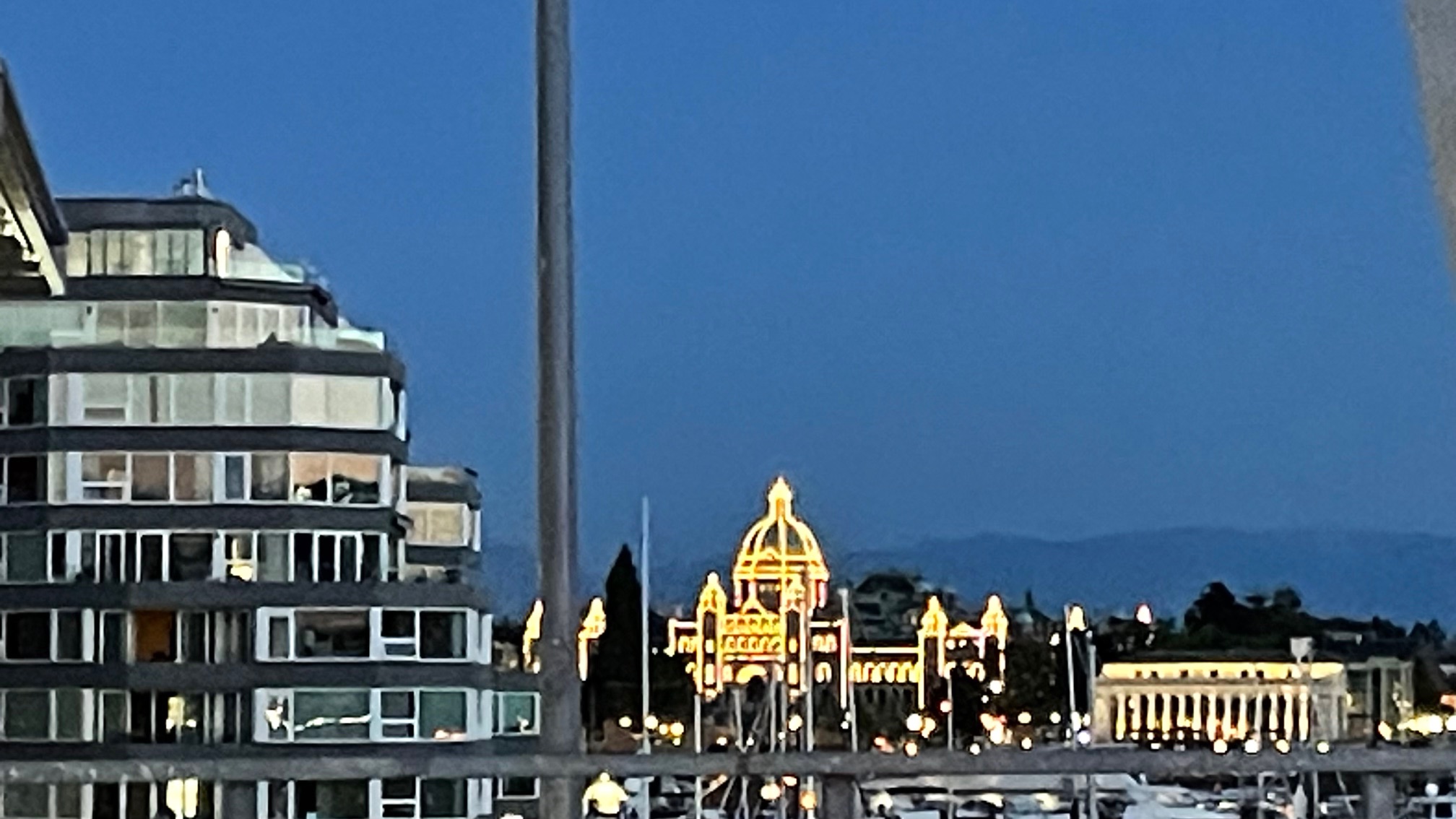
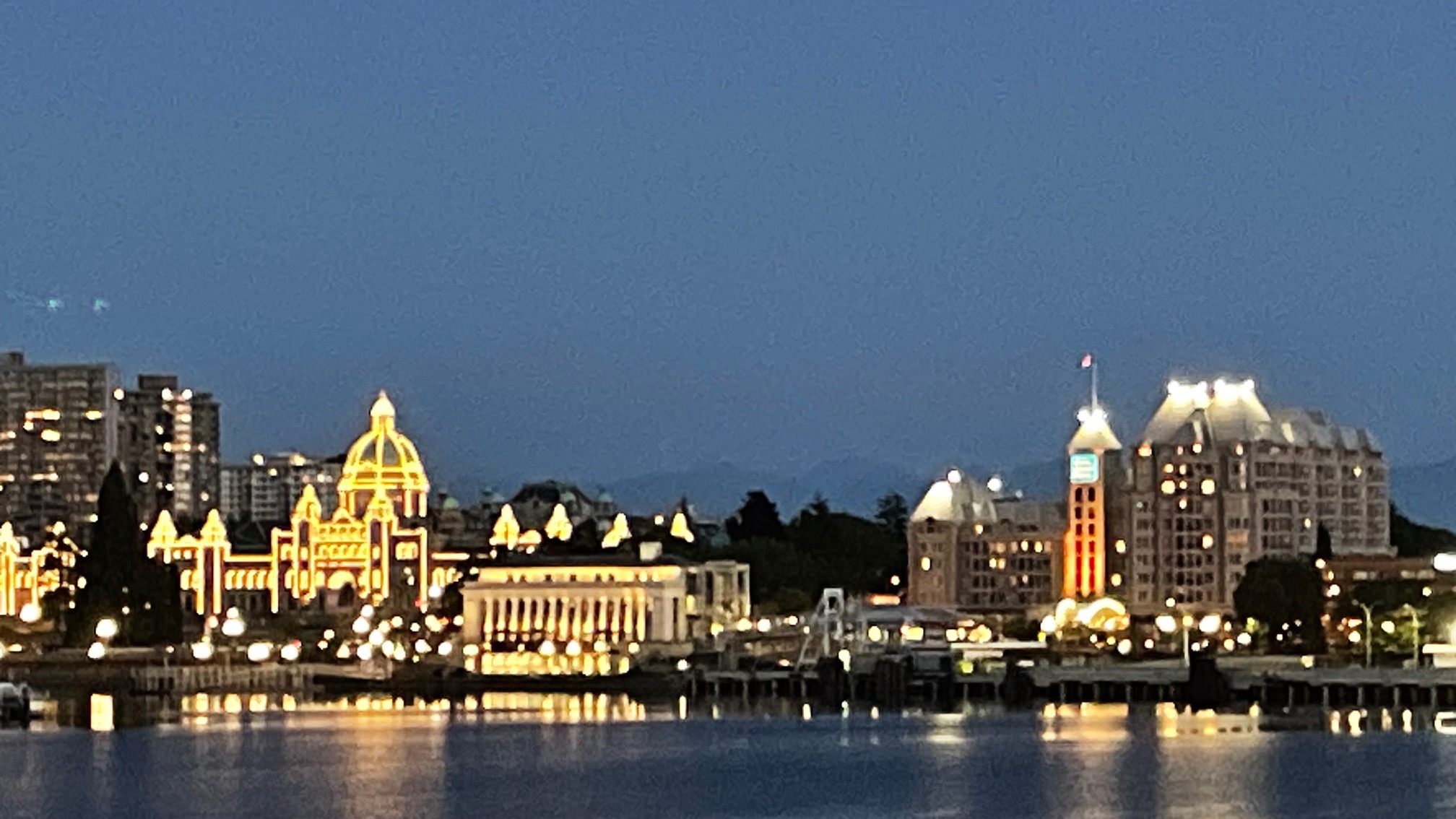
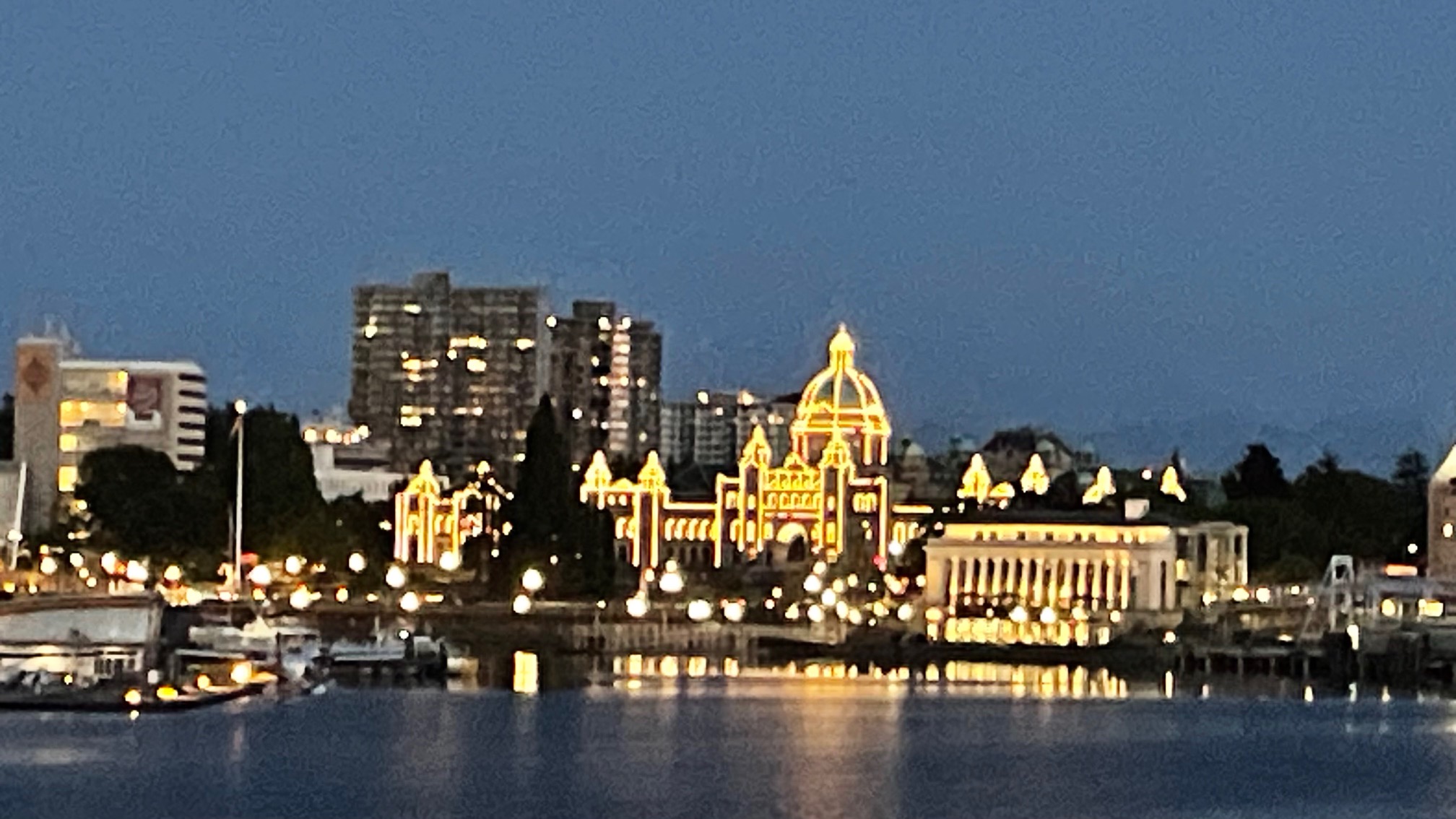
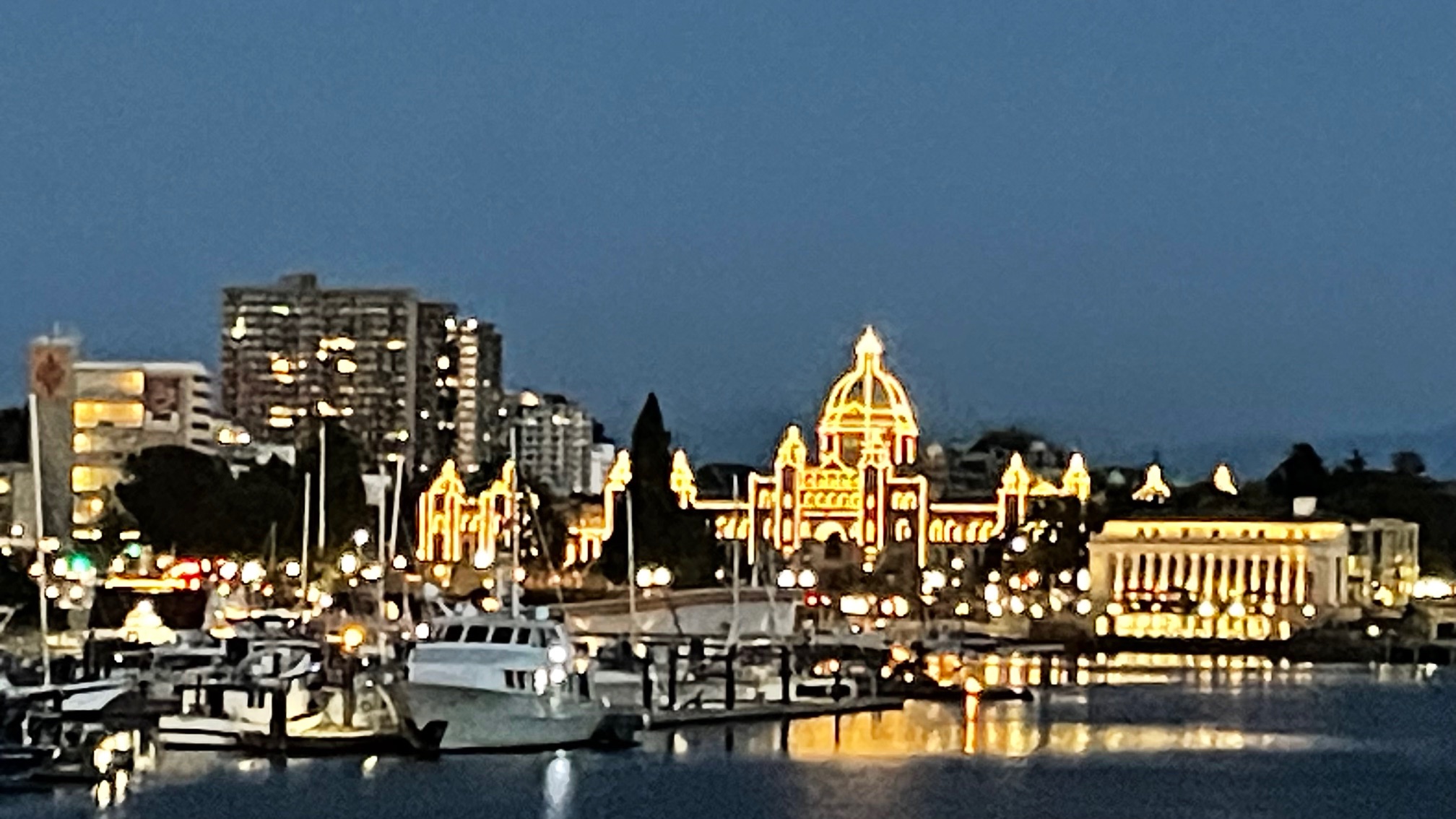
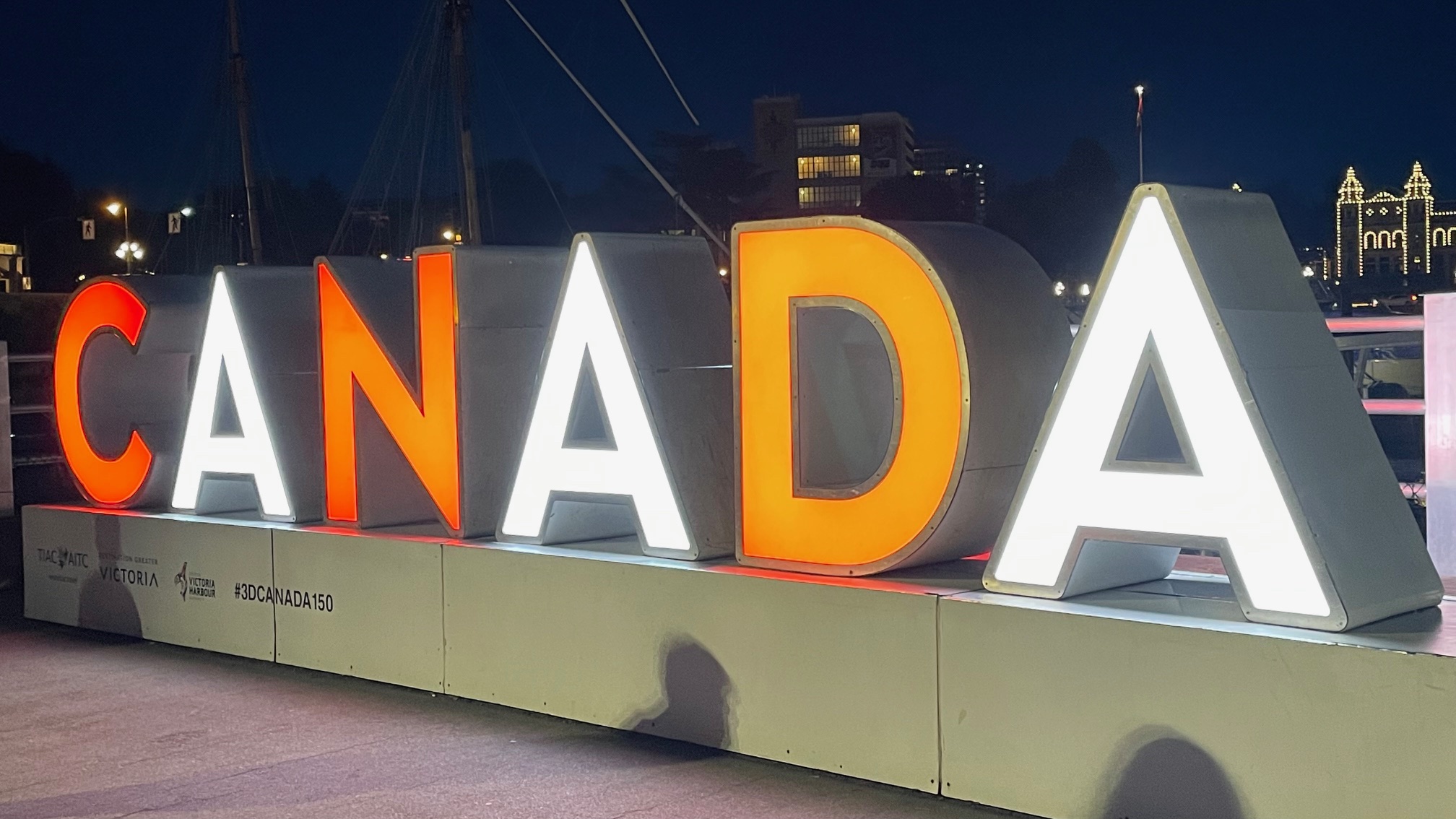
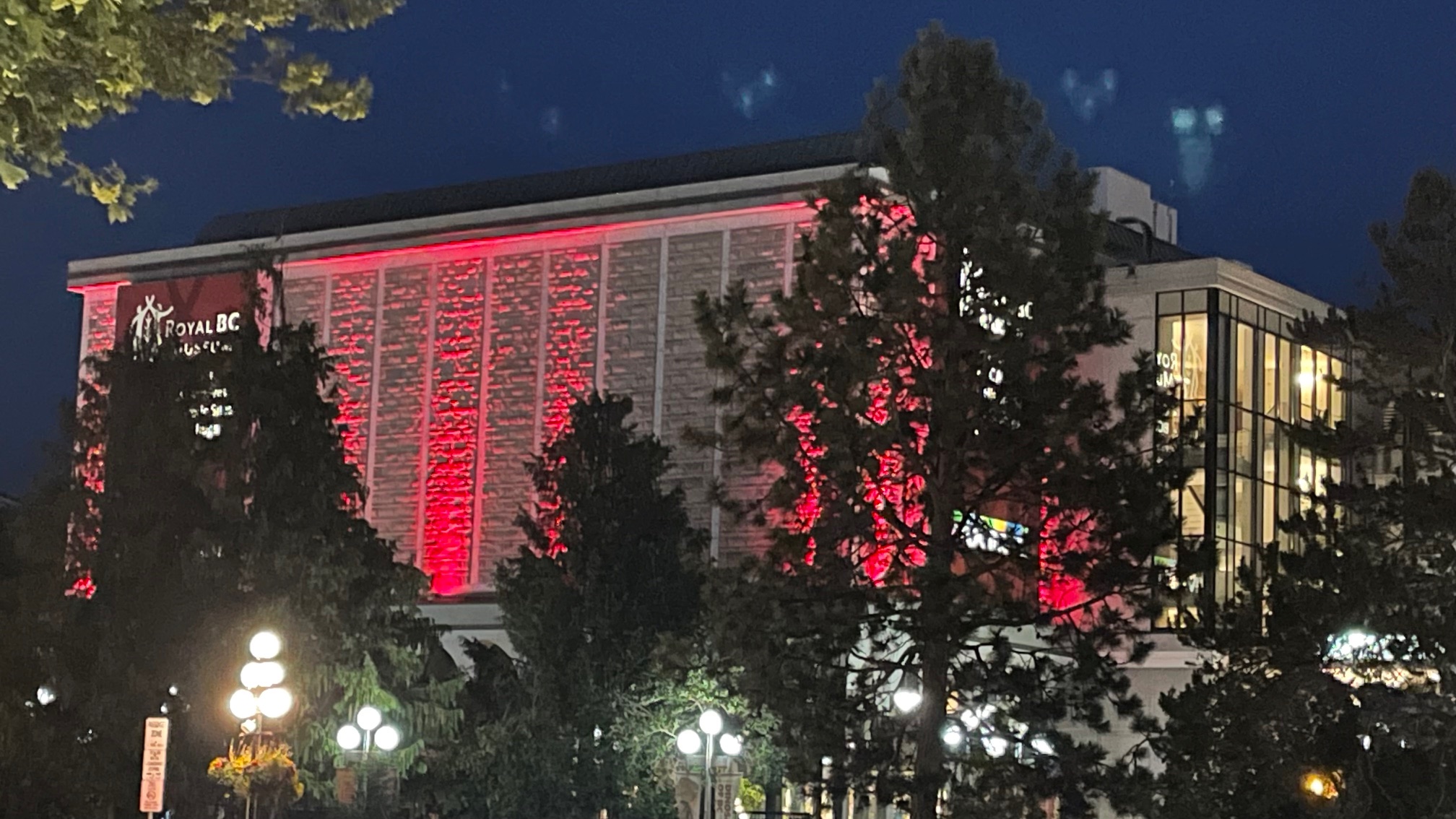
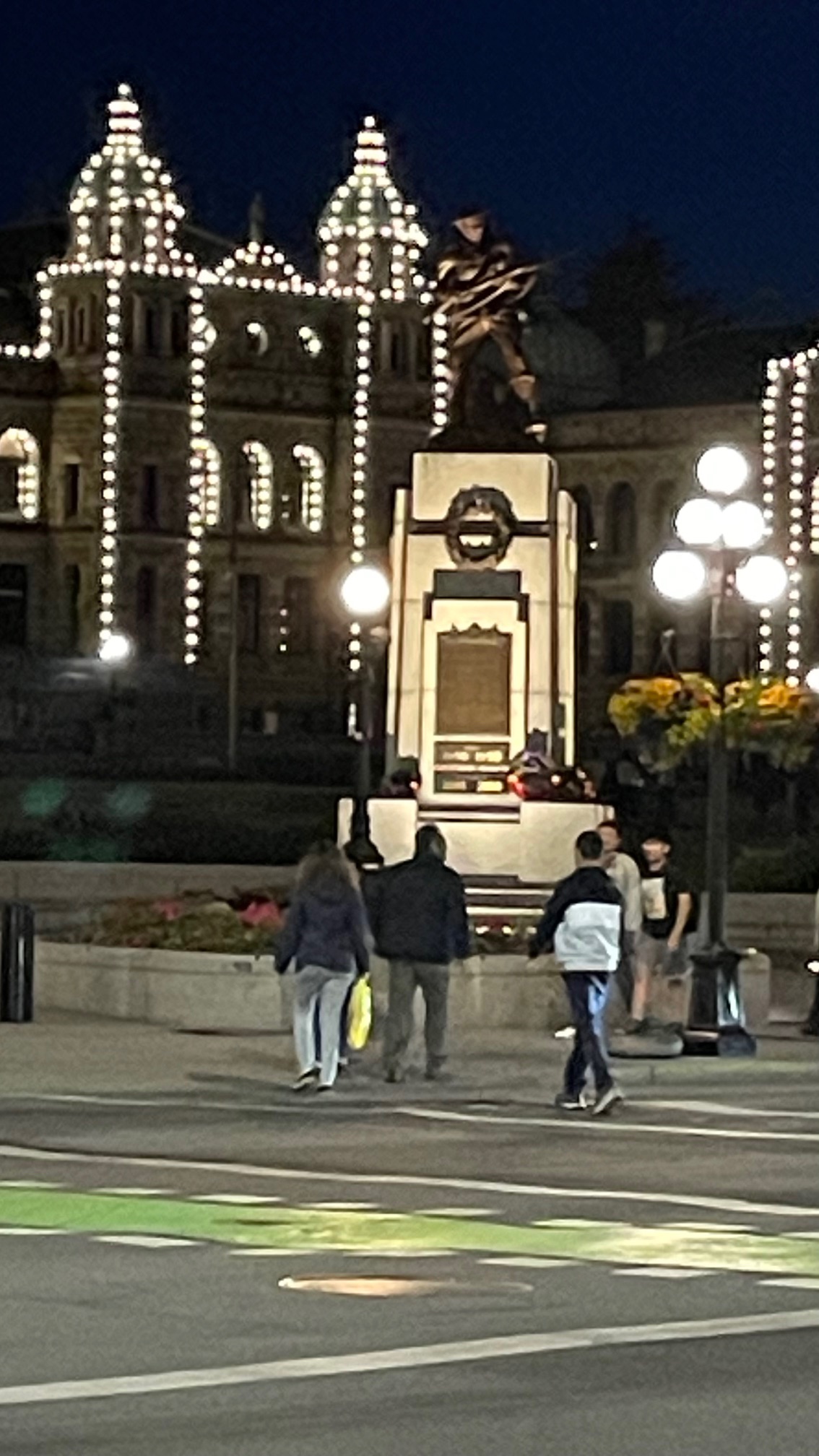
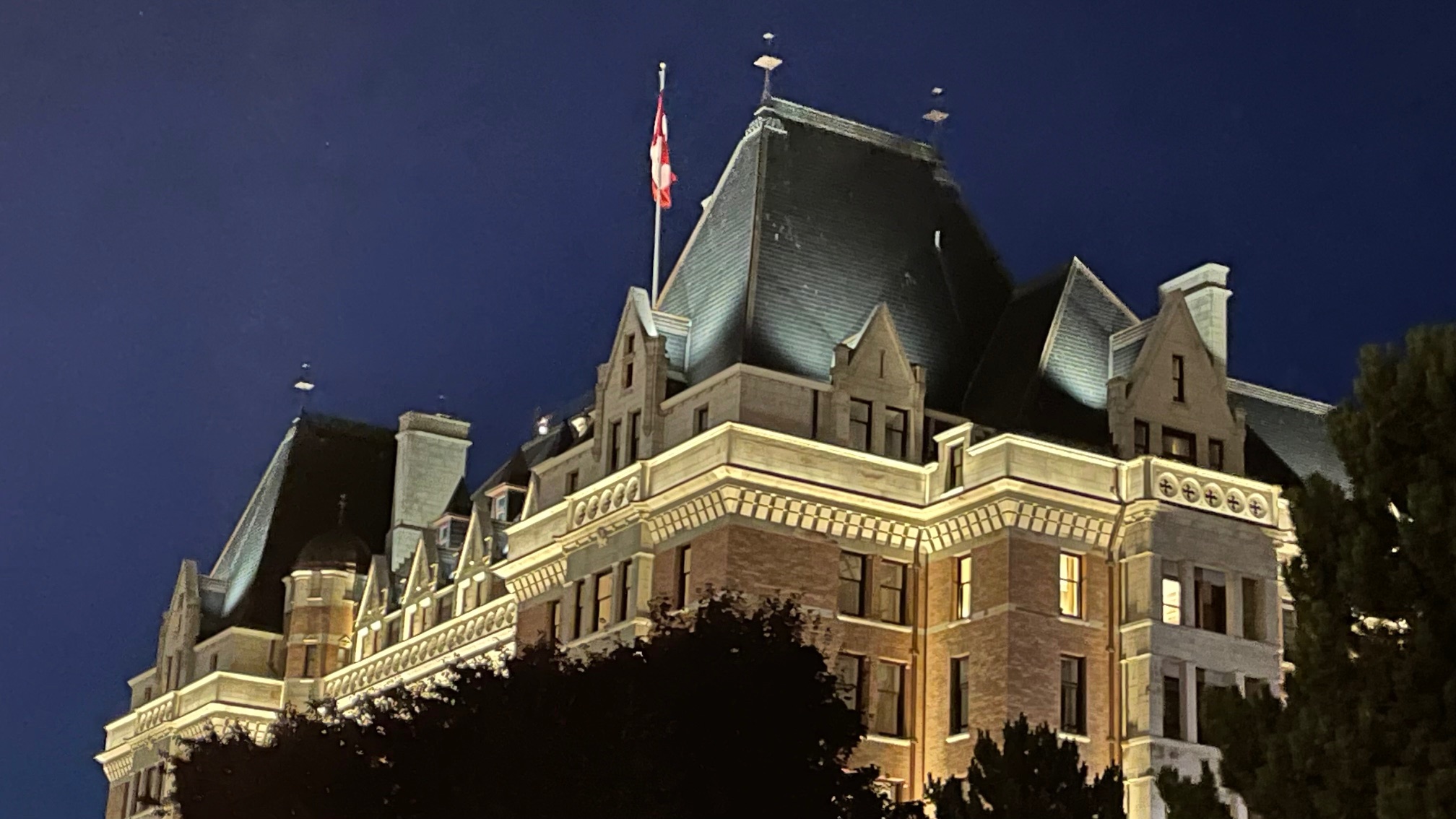
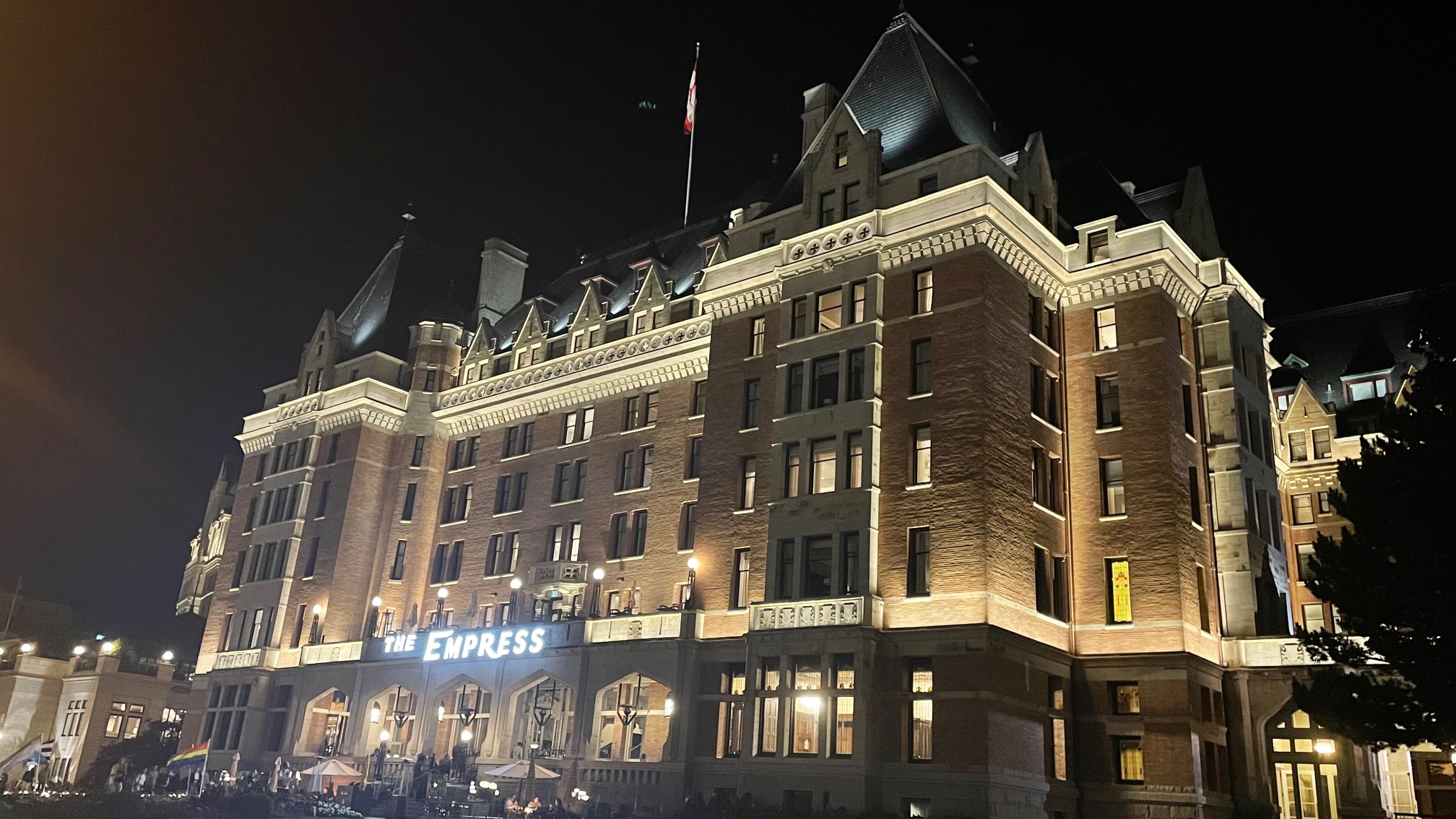
Camera: iPhone 12
Location: Victoria, British Columbia, Canada
My First Attempt at writing poetry in the Spanish language, which is my second language. I have five poems here and hope to write more in the future. Muchas gracias por leer mis palabras aqui.
Yo te pienso en la noche.
Yo extraño tu presencia.
Con las estrellas tan brillantes.
En frente de la luna mas grande.
Yo veo tu cara y tu sonrisa.
_____________________
2. Me Hace Falta
Cada dia que yo vivo,
Extrañando como vivi contigo.
No puedo continuar sin ti.
Recordando tu sonrisa y tu besos.
Me hace falta tu presencia.
_____________________
3. Azul
Me toco la guitarra esta noche.
Pensando en el mar y el lago azul.
Es como nadar en tus ojos azules.
Hasta el fin de mi vida.
_____________________
4. Estoy De Pie
Aqui, estoy de pie
No se por donde vaya.
Pensando en mis pasos proximos.
En tu mundo donde quisiera estar.
Porque aqui no puedo continuar.
____________________
5. Viajero Gringo
Soy viajero gringo
Eso no voy a cambiar.
Pensando en el mundo entero.
Quiero vivir asi, porque este mundo
Es siempre un parte de mi corazon.
“One key trait that is often undervalued is knowing how to spot someone who is not just friendly, kind, and decent but who values this kind of traits and characteristics in other people whom they surround themselves with professional and/or personally.”
A good way to examine someone’s character and moral values is who they surround themselves with. Whether they are a friend, a family member, a public figure, or even someone in the workplace, you can tell a lot about someone based on who they spend their time with or confide in. One key trait that is often undervalued is knowing how to spot someone who is not just friendly, kind, and decent but who values this kind of traits and characteristics in other people whom they surround themselves with professional and/or personally.
You must be able to get comfortable with both analyzing and understanding how other people act and whether their behavior or their personality will not just be good for you but also whether it is good for other people too. It’s often overlooked but being able to assess accurately the character of a man or a woman is key to keeping potential trouble or problems out of your life as a result. It can take a lot of time to really get to the heart of who someone is but if you feel that you want to truly know that person deeply and how they act not only to you but towards other people, it’s important to spend a lot of time around them not only privately but publicly as well to get a real sense of who they are.
Remember that who you surround yourself with by choice reflects either good or bad on you. We can’t choose our family members, but we can choose who are friends are, who we have a relationship with, which work colleagues we mentor or learn from, and our other associates in our network of personal or professional connections, however casual they may be to us. If you don’t take the time to truly assess someone’s moral compass, their character, and their overall behavior, you may be drawn into negative situations or circumstances that could affect your life badly.
Do not put yourself into those kinds of negative situations in life by choice where you could have instead cut ties with the person(s) who were affecting your life poorly. Be able to say ‘no’, walk away, maintain your distance, or cut ties permanently to preserve your own peace and your own moral character. It is extremely important in life to avoid the sycophants, suckups, liars, cronies, fools, toadies, goons, and flunkeys who can make our life much more complicated or worse as a result.
Life is too short to hang around people of poor behavior and character especially when you have a choice in the matter. That is why it is so key to be careful of the people who you associate with freely. I encourage everyone reading these words to take seriously how you size up your fellow man or woman even if it is a casual connection or someone in your general network of connections. Who you surround yourself with says a lot about a person and you do not want your connections or friends or network to reflect poorly on you.
It is often said that a man’s / woman’s reputation is built over decades but can be lost in minutes or hours. Surround yourself with people of moral fiber and good character and your reputation will be positive as a result. There are so many numerous examples of public figures or well-known people in our society who do such a poor job of surrounding themselves with the right people and it harms so many others as a result. People who cannot judge the character of someone well enough should have no business being a leader or overseeing a company, organization, or a country. Judgment of character is a key skill that must be honed over the course of our lives whether it is thinking of having that person as a friend, a romantic partner, or a business associate.
When you can judge character well and find good people to surround yourself with, the benefits of doing so will reverberate throughout your life. You will have much less stress, anxiety, and experience much less negativity as a result. Your own reputation won’t suffer, and you’ll be able to spend time better with those good people creating both positive experiences and the good memories from them. In addition, you want to have people not only of good character and moral fiber but to have people around you who will tell you the truth, tell you what they really think, let you know when you’re messing up, and who will support you during the good times and the bad.
Being around people who lie to you, mislead you, talk about you behind your back, kiss up to you, or act phony around you are not worth the time or the effort to keep around you at all. It takes a while to really get to know someone but if you let people who you don’t vet or don’t really get to know into your life especially your inner, private life, you are asking for trouble as a result. Maybe you will have fewer friends or a smaller professional network because of your own vetting or analysis of people around you but to me, it’s always better to have a few true friends and associates than a bunch of liars, sycophants, and phonies who tell you what you want to hear rather than what you need to hear.
Please be careful of who you associate with whoever they may be. Be sure to know how to evaluate and assess the people in your life and believe in your own intuition of who a person is and whether they deserve to be part of your life. Remember that who you surround yourself with reflects who you are as a person. Don’t try to be everyone’s friend and have suspect people in your life as a result. Find people of strong moral character, vet them well, and make sure you and they continue to do good and be good to themselves and to others in life.
A Flock of Bald Eagles Flying High in Ketchikan, Alaska











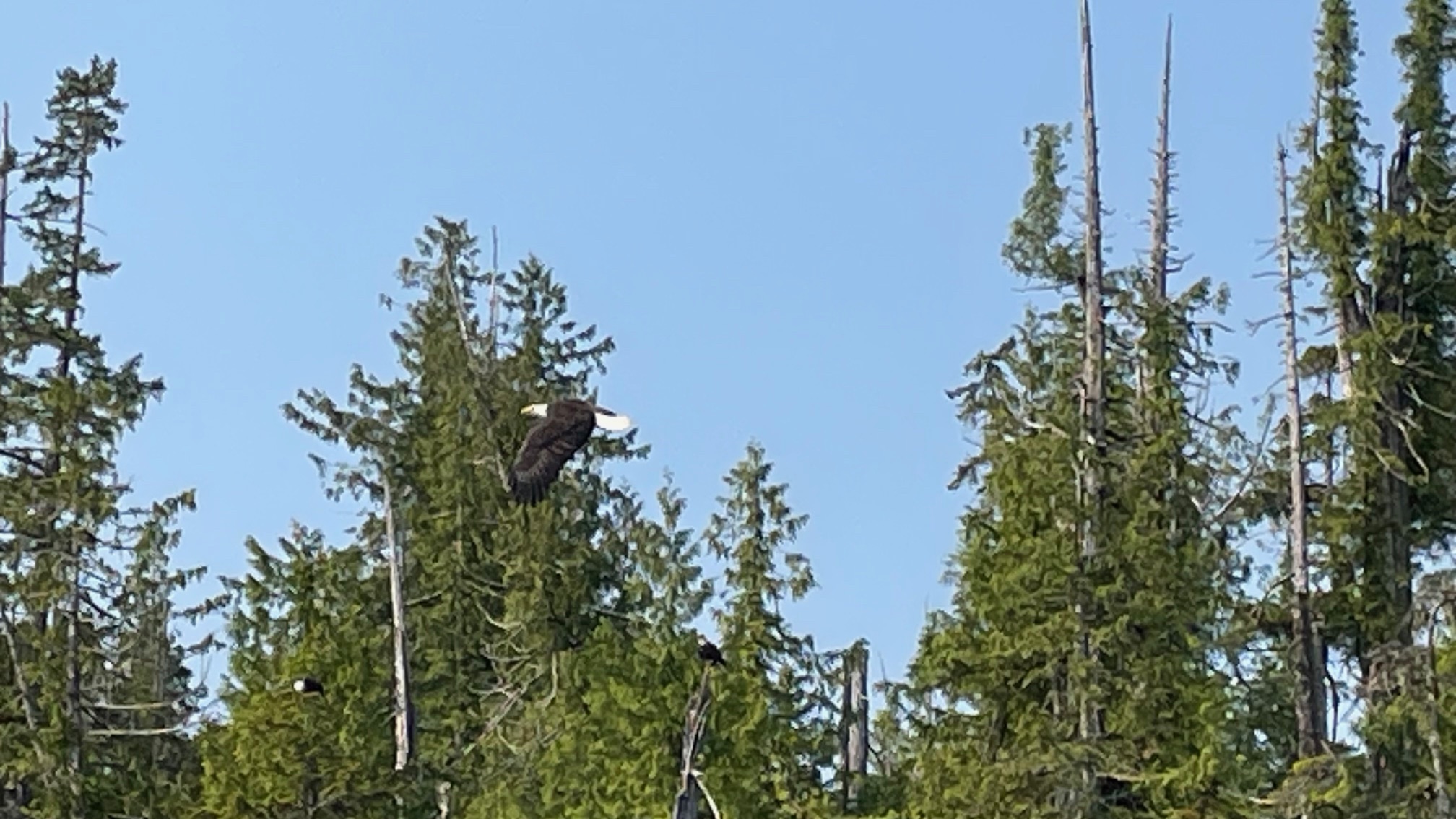




Camera: iPhone 12
Location: Ketchikan, Alaska, United States