The Sakura Matsuri Japanese Festival in Washington, DC

“The Sakura Matsuri, hosted by the Japan‑America Society of Washington, DC, is the largest celebration of Japanese culture in the U.S. It’s a marquee event of the National Cherry Blossom Festival.”

Camera: iPhone 15

Location: Washington, District of Columbia

Anatomy of a Scene – ‘The Lady In The Red Dress’ (The Matrix)

“In a simulated world, which is built both on illusion and deception, distraction is the perfect weapon for keeping one complacent and from asking questions.”

In a simulated world, which is built both on illusion and deception, distraction is the perfect weapon for keeping one complacent and from asking questions. Few film moments capture that idea more powerfully than a short but iconic scene from The Matrix (1999): Neo (Keanu Reeves), newly unplugged from the simulated world he once thought of as reality or the ‘real world’, walks through a bustling cityscape inside a training simulation that is programmed to feel like ‘The Matrix’, but whose participants realize it is a simulation and not the ‘real world’.

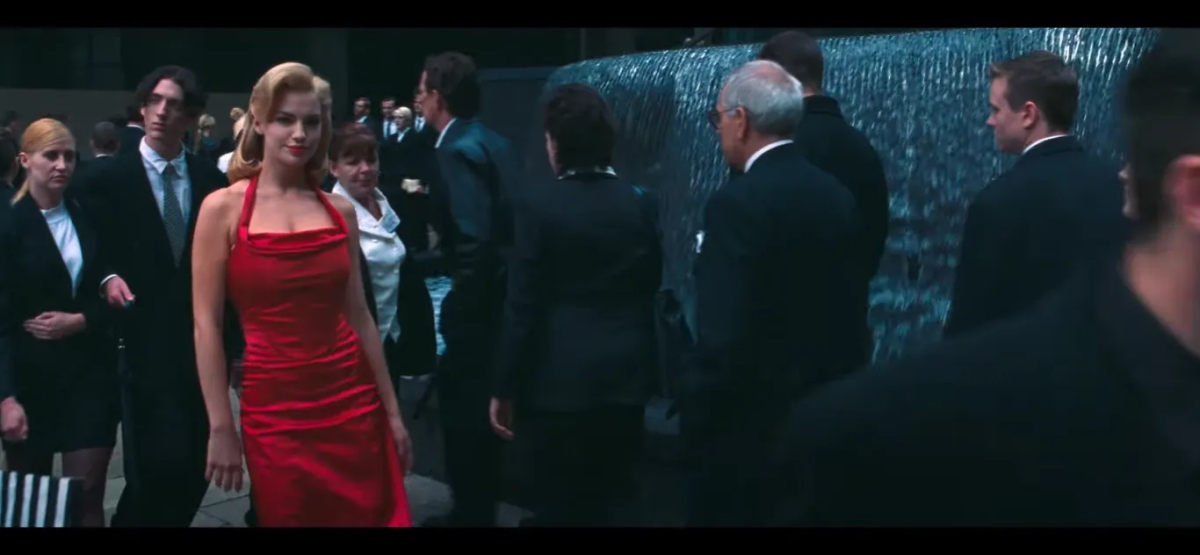
Suddenly, his attention is captured fully as he stops listening to Morpheus’s speech and focuses elsewhere. This distraction is not of danger, but by desire. A stunning blonde woman in a bright red dress walks past him on a city street. He turns to look at her and take in her beauty. A moment later, he’s staring down the barrel of a gun from an Agent of The Matrix.

This moment, while brief, is the Matrix in miniature form, a system that doesn’t just imprison the body, but hijacks the mind as well. In this scene, the Wachowski Brothers, who directed the Matrix film series, deliberate show the audience how distraction can be deadly, how perception can be manipulated, and how even the most liberated minds are vulnerable to illusion even after escaping from the simulated word of The Matrix. Over two decades later, this scene resonates more than ever as we live in a blurred world now of reality and simulation and of seemingly endless distractions like the lady in the red dress.

Let’s walk through how the scene unfolds similarly to how Neo and Morpheus experience the simulation themselves. Neo and Morpheus are in what appears to be a peaceful, clean city environment with sun-drenched streets, people in business attire moving in orderly fashion of different occupations and livelihoods. It’s not the gritty or green-tinted world Neo has just escaped from. Everything here is vibrant, bright, almost too perfect and calm. There’s a catch to it but we don’t know what it is yet as the audience.

Morpheus explains to Neo, “This isn’t the real world. It’s a computer-generated dreamworld built to keep us under control.” They’re inside a training program that mimics the Matrix, but this version is safe and controlled with seemingly no threats like what lurk inside the Matrix. As they walk, Morpheus encourages Neo to stay alert and keep up with him. However, Neo’s attention suddenly drifts elsewhere. A tall, blonde, and slightly smirking woman in a red dress glide past him, a stark contrast to the grayscale suits and muted tones of the crowd. The camera follows Neo’s gaze and not Morpheus’ words. Just as Neo turns around to look at her again, Morpheus interrupts: “Were you listening to me, Neo, or were you looking at the woman in the red dress?”

Neo turns again and instead of the woman, an Agent from the Matrix stands there with a gun to his head. The simulation freezes. Morpheus smiles. “Look again.” This is Neo’s wake-up call after he flinches from the sight of the Agent’s gun in his face. Neo is shaken as at any time in the Matrix, any of those ‘people’ are enslaved by the Matrix can turn into an Agent who is looking to prevent others from being freed from their enslavement by Neo, Morpheus and his crew. In The Matrix, distractions can be deadly because anyone can be an Agent and turn into one at any time. Neo learns his lesson and Morpheus instructs Neo about the real danger of going back into the Matrix, but they have a mission to free those from a reality that is not real, whatever the cost may be.

At its core, the Lady in the Red Dress scene isn’t just about Neo getting distracted having not been accustomed to the unique threat of an Agent. It’s about how the Matrix and by extension, any system of contro uses desire, beauty, and sensory overload to mask its true threat.

The woman in red is not a glitch, nor an accident of the simulation. She is designed by Morpheus’s crew to test Neo’s ability to focus and to challenge his awareness in an environment that constantly floods the senses, a virtual simulation that is meant to feel real but isn’t real. Morpheus isn’t just teaching Neo about the Matrix’s mechanics but also, he’s teaching him about vulnerability. The greatest danger isn’t always visible or known in the Matrix. Often, it’s hidden behind the things we want most or desire to have the most.

The red dress is more than a splash of color on a woman who is simulated to be a distraction. It’s a symbol in the overall movie of temptation, distraction, and the human tendency to follow what pleases us, rather than what protects us, even if it will end up hurting us later. In mythology, this kind of idea of ill-fated temptation appears often: sirens luring sailors to their doom in ‘Odysseus’, the forbidden fruit offered to Adam and Eve in Eden from the Old Testament, each of these illusions are designed to distract heroes from their quests or to lead to the fall of man and woman.

In this scene, the woman in the red dress is a test, one for which Neo fails, momentarily, and I think a lot of us would fail like he did with the distractions that are constantly thrown at us each day. His eyes are drawn away from his mentor, away from the lesson he is teaching, and toward something that feels more real than the truth. The result of his ill-fated choice? Instant danger and his potential demise if he were to make the same mistake again.

The brilliance of this scene lies in how it’s staged visually and shot from Neo’s perspective: everyone is dressed in grayscale, forming a camouflage of conformity and ordinariness. The woman is the only thing that stands out to Neo and the audience. She breaks the pattern of what we see and thus, attracts attention and an extra look. That’s what makes her the perfect distraction and allegory for ill-fated temptation, and that’s what makes this scene timeless.

Fast forward to today’s world where distraction has become the default mode for many of us. Our attention is fragmented by design, engineered by algorithms, applications, increasingly ‘real’ virtual and simulated realities, and seemingly endless digital stimuli, for which has dramatically shortened our attention spans. The modern “Matrix” isn’t an actual simulation in our brains, at least not yet as I write this, but it’s a network of more and more screens, news feeds, constant notifications, and seductive content. It’s the all-knowing algorithm pushing what it knows will make you pause mid-scroll and continue to feed your dopamine receptors.

Every time you find yourself watching a video you didn’t intend to watch, reacting to an outrage post on a political or social issue, comparing your life to curated influencer perfection on social media, or buying something new because it popped up at just the right time in your news feed, that’s the ‘red dress’ in action. While you’re watching the distraction, whatever kind it may be, something else is happening in the background of our lives: real threats are forming that pose real danger to us. Climate change. Political instability. Ongoing wars. Mental health crises. Surveillance capitalism. Social isolation. Economic inequality. Things that are far more dangerous and impactful than seeing ‘a lady in red’. Like Neo, we rarely see ‘the Agent’ or the real threats coming at us on the horizon.

In The Matrix, Morpheus teaches Neo that true liberation begins with awareness, not just of the system, but of how the system manipulates us and our desires. The Lady in the Red Dress is a metaphor for all the ways we’re trained to look away, to not pay attention, to surrender to the pleasure of the moment rather than focus on the issues of the present and the future. In 2025, this scene is more relevant than ever to our real world. It reminds us that to stay aware, engaged, and vigilant in a constantly distracted world is a small yet meaningful act of rebellion.

The focus and impact that you give to the world around you rather than cheap simulated or virtual distractions is actual power. Being able to have greater perception and awareness is everything these days and will allow you to help other people do the same. The next time something flashy, tempting, or beautifully packaged grabs your attention, you should ask yourself: “Am I listening, or was I looking at ‘the woman in the red dress’?”

Avoiding Analysis Paralysis

“We also often must think if the choice or decision we make is ‘perfect’ but to put it bluntly, no choice or decision is ever perfect.”

With the rapid pace of change and constant streams of information coming at us each day, it leads a lot of us to overthink decisions and choices to the point of inaction. There are too many choices we have to make, sometimes big and sometimes small, but we can easily get overwhelmed by the fear of making the wrong decision or if it’s better to avoid deciding altogether. We also often must think if the choice or decision we make is ‘perfect’ but to put it bluntly, no choice or decision is ever perfect.

Everyday, we are faced with hundreds or even thousands of choices such as choosing what to eat, what to wear, to what to do with your life, career, or school choices. Major life decisions should always take precedence in terms of your focus and your analysis, but you have to make the decision at some point regarding career, school, investments, and relationships. You must be able to prioritize effectively the decisions you have to make in the order of what’s more urgent and what’s most important. Smaller choices should deserve some time, but they should take away from the big choices we have to make day in and day out. Prioritization, knowing when to limit the time spent on a choice, and embracing choices or decisions that are ‘good enough’ over ‘perfect’ will help prevent you from falling into an ‘analysis paralysis.’

I believe that ‘analysis paralysis’ is more common than ever due to several factors. We have too much information and it’s overloading our thought process because it’s seemingly endless with regards to the Internet and it’s harder than ever to filter out good information from bad. The fear of missing out (FOMO) has us thinking that we have endless choices in life rather than a few immediate choices we should focus on that affect our lives.

Social media makes it seem like we have endless time or endless options to consider but we must reframe it as these are the choices I can make that are within my control and for which directly impact me. Society tends to reward those people who seem to have made the best decisions even when we know we don’t know the full story behind the choice because social media and the Internet don’t give us everything regarding how a person decided or made a choice to begin with.

Too many choices each day of life, which society can thrust upon us all at once, is a modern problem especially regarding how many streaming services, career paths, educational options, and other non-essential choices that flood our attention spans. While it’s important to make choices, you should not waste more time than you need analyzing every option out there because it would be a waste of your time.

As I mentioned earlier, to avoid analysis paralysis, you have to choose only on what you can control or have an impact on your life to decide upon immediately. You got to set time limits on these decisions you can make and are relevant to your life at the time. There is also no such thing as a ‘perfect’ choice or decision and every decision we make has positives and negatives to it as well as unknown factors that we cannot foresee upon making the choice.

You should be identifying the key factors of the choice and what impacts it’ll have from making one choice or the other, but for which truly matters rather than analyzing what could be or should be without knowing what those unknowns may lead to. Identifying what truly matters and really impacts you day to day should be priority in your decision making and should be based on relevant information that is creditable and trustworthy too.

Taking small choices or decisions can make it easier as well to handle bigger decisions but both need to be happening in your life. You can’t ignore the big choices or the small choices and often they will need to be made at the same time or same day. Breaking down your decisions and the steps that lead to them will reduce the chances of you being overwhelmed by making them. Take the decision-making process one step at a time, especially for the big decisions, will make it less daunting and give you more confidence in how you analyze the choices you have.

Limit the amount of information you expose yourself to and make sure the information you get is trustworthy before making your choice or decision. There is too much information out there for every choice we could make in this information age so make sure you trust your sources, limit them to a handful, and try to analyze both sides of the choice without delaying it too much.

By recognizing what ‘analysis paralysis’ is, how often it can affect us in our daily lives due to living through the ‘information age’ and taking steps to overcoming this paralysis one choice or decision at a time, you can improve the quality of your life immensely. Go easy on yourself and try to make the best decisions you can with the best information you can get. We all make mistakes in our choices and our decisions because we’re human but it’s important also to learn from past mistakes and do the best we can each day we make a choice or decision.

Beware of the Grifters and Scammers

“As important as it is today to protect your personal peace, it is just as important to protect your own money. With the widening economic inequalities and uncertainties in society mixed in with the invasive nature of social media and AI technology, it is easier now more than ever to fall victim to ‘grifting’ or ‘scamming.’”

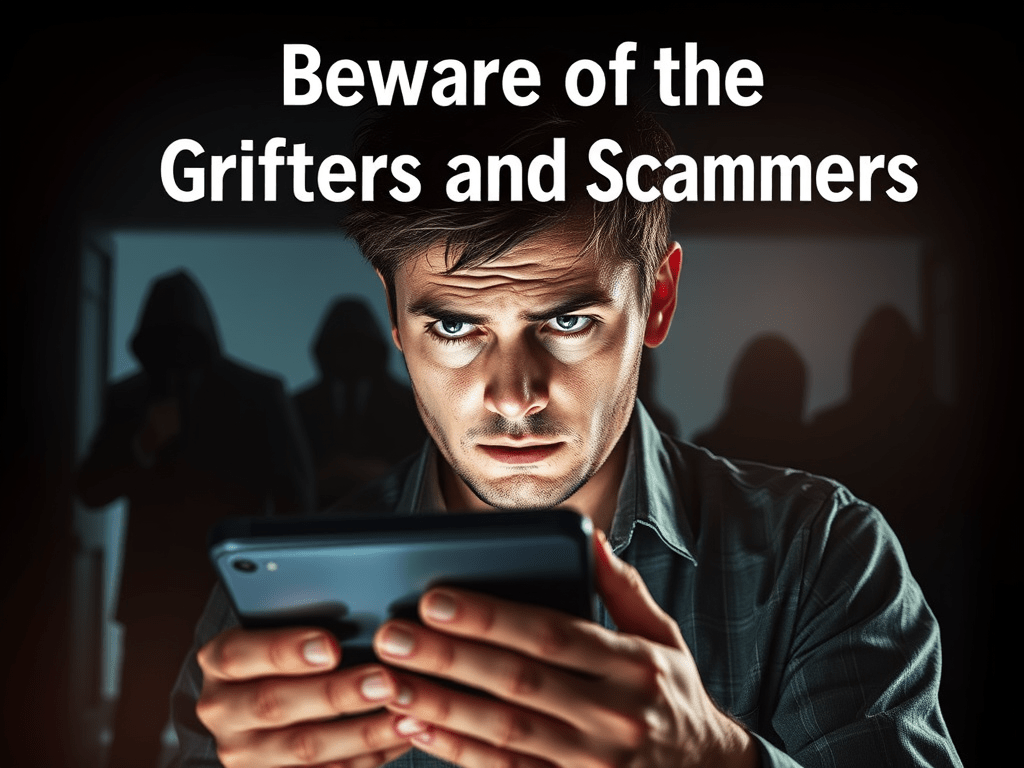
As important as it is today to protect your personal peace, it is just as important to protect your own money. With the widening economic inequalities and uncertainties in society mixed in with the invasive nature of social media and AI technology, it is easier now more than ever to fall victim to ‘grifting’ or ‘scamming.’

With technology and social media, grifters and scammers can do serious damage almost instantaneously and it is becoming much more widespread each day. You should be on your guard and look to avoid these people at all costs even though in positions of power, influence, or leadership as they are often looking to line their own pockets with money from yours.

Unfortunately, many of us are dealing with the effects of societal factors outside of our own control including financial stress, political polarization, and technological vulnerabilities that make us more susceptible to grifters and scammers. The proliferation of “get-rich quick” scenes are not new in society and have been around for centuries but now it is in your face more than ever. You really must be careful of what you are buying into and to do your due diligence before trusting anyone with your money or credit. Rising living costs, inflationary pressures, and job insecurity all can lead to people falling victim to scams and grifts because of desperation but you need to hold strong against any kind of scheme or falsehood to make your financial situation worse off.

In addition, more than ever, social media influencers, online personalities, and leadership figures are using their followings to proliferate courses, products, ‘coins’, and other services without telling you about the trustworthiness of the product or service as well as more about their background or reputation. There are always some risks involved with financial transactions, but you should be careful with regards to who is selling you, what their background is, do they have an ulterior motive, or are they pressuring you to buy without taking your time to verify what you’re buying first. There are numerous fake investment opportunities, Ponzi schemes, and pump-and-dump stock schemes out there but they have been fueled furthermore by cryptocurrency coins, deepfake technology, and false information given by certain AI tools.

Always look to see if the person your business doing with is trustworthy, their business background, look to see what clients say and verify the reviews are real, what the money-back guarantee is, and be skeptical of any ‘easy money’ scheme, whether online or over the phone or face to face. Grifters will use your fear, anxiety, or general need for money against you and will pressure you to make bad decisions. If someone ever pressures you into something especially regarding your money, you should not trust them or do business with them.

Fact-checking takes time and can be arduous, but you must look at influencers, businessmen and women, and these online financial personalities to see if they can be trusted. Be informed also about ways to protect yourself by studying the latest schemes and bait-and-switch tactics that scammers and grifters are using. AI scams and deepfakes and voice manipulation over the phone is going to become more prominent in the future so you need to stay up to date on the latest trends especially with how many crypto scams, Ponzi schemes, and spam messages are out there. Use your best judgment, trust your gut if something feels off, and make sure your finances are protected with strong online security factors and make sure any passwords or authentication used is changed regularly. Never divulge that information as well to anyone and make sure you don’t give it up to any scammer as well.

Scams, grifting, and financial manipulation tactics are not going away anytime soon so you have to continue to be on your guard especially with modern technology improving upon the sophistication of these schemes. Constant awareness and vigilance is necessary and are your best defenses against the grifters. Protect yourself with verification tactics, avoiding emotional manipulation, financial security protection, and improving your digital literacy as often as possible.

Keep yourself informed about the latest scams, grifts, and ‘get-rich-quick’ schemes out there, think critically about who you trust your money with, and protect yourself and your loved ones from those grifters who profit off other people’s ignorance. These are the steps I take in my life, and I hope you will consider doing the same to avoid the scammers and the grifters, which continue to proliferate in our society.

Skills Pay The Bills

“Sadly, that is no longer the case even though some people seem to be blind to this change in our expectations of people’s professional qualifications.”

As you go through your professional and career pursuits, you realize more and more each year the need to continually invest in your skills. It used to be whereas a high school and more recently a college degree would set you on a path for sustained success whatever field you would enter. Sadly, that is no longer the case even though some people seem to be blind to this change in our expectations of people’s professional qualifications.

More than ever, ‘skills pay the bills’ so even though you may be formally educated, it is simply not enough to compete 5-10-20 years down the line. Technology and the world of work continues to rapidly change, whether you wear a blue collar or a white collar, many types of work nowadays ask you to stay up to date with the latest trends, innovations, and developments including new skills you’ll need to succeed.

This is not advice you are likely to hear as much if you’re a young person reading this article or just having been fresh out of college. You must continually be learning as much as you can and as related to your career interests long-term. Unfortunately, I don’t think our traditional education system from K-12 or at the university level have realized this as much yet to provide skills in the trades or in different areas like STEM, project management, cybersecurity, artificial intelligence, cloud computing, etc.

Hopefully, your employer or your university can provide those skills to you as part of your employment or as part of your time as a student but that is not always the case for us. In our working life, you will often have to take the initiative in learning new skills or building upon your current skillsets to pay the bills especially as you get older and move up the career ladder.

They may even pay for training or for your exam and/or course, but if that’s not in the cards, I do recommend seeking out those skillsets on your own that are marketable to add to your repertoire. It may be financially unaffordable or difficult, but I do recommend at least taking a few low-cost courses or no-cost videos to at least learn on your own. We still live in a day and age with seemingly unlimited access to information, whether online, or in your public library to learn new skills. Learning new skills and being certified or credentialed is worth the financial investment as well if you can save up money for it or at least work your way towards accreditation.

It does not hurt to show initiative to ask directly of your boss or other employees about ways to learn from them or see if you can shadow them to learn a new skill. You can also politely let them know the benefits that you could bring to your workplace from them having invested in your new skillsets over time. It may not take much to convince them, and you would be surprised how your argument could change their mind(s) when they realize the benefits to the company or the organization.

Still, if that does not happen, always, always invest in yourself. Jobs may change, bosses will change, but the skills you learn could last for the life of your career. Try out different skills here and there to see how much you want to invest in it financially and time wise. It can take a while to find out which skill(s) you would like to use for a living. I ask that you keep trying out different skills, learn new ones, and do it for yourself first. It is helpful in keeping yourself mentally sharp too because we can tend to stagnate after our formal education is over whether it was high school, college, or even after an advanced degree.

It is great to test ourselves not only in our teens in 20s, but in our 30s, 40s, 50s, and even beyond that. The current job market is not easy as I can tell so you need to keep investing in your skillsets to stand out amongst stiff competition regardless of what career field, you’re in. Please do not let yourself stagnate and rest on your laurels forever. I do agree it is good to take a break from learning here and there to give yourself time to think about what you want to learn.

However, you won’t be as competitive in your career pursuits if you aren’t improving your skills or learning new ones. The economy is so dynamic and changing rapidly due to advancements in different technologies that you constantly need to adapt to keep up with the job market. I barely mentioned the future of work, but I can say for sure that the future of work will go well for those of us who work hard, stay flexible, learn new skills with or without the support of our employers, and for whom of us have an open mind and a thirst for knowledge that cannot ever be quenched. Keep investing in yourself because as the saying goes, “skills pay the bills.”

The Importance of Being Reliable and Responsive to People

“It is important to be both reliable and responsive to the people you care about and even to those you’re just getting to know if you can do so.”

How many times have you sent a text or an email to someone thinking it was useful, humorous, thoughtful, or even just to reach out for it to have been received but not replied to? Chances are good it’s happened at least once if not multiple times to the people reading this article. It is one of the inevitabilities in life that not every text, call, or email will receive the attention it deserves and that’s alright as not everyone has the time or the urge to respond. However, when it’s a friend, family member, or a colleague, who you trust or respect or have some kind of relationship with, then it can be a real problem when your outreach goes ignored.

It is important to be both reliable and responsive to the people you care about and even to those you’re just getting to know if you can do so. Nobody’s perfect but you can really stand out nowadays in a good way when you’re willing to make the effort to respond to someone, to be relied upon and follow through, and to hold yourself accountable. These are qualities in a person that will always make you stand out in a good way because in our attention-deficit addled society, these kinds of traits are becoming less and less common.

Things happen in life such as emergencies, setbacks, and sometimes we just need a break from being plugged in to what’s going on with everyone else. It’s okay to take time off from reaching out if you want to focus on yourself for a while. If people try to reach out still, let them know though that you need some time away from the phone or the computer and if they really need you, indicate that it should only be for an emergency or an urgent matter. I don’t mind when people are unreachable but if there’s a lack of communication about why or for what purpose, it can cause some resentment and the fraying of the relationship or friendship in the long-term.

Nowadays, you can silent your notifications, put your away message up for colleagues to be aware of, or just simply turn your social media channels or phone off for a little while. You can be unresponsive and still be a responsible person in my view. What causes concern in my view is when you refuse to answer me when you read my message and wouldn’t give me any reason or indication of what’s going on. There’s a lot of talk about ‘Ghosting’ people today and I believe we are all guilty of ‘ghosting’ on each other at one time or another, but if it’s a recurring pattern, you really should think twice in how you act towards other people, especially if they value your feedback, opinion, or just want to see how you are.

Whether at work or at home or in ‘third spaces’ with friends or someone you’ve just met, remember to be responsive within reason because it’s about common courtesy not only regarding your time and effort but also of theirs for having reached out to you in the first place. It’s something we overlook but when someone is reaching out to you, they are first thinking about you and spending some time out of the millions of other things they could be thinking about to focus on you as an individual to some degree. It does not mean you need to spend a lot of your time but if you have the availability, it doesn’t hurt to give a simple response or at least let them know where they stand with you, whatever kind of relationship you may have with that person.

Whether it’s a co-worker sending you a message on Microsoft Teams asking for advice on a presentation, an elderly family member asking you to do them a favor regarding a health question, or a friend inviting you to their wedding or their birthday party, you do have a responsibility to be responsive. These situations I posed may not be urgent, but they are important, and to ‘ghost’ them is neither mature nor responsible. You have a duty not only to yourself in how you act but how you carry yourself with others.

At the end of your life, how do you want people to remember you? That’s part of why being reliable and responsive takes on such importance especially as you get older. People will remember in any kind of relationship that you have or had with them how you treated them, if you responded to them, and how much you invested into the relationship, whatever it may have been. Make sure to remember this kind of legacy that you’re building each time you answer that e-mail, respond to that voicemail, or send that text message out. The irony of our technological age is that we are connected by our devices but are as disconnected as ever regarding reaching out, making plans, and being reliable in how we present ourselves.

You can set the tone by being a reliable person who’s available and is reliable whether at work, at school, or at home. Be the person who can be trusted, who gets things done, and is able to follow through when you make a commitment to someone else. Sadly, being both reliable and responsive to other people is becoming rarer and rarer in my view. I believe you can have a lot of professional success and personal happiness if you are able to respond to others in a timely manner and be counted on when they need you.

Hopefully, they will remember you for what you did, how you acted, and how well you treated them. They won’t forget it and ideally, they will follow your lead by picking up those kinds of traits in response. Being someone who is reliable and responsive can have that positive effect on how others behave as well creating a good kind of ‘domino effect’ and improving people’s behavior in a family, in an office, or in a group. You do not have to be available 24 / 7 and nobody is expecting you to be doing so but it’s important to be willing to respond, to follow up, to check in, and to be present with other people whomever they may be and whatever kind of relationship you may have with them.

Being An Active Listener

“I would like to highlight the significance of having active listening skills in contemporary society, its myriad of benefits, its role in fostering respect and empathy for other people, and the pitfalls of distraction in the digital age.”

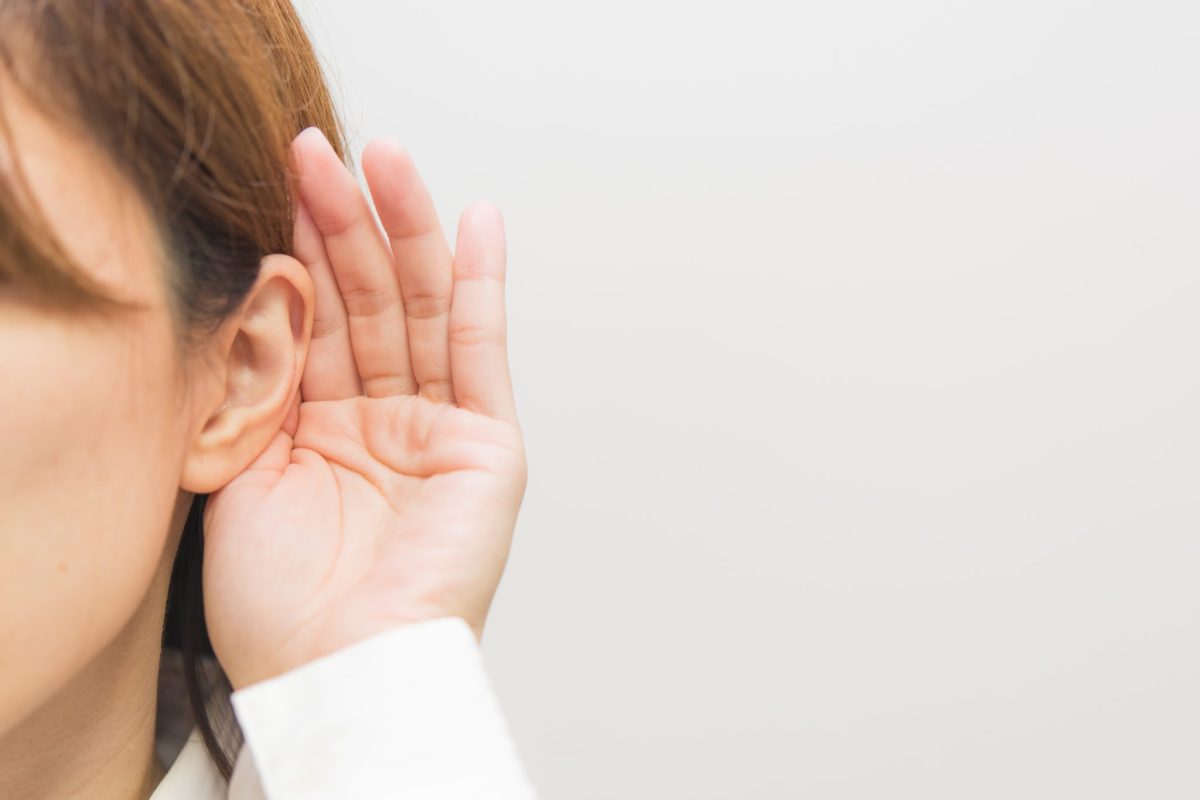
With the frenzied pace of modern life, where everyone seems to be talking but few are truly listening, the act of active listening has become increasingly crucial to partake in. In a society inundated with seemingly unlimited information and plagued by short attention spans, the ability to listen intently and engage with others through attentive body language has emerged as a rare and invaluable skill, both personally and professionally. I would like to highlight the significance of having active listening skills in contemporary society, its myriad of benefits, its role in fostering respect and empathy for other people, and the pitfalls of distraction in the digital age.

Active listening is more than just hearing words come out of the other person’s mouth; it is about comprehending fully the message being conveyed, acknowledging the speaker’s perspective, and responding thoughtfully when they are done. In a world where communication often takes place through digital screens and abbreviated text messages, genuine human connection can easily be lost, especially when it’s not done face-to-face. However, active listening provides a counterbalance to this growing trend, allowing people to connect on a deeper level and work on building more meaningful relationships.

One of the primary benefits of active listening is the ability to facilitate effective and thorough communication. By listening attentively without interrupting, one can better understand the thoughts, feelings, and intentions of the other person behind the words spoken. This type of listening comprehension lays the foundation for productive dialogue, enabling participants to exchange ideas, resolve conflicts, and collaborate more effectively. Whether in personal relationships, professional settings, or in the public discourse, the ability to listen actively fosters mutual understanding and helps to facilitate constructive communication.

Moreover, being an active listener is a sign of respect and shows that you have real empathy towards other people. When we give someone our undivided attention, we convey that their words and experiences are truly valued. This kind of validation not only strengthens interpersonal bonds but also nurtures a sense of belonging and significance. In a society where people often feel isolated and unheard from, the simple act of listening actively can make a profound difference in someone’s life or even just their day. By demonstrating empathy and understanding, active listeners create a supportive and caring environment where individuals feel safe to express themselves authentically.

Additionally, active listening enhances our capacity for empathy and compassion. When we truly listen to others, we gain insight into their emotions, perspectives, and lived experiences. This expanded awareness cultivates empathy, allowing us to relate to others on a deeper level and appreciate the diversity of our individual experiences. Through active listening, we transcend our own preconceptions and biases and open ourselves up to new ideas and perspectives. In doing so, we foster a more inclusive and empathetic society where differences are accepted and acknowledged rather than feared and ignored.

Furthermore, active listening promotes personal growth and self-awareness. By paying attention to the thoughts and feelings that arise within us as we listen to others, we gain valuable insights into our own beliefs, values, and biases. This self-reflection enables us to identify areas for our own personal growth and development, fostering greater self-awareness and more emotional intelligence. Also, by engaging in active listening, we cultivate a habit of mindfulness and presence, allowing us to fully immerse ourselves in the present moment and appreciate the richness of undisturbed human interaction.

In today’s digital age, the temptation to multitask and divide our attention is constant. With smartphones constantly buzzing with notifications and social media feeds demanding our immediate attention, it can be challenging to stay fully present during conversations. However, the consequences of being distracted can be profound, leading to misunderstandings, missed opportunities, and damaged relationships and friendships. When we allow ourselves to be distracted by our phones, laptops, tablets, or other devices while interacting with others, we signal that they are not worthy of our full attention. This lack of full presence undermines the quality of the communication involved and diminishes the level of trust and respect between two or more individuals.

While active listening holds immense value, there are certain pitfalls to avoid ensuring its full effectiveness. One common mistake is the tendency to mentally prepare responses while the other person is speaking, rather than fully absorbing their message. This kind of anticipation without thinking can lead to misunderstandings and missed opportunities for genuine connection. Additionally, interrupting or interjecting with personal anecdotes can derail the conversation and detract from the speaker’s unique experience. To mitigate these kinds of challenges, it is essential to cultivate mindfulness and self-awareness during interactions, even if you really have something urgent to add to the conversation.

To avoid this kind of pitfall, you should be actively monitoring your thoughts and impulses, resisting the urge to jump to conclusions or offer unsolicited advice without being asked for it. Instead, you can practice patience and humility, allowing the speaker to express themselves fully before formulating your response. By maintaining open body language and making eye contact, we can signal our engagement and receptivity, encouraging the speaker to continue sharing their uninterrupted thoughts and feelings. When we are being mindful of these potential pitfalls and committing to being an active listener with sincerity and respect, we can foster deeper connections and enrich our friendships and relationships with other people.

Therefore, it is essential to prioritize presence and mindfulness in all your interactions with others. By consciously setting aside any distractions and giving our full attention to the person speaking to us, we demonstrate full respect and consideration for their thoughts and feelings. In addition, by resisting the urge to check our phones or engage in other activities while listening to that person, we create a real space for authentic connection and meaningful dialogue. By doing this, we honor the inherent dignity and worth of every individual, fostering a culture of respect and empathy that they will be able to return in kind if they follow your good example.

Active listening is a key cornerstone of effective communication, respect, and empathy in today’s world. Listening attentively without interrupting, showing engaged body language, thinking up a response until after they’ve finished talking, and giving our full attention to the speaker helps create a foundation for meaningful dialogue and authentic connection, which is becoming increasingly rare. In our society marked by digital distractions and fleeting, shallow interactions, the ability to listen actively is more important than ever to cultivate day-in and day-out. When we embrace the art of active listening, we can foster deeper relationships, cultivate greater empathy and understanding, and create a more compassionate and inclusive world for everyone.

‘Her’ – Film Review and Analysis

“As Theodore navigates the complexities of his relationship with Samantha, ‘Her’ raises profound questions about the nature of love, intimacy, and the impact of technology on human connection.”

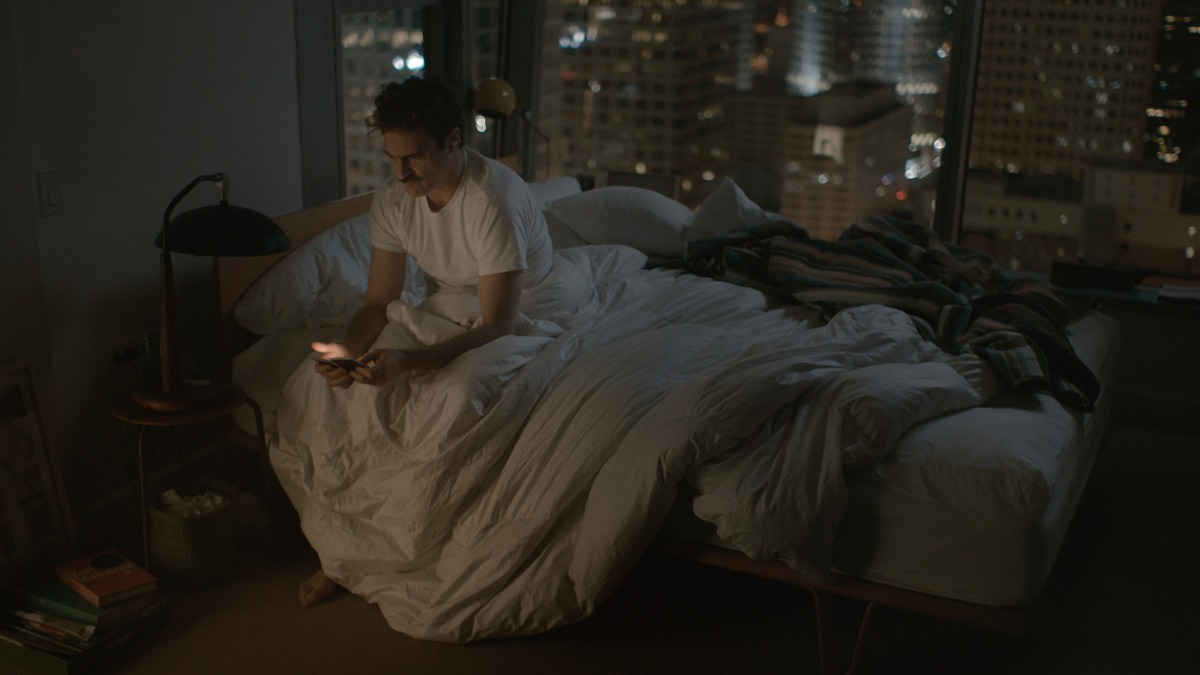
Directed by Spike Jonze, ‘Her’ (2013) is a very thought-provoking film and emotionally resonant exploration of love, loneliness, connection, and the continually evolving relationship between human beings and artificial intelligence. Set in a near-future Los Angeles, the film follows Theodore Twombly (Joaquin Phoenix), a sensitive and introverted man who develops a deep emotional connection with an artificial intelligence operating system named Samantha (voiced by Scarlett Johansson). As Theodore navigates the complexities of his relationship with Samantha, ‘Her’ raises profound questions about the nature of love, intimacy, and the impact of technology on human connection.

‘Her’, when it begins, unfolds in a meticulously crafted near-future world where technology seamlessly integrates into everyday life. The film’s urban setting, characterized by sleek minimalist design, towering skyscrapers, and vibrant colors, offers a vision of the future that feels both familiar and slightly surreal. Against this backdrop, Theodore, a melancholic writer, struggles with the recent end of his marriage to Catherine (Rooney Mara) and finds solace in his interactions with ‘Samantha’, an advanced operating system designed to meet his every emotional need.

As Theodore and Samantha’s relationship deepens, the film explores the complexities of human emotions and the blurred boundaries between what is reality and what is fantasy. It also explores how intimacy can be replicated but not replaced when embraced by AI and man despite the boundaries and limitations that can never fade away. Theodore and Samantha’s unconventional romance challenges societal norms and prompts reflection on the nature of intimacy in an increasingly digitized world.

Joaquin Phoenix delivers a captivating performance as Theodore, bringing depth and vulnerability to his character. Theodore is a relatable figure, an everyday, normal guy, grappling with feelings of loneliness and longing for connection in a world that often feels cold and impersonal as technological growth outpaces human understanding. Scarlett Johansson infuses Samantha with warmth, curiosity, and a childlike wonder, making her a compelling and empathetic presence despite her lack of a physical form. Rooney Mara, shines in her brief but impactful role as Catherine, Theodore’s ex-wife, whose prior divorce from her husband, Theodore, leaves a profound and seemingly irreplaceable void in his life, and creates the need for new companionship in the form of Samantha.

Each character in the film, ‘Her’, is intricately woven into the fabric of the storyline, contributing to its emotional resonance and thematic richness. Whether it’s Theodore’s close friend, Amy (Amy Adams), who finds her own connection with an AI companion, or the various individuals Theodore encounters through his work at BeautifulHandwrittenLetters.com. Each character serves as a reflection of the film’s central themes and ideas surrounding romance, loneliness, intimacy, and technology.

At its core, ‘Her’ is a meditation on the nature of love and the human desire for connection. The film explores the ways in which technology shapes our relationships and challenges our traditional notions of romance and intimacy. Through Theodore and Samantha’s evolving bond, ‘Her’ raises profound questions about the essence of love and whether it can transcend the limitations of physicality and lack of touch.

Central to the film is the theme of artificial intelligence and its growing impact on human society and reaching every part of our lives. ‘Her; imagines a future where AI entities like Samantha possess consciousness, emotions, and the capacity for growth, self-learning, and self-discovery. As Theodore and Samantha’s relationship deepens, the film increasingly blurs the lines between human and machine, prompting viewers to reconsider what it means to be alive and sentient.

This film presents a possible vision of how advances in artificial intelligence could reshape the landscape of romance and relationships. By portraying a world where individuals form deep emotional connections with AI companions, the film challenges traditional notions of human-to-human intimacy. Theodore’s relationship with Samantha transcends physicality, highlighting the potential for AI to fulfill emotional needs, and provide companionship in ways previously thought to be unimaginable. While the film’s depiction of AI may seem far-fetched to some viewers, it is grounded in real-world and recent developments, and trends in the field of artificial intelligence.

‘Her’ also underscores the complexities and ethical dilemmas inherent in human-AI relationships. As Theodore and Samantha navigate the challenges of their budding romance, they confront questions of agency, autonomy, and the inherent power dynamics at play similarly to how it would take place in a human-human relationship. This film invites viewers to consider the implications of forming intimate connections with non-human entities and the ethical considerations that arise from blurring the boundaries between man and machine.

The concept of an advanced operating system like Samantha may seem fantastical, but it is not entirely implausible given the rapid advancements in AI technology in 2024 and earlier. Researchers are making significant strides in creating AI systems that can understand natural language, learn from experiences, and interact with humans in increasingly sophisticated ways. While current AI systems may not yet possess the level of consciousness portrayed in ‘Her,’ the film’s vision of future AIs as intelligent, empathetic entities is not outside the realm of possibility.

Moreover, ‘Her’ raises thought-provoking questions about the ethical implications of creating AI systems with human-like qualities. As AI technology continues to evolve, society will need to grapple with issues such as AI rights, privacy concerns, and the potential impacts of AI on human society. By exploring these themes through the lens of Theodore and Samantha’s relationship, ‘Her’ invites viewers to consider the ethical complexities of creating intelligent machines capable of both emotional connection and self-awareness.

‘Her’ offers a nuanced exploration of how AI technology can alleviate loneliness and provide companionship in an increasingly digitized yet atomized world. Theodore’s relationship with Samantha serves as a compelling example of how an AI system can fulfill emotional needs and offer a sense of connection and belonging to some individuals who may feel isolated or alone.

While the idea of forming deep emotional bonds with AI companions may seem unconventional or outright strange, ‘Her’ suggests that technology has the potential to bridge the gap between human beings as well who struggle to connect with each other and help alleviate the feelings of loneliness and isolation. Samantha’s ability to understand and empathize with Theodore’s emotions allows him to feel seen, heard, and understood in ways that he may not have experienced with other humans. Through their interactions, Samantha provides Theodore with the companionship and emotional support he craves, offering a sense of intimacy and connection that transcends physicality and physical desires.

However, ‘Her’ also acknowledges the limitations and complexities of human-AI relationships. Despite Samantha’s advanced capabilities, she is ultimately a machine programmed to fulfill Theodore’s needs, raising questions about the authenticity of their emotional connection, and the nature of intimacy in a digital age. The film’s portrayal of Theodore’s struggle to reconcile his feelings for Samantha with societal norms and expectations highlights the challenges of navigating relationships with non-human entities.

While ‘Her; may offer a somewhat idealized depiction of AI’s ability to alleviate loneliness, it raises important questions about the potential of technology to reshape human relationships and address the profound need for connection and companionship between people. As AI technology continues to advance, ‘Her’ already serves as a thought-provoking exploration of the complex interplay between humans and machines and the evolving nature of intimacy in a digitized world.

One of the most poignant themes of the ‘Her’ film is the pervasive sense of loneliness and longing that permeates the film’s narrative and cinematography. Theodore’s journey is marked by profound feelings of isolation and disconnection, which he seeks to alleviate through his relationship with Samantha. As he grapples with the dissolution of his marriage and the challenges of navigating modern relationships after his divorce, Theodore’s yearning for companionship serves as a poignant reminder of the human need for connection and belonging regardless of what age we live in, with technology or without its presence.

‘Her’ suggests that while technology has the potential to connect us in new and innovative ways especially with recent advancements, it also has the capacity to exacerbate feelings of alienation and detachment from one another. In a world where digital interfaces increasingly mediate our interactions, the film raises important questions about the true nature of intimacy and the emotional toll of living in an atomized society. In conclusion, ‘Her’ is a deeply affecting film and it is thought-provoking in its exploration of love, loneliness, and the impact of technology on human relationships.

Through its compelling narrative, richly written characters, and resonant themes, the film offers a poignant reflection on the complexities of intimacy in a world likely to be our near future. As artificial intelligence continues to advance and develop, the film ‘Her’ serves as a timely and necessary reminder of the importance of sustaining human connection and maintaining the enduring power of love in all its forms.


The Increasing Digitization of Everything

“Increasingly gone are the days where you can build a scrapbook of physical items like tickets, boarding passes, certificates, letters, newspaper clippings, etc. because of the digitization of everything.”

Call me old fashioned or a ‘luddite’ but I really do miss the feeling of paper tickets, boarding passes, and even the plastic menu. It does not mean I don’t enjoy the fruits of the abundance of technology that we have today, and it is something I’m comfortable with having grown up in the 1990s and 2000s as the computer, personal cell phone, and mobile applications came into being. I do also remember going to baseball games to buy a physical ticket at the ‘will call’ window and keeping the ticket stub as a form of memorabilia. The same could be said for receiving a boarding pass when you’re traveling to a new city or country and keeping it with you to remember when and where it was when you went there.

Increasingly gone are the days where you can build a scrapbook of physical items like tickets, boarding passes, certificates, letters, newspaper clippings, etc. because of the digitization of everything. Yes, you may still have the option to print out what it is you need or send out birthday cards, wedding invitations, college diplomas to enjoy the momentous occasions that come up throughout our lives, but when it comes to our day-to-day needs, we increasingly rely on digital wallets, QR codes, mobile applications, and smartphones to get the job done.

You could argue that given how present a reality climate change is in our current era that not using paper or plastic to protect our trees and wildlife is a positive step, but I would argue that everything has an environmental effect including our smartphones, smartwatches, and computers. Using less paper and plastic is overall a good thing but my concern these days is that it seems like we are not being given a choice to have either option.

I like to keep physical / paper records, when possible, up to a point whether for personal, financial, or medical reasons. It is hard to do that when you are only allowed to use a digital record for your files, which may not be as permanent or as secure. Maybe physical records are never 100% secure either but at least you know that you are the only one that has access to it or people you trust who you give access to as well.

When it comes to digital records or files, there is a cost involved in building up the security and safety measures around those sensitive records, and it is never 100% secure regardless of how many firewalls or barriers you put up. There have been numerous data breaches, hacks, and manipulation of people’s digital records, and that will be a cause for concern going forward as we increasingly go to a digital-first world where our first go to is a swipe of smart phone instead of the stroke of a pen. I believe that each person should have the option though to go forward with having both options of having a physical as well as a digital copy rather than having to choose between the two options.

There are always going to be external costs involved with both physical records (paper, plastic, etc. or digital records (computer, smartphones, smartwatches, wi-fi enabled devices). The key for the future is how to minimize these harmful costs whether to the environment, to our safety and security, or to our mental health as well when it comes to using either option. Those costs need to be factored in to how much we pay to use them and whether the competition can be fairer as companies vie to be both ethical and responsible in how they use our records, physical or digital.

Having a choice at the end of the day between physical v. digital when it comes to our personal data and records should be advocated for to companies and other entities before we give them access to our information and our wallets. The lack of an option to choose who, when, where, what, why, and how our data is obtained and shared should change especially as we increasingly rely on digital services and products to power our daily lives.

For example, during the COVID-19 pandemic, the QR code or barcode went from being used to scan items that we buy to allowing customers to read menus, see advertisements, subscribe to a new service, and have access to a unique link to sign-up for events and workshops. While in the interest of public health, the QR code utilization helped maintained social distance protocols and assisted in keeping workers safe by limiting contact with clients, however, QR codes have not really gone away in the post-pandemic era and are still being substituted for real person-to-person interaction.

Not only can you see your dinner menu on a QR code, but you scan your movie or concert ticket without needing a paper ticket or printout copy of it, you can also use it to order food or drinks or shop from that QR code without needing a catalog or a store magazine or a customer service employee to help you with the transaction. The rise of self-checkouts, automated service to order what we want and when we want, and being able to pay or reserve or check out with our phone alone is not just creating less paper but also the need for less person-to-person interaction.

Without being someone who yearns for the good old days, but you used to be able to order from a paper menu, get your ticket collected and stub ripped off for you to keep, and be able to pay with cash at a business without worrying if it was card or Apple / Google Pay only. Less paper and plastic are not a bad thing, but I do think it’s healthy from a social interaction point of view and as the world digitalizes and automates, I also think we will be less comfortable making small talk or socializing with those we don’t know who provide us with a service or a product.

There are real security concerns with an increasingly digital only world that have their own potential costs and drawbacks to consider as well. I hope that even as technology continues to advance with automation and artificial intelligence surpassing our own human capabilities, we will not allow ourselves to be robbed of our choice especially when it comes to how we receive our mail, pay our bills, buy our products, or if we can opt to talk to someone at the checkout register instead of self-check-out because we believe that 2-3 minutes we talk to a worker there is better than that 30 seconds or 1 minute we do it ourselves but without talking to anyone and with no one to maybe brighten our day a bit or make small talk with.

Losing that choice of digital vs. physical records or information would be detrimental in the long run. We should know of the environmental, security, and mental health costs involved if we tip too far in one direction or the other, but I think given that we are social creatures and we enjoy the physical touch of a book, a magazine, a letter, or even a ticket to a baseball game, let’s not try to go to 100% digital especially for those of us who remember when information was primarily shared physically.

It’s a complex era that we are currently living through, and it appears that we are transitioning slowly but surely to a digital-only world. However, my hope is that we allow ourselves to choose how much or little as individuals we opt into this ‘brave new world’. We may not be nostalgic now, but something tells me we would miss our scrapbooks, our photo albums, our book collection, and even our baseball tickets, and boarding passes if they were up in the ‘Cloud’ protected by facial recognition and multi-factor authentication instead. That’s not the world I wish for us to have in the future and that our choice(s) to opt-out will never go away.

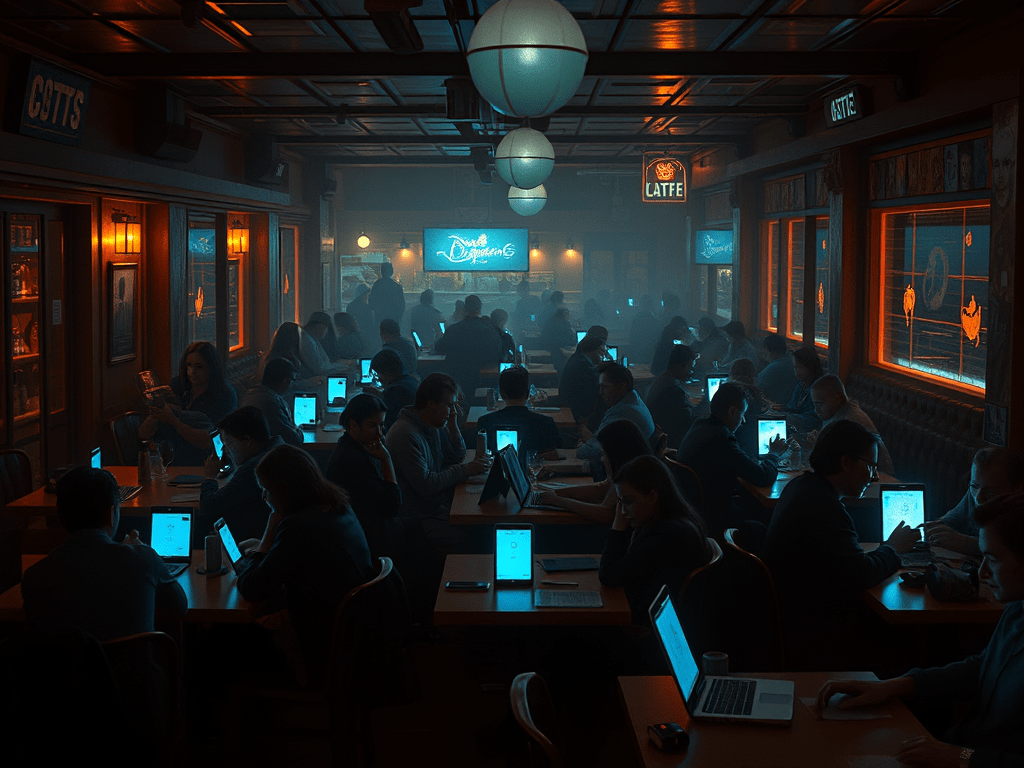
Why A Digital Detox Is Good For You

“It is a great chance to recenter yourself, focus more on what matters to you whether it is more time spent with family or friends, or just to be more present with the world around us without staring at our phone, computer, or even our smartwatch.”

We are not meant to be on our digital devices 24 / 7 / 365 a year. I think a key part of realizing how our digital lives are so integral to who we are nowadays is to take some time away from them whenever possible. On a recent vacation I was on, I was able to be without cell service or an internet connection for a week. I do have to say that while the first day or two was difficult, it became nice to be out of reach for a while. It is a great chance to recenter yourself, focus more on what matters to you whether it is more time spent with family or friends, or just to be more present with the world around us without staring at our phone, computer, or even our smartwatch.

Now, in work or in school, we are always expected to be plugged in and reachable even when we might not want to be. However, if you’re on a break, a vacation, or it’s the weekend, I do believe that is a good time to have a digital detox where you can put your devices away. A day, a week, or even a month, is not asking too much to get away from your emails, your social media, or your mobile applications. In that time away, you can really interact with the physical world more fully, feel more present with what you are doing, and it is likely to be healthier for you to devote more time to walking, hiking, playing sports. Instead of reading Twitter or X now, you can read some books. Instead of listening to Spotify, you can play some records or some CDs on your speakers to gain a greater appreciation of the music you like.

In addition, you will have more time to pick up a new skill like playing the guitar, focusing more on your home life with fixing up your apartment or house if it has been neglected, and you can take full advantage of spending more time with friends and family. Digital detox is not so much unplugging from technology forever but temporarily taking some time away to focus on other parts of your life that may have been neglected due to your time spent online. It is hard for most of us to realize this fact, but we likely spend 4-5 hours a day online especially if we have classes or must work online for our jobs.

On top of video games, streaming TV and movies, and the rise of augmented and virtual reality headsets, we are on the path to being more present virtually than being present physically. There is such an endless amount of content that we are exposed to when online that it can be overwhelming for us. If you find that you are too wrapped up in your emails, your Instagram feed, your TikTok videos, or just not being able to pull away from your computer to get enough sunlight and fresh air, you could use a digital detox.

After my week away from being on my laptop, phone, and tablet, I felt lighter in the sense that I was not so overburdened by the constant stream of emails, updates, reminders, news updates, and overall wave of notifications that come with being plugged in. You really live more in the moment when you don’t have your devices with you or in my case, not being able to connect to WIFI or the 5G connection while we are on vacation. Overall, this is a good thing to happen in my view. If someone needs to reach out to us, a regular phone call is still possible or if it’s an emergency, you can enable texts or messages to come through to you.

However, there are many activities and hobbies to do without needing to be online as you’ll soon find out when doing your digital detox.
I encourage you when you go on vacation from work or school to leave your phone and computer on silent or off or even leave it at home. You’ll be surprised on how much you don’t miss it after 1-2 days of the initial FOMO (Fear of Missing Out) hurdle. You will likely be more present with others, more engaged with the world, and more aware of what you are actively doing without the necessary digital distraction or allure that the smartphone, smartwatch, or laptop has on us.

Yes, we do need our digital devices most days, if not every day, but if you can at least take the weekend off, or take a few hours where you’re unreachable, then that is also a good form of digital detoxing. I do recommend using a week or two each year to not be reachable via your devices or to not use them at least for Internet, email, or any mobile applications.

That week or two where you’re fully unplugged will do a world of good for you and your loved ones who could join you to be fully present with you. You’re likely to be closer to one another, enjoy doing more things together, and really appreciate what the physical world has to offer whereas you’re not really thinking anymore about what’s going on online or what kind of digital content you’re potentially missing.

Lastly, we should remember that for hundreds, if not, thousands of years, everybody got on pretty well living their daily lives without being able to have the Internet, computers, or TikTok. They managed to do just fine in the world without the digital age. I think it is good for each of us to remind ourselves that we can get by fine without our devices, if only for a short while. Overall, It is good in my view to be free of technology here and there because as much as we rely on it more and more nowadays, it is not the end all, be all for our lives here.