Seeing The Multiplicity of Human Realities Through Travel

“To me, it’s also about seeing alternate realities in the sense that you get to witness how people around the world have distinct ways of living, thinking, and experiencing the world that challenge and even change your own perspective.”

I have always thought of travel as more than just changing your physical location to another place. To me, it’s also about seeing alternate realities in the sense that you get to witness how people around the world have distinct ways of living, thinking, and experiencing the world that challenge and even change your own perspective.

There’s the saying that you should want to “put yourself in someone else’ shoes” and travel is the best way to do that. By relocating ourselves if even for a few days, a week, or more, you can get a deeper understanding of the seemingly almost endless varieties of the human experience and reflect on the limits or possibilities inherent in our own worldview.

As Mark Twain once famously wrote, “Travel is fatal to prejudice, bigotry, and narrow-mindedness.” Travel allows us to gain access to a parallel world in a sense where the values of the people, the rhythms of their lives, and their daily routines or priorities differ from our own or they could surprisingly be similar or even the same as our own. In our own town, city, or country, we have such a tight conception of what everyday life should look like that travel allows us to see beyond our own way of living to see how other people live even if just for a short while.

As mentioned earlier, the reality of time and the pace of life can differ depending on the culture and it can help to reshape our own perception of time or daily rhythm that we are most accustomed to. We may think our quality of life is best based on how we spend our time each day, but travel allows us to see the alternatives out there or the different realities that are out there to experience.

For example, if you go to Italy or Spain, you’ll likely be able to have a long lunch, take an hour or two to go home and rest, and there’s a desire to not rush to do things if there’s no need to do it right away. The emphasis on leisure, family time, or catching up with friends can have a huge impact on our own perception of what’s important with our time after seeing what others think is better for mental well-being and what is actually a good use of one’s time. Focusing on ‘time is money’ or ‘efficiency matters most’ is certainly a reality that is out there but there are other alternatives that people around the world embrace and enjoy each day.

Individualism vs. Collectivism is another way to view the priorities that communities have when it comes to how the society is structured and what the role of the community is. How people connect, what they connect over, and when they connect is a useful observation to make when it comes to seeing the reality of community and connection in your travels. Some cultures prioritize family gatherings and a communal approach to problem solving and making decisions collectively. Others including in the United States focus on being independent, relying on yourself, and making something of yourself without relying on your family or community.

Social structures can differ in terms of how strong or weak the social safety net is and if it is prioritized at all. You can get a good sense of how strong a social structure is when you travel based on the use of public spaces, the embracing of local or national festivals, and how the least well-off people are treated in the society. Each culture in my view values community and social cohesion but travel exposes us to different realities regarding how strong or weak the communal ties are and if there is a sense of togetherness or isolation because of how the community or society is.

Every culture also has their reality of what they value and prioritize especially when it comes to how they interact with the world around them, specifically the material world. Different cultures have conceptions of what is essential and what is superfluous to living. You will likely see that each culture has different priorities in terms of consumption and materialism based on their own priorities but also what the culture tells them to prioritize.

Some cultures are okay with minimalism and cleanliness while others highlight material gain and being consumer driven. It is good to be able to travel to see these different realities of materialism vs. minimalism and how you fall on that spectrum. Some cultures are also more spiritual, in tune with nature and environmentalism, and what exactly constitutes personal happiness, fulfillment, and whether consumption falls within those values or whether it is better to have enough, or to go without as much as possible than to have too much.

Each culture also embraces its reality of what constitutes history, memory, and whether they are oriented more to the present, past, or the future. Societies each try to deal with the past in their own way to create a present identity and how to think about their collective future. Having a collective memory is a way to keep your culture relevant and to bring people together as well. All over the world, museums, memorials, and monuments are dedicated to fostering cultures’ collective memory, responsibility, and how to keep the culture going into the future.

We also have ancient ruins that are still there surrounded by modern life, reminding each culture regarding the rise and fall of past civilizations, and how each culture goes through these cycles of prosperity and decline. Historical awareness helps societies shape their values and keep their cultures alive into the future. When you travel, think about if the culture you are experiencing values the past the most or if it is geared more towards the present or even the future. Preservation of history, memory, and cultural artifacts helps us understand any culture or society’s priorities as well.            

By traveling, you are exposing yourself to the multiplicity of human realities, which comes about because of how many different cultures and societies are out there with differing perspectives on time, consumption, values, community, and history itself. It is good to see these realities in person, even if for a quick trip, to not just explore the world for a bit, but to question your own values, beliefs, and worldview. Our assumptions about a culture, a society, and the world at large are often misguided or incomplete. Traveling allows us to redefine the boundaries of our own existence and help us come closer to understanding more what it truly means to live in this world.

Avoiding Analysis Paralysis

“We also often must think if the choice or decision we make is ‘perfect’ but to put it bluntly, no choice or decision is ever perfect.”

With the rapid pace of change and constant streams of information coming at us each day, it leads a lot of us to overthink decisions and choices to the point of inaction. There are too many choices we have to make, sometimes big and sometimes small, but we can easily get overwhelmed by the fear of making the wrong decision or if it’s better to avoid deciding altogether. We also often must think if the choice or decision we make is ‘perfect’ but to put it bluntly, no choice or decision is ever perfect.

Everyday, we are faced with hundreds or even thousands of choices such as choosing what to eat, what to wear, to what to do with your life, career, or school choices. Major life decisions should always take precedence in terms of your focus and your analysis, but you have to make the decision at some point regarding career, school, investments, and relationships. You must be able to prioritize effectively the decisions you have to make in the order of what’s more urgent and what’s most important. Smaller choices should deserve some time, but they should take away from the big choices we have to make day in and day out. Prioritization, knowing when to limit the time spent on a choice, and embracing choices or decisions that are ‘good enough’ over ‘perfect’ will help prevent you from falling into an ‘analysis paralysis.’

I believe that ‘analysis paralysis’ is more common than ever due to several factors. We have too much information and it’s overloading our thought process because it’s seemingly endless with regards to the Internet and it’s harder than ever to filter out good information from bad. The fear of missing out (FOMO) has us thinking that we have endless choices in life rather than a few immediate choices we should focus on that affect our lives.

Social media makes it seem like we have endless time or endless options to consider but we must reframe it as these are the choices I can make that are within my control and for which directly impact me. Society tends to reward those people who seem to have made the best decisions even when we know we don’t know the full story behind the choice because social media and the Internet don’t give us everything regarding how a person decided or made a choice to begin with.

Too many choices each day of life, which society can thrust upon us all at once, is a modern problem especially regarding how many streaming services, career paths, educational options, and other non-essential choices that flood our attention spans. While it’s important to make choices, you should not waste more time than you need analyzing every option out there because it would be a waste of your time.

As I mentioned earlier, to avoid analysis paralysis, you have to choose only on what you can control or have an impact on your life to decide upon immediately. You got to set time limits on these decisions you can make and are relevant to your life at the time. There is also no such thing as a ‘perfect’ choice or decision and every decision we make has positives and negatives to it as well as unknown factors that we cannot foresee upon making the choice.

You should be identifying the key factors of the choice and what impacts it’ll have from making one choice or the other, but for which truly matters rather than analyzing what could be or should be without knowing what those unknowns may lead to. Identifying what truly matters and really impacts you day to day should be priority in your decision making and should be based on relevant information that is creditable and trustworthy too.

Taking small choices or decisions can make it easier as well to handle bigger decisions but both need to be happening in your life. You can’t ignore the big choices or the small choices and often they will need to be made at the same time or same day. Breaking down your decisions and the steps that lead to them will reduce the chances of you being overwhelmed by making them. Take the decision-making process one step at a time, especially for the big decisions, will make it less daunting and give you more confidence in how you analyze the choices you have.

Limit the amount of information you expose yourself to and make sure the information you get is trustworthy before making your choice or decision. There is too much information out there for every choice we could make in this information age so make sure you trust your sources, limit them to a handful, and try to analyze both sides of the choice without delaying it too much.

By recognizing what ‘analysis paralysis’ is, how often it can affect us in our daily lives due to living through the ‘information age’ and taking steps to overcoming this paralysis one choice or decision at a time, you can improve the quality of your life immensely. Go easy on yourself and try to make the best decisions you can with the best information you can get. We all make mistakes in our choices and our decisions because we’re human but it’s important also to learn from past mistakes and do the best we can each day we make a choice or decision.

What Is Your Spice of Life?

“You may be able to find this in your studies, your daily vocation, or even your career, but for many of us, what you do to earn a living may not make up what you are excited most about in the act of living. We often must look elsewhere outside what we do day to day to find our ‘spice of life.’”

How do we explore the full richness of life? This is the kind of age-old question that philosophers and writers have asked for many centuries. What truly fulfills us and makes us enjoy what life has to offer? I would argue that it’s more important than ever to find the ‘spice’ in life that makes you excited, engaged, and fulfilled. You may be able to find this in your studies, your daily vocation, or even your career, but for many of us, what you do to earn a living may not make up what you are excited most about in the act of living. We often must look elsewhere outside what we do day to day to find our ‘spice of life.’

To get your ‘spice of life’ these days, you have to be willing to put yourself out there and try different things. What gets you excited, motivated, and fulfills you today may not be what motivates you years or decades down the line. You should remember that you won’t enjoy everything you do or try forever so it’s important to stay open minded about other possibilities and to not be tethered to one hobby or interest only. Some people have lifelong loves for different activities, hobbies, or sports, which is great, but you may not be able to do it for the rest of your life so keep it in mind that you don’t get attached to one single activity, hobby, or sport because you may not be able to commit to it forever or be as productive or successful at it in the long term.

I think it is wise to keep your identity pliable not just for one job or one academic calling but to be open to learning new things, to experimenting with new ideas, and to trying out different activities that you have some basic interest in. You won’t love everything you do, and you may only do it for a few months or a few years, but it is much better than the alternative of not having done anything at all. Our collective attention spans have become so short due to modern technology that we don’t even try new things or are patient with it because we are too distracted by the latest gadget or technological development.

True fulfillment and satisfaction can come from mastery of a subject or an activity for which you pored countless hours into and never gave up at it. You can also find the ‘spice of life’ from having fun with it and doing it just for enjoyment alone and not to master it completely. Life has a lot to offer and it’s important to keep that in mind beyond our careers and our education. We may have limited time to do what we want to do but we must prioritize that time because without our own choice(s) in what we want to do, we will not find any fulfillment at all. We can find fulfillment both in our day-to-day pursuits but also in those pursuits we do each week or each month without a set schedule in mind.

To find consistent joy in life is not easy, but it can be done by not giving up, by trying out new things, and by doing those things consistently for a little while to see if it is giving you happiness or fulfillment. Being able to give an activity or a hobby at least a few weeks or a month to try it out is key. If you find you are getting bored with something and don’t enjoy it as much or as often, it is okay to put it on the back burner, but don’t be afraid to try something else. Our likes and dislikes change as we go through life, but it is important to keep finding that ‘spice’ in our lives that gets us excited, keeps us motivated, and brings us joy.

Remember to never completely giving up on finding your own passions and fulfillment in life. It is not easy and is something you must continually motivate yourself to do but it can help your life satisfaction out to have something that you enjoy outside of what you have to do each day. Having nothing to enjoy or have fun doing could remove all the ‘spice’ or ‘zest’ that makes life worth living and you want to avoid getting into that kind of scenario. Be ready to try new things, find activities to do by yourself or with others, and be open minded in what you think you would enjoy.

It helps to make a list of activities or things that you have done that you would like to do again as well as those activities or things you’ve never done before but would like to try. There are tons of activities, hobbies, sports, or things to do in this world and you just have to try a few at a time to retain the ‘spice of life.’ Make sure you live life to the fullest in this way and I promise that you will not be disappointed by making the conscious choice to try new things.

Always Run The Numbers

“Amidst the chaos and uncertainty surrounding our daily existence, there is a guiding beacon for us, which illuminates the fog of uncertainty and leads us towards success. That beacon for you all is the power of running the numbers.”

You should always be running the numbers in life. By doing this consistently, you’ll be able to make better choices and decisions that could impact your overall destiny. Every choice we make, whether consciously or not, shapes the path we tread for ourselves. Amidst the chaos and uncertainty surrounding our daily existence, there is a guiding beacon for us, which illuminates the fog of uncertainty and leads us towards success. That beacon for you all is the power of running the numbers.

In every aspect of our lives, from career advancement to personal relationships, from financial management to time allocation, running the numbers empowers us to make informed decisions, thereby maximizing our overall lifestyle and potential for success.

In the area of career advancement and pursuit of opportunities, running the numbers is like conducting a cost-benefit analysis of our possible actions. Imagine standing at the crossroads of a fateful career decision such as a new job offer presenting itself, promising higher pay and greater responsibilities. The allure is undeniable to take the new job, but is it truly the right move for you?

By running the numbers, one can evaluate the tangible and intangible costs and benefits associated with the decision. You can start with calculating the potential increase in income against the added workload, hours, and stress. Then, consider the long-term prospects of career growth and personal development from taking this job. Lastly, you should factor in the commute time, the impact on work-life balance, and the job’s alignment with your own personal values and goals.

Running the numbers empowers people to make informed choices rather than succumbing to impulsive desires or societal pressures. It provides a basic framework for assessing the risks and rewards involved in a decision, allowing someone to put themselves forward with confidence and clarity after making a calculated move.

Moreover, in the realm of relationship building, running the numbers fosters authenticity and empathy in forming your relationships. Whether forging new connections or nurturing existing bonds, understanding the dynamics at play, the emotional investment, personality compatibility, mutual respect, helps enable individuals to cultivate better and more worthwhile relationships, which are grounded in trust, care, and understanding.

Beyond both careers and relationships, the importance of running the numbers extends to the realm of financial management and time allocation. In a world where resources are finite, and demands on our finances are seemingly endless, strategic decision-making is paramount to take into consideration.

Budgeting, which is often overlooked yet indispensable to becoming a fully formed person, lies at the heart of having financial stability. By meticulously tracking both your income and your expenses on a consistent basis, individuals will gain better insights into their current spending habits and can identify areas for improvement. Running the numbers reveals possible opportunities for savings, investment, and debt reduction that you may have missed before, helping to pave the way towards having greater financial freedom and security.

Similarly, time, the most precious of all commodities, demands a similar kind of numerical allocation. In a culture beset with constant busyness and distractions, the ability to prioritize tasks and allocate one’s time effectively is a real-life superpower. Running the numbers by evaluating the return on investment for each activity enables someone to focus on endeavors that yield the greatest impact and fulfillment to our own life.

Moreover, by embracing the quantitative approach to time management, individuals cultivate a mindset of both productivity and purpose. They learn to distinguish between the activities that contribute to their long-term goals and those other activities that merely serve as momentary distractions or procrastination traps.

The average person should be ready to do a cost-benefit analysis when deciding on whether to do an activity by weighing the potential gains against the incurred costs. Firstly, the benefits must be evaluated, considering both tangible and intangible gains such as enjoyment, learning, or personal fulfillment. Next, the costs, including time, money, and opportunity costs, should be assessed.

For example, if the activity is a hobby like learning a musical instrument, benefits might include personal growth, relaxation, and skill development. However, the costs would involve purchasing the instrument, dedicating time for practice, and possibly forgoing other activities that you could do instead.

Quantifying these factors allows you to make more informed decisions. Assigning values or ratings to each benefit and cost helps to compare and prioritize your options effectively. If the benefits outweigh the costs significantly, the activity is likely worthwhile. Conversely, if the costs exceed the benefits, the activity should be deemed a waste of time. This kind of decision rests on our own individual preferences, goals, and circumstances. To follow up, doing a regular reassessment ensures that the activities we do align with our evolving priorities, maximizing both personal satisfaction and productivity.

Whether it is applying for jobs, going out on dates, making sales calls to potential clients or customers, you need to be giving yourself the best chance that you have at success. It may not take one time, ten times, or even a hundred times to get the result you are looking for and that’s why part of running the numbers involves improving your odds as much as possible, putting in enough work where you have enough volume or experience in surging those numbers, and then learning from your mistakes or errors when you are partaking in the numbers game.

Taking chances, sometimes more than you would like, will eventually help you succeed with enough perseverance and hard work. Most people will quit after their first attempt or their first rejection but let that person not be you. Keep working at making the calls, asking the woman or man out, hitting ‘send’ on that job application, and eventually you’ll be able to see some progress towards achieving your goals, but it’s going to take a lot of ‘numbers’ to get to where you want to be. Make sure to give yourself enough chances, enough options, and enough experience to where when you get from hearing ‘no’s’ to hearing ‘yes’s’, you’ll be able to take advantage of the shift in the numbers working for you and not against you.

In the grand scheme of things, running the numbers serves as the ultimate conductor, orchestrating harmony, and fomenting balance amidst ever looming chaos. It empowers each of us to navigate the complexities of our daily existence with clarity and confidence, enabling more people to seize opportunities, manage resources effectively, and cultivate a life of purpose and fulfillment.

By embracing the quantitative approach to decision-making and ‘running the numbers’ as much as possible, anyone can transcend the shackles of uncertainty and indecision. The power of numbers can be used as a guiding beacon, illuminating the path towards success and prosperity.

Essentially, running the numbers is not merely a basic tool for living better, it is a mindset, a philosophy, and a way of life. It is the relentless pursuit of greater knowledge and understanding behind the choices that lie before us. It is the unwavering commitment to taking informed action instead of embracing endless speculation. Remember to take the time and the effort to embrace the power of numbers and begin to chart a course to a more successful and prosperous life.

What Is The Real Rate of Return on Investment?

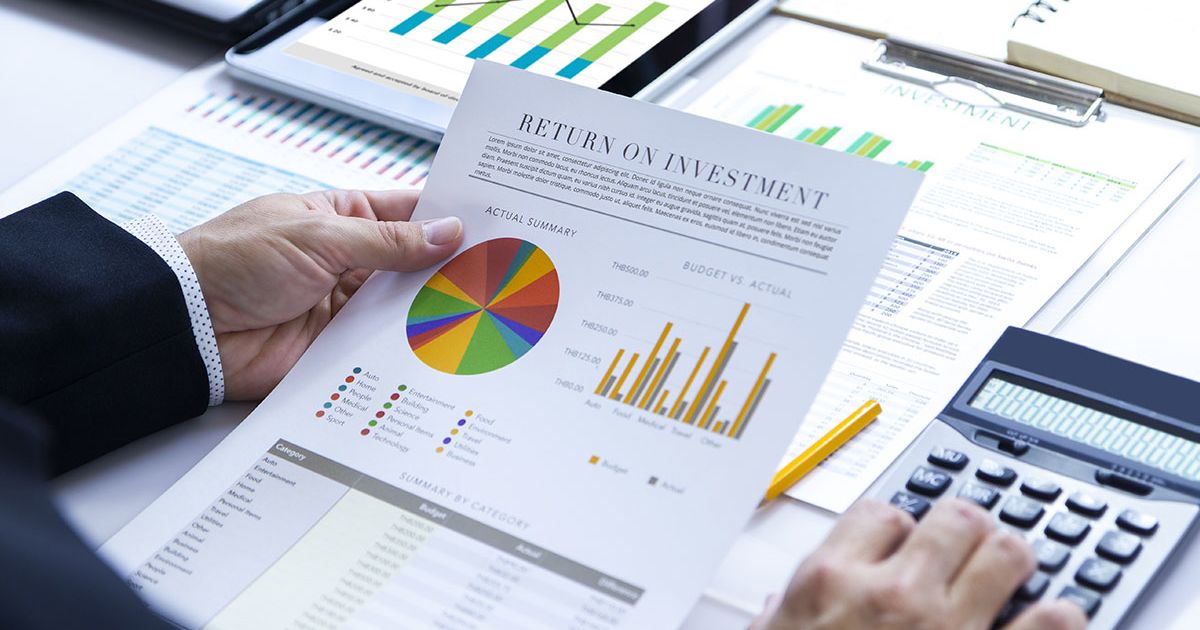
“As you get older, you realize just how valuable time as a commodity is. You tend to start measuring the cost-benefit analysis or the return on investment that you are receiving not just regarding finances and how you spend or invest your money but also on how you spend your time.”

As you get older, you realize just how valuable time as a commodity is. You tend to start measuring the cost-benefit analysis or the return on investment that you are receiving not just regarding finances and how you spend or invest your money but also on how you spend your time. Unfortunately, this is a topic that we do not prioritize or learn about very well at a young age. Often, you must figure out what are the best ways to use your time wisely and your money.

There are numerous tools out there to help guide you find the real rate of return on your investment, but you must be the one making the decision on what you prioritize. We know for a fact that our time on this Earth is limited from the day we are born. Having such knowledge shouldn’t be morbid or despairing, but rather help us to prioritize how we spend our lives in search of a good use of our time, our money, and much more.

Now, not everything that we do in life should be correlated with a ‘cost-benefit analysis’ or ‘opportunity cost’ involved. Such behavior should be discouraged if you’re obsessing over how you spend every waking minute each day. You should be leaving some room for spontaneous actions that you enjoy regardless of if it’s geared towards health, wealth, and personal satisfaction. There are times each day where we have to commit to actions that take time when we would rather be doing something else and that is what adulthood entails sometimes.

The true focus is what can we do with our time that is free, which will help us in the long-term. If we have goals of wealth, health, and pursuing our own happiness, your time should be spent in looking in investing each day in building yourself up in each of these areas. For example, when we look at investing in our health, we know there are concrete things that can be done, which will help us with a return on having a healthier body, a healthier mind, and managing our stress and anxiety.

We may have to join a gym, change our diet, sleep more, and make time for exercising, and these are the kinds of investments, if done consistently, that can pay off in the long-term. These investments that I cite will not guarantee a longer life, but it is giving yourself the best possible chance of living a healthier life, especially if you are focusing on multiple investments.

In this case, the real return on investment may not be seen right away but you are likely to see some results if you’re consistent with your investments on a long-term basis. You can measure how your diet is helping you lose weight, how your sleep patterns have changed, and how much time you spend at the gym, the yoga studio, or in playing sports. These investments are measurable but the results on these investments will eventually show up in a real rate of return that will put you on a path that leads to a healthier life in the long-term. Returns are not guaranteed but if you are putting in the work over a long enough period, I believe the chances are good that you will be better off than you were years or even decades ago.

Similarly, how we save and invest financially for our long-term financial future, we can do the same with our health and our happiness. Everyone has different financial goals, and I won’t talk about specific investment advice to give, but you can always estimate to a degree what kind of percentage return you’re likely to get from your investments over a year or a decade or a century in terms of growth. These real returns will come to you but if you’re not consistently investing in building your wealth, those real returns will not be as impactful or as fruitful as you would have hoped. It goes to show that with either health, wealth, and happiness, that the earlier you invest in those facets of life and the more that you invest in them, the better off that you will be.

What makes someone truly happy is complicated and will differ depending on your emotional state, but I do believe spending more time with those who care about you, and you who care about them, enjoying more time spent doing the hobbies and interests that give you joy, and being able to invest time in learning new skills, exploring new places, or investing in your home and community, those kind of investments will have real returns on making you happier in the long-run. There will be times when what you did or do no longer makes you happy and that is alright. The key here is to keep trying out new things, keep meeting people, keep trying to be involved in areas of life that you think will make you happier, that is key in continuing to make those investments in building your happiness into the future to keep producing better and better returns.

Time is fleeting and you must prioritize health, wealth, and happiness in my view, which will give you those real returns in your life to enjoy and take joy in. Most of all, you have to know the difference as you get older between what’s give you actual returns for your hard work and efforts, and what you have to stop doing that is giving you no real returns. It is important to prioritize more of what will pay off in the future throughout your life and increasingly avoid those activities that produce a negative return and will leave you worse off.

It is one thing to be able to invest well in activities that bolster your life satisfaction, but you should also remember to avoid those other ways of spending the time that lower your real returns or negate them entirely. Be sure to know what a waste of your time is, if you can cut that activity out or lower your exposure to it and be able to replace the time spent on that activity with a good alternative. which you can take part in to continue to invest in building a life and a future that will make you healthy, wealthy, and happy.

Why A Digital Detox Is Good For You

“It is a great chance to recenter yourself, focus more on what matters to you whether it is more time spent with family or friends, or just to be more present with the world around us without staring at our phone, computer, or even our smartwatch.”

We are not meant to be on our digital devices 24 / 7 / 365 a year. I think a key part of realizing how our digital lives are so integral to who we are nowadays is to take some time away from them whenever possible. On a recent vacation I was on, I was able to be without cell service or an internet connection for a week. I do have to say that while the first day or two was difficult, it became nice to be out of reach for a while. It is a great chance to recenter yourself, focus more on what matters to you whether it is more time spent with family or friends, or just to be more present with the world around us without staring at our phone, computer, or even our smartwatch.

Now, in work or in school, we are always expected to be plugged in and reachable even when we might not want to be. However, if you’re on a break, a vacation, or it’s the weekend, I do believe that is a good time to have a digital detox where you can put your devices away. A day, a week, or even a month, is not asking too much to get away from your emails, your social media, or your mobile applications. In that time away, you can really interact with the physical world more fully, feel more present with what you are doing, and it is likely to be healthier for you to devote more time to walking, hiking, playing sports. Instead of reading Twitter or X now, you can read some books. Instead of listening to Spotify, you can play some records or some CDs on your speakers to gain a greater appreciation of the music you like.

In addition, you will have more time to pick up a new skill like playing the guitar, focusing more on your home life with fixing up your apartment or house if it has been neglected, and you can take full advantage of spending more time with friends and family. Digital detox is not so much unplugging from technology forever but temporarily taking some time away to focus on other parts of your life that may have been neglected due to your time spent online. It is hard for most of us to realize this fact, but we likely spend 4-5 hours a day online especially if we have classes or must work online for our jobs.

On top of video games, streaming TV and movies, and the rise of augmented and virtual reality headsets, we are on the path to being more present virtually than being present physically. There is such an endless amount of content that we are exposed to when online that it can be overwhelming for us. If you find that you are too wrapped up in your emails, your Instagram feed, your TikTok videos, or just not being able to pull away from your computer to get enough sunlight and fresh air, you could use a digital detox.

After my week away from being on my laptop, phone, and tablet, I felt lighter in the sense that I was not so overburdened by the constant stream of emails, updates, reminders, news updates, and overall wave of notifications that come with being plugged in. You really live more in the moment when you don’t have your devices with you or in my case, not being able to connect to WIFI or the 5G connection while we are on vacation. Overall, this is a good thing to happen in my view. If someone needs to reach out to us, a regular phone call is still possible or if it’s an emergency, you can enable texts or messages to come through to you.

However, there are many activities and hobbies to do without needing to be online as you’ll soon find out when doing your digital detox.
I encourage you when you go on vacation from work or school to leave your phone and computer on silent or off or even leave it at home. You’ll be surprised on how much you don’t miss it after 1-2 days of the initial FOMO (Fear of Missing Out) hurdle. You will likely be more present with others, more engaged with the world, and more aware of what you are actively doing without the necessary digital distraction or allure that the smartphone, smartwatch, or laptop has on us.

Yes, we do need our digital devices most days, if not every day, but if you can at least take the weekend off, or take a few hours where you’re unreachable, then that is also a good form of digital detoxing. I do recommend using a week or two each year to not be reachable via your devices or to not use them at least for Internet, email, or any mobile applications.

That week or two where you’re fully unplugged will do a world of good for you and your loved ones who could join you to be fully present with you. You’re likely to be closer to one another, enjoy doing more things together, and really appreciate what the physical world has to offer whereas you’re not really thinking anymore about what’s going on online or what kind of digital content you’re potentially missing.

Lastly, we should remember that for hundreds, if not, thousands of years, everybody got on pretty well living their daily lives without being able to have the Internet, computers, or TikTok. They managed to do just fine in the world without the digital age. I think it is good for each of us to remind ourselves that we can get by fine without our devices, if only for a short while. Overall, It is good in my view to be free of technology here and there because as much as we rely on it more and more nowadays, it is not the end all, be all for our lives here.

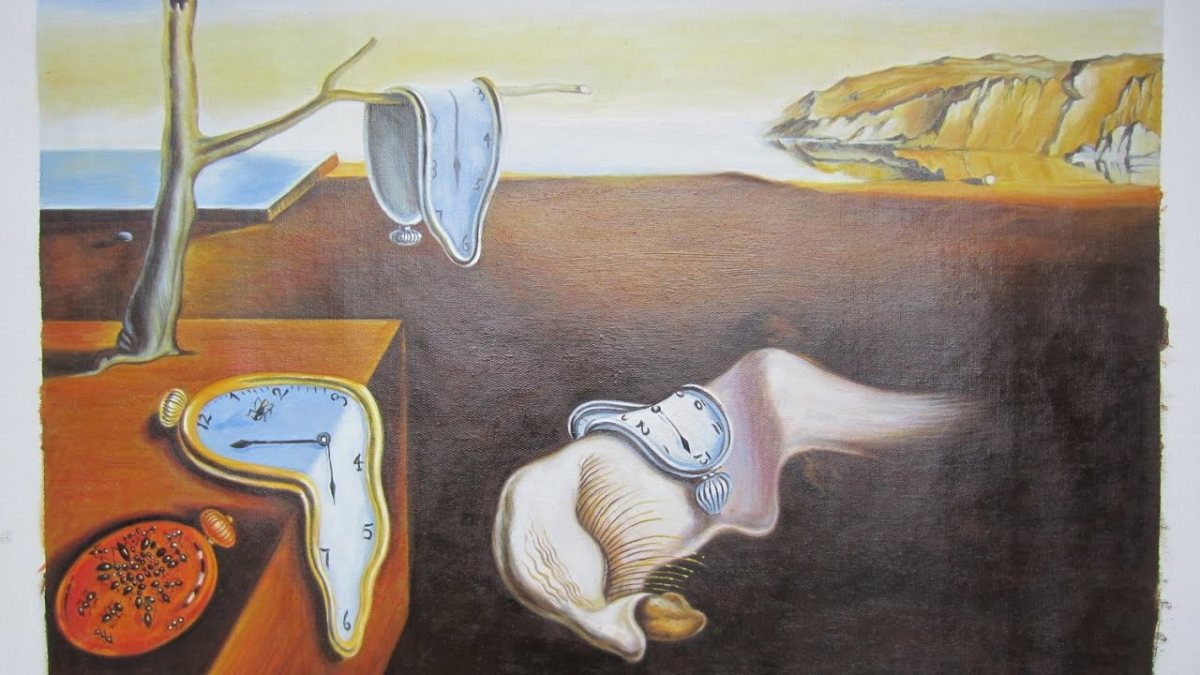
The Passage of Time

One of the consistencies of life that never changes is how much time there is in a day. You have 24 hours in a day to do everything that you need to do. You can also keep in mind the fact that there are seven days in a week, 52 weeks in a year. Any human being on the planet doesn’t know how much time they will be given because none of us are guaranteed tomorrow. You may be thinking that you’ll live to be 100 years old and get to accomplish everything you set out to do but life tends to get in the way of our preconceived plans.

All you really have when it comes to time is the here and now of living in the present. While it’s the law of science that we have 24 hours in a day here on planet Earth, as humans we’re really down to 16 hours a day or even less if you’re a deep sleeper. Then, you have to take into account that time you’ll need to put away for eating, drinking, commuting and working to make money, which are more necessities of life than things that we enjoy doing every day.

Based on how finite time really is in our lives, it becomes more impactful the older you get. A common theme that you hear from people especially in the 30’s and beyond is how fast time seems to fly by. I’m starting to think about that more and more as I head into my later 20’s about how the days, weeks, months and years are starting to go by quicker than I would like. It could be argued that after you enter your 20’s or after you leave college, time starts to pick up and you become more sensitive to its quickening pace. When I was in childhood, time felt like a limitless ocean and that my life would last forever. However, when you become a fully- grown adult, you realize just how naïve that childhood belief is. It also plays into the fact that we have much less responsibilities when we’re younger and have a lot more time to play, learn, and socially develop ourselves.

With adulthood, your conception of time does a complete 180 as you now have a lot of responsibilities based around earning a living, taking care of yourself, and maintaining your personal interests. You have much less time for play and a lot more time devoted to work. Because of the limited amount of time that we have in a day, you start to think more about what you should spend on it. Everybody is going to have different priorities with their time but the older you get, the more you realize that you want to spend it well because time is precious and fleeting.

A direct consequence of time passing is that you start to value certain things more and other things less. You have to be able to choose about who is worth your time and who is not worth your time. That’s a harsh truth but you cannot make time for everyone so you have to figure out who you are compatible with or what kind of activity or vocation is worth your effort. For example, I used to love playing video games when I was younger but as I got older, I realized there were other activities and hobbies that I was more interested in and would be worth more of my time. That’s why I’m writing this article for my audience instead of playing Grand Theft Auto V all night long (even though that’s a great game). Similar to one’s interests and hobbies, the way you use your time in your life is inevitably going to change.

Prioritizing who or what matters to you is a crucial part of being an adult and is also necessary for good time management. You may not see your parents as often as when you were a child so you’ll make the trip to visit them every Thanksgiving and/or Christmas even though you hate dealing with airport security and bad traffic. That’s why you’ll plan activities with friends a few weeks in advance because you don’t see them as often as you’d like because you’ve been busy working on a new business idea.

Because our time becomes more limited as we get older, you have to plan in advance and think deeply about what is worth your time. While time is limited, it’s always a good idea to try new things and be consistent about it. If you’re going to the gym in your spare time, make it a habit and even go a couple of times a week. When you’re not working, do those things that make you happy or that challenge you in some way. Spend time with those people who matter to you most and who treat you well.

You don’t have to plan your time down to the minute and it’s good to be spontaneous every now and then such as taking an impromptu vacation. However, you don’t want to spend time doing things you dislike or pass the time with people who you don’t like. In order to live a happier and healthier life, you’ll need to cut out the bad and keep the good. Doing work that is meaningful, enjoying activities with good friends, learning new things are all productive ways to spend your time. Also, you should try your best to balance your life out so that work isn’t taking up too much of your time where you don’t have enough time to pursue other interests.

Whatever you decide to do with your time, remember that it does not discriminate among people. It’s the same for everybody in the world. From when you wake up to when you go to sleep, that time is yours and yours alone. You alone have to make the choice of what to do with the time that is given to you. While there are obligations and commitments that we all have to fulfill, you have the power to use your time as you see fit.

You can’t get the time back so use it to the fullest and remember that it’s finite. While you shouldn’t overwhelm yourself with too many things taking up your time, remember that you shouldn’t put off possible interests, hobbies, or opportunities forever. You don’t want to wake up one day and realize you wasted too much time and didn’t get to do all of the things you wanted to do. Time is fleeting and you never know when it’s going to run out. As the Roman poet Horace once wrote in the year 23 BC, “Carpe diem”, which translates in English to mean “Seize the day.” I couldn’t agree more.