Camera: Samsung Galaxy J2 Core
Location: Museum of Tomorrow; Rio de Janeiro, Brazil




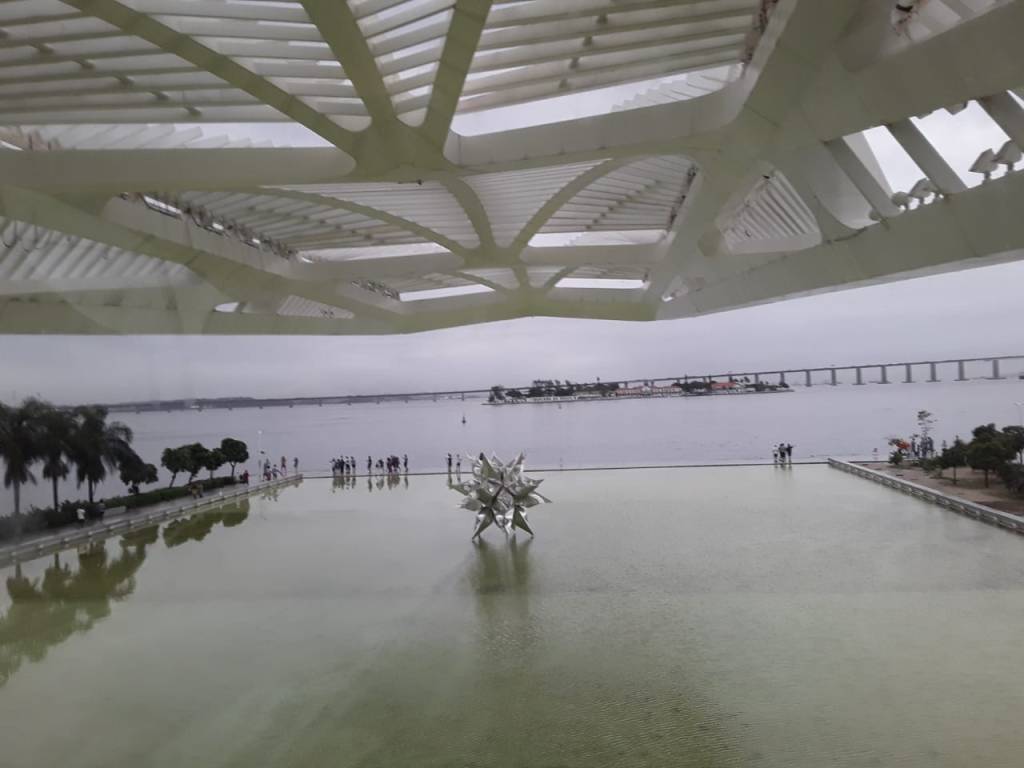

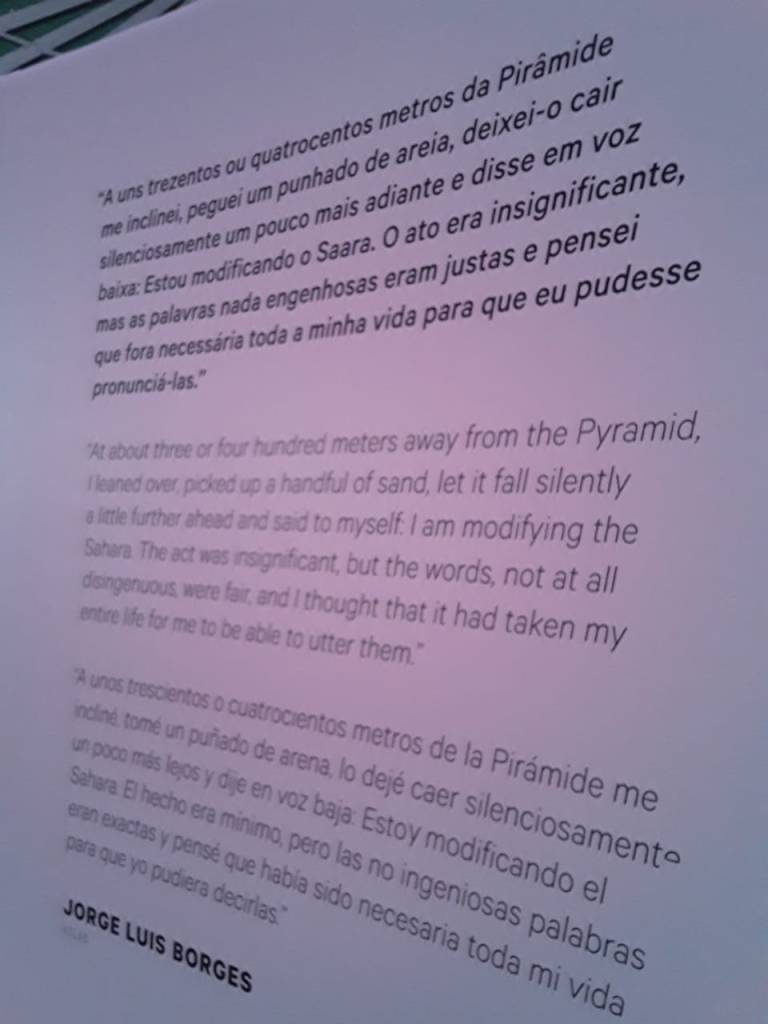





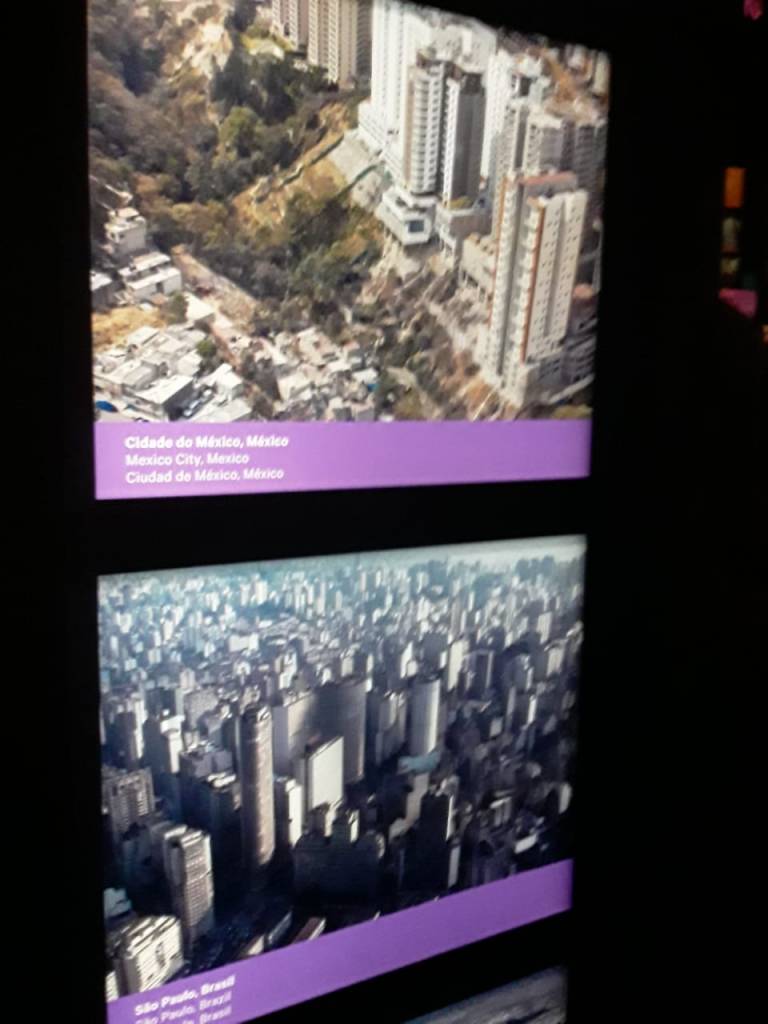
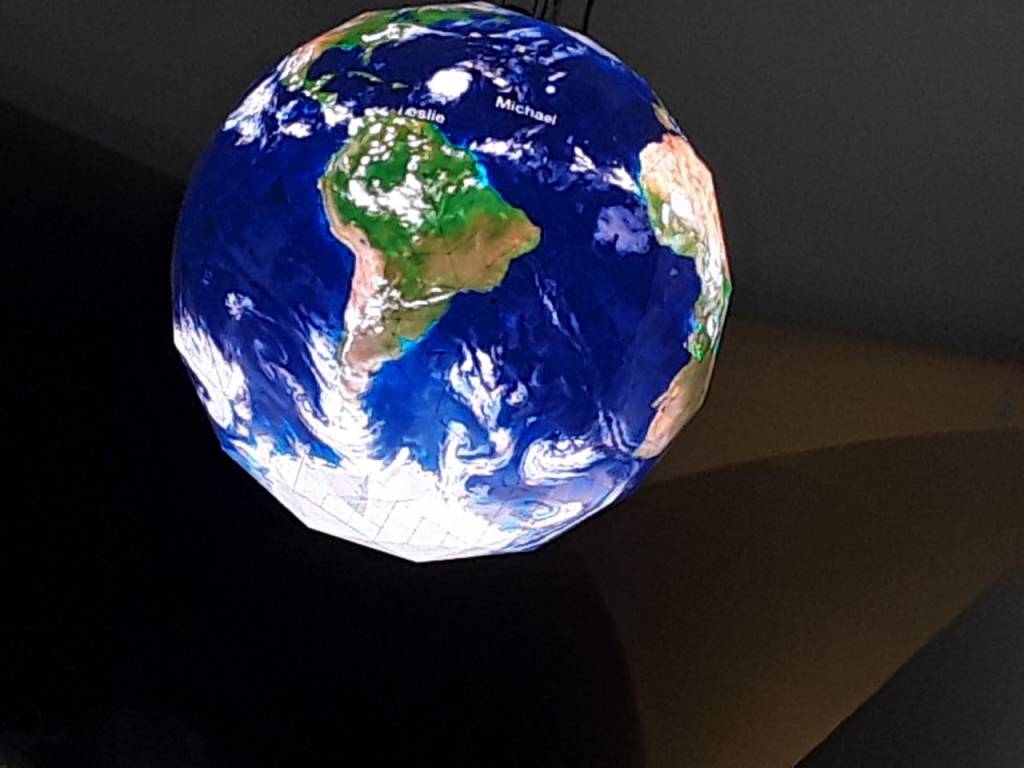
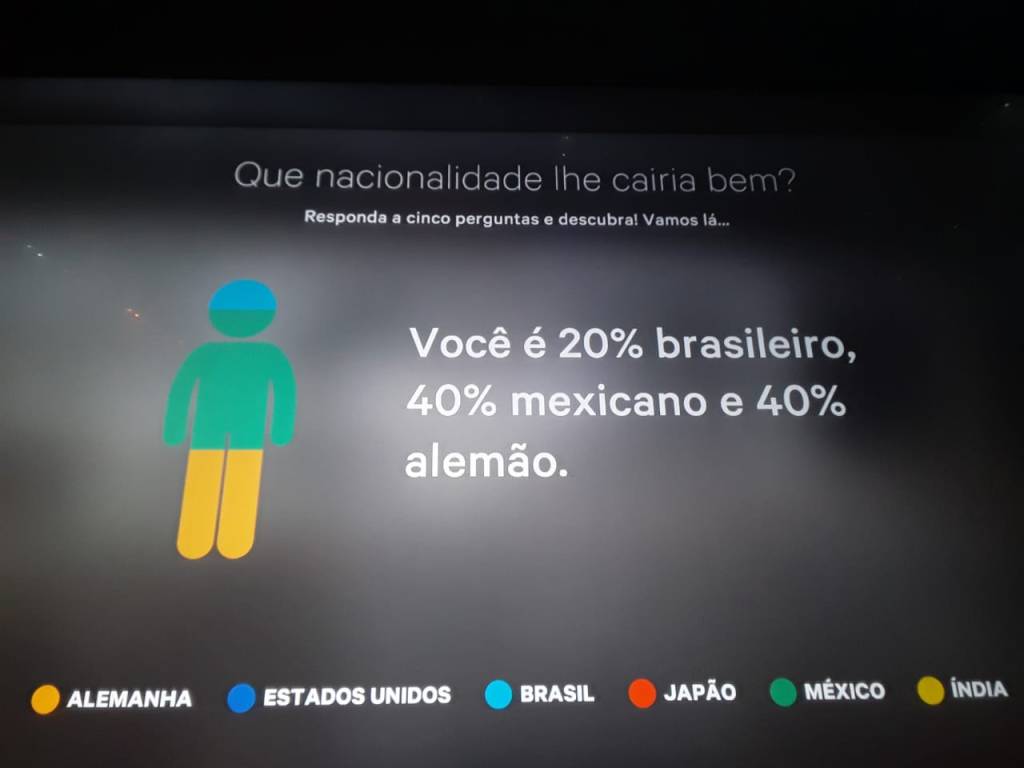
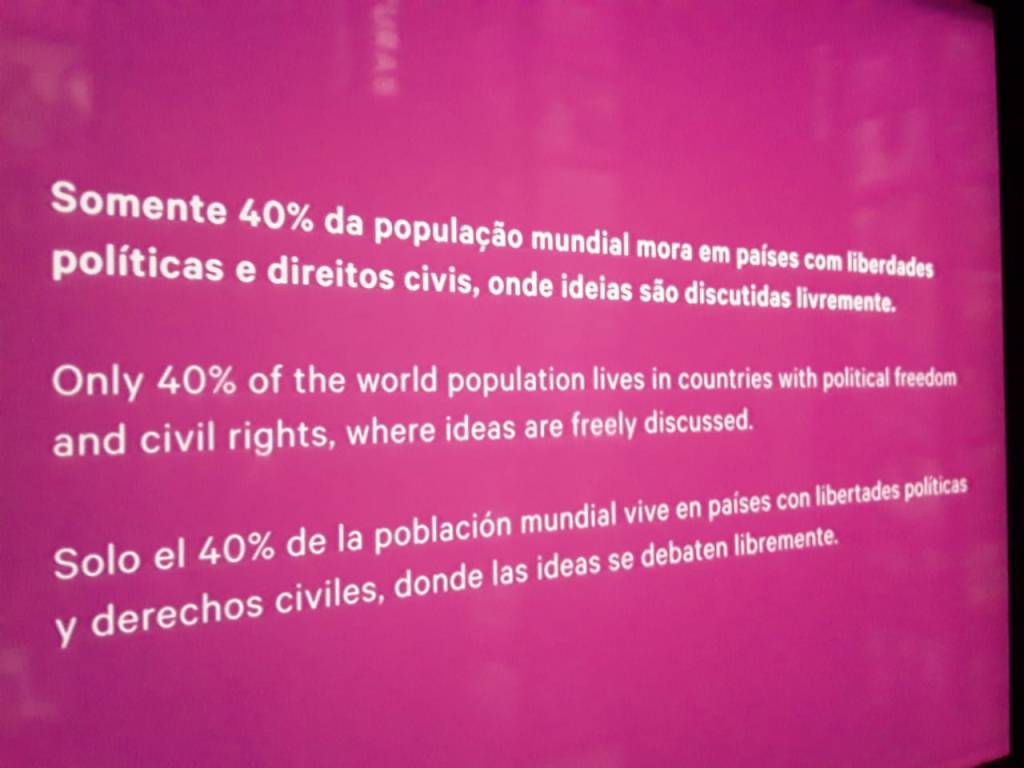



Camera: Samsung Galaxy J2 Core
Location: Museum of Tomorrow; Rio de Janeiro, Brazil


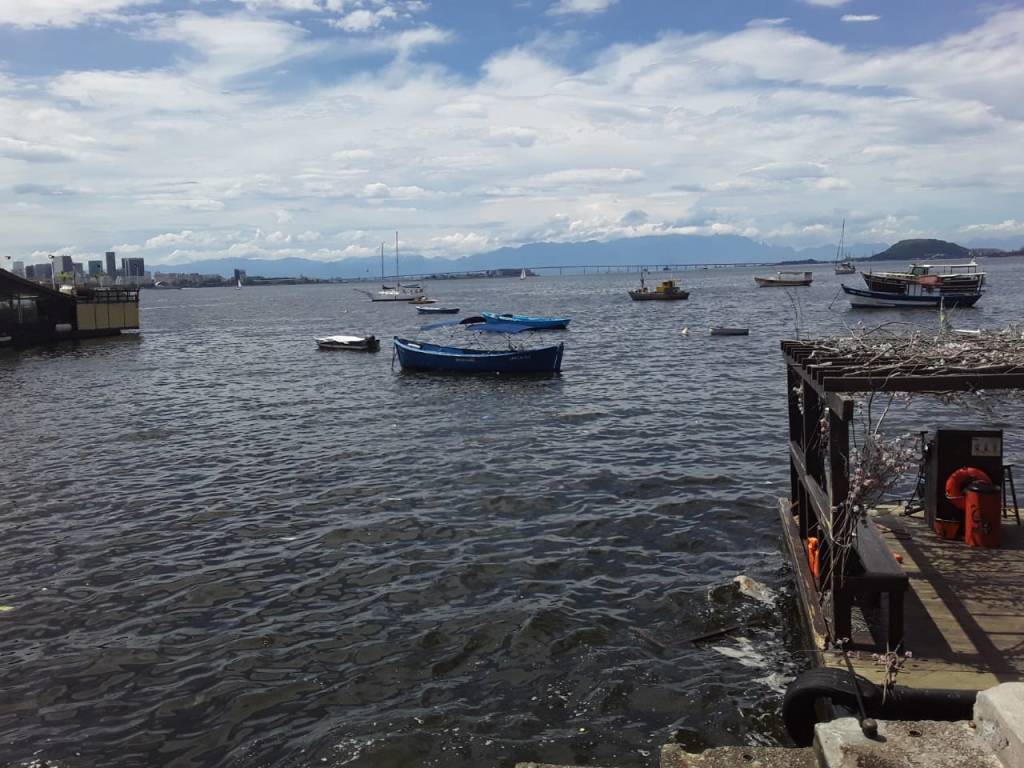


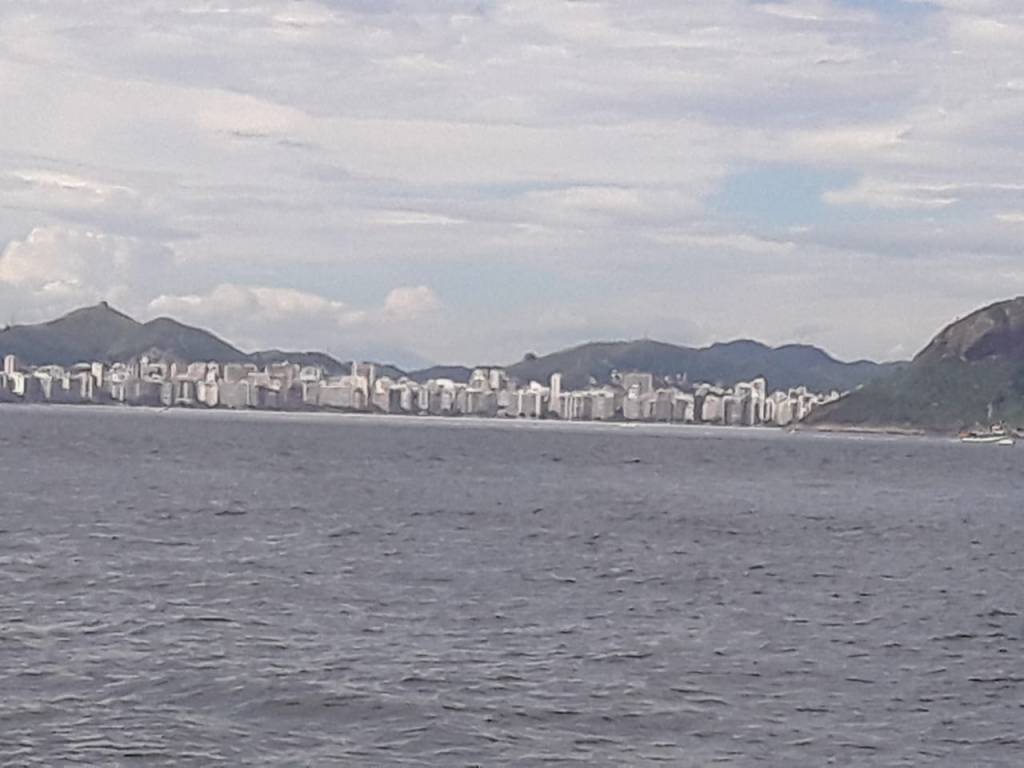





Camera: Samsung Galaxy J2 Core
Location: Rio de Janeiro, Brazil
“If you are going through troubles in your life, I believe it can be comforting to see the stars not only to realize that while our problems are serious and need to be dealt with, it is also good to realize the beauty in things and nothing is perhaps more beautiful than a clear, night sky where you can see the constellations, the full moon, and even a shooting star if you are lucky.”
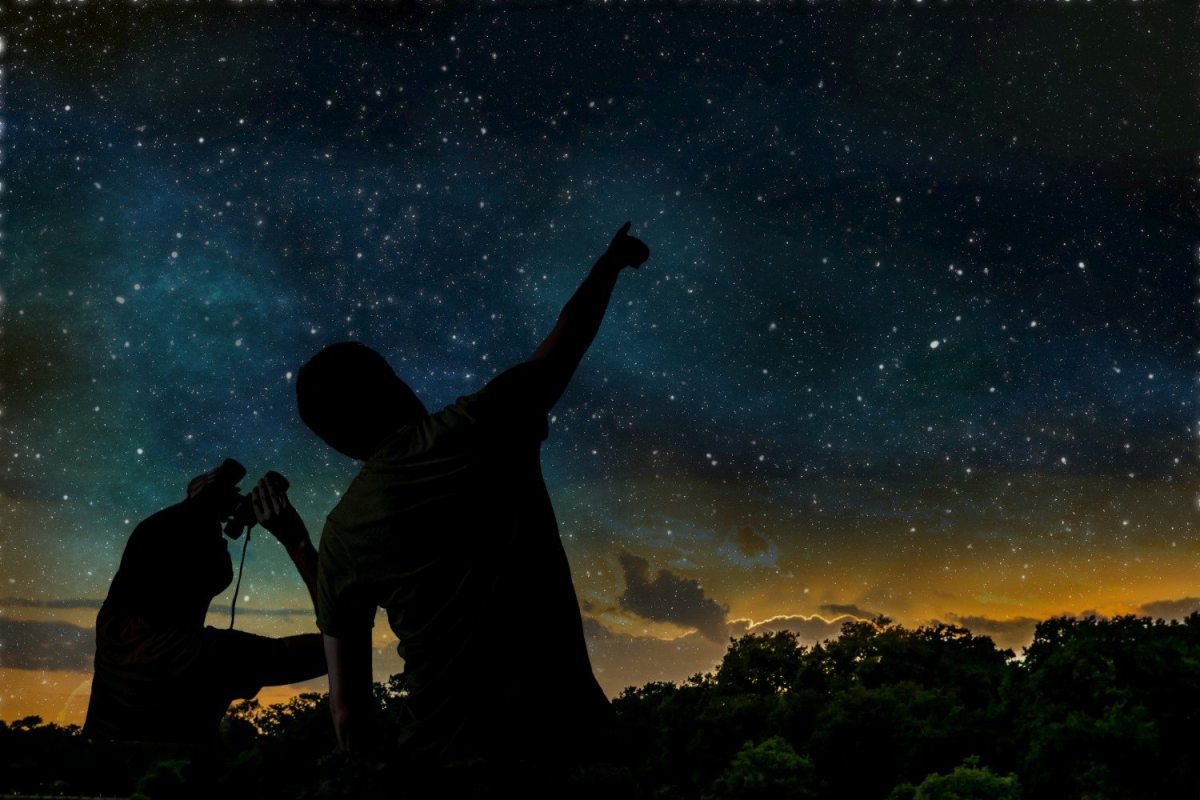
One nightly ritual that should make a comeback is to see the stars. A simple yet effective way to remember our place in the universe and how small we really are when it comes to the cosmos. If you are going through troubles in your life, I believe it can be comforting to see the stars not only to realize that while our problems are serious and need to be dealt with, it is also good to realize the beauty in things and nothing is perhaps more beautiful than a clear, night sky where you can see the constellations, the full moon, and even a shooting star if you are lucky.
While not likely under the traditional definition for a ‘meditation experience’, I think that you can definitely get lost in your own thoughts or perhaps stop thinking for a while as you concentrate on the brightest stars or the allure of the full moon. Instead of thinking about your problems and your worries, you can try to map the ‘Big Dipper’ or ‘Orion’s Belt’, which can be a fun activity not just for you but for your loved one as well.
In our modern, fast-paced world, it is increasingly difficult to find places or open spaces where light pollution has not clouded the stars or has kept us from fully appreciating the sheer number of stars, galaxies, and planets out there in the universe. If you live in a major city or even a big town, light pollution as well as other forms of pollution have likely kept you from appreciating the stars in their full capacity. I honestly believe that shutting off the city lights or the town’s lights for just a few minutes for some simple star gazing would ease a lot of people’s anxieties, stresses, and worries as they look to the heavens to see the possibilities of what lies beyond humanity’s reach.
In my opinion, looking at the stars is more humbling than scary, more illuminating than disturbing, and more beautiful than dark. A clear sky on a full night is a precious gift and one for which we should all appreciate in those little moments of peace that we can make for ourselves in our daily lives. Not only is it healthy for you to relax, to grab a chair, and even make a snack over the fireplace while you appreciate the stars above, it’s a great way to bond with your family and your friends.
Sadly, you may need to take a vacation to a rural country home or to a mountain chalet in order to be able to immerse yourself in stargazing. Most of us around the world live in densely populated communities and cities where finding the stars is as difficult sometimes as finding the sky during the day due to the various forms of pollution. However, it’s good in general to go to quiet spots from time to time where the air is fresh, the water is clean to drink, and the stars are bright to enjoy nature in its fullest.
From open country fields to the mountain tops, there are still places out there in the world that are isolated from civilization and where you can really appreciate the stars at night. It may take effort and money to do so but it’s worth it to be introspective and to think about what could be out there, what it could be like to explore those different planets that may be habitable to man, and how cool it would be to be up in space where gravity is non-existent and where you can see how small and unique our little blue planet really is.
One tip that you should consider using to fully appreciate the stars is a really good telescope that can zoom in to see certain constellations and planets at a really high resolution and for which you can eventually become good at making a map over a week or a month of where they are located at in the night sky. Telescopes are the best tool for also seeing shooting stars or seeing what stage the moon is in during its monthly cycle. It can be a worthwhile investment if you live in a rural or unpopulated area where the night sky is always clear, and the stars are abundant to see.
Being able to appreciate the stars is a simple joy and one which is overlooked in a fast-paced world. However, I believe it is good for the soul and for our peace of mind. Looking at a full night sky has different meanings for different people but for me, it is reassuring. It’s nice to know what what we consider astronomical problems here on Earth are actually not that big in the grand scheme of the universe.
We should try to keep our small place in the universe in mind when we consider the scale of our own Earth-based problems. While it’s a definite fact that we must make our own planet more livable, freer, more just, and cleaner, we also have to acknowledge that we are most likely not alone in its great expanse. Our place in the universe and even in our own Milky Way galaxy is so tiny that we can’t help but appreciate what could lie beyond our planet and that maybe one day we will finally be able to find out what’s out there and to reach further for the stars than we did before to find out, once and for all, if we are truly alone in the universe and also what Earth-like planets would be there for us to discover and perhaps live on?
“When the famous American inventor and politician, Benjamin Franklin, indicated that the two certainties in life were ‘death and taxes’, I think he forgot to mention an overlooked third one that we all experience at one point or another: mundane tasks.”
How much of our lives are made up of dull and repetitive tasks that we would rather not do? How often during the day, the week, the month, or the year are made of things that we have to do out of lack of choice but also an obligation? Whether it is an obligation based on our work, our homes, our hobbies, or our businesses; mundane tasks are simply part of life’s overall equation. When the famous American inventor and politician, Benjamin Franklin, indicated that the two certainties in life were ‘death and taxes’, I think he forgot to mention an overlooked third one that we all experience at one point or another: mundane tasks.
Whether it is going to pick up the newspaper or taking the mail in or dropping off something at the post office, these little errands or tasks are unavoidable and are not the most stimulating to go through. Other tasks like going to the supermarket, cleaning out a pool or cleaning your pool, doing the laundry, washing the dishes are all repetitive but if you notice how mundane they are, you will likely have a worse time doing them all and forget how important they are.
While we may think that we lack control over these dull tasks, the truth is we often do control our attitude to these mundane tasks and how we go about doing them. We control if we do them at all, how we do them, and how fast it will take us to do them. We can make them fun or enjoyable with the help of some music or even a game to see if you or a friend or a family member can do them faster than you. If you think about these tasks, we often feel better about ourselves for having done them afterwards and feel like our days were more accomplished because we were able to complete these tasks as a habit of ours rather than going out of the way to do them like an abnormal chore.
Tasks are meant to be completed but in many of these cases, without our actions, perhaps our lives will be more disorderly and disorganized without finishing these small tasks first. How can we accomplish great tasks in our day-to-day if we can’t get the little things done first? If we want to tackle issues in our community, our country, or even for the world, should we not start with making our bed first consistently first or being able to cook for ourselves with relative ease?
“If you want to change the world, start off by making your bed.” This particular excerpt of a great speech by United States Navy Admiral and Former JSOC Commander William H. McRaven puts the utility of these mundane tasks in our daily lives in perspective. The focus of his commencement speech was about how by accomplishing these tiny tasks, preferably at the beginning of our day, you start to gain more momentum to complete bigger and bigger tasks by the end of that day. Making your bed is just one of those many mundane tasks that we are faced with in our lives and that we usually have control over doing or not doing.
If we choose to not do them, this lack of confidence or a lack of accomplishment can carry over to the bigger and more pressing tasks that we have to handle later on, often in the span of minutes or hours, at work or in our relationships. As a former Navy SEAL, McRaven saw the bed-making procedure as key to the rest of his day. While at first, he thought of the task of being forced to make his bed tedious and maybe beneath him as a future SEAL, it later taught him necessary skills such as compliance, confidence, and reinforced habits.
Our mundane tasks that we have to do our based on our autonomy in that no one else can do them for us. By doing these tasks on a consistent basis, we build upon our good habits instead of bad habits. Perhaps most importantly, we learn that we do in fact have some control over our lives. While the big things in life can challenge and thwart us again and again, we know that we can handle basic tasks that make us feel better and give us the confidence to try and try again at the bigger tasks that are more complex and complicated.
If we cannot handle the small stuff no matter how tedious it is, we likely will not be able to handle the bigger tasks, which may be even more tedious. The mundane tasks are easy, repetitive, and do not take as much time usually. It goes without saying that if you can start to do them once or twice, you can start to build up that habit muscle and then you will be on your way to doing these tasks on a consistent basis making them easier and less daunting.
In a lot of ways, we overlook the little moments in life which tend to be the most endearing and the most special. It’s important to not do that as well with the little tasks such as making your bed, taking out the trash, or paying your bills. The little things are easy to accomplish when you measure them up against the harder tasks like running a marathon, becoming a millionaire, or having a successful business or career. Once you take care of the little things though, you may be in store for a positive ripple effect that could lead to wins or gains in the harder areas. Even if you have bad days or expectations of your day fall short, at least at the end of the day, you will know that you took care of the small stuff and can be proud of those small victories which keep us going during rough times, especially now in this perilous year of 2020.
Lastly, doing different mundane tasks on different days can help us as well give us that continued sense of accomplishment and meaning that we can often lack on certain days if we don’t have anything to do. Spreading out the mundane parts of life instead of saving them all for a weekend or one day in particular will also ease your stress levels and cause you to feel more evened out as you go through your week. You won’t be stressing out about 5 or 7 mundane tasks you have to do at the end of the week if you do one of them each day to balance it all out.
Nobody likes mundane tasks including myself, but they do serve a purpose in making you a more responsible adult and a better human being. You get better at them the more you do them and which also tends to make them less tedious over time. Unfortunately, we all find out in life that it is not all fun and games and part of life has to be drudgery, but it doesn’t always have to be doom and gloom. Throw on some music or your favorite podcast, use a cup of a coffee or a fruit juice to get you going and make your bed first thing in the morning to get the day started. I promise that with a little self-motivation and self-determination, life will look less daunting and your confidence will start to grow the more mundane tasks you accomplish on a daily and weekly basis.
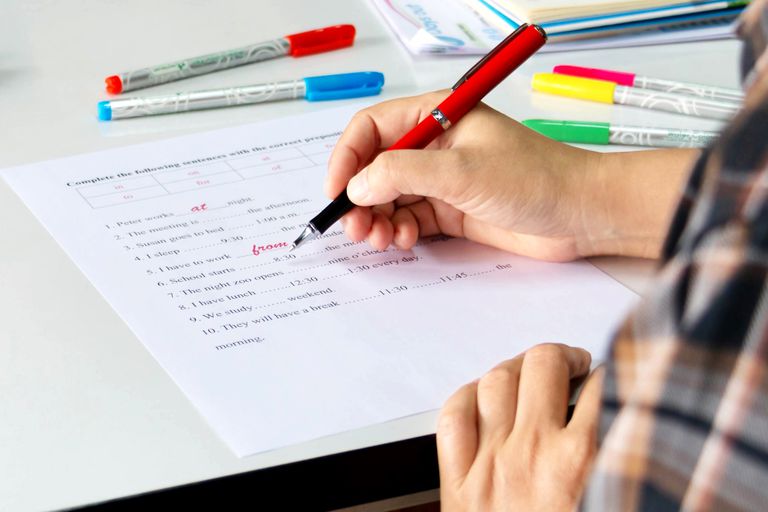
If you are learning a language such as English, it can be tough to justify doing homework and worksheets and additional activities. However, here’s a secret for you, dear reader: you have to do it as part of the learning process. In order to retain the knowledge, you have learned either through online courses, private lessons, or group classes, you need to have worksheets or activities in order to be able to remember what the concepts were that you have to put into practice. While worksheets alone will not make you an English master, the practice you can gain from them is invaluable.
From my experiences as an English as a Second Language teacher and as a business owner now, I can tell you that any kind of lectures or instructional materials whether they are by video, audio, or in-person should come with some kind of assessment in order to make sure that the student has absorbed the content and can make good use of it. Now, that does not mean repetition or intensive memorization but rather in the worksheets themselves, can they utilize this lecture material to write a paper, interpret a passage, form questions, give some answers, or even create a video or audio of their own.
It is a fallacy that worksheets have to be boring especially with languages. You can use them for many different purposes for English including grammar and vocabulary of course to be general but also for speaking, writing, reading, and listening. A true measure of a student is how they are able to discuss their reactions to a music video or answer questions about a movie scene or as well as ask questions of their classmates and write down the answers.
If you are a student and don’t have access to a private tutor or a regular English teacher, try to go online to different ESL websites to see if there are free resources to use including worksheets. Many sites offer free worksheets categorized by topics and themes, which you can then use to self-study English on your own. A good habit to pick up is to bookmark those websites that offer these free worksheets and use them each day depending upon which topic within English you would like to learn. You do not have to spend any money in order to get access to worksheets and they should cover a wide range of activities from speaking to writing to reading.
Also, paid worksheets that come with course videos or private lesson instruction come with the added benefit of the professor or teacher reviewing your work and correcting your mistakes. Having a private tutor can also help you realize where you went wrong, what you are doing well, and what you still have to improve upon. A course without any activities or worksheets is not much of an English course at all so it is very important to try to be able to evaluate yourself after going through some course material with either a worksheet, activity, or assignment to be graded.
We all know how having Homework especially as a teenager or an adult is no fun at all but for language learning, it is key to use worksheets that are due on a certain date and require grading to be used both in the virtual classroom and in the real classroom. Doing worksheets is not only for learning but for practice and to retain your knowledge. You can also be sure that by saving these worksheets for the future, you will be giving yourself a chance to go back, look at your mistakes, see where you are now as having improved and hopefully gotten better.
This is especially the case with vocabulary worksheets to help make sure you remember many verbs, adjectives, and nouns you may have forgot and to study them in order to improve your memory. Who knows? Perhaps you may have a family member or friend who wants to learn English who you can pass your worksheets on to so they can learn these concepts and skills too. Similar to a downloaded video, a downloaded worksheet can last for a while so you can always go back to it a few days, weeks, months, or even years later in case your English language skills start to get rusty again.
As I have mentioned, practice makes perfect and there are few better ways to make that happen than by working on and then completing worksheets. Whether you self-study and do them on your own, work with a friend or classmates, or even work through them together with a private tutor, English worksheets are a key part of boosting your knowledge of this language regardless of which part you are focusing on. You can do a worksheet on any part of the English language and I would recommend getting started with a base of vocabulary and grammar sheets before tackling the more advanced speaking, reading, writing, and listening worksheets.
Do not forget to take your time, check your work, read out loud the answers, or even seek the advice of a friend but make sure you do the worksheets, get feedback, and then save them for the future. You never know when you just might need them next and they are an amazing resource to have as an English as a Second Language student. Lastly, don’t forget to highlight your answers in yellow or cross them out with red ink. Using black or blue ink all of the time could get confusing for you.










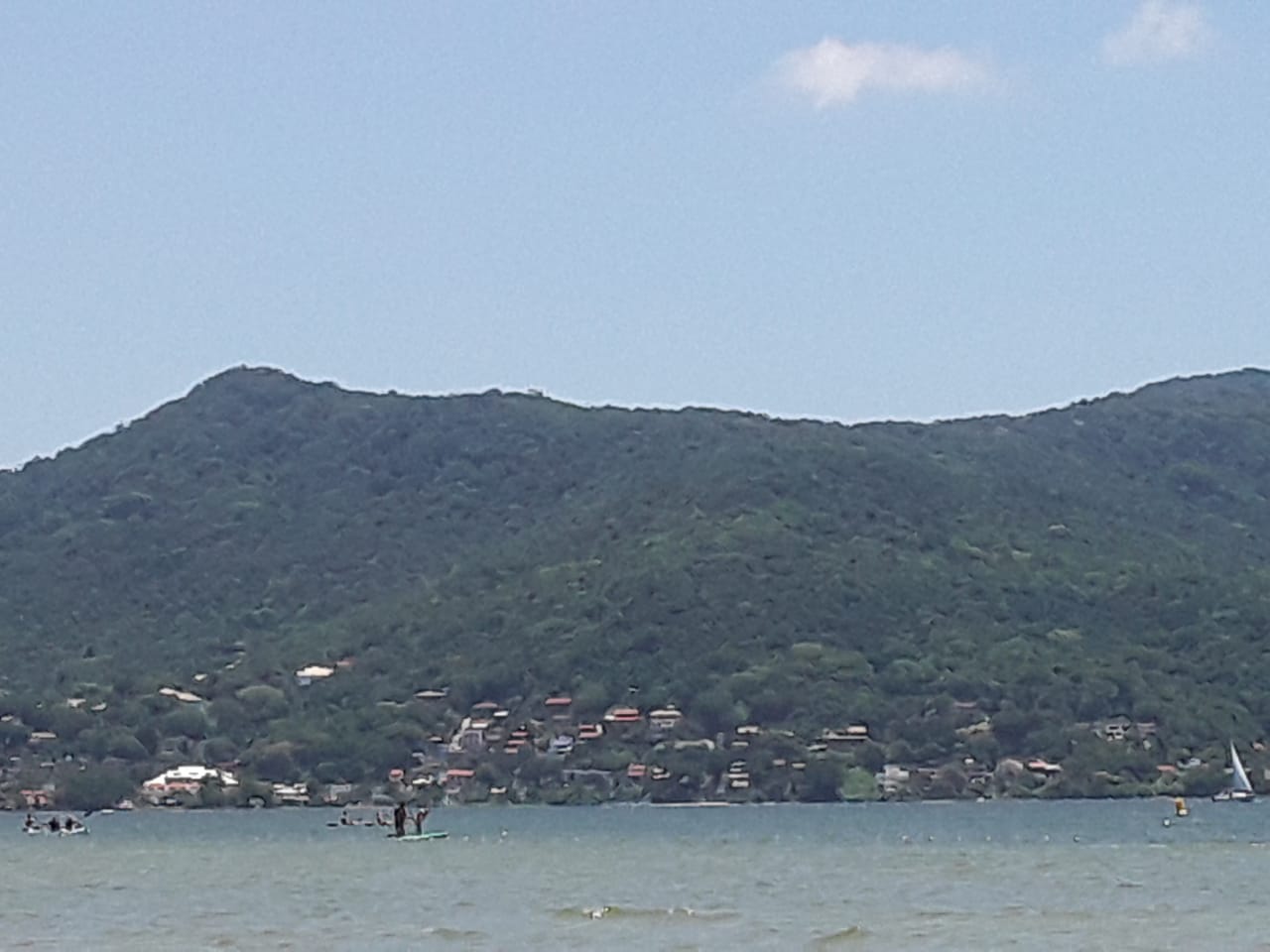

Camera: Samsung Galaxy J2 Core
Location: Lagoa da Conceição; Florianopolis, Santa Catarina, Brazil










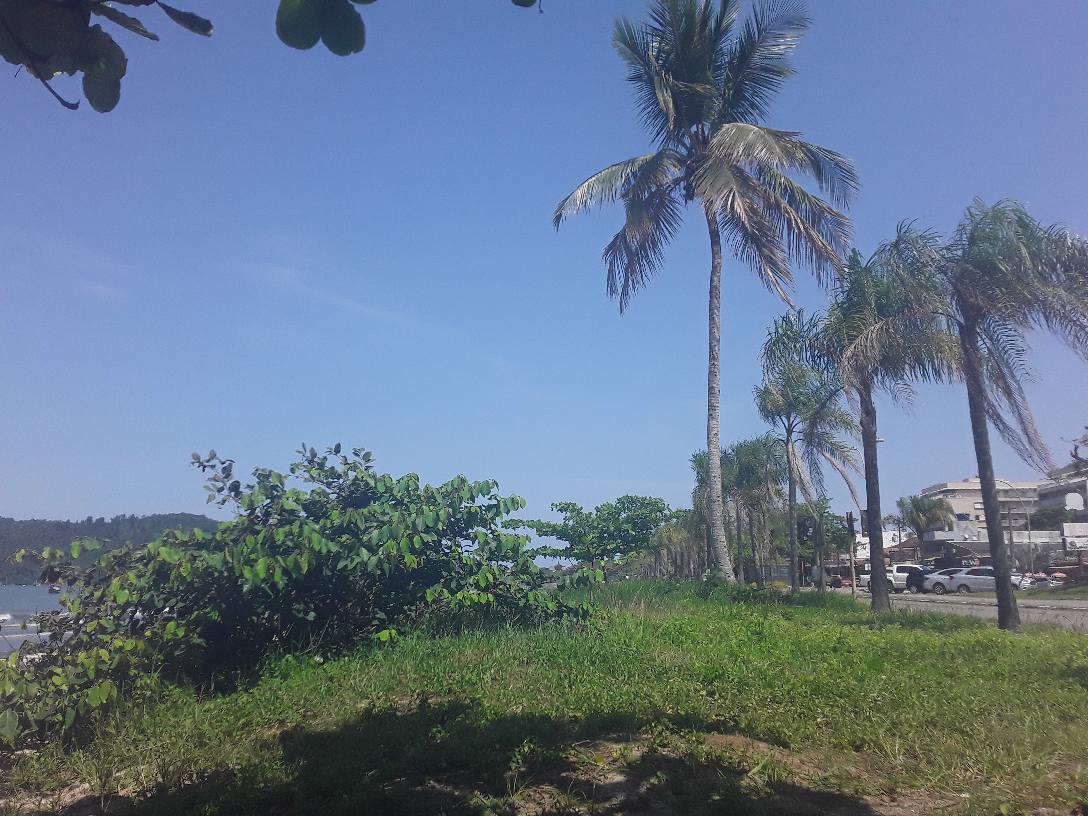


Camera: Samsung Galaxy J2 Core
Location: Ubatuba, São Paulo, Brazil







Camera: iPhone 8
Location: Arena Mexico; Mexico City, Mexico
The Summer reading session is well upon us and there is no better time to dive into another edition of my book recommendations. Whether you are at the beach, at the pool, or lounging on a rooftop deck, you can take some leisure time to read a great fictional or non-fictional offering to indulge your mind or open your imagination. The three books I cover are all non-fiction, which is the category that my favorite books often fall under. I do hope to dive into some fiction books sometime soon, but I’ll save that for other post.
The three books I recommend vary from personal finance to progressive politics to self-help psychology, but they all are educational and thought-provoking in their own way. These books aren’t mindless reads, so you’ll have to pay attention and even re-read certain chapters twice or more to really get the gist of what the author is getting at. However, each of these three books have staying power and they would make an excellent addition to anybody’s personal book collection since the different lessons that these books impart are timeliness in nature. Without further ado, let’s discuss which books I enjoyed in this latest volume of recommendations.
1.) “Everything Is F*cked: A Book About Hope” by Mark Manson
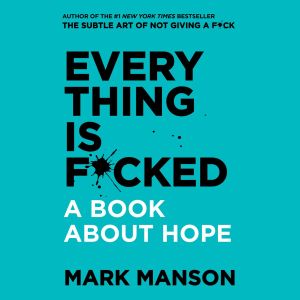
Following up on the tremendous attention and success gained from his previous New York Times best-selling book, The Subtle Art of Not Giving a F*ck, which dealt with unconventional yet powerful self-help advice, Mark Manson is back with an excellent follow-up book in tackling how to apply similar lessons to humanity as a whole. Whether its today’s turbulent geopolitics, the growing climate crisis, or the negative effects of social media, everything can seem to be f*cked nowadays and hopelessness as a condition of these events seems to be gaining steam.
Manson uses the teachings of Nietzsche, Kant, and other prominent philosophers to denote why humanity is facing these systemic problems and how they came to be based on our collective psychology as a species. He argues that having hope in of itself is a paradox and that it’s best to deal with life’s uncertainties and foibles as they come. Wishing for a better, happier, wealthier, and safer future is unproductive if you do not take actions in the present to create that more hopeful reality. Manson breaks down complex topics such as politics, religion, and even the future of artificial intelligence into digestible concepts on how humanity has gotten to be where it is currently.
One of the aspects I like most about Mark’s writings is that he doesn’t sugarcoat anything, and he allows you to draw your own conclusions based on the evidence he presents and the stories he tells. My favorite parts of Everything is F*cked focus on why treating people as means to an end is a selfish endeavor and how our feeling brain has a lot more influence on our thinking brain than we have been told. Also, in accepting what is ‘The Uncomfortable Truth’, as Mark cites in one of the first chapters is part of recognizing our innate humanity and what drives us collectively. This truth, while uncomfortable to all, is the main reason why we strive to do what we do in life, for better or for worse, and how we tend to live our lives denying that truth when it is staring us right in the face.
Instead of looking to politics or religion to give us hope, which tends to have its own set of consequences, it should rather be our own individual actions of being kinder, gentler, and more respectful of others that carry the day. We should not wait around for other people to change for you or be better to you. This book, like Mark’s first, is well worth a second and third reading to grasp all the lessons he lays out for the reader. Posing deep existential questions and acknowledging hard truths rarely covered elsewhere in the self-help genre, Manson stands out as one of my generation’s best authors and a good example of how to live a better life, not just for ourselves but for others as well.
2.) “Utopia for Realists: How We Can Build the Ideal World” by Rutger Bregman

I really liked this book by Mr. Bregman for several reasons. Whereas most books today examine problems and investigate how they came to be, Bregman describes the possible solutions there can be to these problems and how life in the 21st century should be different from the past. Given the rise of automation, how interconnected we have become globally, and increasing efficiencies in the workplace, Bregman dares to ask how we can make life better for vast majority of people in our societies based on these factors.
Rutger Bregman does an extensive amount of research for this book and draws upon years and decades of datasets and public policy to make his three main ideas not only relevant but persuasive to his overall argument. Bregman’s ideas are not new and have been discussed before but in ‘Utopia for Realists’, he really examines each of his proposals individually from a public policy perspective and how the time is ripe to make them become a reality. Today, it seems like we have lost to the drive to implement big changes to both our economy and our society. Bregman asks his readers to think of the plausibility of the 15-hour work week, a Universal Basic Income for all, and an ‘open borders’ policy that would benefits people’s lives in numerous ways as he lays out diligently in each chapter of the book.
While some may not agree with these proposals politically, Bregman backs up his arguments with facts and evidence, as a good social scientist would. One of the things I did not know before reading his book was how close President Richard Nixon and the U.S. Congress came to passing a universal basic income in legislative form back in the early 1970’s. Giving people the chance to have basic economic security, the ability to live across borders without bureaucratic roadblocks, and having more free time for family life or to better themselves through personal hobbies, interests, or side businesses are related to his three main proposals. These societal changes, he says, would lead to greater fulfillment and happiness and benefit our collective mental health.
While his ideas may be unrealistic today, the way in which the job market is shifting and has become more efficient in terms of productivity over the past few decades, how automation and advanced Robotics may affect millions of jobs being lost, and how the demographic crunch in the Western world may lead to more liberal immigration policies to spur economic growth, the main proposals that Bregman focuses on could become a reality sooner rather than later. It’s not a question of if these utopian ideas could ever happen, it’s more about when they will happen and how they can be implemented successfully around the world.
3.) “I Will Teach You to Be Rich” (2nd Edition) by Ramit Sethi

I will be the first to say that I have shied away from reading books on personal finance given that the advice given and the person giving it may not be reliable or trustworthy. However, based on the recommendations of other authors I like and how sensible his recommendations are from watching his videos, Ramit Sethi has delivered and recently updated one of the best personal finance books out there. For someone who is just getting started in thinking about optimal strategies for long-term savings and investments, Mr. Sethi breaks it all down from negotiating lower interest rates on your credit cards to how to find the best investment vehicles to deliver you a secure retirement.
If you are new to personal finance, this book is really meant for you. You don’t have to be an expert in 401ks, Roth IRAs, or index funds to make full use of this book. Ramit is not only an author but also provides an additional website, which offers a free blog, multiple courses to improve your finances, and career opportunities. His common-sense finance solutions garner millions of views per month and very positive media coverage. Ramit’s book does not make his readership feel guilty if they have made financial mistakes in the past. Instead, he offers tips and advice as well as personal stories from people he’s helped to get them out of trouble whether its credit card debt, student loan debt, etc. He wants his readers to figure out what exactly a ‘rich’ life is for them and what steps they can take to make it happen.
You are left reading this book feeling uplifted and ready to use his advice to improve your financial situation. You are also left wondering why Ramit’s book isn’t mandatory reading for high school students, given that we tend to neglect this kind of basic financial education for young people in the United States. Whether you are 18 or 28, it’s never too early to start thinking about your long-term finances. With Ramit’s well-written, digestible, and even humorous personal finance book, you are in good hands. He gives you actionable advice on how to greatly improve your finance in weeks instead of years and discusses in detail how many hours it will take you in setting up your savings, investments, and credit card debt payment options with as little of a hassle as possible. While Ramit can give you all the advice in the world, he leaves it up to you, the reader, to take actions yourself to improve your financial situation. Now that you have the knowledge based off his book, you’ll be ready to create a financially secure future for yourself and perhaps your family too.


Camera: iPhone 8
Location: San Juan Teotihuacan de Arista, México State, Mexico