Getting Off The Hedonistic Treadmill

“It is important to explore the pitfalls of exclusively chasing after hedonistic pleasures and why it’s crucial to get off the hedonistic treadmill.”

In our modern world that often seems primarily consumed by the pursuit of pleasure and instant gratification, the philosophy of ‘hedonism’, which advocates for the maximization of pleasure and the minimization of pain, has found its way into the hearts and minds of many people in our society. However, if we undergo a critical examination of the pursuit of hedonism for its own sake, it reveals a complex interplay between short-term pleasure and long-term well-being. It is important to explore the pitfalls of exclusively chasing after hedonistic pleasures and why it’s crucial to get off the hedonistic treadmill.

The hedonistic treadmill is a concept that is defined by how a person can be on a constant pursuit of pleasure, akin to running on a treadmill that never stops like a hamster looking to constantly drink from the waterspout in its cage or have a morsel of food released that it can devour. Despite one’s efforts to increase their well-being by seeking pleasure, individuals find themselves in a perpetual cycle where the happiness derived from hedonistic pursuits is fleeting, short-lived, and can’t match their prior pleasure intake. This treadmill effect occurs because as people experience pleasure, their expectations rise, and what once brought joy and satisfaction becomes the new baseline for the future. Consequently, a person must constantly seek higher and more intense pleasures to maintain the same level of satisfaction as they had experienced before.

At the heart of hedonism is the pursuit of dopamine hits, defined as ‘the brain’s reward neurotransmitter’ that is released in response to pleasurable stimuli. Whether it’s indulging in rich foods, drinks, smoking a cigar or cigarette, engaging in impulsive behaviors like skydiving, sports betting, or seeking another kind of immediate gratification, the dopamine rush provides a temporary sense of euphoria that we seek to replicate more and more. However, relying on these short-term pleasures can have detrimental effects on our long-term well-being.

The more individuals indulge in hedonistic behaviors solely for the sake of having pleasure, the more our brains become desensitized to the dopamine rush. This desensitization leads to a reduced ability to experience pleasure from the same stimuli over time. As a result, individuals may find themselves trapped in a cycle of escalating hedonistic pursuits, constantly searching for more intense experiences, to recapture the initial pleasure that they felt when experiencing it for the first time.

Hedonism fosters a tolerance to pleasure, where the same stimuli that once brought joy or happiness lose its effectiveness. This tolerance often drives individuals to seek novel and riskier experiences to elicit the same level of satisfaction. The pursuit of novelty, especially in different areas of pleasure, can lead to reckless behaviors, as individuals become increasingly desensitized and crave ever more intense experiences to maintain their hedonistic highs.

The relentless pursuit of hedonistic pleasure can take a toll on our mental health. The fleeting nature of pleasure on the hedonistic treadmill can contribute to feelings of emptiness, anxiety, and even depression when the anticipated happiness doesn’t materialize or quickly dissipates. The constant need for more pleasure can create a vicious cycle that undermines mental well-being and prevents the cultivation of lasting contentment.

Hedonism, when pursued exclusively, can create an illusion of fulfillment. Individuals may mistake the pursuit of immediate pleasures for overall life satisfaction, only to realize that the pursuit itself was devoid of deeper meaning. The fleeting nature of hedonistic pleasure leaves individuals yearning for a greater sense of purpose and fulfillment that goes beyond the momentary highs of pleasure-seeking.

In the relentless pursuit of hedonistic pleasures, individuals may inadvertently neglect the development and maintenance of their personal and professional relationships. The focus on self-gratification can lead to a disregard for the emotional needs and connections with others, hindering the development of supportive social networks that are essential for long-term well-being.

Hedonic adaptation is a psychological phenomenon wherein individuals return to a baseline level of happiness despite the positive or negative changes in their lives. This adaptation undermines the long-term effectiveness of hedonistic pursuits, as the pleasure derived from external sources tends to be temporary in nature. Understanding hedonic adaptation highlights the futility of relying solely on external stimulus for achieving lasting happiness and emphasizes the importance of internal factors such as mindset, gratitude, selflessness, and purpose.

While hedonism focuses on the pursuit of pleasure, ‘eudaimonia’, a concept rooted in Ancient Greek philosophy, emphasizes the pursuit of a meaningful and purposeful life. Eudaimonia involves living in a state of well-being, which aligns with one’s own values and contributes to personal growth but also the welfare of others in your life. Eudaimonia encourages individuals to seek their fulfillment through meaningful pursuits that go beyond momentary pleasures. By engaging in activities that align with your personal values and contributes to your personal growth, one can foster a deeper and more enduring sense of well-being.

Unlike hedonism, which can leave individuals vulnerable to the whims of external circumstances such as if the pleasure is achieved or not, eudaimonia promotes resilience. By focusing on internal strengths, values, and personal growth, individuals can weather life’s challenges with a sense of purpose and a resilient mindset.

Eudaimonia places a strong emphasis on the cultivation of positive and meaningful relationships at its core philosophy. Unlike the isolating nature of hedonistic pursuits for one’s own personal gratification, it is better to be building and maintaining connections with other people in your life, which contributes significantly to one’s long-term well-being.

The pursuit of hedonism for its own sake, driven by the relentless chase for dopamine hits, from lust to money to material items, can lead individuals into a never-ending cycle of escalating pleasures on the hedonistic treadmill. The ephemeral nature of these pleasures, coupled with the diminishing sensitivity to any kind of pleasure gained and an escalating tolerance to its achievement, poses a serious threat to any person’s long-term well-being and overall mental health.

It is crucial that we all recognize the limitations of pursuing hedonism, especially as the number one purpose in one’s life above all other priorities. I believe it is necessary to consider alternative paths to well-being, such as eudaimonia. By embracing a life of meaning, purpose, and both deeper and positive relationships, anybody can break free from the hedonistic treadmill and cultivate a more enduring and fulfilling sense of overall well-being. While pleasure has its place in a balanced life of moderating one’s impulses and desires, it should not be the sole driver of one’s overall pursuit of happiness. Ultimately, a life well-lived is one that combines pleasure with purpose, which creates a sustainable foundation for long-term contentment and fulfillment.

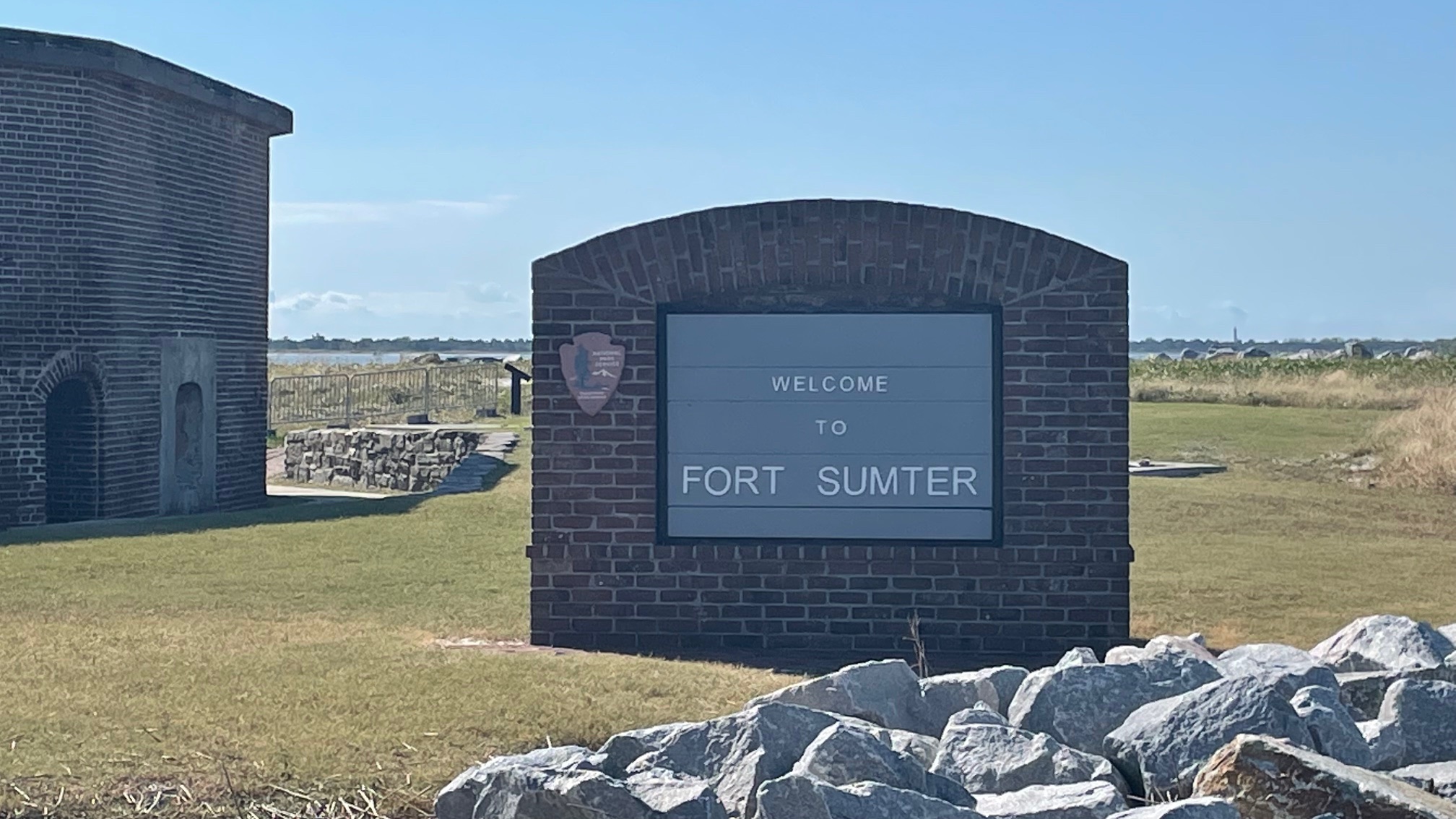
Welcome to Fort Sumter

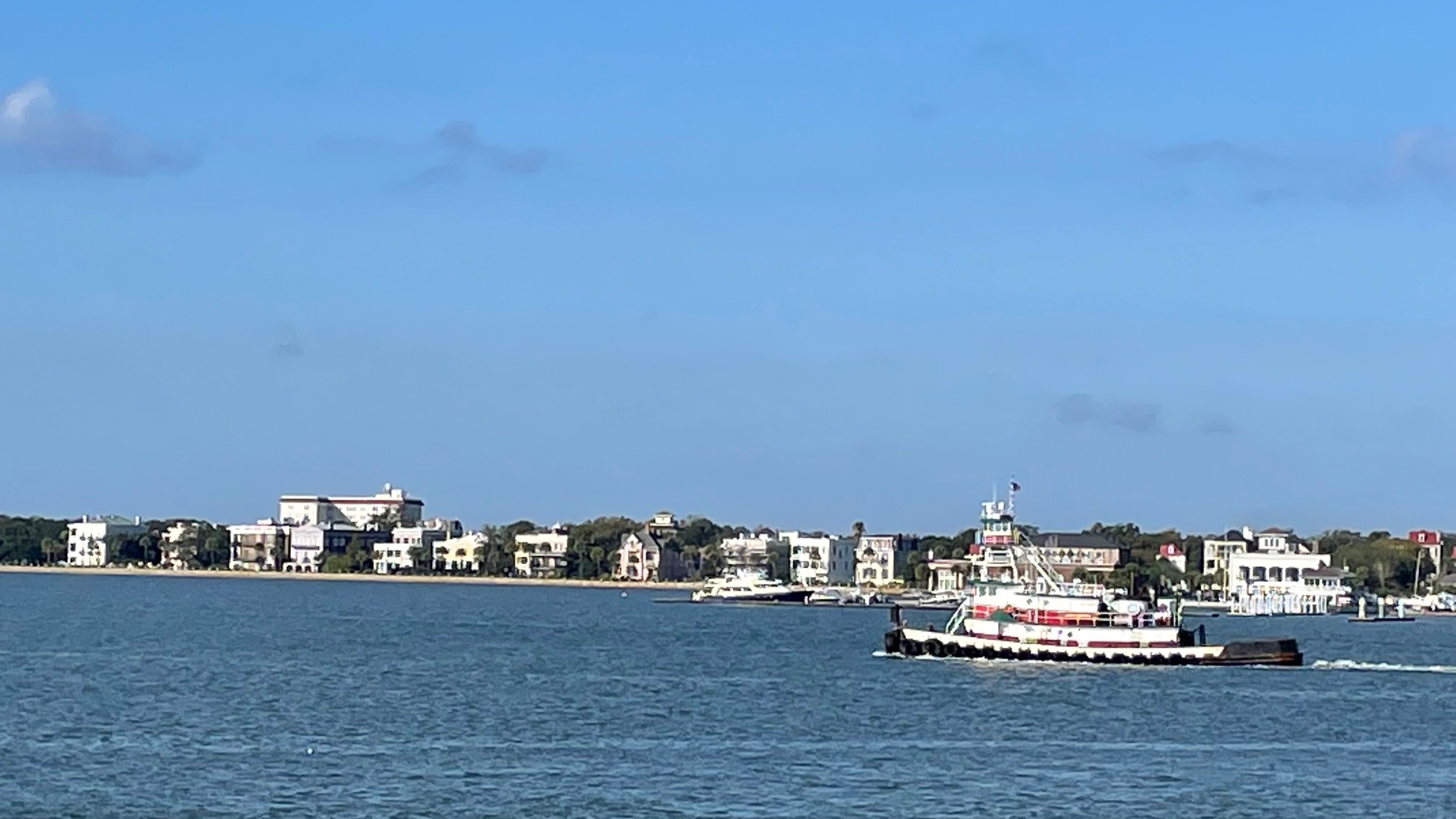
Camera: iPhone 12

Location: Fort Sumter; Charleston, South Carolina

To Write, You Must Observe

“Being a good observer contributes to being a good writer. Taking the time to observe the world around you help to stimulate a good sense of what to write about and what could be put to paper.”

Being a good observer contributes to being a good writer. Taking the time to observe the world around you help to stimulate a good sense of what to write about and what could be put to paper. I find that observing people, animals, or just nature without distractions can stimulate your ability to process possible ideas whether for poetry, stories, or for articles. You can draw both hypotheses and conclusions from you observe the world around you. It allows you to come up with scenarios or storylines just from seeing what’s going on around you.

You can really let your imagination run wild with coming up with fictional events, stories, or essays when you can draw on what you observe. Being observant allows you to think about good ideas for what you would like to write further about or to come up with ways to flesh out a person’s story or history. A good writer can flesh out the details based on what they are observing and create a good story or plot from what they may see out in the world. Being an observer doesn’t have to be a majestic place like from a mountain top or overlooking a lake.

You can make insightful and creative observations just by sitting at your neighborhood café for a few hours or from walking through your local nature park. A simple change of scenery stimulates your mind just from putting yourself in an unfamiliar location. A writer should immerse yourself in different settings and bring a pen and paper or their laptop with them. Having a quiet place to observe is also much better than a noisy place, similar with how a pond or a backyard porch is better for observations to be written down than going to Times Square or Las Vegas to come up with good writing ideas.

I do believe certain places are better for writing down your observations especially if they are quiet and allow you to concentrate more. You’re able to not only come up with story or novel ideas in those places but can write more in-depth about what you’re seeing without being distracted in those crowded, noisier, or places with sensory overload. It is a key part of being a writer to hone your observations as much as possible without overwhelming your senses by trying to observe everything all at once.

It is more productive to focus your observational writing on a particular part of a place or scene rather than trying to make sense of everything going on around you all at once. To develop your creative writing abilities, when making observations, do your best to hone your story idea or your poetry to a specific animal, nature scene, person, or theme. Observational writing can really let you hone your descriptive abilities by letting you expand your vocabulary, develop your chance to set the scene, and use your imagination to create a story out of nothing.

I would also say that being a good observer does not end at fictional scenarios but can help you with your non-fiction writing as you can attend live events like concerts, protests, or speeches, where you can observe the speaker or the attendees and writing about the setting along with the sequence of events that happened from first to last. Observational writing comes in handy when you are a news reporter, journalist, or in forming opinions. Without being able to be at the scene or where something is happening as it happens; you rob your writing from being able to recall in as much detail as what happened and how it happened when you’re not actually there.

Experiencing something virtually or secondhand does not lend the same kind of credibility or have the same kind of feeling as when you’re there in real life when something is happening live. Your observations when writing should be experienced firsthand as much as possible. I’ve found that my own writing about things, places, or events I’ve been to is not as sharp when I wait a few days or a week after to recap what happened and the accuracy is not the same as when you are writing about it as it happens.

If you are looking to improve your writing skills, I recommend sitting yourself somewhere quiet and peaceful where you can make your live observations and develop them if you would like to into poems, stories, or essays to use your imagination. You can really develop your vocabulary, your prose, and your own form of storytelling through making live observations. Good writing tends to come from being a good observer. The more time you can spend in different places observing the world and its inhabitants, your writing is going to improve and will also help you develop your own narratives, settings, and plotlines. Be sure to use your observations to further your writing skills and to take your compilation observational notes to make yourself a better and more complete writer.

You Never Know Until You Ask

“If there is anything I would want to give advice on to anyone trying to get ahead in life or to create something out of nothing, you never know until you ask!”

If there is anything I would want to give advice on to anyone trying to get ahead in life or to create something out of nothing, you never know until you ask! Whether I’m talking about at work, or school, or in relationships, you must be willing to speak up when it comes to creating or seeking new opportunities. Usually, no one is going to hand you anything and you’re going to have work for it but if you don’t seek out possibilities, you’ll never know whether the answer is going to be ‘yes’ or ‘no.’ There’s nothing to lose when it comes to pursuing your goals in life and in putting yourself out there.

As a big fan of popular movies, there is one line from the film, ‘The Departed’, given by actor Jack Nicholson’s character, Frank Costello, a cynical mobster turned FBI informant, about how in life, “no one gives it to you…you have to take it.” While I understand that I’m referring to a mob movie here with horrible people as the main characters, the point still stands that in life, you must go after what you want and assume that no one is going to give it to you. There will be a few times where your work will be rewarded, and you will receive some praise and even adulation for what you did. However, there will also be times where you must apply for that job or university spot, seek out that big promotion, volunteer for that promising opportunity, take the entrance exam, or study that foreign language.

There will always be a 0% chance of something happening for you unless you open your mouth and make the words come out. You give yourself a possible chance just by asking for it (nicely, of course). Whereas before you would have a zero chance because you haven’t sought out the opportunity or made your interest known, now you have anywhere as good from a 1% chance to a 100% chance. Let your resume, repertoire, resilience, and other attributes speak for themselves when other people are evaluating your abilities and qualifications but that only will get you so far if you don’t strike up the courage to ask for it.

Also, do not be discouraged if the answer is ‘no.’ Rejection is going to come more often than being told ‘yes’ and that is going to happen throughout your life. You have to be comfortable with being told ‘no’ and get used to it. Being rejected will only make hearing ‘yes’ that much sweeter and rewarding in the long run. Be bold and be brave but remember to only press the other person or people deciding your offer so far and to thank them for their consideration if that ‘no’ is final. Don’t let it hurt you or get you down but remember to keep pushing forward because eventually, if you work hard, are earnest in your intent, and believe in what you are doing, I do believe you will get to that ‘yes’ you are hoping to hear.

Being able to ask for anything is a key skill and if you propose the question and be comfortable with the answer whatever it may be, you will get far in life. Asking is integral especially for sales if your job entails that, for getting a relationship with the person you love, and for that promotion from your supervisor, who you may have to convince why you deserve it, but you do have to ask for it first. With any kind of result in life, you need to work for it, build your credentials up, and then ask for it. While we would like to think that our life’s work or our past experiences should speak for themselves, often, that will not be enough to get you past the goal line.

If you really want to get ahead and take yourself further with business, work, relationships, or just getting help from a stranger, you got to ask for it. If you take away anything from what I’m telling you is that it is much better to have asked, then not having asked at all. You never know until you make that ask and it’s better than living with the regret of having not asked in the first place. There will be ‘no’s and it will lead to feelings of frustration, disappointment, and even sadness, but you will get to those ‘yes’s if you keep asking, keep trying, and keep doing the best you can in whatever you pursue.

Think also of how we only have one life to live, and I would personally rather live it with no or just a few regrets than having many regrets that take up all my mind space. Get comfortable with asking for what you want in life and don’t apologize for it if it was sincere. I think people will appreciate you going for what you want in the right way and being earnest about it. That kind of sincere approach will also help you get more ‘yes’s than ‘no’s too and help you stand out from other people asking. There is the related popular saying, “you never know until you try”, which I wholeheartedly agree with, especially for children and teenagers. However, when it comes to us in the adult world, the saying I like to leave you with is also true in that “you never know until you ask.”

Combating Alienation and Loneliness in Society

“This is an unfortunate societal transformation that may seem inevitable, but it can be reversed by improving mental health access, building stronger communities, and having better societal outcomes, it is crucial that some solutions are tested and put into place.”

One of the biggest challenges of the 21st century will be focused on how to foster solid connections, friendships, and relationships that are both sustainable and fruitful. Recently, more mainstream attention has been paid to how societies, especially in the Western world, are dealing with a surge in alienation and loneliness. It has caught the attention of politicians, community leaders, and authors who are interested in noting how people are fostering fewer social connections, maintaining fewer friendships, and increasingly living alone. This is an unfortunate societal transformation that may seem inevitable, but it can be reversed by improving mental health access, building stronger communities, and having better societal outcomes, it is crucial that some solutions are tested and put into place.

Traditional means of building strong social connections have been ironically undermined by the rise of social media where people can connect virtually but often, this is difficult to maintain in the real world. You really must make a serious effort these days to build your own friendship and communal networks whereas in previous generations, it was much easier in your small town or village to maintain ties with the local community or religious center, gather at town hall meetings, and be able to know who your neighbor was. It has fallen on the individual person to build their own network, which is often hard to do, especially if you are in a larger town or city, where there are so many people around, yet it may take longer to foster a deeper connection.

Religious places of worship, community centers, social clubs, and communal gathering places have taken a backseat to online social media channels, which while they can bring people together, they tend to be more focused on larger groups and gatherings, which can make it harder to get to know people better. More and more people can do things whether it’s shop, order food, build a business, and learn online, and while that has been transformative in providing greater opportunities and even connected people, I do believe traditional ways to meet people have been on the decline causing a subsequent rise in alienation and loneliness.

While many societal leaders are starting to pick up on this unfortunate phenomenon, it will take a lot of organizing, resources, and cooperation to reverse this trend in the long-term. I am going to propose three ways that by working together in our own towns and cities, we can work to bring people together in a healthy and sustainable way.

  1. Many third spaces outside of home and work have been commoditized in terms of meeting people and it can cause a financial strain on individuals who do not have the means to join an event or a group. I advocate for building and maintaining third spaces that are a public good, maintained and run by community members, and for which are made known to as many of the community as possible through consistent public awareness campaigns.

Each community center would be a good use of taxpayer funds and would be available seven days a week. I discourage the use of membership fees like a YMCA and its offerings would be different depending on the needs or interests of the community. I do think such a third space would allow for peer-to-peer mentoring events, ‘getting to know your neighbor’ dinners or potlucks, and allowing for classes or groups that can discuss financial literacy, cooking, nutrition, and even job searching and networking help to flourish there.

To some degree, these kinds of community centers do exist, but they are limited in scope, often cost fees, and are often hard to reach. These community centers can also take over for dilapidated strip malls, abandoned office buildings, or unused parking lots where the neighboring space can become a public park, playground, an exercise area, or even a fruit / vegetable garden for those people who don’t have access to fresh produce in their neighborhood. A greater long-term challenge is making sure these new kinds of community centers are accessible to all people because not everyone has a car, or a bike, or can walk there. Cities and towns that are designed around the car and where public transportation is hard to use have caused a spike in loneliness, and that is where these community centers can really help fill the gap.

In the long run, it is a crucial and needed change in ensuring that more places, including these community centers, can be accessed by bike, bus, rail, and by foot. The sprawling nature of most American towns and cities has exacerbated the atomization and loneliness issue, which creates a lost opportunity for connections to be fostered. In my view, significant changes to public policy surrounding this issue are unlikely in the near term, but the way we design our communities in the future and emphasizing greater accessibility of free third spaces can really make a dent in our current loneliness predicament.

2. Once you have these community centers in place, you must make sure that there is serious outreach across the town or city in question. I do think there is a current deficit not only in the lack of third spaces, but the ones that exist, few people know about. City, state, and even national governments can and should do a better job reaching out both online and in-person to people, especially if they are living alone, to highlight opportunities in the community to meet others.

When someone is new to a town or city, it would be an excellent idea for a neighbor or a landlord or a town leader to reach out to someone (with their permission, of course) to highlight ways to get involved in their community. Religious centers and places of worship have done this successfully for generations yet in the public sphere, there is a severe dearth of awareness when someone moves to a new town or city regarding which community centers are nearby, what resources are available to learn and to work, and how they can find the resources, the people, or the activities they want to get involved in.

There’s something to be said for the phrase, ‘to hit the ground running’, it can be an anxious, lonely, and often difficult time to make yourself feel at home when you move to a new community or city. I believe if there was a more concentrated and sustained approach to making someone feel welcome regardless of who they are, where they come from, and what their age is, it would really diminish the current loneliness crisis that we find ourselves in as a society. Something as simple as a neighbor, a community leader, or a townsperson, taking the new arrival under their wing, and inviting them to one of the ‘third spaces’ around them, can make a huge difference in that person’s sense of belonging, and even diminish their loneliness. When someone moves to a new town or city, an online community portal and an in-person community hub can go a long way to connect that person to the activities, hobbies, and needs that they are looking to fulfill as they make a life for themselves there.

3. Lastly and most significantly, I believe in volunteering as a time-tested and successful way to both give back to a community and to feel connected to others. Volunteering is not easy to commit to in terms of time and effort, but I believe it is a crucial way to avoid people feeling disconnected or lonely.

It is a positive thing to donate money or resources to a worthwhile charity or organization, but I believe it is even better to spend time with others committing yourself to a good cause at the local, national, or international level. Community hubs, sustained awareness of opportunities near where you live, and being able to find the volunteer work that you are interested in doing can help you find a greater purpose or meaning beyond what you thought was possible.

There is plenty of good work that can be done to revitalize communities and cities in your country and elsewhere. The key is to make sure that as many people are as aware of it as possible. I would argue that one or two years of volunteer service on a local or national scale would make young people more connected and relate more to each other if they were participating in a shared service.

Making a year or two of volunteer service mandatory for young people ages 18-26 would help combat loneliness and alienation among that age demographic and could also be made open to older demographics depending on the interest level. People should feel invested in their communities and where they live. I think that a mandatory volunteer service should be encouraged and if we can provide educational or employment incentives in exchange for the completion of a  national or local volunteer service program such as reduced or free tuition at a higher education institution, I do believe this would not only combat loneliness but encourage new friendships and also build the community hubs, parks, and centers that are currently lacking Being flexible with volunteer service is key especially when it comes to managing educational or employment obligations but offering part-time or weekend options for people can give this kind of initiative a greater chance for success.

If ordinary citizens, especially younger citizens, see that their local and national leadership are aware that there is a loneliness crisis, are actively providing resources to the communities to find possible solutions to this growing problem, and are asking for volunteer help with clear goals in mind on how to better connect people together, we can start to make progress in fixing this issue on a larger scale. If there is a slogan for these three steps to combating alienation and loneliness in society, it would be “we would like to invest more at scale in you and your community, help us to finish the job at hand, and we’ll make sure you receive ten-fold what you put in to helping to move this effort forward.”

People have a strong urge to belong and to be part of a tribe or a group. In our atomized era, it is increasingly harder to find one’s tribe. The causes of this growth in alienation and loneliness are well-known and are well-documented. Personally, I am interested in how best to get out of this hole that collectively, we have dug for ourselves. While some of us have been able to forge our own community, sustain our friendships and relationships, and maintain strong ties to our town or city, there are an increasing number of individuals who feel disconnected and left behind, often through no fault of their own.

I do believe that the three steps I have proposed in this article can make a serious dent in this issue. I hope that there are other numerous ideas out there that will be considered by those with the power and influence to make a difference in how we structure our towns and cities because the sooner we address this problem, the better off we will be as a result. Decades ago, you knew who your tribe or your community was mainly due to family or religious background or just your neighborhood ties, but that is no longer the case for a growing segment of our society.

It is up to us to collectively fill in the gap that these traditional institutions have failed to sustain. I hope that we start to invest more time, money, effort, and attention to solving this issue in the future because it is truly one of the defining issues of our time and regardless of if we are not directly affected by its effects, it is likely that you know of someone or have heard of somebody in your own life who struggles with loneliness. Greater social and communal bonds are crucial to sustain and in these atomized times we’re living through, the more work we do now to diminish this problem, the better off we will all be in the future.

Reading Between The Lines Is A Key Skill

“When you ‘read between the lines’, you understand better what someone means even when they may not be outright saying or expressing it.”

‘Reading Between the Lines’ is a popular expression or phrase that really holds a lot of weight to it when you think of the meaning. When you ‘read between the lines’, you understand better what someone means even when they may not be outright saying or expressing it. Beyond simply verbally conveying their thoughts or feelings, the key ability to perceive how someone really feels through other factors such as their tone, their body language, their interaction(s) with the environment around them, this can really make a difference in how well you read them and what they really mean.

Culturally, indirect speech, behavior, or communication is quite common and what is not said is as important or if not more so important than what is said. You can save yourself a lot of trouble in life by reading between the lines and inferring what is meant or indicated than what is vaguely said or stated to you directly. Maybe you will be able to grasp a basic idea of what someone means through their speech or their mannerisms, but you will often have to look at not just those factors but also the environment for which it was said, the context for which it was given, the body language of the person(s) involved, and the tone of voice that they used to convey the message.

Because of trying to protect sensitivities or not disrupt group harmony or not wanting to ‘rock the boat’, another similar expression, either professionally or personally, you will be asked to read between the lines of what is written and what is said throughout life. Knowing the difference and how to understand what is directly implied to you but indirectly stated will save you a lot of confusion, disappointment, and time above all else. I’ve written before about how important it is to mind your surroundings, and that ties into why it is key to notice the environment you’re in when the speech is given, or where the meeting happens.

Some factors that come into play when it comes to reading between the lines of a speech or a public discourse that is happening, the speaker(s) body language, tone, and whether they are really conveying their true feelings or beliefs in what they are saying. If they are masking what they truly believe or feel, you should be able to pick that up through steady practice. It is not just about the spoken word but also about the written word and this can be crucial when it comes to important legal, medical, or financial documents.

You should constantly be noting the who / when / where / what / why / how of the author and who is the audience they are addressing. It is also necessary to ask are they writing with a specific tone and do they have a personal bias or an agenda that shows through their written piece. It is much easier to read between the lines when you are with that person in the same room and they are speaking to you directly or indirectly in an audience because you can hear the tone, see the body language, and watch their emotional state. It is much harder yet no less important to be able to pick that up through writing whether it is a text message from a friend or a legal contract from a lawyer.

This kind of skill is not taught to many people, but it is a vital skill to have especially when you are trying to tell if someone is being truthful, if they have your best interests at heart, and if they really understand what you are telling them. If you are listening intently, absorbing what you are hearing or reading, and able to come to your own conclusions after putting some thought into it, you will be ahead of other people. Reading between the lines is a skill that takes not only additional concentration but patience as well. You should not be interrupting when you do this verbally, be distracted by another task or person to mix up your attention, really watching the person(s) talking and observing how they act in the environment they’re in, and most importantly, what is your relation to the person, how long have you known them for, and if you know anything about their background for which you can infer something about who they are.

It is easier to know someone’s true thoughts, feelings, or beliefs when you are giving them your undivided attention. You also have an advantage if you know a little bit about them beforehand, their background, what their personality is like, and what their point of view is likely to be based on all those factors. This kind of perspective can make a big difference especially professionally because you’ll know better of who you’re dealing with, where they’re coming from, and what they might be like when they meet and talk with you.

There are going to be crucial points in your life where you’ll need to read between the lines such as during an intense negotiation, dealing with business meetings, and just making sure in your day-to-day life that you’re not being taken advantage of. It can be hard to trust other people at times and you really must screen them hard to see if they are giving you the truth, embellishing a little bit, or outright lying. Being able to read between the lines will not only help with the major events in life but also in small day-to-day interactions as well. Most importantly, if you carry yourself well, give steady eye contact, listen without interrupting, speak clearly and in a steady tone, avoid distractions when you’re reading or listening, you will have a much easier time being able to read people.

You likely won’t be anywhere near 100% successful in thinking you know the person or people you’re reading in terms of body language, behavior, and their actions but you’ll be much better off than before if you at least try. Indirect communication can be a real pain to navigate but it is quite common in our culture and our society. To remedy that, make sure you do your best to read between the lines, make an assessment, and carry forward with the best intentions. I think it is quite likely you’ll be in a better position than you were before by adopting this skill and making it a priority in your life.

What is ‘True Wealth’?

“I believe the key is being able to maximize wealth in both facets as much as possible without sacrificing one or the other too much.”

There is a standard definition of ‘wealth’ as a concept: An abundance of valuable possessions, money, or other resources to the degree that it causes prosperity. However, what is prosperity to you may not be prosperity to others. I like to think of wealth is not an abundance not just of material possessions or of money or of how much you can acquire but also how much you value what inherently belongs to you. What I mean by that is your time, your health, and your freedom. While building wealth is key to having success in life, there are other facets to wealth that we can neglect if you are not careful.

Wealth will come with sacrifices whether it is your time, your freedom, or your health as there are tradeoffs involved. You’ll find that to become more prosperous, you may have to sacrifice time, freedom, or health to build that wealth up whether in the form of money, resources, or material possessions. I believe the key is being able to maximize wealth in both facets as much as possible without sacrificing one or the other too much.

In order to gain more money, you may have to sacrifice your time in the sense that you exchange your time to earn money or you are not as free to do what you want each day because you have to work a job, grow your business, or learn new skills in order to earn the money to become wealthy. The same could be said of your health whereas you may have to sacrifice the time you could use to invest in your own health to build material or resource wealth with the time you put in to earn money or other assets. That time that could be used to be spent at the gym, on a run, going on a hike, or practicing a sport could go to your job or your business or investing into a new asset.

If you can find out what you truly value and what you want to maximize in terms of your wealth, make sure you prioritize it to have true wealth for you. For example, if fancy cars, big houses, and a lot of material possessions appeal to you, maybe you don’t mind putting a lot more time into working for that, putting your health on the backburner, and sacrificing certain freedoms to do what you must instead of what you want to. On the contrary, if you care less about possessions, material wealth, but still want to be comfortable in terms of money or investments, then maybe you can work less, focus on your health and free time more, and exercising more freedoms to do what you want with the extra time you have as a result.

You should decide what kind of wealth is best for you. What truly will make you happy, what you are passionate about in life, and what you want to get most out of life, you’ll be able to build that true wealth. I think the key for anyone is to maximize the 24 hours in a day, 7 days in a week as much as possible. If you can build your wealth passively to get some of your time back, that is a key advantage in my view to having true wealth too. When you can be financially successful by having multiple sources of income, multiple options to build wealth, and with some or a lot of autonomy in your work or business pursuits, that really can be an advantage in not only being successful but happy too.

Wealth is not just about being financially well off but also about being well off in other areas including health, time, and exercising freedom in what you do and how you do it. There is a distinct difference between someone who must rely on others for their wealth building and someone who is able to create their own opportunities or build their own means of wealth in a business, in real estate, or in investments that can create more freedoms rather than slowly eliminate them.

You can have as many possessions as possible, houses, cars, and money in the world but if you have no free time, no health, or no autonomy in what you do or how you earn that wealth, then you may need to reassess if that is the true wealth that you want out of life. I hope that you’ll rethink what wealth means to you because only you can decide what you would like to prioritize as you build it. You must consider that sacrifices will have to be made, that time, money, and health are all commodities that can be saved or lost depending on what you prioritize these days.

I only ask that you realize that having the freedom to do what you want and when you want is underrated. It is a form of wealth within itself along with keeping your health in good shape as long as possible even if you must sacrifice some time or freedom as a result. Consider that you can be very wealthy in the material sense but if you are unhealthy, working all the time, and have to answer to others in order to keep building that wealth, are you truly wealthy or is it only one kind of wealth that you have?

Think about what you are willing to sacrifice, what you are willing to earn, and how to passively build on the wealth you want to earn to save more time and freedoms that can be used for health, time spent with family and/or friends, or enjoying what the world has to offer outside of your own wealth building. Wealth takes many forms as I mentioned so remember that while we often think of money, cars, houses, and other assets, we should remember that wealth can be time spent away from an office to enjoy a vacation, wealth can be an extra hour in the day to use the gym or go for a hike, wealth can be starting businesses that matter to you with hours of work that you set for yourself and only you can hold yourself accountable for. Think about the wealth that you want to build throughout your life and how you want to make it work for you.

The Case Against Hyper-Individualism

“You can be an individualistic person but that does not excuse selfish or amoral behavior at all.”

It is not inherently bad to look out for yourself and your own interests. How many times have you heard that you have to “be a better friend to yourself” or to “take care of yourself?” If you can’t help yourself, then how can you help others out? The key thing to keep in mind with being individualistic is that while it can help you as a person, you should always remember that it does not mean neglecting, hurting, or disadvantaging others in the process. You can be an individualistic person but that does not excuse selfish or amoral behavior at all.

I would argue that hyper-individualism has become more and more common in our society and has led to people being taken advantage of, scammed, lied to, or otherwise mistreated because they had someone take advantage of them because they were acting in their own interest but without regards for others who were affected. If I had to give my own definition of what distinguishes hyper-individualism from individualism is that in the former, you are looking out for yourself only without regards for others or you are looking out for yourself even if it may cause other people to be negatively affected by your focus on individualistic behavior.

While it is okay in my view to strive to achieve your own goals, seek out a better life, find your own path, and to not be dependent on others if you can afford to do so. It is not okay to hurt others in the process by robbing them of their own goals, their own chance at seeking a better life, and even preventing them from building a community where the individual takes a back seat to the interests of a group.

I find that hyper-individualism is similar to a ‘dog eat dog’ kind of world where everybody is on their own all the time, there is limited or no support if you fall on tough times, and where communal living or community-building is sacrificed for individual power seeking, wealth gaining, or prestige building. Caring about oneself alone and not others at all or not caring if your own goals, success, and overall happiness may put others in a bad place can also fall under what hyper individualism would be to me.

I believe that most people cannot be hyper individualistic because since the early days of our species, we could not live on our own without the support of a tribe, group, or a small community. Everybody had their own individual wants, desires, or needs, but we worked together to achieve those needs by catering to our individual strengths. Each person brought something unique or useful to the larger group and that is where individualism can play a healthy role within a community. If you can hunt, you can provide food to yourself, yes, but also to others if you are good at what you do. If you can fish, you can fish enough to help yourself but also for others in the tribe too. The same could be said for cooking, cleaning, protecting livestock, building shelter, etc.

This kind of individualism where we express ourselves in what we do best and how we can contribute meaningfully to a larger group, community, or society helps to make individualism a powerful force, often for good. Where hyper-individualism goes wrong is where you only look out for yourself and don’t share with anybody else or lend a helping hand with your skills and talents. It is not good to hoard or be greedy but that is what hyper individualistic behavior is based around and the disturbing thing to remember is that it seems to be encouraged more and more by our popular culture.

Think about the advertising and marketing messages we often receive: do they cater to your needs or to the needs of a group? When society is largely telling you to constantly be going after the money, the cars, the clothes, and the fancy mansions, this kind of behavior often leads to hyper-individualism. Sadly, we don’t hear about how we can use our skills to help others or to volunteer to use our resources for a shared good or effort. It is up to us to resist hyper individualistic behavior as much as possible.

Hyper-individualism may make that person feel good at first, but it is an empty feeling especially if they are not contributing anything meaningful to the larger society. Yes, you were able to buy a nice car, a flashy television, and an expensive house, but while that’s good for you and your own skills and abilities, is that all there is to your life? For a few of us, maybe that’s good enough, but I believe that we feel happiest and most fulfilled when we not only share our talents with the world, but we use those talents to also better the world in some way.

Individualistic societies and more community-focused societies can both be wealthy, happy, and productive, but if you go to the extremes of individualism or to communism, to state the obvious, societies will often crater in on themselves and cease to function well. I like to think that the best societies in our world are those that recognize, encourage, and foster individual talent but to use that talent to create a better society and to make sure that success while rewarded financially or otherwise, is also meant to help others receive a helping hand up so they too can also succeed and pursue their individual dreams and goals.

My analogy for hyper-individualism is if you’re in a rowboat and you have six people in the boat, and we’re all meant to row to get to the shore. Problems can start to arise when you have five people rowing in sync together and starting to move the boat faster and faster to the shore. However, if that sixth person does not row at all because he or she does not want to or if they want to row back out to sea, all six people as a result are going to suffer together because of that one person’s hyper-individualism.

Think of that rowboat of six people like a society of a million or a billion people. If you have one person or a few people ‘rowing’ against the others and hurting the total society as a result, the problems even a few people can cause would affect everyone in that boat or in the society negatively. Let’s all remember that we all rise or fall together and that while individual success, wealth, and prestige, is admirable to achieve, it is not everything in life and we are judged not just by our own merits but by our character and our values as well in society.

It Feels Good to Do Good

“The good work we do whether it’s volunteering, donating, or contributing to society in our job or a non-paid effort can not only improve the state of the world in a measurable way but also make us feel good in the process.”

It can be disconcerting to make sense of how little is within our control and how much we would like to have the world be different than it is. Whether its politics, culture, the environment, or society in general, our lack of control over these forces that have a massive impact on our lives can be difficult to make sense of. Even when we do our best to make positive change in the world, it may only cause what I have previously referred to as a ‘ripple effect.’ However, we don’t realize that not only does the good we do ripple out in the world in a small yet powerful way, but we become the better for it as a result.

The good work we do whether it’s volunteering, donating, or contributing to society in our job or a non-paid effort can not only improve the state of the world in a measurable way but also make us feel good in the process. Other people in our lives may or may not know about these contributions that we make whether it’s with our physical labor, our financial resources, or just a caring thought or gesture but if we are the ones making the effort, we should take the time to recognize its significance and the beauty of the act itself.

It does not hurt to pat yourself on the back metaphorically for showing up and doing your part. I don’t believe it is egotistical or detrimental to your self-esteem to recognize that you are taking time or money to do something good in the world. While you should not expect others to be so forthcoming in their adulation or praise of what your contribution means, you should feel good about helping others or helping nature or just being kind and caring towards your fellow man or woman.

If you feel like you’re in a rut, I truly believe volunteering some time out of your busy schedule and working towards a goal in that kind of volunteer work can really cheer you up and make you feel a bit better about the world. So much these days is out of our own control in an increasingly technologically driven, lightning-fast world where we do not have as much time to slow down and focus on what really matters, which is to leave the world better than you found it.

The work can be hard, disappointing, and even cause you to question whether it is worth your time or money but hold true to the reason why you got into doing work for the betterment of others in the first place. While it is considered a selfless act to volunteer or to donate or to work for others, do not let yourself forget that it feels good to do good and you’ll often be better off for having done that work even if it was difficult, thankless, or draining to you mentally or physically.

Having that sense of control, to work hard towards a specific goal, and to feel better for having stuck with your good work to its end are all ways that can make us feel good about doing good. People all need to feel that sense of self-worth and to have that self-esteem be boosted a bit and that can come with taking the time or money or both to contribute to the betterment of the world around you. While time and money are precious resources for which we tightly hold onto at times, perhaps too much so, it is without question a good use of time and/or money to help those people out who are less fortunate than you are.

Only you can decide how much of either precious resource, time or money, that you would like to contribute as a volunteer but I promise that whatever you decide to take upon you in terms of doing good, you can guarantee that whatever effort or work you put in will pay you back in the most beautiful way in that sense of satisfaction and contentedness you can get from healing the world or helping a person or contributing to a social cause you care about a lot.

The work involved will be difficult and you will need to put in hours, days, and sometimes months or years to see the fruit of your labor lead to the good you sought to come about as a result. The blood, sweat, and the tears you put in may not seem worth it but if you work in a group or a team with other committed people who care about the same good work that you do, not only will it be easier, but it will be done quicker.

During the good work you do, make sure to keep reminding yourself that results will take time, that you have your goals clearly in mind as to why you’re contributing to do good in the first place, and to remember that you may not get praise from others but that your own satisfaction and happiness from contributing will be most powerful as it comes from within you. We only have so much time to volunteer and to do some good on our own terms so make sure you think deeply about how you want to contribute and why you’re contributing to that cause.

Other people, even friends and family, may question why you are dedicating your time and/or your money to the good work you’re doing, but you do not need their approval to go forward with reaching your goals. You only need to deeply internalize that doing good will make not only you feel good about it but the people or environment or our world, which will be better off as a result. If you have to justify why you did the work you did, don’t look to other people to confirm your righteousness but rather look within yourself in your heart to see what you contributed was needed, that you had the skills or the knowledge to help out, and that the impact you made was measurable and that it could ‘ripple’ out through the society and the entire world.

They Know, They Just Don’t Care

“A lot of personal and professional issues that are unaddressed or dealt with will not go away and will need to be handled. In most cases, the problem or issue will metastasize and becomes even more difficult to resolve.”

The popular adage that goes “the first step to solving a problem is to realize that there is one” is key to recognize in life even if it involves admitting an inconvenient truth. A lot of personal and professional issues that are unaddressed or dealt with will not go away and will need to be handled. In most cases, the problem or issue will metastasize and becomes even more difficult to resolve. On top of that, you’ll often need more manpower, resources, or funds to solve the growing problem when it could have been tackled days, weeks, months, or years ago.

I truly believe that knowing a problem exists and refusing to solve it or letting it fester is worse than when a person is unaware that there is a problem to deal with in the first place. Pleading ignorance when you know the truth but lie to yourself and to other affected problem will lead to a lot of stress and turmoil in the long run. There are numerous ways to describe this kind of mentality but to me, it’s about someone or a group of people knowing that a situation is unsustainable or untenable and refusing to fix it even when it would be the right thing to do.

Acting or admitting fault or an error is never easy but doing so is the first step in actively solving the problem instead of letting it continue. Standing by and not admitting what’s going on is not right or not sustainable will put you on a collision course with a rough ending in most cases. This kind of mentality of “knowing but not caring” can erode trust, relationships, and even ruin people’s lives if it is allowed to go on. In this case, knowledge of a problem and not acting to resolve it can cause a lot of damage in various areas of life. To make this ‘knowing and not caring’ examples of hypothetical professional or personal situations where this kind of attitude would lead to negative consequences, let me discuss two instances where ‘knowing and not acting’ can lead to regrettable events:

Let’s say that someone worked hard to be trained as a lifeguard and was paid to do so by the local city by the beach for the summer season. Many people were trained, funds were spent, and chairs / stations were built. The foundation is strong so that people’s lives can be saved if something bad were to happen and each of the lifeguards were trained in CPR and other first aid tactics in case it is necessary.

Not only are the lifeguards trained in first aid, but they also need to pass swimming tests to qualify for the city’s public beaches as employees. However, since the city’s budget is running a deficit because of improper management and cost overruns, the city council must decide where to cut funding to balance the budget. The folks in charge of the budget knew that the deficit would cause problems when they projected in in the previous years, but nothing was done about it.                                                                                                      

As a result, costs need to be cut by the city so difficult decisions will need to be met. The city needs to keep schools open for some students to receive summer school and must pay the public-school teachers to do so. They also can’t reduce the police or firefighter budget given that the summer season tends to be the busiest for them and they also are guaranteed pensions that are negotiated by the unions.

Sadly, the only way to start to balance the budget is to cut recreational programs including the lifeguards at the beach even after they did the training, and the city spent the money to train them for these jobs. Other recreational programs will need to be cut along with reducing hours for access to public parks and sports courts. Most regrettably, the city council will have to cut access to the public beaches there because they don’t want to take the risk of having liabilities involved of having its citizens swim without lifeguards present. It causes a lot of anger, disappointment with the city’s residents as well as students who were looking forward to swimming, playing on the beach, and seeing friends but since the city can’t afford lifeguards, the public beaches will have to be closed the whole summer season.

While many individuals or one individual in city government would be responsible for seeing where the budget deficit would start to harm the city’s services, but because no one looked hard at how to prevent the deficit from affecting the public recreational programs or saw that cuts would need to be made in a year or two years’ time in other less important areas, the problem was unaddressed. It’s about knowing the problem exists in this case, but doing little or nothing, or ‘passing the buck’ onto someone else in the city’s government rather than working in advance to fixing this issue before people’s lives were affected.

Another potential issue is that it is difficult to keep watch over public beaches 24 hours, 7 days a week. Chances are increasingly high then for an accident to happen where college or high school kids come to the beach even when it’s closed or limited to swim or have a bonfire. Because of their anger, they may end up swimming in defiance or doing something that could put themselves in harm’s way. Not only will the city not have lifeguards there to prevent that from happening, but it’s possible that the city will be blamed or liable for any possible accident or issue with people using the beach illegally because they did not balance the budget in advance.

A potential tragic loss of a life, an accident, or the loss of trust in the city’s government are all regrettable consequences that could be avoided if a group of people or person(s) would do something about the problem when they knew of it rather than letting it grow out of control later. While this is a fictional instance, this kind of regrettable story or event happens a lot in our world and the issue at hand could often be avoided with due diligence, foresight, and good work.

More generally, regarding possible examples of this kind of ‘knowing and not caring’ regarding someone’s personal relations, I believe this could apply to situations when it comes to family members or close friends not helping someone out when they know their beloved family member or friend is going through a tough time. They may know of a problem that person has like an addiction to gambling, drugs, alcohol, or other substances, and believe that only they can help them rather than taking them to a licensed professional or a doctor.

This can also be applied when that person’s addiction is harming their relationships, is getting worse, and tends to cost that personal financially, morally, and in other ways. If the family member(s) or friend(s) don’t address their beloved one’s problems head on and let them continue, that affected person in a personal situation will be more likely to hit ‘rock bottom’ and may not be able to be saved from themselves. When that person is not reigned in and told that they have that problem the family member or friend knows about, then they are doing a real disservice by not helping them get better actively. Letting the addiction or mental health problem continue even when that other person in the relationship or friendship knows it must not go on but won’t take action to resolve it, then that’s a prime example of where ‘knowing and not caring’ enough to solve the problem can really backfire.

Sadly, in most cases, the friend or family member affected may suffer even more from the problem not being fixed or aided by the significant other. They can lose themselves fully to the addiction, end up losing their job, their home, or even their life as a result. Part of being a friend or a family member is to be there when that person needs you the most. They don’t want you to sugar coat things and sometimes, you must give them the ‘tough love’ by telling them the absolute truth and letting them know that they have a problem, but that they are not beyond saving, and that you can go ahead and help them get better. That is the mark of a true friendship and relationship when you know about the other person but also care enough to help them be and get better if necessary.

The world can be a messy and complicated place but the concept of knowing when a problem exists in your personal or professional life and not doing anything about it and trying to find a solution to it is disheartening to me when it does happen. It does happen a lot in life, and I hope that you will be different to act on the problem rather than letting it fester. You may change someone’s life or people’s lives for the better when you know about the problem and address it so the solution can improve lives and make the world a better place through your actions to find solutions rather than let the problems you know about to multiply and grow.