Skills Pay The Bills

“Sadly, that is no longer the case even though some people seem to be blind to this change in our expectations of people’s professional qualifications.”

As you go through your professional and career pursuits, you realize more and more each year the need to continually invest in your skills. It used to be whereas a high school and more recently a college degree would set you on a path for sustained success whatever field you would enter. Sadly, that is no longer the case even though some people seem to be blind to this change in our expectations of people’s professional qualifications.

More than ever, ‘skills pay the bills’ so even though you may be formally educated, it is simply not enough to compete 5-10-20 years down the line. Technology and the world of work continues to rapidly change, whether you wear a blue collar or a white collar, many types of work nowadays ask you to stay up to date with the latest trends, innovations, and developments including new skills you’ll need to succeed.

This is not advice you are likely to hear as much if you’re a young person reading this article or just having been fresh out of college. You must continually be learning as much as you can and as related to your career interests long-term. Unfortunately, I don’t think our traditional education system from K-12 or at the university level have realized this as much yet to provide skills in the trades or in different areas like STEM, project management, cybersecurity, artificial intelligence, cloud computing, etc.

Hopefully, your employer or your university can provide those skills to you as part of your employment or as part of your time as a student but that is not always the case for us. In our working life, you will often have to take the initiative in learning new skills or building upon your current skillsets to pay the bills especially as you get older and move up the career ladder.

They may even pay for training or for your exam and/or course, but if that’s not in the cards, I do recommend seeking out those skillsets on your own that are marketable to add to your repertoire. It may be financially unaffordable or difficult, but I do recommend at least taking a few low-cost courses or no-cost videos to at least learn on your own. We still live in a day and age with seemingly unlimited access to information, whether online, or in your public library to learn new skills. Learning new skills and being certified or credentialed is worth the financial investment as well if you can save up money for it or at least work your way towards accreditation.

It does not hurt to show initiative to ask directly of your boss or other employees about ways to learn from them or see if you can shadow them to learn a new skill. You can also politely let them know the benefits that you could bring to your workplace from them having invested in your new skillsets over time. It may not take much to convince them, and you would be surprised how your argument could change their mind(s) when they realize the benefits to the company or the organization.

Still, if that does not happen, always, always invest in yourself. Jobs may change, bosses will change, but the skills you learn could last for the life of your career. Try out different skills here and there to see how much you want to invest in it financially and time wise. It can take a while to find out which skill(s) you would like to use for a living. I ask that you keep trying out different skills, learn new ones, and do it for yourself first. It is helpful in keeping yourself mentally sharp too because we can tend to stagnate after our formal education is over whether it was high school, college, or even after an advanced degree.

It is great to test ourselves not only in our teens in 20s, but in our 30s, 40s, 50s, and even beyond that. The current job market is not easy as I can tell so you need to keep investing in your skillsets to stand out amongst stiff competition regardless of what career field, you’re in. Please do not let yourself stagnate and rest on your laurels forever. I do agree it is good to take a break from learning here and there to give yourself time to think about what you want to learn.

However, you won’t be as competitive in your career pursuits if you aren’t improving your skills or learning new ones. The economy is so dynamic and changing rapidly due to advancements in different technologies that you constantly need to adapt to keep up with the job market. I barely mentioned the future of work, but I can say for sure that the future of work will go well for those of us who work hard, stay flexible, learn new skills with or without the support of our employers, and for whom of us have an open mind and a thirst for knowledge that cannot ever be quenched. Keep investing in yourself because as the saying goes, “skills pay the bills.”
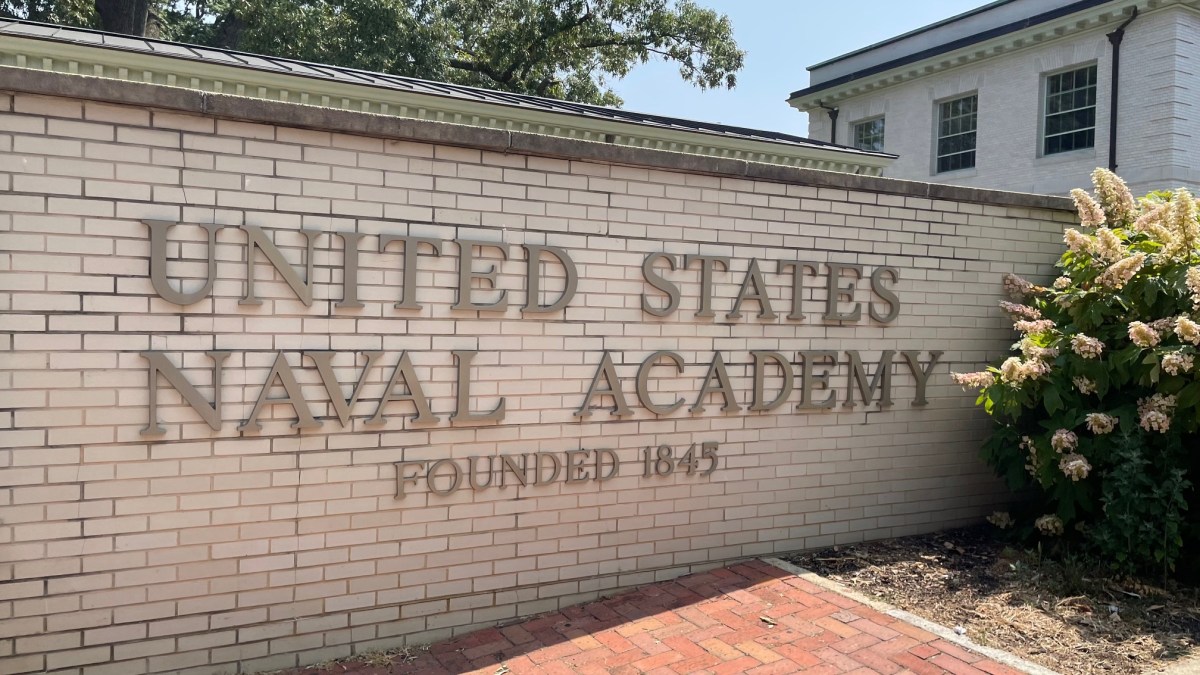
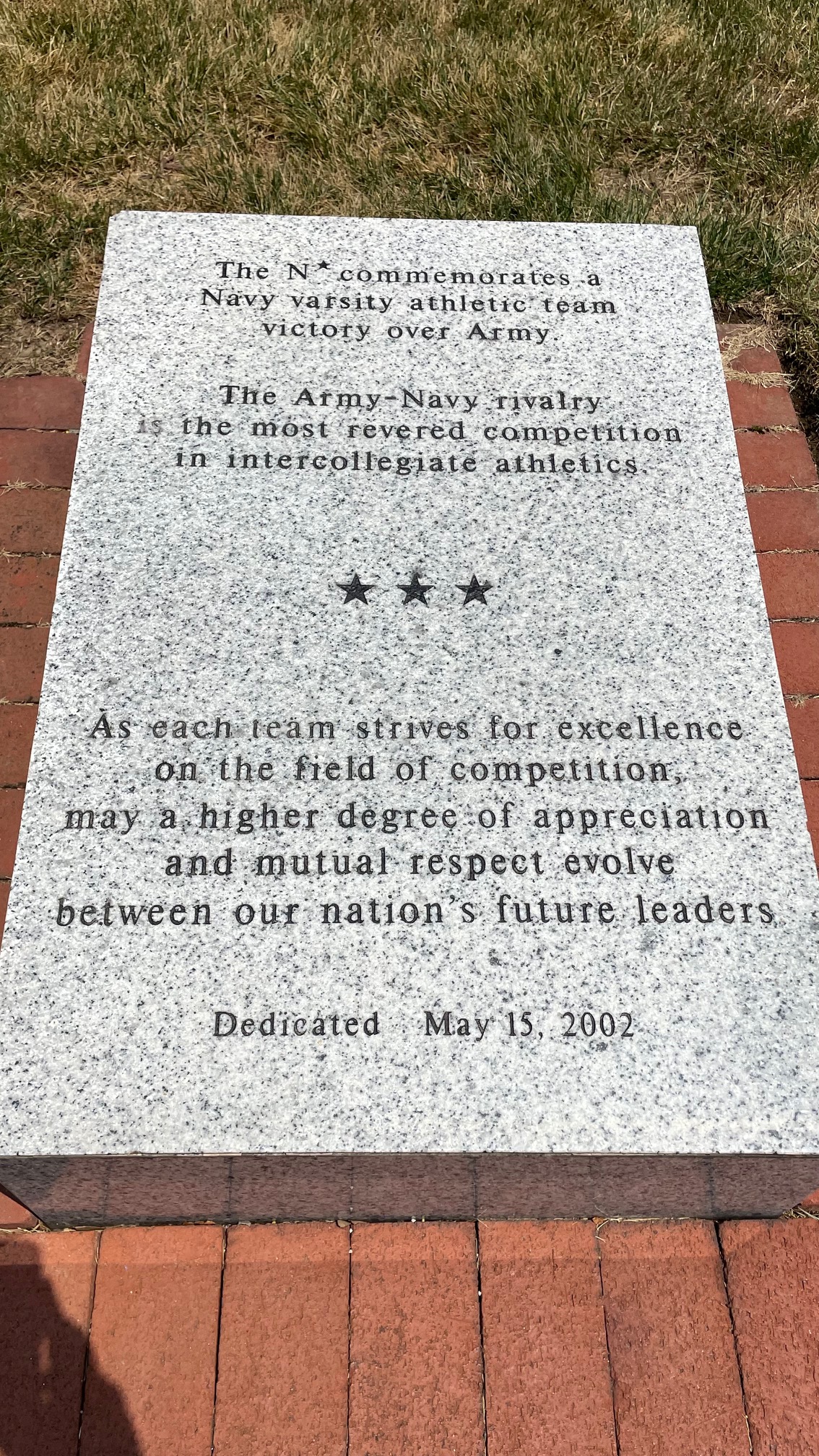
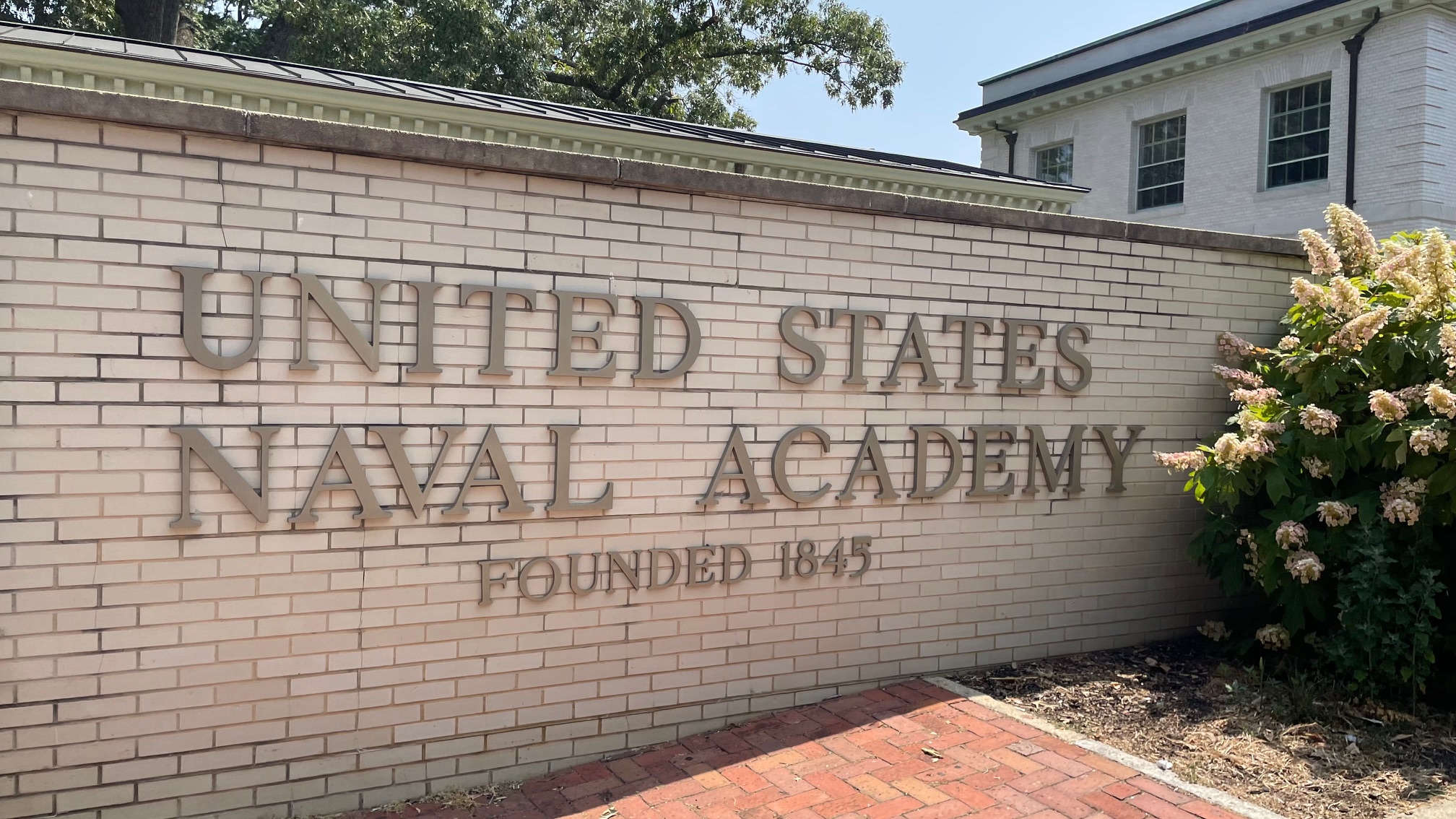
United States Naval Academy

A Visit to the United States Naval Academy in Annapolis, Maryland

Camera: iPhone 12

Locations: United States Naval Academy; Annapolis, Maryland, United States

Getting Good at Asking Questions

“Asking questions is a fundamental life skill that you should always be improving on. You should be able to ask relevant questions without feeling as if you are imposing on someone.”

Asking questions is a fundamental life skill that you should always be improving on. You should be able to ask relevant questions without feeling as if you are imposing on someone. There are limits to how many questions or what kind of questions we can ask but you won’t know if that question will be answered until you ask it. Most of the time, there is no harm in asking someone a question and seeing what the response will be. I find that it’s often better to have posed the question than not to have asked anything at all.

Unfortunately, I would say that a lot of people are afraid of asking any questions at all. They may not want to cause a stir, fear a reprisal, or feel that their ego would be harmed by asking a question. I can sympathize with these concerns but it’s important to make sure that before agreeing to someone, before signing a document, or verifying a statement, that you ask all relevant questions that come to mind.

I would also argue that asking questions is not only necessary professionally but in your personal life. Being able to know more about your friend(s), your family member(s), and even your romantic partner comes down to asking good questions without overdoing it. It is one thing to be able to ask simple questions, but I would encourage you to get good at asking questions by following a few steps before you ask the question of the other person or of a group of people.

  1. As I mentioned earlier, the question should be relevant to the subject(s) that you are talking about. To give a simple example, if you need to ask someone what their plans are job or career-wise, I could ask them, “what would you like work on in the future?” or “where would you like to work in the future?” I wouldn’t say, “what does the future hold?” or “what will you do?”. You must make the sentence a bit more relevant by expressing that you are asking about ‘work’ specifically and highlighting ‘in the future’ to make sure that you are discussing a future opportunity. The other two questions are too general and do not specify enough that this is about a future job or opportunity. You should also make sure your question focuses on ‘your future’ and not ‘the future’ when asking that person. The other question of “what will you do?” has ‘in the future’ missing from the end where it could be more relevant.

2. Not only should questions be as relevant as possible, but you should avoid having them be open-ended. Similarly to not omitting ‘in the future’ from the end of the question, your question should be more concrete and firmer in what you are asking. Instead of asking someone, for example, “Did you tell the truth?”, it’s too open ended compared with, “Did you tell the truth about what happened at the party?” The person you are questioning may feign ignorance about an open-ended question such as not know what ‘truth’ or ‘true statement’ you are referring to. At the end of the question, you should be specific about what the ‘truth’ pertains to such as ‘the party’, that the person you’re questioning was likely at and can tell you more about it. I believe that when it comes to asking questions, they should be relevant but not be open-ended so the other person will not better what you are asking them about and will find it more difficult to feign ignorance. You only may have one chance to ask the relevant person(s) your question(s) so it’s better that they be as a specific as possible and discuss what the person or people should already have some familiarity with.

3. Lastly, when it comes to getting good at asking questions, make sure you are addressing not just ‘what’ and ‘why’ but to get the full context, including all the -wh question words as well as ‘how’ to add on to it. I believe ‘what’ and ‘why’ to be the most important kinds of question words to use in any question. However, I would recommend not neglecting the chance to have follow up questions if feasible. Those follow up questions you ask should include ‘where’, ‘who’, ‘when’, and ‘how.’ You can also include other ways to ask the question such as ‘for what reason _______’ or ‘for what purpose ______’ as questions can begin in English with ‘for’. If you have just one question to ask, ‘why’ followed by ‘what’ can be used almost interchangeably but are most effective in finding out the person’s reasoning or justification regarding the answer.

Don’t repeat the same kind of questions repeatedly. It is important to mix up your questions involving the question words that you use at the start of the sentence. If you can ask multiple questions, make sure you address each relevant question word with the person you’re asking. You’ll find that you will get more information from them and will get better answers by using each question word. Whether it is reason, explanation, justification, or overall rationale in their answer(s), the various question words can be a large difference in the information you receive as a result. If you are going to ask questions, do not make them the same and vary them each chance you get to achieve better results.

Asking good questions is not easy and there is some skill involved. It is better to ask a question than to not have asked one at all if you take the time to practice. You should want to make sure that you are asking questions generally but ones that are relevant, not too open-ended, more specific, and are also varied in how they are phrased. These key steps will set you apart in terms of the kind of answers you may get. If your questions are vague, irrelevant, open-ended, or too generic, you will likely not get the answers you need, and your professional or personal life may not progress as well as a result.

Like any good life skill, asking good questions will take serious time and effort. Make sure to practice what questions you’ll ask someone before stepping in front of them. Take the time to prepare, write down your questions, analyze them for relevance, and practice with a trusted person before stepping up to ask the actual question. You’ll be glad for the practice in doing so and I think you’ll be much better off as a result when ‘question time’ comes around.

Reading Between The Lines Is A Key Skill

“When you ‘read between the lines’, you understand better what someone means even when they may not be outright saying or expressing it.”

‘Reading Between the Lines’ is a popular expression or phrase that really holds a lot of weight to it when you think of the meaning. When you ‘read between the lines’, you understand better what someone means even when they may not be outright saying or expressing it. Beyond simply verbally conveying their thoughts or feelings, the key ability to perceive how someone really feels through other factors such as their tone, their body language, their interaction(s) with the environment around them, this can really make a difference in how well you read them and what they really mean.

Culturally, indirect speech, behavior, or communication is quite common and what is not said is as important or if not more so important than what is said. You can save yourself a lot of trouble in life by reading between the lines and inferring what is meant or indicated than what is vaguely said or stated to you directly. Maybe you will be able to grasp a basic idea of what someone means through their speech or their mannerisms, but you will often have to look at not just those factors but also the environment for which it was said, the context for which it was given, the body language of the person(s) involved, and the tone of voice that they used to convey the message.

Because of trying to protect sensitivities or not disrupt group harmony or not wanting to ‘rock the boat’, another similar expression, either professionally or personally, you will be asked to read between the lines of what is written and what is said throughout life. Knowing the difference and how to understand what is directly implied to you but indirectly stated will save you a lot of confusion, disappointment, and time above all else. I’ve written before about how important it is to mind your surroundings, and that ties into why it is key to notice the environment you’re in when the speech is given, or where the meeting happens.

Some factors that come into play when it comes to reading between the lines of a speech or a public discourse that is happening, the speaker(s) body language, tone, and whether they are really conveying their true feelings or beliefs in what they are saying. If they are masking what they truly believe or feel, you should be able to pick that up through steady practice. It is not just about the spoken word but also about the written word and this can be crucial when it comes to important legal, medical, or financial documents.

You should constantly be noting the who / when / where / what / why / how of the author and who is the audience they are addressing. It is also necessary to ask are they writing with a specific tone and do they have a personal bias or an agenda that shows through their written piece. It is much easier to read between the lines when you are with that person in the same room and they are speaking to you directly or indirectly in an audience because you can hear the tone, see the body language, and watch their emotional state. It is much harder yet no less important to be able to pick that up through writing whether it is a text message from a friend or a legal contract from a lawyer.

This kind of skill is not taught to many people, but it is a vital skill to have especially when you are trying to tell if someone is being truthful, if they have your best interests at heart, and if they really understand what you are telling them. If you are listening intently, absorbing what you are hearing or reading, and able to come to your own conclusions after putting some thought into it, you will be ahead of other people. Reading between the lines is a skill that takes not only additional concentration but patience as well. You should not be interrupting when you do this verbally, be distracted by another task or person to mix up your attention, really watching the person(s) talking and observing how they act in the environment they’re in, and most importantly, what is your relation to the person, how long have you known them for, and if you know anything about their background for which you can infer something about who they are.

It is easier to know someone’s true thoughts, feelings, or beliefs when you are giving them your undivided attention. You also have an advantage if you know a little bit about them beforehand, their background, what their personality is like, and what their point of view is likely to be based on all those factors. This kind of perspective can make a big difference especially professionally because you’ll know better of who you’re dealing with, where they’re coming from, and what they might be like when they meet and talk with you.

There are going to be crucial points in your life where you’ll need to read between the lines such as during an intense negotiation, dealing with business meetings, and just making sure in your day-to-day life that you’re not being taken advantage of. It can be hard to trust other people at times and you really must screen them hard to see if they are giving you the truth, embellishing a little bit, or outright lying. Being able to read between the lines will not only help with the major events in life but also in small day-to-day interactions as well. Most importantly, if you carry yourself well, give steady eye contact, listen without interrupting, speak clearly and in a steady tone, avoid distractions when you’re reading or listening, you will have a much easier time being able to read people.

You likely won’t be anywhere near 100% successful in thinking you know the person or people you’re reading in terms of body language, behavior, and their actions but you’ll be much better off than before if you at least try. Indirect communication can be a real pain to navigate but it is quite common in our culture and our society. To remedy that, make sure you do your best to read between the lines, make an assessment, and carry forward with the best intentions. I think it is quite likely you’ll be in a better position than you were before by adopting this skill and making it a priority in your life.

They Know, They Just Don’t Care

“A lot of personal and professional issues that are unaddressed or dealt with will not go away and will need to be handled. In most cases, the problem or issue will metastasize and becomes even more difficult to resolve.”

The popular adage that goes “the first step to solving a problem is to realize that there is one” is key to recognize in life even if it involves admitting an inconvenient truth. A lot of personal and professional issues that are unaddressed or dealt with will not go away and will need to be handled. In most cases, the problem or issue will metastasize and becomes even more difficult to resolve. On top of that, you’ll often need more manpower, resources, or funds to solve the growing problem when it could have been tackled days, weeks, months, or years ago.

I truly believe that knowing a problem exists and refusing to solve it or letting it fester is worse than when a person is unaware that there is a problem to deal with in the first place. Pleading ignorance when you know the truth but lie to yourself and to other affected problem will lead to a lot of stress and turmoil in the long run. There are numerous ways to describe this kind of mentality but to me, it’s about someone or a group of people knowing that a situation is unsustainable or untenable and refusing to fix it even when it would be the right thing to do.

Acting or admitting fault or an error is never easy but doing so is the first step in actively solving the problem instead of letting it continue. Standing by and not admitting what’s going on is not right or not sustainable will put you on a collision course with a rough ending in most cases. This kind of mentality of “knowing but not caring” can erode trust, relationships, and even ruin people’s lives if it is allowed to go on. In this case, knowledge of a problem and not acting to resolve it can cause a lot of damage in various areas of life. To make this ‘knowing and not caring’ examples of hypothetical professional or personal situations where this kind of attitude would lead to negative consequences, let me discuss two instances where ‘knowing and not acting’ can lead to regrettable events:

Let’s say that someone worked hard to be trained as a lifeguard and was paid to do so by the local city by the beach for the summer season. Many people were trained, funds were spent, and chairs / stations were built. The foundation is strong so that people’s lives can be saved if something bad were to happen and each of the lifeguards were trained in CPR and other first aid tactics in case it is necessary.

Not only are the lifeguards trained in first aid, but they also need to pass swimming tests to qualify for the city’s public beaches as employees. However, since the city’s budget is running a deficit because of improper management and cost overruns, the city council must decide where to cut funding to balance the budget. The folks in charge of the budget knew that the deficit would cause problems when they projected in in the previous years, but nothing was done about it.                                                                                                      

As a result, costs need to be cut by the city so difficult decisions will need to be met. The city needs to keep schools open for some students to receive summer school and must pay the public-school teachers to do so. They also can’t reduce the police or firefighter budget given that the summer season tends to be the busiest for them and they also are guaranteed pensions that are negotiated by the unions.

Sadly, the only way to start to balance the budget is to cut recreational programs including the lifeguards at the beach even after they did the training, and the city spent the money to train them for these jobs. Other recreational programs will need to be cut along with reducing hours for access to public parks and sports courts. Most regrettably, the city council will have to cut access to the public beaches there because they don’t want to take the risk of having liabilities involved of having its citizens swim without lifeguards present. It causes a lot of anger, disappointment with the city’s residents as well as students who were looking forward to swimming, playing on the beach, and seeing friends but since the city can’t afford lifeguards, the public beaches will have to be closed the whole summer season.

While many individuals or one individual in city government would be responsible for seeing where the budget deficit would start to harm the city’s services, but because no one looked hard at how to prevent the deficit from affecting the public recreational programs or saw that cuts would need to be made in a year or two years’ time in other less important areas, the problem was unaddressed. It’s about knowing the problem exists in this case, but doing little or nothing, or ‘passing the buck’ onto someone else in the city’s government rather than working in advance to fixing this issue before people’s lives were affected.

Another potential issue is that it is difficult to keep watch over public beaches 24 hours, 7 days a week. Chances are increasingly high then for an accident to happen where college or high school kids come to the beach even when it’s closed or limited to swim or have a bonfire. Because of their anger, they may end up swimming in defiance or doing something that could put themselves in harm’s way. Not only will the city not have lifeguards there to prevent that from happening, but it’s possible that the city will be blamed or liable for any possible accident or issue with people using the beach illegally because they did not balance the budget in advance.

A potential tragic loss of a life, an accident, or the loss of trust in the city’s government are all regrettable consequences that could be avoided if a group of people or person(s) would do something about the problem when they knew of it rather than letting it grow out of control later. While this is a fictional instance, this kind of regrettable story or event happens a lot in our world and the issue at hand could often be avoided with due diligence, foresight, and good work.

More generally, regarding possible examples of this kind of ‘knowing and not caring’ regarding someone’s personal relations, I believe this could apply to situations when it comes to family members or close friends not helping someone out when they know their beloved family member or friend is going through a tough time. They may know of a problem that person has like an addiction to gambling, drugs, alcohol, or other substances, and believe that only they can help them rather than taking them to a licensed professional or a doctor.

This can also be applied when that person’s addiction is harming their relationships, is getting worse, and tends to cost that personal financially, morally, and in other ways. If the family member(s) or friend(s) don’t address their beloved one’s problems head on and let them continue, that affected person in a personal situation will be more likely to hit ‘rock bottom’ and may not be able to be saved from themselves. When that person is not reigned in and told that they have that problem the family member or friend knows about, then they are doing a real disservice by not helping them get better actively. Letting the addiction or mental health problem continue even when that other person in the relationship or friendship knows it must not go on but won’t take action to resolve it, then that’s a prime example of where ‘knowing and not caring’ enough to solve the problem can really backfire.

Sadly, in most cases, the friend or family member affected may suffer even more from the problem not being fixed or aided by the significant other. They can lose themselves fully to the addiction, end up losing their job, their home, or even their life as a result. Part of being a friend or a family member is to be there when that person needs you the most. They don’t want you to sugar coat things and sometimes, you must give them the ‘tough love’ by telling them the absolute truth and letting them know that they have a problem, but that they are not beyond saving, and that you can go ahead and help them get better. That is the mark of a true friendship and relationship when you know about the other person but also care enough to help them be and get better if necessary.

The world can be a messy and complicated place but the concept of knowing when a problem exists in your personal or professional life and not doing anything about it and trying to find a solution to it is disheartening to me when it does happen. It does happen a lot in life, and I hope that you will be different to act on the problem rather than letting it fester. You may change someone’s life or people’s lives for the better when you know about the problem and address it so the solution can improve lives and make the world a better place through your actions to find solutions rather than let the problems you know about to multiply and grow.

English Corner – Proper Email Etiquette

“In order to write good emails for your professional pursuits or for your career, you need to be able to understand the proper etiquette that comes with this kind of writing.”

Writing cohesive yet concise emails is a key professional trait to be successful at as part of your overall English writing skills. In order to write good emails for your professional pursuits or for your career, you need to be able to understand the proper etiquette that comes with this kind of writing. If you are able to master the etiquette of emails, you will be able to do a good job in working well with others, being cooperative, and being considered a team player.

Without proper etiquette, you are likely to not be taken seriously at your work and you may not be able to have others take the rest of your email as seriously as it should be. Once you have the etiquette down, the content of your email is likely to be read and taken into consideration for whichever subject you are addressing.

The Introduction: Email etiquette starts with the introduction of any email message so if you do not get it right from the beginning, the rest of the email will suffer. I believe it is important to remember that how you introduce your email depends on if you know the person or not. If you do not know the person, you should begin your email with the following: ‘To whom it may concern,’ ‘Dear Sir’ (for a man but without a known name), Dear Madam (for a woman without a name known). These three ways are both formal and proper in terms of addressing someone at work or for business if you do not know who they are.

However, if you do know the person, it is best to address the email as ‘Dear Mr. __________ / Dear Ms. __________’, their last name should always come after Mr. or Mrs. To indicate the formality of the email and the unknown status of the woman’s marital background, it is best to use Ms. or Miss for the woman’s last name rather than assuming that she is married right away.

Lastly, I would refrain of saying ‘hello’, ‘hello there’, ‘hi’ to start off the email if you do not know who it is you are emailing. It is best to instead go with good morning / good afternoon or even good evening depending upon the time of the day that you are emailing for your work. I would say that once you have exchanged an email or two, you can be more informal by starting off your email with Hello ________, Hi __________, or just ‘Dear _________’ as you had for the first email.

Continuing on with the introduction, the first paragraph should begin with Hello and then a few following options below depending upon your preference.

Hello, I hope that this email finds you well, I hope that you are doing well, I hope that you are having a good week, etc.

You can also say the purpose of your email in that first paragraph by stating your clear purpose up front by something like:

            I am emailing you today because _______________.

            The purpose of my email is to __________________.

            I am messaging you today in the hopes that _______.

            This email is to inform you that _________________.

These are all great ways to start off a formal email and to inform your reader quickly what you are messaging them about, and it should be done in the first sentence after your salutation at the beginning. I would keep the overall introduction just two or three sentences and state the main idea of your email quickly and succinctly. You want to make it easy for the professional person or the worker to know what it is you are messaging them about and how does it involve them, all in the introduction paragraph.

The Body Paragraph(s): There is not too much to keep in mind when it comes to formality in body paragraphs but make sure you use formal words like ‘please’, ‘thank you’, ‘if you could’, ‘it would be great if…’, ‘we would be appreciative of…’, etc. The main thing to keep in mind is that you are using sir or ma’am throughout the paragraph(s) and to add in a Mr. ______, Mrs. _________ every now and then. If you need to ask something or request a few items of need, always use ‘please’ and ‘thank you’ for any major thing that you are asking for business purposes.

In order to make the email a two-way exchange, relay what you are planning to do in response to make sure that the business relationship or the exchange of information goes smoothly. Beyond the purpose of the email outlined in the introduction, you should add the supplementary details beyond the ‘ask’ or the ‘request’ in the body paragraph(s). Towards the end of the body, make sure you list a timetable for when you might need a reply back and who else you may have CC’d or added on to the email who is pertinent to the message.

While not the main focus of email etiquette, you should be using formal vocabulary throughout this part of the email and don’t forget to use ‘could’, ‘would’, ‘when’, instead of insisting with ‘you need’, ‘you will’, which is not polite at all. Any request in the email should be made with the possibility that the person may say ‘no’ to you and you should be ready to hear that kind of answer but it can help your chances of success when you are polite not just in the introduction but throughout the heart of the email as well.

The Conclusion: The most important thing to keep in mind when it comes to email etiquette in this part is to thank them above all else for their time and their attention to your message. Whatever the ask was in the body paragraph, you should thank them formally for their consideration and that you hope to hear from them soon.

You also want to say that you hope to stay in touch and to leave your contact information with them including your work phone, your best email address, and what time(s) of the day are best to be reached. It does not hurt to also say that you are hoping that they are doing well or if it’s a Friday, ‘to wish them a good weekend’, if you are writing the email before a holiday, it’s nice to also ‘wish them a good holiday’ but only best to do so when it’s a non-religious holiday rather than assume they are of a certain religion, of course.

To end the formal email on a good note, you should sign off with one of these options, which are both formal in nature and also really considerate to other people. Depending upon your preference, any of these options would be fine. It is also key to remember that you put a comma after any of these closing salutations and then write or sign your full name below it so they know who sent the email and who is making the request(s).

The following closings are good ways to end the email according to proper etiquette:

-‘Best,’

-‘Sincerely,’

-‘Warm Regards’,

-‘Kind Regards’,

-‘Regards,’

-‘Best Wishes’,

-‘Warm Wishes’,

‘Thank you,’

‘With gratitude’,

-‘Many thanks,’

The one closing that I would not endorse for a formal email of this nature is ‘much appreciated,’ because it is a little too informal in its vocabulary and would best be used instead with close friends or family members or for a business connection whom you already know very well.

After having the etiquette down well, you will be able to draft much better business or career-related emails because not only will your vocabulary improve but also your understanding of the English-speaking business culture. This kind of email writing takes time and practice but if you are willing to learn from others, practice a lot, and make a few mistakes every now and then, you will definitely be benefitting in your business or career after some time. There are clear differences between formal emails and informal emails and the etiquette that each kind of email shows makes all of the differences known. In order to write a complete email of a formal nature, you have to use etiquette properly not just for the introduction but also for all of the body paragraphs and for the conclusion as well.

From the opening salutation to the closing wish, your email etiquette must be consistent and clear for whoever is reading it. Be sure to use your best judgment, edit it before sending, and be patient in waiting for a reply. Do not be afraid to make a few mistakes because emails are sometimes hastily written, and you may fudge a word or two but that should not stop you from forgetting your overall etiquette with that person with whom you are corresponding. Writing the first draft of any email is the hardest part but once you got that part down, you will be well on your way to becoming a great English email writer.

English Corner – The Basics of Business

“However, as you get older and you advance in your career or your business pursuits, you may find it to your advantage to know the basics of business English. In addition to the vocabulary and the grammar, you need to be aware of the major steps before you can advance in your position.”

It is likely that you will want to improve your English for purely professional reasons at some point. If that’s not you, then this blog post will not apply to you. However, as you get older and you advance in your career or your business pursuits, you may find it to your advantage to know the basics of business English. In addition to the vocabulary and the grammar, you need to be aware of the major steps before you can advance in your position. I cover a number of these topics in both Business English private lessons and also in an online course specifically for this subject.

For this article, I am going to focus only on the basics of business English and how to get your foot in the door to give yourself a chance to either get hired, get promoted or at least feel more comfortable using your English skills in a professional setting. I am not going to make a huge list of items for you to accomplish but rather give five pieces of general advice for you to get started in this niche part of the language. If you can get these five tidbits down in terms of remembering and utilizing them, you should have no problem getting to the intermediate or advanced topics within the business English curriculum, which is covered in both private lessons and an online course.

Let’s start with the most obvious point and then become more and more obscure from point #1 to #5. Some of these points of advice will seem obvious to you and I hope that others will make you think of your own approach and how it could be improved. I believe you will find these five pieces of advice useful to get you started with Business English and to keep you learning these kinds of topics into the future.

  1. Network, Network, and Network Some More: Networking and connecting with others is the key place to start when it comes to getting started with developing your business English skills. Networking is the foundation for doing the most amount of business and it can take various forms. When you’re emailing, you’re networking. When you’re at an event meeting people and practicing your English, you’re networking. When you’re calling potential partners or future customers over the phone, that too is a form of networking.

The biggest skill you’ll need to develop and hone for the English-speaking business world will be to become a good networker in a non-native language. There is no better test for your speaking, writing, listening, and reading skills then to put yourself out there and network with others who are also English speakers, native or otherwise. Networking also takes a serious amount of effort so make sure you put in the time to practice whether it is for writing e-mails, developing your business cards, or remembering to show up for events.

2. Remember the Small Details: In business, you not only have to remember the big details whether its’ for a project, a trip, or a presentation but it’s even more important to be aware of the small details. Mastering the small, insignificant details can make the difference between a successful business deal or an absolute disaster. What are the small details? Well, they could be a number of things. I like to think of them as peoples’ names, technical details, the times and dates of meetings, and staying on top of your tasks each and every day.

Preventing yourself from slacking off or getting complacent falls under this category of remembering the small details. You may think that names, dates, or the technical details are not important but if you forget or you neglect them, something is likely to blow up in your face. You may also hurt someone’s feelings or cause someone else to feel overwhelmed when you make little mistakes. In business, even small issues can become big issues, so it is better to strive to be a perfectionist than to let the small things slide. It does not mean obsessing over every little thing, but it means treating every part of a task the same and not slack off when something does not interest you because it could mean you making more careless errors. The little details can also make you stand out in a good way when you remember them and earn you greater respect and comradery at your work when you don’t make those careless errors too.

3. Put in The Extra Time: Similar to the Art of Networking extensively when you are starting out in business, putting in overtime to network or to get some extra work done or to put more effort on a project can develop your business acumen a lot quicker. Being a reliable and hard worker on a team can make up for your lack of knowledge in certain areas of the target language like English. However, you should be willing to put in extra time to study and work on the English skills needed to develop your proficiency in business, regardless of what type of business vocabulary and grammar you need.

You will need more than just the normal eight or nine hours doing your job but to develop your English level for business, you’ll need to be studying and practicing an hour per night to get really good at the English needed for your career.For this practice, you will need to mix it up with speaking practice, writing for potential work projects, and listening to other native speakers and seeing if you understand what they are telling you. Extra time not just for your job but also for your business English needs will set you apart if you are willing to put the effort in on a consistent basis over weeks or months in order to move ahead in your career.

4. Mastering Pleasantries: No business can be done without the correct way of speaking to both colleagues, potential partners and your superiors. You have to know how to talk to and interact with each type of person in your office or in your company. This involves studying pleasantries and the different vocabulary words that these conversations involve. There are different formalities and informalities involved when you’re talking with others professional depending on who they are. How you talk to your boss is different to how you talk to your intern who is in college.

Being proficient in business English means being able to have both productive and appropriate conversations with people from the higher ups to the new folks who just arrived. Greetings and goodbyes as well as making small talk are all important aspects of successfully doing business. Any good businessperson also is well versed in cross-cultural communication especially through the medium of a global language like English. Most of business is done over lunch, dinner, or an adult beverage.In order to have productive conversations, it starts with knowing how to address people in your own company and in other companies. It all starts with mastering pleasantries and then you can keep practicing mastering the entire conversation later on.

5. Know Who You Are (Background and Experience): Before you can begin to write about yourself let alone develop your professional resume (CV) and cover letter, you have to be able to know who you are. Knowing who are you means knowing how to write about yourself without bragging too much or boasting of things you did not do. You have to be aware of both your strengths and your weaknesses. You also should know what your skills are and what you still need to learn about. This trait of business involves having self-awareness and giving a fairly accurate perception of who you are professionally to other people.

Before you develop a resume, a cover letter, or even a short writing sample, it’s important that you firstly recounter your professional background up to this point where you start writing out everything in English. You’ll need to be aware of how to tie all of your professional experiences together, come up with a longer ‘pitch’ of what you bring to the table and how a company or business would benefit from you being there. Lastly, it’s key to brainstorm about your experiences, your career goals, and what your professional profile would be before you start putting pen to paper. This fifth basic trait may be the hardest to pull off but if you are to become comfortable using English for business purposes, you need to know who you are as a professional and about what you offer before you start jotting it all down.

These five basics of business for English may seem untraditional but you have to know how to walk before you can run, or you have to know how to network before you can sign the big deal for your firm. Your English skills for business have to master pleasantries, networking, and brainstorming before you can master presentations, deal making, or writing a formal cover letter. Taking these five basics seriously and getting them down first will not only make you a better English learner but you’ll also generally become a better businessman or businesswoman for having taken these bits of advice into consideration and acting on them to improve professional.

Once you have the basics down, let me know if you would be interested in a private Business English lesson or in enrolling in a Business English course to take your language skills in this area to a higher level. The sooner that you get started, the quicker you can advance in your career pursuits!

English Corner – Creating a Resume

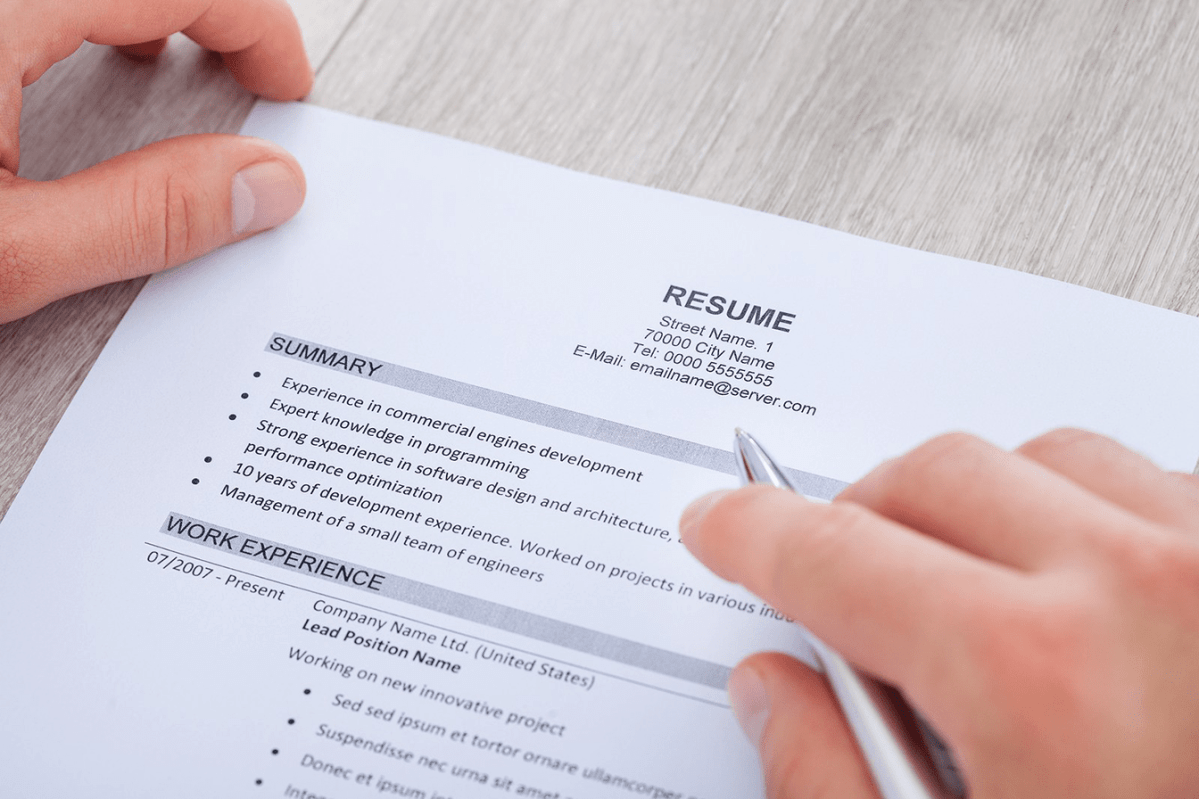
What is a resume? To sum it up, it is the backbone of your professional background and experience summed up in a one or two-page document which you will be showcasing to potential employers and/or co-workers. It is not the sum total of who you are as a person but rather who you are as a worker and what professional skills you have to offer and to whom your skills would be useful for. In order to get a better job, to get a better salary, or to get that promotion to take the next step in your career, a good resume could make the difference between a ‘yes’ or a ‘no’ answer when it comes to you getting that employment opportunity.

The resume is how you showcase yourself to the professional world and let companies and organizations know what your value would be to them. It’s a document that is the heart of your application, but it’s not the only piece of the puzzle to getting a job. The ideal resume by U.S. standards is 1 to 2 pages length and nothing longer than that. The CV (Curriculum Vitae) is different from a resume.

Again, a resume should highlight your professional experience, educational background, job skills and knowledge, and your technical capabilities. You can create different resumes depending upon the job you’re applying to especially if you can only highlight certain previous work experiences. Without the interview or direct networking, the resume and the cover letter, if requested, are the only ways that you will be able to reach potential employers.

It’s a summation of who you are professionally, what you can offer in business, and should showcase your work effort and drive. It is also a great way for employers to verify that you are qualified for the job opening and that you would be an asset to them rather than a liability.

Compared to less qualified candidates, if your resume looks good on paper, you’ll be able to stand out for a potential interview when your qualifications are better than the other applicants.

When you first beginning writing out your resume, you are going to want to make sure to use action words to highlight those professional experiences and your previous accomplishments you’ve had as well. These actions words should not be the same each sentence and you should never repeat the same one more than once. Also, it is important to use the present tense or past tense correctly based upon if you are still doing the same job or if it was done previously and that you are no longer there.

There are hundreds of action words in the English language and learning a good amount of them is a great way to ensure that you have a good resume. In order to keep the interviewer interested, you do not want to repeat the same action word twice or three times so be sure to do your best to learn as many as you can and know what the meaning of those words are too.

Your action word is a key component of making the resume look legitimate to the reader. The action word should always go at the beginning of the sentence (i.e. next to the bullet point) during the ‘work experience’ part of the resume. If you are currently working at a job but are applying to change to a new job, the action word must be in the present tense. However, if you are writing about previous work experience in your resume, your action words should be in the past tense. Without using action words, your resume won’t look as persuasive or as actionable as it could be otherwise. Your employer will want to know what you bring to the table based on your past work experiences.

Here is a list of good action words you can use in your resume if they apply to what your profession does, it is a small sample list but includes many words that commonly come up in professional resumes and accurately depict what some jobs do:

  • assemble
  • assist
  • build
  • cook
  • drive
  • fly
  • operate
  • program
  • repair
  • sell
  • sew
  • supervise
  • translate

Action Word – Sentence Examples

  • Assemble the cars in the manufacturing plant before they can be inspected.
  • Assembled over 10,000 cars in the manufacturing plant before they were inspected.
  • Cook meals that were prepared by hand without any outside training.
  • Cooked dozens of meals per day that were prepared by hand without any outside training.
  • Lead a Sales team of five people to sell medical device products to clients.
  • Led a Sales team of five people in selling hundreds of medical device products to clients in biomedical industry.
  • Develop software products to make it easier for customers to order their groceries online.
  • Developed ten different software products that made it easier for customers to order their groceries online.

In the introduction of a resume, you will want to be able to do many things well to set it up on sound footing before getting to the heart of your resume by introducing yourself and your current skillset. You will want to have a statement of one to two sentences discussing who you are and what you can offer to the employer. It’s basically a summary of your resume and a short summary of what your professional skillset is.

“My name is John Anderson and I have over 10 years of experience in digital marketing focusing on SEO, social media, and advertising campaigns. I am a dependable, hard-working, and motivated individual looking to expand my knowledge and expertise.”

Remember to include at the top of your resume your full name, address, e-mail address, and cell phone number so the employer may be able to contact you.

Headline Example:

John Doe

22 Winston Way, Toronto, Canada 24589

   John.Doe@gmail.com

                                                  +( ) (   ) (   ) (    ) –> Phone Number

 The body part of your resume should focus on two major parts: your professional experiences as well as your educational background. At the top of your resume, you’ve introduced yourself and your professional profile but now you want to go more into detail.

Make sure to include relevant bullet points regarding actions you undertook in each of your previous jobs as well as what goals you were able to accomplish. Remember to write in complete sentences and use a timeline in chronological order from most recent to furthest away in terms of commitment.

For example: Bachelor of Arts Degree, Stanford University; Biochemistry (Major), Physics (Minor). 2011 – 2015.

In the conclusion, you want to highlight what your area of expertise is. You want to leave the reader aware of what kind of professional abilities, skills, and technical capabilities you have. Also, if you have any awards or earned any professional honors, you will want to list them in chronological order from most recent to furthest in the past.

If your work has been published or if you have any items in your professional portfolio, you’ll want to highlight the title of these articles as well as for which publication they were featured in. Depending upon what kind of employer you are focusing on, it’s sometimes beneficial to list what kind of hobbies and interests you have even if they are not professionally related. Regarding coding or foreign languages, you should highlight by the end of your resume which languages you know whether its Python (coding) or Spanish (foreign language) to stand out from the competition.

With a great resume, you will have a much better chance of landing that dream job. While it is not guaranteed, if you can explain yourself well professionally with good vocabulary with the correct action words as well as few or no grammatical errors, it’s likely you will be called in for an interview or be able to take that pivotal next step towards landing your next employment opportunity.

English Corner – Creating a Cover Letter

What is a cover letter? Why is it important for an English learner to know about it and also how to create a good one? Well, a good cover letter can make the difference between landing that dream job or hitting refresh on the search results again to find the next job opportunity. Your experience and your professional background need to be succinct and summed up in a well-written way and the cover letter is your best way of doing that. It is an excellent way in which for you to improve your English writing skills and to prove that you can handle your future job’s writing components which there is likely to be many of them since you are a worker during an age of e-mails, 24 hour communications, and instant messaging services.

A cover letter is an opportunity for you to go into more detail about yourself and your experience(s) and background, both professionally and personally. However, your cover letter should focus on the job you are applying for as well as why you are interested in the particular company that you intend to work for. Your cover letter should be a balance of who you are as a professional, what you can offer for the job you’re applying to, and what your interest in the company is. It’s a balancing act between these two objectives and you should remember to personalize your cover letter depending on where you are applying to.

You may be asking yourself as you read this blog post: Why do I need a cover letter and what benefit(s) do I get from creating a worthwhile one? Well, there are a number of reasons for it which I will list below but be sure to note that it’s more than just a chance to land a good job but it’s a chance for yourself to become a better writer and know how to sell your abilities and skills.

Your cover letter is different from the resume in that it allows you to go more in-depth about yourself and why you’re a good fit for the job. Instead of short bullet points, you can highlight your experiences in broader detail. Employers will also expect why you would like to work for their company and how your skills line up with their requirements. It’s a chance to tell your story to them while interweaving how their company or organization aligns with your professional goals. In addition, you have the ability to showcase how good of a writer you are because the cover letter is more grammatically, and vocabulary focused than your resume.

Action words will make up a large component of your cover letter’s sentences so please be sure to put these verbs to good use. Here below are just a sampling of them listed below but remember that there are hundreds that can be used within the context of a regular cover letter. Try not to repeat yourself too much and to keep your usage of action words fresh and consistent throughout the letter.

Sample Action Words

  • Activate
  • Compose
  • Communicate
  • Develop
  • Direct
  • Manage
  • Organize
  • Review
  • Systemize
  • Test
  • Verify
  • Value

Note: Remember to add –d or –ed to the end of the action verb if using it for the past tense.

In addition, you have to be able to choose and use some phrases and sentences that will come in handy either at the beginning or end of the cover letter so that you will come off as being both professional and serious. You do not have to use all of them but there are a number of them that are cordial in nature that a potential employer will expect from you to see when they read it during their evaluation.

Here are some key useful phrases/sentences that you can use for your average cover letter:

  • Dear Sir or Madam…
  • I am applying for this ________________ opening with _______________ for the purpose of __________________________________.
  • This job appeals to me because ________________________.
  • Your company / organization / firm is my top choice because ____________________________________.
  • I believe that I offer a lot to this position based on my skills and qualifications.
  • For example, last year, I was tasked with ____________________________________ and I was able to help by ______________________________________.
  • Please do not hesitate to let me know if you have any questions or comments about my application.
  • Thank you for your consideration of my application for this _________________ position with ________________ and I look forward to hearing from someone soon.
  • Sincerely, __________________ (Your Name).

To give you reading at home a better idea of what the content and the structure of a cover letter looks like, I have included two sample cover letter excerpts that will show you how it can be written and what to write about potentially if you are still struggling for ideas as to how the cover letter should be shaping up.

Sample Cover Letter Excerpts

  • “I have over five years of management experience and led my team of software developers to develop a successful mobile application. This mobile application was instrumental in connecting doctors with patients in an online booking system that took out the middle man from participating in this previously onerous process.”
  • “I believe your company, Syntax Inc., has been successful in implementing various infrastructure projects related to bridges and tunnels throughout the Middle East. These kind of projects are related to what I hope to do with my career and I think that this work is very important to the future.”

Remember that you should know who your audience is and tailor your phrases to reflect who you are writing the cover letter for. Always use formal language such as sir, madam, sincerely, respectfully, please, thank you, etc. Go into detail about the job you are applying for and give different reasons on what you bring to the table for the position opening. Structure the cover letter into multiple paragraphs with an introduction, body paragraph(s), and a conclusion. The cover letter is a formal piece of writing so it should be structured as a formal letter whereas a resume is less substantive and more general.

In the introduction of the cover letter, remember to always put your full name, your current mailing address, your cell phone number, and your e-mail address at the header of the cover letter. The date at which you are sending out the cover letter should go next in the left hand part of the cover letter below your header. Then, you should begin the cover letter with “Dear Sir or Madam..” or “To Whom It May Concern”, or “Dear Mr. or Mrs. ________” if you know who specifically the cover letter should be addressed to. The introduction should be a paragraph or two focusing on what position you are applying to, the company associated with the position, and for which reasons you are applying for this specific position. You can also add the person or place that referred you to this job application especially if the person works for the company you’re applying to.

The body paragraph(s) of the cover letter should be a few paragraphs in total length but not be too lengthy or repetitive. Each paragraph should cover a different part of your professional or educational background and highlight what these experiences meant to you and what skills you developed. You should give a few examples of where you showed leadership, where you completed a successful project, and what you took from the experience. Do remember to not discuss every professional experience or educational program you’ve gone to but instead highlight the relevant ones related to the job application in question. Always use complete sentences for this part of the cover letter and check it over for grammatical coherence and correct vocabulary usage.

When it comes to a cover letter’s conclusion, you’ll want to re-state again why you are applying to this particular position and company. Discuss which characteristics, skills, and personal traits you have that will make you stand out as a job candidate. The conclusion of your cover letter should indicate gratitude and thankfulness for being able to apply and that you hope to hear back soon from the employer. Sign off with a salutation such as Sincerely, Best regards, Warm regards, Best wishes, Cordially, etc. and re-state your full name at the end of the cover letter. Don’t be too presumptuous that you will land the position but let your experiences, skills, and qualifications speak for themselves.

Your cover letter is what you make of it really and if you want the job bad enough, it will come through in your writing and in your sincerity. The point of becoming a better English learner is to put yourself to the test and to make the most of your abilities in this language and developing a good cover letter is a great way to do that. If you follow this advice, practice until there are few if no mistakes at all, and revise multiple times what you have written, you will be well on your way to having better success in your professional career in the English-speaking world.