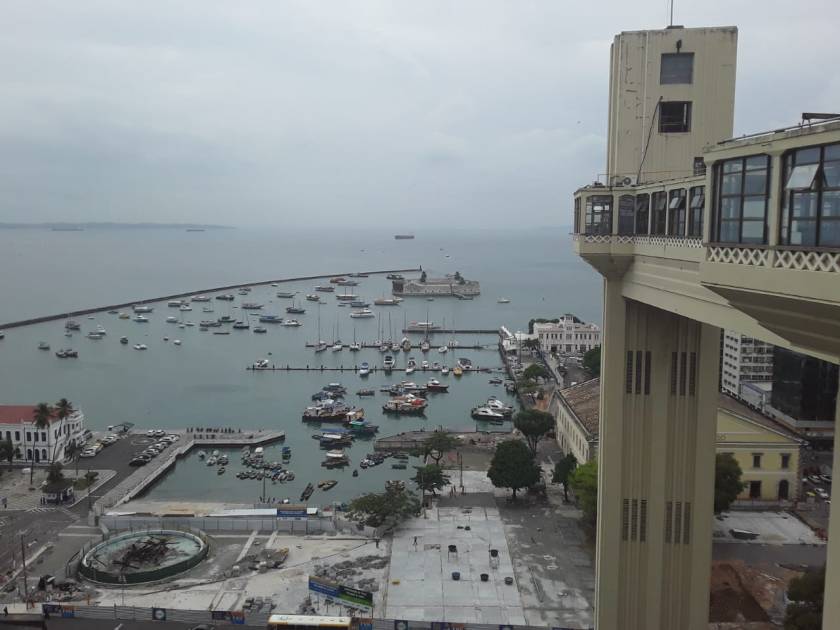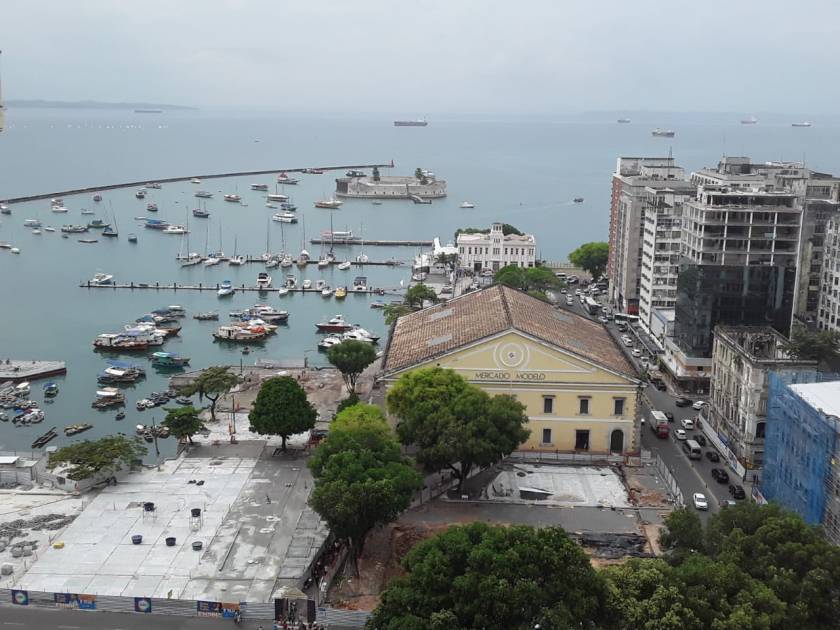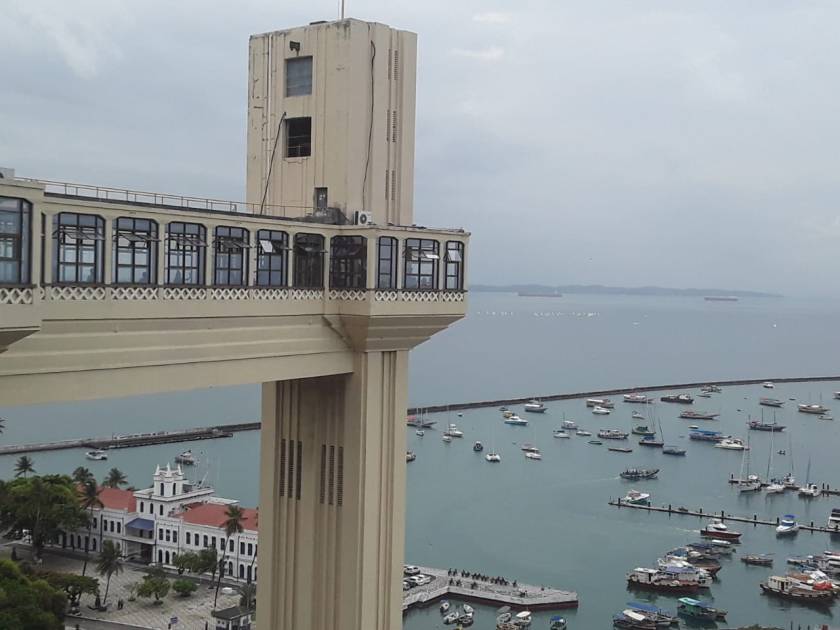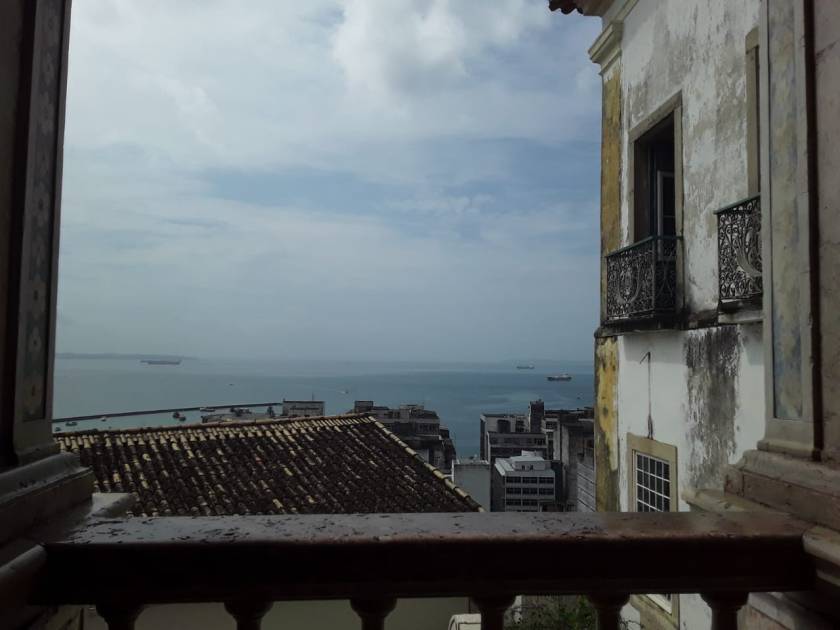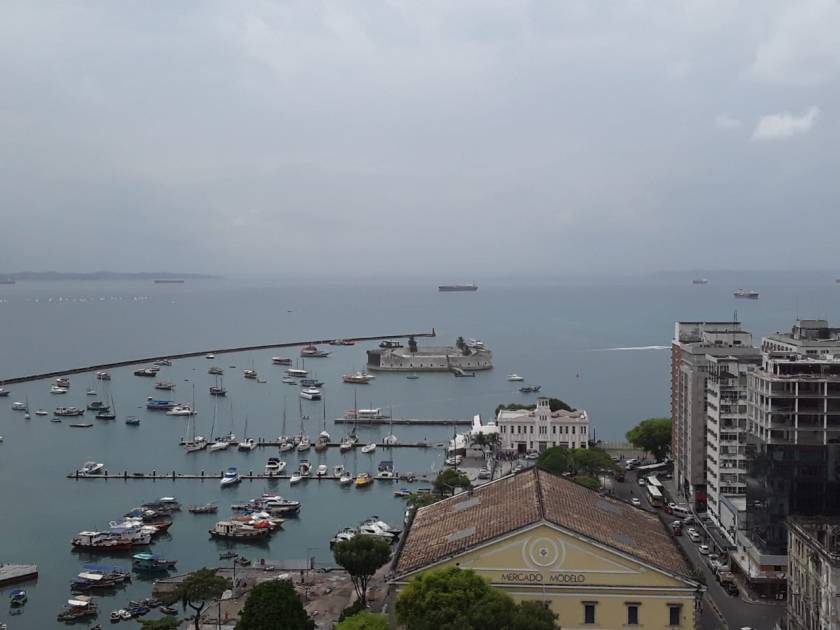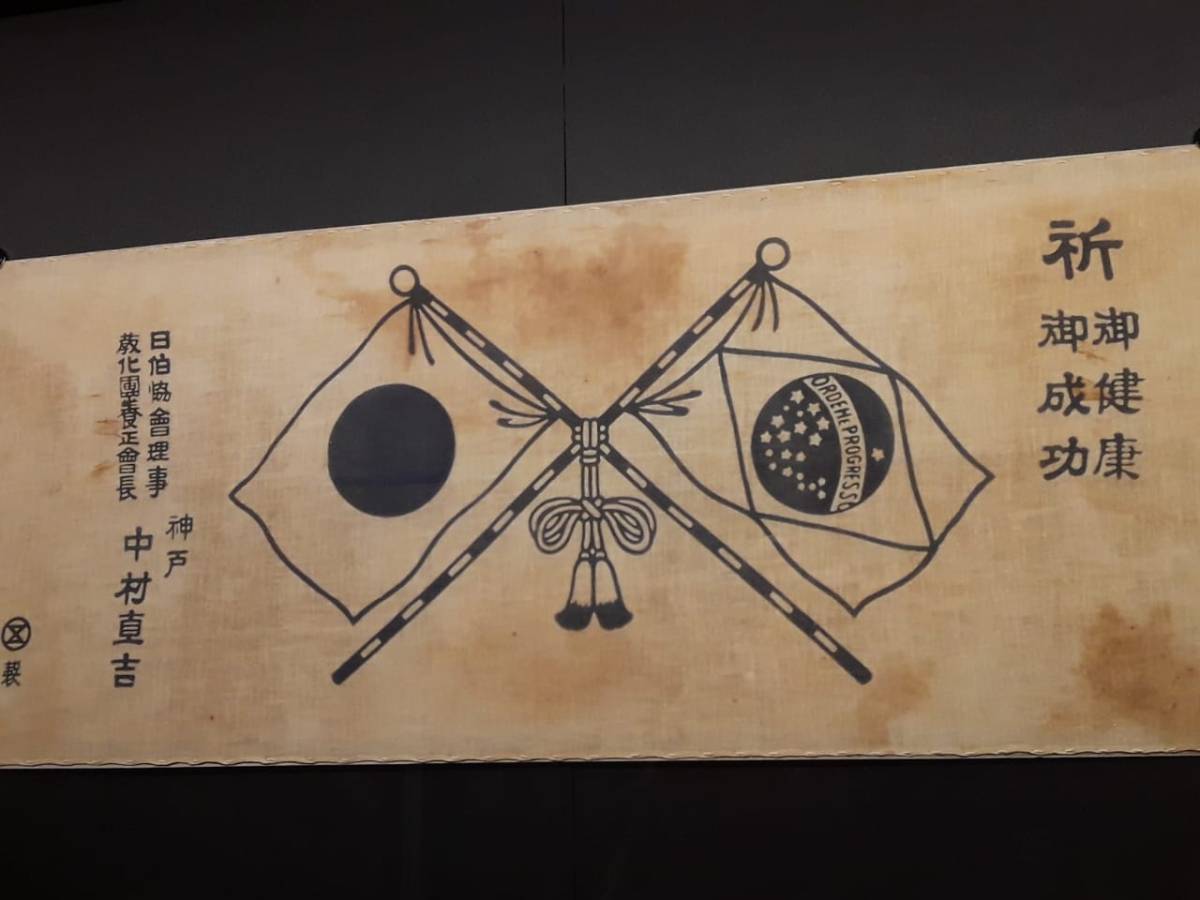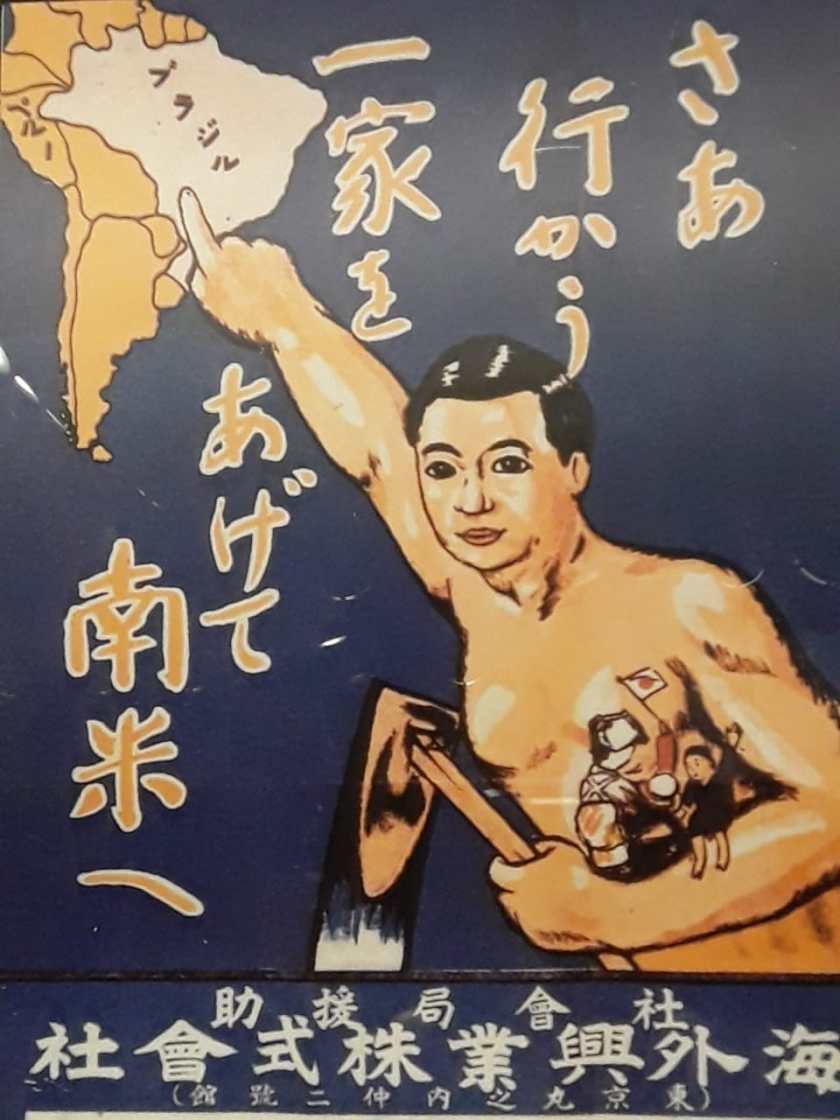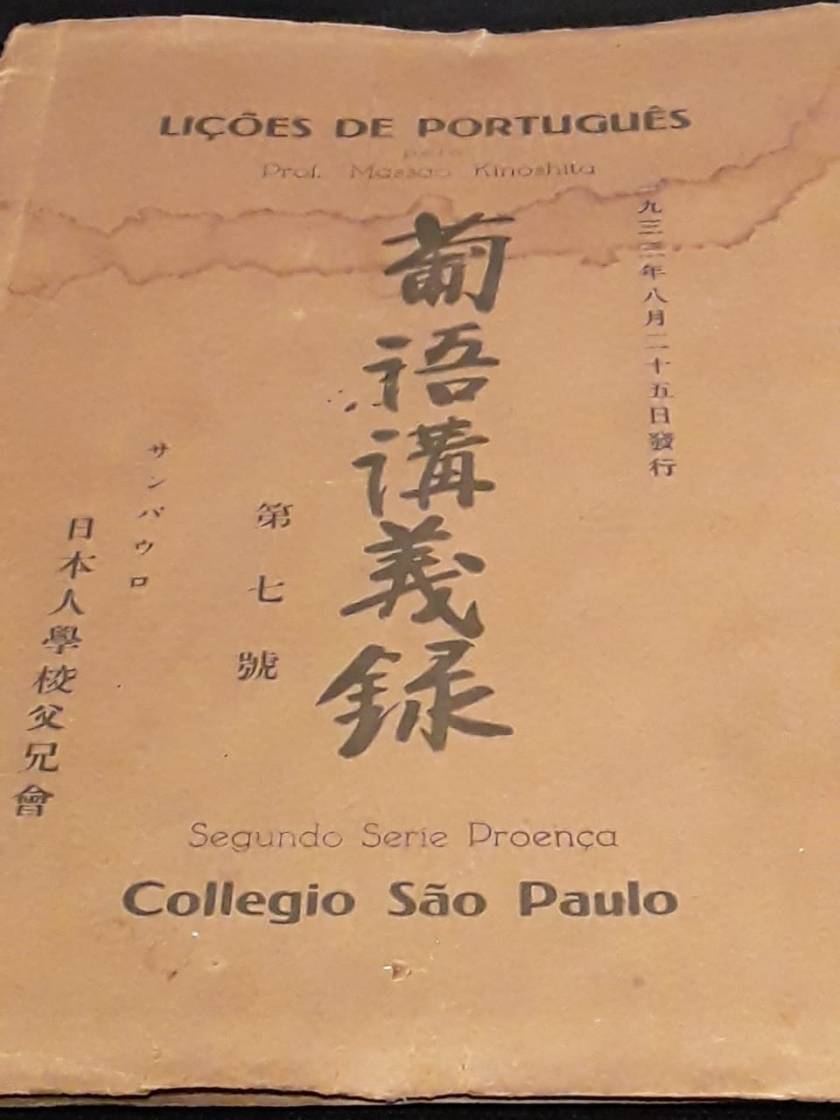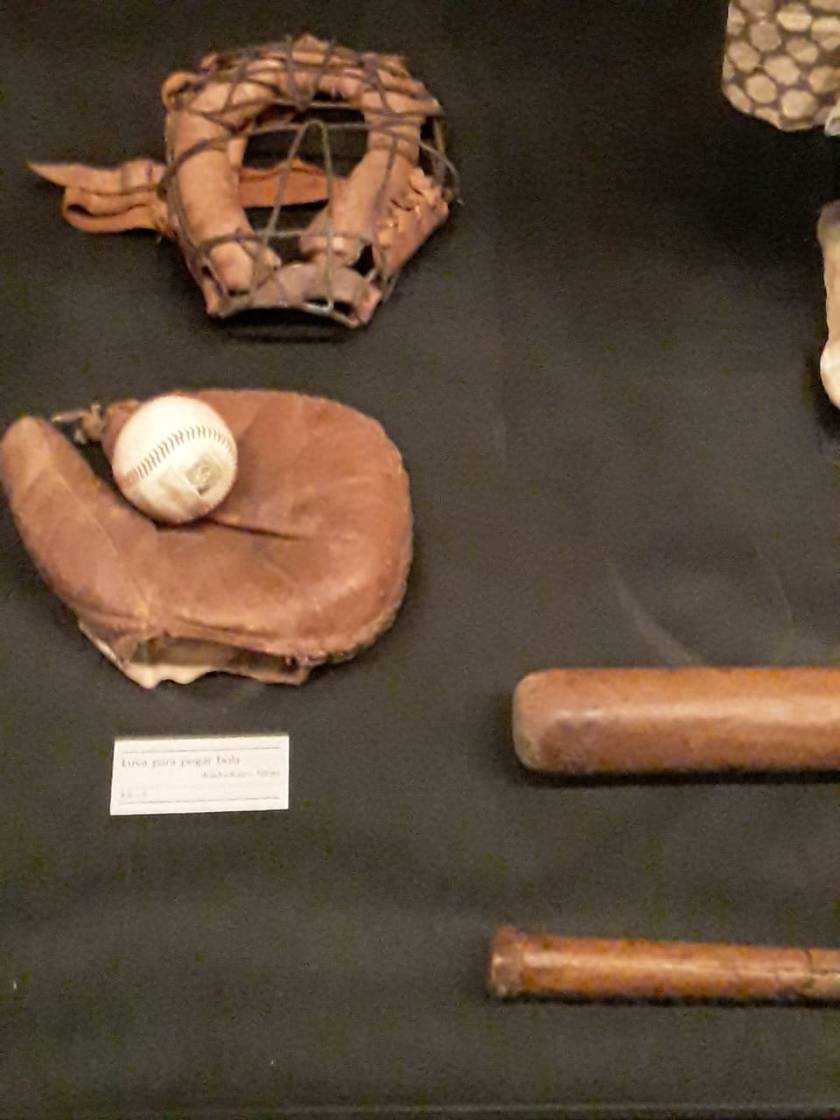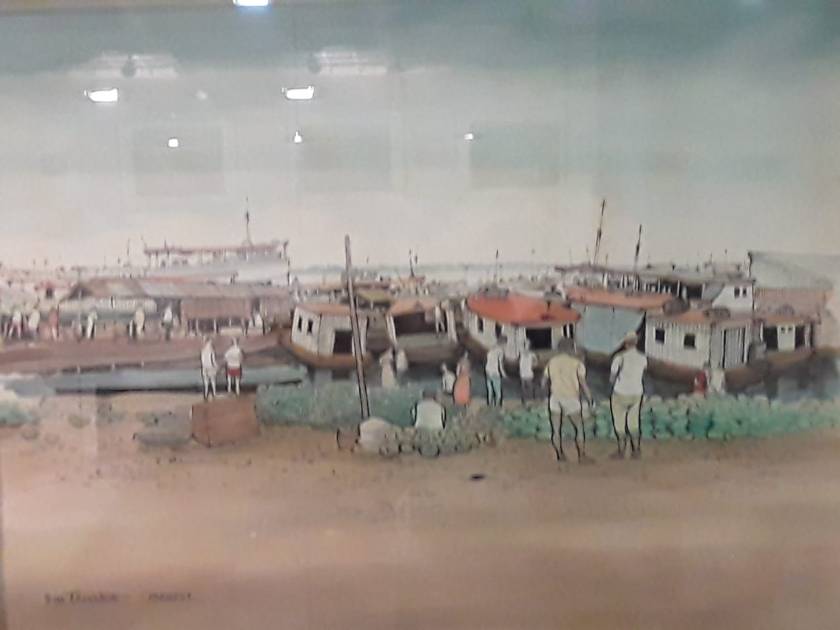
Museum of Japanese Immigration in Brazil

PHOTO-2020-03-04-10-54-00PHOTO-2020-03-04-10-54-00 (1)PHOTO-2020-03-04-10-54-01PHOTO-2020-03-04-10-54-02PHOTO-2020-03-04-10-54-03PHOTO-2020-03-04-10-54-04PHOTO-2020-03-04-10-54-04 (1)PHOTO-2020-03-04-10-54-05PHOTO-2020-03-04-10-54-06PHOTO-2020-03-04-10-54-08PHOTO-2020-03-04-10-54-09PHOTO-2020-03-04-10-54-09 (1)PHOTO-2020-03-04-10-54-09 (2)PHOTO-2020-03-04-10-54-09 (3)PHOTO-2020-03-04-10-54-10

Camera: Samsung Galaxy J2 Core

Location: Historical Museum of Japanese Immigration; São Paulo, Brazil

Cultural Spotlight – Carnaval

No one country does the festivities of ‘carnaval’ quite like Brazil. A festival that is just more than ‘Fat Tuesday’, it has become more than a month of celebrations beginning in early February and ending in early March even after ‘Ash Wednesday’ has passed by. The word ‘carnaval’ or ‘carnival’ comes from the Latin word ‘carnelevare’, which means to remove or to raise meat signifying how Roman Catholics would give up meat or poultry during the 40-day period of Lent before the Easter holiday. Because of the significance of Lent and not just for giving up meat but for other earthly pleasures as well, ‘Carnaval’ is a chance to enjoy some of those pleasures before the time of Lent and to revel in both culinary and cultural traditions.

Nowhere are these cultural traditions more proudly represented than in Brazil where the whole country has some form of celebration or observation of the Carnaval holiday. From the state of Pernambuco in the North to Bahia in the Northeast all the way down the Brazilian coastline to Sao Paulo and Rio de Janeiro, each year there is an informal competition to see which city can put on the best Carnaval and whose parades are the biggest.

Each city is different regarding how they celebrate Carnaval in Brazil but there are some similarities such as having huge street parades where crowds can dance and march to the bands and drum groups assembled as they go through the city. There are a huge variety of costumes, music styles represented but the most common one would have to be ‘Samba.’ In Brazil, Afro-Brazilian culture is heavily apart of Carnaval celebrations from the music being played to the design of the costumes. There are a number of variations of samba represented and they are all represented in the popular ‘samba schools.’

These small groups of performers sometimes prepare for the whole year before carnaval begins and are competing against each other in the ‘Sambadrome’, which are huge parade grounds and spectator events where these groups are being judged based on a number of factors against other schools. The biggest Sambadromes are in Rio de Janeiro and Salvador along with Sao Paulo and these competitions take places over a period of four nights at the height of the carnaval celebrations. Not only are these groups being judged on their music style and quality but also their coordination, their rhythm, the theme of their performance, and the costumes, which can be quite elaborate and also quite expensive.

While there are different types of samba music involved, there are also lesser known music styles that are represented in Brazilian carnaval. They include ‘Frevo’, which is originally from Recife and Olinda in the state of Pernambuco and ‘Axe’, which is originally from Salvador in the Bahia state which combines different popular Afro-Caribbean music genres together such as calypso, marcha, and reggae. All of these popular music types mentioned have their roots in African cultures and diaspora influences.

In the 19th century, it was quite difficult for Afro-Brazilians to dance, sing, or even parade through the streets of Brazilian cities during Carnaval to express their cultural heritage but today, these forms of song and dance are the heart of the Carnaval celebrations. To put it simply, you cannot have carnaval without samba or costumes or drumlines. In a way, Carnaval is not just a celebration of indulgence and pleasure but of expressing your culture and your heritage. I found Brazilian carnaval to be also about celebrating the diversity and unity of the country itself and how that can bring people together despite past historical injustices.

In order to celebrate Carnaval in Brazil, one does not have to go to a Sambadrome or to march in a formal parade or even wear an elaborate costume. You do have to sing, dance, and even drink or eat a little more than you normally would. The easiest way to celebrate especially as a foreign visitor is to check out some of the ‘blocos’ or block parties. They take place each and every day during Carnaval in different neighborhoods at different times. Each ‘bloco’ has different themes ranging from a celebration of ‘The Beatles’ to ‘R&B and hip hop.’ The blocos can also have ‘electric trios’ which are large trucks with huge sound systems where musicians on top of them sing famous samba or forro tunes to the crowd who often sing along with them as they cruise down an informal parade route.

These ‘electric trio’ trucks or floats can also include drum line groups or instrumental bands who walk down the parade route with these musicians. Each bloco has supporters who have specific shirts or costumes on to represent the theme of the block party as well. The trio truck or float is another symbol of Carnaval in Brazil similar to the block parties themselves, which can last from early in the morning until late at night.

While there is endless debate about where to go to celebrate Carnaval in Brazil, my hunch is that you won’t be disappointed if you go to either Rio de Janeiro, Salvador, or Recife. The great thing about Brazilian carnaval is each city is likely to have a different feel to it as well as different types of music as well as different kinds of blocos represented. Rio de Janeiro’s carnaval is the largest in the world but you may want to go with the carnaval in Salvador to see unique forms of samba and other music styles represented. If you want a somewhat more subdued carnaval experience, going to Sao Paulo may be what you’re looking for.

Carnaval in Brazil is not just about coastal cities as there are celebrations that are lower key and smaller in the state of Minas Gerais, located in the interior as well as in smaller cities such as Manaus, Porto Alegre, and Florianopolis. This month-long celebration has something for everyone and while I have celebrated carnaval before a few years ago in Colombia, I have never seen such a unifying event that brings a whole country together as it does in Brazil. If you are expecting to see a lot of tourist sites and enjoy some museums here, you may want to wait until after Carnaval to do just that. Instead, bring your best costume, study up on your Samba moves, and get ready to buy those tickets way in advance if you want to see the Sambadrome in all of its glory when you visit.

Experiencing Carnaval in Brazil is a really unique experience and opportunity that I would recommend to everybody who enjoys dancing, singing, listening to good music, and experience one of the most joyous celebrations in the world.

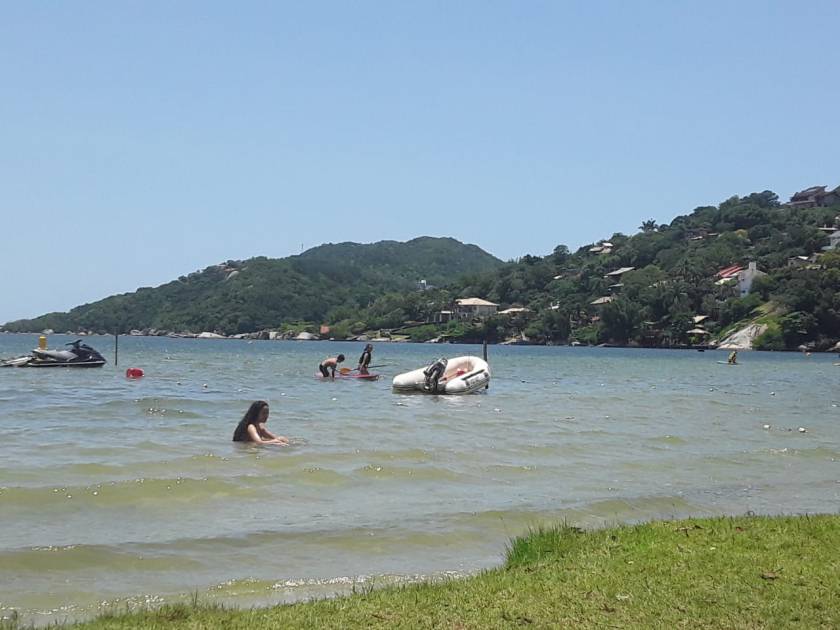
Lagoa da Conceição

PHOTO-2020-03-04-10-55-06 (1)PHOTO-2020-03-04-10-55-06PHOTO-2020-03-04-10-55-07PHOTO-2020-03-04-10-55-07 (1)PHOTO-2020-03-04-10-55-08 (1)PHOTO-2020-03-04-10-55-05PHOTO-2020-03-04-10-55-04 (2)PHOTO-2020-03-04-10-55-04 (1)PHOTO-2020-03-04-10-55-04PHOTO-2020-03-04-10-55-05 (1)PHOTO-2020-03-04-10-55-08PHOTO-2020-03-04-10-55-08 (2)

Camera: Samsung Galaxy J2 Core

Location: Lagoa da Conceição; Florianopolis, Santa Catarina, Brazil

A Profile in Courage – Marshal Candido Rondon

Who is Candido Rondon? It is likely you have never learned about this Brazilian figure of history, but he was not only an exemplary Brazilian, but he was also an extraordinary explorer, friend to indigenous peoples, soldier, statesman, and traveler. Achieving the highest rank in the Brazilian military, he devoted himself to the service of his nation in the twilight of empire and the forging of a new republic. While not a politician nor a man hungry for power, he was a man of great courage, fortitude, and moral fiber. He put others before himself and never wanted to be immersed in the modern wants for fame or fortune as others greedily claim for themselves in the modern era.

While a military officer first, he was a famous explorer who cared about the environment and did his best to balance that with his desire for progressive development of connecting a new nation together through telegraph lines as director of the official commission. He not only cared about the environment but also sought for the protection of indigenous peoples who he encountered during his explorations and made sure that all of his interactions with them were both peaceful and friendly.

He did many incredible things in his life but as far as what I have learned about him; he was never a big braggart who boasted incessantly and who was much more concerned with how his men were doing whether they were his fellow soldiers, explorers, or countrymen. He was very successful because he set a powerful example and took care to accomplish whatever he took upon himself to the best of his abilities. From being a director for the protection of indigenous peoples to setting up telegraph lines as a commissioner to commanding fellow troops to explore the unknown regions of the Amazon, Rondon was a man who was the epitome of a ‘profile in courage.’

Marshal Rondon was not born with a silver spoon in his mouth and has various catastrophes and tragedies befall him as a child. His father died before he was born, and his mother died when he was only two years old. His grandparents died when he was a boy, so he was cared for by his uncle. Rondon was a victim of discrimination for his indigenous origin and was bullied because of it. He was not tall or very strong physically either.

However, none of these setbacks stopped him because nothing would stop a man who was courageous, determined, and a hard worker. Most of all, it should be said that rather than let these personal tragedies derail him and his life goals, it is likely that they spurred him on to achieve great things and to make the most of the time that was given to him with more awareness of the preciousness of life and how quickly it can be taken away.

Marshal Candido Rondon has great discipline and determination especially when it came to his education as a teenager and as a young adult. He studied both Mathematics and Physical and Natural Sciences at the War College in Rio de Janeiro. He became second lieutenant of the Armed Forces of Brazil in 1888. He was directly involved as a military officer in the formation of the Brazilian Republic after the fall of the Brazilian Empire. In addition to all of these academic pursuits, he self-taught himself various skills especially engineering. He also became physically disciplined allowing him to spend months and years in the harsh tropical climate due to his time spent in the military and military school.

Rondon was instrumental in connecting the Amazonian region of Brazil to the rest of the country. As an Army engineer, he was in charge of expanding the reach of the new republic and removing the isolation that this part of Brazil had become accustomed to. He built the first telegraph line that crossed the state of Mato Grosso. With his leadership, construction began on a main road from Cuiabá to Rio de Janeiro (The Capital of Brazil at the time). Telegraph lines were also established from Brazil to Bolivia and Peru. He maintained peace both with the indigenous tribes and Brazil’s neighbors during his time as the Telegraph Commissioner.

You could argue today that Marshal Rondon was the closest to being thought of as a Pacifist that a military officer could be. He always tried to make friends with the indigenous tribes of Brazil especially. He never ordered his men to shoot the Indians, even when they were being attacked by them sometimes by poisonous arrows.

Because of Rondon’s beliefs in Positivism and positivist thought, he wanted to make the indigenous tribes civilized and connected to the rest of Brazil in a non-violent and gradual way. For his actions, he later on in life became the first director of the Indian Protection Service (SPI), which still exists in Brazil today under a different name of FUNAI (National Indian Foundation).

After 1888, Marshal Candido Rondon became a member of the positivist church in Brazil, which was based on humanist ideals. Heavily influenced by the Brazilian thinker, Benjamin Constant, the Brazilian military and its new republic helped to spread the ideals of positivism within Brazil. Mr. Constant was influenced by the French enlightenment philosopher, Auguste Comte. Positivism as an ideology emphasizes naturalism, science and altruism, rather than any religious doctrine in particular. Marshal Rondon was influenced by positivism in his actions with regards to supporting the telegraph expansion and by his pursuit of co-existence and eventual friendship with the Indigenous populations. The positivism movement and the spread of Republican beliefs among Brazil’s military and political leaders helped in a major way in changing Brazil from an empire to a republic.

What most people outside of Brazil, especially Americans such as myself who are fond of history would only know about Candido Rondon, would revolve around his historic journey of discovery and exploration with then ex-U.S. President Theodore Roosevelt in 1913-1914. The Roosevelt – Rondon scientific expedition was a research expedition between 1913 and 1914 to follow the path of the River of Doubt (Rio da Duvida) in the Amazon. Because of sheer physical dexterity and encyclopedic knowledge of the Amazon, Rondon, miraculously, was the only man who came back healthy. The ex-President, Theodore Roosevelt almost died of illness and it could be said that Rondon helped save his life and that of his son, Kermit too.

Three of the Brazilians died during the expedition sadly. Without Rondon and the local experience and knowledge of his men, the expedition would have been a disaster. Historically, this was also an important moment to solidify good relations between the two countries which were both far away in terms of language and cultural connections at the time. The ‘River of Doubt’ was renamed the Roosevelt River (Rio Roosevelt) in honor of the former American president for completing the journey which would not have been successful without the assistance and perseverance of Marshal Rondon. There are times in a man’s life where you can state how his leadership was instrumental to the success of a group and in this expedition, Rondon’s leadership was unquestionably the reason why it succeeded and why it is remembered so fondly today.

Few Brazilians have made as great of an impact on their country as Marshal Candido Rondon. The Indian Protection Service (SPI) had its problems, but it became FUNAI, which still helps indigenous peoples today throughout the country. The new Brazilian republic grew both more connected and stronger due to the telegraph and road construction commissions which were led by Rondon and his men. Rondônia is now a Brazilian state composed of the Amazon Forest that is named after the Marshal. His military service, his care for the Indians, and his positivist beliefs are still remembered by many Brazilians today. Marshal Candido Rondon died at the advanced age of 92 in 1958, in Rio de Janeiro, the capital of a country for which he did so much and honored so very proudly.

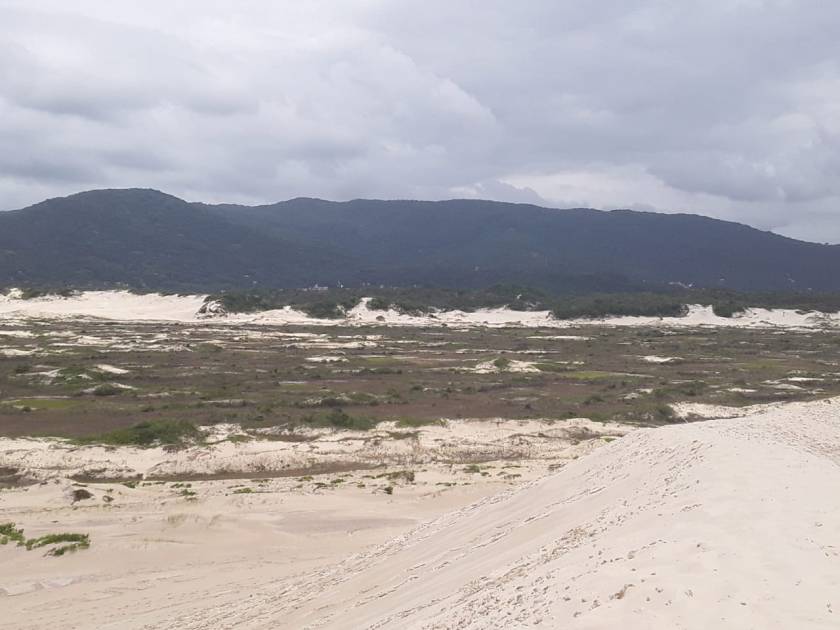
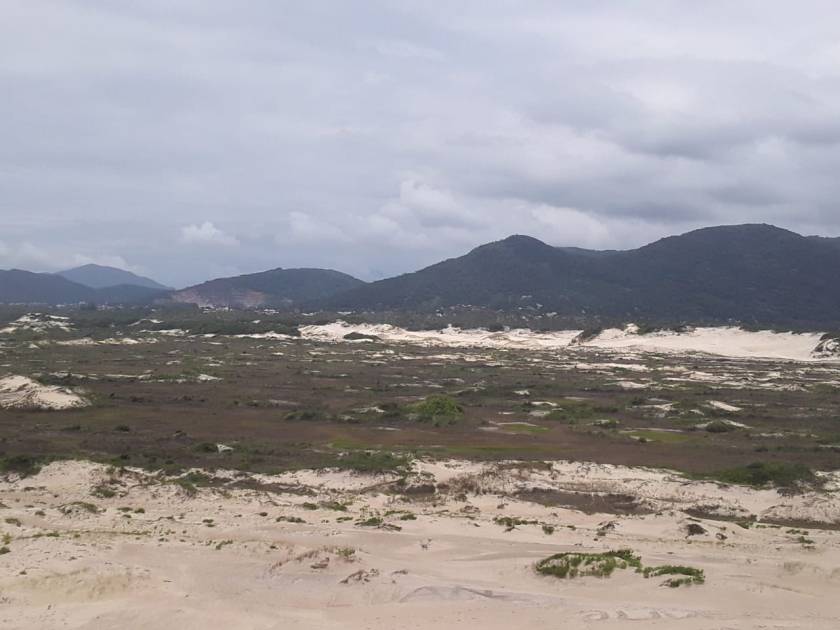
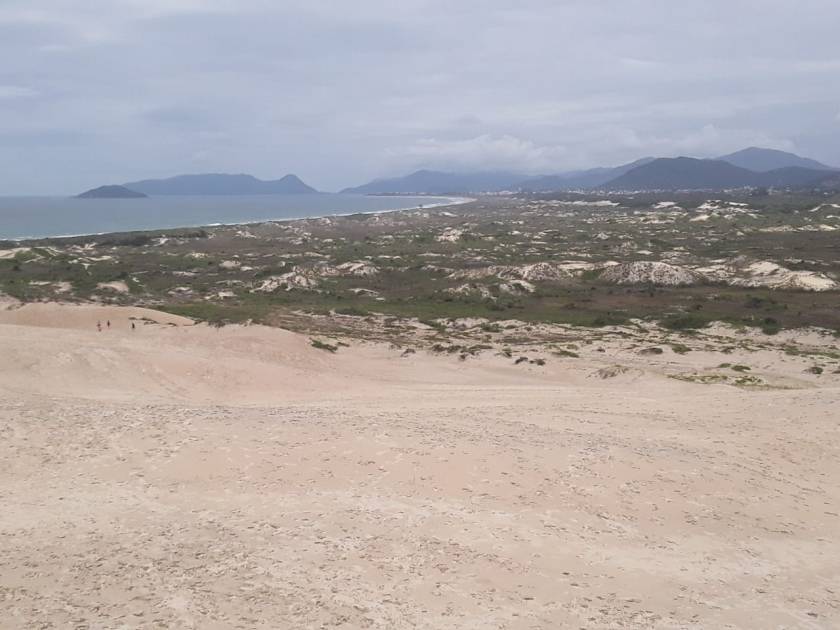
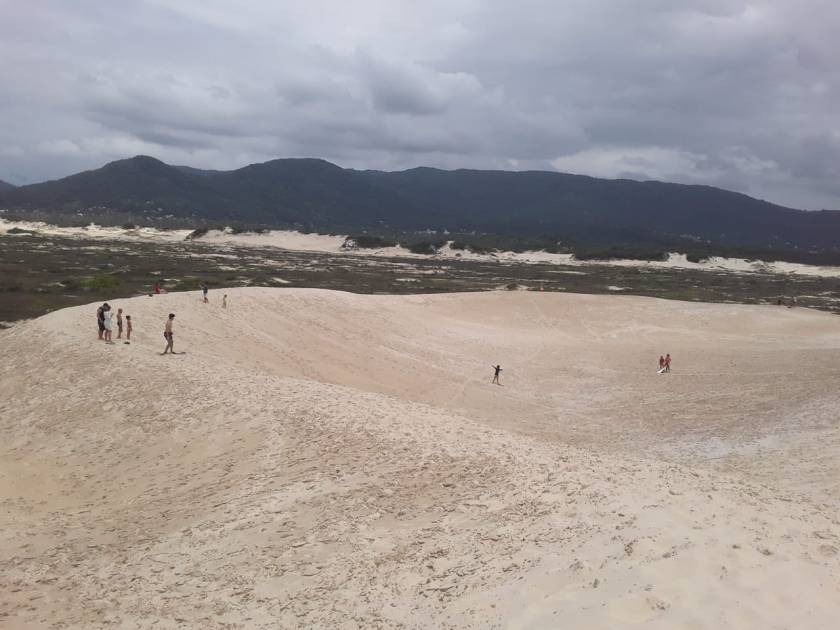
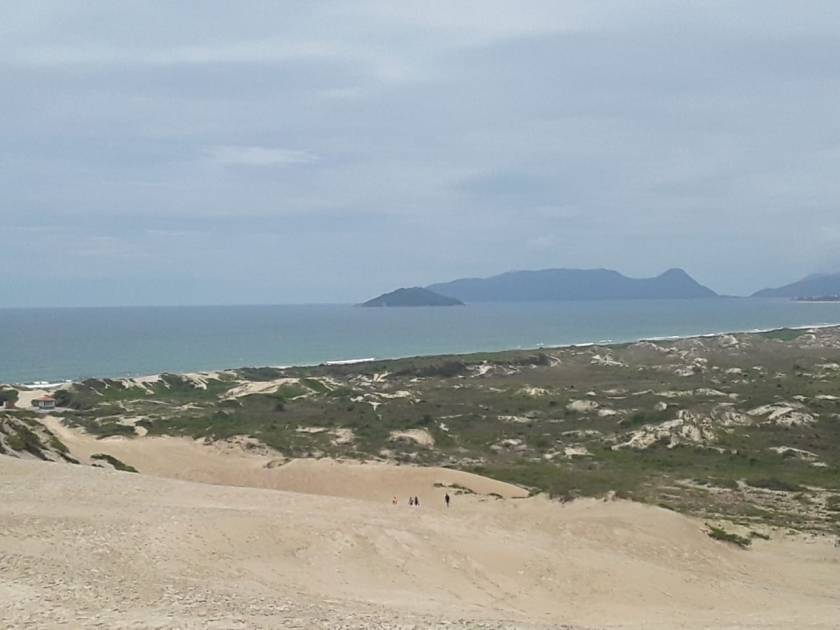
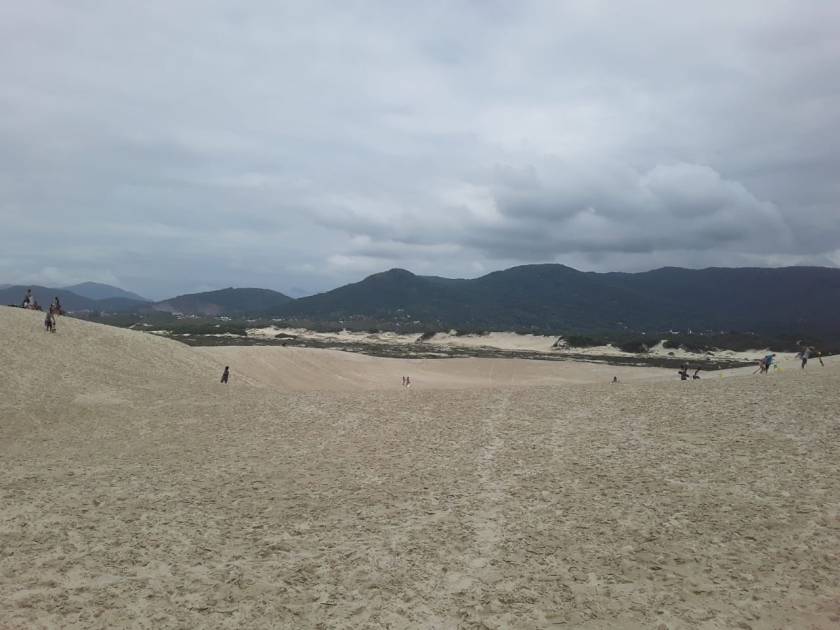
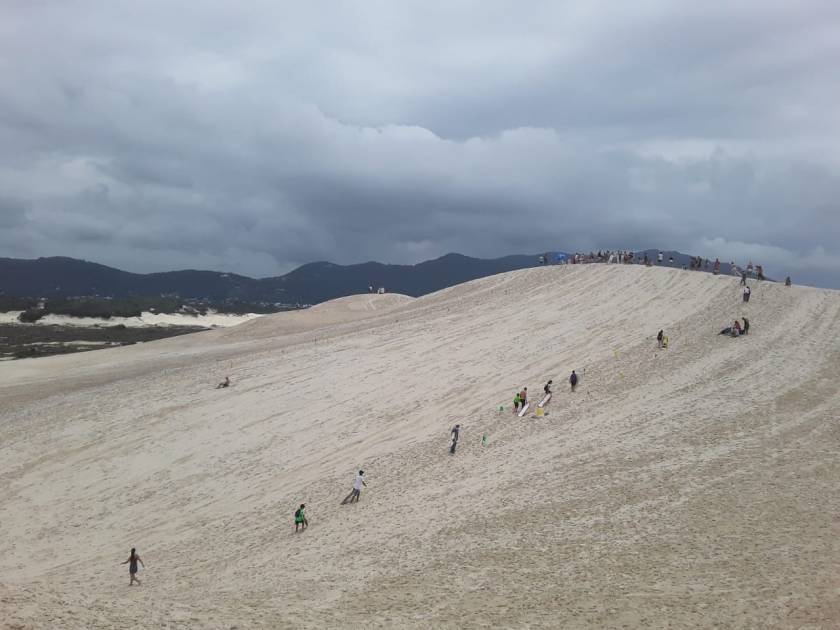
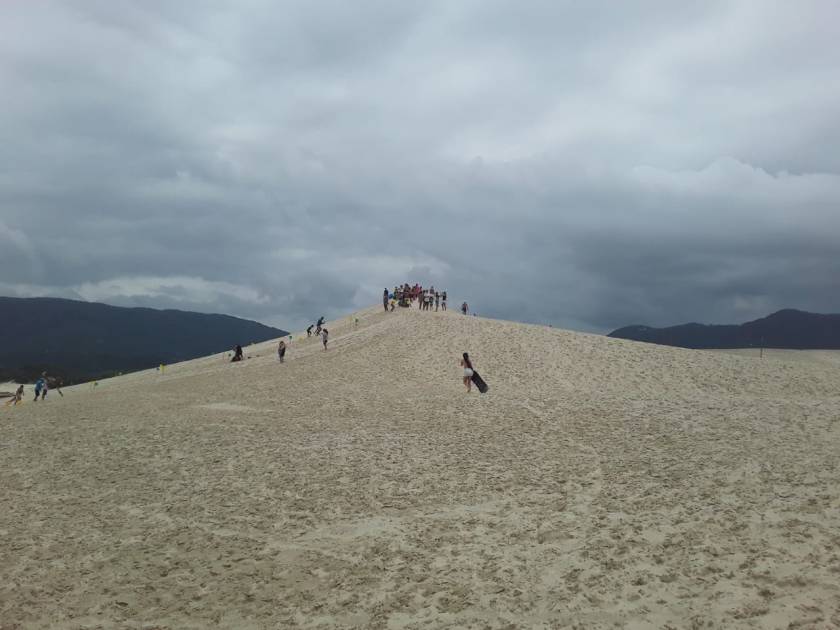
Dunes of Joaquina

PHOTO-2020-02-19-11-54-36PHOTO-2020-02-19-11-54-37PHOTO-2020-02-19-11-54-37 (1)PHOTO-2020-02-19-11-54-37 (2)PHOTO-2020-02-19-11-54-38PHOTO-2020-02-19-11-54-38 (1)PHOTO-2020-02-19-11-54-40PHOTO-2020-02-19-11-54-41PHOTO-2020-02-19-11-54-40 (1)PHOTO-2020-02-19-11-54-42PHOTO-2020-02-19-11-54-43PHOTO-2020-02-19-11-54-43 (1)

Camera: Samsung Galaxy J2 Core

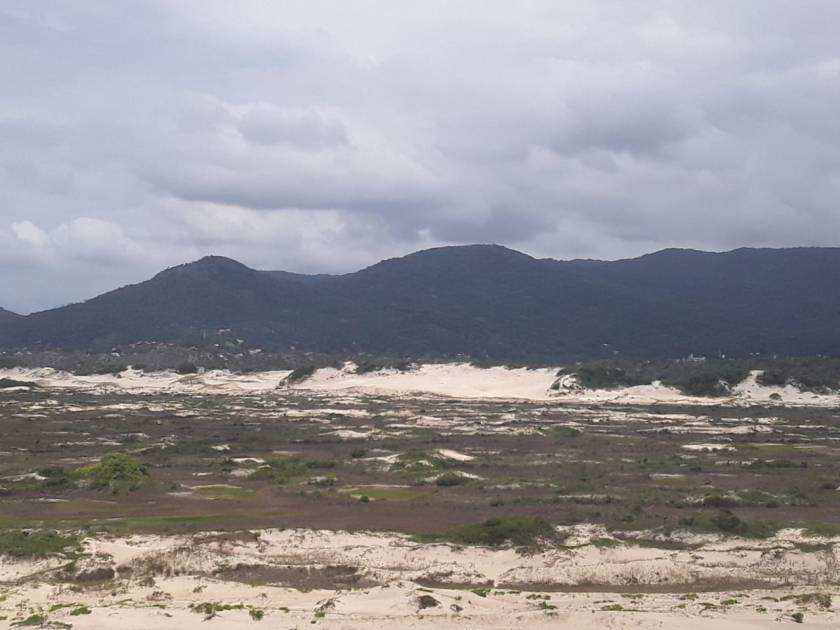
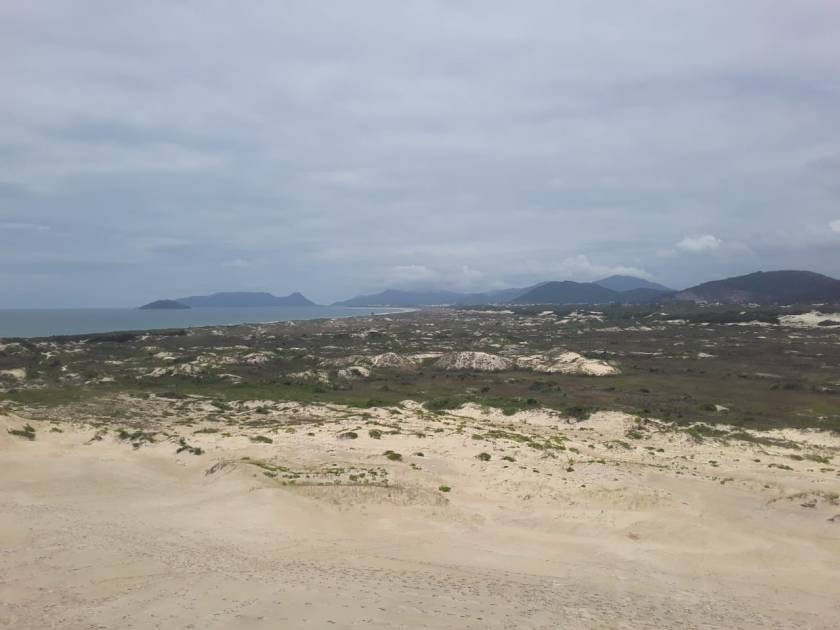
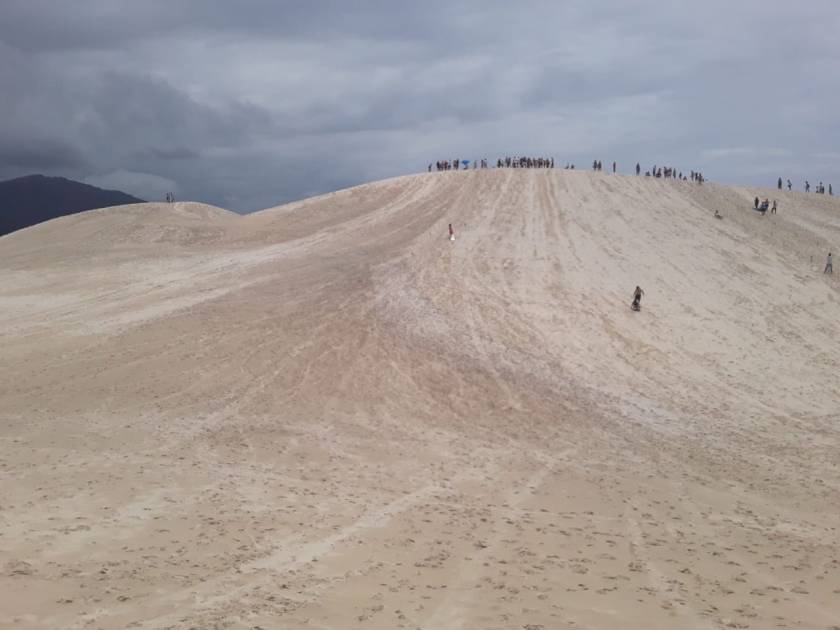
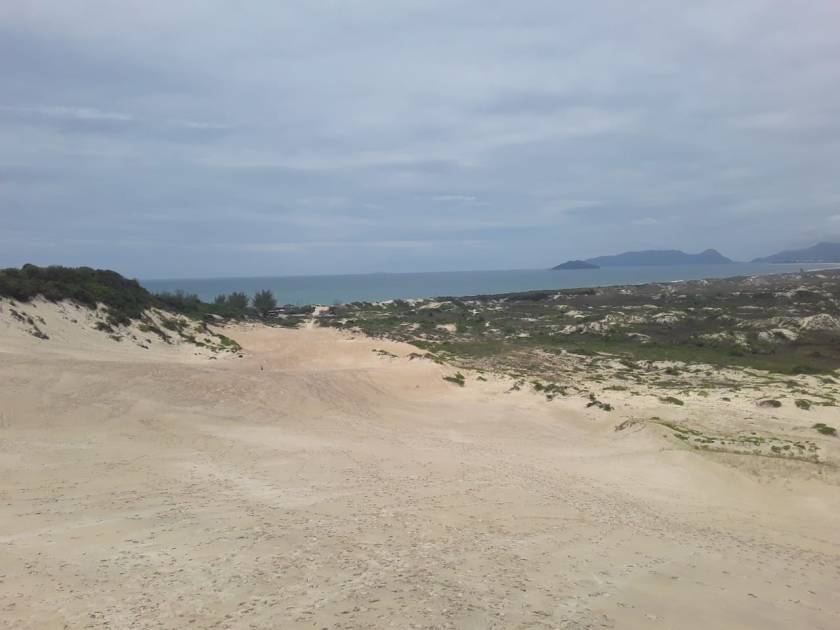
Location: Dunes of Joaquina; Florianopolis, Santa Catarina, Brazil

Cuisine Spotlight – Feijoada

Feijoada: The National dish of Brazil. It is delicious, fulfilling, savory, and tasty. There are not enough adjectives in the English language to describe this scrumptious plate of goodness. While also prepared in other parts of the Portuguese-speaking world such as Portugal, Angola, Cape Verde, and Mozambique, Brazilian Feijoada is more than just beans and pork. It has a little bit of everything to make it a unique dish that has protein, carbs, and even sugar to satisfy one’s taste buds. The Brazilian Feijoada was born in Recife and developed in Rio de Janeiro but has now spread across the entire country reflecting its status as a beloved national dish.

From Salvador to Sao Paulo and from Recife to Rio, every Thursday and/or Saturday, the hearty Feijoada dish is prepared for families and friends to enjoy together. While there is some variation in terms of what is to be offered on your plate, you can definitely expect to find a big clay pot bubbling with black beans, different pork and beef parts including oxtail and tripe, as well as tongue perhaps. In the Northeast of the country, the clay pot can also include different vegetables such as kale, potatoes, okra, carrots, etc.

The side dishes can vary across the country, but it is quite common to serve couve, a kind of collard greens dish that is chopped up and stir fried adding to its overall flavor. You also can have chicken steak with fried yucca (mandioca) as well as fried plantains (bananas) as a kind of dessert or sweet tooth necessity if you still have room. To mix with the black beans and the couve, you also have cooked white rice, which is nicely mixed together with the meats as well to create a beautiful plate of both Brazilian history and culture.

To clean your palate afterwards, some fresh orange slices can also be added to the plates offered in order to help with digestion. Beforehand, usually, you will be offered a cup of savory black bean broth, kind of like the soup, to slurp down ahead of the feijoada, which can also be added to the dish if you so choose to. Of course, you have baked pieces of bread as well that can soak up the juices and the broth to add on to an already gigantic plate of heavenly food.

What you need to keep in mind about Feijoada before diving in is that you need to eat it on an empty stomach and to clear your schedule for the day because chances are good that you will need a nap and a glass of water after diving in. For those of you who get the ‘meat sweats’, it’s good to take your time and eat slowly. The Feijoada dish is very heavy so it’s good to relax, have a beer or caipirinha, talk with your friends, and make sure you pace yourself since you will be likely not to do anything else for the rest of the day.

This is not a national dish for vegetarians and Brazil is not the easiest country to be a vegetarian in. You can have Feijoada without the pork parts and the beef stew, but it is really not the same in my opinion. Vegetarians can join in on this delicious dish, but they are definitely not getting the same experience as meat lovers sadly enough. I do love that Feijoada is only offered once or twice per week showing that it’s kind of a national pastime to have it specifically on a Saturday and then you can take the rest of the weekend off as you will probably need to after gaining a few pounds or kilograms.

You can have Feijoada for lunch or for dinner, but it usually is only eaten one day a week. The only thing you should really plan to do after eating Feijoada is perhaps watching the big football match of the weekend and perhaps relaxing with a few glasses of water. You can compare it to the Colombian dish of Bandeja Paisa in a way, but the amount of different foods represented in Feijoada is definitely impossible to beat. You could compare it to the ‘soul food’ cuisine of the Southern United States but there’s still no dish from the American South that quite compares to Feijoada. Similar to the traditions of ‘soul food’, there is a complicated and rough history behind the beginnings of Feijoada which just goes to show how resilient people in very difficult situations regarding food can make a beautiful, tasty dish out of almost nothing or the scraps made available to them on purpose. In order to really know Feijoada, it’s important to dive into the history of the dish as well and what exactly makes it unique to Brazil.

From what I have learned, the origins of Feijoada are up for date but since this kind of stew with pork and beans was quite popular among European settlers, it can be inferred that it was brought over by the Portuguese during the colonization period. However, it seems that the dish was expanded upon by the slaves in Brazil who would add other ingredients such as the couve, the arroz (rice), and the mandioca as these were other foods available to them. Gathering all of these foods together and putting them as a mixture on a big plate would be a hearty yet simple meal to have when it came time to preparing it before or after a long day of work in the fields or farms. While slaves were restricted to rice and beans, special occasions such as holidays allowed them to get different pork parts or beef parts considered less desirable by their masters and to throw them together in a stew to help them feed themselves and get more protein as they worked in the kitchens. From the kitchens to the fields to the cities, Feijoada has earned its status as the national dish of Brazil.

Feijoada is very much a creative and improvisational dish where you have to do the best you can with what you have and put it all together when you don’t have much time to prepare a flashier meal. What Feijoada lacks in flashiness, it more than makes up for it in the sheer number of flavors and food groups the dish makes up. Between the rice and beans, the meats, the greens, and the after-meal delight of an orange slice or a shot or two of cachaça and you will definitely be satisfied with one of the greatest meals you could ever have in Brazil.

Hiking in Florianopolis

PHOTO-2020-02-12-18-40-11PHOTO-2020-02-12-18-40-11 (1)PHOTO-2020-02-12-18-40-12PHOTO-2020-02-12-18-40-13PHOTO-2020-02-12-18-40-13 (1)PHOTO-2020-02-12-18-40-14PHOTO-2020-02-12-18-40-16PHOTO-2020-02-12-18-40-16 (1)PHOTO-2020-02-12-18-40-17PHOTO-2020-02-12-18-40-19PHOTO-2020-02-12-18-40-19 (1)PHOTO-2020-02-12-18-40-20PHOTO-2020-02-12-18-40-14 (1)PHOTO-2020-02-12-18-40-17 (1)PHOTO-2020-02-12-18-40-19 (2)

Camera: Samsung Galaxy J2 Core

Location: Florianopolis, Santa Catarina, Brazil 

Anatomy of a Scene – The Training

Batman Begins – The Will to Act (Training Scene HD)

‘Batman Begins’ is an excellent film for many different reasons. It has a great cast, excellent cinematography, a realistic story even if based on a famous comic book character, and also a great origin theme to it that is compelling and relatable. While we know that the idea of an ordinary man becoming a ‘superhero’ is farcical at best, the way that process is shown in ‘Batman Begins’ and the way Bruce Wayne (Christian Bale) is able to transform himself both mentally and physically into that role is really awe-inspiring when you think about it.

This is really the first Batman on film experience that shows how this caped crusader was born and what it took for him to become a masked hero to Gotham’s people. The hero’s journey in this one is believable because it takes up almost 30 minutes of the film. We see him at the beginning in a rural Chinese prison for no discernible reason and we only know that he is a wealthy man named ‘Bruce Wayne’ who seems to have lost his way. He seems desperate to find his way in the world and is desperate to fight criminals wherever they are even if it may cost him his life. Rather than concentrating his energy on his home city or finding a way to use his philanthropy for good, he wiles away in a prison fighting lowly conmen and convicts before the police have to force him into solitary confinement for ‘their’ protection and not his.

What Bruce needed at this time in the film is a good mentor to show him a better path and that person at the time is Henri Ducard (played by Liam Neeson). We do not know much about this month but only that he commands a powerful group of ninjas / mercenaries called the ‘League of Shadows’ and they are tucked away in the mountains. He offers Bruce in a previous scene the chance to join them but instills a challenge in other to be worthy. He must seek out a rare blue flower and climb up the mountain by himself so he may be deemed ready to begin his real training to instill fear in his enemies and fight them wherever there is injustice. It is a tall task, but Bruce is up for the challenge of going to their hideaway.

When he gets to this mountain hideout, he is immediately forced to start fighting even though he can barely stand. He is challenged to confront his fears especially of bats when the rare blue flower he carried can be used as a fear-inducing toxin, which he must confront and control in order to be able to succeed as a new member of the League of Shadows. In addition to challenging his mind, in different scenes, he has to learn different kinds of martial arts and learn to balance himself even as he is being attacked with sticks by many members of the League.

In ‘The Training’ scene, we are introduced to the aftermath of Bruce losing both of his parents and feeling guilty that they are dead because of him but Alfred reassures him that it was nothing he did that made them lost their lives in a cowardly homicide by the murderer.

“My anger outweighs my guilty.” Bruce does not feel guilt anymore but the anger of not being able to apprehend or kill the murderer of his parents is difficult for him to still deal with. In this Training scene, what I really enjoy is how both epic and intimate it feels from the snow-covered ice sheets to the sprawling mountain landscapes, it feels as if a superhero is being trained and that his mentor is there to help him launch that path.

“You know how to fight six men; we can teach you to engage 600.” This quote from Henri Ducard shows that he is doing more than training a mercenary like his other men, but he wants to train a future leader who will be able to use ‘theatricality and deception’ to strike fear in the hearts of hundreds of men rather than a few.’ As we see later on in the film, Bruce takes his former mentor’s advice literally by becoming Batman. Beyond different forms of martial arts, we see that Henri and Bruce are sword-fighting as well for the first time which is part of the League of Shadows arsenal. Bruce is curious to learn from Henri intermixed with their training on how to become truly invisible such as using ‘explosive powder’ and disguising one’s identity to disappear and then reappear suddenly.

“Always mind your surroundings.” In addition to skills in dodging, deflecting attacks and also going on the offensive, Ducard likes to remind Bruce on how to always be aware of the environment around you as it can be turned against you or made into an ally as well. Despite the immediate threat of his sword, Bruce must also be considered with the ice-sheets below him and the cold mountain air that can cause him to also lose his life if he is not careful.

“You must become more than just a man in the mind of your opponent.” In order to become more than just a vigilante, Bruce must become a symbol that strikes fear in the hearts of his enemies. The idea of becoming Batman is born in this pivotal training scene and the fact that he must his own fear of bats against his enemies is worth remembering later on in the film.

The example of the farmer as a prisoner because of his murder of his neighbor of a land dispute shows the beginning of a rift between Henri Ducard, the mentor, and Bruce Wayne, the student.:” Crime cannot be tolerated; criminals thrive on the indulgence of society’s understanding.” Henri Ducard has a zero tolerance of criminals and does not believe in society’s prisons and judicial systems as a means of holding them accountable for their heinous actions.

Ducard believes in an ‘eye for an eye’ such as if you murder someone, you must be murdered in return to really receive final justice. It is a very black and white view which Bruce does not entirely agree with and will push back on later. Bruce has faith in his fellow citizens and knows that a punishment such as imprisonment can be sufficient for true justice to occur. He does not believe in the total corruption of society as Henri does and this scene also shows the beginning of that difference in their world views.

In order to get Bruce to lash out at him and cause him to truly unless his potential, Ducard goads Bruce by saying that the death of his parents was not his fault but his father’s. This is a successful ploy by Ducard as Bruce loses control of his emotions and strikes wildly at Ducard who blocks his attempts and causes him to be subdued.

“Your training is nothing, the will is everything! The will to act.” This quote is by far the most powerful moment of this scene and perhaps the movie itself. It does not matter how much physical or mental training you have built what do you do when it comes time to act and take a stand. Will you be able to put your training or your knowledge to good use and make it count? This is an excellent quote by Ducard and shows that when it comes down to it, we can have all the training, expertise, and knowledge in the world on martial arts, advanced chemistry, or business but what good is that knowledge if we fail to act and use this training for the benefit of ourselves but also others in the world. It is a powerful quote that makes this scene stand out from others in ‘Batman Begins.’

Urged on by this challenge to act, Bruce seems to finally subdue Henri towards the end of the scene only to be put back in his place with Ducard’s ability to carve out a hole beneath Bruce’s feet to sink him into the frigid, icy waters. This part shows that Ducard is still the mentor and Bruce still has a lot to learn about his surroundings but also what it means to finally beat your enemies and leave no room for silly errors.

The scene ends with how much Ducard and Bruce have in common even though they barely know each other. They have both felt great anger in the loss of loved ones and how they grieve the same and how they understand the pain that drives them to exact vengeance against criminals like the ones who robbed them of their families. The scene ends with Henri’s warning to Bruce that “Your anger gives you great power but if you let it, it will destroy you as it almost did me.” Unlike Bruce though, Ducard could avenge his wife’s death but Bruce lives with the guilt that he could do what was necessary to avenge the murder of his beloved parents, which haunts him in this ending of the scene.

‘The Training’ scene in Batman Begins is exquisitely filmed, has excellent scenery, and really has different life lessons imbued in its powerful dialogue. The chemistry shows between Henri Ducard and Bruce Wayne is really authentic as a mentor-mentee relationship and this scene is the first one where you can see how their paths will diverge based on their differences in opinion regarding murder, vengeance and what really encompasses true justice for criminals. A must-watch scene as part of a must-watch movie. Check it out when you have the chance.

Santo Antonia de Lisboa

PHOTO-2020-02-06-09-20-27PHOTO-2020-02-06-09-20-28PHOTO-2020-02-06-09-20-28 (1)PHOTO-2020-02-06-09-20-28 (2)PHOTO-2020-02-06-09-20-28 (3)PHOTO-2020-02-06-09-20-29PHOTO-2020-02-06-09-20-30PHOTO-2020-02-06-09-20-30 (1)PHOTO-2020-02-06-09-20-31PHOTO-2020-02-06-09-20-31 (1)PHOTO-2020-02-06-09-20-31 (2)PHOTO-2020-02-06-09-20-32PHOTO-2020-02-06-09-20-33PHOTO-2020-02-06-09-20-33 (1)PHOTO-2020-02-06-09-20-34

Camera: Samsung Galaxy J2 Core

Location: Santo Antonio de Lisboa; Florianopolis, Brazil 

English Corner – Creating a Resume

What is a resume? To sum it up, it is the backbone of your professional background and experience summed up in a one or two-page document which you will be showcasing to potential employers and/or co-workers. It is not the sum total of who you are as a person but rather who you are as a worker and what professional skills you have to offer and to whom your skills would be useful for. In order to get a better job, to get a better salary, or to get that promotion to take the next step in your career, a good resume could make the difference between a ‘yes’ or a ‘no’ answer when it comes to you getting that employment opportunity.

The resume is how you showcase yourself to the professional world and let companies and organizations know what your value would be to them. It’s a document that is the heart of your application, but it’s not the only piece of the puzzle to getting a job. The ideal resume by U.S. standards is 1 to 2 pages length and nothing longer than that. The CV (Curriculum Vitae) is different from a resume.

Again, a resume should highlight your professional experience, educational background, job skills and knowledge, and your technical capabilities. You can create different resumes depending upon the job you’re applying to especially if you can only highlight certain previous work experiences. Without the interview or direct networking, the resume and the cover letter, if requested, are the only ways that you will be able to reach potential employers.

It’s a summation of who you are professionally, what you can offer in business, and should showcase your work effort and drive. It is also a great way for employers to verify that you are qualified for the job opening and that you would be an asset to them rather than a liability.

Compared to less qualified candidates, if your resume looks good on paper, you’ll be able to stand out for a potential interview when your qualifications are better than the other applicants.

When you first beginning writing out your resume, you are going to want to make sure to use action words to highlight those professional experiences and your previous accomplishments you’ve had as well. These actions words should not be the same each sentence and you should never repeat the same one more than once. Also, it is important to use the present tense or past tense correctly based upon if you are still doing the same job or if it was done previously and that you are no longer there.

There are hundreds of action words in the English language and learning a good amount of them is a great way to ensure that you have a good resume. In order to keep the interviewer interested, you do not want to repeat the same action word twice or three times so be sure to do your best to learn as many as you can and know what the meaning of those words are too.

Your action word is a key component of making the resume look legitimate to the reader. The action word should always go at the beginning of the sentence (i.e. next to the bullet point) during the ‘work experience’ part of the resume. If you are currently working at a job but are applying to change to a new job, the action word must be in the present tense. However, if you are writing about previous work experience in your resume, your action words should be in the past tense. Without using action words, your resume won’t look as persuasive or as actionable as it could be otherwise. Your employer will want to know what you bring to the table based on your past work experiences.

Here is a list of good action words you can use in your resume if they apply to what your profession does, it is a small sample list but includes many words that commonly come up in professional resumes and accurately depict what some jobs do:

  • assemble
  • assist
  • build
  • cook
  • drive
  • fly
  • operate
  • program
  • repair
  • sell
  • sew
  • supervise
  • translate

Action Word – Sentence Examples

  • Assemble the cars in the manufacturing plant before they can be inspected.
  • Assembled over 10,000 cars in the manufacturing plant before they were inspected.
  • Cook meals that were prepared by hand without any outside training.
  • Cooked dozens of meals per day that were prepared by hand without any outside training.
  • Lead a Sales team of five people to sell medical device products to clients.
  • Led a Sales team of five people in selling hundreds of medical device products to clients in biomedical industry.
  • Develop software products to make it easier for customers to order their groceries online.
  • Developed ten different software products that made it easier for customers to order their groceries online.

In the introduction of a resume, you will want to be able to do many things well to set it up on sound footing before getting to the heart of your resume by introducing yourself and your current skillset. You will want to have a statement of one to two sentences discussing who you are and what you can offer to the employer. It’s basically a summary of your resume and a short summary of what your professional skillset is.

“My name is John Anderson and I have over 10 years of experience in digital marketing focusing on SEO, social media, and advertising campaigns. I am a dependable, hard-working, and motivated individual looking to expand my knowledge and expertise.”

Remember to include at the top of your resume your full name, address, e-mail address, and cell phone number so the employer may be able to contact you.

Headline Example:

John Doe

22 Winston Way, Toronto, Canada 24589

   John.Doe@gmail.com

                                                  +( ) (   ) (   ) (    ) –> Phone Number

 The body part of your resume should focus on two major parts: your professional experiences as well as your educational background. At the top of your resume, you’ve introduced yourself and your professional profile but now you want to go more into detail.
Make sure to include relevant bullet points regarding actions you undertook in each of your previous jobs as well as what goals you were able to accomplish. Remember to write in complete sentences and use a timeline in chronological order from most recent to furthest away in terms of commitment.
For example: Bachelor of Arts Degree, Stanford University; Biochemistry (Major), Physics (Minor). 2011 – 2015.

In the conclusion, you want to highlight what your area of expertise is. You want to leave the reader aware of what kind of professional abilities, skills, and technical capabilities you have. Also, if you have any awards or earned any professional honors, you will want to list them in chronological order from most recent to furthest in the past.

If your work has been published or if you have any items in your professional portfolio, you’ll want to highlight the title of these articles as well as for which publication they were featured in. Depending upon what kind of employer you are focusing on, it’s sometimes beneficial to list what kind of hobbies and interests you have even if they are not professionally related. Regarding coding or foreign languages, you should highlight by the end of your resume which languages you know whether its Python (coding) or Spanish (foreign language) to stand out from the competition.

With a great resume, you will have a much better chance of landing that dream job. While it is not guaranteed, if you can explain yourself well professionally with good vocabulary with the correct action words as well as few or no grammatical errors, it’s likely you will be called in for an interview or be able to take that pivotal next step towards landing your next employment opportunity.