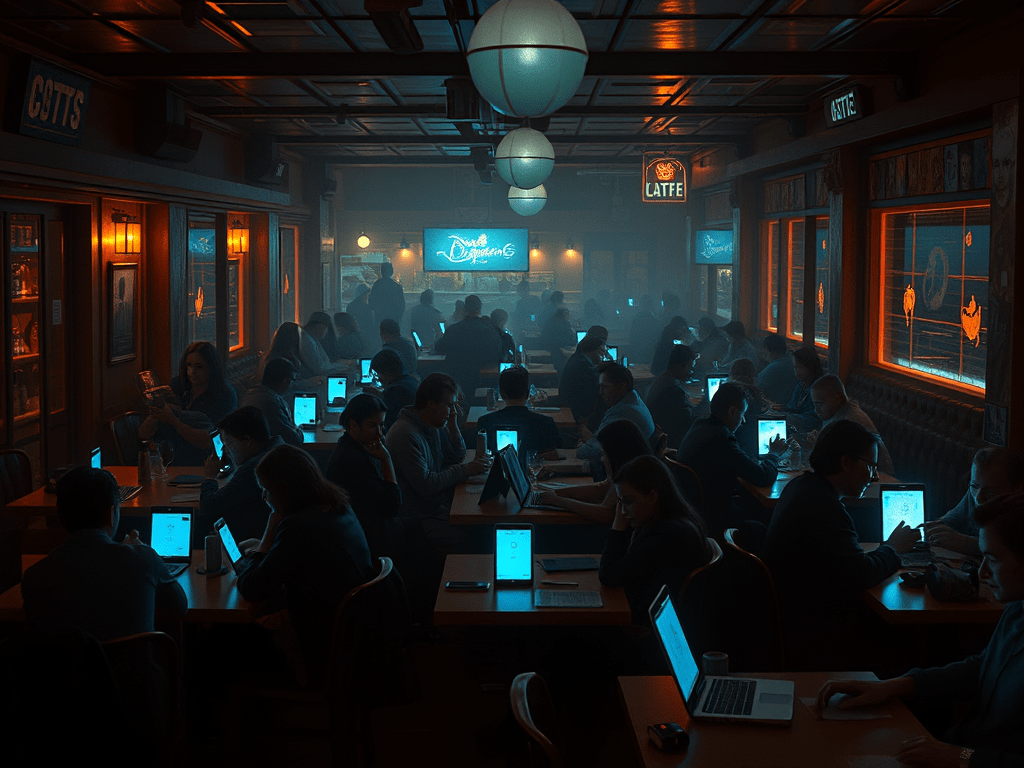
The Lost Skill of Making People Feel Seen

“Most people aren’t lonely because they lack friends, they’re lonely because nobody truly sees them. In a world of constant interactions, at work, online, or in our daily routines, these moments are often shallow, rushed, and forgettable.”

Most people aren’t lonely because they lack friends, they’re lonely because nobody truly sees them. In a world of constant interactions, at work, online, or in our daily routines, these moments are often shallow, rushed, and forgettable.

One of the best books I’ve read recently on this subject is from New York Times writer and columnist, David Brooks, who authored the book, ‘How to Know a Person: The Art of Seeing Others Deeply and Being Deeply Seen’ in October 2023. The core idea of his book was that you can divide people into two camps of ‘Illuminators vs. Diminishers’, with illuminators making people feel recognized, clearer, more important, and the diminishers who make interactions about themselves or forget about the other person (often not on purpose). If attention is now the primary currency in our lives, giving or receiving quality attention is the key difference in seeing others fully.

Let’s go into what ‘feeling seen’ means in 2025 and what it doesn’t because it can get confusing if you’re new to this concept. Feeling seen is not about just agreeing with someone, praising them effusively, being ‘nice’ or ‘kind’, fixing their problems for them, dumping your own problems or inadequacies on them to compensate in return for them sharing their issues. Rather, feeling seen is about being perceived accurately and without judgment often, having your inner logic understood and how you see the world, and feeling that your emotions are being recognized rather than just analyzed and interpreted.

An example of this in action could be a friend, a spouse, or a co-worker telling you, “I don’t necessarily agree with you here, but I understand why that matters to you and I see your perspective.” Being able to let that person know that you know where they are coming from in their views and why it matters to them makes a huge difference in your personal and professional life.

Technological and other daily distractions aside, there are various reasons why people don’t feel fully seen nowadays. Most people are not patient in waiting for their turn to talk, rehearse their response in advance while you’re still speaking, filtering everything through themselves and what they would do, or just not wanting to understand when they listen. If you are not seeing someone enough, start with listening to understand the other person rather than listening to reply or putting themselves in their shoes right away. You cannot see someone else while you’re playing their role in your own mental movies or thinking through what you would do, say, or behave in their shoes.

Like any social skill, there are ways to make someone feel more seen and to build up that skill like it’s a positive habit. The more you use, repeat, and solidify these response tactics, the more comfortable other people will feel around you. First, listen to the emotion that they are carrying with their words even if they don’t express it outright. Train yourself to hear the ‘fear, anxiety, pride, shame, sadness, frustration, hope, joy, etc. that they exude with their cadence and tone beyond the words they are saying. Being able to voice what emotions they may be expressing to you in their words is very powerful and will make someone feel very seen. For example, “You sound disappointed, not angry, about ____.” As David Brooks wrote about ‘illuminators’, seeing people’s emotions clearly even if they aren’t telling you with their words what exactly they are feeling is a very useful people skill.

Second, I think it’s key to asking expanding questions, rather than extractive or basic ones. Good questions open doors to a deeper and more fulfilling conversation while bad questions can feel like an interview or an interrogation. A good question could be, “What part of your work gives you the most fulfillment?”, which can expand the conversation and take that person through a positive memory or a feeling of contentedness sharing what they do for a living in a specific way. Rather than an extractive question that may not lead anywhere that we often hear a lot as “So, what do you do?” If the question helps them understand better or explains why someone does what they do, you’re doing it the right way.

Additionally, some other ways to make others feel seen is to avoid pivoting to yourself right away. You should want to reflect on the conversation rather than redirect it to be about yourself or what you would do. For example, you could say “What I’m hearing from you is ____”, allowing that person to know that you were paying attention but also that you heard them correctly in terms of their viewpoint. Remember to ask questions that open the conversation, not trap it. Name specific strengths you notice. These small moves make someone feel truly seen. A friend once told me they felt burnt out by their job. In this case, just nodding back wasn’t enough, but I reflected on their frustrations with their work environment, and it completely shifted the conversation

Naming the strength(s) and good qualities of a person is also an excellent way to make them feel seen. Instead of calling someone you respect ‘smart, clever, hard-working’, go deeper than that by taking why you think they are that way and what it is specifically that led you to come to that conclusion about them. At a meeting once, instead of saying “Good point. I said, ‘I see why that approach would make sense given the constraints you’re dealing with.”

Lastly, people are unfinished characters meaning that they are complex, deep, and contradictory at times. Mr. Brooks’s book emphasizes the need to have a ‘moral imagination’ about someone to get beyond who you think they are just because you know their politics, childhood, job, worst moment(s). Assume in good faith that there is a lot more going on in a person’s life than you currently understand and try to hold judgment about them based just on the information that you have available about them.

Being seen by another person deeply is a great feeling and is increasingly rare these days. Seeing others requires courage, dedication, and attention, which is in short supply. The ability to see and be seen demands humility, slowing ourselves down, removing our ego armor, and being present with them fully. It is also worth noting that the people who feel most unseen by others end up being the worst at seeing others in response as it becomes a negative cycle. If you’re not seen at all or at least a little bit, why would you want to do the same for others rather than breaking the cycle?

Making others feel seen changes you for the better as a person. When you see others well, your relationships deepen, you become a better leader, your conflicts soften or end, and your own sense of personal meaning grows as a result. As Brooks writes in ‘How to Know a Person’, “To know other person well is one of the highest forms of love.” I think this is a great lesson worth imparting on us all to try to illuminate other people as often as people and to do so in a consistent manner. I’ve seen it personally in my classrooms, work meetings, or even casual coffee chats as people light up when someone hears them and not just nods along.

Try this once today: make someone feel truly understood. Watch what happens. Whether it’s a comment, a reflection, a thoughtful question, a moment of real attention without distraction, you can make a positive difference in that person’s life, especially if they are going through a tough time. You don’t need grand gestures, just presence, attention, and care. In a world obsessed with being seen, the rarest superpower is knowing how to see.

I’ll Take Kind Gestures Over Kind Words Any Day

“When was the last time someone let you merge into traffic or grabbed you a coffee without asking? Too long, right? Small gestures like these can make your day or even your week. We’re taught from a young age that kind words keep the world turning, but words are just the starting point.”

When was the last time someone let you merge into traffic or grabbed you a coffee without asking? Too long, right? Small gestures like these can make your day or even your week. We’re taught from a young age that kind words keep the world turning, but words are just the starting point.

Even rarer than kind words are kind actions. Post-COVID, people’s social skills have atrophied, making everyday courtesies harder to come by. Things like holding the door, walking on the right side of the sidewalk, or letting someone merge on the highway might seem small but they matter far more than words alone, and we could all use more of them.

Having these kinds of gestures be optional instead of compulsory represents an overall reflection of the fracturing of what used to be common courtesy along with the kind of bare minimum expectations we have of one another too often. Instead of kind gestures, we often have the opposite now: people being loud in public places, not using earphones or headphones on their meetings or in the music they listen to, or just not minding their body language or others’ personal space. I value the importance of these basic gestures because they take such little time or self-awareness yet have become harder to find even when I consider them to be increasingly important to societal harmony.

It’s one thing for strangers to abstain from kind gestures or words but it’s entirely another when they come from business associates, colleagues, family, or friends. Taking the initiative and building a two-sided friendship or relationship, professional or personal, doesn’t take much to sustain but it truly can make a world of difference to the other person(s). Such kind gestures mean more than the average word could ever and people really remember those sincere actions more than giving a basic compliment or heaping on effusive praise.

These kind gestures depend on the kind of relationship you have with the person or group in question, but sending business associates a holiday card or remembering their birthday can strengthen the relationship significantly. You could also offer to buy them coffee or tea for providing advice or mentorship with your work or business. With work colleagues, it doesn’t hurt to share your appreciation in giving a kind word for them, but it could mean much more to bring in food or drinks for lunch or help them with a problem they are having on a difficult project. If you’re a manager, kind words are nice to hear but recognizing your employees with a bonus, a promotion, or just an award or other kind of real recognition can make a huge difference with morale building or employee retention at your firm.

With one’s family and friends, it’s always important to say ‘please’, ‘thank you’ and show your appreciation for their presence in your life. However, it’s always better to take the initiative to ask them out for a dinner or a concert or just to give them a call consistently to check-in with them and see how they’re really doing. Keeping a friendship or family relationship in good shape is hard to do but at least making the effort to see each other and to do so in a two-way manner is key to keeping it sustainable.

Being complimentary, supportive, and positive are all great with your words but real actions or gestures will always speak loudest. That’s especially the case when you’ve known that person a long time and have a history together. Sometimes, friendships end out of nowhere and family bonds are breakable by one party or the other, but if you want to make a real effort, make sure to rely on kind gestures primarily because they mean a lot more to someone than your words.

These days, it’s hard to get kind words out of strangers or people you don’t know and even more so when it comes to expecting basic social graces or gestures of kindness. As a result, we are starved for those kinds of gestures and actions that are unprompted, considerate, and relevant to us. We need those friends, family, and even close associates doing kind things for us and for them to be reciprocated as well because it helps foster our happiness, joy, and overall life satisfaction more than we think.

Kindness begets kindness. While words can move the needle, gestures, actions, and time spent together make a world of difference. Remember: kind words are the minimum of a polite society but making kind gestures second nature to you, especially for the people in your orbit, will make your life richer and fuller. Tomorrow, remember to hold the door for someone, send that quick ‘thank you’ note if someone did something kind for you, or buy a mentor or a friend a cup of coffee. Small gestures always make a big impact, which makes life better for everyone.

My Second Attempt at English Poetry (June 2025)

My second attempt at writing English poetry and covering different topics such as the open road, nature, love, summertime, and the stillness of life.

1. Silence on the Open Road in Iceland

No horns, no hurry, no traffic rush, just endless sky,
Lava fields hush as the glaciers sigh.
Each mile whispers what words cannot say,
The road and I just slip away.


2. The Peace and The Quiet

No noise, no news, no fuss,                                                                                                   only my breath and the calm breeze.
The world exhales at once,                                                                                                     putting me at ease.
In stillness, truth begins to speak,
The loudest peace is soft and sleek.


3. The Majesty of Nature

Snowcapped Mountain peaks glimmer far and wide,
Wild rivers roar and tumble with pride.
Bold explorers yearn for each high crest,
to leave a mark, and to pass the test.
Bow to the wind, the sky, the flame,
this wild world remembers your name.


4. Summer Breeze

My warm hands go across your soft skin,                                                                            a flirty tease, a calming sense of ease,
salt, sand, and sun felt in a lazy breeze.
Time forgets to check the clock,
Summer sighs and slips its lock.


5. My Blue-Eyed Baby

Your blue eyes flash, like a new day’s dawn,                                                                        Pure joy and glee I see, you could never do wrong.
One smile, the world turns sweet and slow,
you’ve got that magic, baby, don’t you know?

Mi Quinto Conjunto de Poesia en Español (My Fifth Set of Spanish Poems)

My fifth set of Spanish poems focusing on the springtime, solitude, Guatemala, and experiences becoming new memories.

  1. La Distancia Entre Nosotros
    La distancia entre nosotros
    Me da una pena tan grande
    No sé lo que puedo hacer
    ¿Este es el fin, cierto?
    Tu cariño no lo siento como antes
    Eso me va a lastimar mucho
    La pérdida definitiva de ti.

2. Primavera Eterna
Quisiera ver las flores y toda la belleza
Por toda mi vida
El sol me da fuerza para enfrentar la vida
La belleza que no va a dañarme nunca
El florecimiento de la vida animal y vegetal
Es donde quiero estar por siempre


3. La Soledad
Al principio, me siento bien
La paz y la tranquilidad
Pero la soledad no es para todos los días
Es algo que puede destruirte sin interrupción
La conexión es insustituible
Nosotros nos necesitamos como humanos


4. Los Colores de Guatemala
Un país con belleza inmensa
Colores brillantes, ropa brillante y alimentos brillantes
Casi demasiado para mis ojos avellana absorber
Belleza natural se mezcla con belleza humana
Guatemala, impresionante y expresionista
Quisiera explorar la cacofonía de colores aquí


5. Ahora, es un Recuerdo
Momentos bonitos que ya están en el pasado
Quiero volver, pero ya no puedo más
Recapturar el mismo sentimiento será imposible
Los recuerdos que compartimos fueron especiales
Yo sé que solo existen en mi mente ahora, pero para mí
Todos mis días voy a recordarlos y a ti también

Having ‘Main Character Energy’ in 2025 and Beyond

“As we enter the new year of 2025, this mindset offers a guide to prioritizing experiences and hobbies that bring both joy and excitement as we aim to lead more fulfilling lives.”

In this age of social media and the constant pressure to prioritize self-expression, the concept of having “main character energy” has recently captured the imagination of popular culture. This recent internet-born slang expression reflects the central idea of viewing your life as a narrative where you’re the protagonist, who is taking charge of your story, and embracing a sense of adventure, purpose, and individuality in what you choose to do in your free time. As we enter the new year of 2025, this mindset offers a guide to prioritizing experiences and hobbies that bring both joy and excitement as we aim to lead more fulfilling lives.

What exactly does it mean to have “main character energy”? At its core, “main character energy” is about seeing yourself as the center of your life, with complete control over what you do, where you go, and who you spend your time with. At its essence, it’s about celebrating authenticity, confidence, and self-awareness. Popular culture has fueled this idea, emphasizing the need to live boldly and create new memories through having unique experiences, both individually and with others in your life.

The concept also ties into the broader cultural shift toward mindfulness and self-care. Being the “main character” doesn’t mean being self-absorbed or ignoring others. Rather, it’s about finding as much meaning as possible in your daily life and curating experiences that reflect your passions and interests. It’s also about stepping out of your comfort zone to challenge yourself with new activities and experiences. Instead of falling into an endless and mundane routine throughout the year, having “main character energy” means starting a new hobby, embarking on a trip to a new place, or learning a skill you’ve been curious about.

Living with “main character energy” is less about the aesthetics of a lifestyle and more about harnessing your mindset and actions. It’s about taking ownership of your narrative and injecting it with moments that make life feel both cinematic and memorable. Here’s how you can channel this energy in 2025:

First, prioritize your experiences over material things. In 2025, we should focus more on trading material possessions for memorable experiences. Whether it’s traveling to a new city or country, trying a new restaurant down the street, taking a salsa dance class, or learning a new language, stepping out of your comfort zone can create unforgettable memories and help you grow as a person.

Additionally, rediscover those hobbies that ignite your creativity or start new ones. Painting, writing, coding, gardening, hiking, or even starting a book club can make your life feel more vibrant and less routine. When you invest in your passions, your life gains greater depth, and you become more connected to your overall story.

Main character moments aren’t reserved for those grand adventures that may occur just once a year or a few times each year. They’re also about making the most of the mundane in our daily lives. Romantic or memorable moments can exist in small, everyday joys, no matter how routine they seem. Sipping coffee in the morning, walking through a park, listening to the birds chirping, or watching a sunset can feel magical when you slow down and savor the moment instead of rushing to the next task.

If you’re a fan of cinema or books, you’ll notice protagonists in movies and novels take leaps of faith and so should you. Apply for that dream job, take a sabbatical to travel the world, confess your feelings to someone you love, or start a side hustle or passion project and see it grow. Bold moves in your life create turning points in your personal story.

Engaging in “main character” activities in your life means intentionally seeking out joy, adventure, and self-expression instead of waiting for them to find you, which rarely happens. It’s about taking a solo trip and feeling the thrill of independence, creating a music playlist that feels like the soundtrack to your life, or hosting a themed dinner party with friends who share your interests and passions. These moments don’t just fill your time or break up your routine; they also enrich your narrative.

In 2025 and beyond, prioritizing “main character energy” means embracing life with a renewed sense of wonder and enthusiasm. It’s about creating the biggest story worth telling: the one of a life, filled with curiosity, courage, and connection. When you step into the role of the main character, you’re not just living life like everyone else is. You are choosing instead to make it truly your own with your own interests, passions, and joys at the forefront, thriving as a result and making the most of the limited time we have on this planet. The best part of embracing the “main character” energy in your own life? The pen is always in your hands to write your own story as you see fit.

Watching The World Go By In Paris

“Many cities are great for people watching or just seeing daily life transpire in front of your eyes, but Paris is different from the others because you are allowed to slow down fully to take it all in.”

Few cities embrace the pleasure of watching the world go by more than Paris. No wonder why writers from all corners of the globe have come to the ‘City of Lights’ to be inspired to reach their creative goals. If you’re a keen observer as any good writer should be, you’ll see all walks of life come through Paris each day. Whether it’s a starry-eyed tourist with a camera in their hand, a bookkeeper plying his trade by the Seine River, or a street music performer trying to earn a Euro or two. Many cities are great for people watching or just seeing daily life transpire in front of your eyes, but Paris is different from the others because you are allowed to slow down fully to take it all in.

In Paris, the pace of life is fast like any city but the city’s awe-inspiring beauty, its prominent café culture, its pleasant on their ears language of French encourages you to slow down, have a coffee or a pastry, sit down with a book or a pad of paper, and really take it all in. One of my favorite aspects of the city is that compared to most major cities or even other cities I’ve been to in France is that you are encouraged not to rush the experience whether when you’re dining, drinking, or smoking (for those who partake).

No one cares how long you sit at a café or a brasserie (some places are even open 24/7), if you pay for something on the menu and be kind to your server. Some tables may have you face each other if you’re with a companion but often, your chair(s) and table will be facing out on to the lively Parisian streets or plaza whether you are alone or with someone else.

Paris does not bemoan the lone traveler or the lone wanderer who comes to visit it. It is perfectly normal to be by yourself with your thoughts, your sketch pad, and your cup of coffee spending as much time as you need with whatever you happen to be working on. I’d imagine that even if you visit in the Fall or Winter, you’ll still see people out in the streets or in the plazas, talking, laughing, eating, drinking, and making the most out of their lives in the big city. When you are in Paris, you can watch the world go by and even if you’re in a rush personally that day with work or studies, the city will encourage you to slow down, stop somewhere, and take in its ever-enchanting beauty and detail.

Writers, painters, musicians, and other kinds of artists have had a field day with creating great works from having lived in Paris because there is so much to be inspired by. The city of Paris and French culture, in general, have a high emphasis placed on beauty, aesthetics, and the art of good presentation. Any type of artist will be able to come to Paris to draw or paint about the daily scenes of life they see there, have time to think deeply about their approach to their work, and foster ideas without being interrupted endlessly.

Even with the humming noise of traffic and pedestrians, it is not a overly loud city when compared to other major cities I’ve been to in the world. You can find those moments of quiet and peace amid the waves of people and vehicles who pass you by. Sitting and facing out towards the world and not with your back to it allows you to assess better how you fit into this magnificent city and where you fit into its ever-changing melody and rhythm.

I believe you could spend years in Paris and not have tried every restaurant, café, brasserie, or bar. There are seemingly endless places to sit, drink, relax, think, write, and reflect, which is why the city is and will always be such a haven for brilliant artists of all kinds throughout the millennia. Paris encourages you to soak it all in and to pay attention to what you’re surrounded by.

Throughout Paris’s history, the city has sought to inspire humanity to move forward through making new inventions, creating new works of art, writing new literature, and building more beautiful and awe-inspiring architecture. When you think about a self-fulfilling prophecy for a city to have, Paris was built on reaching higher and higher in terms of our human aspirations to create beauty in this life and to find the beauty in each other.

We may fall short from time to time, but Paris is a city built on pursuing excellence in all facets through the pursuit of one’s dreams. For those people who are creative in any sense of the word, who want to share their creativity and gifts with the world, Paris is a great home to begin doing so. When you come to the ‘Ville de Lumiere’, not only can you watch the world go by without a care in the world and be able to take in all its beauty and charm, but you will also be inspired by the city that was built on fulfilling the hopes and dreams of its many inhabitants.

Paris would not be the city it is today without the creative and forward-thinking men and women who built it to be what it is today and will remain for the future, a beautiful and inspiring beacon of human ingenuity and vision that inspires both visitors and Parisians alike.

Getting Good at Asking Questions

“Asking questions is a fundamental life skill that you should always be improving on. You should be able to ask relevant questions without feeling as if you are imposing on someone.”

Asking questions is a fundamental life skill that you should always be improving on. You should be able to ask relevant questions without feeling as if you are imposing on someone. There are limits to how many questions or what kind of questions we can ask but you won’t know if that question will be answered until you ask it. Most of the time, there is no harm in asking someone a question and seeing what the response will be. I find that it’s often better to have posed the question than not to have asked anything at all.

Unfortunately, I would say that a lot of people are afraid of asking any questions at all. They may not want to cause a stir, fear a reprisal, or feel that their ego would be harmed by asking a question. I can sympathize with these concerns but it’s important to make sure that before agreeing to someone, before signing a document, or verifying a statement, that you ask all relevant questions that come to mind.

I would also argue that asking questions is not only necessary professionally but in your personal life. Being able to know more about your friend(s), your family member(s), and even your romantic partner comes down to asking good questions without overdoing it. It is one thing to be able to ask simple questions, but I would encourage you to get good at asking questions by following a few steps before you ask the question of the other person or of a group of people.

  1. As I mentioned earlier, the question should be relevant to the subject(s) that you are talking about. To give a simple example, if you need to ask someone what their plans are job or career-wise, I could ask them, “what would you like work on in the future?” or “where would you like to work in the future?” I wouldn’t say, “what does the future hold?” or “what will you do?”. You must make the sentence a bit more relevant by expressing that you are asking about ‘work’ specifically and highlighting ‘in the future’ to make sure that you are discussing a future opportunity. The other two questions are too general and do not specify enough that this is about a future job or opportunity. You should also make sure your question focuses on ‘your future’ and not ‘the future’ when asking that person. The other question of “what will you do?” has ‘in the future’ missing from the end where it could be more relevant.

2. Not only should questions be as relevant as possible, but you should avoid having them be open-ended. Similarly to not omitting ‘in the future’ from the end of the question, your question should be more concrete and firmer in what you are asking. Instead of asking someone, for example, “Did you tell the truth?”, it’s too open ended compared with, “Did you tell the truth about what happened at the party?” The person you are questioning may feign ignorance about an open-ended question such as not know what ‘truth’ or ‘true statement’ you are referring to. At the end of the question, you should be specific about what the ‘truth’ pertains to such as ‘the party’, that the person you’re questioning was likely at and can tell you more about it. I believe that when it comes to asking questions, they should be relevant but not be open-ended so the other person will not better what you are asking them about and will find it more difficult to feign ignorance. You only may have one chance to ask the relevant person(s) your question(s) so it’s better that they be as a specific as possible and discuss what the person or people should already have some familiarity with.

3. Lastly, when it comes to getting good at asking questions, make sure you are addressing not just ‘what’ and ‘why’ but to get the full context, including all the -wh question words as well as ‘how’ to add on to it. I believe ‘what’ and ‘why’ to be the most important kinds of question words to use in any question. However, I would recommend not neglecting the chance to have follow up questions if feasible. Those follow up questions you ask should include ‘where’, ‘who’, ‘when’, and ‘how.’ You can also include other ways to ask the question such as ‘for what reason _______’ or ‘for what purpose ______’ as questions can begin in English with ‘for’. If you have just one question to ask, ‘why’ followed by ‘what’ can be used almost interchangeably but are most effective in finding out the person’s reasoning or justification regarding the answer.

Don’t repeat the same kind of questions repeatedly. It is important to mix up your questions involving the question words that you use at the start of the sentence. If you can ask multiple questions, make sure you address each relevant question word with the person you’re asking. You’ll find that you will get more information from them and will get better answers by using each question word. Whether it is reason, explanation, justification, or overall rationale in their answer(s), the various question words can be a large difference in the information you receive as a result. If you are going to ask questions, do not make them the same and vary them each chance you get to achieve better results.

Asking good questions is not easy and there is some skill involved. It is better to ask a question than to not have asked one at all if you take the time to practice. You should want to make sure that you are asking questions generally but ones that are relevant, not too open-ended, more specific, and are also varied in how they are phrased. These key steps will set you apart in terms of the kind of answers you may get. If your questions are vague, irrelevant, open-ended, or too generic, you will likely not get the answers you need, and your professional or personal life may not progress as well as a result.

Like any good life skill, asking good questions will take serious time and effort. Make sure to practice what questions you’ll ask someone before stepping in front of them. Take the time to prepare, write down your questions, analyze them for relevance, and practice with a trusted person before stepping up to ask the actual question. You’ll be glad for the practice in doing so and I think you’ll be much better off as a result when ‘question time’ comes around.

To Write, You Must Observe

“Being a good observer contributes to being a good writer. Taking the time to observe the world around you help to stimulate a good sense of what to write about and what could be put to paper.”

Being a good observer contributes to being a good writer. Taking the time to observe the world around you help to stimulate a good sense of what to write about and what could be put to paper. I find that observing people, animals, or just nature without distractions can stimulate your ability to process possible ideas whether for poetry, stories, or for articles. You can draw both hypotheses and conclusions from you observe the world around you. It allows you to come up with scenarios or storylines just from seeing what’s going on around you.

You can really let your imagination run wild with coming up with fictional events, stories, or essays when you can draw on what you observe. Being observant allows you to think about good ideas for what you would like to write further about or to come up with ways to flesh out a person’s story or history. A good writer can flesh out the details based on what they are observing and create a good story or plot from what they may see out in the world. Being an observer doesn’t have to be a majestic place like from a mountain top or overlooking a lake.

You can make insightful and creative observations just by sitting at your neighborhood café for a few hours or from walking through your local nature park. A simple change of scenery stimulates your mind just from putting yourself in an unfamiliar location. A writer should immerse yourself in different settings and bring a pen and paper or their laptop with them. Having a quiet place to observe is also much better than a noisy place, similar with how a pond or a backyard porch is better for observations to be written down than going to Times Square or Las Vegas to come up with good writing ideas.

I do believe certain places are better for writing down your observations especially if they are quiet and allow you to concentrate more. You’re able to not only come up with story or novel ideas in those places but can write more in-depth about what you’re seeing without being distracted in those crowded, noisier, or places with sensory overload. It is a key part of being a writer to hone your observations as much as possible without overwhelming your senses by trying to observe everything all at once.

It is more productive to focus your observational writing on a particular part of a place or scene rather than trying to make sense of everything going on around you all at once. To develop your creative writing abilities, when making observations, do your best to hone your story idea or your poetry to a specific animal, nature scene, person, or theme. Observational writing can really let you hone your descriptive abilities by letting you expand your vocabulary, develop your chance to set the scene, and use your imagination to create a story out of nothing.

I would also say that being a good observer does not end at fictional scenarios but can help you with your non-fiction writing as you can attend live events like concerts, protests, or speeches, where you can observe the speaker or the attendees and writing about the setting along with the sequence of events that happened from first to last. Observational writing comes in handy when you are a news reporter, journalist, or in forming opinions. Without being able to be at the scene or where something is happening as it happens; you rob your writing from being able to recall in as much detail as what happened and how it happened when you’re not actually there.

Experiencing something virtually or secondhand does not lend the same kind of credibility or have the same kind of feeling as when you’re there in real life when something is happening live. Your observations when writing should be experienced firsthand as much as possible. I’ve found that my own writing about things, places, or events I’ve been to is not as sharp when I wait a few days or a week after to recap what happened and the accuracy is not the same as when you are writing about it as it happens.

If you are looking to improve your writing skills, I recommend sitting yourself somewhere quiet and peaceful where you can make your live observations and develop them if you would like to into poems, stories, or essays to use your imagination. You can really develop your vocabulary, your prose, and your own form of storytelling through making live observations. Good writing tends to come from being a good observer. The more time you can spend in different places observing the world and its inhabitants, your writing is going to improve and will also help you develop your own narratives, settings, and plotlines. Be sure to use your observations to further your writing skills and to take your compilation observational notes to make yourself a better and more complete writer.

Reading Between The Lines Is A Key Skill

“When you ‘read between the lines’, you understand better what someone means even when they may not be outright saying or expressing it.”

‘Reading Between the Lines’ is a popular expression or phrase that really holds a lot of weight to it when you think of the meaning. When you ‘read between the lines’, you understand better what someone means even when they may not be outright saying or expressing it. Beyond simply verbally conveying their thoughts or feelings, the key ability to perceive how someone really feels through other factors such as their tone, their body language, their interaction(s) with the environment around them, this can really make a difference in how well you read them and what they really mean.

Culturally, indirect speech, behavior, or communication is quite common and what is not said is as important or if not more so important than what is said. You can save yourself a lot of trouble in life by reading between the lines and inferring what is meant or indicated than what is vaguely said or stated to you directly. Maybe you will be able to grasp a basic idea of what someone means through their speech or their mannerisms, but you will often have to look at not just those factors but also the environment for which it was said, the context for which it was given, the body language of the person(s) involved, and the tone of voice that they used to convey the message.

Because of trying to protect sensitivities or not disrupt group harmony or not wanting to ‘rock the boat’, another similar expression, either professionally or personally, you will be asked to read between the lines of what is written and what is said throughout life. Knowing the difference and how to understand what is directly implied to you but indirectly stated will save you a lot of confusion, disappointment, and time above all else. I’ve written before about how important it is to mind your surroundings, and that ties into why it is key to notice the environment you’re in when the speech is given, or where the meeting happens.

Some factors that come into play when it comes to reading between the lines of a speech or a public discourse that is happening, the speaker(s) body language, tone, and whether they are really conveying their true feelings or beliefs in what they are saying. If they are masking what they truly believe or feel, you should be able to pick that up through steady practice. It is not just about the spoken word but also about the written word and this can be crucial when it comes to important legal, medical, or financial documents.

You should constantly be noting the who / when / where / what / why / how of the author and who is the audience they are addressing. It is also necessary to ask are they writing with a specific tone and do they have a personal bias or an agenda that shows through their written piece. It is much easier to read between the lines when you are with that person in the same room and they are speaking to you directly or indirectly in an audience because you can hear the tone, see the body language, and watch their emotional state. It is much harder yet no less important to be able to pick that up through writing whether it is a text message from a friend or a legal contract from a lawyer.

This kind of skill is not taught to many people, but it is a vital skill to have especially when you are trying to tell if someone is being truthful, if they have your best interests at heart, and if they really understand what you are telling them. If you are listening intently, absorbing what you are hearing or reading, and able to come to your own conclusions after putting some thought into it, you will be ahead of other people. Reading between the lines is a skill that takes not only additional concentration but patience as well. You should not be interrupting when you do this verbally, be distracted by another task or person to mix up your attention, really watching the person(s) talking and observing how they act in the environment they’re in, and most importantly, what is your relation to the person, how long have you known them for, and if you know anything about their background for which you can infer something about who they are.

It is easier to know someone’s true thoughts, feelings, or beliefs when you are giving them your undivided attention. You also have an advantage if you know a little bit about them beforehand, their background, what their personality is like, and what their point of view is likely to be based on all those factors. This kind of perspective can make a big difference especially professionally because you’ll know better of who you’re dealing with, where they’re coming from, and what they might be like when they meet and talk with you.

There are going to be crucial points in your life where you’ll need to read between the lines such as during an intense negotiation, dealing with business meetings, and just making sure in your day-to-day life that you’re not being taken advantage of. It can be hard to trust other people at times and you really must screen them hard to see if they are giving you the truth, embellishing a little bit, or outright lying. Being able to read between the lines will not only help with the major events in life but also in small day-to-day interactions as well. Most importantly, if you carry yourself well, give steady eye contact, listen without interrupting, speak clearly and in a steady tone, avoid distractions when you’re reading or listening, you will have a much easier time being able to read people.

You likely won’t be anywhere near 100% successful in thinking you know the person or people you’re reading in terms of body language, behavior, and their actions but you’ll be much better off than before if you at least try. Indirect communication can be a real pain to navigate but it is quite common in our culture and our society. To remedy that, make sure you do your best to read between the lines, make an assessment, and carry forward with the best intentions. I think it is quite likely you’ll be in a better position than you were before by adopting this skill and making it a priority in your life.

‘Extrapolations’ – TV Series Review and Analysis

“Recent wildfires in Canada that have caused the worst air pollution in decades across the Northeast U.S. this week have made me think about how our lives are becoming more and more impacted by the effects of climate change.”

Recent wildfires in Canada that have caused the worst air pollution in decades across the Northeast U.S. this week have made me think about how our lives are becoming more and more impacted by the effects of climate change. Growing wildfires, powerful hurricanes, sea level rise, melting glaciers, species extinction, and more acidic oceans are all causes for concern for people around the world and no country or people is likely to be exempt from at least one of the effects that have already been documented. What happens though in the next 50 years when we don’t take enough action now and in the past to reverse a possible future of no return?

That question is the premise for the first mainstream drama to focus on a future where climate change wins the battle that we are currently on track to lose if we don’t make drastic changes to our impact on the world around us. ‘Extrapolations’ is not a run of the mill documentary about climate change nor is it a disaster film that has become popular in Hollywood regarding disastrous storms. Instead, it is a rather intelligent take on the world soon when humanity cannot prevent global temperatures from staying at or below a 1.5-degree Celsius increase. The show covers what happens when humanity fails in its objective to keep the warming of the planet to a tolerable level. What starts out as 1.5 degrees Celsius becomes 2 degrees than 3 degrees until we become way past the point of no return past mid-century when 3.5 – 4 degrees Celsius is where the planet is headed.

Throughout the show’s eight episodes, we see the effects on the planet from Miami, Florida to New York City to London to Tel Aviv, Israel to Mumbai, India. From sea level rise wiping out the most popular nightlife areas in Miami including a historic synagogue to the constant wildfires that engulf Israel and the Middle East to limited outdoor time in Mumbai each day due to the overbearing heat and polluted air that causes deleterious effects to one’s health, the writers paint a grim yet realistic picture on what will happen if our climate change efforts fail miserably. More so than just the settings that are portrayed accurately in terms of how these popular cities may face their own negatives based on their geographic location, the characters in ‘Extrapolations’ have fully developed backgrounds, and you really get to know each of them over the course of the TV series.

There is a wide berth of society who are represented in this show from the wealthy billionaire who is interested in maximizing profits and takes advantage in his corporation from a dying planet to the Rabbi who is trying to wrestle with his faith in God as his synagogue slowly floods from the rising sea. What ‘Extrapolations’ does well is that it acknowledges that no one is purely innocent or purely guilty because of how badly climate change has warped the planet. Everyone is responsible in their own way, some more than others, but humanity is to blame for how we did not act quickly or unite fast enough to overcome our differences to reverse the worst effects to come.

The human effects of climate change are also explored such as how we are affected when we cannot go outside or must stay indoors to avoid heart or lung issues, why the extreme heat can prevent any work or leisure to take place, and how loneliness, depression, and atomization becomes more common when we despair at the worsening state of the planet.

My favorite episode in the eight-part TV series is ‘2066: Lola’ where we see how much augmented and virtual reality has come by then so that people are paid essentially to pretend to other people as a gig job and earn credits or money that can help improve their lives and insulate themselves more from climate change’s effects. The desire to connect with other people to distract ourselves from a dying planet is truly the TV series’ most impactful episode and makes you think about how much the emergence of augmented reality will make us both lonelier than ever and wanting to connect with others in untraditional and sometimes unseemly ways.

‘Extrapolations’ as a show really gets the A-list attention for a futuristic take on climate change’s effects on humanity with movie stars like Meryl Streep, Forest Whitaker, Kit Harrington, Edward Norton, Matthew Rhys, Gemma Chan, David Schwimmer, etc. All eight episodes are boosted by a stellar cast who really pour their hearts into the performances they give. I believe that they all truly cared about the project and how important it is to have a show like this become the center of attention. While Apple has been rightly condemned for some corporate practices that are harmful to the planet, it is a major TV show and movie distributor and should be commended for being the first major studio to have a series that doesn’t shy away from the brutal honesty of where we are headed if we don’t mitigate the worst effects of climate change to come.

If you are reading this article in 2023, you already know that the sea levels are starting to rise, wildfires are growing in both size and scale, bigger and stronger hurricanes that are also becoming more powerful, and deadly heat waves are becoming more common. While the first episode in this series takes place in 2037 and the last one ends in 2070, climate change is already here in 2023 as recent news events make clear and it has been affecting us for quite some time.

I encourage ‘Extrapolations’ to be watched by viewers with an open mind but also a commitment to do better for the planet. Do not shy away to act and make your voice heard regarding climate change after watching the series. You may think you know how bad it can get in the future from watching this series but ‘Extrapolations’ importance as a show is that it is as clear as day to where we will end up if we don’t hit the collective climate target goal of 1.5 degrees Celsius or keep as close to 1.5 degrees as possible.

While the show does mention possible stopgaps and solutions that can mitigate the damage, by that time in the 21st century, these solutions are risky with side effects on the planet that can only be speculated about. While the billionaire tycoon character was likely modeled after a few people who are prominent in our current age, as the show makes clear, the blame does not fall on him alone. We all can do our part by taking action to reduce our own carbon emissions, to encourage others to petition for policies and solutions now instead of 10 to 50 years down the line.

If the show has one central message after its eight impactful episodes, we all have stake in making sure this planet is livable for future generations. Even if you won’t be around to see the worst of climate change, we all should do our part, advocate for solutions now, and to hold people in power and of great wealth accountable if they do not action as well on a larger scale. The clock is ticking and as ‘Extrapolations’ highlights from 2037 to 2070, it can go downhill and get worse than what are experiencing already in 2023. Let’s not make the show a reality but keep it as a cautionary tale of what would have happened if we did not act strongly enough in these first decades of the twenty-first century.

I recommend ‘Extrapolations’ based on its great acting, stunning visuals, excellent writing, and interesting plots, but most importantly, because it focuses on the biggest issue of our time and one that we cannot ignore or downplay anymore.