A Mixture of English and Spanish Poems #1 (September 2025)

My first post regarding English and Spanish language poems together as I wanted to do a mixture of them in this edition of my poetry.

English Language Poems:

  1. The Sands of Time
    Can you feel it slip through your fingers?
    The grains of sand whisked away.
    Moments frozen in time;
    The places you remember being present,
    The times you felt fully alive,
    The smells that made up your lifetime.
    But the memories now have faded away.
    Can you embrace the sands of time?

___________________________

2. Cravings
It’s only natural,
The burning desires,
Mind, body, and soul.
Scratching that itch,
Placating that urge.
Keep it in moderation;
Don’t let it destroy you.
Remember: you’re only human.
Desire is the flame that ignites us.

___________________________

3. A Mile Wide, An Inch Deep
Face down, eyes unaware,
Nosedive into fake consciousness.
Blank-faced, artificial realities.
Lost connections thrown asunder,
Stagnant friendships, hollow ties.
You’ve spread yourself too thin across reality;
Living life a mile wide, and an inch deep.

___________________________

Spanish Language Poems:

  1. Es un gusto
    Es un gusto conocerte por primera vez.
    Es un gusto tenerte en mi vida.
    Es un gusto verte de nuevo.
    Es un gusto besarte en la noche.
    Es un gusto darte placer y amor día a día.
    Es un gusto pensarte todo el tiempo.
    Es un gusto quedarme contigo hasta el día final.

____________________________

2. Solo en mis sueños
¿Podría ser quien yo quiero ser?
Veo nuevas posibilidades,
Nuevas formas de vivir.
¿Podría hacer ese sueño realidad?
Soy un aspirante en mis sueños.
No hay nada que no pueda hacer,
Solo en mis sueños podría ser realmente libre.

My Second Attempt at English Poetry (June 2025)

My second attempt at writing English poetry and covering different topics such as the open road, nature, love, summertime, and the stillness of life.

1. Silence on the Open Road in Iceland

No horns, no hurry, no traffic rush, just endless sky,
Lava fields hush as the glaciers sigh.
Each mile whispers what words cannot say,
The road and I just slip away.


2. The Peace and The Quiet

No noise, no news, no fuss,                                                                                                   only my breath and the calm breeze.
The world exhales at once,                                                                                                     putting me at ease.
In stillness, truth begins to speak,
The loudest peace is soft and sleek.


3. The Majesty of Nature

Snowcapped Mountain peaks glimmer far and wide,
Wild rivers roar and tumble with pride.
Bold explorers yearn for each high crest,
to leave a mark, and to pass the test.
Bow to the wind, the sky, the flame,
this wild world remembers your name.


4. Summer Breeze

My warm hands go across your soft skin,                                                                            a flirty tease, a calming sense of ease,
salt, sand, and sun felt in a lazy breeze.
Time forgets to check the clock,
Summer sighs and slips its lock.


5. My Blue-Eyed Baby

Your blue eyes flash, like a new day’s dawn,                                                                        Pure joy and glee I see, you could never do wrong.
One smile, the world turns sweet and slow,
you’ve got that magic, baby, don’t you know?

My First Attempt at Spanish Poems (Mis Primeros Poemas en Español)

My First Attempt at writing poetry in the Spanish language, which is my second language. I have five poems here and hope to write more in the future. Muchas gracias por leer mis palabras aqui.

  1. En La Noche

Yo te pienso en la noche.

Yo extraño tu presencia.

Con las estrellas tan brillantes.

En frente de la luna mas grande.

Yo veo tu cara y tu sonrisa.

_____________________

2. Me Hace Falta

Cada dia que yo vivo,

Extrañando como vivi contigo.

No puedo continuar sin ti.

Recordando tu sonrisa y tu besos.

Me hace falta tu presencia.

_____________________

3. Azul

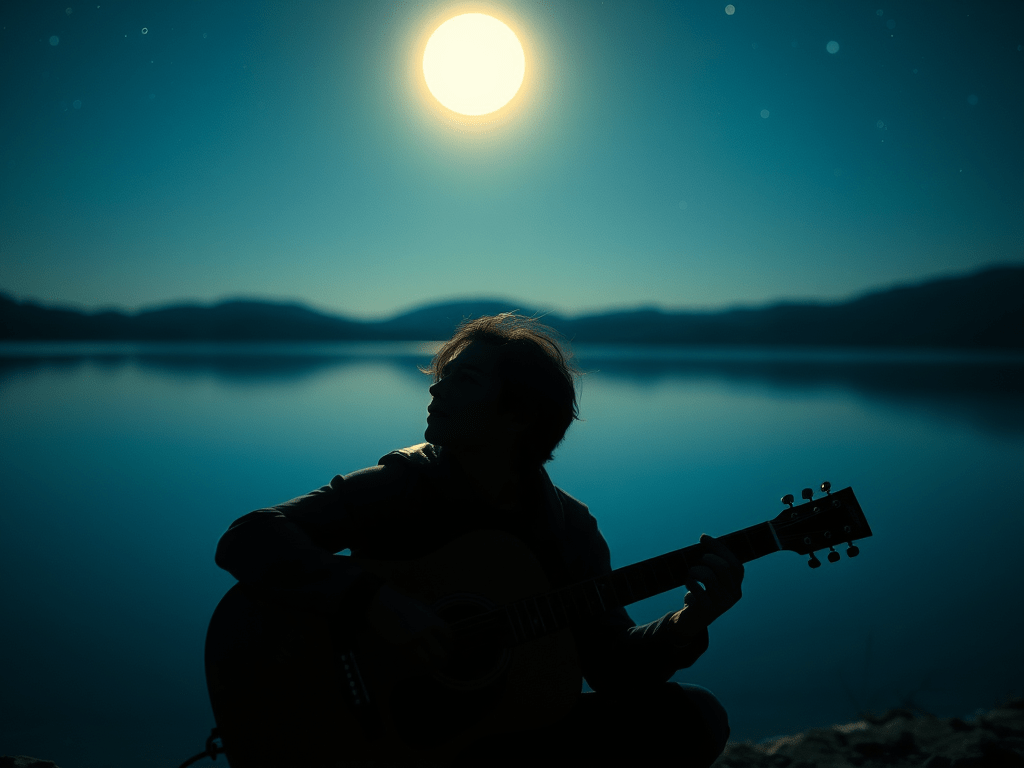
Me toco la guitarra esta noche.

Pensando en el mar y el lago azul.

Es como nadar en tus ojos azules.

Hasta el fin de mi vida.

_____________________

4. Estoy De Pie

Aqui, estoy de pie

No se por donde vaya.

Pensando en mis pasos proximos.

En tu mundo donde quisiera estar.

Porque aqui no puedo continuar.

____________________

5. Viajero Gringo

Soy viajero gringo

Eso no voy a cambiar.

Pensando en el mundo entero.

Quiero vivir asi, porque este mundo

Es siempre un parte de mi corazon.

Watching The World Go By In Paris

“Many cities are great for people watching or just seeing daily life transpire in front of your eyes, but Paris is different from the others because you are allowed to slow down fully to take it all in.”

Few cities embrace the pleasure of watching the world go by more than Paris. No wonder why writers from all corners of the globe have come to the ‘City of Lights’ to be inspired to reach their creative goals. If you’re a keen observer as any good writer should be, you’ll see all walks of life come through Paris each day. Whether it’s a starry-eyed tourist with a camera in their hand, a bookkeeper plying his trade by the Seine River, or a street music performer trying to earn a Euro or two. Many cities are great for people watching or just seeing daily life transpire in front of your eyes, but Paris is different from the others because you are allowed to slow down fully to take it all in.

In Paris, the pace of life is fast like any city but the city’s awe-inspiring beauty, its prominent café culture, its pleasant on their ears language of French encourages you to slow down, have a coffee or a pastry, sit down with a book or a pad of paper, and really take it all in. One of my favorite aspects of the city is that compared to most major cities or even other cities I’ve been to in France is that you are encouraged not to rush the experience whether when you’re dining, drinking, or smoking (for those who partake).

No one cares how long you sit at a café or a brasserie (some places are even open 24/7), if you pay for something on the menu and be kind to your server. Some tables may have you face each other if you’re with a companion but often, your chair(s) and table will be facing out on to the lively Parisian streets or plaza whether you are alone or with someone else.

Paris does not bemoan the lone traveler or the lone wanderer who comes to visit it. It is perfectly normal to be by yourself with your thoughts, your sketch pad, and your cup of coffee spending as much time as you need with whatever you happen to be working on. I’d imagine that even if you visit in the Fall or Winter, you’ll still see people out in the streets or in the plazas, talking, laughing, eating, drinking, and making the most out of their lives in the big city. When you are in Paris, you can watch the world go by and even if you’re in a rush personally that day with work or studies, the city will encourage you to slow down, stop somewhere, and take in its ever-enchanting beauty and detail.

Writers, painters, musicians, and other kinds of artists have had a field day with creating great works from having lived in Paris because there is so much to be inspired by. The city of Paris and French culture, in general, have a high emphasis placed on beauty, aesthetics, and the art of good presentation. Any type of artist will be able to come to Paris to draw or paint about the daily scenes of life they see there, have time to think deeply about their approach to their work, and foster ideas without being interrupted endlessly.

Even with the humming noise of traffic and pedestrians, it is not a overly loud city when compared to other major cities I’ve been to in the world. You can find those moments of quiet and peace amid the waves of people and vehicles who pass you by. Sitting and facing out towards the world and not with your back to it allows you to assess better how you fit into this magnificent city and where you fit into its ever-changing melody and rhythm.

I believe you could spend years in Paris and not have tried every restaurant, café, brasserie, or bar. There are seemingly endless places to sit, drink, relax, think, write, and reflect, which is why the city is and will always be such a haven for brilliant artists of all kinds throughout the millennia. Paris encourages you to soak it all in and to pay attention to what you’re surrounded by.

Throughout Paris’s history, the city has sought to inspire humanity to move forward through making new inventions, creating new works of art, writing new literature, and building more beautiful and awe-inspiring architecture. When you think about a self-fulfilling prophecy for a city to have, Paris was built on reaching higher and higher in terms of our human aspirations to create beauty in this life and to find the beauty in each other.

We may fall short from time to time, but Paris is a city built on pursuing excellence in all facets through the pursuit of one’s dreams. For those people who are creative in any sense of the word, who want to share their creativity and gifts with the world, Paris is a great home to begin doing so. When you come to the ‘Ville de Lumiere’, not only can you watch the world go by without a care in the world and be able to take in all its beauty and charm, but you will also be inspired by the city that was built on fulfilling the hopes and dreams of its many inhabitants.

Paris would not be the city it is today without the creative and forward-thinking men and women who built it to be what it is today and will remain for the future, a beautiful and inspiring beacon of human ingenuity and vision that inspires both visitors and Parisians alike.

Why Cooking is Relaxing to Me (and Can Be for You Too)

“Cooking, beyond its practical necessity to prepare food to eat without making yourself sick or worse, offers a unique blend of relaxation, creativity, and control that benefits our well-being if you put the time and effort in.”

Cooking may be stressful to some people, but to me, it’s relaxing. In our fast-paced, distraction-filled world, finding an activity that genuinely relaxes yet focuses my mind is a tough challenge. Cooking, while appearing ordinary and mundane on the surface, when approached with mindfulness, can be restorative and even therapeutic to engage in. Cooking, beyond its practical necessity to prepare food to eat without making yourself sick or worse, offers a unique blend of relaxation, creativity, and control that benefits our well-being if you put the time and effort in.

Cooking engages all of one’s senses, creating an immersive kind of experience that naturally draws attention away from other worldly distractions and to focus only on the present moment. The sizzle of garlic sautéing in a pan, the vibrant colors and shapes of fresh vegetables, the aromatic scents of herbs and spices mixing, the pleasure of melting olive oil and butter, and the first to last tastes of a carefully prepared dish – these kinds of inputs anchor the mind in the here and now. This immersion in cooking creates a state of being more mindful, like the effects of doing meditation or taking a yoga class.

The repetitive, rhythmic actions involved in cooking – chopping, stirring, arranging – provide a soothing and almost hypnotic effect. These repetitive actions can be incredibly calming to me, much like the rhythmic movement of playing notes on a guitar or the repetitive strokes of painting a canvas. The predictability of these actions creates a sense of stability and tranquility, allowing the mind to unwind and the stress of the day to dissipate, whatever that may be.

Cooking has always been to me a form of creative expression, offering endless possibilities to create, experiment, and innovate. Unlike many aspects of life that are governed by rules and regimen, cooking allows for a kind of freedom to embrace creativity. This creative aspect can be immensely satisfying and relaxing, which lends to providing a sense of accomplishment and fulfillment. Whether it’s experimenting with new recipes, combining unexpected ingredients, or presenting food in aesthetically pleasing ways, the creative process in cooking is what I’ve grown to enjoy over the years, especially since I started taking it more seriously in the wake of the COVID-19 pandemic.

Cooking requires total attention to detail and concentration, which naturally diverts the mind from other worries and distractions. Following a recipe, measuring the ingredients, timing the cooking process – these tasks demand focus and precision. This kind of attention serves as a mental break from the constant barrage of thoughts, worries, and concerns that often plague our minds. By channeling our cognitive focus into the cooking process instead, we can create a mental space free from our external stressors, promoting a sense of peace and clarity.

In a world where aspects of our lives feel beyond our control on a day-to-day basis, cooking offers one domain where we can exercise complete authority over the outcome. From selecting ingredients to purchasing the kind(s) of food to deciding how to prepare and present the dish, cooking is a personal endeavor where we are responsible for making all the decisions. This kind of control can be empowering and reassuring, providing a counterbalance to the uncertainties and overall unpredictability of life. By mastering the culinary process, we can gain more confidence and a sense of competence, which can extend to other areas of our lives over time.

While cooking can be a solitary activity, it also has the power to foster more connection and strengthen a community. Preparing and sharing meals with your loved ones strengthens social bonds and creates a unique sense of belonging. The act of cooking for other people can be a form of nurturing and care, enhancing feelings of empathy and compassion for the whole group. Additionally, by participating in communal cooking activities, such as cooking classes or potluck dinners, we can expand our social networks and provide opportunities for meaningful interactions.

Cooking more often leads to more mindful eating, a practice that encourages us to savor and appreciate our food fully and to know where it comes from. Mindful eating involves paying attention to the taste, texture, and smell of each bite, as well as acknowledging the effort and care that went into preparing the meal. This practice enhances our enjoyment of food and promotes a healthy relationship with food, reducing tendencies towards mindless or emotional eating or by ordering whatever you’re craving. By focusing on the present meal with the people around you at the dinner table, I believe we can cultivate mindfulness and gratitude for the food we eat.

Cooking is a key life skill that is always evolving, which means that even if you get a meal wrong and it’s a stressful outcome, you will have many other days and nights to grow in your abilities while having endless opportunities for further learning and growth. I particularly enjoy taking the time to experiment with new recipes, cuisines, and techniques, which can expand my culinary knowledge. The process in cooking of learning and improving over one’s life can be satisfying and motivating, providing a sense of both purpose and achievement. Additionally, even if you always find cooking relaxing, it’s good to have a little bit of stress involved. You can do this by finding new challenges in cooking like mastering a difficult recipe or perfecting a technique you learned which builds other skills like resilience and problem-solving.

The preparation process in cooking can be seen as a daily ritual that signals a necessary transition from the busyness of the day to a more relaxed state. Setting up the kitchen, gathering the ingredients, putting the tableware together, and arranging the utensils can be a meditative kind of practice that prepares the mind and body for the act of cooking. This ritualistic aspect of cooking creates a sense of anticipation and intention, enhancing the overall experience, and promoting a mindful approach to the task at hand of feeding yourself. The hungrier you are in my view too, the better of a cook you will be that evening if I can speak from personal experience.

In my opinion, cooking is much more than just a means to an end; it is a therapeutic kind of effort that offers a myriad of benefits for one’s mental well-being. By engaging each of the five senses in a deep way, providing a creative outlet, fostering total focus, offering us a sense of control, and promoting a greater connection to the food we buy and then eat, cooking becomes a powerful tool for both relaxation and mental clarity. In our world filled with constant distractions and stress, the simple act of preparing a meal for oneself and for your loved ones can bring profound peace, happiness, and joy. By embracing the art of cooking, it allows us to nourish not only just our bodies but also our minds and souls.


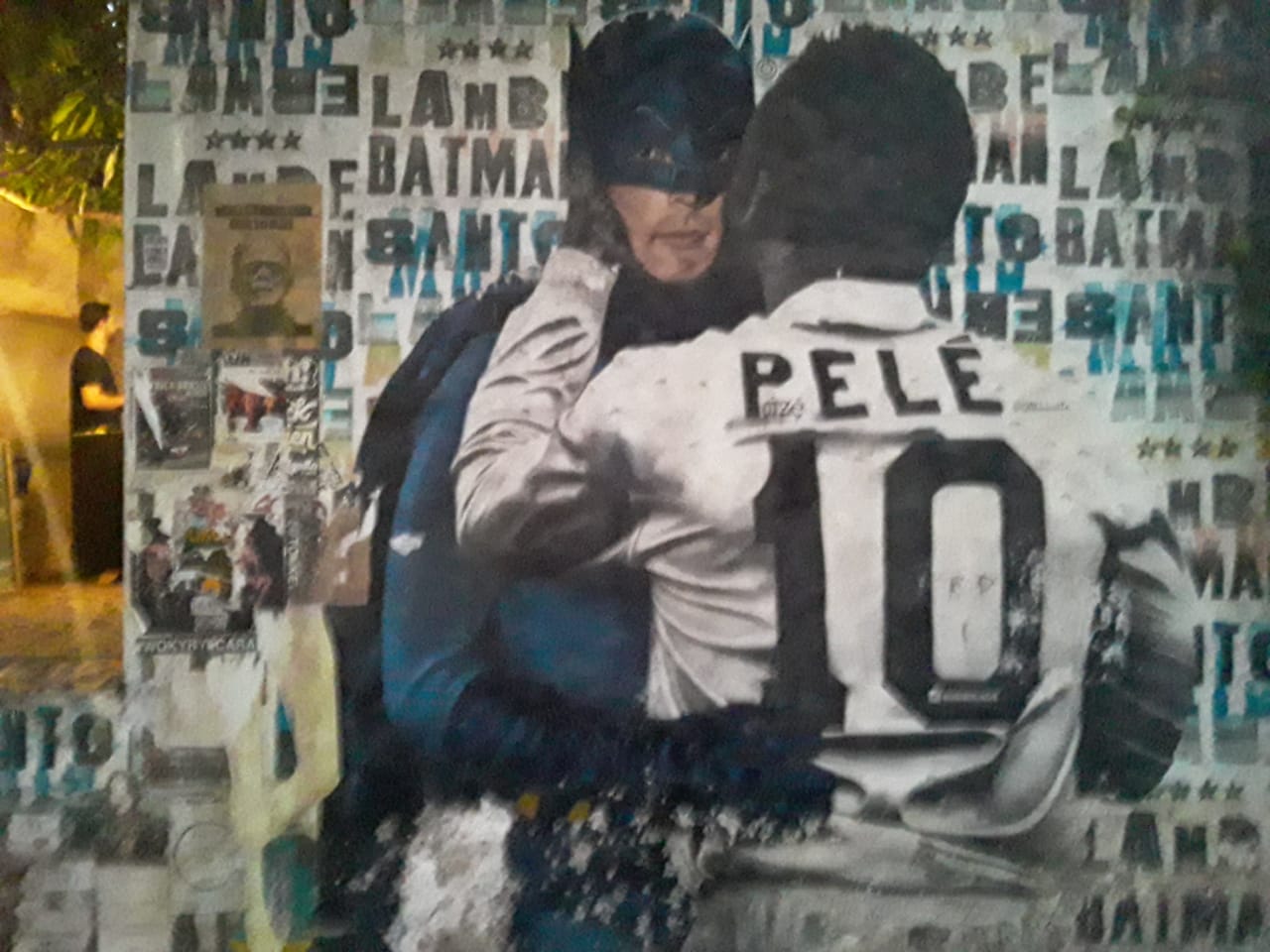
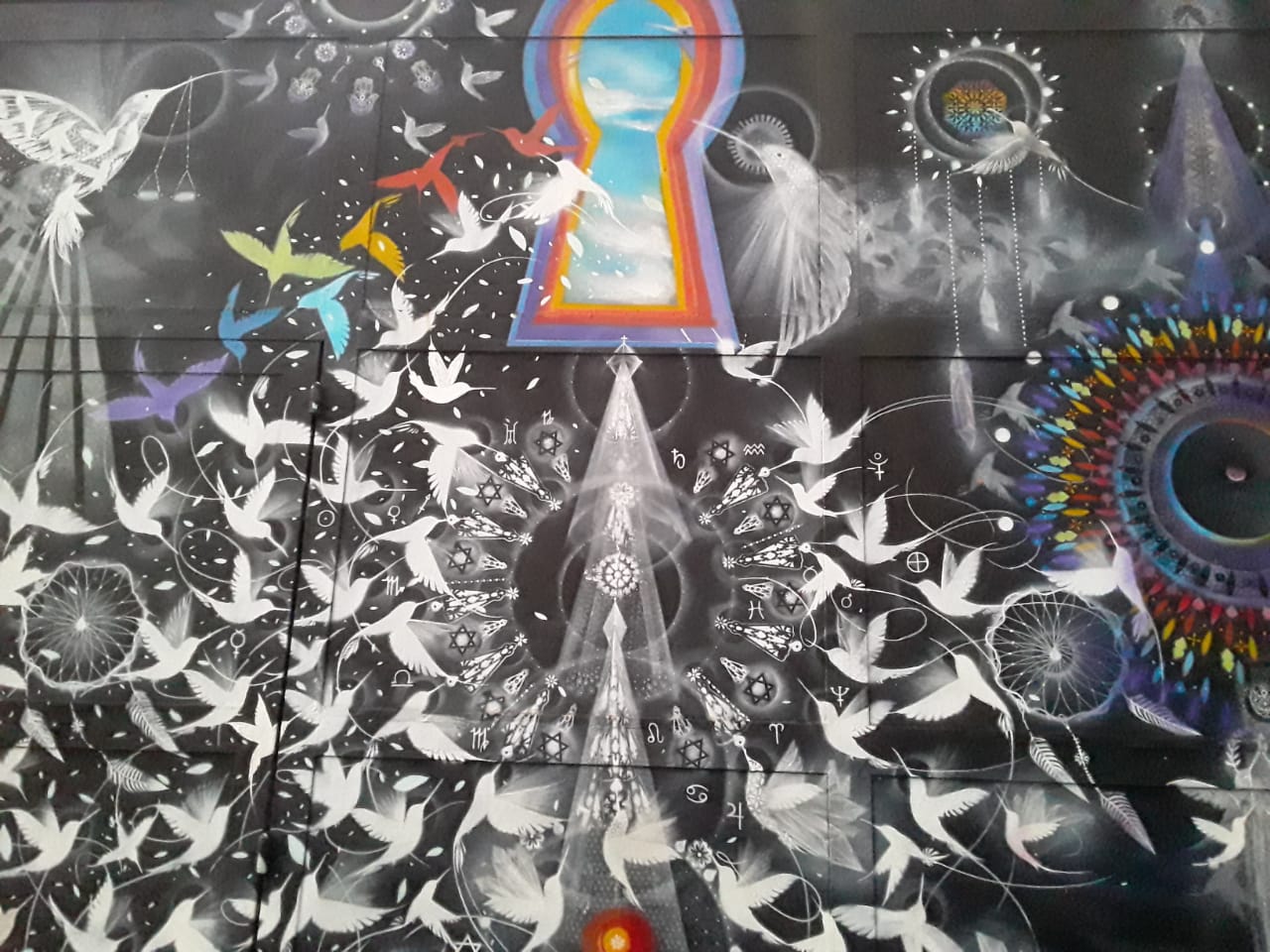
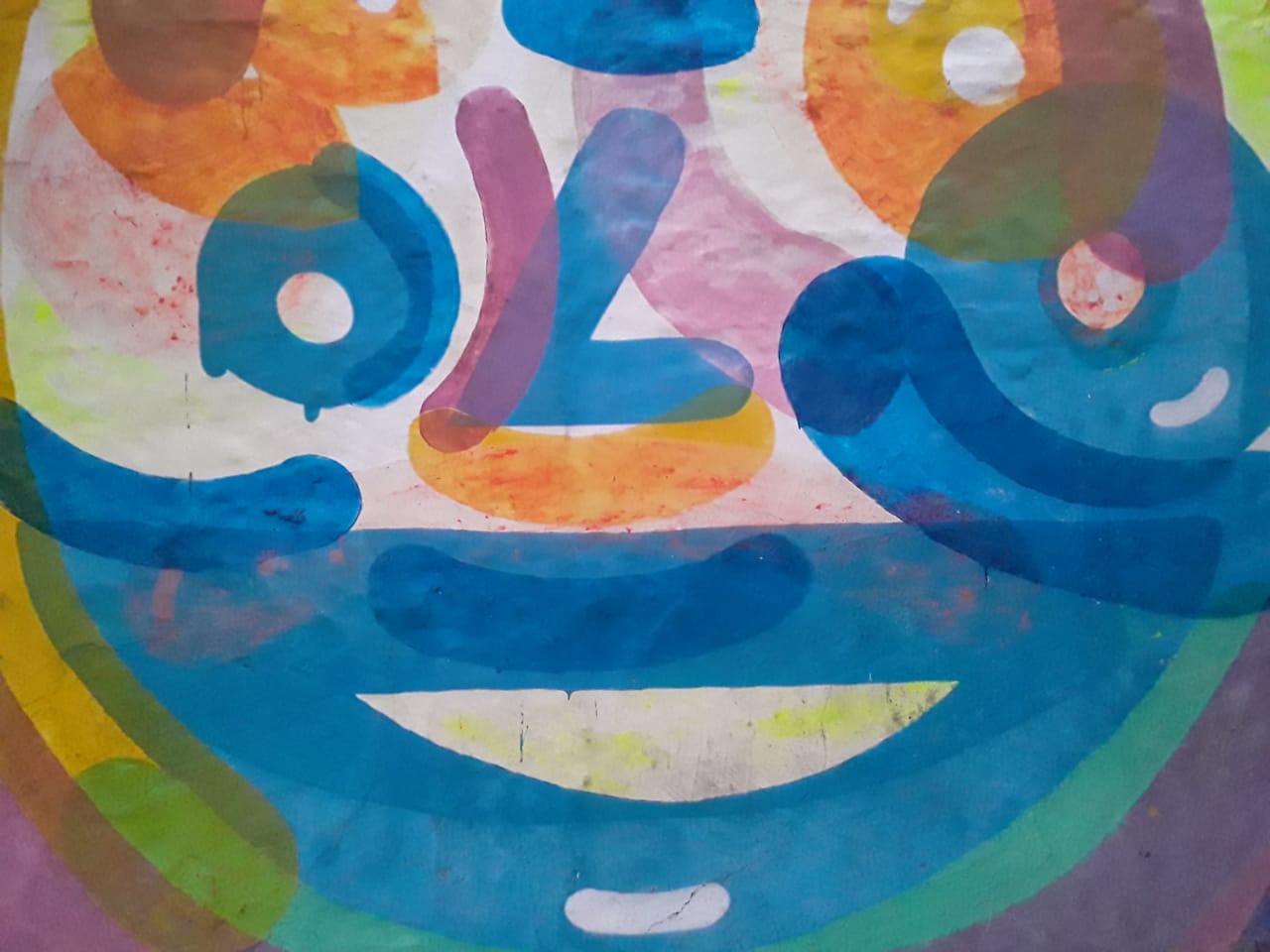
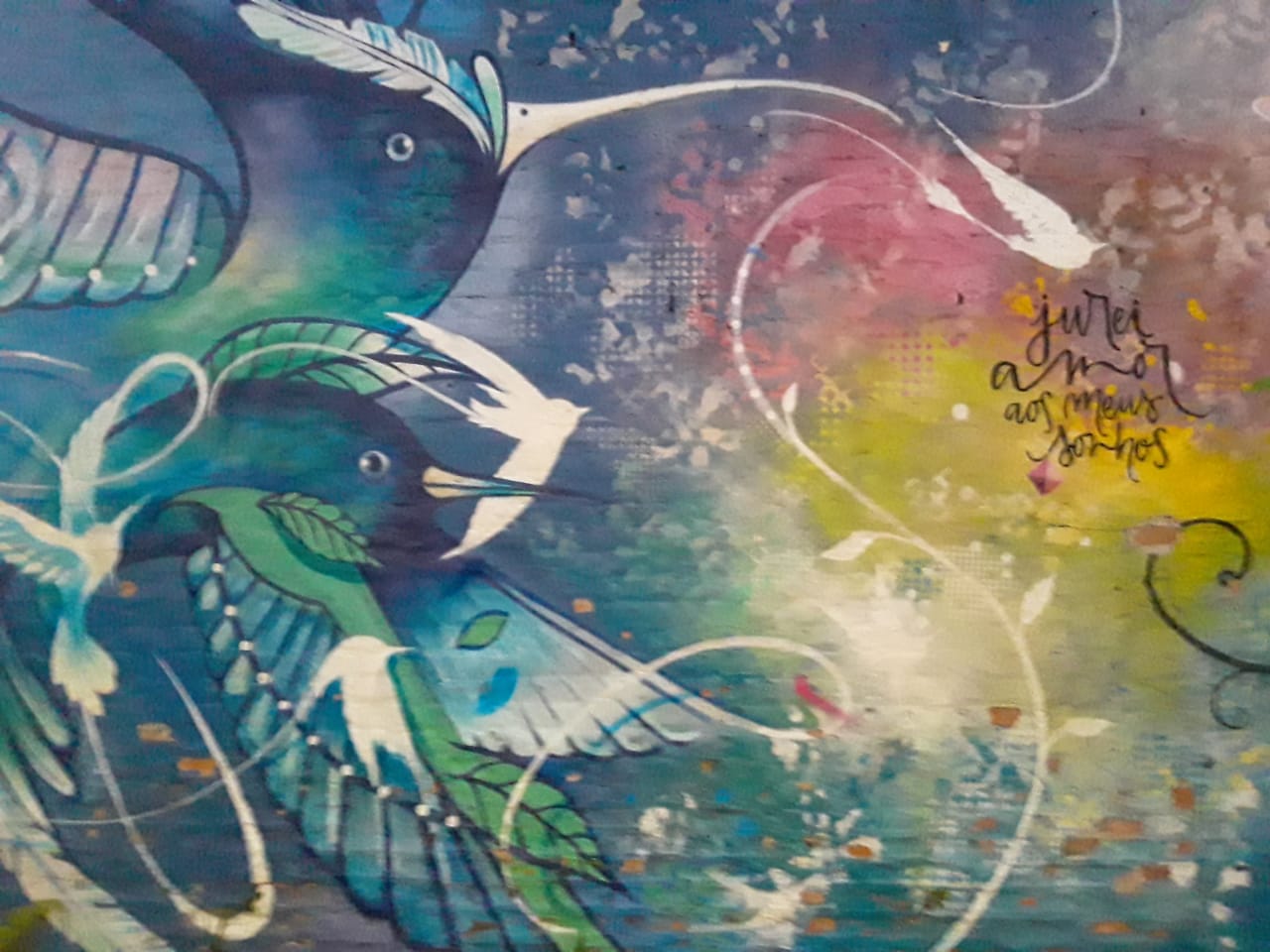
Beco do Batman (Batman Alley)

PHOTO-2020-01-20-17-16-43PHOTO-2020-01-20-17-16-42 (1)PHOTO-2020-01-20-17-16-42PHOTO-2020-01-20-17-16-41 (1)PHOTO-2020-01-20-17-16-41PHOTO-2020-01-20-17-16-40 (1)PHOTO-2020-01-20-17-16-40PHOTO-2020-01-20-17-16-44 (1)

Camera: Samsung Galaxy J2 Core

Location: Beco do Batman; São Paulo, Brazil

English Corner – Creating a Cover Letter

What is a cover letter? Why is it important for an English learner to know about it and also how to create a good one? Well, a good cover letter can make the difference between landing that dream job or hitting refresh on the search results again to find the next job opportunity. Your experience and your professional background need to be succinct and summed up in a well-written way and the cover letter is your best way of doing that. It is an excellent way in which for you to improve your English writing skills and to prove that you can handle your future job’s writing components which there is likely to be many of them since you are a worker during an age of e-mails, 24 hour communications, and instant messaging services.

A cover letter is an opportunity for you to go into more detail about yourself and your experience(s) and background, both professionally and personally. However, your cover letter should focus on the job you are applying for as well as why you are interested in the particular company that you intend to work for. Your cover letter should be a balance of who you are as a professional, what you can offer for the job you’re applying to, and what your interest in the company is. It’s a balancing act between these two objectives and you should remember to personalize your cover letter depending on where you are applying to.

You may be asking yourself as you read this blog post: Why do I need a cover letter and what benefit(s) do I get from creating a worthwhile one? Well, there are a number of reasons for it which I will list below but be sure to note that it’s more than just a chance to land a good job but it’s a chance for yourself to become a better writer and know how to sell your abilities and skills.
Your cover letter is different from the resume in that it allows you to go more in-depth about yourself and why you’re a good fit for the job. Instead of short bullet points, you can highlight your experiences in broader detail. Employers will also expect why you would like to work for their company and how your skills line up with their requirements. It’s a chance to tell your story to them while interweaving how their company or organization aligns with your professional goals. In addition, you have the ability to showcase how good of a writer you are because the cover letter is more grammatically, and vocabulary focused than your resume.

Action words will make up a large component of your cover letter’s sentences so please be sure to put these verbs to good use. Here below are just a sampling of them listed below but remember that there are hundreds that can be used within the context of a regular cover letter. Try not to repeat yourself too much and to keep your usage of action words fresh and consistent throughout the letter.

Sample Action Words

  • Activate
  • Compose
  • Communicate
  • Develop
  • Direct
  • Manage
  • Organize
  • Review
  • Systemize
  • Test
  • Verify
  • Value

Note: Remember to add –d or –ed to the end of the action verb if using it for the past tense.

In addition, you have to be able to choose and use some phrases and sentences that will come in handy either at the beginning or end of the cover letter so that you will come off as being both professional and serious. You do not have to use all of them but there are a number of them that are cordial in nature that a potential employer will expect from you to see when they read it during their evaluation.

Here are some key useful phrases/sentences that you can use for your average cover letter:

  • Dear Sir or Madam…
  • I am applying for this ________________ opening with _______________ for the purpose of __________________________________.
  • This job appeals to me because ________________________.
  • Your company / organization / firm is my top choice because ____________________________________.
  • I believe that I offer a lot to this position based on my skills and qualifications.
  • For example, last year, I was tasked with ____________________________________ and I was able to help by ______________________________________.
  • Please do not hesitate to let me know if you have any questions or comments about my application.
  • Thank you for your consideration of my application for this _________________ position with ________________ and I look forward to hearing from someone soon.
  • Sincerely, __________________ (Your Name).

To give you reading at home a better idea of what the content and the structure of a cover letter looks like, I have included two sample cover letter excerpts that will show you how it can be written and what to write about potentially if you are still struggling for ideas as to how the cover letter should be shaping up.

Sample Cover Letter Excerpts

  • “I have over five years of management experience and led my team of software developers to develop a successful mobile application. This mobile application was instrumental in connecting doctors with patients in an online booking system that took out the middle man from participating in this previously onerous process.”
  • “I believe your company, Syntax Inc., has been successful in implementing various infrastructure projects related to bridges and tunnels throughout the Middle East. These kind of projects are related to what I hope to do with my career and I think that this work is very important to the future.”

Remember that you should know who your audience is and tailor your phrases to reflect who you are writing the cover letter for. Always use formal language such as sir, madam, sincerely, respectfully, please, thank you, etc. Go into detail about the job you are applying for and give different reasons on what you bring to the table for the position opening. Structure the cover letter into multiple paragraphs with an introduction, body paragraph(s), and a conclusion. The cover letter is a formal piece of writing so it should be structured as a formal letter whereas a resume is less substantive and more general.

In the introduction of the cover letter, remember to always put your full name, your current mailing address, your cell phone number, and your e-mail address at the header of the cover letter. The date at which you are sending out the cover letter should go next in the left hand part of the cover letter below your header. Then, you should begin the cover letter with “Dear Sir or Madam..” or “To Whom It May Concern”, or “Dear Mr. or Mrs. ________” if you know who specifically the cover letter should be addressed to. The introduction should be a paragraph or two focusing on what position you are applying to, the company associated with the position, and for which reasons you are applying for this specific position. You can also add the person or place that referred you to this job application especially if the person works for the company you’re applying to.

The body paragraph(s) of the cover letter should be a few paragraphs in total length but not be too lengthy or repetitive. Each paragraph should cover a different part of your professional or educational background and highlight what these experiences meant to you and what skills you developed. You should give a few examples of where you showed leadership, where you completed a successful project, and what you took from the experience. Do remember to not discuss every professional experience or educational program you’ve gone to but instead highlight the relevant ones related to the job application in question. Always use complete sentences for this part of the cover letter and check it over for grammatical coherence and correct vocabulary usage.

When it comes to a cover letter’s conclusion, you’ll want to re-state again why you are applying to this particular position and company. Discuss which characteristics, skills, and personal traits you have that will make you stand out as a job candidate. The conclusion of your cover letter should indicate gratitude and thankfulness for being able to apply and that you hope to hear back soon from the employer. Sign off with a salutation such as Sincerely, Best regards, Warm regards, Best wishes, Cordially, etc. and re-state your full name at the end of the cover letter. Don’t be too presumptuous that you will land the position but let your experiences, skills, and qualifications speak for themselves.

Your cover letter is what you make of it really and if you want the job bad enough, it will come through in your writing and in your sincerity. The point of becoming a better English learner is to put yourself to the test and to make the most of your abilities in this language and developing a good cover letter is a great way to do that. If you follow this advice, practice until there are few if no mistakes at all, and revise multiple times what you have written, you will be well on your way to having better success in your professional career in the English-speaking world.

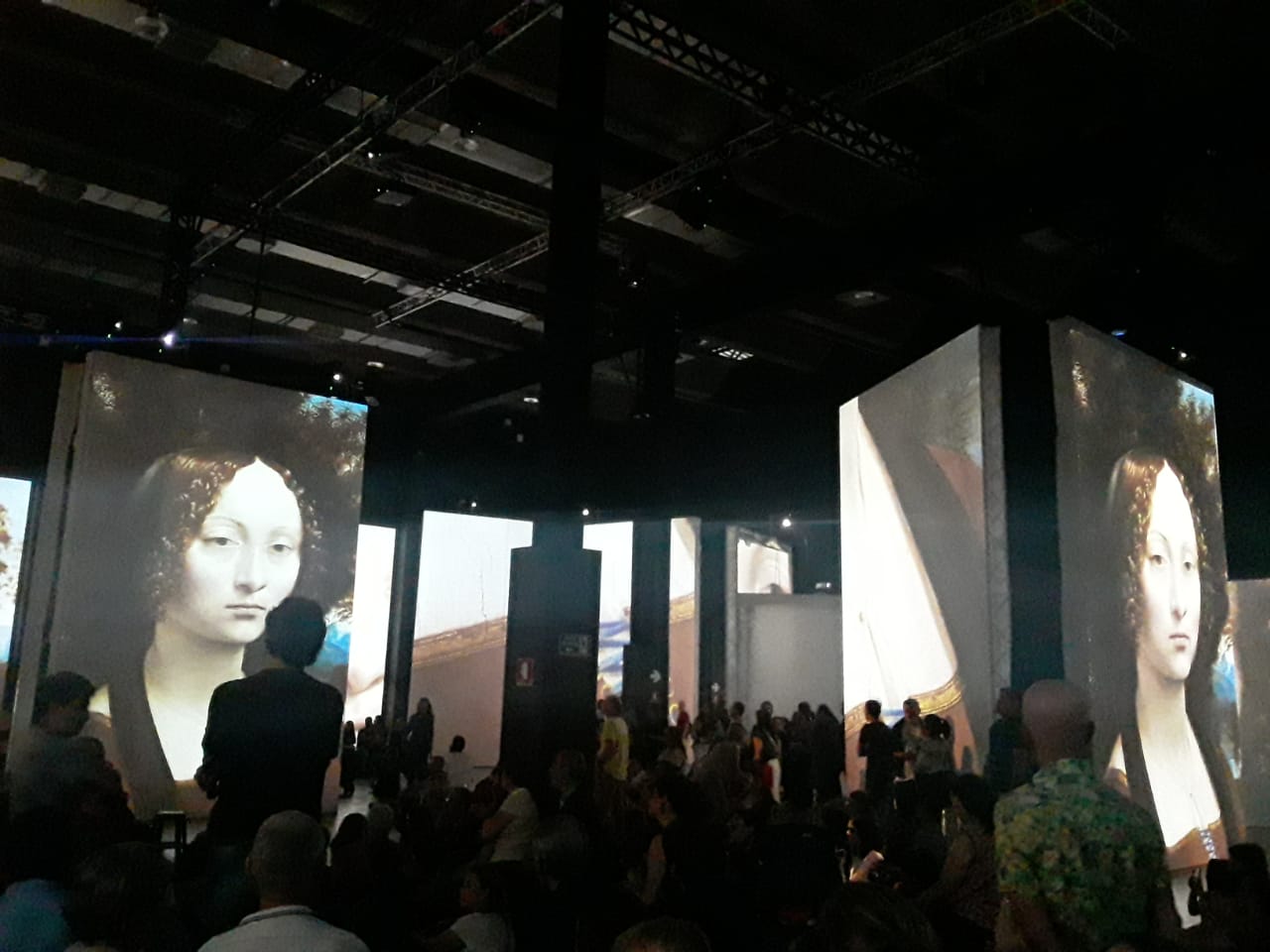
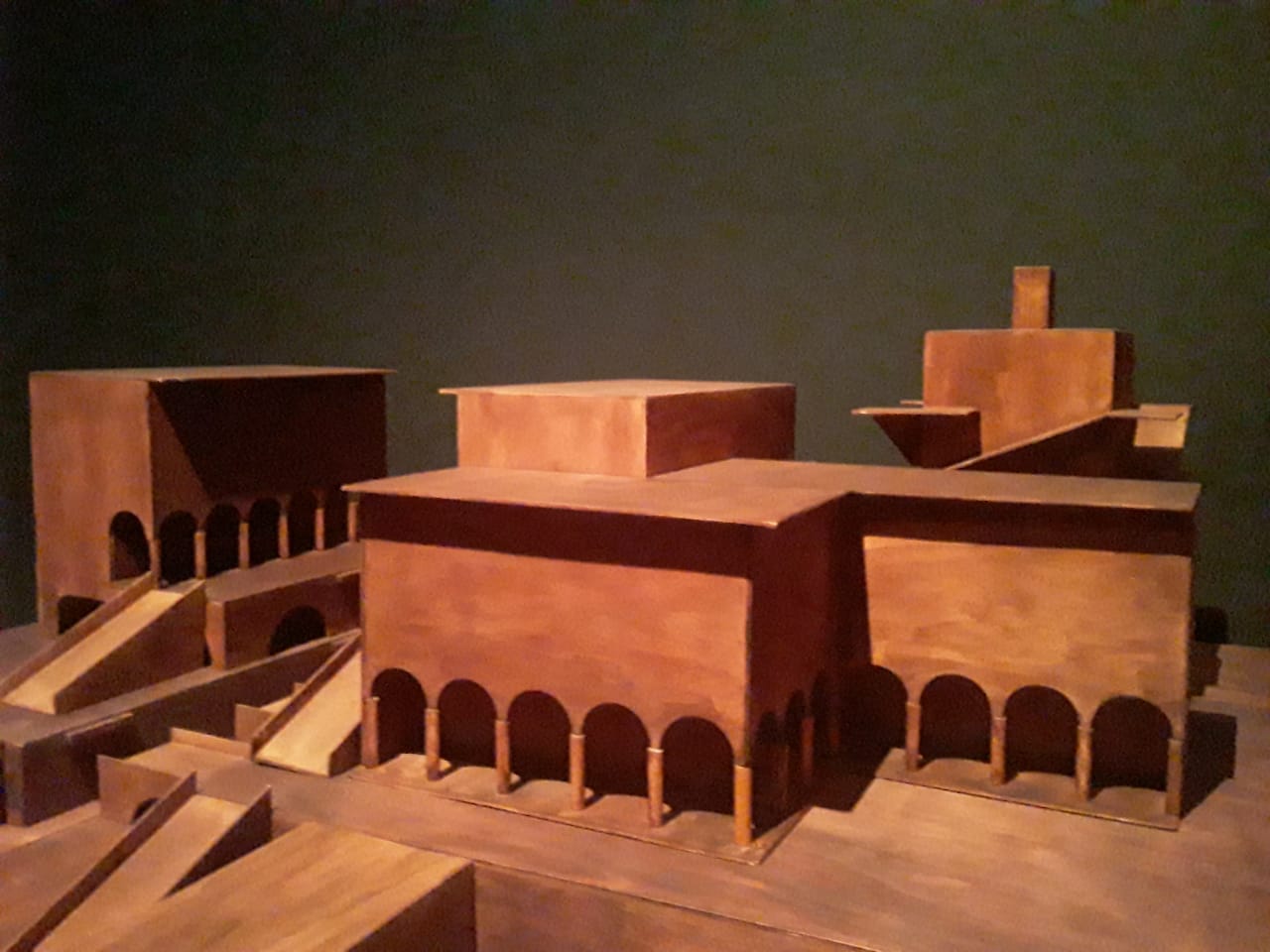
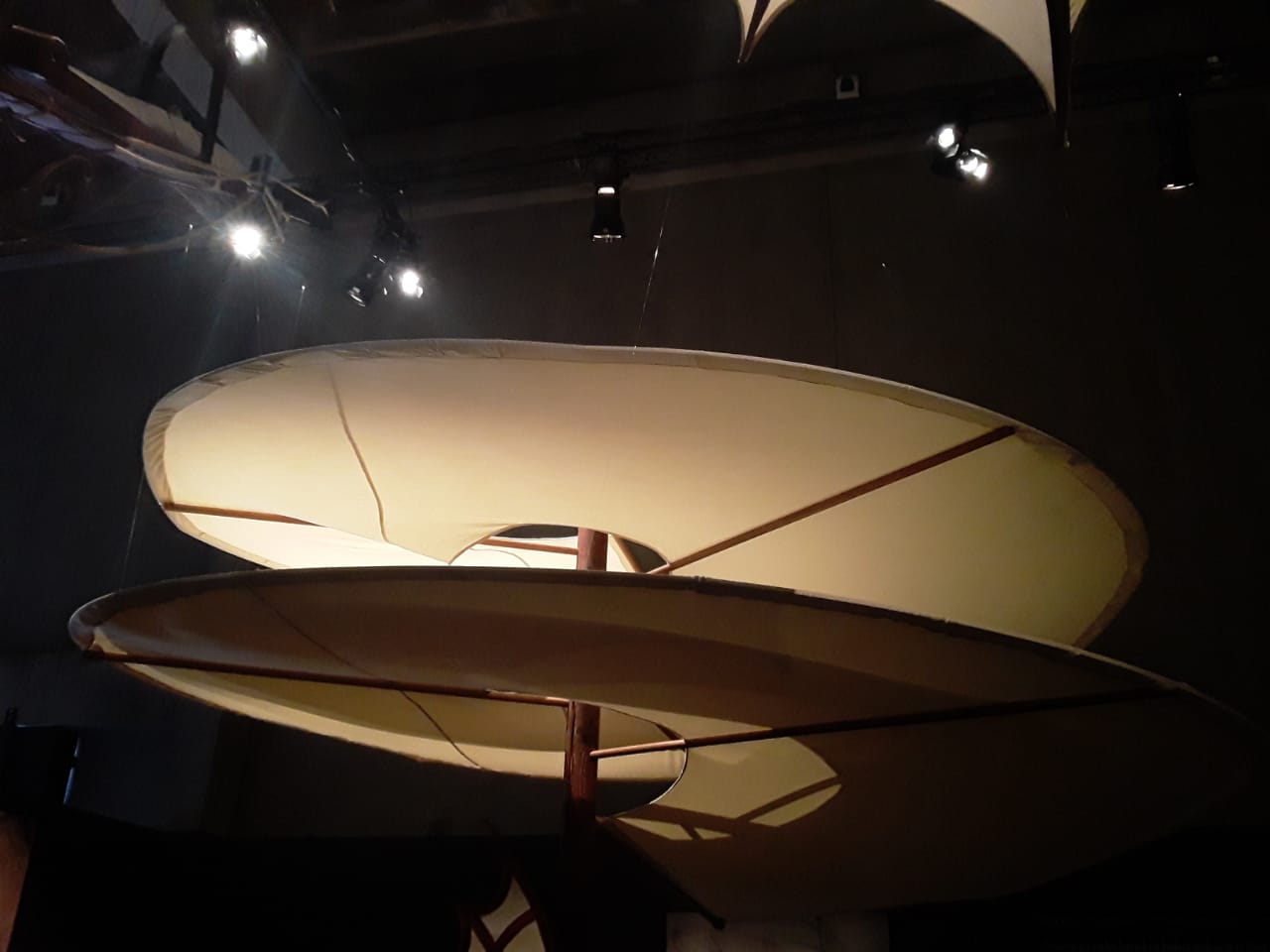
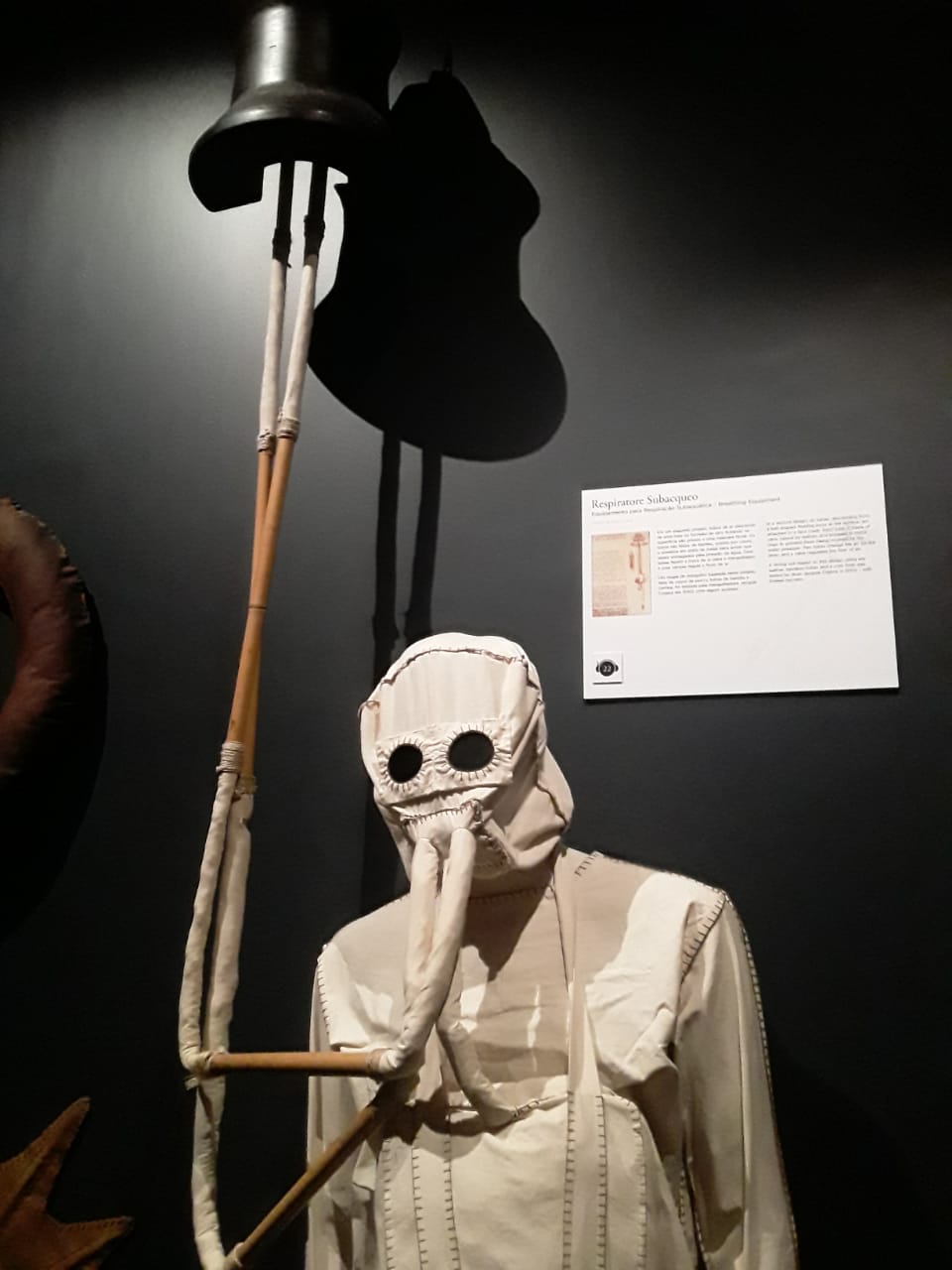
500 Years of Da Vinci

PHOTO-2019-12-11-20-23-51 (2)PHOTO-2019-12-11-20-23-51PHOTO-2019-12-11-20-23-50PHOTO-2019-12-11-20-23-49PHOTO-2019-12-11-20-23-48 (1)PHOTO-2019-12-11-20-23-48PHOTO-2019-12-11-20-23-47 (2)PHOTO-2019-12-11-20-23-47 (1)PHOTO-2019-12-11-20-23-47PHOTO-2019-12-11-20-23-45 (1)PHOTO-2019-12-11-20-23-45 (2)PHOTO-2019-12-11-20-23-45PHOTO-2019-12-11-20-23-44PHOTO-2019-12-11-20-23-44 (1)PHOTO-2019-12-11-20-23-43

Camera: Samsung Galaxy J2 Core

Location: 500 Years of Da Vinci Exhibit; São Paulo, Brazil

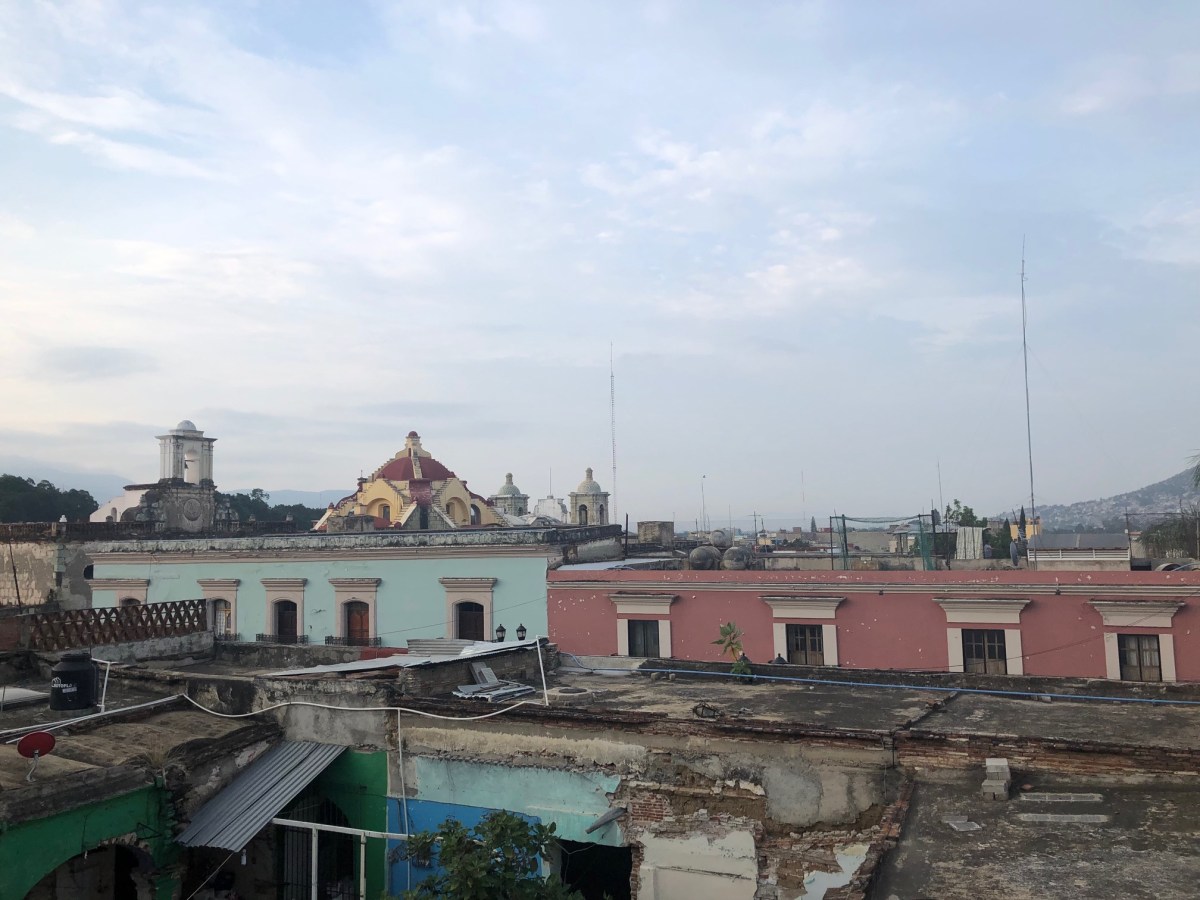
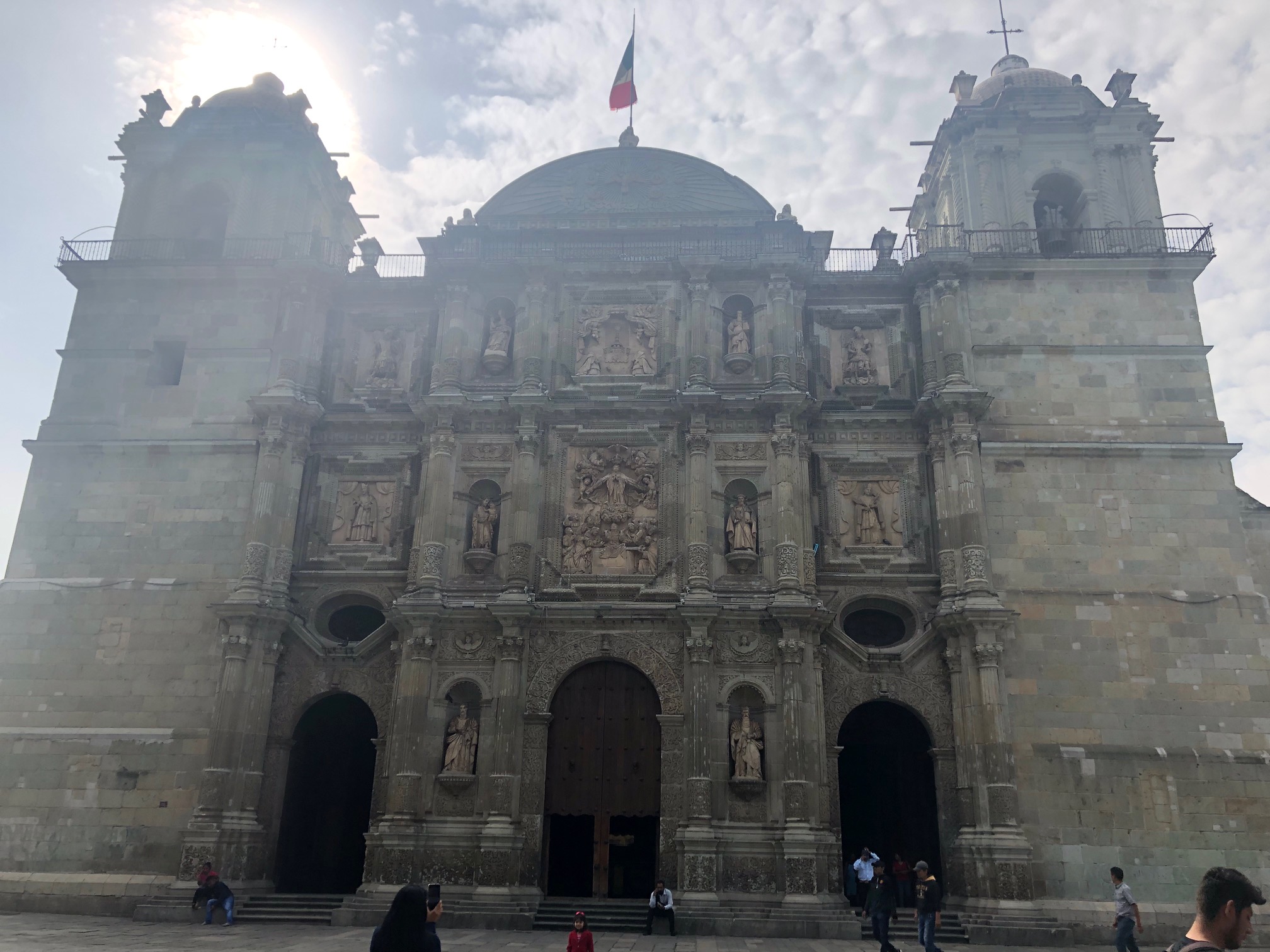
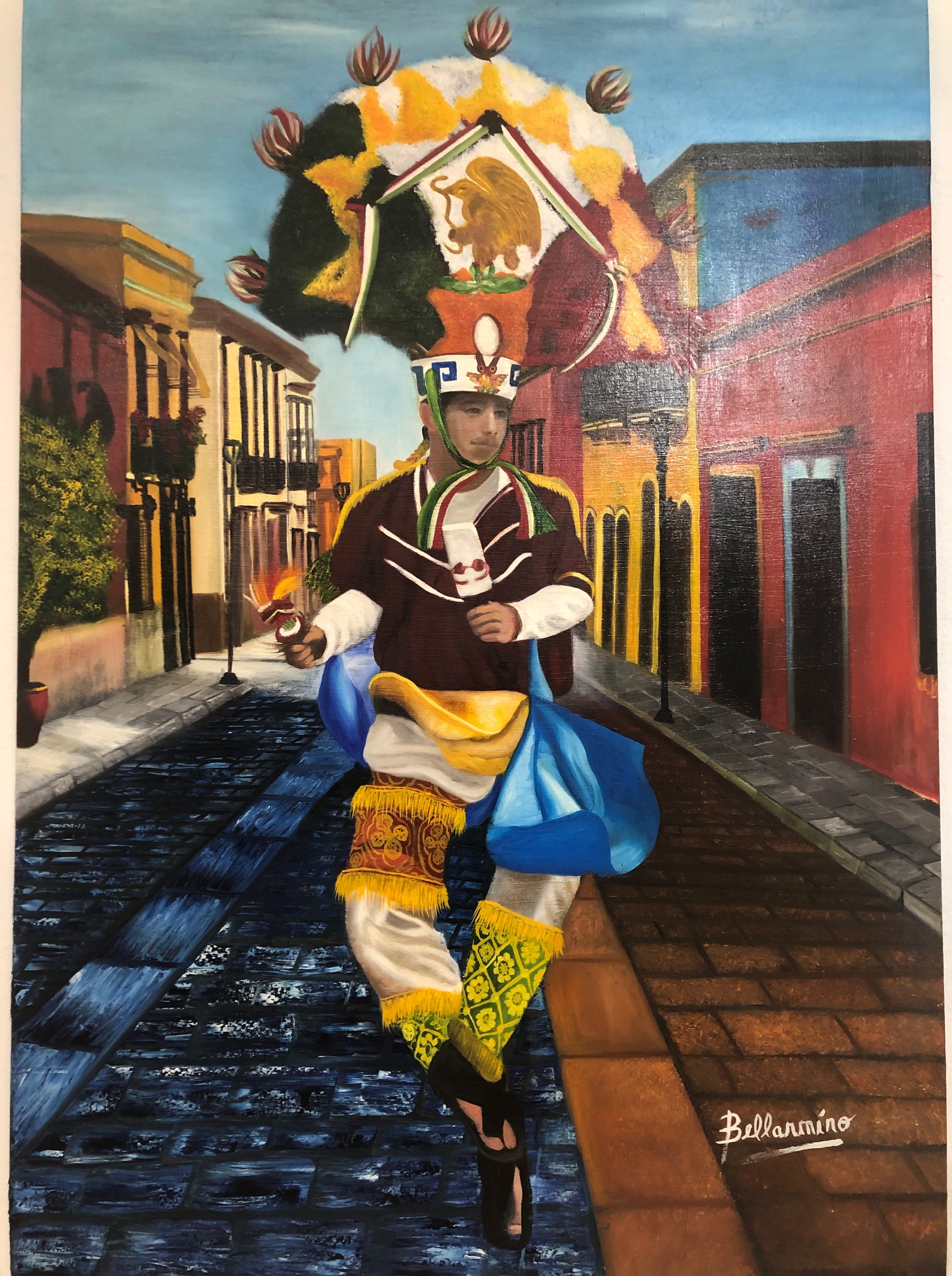
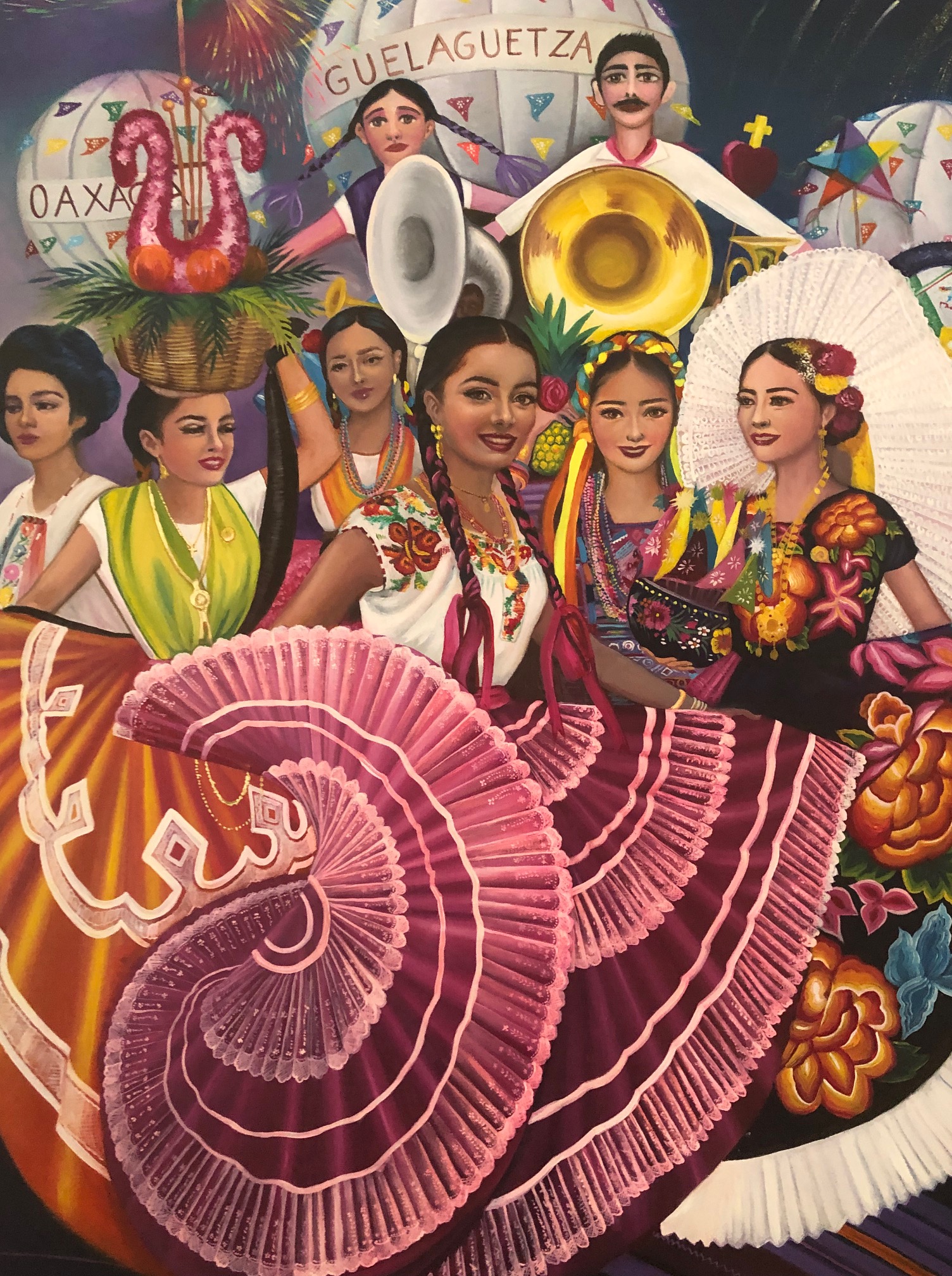
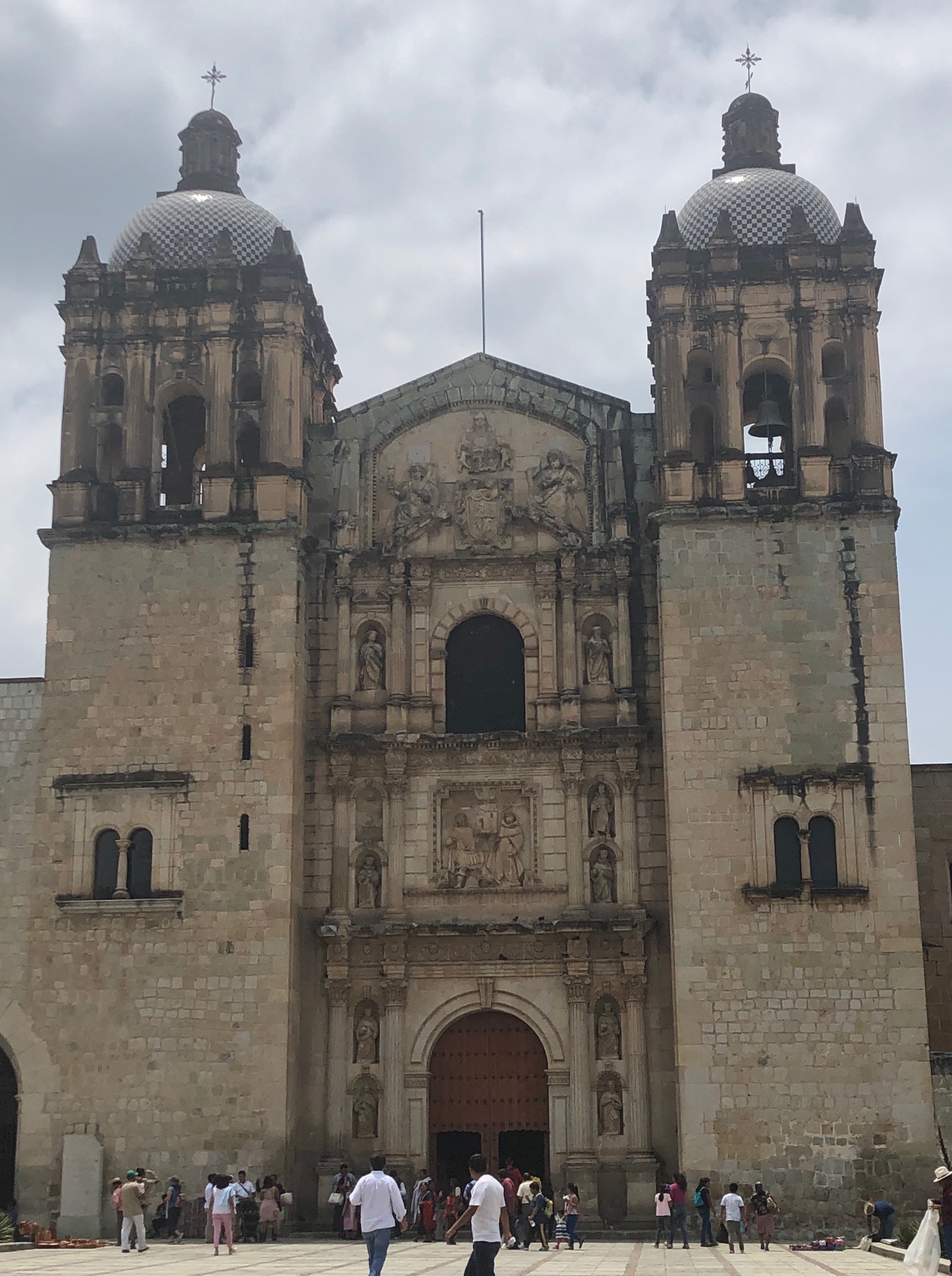
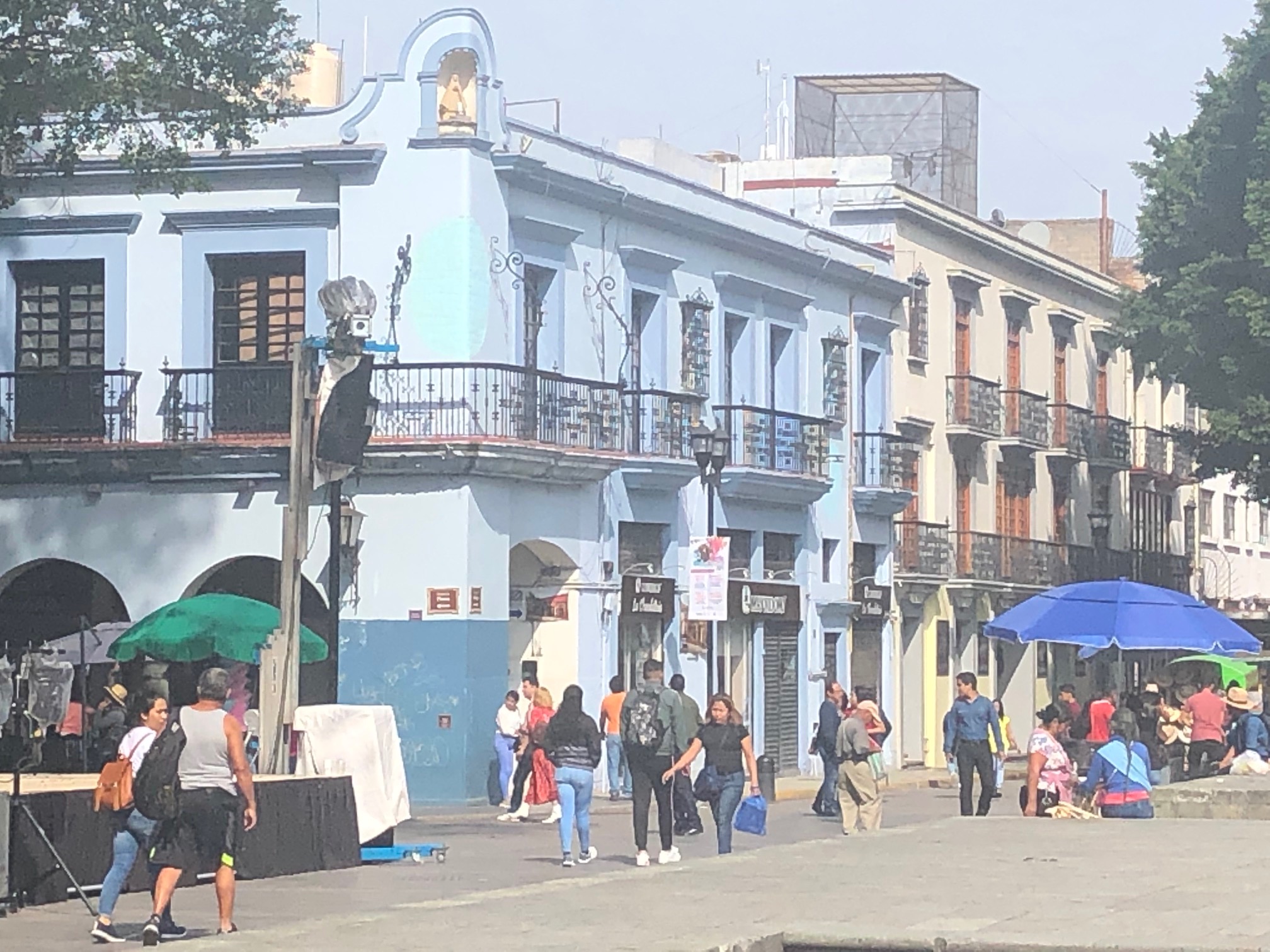
Oaxaca de Juarez

IMG_2619IMG_2621IMG_2623IMG_2627IMG_2633IMG_2635IMG_2636IMG_2639IMG_2641IMG_2642IMG_2643IMG_2644IMG_2646IMG_2651IMG_2654

Camera: iPhone 8

Location: Oaxaca de Juarez, Oaxaca, Mexico

What can the creative process give us?

Anything that is done in the creative process takes effort and hard work. Any work of art, any piece of music, any lengthy novel took days, weeks, months, and even years to create. The creative process allows any person to express oneself in any way they see fit. The idea to keep in mind is that it is best for somebody to discover what he or she would like to create based on what his or her interests are. They then must discover for themselves what exactly they are good at creating and what they have a passion for doing. Being creative cannot be forced on someone.

The person in question has to decide what they enjoy doing and how far their talent can take them. Sometimes, the person can discover his creative vocation on his or her own but other times, it’s often the recommendation of a close friend or family member who gives the person inspiration to continue on with their craft. The key to remember about the creative process is that it can add value to people’s lives and also provide substantive meaning for any human being.

Being creative allows you to step outside of yourself and observe the external world in some way to shape it in a way that you see fit. Whether it is painting, writing, sculpting, etc., you’re putting yourself out there to see how you can do it differently and how can you create something truly unique. The creative possibilities out there are infinite and it’s important to choose a hobby or interest that appeals to you and which you can devote serious time to.

Some other traits that you can develop besides being observant and aware of the world around you are to become more collaborative and open to learning from others. A creative person will learn from others who have come before him or her in order to develop themselves as an artist, writer, builder, etc. Without copying them directly or replicating their kind of work, a creator will take what they have learned and studied to develop their own style or add value to their field. You don’t have to become the next Mozart or Rembrandt but you should try to innovate or change up the creative field so as to do something that will be remembered in the future.

Collaborating with other creative people and working alongside them or just to learn from them can make you more skilled in your work. You can learn a lot of valuable lessons from other creative people and they can mentor you based on their years of experience if you’re just starting out. Even if you suffer setbacks or false starts, knowing that you have a network of people similar to you in your creative world who can give you advice or a new perspective will give you the extra motivation to continue forward and learn from your mistakes. Through collaboration, you’ll learn to be less defensive and tame your ego so that you can learn and become better at your creative vocation.

Harnessing your creative energies can make you more outgoing, more connected to the world and can make you more humble. In a world that seems to be moving faster and faster, being able to slow down, observe your surroundings, and collect your thoughts is a great way to fuel your creative impulses. While we cannot control much outside of our own choices and decisions, harness your creative abilities will give you a sense of control over the external world. You can also gain a lot of satisfaction from putting something out into the world even if it never gains popular recognition. To keep it as a healthy endeavor, exercising your creative abilities should never be done for the possible fame, fortune, or notoriety of it but rather for your own benefit.

Without any kind of creative outlet, humans can stagnate both mentally and physically. People can often be placed into two categories: producers and consumers. We have the capacity to do both but we are often told by the larger society and culture to consume, consume, and consume some more. While there’s nothing wrong with consumption within reason, being able to channel our energies into a productive endeavor can be good for both the mind and the body. This is especially the case when you’re working to solve a problem or to make life better for people. You don’t know what your own potential or capacity for creativity is until you begin to do it. Everybody has the ability to be creative but they have to figure out where they can contribute the most to an idea, a project, or a work of art.

There has never been a better time in human history to be a creative individual. The advent of the Internet and global social networking has allowed people of all backgrounds to express themselves in various ways. More than ever, the average person is a website, a YouTube channel, an eCommerce shop away from sharing their creativity with the world at the click of a button. While the creative process is long, challenging, and comes with no certain reward, the benefits to a person’s mental and physical health cannot be overstated. The Einsteins, Beethovens, and Rembrandts of the world knew that their creative contributions would change the world in one way or another. They did it not just for the world though but their own sense of fulfillment and purpose. Instead of asking themselves what they could receive from the world, they thought instead of what they could contribute to the world with their individual talents.

Being creative, innovative, and experimental comes with risks but also a number of rewards. Even if you fail or don’t reach your goals, you will still learn a lot about yourself as well as what you are capable of. The key is to keep working at it to find out what you are skilled at whether that’s being an artist, a writer, an architect, an engineer, etc. Everybody has a creative flame within them that can be harnessed and molded. You just have to figure out for yourself how to develop, practice, and become proficient in your craft throughout the creative process.