
The Lost Skill of Making People Feel Seen

“Most people aren’t lonely because they lack friends, they’re lonely because nobody truly sees them. In a world of constant interactions, at work, online, or in our daily routines, these moments are often shallow, rushed, and forgettable.”

Most people aren’t lonely because they lack friends, they’re lonely because nobody truly sees them. In a world of constant interactions, at work, online, or in our daily routines, these moments are often shallow, rushed, and forgettable.

One of the best books I’ve read recently on this subject is from New York Times writer and columnist, David Brooks, who authored the book, ‘How to Know a Person: The Art of Seeing Others Deeply and Being Deeply Seen’ in October 2023. The core idea of his book was that you can divide people into two camps of ‘Illuminators vs. Diminishers’, with illuminators making people feel recognized, clearer, more important, and the diminishers who make interactions about themselves or forget about the other person (often not on purpose). If attention is now the primary currency in our lives, giving or receiving quality attention is the key difference in seeing others fully.

Let’s go into what ‘feeling seen’ means in 2025 and what it doesn’t because it can get confusing if you’re new to this concept. Feeling seen is not about just agreeing with someone, praising them effusively, being ‘nice’ or ‘kind’, fixing their problems for them, dumping your own problems or inadequacies on them to compensate in return for them sharing their issues. Rather, feeling seen is about being perceived accurately and without judgment often, having your inner logic understood and how you see the world, and feeling that your emotions are being recognized rather than just analyzed and interpreted.

An example of this in action could be a friend, a spouse, or a co-worker telling you, “I don’t necessarily agree with you here, but I understand why that matters to you and I see your perspective.” Being able to let that person know that you know where they are coming from in their views and why it matters to them makes a huge difference in your personal and professional life.

Technological and other daily distractions aside, there are various reasons why people don’t feel fully seen nowadays. Most people are not patient in waiting for their turn to talk, rehearse their response in advance while you’re still speaking, filtering everything through themselves and what they would do, or just not wanting to understand when they listen. If you are not seeing someone enough, start with listening to understand the other person rather than listening to reply or putting themselves in their shoes right away. You cannot see someone else while you’re playing their role in your own mental movies or thinking through what you would do, say, or behave in their shoes.

Like any social skill, there are ways to make someone feel more seen and to build up that skill like it’s a positive habit. The more you use, repeat, and solidify these response tactics, the more comfortable other people will feel around you. First, listen to the emotion that they are carrying with their words even if they don’t express it outright. Train yourself to hear the ‘fear, anxiety, pride, shame, sadness, frustration, hope, joy, etc. that they exude with their cadence and tone beyond the words they are saying. Being able to voice what emotions they may be expressing to you in their words is very powerful and will make someone feel very seen. For example, “You sound disappointed, not angry, about ____.” As David Brooks wrote about ‘illuminators’, seeing people’s emotions clearly even if they aren’t telling you with their words what exactly they are feeling is a very useful people skill.

Second, I think it’s key to asking expanding questions, rather than extractive or basic ones. Good questions open doors to a deeper and more fulfilling conversation while bad questions can feel like an interview or an interrogation. A good question could be, “What part of your work gives you the most fulfillment?”, which can expand the conversation and take that person through a positive memory or a feeling of contentedness sharing what they do for a living in a specific way. Rather than an extractive question that may not lead anywhere that we often hear a lot as “So, what do you do?” If the question helps them understand better or explains why someone does what they do, you’re doing it the right way.

Additionally, some other ways to make others feel seen is to avoid pivoting to yourself right away. You should want to reflect on the conversation rather than redirect it to be about yourself or what you would do. For example, you could say “What I’m hearing from you is ____”, allowing that person to know that you were paying attention but also that you heard them correctly in terms of their viewpoint. Remember to ask questions that open the conversation, not trap it. Name specific strengths you notice. These small moves make someone feel truly seen. A friend once told me they felt burnt out by their job. In this case, just nodding back wasn’t enough, but I reflected on their frustrations with their work environment, and it completely shifted the conversation

Naming the strength(s) and good qualities of a person is also an excellent way to make them feel seen. Instead of calling someone you respect ‘smart, clever, hard-working’, go deeper than that by taking why you think they are that way and what it is specifically that led you to come to that conclusion about them. At a meeting once, instead of saying “Good point. I said, ‘I see why that approach would make sense given the constraints you’re dealing with.”

Lastly, people are unfinished characters meaning that they are complex, deep, and contradictory at times. Mr. Brooks’s book emphasizes the need to have a ‘moral imagination’ about someone to get beyond who you think they are just because you know their politics, childhood, job, worst moment(s). Assume in good faith that there is a lot more going on in a person’s life than you currently understand and try to hold judgment about them based just on the information that you have available about them.

Being seen by another person deeply is a great feeling and is increasingly rare these days. Seeing others requires courage, dedication, and attention, which is in short supply. The ability to see and be seen demands humility, slowing ourselves down, removing our ego armor, and being present with them fully. It is also worth noting that the people who feel most unseen by others end up being the worst at seeing others in response as it becomes a negative cycle. If you’re not seen at all or at least a little bit, why would you want to do the same for others rather than breaking the cycle?

Making others feel seen changes you for the better as a person. When you see others well, your relationships deepen, you become a better leader, your conflicts soften or end, and your own sense of personal meaning grows as a result. As Brooks writes in ‘How to Know a Person’, “To know other person well is one of the highest forms of love.” I think this is a great lesson worth imparting on us all to try to illuminate other people as often as people and to do so in a consistent manner. I’ve seen it personally in my classrooms, work meetings, or even casual coffee chats as people light up when someone hears them and not just nods along.

Try this once today: make someone feel truly understood. Watch what happens. Whether it’s a comment, a reflection, a thoughtful question, a moment of real attention without distraction, you can make a positive difference in that person’s life, especially if they are going through a tough time. You don’t need grand gestures, just presence, attention, and care. In a world obsessed with being seen, the rarest superpower is knowing how to see.

I’ll Take Kind Gestures Over Kind Words Any Day

“When was the last time someone let you merge into traffic or grabbed you a coffee without asking? Too long, right? Small gestures like these can make your day or even your week. We’re taught from a young age that kind words keep the world turning, but words are just the starting point.”

When was the last time someone let you merge into traffic or grabbed you a coffee without asking? Too long, right? Small gestures like these can make your day or even your week. We’re taught from a young age that kind words keep the world turning, but words are just the starting point.

Even rarer than kind words are kind actions. Post-COVID, people’s social skills have atrophied, making everyday courtesies harder to come by. Things like holding the door, walking on the right side of the sidewalk, or letting someone merge on the highway might seem small but they matter far more than words alone, and we could all use more of them.

Having these kinds of gestures be optional instead of compulsory represents an overall reflection of the fracturing of what used to be common courtesy along with the kind of bare minimum expectations we have of one another too often. Instead of kind gestures, we often have the opposite now: people being loud in public places, not using earphones or headphones on their meetings or in the music they listen to, or just not minding their body language or others’ personal space. I value the importance of these basic gestures because they take such little time or self-awareness yet have become harder to find even when I consider them to be increasingly important to societal harmony.

It’s one thing for strangers to abstain from kind gestures or words but it’s entirely another when they come from business associates, colleagues, family, or friends. Taking the initiative and building a two-sided friendship or relationship, professional or personal, doesn’t take much to sustain but it truly can make a world of difference to the other person(s). Such kind gestures mean more than the average word could ever and people really remember those sincere actions more than giving a basic compliment or heaping on effusive praise.

These kind gestures depend on the kind of relationship you have with the person or group in question, but sending business associates a holiday card or remembering their birthday can strengthen the relationship significantly. You could also offer to buy them coffee or tea for providing advice or mentorship with your work or business. With work colleagues, it doesn’t hurt to share your appreciation in giving a kind word for them, but it could mean much more to bring in food or drinks for lunch or help them with a problem they are having on a difficult project. If you’re a manager, kind words are nice to hear but recognizing your employees with a bonus, a promotion, or just an award or other kind of real recognition can make a huge difference with morale building or employee retention at your firm.

With one’s family and friends, it’s always important to say ‘please’, ‘thank you’ and show your appreciation for their presence in your life. However, it’s always better to take the initiative to ask them out for a dinner or a concert or just to give them a call consistently to check-in with them and see how they’re really doing. Keeping a friendship or family relationship in good shape is hard to do but at least making the effort to see each other and to do so in a two-way manner is key to keeping it sustainable.

Being complimentary, supportive, and positive are all great with your words but real actions or gestures will always speak loudest. That’s especially the case when you’ve known that person a long time and have a history together. Sometimes, friendships end out of nowhere and family bonds are breakable by one party or the other, but if you want to make a real effort, make sure to rely on kind gestures primarily because they mean a lot more to someone than your words.

These days, it’s hard to get kind words out of strangers or people you don’t know and even more so when it comes to expecting basic social graces or gestures of kindness. As a result, we are starved for those kinds of gestures and actions that are unprompted, considerate, and relevant to us. We need those friends, family, and even close associates doing kind things for us and for them to be reciprocated as well because it helps foster our happiness, joy, and overall life satisfaction more than we think.

Kindness begets kindness. While words can move the needle, gestures, actions, and time spent together make a world of difference. Remember: kind words are the minimum of a polite society but making kind gestures second nature to you, especially for the people in your orbit, will make your life richer and fuller. Tomorrow, remember to hold the door for someone, send that quick ‘thank you’ note if someone did something kind for you, or buy a mentor or a friend a cup of coffee. Small gestures always make a big impact, which makes life better for everyone.

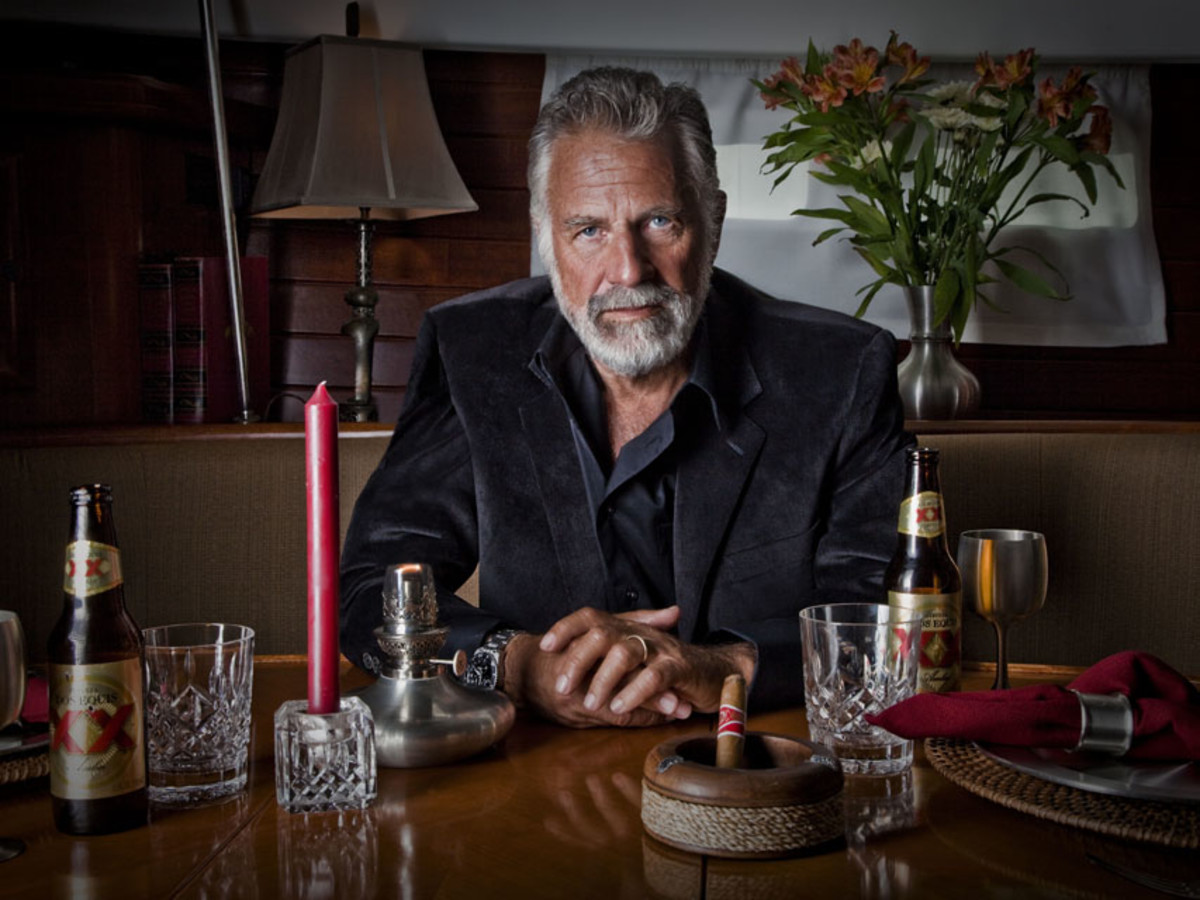
Emulating ‘The Most Interesting Man in The World’

“You don’t have to be the most interesting man or woman in the world, but I think these commercials did do a good job of why it’s necessary in life to embrace curiosity, experience, adventures, and being charismatic.”

I am not a big fan of commercials or advertisements generally, however, if they can be humorous or insightful, such as one kind of commercial that has captivated me for years, on what it is like to be ‘the most interesting man in the world’. I have long had a soft spot for the now defunct ‘Dos Equis’ beer commercials focusing on the character of “The Most Interesting Man in The World.” These commercials were not only humorous but also served as a cheesy yet truthful take in my view regarding how to be a more well-rounded, open-minded, confident, curious, and adventurous person. You don’t have to be the most interesting man or woman in the world, but I think these commercials did do a good job of why it’s necessary in life to embrace curiosity, experience, adventures, and being charismatic.

“The police often question him because they find him interesting.” In many of the ‘Most Interesting Man in The World’ commercials, you see the character actor, Jonathan Goldsmith engaged in various activities such as climbing Mount Everest, arm-wrestling a military general, or flying a plane. The character thrives on experiencing life and all it has to offer despite the risk(s) and danger(s) involved.

Whether its fencing, sea diving, or rescuing a lion, he thrives on novelty and making the most out of what life is all about. I don’t see anything wrong with you incorporating this kind of mindset such as seeking out new hobbies or interests, traveling to unique places, and learning new things to make life more exciting and fulfilling. You don’t need to be the most interesting man or woman in the world to do that, but you do need to take action to make that happen.

“He has inside jokes with complete strangers.” Having charisma, being appealing to other people, and showing confidence in your actions will carry you far in life. What ‘The Most Interesting Man in The World’ commercials show us is that it does help to be charismatic, confident, and able to handle social situations with ease. This kind of character takes time to develop and won’t come easily, but like ‘the most interesting man’, it can pay off for you when you invest in your social life and take time to get better at building those social skills. The character in the commercial is not doing these activities alone and he is not at the bar or restaurant alone. He is self-assured, confident, telling a story, and being humorous to enhance his relationships. You should work on doing the same in terms of having those characteristics in both your personal and professional relationships. You never know when having these kinds of interpersonal skills will come in handy, but I can guarantee it will help you in life in one way or the other.

“He can speak French…in Russian.” The character himself is well versed in those activities and is knowledgeable in many fields such as learning languages, playing sports, or knowing different instruments. These commercials, while funny, do show the viewer the value of being a lifelong learner as it will make you a more well-rounded person. Being able to ride widely on different subjects, picking up new skills over the years, and engaging in a wide array of activities will make you stand out in a good way in terms of forming a holistic personality. If the character can do it, you can make it happen as well though take it one step at a time in terms of becoming a Renaissance person. You may not get there right away with being well-rounded, but years or decades of work will help you get there most often.

“People hang on his every word, even the prepositions.” The most interesting man in the world doesn’t boast and talk at length without being prompted first to share his adventures and experiences. He is intriguing because he is mysterious and saves his best stories for those, he wants to share them with. Even in these commercials, the actor has a real presence about him, partly because of his age but also because of his body language. You do not need to overshare with the average person or stranger, but you should intrigue people with your aura and your confidence. You can let someone new know a little bit about you without giving everything away. It takes time to get good at that, but you should save your best stories for your most intimate friendships or relationships. You should divulge a little bit about yourself at a time while maintaining some mystery for those people who really care to get to know you better.

“His blood smells like cologne.” When you dress well like the character does, when you have strong composure and when you carry yourself with both dignity and respect, people will treat you better and take you seriously. Remember to boost your confidence this way by paying more attention to how you present yourself, how you speak, and how you think you’re being perceived. You don’t need to be a fashion icon but like ‘the most interesting man in the world’, you have it in your power to dress well, have more refined taste, and present yourself as best as possible. Having good body language, dressing well, and being confident may not make you the ‘most interesting person’ but it will make you much more appealing and intriguing to know more about.

“Presidents take notes when he speaks.” Everything about these commercials suggest that ‘The Most Interesting Man in The World’ has a legacy worth remembering and that his persona lives on long after he’s gone. The idea of having a legacy, contributing to something bigger than yourself, and being part of a greater mission are all themes from these commercials. Being remembered well, pursuing meaningful work, helping others who are less fortunate, and making bold choices should never be shied away from. You don’t have to be a fictional commercial character to do all these things.

The overall message behind this part of the character is something that we all can relate to in our lives. We want to have a positive impact in the world and leave something good behind whether that’s a family, a garden, or a charity. Whatever legacy you intend to have, ‘The Most Interesting Man in The World’ encourages us all to life a life worth remembering and one in which we have a positive and memorable impact on the lives of other people.

At the end of the day, The Most Interesting Man in the World may be a fictional character from a beer commercial, but the essence of his magnetic and charismatic persona offers real life lessons. By embracing curiosity, confidence, and a spirit of adventure, anyone can cultivate a richer and more well-rounded life by following this example.

Whether it’s learning a new skill, traveling to unfamiliar places, or simply carrying yourself with both charisma and composure, you can become more interesting as a result, man or woman. The key to remember here is to stay open to new experiences and never stop growing as a person. You don’t have to be the most interesting person in the world or even the most likable person in the world but by following the character’s example, you just might become the most interesting person in the room and that’s a big deal. Stay curious, stay bold, and of course, stay thirsty, my friends.

Be Careful Of Who You Associate With

“One key trait that is often undervalued is knowing how to spot someone who is not just friendly, kind, and decent but who values this kind of traits and characteristics in other people whom they surround themselves with professional and/or personally.”

A good way to examine someone’s character and moral values is who they surround themselves with. Whether they are a friend, a family member, a public figure, or even someone in the workplace, you can tell a lot about someone based on who they spend their time with or confide in. One key trait that is often undervalued is knowing how to spot someone who is not just friendly, kind, and decent but who values this kind of traits and characteristics in other people whom they surround themselves with professional and/or personally.

You must be able to get comfortable with both analyzing and understanding how other people act and whether their behavior or their personality will not just be good for you but also whether it is good for other people too. It’s often overlooked but being able to assess accurately the character of a man or a woman is key to keeping potential trouble or problems out of your life as a result. It can take a lot of time to really get to the heart of who someone is but if you feel that you want to truly know that person deeply and how they act not only to you but towards other people, it’s important to spend a lot of time around them not only privately but publicly as well to get a real sense of who they are.

Remember that who you surround yourself with by choice reflects either good or bad on you. We can’t choose our family members, but we can choose who are friends are, who we have a relationship with, which work colleagues we mentor or learn from, and our other associates in our network of personal or professional connections, however casual they may be to us. If you don’t take the time to truly assess someone’s moral compass, their character, and their overall behavior, you may be drawn into negative situations or circumstances that could affect your life badly.

Do not put yourself into those kinds of negative situations in life by choice where you could have instead cut ties with the person(s) who were affecting your life poorly. Be able to say ‘no’, walk away, maintain your distance, or cut ties permanently to preserve your own peace and your own moral character. It is extremely important in life to avoid the sycophants, suckups, liars, cronies, fools, toadies, goons, and flunkeys who can make our life much more complicated or worse as a result.

Life is too short to hang around people of poor behavior and character especially when you have a choice in the matter. That is why it is so key to be careful of the people who you associate with freely. I encourage everyone reading these words to take seriously how you size up your fellow man or woman even if it is a casual connection or someone in your general network of connections. Who you surround yourself with says a lot about a person and you do not want your connections or friends or network to reflect poorly on you.

It is often said that a man’s / woman’s reputation is built over decades but can be lost in minutes or hours. Surround yourself with people of moral fiber and good character and your reputation will be positive as a result. There are so many numerous examples of public figures or well-known people in our society who do such a poor job of surrounding themselves with the right people and it harms so many others as a result. People who cannot judge the character of someone well enough should have no business being a leader or overseeing a company, organization, or a country. Judgment of character is a key skill that must be honed over the course of our lives whether it is thinking of having that person as a friend, a romantic partner, or a business associate.

When you can judge character well and find good people to surround yourself with, the benefits of doing so will reverberate throughout your life. You will have much less stress, anxiety, and experience much less negativity as a result. Your own reputation won’t suffer, and you’ll be able to spend time better with those good people creating both positive experiences and the good memories from them. In addition, you want to have people not only of good character and moral fiber but to have people around you who will tell you the truth, tell you what they really think, let you know when you’re messing up, and who will support you during the good times and the bad.

Being around people who lie to you, mislead you, talk about you behind your back, kiss up to you, or act phony around you are not worth the time or the effort to keep around you at all. It takes a while to really get to know someone but if you let people who you don’t vet or don’t really get to know into your life especially your inner, private life, you are asking for trouble as a result. Maybe you will have fewer friends or a smaller professional network because of your own vetting or analysis of people around you but to me, it’s always better to have a few true friends and associates than a bunch of liars, sycophants, and phonies who tell you what you want to hear rather than what you need to hear.

Please be careful of who you associate with whoever they may be. Be sure to know how to evaluate and assess the people in your life and believe in your own intuition of who a person is and whether they deserve to be part of your life. Remember that who you surround yourself with reflects who you are as a person. Don’t try to be everyone’s friend and have suspect people in your life as a result. Find people of strong moral character, vet them well, and make sure you and they continue to do good and be good to themselves and to others in life.

Anatomy of a Scene – Suds on the Roof

“For Andy, getting three beers a piece and to have some suds as him and the guys work outdoors in the heat is worth the perilous personal risk that he put himself through to make it happen.”

Sometimes, it pays to speak up and be heard even if you’re a convicted felon. Andy Dufresne (played by Tim Robbins) is a few years into his prison stint at Shawshank State Prison in rural Maine. He proclaims his innocence to Red (played by Morgan Freeman, his good friend in the prison, who still has a hard time believing him even though the two have become close first as Andy’s provider of cigarettes and posters of centerfold actresses and models but has become more of a confidant despite being skeptical of Andy’s claims of innocence. He tells Andy “Everyone in Shawshank is innocent, don’t you know that?”

As Red also explains, prison is no fairytale world and Andy runs into a rough crowd of prisoners who sexually assault and physically beat him to a pulp. Prison becomes very routine in that Andy tries to fend off his attackers, does his duty at the massive laundry room, and collects rocks in the yard to shape and polish with his rock hammer as a hobby to pass the time. Red also exclaims in the film, “Prison time is slow time…and a man will do almost anything to keep himself occupied.”

It is through his budding friendship with Red and his connections to the outside world that they can finally break the monotony of prison life and to have a small taste of freedom by bribing a few of the prison guards with cigarettes and whiskey to win the job of tarring the license plate factory roof. While it is arduous, backbreaking, and tiresome; it’s also Summer in Maine, a “fine month to be working outside”, and comes with more outside time in the prison and other special privileges, according to Warden Norton. With a small bribe and maybe some extra names in the sorting hat, Andy, Red, and their associated group of inmates win the job with no other prisoners being suspicious of how they won the prized work outside.

This scene that I like to call ‘Suds on the Roof’ focuses on the men at work with the hot tar with the summer heat bearing down on them. The head of the Prison guards gets fleshed out as a character when we learned that his brother died as a rich man being worth over $1 million dollars, which in the early 1950s would be 20x the amount today in 2021. Byron Hadley, being the vindictive, petty, and cruel man that he is likes to play the victim on how he is only getting $35,000 from his brother despite calling him an ‘asshole’ to the other guards and complaining on how it’s not enough or how the government and others will take some of that money he didn’t earn but inherited. This is a brilliant detail at the beginning of the scene to show just how pathetic and small he could be as a character, which is great writing by the film’s writers, because you begin to grow to detest how vile a person that Byron Hadley is.

Andy Dusfresne, our main character in ‘The Shawshank Redemption’ overhears Byron’s ‘tale of woe’ about inheriting money from his recently deceased brother and seeks to take advantage of the situation by knowing that his tax and finance knowledge as a banker may play to his advantage. The way he stops mopping the tar, walking over awkwardly, and coming up from behind with the guards’ backs turned away from him is terror-inducing when you first see this scene. Andy’s crew, including Red, implore and yell at Andy to keep ‘his eyes on the mop’ and not to antagonize a vicious man that Byron is because they know from experience how senselessly brutal and violent, he can be to the inmates for no reason at all.

Andy, in this scene, he is as cool as a cucumber and basically tunes out their pleas of him to keep mopping and ignore Hadley’s tale of woe. Andy goes up to Hadley and says a few choice words that almost get him killed within the next few seconds. “Mr. Hadley, do you trust your wife?” That simple sentence has a lot of implications such as that she may be cheating on Byron and has been unfaithful to him but it’s really about Andy asking about their financial relationship although his poor choice of words almost leads to Byron throwing him off the roof of the license plate factory and then calling it an ‘accident’ with the outside world beyond Shawshank none the wiser about his actual premeditated cause to murder Andy.

“Because if you do trust her…there’s no reason that you can’t keep that $35,000!” …In just a few seconds, Andy’s quick thinking and knowledge of one tax-free gift to your spouse or wife helps keep Byron from throwing Andy off the roof to certain death. Andy is trying to save Byron some money and exclaims quickly that he can give his money up to $60,000 in a tax-free gift hence why Andy awkwardly started to ask him if he trusts her implying if he would trust her with such a large sum of money and if she would take care of it properly for him. Byron knows Dufresne as all the guards do as a ‘smart banker’ who ‘killed his wife’ and is worried that what Andy is advising him to do would be illegal and get him in trouble with the IRS and the law.

Andy assures him that this tax-free gift is entirely legal and if he doesn’t believe Andy, Byron can ask the IRS to check and make sure. Byron still looks down on Andy and doesn’t need his help to get all the money, but Andy replies fast that unless he wants to pay lawyers or a financial advisor to do it, which would cost a lot of money, Andy exclaims while hanging from the edge of the rooftop that he would do it for Byron nearly free of charge! Andy only needs the forms to start preparing him and the only cost that he asks for in return are a few beers for him and each of his “co-workers”, which is a hilarious aside that Andy would refer to his convicted inmate friends as co-workers rather than fellow prisoners. Even though they are in prison for life, most of them, they still form bonds of friendship to survive in terrible conditions, with a sociopathic warden and a vicious head prison guard preparing to harm or even kill them if they step out of line.

Now, the most surprising thing about this scene is that the ‘nearly free of charge’ refers to a specific brand of beer, “Bohemia style” as Red puts it and for them to be “icy cold” especially to quench the thirst of the hard-working prison crew toiling to tar the roof day in and day out. Andy, in a sense, wants to feel like he is doing his banking job again and instead of receiving a salary for just himself as he did before, he instead wagers his life to get beers not only for himself but for his crew of friends he recently established. He is selfless in this way in that he does not think only of himself but thinks of those others who deserve that small moment of freedom by drinking “cold ones” on the roof at “ten o’clock in the morning.” For Andy, getting three beers a piece and to have some suds as him and the guys work outdoors in the heat is worth the perilous personal risk that he put himself through to make it happen. For Andy, it was to help him feel a bit less like a convict in a prison on a life sentence and a little more like a free man, if only for a short while.

I believe Andy wanted to feel a bit more normal such as like him and his friends were tarring the roof of their own houses and to sit with the sun on their shoulders and feel free and have a bit of happiness in grim circumstances that they find themselves in day in and day out with little hope to their chances of getting out of prison. As Red indicates towards the end of the scene, they can make Byron, the guard, seem magnanimous or even ignored altogether because they have sun and they have cold beers and they have each other, which is more than the convict crew has had all together in years probably.

Andy is selfless to the end in this scene showing his true character as not of a cruel murderer but someone who even if unclear yet to the audience was wrongfully convicted, whose intentions were pure, and who missed his previous life as a banker and wanted to “feel normal again, if only for a short while” as Red so eloquently puts it. In this scene, we begin to see Andy’s true nature as a human being: awkward and clumsy at first but very brave, empathetic, and a kind heart that not only Red’s friends realize from his selfless act but that the guards also see even if they have to follow Hadley’s orders in dealing with him. Andy was offered a ‘cold one’ at the end of the scene but tells one of the convict tarring crew that he gave up drinking.

Red speculates to the audience watching as to why Andy would refuse the beers that he almost died to get but then realizes in the narration that it wasn’t about getting the beers at all or helping Hadley get wealthier, it was to have that freedom to choose again, to have a choice without asking for permission all the time from the guards, and to feel a bit of life again within the drab and gray walls of Shawshank. The freedom of choice is directly related to having free will, which was taken away completely from Andy and other prisoners. He wanted to restore it again briefly to have a bit of normalcy and break up the sheer monotony and harshness of prison life.

Andy would like to think and have again for a moment where he is not a mere convict but a human being worthy of some simple dignity, choice, and a small taste of freedom for some brief moments asking for those cold beers and if he must almost die for that freedom, it was worth it to him in the end. That feeling of ‘normalcy’ to Andy as Red puts it was the real driver for him to put himself at risk and to feel good about it after, to smile and feel some small sense of happiness that had been missing for so long. Lastly, Andy did not just do it for himself but to help his friends who had sustained his spirit in the drab prison even after being beaten, abused, and almost worked to death in the laundry room. It is not he who deserves to feel somewhat normal again alone but his crew as well who worked tirelessly to mop hot tar in the summer without any prospect of real rewards or gratitude. The beers were not just for him but for Red and for the others to feel like ‘free men’ and to be the ‘lords of all creation’ in their minds and in their hearts, if only for a short while.

Get Your Own House In Order

“Before you can set an example to others in your house, or others in your community, or others in an overall society, you first need to show that you can ‘get your own house in order.’ You need to be able to handle yourself and your own day-to-day problems first before you can lead others to do the same in their own lives.”

There’s an old adage I have been thinking about lately about how it is primarily important to take care of oneself first and not just in one way but in every part of your life. Before you can set an example to others in your house, or others in your community, or others in an overall society, you first need to show that you can ‘get your own house in order.’ You need to be able to handle yourself and your own day-to-day problems first before you can lead others to do the same in their own lives.

It can be hard for other people to take you seriously when you don’t take yourself seriously in the first place. How will you be able to lead a team or an organization or a company if you are not able to master your own tasks and your own desires? Self-development isn’t just about making sure you are able to create a good life for yourself but it’s also about setting a positive example for others who would look up to you as a result. You cannot be a mentor or a role model for others without first putting yourself out there and doing what needs to be done to make yourself successful.

When you have not struggled, when have not persevered, when you have not done what it takes to reach your goals, how can you give advice to other people on what they should do to have the same kind of success? “Getting your own house in order” means taking care of yourself first and doing so consistently before you can use those same pieces of advice and examples for others to follow. Firstly, your own house in order starts with your mental and physical health.

Your body is your own house so it must be taken care of first and foremost in terms of getting good sleep, eating properly, not indulging in vices like alcohol or tobacco to excess, and knowing how to exercise as well to keep yourself in shape. It also extends to being able to relax, de-stress, handle anxiety, and be mentally sharp by challenging yourself but also relaxing your mind so as to not exhaust it entirely. Your body and your mind are their own little houses and they must be maintained thoroughly so that other people will know that you are capable enough to handle other demands in life.

Another house we don’t think of is appearance and grooming. Your own house in this case means maintaining a good appearance and practicing good hygiene. These practices are necessary also on a daily basis and to show to the world that you care about yourself and want to be taken seriously. For a job, an internship, a presentation, a seminar, a lecture, etc., your personal dress should indicate that you are a serious person for the role or for the opportunity and that others will know that they can respect your house because you respect it yourself. They will not respect your house when you show up to an interview in shorts or when you wear Yoga pants to a college lecture. Physical appearance and grooming are another ‘house’ that we all must take seriously and to do so primarily before we can give advice to others on how to maintain their own ‘houses’ in good order.

Lastly, the last ‘house’ on a personal level that I would like to focus on is where you live regardless if it is a small studio apartment or a huge mansion. Maintaining your own physical shape in the world is crucial if you want to tackle bigger and better problems. If you can’t make your bed, clean your bathroom, or keep your kitchen clean, how can you tackle any major issue in your community or in your society? At the end of the day, this kind of ‘house’ maintenance comes down to self-respect and putting your own ego aside to do the work that we all must do.

The chances are good that at the end of the work to maintain this ‘house’ that you will feel a lot better for having done the work needed to keep up a clean and orderly home. It is not easy to do this consistently but it is necessary and if you plan on having guests over, having friends over for a get-together, or want to be romantically involved with someone, a clean ‘house’ will go a long way to making you respectable and responsible in the eyes of others. Being able to maintain care not just of yourself but your own physical space means that people will know that they can trust you with other tasks and matters of importance that extend beyond your ‘house’ and to the ‘houses’ of others in the community and in the society.

Thinking about a community as a whole, their ‘houses’ include making sure that the schools are meeting the needs of the students, that the community is safe and protected for all of its residents, that the roads and bridges are maintained and do not have potholes or faulty beams, and to make sure that each and every person has access to utilities including water, electricity, and yes, an Internet connection too. If a community does not have those necessities for a high quality of life, then that ‘house’ is not in order and those people who have their own ‘houses’ in order need to step up to do their part to help others get the community in good shape.

If you have your own ‘house’ in order, you can set the standard for the rest of the community and be able to use your ideas to help others especially if you gain their respect and their trust. With how you act and how you behave in addition to your own appearance, ideas, and personal goals, you can make the community better and it’s important for you to get in there and show that you can make a difference there.

When a community can all of its necessities in order, that one community can definitely have an impact on the larger society within a country and even the world. A community where everyone has equal access to a good education, where health care is not a privilege but a right to all in that society, and when kindness, honesty, and virtue are rewarded rather than chastised. That is an overall society that is getting its own house in order and can serve as an example to other societies in other parts of the world.

Being able to provide a high quality of life and a chance to succeed to all of the people in a society should be the goal of society with its own ‘home’ in order. I am not talking about a social utopia per say but rather an ideal place where people know that they can succeed if given a fair shot in life. It’s also about providing the basic tools of any society to all of its people without discrimination and without corruption. Whether that is no homelessness, enough healthy food for everyone, and an economy where inequality is minimalized, that is what a society should be focusing on and using as an example to other societies.

When a society prioritizes the needs of the few over the many based on wealth or another privilege, that society does not have its own house in order. If there are people out there hungry, homeless, or without health care, then that society is not in order. A society cannot be an example for other societies when it lacks the courage to invest in its most vulnerable populations or to provide a higher quality of life for all people.

Without that kind of an example, a society will lose its influence or example setting and will turn inward and often tear itself apart without good leadership or good values. A society that gets its own house in order prioritizes the right social needs and finds the investments, funding necessary to maintain these necessities of its people will automatically become an example to other societies whether they are near or far. A society that doesn’t does not have a moral ground to stand on and will lose the example it could set by practicing bad ‘house’ manners in different ways.

“Getting Your Own House in Order” does not just apply to one individual but it also applies to a community and a society as a whole. We all are human and fallible and sometimes, we will fall short but if we strive to do better in our homes, in our lives, and in our examples we set for others, that kind of ‘Ripple Effect’ of positive values will improve the larger community and society as a result. How we treat ourselves (mind and body), our homes, our way of life has a direct effect on the community we share, and, on the society,  we find ourselves a part of. This kind of example setting starts at home, but it can ripple throughout to the rest of the world and it all begins with ourselves and our own actions.

The Art of an Apology

“One thing I have noticed recently is that some people have a hard time giving a simple apology when they mess up, are rude to others, or don’t have the emotional intelligence to realize when they were in the wrong about something. Now, this is not a good habit to develop as an adult and one that makes you appear to be childish more so than any other negative trait that you could display.”

One thing I have noticed recently is that some people have a hard time giving a simple apology when they mess up, are rude to others, or don’t have the emotional intelligence to realize when they were in the wrong about something. Now, this is not a good habit to develop as an adult and one that makes you appear to be childish more so than any other negative trait that you could display. Learning how to apologize is done when we are children and our parents tell us to always ‘say sorry’ and to learn to be nice to others.

‘Sorry’ is one of the golden words we learn are key to our day-to-day lives. It doesn’t take much to do and will cost you nothing. The fact that many adults don’t know how to do this today in our society is a worrisome sign of how personal relations have decayed compared to previous times. Some people choose to dance around the offense and not acknowledge it while others refuse to take responsibility for their actions which leads to the person who was offended feeling aggrieved and holding a grudge against that person for longer than they should need to.

The old adage of ‘you forgive but you don’t forget’ is not a pretty one but if there is no apology from that person who committed the offense, the other person may learn to forgive them but they will not forget that there was no apology rendered from the other person. I do not endorse holding a long-lasting grudge against other people but being rude, saying bad things about others, and overall not being a respectful person will cause you to lose many different relationships with others. Most adults do not know want to associate with somebody who refuses to apologize or does not take responsibility for their actions.

I believe that with social media and how often we do not see the other person’s face and their body language that we feel comfortable getting away with rude behavior and it has led to that kind of behavior spilling over into real life interactions. A lack of an apology can be due to a person’s own narcissistic nature and to think that the rules like the ‘golden rule’ don’t apply to them and that they can ever do no wrong including causing harm or offense to other people.

The sign of a true mature adult is one who apologize and does so in a sincere manner. It is a heartfelt apology and is usually more than just a simple ‘sorry’ and then move on. If someone cannot even say ‘sorry’ or realize the hurt that they have caused, then they still have a lot of growing up to do and act more like a child or a teenager in an adult’s body than an adult themselves. The sad thing to see in society is when a 45 year old acts like a 15 year old or when a 75 year old acts like a 5 year old, which is often as the result of them not registering other people’s emotions or feelings, and thinking reflectively about their behavior, their tone of voice, and how their language was inappropriate.

The art of an apology is not as simple as it can be made out to be with just a quick ‘sorry’. Often in life, a simple ‘sorry’ does not cut it. I think it’s better to follow these steps to having a legitimate and heartfelt apology that will make the other person feel better and try to restart the relationship or improve it rather than letting it fester and causing the other person to dwell on your insult.

1. Acknowledge You Were Wrong

The first step for any good apology is to acknowledge to someone face-to-face if you can or over phone or email if you can’t see that person that you were wrong. Whether it was something you said or something you did or that you hurt their feelings, acknowledge the thing that caused the original offense, state how it wasn’t right for you to do that, and apologize in that way beyond a quick ‘sorry’. It’s as direct as “I was wrong to…”, “It was not right for me to…”, “You deserve an apology for…”

2. Remember the Incident and What You Took from It

When you acknowledge what you did and that it was wrong, it makes the other person feel like you remembered that it was not the right thing for them to do and that pain was caused. It also means remembering that certain feelings were hurt and that the other person realizes they could have done things different / not said anything at all / or watched what they have said better. Saying ‘sorry’ or apologizing without saying what the ‘sorry’ is for is not a good way to do an apology because you have to be specific regarding what the apology is for and what you did wrong if you caused offense.

3. Be Sincere and Don’t Rush It

How you say an apology is often more important than what you say in the apology. If you are rushing through it, only saying a one-word apology, and not even looking at the person or acknowledging their presence while saying it, then that is not a real apology. A real apology must be congruent with your body language and your eye contact and your tone of voice all on the same page together. You should give that person your full attention and not be checking your phone, reading your email, or have your attention generally elsewhere while doing the apology.

Also, not rushing it means it’s going to take more than a five second ‘sorry’ and move on, if you follow the previous two steps, a good apology will take as long as it needs to which could be anywhere from a minute to ten minutes depending upon what the other person has to say. Depending on the severity of the negative action, you want to give that person a chance to respond, to accept your apology, and to decide how your relationship with them is going to move forward. You cannot force an apology to move forward without the other person agreeing to it so make sure you are patient, forthcoming, and open to listening to what they have to say to you.

4. Be Open to a Change in the Relationship

Even with an apology, sometimes, that person is going to want to take a break from seeing you, hanging out with you, or being around. It can be hard to bring that relationship back to what it was when harsh words are exchanged or when negative actions happened between two people to cause the strife. You have to understand and accept what the other person does because they may not want to trust you again as much or recognize that you aren’t the person who they thought you were.

This may be a hard pill to swallow but you are likely going to have to spend some time away from that person, let them forgive you on their own timetable, and they will set the terms on if they see you again or not. It is possible they may never fully get over what you did and not want to be around you again at all. This is a harsh truth to face for most people but the least you can do is apologize and try to move on.

If that person chooses to accept your apology but not go out of their way to see you again then that is their right to do so and it is up to them how they want to conduct their interactions with you moving forward. As adults, people want to spend time with those people who treat them well, respect them, and are emotionally mature. If you can’t do that, it’s going to be tough to have friends or to be around other family members.

I write this article because too often today I have seen other adults refuse to apologize for being in the wrong and this can cascade throughout the rest of our society. There is a fundamental lack of accountability and also responsibility that starts with a failure to apologize sincerely. It takes real wisdom and maturity to apologize to someone, but it is necessary since we are all flawed and make mistakes.

A true adult owns up to these mistakes they made, apologizes for them to seek forgiveness, and accepts what the other person does in response without any future expectations on how the relationship can move forward. It begins with saying ‘you’re sorry’ but it does not end there and a good apology is more than saying ‘sorry.’ It means acknowledging what you did was wrong, being sincere about it, listening to the other person, and being open to a change in the relationship based on how they want to move forward with you in the future. That is the true art of an apology and one that I hope you will follow in your own life.

Are You a Wolf or a Sheep?

We often like to think of ourselves as ‘introverts’ and extroverts’ in terms of our social makeup in how we act socially and how we get along with others. However, I like to think of another spectrum for which deserves some thought and introspection. Both of these classifications are not anything new, but I would like to put my own personal spin on what they represent, the good and the bad characteristics, and how these two personality types interact with other people.

I fundamentally believe that any person could be classified as having both character types with the extremes representing one or the other. I’d like you as the reader to figure out by the end of this article whether you are a wolf or a sheep? How did you come to that conclusion? and are you happy with this classification or wanting to resolve to change yourself?

When you first think of a ‘wolf’, you may think of the animal itself and how it can be dangerous, unpredictable, and fast. However, a wolf can also be thought of as cunning, loyal, and a team player. The wolf is not afraid to go it alone, sometimes for months at a time, while he or she is also comfortable with the pack where there is strength in numbers. The wolf can survive both on its own and in a group. The wolf adds value to the group but is able to self-sustain itself when it needs to.

If you see yourself as a ‘wolf’ kind of person, you take other people’s opinions into consideration, but you are not afraid to strike it out on your own. You don’t go along with the herd or the group all of the time when they are not of the same opinion or going in the same direction as you. You are an independent, reliable, and courageous person who is not afraid to go it alone even when it doesn’t please your tribe. At its extreme, being a ‘wolf’ can lead you to be a loner and cause you pain as you are no longer able to rely on your wolf pack for help or assistance. You may shun others with your actions and your opinions much to your detriment. A ‘wolf’ knows how to push his or herself to the limits, but it may bite off more than it can chew.

In a world where it is difficult and sometimes detrimental to go against the pack, a ‘wolf’ can decide to do so in an effort to sustain itself against the odds. Being a wolf is risky, but it has greater highs and lower lows. The risk is higher but so are the rewards. The wolf prides itself on being able to integrate into a community if necessary but it solely does not need it to survive like other animals. Any person can be a ‘wolf’, but it depends how far they push themselves physically and mentally, and how far they are willing to stray from the pack. A wolf can handle being a loner, being unpopular, and being cast out if it means keeping its morals, goals, and ambitions ahead of itself.

In contrast to the hard-headed yet cunning wolf, the ‘sheep’ is more timid, cautious, and relies on its flock for everything from where to eat, how to look, and where to go. The ‘sheep’ is unable to voice a contrasting opinion or forge another direction because as an animal, it would be largely left defenseless from predators, including a pack of wolves, if it is not careful.

The ‘sheep’ goes along with all of the other sheep in the flock not because he or she wants to but because he or she needs to. As an animal and a personality type, it puts the group’s needs above its own much to its detriment and making it weaker in the process. A sheep is not a risk-taker and is more about the collective group than being its own individual. While the life of a sheep may be comfortable and cozy, it is likely not to push itself to the limits and find out what he or she is truly capable of. Sometimes, it’s necessary to act, be, and think independently and a sheep is not able to do any of these things. A person can be a ‘sheep’ when they are not able to go against the group to develop themselves and to gain inner confidence. While it’s good to be in the flock or to be part of the pack, to do so all of the time much to your personal detriment is neither productive nor desirable. While sheep and wolves may be together, only the former has to do so some of the time while wolves have a choice to be on their own independent of the pack.

After thinking about these two personality types through the guise of these animals, it is my belief that any person can fit on the spectrum from the huddled sheep to the running wolf. Both personality types like ‘introverted’ and ‘extroverted’ have their innate positives and negatives. However, you have to decide for yourself when it is best to act like the ‘sheep’ or to be the ‘wolf’. There are those people out there who want to be 100% wolf or 100% sheep but you may not have this end up being a good decision for yourself. Life is about balance and you have to decide whether it’s best at times to be the ‘wolf’ and when it’s time to act like the ‘sheep.’ I find that to be 100% like each animal’s characteristics can lead to alienation, disenchantment, and outright dissatisfaction.

There are times in life where you have to be independent of others, believing in your goals when no one else does, and having opinions that the group does not share leading to positive ostracism. You have to be the ‘wolf’ when these times happen because you will be better off for it and be a more enlightened person as a result. Also, there are times when you have work with others well as a constructive team and put your beliefs and opinions on the back-burner when you can’t achieve and do things on your own.

‘Sheep’ rely upon strength in numbers and being part of a strong community that can support and back each other up when being independent could lead to isolation, despondency, and even death. Being independent v. being part of the group is a constant struggle in one’s life and you have to decide for yourself when it’s best to strike it out on your own or to be part of a larger group (family, friends, colleagues, schoolmates), etc. in order to get ahead.

You should ask yourself after reading these two descriptions of these popularly known animals whether your own personality and characteristics are more in line with the ‘wolf’ or with the ‘sheep.’ There’s nothing wrong with having a mix of both or being aligned with one or the other, but you have to do some introspection to decide whether you are a wolf or a sheep. A person with no defined personality traits that they are aware of is too easily manipulated and too easily controlled. Please be sure to always think, act, and do for yourself but to also respect your tribe and your group if they are supportive of you, your goals, and your beliefs. Now, “Are you a wolf or a sheep?” Decide for yourself.