Cultural Spotlight – Salsa

El_Cantante
Hector Lavoe, ‘El Cantante’ (1946 – 1993)

If you’re walking in any city in Colombia or in most parts of Latin America and you start to feel the rhythm and the beat to some up-tempo music that sounds as if jazz and ‘son cubano’ had a baby, it would be known to the world as ‘Salsa.’ Salsa music has only been around for over five decades but has had a lasting impact on the world of music and its’ popularity has stayed consistent in the countries and regions where it was first introduced. While some folks may argue that old-school music genres like jazz, swing, and the blues are on the decline these days; that is simply not the case when it comes to Salsa.

Contrary to popular belief, Salsa did not originate in Puerto Rico, Cuba, or even Colombia. This form of music came out of the communities of immigrants in New York City during the 1960s from Cuba to Puerto Rico who wanted to introduce a new take on ‘son cubano’ music that had been around for a few decades and to bring it to new audiences before who had never been exposed to that kind of genre before.

The music of Salsa has been highly influenced by previous Cuban genres such as ‘son cubano, son montuno, guaracha, mambo, bolero, etc. as well as certain Puerto Rican genres such as ‘bomba, and plena.’ It also should be noted that Salsa was heavily influenced by the American musical genre of Jazz and certain experts have noted Salsa as being a form of Latin jazz. Salsa is a very flexible genre and can incorporate many different forms of music together in order to be innovative and unique. Even rock, r&b, blues, and funk have found their way into the rhythms, beats, and lyrics of Salsa music.

If there were a form of musical expression to represent the Americas whether it was North America or South America, it would be jazz. Salsa music would not be what it is today without previous music genres influencing the sounds and songs to change and adapt as the decades passed by. However, without the early Salsa bands made up of newcomer immigrants from the Cuban and Puerto Rican communities who came to New York City and America for a better life, Salsa would also not be the popular genre that it has become today. From the 1930s to the 1960s, these new immigrants brought joy, happiness, and excitement to both their local communities and cities from Boston to Cali.

From the streets of the South Bronx to the barrios of Cali, Salsa would spread from New York City to Colombia to Peru to all over Latin America. Salsa has become a global music genre today with people all over the world sharing together their passion and love for this unique form of self-expression. You can find Salsa classes and music clubs in most major cities all over the world. It doesn’t matter where you’re from, if you’re new to dancing, or can’t understand the lyrics, Salsa is a music genre open to everybody. Some of the big names in Salsa are Johnny Pacheco, creator of the Fania all-stars band, Hector Lavoe, Willie Colon, Bobby Valentin, Eduardo Palmieri, Marc Anthony, etc.

The instrumentation used in Salsa music is incredibly diverse and can really depend on what kind of style you’re going for whether it’s ‘salsa romantica’ or ‘salsa dura.’ It also depends upon how fast the tempo is and what the chord / verse arrangement is too. The most popular kinds of instruments used in Salsa music are percussion and brass instruments. It’s very rare where string instruments are used unless its’ an acoustic or electric guitar. When it comes to the most widely used instruments, they are usually the piano, the bongo drums, the congas, trumpet, trombone, claves, and different guitars.

Since the genre of Salsa has spread to many parts of the Western Hemisphere, there are many different styles of Salsa dancing that make the music more enjoyable for people to participate in by moving their bodies in various ways. While there is no clear consensus on which style of Salsa is the best or most popular, there’s the Cuban style, the New York style, Puerto Rican style, Los Angeles style, and Cali style from Colombia. Each style of Salsa is a little bit different from each other so once you master one of these types, there is another one out there to learn in order to keep your knowledge up to date. There are few parts of the world that haven’t been touched by Salsa music, which makes it one of the most fun and enjoyable kinds of dances to learn. Whether you’re in Peru, Colombia, Cuba, the Dominican Republic or the United States, you’ll have a chance to dance Salsa if you look hard enough.

By listening to Salsa music and learning how to dance to the rhythms and the beats of this genre, you really learn a lot about Latin American culture. Listen carefully to the lyrics, study the history of both the song and dance, and you’ll be able to gain insight as to why this has become one of the most popular music genres on the planet today. Few things make the average person happier than being able to cut loose on the dance floor and Salsa as a genre succeeds in doing that beyond measure.

During my time here in Colombia, I’ve enjoyed going out to learn Salsa in some classes, and putting the moves I’ve learned into practice when I go out on Saturday nights to a Salsa club. It’s really a joy to dance and sing to the point of exhaustion until your feet can’t move anymore while the beads of sweat roll down your neck. Salsa, to me, is a celebration of living life to the fullest and expressing the movements of your body the way you’re supposed to do. If you haven’t given Salsa music or dancing a chance yet, start to do so today. I promise you won’t regret the experiences you gain by enjoying this popular genre.
Cuisine Spotlight – Sancocho

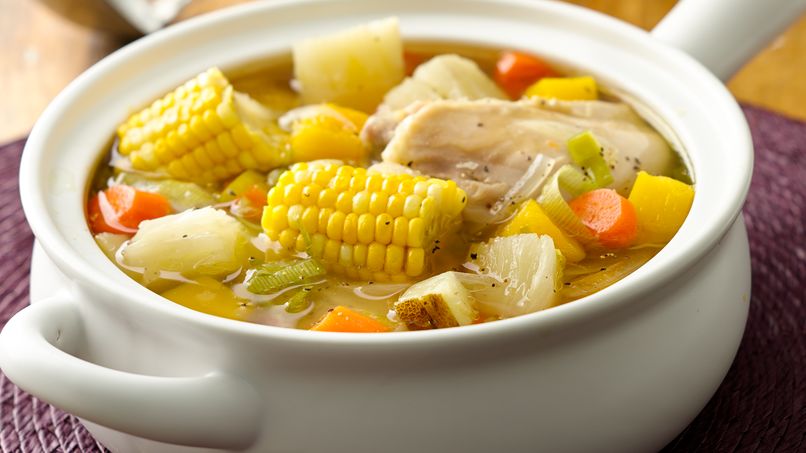
Many cultures around the world have their own unique take on stews and soups that are both hearty and comes with a number of different ingredients. This is also the case in many Latin American countries where the stew itself is called ‘sancocho’ and is closely related to the Spanish stew known as ‘cocido.’ Along with the Spanish influence, Sancocho takes most of its’ ingredients from local foods that are popular and add flavor to the dish. Sancocho is also considered to be the national dish in a few of the Latin American countries where it is made and eaten.

Among the countries where Sancocho is a popular food dish includes the Canary Islands, Puerto Rico, Honduras, Ecuador, Colombia, Panama, the Dominican Republic, Peru, Venezuela, etc. so you could say that it’s a staple and has become popular in many households and restaurants. Sancocho is believed to have originated from the Canary Islands where it is a dish that heavily is made of a whole-cooked fish with broth and potatoes.

The dish was brought over to Latin America when the Canarians and their descendants immigrated to parts of the new world centuries ago. As is the case with many different foods, the immigrants who move to a different part of the world often bring their favorite dishes with them. While fish was a main ingredient in the ‘original’ sancocho, there are many different types of meats and vegetables that make up variations on the popular dish depending upon which country you’re in. Sancocho is especially common to be served during lunchtime as it is quite filling and can hold a person over until dinner comes around. It’s common for Sancocho to be served in a huge pot for a family gathering or birthday party where the dish can be expanded to served dozens of people total.

In Colombia, specifically, sancocho is an extremely popular dish with a wide range of ingredients that can range from chicken to ox tail. Other meats that can be apart of sancocho include hen, pork ribs, cow ribs, fish, etc. For example, sancocho with fish is really popular on the Atlantic coast of Colombia while pork and beef is more commonly found in the interior of the country. In addition to mean, sancocho can also include large portions of plantains, yucca, potatoes, and various vegetables such as tomatoes, carrots, cilantro, scallions, mazorca (corn on the cob), etc.

There is simply no limit as to what can be put into sancocho and each country puts a different spin on the popular dish. In the Dominican Republic, for example, there is Sancocho de siete carnes, which is a dish made up of a mixture of different meats including chicken, beef, pork, etc. Sancocho de gallina, which is made up of free-range chicken is quite popular in Panama and is also the national dish of the country. Puerto Rico has the distinction of even adding smoked ham, pork feet with chick feats, which is known as sancocho de patitas and is quite unique in terms of its’ culinary characteristics.

The beautiful thing about sancocho is that there are so many different regional and national varieties to this dish are that the possibilities of mixing and matching different ingredients or toppings is simply endless. Any nation that has been touched by Spanish influence or colonization has adapted their own version of sancocho including even in the Philippines, which has a huge amount of meats and vegetables to offer in its own national take on the dish. Keeping to the Spanish heritage of the dish, they call it cocido as it is known in Spain.

If you decide to come to Latin America and find yourself at someone’s family gathering, hanging out with a few friends, or enjoying a birthday party, it’s likely that you’ll get a good serving of sancocho. In addition, the sancocho you get depending upon the country or the region in which the dish is being served to you will most likely be different and have some variation to it. The beauty of a popular dish like sancocho is its’ history, its’ adaptability, as well as the chance to gather with a group of people and dig in to this delicious food together.


Cultural Spotlight – Tejo

Most visitors and newcomers who arrive in Colombia may be surprised to find out that the national sport of the country is not ‘football’ as most people would guess given how popular the sport is around the country and due to the high quality of the national team shown in international competitions such as the FIFA World Cup. While Colombians may have the most passion for ‘the beautiful game’ of football, the national sport of Colombia is actually the game of ‘Tejo.’ This was actually an official decree made by the Congress of the Republic of Colombia back in 2000. While not as massively popular as football, Tejo is considered the second most widely played sport in the country and actually fields both teams and competitions in different cities.

Tejo is the oldest sport in Colombia and dates back over five hundred years and is said to have originated with the Musica indigenous tribe who speak the Chibcha language and were based in the northwestern part of Modern-day Colombia. Luckily, the game of Tejo hasn’t changed much since the Musica indigenous people first introduced it in the early 1500’s. However, it’s likely that they used a golden disc known as the ‘Zepguagoscua’, and the game of Tejo was known as ‘Turmeque’ back then and was played mainly by the indigenous peoples located in the modern regions of Cundinamarca and Boyacá.

The Spaniards who came to Colombia are known to have used wooden disks when they played the game and focused more on the accuracy of their throws than the distance of the throws, the latter which is more of a factor when playing the modern game today. From gold disks to wooden disks to stone disks to now using iron metal discs for playing, the game has evolved mainly in what material you’re using in order to get the furthest yet most accurate throws.

The main objective of Tejo hasn’t changed that much though in that you’re going to want to take the iron metal disc in your hand and underhand toss it about 15-20 meters so that you’ll hit the metal ring known as the ‘bocin’ as well as the ‘mechas’, which are triangular paper packets that are filled with gunpowder. You get the most points for hitting the bocin in the middle of the clay landing field but you can also receive from three to twelve points from hitting the different mechas and causing some loud explosions that are likely to earn you both some cheers and high fives.

While players should focus on the metal ring, you’ll also want to focus on hitting as many mechas as you can when you step up to throw the iron disk. When you hit the gunpowder packets, there is a loud bang like an actual gunshot and you may even see some white smoke emerge from the exploded triangular packets. Tejo is a pretty simple game to learn and only takes a couple of tries for you to get the hang of it. The iron disk only weights about two kilograms or so and if you get a good arch on the underhand throw, you’re likely to hit the clay field or even the mechas, bocin if you’re lucky. Tejo is a mix of skill and luck in my opinion but it’s quite exciting to play especially when you make some of those gunpowder packets explode for everybody to hear.

Both men and women are welcome to play Tejo and the only difference is that guys use the two kilogram iron disc and the ladies can choose to use a smaller, one kilogram iron disc if they would like to as well as being able to do the underhand throw from about fifteen meters away, which is a bit shorter than the regular distance of twenty meters or so. These rules aren’t mandatory for women so it is up to the individual lady what kind of distance or disc that she intends to use for Tejo.

Tejo is also a team game so you can play with up to five other people on the same time to face another team with the same amount of people. You’re often rooting each other on to hit the bocin or mechas in order to reach a certain amount of total points in order to win the match. There are numerous amounts of teams and competitions that are held all across Colombia and even in the neighboring countries of Venezuela, Panama, Peru, Ecuador, etc. Prize money is often involved in these competitions so certain Tejo players take this game very seriously if you’re playing for more than just bragging rights.

Tejo has become quite a popular sport with tourists and foreigners who come to Colombia and you can include me amongst those people. One of the aspects that Tejo that first time players find to be interesting is the ability to drink alcohol such as beer, rum, or aguardiente during a game. While this next statement can be disputed, it’s possible that you will get better throwing the Tejo at the clay field the more you drink although it depends on the individual player. It’s important to note that you can play Tejo completely stone cold sober and you would still have a lot of fun. Tejo is overall a social sport that should be enjoyed either amongst friends or between close-knit teams.

Unfortunately, it took me about ten months of living here in Colombia to finally play the sport of Tejo but it’s easy to say that I’m glad I finally did. While I wouldn’t play it competitively, it’s a sport that is a lot of fun and a great way to meet new people or locals in your city. The combination of throwing metal discs at gunpowder triangles while drinking a cold beer is a good one overall. Tejo has been apart of Colombian culture going back to over five centuries ago and it doesn’t seem to be going away anytime soon.


An Urban Transformation

img_2039
“The kids were cheering me on.”

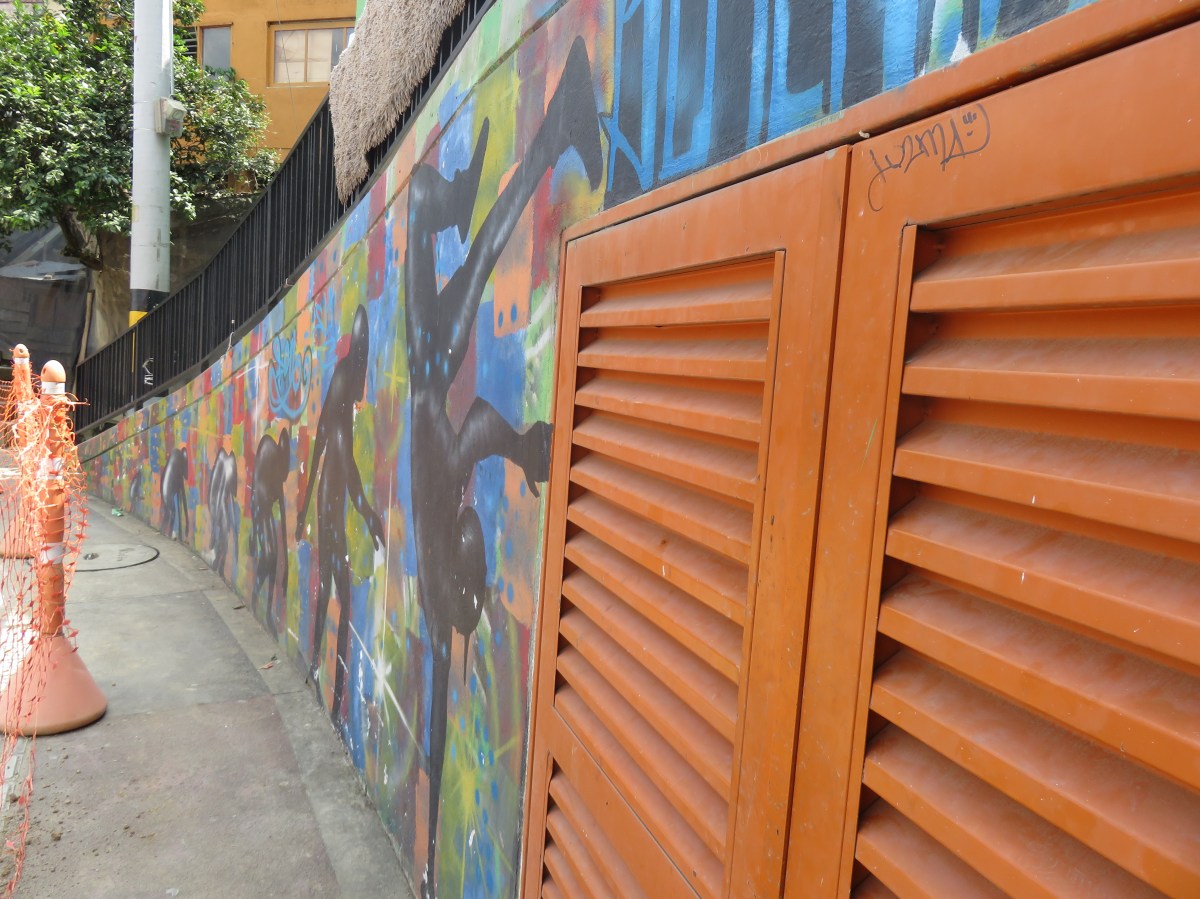
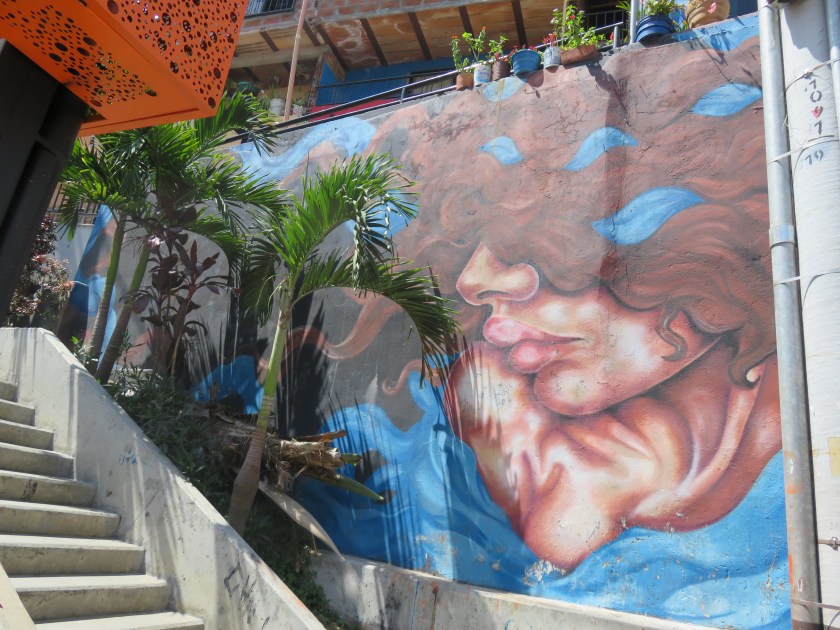
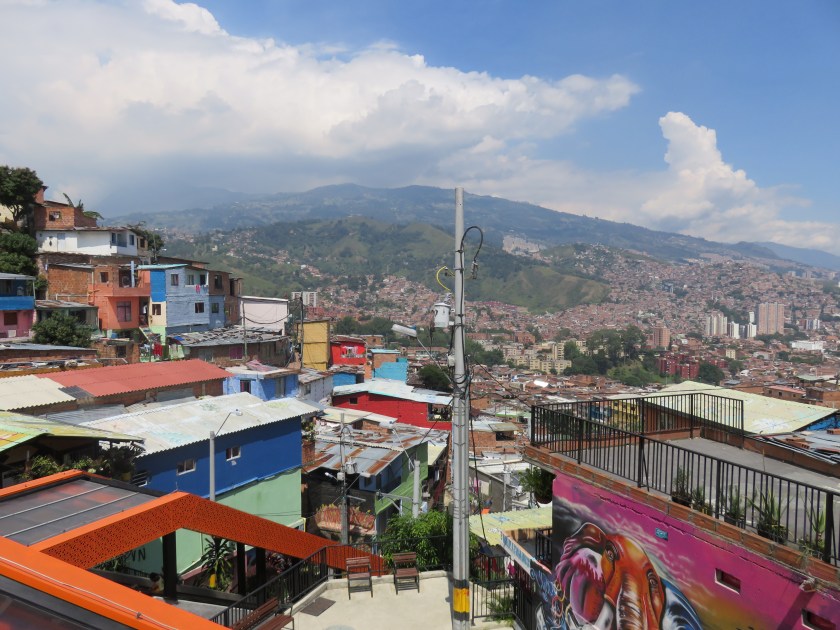
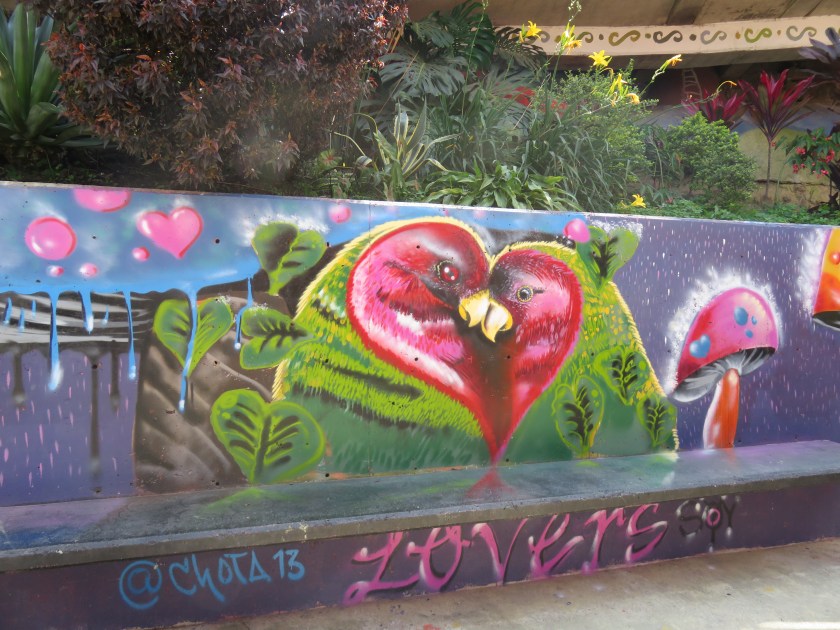
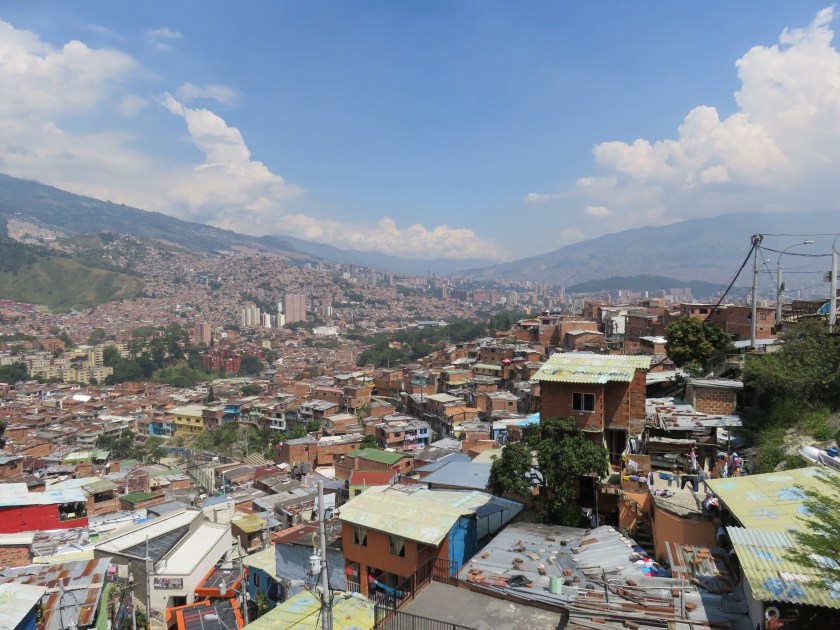
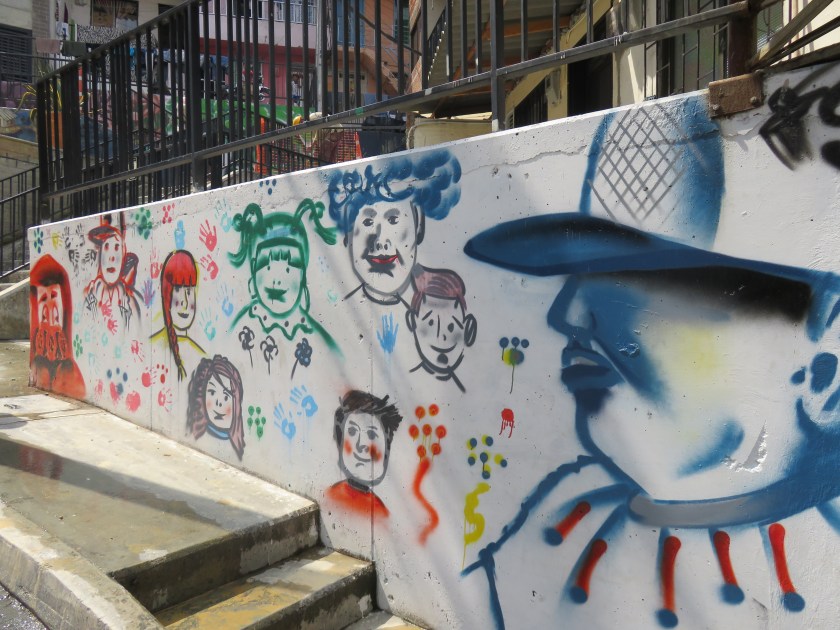
I had the pleasure recently of visiting Comuna 13, a neighborhood in Medellin that has had a difficult history with gang violence and the illegal drug trade but which is showing signs of both progress and renewal. Due to the investments made by both the local and city government, Comuna 13 has become a hotbed for beautiful street art and graffiti murals, which has attracted many local artists to make a positive mark on this community. Many of these artists are from Medellin and grew up in the neighborhoods of Comuna 13. Rather than discuss the past of Comuna 13, I would rather talk about why this particular community is poised to have a brighter future.

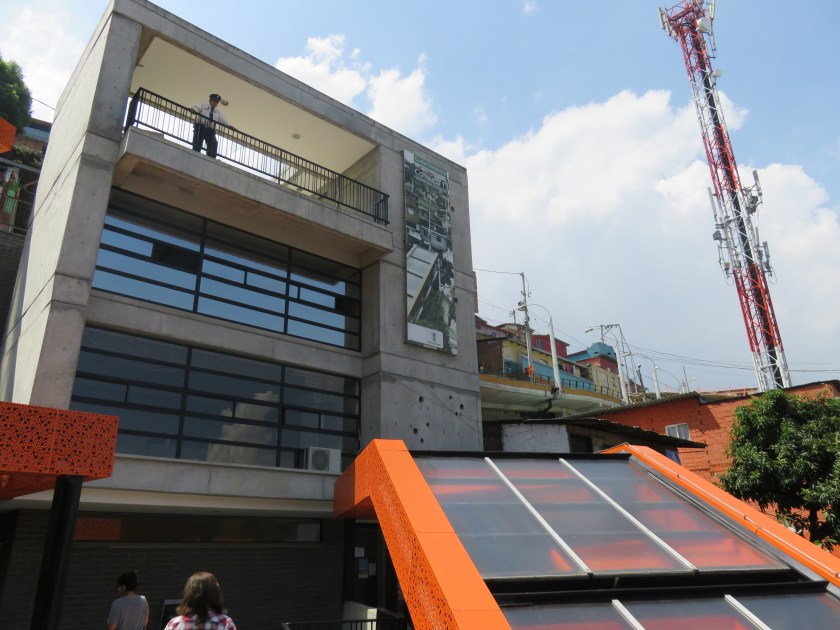
Beyond just the new street art and the graffiti murals that you can find around Comuna 13 are the relatively new escalators that connect the San Javier metro station to the communities located in the hills surrounding this transportation hub. These escalators make it a lot easier for both students and workers to gain easier access to the rest of the Medellin metropolitan area and are an easy way to get from point A to point B. The escalators are free to use for all people including the tourists who come to visit this part of the city.

While the escalators are not so numerous, it is possible that more of them will be added to other parts of the city in the future if I were to haphazard a guess. Medellin can set an example to other urban cities on how to connect neighborhoods efficiently with the use of escalators, especially those with sloping hills and steep mountains within the city limits. For the elderly and children as well, these escalators can be quite useful in helping them get around the neighborhood without too much trouble.

If you don’t feel like taking the escalators, there are concrete staircases adjacent to the new escalators so you can choose which way you want to go up or go down. The escalators are weatherproof as well which is quite genius when you think about. On your way to the metro, the overhang, which is a bright, fluorescent orange color, will protect you fully from the elements such as rain, snow, hail, etc. It only takes about five to ten minutes to get from the top of the escalators to the bottom of the escalators so if you’re in a rush, you won’t have to go through too many escalators to get to your final destination.
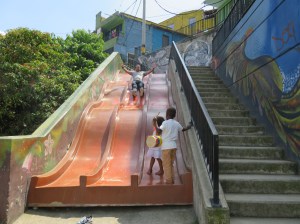
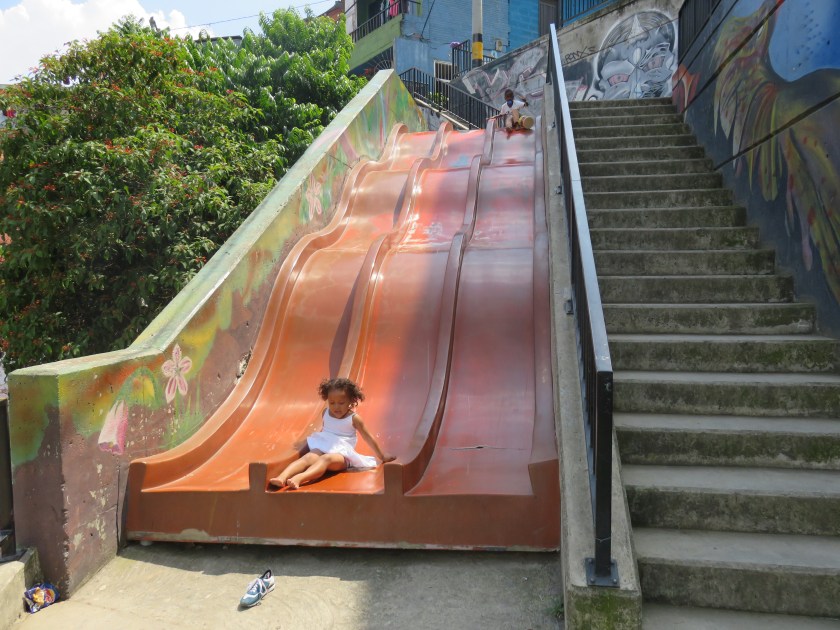
The city government of Medellin and local police has done a great job in my opinion with regards to keeping this part of Comuna 13 safe and secure. I noticed during my visit that locals and volunteers are instrumental in helping to keep the area around the escalators clean and orderly. There are park benches and small parks nearby to encourage community get-togethers as well as the fact that there is a big slide where the local children can use to slide up and down to have some fun in the neighborhood. Being the kid at heart that I am, I partook in one of the slides because it is pretty enjoyable and you do go down at a pretty fast speed.

Beyond just the new escalators, the cool slides, and the park benches, there are also now a few library parks, which are free for members of the community to enjoy, explore, and learn. In addition to being places for education, the libraries are great meeting places for the community and can strengthen neighborhood ties. You can also hold cultural, recreational, and educational activities such as group English classes or a family birthday party. Books in these libraries are free to borrow and use.

Everyone can use them regardless of their age, educational level or social status. The mind is a terrible thing to waste and because of the twelve library parks in Comuna 13 and other parts of Medellin, city residents here have a real chance to learn new things and satisfy their curiosity. One particular volunteer group that I’m interested in learning about is called ‘Stairway to English’, which provides free English classes with native speakers to members of the Comuna 13 community.

My visit to Comuna 13 left quite an impact on me. I did go through an organized tour this time, which I do recommend to people visiting this webpage. It was really useful to learn about the history, background, and the progress being made for this part of Medellin. Medellin is quite a large city and it can be easy to get caught up in only staying within your own neighborhood and to not see other parts of the city. Personally, I do hope that other escalator projects in urban areas will become popular in Colombia and other parts of the world.

Human beings are increasingly becoming more urban with over 70% of the world’s population projected to be living in cities by mid-century. This puts the onus on local, city, and national governments to adapt to this reality and try to make life easier and better for the millions of people who call a city their home. Other cities should take note of the social progress being made in Comuna 13 and I can only hope that more and more residents of Medellin will be able to improve their lives in different ways because of urban projects like building library parks or constructing escalator routes.

If you’re in Medellin sometime and you’re curious to check out the positive urban transformation that is ongoing in Comuna 13 and other parts of the city, I would recommend using Comuna 13 Tours, which has a very knowledgeable, kind, and helpful staff members who are bilingual and want to share their city with foreigners out of the goodness in their heart. This is not an official endorsement and I don’t get paid or receive any benefits from mentioning this tour on my website.

I’m doing it because I really enjoyed the experience I had recently with them and I think other visitors who come to Medellin should do the same based off my positive experience using this tour group. Perhaps, most importantly of all, you’ll meet a few locals during your tour and you can see how hospitable, kind, and open they are in Comuna 13. My only advice is to be careful about your photo taking, and to be respectful of both the tour guide and the locals who are kind enough to take some time out of their day to share with you. I look forward to visiting Comuna 13 again someday and I hope to use that giant slide again too.

For more information: http://www.comuna13tours.com/

Comuna 13

img_2003img_2006img_2004

img_2009img_2014img_2013img_2017img_2026img_2034img_2021img_2047img_2035img_2042

Camera: Canon PowerShot SX710 HS

LocationMedellin, Colombia

Cartagena v. San Andres Island – A Comparison

24d0cbb9d14b491b89c035b207c4597c
“San Andres Island: Located Northwest of mainland Colombia and closest to the coast of Nicaragua. Very small island as you can see from this map.

If you’re in a cold, winter climate right now and you’re looking to escape the frigid temperatures and snowy weather for a little while, you should consider the following two destinations for a vacation. Recently, I was lucky enough to take two, separate trips in December to the San Andres Island in Colombia and then to the coastal, colonial city of Cartagena, which is also located in Colombia. While these destinations are similar in many respects, they are still unique in a number of ways. Depending on what you’re looking for in a tropical destination, both San Andres and Cartagena have a lot to offer for the average traveler.

San Andres Island

After visiting the San Andres Island in early December, I consider it to be a hidden gem of the Caribbean. I write this because I find it to be much less of a tourist destination than other tropical islands such as the Bahamas, Bermuda, U.S. Virgin Islands, Aruba, etc. and small countries such as Jamaica, Cuba, and the Dominican Republic. What it lacks in notoriety and sheer size, San Andres is just as much of a Caribbean destination than other more popular islands.

The island is rich in both biodiversity and sheer crystal blue beaches that you can swim in, go snorkeling, or go riding around in a boat or Jet Ski. San Andres is blessed with vibrant coral reefs, sand banks, and outer cays, which are easy to explore by foot or by boat. You can snorkel with the fishes or go scuba diving with them depending upon your personal preference. The island is smaller than most tropical destinations at only 26 square kilometers in total area but I consider it an advantage to be able to see a good amount of the island in only a week if that’s how long you plan to stay.

There are a number of ways to get around the island including local buses, which will do a circular loop around the island and can be hailed from anywhere you are in the main street. You can also rent your own scooter or golf buggy cart to get around the island for a day or more. Taxis are also plentiful in most areas but tend to be more expensive depending on where you’re going on the island.

Most restaurants, hotels are located in the northern part of the island and tend to be a little bit cheaper than Cartagena in terms of pricing. The great thing about San Andres is that there is a number of bed and breakfast places available, which are cheaper than the major hotel chains if you’re looking to save some money. The smaller hotel chains and the bed and breakfasts are usually located closer to the island’s less popular but still very beautiful beaches, which are also less touristy overall.

During the low season for San Andres’s tourism, it’s possible to find a beach where there are few tourists around and where there’s still white sand and crystal blue waters. All you would have to do is make sure you do your research and find out where these lesser-known beaches are and take public transportation or your own scooter there for the day. You won’t find these beaches in El Centro or in the north of the island.

Luckily, I was able to find a beach like that ten minutes south of where I was staying by bus, which was the highlight of my trip. If you’re looking to visit San Andres, make sure you visit during the low season and be ready to explore the island beyond just the touristy areas. In addition to being accessible by plane from Colombia, which is the owner of the island, you can also get to San Andres from the countries of Panama and Costa Rica. With the right planning and set-up, you’ll be able to walk to the nearest tropical beach when you stay in San Andres for your visit.

Cartagena

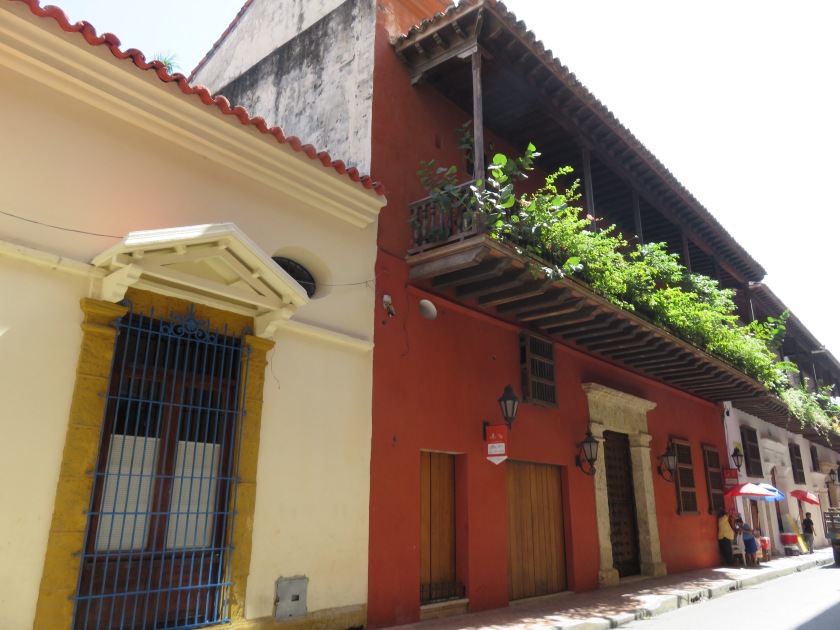
A city with an interesting mixture of colorful, colonial buildings and modern, towering skyscrapers, Cartagena is the most popular tourist destination in all of Colombia and has been growing in popularity in recent years. Known most for being the location of the oldest Spanish colony in the Americas, Cartagena offers a lot of history, culture, and diversity to those tourists who visit its’ colonial streets, coastal beaches, or plentiful hotels. Cartagena is very easy to get to by bus, by boat, or by plane with its’ modern international airport named after former President of Colombia, Rafael Nunez who was a Cartagenero.

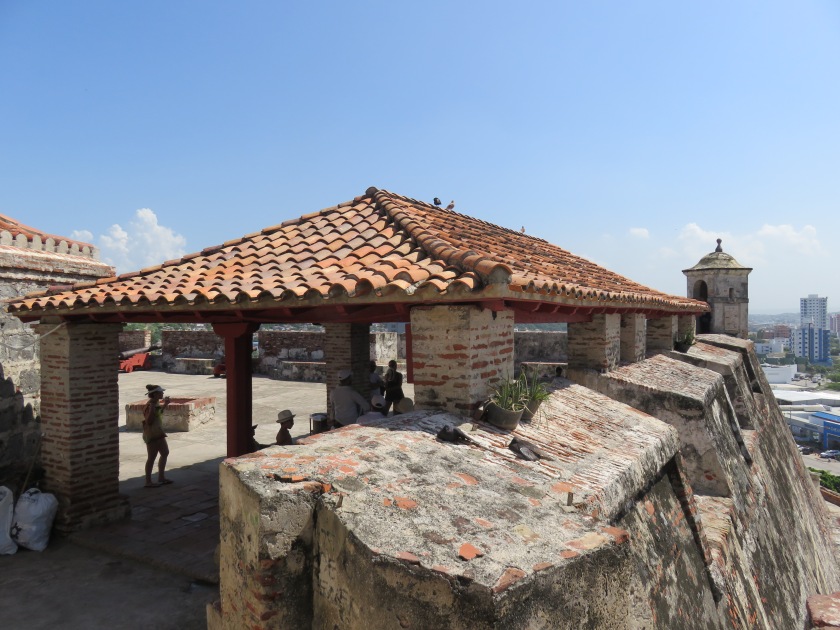
If you’re short on time, it would not be a complete trip to Cartagena without visiting sites like the Felipe de San Barajas Castle, which was a Spanish fortress designed to protect the city from foreign invaders and from scheming pirates. There’s also the walled colonial city with its’ colorful buildings, which have been somewhat transformed to offer restaurants, boutique hotels, and artisanal shopping to its many tourists. In my opinion, the walled colonial city still has a lot of character and its architecture is really pleasing to the eye. Costenas are among the friendliest people in Colombia and are truly welcoming to the sheer amount of tourists that come to the city each year.

While I was not able to go there during my recent trip, the La Popa hill has great views of Cartagena and you can take a tour of a monastery there with a history dating back to the 17th century. While Cartagena has a number of beaches, the best ones take some effort to get to, which can take a whole day trip back and forth. The most famous beach in the area is La Playa Blanca located on the Baru Island, where you can find white sand beaches and the crystal blue water that can’t be easily found elsewhere in Cartagena. Lastly, Cartagena is a big city with over a million residents and thousands of tourists. If you don’t get to do everything in one trip, you can rest assured knowing that it’s a city that is worth more than one visit.

Comparison

Overall, I had an excellent time during my two separate visits to Cartagena and San Andres Island. Both of these destinations have a lot to offer to the average tourist and are relatively affordable and easy to get to from other parts of the Americas. If you’re looking for a warm destination with friendly and open people, these two locations should be high on your list.

If I were to give recommendations based on what each place can offer as its’ specialty, you’ll want to give San Andres the edge in terms of its’ beaches and its’ water sports activities. The manageable size of the island to navigate along with its various modes of transportation makes it easy for the traveler to explore different beaches, coral reefs, and outer cays without having to go very far. San Andres is also a bit cheaper of a destination in terms of average lodging and food costs compared with Cartagena.

While San Andres has the advantage with its’ beaches and its’ overall costs, Cartagena shines when it comes to the history of the city, its’ open and friendly people along with the numerous options for dining and lodging. In all of the cities of Colombia, the walled colonial city of Cartagena is very special along with the San Felipe de Barajas Castle. The restaurant and nightlife scene is also much more vibrant giving the average tourist a lot to do, see, and explore at nighttime compared with San Andres.

I would suggest that while Cartagena has a number of accessible beaches, the special ones like Playa Blanca take some time to get to and are not located within the city. When it comes to crystal blue waters and white sand beaches, San Andres Island is a destination that offers that in a number of locations without too much effort needed.

The beauty of these two destinations is that they each have something special to offer the tourist, the traveler, or the backpacker. If you’re looking for beautiful beaches and water sports activities, head to San Andres Island but if you’re looking to learn more about history, culture and to experience good restaurants and nightlife, head to the city of Cartagena. Either destination has its’ own specialties and advantages. You won’t regret your time in either destination and it will be a good travel experience that you’ll have fond memories about.

Cartagena

img_1278img_1282img_1289img_1285img_1300img_1312img_1316img_1328img_1334img_1329img_1345img_1346img_1349img_1360img_1363

Camera: Canon PowerShot SX710 HS

Location: Cartagena, Colombia

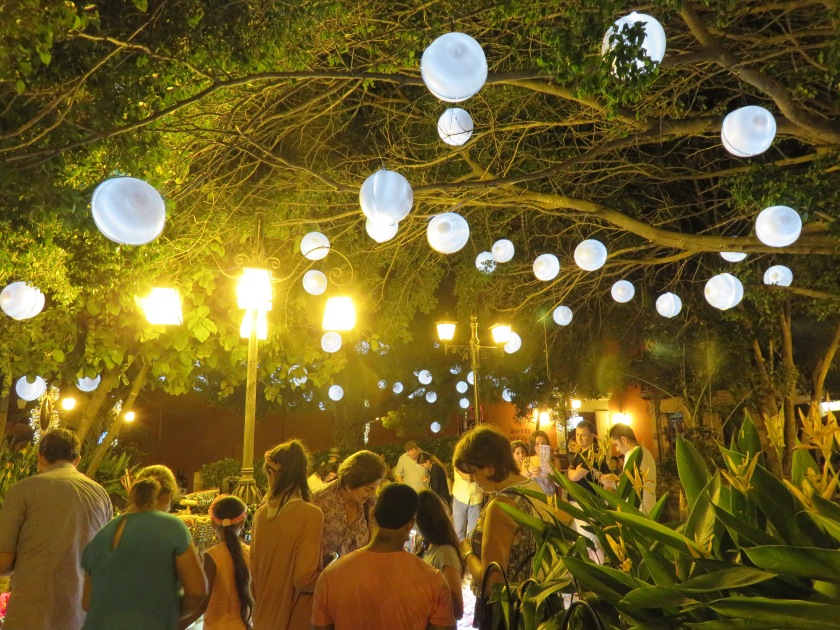
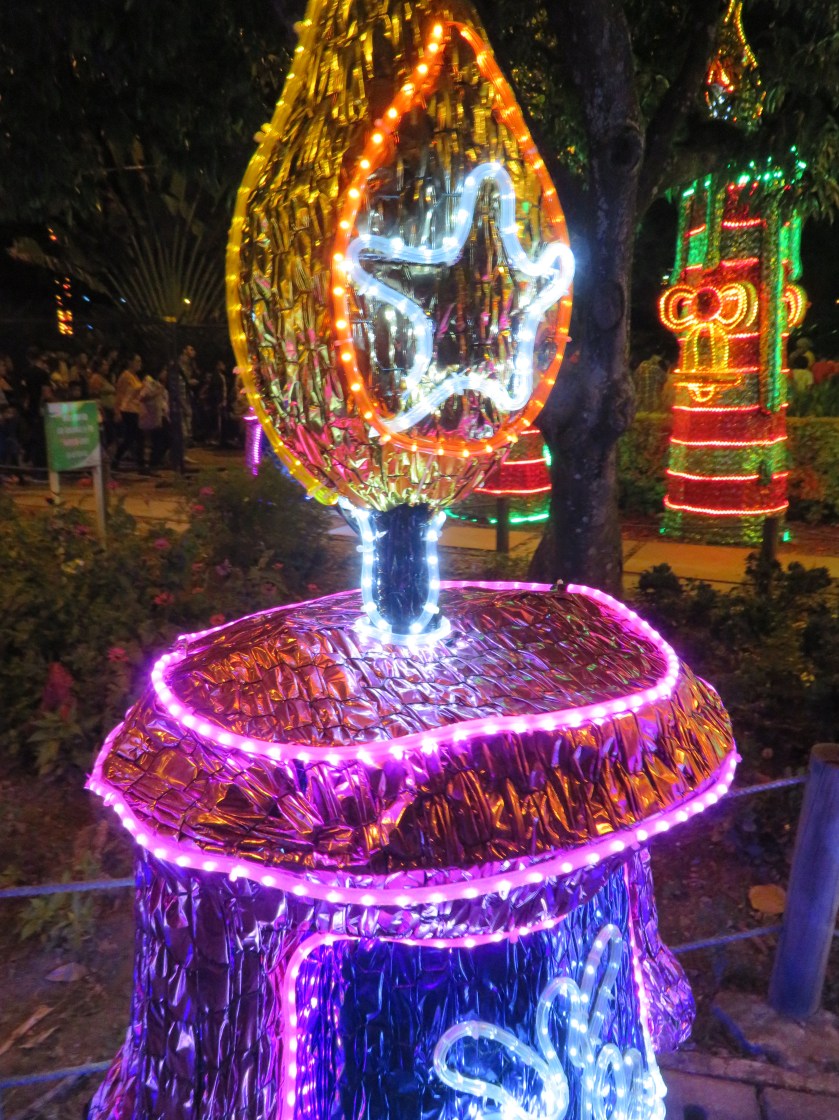
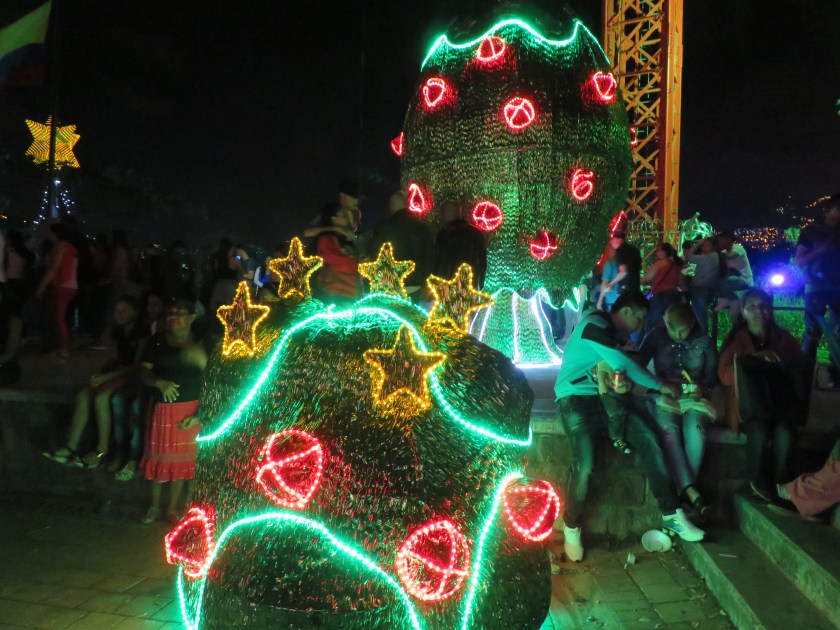
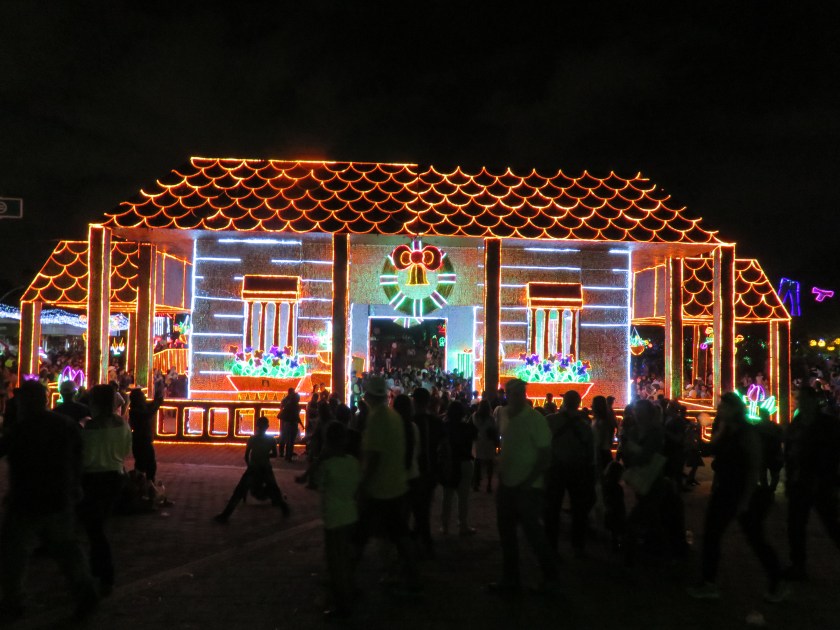
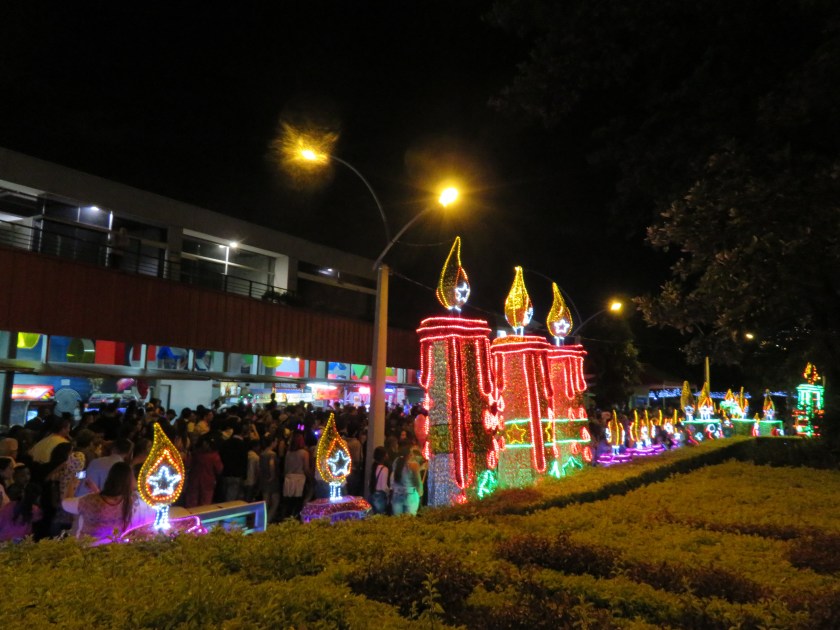
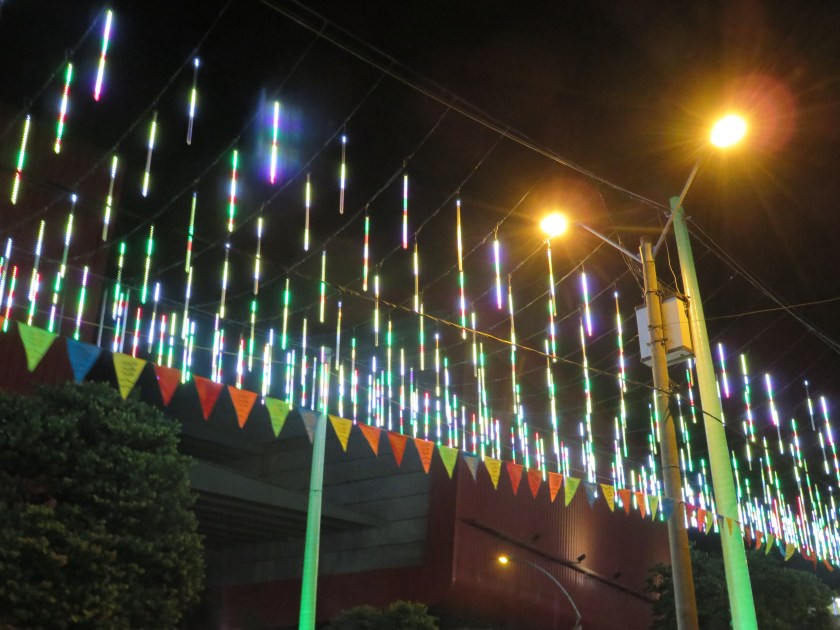
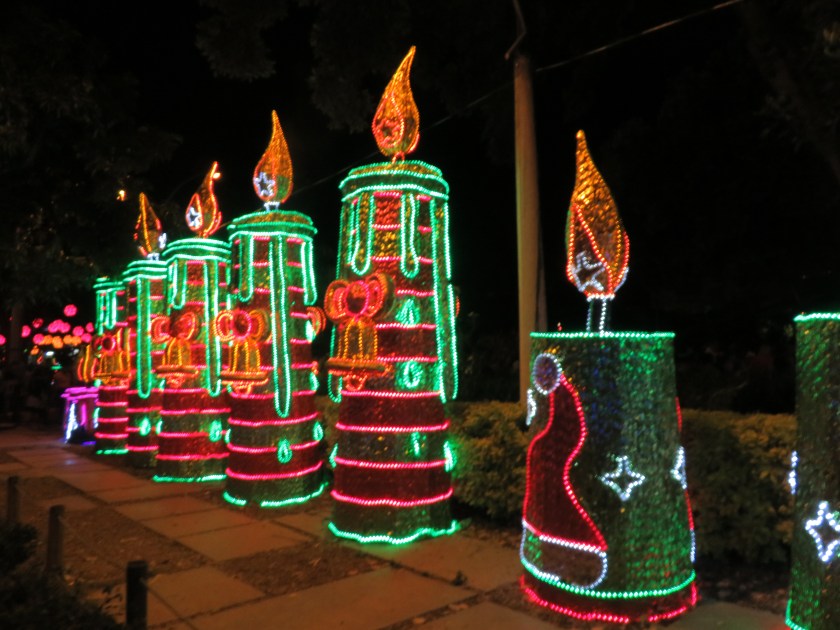
Christmas Lights of Medellin

img_1247img_1250img_1252

img_1253img_1256img_1261

img_1264

img_1265

img_1268
img_1272

Camera: Canon PowerShot SX710 HS

Location: Medellin, Colombia

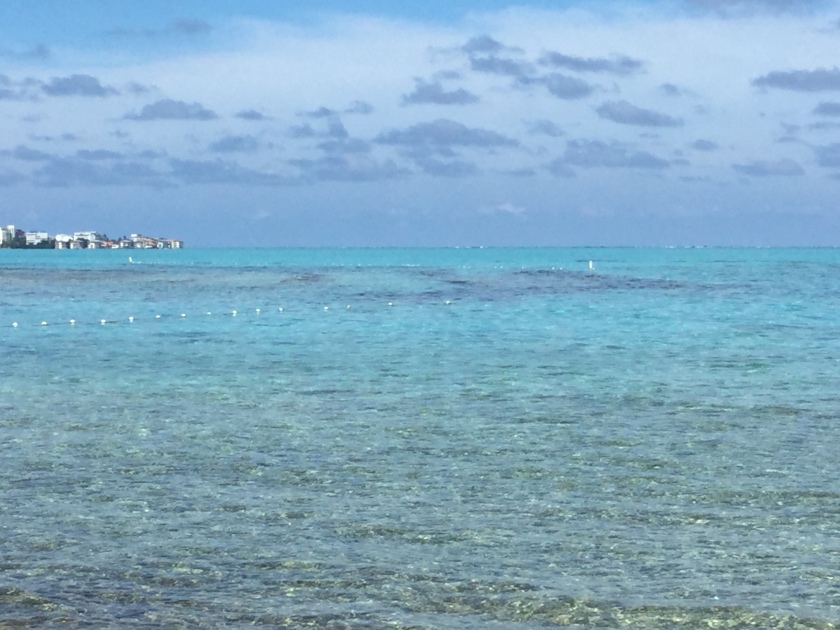
San Andres Island

img_0284

img_0289img_0295

img_0299

img_0312img_0315img_0309

img_0326img_0341

img_0333img_0349img_0351

CameraiPod Touch, 6th Generation

Location: San Andres Island, Colombia

Cuisine Spotlight – Cazuela

This second post in the new ‘Cuisine Spotlight’ series will focus on another favorite dish of mine here in Colombia, which is known simply as ‘Cazuela.’ Despite the unassuming name, this popular South American dish is quite diverse in what it can offer you when it comes to mealtime. Depending upon what you’re craving, a good cazuela can be made up of seafood, beef, chicken, etc. as its main base food. ‘Cazuela’ is a Spanish word, which roughly translates into ‘Casserole’ in English.

Similar to a casserole, a cazuela dish is a mix and match of different kinds of foods with tasty results. Usually, cazuela is considered to be a soup made up of different vegetables and meats mixed together. You can’t have cazuela without some flavored cooking stock put in there to form the soup-like appearance. Depending upon which South American country you’re visiting or living in, there will be a different spin on what cazuela looks, smells, and tastes like.

In Chile, cazuela comes with a piece of meat, which can either be turkey, pork, chicken, or beef. Specifically, a leg of chicken or some beef ribs will be the meat in the cazuela dish. Underneath the meat would be a piece of pumpkin and individual pieces of potato with a base of white rice doused in the flavored cooking stock. For the vegetables, it varies depending upon the cook’s preference but there’s usually celery, carrots, green beans, cabbage, etc. that are sliced and diced up to be soaked in the cooking stock and added to the rice and meat. In the summer time, some Chileans will add some sweet corn to the vegetable mix. The Chilean version of cazuela is known as being very similar to the ‘Olla podrida’, which is a colonial dish from Spain that has gained in popularity in Chile and other South American nations.

Cazuela is also quite popular in Peru, the southern neighbor of Colombia. Cazuela is often prepared in the Amazonas region of Peru and is made in different ways depending on which area of the department you’re in. For the meat, there are often more creative choices like hen and sheep that are added to cabbage, rice, carrots, and the broth juice. Usually, this kind of cazuela is cooked over a flame in a sauce pot as its mixed together and served to a large group of people.

Beyond just being a soup or a casserole, Cazuela can also be made into a traditional kind of pie as it is in Puerto Rico. During Christmas season, the Cazuela pie is made up of sweet potato, pumpkin, and coconut milk. It’s quite a popular desert that is easy to make and is popular for its’ sweet flavor and light texture.

Multiple countries in Spain, Ecuador, and Colombia have embraced the ‘Cazuela de Mariscos’, which is made up of a number of different kinds of seafood. The Colombian version is easy to make and is known for being a thick kind of soup and also is rumored to be an ‘aphrodisiac.’ The seafood that comes in the soup includes calamari squid, prawns, clams, shrimp, and small pieces of fish.

The kind of ingredients you want to add are olive oil, salt, pepper, thyme, bay leaves, coconut milk, white wine, some seasoning, heavy cream and minced garlic. To top it off, you need some vegetables including carrots, celery, red pepper, tomatoes, and bouillons. You got to mix up everything together, serve it in a clay pot or bowl, and enjoy the delicious broth and food. Sometimes, you can find that there are cazuelas for shrimp or prawns separately which can come with rice and a heavy broth mixed together with the seafood.

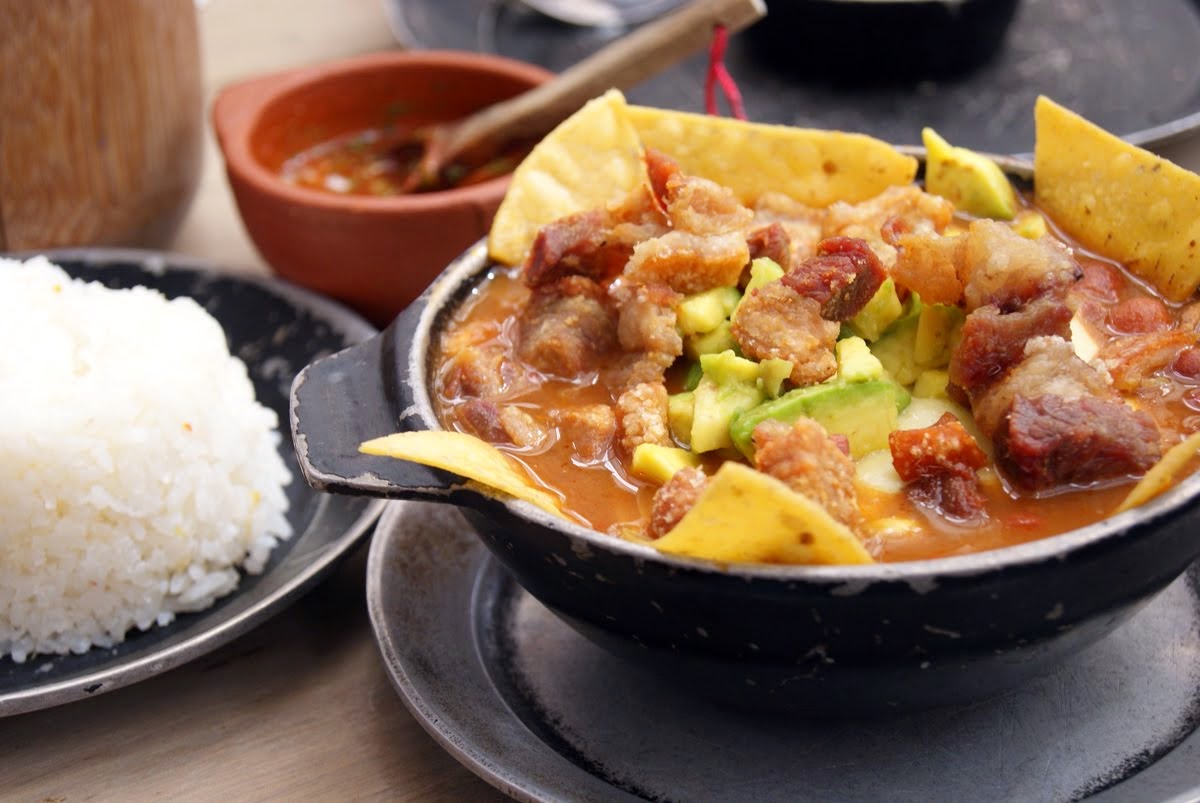
The type of cazuela that I have become most familiar with over the past couple of months is the ‘cazuela antioquena.’ You can find it throughout the department of Antioquia and most commonly in the city of Medellin. I find it to be unique compared to other kinds of cazuelas given the emphasis on ingredients that are known well to Paisas making it a local favorite.

You start with a base of Antioquian brown beans mixed in with some white rice. On top of that is the meat, which are usually ‘chicharron’ or fried pork belly and some cooked chorizo. Instead of more common vegetables like celery and carrot, this favorite dish of Antioquia comes with pieces of avocado and some cut-up sweet plantains. To add some flavor, the Colombian creole sauce known as ‘Hogao’ is mixed among the meat, plantains, avocado, rice, and beans.

Like many other local dishes here, a small arepa is added to the mix, and placed at the top of the ‘cazuela antioquena’ to be eaten with the rice, beans, chorizo and whatever else would go along well with the arepa. Second only to the ‘Bandeja Paisa’, the ‘cazuela antioquena’ is likely to be a fulfilling dish for lunch that can satisfy your cravings for some local cuisine.

It’s likely that you’ll run into some kind of ‘cazuela’ if you’re traveling or living in South America. The various kinds of cazuela unique to a certain country or region makes it an exciting dish due to its diversity. Whether it’s meat, seafood, vegetables, rice, and beans in the cazuela, it’s important to bring a big appetite to the table because it’s likely to fill you up and leave you satisfied.