Be Wary of Bread and Circuses

“There’s nothing wrong with distractions and wanting to enjoy an event, a spectacle, or indulge a bit but in the times that we’re living in, it’s important to realize that focusing only on ‘bread and circuses’ is something we can no longer afford to do.”

Who doesn’t enjoy sports or entertainment or both? People since the dawn of time have enjoyed being entertained or have been spectators or participants in games, sports, or other spectacles. At best, it is a thrilling adrenaline rush to be part of it to the roar of hundreds or thousands of people. At worse, it is a pleasant distraction from the humdrum of our daily life and our routines. There’s nothing wrong with distractions and wanting to enjoy an event, a spectacle, or indulge a bit but in the times that we’re living in, it’s important to realize that focusing only on ‘bread and circuses’ is something we can no longer afford to do.

The concept and phrasing of “bread and circuses or in Latin known as, “panem et circenses”, comes from the Roman Empire and belongs to the Roman poet Juvenal. Juvenal criticized how the Roman leadership would use free food such as bread and grant entertainment such as the gladiator events and other spectacles of the coliseum to distract the citizenry from societal and economic decay. While the Roman empire declined and fell as all empires do, today, in our modern world, we have major sporting events such as the FIFA World Cup and the NFL Super Bowl. Reality Television shows remain quite popular, and the media spends hours on celebrity scandals and gossip rather than focus on systemic issues affecting each of us daily.

Why is this an issue today as it was almost 200 years ago? I would argue that we are living through an era of upheaval including political instability, economic inequality, the effects of climate change, and the rise of authoritarianism. Distraction such as ‘bread and circuses’ help to keep people distracted from these ongoing issues and is a powerful tool to be utilized by those holding power. While sports and entertainment can be healthy outlets, it does not go well for a society when it is all-consuming, and people are overly reliant on it each day for fulfillment or pleasure. An active citizenry must remain focused on issues that affect them and their families as if they are paying attention and are engaged, positive change is more likely to occur as a result.

Political leaders can use major sporting events to help push their agendas forward as the times surrounding such events are the easiest to enact policies that are controversial but in which public attention is directed elsewhere. Politicians and leaders can also engage in controversies surrounding sporting events and how it related to ‘culture wars’ and ‘celebrity feuds’ to divert from ongoing political scandals or economic problems. Major sporting events are also used to stir national pride in a country and can be used to distract from real issues that the country is facing as well.

Sports and entertainment are big money for corporations and for wealthy individuals. Sports can reflect ongoing economic inequalities especially when multimillion-dollar commercials are paid for by a company rather than in investing in their own workforce’s compensation. Money spent in the billions of dollars each year on sports betting, gambling, or on tickets could have been funneled towards programs focusing on social well-being in health care, education, or infrastructure.

Celebrities and athletes should be compensated well for the work they do but there is an issue when ordinary workers who help make events, games, and other spectacles run smoothly are not paid a living wage. Thousands of workers are making decent pay, but it pales in comparison to what the ‘stars’ are making especially when they are the one preparing their food, keeping them safe with security measures, and helping stock the shelves and sell the merchandise.

There is also the ongoing debate in society about taxpayer money funding massive students and events that are not benefiting the surrounding community or the city itself. A lot of that money gets funneled to corporations in the ‘naming rights’ and to the ‘billionaires’ who see their net worth grow up as the sports franchise becomes more valuable over the years. A society where income inequality is high and is rising will be reflected in sports and entertainment as well. While there are some economic benefits to be made by the average person in these industries, a large sum of the gains to go to the wealthiest owners, players, and stars while the wealth does not ‘trickle down’ much, if at all.

While some of these issues do get coverage in the media although increasingly sparingly, I would argue that general news media, especially in recent years, has become sensationalistic and has focused on ‘click bait’ content rather than on serious investigative journalism. News outlets have prioritized celebrity feuds, sports gossip, and other trivial controversies that pale in comparison in terms of importance compared to real issues going on with the wider society. Viral content gets more clicks and eyeballs, especially on social media, and that’s where the focus has turned especially in recent years. Too much information at one time also presents most people from being able to decipher of what’s real vs. what’s fake and what to pay attention to because ‘information overload’ makes it hard to pinpoint what is likely to affect them the most and is worth paying attention to.

Similarly to the issues I’ve mentioned that ‘bread and circuses’ distract from each day, one issue that is the most immediate and wide scale in terms of ongoing effects is the accelerating climate crisis. Major sports and entertainment events all have an environmental cost and leave a sizable carbon footprint. When you tally up, the travel emissions, energy consumption because of the game or event, and the waste involved from having thousands of people in attendance, communities who support the events or games must deal with the aftermath, including both the financial and environmental costs.

While these massive events like the Super Bowl, the FIFA World Cup, and the Olympics due to pledge to be more sustainable and environmentally friendly, many companies do not end up footing the bill for the carbon emitted or the energy used. They can do so because the companies help sponsor the events and contribute enough money to them, so they aren’t as liable to help with the environmental aftereffects. Looking at two recent examples with the 2016 Rio Olympics and the 2022 FIFA World Cup in Qarar, these two events led to increased carbon emissions (FIFA) and environmental aftereffects. (Olympics)

While I am supportive of sports and entertainment and have been a fan of both, I still recognize the need to tone it back these days because excessive consumption of either will not help our society and our world be better. Sports and reality TV may seem as important as real issues, but they are not and never will be. People must stay engaged in what’s going on in their community, their country, and their world. As consumers of news, we also have the individual and collective power to choose which news outlets we give our time and our money to as well. If frivolities and ‘bread and circuses’ is all a news organization is offering, then it’s not a real news organization to begin with.

 Advocating for solutions to real issues, being a reliable voter, and volunteering in your community consistently can help keep the ‘bread and circuses’ to a more tolerable level. We all want to experience gratification and rewards in our lives and sports, or entertainment do both in providing that kind of dopamine hit but it’s a cheap one, and it’s not something we do ourselves. Political activism, working for social change, and developing our problem-solving abilities is real gratification in whatever issue you want to work on in our world. It’s not as instant and far from being easy but improving anything in society will take effort, discomfort, patience, and a lot of perseverance. Make sure you advocate for what you care about because celebrities and sports figures may not do the same, if at all.

You should stay focused on what’s important in the news, be civically engaged and encourage others in your life to do so. Remember to balance your consumption of entertainment and sports along with awareness of the issues and problems affecting you, your families, and your communities. Watching the Super Bowl is fine and I just did so recently as I have most years of my life, but if we continue to ignore political scandals, economic problems, and societal injustices, there won’t be much to celebrate in our society beyond that one day of the calendar year, where two teams of millionaires play a game that you can’t even be part of or even afford to go to.
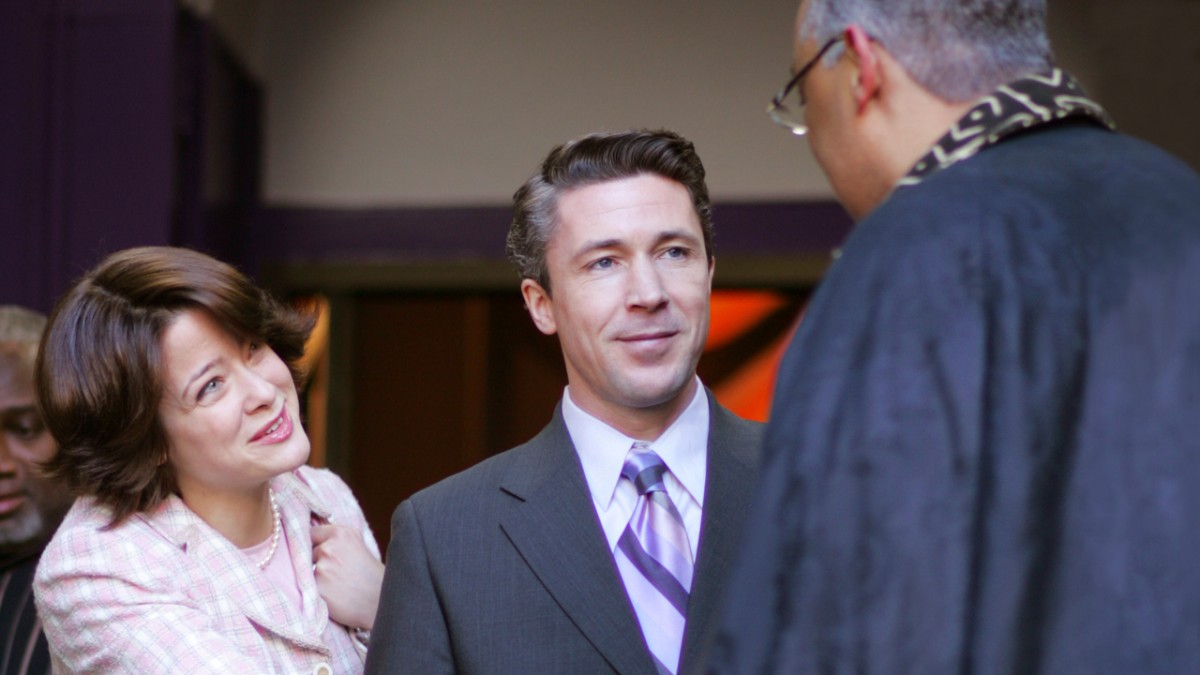
Anatomy of a Scene – ‘The Bowls of Sh*t Analogy’ (The Wire)

“He describes how, during his time as the mayor, he had to endure constant demands, pressures, and compromises from various interest groups, from business leaders to police brass to union members, each one forcing him into undesirable and often humiliating positions.”

In this scene from the HBO show, ‘The Wire’, Tommy Carcetti, having just been elected as the mayor of Baltimore, seeks advice from Tony, a former mayor of Baltimore, who has since left city politics. At this scene’s beginning, Tony’s anecdote about “eating sh*t” conveys a bleak reality about the job of being mayor. He describes how, during his time as the mayor, he had to endure constant demands, pressures, and compromises from various interest groups, from business leaders to police brass to union members, each one forcing him into undesirable and often humiliating positions.

The peculiar imagery Tony uses of “eating sh*t” is deliberately crude for the viewer, emphasizing the degradation, disgust, and frustration politicians often face, especially in dealing with conflicting interests and the inherent contradictions in serving a large and diverse constituency such as in the city of Baltimore.

This “parable of the bowls of sh*t” lays bare the unglamorous side of politics—one where idealism and personal ambition are often suffocated by the practicalities of governing a community, a city, or even a country. Tony is essentially warning Tommy Carcetti that as mayor, he will be forced to navigate a landscape where decisions are rarely black and white, and success often means making choices that will inevitably upset one group or another within his constituency.

Tony’s use of the phrase of “eating sh*t” is a vivid and visceral metaphor for the compromises that politicians are forced to make, whether they want to or not, and how it can be interpreted in several ways:

  1. Constituent Demands and Special Interests: Every politician enters office with a policy platform and promises to keep, but once elected, they must contend with the complex and competing demands of their constituents. Business leaders may push for deregulation so they can improve their balance sheet, while unions may demand better labor protections and more workers rights. Environmentalists would advocate for sustainability, while real estate developers might prioritize economic growth over conservation. Each of these groups represents a different “bowl of sh*t” that a politician must eat, in the sense that satisfying one group often means alienating another in the process. Tony’s point is that no matter what decision is made, someone or some group will be unhappy, and the politician is left to bear the burden of that dissatisfaction, often at the ballot box when it comes time for election day.
  2. Compromising Ideals for Practical Governance: Many politicians enter office with lofty ideals, but the reality of governance forces them to compromise even when they would rather not do so. Tony’s story reflects how those compromises can wear a person down, leading to disillusionment with the political process. For someone like Carcetti, who may still hold on to a vision of reform and change as a newer politician, Tony’s words serve as a sobering reminder that idealism alone will not be enough to get the job done. The job itself will require him to make deals, water down policies, and prioritize certain interests over others. Over time, this compromise can erode a politician’s sense of purpose, leaving them, as Tony implies, burned out and ready to leave politics behind.
  3. Bureaucratic and Institutional Challenges: Beyond the immediate interests of voters and lobbyists, politicians must also grapple with the entrenched bureaucracies of a government. Mayors, governors, and presidents are not free agents—they operate within systems that include various institutions, legal constraints, and political adversaries. Tony’s “sh*t” may also refer to the frustrations of working within this system, where change is often slow, and even modest reforms can be blocked by bureaucratic inertia or political opposition. The administrative side of governance can be just as dispiriting as dealing with special interests.

Tony’s disillusionment with his time as mayor of Baltimore is emblematic of a larger critique of politics in general. This scene from ‘The Wire’ highlights several key themes that resonate beyond the specific context of the show:

  1. The Personal Cost of Politics: Tony’s story reveals the emotional and psychological toll that politics can take on individuals and on families. His decision to leave the office and pursue a different career suggests that the constant battles, compromises, and failures eventually become too much. For Carcetti, this scene is a warning that the personal price of pursuing higher office may be more than he expects it to be. It suggests that political power is not just about having prestige and influence—it is also about enduring constant pressures that can erode a person’s ideals and sense of self-worth.
  2. The Limits of Power: Despite being mayor, Tony felt powerless in many respects. This is a paradox of political leadership: while politicians are often seen as wielding immense power, they are also constrained by the demands of other people. Whether it is donors, voters, or other political actors, a politician’s power is always mediated by those they are beholden to. Tony’s experience suggests that being in charge does not mean having total control. In fact, it often means being at the mercy of various outside forces that are beyond one’s control, leading to frustration, disenchantment and, eventually, burnout.
  3. Cynicism vs. Idealism: The conversation between Tony and Tommy Carcetti highlights the tension between cynicism and idealism in politics. Tony, having gone through the wringer as a former mayor, represents the cynical view that politics is an unending series of compromises and frustrations. Carcetti, on the other hand, represents the younger and more idealistic politician who still believes he can make a difference. The scene leaves open the question of whether Carcetti will maintain his idealism or if he will, like Tony, become disillusioned over time. This tension between cynicism and idealism is a central theme in many political dramas, reflecting the real-world challenges that politicians face.

In essence, Tony’s parable of the “bowls of sh*t” is a commentary on the nature of modern political leadership. It paints a picture of politics not as a noble pursuit of justice, opportunity, or progress for your constituents, but as a constant battle to navigate competing outside interests and pressures. This scene from ‘The Wire’ offers a cynical, yet realistic, portrayal of what it means to be a politician: a job where compromises are inevitable, satisfaction is rare, and the personal toll can be significant especially on one’s family and friends, and the politician themselves.

For Tommy Carcetti, this conversation is a forewarning of the difficulties that lie ahead for him as the new Mayor of Baltimore, setting up a narrative about the price of obtaining power and the inevitable disillusionment that comes with it. Ultimately, this scene serves as a powerful reminder that politics is not just about the exercise of power, but about the endurance of hardship, frustration, and compromise that comes with it.

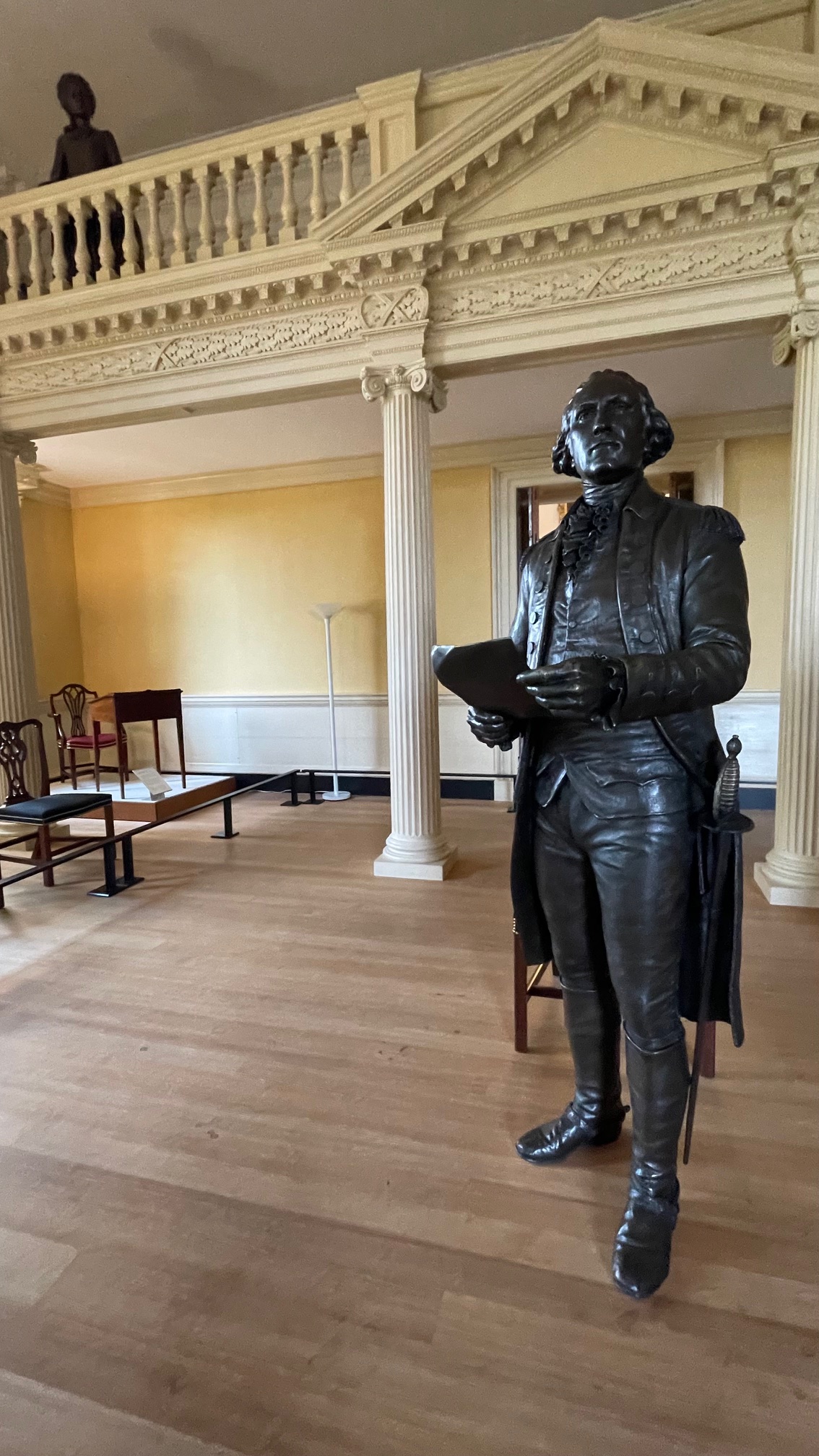
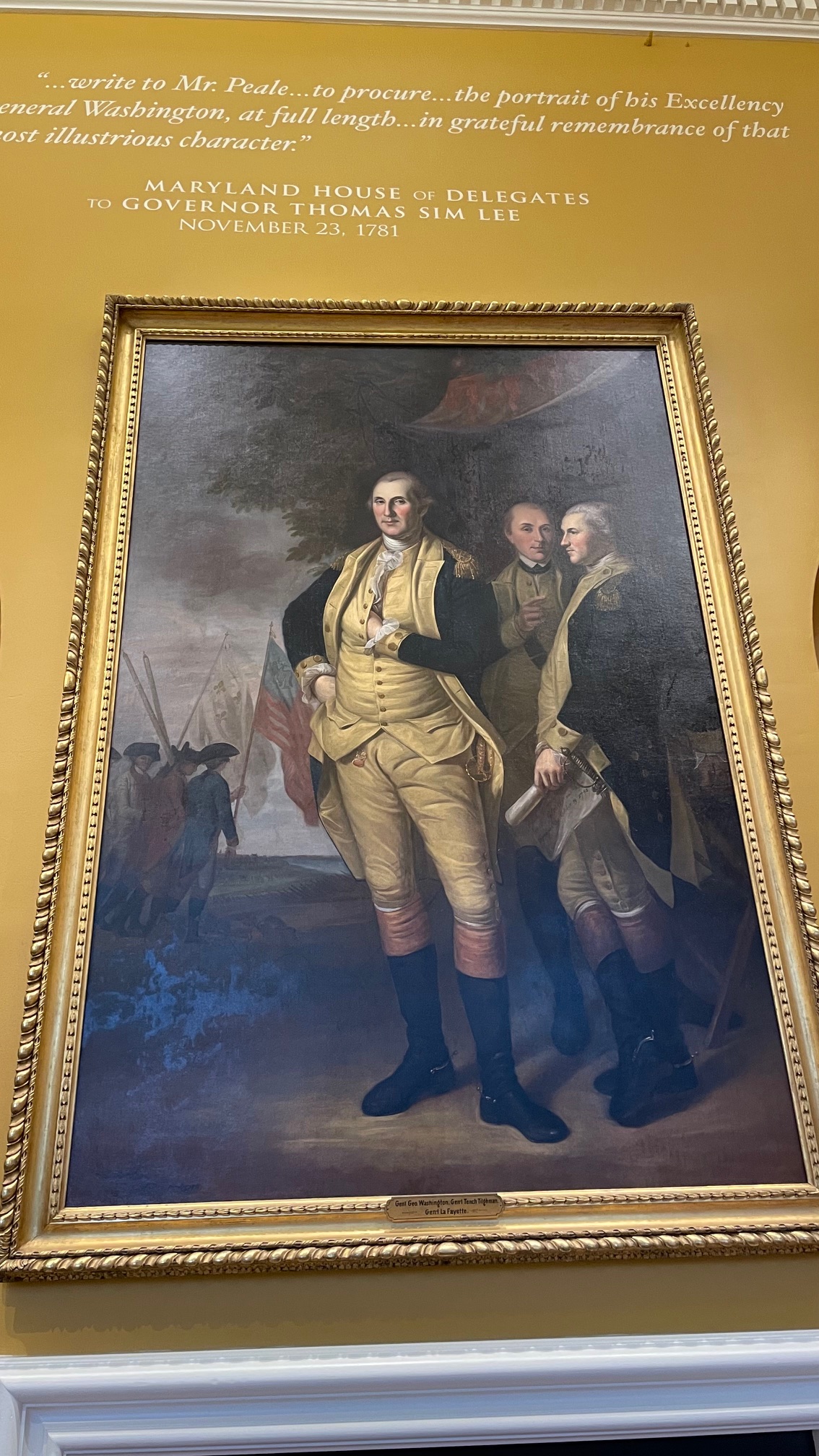
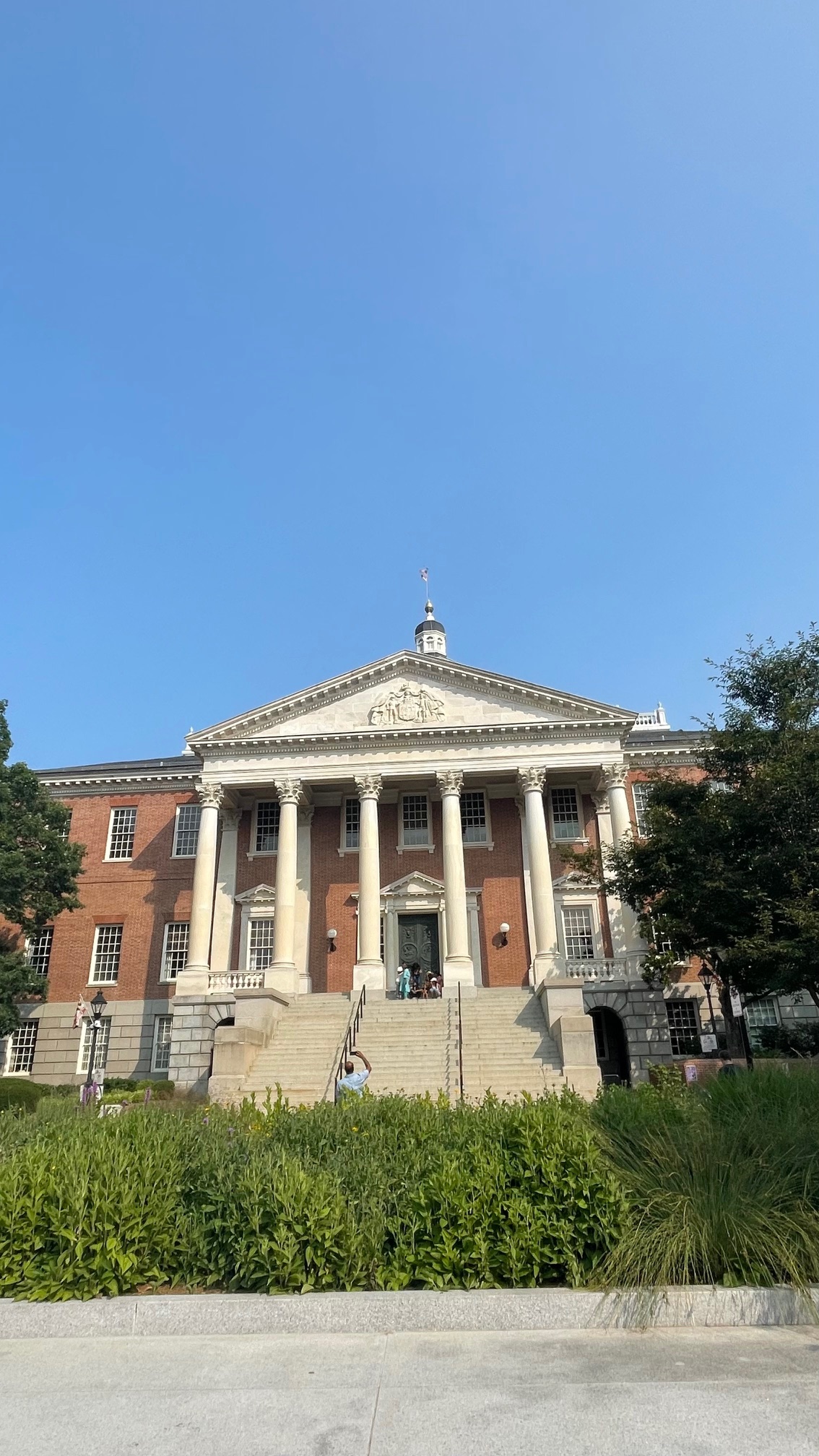
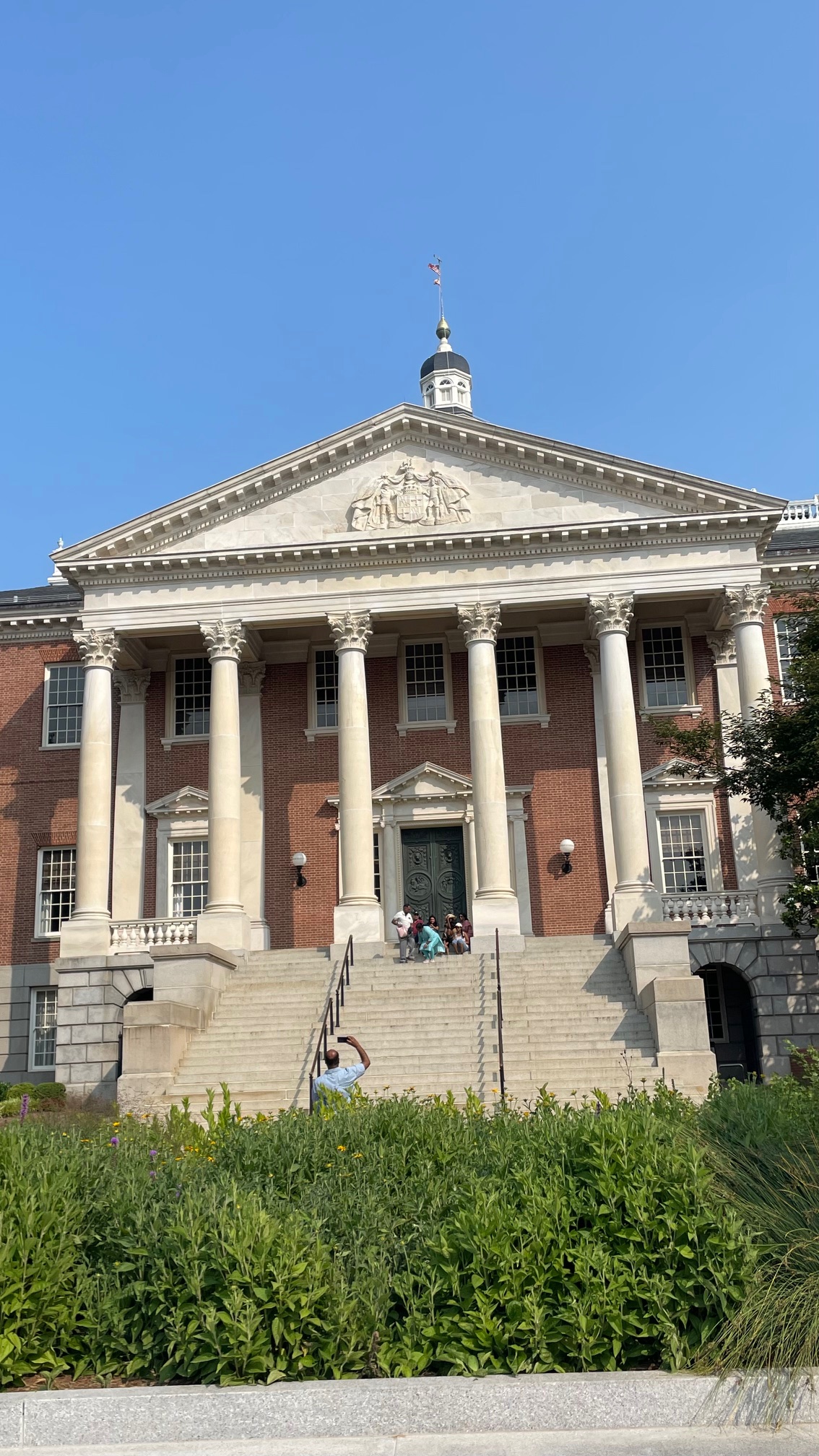
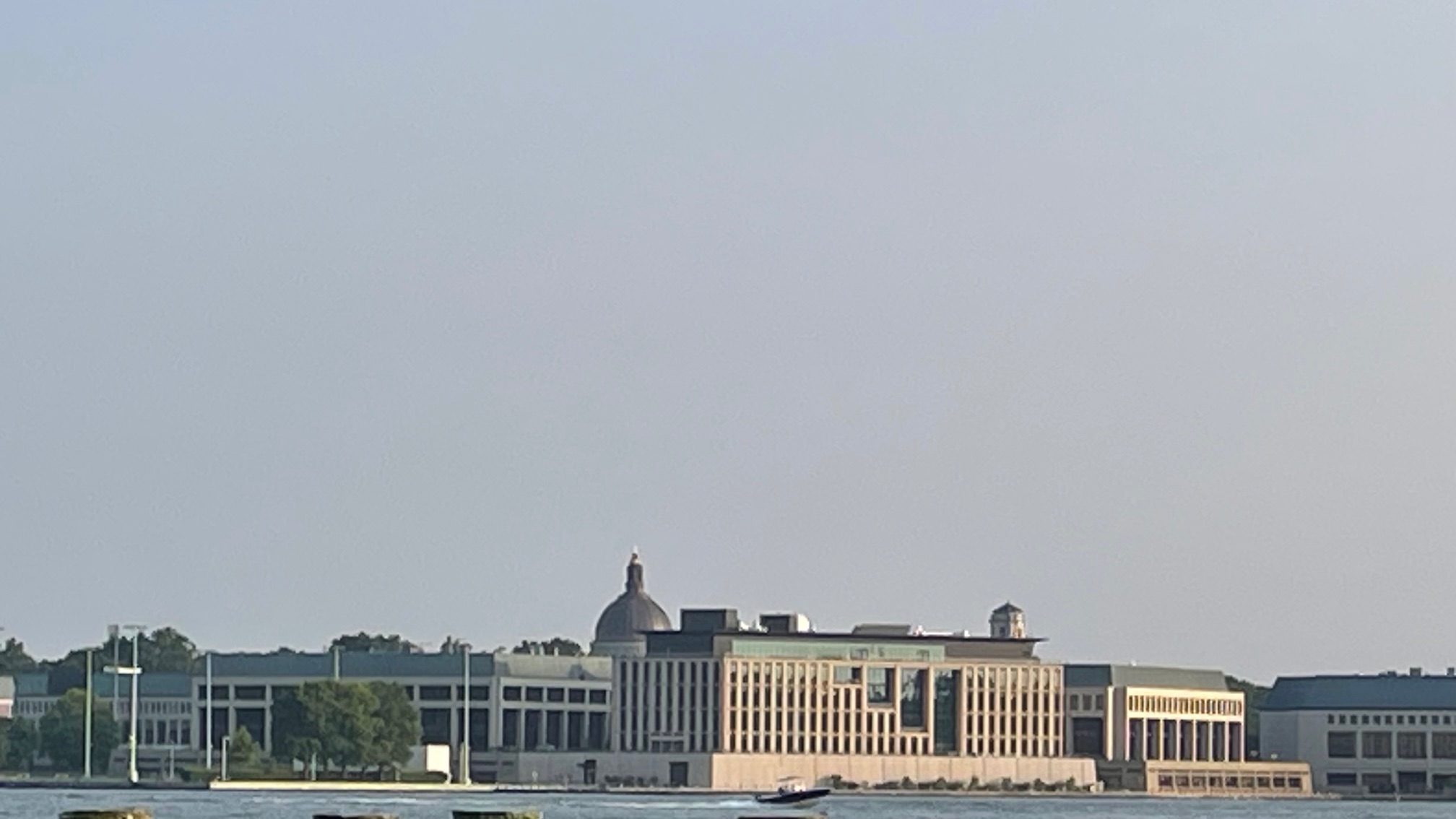
A Day in Annapolis, Maryland

A Day Trip to Annapolis, Maryland

Camera: iPhone 12

Location: Annapolis, Maryland, United States

“…It’s Just A Business” – Anatomy of A Scene

“As one economic system is thrown into recession, other illicit ones, such as illegal gambling tend to flourish in its wake, which is what ‘Killing Them Softly’ does a good job of showing the effects of a recession leading to a boom in the illicit economy.”

“America is not a country, it’s just a business.”

‘Killing Them Softly’ is a 2012 movie that flew under the radar at the time of its release. It may seem on the surface as a movie about the mob regarding unpaid debts, illegal gambling rings, and retribution for those caught in the crossfire, but what makes this movie different is its allegory laid out in the film regarding its relation to the financial system. As the mafia tries to prop up its system of illegal gambling rings and extortion rackets by using different hired hitmen, there are radio and TV clips highlighting the role of different politicians trying to prop up the financial system in the wake of the 2008 financial crisis. To keep the system functioning, drastic measures are taken.

As the U.S. economy suffers, illegal activities flourish and there are those people who get caught up in resorting to crime to keep their head above water. When the illegal system malfunctions such as a Mafia protected card game gets robbed by criminals outside the system, Jackie Cogan (played by Brad Pitt) is called upon as an enforcer hired to restore order to prevent the local criminal economy to collapse.

When any economy, illicit or legal, are ripped from its foundations, there will be enforcers or politicians who will need to clean up the mess left behind. While the allegory is not spelled out in the film, As Jackie is left to clean up the mess of the robbed card game by getting revenge on the small-time criminals who wanted to disrupt the system, many scenes highlight how the U.S. economy needs to be bailed out due to the irresponsible actions of the bankers and financial traders who got the country into this mess. While it may not be the most pertinent allegory, Jackie Cogan, is there to maintain order in their own local illegal gambling racket, similar to how leading politicians in government are called upon to maintain order when the national financial system is ready to crash.

Jackie Cogan is on his own throughout the movie and must rely upon himself to fix the mess left behind from the mob-protected robbed card game’s aftermath. He knows other mob enforcers who could help but they’re jaded, bitter, or too worse for wear having done Jackie’s job multiple times before to keep the mafia afloat. Above all else, Jackie is in it for himself to get paid and survive in an economic situation that is affecting everyone, criminal or civilian.

U.S. political leaders, similarly, were asked to intervene on behalf of the government, to step in to save a system that was being abused by financial firms, but also individuals, who made irresponsible decisions, and even illegal ones, which caused the national economy to crash. To prevent the system from collapsing, former Presidents, George W. Bush, and then Barack Obama had to step in to save the economy even though the system itself was at fault.

In the wake of the financial crisis that still resulted from the bad decisions and greedy actions of its players, when there’s a resulting increase in unemployment and poverty as the film depicts along with the collapse of some communities, some people will inevitably turn to criminal and illegal activities including gambling, extortion, and drug dealing. As one economic system is thrown into recession, other illicit ones, such as illegal gambling tend to flourish in its wake, which is what ‘Killing Them Softly’ does a good job of showing the effects of a recession leading to a boom in the illicit economy.

Without spoiling too much of the film, the ending scene takes place with Jackie and the mafia’s head accountant meeting at a bar to discuss his payment rendered for being an enforcer to keep the Mob card game running afloat after the perpetrators were punished for robbing it. Jackie, like the head Mafia accountant, are using each other for the money and stability of their own enterprises. Jackie Cogan is in it for himself as other enforcers were not able to do what he does, and he wants to be rewarded for it.

The Mob accountant is looking to make sure his illegal enterprise stays afloat without paying more than he needs to. In this scene, Jackie raises the rate of how much he charges for committing the hits on the people who robbed the card game due to the ‘recession.’ The mob accountant counters by saying that what they would him are the ‘recession’ prices and that he’s getting what another enforcer who couldn’t do the job would normally get.
“You know this business is a business of relationships.” The accountant tells Jackie that they want to keep the relationship with him going since every other enforcer is unavailable so he should not ask for more money given he might need to help them again. Jackie isn’t fooled by this plea to continue their ‘working’ relationship because at the end of the day, it’s about getting paid by them and they could not care less what happens to the enforcers who clean up the mob’s mess.

The accountant is listening to the 2008 election night acceptance speech by then-Presidential candidate Barack Obama imploring Americans to see each other as ‘one people’ and ‘out of many, we are one.’ Jackie doesn’t buy it given the circumstances for which he lives out his life in America. The accountant labels him as a ‘cynical’ person but he has reason to be as ends up cleaning up messes violently and criminally to keep the gravy train for others rolling.

Jackie sees even one of the founding Fathers, Thomas Jefferson’ as a hypocrite because while he wanted freedom and liberty for all, he still owned slaves and wasn’t actually fighting for the ideals he espoused in the Declaration of Independence. Despite being known as an ‘American Saint’, Jackie believes Jefferson was out for himself and his own interests and that there are no unifying ideals that bind the country together besides the need for ‘money.’

“Don’t make me laugh…I’m living in America…and in America, you’re on your own. America is not a country, it’s just a business.” Jackie Cogan, after what he goes through in the film, is looking to get paid and survive at the end of the day. He is corrupted and evil but justifies his actions by telling himself and the audience that he’s on his own like many other people were in the financial crisis and must take this blood money from the mafia to make it in America.

When Jackie Cogan hears American politicians say that “we’re all in this together”, “we are one community, one nation”, he believes that no one is looking out for him, not even his mafia employers, and must fight for every dollar he can have because he would not survive otherwise. ‘Killing Them Softly’ is not just about a low-level mafia enforcer keeping a mob-run gambling ring going after doing contract kills on three people who robbed one of the games.

Throughout the film, whether its news clips, radio segments, or the desperate actions of its characters, ‘Killing Them Softly’ is primarily about the larger and looming allegory for the larger failures of the economic system who could not protect many of its citizens from financial ruin in the wake of the 2008 crisis. The effects of this past crisis reverberates even to this day, whose mess created such dire circumstances for people across the country to fend for themselves. While the small-town mafia and Wall Street can get propped up by those who intervene to save it, the film makes it a key point in this ending scene that for too many Americans, they believe they have been left behind by a financial system that does not work for them and for a culture where it’s “winner take all” and if you get left behind, nobody is going to be there to bail you out.

My Thoughts on the ‘Muhammad Ali’ PBS Documentary

“Float like a butterfly, sting like a bee. Rumble, young man, rumble. Ahhhhhh!” This catchphrase from the Greatest boxer of all-time, Muhammad Ali, still ring in my ears as I write about the legend.”

“Float like a butterfly, sting like a bee. Rumble, young man, rumble. Ahhhhhh!” This catchphrase from the Greatest boxer of all-time, Muhammad Ali, still ring in my ears as I write about the legend. After 8-hours of rarely seen footage, insightful interviews from those people who knew him best, and catchy music and news events highlighting the era and period in which the Greatest grew up in, the Muhammad Ali documentary on PBS (American public television) is a real knockout. There is too much television and movies out there to choose from especially with the streaming services but the Muhammad Ali documentary, recently released in September of 2021 is worth a watch.

Eight hours in total length, split into four ‘rounds or parts, the documentary chronicles the entire 74-years old in which Muhammad Ali or Cassius Clay walked among us mere mortals from his childhood in Louisville to his rise to boxing stardom dating from Rome to New York City to Manila to his old age, where he sadly struggled through the progression of the fatal Parkinson’s disease. Ali was a man who was almost too unreal to believe he had existed because of all he said, accomplished, and did during his life.

If you looked in an English idiom dictionary for the expression, ‘larger than life’, a picture and short description about Muhammad Ali should be there as well. The swagger he had when he walked in a room, his way with words as a poet and the ability to dress down his opponent with insults as powerful as his punches, and his commitment to not only his religion but the people around him such as a friends, family, and even random strangers who he would often give money, food, or anything they needed when they were going through a tough time.

Ali was not just talented in the ring, but he was also extremely intelligent, wise beyond his years, and able to be charismatic with many people he would meet. Most boxers would keep to themselves back in the 1960s or 1970s and would not embrace trash-talking, denigrating their opponents, or making bold claims that they weren’t sure would come to fruition. Muhammad Ali did the exact opposite and he built up a reputation to the point where billions of people knew who he was from America to Africa and from Asia to South America. His rants became legendary, and his diatribes were shown to garner a huge amount of press to sell his fights. In my view, he made boxing a global sport and he connected with all people regardless of race, ethnicity, national origin, or religion. He had love for everybody except for the men he would fight against.

The difference with Muhammad Ali compared to other braggart boxers is that he would often back up his predictions by making them real especially in his early days beating boxers like Sonny Liston and Floyd Patterson. He would not only predict that he would win his fight, but he specifically predicted the round in which his poor opponent would be knocked out. His legend grew the more he talked trash and made fun of his opponents and he backed it up in the ring by winning constantly. If he were not Muhammad Ali in terms of talent, hard work, and pure drive to be great, as a boxer, he would have faded away quickly, He simply was a once-in-a-century talent who kept boxing as a world sport in his era and it was the height of its popularity as a sport in America.

Ali, perhaps because of his family upbringing, his change of religion to Islam, or because of an innate sense of right and wrong was a plain-spoken activist who didn’t mince words. He was against racism in all its forms, was against the Vietnam War, and stood up for the poor and disenfranchised people around the world who were without the same opportunities that he had been able to take advantage of because of his boxing talent. While he was a devout member of the group, the Nation of Islam, and had his differences with both Malcolm X and Martin Luther King Jr., because of his affiliation with that group, he often strived to be a critical thinker on issues of race and religion and would dutifully follow his conscience often when expressing himself in public, as he often did in the national and global spotlight.

Sadly, Muhammad Ali, in pursuit of fame, fortune, and women, made serious mistakes along the way to become the greatest boxer of all-time. The constant time spent on the road, the brutal training regimens, the temptations he succumbed to with extramarital affairs, and even his disregard for friendships such as with Malcolm X or neglecting his wife(wives) or children due to his first love of boxing. He was an imperfect man who committed many sins as he puts it in the documentary.

However, even his sins did not stop him from putting in the work to commit more good deeds than sins throughout his life and for which when it came down to his estimation of himself as a Muslim at the end of his life, he felt comfort knowing he committed more rights than wrongs upon his death. The difference too with Ali is that he knew he had done wrong and tried to make amends later in life for his misdeeds. He apologized and atoned for his womanizing, unnecessary insults of other boxers, and his previous disavowal of friends and family like Malcolm X when they conflicted with his loyal membership to the Nation of Islam.

When I think about this documentary, the way it was able to catalog every major event in Ali’s life while simultaneously describing how he must have felt or acted the way he did during those pivotal moments in his life make this documentary the greatest one made about ‘The Greatest’ himself. Few documentaries go into that much detail, use relevant interviews and narration, while maximizing the quality of historical footage to draw the viewer in. If you are new to the good works of Ken Burns, Sarah Burns, Lynn Novick, David McMahon, and the rest of his wonderful documentary team, he is one of America’s greatest filmmakers in this genre.

Having done previous documentaries on ‘Baseball’, ‘Jackie Robinson’, and the other famous American boxer, ‘Jack Johnson’, you can tell that Ken and his team feel as comfortable documenting American sports history as much as his other documentaries on American politics and war history too. The sheer years of effort it takes to create an eight-hour long documentary like this one on ‘Muhammad Ali’ shows you how dedicated to the craft of documentary making Ken Burns and his team are. They have been doing it for over forty years now and it seems like they get better and better with each new documentary. If this documentary is the first you’ve seen by Ken Burns, do yourself a favor and watch the other sports history documentaries and check out his other ones on other aspects of American history.

What I enjoy most about documentaries about sports or political figures done by Ken Burns and team is that they highlight major events, victories, and defeats of that person or the team, but they also make sure to put that figure or people fit in with the swirling tide of history and timeline through the music soundtrack, the relevant footage, and the interviews with those people from the same era or who know that era in history.

The ‘Muhammad Ali’ documentary is not just about ‘The Greatest’ himself but about the times he lived in as an American and how he changed the country just as he was changed by the country himself. He influenced America more than most figures throughout the 20th century and will be remembered by future generations. He will be known not simply as the greatest boxer of all-time but also as a man who stood up for his principles, fought or did not fight for what he believed in, and enacted positive social changes by helping the poor, the disenfranchised, or even the stranger on the street.

He was a larger-than-life figure who transcended both sports, politics, and culture, and this ‘larger than life’ documentary pays great homage to one of the most celebrated and remembered Americans in the nation’s 246-year long and counting history.

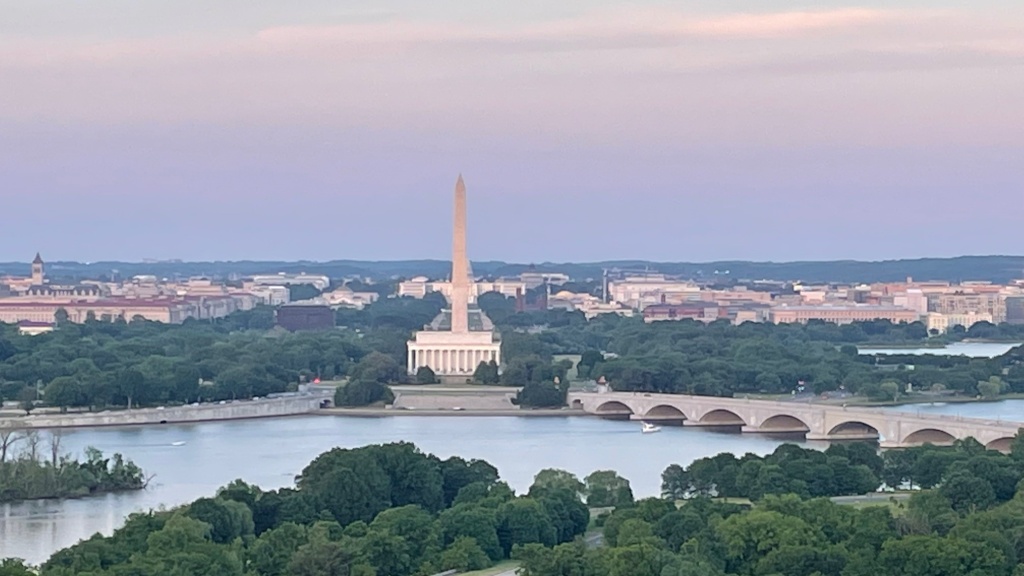
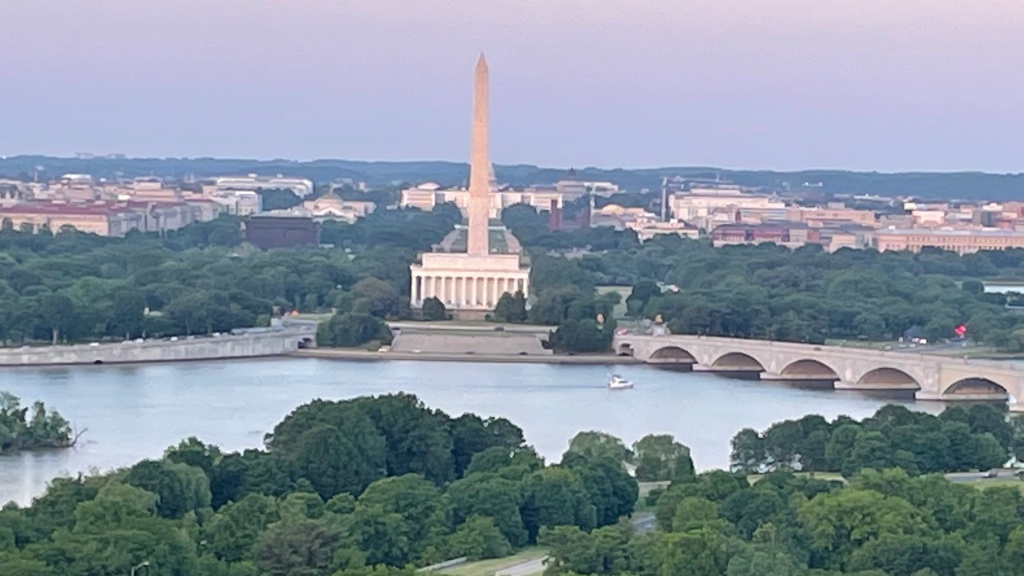
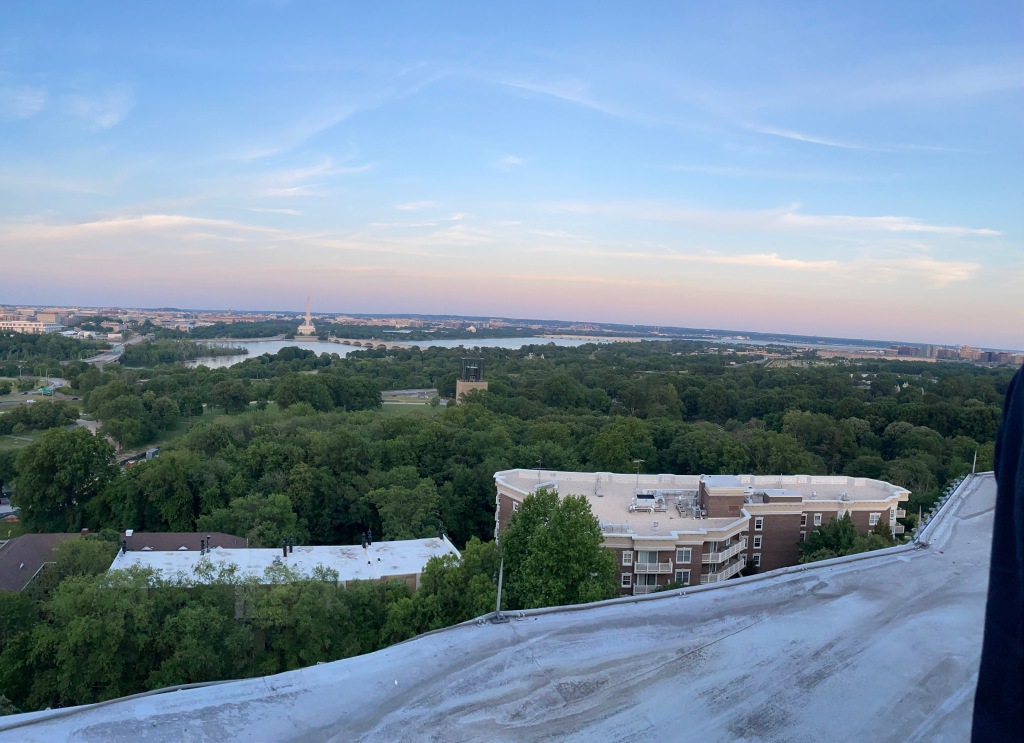
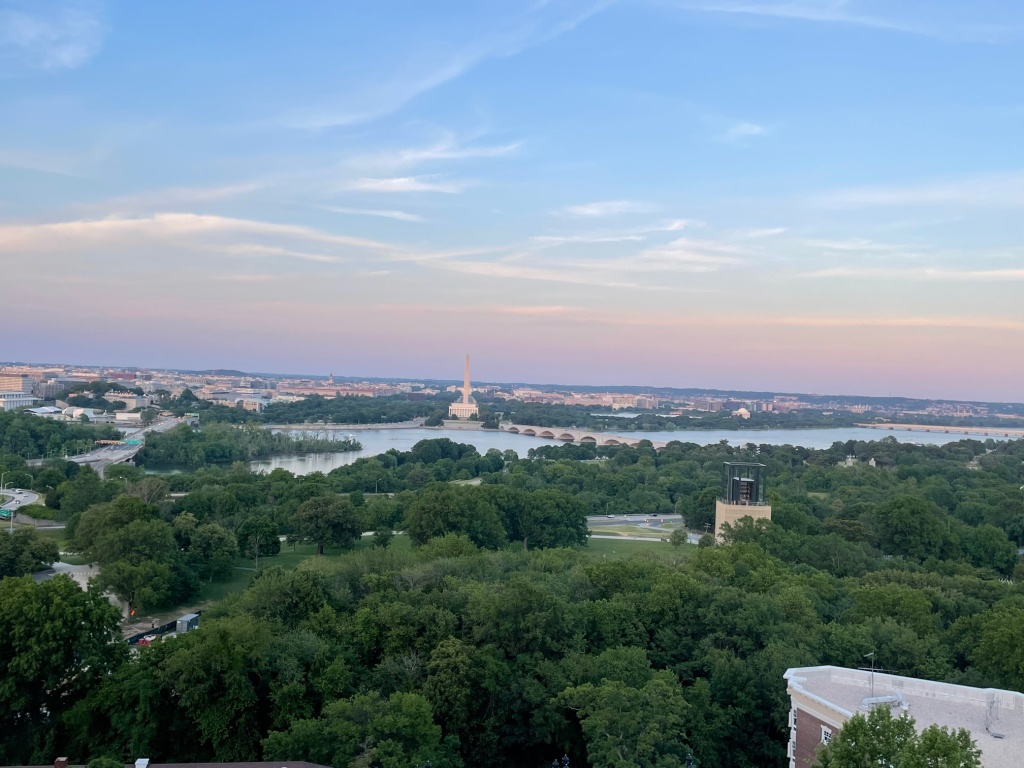
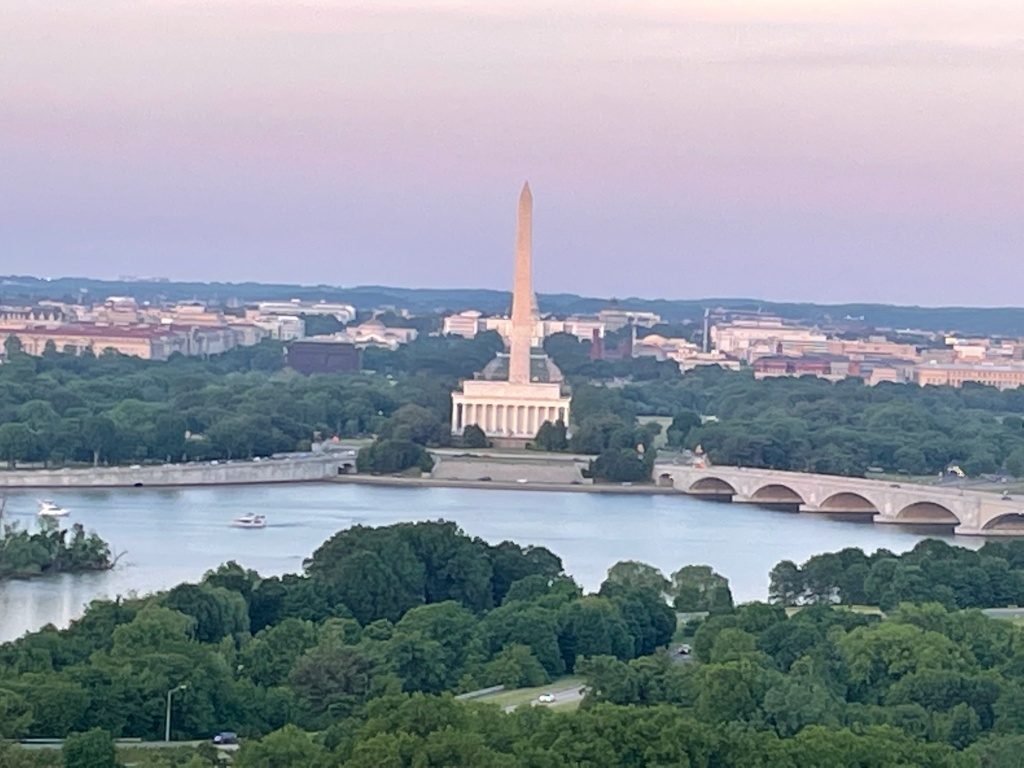
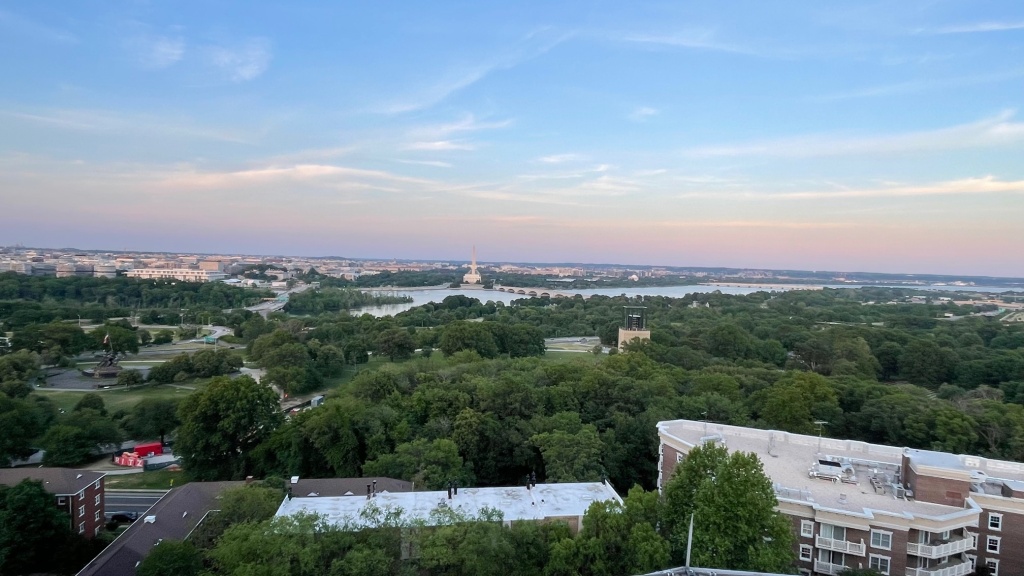
Sunset Over The Monuments

Camera: iPhone 12

Location: Arlington, Virginia, USA

A Most Difficult Year

“The first year I can remember in my lifetime where expectations are dashed, lives are thrown off course, and uncertainty is the norm rather than the exception is 2020.”

When you begin a new year, you expect the most out of it in terms of happiness, health, and opportunities. You hope for the best and pray to avoid the worst. However, there are going to be years that don’t live up to expectations and if anything, topple over any kind of expectations you had to begin on January 1st. The first year I can remember in my lifetime where expectations are dashed, lives are thrown off course, and uncertainty is the norm rather than the exception is 2020.

For the vast majority of people, 2020 has been a year to forget and to put behind us. Still though, there is a lot that we can and should learn from this year to make the next one a more forgiving and hopeful year. 2020 was a most difficult year and one long, seemingly almost never-ending ‘Black Mirror’ episode but I take solace in the fact that those of us who made it through this year are more resilient, better able to deal with uncertainty, and able to be happy with less instead of more.

We will always remember 2020 and while I am looking forward to putting it behind me, there are certain lessons to be drawn from a year like this one to ensure we never have a year as uniquely horrible as this one if only we start to change our behaviors and our actions collectively as a society. Beyond climate change, racial injustice, rampant inequalities, and a raging pandemic, there is also the sense that we are failing each other not just in terms of our institutions but also in terms of our commitment towards one another. Revitalizing faith, trust, and kindness as fundamental tenets of our society will be an important benchmark in seeing how much we have learned from the ills of 2020 and how not to repeat these failures in a future crisis of our own making.  

In a time where our institutions are increasingly unable to meet the challenges placed upon them, I hope we will recommit to them additional resources rather than letting them atrophy and decay after the pandemic is over. I think most of us have learned how necessary it is to have functioning and responsive institutions in a crisis and how much we can be hurt by not having them be available to us especially when time is of the essence. Institutions will only work as much as we allow them to so it’s up to us collectively to believe in them, to fund them properly, and to have leaders who will tell us the truth, understand our needs, and be able to respond effectively. When our institutions fail us, we are all put in the precarious position of relying heavily on our friends and our families, which is sometimes a luxury that not everyone has available to them.

Our personal connections cannot help us though when it comes to securing masks, getting us tests, or giving us financial relief when we have no other option. A pandemic shows us how vital it is to have both local and national institutions in place who can help and are there to help rather than leaving every man or woman for him or herself causing us to act more selfish or more distrustful of others. Pandemics can bring the best out of people and they can bring the worst out of people. It is my belief that this pandemic has shown us how much our institutions have become dysfunctional, how our leaders have been corrupted, and how our society has become way too individualistic especially in a time where cooperation and unity are so desperately needed.

Individuals have been heroic for all of us whether its health care workers, grocery store clerks, delivery people, teachers, first responders, etc. who have shown more care and urgency than many larger institutions who have taken months to actually do anything substantive to help people. They are doing their job well under extremely difficult circumstances and hopefully after this year, we will reward them more not just with our thanks but also with better treatment in terms of financial payment, respect, and providing them with more resources when they need them.

Those people on the frontlines like the rest of us have had to become much more resilient in the face of such difficult circumstances. As I have mentioned before in previous articles, Resiliency is one of the most important traits you can have in a year that has been so difficult. The ability to overcome challenges, break down barriers, and surpass obstacles has been so important in 2020 where our resiliency has been tested each and every day practically. Some have had to be more resilient than others, but we have all had to play our part in keeping each other healthy and safe.

Resiliency is also about keeping your spirits up, not letting yourself get too down, and reminding yourself that tough times don’t last forever but tough people do. If you thought you were going to make it through your entire life without facing a challenging or historic year, you would be mistaken. Whether it’s the Great Depression, World War II, or the tumultuous upheavals brought on by the 1960s or the end of the Cold War, each generation is inevitably going to face moments where their resiliency is tested, where comfort is hard to find, and where good days may be hard to come by.

However, if we can get through the hard years in our life like 2020, there’s not much you cannot overcome if you are able to maintain your resiliency. 2020 teaches us that life can go sideways, and that uncertainty is more part of the human conditions than we would like to admit. While we strive for some sense of predictability or comfort in our lives, we inherently know that is just not possible and that we are never guaranteed tomorrow. I hope 2020 also teaches us not to take anything for granted especially our health or our financial security.

Inevitably, we must always plan for uncertainty because it may be coming to us when we least expect it as it did in the early months of 2020. Whether it’s trying to save more money, keeping ourselves that much more physically fit, or keeping some extra food around the house in case of an emergency, I hope that we will plan for uncertainty to come our way again because you never know when it can rear its ugly head again.

Learning how to be more resilient and also knowing how to face uncertainty have been keys to overcoming 2020 but it’s also been about how to be more kind to others. You never know what someone else is going through, how they have been affected by the pandemic, and what they are risking by coming in to work every day when they can’t stay home. If you can’t be kind, then you shouldn’t say anything to anyone. Now, more than ever, it’s important to be kind to one another, to look out for your fellow man, to donate money if you are able to, and even if you’re feeling particularly generous, donate your time and effort to a food bank or a homeless shelter to help those most in need right now.

Also, be sure to check in on those people most close to you whether it’s a close friend, a family member, or someone who you are close to at your workplace or school. Now is the time to make sure everyone is doing as well as can be, that they are not isolated without hearing your voice or seeing your face virtually indefinitely. It is very hard to spend the holidays alone so now is the best time before a new year begins to check in on those people who matter to you the most. Lastly, do not forget to support your local businesses during these hard times whether it’s the mom-and-pop store down the street or your favorite restaurant since they could all use the business right now and it’s the right thing to do to support the economy.

Kindness is going to be even more important in the coming year than ever. Between economic troubles, a continuing pandemic, and political strife, it’s best to be kind always and to empathize with what other people are going through even if they are complete strangers. Give help to those you need and fight for those with less. Make sure you continue to hold people accountable for their actions whether it’s your neighbor next door or the mayor of your town or city. Only by strengthening the bonds of trust through kindness, honesty, and transparency can we begin to heal the divisions and disparities within our society.

The pandemic and other events in 2020 have shown us how important it is to work together, to look for one another, to do unto others as we would have them do unto us, and to deal with uncertainty and stay resilient as much as possible. I hope things get better for all of us in 2021 and I want to encourage everyone to follow the public health guidelines throughout next year.

Keep wearing a mask, stay socially distant, wash your hands frequently, take care of yourself physically with enough exercise and healthy eating. Make your New Year’s resolutions too if you believe in them so as to strive for new goals and opportunities in 2021. Be kind to others again, stay positive, and don’t let adversity throw you into despair.

I wish all of my readers a very Happy New Year and for a healthy, prosperous, and safe 2021 to come to each and every one of us.

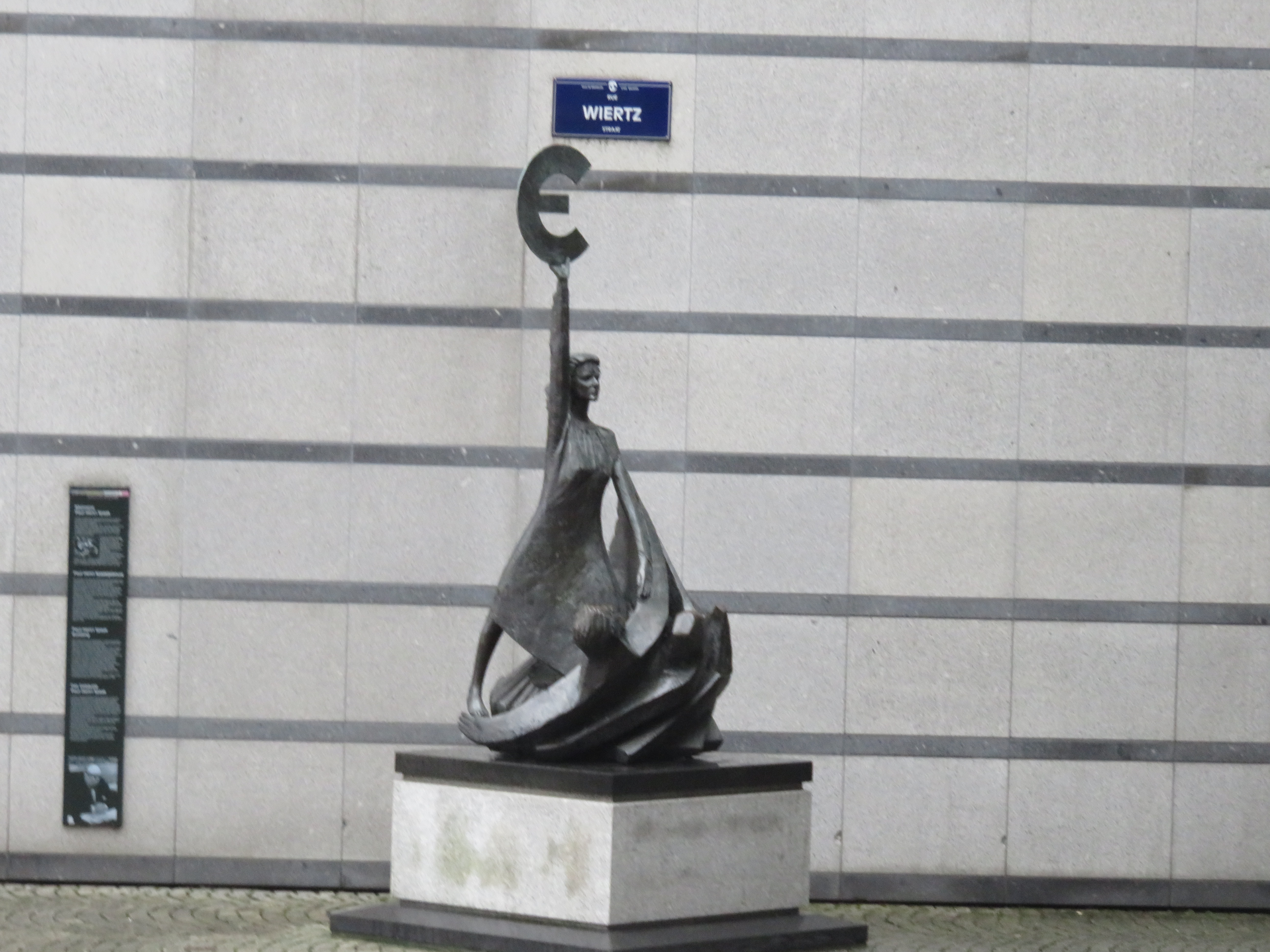
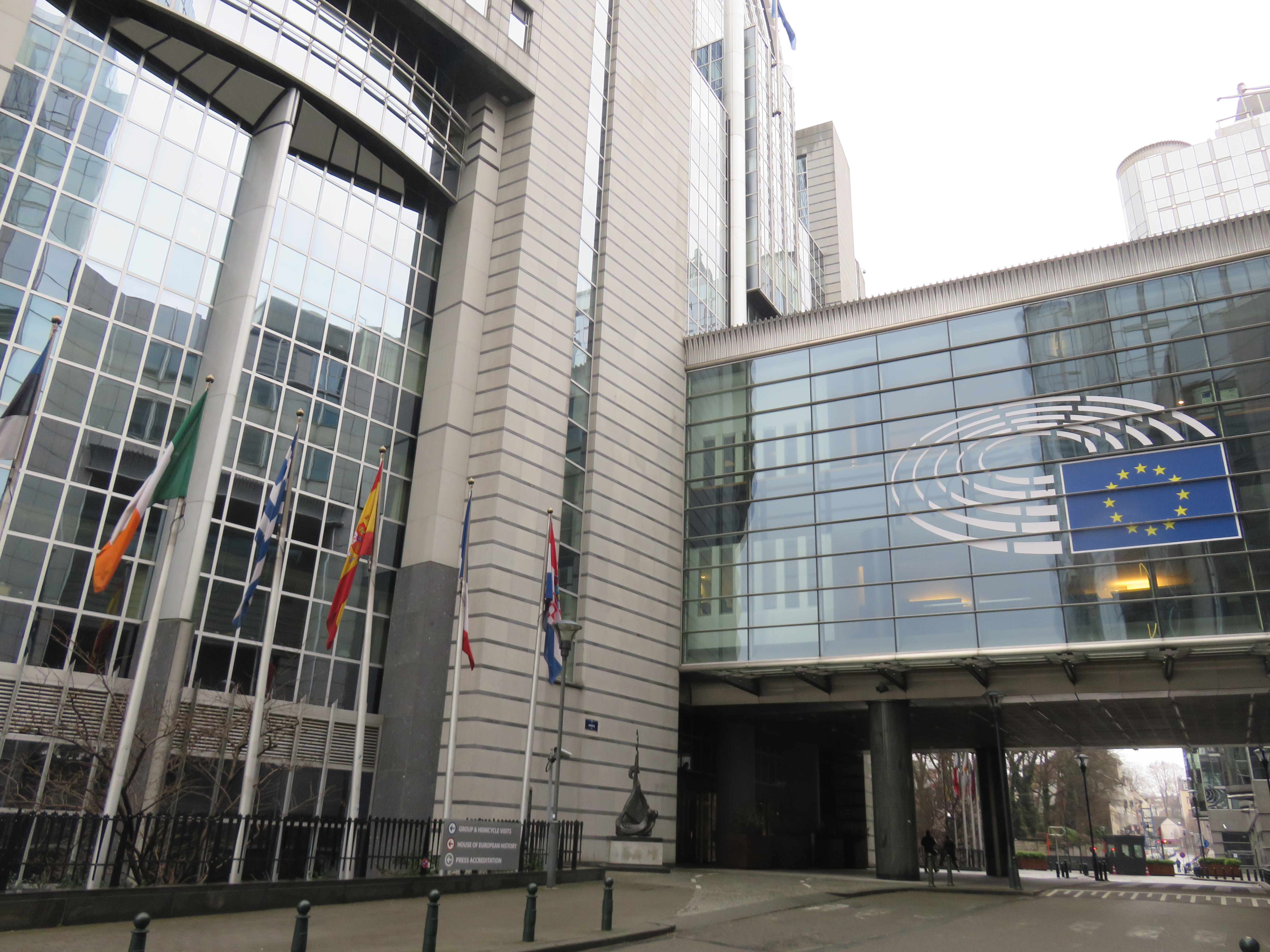
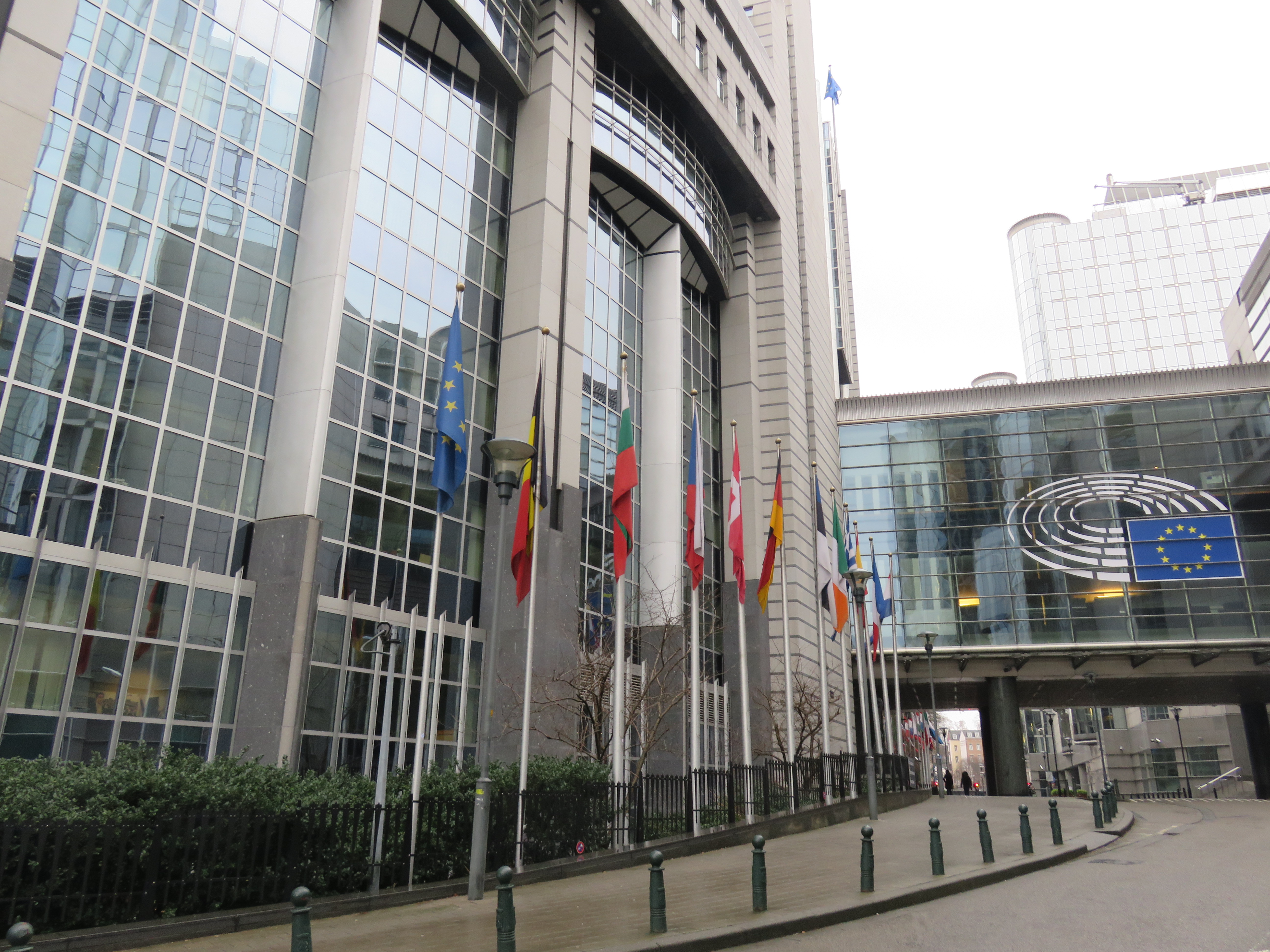
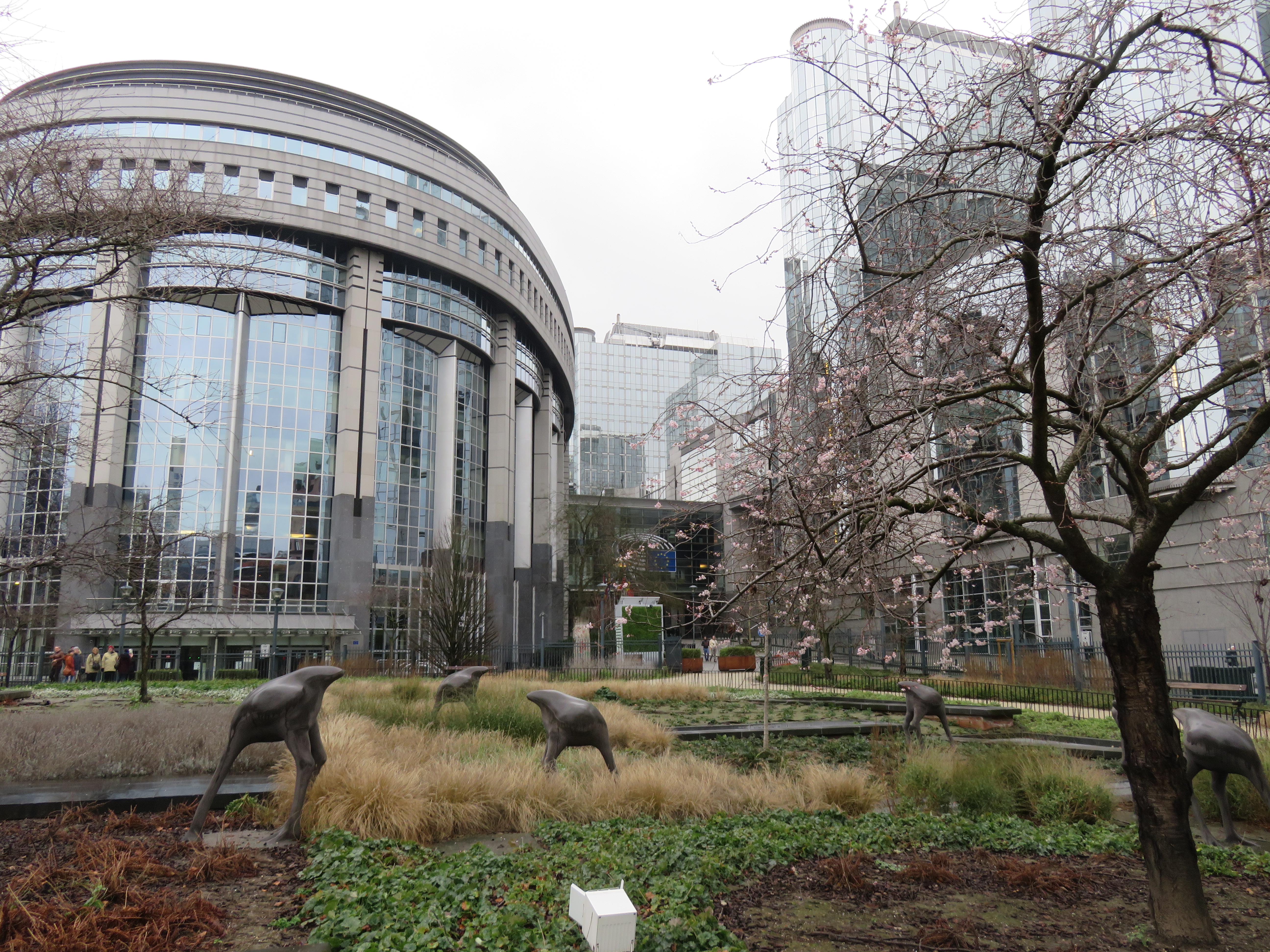
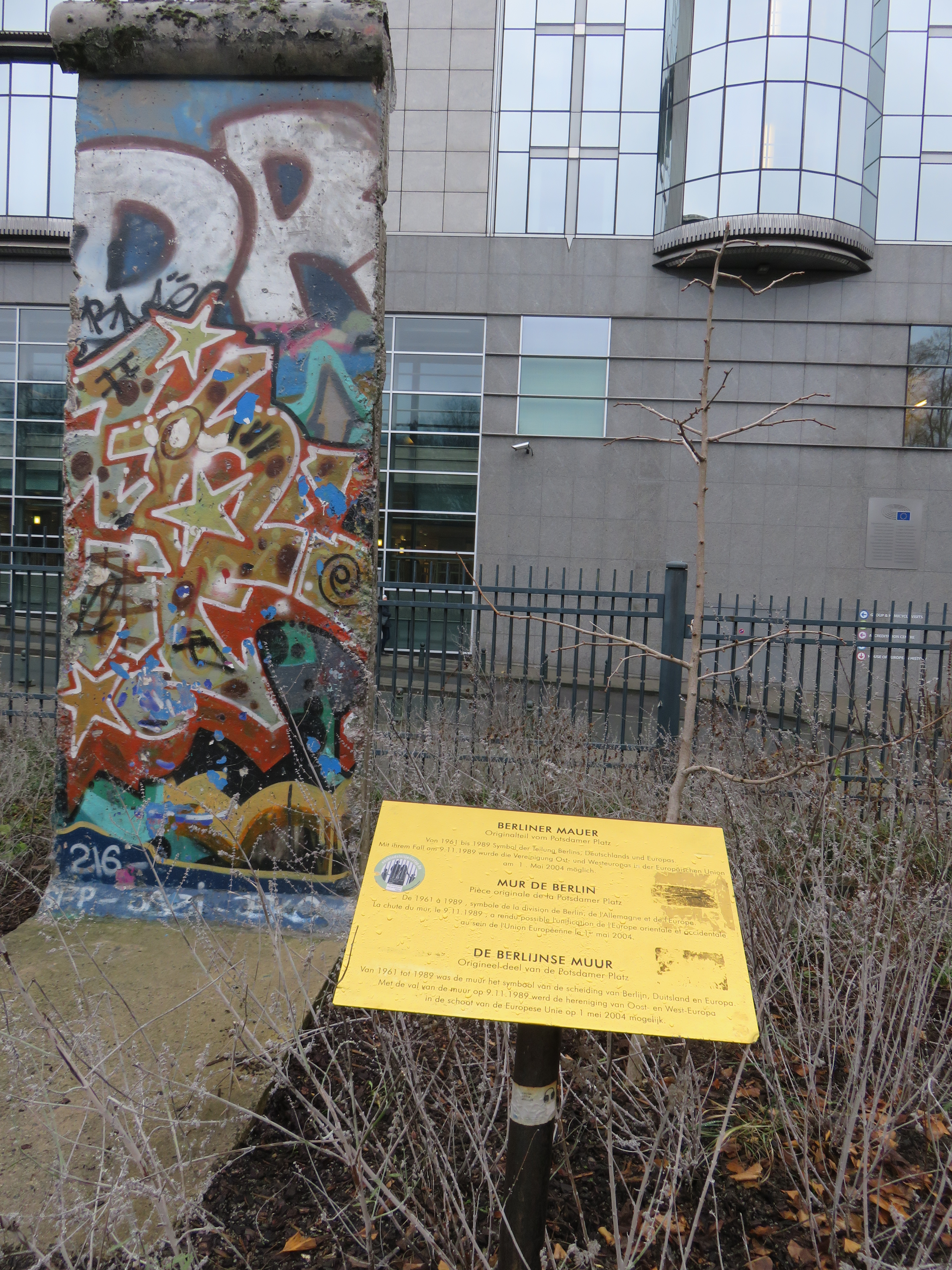
The European Parliament

IMG_3617IMG_3621IMG_3623IMG_3625IMG_3627IMG_3632IMG_3633IMG_3634IMG_3635IMG_3636IMG_3640IMG_3643IMG_3644IMG_3645IMG_3647

Camera: Canon PowerShot SX710 HS

LocationBrussels, Belgium

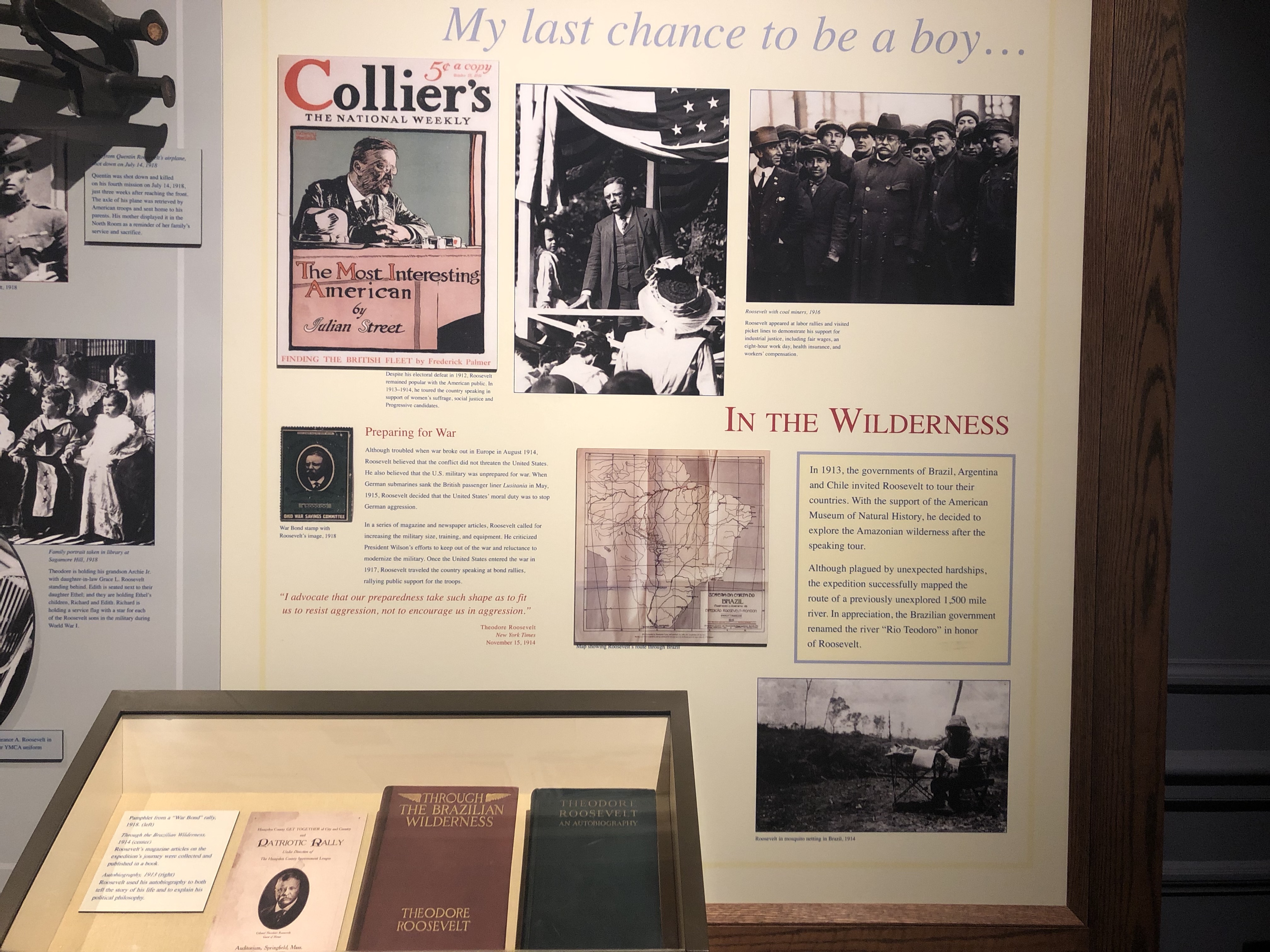
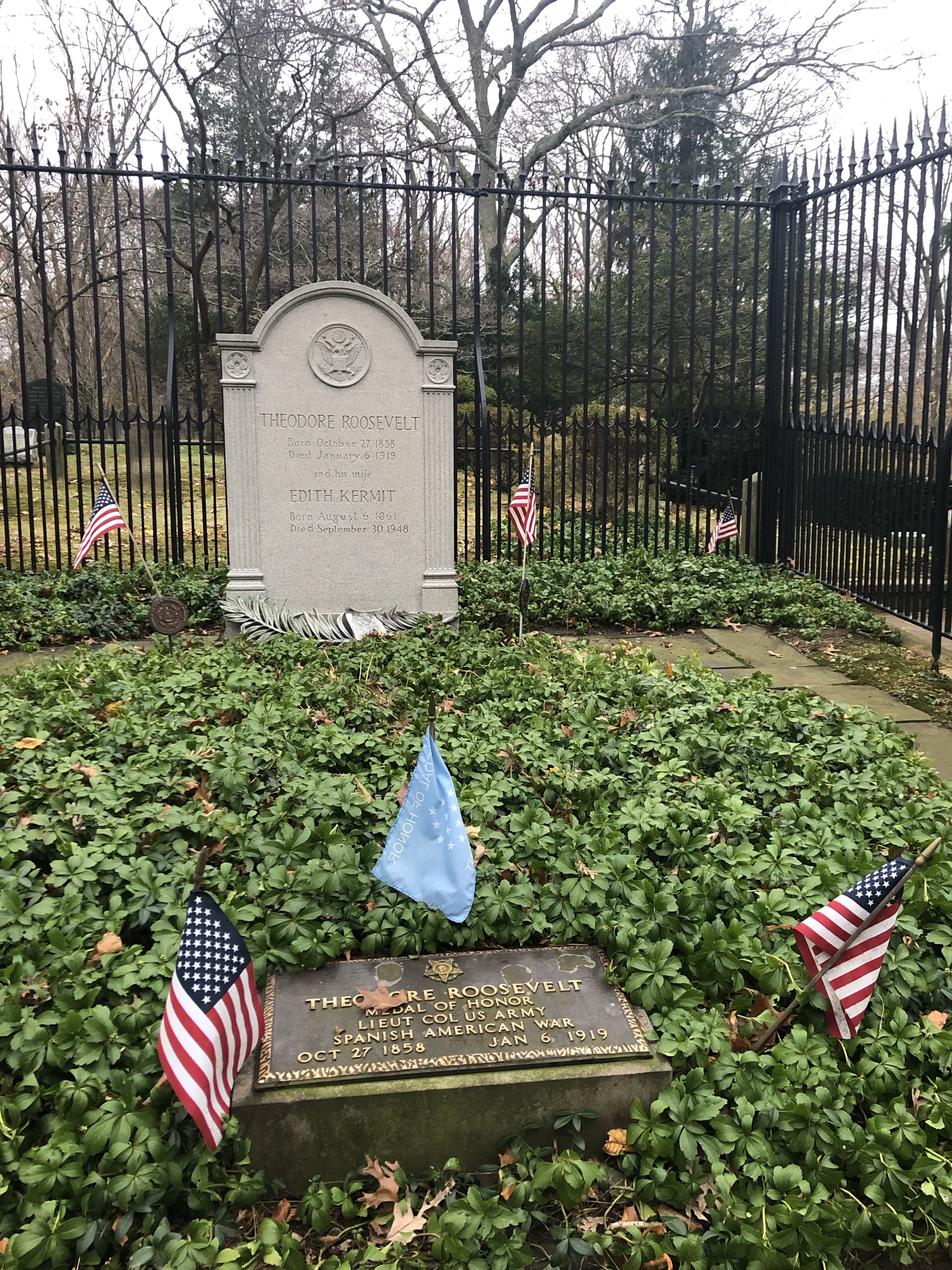
Sagamore Hill National Historic Site

wCeO%GJTSwe8IRU0IqEhhwtPjgli2XTrSTPu5upz4tfQaC1d2BC+QZeE1fFV9JBMvwzzYSFTLVTP6KJL0bGq5HYwCv9TszueQDGP5WSMn6gfkQ9FQ2ZzzGQIiQb4Yd1Xjx2gDrDwjp12RJSpTYe+KoybzAgxXrFVLYSKiFuM+OE81PUQGTqlhd6UQKi6jB6J1yDrTQW0wEZVKgQRKbK7U6yC7KpwhwbUQXPuSD2U5Y5%xQlZnw+JxUTqsgSOecKaozF6qhmQeIWrtMNFSRaNodRBAk4Vfw9nat41eVST23wltrFOiHwg

CameraiPhone 8

Location: Sagamore Hill National Historic Site; Oyster Bay, New York, USA

Book Recommendations – Volume VIII

As always, the summer season is an excellent time to be catching up on personal reading. One of my favorite activities during the summer is to lie out in the park or at the beach and dive into some books that have piqued my interest. Whether you are a fiction fan or a non-fiction fan, there are a lot of excellent books out there to keep you occupied. My three choices for reading this summer deal with non-fiction topics yet I hope they peak your interest as well even if you are a fiction fan.

1.) “Homo Deus: A Brief History of Tomorrow” by Yuval Noah Harari

Click Me!

The follow-up to Harari’s first book, ‘Sapiens: A Brief History of Humankind’ dives into the promise, the challenges, and the problems facing humanity as we go through the 21st century and beyond. ‘Homo Deus: A Brief History of Tomorrow’ looks at how human beings got to this point in our collective history and how we will need to come up with new solutions whether political, economic, or social to adapt to this current age of rapid technological and climatic change. Clearly, this book deals with more speculation on the part of Harari as he lays out a number of possibilities that could come about in this century and beyond, rather than solely focusing on past human history as ‘Sapiens’ did.

Harari devotes a large part of the book to the fact at how much progress has been made across humankind in terms of eradicating disease, famine, and also how war has been limited in a time of relative peace and prosperity. The question that Harari poses is what will humanity focus its efforts on now that we have been able to get past in large part major sources of human suffering in the form of disease, famine, and war. Mr. Harari makes the argument that humanity will focus a lot of its collective effort on artificial intelligence, genetic engineering, machine learning, etc.

The goal particularly of the rich and wealthy will be to conquer death and achieve immortality through various means that the author goes more into detail about. However, how will social harmony be insured as artificial intelligence, robotics, and machine learning wipe out a large percentage of human jobs over the next few decades? Will the rights of the individual be maintained when a large part of the population no longer are able to find work or where they can receive adequate educational training for the jobs of tomorrow?

Harari is a sociologist so the details of the actual engineering and technology that would need to occur to make this shift happen is lacking in the book. However, he poses urgent questions for policymakers, economists, and other leaders as to what will happen when ‘big data’ algorithms know us and our desires better than they ever have. How will the meaning of ‘work, leisure, and relationships’ change as artificial intelligence continues to advance? Increasingly, Mr. Harari concludes that humans and machines will complement each other in various ways whether its in education, technology, the workplace, etc. and there can be nothing done to avoid this shift from happening in our lifetimes. What remains to be seen is how human societies react to a future where people must adapt to these technological changes to survive, prosper and how man and machine will act as they merge together beyond what was considered possible just a century ago.

2.) “Us v. Them: The Failure of Globalism” by Ian Bremmer

Click Me!

Ian Bremmer, a notable political scientist has written a new book on the populist resurgence in the United States and around the world. He tackles the failure of ‘globalism’ as an ideology and how unfortunately it doesn’t look like we will all be able to live and thrive in a truly borderless world without political, economic, and social differences getting in the way. The fear of the ‘other’ and the tendency for human beings to organize themselves in separate tribes whether it’s the form of nations, races, and religions takes precedence even today as the reaction to globalism.

Mr. Bremmer makes the argument that ‘globalism’ and ‘globalization’ are separate in their meanings as ‘globalism’ as a term is primarily political in nature while ‘globalization’ is primarily economic. Globalization will continue to expand and thrive because its’ practical for nations to engage in trade and finance at the international level to boost and grow their national economies. As long as it is economically advantageous for nations to trade and do business with each other, globalization will continue to be a mainstay in economic relations.

‘Globalism’ however has received a backlash from the rise of political populism primarily in the Western world (the U.S., the U.K.) but also in Eastern Europe (Hungary, Poland), and also in developing nations like India, Mexico, Turkey, etc. Issues of mass migration, cultural shifts in nations, growing income inequality have led populations to look towards protectionism and ‘strongmen-lite’ politicians to address these systemic issues. In my opinion, Bremmer correctly argues that while the world is collectively doing well in terms of economic growth and the subsequent rise in living standards, there is still a serious political recession going on with far left and far right politicians gaining stream in terms of popularity.

‘Us v. Them’ reflect the growing unease and anxiety that a lot of people have regarding ‘globalism.’ Besides the cosmopolitan populations that live in the major cities of the world and who have benefited from the cross-cultural exchange of peoples, trade, finance, etc., there are many others who feel threatened by the ‘other’ and how their country and culture may be changing as a result. Mr. Bremmer sees the happening of Brexit, the election of Trump, and the rise of strongmen around the world as a reaction to ‘globalism’, and how there are drawbacks in that many people feel left behind by their political and economic elites who enacted these policies without their support. ‘Us v. Them’ is something that has occurred throughout human history and to myself, it goes back to our fundamental nature of our willingness to divide ourselves into separate tribes and to look upon the ‘other’ with suspicion and fear.

According to Mr. Bremmer, political populism is not likely to go away anytime soon and the rise of automation, an increase in artificial intelligence, the weakening of the middle class in both the developed and developing world are likely to put continued pressure on weakening political institutions who may or may not be agile and forward-thinking enough to come up with satisfactory solutions to these 21st century issues.

3.) “Notes on a Foreign Country: An American Abroad in a Post-American World” by Suzy Hansen

Click Me!

‘Notes on a Foreign Country: An American Abroad in a Post-American World’ by Suzy Hansen is a refreshing take on the way American foreign policy decisions have affected the U.S.’s relationships with certain countries such as Iran, Greece, Afghanistan, Turkey, Egypt, and specifically the people who feel that they have been negatively affected by those decisions. The average American is likely to be unaware of how large of a role the country has played beyond its borders and how some of those decisions have left deep, festering wounds in the people of those countries who were directly affected and still haven’t forgotten.

Ms. Hansen who came from a personal background similar to mine has lived in Turkey for over ten years and has traveled to the Middle Eastern countries such as Iran and Egypt looking for the perspectives of those citizens in regards to how America changed their countries, mainly for the worse. Her personal background growing up was very insular and she went to travel and live overseas in order to see her country differently.

From reading this book, it was refreshing to see Ms. Hansen do her research about the countries she was living in and visiting as well as interviewing many people in those countries to hear their stories and their perspectives. I believe that her book does a great job of enlightening Americans about negative foreign policy decisions made in the past that our country may not like to remember but is still forefront in many other countries’ perspective of the United States.

As Hansen left home and lived overseas, her innocence and that of America is stripped away because it’s a harsh truth to face yet it is one that we must all face is that America has not always done good in the world and there have been negative effects of past U.S. foreign policy decisions that heavily resonate with those peoples to this day. The key aspect of this mix of journalism and personal memoir makes this book stand out as a referendum on America’s role in the world, and how its likely to decline in the future. While our impact may lessen on our nations in the future, Hansen sees that as a possible good occurrence do the damage that has already been done.

My main critiques of this book is that while Ms. Hansen diagnoses that issues with U.S. foreign policy, I do wish there was an addition to the book where the author discusses how America can better its foreign relations in the future and to move forward positively with the countries she has become familiar with. However, to be fair, that would take a whole another book to diagnose how U.S. foreign policy should move forward. Also, I believe that this book was a bit too negative in its perspective on America and it could have been more balanced in its overall viewpoint. Ms. Hansen’s book pulls no punches and is a clear-eyed look on the blindspots of American exceptionalism and how our values have not always been well received beyond our borders.