I’ll Take Kind Gestures Over Kind Words Any Day

“When was the last time someone let you merge into traffic or grabbed you a coffee without asking? Too long, right? Small gestures like these can make your day or even your week. We’re taught from a young age that kind words keep the world turning, but words are just the starting point.”

When was the last time someone let you merge into traffic or grabbed you a coffee without asking? Too long, right? Small gestures like these can make your day or even your week. We’re taught from a young age that kind words keep the world turning, but words are just the starting point.

Even rarer than kind words are kind actions. Post-COVID, people’s social skills have atrophied, making everyday courtesies harder to come by. Things like holding the door, walking on the right side of the sidewalk, or letting someone merge on the highway might seem small but they matter far more than words alone, and we could all use more of them.

Having these kinds of gestures be optional instead of compulsory represents an overall reflection of the fracturing of what used to be common courtesy along with the kind of bare minimum expectations we have of one another too often. Instead of kind gestures, we often have the opposite now: people being loud in public places, not using earphones or headphones on their meetings or in the music they listen to, or just not minding their body language or others’ personal space. I value the importance of these basic gestures because they take such little time or self-awareness yet have become harder to find even when I consider them to be increasingly important to societal harmony.

It’s one thing for strangers to abstain from kind gestures or words but it’s entirely another when they come from business associates, colleagues, family, or friends. Taking the initiative and building a two-sided friendship or relationship, professional or personal, doesn’t take much to sustain but it truly can make a world of difference to the other person(s). Such kind gestures mean more than the average word could ever and people really remember those sincere actions more than giving a basic compliment or heaping on effusive praise.

These kind gestures depend on the kind of relationship you have with the person or group in question, but sending business associates a holiday card or remembering their birthday can strengthen the relationship significantly. You could also offer to buy them coffee or tea for providing advice or mentorship with your work or business. With work colleagues, it doesn’t hurt to share your appreciation in giving a kind word for them, but it could mean much more to bring in food or drinks for lunch or help them with a problem they are having on a difficult project. If you’re a manager, kind words are nice to hear but recognizing your employees with a bonus, a promotion, or just an award or other kind of real recognition can make a huge difference with morale building or employee retention at your firm.

With one’s family and friends, it’s always important to say ‘please’, ‘thank you’ and show your appreciation for their presence in your life. However, it’s always better to take the initiative to ask them out for a dinner or a concert or just to give them a call consistently to check-in with them and see how they’re really doing. Keeping a friendship or family relationship in good shape is hard to do but at least making the effort to see each other and to do so in a two-way manner is key to keeping it sustainable.

Being complimentary, supportive, and positive are all great with your words but real actions or gestures will always speak loudest. That’s especially the case when you’ve known that person a long time and have a history together. Sometimes, friendships end out of nowhere and family bonds are breakable by one party or the other, but if you want to make a real effort, make sure to rely on kind gestures primarily because they mean a lot more to someone than your words.

These days, it’s hard to get kind words out of strangers or people you don’t know and even more so when it comes to expecting basic social graces or gestures of kindness. As a result, we are starved for those kinds of gestures and actions that are unprompted, considerate, and relevant to us. We need those friends, family, and even close associates doing kind things for us and for them to be reciprocated as well because it helps foster our happiness, joy, and overall life satisfaction more than we think.

Kindness begets kindness. While words can move the needle, gestures, actions, and time spent together make a world of difference. Remember: kind words are the minimum of a polite society but making kind gestures second nature to you, especially for the people in your orbit, will make your life richer and fuller. Tomorrow, remember to hold the door for someone, send that quick ‘thank you’ note if someone did something kind for you, or buy a mentor or a friend a cup of coffee. Small gestures always make a big impact, which makes life better for everyone.

Seeing The Multiplicity of Human Realities Through Travel

“To me, it’s also about seeing alternate realities in the sense that you get to witness how people around the world have distinct ways of living, thinking, and experiencing the world that challenge and even change your own perspective.”

I have always thought of travel as more than just changing your physical location to another place. To me, it’s also about seeing alternate realities in the sense that you get to witness how people around the world have distinct ways of living, thinking, and experiencing the world that challenge and even change your own perspective.

There’s the saying that you should want to “put yourself in someone else’ shoes” and travel is the best way to do that. By relocating ourselves if even for a few days, a week, or more, you can get a deeper understanding of the seemingly almost endless varieties of the human experience and reflect on the limits or possibilities inherent in our own worldview.

As Mark Twain once famously wrote, “Travel is fatal to prejudice, bigotry, and narrow-mindedness.” Travel allows us to gain access to a parallel world in a sense where the values of the people, the rhythms of their lives, and their daily routines or priorities differ from our own or they could surprisingly be similar or even the same as our own. In our own town, city, or country, we have such a tight conception of what everyday life should look like that travel allows us to see beyond our own way of living to see how other people live even if just for a short while.

As mentioned earlier, the reality of time and the pace of life can differ depending on the culture and it can help to reshape our own perception of time or daily rhythm that we are most accustomed to. We may think our quality of life is best based on how we spend our time each day, but travel allows us to see the alternatives out there or the different realities that are out there to experience.

For example, if you go to Italy or Spain, you’ll likely be able to have a long lunch, take an hour or two to go home and rest, and there’s a desire to not rush to do things if there’s no need to do it right away. The emphasis on leisure, family time, or catching up with friends can have a huge impact on our own perception of what’s important with our time after seeing what others think is better for mental well-being and what is actually a good use of one’s time. Focusing on ‘time is money’ or ‘efficiency matters most’ is certainly a reality that is out there but there are other alternatives that people around the world embrace and enjoy each day.

Individualism vs. Collectivism is another way to view the priorities that communities have when it comes to how the society is structured and what the role of the community is. How people connect, what they connect over, and when they connect is a useful observation to make when it comes to seeing the reality of community and connection in your travels. Some cultures prioritize family gatherings and a communal approach to problem solving and making decisions collectively. Others including in the United States focus on being independent, relying on yourself, and making something of yourself without relying on your family or community.

Social structures can differ in terms of how strong or weak the social safety net is and if it is prioritized at all. You can get a good sense of how strong a social structure is when you travel based on the use of public spaces, the embracing of local or national festivals, and how the least well-off people are treated in the society. Each culture in my view values community and social cohesion but travel exposes us to different realities regarding how strong or weak the communal ties are and if there is a sense of togetherness or isolation because of how the community or society is.

Every culture also has their reality of what they value and prioritize especially when it comes to how they interact with the world around them, specifically the material world. Different cultures have conceptions of what is essential and what is superfluous to living. You will likely see that each culture has different priorities in terms of consumption and materialism based on their own priorities but also what the culture tells them to prioritize.

Some cultures are okay with minimalism and cleanliness while others highlight material gain and being consumer driven. It is good to be able to travel to see these different realities of materialism vs. minimalism and how you fall on that spectrum. Some cultures are also more spiritual, in tune with nature and environmentalism, and what exactly constitutes personal happiness, fulfillment, and whether consumption falls within those values or whether it is better to have enough, or to go without as much as possible than to have too much.

Each culture also embraces its reality of what constitutes history, memory, and whether they are oriented more to the present, past, or the future. Societies each try to deal with the past in their own way to create a present identity and how to think about their collective future. Having a collective memory is a way to keep your culture relevant and to bring people together as well. All over the world, museums, memorials, and monuments are dedicated to fostering cultures’ collective memory, responsibility, and how to keep the culture going into the future.

We also have ancient ruins that are still there surrounded by modern life, reminding each culture regarding the rise and fall of past civilizations, and how each culture goes through these cycles of prosperity and decline. Historical awareness helps societies shape their values and keep their cultures alive into the future. When you travel, think about if the culture you are experiencing values the past the most or if it is geared more towards the present or even the future. Preservation of history, memory, and cultural artifacts helps us understand any culture or society’s priorities as well.            

By traveling, you are exposing yourself to the multiplicity of human realities, which comes about because of how many different cultures and societies are out there with differing perspectives on time, consumption, values, community, and history itself. It is good to see these realities in person, even if for a quick trip, to not just explore the world for a bit, but to question your own values, beliefs, and worldview. Our assumptions about a culture, a society, and the world at large are often misguided or incomplete. Traveling allows us to redefine the boundaries of our own existence and help us come closer to understanding more what it truly means to live in this world.

Adaptability Is Both Our Greatest Strength And Weakness

“To be, feel, or act the same or to be resistant to change can hurt us in an ever-changing society where we are constantly at the mercy of forces that are beyond our control.”

Being adaptable is largely thought of as a good characteristic and for which you are usually commended for. We try our best to be adaptable to the challenges and opportunities that life throws at us as best as we can. To be, feel, or act the same or to be resistant to change can hurt us in an ever-changing society where we are constantly at the mercy of forces that are beyond our control.

When you can adjust to new conditions or changes, there is usually positive reinforcement from others who also are adaptable to the changes or conditions at the same time. My concern is that while adaptability has helped us thrive in different eras as a species, it has at the same time been a weakness of ours in adapting to norms or behaviors that harm our collective progress.

Adaptability is both our biggest strength and our biggest weakness in that it both allows us to change conditions and norms for the better, but also it can make things worse when we backslide into previous harmful attitudes, values, and beliefs that can make a comeback. Being adaptable has helped humanity survive different tumultuous eras since the early days when we were foraging for basic sustenance and shelter to survive.

The act of adaptation goes back to what makes us innately human, at our core, even when we get used to adapting to less-than-ideal conditions or changes that revert progress we’ve made rather than embracing further progress to our benefit. While change does not always equal to progress, my concern is that when we are adaptable to any kind of change, both positive and negative, without thinking of the consequences of such constant adaptability, we remain at risk for going backwards and worsening our quality of life.

To give a few examples of when adaptability is a strength of ours as a species, I would refer to our ever-increasing desire to assimilate, tolerate, and promote diversity, inclusion, and equity in our world. This social inclusion and desire for equal rights has been an adaptation that is rather recent when you consider how far humanity has come from the centuries and millennia of mistreatment, discrimination, slavery, and wars that were fought to keep the horrible status quo of how we treat each other.

Our ability to adapt to making sure that this previous status quo was no longer acceptable and repugnant in terms of previous attitudes has led to greater tolerance, acceptance, and more diversity throughout the world. Yes, there are still challenges to our adaptability in this important area but to say that we haven’t made progress in this area of life would be a falsehood. Being able to adapt successfully to these societal changes has by and large been a positive development in my lifetime and beforehand earlier on in the 20th century. While there has been negative resistance to this kind of adaptability, I’ve found there has been most people accepting these changes that have gone on and while the struggle continues, this strength of humanity to seek greater equality and inclusion has been a net positive of our adaptability mechanism.

In addition to that previous point, the expansion of social and economic rights to more and more people throughout the world have led to greater political and civil rights as a result. They have been tied to each other and have been a positive step in the right direction. There is greater representation politically and economically for more diverse populations than ever before and while progress still needs to be made, the status quo has been upended by our adaptability in this area to these kinds of societal changes.

While adaptability is our greatest strength, it can also be our greatest weakness ironically, and this has been shown in different areas of life where there has been a reversal of progress recently or too much comfort shown with a lack of progress. I’ll point to two different areas where there been a reluctant yet steady adaptability towards the climate crisis and for democratic backsliding across the world. Where there is significant resistance in both areas, we are running out of time in preventing these new ‘norms’ from taking hold. It’s common knowledge that our planet’s climate is changing with disastrous consequences for livability for more and more people in different worlds.

Longer-lasting heat waves, disastrous storms with greater frequency, and unyielding glacial icecap melting threaten to become the rule of our life on this planet rather than the exception. From my perspective, we have become complacent to these changes and are looking to adapt rather than to work harder to change course. From our political leaders to our civil society, we are looking more and more like we are giving up rather than trying harder to reverse the negative changes set to befall us around the world.

Our ability to adapt to a warming world highlight how while we can adapt to negative changes, many of us will still suffer as a result and some won’t survive this kind of adaptation. Rather than seek to change the status quo in climate action, I believe that we are seeking to adapt to the changes that will befall us despite the harm it will do to the planet and our place in it rather than do our best to collectively try to resist such a negative adaptation.

Related to this regretful kind of adaptability, our political leadership worldwide has failed to martial the resources and the willpower necessary to combat climate change as quickly and as effectively as needed. Instead of championing solutions and working across societies to solve the climate crisis, there has been instead of focus on centralizing power, holding on to political office, and reversing previous norms and values of democratic rule to a forthright shift towards autocratic or dictatorial rule. I think this is a negative adaptation that more and more countries are seemingly getting used to as previous norms, values, and equality under the law are being undermined. It is not too late to reverse the damage done while the power of the vote and the right to assemble and protest is still allowed but that is not a given.

As much as we had to adapt to democratic rule centuries ago, it’s been shown that when there is no fight to keep those norms and values alive, we can just as slide backwards to the days when kings, tyrants, and demagogues ruled by force and decree across broad swaths of the world. Democratic norms and values are not universal values these days but our adaptions to them have largely further greater equality, inclusion, and prosperity than the opposite of autocratic rule. If we get used to the unraveling of previous norms that had served us well as a society to a previous time where we adapted to autocratic norms and rule by the few over the many, then we are in for a rough period of adaptation which will not serve us as well.

Adaptability has largely served humanity well since our early days of foraging and hunter-gathering. It is an innate trait that we must make whatever conditions we live in work well enough for us. Being able to adapt can both help us but also harm us depending on what we are adapting to. Let’s continue to set a higher standard individually and collectively to what we tolerate and adapt to and what we will not adapt to. We still have a choice in what we get used to and for what we do not accept and let’s hope we always will but right now, our adaptability is leading us on a crash course where instead of choosing to adapt to our surroundings, we will be forced to do so and will have to do so as a result without having had the choice in previous eras.

Be Careful Of Who You Associate With

“One key trait that is often undervalued is knowing how to spot someone who is not just friendly, kind, and decent but who values this kind of traits and characteristics in other people whom they surround themselves with professional and/or personally.”

A good way to examine someone’s character and moral values is who they surround themselves with. Whether they are a friend, a family member, a public figure, or even someone in the workplace, you can tell a lot about someone based on who they spend their time with or confide in. One key trait that is often undervalued is knowing how to spot someone who is not just friendly, kind, and decent but who values this kind of traits and characteristics in other people whom they surround themselves with professional and/or personally.

You must be able to get comfortable with both analyzing and understanding how other people act and whether their behavior or their personality will not just be good for you but also whether it is good for other people too. It’s often overlooked but being able to assess accurately the character of a man or a woman is key to keeping potential trouble or problems out of your life as a result. It can take a lot of time to really get to the heart of who someone is but if you feel that you want to truly know that person deeply and how they act not only to you but towards other people, it’s important to spend a lot of time around them not only privately but publicly as well to get a real sense of who they are.

Remember that who you surround yourself with by choice reflects either good or bad on you. We can’t choose our family members, but we can choose who are friends are, who we have a relationship with, which work colleagues we mentor or learn from, and our other associates in our network of personal or professional connections, however casual they may be to us. If you don’t take the time to truly assess someone’s moral compass, their character, and their overall behavior, you may be drawn into negative situations or circumstances that could affect your life badly.

Do not put yourself into those kinds of negative situations in life by choice where you could have instead cut ties with the person(s) who were affecting your life poorly. Be able to say ‘no’, walk away, maintain your distance, or cut ties permanently to preserve your own peace and your own moral character. It is extremely important in life to avoid the sycophants, suckups, liars, cronies, fools, toadies, goons, and flunkeys who can make our life much more complicated or worse as a result.

Life is too short to hang around people of poor behavior and character especially when you have a choice in the matter. That is why it is so key to be careful of the people who you associate with freely. I encourage everyone reading these words to take seriously how you size up your fellow man or woman even if it is a casual connection or someone in your general network of connections. Who you surround yourself with says a lot about a person and you do not want your connections or friends or network to reflect poorly on you.

It is often said that a man’s / woman’s reputation is built over decades but can be lost in minutes or hours. Surround yourself with people of moral fiber and good character and your reputation will be positive as a result. There are so many numerous examples of public figures or well-known people in our society who do such a poor job of surrounding themselves with the right people and it harms so many others as a result. People who cannot judge the character of someone well enough should have no business being a leader or overseeing a company, organization, or a country. Judgment of character is a key skill that must be honed over the course of our lives whether it is thinking of having that person as a friend, a romantic partner, or a business associate.

When you can judge character well and find good people to surround yourself with, the benefits of doing so will reverberate throughout your life. You will have much less stress, anxiety, and experience much less negativity as a result. Your own reputation won’t suffer, and you’ll be able to spend time better with those good people creating both positive experiences and the good memories from them. In addition, you want to have people not only of good character and moral fiber but to have people around you who will tell you the truth, tell you what they really think, let you know when you’re messing up, and who will support you during the good times and the bad.

Being around people who lie to you, mislead you, talk about you behind your back, kiss up to you, or act phony around you are not worth the time or the effort to keep around you at all. It takes a while to really get to know someone but if you let people who you don’t vet or don’t really get to know into your life especially your inner, private life, you are asking for trouble as a result. Maybe you will have fewer friends or a smaller professional network because of your own vetting or analysis of people around you but to me, it’s always better to have a few true friends and associates than a bunch of liars, sycophants, and phonies who tell you what you want to hear rather than what you need to hear.

Please be careful of who you associate with whoever they may be. Be sure to know how to evaluate and assess the people in your life and believe in your own intuition of who a person is and whether they deserve to be part of your life. Remember that who you surround yourself with reflects who you are as a person. Don’t try to be everyone’s friend and have suspect people in your life as a result. Find people of strong moral character, vet them well, and make sure you and they continue to do good and be good to themselves and to others in life.

Anatomy of a Scene – ‘The Bowls of Sh*t Analogy’ (The Wire)

“He describes how, during his time as the mayor, he had to endure constant demands, pressures, and compromises from various interest groups, from business leaders to police brass to union members, each one forcing him into undesirable and often humiliating positions.”

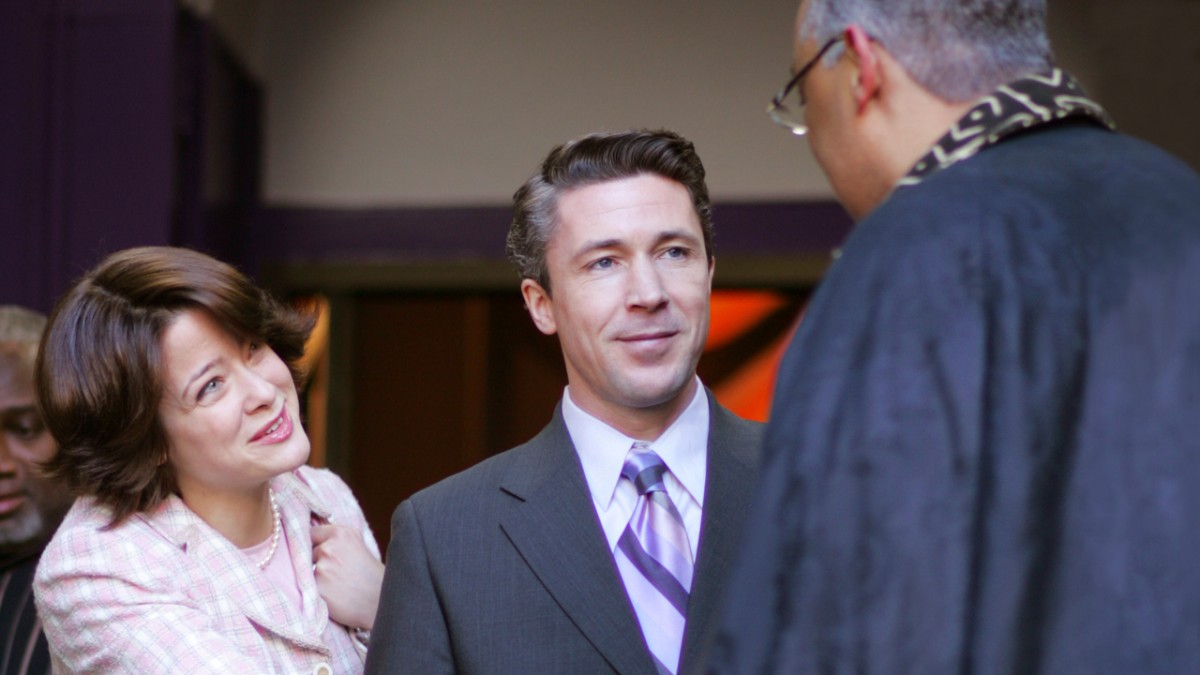
In this scene from the HBO show, ‘The Wire’, Tommy Carcetti, having just been elected as the mayor of Baltimore, seeks advice from Tony, a former mayor of Baltimore, who has since left city politics. At this scene’s beginning, Tony’s anecdote about “eating sh*t” conveys a bleak reality about the job of being mayor. He describes how, during his time as the mayor, he had to endure constant demands, pressures, and compromises from various interest groups, from business leaders to police brass to union members, each one forcing him into undesirable and often humiliating positions.

The peculiar imagery Tony uses of “eating sh*t” is deliberately crude for the viewer, emphasizing the degradation, disgust, and frustration politicians often face, especially in dealing with conflicting interests and the inherent contradictions in serving a large and diverse constituency such as in the city of Baltimore.

This “parable of the bowls of sh*t” lays bare the unglamorous side of politics—one where idealism and personal ambition are often suffocated by the practicalities of governing a community, a city, or even a country. Tony is essentially warning Tommy Carcetti that as mayor, he will be forced to navigate a landscape where decisions are rarely black and white, and success often means making choices that will inevitably upset one group or another within his constituency.

Tony’s use of the phrase of “eating sh*t” is a vivid and visceral metaphor for the compromises that politicians are forced to make, whether they want to or not, and how it can be interpreted in several ways:

  1. Constituent Demands and Special Interests: Every politician enters office with a policy platform and promises to keep, but once elected, they must contend with the complex and competing demands of their constituents. Business leaders may push for deregulation so they can improve their balance sheet, while unions may demand better labor protections and more workers rights. Environmentalists would advocate for sustainability, while real estate developers might prioritize economic growth over conservation. Each of these groups represents a different “bowl of sh*t” that a politician must eat, in the sense that satisfying one group often means alienating another in the process. Tony’s point is that no matter what decision is made, someone or some group will be unhappy, and the politician is left to bear the burden of that dissatisfaction, often at the ballot box when it comes time for election day.
  2. Compromising Ideals for Practical Governance: Many politicians enter office with lofty ideals, but the reality of governance forces them to compromise even when they would rather not do so. Tony’s story reflects how those compromises can wear a person down, leading to disillusionment with the political process. For someone like Carcetti, who may still hold on to a vision of reform and change as a newer politician, Tony’s words serve as a sobering reminder that idealism alone will not be enough to get the job done. The job itself will require him to make deals, water down policies, and prioritize certain interests over others. Over time, this compromise can erode a politician’s sense of purpose, leaving them, as Tony implies, burned out and ready to leave politics behind.
  3. Bureaucratic and Institutional Challenges: Beyond the immediate interests of voters and lobbyists, politicians must also grapple with the entrenched bureaucracies of a government. Mayors, governors, and presidents are not free agents—they operate within systems that include various institutions, legal constraints, and political adversaries. Tony’s “sh*t” may also refer to the frustrations of working within this system, where change is often slow, and even modest reforms can be blocked by bureaucratic inertia or political opposition. The administrative side of governance can be just as dispiriting as dealing with special interests.

Tony’s disillusionment with his time as mayor of Baltimore is emblematic of a larger critique of politics in general. This scene from ‘The Wire’ highlights several key themes that resonate beyond the specific context of the show:

  1. The Personal Cost of Politics: Tony’s story reveals the emotional and psychological toll that politics can take on individuals and on families. His decision to leave the office and pursue a different career suggests that the constant battles, compromises, and failures eventually become too much. For Carcetti, this scene is a warning that the personal price of pursuing higher office may be more than he expects it to be. It suggests that political power is not just about having prestige and influence—it is also about enduring constant pressures that can erode a person’s ideals and sense of self-worth.
  2. The Limits of Power: Despite being mayor, Tony felt powerless in many respects. This is a paradox of political leadership: while politicians are often seen as wielding immense power, they are also constrained by the demands of other people. Whether it is donors, voters, or other political actors, a politician’s power is always mediated by those they are beholden to. Tony’s experience suggests that being in charge does not mean having total control. In fact, it often means being at the mercy of various outside forces that are beyond one’s control, leading to frustration, disenchantment and, eventually, burnout.
  3. Cynicism vs. Idealism: The conversation between Tony and Tommy Carcetti highlights the tension between cynicism and idealism in politics. Tony, having gone through the wringer as a former mayor, represents the cynical view that politics is an unending series of compromises and frustrations. Carcetti, on the other hand, represents the younger and more idealistic politician who still believes he can make a difference. The scene leaves open the question of whether Carcetti will maintain his idealism or if he will, like Tony, become disillusioned over time. This tension between cynicism and idealism is a central theme in many political dramas, reflecting the real-world challenges that politicians face.

In essence, Tony’s parable of the “bowls of sh*t” is a commentary on the nature of modern political leadership. It paints a picture of politics not as a noble pursuit of justice, opportunity, or progress for your constituents, but as a constant battle to navigate competing outside interests and pressures. This scene from ‘The Wire’ offers a cynical, yet realistic, portrayal of what it means to be a politician: a job where compromises are inevitable, satisfaction is rare, and the personal toll can be significant especially on one’s family and friends, and the politician themselves.

For Tommy Carcetti, this conversation is a forewarning of the difficulties that lie ahead for him as the new Mayor of Baltimore, setting up a narrative about the price of obtaining power and the inevitable disillusionment that comes with it. Ultimately, this scene serves as a powerful reminder that politics is not just about the exercise of power, but about the endurance of hardship, frustration, and compromise that comes with it.

Is ‘The Grass Always Greener’ On The Other Side?

“There is a sense of whimsy about wishing what would your life be like if you had made a different decision or if a different opportunity had come your way.”

The popular English language expression on ‘the grass is always greener on the other side’ is a common refrain when discussing the possibilities of where one could see themselves in a different reality or circumstance other than their own. There is a sense of whimsy about wishing what would your life be like if you had made a different decision or if a different opportunity had come your way. You may even want to switch places with someone else you know or someone you admire or someone you read about. Beyond that, it could also be wanting to live in a different city or country or to experience a different culture or set of customs other than the one you were born into or grew up in.

I find that there is nothing wrong with daydreaming about the possibilities for change or how to make your life better or more successful. I do think it is a good thing to be reflective as well on how others live, what you can take from their example or even discard based on your own perspective, and to not be afraid to even experiment with making different choices in life based on what others have done ahead of you. It is good to be inspired by other people, read about their lives, and to change your own approach to how you live, where you work, how you act, and what you can be within reason.

I think, however, that it is important to not be fantasizing all the time about how others live or envious of other people without knowing the full story. Being obsessed with mimicking or copying other people is also a recipe for disaster in my view. It is okay to be influenced by others around you who are making a positive impact and living life in a successful and moral manner. However, it does not justify being a ‘copycat’ or a ‘sycophant.’ Often, we must think for ourselves, make our own decisions, and to live a life true to our own morals, values, and code. Doing what others do just because they think it is ‘popular’, ‘cool’ or ‘successful’ is not what a mature individual should be following.

You may think that the other person or group of people has it all figured out, but the reality is much more complicated than that. You may envy the house, the car, the lifestyle, or the personality they have but often, you only know the surface of what you can see about that person. The same goes for endlessly admiring another city, country, or culture. It is okay to admire and adopt those customs, the food, the language, and the beliefs, but it’s important to take a step back to see what is compatible with you and what you would rather not adapt as your own self-expression.

As another saying goes, ‘walk a mile in another person’s shoes’, that is not a bad thing to do in life. Still, to automatically wish to live like them, be like them, and change who you are entirely is losing your own conception of self in the process. I am a fan of learning about other people, their backgrounds, their cultures, and their viewpoints, but that should be a way for you to more fully accentuate who you are as a result rather than change you are entirely. It’s good to see how others live, why they live like that, and be the more educated and worldly for it, but there’s a limit to how much we can live like those people.

Instead, use those variety of experiences, either lived or learned, to water ‘your own grass’ to be ‘greener and livelier.’ Instead of envy, jealousy or obsession, be more concerned with how to live a life that’s truer to yourself and what you wish to achieve. Think about what you’ve learned, seen, or heard, to adapt that to benefit your own life. Adopt those practices that will make your life better and make you a better person. Use your expansive knowledge based on living in different places, meeting different people, or studying different topics to make your life much more fulfilling and richer. We never truly have all the information regarding the lives of others and often we just see a snapshot of it rather than the full picture.

This is the same when we visit a place or even live there for a little bit of time. Even with that knowledge of a place and a people, we are not born there, or grew up there, and it limits our perception of what is going on there to some degree. Regardless of if you’re envious, apprehensive, dismissive, or neutral about a person, place, or culture, you should not automatically think that where you are or the ‘grass’ on your side is better or worse than theirs because you really can’t even make a real judgment.

You can always ‘walk in other’s person’s shoes’ for some time but you’ll never fully live in their shoes as they do. The same goes with where, why, and how we live and comparing it to others’ lives we learn about as they may want to have our life and we may want to have theirs, but we should remember that we will never have the full picture regarding their life’s circumstances. Instead of envying the ‘grass on the other side’ that we are constantly exposed to in person and online, you should remember to focus primarily on watering, fixing, and shaping your own ‘grass’ under your own feet and in your life to make it a more fulfilling, joyful, and happy kind of life to live.  

Remembering the Basics of Civility

“Beyond these tenets, I think it is important to remember the basics of civility in terms of everyday behavior, which is about establishing boundaries, using good manners, and fully recognizing the other person or people you are dealing with.”

In any society, there’s a thin line between civilization and barbarism. When we are civil with each other, when we say what we mean and when we do what we say, we will be better off for having maintained the basic standards of civility. Without civility, there is no civilization to come from that.

There are many forms of civility and I have written already at length about the need to be honest, truthful, be emotionally mature, and to treat others the way you would like to be treated. Beyond these tenets, I think it is important to remember the basics of civility in terms of everyday behavior, which is about establishing boundaries, using good manners, and fully recognizing the other person or people you are dealing with.

In addition to the rise of anti-social behavior since the pandemic and perhaps on the decline even beforehand, there has also been a lack of civility and poor behavior in public whether it’s with colleagues, strangers, or just another person who you are passing by on the street. Some of the behaviors that reflect a lack of overall civility include not greeting someone formally or informally, not making eye contact, lack of a handshake upon greeting that person(s), and perhaps what would be the most basic is the ability to say ‘hello’ or ‘good morning / afternoon / evening’ when you see someone or meet someone.

Basic greetings form the backbone of any civil society and if you cannot take the time to look up from your phone or laptop or to take 5-10 seconds to acknowledge that person in the language that you both speak, then it makes me wonder if civilized behavior is on a permanent decline, rather than a temporary one. Greetings are more than just communication but it’s a way of ‘seeing’ that person beyond them just being in relative proximity to you. When you say ‘hi’ or ‘hello’ or acknowledge them with a formal ‘good morning’ or ‘good afternoon’ in English or in the equivalent of another language, you will make that person feel better. You’re letting them know that you know they are there, that you recognize who they are, and appreciate the fact that you get to see them in some small way.

I would say that in addition to greetings, having good posture, standing up straight, walking with your head held high, not slouching, or putting your feet up on the desk or in front of the person sitting across from you, there are all common ways of maintaining civility and not being disrespectful to yourself and other people around you. It shows not just a lack of respect for yourself but to other people when you cannot maintain eye contact or look them in the eye.

A handshake that is never given when greeting someone now or is lackluster in its firmness or strength also shows a lack of social awareness or respect for having neglected it. If you know the person well enough, giving a hug is not a weird or out of place action and shows that you care for the other person to let them know that. Standing up straight, making eye contact, greeting the person respectfully, giving them your full attention, etc. are all necessary actions to maintain civility before diving into the deeper aspects of maintaining a civilization or a society that is not on the decline in terms of its overall behavior patterns or standards.

Having respect for another person also means getting up for an injured / disabled person, an elderly person, or a pregnant woman if you are on a bus, train, or other public transportation to let them sit down instead of you. Holding the door open for another person is also polite, kind, and a sign that you are not just thinking of yourself and are able to think of other people who need a little bit of help, especially if they could be your neighbor or need aid if they have heavy groceries or may have their hands full. If you really want to maintain classy and dignified behavior, pouring a drink for another person or proposing a toast in their honor or even pulling the chair out for a loved one or a relative is a great way to maintain the civility of our collective behavior that keeps our civilization or general society functioning.

Nobody also likes to have their time wasted regardless of the appointment or meeting whether it’s an interview, a date, a social engagement, or a dinner / lunch outing. Make sure you are on time or a few minutes early, and while this is not universal across cultures, I do think being on time and keeping your word allows for societal advancement and for civilized behavior to flourish. Now, there’s nothing wrong with being 5-10-15 minutes late here and there, but if you don’t apologize or acknowledge your tardiness with even a basic excuse, you are letting the basic values and standards of a society degrade a bit with your lack of awareness.

You may not think these basics of societal civility matter, but they do, and I’ve noticed there has been a general decline in this area since the pandemic and even earlier. It does not cost you much to observe basic greetings, observe social graces that have been around for centuries, think of other people such as the elderly, the disabled, and the pregnant before yourself, and to do what you say, mean what you say, and to be honest and forthright.            

Being reliable, being accountable, and holding yourself to a higher standard is important as well to maintaining civilization and improving one’s society. However, if you do not have the basics or the fundamentals down first, it won’t matter one bit. You must constantly be reminding yourself to observe these social attitudes, graces, and behaviors that have marked the upward trend of human civilization since ancient times.

Without making accommodations for others or thinking of others when it comes to our own behavior, we will be headed on a downward slope for which there might not be a way out from in the future. Please again remember your basics of civility when you’re in public but also in private too. Uphold the basic standards of good behavior and make sure you reinforce those kinds of standards with the people in your lives and with the stranger on the street too.

Combating Alienation and Loneliness in Society

“This is an unfortunate societal transformation that may seem inevitable, but it can be reversed by improving mental health access, building stronger communities, and having better societal outcomes, it is crucial that some solutions are tested and put into place.”

One of the biggest challenges of the 21st century will be focused on how to foster solid connections, friendships, and relationships that are both sustainable and fruitful. Recently, more mainstream attention has been paid to how societies, especially in the Western world, are dealing with a surge in alienation and loneliness. It has caught the attention of politicians, community leaders, and authors who are interested in noting how people are fostering fewer social connections, maintaining fewer friendships, and increasingly living alone. This is an unfortunate societal transformation that may seem inevitable, but it can be reversed by improving mental health access, building stronger communities, and having better societal outcomes, it is crucial that some solutions are tested and put into place.

Traditional means of building strong social connections have been ironically undermined by the rise of social media where people can connect virtually but often, this is difficult to maintain in the real world. You really must make a serious effort these days to build your own friendship and communal networks whereas in previous generations, it was much easier in your small town or village to maintain ties with the local community or religious center, gather at town hall meetings, and be able to know who your neighbor was. It has fallen on the individual person to build their own network, which is often hard to do, especially if you are in a larger town or city, where there are so many people around, yet it may take longer to foster a deeper connection.

Religious places of worship, community centers, social clubs, and communal gathering places have taken a backseat to online social media channels, which while they can bring people together, they tend to be more focused on larger groups and gatherings, which can make it harder to get to know people better. More and more people can do things whether it’s shop, order food, build a business, and learn online, and while that has been transformative in providing greater opportunities and even connected people, I do believe traditional ways to meet people have been on the decline causing a subsequent rise in alienation and loneliness.

While many societal leaders are starting to pick up on this unfortunate phenomenon, it will take a lot of organizing, resources, and cooperation to reverse this trend in the long-term. I am going to propose three ways that by working together in our own towns and cities, we can work to bring people together in a healthy and sustainable way.

  1. Many third spaces outside of home and work have been commoditized in terms of meeting people and it can cause a financial strain on individuals who do not have the means to join an event or a group. I advocate for building and maintaining third spaces that are a public good, maintained and run by community members, and for which are made known to as many of the community as possible through consistent public awareness campaigns.

Each community center would be a good use of taxpayer funds and would be available seven days a week. I discourage the use of membership fees like a YMCA and its offerings would be different depending on the needs or interests of the community. I do think such a third space would allow for peer-to-peer mentoring events, ‘getting to know your neighbor’ dinners or potlucks, and allowing for classes or groups that can discuss financial literacy, cooking, nutrition, and even job searching and networking help to flourish there.

To some degree, these kinds of community centers do exist, but they are limited in scope, often cost fees, and are often hard to reach. These community centers can also take over for dilapidated strip malls, abandoned office buildings, or unused parking lots where the neighboring space can become a public park, playground, an exercise area, or even a fruit / vegetable garden for those people who don’t have access to fresh produce in their neighborhood. A greater long-term challenge is making sure these new kinds of community centers are accessible to all people because not everyone has a car, or a bike, or can walk there. Cities and towns that are designed around the car and where public transportation is hard to use have caused a spike in loneliness, and that is where these community centers can really help fill the gap.

In the long run, it is a crucial and needed change in ensuring that more places, including these community centers, can be accessed by bike, bus, rail, and by foot. The sprawling nature of most American towns and cities has exacerbated the atomization and loneliness issue, which creates a lost opportunity for connections to be fostered. In my view, significant changes to public policy surrounding this issue are unlikely in the near term, but the way we design our communities in the future and emphasizing greater accessibility of free third spaces can really make a dent in our current loneliness predicament.

2. Once you have these community centers in place, you must make sure that there is serious outreach across the town or city in question. I do think there is a current deficit not only in the lack of third spaces, but the ones that exist, few people know about. City, state, and even national governments can and should do a better job reaching out both online and in-person to people, especially if they are living alone, to highlight opportunities in the community to meet others.

When someone is new to a town or city, it would be an excellent idea for a neighbor or a landlord or a town leader to reach out to someone (with their permission, of course) to highlight ways to get involved in their community. Religious centers and places of worship have done this successfully for generations yet in the public sphere, there is a severe dearth of awareness when someone moves to a new town or city regarding which community centers are nearby, what resources are available to learn and to work, and how they can find the resources, the people, or the activities they want to get involved in.

There’s something to be said for the phrase, ‘to hit the ground running’, it can be an anxious, lonely, and often difficult time to make yourself feel at home when you move to a new community or city. I believe if there was a more concentrated and sustained approach to making someone feel welcome regardless of who they are, where they come from, and what their age is, it would really diminish the current loneliness crisis that we find ourselves in as a society. Something as simple as a neighbor, a community leader, or a townsperson, taking the new arrival under their wing, and inviting them to one of the ‘third spaces’ around them, can make a huge difference in that person’s sense of belonging, and even diminish their loneliness. When someone moves to a new town or city, an online community portal and an in-person community hub can go a long way to connect that person to the activities, hobbies, and needs that they are looking to fulfill as they make a life for themselves there.

3. Lastly and most significantly, I believe in volunteering as a time-tested and successful way to both give back to a community and to feel connected to others. Volunteering is not easy to commit to in terms of time and effort, but I believe it is a crucial way to avoid people feeling disconnected or lonely.

It is a positive thing to donate money or resources to a worthwhile charity or organization, but I believe it is even better to spend time with others committing yourself to a good cause at the local, national, or international level. Community hubs, sustained awareness of opportunities near where you live, and being able to find the volunteer work that you are interested in doing can help you find a greater purpose or meaning beyond what you thought was possible.

There is plenty of good work that can be done to revitalize communities and cities in your country and elsewhere. The key is to make sure that as many people are as aware of it as possible. I would argue that one or two years of volunteer service on a local or national scale would make young people more connected and relate more to each other if they were participating in a shared service.

Making a year or two of volunteer service mandatory for young people ages 18-26 would help combat loneliness and alienation among that age demographic and could also be made open to older demographics depending on the interest level. People should feel invested in their communities and where they live. I think that a mandatory volunteer service should be encouraged and if we can provide educational or employment incentives in exchange for the completion of a  national or local volunteer service program such as reduced or free tuition at a higher education institution, I do believe this would not only combat loneliness but encourage new friendships and also build the community hubs, parks, and centers that are currently lacking Being flexible with volunteer service is key especially when it comes to managing educational or employment obligations but offering part-time or weekend options for people can give this kind of initiative a greater chance for success.

If ordinary citizens, especially younger citizens, see that their local and national leadership are aware that there is a loneliness crisis, are actively providing resources to the communities to find possible solutions to this growing problem, and are asking for volunteer help with clear goals in mind on how to better connect people together, we can start to make progress in fixing this issue on a larger scale. If there is a slogan for these three steps to combating alienation and loneliness in society, it would be “we would like to invest more at scale in you and your community, help us to finish the job at hand, and we’ll make sure you receive ten-fold what you put in to helping to move this effort forward.”

People have a strong urge to belong and to be part of a tribe or a group. In our atomized era, it is increasingly harder to find one’s tribe. The causes of this growth in alienation and loneliness are well-known and are well-documented. Personally, I am interested in how best to get out of this hole that collectively, we have dug for ourselves. While some of us have been able to forge our own community, sustain our friendships and relationships, and maintain strong ties to our town or city, there are an increasing number of individuals who feel disconnected and left behind, often through no fault of their own.

I do believe that the three steps I have proposed in this article can make a serious dent in this issue. I hope that there are other numerous ideas out there that will be considered by those with the power and influence to make a difference in how we structure our towns and cities because the sooner we address this problem, the better off we will be as a result. Decades ago, you knew who your tribe or your community was mainly due to family or religious background or just your neighborhood ties, but that is no longer the case for a growing segment of our society.

It is up to us to collectively fill in the gap that these traditional institutions have failed to sustain. I hope that we start to invest more time, money, effort, and attention to solving this issue in the future because it is truly one of the defining issues of our time and regardless of if we are not directly affected by its effects, it is likely that you know of someone or have heard of somebody in your own life who struggles with loneliness. Greater social and communal bonds are crucial to sustain and in these atomized times we’re living through, the more work we do now to diminish this problem, the better off we will all be in the future.


The Case Against Hyper-Individualism

“You can be an individualistic person but that does not excuse selfish or amoral behavior at all.”

It is not inherently bad to look out for yourself and your own interests. How many times have you heard that you have to “be a better friend to yourself” or to “take care of yourself?” If you can’t help yourself, then how can you help others out? The key thing to keep in mind with being individualistic is that while it can help you as a person, you should always remember that it does not mean neglecting, hurting, or disadvantaging others in the process. You can be an individualistic person but that does not excuse selfish or amoral behavior at all.

I would argue that hyper-individualism has become more and more common in our society and has led to people being taken advantage of, scammed, lied to, or otherwise mistreated because they had someone take advantage of them because they were acting in their own interest but without regards for others who were affected. If I had to give my own definition of what distinguishes hyper-individualism from individualism is that in the former, you are looking out for yourself only without regards for others or you are looking out for yourself even if it may cause other people to be negatively affected by your focus on individualistic behavior.

While it is okay in my view to strive to achieve your own goals, seek out a better life, find your own path, and to not be dependent on others if you can afford to do so. It is not okay to hurt others in the process by robbing them of their own goals, their own chance at seeking a better life, and even preventing them from building a community where the individual takes a back seat to the interests of a group.

I find that hyper-individualism is similar to a ‘dog eat dog’ kind of world where everybody is on their own all the time, there is limited or no support if you fall on tough times, and where communal living or community-building is sacrificed for individual power seeking, wealth gaining, or prestige building. Caring about oneself alone and not others at all or not caring if your own goals, success, and overall happiness may put others in a bad place can also fall under what hyper individualism would be to me.

I believe that most people cannot be hyper individualistic because since the early days of our species, we could not live on our own without the support of a tribe, group, or a small community. Everybody had their own individual wants, desires, or needs, but we worked together to achieve those needs by catering to our individual strengths. Each person brought something unique or useful to the larger group and that is where individualism can play a healthy role within a community. If you can hunt, you can provide food to yourself, yes, but also to others if you are good at what you do. If you can fish, you can fish enough to help yourself but also for others in the tribe too. The same could be said for cooking, cleaning, protecting livestock, building shelter, etc.

This kind of individualism where we express ourselves in what we do best and how we can contribute meaningfully to a larger group, community, or society helps to make individualism a powerful force, often for good. Where hyper-individualism goes wrong is where you only look out for yourself and don’t share with anybody else or lend a helping hand with your skills and talents. It is not good to hoard or be greedy but that is what hyper individualistic behavior is based around and the disturbing thing to remember is that it seems to be encouraged more and more by our popular culture.

Think about the advertising and marketing messages we often receive: do they cater to your needs or to the needs of a group? When society is largely telling you to constantly be going after the money, the cars, the clothes, and the fancy mansions, this kind of behavior often leads to hyper-individualism. Sadly, we don’t hear about how we can use our skills to help others or to volunteer to use our resources for a shared good or effort. It is up to us to resist hyper individualistic behavior as much as possible.

Hyper-individualism may make that person feel good at first, but it is an empty feeling especially if they are not contributing anything meaningful to the larger society. Yes, you were able to buy a nice car, a flashy television, and an expensive house, but while that’s good for you and your own skills and abilities, is that all there is to your life? For a few of us, maybe that’s good enough, but I believe that we feel happiest and most fulfilled when we not only share our talents with the world, but we use those talents to also better the world in some way.

Individualistic societies and more community-focused societies can both be wealthy, happy, and productive, but if you go to the extremes of individualism or to communism, to state the obvious, societies will often crater in on themselves and cease to function well. I like to think that the best societies in our world are those that recognize, encourage, and foster individual talent but to use that talent to create a better society and to make sure that success while rewarded financially or otherwise, is also meant to help others receive a helping hand up so they too can also succeed and pursue their individual dreams and goals.

My analogy for hyper-individualism is if you’re in a rowboat and you have six people in the boat, and we’re all meant to row to get to the shore. Problems can start to arise when you have five people rowing in sync together and starting to move the boat faster and faster to the shore. However, if that sixth person does not row at all because he or she does not want to or if they want to row back out to sea, all six people as a result are going to suffer together because of that one person’s hyper-individualism.

Think of that rowboat of six people like a society of a million or a billion people. If you have one person or a few people ‘rowing’ against the others and hurting the total society as a result, the problems even a few people can cause would affect everyone in that boat or in the society negatively. Let’s all remember that we all rise or fall together and that while individual success, wealth, and prestige, is admirable to achieve, it is not everything in life and we are judged not just by our own merits but by our character and our values as well in society.

It Feels Good to Do Good

“The good work we do whether it’s volunteering, donating, or contributing to society in our job or a non-paid effort can not only improve the state of the world in a measurable way but also make us feel good in the process.”

It can be disconcerting to make sense of how little is within our control and how much we would like to have the world be different than it is. Whether its politics, culture, the environment, or society in general, our lack of control over these forces that have a massive impact on our lives can be difficult to make sense of. Even when we do our best to make positive change in the world, it may only cause what I have previously referred to as a ‘ripple effect.’ However, we don’t realize that not only does the good we do ripple out in the world in a small yet powerful way, but we become the better for it as a result.

The good work we do whether it’s volunteering, donating, or contributing to society in our job or a non-paid effort can not only improve the state of the world in a measurable way but also make us feel good in the process. Other people in our lives may or may not know about these contributions that we make whether it’s with our physical labor, our financial resources, or just a caring thought or gesture but if we are the ones making the effort, we should take the time to recognize its significance and the beauty of the act itself.

It does not hurt to pat yourself on the back metaphorically for showing up and doing your part. I don’t believe it is egotistical or detrimental to your self-esteem to recognize that you are taking time or money to do something good in the world. While you should not expect others to be so forthcoming in their adulation or praise of what your contribution means, you should feel good about helping others or helping nature or just being kind and caring towards your fellow man or woman.

If you feel like you’re in a rut, I truly believe volunteering some time out of your busy schedule and working towards a goal in that kind of volunteer work can really cheer you up and make you feel a bit better about the world. So much these days is out of our own control in an increasingly technologically driven, lightning-fast world where we do not have as much time to slow down and focus on what really matters, which is to leave the world better than you found it.

The work can be hard, disappointing, and even cause you to question whether it is worth your time or money but hold true to the reason why you got into doing work for the betterment of others in the first place. While it is considered a selfless act to volunteer or to donate or to work for others, do not let yourself forget that it feels good to do good and you’ll often be better off for having done that work even if it was difficult, thankless, or draining to you mentally or physically.

Having that sense of control, to work hard towards a specific goal, and to feel better for having stuck with your good work to its end are all ways that can make us feel good about doing good. People all need to feel that sense of self-worth and to have that self-esteem be boosted a bit and that can come with taking the time or money or both to contribute to the betterment of the world around you. While time and money are precious resources for which we tightly hold onto at times, perhaps too much so, it is without question a good use of time and/or money to help those people out who are less fortunate than you are.

Only you can decide how much of either precious resource, time or money, that you would like to contribute as a volunteer but I promise that whatever you decide to take upon you in terms of doing good, you can guarantee that whatever effort or work you put in will pay you back in the most beautiful way in that sense of satisfaction and contentedness you can get from healing the world or helping a person or contributing to a social cause you care about a lot.

The work involved will be difficult and you will need to put in hours, days, and sometimes months or years to see the fruit of your labor lead to the good you sought to come about as a result. The blood, sweat, and the tears you put in may not seem worth it but if you work in a group or a team with other committed people who care about the same good work that you do, not only will it be easier, but it will be done quicker.

During the good work you do, make sure to keep reminding yourself that results will take time, that you have your goals clearly in mind as to why you’re contributing to do good in the first place, and to remember that you may not get praise from others but that your own satisfaction and happiness from contributing will be most powerful as it comes from within you. We only have so much time to volunteer and to do some good on our own terms so make sure you think deeply about how you want to contribute and why you’re contributing to that cause.

Other people, even friends and family, may question why you are dedicating your time and/or your money to the good work you’re doing, but you do not need their approval to go forward with reaching your goals. You only need to deeply internalize that doing good will make not only you feel good about it but the people or environment or our world, which will be better off as a result. If you have to justify why you did the work you did, don’t look to other people to confirm your righteousness but rather look within yourself in your heart to see what you contributed was needed, that you had the skills or the knowledge to help out, and that the impact you made was measurable and that it could ‘ripple’ out through the society and the entire world.