Being a Specialist vs. a Jack of All Trades in 2025

“There’s a saying that’s been repeated so often it’s lost its bite these days: “A jack of all trades is a master of none.” However, what most people forget is the full quote: “…but oftentimes better than a master of one.” That second half hits home for me as someone who likes to consider myself a man of many interests and likes.”

There’s a saying that’s been repeated so often it’s lost its bite these days: “A jack of all trades is a master of none.” However, what most people forget is the full quote: “…but oftentimes better than a master of one.” That second half hits home for me as someone who likes to consider myself a man of many interests and likes. I’ve been a jack of all trades most of my life, by design, and not by accident. I’ve always had too many interests to narrow myself into one lane, from teaching English and managing international projects to running side businesses, writing, and exploring new skills like photography and video creation. In 2025, this flexibility isn’t a flaw but rather its survival and adaptation in an ever-changing and acceleratingly fast world.

Let’s be real here too: the world doesn’t reward loyalty to one craft the way it used to in my parents or grandparents’ generations. The days when someone could spend thirty years perfecting a single skill at one company and retire with a gold watch are long gone. Industries move at the speed of AI updates and quarterly market shifts. The specialist like the surgeon, the dentist, the coder, the data scientist still has immense value, of course, and they should be commended for their craft and their dedication to their field.

Those are the people who go deep rather than wide, mastering one corner of a field to the point where they can innovate within it and do so for decades luckily. However, the specialist also lives or dies by their niche or calling. When that niche collapses, loses favor in terms of employability, or evolves faster than they can adapt to the changes to the industry, their expertise in one area can quickly become a liability.

On the other hand, generalists or ‘jack of all trade’s types, people like me, tend to thrive when change is the only constant in life. We’re used to juggling multiple domains, learning on the fly, and connecting dots others don’t even see or don’t wish to see. When AI starts writing code or generating content faster than humanly possible, the jack of all trades doesn’t panic; they pivot to adapt to that change and to see how they can go with the flow. They find new intersections where creativity, management, and soft skills still matter in a world that is increasingly tech-first, question later. In 2025, the ability to synthesize ideas across fields like education, technology, business, culture is arguably more valuable than mastery of just one skillset.

Still though, let’s not sugarcoat it: being a generalist or ‘jack of all trades’ comes with tradeoffs. You’re rarely the “go-to” expert in the room. You may not command the highest salary, or you may constantly feel spread thin, working to keep up with several evolving interests instead of going all-in on one interest. There’s a sense of restlessness built into the generalist’s DNA. However, that same restlessness is what keeps us generalist types adaptable and flexible. We’re built for the gig economy, the hybrid or remote workplace, the new industries, and the unpredictable career paths that define this modern era.

Specialists, for their part, enjoy a kind of depth that the generalists envy. They can focus, dig deep, and master a single language, whether that’s the language of law, medicine, finance, or engineering. Their work can bring a deep sense of purpose and respect that comes from being the person that people rely on when things get complex or challenging. Specialization can be a trap too though as it can make you resistant to change, or worse, blind to possible opportunities outside your comfort zone. The moment your expertise or your sole skillset is no longer in demand, your value can plummet unless you reinvent yourself and to do so quickly.

The reality is that 2025 doesn’t belong exclusively to either camp of ‘generalists’ or ‘specialists’. It belongs to the hybrids instead, who the ones who know enough across different professional disciplines to connect the dots and have enough depth in one or two areas to back it up with credibility and experience. The future as I see it will reward those people who can learn fast, adapt faster, and translate knowledge across industries.

Also, if you know how to communicate well, can solve problems, and meet deadlines consistently, you will always be in demand in my view to work for a company, organization, or other professional body. Whether you’re a generalist who’s learning to specialize or a specialist learning to broaden your scope beyond your field, the key remains the same as you should stay curious, stay humble, and never stop evolving.

Yes, I’m a jack of all trades and I don’t see that changing anytime soon in my own life. If anything, I’ve learned to wear it as armor in a world that’s constantly trying to box people into a corner. I’ve been told I should “pick a lane,” specialize, and double down on one thing alone but that’s never been me or my personality. My curiosity doesn’t fit neatly into a job title or a sole industry. I like moving between worlds, connecting people and ideas that weren’t supposed to meet in the first place.

I’ve realized that being a generalist isn’t about doing everything halfway; it’s about mastering having adaptability itself. It’s about knowing enough across fields to spot the patterns others miss and having the guts to reinvent yourself when the winds change direction. Specialists might thrive when the road is straight and predictable, but I thrive when the map is being redrawn in real time. So no, I don’t apologize for my curiosity or for the eclectic path I’ve taken in life so far. Being a jack of all trades in 2025 isn’t a weakness, rather, it’s an operating system for the modern world. In a time when rigidity gets punished and reinvention gets rewarded; versatility isn’t just a skill; it’s a survival strategy to get by. Honestly, I wouldn’t have it any other way.


Skills Pay The Bills

“Sadly, that is no longer the case even though some people seem to be blind to this change in our expectations of people’s professional qualifications.”

As you go through your professional and career pursuits, you realize more and more each year the need to continually invest in your skills. It used to be whereas a high school and more recently a college degree would set you on a path for sustained success whatever field you would enter. Sadly, that is no longer the case even though some people seem to be blind to this change in our expectations of people’s professional qualifications.

More than ever, ‘skills pay the bills’ so even though you may be formally educated, it is simply not enough to compete 5-10-20 years down the line. Technology and the world of work continues to rapidly change, whether you wear a blue collar or a white collar, many types of work nowadays ask you to stay up to date with the latest trends, innovations, and developments including new skills you’ll need to succeed.

This is not advice you are likely to hear as much if you’re a young person reading this article or just having been fresh out of college. You must continually be learning as much as you can and as related to your career interests long-term. Unfortunately, I don’t think our traditional education system from K-12 or at the university level have realized this as much yet to provide skills in the trades or in different areas like STEM, project management, cybersecurity, artificial intelligence, cloud computing, etc.

Hopefully, your employer or your university can provide those skills to you as part of your employment or as part of your time as a student but that is not always the case for us. In our working life, you will often have to take the initiative in learning new skills or building upon your current skillsets to pay the bills especially as you get older and move up the career ladder.

They may even pay for training or for your exam and/or course, but if that’s not in the cards, I do recommend seeking out those skillsets on your own that are marketable to add to your repertoire. It may be financially unaffordable or difficult, but I do recommend at least taking a few low-cost courses or no-cost videos to at least learn on your own. We still live in a day and age with seemingly unlimited access to information, whether online, or in your public library to learn new skills. Learning new skills and being certified or credentialed is worth the financial investment as well if you can save up money for it or at least work your way towards accreditation.

It does not hurt to show initiative to ask directly of your boss or other employees about ways to learn from them or see if you can shadow them to learn a new skill. You can also politely let them know the benefits that you could bring to your workplace from them having invested in your new skillsets over time. It may not take much to convince them, and you would be surprised how your argument could change their mind(s) when they realize the benefits to the company or the organization.

Still, if that does not happen, always, always invest in yourself. Jobs may change, bosses will change, but the skills you learn could last for the life of your career. Try out different skills here and there to see how much you want to invest in it financially and time wise. It can take a while to find out which skill(s) you would like to use for a living. I ask that you keep trying out different skills, learn new ones, and do it for yourself first. It is helpful in keeping yourself mentally sharp too because we can tend to stagnate after our formal education is over whether it was high school, college, or even after an advanced degree.

It is great to test ourselves not only in our teens in 20s, but in our 30s, 40s, 50s, and even beyond that. The current job market is not easy as I can tell so you need to keep investing in your skillsets to stand out amongst stiff competition regardless of what career field, you’re in. Please do not let yourself stagnate and rest on your laurels forever. I do agree it is good to take a break from learning here and there to give yourself time to think about what you want to learn.

However, you won’t be as competitive in your career pursuits if you aren’t improving your skills or learning new ones. The economy is so dynamic and changing rapidly due to advancements in different technologies that you constantly need to adapt to keep up with the job market. I barely mentioned the future of work, but I can say for sure that the future of work will go well for those of us who work hard, stay flexible, learn new skills with or without the support of our employers, and for whom of us have an open mind and a thirst for knowledge that cannot ever be quenched. Keep investing in yourself because as the saying goes, “skills pay the bills.”

The Importance of Giving Actionable Advice

“Being able to give out actionable advice is a key people skill that will set you apart from other people who dole out advice, but for which is not specific enough, not catered to that person in question, or does not have steps laid out for that person to fulfill.”

It is one thing to give some advice and it is another thing to give actionable advice. What do I mean when I say, ‘actionable advice’? Isn’t all advice ‘actionable’? Not necessarily. You can give someone basic advice that could help them to some degree, but ‘actionable advice’ is about laying out a plan or at least steps from A to Z or at least a few steps in chronological order to help someone achieve a goal, reach an objective, or solve a problem. Being able to give out actionable advice is a key people skill that will set you apart from other people who dole out advice, but for which is not specific enough, not catered to that person in question, or does not have steps laid out for that person to fulfill.

For an example of ‘actionable advice’, if you know someone studying for a professional certification and they need to pass an exam to get the certificate, you can lay out some real advice that could help them step by step. Instead of just telling that person in this hypothetical situation, “good luck and remember to study hard!”, that is basic advice that is redundant at best or insulting at worst because everyone knows they need to study for an exam to pass and they know luck may play a small factor in it, but it’s not helping them any more than they already know they need to study.

In this case, giving ‘actionable advice’ would look like, “hey, I know you’ll study hard but remember to join a study group each week, take 1-2 hours per night to review the exam material, be sure to take a few mock exams to get you ready for the test format, and even make flashcards or practice the concepts with me when you have some free time to do so.” This kind of approach is a perfect example of giving ‘actionable advice’ beyond just to “study hard!” You are really diving deeper with the person preparing for the exam by giving them several ways that they can maximize their study time, improve their knowledge, and show your own investment in them succeeding by asking them about the concepts or questions that may come up on the exam as well as reviewing flash cards with the test taker.

You will really stand out when you give that kind of detailed, actionable advice that lays out a plan for the test taker in this case to improve their odds at success. Most people will stop at the “study hard!” or “good luck!” but if you really care about the person, whether it’s a friend, a family member, or someone you’re in a relationship with, you will want to go further than that to show that you care about them and want to help them to the best of your ability.

When giving ‘Actionable advice’, it comes down to tailoring it to that individual person’s request or need such as acing a job interview, passing a test or exam, planning a trip for a few weeks or a few months, or if they are looking to improve their own finances. Deliberate and meaningful advice involves planning, following through with that plan, and marking your progress each time you fulfill a step or a part of the plan. If you are giving general advice that can be summed up in a few words or a sentence, that advice may help a little but it’s going to be forgotten quickly by the person you’re giving it to, and it won’t easily be remembered.

Taking the time with the person you’re helping means working closely with them, sharing ideas and the plan, holding him or her accountable for if they are following through with the advice, and having hard conversations at times about what their goals, dreams, or objectives really are, and how much they are willing to work for it to succeed.            

Anyone can give ‘boiler plate’ or ‘standard’ advice but if you want to know about who really cares about you and is invested in your success, be sure to give out ‘actionable advice’ instead. If it’s the kind of advice where you’re collaborating with that person, mapping out steps in chronological order to have a full plan, and where you’re ticking off the boxes together along the way in the hopes of reaching the ultimate goal(s) or objective(s), you can rest assured that kind of advice will be remembered for a long time by the person(s) you are helping to succeed.

The next time someone asks you for some advice, don’t ignore them or blow them off. Instead, understand where they’re coming from, what they are hoping to achieve and succeed with, and since they’re coming to you specifically, they really care about your perspective and your past familiarity with what they’re going through. Take the time to help them, build them up, hold them accountable, and chart a path together to help them succeed through sheer hard work and effort.

Why You Should Take The Initiative

“A lot of times in life, things won’t be handed to you, opportunities won’t just present themselves to you, and relationships or friendships don’t just form out of thin air.”

A lot of times in life, things won’t be handed to you, opportunities won’t just present themselves to you, and relationships or friendships don’t just form out of thin air. You must be making the effort more often than not to take the initiative to do all those things I just mentioned. It is not easy and can cause you rejection, stress, and even heartache, but if you just expect your life to just progress on its own without putting in the work, you will be sorely mistaken.

Making that initial effort will make the difference as you devote 80-90 or even 100% to get the return you were looking for. You may expect others at work, at school, or in your personal life to meet your half-way or 50/50 after a while but you may find that it’s a running theme in that instead of finding it as being equal or meeting them halfway, it’s likely to be more 60-40 or 70-30 in terms of your effort versus theirs. Now, that does not mean you should be taking the initiative all the time to ask for that promotion, or be open to developing a friendship, or seeking a new relationship but you’ll be better off from driving the effort rather than by taking a backseat.

Having more of the effort initially won’t just make an impression on the person but it will also develop your abilities, your relationships, and your professional / educational future more so than if you had made less of the effort. You should be conscious that the initiative you are taking is worth it and that the time you are putting in gets the result(s) that you are looking for. Your hard work, effort, and perseverance should lead to the other party putting in some conscious effort after a while. If it is just a one-way street in terms of that effort months or years later, I think that relationship, job, or friendship is likely to be doomed to fail.

It would not be fair or just for you to be constantly taking the initiative especially when that person isn’t reciprocal at all or even 30-40% of the way in a friendship or relationship. If you are giving all of the effort and feel like you’re not getting anything back from it, you may be dealing with an ‘emotional vampire’, who you may enjoy their company and like them but the fact that you are putting in all the work to keep things going and them not doing anything to reciprocate is not only a form of manipulation but it is also a sign of someone who only wants to take advantage of you.

They may lack certain qualities including introspection or self-awareness so they may not think they are at fault but if you believe that nothing is going to change, your time and efforts aren’t being valued adequately, and you are not getting as much in return from them, you may need to cut them off or just take a break from being with them or working for them. I encourage proactivity, being extroverted, sociable, and wanting to take on new goals, but if it is draining you and the results professionally or the relations personally you get as a result are not satisfying from that 60-40 or 70-30 set up, it may be best to move on to another person or opportunity.

To cite some examples, if you are good at reaching out to friends or acquaintances and just checking in to see how they are doing or even making the effort to see them and spend time together, that’s a positive initiative to take and shows you care about keeping that relationship going even if it had fizzled out a bit. However, if you feel like you are constantly the one making the calls, setting up the plans, or checking in on them, and they are not doing the same to you on that 30-70 or 40-60 balance that I mentioned, then it may be best to cut back on making the initiative there. If they truly cared about you, they would seek to make plans to see you by their own initiative or they would call to check in every now and then to see how you have been doing. Again, you should not be doing that all the time and if you find that it is becoming a pattern with that person, it may be best to stop seeing them so much since it looks like more of a one-sided friendship or relationship rather than a balanced one.

Another example professionally would be if you’re looking to boost your career and would like to learn new skills, then you should take that initiative with a training or a workshop or a conference that can make you more valuable to your employer. Similarly, if you take it upon yourself at work to learn a new skill by taking courses or attending seminars or providing trainings to others, it should be recognized not only to develop your career but to also further yourself in your role with better compensation or to be promoted to a new role because of the skills / abilities you acquired. If you take the time to volunteer, to be trained, to train, and to become a better worker, your employer or company should realize that it is also not a one-way street so there should be a proper recognition of your having taken the initiative to be more valuable to the firm in question.

However, if you find that after multiple trainings, skills developed, or competencies improved upon, that you are not getting the desired career promotion or compensatory boost, it may be that your initiative, while recognized, is not being formally appreciated. You made the most of the opportunities given but the other party involved doesn’t seem to recognize the new value or abilities you can provide. In this kind of situation, it may be best to start looking elsewhere professionally with those new proficiencies in your work to find a firm, company, or organization who will do their best to meet you halfway or maybe 40-60 so that you know that they care about you staying with them into the future and that your presence is both valued and appreciated, which is actually shown in different ways, a promotion, a raise, or otherwise.

Personally or professionally, you should consistently be looking to take action or initiative to improve your life in either way. However, it should not give the other party free reign to not give anything back in return or to provide their own initiatives or actions for you to take part in after they start it up. If you invite your friend to a barbecue, hopefully they’ll reciprocate in the future by having you over for a birthday party. If you do a skills workshop for a week to improve your competency at work, maybe your company or firm can reward you with a promotion to apply those new skills you picked up. It’s not always 50-50 in life and you may have to do most of the work, especially at the beginning of a new job or friendship. However, if it is you who is giving 100% and them putting in 0% in return on a consistent basis without the other party realizing it, it’s a toxic kind of relationship and you should be cutting ties with that person or entity as soon as possible.

The Power of Saying ‘No’

“As much as we like to say ‘yes’, it’s important to know that saying ‘no’ is just as important and even just as powerful.”

There is nothing wrong with saying ‘No’ to someone else. Saying ‘No’ has a negative connotation but it can be worth its weight as much as saying ‘Yes.’ There is a main reason why we have both ‘Yes’ and ‘No’ in English language vocabulary. There are times in our life when we can say ‘yes’ but we also have to moderate our impulse to say, ‘yes’ to things, people, and other commitments by balancing it out with the ‘no’s.’ As much as we like to say ‘yes’, it’s important to know that saying ‘no’ is just as important and even just as powerful.

When it comes to saying ‘no’, you do not want to overdo it either but it’s best to moderate your ‘no’s and to pick when and where to use that word. As you get older in life, the ‘no’ should be more often and the key hump to get over is to have any shame or remorse for saying ‘no.’ Psychologically, it’s much easier to say, ‘yes’ than it is to say ‘no’, but I would argue the ‘no’ needed to happen rather than a false ‘yes.’ Often, a truthful ‘no’ will be much better for you and other people than a fake ‘yes’, which could do much more harm. People don’t like to hear ‘no’s’ but rather than to embellish people with false yes’s, you must be firm with them and make the ‘no’ part of your vocabulary with them, even if they are friends or family of yours.

While others would not like to hear ‘no’, it is best not to lead them on when you’re not interested in anything related to business to doing favors to getting into a relationship. Honesty is part of the power of saying ‘no’ and if that person truly values you, they won’t be bothered by hearing the ‘no.’ A good litmus test for knowing how much someone cares about you is their reaction when you are bound to tell them ‘no’ at some point for one reason or another. If they give you a hard time in giving them a sincere ‘no’, it may be best to not be around them as much. The person(s) you say ‘no’ to, even if they are family or friends, should be mature and responsible enough to take the ‘no’ well and to understand that the ‘no’ itself is not a reflection of them as people but what they may be asking or telling you to do. If you disagree, have reservations about, don’t find it appealing, or don’t have time for it, it is best to say ‘no.’

When you tell other people ‘no’, you should always be firm but also do be as gentle as possible. It does not have to lead into a confrontation or an argument either. A good ‘no’ can be followed up with ‘that’s the way I feel’ or ‘sorry but it’s not possible, or ‘that is not something I’m interested in.’ Saying ‘no’ should never be seen as being disrespectful, rude, or condescending because it does not need to be as such. If you want to still be on good terms with someone like a friend or family, you can express your regret or disappointment on having to say ‘no’ depending on the ask or request. You don’t have to do that, but it can soften the blow, which may be important in salvaging the relationship or friendship for the long-term. In that relation to the other person or people, if the ‘yes’s outweigh the ‘no’s, the ‘no’ won’t be as big of a deal too. They should balance each other out but it is good to mix them up in order to have no ‘no’s at all or too many ‘yes’s back to back.

Most importantly, having the power to say ‘no’ not just every now and then but whenever you feel like it is crucial. You should not feel nervous or anxious about saying ‘no’ and to be ready to do so at any time. As we get older, we must be prepared to say ‘no’ more and more often. Time is limited as well as the chance to foster relationships, friendships, or job / business opportunities. If something does not sound that appealing to you at first, it’s best to have a firm ‘no’ for it rather to waste either your time or your money.

It’s likely in life that you’ll regret the ‘no’s you didn’t say rather than the ones that you did say ‘no’ too. There are plenty of charlatans, liars, scammers, fakers, and crooks out there and you need to be ready to say ‘no’ to them. Instead of saying ‘yes’ too many times, be more comfortable in saying ‘no’ especially if your heart, mind, or body are not into the idea. Unless you are enthusiastic or thrilled by the idea, thing, or even the person, a preemptive ‘no’ will make you better off in the long run. There is a power in saying ‘yes’ but there is also an equal if not more important power of saying ‘no’ especially if you are worried about losing precious time or valuable money or other resources.

Most of all, you should do your best to think deeply or weigh the ‘yes or no’ decisions as much as possible. Lose the impulse to give either a ‘yes’ or ‘no’ quickly unless you do not have the time or place to think it through first. Not controlling your impulses when it comes to saying ‘yes’ or ‘no’ can cost you both in the short-term or in the long-run. Be sure to have the power to say ‘no’ but remember to think it through carefully first before giving the ‘no’ to someone or something. Also, as I mentioned before, please be sure to phrase the ‘no’ in a polite or respectful manner. It’s not so much that you said ‘no’ at all but if you do it in the wrong way or with the wrong tone, you may risk losing that person or thing you care about forever.

English Corner – Proper Email Etiquette

“In order to write good emails for your professional pursuits or for your career, you need to be able to understand the proper etiquette that comes with this kind of writing.”

Writing cohesive yet concise emails is a key professional trait to be successful at as part of your overall English writing skills. In order to write good emails for your professional pursuits or for your career, you need to be able to understand the proper etiquette that comes with this kind of writing. If you are able to master the etiquette of emails, you will be able to do a good job in working well with others, being cooperative, and being considered a team player.

Without proper etiquette, you are likely to not be taken seriously at your work and you may not be able to have others take the rest of your email as seriously as it should be. Once you have the etiquette down, the content of your email is likely to be read and taken into consideration for whichever subject you are addressing.

The Introduction: Email etiquette starts with the introduction of any email message so if you do not get it right from the beginning, the rest of the email will suffer. I believe it is important to remember that how you introduce your email depends on if you know the person or not. If you do not know the person, you should begin your email with the following: ‘To whom it may concern,’ ‘Dear Sir’ (for a man but without a known name), Dear Madam (for a woman without a name known). These three ways are both formal and proper in terms of addressing someone at work or for business if you do not know who they are.

However, if you do know the person, it is best to address the email as ‘Dear Mr. __________ / Dear Ms. __________’, their last name should always come after Mr. or Mrs. To indicate the formality of the email and the unknown status of the woman’s marital background, it is best to use Ms. or Miss for the woman’s last name rather than assuming that she is married right away.

Lastly, I would refrain of saying ‘hello’, ‘hello there’, ‘hi’ to start off the email if you do not know who it is you are emailing. It is best to instead go with good morning / good afternoon or even good evening depending upon the time of the day that you are emailing for your work. I would say that once you have exchanged an email or two, you can be more informal by starting off your email with Hello ________, Hi __________, or just ‘Dear _________’ as you had for the first email.

Continuing on with the introduction, the first paragraph should begin with Hello and then a few following options below depending upon your preference.

Hello, I hope that this email finds you well, I hope that you are doing well, I hope that you are having a good week, etc.

You can also say the purpose of your email in that first paragraph by stating your clear purpose up front by something like:

            I am emailing you today because _______________.

            The purpose of my email is to __________________.

            I am messaging you today in the hopes that _______.

            This email is to inform you that _________________.

These are all great ways to start off a formal email and to inform your reader quickly what you are messaging them about, and it should be done in the first sentence after your salutation at the beginning. I would keep the overall introduction just two or three sentences and state the main idea of your email quickly and succinctly. You want to make it easy for the professional person or the worker to know what it is you are messaging them about and how does it involve them, all in the introduction paragraph.

The Body Paragraph(s): There is not too much to keep in mind when it comes to formality in body paragraphs but make sure you use formal words like ‘please’, ‘thank you’, ‘if you could’, ‘it would be great if…’, ‘we would be appreciative of…’, etc. The main thing to keep in mind is that you are using sir or ma’am throughout the paragraph(s) and to add in a Mr. ______, Mrs. _________ every now and then. If you need to ask something or request a few items of need, always use ‘please’ and ‘thank you’ for any major thing that you are asking for business purposes.

In order to make the email a two-way exchange, relay what you are planning to do in response to make sure that the business relationship or the exchange of information goes smoothly. Beyond the purpose of the email outlined in the introduction, you should add the supplementary details beyond the ‘ask’ or the ‘request’ in the body paragraph(s). Towards the end of the body, make sure you list a timetable for when you might need a reply back and who else you may have CC’d or added on to the email who is pertinent to the message.

While not the main focus of email etiquette, you should be using formal vocabulary throughout this part of the email and don’t forget to use ‘could’, ‘would’, ‘when’, instead of insisting with ‘you need’, ‘you will’, which is not polite at all. Any request in the email should be made with the possibility that the person may say ‘no’ to you and you should be ready to hear that kind of answer but it can help your chances of success when you are polite not just in the introduction but throughout the heart of the email as well.

The Conclusion: The most important thing to keep in mind when it comes to email etiquette in this part is to thank them above all else for their time and their attention to your message. Whatever the ask was in the body paragraph, you should thank them formally for their consideration and that you hope to hear from them soon.

You also want to say that you hope to stay in touch and to leave your contact information with them including your work phone, your best email address, and what time(s) of the day are best to be reached. It does not hurt to also say that you are hoping that they are doing well or if it’s a Friday, ‘to wish them a good weekend’, if you are writing the email before a holiday, it’s nice to also ‘wish them a good holiday’ but only best to do so when it’s a non-religious holiday rather than assume they are of a certain religion, of course.

To end the formal email on a good note, you should sign off with one of these options, which are both formal in nature and also really considerate to other people. Depending upon your preference, any of these options would be fine. It is also key to remember that you put a comma after any of these closing salutations and then write or sign your full name below it so they know who sent the email and who is making the request(s).

The following closings are good ways to end the email according to proper etiquette:

-‘Best,’

-‘Sincerely,’

-‘Warm Regards’,

-‘Kind Regards’,

-‘Regards,’

-‘Best Wishes’,

-‘Warm Wishes’,

‘Thank you,’

‘With gratitude’,

-‘Many thanks,’

The one closing that I would not endorse for a formal email of this nature is ‘much appreciated,’ because it is a little too informal in its vocabulary and would best be used instead with close friends or family members or for a business connection whom you already know very well.

After having the etiquette down well, you will be able to draft much better business or career-related emails because not only will your vocabulary improve but also your understanding of the English-speaking business culture. This kind of email writing takes time and practice but if you are willing to learn from others, practice a lot, and make a few mistakes every now and then, you will definitely be benefitting in your business or career after some time. There are clear differences between formal emails and informal emails and the etiquette that each kind of email shows makes all of the differences known. In order to write a complete email of a formal nature, you have to use etiquette properly not just for the introduction but also for all of the body paragraphs and for the conclusion as well.

From the opening salutation to the closing wish, your email etiquette must be consistent and clear for whoever is reading it. Be sure to use your best judgment, edit it before sending, and be patient in waiting for a reply. Do not be afraid to make a few mistakes because emails are sometimes hastily written, and you may fudge a word or two but that should not stop you from forgetting your overall etiquette with that person with whom you are corresponding. Writing the first draft of any email is the hardest part but once you got that part down, you will be well on your way to becoming a great English email writer.

English Corner – The Basics of Business

“However, as you get older and you advance in your career or your business pursuits, you may find it to your advantage to know the basics of business English. In addition to the vocabulary and the grammar, you need to be aware of the major steps before you can advance in your position.”

It is likely that you will want to improve your English for purely professional reasons at some point. If that’s not you, then this blog post will not apply to you. However, as you get older and you advance in your career or your business pursuits, you may find it to your advantage to know the basics of business English. In addition to the vocabulary and the grammar, you need to be aware of the major steps before you can advance in your position. I cover a number of these topics in both Business English private lessons and also in an online course specifically for this subject.

For this article, I am going to focus only on the basics of business English and how to get your foot in the door to give yourself a chance to either get hired, get promoted or at least feel more comfortable using your English skills in a professional setting. I am not going to make a huge list of items for you to accomplish but rather give five pieces of general advice for you to get started in this niche part of the language. If you can get these five tidbits down in terms of remembering and utilizing them, you should have no problem getting to the intermediate or advanced topics within the business English curriculum, which is covered in both private lessons and an online course.

Let’s start with the most obvious point and then become more and more obscure from point #1 to #5. Some of these points of advice will seem obvious to you and I hope that others will make you think of your own approach and how it could be improved. I believe you will find these five pieces of advice useful to get you started with Business English and to keep you learning these kinds of topics into the future.

  1. Network, Network, and Network Some More: Networking and connecting with others is the key place to start when it comes to getting started with developing your business English skills. Networking is the foundation for doing the most amount of business and it can take various forms. When you’re emailing, you’re networking. When you’re at an event meeting people and practicing your English, you’re networking. When you’re calling potential partners or future customers over the phone, that too is a form of networking.

The biggest skill you’ll need to develop and hone for the English-speaking business world will be to become a good networker in a non-native language. There is no better test for your speaking, writing, listening, and reading skills then to put yourself out there and network with others who are also English speakers, native or otherwise. Networking also takes a serious amount of effort so make sure you put in the time to practice whether it is for writing e-mails, developing your business cards, or remembering to show up for events.

2. Remember the Small Details: In business, you not only have to remember the big details whether its’ for a project, a trip, or a presentation but it’s even more important to be aware of the small details. Mastering the small, insignificant details can make the difference between a successful business deal or an absolute disaster. What are the small details? Well, they could be a number of things. I like to think of them as peoples’ names, technical details, the times and dates of meetings, and staying on top of your tasks each and every day.

Preventing yourself from slacking off or getting complacent falls under this category of remembering the small details. You may think that names, dates, or the technical details are not important but if you forget or you neglect them, something is likely to blow up in your face. You may also hurt someone’s feelings or cause someone else to feel overwhelmed when you make little mistakes. In business, even small issues can become big issues, so it is better to strive to be a perfectionist than to let the small things slide. It does not mean obsessing over every little thing, but it means treating every part of a task the same and not slack off when something does not interest you because it could mean you making more careless errors. The little details can also make you stand out in a good way when you remember them and earn you greater respect and comradery at your work when you don’t make those careless errors too.

3. Put in The Extra Time: Similar to the Art of Networking extensively when you are starting out in business, putting in overtime to network or to get some extra work done or to put more effort on a project can develop your business acumen a lot quicker. Being a reliable and hard worker on a team can make up for your lack of knowledge in certain areas of the target language like English. However, you should be willing to put in extra time to study and work on the English skills needed to develop your proficiency in business, regardless of what type of business vocabulary and grammar you need.

You will need more than just the normal eight or nine hours doing your job but to develop your English level for business, you’ll need to be studying and practicing an hour per night to get really good at the English needed for your career.For this practice, you will need to mix it up with speaking practice, writing for potential work projects, and listening to other native speakers and seeing if you understand what they are telling you. Extra time not just for your job but also for your business English needs will set you apart if you are willing to put the effort in on a consistent basis over weeks or months in order to move ahead in your career.

4. Mastering Pleasantries: No business can be done without the correct way of speaking to both colleagues, potential partners and your superiors. You have to know how to talk to and interact with each type of person in your office or in your company. This involves studying pleasantries and the different vocabulary words that these conversations involve. There are different formalities and informalities involved when you’re talking with others professional depending on who they are. How you talk to your boss is different to how you talk to your intern who is in college.

Being proficient in business English means being able to have both productive and appropriate conversations with people from the higher ups to the new folks who just arrived. Greetings and goodbyes as well as making small talk are all important aspects of successfully doing business. Any good businessperson also is well versed in cross-cultural communication especially through the medium of a global language like English. Most of business is done over lunch, dinner, or an adult beverage.In order to have productive conversations, it starts with knowing how to address people in your own company and in other companies. It all starts with mastering pleasantries and then you can keep practicing mastering the entire conversation later on.

5. Know Who You Are (Background and Experience): Before you can begin to write about yourself let alone develop your professional resume (CV) and cover letter, you have to be able to know who you are. Knowing who are you means knowing how to write about yourself without bragging too much or boasting of things you did not do. You have to be aware of both your strengths and your weaknesses. You also should know what your skills are and what you still need to learn about. This trait of business involves having self-awareness and giving a fairly accurate perception of who you are professionally to other people.

Before you develop a resume, a cover letter, or even a short writing sample, it’s important that you firstly recounter your professional background up to this point where you start writing out everything in English. You’ll need to be aware of how to tie all of your professional experiences together, come up with a longer ‘pitch’ of what you bring to the table and how a company or business would benefit from you being there. Lastly, it’s key to brainstorm about your experiences, your career goals, and what your professional profile would be before you start putting pen to paper. This fifth basic trait may be the hardest to pull off but if you are to become comfortable using English for business purposes, you need to know who you are as a professional and about what you offer before you start jotting it all down.

These five basics of business for English may seem untraditional but you have to know how to walk before you can run, or you have to know how to network before you can sign the big deal for your firm. Your English skills for business have to master pleasantries, networking, and brainstorming before you can master presentations, deal making, or writing a formal cover letter. Taking these five basics seriously and getting them down first will not only make you a better English learner but you’ll also generally become a better businessman or businesswoman for having taken these bits of advice into consideration and acting on them to improve professional.

Once you have the basics down, let me know if you would be interested in a private Business English lesson or in enrolling in a Business English course to take your language skills in this area to a higher level. The sooner that you get started, the quicker you can advance in your career pursuits!

English Corner – On Writing Memos

“What is a memorandum you may ask? A memorandum or ‘memo’ is a type of written message passed along in a business for internal changes and review. Being able to edit, write, and understand memos is a key part of being successful in the business world.”

What is a memorandum you may ask? A memorandum or ‘memo’ is a type of written message passed along in a business for internal changes and review. Being able to edit, write, and understand memos is a key part of being successful in the business world. Memos are usually shorter in terms of written length and can range from as little as 100 words to about 1000 words depending on the subject matter. Memos are not only used in the business world, but they also carry over to governments as well as to non-governmental organizations (NGOs) at times.

While memos are not as popular anymore due to the rise of electronic mail (e-mail), they are still a fast, secure, and cost-effective way of communicating with other people in the business or company. If you are to work in a business setting, you’ll need to do a wide variety of vocabulary as well as have a good understanding of formal grammar and syntax.

Some key aspects of the memo include the header or title to sum up what the memo is about, the subject line to describe the focus of what the memo’s topic is, and then you have who the memo is addressed to with the To: line and then below that is the From: line to indicate who wrote the memo and where it is from. Then, you have the body paragraph(s) where the ideas of the memo are divulged and then the conclusion which re-states the ideas and sums up the purpose of the memo.              

You also want to make sure that the memo is single spaced or double spaced depending on the guidance you receive from your workplace. If there is an ‘attachment’ such as an image or a text, make sure it is attached to the memo before you send it out and that you indicate that there is an attached file when you write up the memo. Lastly, it is very important to leave your name at the bottom as well as the date at the top so that person who received the memo knows not only who it came from but when it was written to see how fresh or old it is.                                   

Memos place a high emphasis on timeliness but also orderliness while being able to sum up a large amount of information in a short amount of space. Most memos are only a page long but can get up to no more than five pages depending upon the subject or general content you are writing about. The style of any memo you write should always be concise and succinct.

You have to show analytical clarity with your writing. (It has to make sense to the reader). It may be sensitive material so you will have to be your own editor and not rely on others in the company. The content has to be informative, persuasive, and relevant to the audience. When you write or read a memo, you should expect for it to be impactful in some manner to inform the reader.

There are main questions you will want to answer in any memo that you write such as:

  1. What is relevant for the person reading it to be aware of from my memo?
  2. Why does it matter to the business / company / organization?
  3. What is the objective of the memo?
  4. Who is my audience for it?
  5. What is the issue that we are working on?

The most important thing to be aware of when asking these questions is what is the objective?, who are my audience?, and what is the issue I care about? If you forget the other questions, it is very important to remember OAI: objective, audience, issue. As long as you address those three main questions, your memo should be really concise and informative.

When it comes to the actual structure of the memo, the scope of your issue have to be addressed up front as well as the main points you want to focus on. The Subject of your memo should always be both descriptive and short (about 4 to 8 words)

1. Example: How to Increase Our Fourth Quarter Earnings

The ‘bottom line’ or summary sentence must be upfront or at the top of the memo. You should always have a good ‘hook’ to draw in the reader’s attention. You’ll also want to articulate the key points or the recommendations in the first or second sentences of your memo. You have to assume that the reader of the memo may only have time to read one paragraph of it especially if you are in government or in the business world for your career.

You should always be using specific facts and relevant information to bolster your bullet points. You’re going to want to paint a comprehensive picture of the situation at hand and what can be done about it. Always be able to articulate the risks of your reasoning, the possible consequences to your action points, as well as the counterpoints (additional context) if your memo calls for it. The memo should have a logical flow and is not as structured as an essay or article. Lastly, remember to utilize precise language and avoid unnecessary words.

When it comes to what you should always do in memo writing, the Do’s are quite obvious from a writer’s perspective: Choose your words carefully. Be brief and clear as much as possible. Anticipate and address the reader’s questions in them. Avoid leaps in logic and assumptions based on the memo’s content. Proofread or edit your writing thoroughly and consistently. Use correct grammar throughout the entire memo.

The don’ts of memo writing is a bit more difficult but also involve some common sense in addition to having the structure and the techniques memorized. Perhaps most importantly, don’t summarize but analyze instead. Don’t ever use either abbreviations or acronyms to save some space as it is important to spell all the words out to retain their meaning. It’s important to not have unclear terms that will confuse the reader or audience. Keeping any run-on sentences at all in the final version is also a big no-no. You also would not like to have unprofessional or unrelated jargon (vocabulary) that is not related to the memo in the text of what you have wrote.

Memo writing is an advanced form of English writing, but it can be quite useful to know how to do if you are willing to put in the work. For business, government, or NGO purposes, good memo writing will be essential to your career so please make sure to study the structure, the techniques, and the overall uses for memos even after reading this article. Good luck to you and I hope being able to write formal memos will further your business and career goals as an English writer.

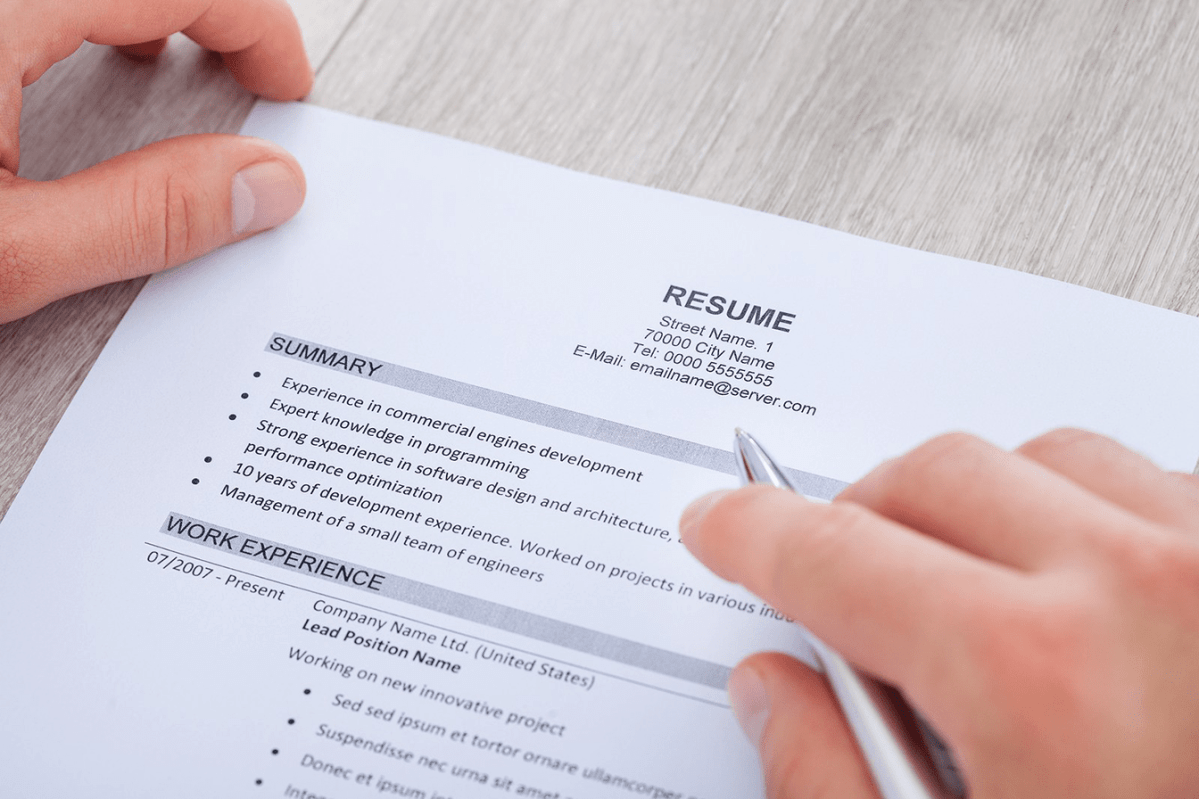
English Corner – Creating a Resume

What is a resume? To sum it up, it is the backbone of your professional background and experience summed up in a one or two-page document which you will be showcasing to potential employers and/or co-workers. It is not the sum total of who you are as a person but rather who you are as a worker and what professional skills you have to offer and to whom your skills would be useful for. In order to get a better job, to get a better salary, or to get that promotion to take the next step in your career, a good resume could make the difference between a ‘yes’ or a ‘no’ answer when it comes to you getting that employment opportunity.

The resume is how you showcase yourself to the professional world and let companies and organizations know what your value would be to them. It’s a document that is the heart of your application, but it’s not the only piece of the puzzle to getting a job. The ideal resume by U.S. standards is 1 to 2 pages length and nothing longer than that. The CV (Curriculum Vitae) is different from a resume.

Again, a resume should highlight your professional experience, educational background, job skills and knowledge, and your technical capabilities. You can create different resumes depending upon the job you’re applying to especially if you can only highlight certain previous work experiences. Without the interview or direct networking, the resume and the cover letter, if requested, are the only ways that you will be able to reach potential employers.

It’s a summation of who you are professionally, what you can offer in business, and should showcase your work effort and drive. It is also a great way for employers to verify that you are qualified for the job opening and that you would be an asset to them rather than a liability.

Compared to less qualified candidates, if your resume looks good on paper, you’ll be able to stand out for a potential interview when your qualifications are better than the other applicants.

When you first beginning writing out your resume, you are going to want to make sure to use action words to highlight those professional experiences and your previous accomplishments you’ve had as well. These actions words should not be the same each sentence and you should never repeat the same one more than once. Also, it is important to use the present tense or past tense correctly based upon if you are still doing the same job or if it was done previously and that you are no longer there.

There are hundreds of action words in the English language and learning a good amount of them is a great way to ensure that you have a good resume. In order to keep the interviewer interested, you do not want to repeat the same action word twice or three times so be sure to do your best to learn as many as you can and know what the meaning of those words are too.

Your action word is a key component of making the resume look legitimate to the reader. The action word should always go at the beginning of the sentence (i.e. next to the bullet point) during the ‘work experience’ part of the resume. If you are currently working at a job but are applying to change to a new job, the action word must be in the present tense. However, if you are writing about previous work experience in your resume, your action words should be in the past tense. Without using action words, your resume won’t look as persuasive or as actionable as it could be otherwise. Your employer will want to know what you bring to the table based on your past work experiences.

Here is a list of good action words you can use in your resume if they apply to what your profession does, it is a small sample list but includes many words that commonly come up in professional resumes and accurately depict what some jobs do:

  • assemble
  • assist
  • build
  • cook
  • drive
  • fly
  • operate
  • program
  • repair
  • sell
  • sew
  • supervise
  • translate

Action Word – Sentence Examples

  • Assemble the cars in the manufacturing plant before they can be inspected.
  • Assembled over 10,000 cars in the manufacturing plant before they were inspected.
  • Cook meals that were prepared by hand without any outside training.
  • Cooked dozens of meals per day that were prepared by hand without any outside training.
  • Lead a Sales team of five people to sell medical device products to clients.
  • Led a Sales team of five people in selling hundreds of medical device products to clients in biomedical industry.
  • Develop software products to make it easier for customers to order their groceries online.
  • Developed ten different software products that made it easier for customers to order their groceries online.

In the introduction of a resume, you will want to be able to do many things well to set it up on sound footing before getting to the heart of your resume by introducing yourself and your current skillset. You will want to have a statement of one to two sentences discussing who you are and what you can offer to the employer. It’s basically a summary of your resume and a short summary of what your professional skillset is.

“My name is John Anderson and I have over 10 years of experience in digital marketing focusing on SEO, social media, and advertising campaigns. I am a dependable, hard-working, and motivated individual looking to expand my knowledge and expertise.”

Remember to include at the top of your resume your full name, address, e-mail address, and cell phone number so the employer may be able to contact you.

Headline Example:

John Doe

22 Winston Way, Toronto, Canada 24589

   John.Doe@gmail.com

                                                  +( ) (   ) (   ) (    ) –> Phone Number

 The body part of your resume should focus on two major parts: your professional experiences as well as your educational background. At the top of your resume, you’ve introduced yourself and your professional profile but now you want to go more into detail.

Make sure to include relevant bullet points regarding actions you undertook in each of your previous jobs as well as what goals you were able to accomplish. Remember to write in complete sentences and use a timeline in chronological order from most recent to furthest away in terms of commitment.

For example: Bachelor of Arts Degree, Stanford University; Biochemistry (Major), Physics (Minor). 2011 – 2015.

In the conclusion, you want to highlight what your area of expertise is. You want to leave the reader aware of what kind of professional abilities, skills, and technical capabilities you have. Also, if you have any awards or earned any professional honors, you will want to list them in chronological order from most recent to furthest in the past.

If your work has been published or if you have any items in your professional portfolio, you’ll want to highlight the title of these articles as well as for which publication they were featured in. Depending upon what kind of employer you are focusing on, it’s sometimes beneficial to list what kind of hobbies and interests you have even if they are not professionally related. Regarding coding or foreign languages, you should highlight by the end of your resume which languages you know whether its Python (coding) or Spanish (foreign language) to stand out from the competition.

With a great resume, you will have a much better chance of landing that dream job. While it is not guaranteed, if you can explain yourself well professionally with good vocabulary with the correct action words as well as few or no grammatical errors, it’s likely you will be called in for an interview or be able to take that pivotal next step towards landing your next employment opportunity.

Patience Will Set You Apart

We are all imbued with the important personal trait of having patience. I believe that each of us is imbued with a certain amount of it though and there’s a certain limit or tolerance level that we have within us innately. It can be difficult to augment or increase the amount of patience you have without serious mental training and willpower. Everybody has some amount of patience, but that level will stay the same unless you can train yourself to learn to have more of it and to put yourself into situations where it is tested.

In my opinion, patience is the most important trait that a mature adult can have and can change your life for the better or for the worse depending upon how much it is exercised. The level of patience you have or what you teach yourself to tolerate will depend upon your overall maturity, resilience, and willpower. The less patience you have, the more stressful your life will be ironically. The more patience you have, the less stressful your life will be too. Managing your stress levels comes as a result of how much you are able to flex your ‘patience’ muscle.

Patience such as willpower takes time to develop but the more of it, you’re able to accrue, the more payback you’re likely to see later. For example, if you’re at a bureaucratic office of some sort and you are given a number to wait your turn and you’re not sure how long it will take for your number to be called, there’s no logical reason to complain about it. The more you get peeved about it, the more it will backfire for you. Why not make the most of your time and read a book, catch up on e-mails, listen to music, or even make a few calls to pass the hour(s)?

Not only in bureaucratic functions will patience serve you but in every aspect of your life really. When you’re learning a new language, you need to have patience regarding your ability to obtain and retain what you have learned in order to improve. When you’re starting a relationship with someone, you have to be patient with their faults and with their quirks because they are going to have to do the same with you as you get to know each other more and more.

When you’re getting used to your responsibilities and roles in a new job, it will take both patience and time to get the swing of things and you have to accept that you’ll likely make mistakes at first. When you are starting a business for the first time and you have to learn a lot of new skills as well as take on duties that you have never had before to grow the business. In any of these hypothetical but possible situations to occur in your lifetime, you have to be patient in any of these personal or professional endeavors regardless of what they are.

When things are not going your way, you just got to keep your composure, keep pushing through, and stay optimistic that things will eventually work out. Like quitting too early, giving up on exercising your patience will backfire on you more often than not. Nobody really likes someone who loses their patience a lot. There’s a time and a place for confrontation but that is a very rare occurrence especially in an extreme circumstance where you really cannot wait or deal with any further delays. If you don’t have anywhere to be, if there’s a solution to be had, if it’s not a big deal in the grand scheme of things, it’s better to be patient than blowing your gasket and letting go of your emotions.

You will earn respect from other people if you are able to be level-headed, to not let your emotions overtake your decision-making ability, and to keep calm under outside pressure(s). It is a great way to set yourself apart when you are able to exercise patience in 95% of situations and in the other 5% or able to de-escalate the situation calmly without losing control in some way. It is also a fallacy to suggest that you can’t exercise patience and stand up for yourself at the same time.

You do not have to be confrontational, but you do have to advocate for your interests and for your livelihood. This all can be done without losing one’s patience and it will be a sign of how emotionally mature you are when you are able to express your emotions in a healthy manner. Being able to exercise patience on a consistent basis will also make you happier, healthier, and more appreciative of others, flaws and all, when you can maintain a real sense of calm and composure.

Exercising patience is a real skill and positive trait to have that will pay off for you and then some throughout your life. However, like any muscle, it has to be exercised constantly and because life will test you, often at the most random times, this particular muscle will be tested often and you have to decide how much you can adapt and beat these tests that life will throw at you. Speaking as someone writing this article who sometimes struggles with exercising my own patience, it is a lot of work, but it is worthwhile to get better and better at it.

Whereas meaningless and trivial things would have bothered you in the past, if you can simply brush them off and move on quickly to focus your patience and your willpower on things that actually matter to your life and livelihood, then you will be on the right path. Do not let the small irritants of your day-to-day life affect your patience because you will waste precious emotional capital on inconsequential problems. When the waiter takes too long with the bill, when the checkout cashier is rude to you, and when the boss wants to call an extra meeting over something that was previously agreed upon, take a deep breath and let it all slide off your back.

Remember to guide your thoughts to real things that affect you and wait out or not react to the small irritants. The real battles of your patience will be much larger and longer in scale so don’t waste exerting a lack of patience for those irritants of minutes or hours. Save up your patience for the days, months, and years in your personal and professional endeavors that will require you to be in top shape emotionally to handle the challenges that are to come along.

As I have mentioned in other articles, a real mixture of commitment, patience, and willpower will set you apart and cause you to succeed in the long run where others do not. Those three emotional traits are a sign of both intelligence and maturity. Letting them decay or not exercising them consistently will set you back and cause you to fail more. Always do your best to keep those three traits in mind when you set your mind on something new because you will need all three traits of commitment, patience, and willpower to get ahead in life and to make your life the best it can be.