Why You Need Something To Look Forward To In Life

“Life is not just about paying bills, taking care of errands, and going to and from work or school. No, life is more than just going through the motions.”

Life is not just about paying bills, taking care of errands, and going to and from work or school. No, life is more than just going through the motions. As an adult especially, you must have a life beyond the daily grind. You must be going out of your way to make time to enjoy life and to have something to look forward to, as frequently as possible. Life is short and days, weeks, and months can pass you by without taking full advantage of it. As you get older, it becomes not just about being successful and finding purpose but finding enjoyment out of it before your time is up here.

Enjoyment doesn’t have to lead to you spending your money needlessly. It could be going on a walk, a hike, or chatting with a friend on a park bench. You can enjoy the sunrise, the sunset, or take the time to exercise and feel good about yourself as a result. These are all things that you can look forward to without spending your hard-earned money. While there is nothing wrong with using money to have fun and relax a bit, it’s not the end all be all with looking forward to a gift, a purchase, or a subscription. If it brings you happiness and you’re responsible for it, monetary or not, you should always be marking your calendar each day to at least one thing or event or person you’re looking forward to interacting with.

Clearly, man or woman is not a machine and grinding endlessly just to sustain us alone is not healthy in the long-term. You can be a hard worker and still take the time to enjoy life even when you have a busy schedule. However, you need to also set boundaries and be willing to look at your time honestly to figure when and where you can fit this downtime in. You can easily get overwhelmed with errands, chores, duties, work, and other obligations and not carve out any time for yourself but that is no way to go through this life.

We all need our down time to reset, enjoy, and relax without feeling guilty for having done so. No one in your life is going to plan out your fun experiences or down time for you so you need to be actively doing so yourself. Managing your calendar well is part of that and being conscious of what brings you joy and happiness. Other people will often dictate for you what they think will bring you fulfillment outside of work or school, but you need to decide for yourself the best uses for your free time.

For some people, that could be playing tennis on a weekly basis, for others, it could be catching up with different friends over a drink or coffee over the course of a month. You should always be looking to make time for your fun and enjoyment as you see it best. It takes effort, communication, and planning but it’s better than just going through the motions without breaking up the daily grind a bit.

Being able to plan a vacation, a concert, a hike, or just time spent with loved ones is what really will fuel you through the ups and downs of professional and academic life. You need interests, hobbies, experiences, and people you like to get more out of life beyond the briefcase or backpack. We were not meant to live to work and earn our daily bread alone. Take the time out when you can to have something to look forward to doing, experiencing, or enjoying, whatever that may be, guilt free.

There will always be plenty of hours to give for that job, that class, or that bill payment, but there is less time for our free time by and large. That is why it’s important to plan out your free time well, to have a life beyond the grind, and to create fun, joy, and laughter wherever you can, whenever you can. Enjoy your free time and make the most of it because it’s not for forever and you need to make the most of the time we are given to pursue our own happiness.
Be Interested and Be Interesting

“How might you ask can you take a typical ‘small talk’ and make it interesting? Well, you should be able to show some humility by being interested in who they are by asking them some questions.”

Making small talk can be a necessary yet tedious part of daily life. It sometimes may not come naturally to you, and it can be forced at times. However, it is a courteous and polite way to get to know people who are complete strangers to you and to show that you are not oblivious to their presence around you. While ‘small talk’ often revolves around the weather, a simple ‘hello, how are you?’ or just mentioning something about the time of day, the commute to work or school, or maybe a small compliment to brighten their day, it can sometimes lead to a good conversation and even a new friend.

How might you ask can you take a typical ‘small talk’ and make it interesting? Well, you should be able to show some humility by being interested in who they are by asking them some questions. You can take a general comment on the weather to ask if they are used to that kind of weather or if it is new for them. That can lead to a talk about their hometown or where they currently live or if they are just visiting on travel. You would be surprised how a seemingly small question can lead to a wide-ranging and deeper conversation. A comment about the traffic or commute to your work can lead to a discussion on what could be improved about the roads, the transportation options, or if remote work would make things easier for you and the other person.

Even just asking for the time of the day can lead you to asking about their watch (if they have one), if their day is going well or not, and perhaps a comment on if the day is going fast or slow for them since we can tend to perceive time’s passing differently from one another. Key to taking ‘small talk’ to what could be considered ‘medium talk’, or a genuine conversation is to listen intently, wait until they are finished speaking, and follow up with a question or a comment relevant to what they told you.

If you are in a rush, are having a bad day, or are just not in the mood to continue the conversation, you can let it end after the ‘small talk’ or pleasant greeting or two. However, if you feel like you would like to get to know the other person or group of people better, make sure to listen, let them finish, and ask a question about them (within reason), or like the general comment(s) you made, and keep the conversation going for a while longer.

You should not have to do all the work in the conversation and if it is running its course, politely excuse yourself and say goodbye and that it was nice to meet them. Conversations naturally start and end but if you would like to be more social, make a new friend, or just put yourself out there in the world more, you must ‘be interested’ in those around you. You should do your best to refrain from making the conversation all about you at first and what you’re up to. Naturally, that should make its way into the conversation but if you started talking to this person, you would like to get to know them more, then, I believe you should be interested in who they are, find out more about them, and get to know them beyond just the time of the day, the weather forecast, or how their day is generally going.

Even if you feel like you don’t know much about their work, school, hobbies, interests, or where they are from, it shouldn’t prevent the conversation from continuing as you can show curiosity about their background and try to learn more about them from themselves. If there is anything I have learned about my own social life, people like to talk about themselves and will be happy to answer questions about themselves if done in a polite and respectful manner. It’s important to know someone’s boundaries especially if they are still somewhat of a stranger to you but usually, they’ll be willing to share a lot about who they are, where they are from, what they like to do in their free time, and what gets them excited about life in general.

If you feel like your social life could use a boost, I recommend being more interested in others and you should start to feel like you’re making progress in your conversations. Now, it should not be so one sided that they know nothing about you as that would be a bit odd as they’ll likely want to ask you the same questions in response. The conversation should not feel like a one-sided interrogation or a job interview. There should be a natural give and take where you both are interested in each other and you are letting each other answer questions, talk about possible mutual interests, and even discussing if your personal backgrounds overlap at all.

The 2nd part of a successful beginning of any kind of positive first impression is to ‘be interesting’, which I know is a broad statement to make but you should have things to talk about to that person. You should know a little bit about where you’re from, talk about what excites you about life whether that’s a particular hobby, interest, or activity you like to do. Your life will often involve work or school or both at the same time, but I would recommend making yourself interesting beyond what you do to make a living. If you like traveling, let the person ask you about where you’ve been. If you enjoy learning languages, discuss which ones. If you like to build bird houses or molding ceramic pottery, discuss the process(es) involved in getting either activity done.

While you should be interested in other people to get to know them and have interesting conversations, don’t be shy to discuss who you are in return. You should have a life that is beyond work or school even if it is a large part of our lives. If you don’t have many hobbies or interests, perhaps pivot to what goal(s) you have for the future. It is easier when you have a lot on going on in terms of your outside interests, activities, or hobbies, so that is where the ’be interesting’ comes into play.

You don’t have to be doing something cool, exciting, or fascinating every day, but I find it is easier to build a friendship or relationship when you can share something that you are passionate about and can even include them in on. Whether it is traveling together, going on a hike, building something out of wood or metal, or maybe playing a sport, you can show you are an interesting individual. You can also show that you are inclusive too by allowing yourself to show that hobby or interest to the other person and see if they would enjoy doing that with you as a result. They can also let you join in on what they enjoy doing as well giving you a new hobby or interest that you can learn more about, partake in, and build upon with that other person as well.

Being social may not come naturally or easily to some of us but I think a good way to make it easier is to ‘be interested’ in who they are, what they do, and how they came to be who they are today. Once you do that, you can show that you can ‘be interesting’ with what you enjoy doing in life and that you would like them to be involved or help them learn about it and see if it is something they want to try. I think these are two good ways to be better socially and can lead you to building stronger friendships and relationships as a result.

The Utility of Making Lists

“A key productivity hack that really works wonders in our fast-paced, modern era, which involves both discipline and consistency is to make a list. It is also an excellent habit to build upon and one that only requires your laptop and a ‘notes’ application or just a simple pen and piece of paper.”

A key productivity hack that really works wonders in our fast-paced, modern era, which involves both discipline and consistency is to make a list. It is also an excellent habit to build upon and one that only requires your laptop and a ‘notes’ application or just a simple pen and piece of paper. Lists have a reputation of being tedious and time-consuming, but what is actually more time-consuming is spending minutes or even hours trying to remind yourself what tasks or items you actually have to do.

List making is a good habit to build upon for a number of reasons. You hold yourself accountable and there is no shirking away from what you have set for yourself. The biggest misconception when it comes to lists is that they are all the same and focused on a to-do list. You can make lists for other reasons ranging from your progress at the gym with different weights you’ve lifted and what you hope to accomplish next to your future goals in life and what you hope to do in your ‘bucket list.’ Lists not only involve things you have to do whether its grocery shopping, what bills you have to pay, or what errands you have to run but also what career / business goals you have, what your exercise regimen looks like or where you hope to travel to in terms of next destinations.

Making lists is part of exercising that daily discipline that you need to have in order to put yourself on a path to success. It’s easier to accomplish your goals or your tasks when you remember what they are. You may have an amazing memory and feel you don’t need to have any lists at all but having that reminder especially if you have a due date for a pending school assignment or a work task can really help you especially if your memory fails you, which is always possible.

The impact of technology in our lives has made our attention spans that much more limited or distracted so I believe that the utility of lists has increased in response. There are many more things on our plate that we have to pay attention to that we may not have time to remember them all. Lists can help us organize these tasks from most urgent to least urgent and give us some peace of mind since you would likely have these lists stored in a place such as in an application on a computer or in a folder if you’re more traditional with pen and paper.

Not only do lists help to organize our lives, our goals, and our tasks, but lists also hold us accountable just by the fact that they make clear what you have done or what you have not done. There is no arguing with a list because you have either done it or not done it. You can indicate in a list your progress towards the goal or the task but it’s better to simplify it to be blunt to ask of you whether the item is completed or not. If it isn’t done yet, you can go back to it to see how much you have left to do, whether it’s been started yet, or how much you have left to finish. That kind of blunt accountability, which can be lacking in our society, is going to be staring you right in the face, so there is really no hiding from a list because it does not sugarcoat anything or try to come up with an excuse.

I also would like to point out that making too many lists can hinder you from achieving all you would like to get done each day, each week, or beyond. You should be careful not to make too many lists or have too many notes where you start to forget what actually is most vital to get done. I would recommend instead to make one list only for a specific part of your life such as one for exercise, one for work, one for business, one for errands, and perhaps one for future goals. That’s five lists right there on a specific subject so not to become too cluttered or difficult to implement. Lists can help you out a lot up to a point but can become burdensome when you have a dozen lists for ten different parts of your life.

In any list you make, focus on a main goal you wish to achieve for the day and then start to branch out to include weekly tasks and then long-term goals that may take months. Organizing an individual list around immediate, medium-term, and long-term tasks is an effective way to stay on top of each part of your life that will need attention. Having five lists, for example, can be helpful too where you might start the day looking at your exercise task(s) to complete, then move on to work/school, then see about errands, and then see what future goals you are working towards that you can start on. Organizing lists is about as important as making lists to begin with and it’s very important not to make too many lists where you feel like you can’t keep track of them all or have too long of a list where it distracts from your other lists that you’re working on.

You may be thinking to yourself right now, why do you care about making lists so much and why have lists at all? Having list(s) is about building structure in one’s life. You can create good habits from following your lists and you can organize your life in a meaningful and productive way. Also, you alone can hold yourself accountable with lists as it’s only you who knows about the list and is responsible for completing the goals and the tasks that you set up for yourself. No one else is going to hold your hand so it’s up to you alone to be reliable, responsible, and solely in charge of ultimately crossing those important items off your list(s) to help make your life a better, happier, and healthier one.

Steady As We Go

As we all know by now, the world is going through a very tough time right now. Instead of speculating about when will things be back to some sense of normalcy, it would not be right to do guesswork about that as of today. Instead, I think it would be best to remind ourselves of a few things we can do over the next few weeks or months to prepare ourselves both mentally and physically for these challenging times. I would like to give my readers out there some advice which has helped me so far in terms of moving forward with my day-to-day activities and also the larger goals that I have for myself.

  1. Take Care of Your Friends and Family: Now is the time to be there for your family and close friends in any way that you can. Even if you are not in the same city or in the same country, take some time out of your day to call or message them to see how they are doing. If you can do so, try to help around the apartment or house with cooking, cleaning, running errands, etc. This is a time to be close to the ones you love and to be there for them.

Remote work and schooling are important and should be a priority, but you should not forget to make time for those around you and to check in on them. Given how much running around you could be doing, you will likely have more time to reach out to loved ones and really take the time to engage in conversation or have dinner together or just to FaceTime every night before bed. I think it is the #1 priority right now to have during this difficult time.

  1. Look for New Opportunities: Obviously, this is a hard time both employment wise and financially. If you have to find a new job or a new opportunity, do your best to be prepared to find those jobs and work opportunities even if they are not ideal for your long-term career pursuits. In a time like this, it would be best to swallow your pride and expand your availability for jobs that will be coming down the pipeline. You have to do what you have to do within reason to keep the lights on and feed your family. It may be working to stock shelves to delivering groceries or to work as a receptionist but if it comes with health insurance and a decent wage, it may be in your best interest to take that opportunity at least for a few months.

Nothing is permanent and even if it is not a job you want to be doing, consider it a way to build up your resilience and to be helping others especially if the job calls for it. The wider you broaden the search, the better off you will be. You just want to make sure you polish off your resume and your cover letter to update it after a gap of some time.

  1. Be Kind to Others: People are stressed out and worried. You have to act like that is currently the situation and give others the benefit of the doubt. You don’t know what is going on in their lives during this crisis and it’s not something you should be asking about. Be respectful, patient, and kind. Don’t be demanding, rude, or just overall a bad person to others. There is such a thing as karma, and it can accrue in both good and bad ways especially now. I do believe that you should treat others the way you would want to be treated and that is how you should approach life under quarantine.

Tempers can flare with ease and things can get out of control so just be aware of your emotions, realize that nothing is worth a verbal or physical confrontation over (especially toilet paper), and always remember to say please and thank you. It does not cost anything to be nice and you should always leave the house if you have to now with that in mind. Good manners will always help you get through a crisis like that.

  1. Volunteer and Donate If You Can: This is only a suggestion but this is the time to give blood if you are eligible, donate extra food and clothes to those organizations who need it and can vouch as to where the money is going, and also see if you can deliver groceries if you have free time. It should go without saying that you should only be volunteering in public if you have a clean bill of health and have not been traveling overseas in the past two weeks. I have seen numerous remote volunteering opportunities pop up in the past week include video conferencing with senior citizens and asking as a pen-pal for them as they stay secluded at home and could use a friend.

Get together with some friends and put together a spreadsheet of organizations / places in your local town or city that are asking for monetary donations or for food/clothing/supplies, etc. It is a misconception that you need to leave the house to donate or to volunteer. In a time like this, sometimes, people especially the elderly or the solitary just could use someone to talk to or listen to them. I have heard stories of mental health professionals volunteering their time for free to help those people in need and that warms my heart quite a bit. If you are not completely healthy and/or free of symptoms, you should not be volunteering outside of the house!

  1. Stay Home and Wash Your Hands: This advice should go without saying by now, but it should be repeated that you should not be leaving your home unless your job requires it or if you need to pick up groceries or go to the pharmacy. I try not to compulsively wash my hands but it’s better to overdo it than under-do it so make sure you sing the ‘happy birthday’ song twice and use enough soap for the 20 seconds it takes to wash your hands.

If you can go for a walk on your own, it is great to get some fresh air even if it is just around the block. You will need some sunlight (vitamin D) and as long as you maintain your social distancing of 2 meters (six feet), there’s nothing wrong with walking for 10-15 minutes to clear your head and shake off the inevitable cabin fever.

  1. Cleaning, Cooking, and Organizing: A good way to avoid being lethargic during this time is to occupy yourself away from work and/or school by keeping things neat, tidy, or clean in the house or apartment where you reside. Daily tasks like cooking meals, cleaning your room, or organizing your papers will definitely keep you busy. Currently, it’s ‘Spring cleaning’ season so you will have your work cut out for you these next few quarantined weeks if you have not cleaned your place since the beginning of the wintertime.

Who knows? If you found extra items or clothes around during cleanup time, you could perhaps donate them when you’re finished collecting all those things you may not need but may help out somebody else during this tough time. With restaurants closed for the time being and delivery every day an expensive proposition, now is the best time to crack open your old recipe book and take your cooking more seriously.

You may be able to eat healthier now more than ever with the added time to cook and prepare your meals in advance and it is a good way to bond if you have a family or a loved one with you. Organizing extends to your personal computer and devices as well to make sure your files, bills, and documents are in order. Don’t forget to take the time to give your phone, tablet, or laptop a good cleaning too because it is a germ magnet and it would be wise to keep it clean as much as possible.

  1. Get Some Exercise In: Gyms and fitness centers are closed. No more pools, saunas, or even Yoga classes. So, what do you do now? Well, it can be easy to give up on your fitness goals but luckily, we have the Internet and delivery services are still working. You can utilize both to keep working out as there are hundreds of home workout exercises and guides out there now. Most of the information is free to use and easily accessible especially with YouTube videos showing you exactly how to do these exercises.

I believe you don’t need much to do these workouts as most of them can be done just with your bodyweight when it comes to pull-ups, sit-ups, pushups, squats, crunches, etc. If you can spend the money, it doesn’t hurt to get some free weights or some barbells in order to add some weight to your exercises. You can also get creative by doing some Yoga and Meditation with just a simple mat.

Due to the Internet, you can look up practically anything fitness related to create a good 30 to 45-minute workout. As if that wasn’t enough, you can always use your body to move quickly with sprints, hill runs, jogs, or a brisk walk if you can get out of the house for a bit. It won’t be the same as going to a physical gym, which has a ton of equipment and a sauna or other great amenities but it’s better than nothing and it is relatively easy to make the most of it.

  1. Flex Your Creative Muscle: If you have some extra time on your hands now, put it to good use by being creative. Sit down and figure out how best you want to pass the time in a productive way. Perhaps you can learn an instrument, pick up a new language, or even write an eBook or an entire book. Harness that energy into action to make the most of your time spent indoors and without most of the distractions that we have in our normal daily lives.

In the next weeks and months, I am positive that there will be an absolute growth in creative pursuits, both online and offline. There are a number of skills and traits that you can work on almost always for free or if you spend money, it is likely be a worthwhile investment from the right teacher. It is also a great time to develop that business idea or side hustle you have been thinking about but never actually committed to. You can always bounce these ideas off your family and friends or if you are able to do so, try to find like-minded people through your network or your organizations to see what they think of your idea and if it has some potential.

Isaac Newton, for example, worked day and night, when a great plague was spreading around the world and due to the time he had to just sit, learn, and experiment, he was able to come up with the brilliant equations and inventions that helped invent the modern life that we have today. Even if you fail, it is better to have tried and done your best than to have wondered later on, what if?

We will all get through this difficult time. It will be a tragic time in human history, but you will be a stronger and more compassionate person at the other end of this pandemic. There are often things in life that happen that are out of our control. It sucks and it is demoralizing but you have to move on, move forward, and keep on moving. We have no choice but to move on and to make the most of the time that we are given. We owe it to ourselves, our family, and our community to be the best that we can be especially now. I hope you take this difficult time to be caring, be kind, and be productive. I wish you well and hope you are well.

Why Do We Read?

We often hear the phrase in school that “Reading is fundamental.” Maybe it is our parents, our teachers, or our friends who play the biggest influence on us when it comes to imparting the wisdom of how important it is to read and to read a lot. I remember taking trips to the school library when I was younger to pick out a book and read during recess or after school if I were to borrow one. Sometimes, my classmates and I would go to book fairs to buy a few books for cheap where they would be different genres including action, adventure, history, science fiction, etc. I always looked forward to these book fairs or to go to the library and I was lucky enough to go to schools where reading was encouraged and how it was part of the curriculum. This freedom to pick out books to rent or to buy and to choose what, when, and how to read is one of the fundamental joys of life. However, even in our modern age, I find that reading books is not emphasized nearly as enough as it should.

While we have access to more information than ever before in more ways than ever before, there are still disappointing statistics when it comes to how much the average American is reading books. According to Pew Research, a quarter of American adults have not read a book in electronic or physical form in the past year, either in finishing part of a book or finishing the whole of it. Even with the rise of electronic books such as Amazon Kindle, audiobooks such as Audible, and the continuance of the printed book form, there is still a sizable part of the population who choose not to read books.

It is important to note that you cannot force someone to read books or to acquire knowledge through the written form, but any society does have the responsibility to give its citizens the chance and opportunity to read books at low to no cost. In order to do this, it is important to foster a great sense of importance surrounding books and the acquiring of knowledge through that medium from a very young age. Every child should have access to discounted or free books so that they learn to love reading whatever the subject may be. I was lucky enough to have access through my school, the local public library, or through being assigned books to read by teachers who cared. Every young person should be able to access the same opportunity to read and to acquire knowledge in that way without barriers.

Reading should be a fundamental right and not a luxury. To build a better society, fostering a love of reading plays a critical yet underrated role. At our core, most of us are curious about the world and we can learn so much about it if we have access to books. Reading can be quite powerful in several ways in that it expands our comprehension of the world and all its peculiarities.

Our ability to experience the word is limited so reading plays a great role in expanding our understanding of different people, places, and concepts that we may not get direct exposure to. This is especially the case when it comes to geography, history, science, etc. because while we may not experience these events or these chain reactions or these places directly, reading books is the closest any of us will get to being there in person or being apart of what happened.

Reading also forms the basis of having a strong imagination, one that can conceptualize and create new ideas based on previous books that one has read in the past or currently. Architects, engineers, politicians, scientists, writers, etc. can better develop themselves in their professions precisely because of the books that they have read from those who came before them. While you wouldn’t copy word for word the experiences or the work of others, anybody who reads can take those ideas to influence their own ideas to carry our actions that would change the world in some measurable way.

Reading books is also a needed respite from the daily anxieties and stresses that we experience in daily life. Taking 30 minutes to an hour at night or in the morning to escape to a fictional, fantasy, or previous state of the world is a way to calm the mind and to let your imagination run wild in a healthy manner. To calm yourself down, to ease into a nice book, and to let your mind wander for a little while is a key part of developing a healthy individual and is almost meditative in its calming nature.

Long after high school, college, or even graduate school, the knowledge and wisdom encapsulated in books will remain an important way to develop oneself intellectually and stoke one’s curiosity long after the first part of your life is over. Reading is a way to tap into one’s ability to be a lifelong learner and to become better in your profession or in your career pursuits. Whether you want to become an expert in your chosen field or to start a business or to run with a new idea that could change the world, books hold the key that could make your dreams a reality.

Perhaps the next time you see someone reading a book, go up to them and politely ask them about it. You should bring yourself back to that time when you were younger, and you walked down the halls of the school or local library and were curious about many books that all seem captivating. You should not let that fire go out of you as you get older. You should make the time to go to the bookstore, to the public library, or to a local fair to read something that perks your own interest. One of the worst things that we can do to ourselves is to lose that sense of curiosity and wonder related so closely with reading a new book for the first time. It is also important to bond with other readers, find out what they like to read, and whether they would be able to recommend you anything based on your personal tastes.

Cultivate that love of reading and spread it around to your friends and your family. Reading books is contagious, and people are curious so don’t be afraid to read a book at the lunch counter, on the subway, or even in a public park. We can get more people to read books again by setting the example and by imparting the knowledge and wisdom gained from books to others through our reading experience. As I mentioned at the beginning of this article, “Reading is fundamental” and it should not be gone to waste.

Any active and engaged reader should also be standing up for others in terms of easy access to books, whether psychical or digital in our modern age. In your community, city, or country, you should be playing a part to make sure that public libraries stay open and are in good shape. You should donate books when you are done with them and especially to those children and adults who go without them. In addition, volunteering to read to children and/or teenagers is a great way to give back to your community. Everybody should have access to read and they should not be limited by the cost of it. That is why it is extremely important to support those politicians and community leaders who make sure the schools have libraries, that the public library is free for all, and that there are local book fairs that are cheap and are not too expensive for those citizens who want to buy books.

Without books, true knowledge and wisdom cannot be obtained. Be wary of those who do not read at all but do not insult them. Instead, try to bring them on to your side by highlighting the benefits of reading and how it has changed you to be a better learner. Reading should not be forced, of course, but it should be encouraged in helping to build a better society and a better world. Anyone can play a small part in this and I hope that you, the reader of this article, will play a small part in shaping it.

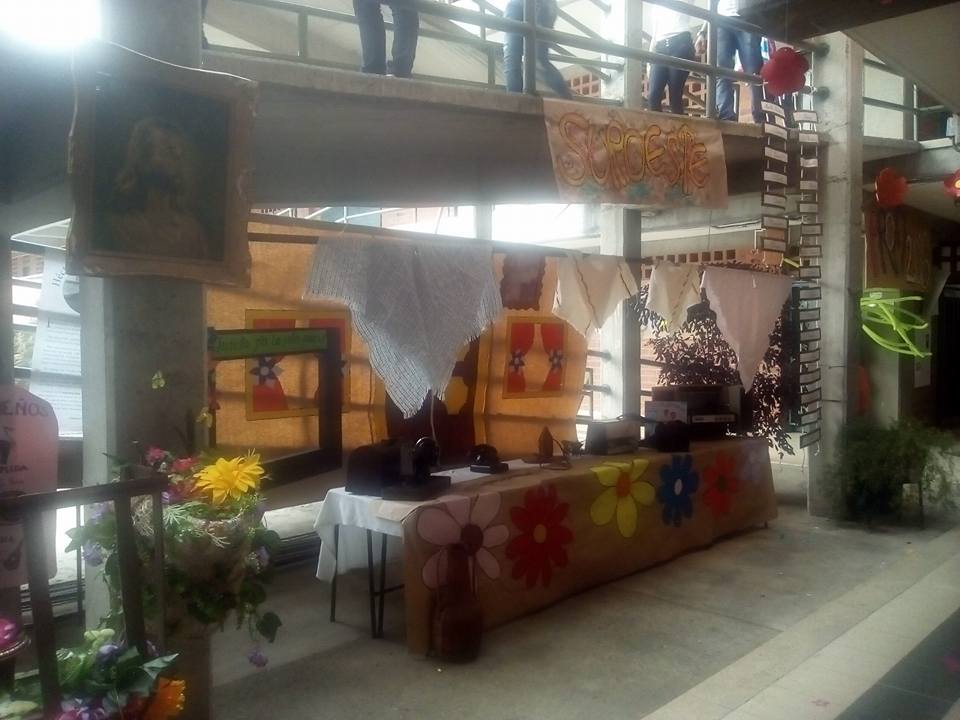
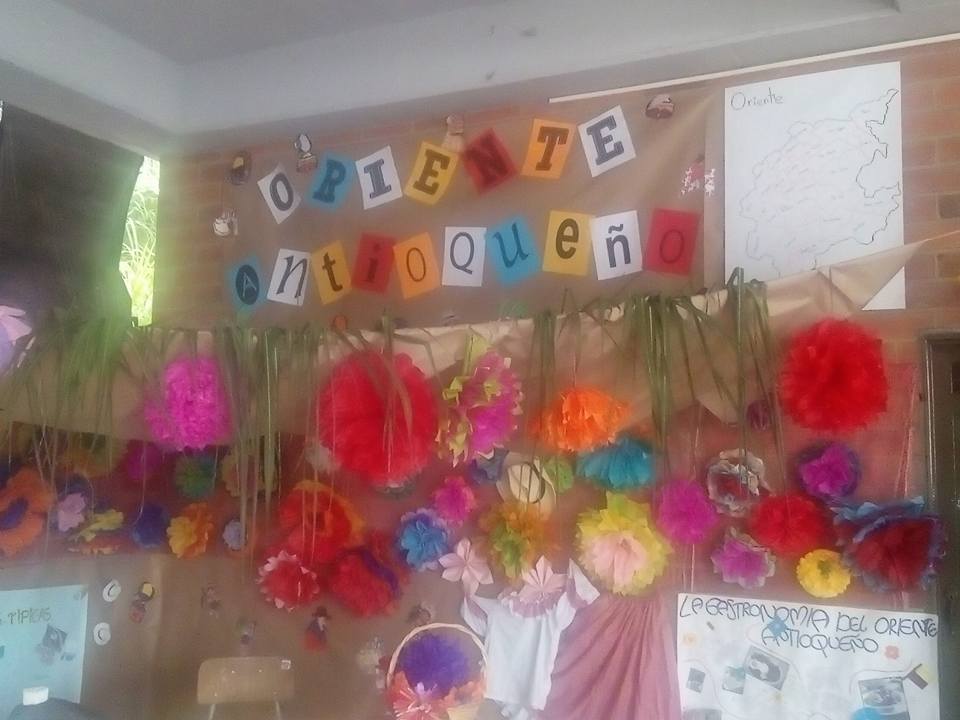
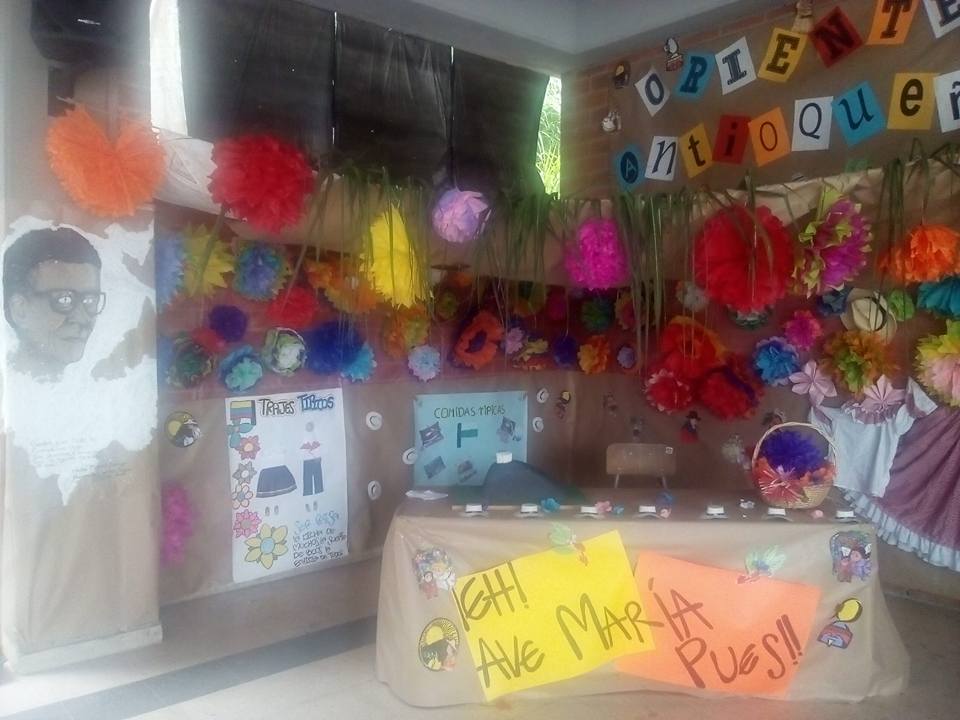
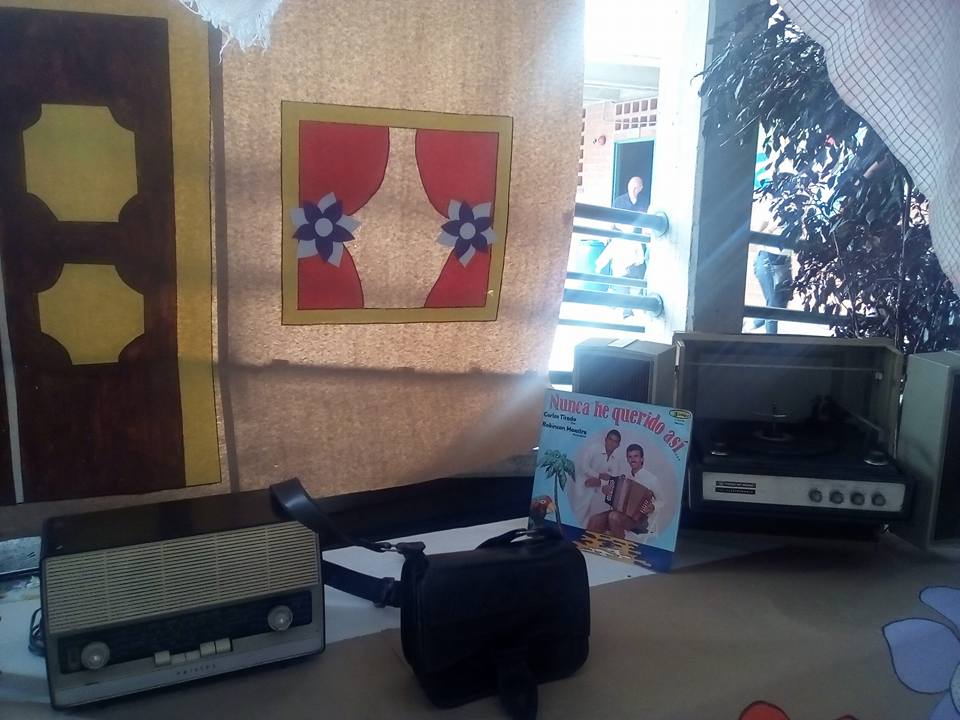
Antioquia Day


antioquiaday6

antioquiaday

antioquiaday3

antioquiaday4

antioquiaday5

antioquiaday7

antioquiaday8

antioquiaday9

antioquiaday10

antioquiaday11

Camera: Lenovo A2010 

Location: Medellin, Antioquia, Colombia