A Little Solitude Can Be Good for You

“As much as it is important to socialize and be around friends, it can also be good to be alone, focus on yourself, and enjoy a little solitude.”

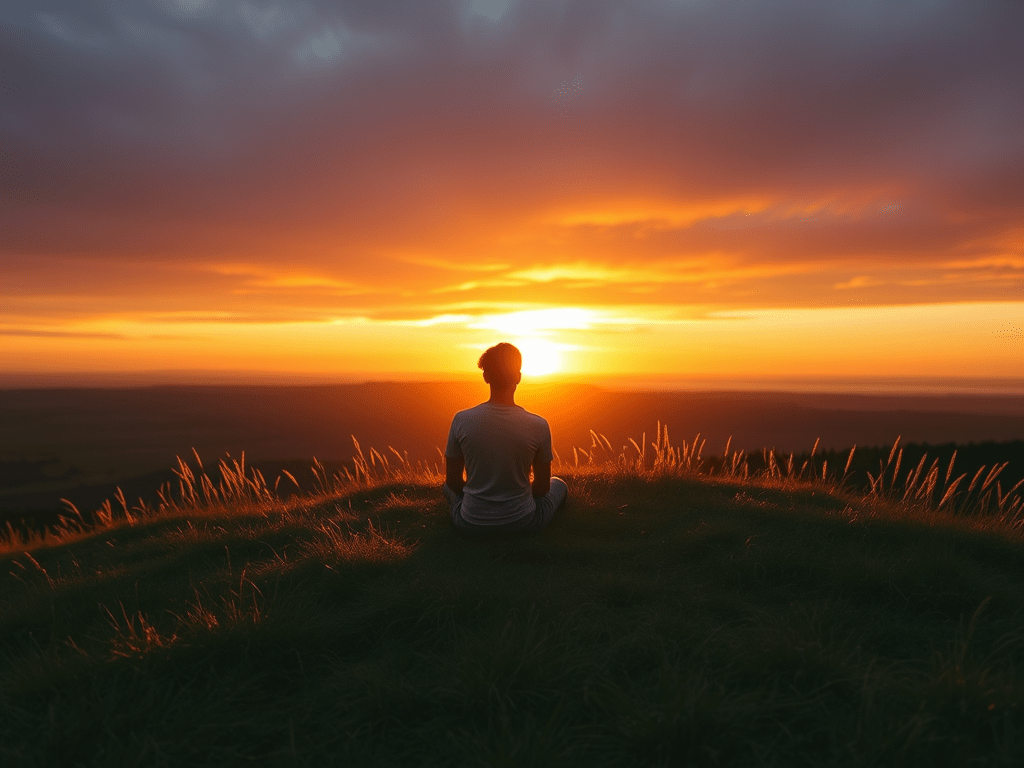
Sometimes, it’s good to recharge your batteries alone. We all need real social connection and friendship, that is for certain, but there is nothing wrong with seeking out solitude to enjoy your alone time. Everybody has a different tolerance for how much time alone they can handle before they seek out a social event, gathering, or activity to dust off the cobwebs and not let one’s social skills atrophy. As much as it is important to socialize and be around friends, it can also be good to be alone, focus on yourself, and enjoy a little solitude.

Solitude often has a negative connotation, and it is often associated with having it imposed on you or having it done without consent such as the similar phrasing of ‘solitary confinement.’ That kind of solitude is denigrating to one’s spirit and causes one to mentally break over time. Just like endless solitude is harmful to one’s health, I also think that is true for the opposite side of the spectrum when you are constantly surrounded by other people, some of them mere acquaintances or coworkers for which you are forced to be around and whose company you do not enjoy. There are many forms of loneliness, and it is true that you can be as lonely by yourself as you can in a room full of people who don’t care for you, or you don’t care for them.

If you are around people who constantly want something from you or need something from you, that can be as draining as it is to have no one to talk to or to share life with. Just as a balance of having some social activity is good for you, it is as important to be on your own sometimes and enjoy one’s own company. There have been times in my own life where I have sought to be on my own deliberately, not because I didn’t enjoy being around others, but that I needed the time alone to meditate, to think, to reflect, to problem solve, and to more fully observe the world around me. In extroverted cultures including in the United States, this kind of activity can be thought of as strange or unusual, but I find that my best ideas or my most relaxing moments can be on my own and even when doing nothing but just the art of being present in the world.

We constantly are having our attention pulled to the next meeting, the next call, the next trip, the next gathering that we can forget to take the time to be on our own in whatever form that may take. Solitary kind of activities have gone out of style lately for some people whether that is reading, writing, walking, meditating, or just doing nothing (looking at your phone doesn’t count here). While these things can be done in concert with other people around, these activities are best done alone in my view and help me to recharge so I can be more present and engaged when seeing friends or family members.

You shouldn’t wait on other people to live your life too even if it’s by yourself. If you must be alone for a little while on a trip, at a concert, in the library, and generally out in public by yourself, it is not the end of the world. No one is judging you for doing life solo sometimes and it can be healthy to do so. Rather than giving too many people too little of your attention or having it split too often, why not focus all of your attention on something singular such as the footsteps you take on a walk, the thoughts in your head as you absorb a good book, and the clacking of a keyboard as you work on your novel.

Being alone all the time is not healthy, I want to make that clear, but it’s also not healthy either to be surrounded by people all the time. Part of being a healthy adult is working to have a little solitude, a little social life, and mix it all together to rewarding yet refreshing lifestyle. By being on your own sometimes, you’ll be more reflective, more observant, more self-aware, and treasure those social moments more when you’re more present, more engaged, and happier to have that social muscle stimulated.

I’ve always been an advocate for a moderate and balanced life and that is why solitude should not always be shunned for someone to progress as a person. Our deepest thoughts, our brightest ideas, our healthiest habits aren’t always cultivated around other people, which is why it is important to use one’s solitude to see if you can think deeper, live better, and build more because your attention is focused inwards rather than outwards. Find out what your tolerance for solitude is and then see what it can give you when you’re alone, because you would be surprised how relaxing and necessary it can be, especially when you put that solitary time to good use.

Stop Romanticizing Stories of Overcoming Adversity Due to Societal Dysfunction

“We all should be striving to succeed but if you find yourself cheering for a success story that could have been avoided in the first place had there been a stable safety net and to have prevented the problem from arising in the first place, that is where more of our attention should be focused on as people.”

Look, I love a feel-good story as much as the next guy. I like it when someone can pull themselves out of poverty or difficult circumstances to achieve wild success for themselves and their next of kin. This is the kind of positive story that is often reported on in American media and popular culture. We love the story of the underdog rising above challenges to achieve something great. It seems to be practically embedded in our national DNA. However, the Achilles heel that we often refuse to acknowledge or focus on as a nation is how dysfunctional it can be to rise above a broken or fractured safety net to escape poverty, homelessness, or even medical debt. We all should be striving to succeed but if you find yourself cheering for a success story that could have been avoided in the first place had there been a stable safety net and to have prevented the problem from arising in the first place, that is where more of our attention should be focused on as people.

 I bring this issue up as this has been the kind of a ‘feel-good yet kind of messed up’ story that garners sympathy and appreciation from the average person throughout my life. For example, I was watching a nationally televised baseball game recently as I like to do sometimes and heard the television commentators for this game focus on the rags-to-riches story of one of the players on the field who has become wildly successful after going through tough times that involved both him and his family.

The baseball player in question had a newborn son arrive around the time of the COVID pandemic’s outbreak, who suffered from a series of seizures, which required a lengthy hospital stay and weekly checkups from the doctors there. The player himself could not play baseball due to cancellation of the MLB season at the time in 2020 and lost his health insurance at the same time his newborn son’s seizures started occurring. Because health insurance is tied to employment in America, the baseball player lost his health insurance at the worst possible time. They did not have enough money left over for housing after paying out of pocket costs for the medical care for their son. As a result, the baseball player and his family were rendered homeless for a while, living out of their family car in a Wal-Mart parking lot at one point in central Florida.

Luckily, even in this case of the dysfunctional health care system failing both this player and his family, having been left in the dust for a while, professional baseball, being the national pastime resumed a few months later in 2020, the baseball player regained his medical insurance and was able to pay off the medical debt due to his success in Major League Baseball over the past few years. I admire this player and his family’s resilience in the face of adversity and am glad his son is doing well now. The player is now a naturalized U.S. citizen also and visits children’s hospitals in the area where he plays to support families going through similar ordeals.

While this story in America had a happy ending after much sadness and anxiety for the family in question, I can’t help but think of the TV commentators’ from this baseball game’s lack of awareness about the societal dysfunction that leads to a whole family living out of their car in a Wal-Mart in central Florida with no safety net to speak of because one of them lost their job, through absolutely no fault of their own, which was tied to their health insurance coverage. It bothered me a great deal personally to not hear from the TV commentary to not mention at all the lack of universal health care in this country or the fact that you can incur thousands of dollars or more of medical debt so a son or daughter can get the treatments or surgeries needed to overcome seizures or other major medical issues.

While this story had a happy ending due to the player’s evolving skillset and MLB’s massive popularity, there are millions of Americans suffering out there currently due to a lack of a durable safety net to fill in the gaps in health and education. Come back stories to break through adversity are great and make for nice commentary but not everyone has had such luck and success navigating the American health care system.

Whether it’s GoFundMe or another online platform, many families have to rely on the kindness of strangers to help them pay down massive medical, educational, or other debt, which is never an enviable position to be in. We should not have to rely on complete strangers to fund necessary medical procedures or to get life-saving medications paid for in the United States. No one should have to forgo their home or apartment to go homeless to pay for medical bills either and be forced to live with their family in a car or on the street. I’m all for people striving to make the best of their abilities in their chosen profession but layoffs, firings, or other unfortunate events can happen leaving us jobless and without health insurance directly as a result.

I’m not going to discuss which kind of system to have regarding how insurance or how higher education can run in America but I do know that you shouldn’t have to rely on having a job at all times to get affordable health care and if you don’t have insurance when a procedure is needed, you should never go bankrupt trying to pay off your medical bills. We can argue forever about the size, scope, and scale of how a universal health care system can support the country while everybody pays their fair share into its functionality, but we should never reach the point where a platform like GoFundMe is needed to fill in the gap when it comes to someone’s health care coverage. The point of this article is not to discuss how such a new system would work or how it can be implemented but rather to address how this current dysfunctional system (or lack thereof) has been allowed to fester and continue without any solutions or improvements recently.

Lastly, feel-good stories are a good way for average people to relate to one another regardless of if you’re a professional baseball player or a janitor, but we should be taking the right lessons from these stories. We should be applauding the person and family’s resilience and their success in navigating the massive challenge, but we should also question on how we could let such dysfunction run a key part of our society or how we can allow this system to continue given that it bankrupts average people because they lost their job through no fault of their own.

Sometimes, in life, you must ask hard questions and those can include how we fix societal dysfunction and how we can be part of the solution in our own way as citizens. Asking these kinds of questions, holding our political leaders accountable, and focusing on the ‘why it happened?’ rather than the ‘how it happened?’ will help to cause some real change to happen and for these stories to become rarities in American society rather than sadly, all too common place, that we hear almost every day here.

‘Tikkun Olam’ – Why Healing the World Matters More Than Ever

“In a world that often feels fractured, chaotic, divisive, and downright overwhelming when it comes to making positive changes reverberate, the ancient Jewish concept of Tikkun Olam – “repairing the world”, rings out like a timeless call to action in 2025.”

In a world that often feels fractured, chaotic, divisive, and downright overwhelming when it comes to making positive changes reverberate, the ancient Jewish concept of Tikkun Olam – “repairing the world”, rings out like a timeless call to action in 2025. This ancient idea in Judaism isn’t stuck in dusty scrolls or isolated in synagogue sermons alone, as it is a timeless principle that challenges every one of us, of any religion or non-religion, to take ownership of the cracks in our communities, the inequities in our cities, the damage being done to our planet, and even healing the wounds within ourselves. Rarely, if ever, have I written about religion and my own faith background but the need for practicing Tikkun Olam is something in Judaism I’ve always held dear not just for myself but for others to participate in, regardless of their own religious or other background.

What is ‘Tikkun Olam’ and Why Does It Matter?

Literally, Tikkun from the Hebrew language means “repair” or “healing,” and Olam (also from Hebrew) means “world.” It’s an invitation to actively make the world a better, more just, and more whole place, even if it is just a small action you partake in individually to counteract the evils and injustices taking place at the same time. Originating in Jewish thought, this concept for lending a hand to fight injustice and to do some good in the world, has evolved into a broader ethical framework that resonates far beyond Judaism. It’s a powerful reminder that healing for humanity, whether social, environmental, economic or personal is not someone else’s job. It starts with all of us, and we must all do our own part, whatever form that may be. As Mahatma Gandhi famously said, “Be the change that you wish to see in the world.”

Why does Tikkun Olam Matter More Than Ever in 2025?

Look around what’s going on around the world today: climate change threatens our very survival as a species on this planet, social inequality keeps millions trapped in poverty and continues to increase (especially in the United States), countless thousands have died in recent wars and conflicts from Eastern Europe to the Middle East to Sub-Saharan Africa and political polarization fractures communities worldwide leading to extremism and increasing stress on democratic values and freedoms. It’s tempting to feel helpless with all the ills taking place around the world, like the problems are too big and complex for any single person to fix any of them.

However, Tikkun Olam flips that script on itself. It says: the world isn’t going to heal by itself and no one person can do it alone. It requires active participation by more people, conscious choices on how to commit good acts, and collective courage to stand up against known evils and injustices. As Margaret Mead wisely put it, “Never doubt that a small group of thoughtful, committed citizens can change the world; indeed, it’s the only thing that ever has.” History has shown us repeatedly that when regular people mobilize consistently for change, are organized around their cause that they know is just, then their collective power can indeed make things better if it is sustained and united.

Healing Isn’t One-Dimensional for Humanity


Tikkun Olam asks us to think holistically about how we heal as humanity. Healing the world means tackling injustice across the board, whether racial, economic, or social, because inequality weakens the social fabric whatever form it may take. It means protecting the environment, our shared home, from exploitation and neglect, and coming up with solutions that keep it that way for future generations. Perhaps most importantly, it means looking inward to heal our own biases, fears, and prejudices. Because how can we fix the world if we’re broken ourselves or unwilling to be honest about our own healing process? The philosopher William James said it well, “Act as if what you do makes a difference. It does.”

How Do We Live Tikkun Olam in 2025?

The beauty of Tikkun Olam is that it doesn’t require grand gestures or heroic feats because collective power to create change will always usurp that of any individual. While the average political leader, environmental activist, and social critic, can influence change with their platform they have, it’s not enough if no one else believes in your cause and will work with you to implement it together.

It’s in the everyday actions that really push change across the finish line: volunteering at a local shelter, voting for political leaders who will represent your beliefs and values, feeding and clothing the homeless with your donations, supporting sustainable businesses, speaking up against injustice in your community, or simply educating ourselves about the issues at hand. Small choices as well that we have heard about since we were children like reducing, recycling, or reusing your waste (if possible), donating time or money to causes that make positive change, or listening with empathy and kindness accumulate into real change.

The Road to Change is Never Easy but It’s Necessary

Good intentions sometimes falter no matter how much work and effort we can put into positive change. Activism can lead to burnout due to lack of support or funding. The world’s problems can feel like a tidal wave threatening to pull us all under. Tikkun Olam doesn’t promise a quick fix or painless journey towards being successful in seeing the world get better. It demands persistence, consistency, and resilience from everyone involved.

Here’s the truth of the matter: when you commit to healing some aspect of the world, you’re also joining a community of changemakers worldwide who believe in the power of repair and that is powerful to be in good company with other citizens wanting to better the world. As the novelist Paulo Coelho reminds us, “The world is changed by your example, not by your opinion.”

Looking Ahead: Hope for Action in a Fractured World

The future of Tikkun Olam or ‘healing the world’ lies in believing in global citizenship, recognizing that we’re all interconnected to one another despite our ever-present divisions. What happens halfway around the world affects us as much as what happens down the street from us. It’s about continuing to use technology, education, and cross-cultural understanding for good and work to bridge growing divides, learn from other’s advocacy to fuel our own, and inspire sustainable solutions that benefits humanity for the foreseeable future. The healing starts small but grows exponentially, like cascading ripples in a pond, momentum that starts in one town or city and spreads globally because of how universally justice, peace, and compassion can be applied. Reverend Martin Luther King Jr.’s words guide us here: “Injustice Anywhere is a Threat to Justice Everywhere.”

Why Waiting on Change Will Never Lead to It

If you are waiting on the world to change on its own, you’ll be waiting until your dying day. The world is crying out for repair from every one of us, and the clock is ticking. Tikkun Olam is more than a spiritual ideal from Judaism; it’s a practical roadmap for living with purpose in a fractured world. The question isn’t whether you can make a difference, amplify your impact by combining your efforts with others to create collective change on top of individual change to create that ‘ripple effect’ it’s whether you’re ready to start and what problem(s) do you want to start tacking first. So, what’s your first step? The world is waiting on you.

Life, Subscribed: How Everything Became a Recurring Fee

“Welcome to the age of subscriptization: a world where the default mode of engagement is no longer ownership, but ongoing payment(s).”

Okay, not literally everything, but it’s certainly starting to feel that way. Remember that feeling you had as a kid or teenager picking up a compact disc (CD), a DVD, or a book from the local school fair. You paid for it only once and then you owned it for life or if you didn’t sell it to someone else or lose it entirely. I get nostalgic for those days when ownership of items was the priority in this economy. We used to buy things.

Now, we rent or subscribe to experiences, housing, streaming services, and even our identity, one monthly or yearly payment at a time. From software and streaming to meals, mattresses, and meditation, life itself has undergone a quiet revolution from owning to subscribing. Welcome to the age of subscriptization: a world where the default mode of engagement is no longer ownership, but ongoing payment(s).

At first glance, this model seems like a win to anyone. Why drop hundreds upfront on a good or service when you can pay $9.99 a month forever? Subscription services promise convenience, affordability, and flexibility, and they’ve reshaped how we consume as a society. Need entertainment? Subscribe to Netflix. Need groceries? Subscribe to weekly HelloFresh deliveries. Therapy? BetterHelp sessions, available by month or more. Transportation? Try Tesla’s subscription model. It’s not just media and goods anymore; it’s your health, your fitness, your mental well-being, and your relationships.

However, beneath the surface of ease lies a subtler transformation if you haven’t noticed it already, one that touches everything from personal finance to cultural values. Subscriptions create the illusion of choice and control while tethering us to an endless cycle of micropayments that add up over time and can lead to a financial trap. They can fragment our budgets, blur the line between need and want, and slowly chip away at your financial autonomy. When every facet of life comes with a recurring fee or payment, you may never feel “caught up” or always feel like you need to add one more service to make your life more convenient. There’s always one more plan, one more upgrade, one more renewal reminder in your inbox making it harder and harder to unsubscribe entirely.

Beyond our bank statements, the subscription model is rewiring our expectations and sense of satisfaction with our choices. We’ve become conditioned to expect instant access, regular updates, and constant novelty, whether it’s a new show to binge, a wardrobe refresh, or the latest application feature update. That “always something new” mindset can quietly foster impatience, restlessness, and even entitlement. Why wait for anything or stick with something you buy once when everything can be delivered, streamed, or unlocked for a monthly fee? This kind of mindset creates a culture that prizes immediacy over depth, reducing life’s experiences to transactions, and undermining the joy that can come from delayed gratification or from rewarding true craftmanship.

As people, we are also internalizing the logic of subscriptization in how we relate to ourselves and others. Self-improvement has become something you can subscribe to, through fitness applications, meditation platforms, career coaching, or therapy on demand. While these tools have value as subscriptions, they often position growth as something you consume, not something you do. There’s a growing risk that we start seeing our personal progress as another product, measurable, trackable, and cancelable, rather than as a slow, often uncomfortable process that lasts a lifetime.

This recent economic shift also speaks volumes about our societal mindset. In an era marked by career instability and a gig-based economy that more people must participate in to survive and make ends meet, people are more hesitant to commit entirely for the foreseeable future, whether it’s to a car, a house, or a romantic partner. Socially, we now navigate dating and relationships through platforms that resemble subscription services themselves, where matches, friends, or followers can be swiped, upgraded, or ghosted as easily as deleting your Spotify playlist.

The emotional consequences of this wide shift are still unfolding, but the early signs suggest it’s making genuine connection more fragile, and commitment feel optional entirely. Subscriptions cater to our age of societal anxiety, offering an easy way out at any time. Don’t like it? Cancel it. Swipe left. Move on. That same disposability in what we subscribe to may be eroding our sense of permanence, ownership, and investment, in both materialistic and emotional ways.

Meanwhile, companies aren’t just selling services, they’re collecting our data for months and years because of the subscription model. Every subscription is a pipeline of behavioral intelligence; when you watch, what you skip, how often you order, when you’re most likely to purchase. Algorithms then feed this data back into your shopping, dating, or entertainment experience, shaping your preferences before you even know you have them. It’s a form of consumer surveillance masquerading as personal freedom.

The subscriptization of life isn’t inherently evil, but it’s worth examining the consequences of moving more and more to a subscription-only economy. As we increasingly trade ownership for access to services and goods that we need rather than just want, and permanence for flexibility, we must ask ourselves: what are we gaining with this model, and what are we losing? Subscriptions might make life smoother, more convenient, but they can also make it shallower, more transactional, and harder to disconnect from. It is also possible that we end up paying more for these goods and services in the long run every week, month, or year, rather just one-time only.

The question isn’t whether we’ll return to owning everything again as that ship has sailed. In this new economy of access, the challenge is to subscribe with real intention, not out of pure habit. Because if everything is on auto-renew, or there’s no longer a ‘buy now’ option, it might be time to ask: who’s really in control of our choices as consumers?

More importantly, we need to consider what kind of life we’re curating through this endless stream of monthly and yearly commitments. Are we building something lasting or simply paying to keep the lights on in a lifestyle we don’t fully own? The convenience is real, especially for those who benefit from seamless access. However, so is the quiet erosion of autonomy when we outsource our decisions to algorithms, platforms, and plans we barely remember signing up for. At some point, the goal should be more than just temporary access. It must be about intentionally creating meaning, through what we purchase, who we support, and how we contribute. And meaning, as it turns out, isn’t something you can just rent or subscribe to.

Real vs. Performative Patriotism in the Modern Era

“In today’s hyper-visual and hyper-fast world, it is usually the performative type of patriotism being showcased as a badge to wear or a symbol to show off.”

Picture this scenario: one person is screaming, “I love my country” while wrapping the flag around them at a rally and dressed up in that country’s colors, while another person nearby in the same city or town is quietly volunteering to mentor at a local school or makes a habit of voting in each election. Who is the patriot here? While you might say, “well, they both love their country and they’re both patriotic.” I would say in response, yes, they’re both patriotic but only one of them is performing real patriotism compared to performative patriotism. In today’s hyper-visual and hyper-fast world, it is usually the performative type of patriotism being showcased as a badge to wear or a symbol to show off.

This contrasts with how real patriotism is more about showcasing the values to live by which the nation stands for and in providing acts of service to your nation, in whatever way you can contribute. There’s nothing wrong with waving the flag, wearing your country’s colors, or showing love for one’s country in whatever way you deem fit but it’s not the same kind of patriotism as real acts that take blood, sweat, and sometimes tears in the work done to better one’s nation. I will explore the fundamental differences in terms of real and performative patriotism, and why real acts of patriotism are needed more than ever before.

Let me define first what I mean by real patriotism and performative patriotism. Both forms of patriotism do have a love of country as I had mentioned earlier. However, real patriotism as I define it is a love of country demonstrated through actions, responsibilities, sacrifice, and a willingness to critique the nation when necessary and work to improve it too. Performative patriotism, by contrast, involves loud declarations of loyalty, proudly showing symbol displays, and actions that focus on mainly visually promoting the nation as it is rather than working to improve or better the nation in some real way.

The tenets of real patriotism show up in different ways and are varied depending on the nation itself. However, real patriotism often focuses primarily on service to one’s community and the country, having constructive criticism and acknowledging the country’s faults, being a responsible and engaged citizen over making symbolic acts, and promoting unity and common ground rather than stoking division and distrust.

Whether it is military service, civil service in government, volunteering time and/or money to a cause, being civically engaged about the issues of the day, these are all different ways to serve your country responsibly. No country in the world is perfect but being able to criticize one’s nation freely is an act of patriotism because you care enough to acknowledge your home country’s flaws and desire to make it better. Being an activist and standing up for basic rights in one’s country, being a whistleblower, or a public reformer are all acts of patriotism that we should consider both real and integral.

It is one thing to wave a flag and shout your country’s name and it’s a whole other commitment to vote in every election regardless of whether it’s a local or national election. In addition, being educated about the civics process and your country’s government is key along with being a taxpayer of course and protecting the rights of your fellow man or woman. Any of these real actions as a citizen drive a country forward and make it a better place for all citizens. One quality of real patriotism that I find is overlooked is bringing people together, especially of different backgrounds, ethnicities, or religions. Real patriots do not tear their fellow citizens down or make their lives worse. Real patriots promote common ground, working together, and trying to find real solutions to the nation’s issues, whatever they may be.

Performative Patriotism has its time and place but if you are only performing and not putting in the real work around patriotism then you cannot be a patriot. Wearing flags, singing the anthem, making a pledge is all well and good but being able to put substantive action behind those symbolic gestures and will make a bigger difference than these performative acts. It has also become popular to virtue signal love of country on social media or at political events, to be seen showing off your patriotism rather than to do the hard work that takes days, months, weeks, and even years at a time to make the country better.

Supporting one’s country is great but the “my country, right or wrong” mindset also discourages admitting flaws, working to progress the country forward, and discourages actual dissent too. In addition, using divisive language that pits citizens against each other or scapegoats them for the problems that the nation is facing is not patriotism at all and is unjust and wrong. Patriotism should not be associated with exclusionary or divisive language but sadly that seems to be the case in the modern era.

Examples of real patriots for me include the civil rights movement during the 1960’s in the United States who worked to open the doors of opportunity and justice for every American and fought and sometimes bled to make America a more just and fair country. Teachers, health care workers, civil servants, and veterans are all real patriots who work jobs that improve and better the nation because of the work that they do. It’s also the volunteers who perform acts of service each day to clothe people, feed and shelter the homeless, and clean our streets, towns, and cities who are real patriots who often are not recognized for the work that they do.

Examples of performative patriots who say they care about the country but don’t put the work in are those who hide behind the flag without putting acts of service or work in to make the nation better. Protestors who act violently against their fellow citizens in clashing protests who claim they do it out of love of the country but who fan the flames of hatred, discord, and division. It’s also the companies and people who believe they are patriots by supporting political candidates but spend untold amounts of money to tip the scales in their favor because they know they can and think they are doing the right thing even when they are gaming the political system because of their wealth and influence.

Why should this classification of real vs. performative patriotism matter? Because I’ve found that in recent years performative patriotism has been used to divide people, rather than unite people for betterment of their country. This is not an isolated issue, and it isn’t going away. People need to start equating patriotism with real acts of duty, service, and sacrifice rather than thinking that flag waving and wearing or being loud about your opinion is being patriotic instead of focusing on the responsibilities of citizenry.

I believe that symbolic acts and gestures, while they have their place, have taken priority over actions that would unite people in a common cause, make their country better, and improve the state of their communities too. Social media, sports, and entertainment tend to focus on performative patriotism rather than real patriotism too partly because performative patriotism is loud, quick, and anyone can do it easily. Real patriotism takes hard work, sacrifice, and consistent efforts that often go unnoticed and unappreciated.

How do we spread real patriotism instead of performative patriotism? I think it’s important to dive into the full history and politics of a country rather than shying away from certain events or certain ways of thinking. It’s important to not only focus on the myths of a nation but the messy truths and sometimes ugly events which we need to learn from. If we forget the ugly parts of a country’s history, it is more than likely the nation itself will be doomed to repeat them in one form or another. It is also key to promote acts of civic engagement like voting in each election (making it easier for citizens to vote too), supporting local activism that is peaceful rather than vilifying it, and increasing access to community work and volunteering opportunities, which is something I think 99% of us, maybe universally, would support in our respective countries.

Additionally, we should not only honor military members and recognize veterans but also remember those people working in the public sector who do the hard work behind the scenes to keep a country running and who work hard to better it each day too. Whether it is civil servants, police, firefighters, teachers, doctors, nurses, and sanitation workers, they each are doing their patriotic duty each day even if we don’t recognize them as patriots, they are. Real patriotism is often quiet, not loud. You don’t need to scream and shout to show you love your country deeply.

Real patriotism is rather about showing up each day, doing the work well, and contributing to the betterment of society and the country. Let’s not mistake flag waving and noise making as solely showing love of one’s country going forward. A flag in your yard or waving on your porch means nothing if your neighbor is suffering and you do nothing about it to lend a hand to him or her. Real patriots acknowledge and fix what’s broken about a nation. They do the hard work and can still wave the flag too if they want to because they put in the effort and can say they have invested the blood, sweat, and tears to make their nation better. Can a performative patriot say the same? I don’t believe so.


Seeing The Multiplicity of Human Realities Through Travel

“To me, it’s also about seeing alternate realities in the sense that you get to witness how people around the world have distinct ways of living, thinking, and experiencing the world that challenge and even change your own perspective.”

I have always thought of travel as more than just changing your physical location to another place. To me, it’s also about seeing alternate realities in the sense that you get to witness how people around the world have distinct ways of living, thinking, and experiencing the world that challenge and even change your own perspective.

There’s the saying that you should want to “put yourself in someone else’ shoes” and travel is the best way to do that. By relocating ourselves if even for a few days, a week, or more, you can get a deeper understanding of the seemingly almost endless varieties of the human experience and reflect on the limits or possibilities inherent in our own worldview.

As Mark Twain once famously wrote, “Travel is fatal to prejudice, bigotry, and narrow-mindedness.” Travel allows us to gain access to a parallel world in a sense where the values of the people, the rhythms of their lives, and their daily routines or priorities differ from our own or they could surprisingly be similar or even the same as our own. In our own town, city, or country, we have such a tight conception of what everyday life should look like that travel allows us to see beyond our own way of living to see how other people live even if just for a short while.

As mentioned earlier, the reality of time and the pace of life can differ depending on the culture and it can help to reshape our own perception of time or daily rhythm that we are most accustomed to. We may think our quality of life is best based on how we spend our time each day, but travel allows us to see the alternatives out there or the different realities that are out there to experience.

For example, if you go to Italy or Spain, you’ll likely be able to have a long lunch, take an hour or two to go home and rest, and there’s a desire to not rush to do things if there’s no need to do it right away. The emphasis on leisure, family time, or catching up with friends can have a huge impact on our own perception of what’s important with our time after seeing what others think is better for mental well-being and what is actually a good use of one’s time. Focusing on ‘time is money’ or ‘efficiency matters most’ is certainly a reality that is out there but there are other alternatives that people around the world embrace and enjoy each day.

Individualism vs. Collectivism is another way to view the priorities that communities have when it comes to how the society is structured and what the role of the community is. How people connect, what they connect over, and when they connect is a useful observation to make when it comes to seeing the reality of community and connection in your travels. Some cultures prioritize family gatherings and a communal approach to problem solving and making decisions collectively. Others including in the United States focus on being independent, relying on yourself, and making something of yourself without relying on your family or community.

Social structures can differ in terms of how strong or weak the social safety net is and if it is prioritized at all. You can get a good sense of how strong a social structure is when you travel based on the use of public spaces, the embracing of local or national festivals, and how the least well-off people are treated in the society. Each culture in my view values community and social cohesion but travel exposes us to different realities regarding how strong or weak the communal ties are and if there is a sense of togetherness or isolation because of how the community or society is.

Every culture also has their reality of what they value and prioritize especially when it comes to how they interact with the world around them, specifically the material world. Different cultures have conceptions of what is essential and what is superfluous to living. You will likely see that each culture has different priorities in terms of consumption and materialism based on their own priorities but also what the culture tells them to prioritize.

Some cultures are okay with minimalism and cleanliness while others highlight material gain and being consumer driven. It is good to be able to travel to see these different realities of materialism vs. minimalism and how you fall on that spectrum. Some cultures are also more spiritual, in tune with nature and environmentalism, and what exactly constitutes personal happiness, fulfillment, and whether consumption falls within those values or whether it is better to have enough, or to go without as much as possible than to have too much.

Each culture also embraces its reality of what constitutes history, memory, and whether they are oriented more to the present, past, or the future. Societies each try to deal with the past in their own way to create a present identity and how to think about their collective future. Having a collective memory is a way to keep your culture relevant and to bring people together as well. All over the world, museums, memorials, and monuments are dedicated to fostering cultures’ collective memory, responsibility, and how to keep the culture going into the future.

We also have ancient ruins that are still there surrounded by modern life, reminding each culture regarding the rise and fall of past civilizations, and how each culture goes through these cycles of prosperity and decline. Historical awareness helps societies shape their values and keep their cultures alive into the future. When you travel, think about if the culture you are experiencing values the past the most or if it is geared more towards the present or even the future. Preservation of history, memory, and cultural artifacts helps us understand any culture or society’s priorities as well.            

By traveling, you are exposing yourself to the multiplicity of human realities, which comes about because of how many different cultures and societies are out there with differing perspectives on time, consumption, values, community, and history itself. It is good to see these realities in person, even if for a quick trip, to not just explore the world for a bit, but to question your own values, beliefs, and worldview. Our assumptions about a culture, a society, and the world at large are often misguided or incomplete. Traveling allows us to redefine the boundaries of our own existence and help us come closer to understanding more what it truly means to live in this world.

Be Wary of Bread and Circuses

“There’s nothing wrong with distractions and wanting to enjoy an event, a spectacle, or indulge a bit but in the times that we’re living in, it’s important to realize that focusing only on ‘bread and circuses’ is something we can no longer afford to do.”

Who doesn’t enjoy sports or entertainment or both? People since the dawn of time have enjoyed being entertained or have been spectators or participants in games, sports, or other spectacles. At best, it is a thrilling adrenaline rush to be part of it to the roar of hundreds or thousands of people. At worse, it is a pleasant distraction from the humdrum of our daily life and our routines. There’s nothing wrong with distractions and wanting to enjoy an event, a spectacle, or indulge a bit but in the times that we’re living in, it’s important to realize that focusing only on ‘bread and circuses’ is something we can no longer afford to do.

The concept and phrasing of “bread and circuses or in Latin known as, “panem et circenses”, comes from the Roman Empire and belongs to the Roman poet Juvenal. Juvenal criticized how the Roman leadership would use free food such as bread and grant entertainment such as the gladiator events and other spectacles of the coliseum to distract the citizenry from societal and economic decay. While the Roman empire declined and fell as all empires do, today, in our modern world, we have major sporting events such as the FIFA World Cup and the NFL Super Bowl. Reality Television shows remain quite popular, and the media spends hours on celebrity scandals and gossip rather than focus on systemic issues affecting each of us daily.

Why is this an issue today as it was almost 200 years ago? I would argue that we are living through an era of upheaval including political instability, economic inequality, the effects of climate change, and the rise of authoritarianism. Distraction such as ‘bread and circuses’ help to keep people distracted from these ongoing issues and is a powerful tool to be utilized by those holding power. While sports and entertainment can be healthy outlets, it does not go well for a society when it is all-consuming, and people are overly reliant on it each day for fulfillment or pleasure. An active citizenry must remain focused on issues that affect them and their families as if they are paying attention and are engaged, positive change is more likely to occur as a result.

Political leaders can use major sporting events to help push their agendas forward as the times surrounding such events are the easiest to enact policies that are controversial but in which public attention is directed elsewhere. Politicians and leaders can also engage in controversies surrounding sporting events and how it related to ‘culture wars’ and ‘celebrity feuds’ to divert from ongoing political scandals or economic problems. Major sporting events are also used to stir national pride in a country and can be used to distract from real issues that the country is facing as well.

Sports and entertainment are big money for corporations and for wealthy individuals. Sports can reflect ongoing economic inequalities especially when multimillion-dollar commercials are paid for by a company rather than in investing in their own workforce’s compensation. Money spent in the billions of dollars each year on sports betting, gambling, or on tickets could have been funneled towards programs focusing on social well-being in health care, education, or infrastructure.

Celebrities and athletes should be compensated well for the work they do but there is an issue when ordinary workers who help make events, games, and other spectacles run smoothly are not paid a living wage. Thousands of workers are making decent pay, but it pales in comparison to what the ‘stars’ are making especially when they are the one preparing their food, keeping them safe with security measures, and helping stock the shelves and sell the merchandise.

There is also the ongoing debate in society about taxpayer money funding massive students and events that are not benefiting the surrounding community or the city itself. A lot of that money gets funneled to corporations in the ‘naming rights’ and to the ‘billionaires’ who see their net worth grow up as the sports franchise becomes more valuable over the years. A society where income inequality is high and is rising will be reflected in sports and entertainment as well. While there are some economic benefits to be made by the average person in these industries, a large sum of the gains to go to the wealthiest owners, players, and stars while the wealth does not ‘trickle down’ much, if at all.

While some of these issues do get coverage in the media although increasingly sparingly, I would argue that general news media, especially in recent years, has become sensationalistic and has focused on ‘click bait’ content rather than on serious investigative journalism. News outlets have prioritized celebrity feuds, sports gossip, and other trivial controversies that pale in comparison in terms of importance compared to real issues going on with the wider society. Viral content gets more clicks and eyeballs, especially on social media, and that’s where the focus has turned especially in recent years. Too much information at one time also presents most people from being able to decipher of what’s real vs. what’s fake and what to pay attention to because ‘information overload’ makes it hard to pinpoint what is likely to affect them the most and is worth paying attention to.

Similarly to the issues I’ve mentioned that ‘bread and circuses’ distract from each day, one issue that is the most immediate and wide scale in terms of ongoing effects is the accelerating climate crisis. Major sports and entertainment events all have an environmental cost and leave a sizable carbon footprint. When you tally up, the travel emissions, energy consumption because of the game or event, and the waste involved from having thousands of people in attendance, communities who support the events or games must deal with the aftermath, including both the financial and environmental costs.

While these massive events like the Super Bowl, the FIFA World Cup, and the Olympics due to pledge to be more sustainable and environmentally friendly, many companies do not end up footing the bill for the carbon emitted or the energy used. They can do so because the companies help sponsor the events and contribute enough money to them, so they aren’t as liable to help with the environmental aftereffects. Looking at two recent examples with the 2016 Rio Olympics and the 2022 FIFA World Cup in Qarar, these two events led to increased carbon emissions (FIFA) and environmental aftereffects. (Olympics)

While I am supportive of sports and entertainment and have been a fan of both, I still recognize the need to tone it back these days because excessive consumption of either will not help our society and our world be better. Sports and reality TV may seem as important as real issues, but they are not and never will be. People must stay engaged in what’s going on in their community, their country, and their world. As consumers of news, we also have the individual and collective power to choose which news outlets we give our time and our money to as well. If frivolities and ‘bread and circuses’ is all a news organization is offering, then it’s not a real news organization to begin with.

 Advocating for solutions to real issues, being a reliable voter, and volunteering in your community consistently can help keep the ‘bread and circuses’ to a more tolerable level. We all want to experience gratification and rewards in our lives and sports, or entertainment do both in providing that kind of dopamine hit but it’s a cheap one, and it’s not something we do ourselves. Political activism, working for social change, and developing our problem-solving abilities is real gratification in whatever issue you want to work on in our world. It’s not as instant and far from being easy but improving anything in society will take effort, discomfort, patience, and a lot of perseverance. Make sure you advocate for what you care about because celebrities and sports figures may not do the same, if at all.

You should stay focused on what’s important in the news, be civically engaged and encourage others in your life to do so. Remember to balance your consumption of entertainment and sports along with awareness of the issues and problems affecting you, your families, and your communities. Watching the Super Bowl is fine and I just did so recently as I have most years of my life, but if we continue to ignore political scandals, economic problems, and societal injustices, there won’t be much to celebrate in our society beyond that one day of the calendar year, where two teams of millionaires play a game that you can’t even be part of or even afford to go to.

Avoiding Analysis Paralysis

“We also often must think if the choice or decision we make is ‘perfect’ but to put it bluntly, no choice or decision is ever perfect.”

With the rapid pace of change and constant streams of information coming at us each day, it leads a lot of us to overthink decisions and choices to the point of inaction. There are too many choices we have to make, sometimes big and sometimes small, but we can easily get overwhelmed by the fear of making the wrong decision or if it’s better to avoid deciding altogether. We also often must think if the choice or decision we make is ‘perfect’ but to put it bluntly, no choice or decision is ever perfect.

Everyday, we are faced with hundreds or even thousands of choices such as choosing what to eat, what to wear, to what to do with your life, career, or school choices. Major life decisions should always take precedence in terms of your focus and your analysis, but you have to make the decision at some point regarding career, school, investments, and relationships. You must be able to prioritize effectively the decisions you have to make in the order of what’s more urgent and what’s most important. Smaller choices should deserve some time, but they should take away from the big choices we have to make day in and day out. Prioritization, knowing when to limit the time spent on a choice, and embracing choices or decisions that are ‘good enough’ over ‘perfect’ will help prevent you from falling into an ‘analysis paralysis.’

I believe that ‘analysis paralysis’ is more common than ever due to several factors. We have too much information and it’s overloading our thought process because it’s seemingly endless with regards to the Internet and it’s harder than ever to filter out good information from bad. The fear of missing out (FOMO) has us thinking that we have endless choices in life rather than a few immediate choices we should focus on that affect our lives.

Social media makes it seem like we have endless time or endless options to consider but we must reframe it as these are the choices I can make that are within my control and for which directly impact me. Society tends to reward those people who seem to have made the best decisions even when we know we don’t know the full story behind the choice because social media and the Internet don’t give us everything regarding how a person decided or made a choice to begin with.

Too many choices each day of life, which society can thrust upon us all at once, is a modern problem especially regarding how many streaming services, career paths, educational options, and other non-essential choices that flood our attention spans. While it’s important to make choices, you should not waste more time than you need analyzing every option out there because it would be a waste of your time.

As I mentioned earlier, to avoid analysis paralysis, you have to choose only on what you can control or have an impact on your life to decide upon immediately. You got to set time limits on these decisions you can make and are relevant to your life at the time. There is also no such thing as a ‘perfect’ choice or decision and every decision we make has positives and negatives to it as well as unknown factors that we cannot foresee upon making the choice.

You should be identifying the key factors of the choice and what impacts it’ll have from making one choice or the other, but for which truly matters rather than analyzing what could be or should be without knowing what those unknowns may lead to. Identifying what truly matters and really impacts you day to day should be priority in your decision making and should be based on relevant information that is creditable and trustworthy too.

Taking small choices or decisions can make it easier as well to handle bigger decisions but both need to be happening in your life. You can’t ignore the big choices or the small choices and often they will need to be made at the same time or same day. Breaking down your decisions and the steps that lead to them will reduce the chances of you being overwhelmed by making them. Take the decision-making process one step at a time, especially for the big decisions, will make it less daunting and give you more confidence in how you analyze the choices you have.

Limit the amount of information you expose yourself to and make sure the information you get is trustworthy before making your choice or decision. There is too much information out there for every choice we could make in this information age so make sure you trust your sources, limit them to a handful, and try to analyze both sides of the choice without delaying it too much.

By recognizing what ‘analysis paralysis’ is, how often it can affect us in our daily lives due to living through the ‘information age’ and taking steps to overcoming this paralysis one choice or decision at a time, you can improve the quality of your life immensely. Go easy on yourself and try to make the best decisions you can with the best information you can get. We all make mistakes in our choices and our decisions because we’re human but it’s important also to learn from past mistakes and do the best we can each day we make a choice or decision.

My Thoughts on Voltaire’s Most Relevant Quote Today

“His quote underscores the perilous connection between irrational beliefs and destructive actions, an infamous dynamic that has been exploited throughout history and remains a pressing concern today around the world.”

The famous French philosopher and writer, Voltaire, is known for his various works from poetry to stories to essays in the 18th century but Voltaire’s quote, “Those who can make you believe absurdities, can make you commit atrocities,” carries a profound meaning for the modern world in 2025. It serves as both a warning and a call to be vigilant against the forces of misinformation, manipulation, lies, and prejudice. His quote underscores the perilous connection between irrational beliefs and destructive actions, an infamous dynamic that has been exploited throughout history and remains a pressing concern today around the world.

At its core, Voltaire’s quote on ‘absurdities causing atrocities’ highlights the susceptibility of human beings to believe falsehoods when they are presented compellingly and repeatedly particularly by figures of authority or influence or power. In the digital age of social media and instant communications, this vulnerability is amplified by the unprecedented speed and reach of information instantaneously. Social media platforms, news outlets, and even AI-generated content contribute to a landscape where disinformation and blasphemy can thrive. Absurdities, once relegated to the fringes of our society, can now gain mainstream traction in a matter of minutes or hours.

A stark example of this phenomena is the spread of conspiracy theories. From unfounded claims about global health crises to political propaganda, these theories manipulate emotions and exploit fears, dividing societies, and undermining trust in our institutions. The belief in absurdities, whether it’s a denial of scientific evidence or the vilification of certain groups of people unjustly, creates fertile ground for acts of hatred and violence to occur.

To protect against the dangers of absurd beliefs that are spread rapidly without fact checking, fostering critical thinking is more important than ever. Education systems should do a better job of prioritizing media literacy, teaching students and even professionals how to evaluate sources, discern biases, and question narratives. In 2025, where now AI-driven content can mimic credible sources and change them slightly, the ability to think critically is more vital than ever.

Fact-checking organizations and regulatory measures can also play a role especially when social media companies refuse to do it themselves as was evidenced by Meta founder, Mark Zuckerberg, refusing to have his platform offer fact checking to users on what gets posted on the platform. Social media platforms should be held accountable for curbing the spread of disinformation especially when they do nothing to curb it. Transparency in the algorithms that they are using along with stricter content moderation policies are necessary to mitigate potential harm to users and information consumers. However, these efforts should also be balanced with protecting freedom of expression and speech to avoid creating new forms of digital censorship.

At the individual level, fostering open dialogue and empathy is crucial. Encouraging conversations that bridge ideological divides can reduce the allure of echo chambers that can bring out the worst in others. People are less likely to fall prey to absurdities when they are exposed to diverse perspectives and any differences are addressed through mutual understanding.

Voltaire’s quote also speaks to the unseemly process of ‘othering’ where certain groups are dehumanized or treated as inherently inferior based on lies and slander. This phenomenon has been a precursor to some of history’s darkest chapters. When absurd beliefs about the “other” are accepted and not dismissed or countered with facts, atrocities can become justified in the eyes of the perpetrators.

Historical examples abound and there are dozens of them I could write about. The Holocaust during World War II is a chilling reminder of how anti-Semitic propaganda and pseudoscientific absurdities fueled the systematic extermination of over six million Jews and millions of other minority groups. Nazi ideology relied on first dehumanizing Jewish people, portraying them as threats to society. This ‘othering’ laid the foundation for the eventual genocide that occurred.

Similarly, the Rwandan Genocide in 1994 illustrates how media propaganda can incite mass violence. Hutu extremists used radio broadcasts to spread hate speech against the Tutsi minority, describing them as “cockroaches” and urging their extermination. The absurd belief that the Hutu extremists had about an ‘existential threat’ posed by the Tutsi population led to the massacre of approximately 800,000 people within 100 days, one of the darkest years in the 20th century.

In more recent history, the treatment of Rohingya Muslims in Myanmar serves as another example. The dissemination of false online narratives about the Rohingya group, portraying them as invaders and terrorists, was used to justify violence and forced displacement from their homes. The role of social media, particularly Facebook, in amplifying hate speech highlights the modern implications of Voltaire’s warning about believing absurdities eventually leading to atrocities.

As we continue to navigate the complexities of a globalized and interconnected world, Voltaire’s words remind us of our shared responsibility to uphold truth, justice, and basic humanity. Combating absurd beliefs requires collective action across educational, technological, and cultural spheres in our society. Governments, organizations, and individuals must work together to challenge disinformation and promote inclusivity and respect.

Empathy, acts of kindness, and compassion are all potent antidotes to prevent ‘othering.’ Recognizing the shared humanity of all people, regardless of race, religion, or background, diminishes the power of divisive and toxic narratives that are not true. History teaches us that atrocities thrive in the absence of understanding or dialogue. By fostering connections and celebrating diversity while respecting and acknowledging our differences from one another, societies can resist the allure of absurdities and the horrors they could potentially enable.

Anyone can make an impact in preventing the spread of falsehoods, blasphemy, or scapegoating as this begins at the grassroots level, such as within our own neighborhoods and communities. To achieve this goal, individuals and groups must actively engage people in fostering environments of mutual respect and accountability. Open communication and dialogue are key to identifying and addressing harmful narratives before they gain traction and spread futher.

When you encounter falsehoods or lies, it is important to call them out in a civilized manner. This means addressing the issue without resorting to any aggression or personal attacks. Instead, provide clear, evidence-based counterarguments and facts that encourage reflection rather than defensiveness. For example, sharing verified data, fact-checking done through reliable sources, or calmly asking thought-provoking questions can shift the conversation towards the truth.

Community leaders, educators, and influencers have a unique role in setting an example for their neighbors, students, and followers. By promoting fact-checking, highlighting diverse perspectives, and actively countering divisive and hateful rhetoric, they can cultivate a culture of inclusion, tolerance, and critical inquiry. Grassroots initiatives, such as hosting workshops on improving media literacy, how to do fact checking, or creating forums for dialogue with people of different backgrounds, can also help inoculate communities against the spread of absurdities.

Additionally, I believe it is very important to foster empathy through personal storytelling and connections that can counteract scapegoating. For example, over the decades, thousands of Holocaust survivors have shared their story of how they were able to survive atrocities that came about because large groups of people in their society started believing or tolerating absurd claims based on lies and falsehoods. Hearing the lived experiences of marginalized or affected individuals from Rwanda to Myanmar to the Sudan humanizes them and challenges stereotypes. This approach can dismantle the ‘us versus them’ mentality that fuels both hatred and violence.

Ultimately, building resilient communities requires consistent effort and constant dedication. By prioritizing education, empathy, and open dialogue with others, we can better guard against the dangers of falsehoods and prevent absurdities from taking root or spreading. In doing our part, we uphold the principles of truth, justice, and fairness that Voltaire so fervently championed.

In conclusion, Voltaire’s insight is as relevant in 2025 as it was in the 18th century when his quote was born. Believing absurdities paves the way for atrocities to occur, but by embracing critical thinking, rejecting hate, and nurturing empathy, humanity can rise above these challenges that remain with us today sadly. The famous quote from Voltaire is not just a warning for us but a guidepost for maintaining a world grounded in truth, justice, and compassion for one another.

Adaptability Is Both Our Greatest Strength And Weakness

“To be, feel, or act the same or to be resistant to change can hurt us in an ever-changing society where we are constantly at the mercy of forces that are beyond our control.”

Being adaptable is largely thought of as a good characteristic and for which you are usually commended for. We try our best to be adaptable to the challenges and opportunities that life throws at us as best as we can. To be, feel, or act the same or to be resistant to change can hurt us in an ever-changing society where we are constantly at the mercy of forces that are beyond our control.

When you can adjust to new conditions or changes, there is usually positive reinforcement from others who also are adaptable to the changes or conditions at the same time. My concern is that while adaptability has helped us thrive in different eras as a species, it has at the same time been a weakness of ours in adapting to norms or behaviors that harm our collective progress.

Adaptability is both our biggest strength and our biggest weakness in that it both allows us to change conditions and norms for the better, but also it can make things worse when we backslide into previous harmful attitudes, values, and beliefs that can make a comeback. Being adaptable has helped humanity survive different tumultuous eras since the early days when we were foraging for basic sustenance and shelter to survive.

The act of adaptation goes back to what makes us innately human, at our core, even when we get used to adapting to less-than-ideal conditions or changes that revert progress we’ve made rather than embracing further progress to our benefit. While change does not always equal to progress, my concern is that when we are adaptable to any kind of change, both positive and negative, without thinking of the consequences of such constant adaptability, we remain at risk for going backwards and worsening our quality of life.

To give a few examples of when adaptability is a strength of ours as a species, I would refer to our ever-increasing desire to assimilate, tolerate, and promote diversity, inclusion, and equity in our world. This social inclusion and desire for equal rights has been an adaptation that is rather recent when you consider how far humanity has come from the centuries and millennia of mistreatment, discrimination, slavery, and wars that were fought to keep the horrible status quo of how we treat each other.

Our ability to adapt to making sure that this previous status quo was no longer acceptable and repugnant in terms of previous attitudes has led to greater tolerance, acceptance, and more diversity throughout the world. Yes, there are still challenges to our adaptability in this important area but to say that we haven’t made progress in this area of life would be a falsehood. Being able to adapt successfully to these societal changes has by and large been a positive development in my lifetime and beforehand earlier on in the 20th century. While there has been negative resistance to this kind of adaptability, I’ve found there has been most people accepting these changes that have gone on and while the struggle continues, this strength of humanity to seek greater equality and inclusion has been a net positive of our adaptability mechanism.

In addition to that previous point, the expansion of social and economic rights to more and more people throughout the world have led to greater political and civil rights as a result. They have been tied to each other and have been a positive step in the right direction. There is greater representation politically and economically for more diverse populations than ever before and while progress still needs to be made, the status quo has been upended by our adaptability in this area to these kinds of societal changes.

While adaptability is our greatest strength, it can also be our greatest weakness ironically, and this has been shown in different areas of life where there has been a reversal of progress recently or too much comfort shown with a lack of progress. I’ll point to two different areas where there been a reluctant yet steady adaptability towards the climate crisis and for democratic backsliding across the world. Where there is significant resistance in both areas, we are running out of time in preventing these new ‘norms’ from taking hold. It’s common knowledge that our planet’s climate is changing with disastrous consequences for livability for more and more people in different worlds.

Longer-lasting heat waves, disastrous storms with greater frequency, and unyielding glacial icecap melting threaten to become the rule of our life on this planet rather than the exception. From my perspective, we have become complacent to these changes and are looking to adapt rather than to work harder to change course. From our political leaders to our civil society, we are looking more and more like we are giving up rather than trying harder to reverse the negative changes set to befall us around the world.

Our ability to adapt to a warming world highlight how while we can adapt to negative changes, many of us will still suffer as a result and some won’t survive this kind of adaptation. Rather than seek to change the status quo in climate action, I believe that we are seeking to adapt to the changes that will befall us despite the harm it will do to the planet and our place in it rather than do our best to collectively try to resist such a negative adaptation.

Related to this regretful kind of adaptability, our political leadership worldwide has failed to martial the resources and the willpower necessary to combat climate change as quickly and as effectively as needed. Instead of championing solutions and working across societies to solve the climate crisis, there has been instead of focus on centralizing power, holding on to political office, and reversing previous norms and values of democratic rule to a forthright shift towards autocratic or dictatorial rule. I think this is a negative adaptation that more and more countries are seemingly getting used to as previous norms, values, and equality under the law are being undermined. It is not too late to reverse the damage done while the power of the vote and the right to assemble and protest is still allowed but that is not a given.

As much as we had to adapt to democratic rule centuries ago, it’s been shown that when there is no fight to keep those norms and values alive, we can just as slide backwards to the days when kings, tyrants, and demagogues ruled by force and decree across broad swaths of the world. Democratic norms and values are not universal values these days but our adaptions to them have largely further greater equality, inclusion, and prosperity than the opposite of autocratic rule. If we get used to the unraveling of previous norms that had served us well as a society to a previous time where we adapted to autocratic norms and rule by the few over the many, then we are in for a rough period of adaptation which will not serve us as well.

Adaptability has largely served humanity well since our early days of foraging and hunter-gathering. It is an innate trait that we must make whatever conditions we live in work well enough for us. Being able to adapt can both help us but also harm us depending on what we are adapting to. Let’s continue to set a higher standard individually and collectively to what we tolerate and adapt to and what we will not adapt to. We still have a choice in what we get used to and for what we do not accept and let’s hope we always will but right now, our adaptability is leading us on a crash course where instead of choosing to adapt to our surroundings, we will be forced to do so and will have to do so as a result without having had the choice in previous eras.