What are we left with? (Our Memories)

I was asked a question recently that was very deep and thought-provoking. A friend asked me if I had to choose between an old age spent losing my physical abilities but keeping my mental faculties or an old age spent losing my mental faculties and keeping my physical abilities, which one would I choose? The question gave me pause because I normally do not focus a lot on my impending aging but it’s natural to think of what life will be like once you are an elderly person. My friend did not hesitate to say that he would choose having his physical abilities intact since he is a very active person and enjoys running, hiking, and exercising at the gym.

He thought that I would agree with him and I do like to keep active as well physically but I also thought of what would happen to my mind if I could no longer process and retain information about books I love, music I enjoy, and movies where I can recite a lot of lines of dialogue from. Perhaps most importantly, I thought of all the memories I have made up until this point of both friends and loved ones and how it would be anguishing to me if I succumb to a disease of the mind where I lose sight of who I am or who my family or friends are. I think that really is a fate worse than physical deterioration because I find that our physical abilities and our peak performance do not last and Father Time will have our way with all of us regardless of how much we exercise, take vitamins, and play sports. Eventually, your body will break down especially the older you get and there is only so much you can do to spot that.

However, I tend to believe that exercising our mind and our mental capabilities can be a lot easier and take a lot less work than it takes to maintain our physical body. We live in an age where you can learn anything you want about an unlimited number of subjects. Keeping our minds sharp by studying foreign languages, learning new subjects, reading good books, writing our thoughts down in a journal are all healthy activities to kind the mind sharp. I am not an expert in terms of how to keep our mental capacities up as we go through life but I would imagine that putting your brain to the test especially with puzzles, trivia games, and sudoku especially can help you preserve what is most important to you.

Unfortunately, I have seen firsthand how sad and tragic it is for others to slowly lose their mental capacities and that is what tipped me towards the idea of focusing as much, if not more so, on giving myself the best show to work on my concentration, my memory, and my ability to learn new things. I believe that we all have that same capacity to preserve our mental capacities although it does take consistent work that not only last years but lasts decades as well.

Part of the reason why it is good to be able to exercise your brain as much as possible is because I really believe it makes you a more well-rounded and thoughtful person. Learning new things is something you should never really give up on. Having a college degree or a law degree or a medical degree is not really an excuse to stop learning and stop exercising your mind to the most you can push it.

We do not know what old age will hold, what will it be like, what abilities or faculties we will be left with but what we have control over is today and what we focus on whether that is mental or physical exercise. What I do know is how meaningful it is to remember what has happened over the course of your life and to be aware of those special memories that are yours and yours alone. In the end, what are we left with? We are left with our memories and hopefully it is more of an endless ocean than a single drop of water.

To focus today on making those memories with the people we care about and the things we enjoy doing will make old age that much sweeter. If your body one day gives out but your mind is still sharp, I think that is the better side of the deal. Obviously, it would be great to be fit as a fiddle and sharp as a tack until your last day, but I find that to be wishful thinking. I hope to remember who I am, what I’ve done, who I met, and most importantly who I loved when that time comes to reminisce and there aren’t many more memories to make.

Having memories in your mind that are fresh and seemed like they happened yesterday is the best you should hope for and what you can strive for by working today to strengthen your mental capacities as much as possible.  Your body at 70 is unlikely to be as good as your body at 70 but I’m a believer in the capacity of your mind at 70 to be as sharp as your mind at 20 within reason.

There are definitely outside factors to contend for in terms of your ability to retain your memories such as your genetic predisposition, your family history, and your own mind’s chemistry, but you can control a lot today through your own actions what memories you will be left with 50 years later. It also does not hurt to start writing down in a journal or diary on a daily basis or at least a weekly basis what happened in your life. This is especially the case if you live an exciting or an eventful life.

In addition, having photographs of yourself at different ages and in different places will jumpstart your memories and remind you of where you have been and what you did. Towards the end of your life, think of what you will have left. Yes, you will have your money, your possessions, and hopefully good physical health but I wish you also to remember deeply the memories you have made from different parts of your life and they are as vivid as possible. Your life towards the end of it should be like a cinematic movie of many parts, one as distinct from the other, and I hope you can look upon those memories you have made with great enjoyment and great fondness for what was and what it meant to you.

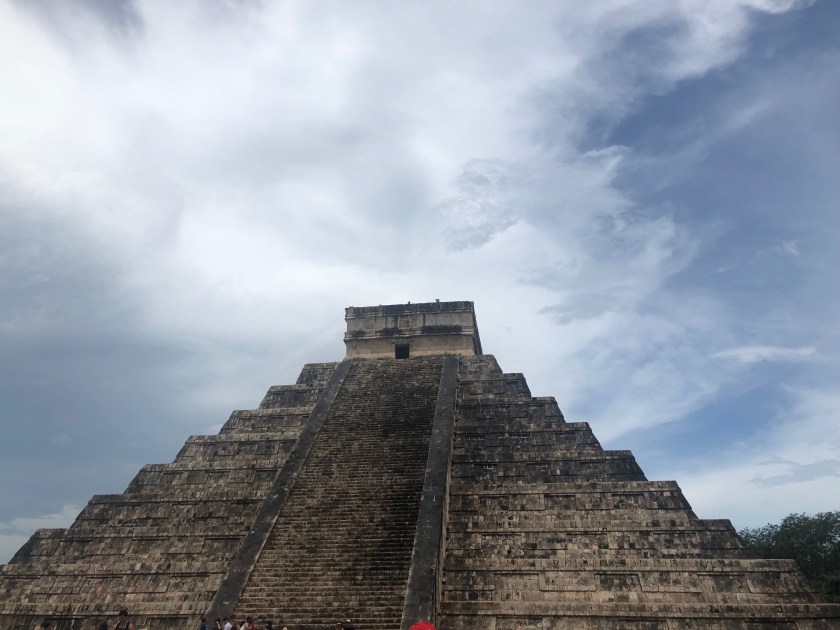
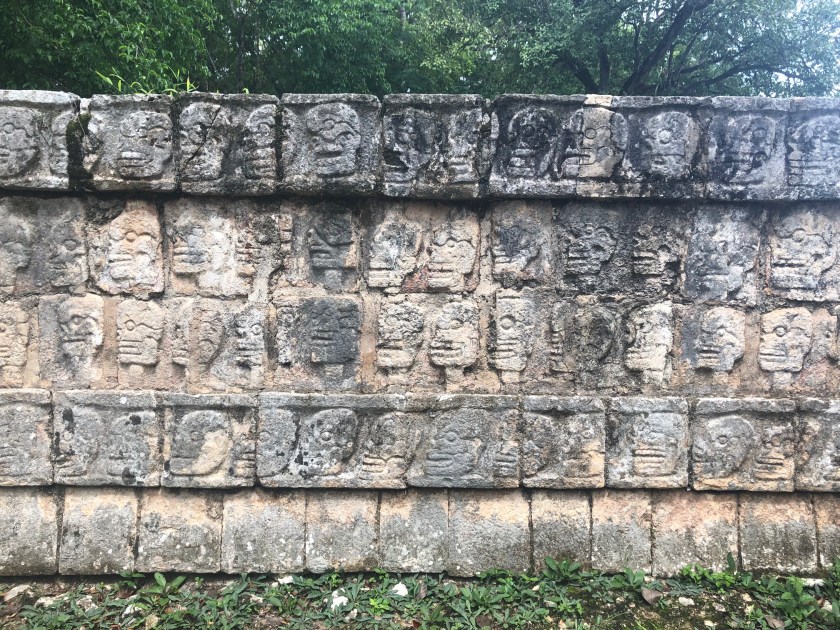
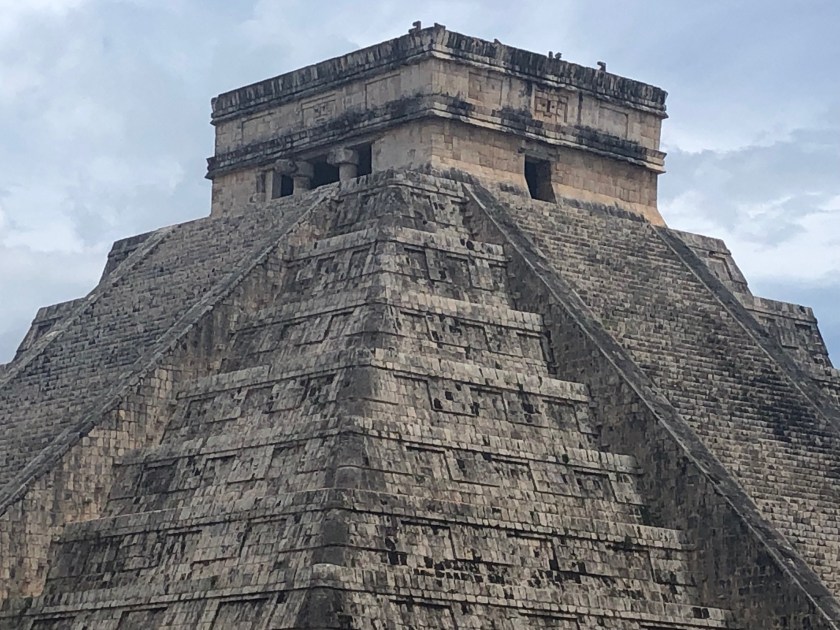
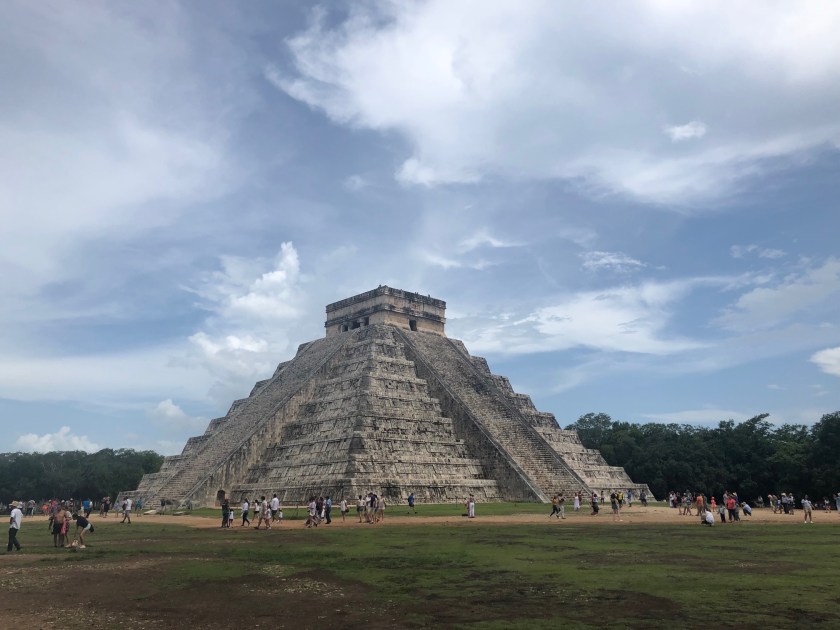
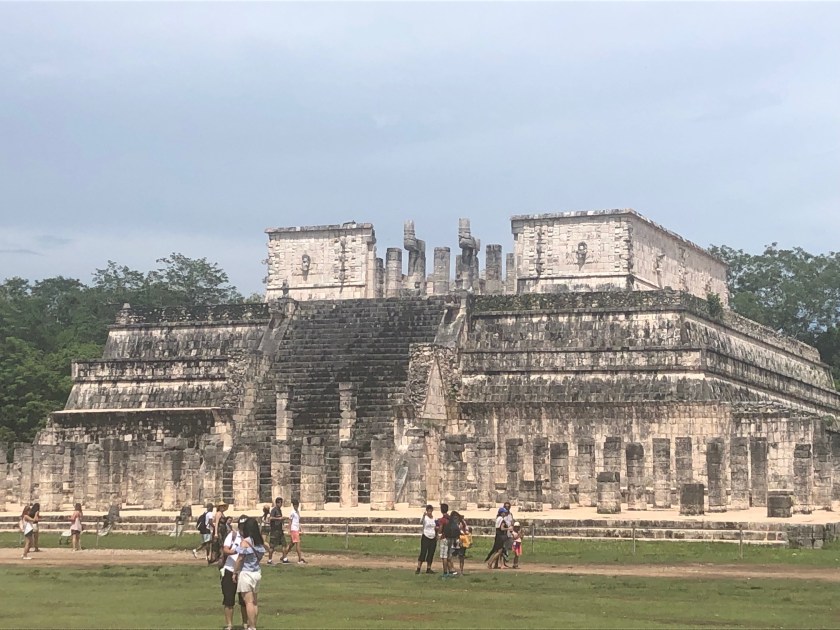
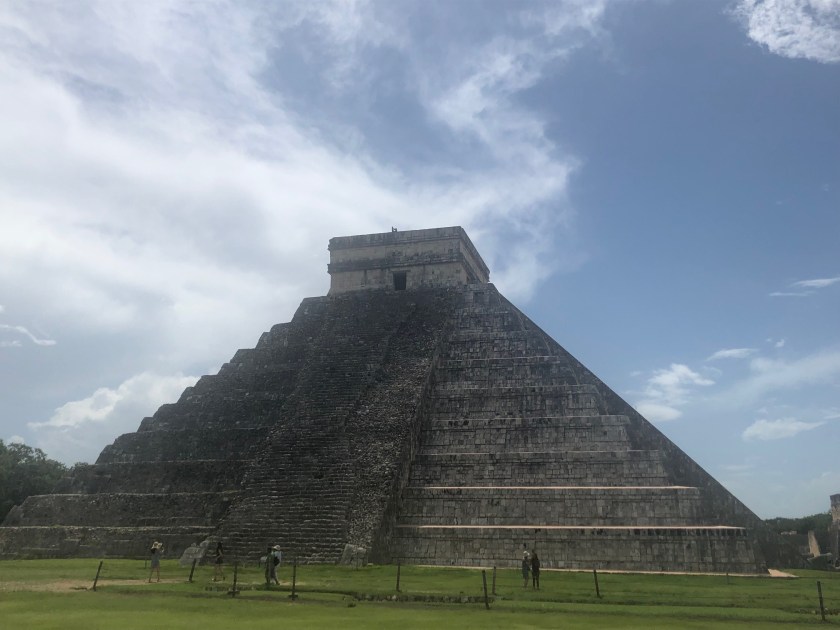
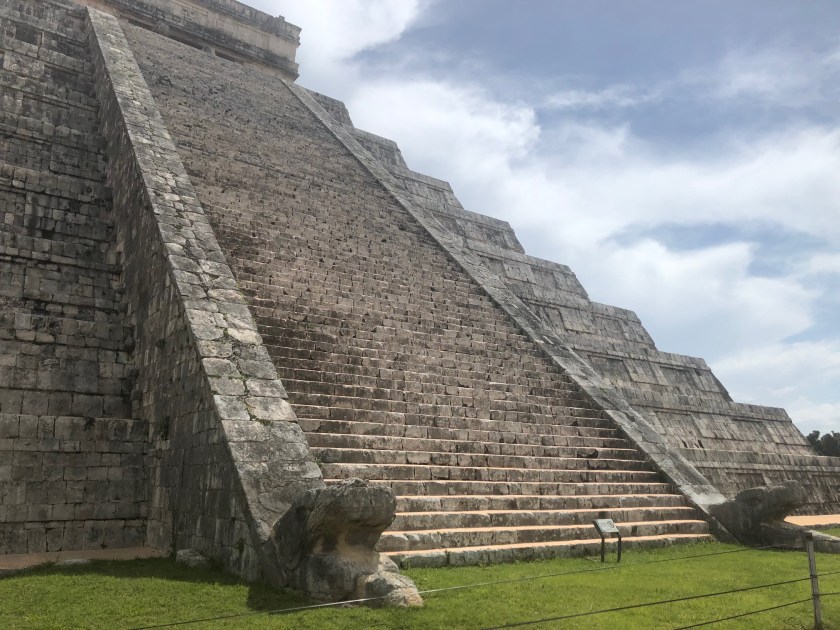
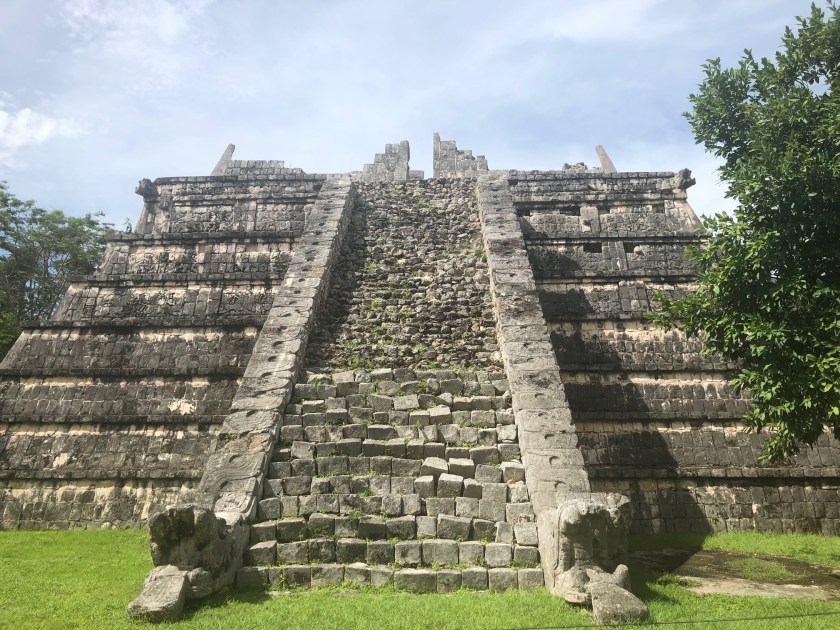
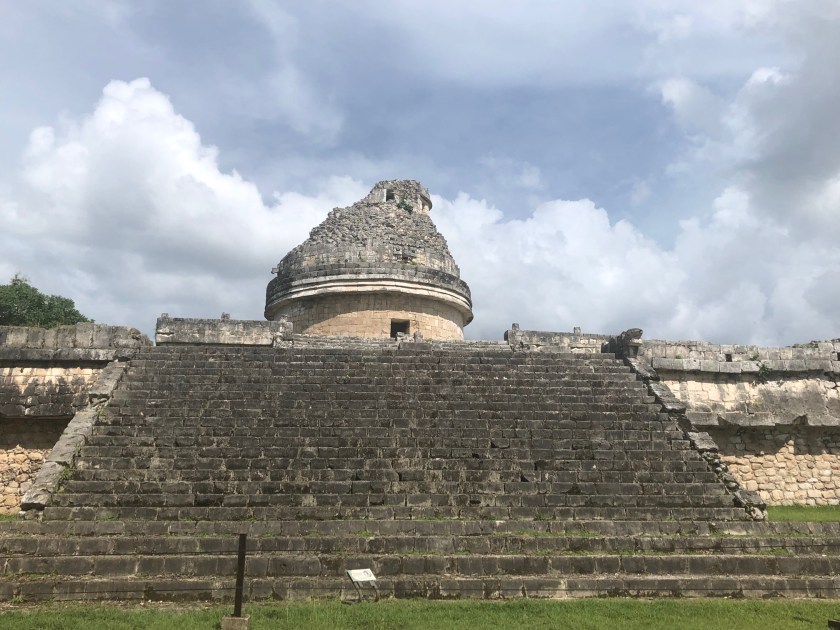
Chichen Itza

IMG_3099IMG_3086IMG_3109IMG_3114IMG_3115IMG_3128IMG_3123IMG_3133IMG_3137IMG_3138IMG_3144IMG_3157IMG_3166IMG_3194IMG_3176

Camera: iPhone 8

Location: Chichén Itzá, Yucatan, Mexico

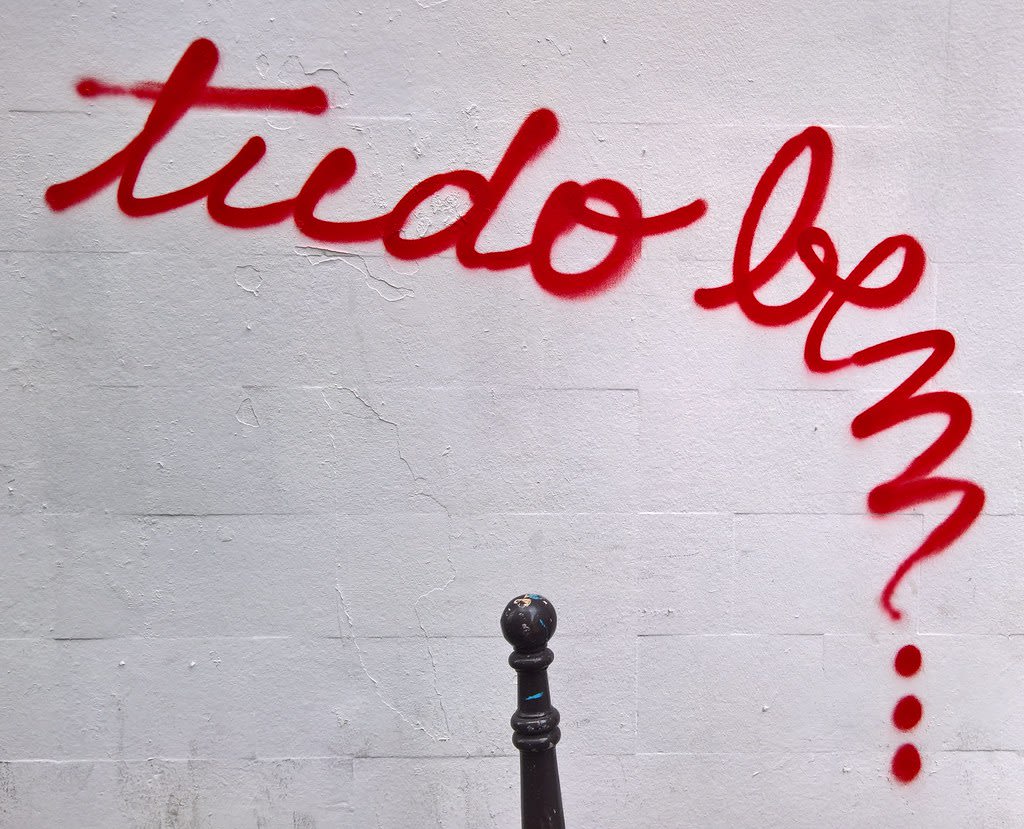
“Tudo Bem?”

Tudo bem? or Tudo bom? is a simple yet intriguing greeting that has been one of the most culturally interesting aspects of living in Brazil. You might be thinking what is so interesting about these two words but the greeting itself when you translate it has much more of a significance than what you would think. I find it fascinating for a number of reasons, which I will divulge during this article and it is important to keep in mind that languages including English have different ways in which people can address each other from the very neutral to the very positive.

To give some background first, I have studied a few foreign languages thus far and one of the first things you learn in any language are the greetings / salutations. The way you greet someone in another language can teach you a lot about the culture and also about the country. No one greeting is the same although the meaning is usually quite similar. What has thrown me off about ‘Tudo bem?’ is not just the brevity of it but the significance regarding its inherent positivity. I did not expect this greeting to be so prevalent, but I am fundamentally glad that it is used so regularly.

Let us start by breaking ‘Tudo bem?’ or ‘Tudo bom?’ down in terms of trying to translate it into English, which is not so easy on the surface. You would think it means ‘How are you?’, ‘How is everything going?’ but that is not the right translation. If we are to translate it into English, it would be more like, ‘All is well?’ or ‘Everything good?’. Instead of saying ‘Como vai voce?’ (How are you doing?) or ‘Como voce esta?’ (How are you?), I have been surprised to learn that these greetings are not as popular while ‘Tudo bom?’ or ‘Tudo bem?’ are used frequently in polite greetings whether it is with a shop keeper, bank teller, a cashier, or your neighbor from next door.

What I really like about ‘Tudo bem?’ or ‘Tudo bom?’ is that you are being positive and outgoing right from the start. Even if everything is just okay or you might be having a bad day, it is almost expected to say in response ‘Tudo bem!’ or ‘Tudo bom!’ to indicate that everything is going well and you’re doing fine even if that might be the case. To me, this represents something very unique about Brazilian culture in terms of airing on the side of being positive and upbeat. Even if you are going through some tough times or don’t think everything is alright, you are unconsciously drawn to saying that it is and to stay positive.

You do not have to always respond with ‘Tudo bem’ or ‘Tudo bom’ but during my time here, I have not really heard any answers in Portuguese with the equivalent of ‘I’m doing alright’, or ‘I’m doing okay’, or ‘I’m fine.’ Even rarer would be to say that you are not doing well, or you are sick, or you are tired. ‘Tudo bem?’ is a very casual greeting and it is usually only common to respond with the same reply or with a ‘bem’ (good), ‘bom’ (good), or even ‘tudo certo’ (all right). You don’t really say that you are doing amazing, fantastic, wonderful, or any other exuberant English equivalent when asked about ‘Tudo bem?’ but this kind of greeting in Portuguese is much more positive, and warm than I have encountered with another languages.

Greetings tend to be neutral at the outside when the person asking expects a positive answer, but the response can also be neutral or negative depending on the language used. However, I have found that Portuguese among the languages I know or have studied is the only one which leaves very little room for a neutral or negative response. I do believe that is a good thing although it can be a bit difficult to express those emotions right away. It is kind of expected to start out any interaction on a positive note by saying ‘all is well?’ and ‘all is good?’. Unless you are with a family member or a close friend, it can be tough to really express how you truly feel because they are likely not asking how you really are but just trying to be polite at the outset.

Regardless, when you compare Brazilian Portuguese to English or to Spanish, the initial greeting is much more positive in terms of the translation. While you can say ‘All is well?’ or ‘Everything good?’ in English, these are not really the initial greetings that you would use when you are talking to someone for the first time. It is much more common to say, ‘How are you?’ or ‘How are you doing?’ instead. Saying ‘Hello, all is well?’ or ‘Hello, everything fine?’ at the outside to an English speaker would be a bit strange at first whereas ‘How are you?’ is much more of a common occurrence.

In my opinion, the same could be said with Spanish where you would address someone you have never met before with ‘Como estas?’ or ‘Como vas?’, which is a very similar translation from the English of ‘How are you?’ or ‘How are you doing?’ Now, you could do something similar in Spanish with a greeting of ‘Todo bien?’ which is similar to the meaning of ‘Tudo bem?’ in Portuguese. However, from my own experience, while ‘Todo bien?’ is more acceptable and can be heard from time to time, a more proper greeting in a first interaction with a native Spanish speaker is ‘Como estas?’ rather than ‘Todo bien?’ An exception would be if you had met that person before or a few times previously and consider them to be more than a stranger. That is when ‘Todo bien?’ would be used but not really when you meet someone for the first time.

Lastly, even with Turkish, the last language I have learned, you would say to somebody new: ‘Merhaba, Nasilsin?’ (Hello, how are you?) similarly to English or Spanish but there is no formal greeting used in the Turkish language where you would ask if everything is well right off the bat. In English, Spanish, or Turkish, it seems that the greeting to ask how someone is starts off as being very neutral in its meaning whereas with Brazilian Portuguese, it is fundamentally a different story. Out of all the languages that I have learned and studied, the greeting of ‘Tudo Bem?’ is fundamentally the most optimistic and positive out of all of them.

I have to say that it took me back at first when I arrived in Brazil how common it is and how it is customary to reply with a ‘Tudo bem!’ or ‘Tudo bom!’ in reply, usually with a smile. It is a testament to the positive and upbeat culture where even if you are having a bad day and things aren’t going well, people here try to have a happy outlook on life and to boost their spirits with a ‘Tudo bem?’ and a thumbs up. I am not a psychologist, but I can imagine seeing someone smiling and wishing you a ‘Tudo bem?’ will do wonders for your day and for your overall mood.

If you can learn any two words in Brazilian Portuguese, I would recommend that you first use ‘Tudo bem(?)’ because it is probably the most important words in the language and can both be a great question and a great answer to have under your belt as you navigate this fascinating and unique culture.

Cancun Sunset

IMG_3077IMG_3076IMG_3074IMG_3073IMG_3072IMG_3071IMG_3067IMG_3066IMG_3063IMG_3060

Camera: iPhone 8

Location: Cancun, Mexico

English Corner – An Introduction to Rhetorical Techniques

Rhetorical techniques are used in English writing to convey a meaning or a sentiment that the reader understands and is able to relate to emotionally or otherwise. A technique like a metaphor or a simile is used to persuade a reader to consider the topic being addressed from a different point of view(s).

There are numerous techniques out there, but I would like to focus on the most important ones that come up the most in English writing. Out of the dozens of rhetorical techniques in the English language, I will highlight the most commonly used and the most popular ones that you should know of as a writer.

The first rhetorical techniques I would like to introduce focus on the type of ideas you use in your writing, the emotions and feelings that you are describing, the characterization of the people you are referencing as well as their credibility, and the strength of your argument. These particular techniques are known as Logos, Pathos, Ethos, and Kairos, which are all likely to come up during your writing exercises. You should keep each of them in mind when you are writing and to know which rhetorical technique is which when you use them in your writing.

  • Logos – Logical and Consistent Ideas
  • Pathos – Emotions and Feelings
  • Ethos – Plausibility and Credibility, characterization of the person(s) involved
  • Kairos – Timeliness and relevance of your argument

Here are some additional and commonly used rhetorical techniques as well as some examples of each of them in action when used in a normal sentence.

  • Metaphor – a figure of speech in which a word or phrase is applied to an object or action that is not literally applicable.

Example: He is suffering from a broken heart.

  • Cliché – Not an original thought, an opinion or a sentence that has been used many times before.

Example: They really lost track of time when they were studying for the test.

  • Pun – A joke that plays on the possible meanings of a word or a fact.

Example: “I asked my French friend if she wanted to play video games. She said Wii.”  (Oui)

  • Euphemism – A polite or indirect word, expression that is a substitute for something more blunt or severe.

Example: My grandfather passed away last year sadly. (died)

  • Alliteration – The occurrence of the same letter and/or sound at the beginning of closely connected words.

Example: Alice’s aunt ate apples and almonds.

  • Simile – A different figure of speech in which two different, unlikely things are compared to one another.

Example: Her smile is like the shining sun.

  • Analogy – Making a similarity between the features of two things or people and which a comparison can be made.

Example: “Just as a sword is the weapon of a warrior, a pen is the weapon of a writer.”

  • Allegory – A story, poem, or picture that can be interpreted to have a hidden meaning.

Example: “When Jack finally finished climbing up the beanstalk even when his Father told him not to, he found an unwelcome surprise at the summit that reminded him of his father’s warning…”

  • Irony – A state of events that seem deliberately contrary to what one expects and is often amusing or bewildering as a result.

Example: Even though John had overslept for the exam and ran all the way to the school to take the exam, his teacher belatedly told him that it was tomorrow, and that today was Sunday.

  • Sarcasm – The use of irony to mock someone or show contempt.

Example: “Tina asked her mother how much her purse had cost her when she bought it. Her mother responded playfully that it was about $20,000 and she had to use Tina’s college savings fund to help pay for it. Tina was upset about her mother’s joke and that she wasn’t being serious with her.”

Here are some of the last major rhetorical techniques to consider during your English grammar studies for writing purposes:

  • Synonyms – Similar in meaning and context with Vocabulary words.
  • Antonyms – Opposite in meaning and Context with Vocabulary words.

Strong – Weak (Antonym)                         Intelligent – Smart (Synonym)

Big – Small (Antonym)                              Caring – Kind (Synonym)

Tall – Short (Antonym)                              Sad – Unhappy (Synonym)

Fat – Thin (Antonym)                                Funny – Humorous (Synonym)

Remember to keep your sentences short and concise as a beginner. As you improve and use correct punctuation, your sentences can become longer and more detailed. Please be sure to focus on the rhetorical techniques that are used the most. There are more than a dozen techniques that you should now be familiar with so try to memorize how, when, and where you use each of them.

Don’t try to memorize all of them but try to become more and more knowledgeable of a few that you recognize that keep coming up again and again. Lastly, do not forget TOP or “Techniques, Order, and Punctuation”, which are the three main concepts that form the basis for correct English writing structure.

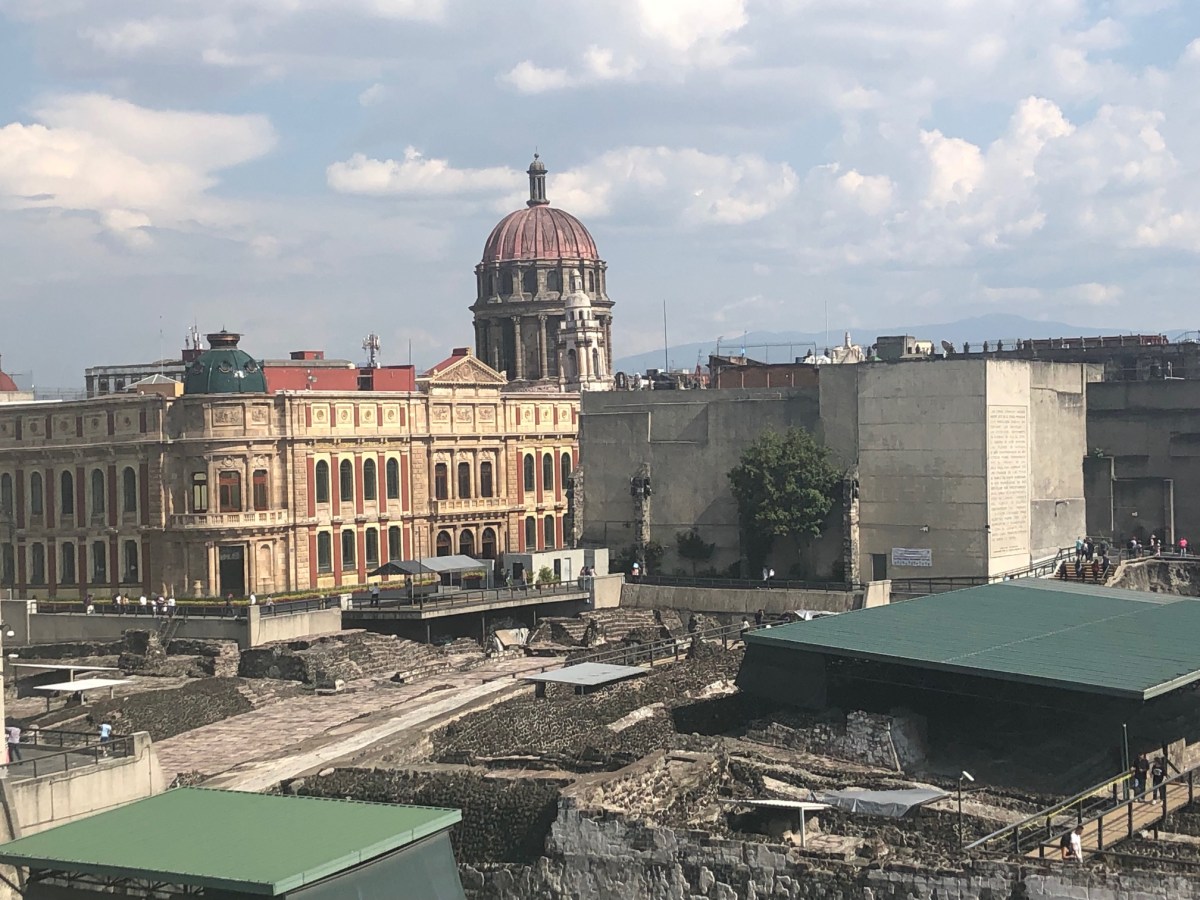
Mexico City Metropolitan Cathedral and Templo Mayor

IMG_3010IMG_3013IMG_3015IMG_3016IMG_3018IMG_3020IMG_3023IMG_3026IMG_3032IMG_3034IMG_3037IMG_3038

Camera: iPhone 8

Location: Mexico City, Mexico

Why Is Having Willpower Important ?

Willpower is a key trait that has an immense effect on our daily lives. Without its presence, we are often at the whim of short-term pleasure, gratification, and sustenance. However, while it is not a trait that is equally shared among each of us, it can be built up over time by achieving bigger and bigger goals. The key thing with having willpower is that you have to start small and work upwards to really make a big impact in your life. Depending upon what goal or result you are trying to achieve, you have to set your willpower to be in line with that timeline to achieve it.

For example, if I want to become a consistent runner to become healthier, should I start out one day with a five-mile run of less than an hour? No, because it’s not necessary and you’ll often suffer for setting your sights too high. If you’re just starting out with it, it’s best to build up your willpower over time by building up your capacity and your progress. Having long-term willpower takes short-term success and this example is no different really from others.

If I am just starting out with running, I don’t go for five miles at first and almost an hour of running. You want to start small and build up to your final goal of five miles. It may take you a month or two to reach it, but you will be satisfied knowing that you got out of the house and achieved something. Perhaps in the first week, you ran once for ten minutes and it was a little over a mile within your neighborhood. That is something to be proud of! You need that initial spark to keep the flame within you rising over time.

Building up your willpower requires incremental change that is often measured and compared with your results getting better and better over time. After that first week, maybe you run twice the second week and run each time for 15 minutes for 1 ½ miles. Then, by the third and fourth week, you build up to three times a week for about 20 minutes. By the end of the first month, you should get to about the halfway point or more by running a couple of times per week for about a half an hour.

Sometimes, your goals such as running five miles may take a month, three months, or even a year. Everybody is different but having a basic sense of willpower will help launch your goals forward and keep you on a path where you are changing yourself a bit at a time. Thinking yourself as a failure for not reaching your given goal after a few weeks, a month, or even a couple of months is immensely counterproductive. Each week, you want to be making strides to build up your willpower as a muscle that is constantly flexed out to become stronger over time.

Consistency is key for becoming better with willpower and it also comes with exercising restraint. You have to be aware also of the consequences of your actions ahead of time. Eating chocolate ice cream before bed might feel really good in the short-term but you might not be able to fall asleep that easily and wake up the next day feeling hydrated and groggy. You know it feels really good to take out your phone when you’re out with friends to get a small dopamine hit of attention but you know you might be disappointing the people you’re out with and consciously decide to keep that phone in your pocket or purse.

Having good willpower, in my opinion, takes both consistency and awareness. You have to be consistent in building it up over time like you would with your muscles by working out at the gym. The second part is a lot more difficult in that you have to be aware of the consequences of your actions when you fail to exercise your willpower as you would normally. You also should not be too hard on yourself when building up your willpower. There will be times when you fail, when you get discouraged, when you feel like giving up but don’t.

Give yourself time to decompress, to relax, and to think about how you can improve with it. On those days you fail, think consciously about why it is you failed and how you can succeed in the future. You don’t have to be striving to be better 100% of the time with your will but if you can put in more than average effort over time, then you will definitely see positive results. When you commit yourself to a goal, stay at it and realize that consistent action and knowledge of the consequences of doing nothing will help see you forward.

Perhaps most importantly, find those family members and friends willing to support you with whatever you’re going to do. If you have a positive goal for yourself and you want their support, they should definitely be behind you and giving you words of encouragement. If they want to track your progress with you, then they should be able to do so to hold you accountable. Without pressuring you too much or faulting you for coming up short, please make sure that they are behind you for the right reasons. If you want to better yourself in some way and reach your goals by improving your willpower, they should want that for you and not judge you for making that your personal prerogative.

Willpower is important for a number of reasons but the main one is because it is the key to unlocking your full potential. It all starts with your mind and your decision to change something about yourself. Exercising your willpower is definitely like exercising your muscles. You have to do it consistently and with good effort to start achieving noticeable results. You have to be aware of what your final goal is and to strive towards reaching it. Even if you fall short, you can take pride in knowing that you are now better off than you were a few weeks ago, a few months ago, or even a few years ago. You can see that your willpower is improving when you start to see incremental progress in where you are at as opposed to where you were when you started. Each conscious effort we do each day takes some amount of willpower and that is why it is so important to improve upon.

Whether it is going to the gym, having a healthier diet, learning a new language, taking better care of your home or apartment, willpower is a key part of achieving any of these measurable goals. Without exercising your willpower, you will not go anywhere with these practical goals. You have to be willing to sacrifice some short-term pleasures to achieve these long-term results. You may have to cut a few people out of your life as well if they are not supportive of your goals or actively preventing you from reaching them. You also may find that your own identity will change because of your newfound habits but that I believe is a good thing as we cannot stay stagnant throughout our lives and must always be moving forward.

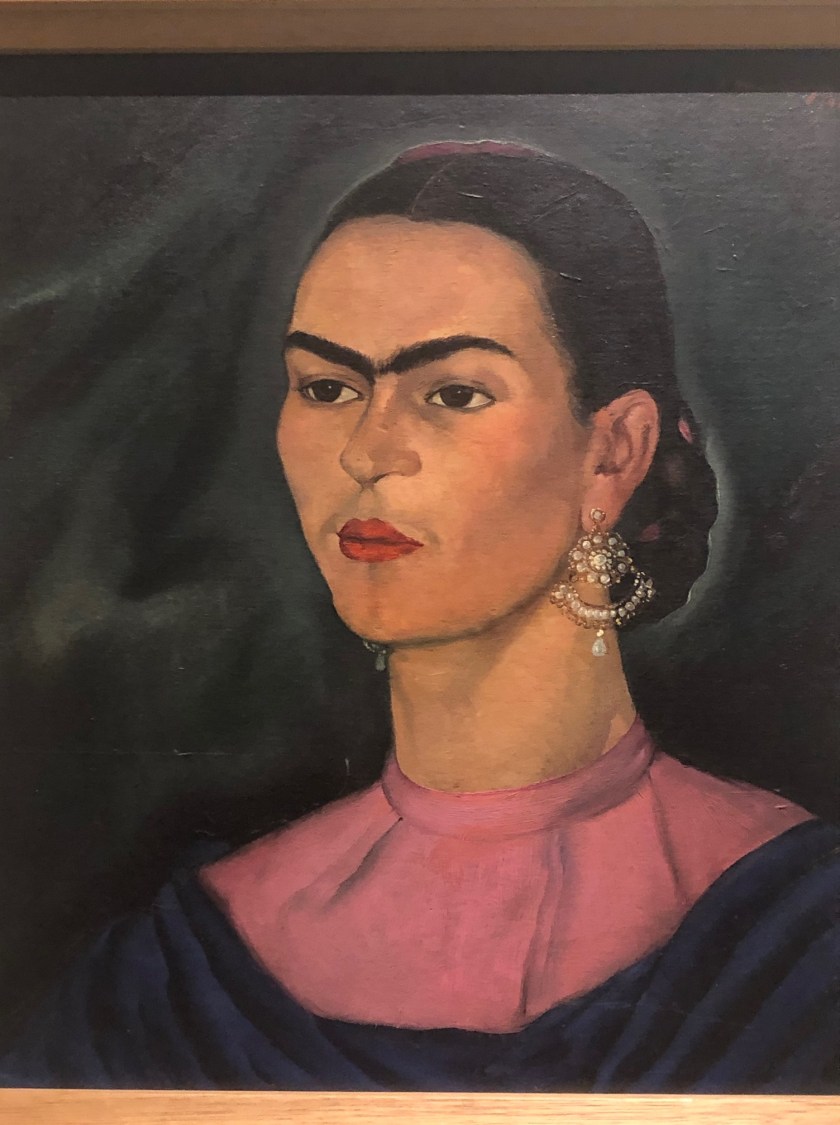
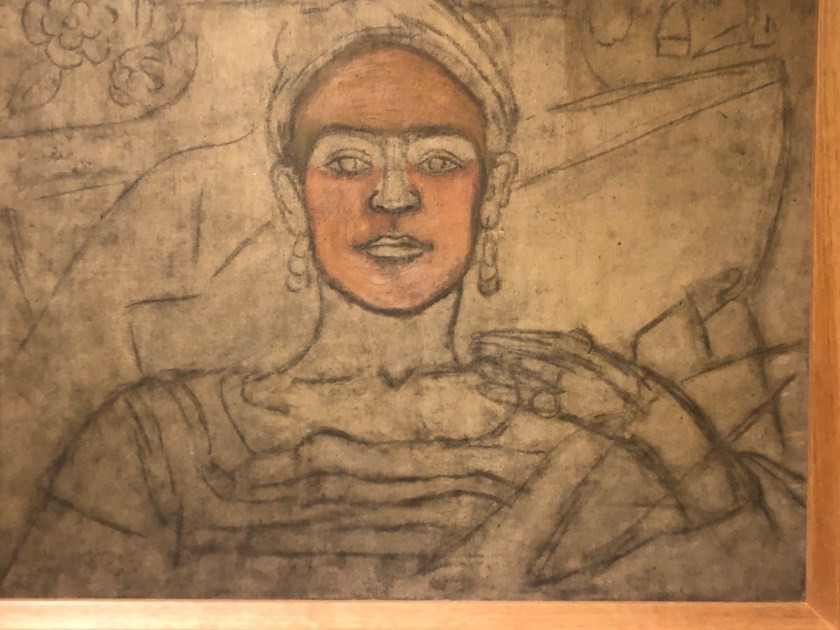
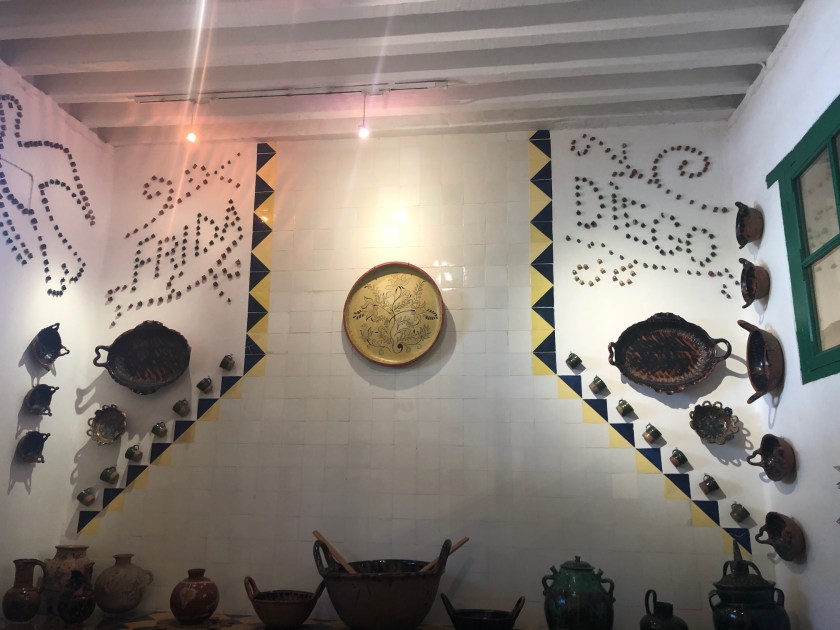
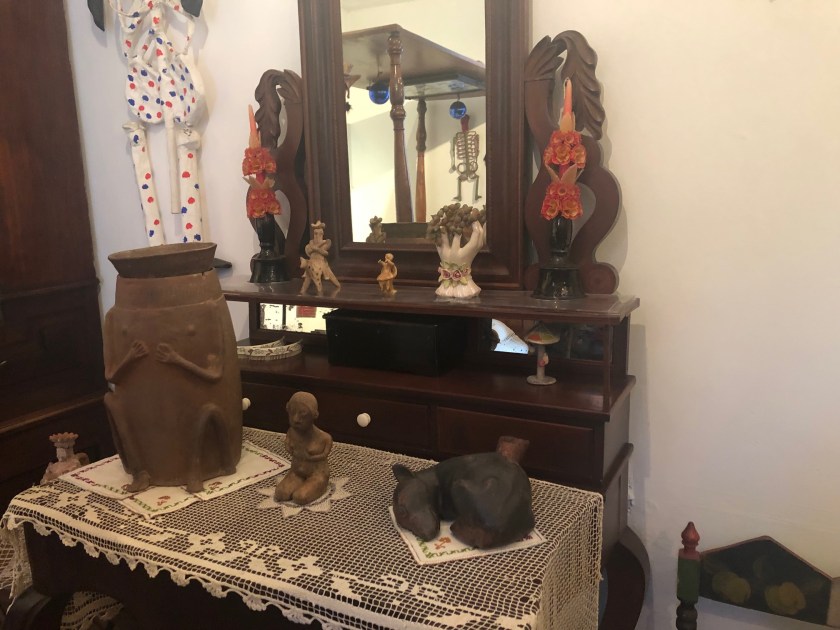
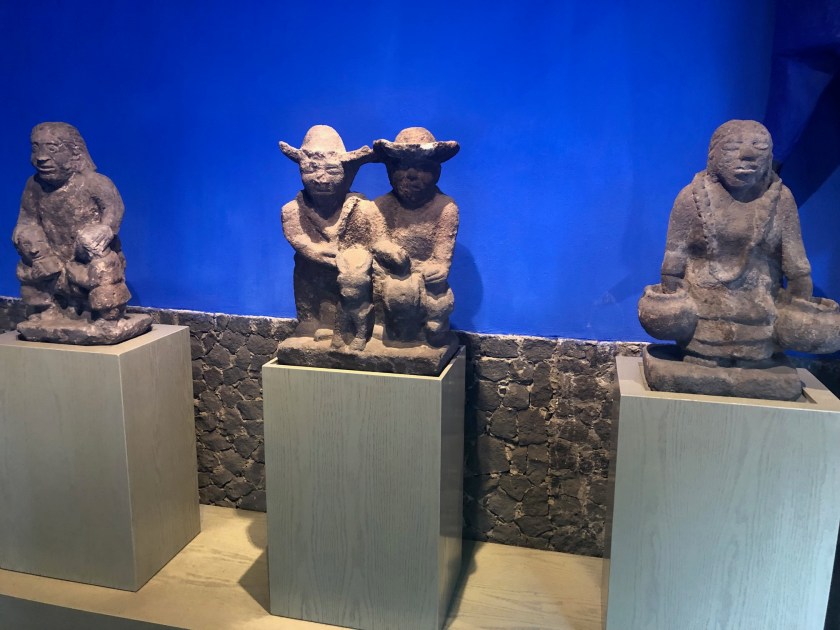
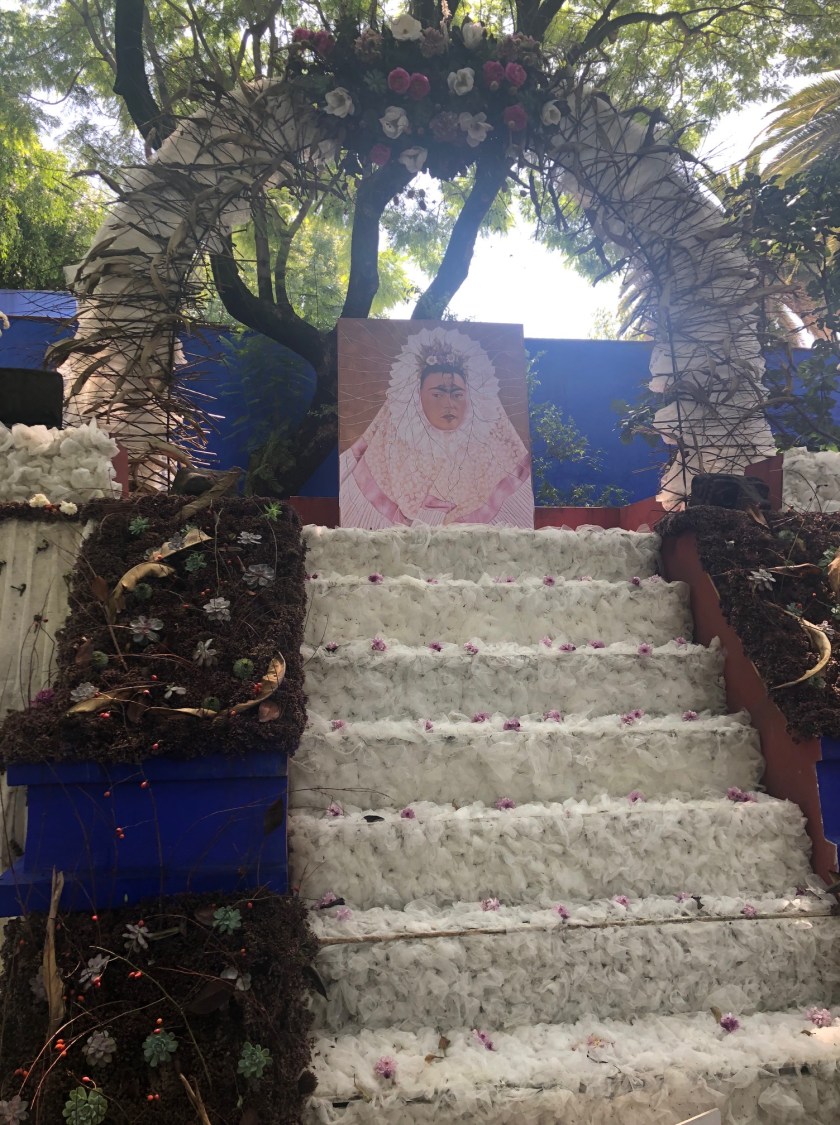
Frida Kahlo Museum (Blue House)

IMG_2946IMG_2938IMG_2936IMG_2940IMG_2942IMG_2943IMG_2948IMG_2944IMG_2952IMG_2954IMG_2956IMG_2960IMG_2964IMG_2975IMG_2969

Camera: iPhone 8

Location: Coyoacan, Mexico City, Mexico

Anatomy of a Scene – The Box of Chocolates

Life is a Box of Chocolates – Forrest Gump (7/9) Movie CLIP (1994) HD

Few movie scenes sum up the random or arbitrary nature of life more than the scene of ‘Forrest Gump’ where Forrest’s mom talks about how life is “like a box of chocolates.” We never know what “we’re going to get.” Sally Field, a wonderful actress, explains in one sentence what some of us don’t understand in a lifetime: You have to do the best you can with what you have and then let life take its course. We do have control over our destiny to some degree but there are forces outside of our control.

Sometimes, we have to let life takes its course even with how painful that can be such as losing a loved one as depicted in this particular memorable scene of ‘Forrest Gump.’ “Death is just a part of life, something we’re all destined to do.” Forrest’s mom explains to him that we all have a destiny and it is what we make of it with the time we are given here on Earth. His mother further explains how being a mother was her destiny and that “she did the best she could.” Forrest is heartbroken but knows that her time has come to leave him. Forrest, given the way his own life has gone from college football player to Vietnam war veteran to shrimp boat captain is still trying to figure out his destiny at middle age.

The fact that Forrest is still unsure of his own destiny as a person even in middle age makes him extremely relatable to the audience watching in showing his own vulnerability for how life has changed him and what he still is unsure of to do with the time he has left. “What’s my destiny, momma?” She knows that even as mother, she can’t tell her son what his destiny is and that he has to “figure that out for himself.” The randomness of life summed up in choosing from a big box of chocolates is fitting in a way and is an expression that 25 years after this movie was released in theaters still has a way of connecting with people because we all know how true it is. While we do have some control over our lives, we must be ready and willing to face unknown challenges and changes that come our way.

Forrest is confronted by the death of the woman who brought him in to the world and is unsure of how to go on without her.  She tells him to be strong and that she will “miss him” like any good mother would. He has to continue on without her as hard as that may be. She had raised him to be strong, self-reliant, and to let his mental handicap hold him back from achieving his true potential. A woman who saw the value in her son when others marginalized and chastised him for something outside of his control.

As she tells him, you are what God made you and you have to do the best with what you are given. Forrest narrates how she got cancer and died on a Tuesday. He bought her a nice hat with flowers and gave her a proper burial to say goodbye to a woman who taught him so much. Without a father in his life, Forrest’s mom played both roles and did so under difficult conditions from that era. This is a powerful and moving scene in so many ways, but this movie scene has a particular message that we all can learn from.

Sally Field and Tom Hanks did an excellent job in this scene and in this movie. They have excellent chemistry and it shows in this particular scene where they say goodbye. You can feel the emotional depth of both actors to express what any mother or son would say to each other in such a sad moment in time. What most movies can’t accomplish in two hours, this particular scene accomplishes in two minutes. Losing a loved one is an immensely painful and traumatic experience. The emotional weight and gravity of this particular movie scene makes it one of the best of all-time.

“Life is a box of chocolates; you never know what you’re going to get.” Such a simple quote has resonated with audiences around the world for the past twenty-five years. An excellent film in its own right, ‘Forrest Gump’ is a tribute to the power of the human spirit in the face of tough challenges that the average person can go through during their life. Forrest preserved partly due to the love of his mother and despite not knowing what curveballs life would throw his way. He knew he had to make the best of his life with what he’s given. Because his destiny was not set in stone, he knew that he had the power to shape and mold it to make it what he wanted it to be even if life sometimes threw challenges and obstacles in his way.

Los Pinos

IMG_2847IMG_2851IMG_2852IMG_2856IMG_2858IMG_2862IMG_2865IMG_2872IMG_2877IMG_2879IMG_2886IMG_2893IMG_2908IMG_2900IMG_2909

Camera: iPhone 8

Location: Los Pinos Cultural Center; Mexico City, Mexico