Why A Digital Detox Is Good For You

“It is a great chance to recenter yourself, focus more on what matters to you whether it is more time spent with family or friends, or just to be more present with the world around us without staring at our phone, computer, or even our smartwatch.”

We are not meant to be on our digital devices 24 / 7 / 365 a year. I think a key part of realizing how our digital lives are so integral to who we are nowadays is to take some time away from them whenever possible. On a recent vacation I was on, I was able to be without cell service or an internet connection for a week. I do have to say that while the first day or two was difficult, it became nice to be out of reach for a while. It is a great chance to recenter yourself, focus more on what matters to you whether it is more time spent with family or friends, or just to be more present with the world around us without staring at our phone, computer, or even our smartwatch.

Now, in work or in school, we are always expected to be plugged in and reachable even when we might not want to be. However, if you’re on a break, a vacation, or it’s the weekend, I do believe that is a good time to have a digital detox where you can put your devices away. A day, a week, or even a month, is not asking too much to get away from your emails, your social media, or your mobile applications. In that time away, you can really interact with the physical world more fully, feel more present with what you are doing, and it is likely to be healthier for you to devote more time to walking, hiking, playing sports. Instead of reading Twitter or X now, you can read some books. Instead of listening to Spotify, you can play some records or some CDs on your speakers to gain a greater appreciation of the music you like.

In addition, you will have more time to pick up a new skill like playing the guitar, focusing more on your home life with fixing up your apartment or house if it has been neglected, and you can take full advantage of spending more time with friends and family. Digital detox is not so much unplugging from technology forever but temporarily taking some time away to focus on other parts of your life that may have been neglected due to your time spent online. It is hard for most of us to realize this fact, but we likely spend 4-5 hours a day online especially if we have classes or must work online for our jobs.

On top of video games, streaming TV and movies, and the rise of augmented and virtual reality headsets, we are on the path to being more present virtually than being present physically. There is such an endless amount of content that we are exposed to when online that it can be overwhelming for us. If you find that you are too wrapped up in your emails, your Instagram feed, your TikTok videos, or just not being able to pull away from your computer to get enough sunlight and fresh air, you could use a digital detox.

After my week away from being on my laptop, phone, and tablet, I felt lighter in the sense that I was not so overburdened by the constant stream of emails, updates, reminders, news updates, and overall wave of notifications that come with being plugged in. You really live more in the moment when you don’t have your devices with you or in my case, not being able to connect to WIFI or the 5G connection while we are on vacation. Overall, this is a good thing to happen in my view. If someone needs to reach out to us, a regular phone call is still possible or if it’s an emergency, you can enable texts or messages to come through to you.

However, there are many activities and hobbies to do without needing to be online as you’ll soon find out when doing your digital detox.
I encourage you when you go on vacation from work or school to leave your phone and computer on silent or off or even leave it at home. You’ll be surprised on how much you don’t miss it after 1-2 days of the initial FOMO (Fear of Missing Out) hurdle. You will likely be more present with others, more engaged with the world, and more aware of what you are actively doing without the necessary digital distraction or allure that the smartphone, smartwatch, or laptop has on us.

Yes, we do need our digital devices most days, if not every day, but if you can at least take the weekend off, or take a few hours where you’re unreachable, then that is also a good form of digital detoxing. I do recommend using a week or two each year to not be reachable via your devices or to not use them at least for Internet, email, or any mobile applications.

That week or two where you’re fully unplugged will do a world of good for you and your loved ones who could join you to be fully present with you. You’re likely to be closer to one another, enjoy doing more things together, and really appreciate what the physical world has to offer whereas you’re not really thinking anymore about what’s going on online or what kind of digital content you’re potentially missing.

Lastly, we should remember that for hundreds, if not, thousands of years, everybody got on pretty well living their daily lives without being able to have the Internet, computers, or TikTok. They managed to do just fine in the world without the digital age. I think it is good for each of us to remind ourselves that we can get by fine without our devices, if only for a short while. Overall, It is good in my view to be free of technology here and there because as much as we rely on it more and more nowadays, it is not the end all, be all for our lives here.

Out on the Sea

“While the Sea is as mysterious as it is as vast, as terrifying as it is humbling, it is truly one of the most wondrous places on Earth to find yourself.”

While the Sea is as mysterious as it is as vast, as terrifying as it is humbling, it is truly one of the most wondrous places on Earth to find yourself. You never know what will happen when you’re out in the open sea. Each time you’re out there, you can encounter a variety of experiences to change how you perceive the sea from its walloping waves to clear skies to powerful sunlight to treacherous downpours. From stormy to sunny, the weather when you’re out on the sea can range from peaceful to disastrous. The Sea has an allure to it like the mountains and the desert because of its vastness, its complexities, and its remarkable inhabitants.

I find the Sea to be appealing because it demands you respect it for all it can bring in return if you’re able to overcome the difficulties of setting sail. You can traverse the Sea to reach new destinations, to find food to catch and sustain yourself, or to even create a source of energy from the wind and sun that envelop it at times. We cannot even begin to fathom how vast the sea below us is but as we want to stay above it lest we sink to the bottom on whatever vessel we find ourselves on. As a result, the Sea is not to be disrespected, tampered with, or polluted. What it can give us in its bounty, it can easily take away from us if we are not careful. We should not take more than what we need or pretend that the Sea is not able to take what it needs from us in return.

If you do not take the necessary precautions, use proper navigation tools, or realize when you may head into a storm or squall stronger than your boat, you may end up a victim of the Sea as a result. The Sea is not meant to be terrifying, but if you don’t realize its scope, scale, power, and depths, you may not have a good experience being out there. You should not take chances on the sea that you can’t live with and it’s best to imagine as many scenarios as possible that can occur when you’re out there on your boat, ship, or canoe. Any time out on the Sea, you can expect to find something you never thought you’d ever see before and for which it will continue to surprise each time you’re out on the water.

Because each time at Sea is unique, you need to prepare for what kind of creatures you’ll encounter below from octopus to squid to fish to crabs to sharks to whales, etc. There is a whole ecosystem that you may be able to encounter depending on if you’re a fisherman, a scuba diver, a snorkeler, or a deep-sea explorer. Be careful in remembering that while you may think you’re top of the food chain at Sea, as a human being, you’re not the fastest swimmer or stronger mammal in the deep blue waters, so you should be careful when trying to catch something that may want to catch you first in response.

While the Sea has had a lasting appeal on man economically, socially, and for its plentiful environmental goods, we should remember that it is not our natural environment, and we are the mercy of Mother Nature out there. Make sure you know what you may be getting into when you get on your vessel headed out to Sea because you never know what you may find out there. Maps, compasses, a good crew who knows the waters will all help but you also need to show leadership, resolve, a hard work ethic, and be able to make life or death decisions if you are the captain of the boat or ship you’re traversing the Sea with.

It is not just the waters below that can bring down a boat or a vessel but rather the waves, the squalls, the storm surge, or the lightning that can make your small piece of home sink quicker than you can imagine. Even the biggest boat over a century ago, the Titanic, was thought by most observers to be ‘unsinkable’ at the time, but it was based on faulty hubris, human error, and a lack of respect for what the Sea can throw at you.

You may think your boat, your ship, or your vessel will always stay afloat but in my view, the Sea can take what it wants, when it wants, and you must know to avoid its wrath if you are not careful. We may claim dominion over the land of the Earth, but the Sea is still the Wild West despite us using it for commerce, trade, and for food. You can never fully control the Sea because it is a treacherous, ever-changing environment, for which demands planning, respect, and oftentimes good luck.

While others may shy away from it, I have always found the Sea to be a beautiful part of our Earth where you can be at peace and at ease yet still respect it enough to keep your head about yourself as you make your way through its horizons. It can lull you into complacency one day with calm waters and then snap you back into reality the next day with an unbelievable storm. The Sea yields tremendous beauty but also tremendous terror. You should use the unpredictability of it by being a better Seaman and preparing as much as you can for how to be a good Captain, a good Crew member, or just a good Passenger to make it back home safely after your time at sea is over. If you respect the Sea, you will have a much better time whichever way you choose to enjoy its bountiful fruits and its sheer wonders.

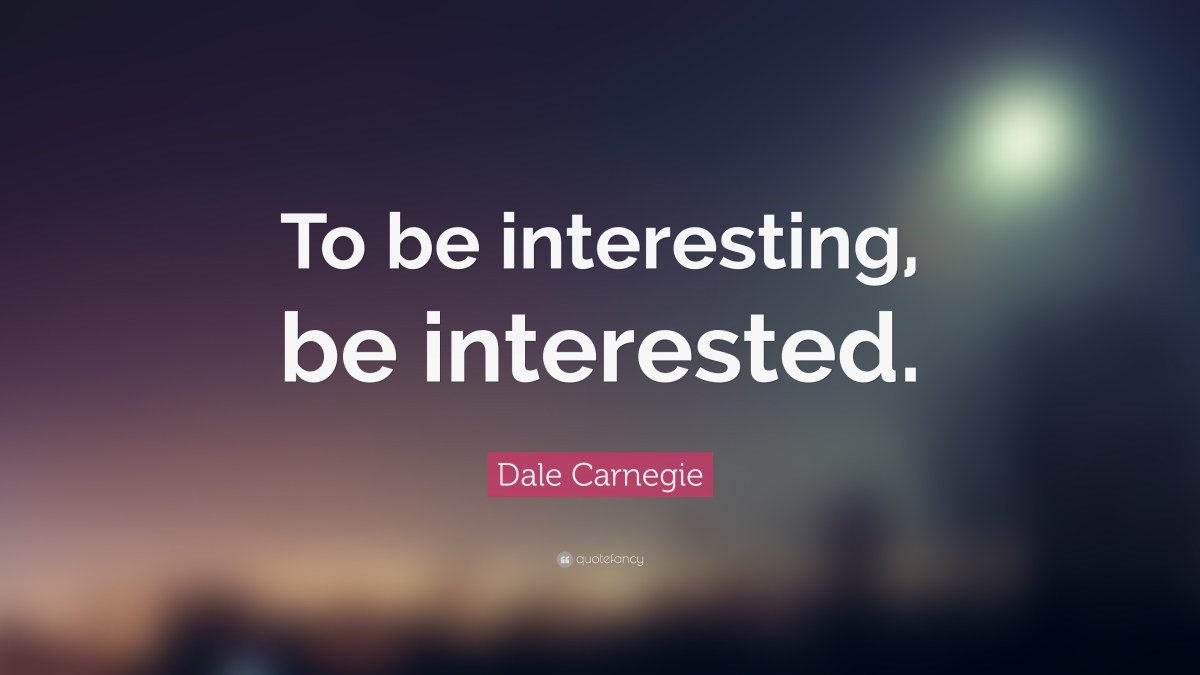
Be Interested and Be Interesting

“How might you ask can you take a typical ‘small talk’ and make it interesting? Well, you should be able to show some humility by being interested in who they are by asking them some questions.”

Making small talk can be a necessary yet tedious part of daily life. It sometimes may not come naturally to you, and it can be forced at times. However, it is a courteous and polite way to get to know people who are complete strangers to you and to show that you are not oblivious to their presence around you. While ‘small talk’ often revolves around the weather, a simple ‘hello, how are you?’ or just mentioning something about the time of day, the commute to work or school, or maybe a small compliment to brighten their day, it can sometimes lead to a good conversation and even a new friend.

How might you ask can you take a typical ‘small talk’ and make it interesting? Well, you should be able to show some humility by being interested in who they are by asking them some questions. You can take a general comment on the weather to ask if they are used to that kind of weather or if it is new for them. That can lead to a talk about their hometown or where they currently live or if they are just visiting on travel. You would be surprised how a seemingly small question can lead to a wide-ranging and deeper conversation. A comment about the traffic or commute to your work can lead to a discussion on what could be improved about the roads, the transportation options, or if remote work would make things easier for you and the other person.

Even just asking for the time of the day can lead you to asking about their watch (if they have one), if their day is going well or not, and perhaps a comment on if the day is going fast or slow for them since we can tend to perceive time’s passing differently from one another. Key to taking ‘small talk’ to what could be considered ‘medium talk’, or a genuine conversation is to listen intently, wait until they are finished speaking, and follow up with a question or a comment relevant to what they told you.

If you are in a rush, are having a bad day, or are just not in the mood to continue the conversation, you can let it end after the ‘small talk’ or pleasant greeting or two. However, if you feel like you would like to get to know the other person or group of people better, make sure to listen, let them finish, and ask a question about them (within reason), or like the general comment(s) you made, and keep the conversation going for a while longer.

You should not have to do all the work in the conversation and if it is running its course, politely excuse yourself and say goodbye and that it was nice to meet them. Conversations naturally start and end but if you would like to be more social, make a new friend, or just put yourself out there in the world more, you must ‘be interested’ in those around you. You should do your best to refrain from making the conversation all about you at first and what you’re up to. Naturally, that should make its way into the conversation but if you started talking to this person, you would like to get to know them more, then, I believe you should be interested in who they are, find out more about them, and get to know them beyond just the time of the day, the weather forecast, or how their day is generally going.

Even if you feel like you don’t know much about their work, school, hobbies, interests, or where they are from, it shouldn’t prevent the conversation from continuing as you can show curiosity about their background and try to learn more about them from themselves. If there is anything I have learned about my own social life, people like to talk about themselves and will be happy to answer questions about themselves if done in a polite and respectful manner. It’s important to know someone’s boundaries especially if they are still somewhat of a stranger to you but usually, they’ll be willing to share a lot about who they are, where they are from, what they like to do in their free time, and what gets them excited about life in general.

If you feel like your social life could use a boost, I recommend being more interested in others and you should start to feel like you’re making progress in your conversations. Now, it should not be so one sided that they know nothing about you as that would be a bit odd as they’ll likely want to ask you the same questions in response. The conversation should not feel like a one-sided interrogation or a job interview. There should be a natural give and take where you both are interested in each other and you are letting each other answer questions, talk about possible mutual interests, and even discussing if your personal backgrounds overlap at all.

The 2nd part of a successful beginning of any kind of positive first impression is to ‘be interesting’, which I know is a broad statement to make but you should have things to talk about to that person. You should know a little bit about where you’re from, talk about what excites you about life whether that’s a particular hobby, interest, or activity you like to do. Your life will often involve work or school or both at the same time, but I would recommend making yourself interesting beyond what you do to make a living. If you like traveling, let the person ask you about where you’ve been. If you enjoy learning languages, discuss which ones. If you like to build bird houses or molding ceramic pottery, discuss the process(es) involved in getting either activity done.

While you should be interested in other people to get to know them and have interesting conversations, don’t be shy to discuss who you are in return. You should have a life that is beyond work or school even if it is a large part of our lives. If you don’t have many hobbies or interests, perhaps pivot to what goal(s) you have for the future. It is easier when you have a lot on going on in terms of your outside interests, activities, or hobbies, so that is where the ’be interesting’ comes into play.

You don’t have to be doing something cool, exciting, or fascinating every day, but I find it is easier to build a friendship or relationship when you can share something that you are passionate about and can even include them in on. Whether it is traveling together, going on a hike, building something out of wood or metal, or maybe playing a sport, you can show you are an interesting individual. You can also show that you are inclusive too by allowing yourself to show that hobby or interest to the other person and see if they would enjoy doing that with you as a result. They can also let you join in on what they enjoy doing as well giving you a new hobby or interest that you can learn more about, partake in, and build upon with that other person as well.

Being social may not come naturally or easily to some of us but I think a good way to make it easier is to ‘be interested’ in who they are, what they do, and how they came to be who they are today. Once you do that, you can show that you can ‘be interesting’ with what you enjoy doing in life and that you would like them to be involved or help them learn about it and see if it is something they want to try. I think these are two good ways to be better socially and can lead you to building stronger friendships and relationships as a result.

What is ‘True Wealth’?

“I believe the key is being able to maximize wealth in both facets as much as possible without sacrificing one or the other too much.”

There is a standard definition of ‘wealth’ as a concept: An abundance of valuable possessions, money, or other resources to the degree that it causes prosperity. However, what is prosperity to you may not be prosperity to others. I like to think of wealth is not an abundance not just of material possessions or of money or of how much you can acquire but also how much you value what inherently belongs to you. What I mean by that is your time, your health, and your freedom. While building wealth is key to having success in life, there are other facets to wealth that we can neglect if you are not careful.

Wealth will come with sacrifices whether it is your time, your freedom, or your health as there are tradeoffs involved. You’ll find that to become more prosperous, you may have to sacrifice time, freedom, or health to build that wealth up whether in the form of money, resources, or material possessions. I believe the key is being able to maximize wealth in both facets as much as possible without sacrificing one or the other too much.

In order to gain more money, you may have to sacrifice your time in the sense that you exchange your time to earn money or you are not as free to do what you want each day because you have to work a job, grow your business, or learn new skills in order to earn the money to become wealthy. The same could be said of your health whereas you may have to sacrifice the time you could use to invest in your own health to build material or resource wealth with the time you put in to earn money or other assets. That time that could be used to be spent at the gym, on a run, going on a hike, or practicing a sport could go to your job or your business or investing into a new asset.

If you can find out what you truly value and what you want to maximize in terms of your wealth, make sure you prioritize it to have true wealth for you. For example, if fancy cars, big houses, and a lot of material possessions appeal to you, maybe you don’t mind putting a lot more time into working for that, putting your health on the backburner, and sacrificing certain freedoms to do what you must instead of what you want to. On the contrary, if you care less about possessions, material wealth, but still want to be comfortable in terms of money or investments, then maybe you can work less, focus on your health and free time more, and exercising more freedoms to do what you want with the extra time you have as a result.

You should decide what kind of wealth is best for you. What truly will make you happy, what you are passionate about in life, and what you want to get most out of life, you’ll be able to build that true wealth. I think the key for anyone is to maximize the 24 hours in a day, 7 days in a week as much as possible. If you can build your wealth passively to get some of your time back, that is a key advantage in my view to having true wealth too. When you can be financially successful by having multiple sources of income, multiple options to build wealth, and with some or a lot of autonomy in your work or business pursuits, that really can be an advantage in not only being successful but happy too.

Wealth is not just about being financially well off but also about being well off in other areas including health, time, and exercising freedom in what you do and how you do it. There is a distinct difference between someone who must rely on others for their wealth building and someone who is able to create their own opportunities or build their own means of wealth in a business, in real estate, or in investments that can create more freedoms rather than slowly eliminate them.

You can have as many possessions as possible, houses, cars, and money in the world but if you have no free time, no health, or no autonomy in what you do or how you earn that wealth, then you may need to reassess if that is the true wealth that you want out of life. I hope that you’ll rethink what wealth means to you because only you can decide what you would like to prioritize as you build it. You must consider that sacrifices will have to be made, that time, money, and health are all commodities that can be saved or lost depending on what you prioritize these days.

I only ask that you realize that having the freedom to do what you want and when you want is underrated. It is a form of wealth within itself along with keeping your health in good shape as long as possible even if you must sacrifice some time or freedom as a result. Consider that you can be very wealthy in the material sense but if you are unhealthy, working all the time, and have to answer to others in order to keep building that wealth, are you truly wealthy or is it only one kind of wealth that you have?

Think about what you are willing to sacrifice, what you are willing to earn, and how to passively build on the wealth you want to earn to save more time and freedoms that can be used for health, time spent with family and/or friends, or enjoying what the world has to offer outside of your own wealth building. Wealth takes many forms as I mentioned so remember that while we often think of money, cars, houses, and other assets, we should remember that wealth can be time spent away from an office to enjoy a vacation, wealth can be an extra hour in the day to use the gym or go for a hike, wealth can be starting businesses that matter to you with hours of work that you set for yourself and only you can hold yourself accountable for. Think about the wealth that you want to build throughout your life and how you want to make it work for you.

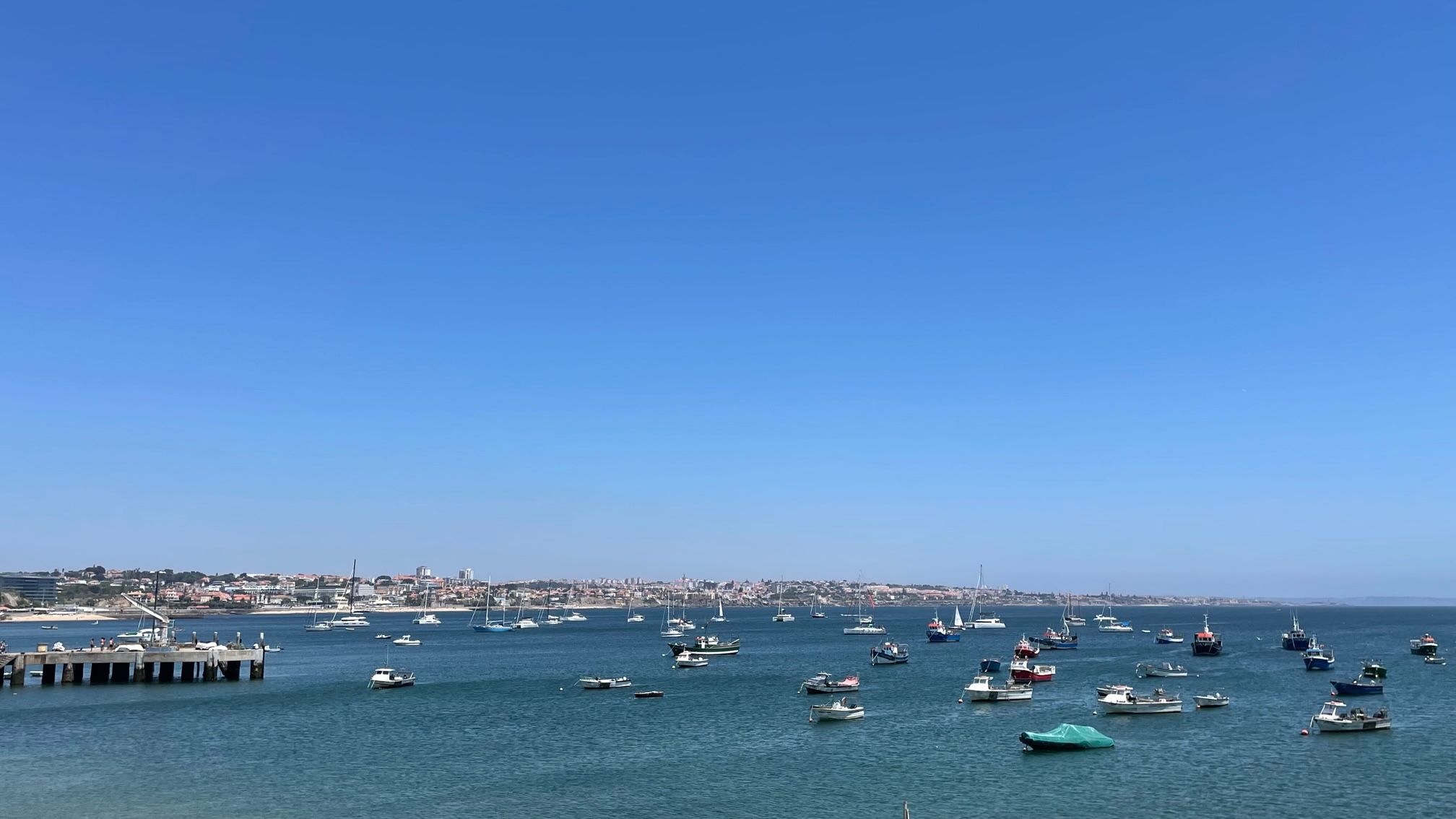
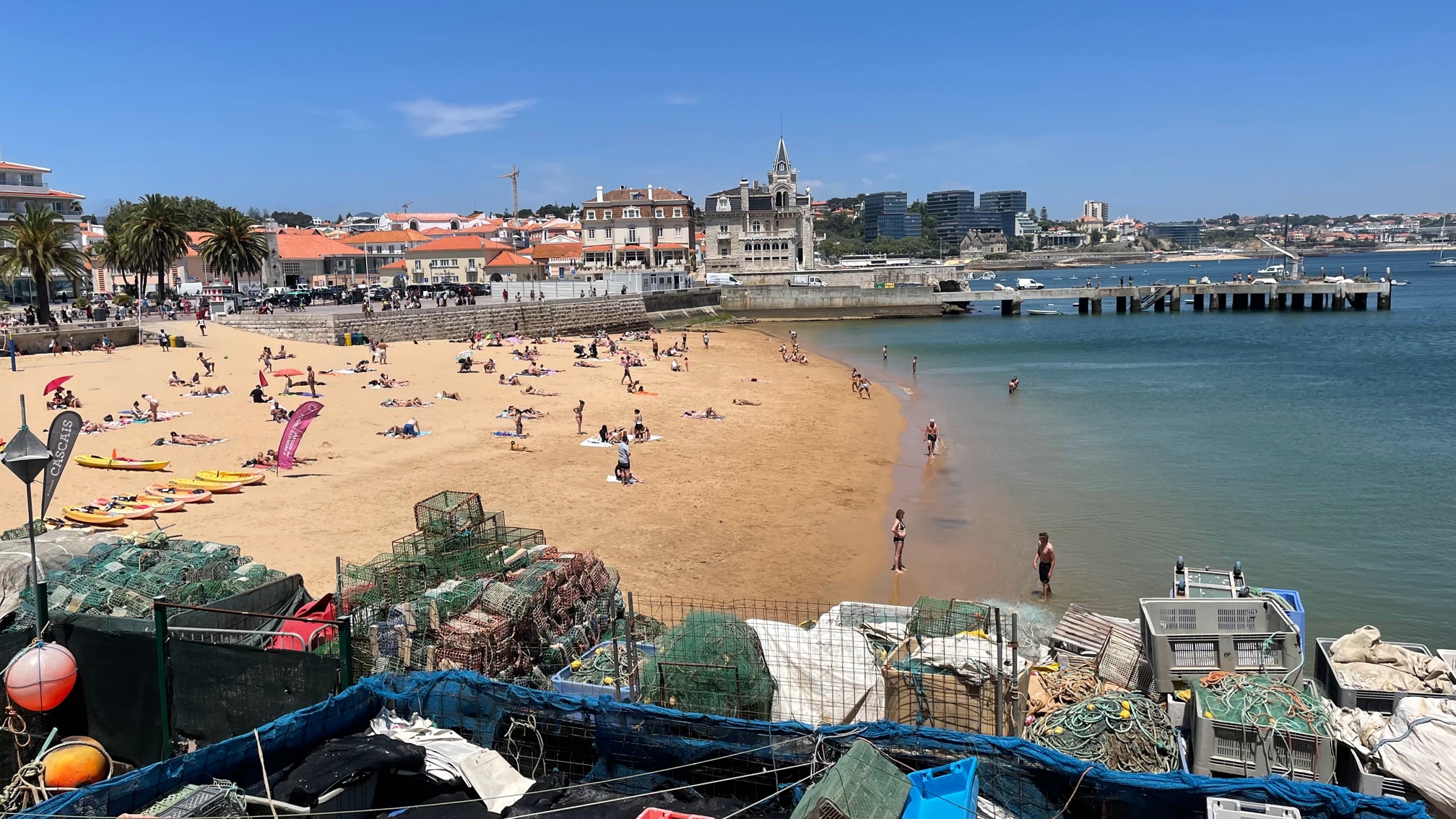
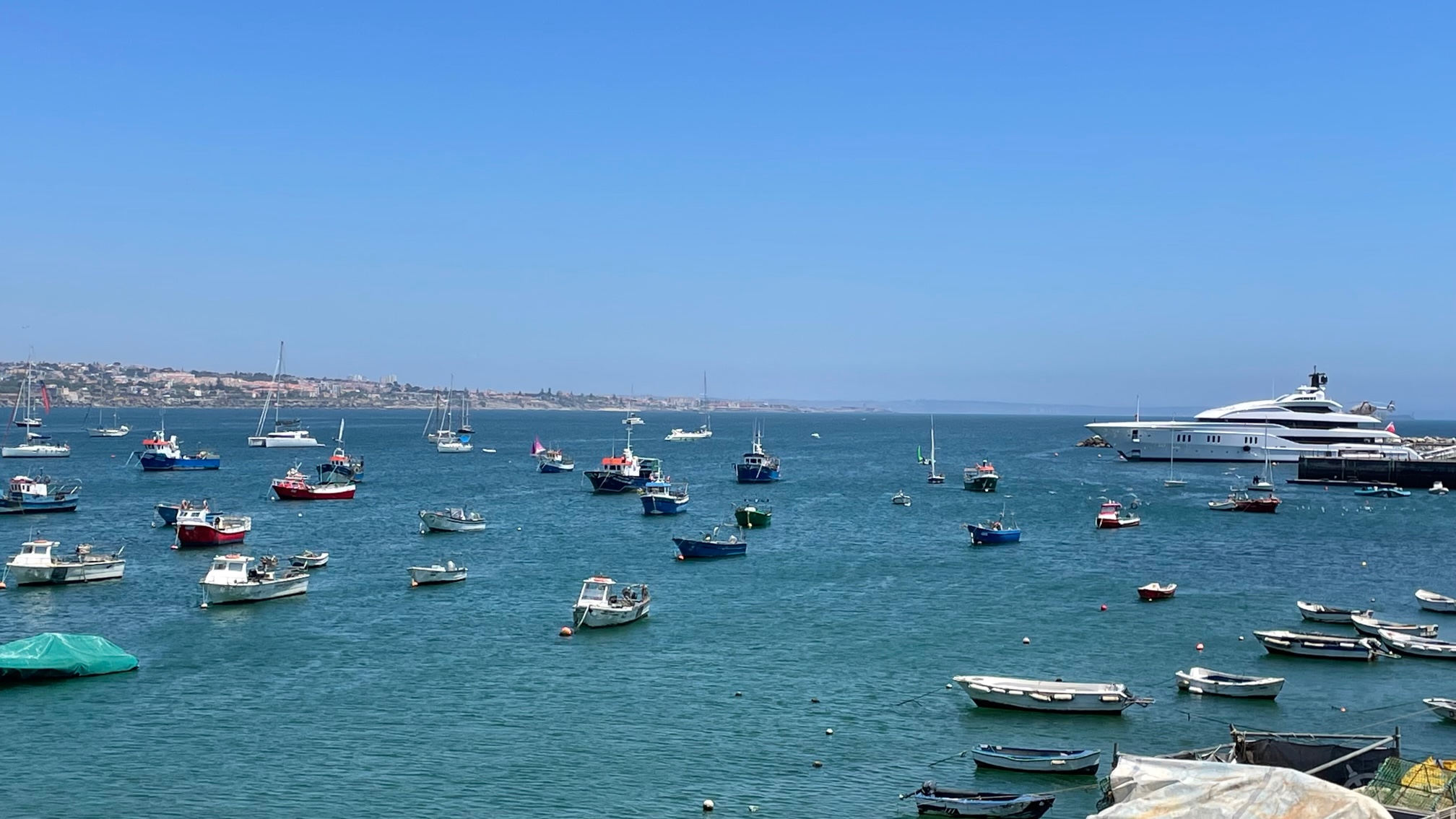
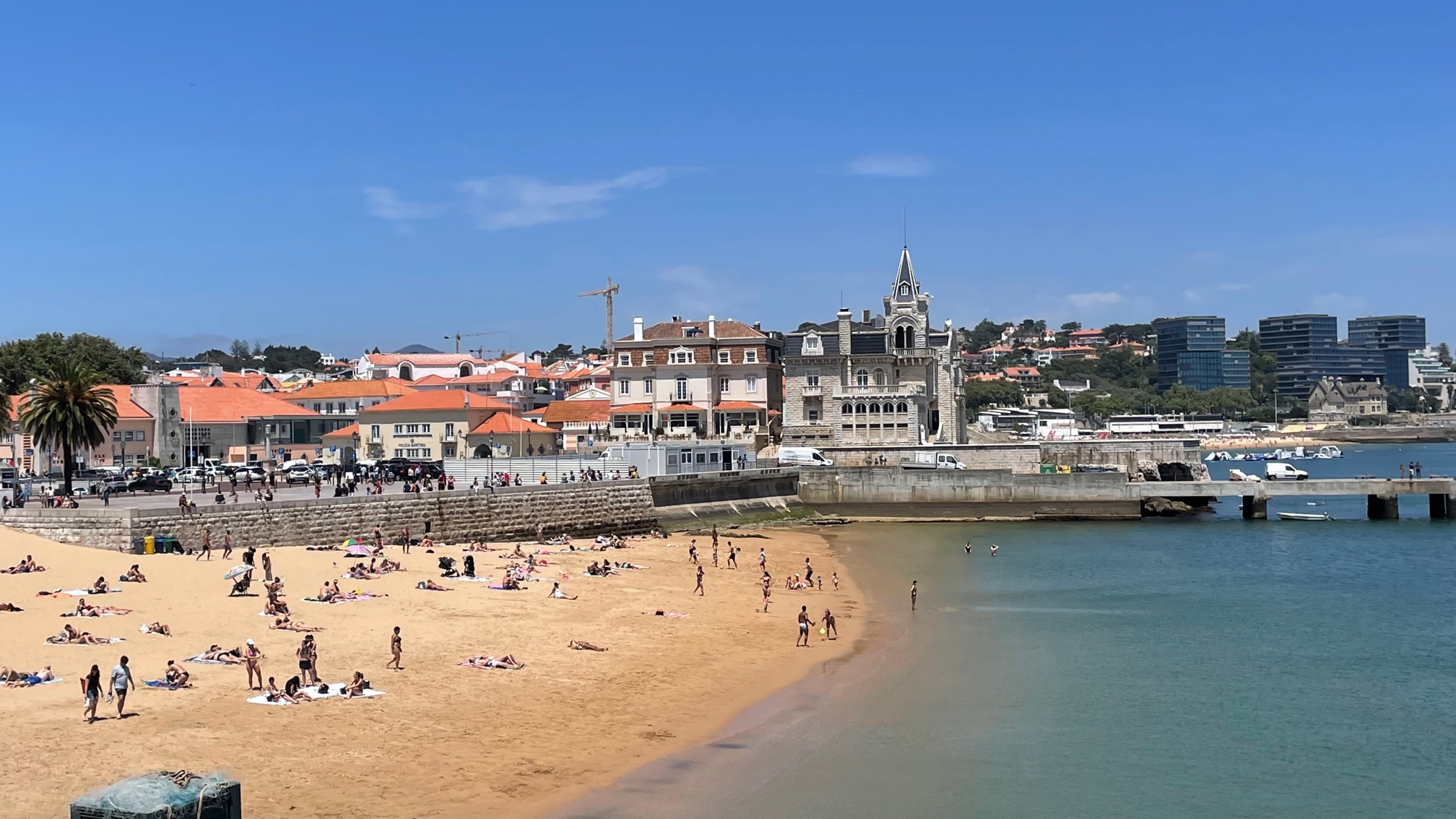
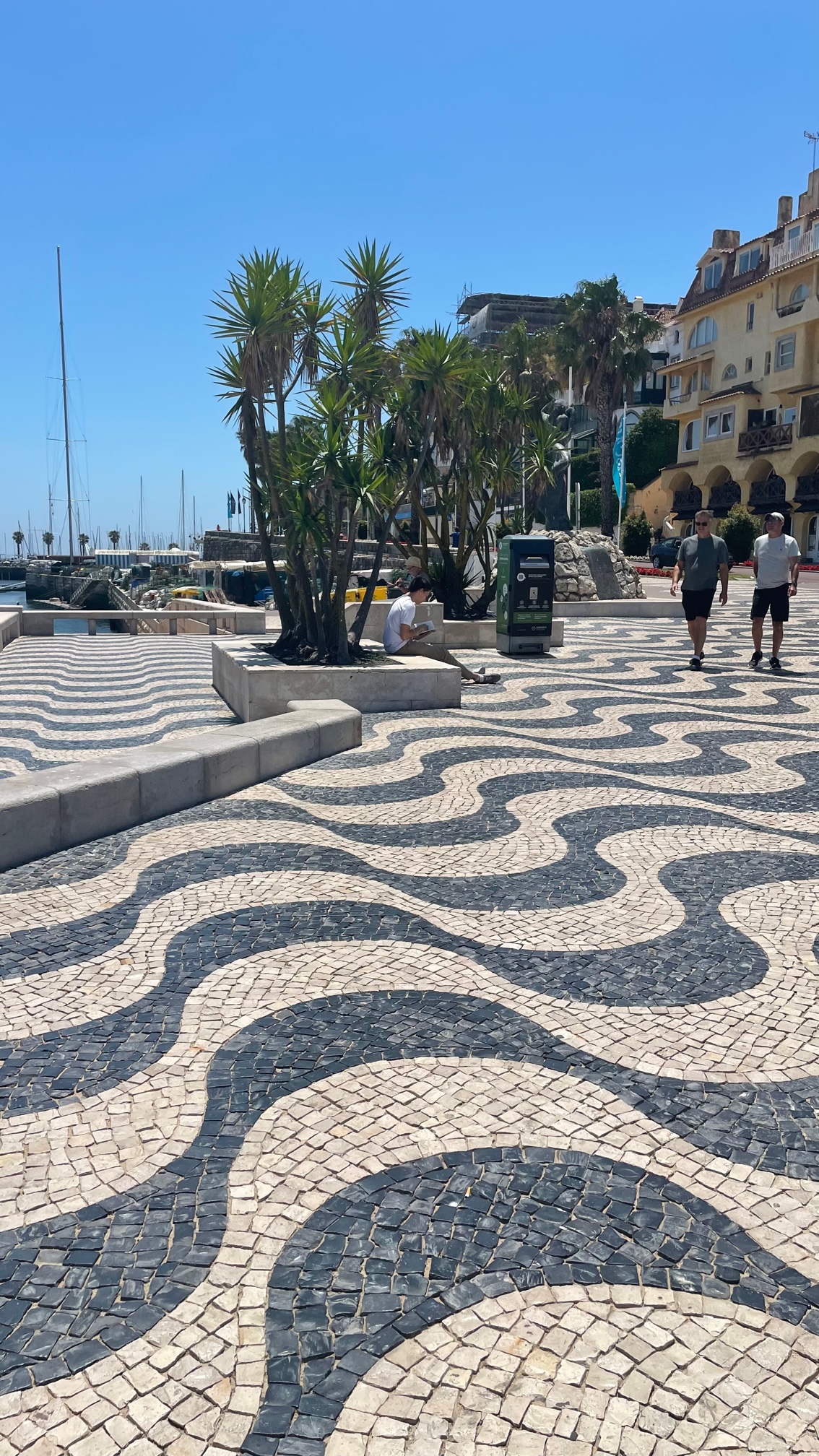
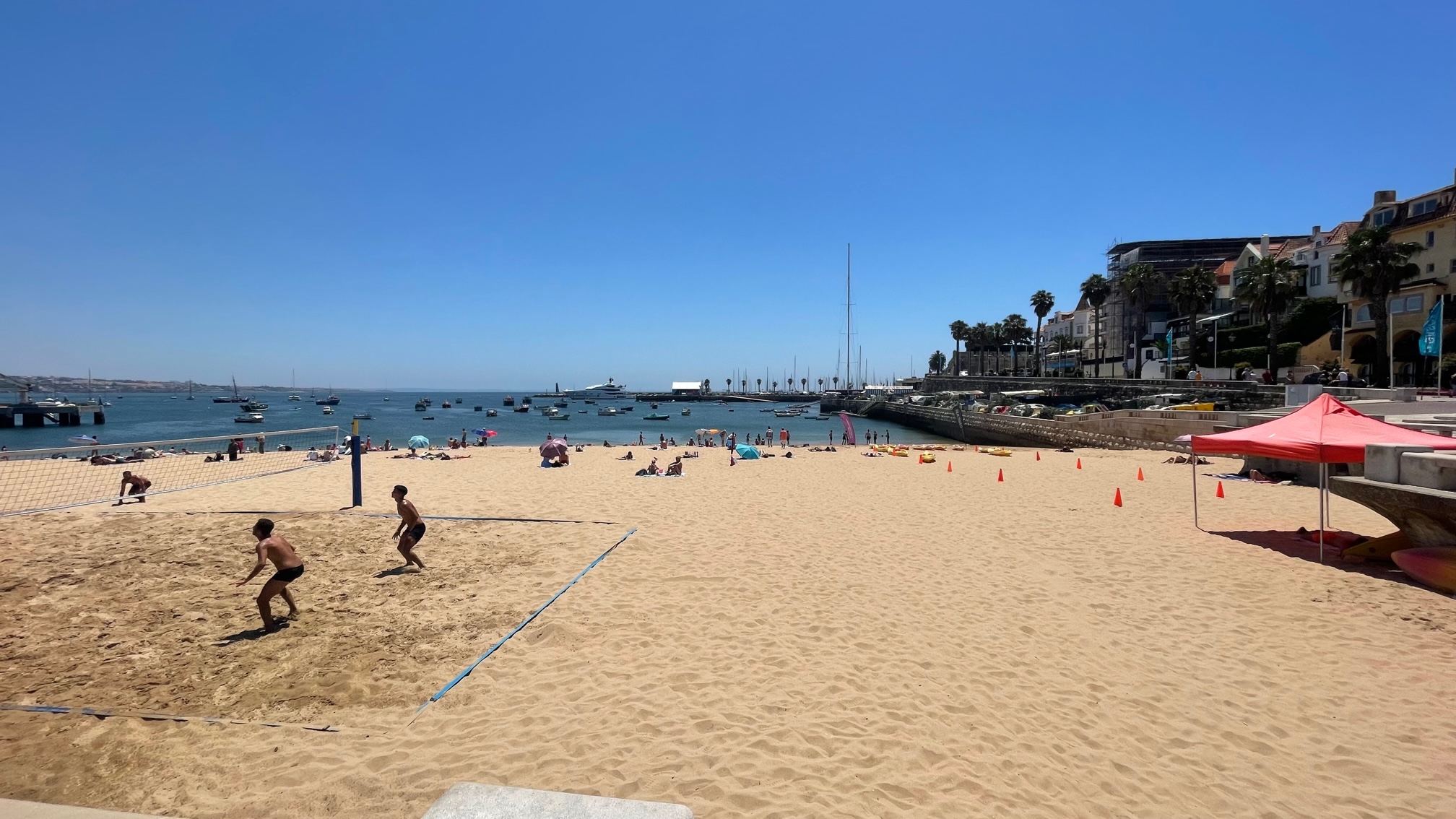
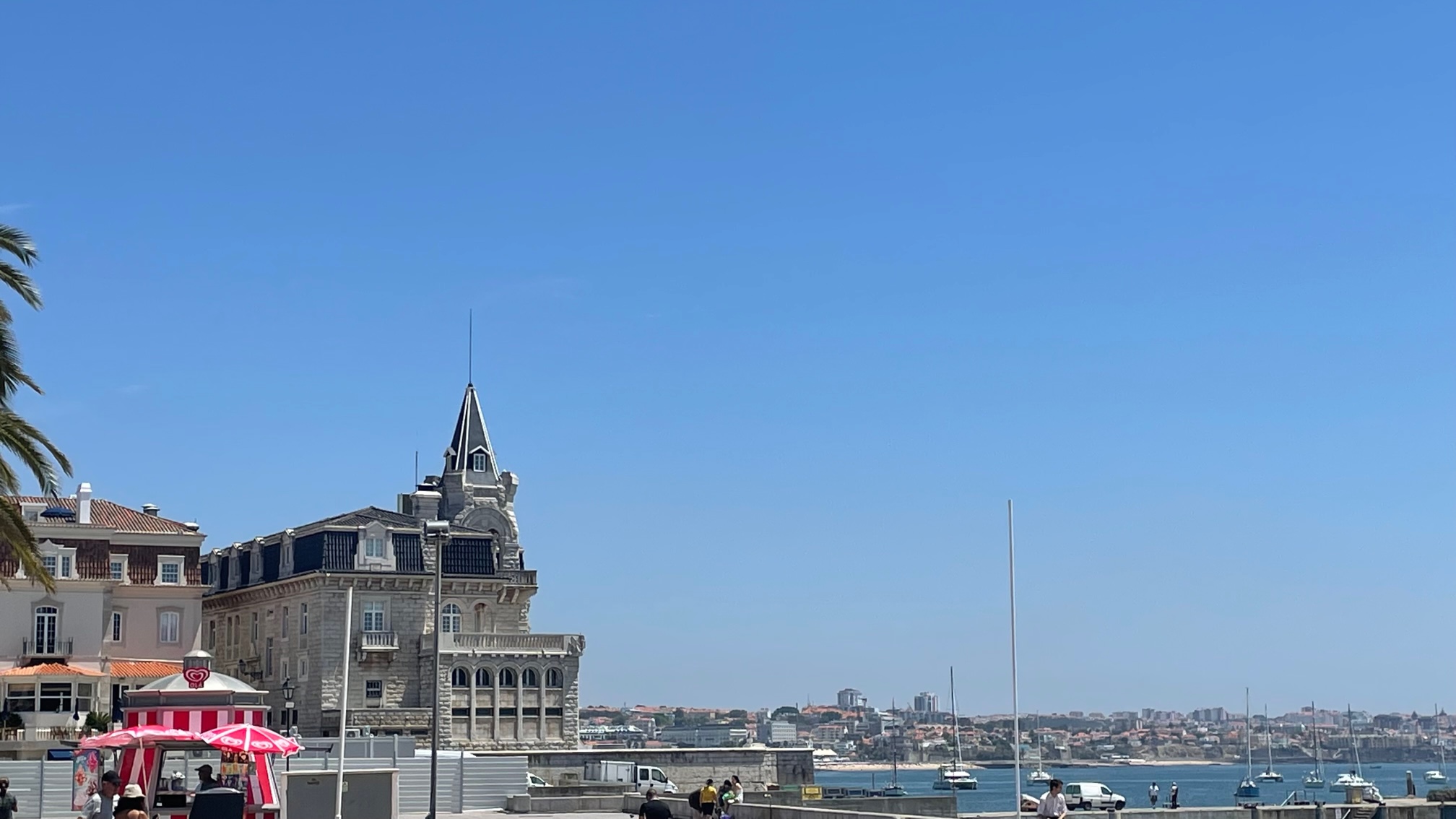
Cascais

Camera: iPhone 12

Location: Cascais, Portugal

Trust Is The Foundation

“Trust is the bedrock that glues our society together. It is the foundation for which our relationships are built on.”

Without trust, there can be nothing. Trust is the bedrock that glues our society together. It is the foundation for which our relationships are built on. Once that bedrock is ruptured, it can never fully heal again. This is why we place such a high value on it because it can be hard to find or even replicate whether in business or in work or in our lives in general. We learn from a young age the value of keeping our word, being accountable for our actions, and being part of a team or a whole.

If we cannot make a promise, we shouldn’t keep it. We learn not to overpromise, undersell, or to bite off more than we can chew in what we can be relied upon for. Whether it is a secret between friends, a business deal that should remain private, or our duty to uphold a certain standard in our professional lives, the ideal of trust is at the center of how we are expected to act and behave. Trust can be earned over time and can take months, years, or even decades to build on it but while it is hard to gain trust initially, it can last a very long time with repeated adherence.

However, once the trust is broken between people or groups or societies, it can never truly be fully healed again as it once was. While verbal trust is a key part of our lives, we often go above and beyond to string together the bonds of trust more deeply. We shake hands to formalize a deal, sign the terms and conditions of an agreement, have legal papers, lawyers, and the ‘fine print’ drawn up, so the trust given and received is as clear as day. There are multiple ways to establish trust with each other but there are just as many ways that trust can be broken too if you are not careful.

It is not just our work lives or business success that depends on the trust established within them but also our personal relationships. If you are not seen as trustworthy but those people who are closest to you, it is likely that will extend outwards to other kinds of relationships in your life. It is vital to maintain your trustworthiness across the board regardless of how fleeting the ties to the other person or group are. While our relationships, business dealings, and professional ties will all begin and come to an end, our reputation precedes us throughout our lives, and it is important to keep your trustworthiness intact as you navigate the years and decades of who you meet and who you establish connections with.

Trust is not only about keeping your word or telling the truth to someone else or acting in an honest matter, but it is also about not promising something that you can’t deliver on or embellishing or making up falsehoods to earn the other person’s trust. You may think you are able to take an action or provide something or to promise a result but if you cannot guarantee it 100%, it’s best to pull back and let that person or group know that it is not entirely possible. How often have you heard that expression, “don’t make a promise that you know you can’t keep.”

It’s not only about breaking a promise that shatters trust but also trying at something that you said would happen and guaranteeing its success without being realistic about the odds or about if you could deliver the intended result without error, delay, or setbacks. You not only have to be honest with other people to establish trust but also honest with yourself and what you can and what you cannot do for them.

Our own ego can sometimes hurt our own trustworthiness because we are biased in believing we can do more or be more or accomplish more than what we can do when we make a promise. It can be difficult to reign back our promises to others and to pull back our own ego when it comes to what we are capable of. However, it is necessary to keep our trust alive with the other group or person with whom you are dealing with. I believe it is better to hurt our own ego when it comes to being realistic about the promises or the actions, we can accomplish rather than to lie or to embellish or to delay the unrealistic promises that were made, which hurts that trust or even breaks it completely. When the trust is broken, the other person won’t think you’re honest or reliable or even a good person so that is why trust itself is the foundation for which any kind of relationship is built upon.

Trust being the foundation of an individual’s relationships is key, but it also portends to our society and our world. Shared values, beliefs, and rules are built on trust in that if you will follow them and obey them so will everyone else living in that society. If that trust is broken in the sense that there are rules for me and you, but not for them, then that trust in one another starts to erode. Basic civility, courteousness, respect for laws and rules, and overall trust builds society up and when promises are broken, when double standards are common, and when one party or group holds unfair advantages over another group, without any kind of recourse or change made to make the society fairer, then the society will suffer as a result.

It is no accident that more productive and successful societies and countries function at a higher level, and it comes down a high level of trust between its citizens regardless of age, gender, race, socioeconomic background, etc. When trust is shared by all to play by the rules and do the right thing for each other, then that society and/or country will flourish as a result. How can a society establish strong economic ties, pass new laws that are enforced for all, and foster a strong education system that works for all? if it is not built on that fundamental trust that we are to look out for one another rather than to take advantage of one another instead.

If you can read this article knowing that your trust for your fellow man or woman is high and that they can rely on you as you would rely on them, then you’re in good shape where you are with the trust of your society. However, if your trust in your fellow man or woman is waning and you are skeptical of other people’s intentions often, well, then unfortunately, your society has a lot of work to do to rebuild and strengthen that fundamental trust. You should be part of that change by helping to build up the trust in one another again where you are at rather than to keep poking holes in the foundation or to tear it down completely. The choice is yours to make.

Treating Every Day as a Gift

“While it does no good to dwell endlessly on our own mortality and ponder how long we get to have our existence on this planet, we should take heed each day when we wake up in the morning and when we lie down at night just how special it is to be alive and breathing.”

Recent events in my life have reminded me just how fragile and precious life itself is to me. As you get older and the years start to speed up rather than slow down, you start to realize more and more just how fast time flies and how fleeting life can be. While it can be easy to get bogged down in the day-to-day routines and the busyness of what we have in our own schedules, there’s no denying that we only have so long to live, and we should remember that we are not going to be around forever. It does no good to dwell endlessly on our own mortality and ponder how long we get to have our existence on this planet. We should take heed each day when we wake up in the morning and when we lie down at night just how special it is to be alive and breathing.

Our mere existence at miraculous odds through multiple generations of ancestors who came before us is a clear reminder how miraculous it is to have the gift of life. It can be easy to lose perspective on how the state of being alive rather than the opposite is so special, unique, and wonderful that we can take it for granted. Even when life inevitably throws its challenges, obstacles, and setbacks at you, it is important to slow down, take a deep breath, and remember that this too shall pass, and that having life is always worth the struggles and suffering involved.

I believe that instead of getting caught up in going through the motions, checking all the boxes, and waiting for the next day to begin, try to take a minute or even a few minutes to reflect on the fact that you are in the here and now, reading this article, being able to breathe, eat, drink, and be part of humanity as so many who have come before you. Life is a miracle when you really think about it, and you only have one life to live. Make peace with the fact that life is not forever, our bodies are mortal, and what we should not let trivialities, gossip, and regrets swallow us up as we live and breathe.

Remember to make peace and share love with those closest to you because they such as yourself are mortal too and will not be around forever. Try not to hold grudges, feed off your resentments, dwell endlessly on what’s past in your life. You should try as much as you can to be present in the moment, appreciate what blessings life has given you, and enjoy the beauty and wonder of what living in this world means. We all know that life isn’t perfect and that many days in our lives are a struggle where we might be treading water unsure of where we’re headed, what the meaning of it all is, and how can live a life that others will remember.

Try not to dwell on those questions endlessly but rather strive to be the best person you can be. If you’re a brother, be a better brother. If you’re a mother or a father, be a better parent to your child or children. If you’ve done wrong, atone for what you did and seek forgiveness from others. You can never truly right past wrongs, but you can strive to be better in your life from there on out. Be willing to tell your family and your friends that you care and love them if they have been there for you as much as you have been there for them. Life is precious and fleeting not only for us as the narrative of our own journey through this world but also for those others we love and cherish who we share our precious life with.

Treating every day as a gift even when life is hard will make you more appreciative, grateful, and reflective on what truly matters during our existence. We do not know when our time will come to say goodbye to this world so you should always strive to live true to who you are and to leave this world better than you found it. I encourage you to take a moment or two before you get out of bed or fall asleep to reflect on what life you have led so far.

If you are content with your life and have made the most of it, you are on your way to building a fulfilling canvas that will be bright, colorful, and detailed. If you are not content with how life has gone, think about what joys you’ve had so far, how life could be more fulfilling, and what you can do to improve upon it as it is never too late to make our one life the best it can be. Do not get discouraged by mortality and that our existence may be finite.

Take comfort in knowing that your life, however small it may seem in the grand scheme of our universe, influenced those around you and that the world was changed by your place in it. You may not be remembered a thousand years from now after you’re gone, but you will always know deep down inside what kind of life you led while you were here, in its good and bad times, joys and sorrows, its pleasures and pains. Hopefully, you may be able to rest in eternal peace knowing that the life you had lived, regardless of its days, months, years, or even a century or more, it was worth the gift of life itself.  

‘Extrapolations’ – TV Series Review and Analysis

“Recent wildfires in Canada that have caused the worst air pollution in decades across the Northeast U.S. this week have made me think about how our lives are becoming more and more impacted by the effects of climate change.”

Recent wildfires in Canada that have caused the worst air pollution in decades across the Northeast U.S. this week have made me think about how our lives are becoming more and more impacted by the effects of climate change. Growing wildfires, powerful hurricanes, sea level rise, melting glaciers, species extinction, and more acidic oceans are all causes for concern for people around the world and no country or people is likely to be exempt from at least one of the effects that have already been documented. What happens though in the next 50 years when we don’t take enough action now and in the past to reverse a possible future of no return?

That question is the premise for the first mainstream drama to focus on a future where climate change wins the battle that we are currently on track to lose if we don’t make drastic changes to our impact on the world around us. ‘Extrapolations’ is not a run of the mill documentary about climate change nor is it a disaster film that has become popular in Hollywood regarding disastrous storms. Instead, it is a rather intelligent take on the world soon when humanity cannot prevent global temperatures from staying at or below a 1.5-degree Celsius increase. The show covers what happens when humanity fails in its objective to keep the warming of the planet to a tolerable level. What starts out as 1.5 degrees Celsius becomes 2 degrees than 3 degrees until we become way past the point of no return past mid-century when 3.5 – 4 degrees Celsius is where the planet is headed.

Throughout the show’s eight episodes, we see the effects on the planet from Miami, Florida to New York City to London to Tel Aviv, Israel to Mumbai, India. From sea level rise wiping out the most popular nightlife areas in Miami including a historic synagogue to the constant wildfires that engulf Israel and the Middle East to limited outdoor time in Mumbai each day due to the overbearing heat and polluted air that causes deleterious effects to one’s health, the writers paint a grim yet realistic picture on what will happen if our climate change efforts fail miserably. More so than just the settings that are portrayed accurately in terms of how these popular cities may face their own negatives based on their geographic location, the characters in ‘Extrapolations’ have fully developed backgrounds, and you really get to know each of them over the course of the TV series.

There is a wide berth of society who are represented in this show from the wealthy billionaire who is interested in maximizing profits and takes advantage in his corporation from a dying planet to the Rabbi who is trying to wrestle with his faith in God as his synagogue slowly floods from the rising sea. What ‘Extrapolations’ does well is that it acknowledges that no one is purely innocent or purely guilty because of how badly climate change has warped the planet. Everyone is responsible in their own way, some more than others, but humanity is to blame for how we did not act quickly or unite fast enough to overcome our differences to reverse the worst effects to come.

The human effects of climate change are also explored such as how we are affected when we cannot go outside or must stay indoors to avoid heart or lung issues, why the extreme heat can prevent any work or leisure to take place, and how loneliness, depression, and atomization becomes more common when we despair at the worsening state of the planet.

My favorite episode in the eight-part TV series is ‘2066: Lola’ where we see how much augmented and virtual reality has come by then so that people are paid essentially to pretend to other people as a gig job and earn credits or money that can help improve their lives and insulate themselves more from climate change’s effects. The desire to connect with other people to distract ourselves from a dying planet is truly the TV series’ most impactful episode and makes you think about how much the emergence of augmented reality will make us both lonelier than ever and wanting to connect with others in untraditional and sometimes unseemly ways.

‘Extrapolations’ as a show really gets the A-list attention for a futuristic take on climate change’s effects on humanity with movie stars like Meryl Streep, Forest Whitaker, Kit Harrington, Edward Norton, Matthew Rhys, Gemma Chan, David Schwimmer, etc. All eight episodes are boosted by a stellar cast who really pour their hearts into the performances they give. I believe that they all truly cared about the project and how important it is to have a show like this become the center of attention. While Apple has been rightly condemned for some corporate practices that are harmful to the planet, it is a major TV show and movie distributor and should be commended for being the first major studio to have a series that doesn’t shy away from the brutal honesty of where we are headed if we don’t mitigate the worst effects of climate change to come.

If you are reading this article in 2023, you already know that the sea levels are starting to rise, wildfires are growing in both size and scale, bigger and stronger hurricanes that are also becoming more powerful, and deadly heat waves are becoming more common. While the first episode in this series takes place in 2037 and the last one ends in 2070, climate change is already here in 2023 as recent news events make clear and it has been affecting us for quite some time.

I encourage ‘Extrapolations’ to be watched by viewers with an open mind but also a commitment to do better for the planet. Do not shy away to act and make your voice heard regarding climate change after watching the series. You may think you know how bad it can get in the future from watching this series but ‘Extrapolations’ importance as a show is that it is as clear as day to where we will end up if we don’t hit the collective climate target goal of 1.5 degrees Celsius or keep as close to 1.5 degrees as possible.

While the show does mention possible stopgaps and solutions that can mitigate the damage, by that time in the 21st century, these solutions are risky with side effects on the planet that can only be speculated about. While the billionaire tycoon character was likely modeled after a few people who are prominent in our current age, as the show makes clear, the blame does not fall on him alone. We all can do our part by taking action to reduce our own carbon emissions, to encourage others to petition for policies and solutions now instead of 10 to 50 years down the line.

If the show has one central message after its eight impactful episodes, we all have stake in making sure this planet is livable for future generations. Even if you won’t be around to see the worst of climate change, we all should do our part, advocate for solutions now, and to hold people in power and of great wealth accountable if they do not action as well on a larger scale. The clock is ticking and as ‘Extrapolations’ highlights from 2037 to 2070, it can go downhill and get worse than what are experiencing already in 2023. Let’s not make the show a reality but keep it as a cautionary tale of what would have happened if we did not act strongly enough in these first decades of the twenty-first century.

I recommend ‘Extrapolations’ based on its great acting, stunning visuals, excellent writing, and interesting plots, but most importantly, because it focuses on the biggest issue of our time and one that we cannot ignore or downplay anymore.   

The Case Against Hyper-Individualism

“You can be an individualistic person but that does not excuse selfish or amoral behavior at all.”

It is not inherently bad to look out for yourself and your own interests. How many times have you heard that you have to “be a better friend to yourself” or to “take care of yourself?” If you can’t help yourself, then how can you help others out? The key thing to keep in mind with being individualistic is that while it can help you as a person, you should always remember that it does not mean neglecting, hurting, or disadvantaging others in the process. You can be an individualistic person but that does not excuse selfish or amoral behavior at all.

I would argue that hyper-individualism has become more and more common in our society and has led to people being taken advantage of, scammed, lied to, or otherwise mistreated because they had someone take advantage of them because they were acting in their own interest but without regards for others who were affected. If I had to give my own definition of what distinguishes hyper-individualism from individualism is that in the former, you are looking out for yourself only without regards for others or you are looking out for yourself even if it may cause other people to be negatively affected by your focus on individualistic behavior.

While it is okay in my view to strive to achieve your own goals, seek out a better life, find your own path, and to not be dependent on others if you can afford to do so. It is not okay to hurt others in the process by robbing them of their own goals, their own chance at seeking a better life, and even preventing them from building a community where the individual takes a back seat to the interests of a group.

I find that hyper-individualism is similar to a ‘dog eat dog’ kind of world where everybody is on their own all the time, there is limited or no support if you fall on tough times, and where communal living or community-building is sacrificed for individual power seeking, wealth gaining, or prestige building. Caring about oneself alone and not others at all or not caring if your own goals, success, and overall happiness may put others in a bad place can also fall under what hyper individualism would be to me.

I believe that most people cannot be hyper individualistic because since the early days of our species, we could not live on our own without the support of a tribe, group, or a small community. Everybody had their own individual wants, desires, or needs, but we worked together to achieve those needs by catering to our individual strengths. Each person brought something unique or useful to the larger group and that is where individualism can play a healthy role within a community. If you can hunt, you can provide food to yourself, yes, but also to others if you are good at what you do. If you can fish, you can fish enough to help yourself but also for others in the tribe too. The same could be said for cooking, cleaning, protecting livestock, building shelter, etc.

This kind of individualism where we express ourselves in what we do best and how we can contribute meaningfully to a larger group, community, or society helps to make individualism a powerful force, often for good. Where hyper-individualism goes wrong is where you only look out for yourself and don’t share with anybody else or lend a helping hand with your skills and talents. It is not good to hoard or be greedy but that is what hyper individualistic behavior is based around and the disturbing thing to remember is that it seems to be encouraged more and more by our popular culture.

Think about the advertising and marketing messages we often receive: do they cater to your needs or to the needs of a group? When society is largely telling you to constantly be going after the money, the cars, the clothes, and the fancy mansions, this kind of behavior often leads to hyper-individualism. Sadly, we don’t hear about how we can use our skills to help others or to volunteer to use our resources for a shared good or effort. It is up to us to resist hyper individualistic behavior as much as possible.

Hyper-individualism may make that person feel good at first, but it is an empty feeling especially if they are not contributing anything meaningful to the larger society. Yes, you were able to buy a nice car, a flashy television, and an expensive house, but while that’s good for you and your own skills and abilities, is that all there is to your life? For a few of us, maybe that’s good enough, but I believe that we feel happiest and most fulfilled when we not only share our talents with the world, but we use those talents to also better the world in some way.

Individualistic societies and more community-focused societies can both be wealthy, happy, and productive, but if you go to the extremes of individualism or to communism, to state the obvious, societies will often crater in on themselves and cease to function well. I like to think that the best societies in our world are those that recognize, encourage, and foster individual talent but to use that talent to create a better society and to make sure that success while rewarded financially or otherwise, is also meant to help others receive a helping hand up so they too can also succeed and pursue their individual dreams and goals.

My analogy for hyper-individualism is if you’re in a rowboat and you have six people in the boat, and we’re all meant to row to get to the shore. Problems can start to arise when you have five people rowing in sync together and starting to move the boat faster and faster to the shore. However, if that sixth person does not row at all because he or she does not want to or if they want to row back out to sea, all six people as a result are going to suffer together because of that one person’s hyper-individualism.

Think of that rowboat of six people like a society of a million or a billion people. If you have one person or a few people ‘rowing’ against the others and hurting the total society as a result, the problems even a few people can cause would affect everyone in that boat or in the society negatively. Let’s all remember that we all rise or fall together and that while individual success, wealth, and prestige, is admirable to achieve, it is not everything in life and we are judged not just by our own merits but by our character and our values as well in society.

It Feels Good to Do Good

“The good work we do whether it’s volunteering, donating, or contributing to society in our job or a non-paid effort can not only improve the state of the world in a measurable way but also make us feel good in the process.”

It can be disconcerting to make sense of how little is within our control and how much we would like to have the world be different than it is. Whether its politics, culture, the environment, or society in general, our lack of control over these forces that have a massive impact on our lives can be difficult to make sense of. Even when we do our best to make positive change in the world, it may only cause what I have previously referred to as a ‘ripple effect.’ However, we don’t realize that not only does the good we do ripple out in the world in a small yet powerful way, but we become the better for it as a result.

The good work we do whether it’s volunteering, donating, or contributing to society in our job or a non-paid effort can not only improve the state of the world in a measurable way but also make us feel good in the process. Other people in our lives may or may not know about these contributions that we make whether it’s with our physical labor, our financial resources, or just a caring thought or gesture but if we are the ones making the effort, we should take the time to recognize its significance and the beauty of the act itself.

It does not hurt to pat yourself on the back metaphorically for showing up and doing your part. I don’t believe it is egotistical or detrimental to your self-esteem to recognize that you are taking time or money to do something good in the world. While you should not expect others to be so forthcoming in their adulation or praise of what your contribution means, you should feel good about helping others or helping nature or just being kind and caring towards your fellow man or woman.

If you feel like you’re in a rut, I truly believe volunteering some time out of your busy schedule and working towards a goal in that kind of volunteer work can really cheer you up and make you feel a bit better about the world. So much these days is out of our own control in an increasingly technologically driven, lightning-fast world where we do not have as much time to slow down and focus on what really matters, which is to leave the world better than you found it.

The work can be hard, disappointing, and even cause you to question whether it is worth your time or money but hold true to the reason why you got into doing work for the betterment of others in the first place. While it is considered a selfless act to volunteer or to donate or to work for others, do not let yourself forget that it feels good to do good and you’ll often be better off for having done that work even if it was difficult, thankless, or draining to you mentally or physically.

Having that sense of control, to work hard towards a specific goal, and to feel better for having stuck with your good work to its end are all ways that can make us feel good about doing good. People all need to feel that sense of self-worth and to have that self-esteem be boosted a bit and that can come with taking the time or money or both to contribute to the betterment of the world around you. While time and money are precious resources for which we tightly hold onto at times, perhaps too much so, it is without question a good use of time and/or money to help those people out who are less fortunate than you are.

Only you can decide how much of either precious resource, time or money, that you would like to contribute as a volunteer but I promise that whatever you decide to take upon you in terms of doing good, you can guarantee that whatever effort or work you put in will pay you back in the most beautiful way in that sense of satisfaction and contentedness you can get from healing the world or helping a person or contributing to a social cause you care about a lot.

The work involved will be difficult and you will need to put in hours, days, and sometimes months or years to see the fruit of your labor lead to the good you sought to come about as a result. The blood, sweat, and the tears you put in may not seem worth it but if you work in a group or a team with other committed people who care about the same good work that you do, not only will it be easier, but it will be done quicker.

During the good work you do, make sure to keep reminding yourself that results will take time, that you have your goals clearly in mind as to why you’re contributing to do good in the first place, and to remember that you may not get praise from others but that your own satisfaction and happiness from contributing will be most powerful as it comes from within you. We only have so much time to volunteer and to do some good on our own terms so make sure you think deeply about how you want to contribute and why you’re contributing to that cause.

Other people, even friends and family, may question why you are dedicating your time and/or your money to the good work you’re doing, but you do not need their approval to go forward with reaching your goals. You only need to deeply internalize that doing good will make not only you feel good about it but the people or environment or our world, which will be better off as a result. If you have to justify why you did the work you did, don’t look to other people to confirm your righteousness but rather look within yourself in your heart to see what you contributed was needed, that you had the skills or the knowledge to help out, and that the impact you made was measurable and that it could ‘ripple’ out through the society and the entire world.