Anatomy of a Scene – The Climb

My love for The Dark Knight trilogy by Christopher Nolan is based on how realism blends with the superhero themes that make it a compelling series of movies. Not only is the acting, cinematography, and directions of these films brilliant but you enjoy the deeper themes and meaning behind the storylines. Some of these scenes including the one I am highlighting from ‘The Dark Knight Rises’ have not only great symbolism but larger lessons for our own lives on how we react to adversity and the challenges that life throws at us. Even when you are not Batman, a superhero with genius level intellect and almost superhuman physical strength, we can relate to Batman because he is fallible, and he has his weaknesses like we all do.

The brilliance of this particular scene from ‘The Dark Knight Rises’ is it shows Batman or Bruce Wayne at one of his lowest lows. He is an older man, not as physically imposing or as intimidating as he used to be, and he has lost almost everyone who meant to something to him. This scene comes in the 2nd half of the film and is located in a pit which has a double meaning to it. From the depths of this pit, we wonder if Batman will be able to rise and become who he is meant to be in order to face his adversaries head on.

‘The Climb’ scene from ‘The Dark Knight Rises’ is the best scene in the The Dark Knight trilogy in my opinion. Between Hans Zimmer’s music to the dialogue to the feeling of suspense to the ultimate payoff, it is an incredibly powerful scene that will stick with you even years later when you have forgotten other parts of the movie. I would like to breakdown the scene’s setting and what is happening along with giving some background as to what is significant about the events of the scene.

The beginning of the scene begins with the Bruce training physically in order to be strong enough to leave the pit where he is a prisoner like other similarly forsaken men. He is confident in his abilities even after having fractured a few of his back vertebrae after getting ‘broken’ by Bane, a masked villain who seems to be immune from Batman’s stealth and fighting tactics. After being sent to ‘the worst hell on Earth’ according to Bane, Batman slowly recovers from his injuries with help from the prison doctor and the blind seer who give him the history of the prison. It is Bane’s prison and he has sent many men there to die as no one has ever escaped except for Bane, which is only a rumor at this point. Bruce tells the prison doctor that he is not ‘meant to die in here’ even though to the doctor, it makes little difference where Bruce dies since no one has ever made the leap to freedom to survive and leave.

Even with Bruce’s back healing and seeing the urgency of Gotham City being under lockdown by being threatened with a nuclear weapon and his armed henchmen, Bruce has to spend a few months doing pushups, pull-ups, sit-ups and any other activity in order to physically be ready to escape. “Survival is the spirit” says the blind seer who used to care for Bane when he was in the prison. Bruce is ready physically according to him and he says his soul is ready, but he fails a few different times and re-injures himself while trying to make this leap to freedom.

It is more than just your body being ready to jump but it is also about the spirit, which revolves around mental toughness. The blind seer reminds Bruce that he cannot make the leap if he does not fear death. Bruce is not afraid of death in general but is afraid of dying in a pit prison for which there is no escape while his home city burns and suffers. Bruce is angry at Bane and wants vengeance but before he is able to leave, he must conquer the ultimate fear of death by facing it head on.

The blind seer tells him again that he has to “Make the climb…” Bruce asks incredulously, “How?” having tried multiple times with a rope attached to him to prevent him from falling to death from the top area of the pit. The blind seer reminds him that he must jump “without the rope” which acts as a safety harness, “Then fear will find you again…” In order to conquer the fear of death and dying in the pit, Bruce must leap to freedom with nothing holding him back, not a rope nor his fears such as of bats.

Bruce only brings with him ‘supplies’ for his journey back to Gotham remaining ever hopeful he will survive this leap to freedom with no rope to hold him back or keep him from suffering the deadly consequences. Bane’s prisoners start chanting from their cells ‘Deshi Bashara’ over and over again and louder as Bruce gets ready to climb out of the pit. Bruce asks the Doctor, “what does it mean?” and the Doctor replies, “Rise.” Bruce’s father, before his death, asked his son, “Why do we fall?” and after all this time as Batman and the trials and tribulations he has experienced as a caped crusader, he finally knows the only answer in his life is to “Rise.”

Looking on and as the blind seer hears the ‘Deshi Bashara’ chants get louder and louder, Bruce begins his climb out of the pit without the rope. As Bruce gets towards the final jump out from the top ledge of the pit to climb out, the music starts to crescendo and the bats that he has feared all of his life since his parents’ death fly out of the top edge of the pit and surround him as he gets ready to jump.

Realizing he no longer has the constant fear of them, he realizes he is Batman risen again and can make the full jump with confidence that he will make it. Seeing daylight above him and having faith in his ability to rise up to save his city, Bruce holds on to the other ledge successfully making about a 3-meter jump to avoid death and live to fight another day. Having seen daylight and the sun fully for the first time in months, Bruce is aghast that he made it but his determination to save Gotham steadies himself for the long journey ahead.

Because Bruce Wayne is Batman, he remembers to save Bane’s prisoners, most likely innocent men captured in the fight asked the supervillain and throws them down the long ropes so that they too can climb out to freedom with his help. It’s the small details like that which make Nolan’s Batman trilogy the best of all Batman films. Bruce’s Batman persona does not forget the men who helped him heal his back, train himself physically, and offer the wisdom to face death head on in order to face Bane again and save the city. This very pit that Bruce rises from is directly inspired by the comic books themselves as it is similar to the ‘Lazarus Pit’ where men can be regenerated and made immortal again by the pit’s healing powers.

There is also references made to Ra’s Al-Ghul who appears to Bruce in a vision speaking about the ‘many forms of immortality’ that exist and how he may still be around through Bane’s control of the League of Shadows or otherwise. “There is a prison in a more ancient part of the world, a pit where men are thrown to suffer and die, but sometimes a man rises from the darkness. Sometimes, the pit sends something back.”

Bruce was able to get back because he rose from the darkness of his own despair from being broken in terms of mind and body but was able to risk it all in order to save his city. He faced his fears head on and was able to have enough confidence in his abilities to leap to freedom and be ‘sent back’ to Gotham to avenge those suffered under Bane’s tyranny. Bruce is a hero as well because he is selfless and thinks about others before himself such as those men in the pit he freed and giving them real hope rather than just a glimmer of sunlight by handing them down the rope so they could be free too from Bane’s cruelties.

This brilliant scene can have a deeper meaning for us all because during our lives, we will all be down in the metaphorical pit being unable to escape our own fears, doubts, and phobias. However, we must always face our fears and rise out of the pit of despair to give ourselves the best chance to succeed. Whether its feeding your family, learning a new skill to be employed, or winning a championship in an intensive physically or mentally challenging activity, we must face our fear head on and realize it is better to have thrust ourselves into these challenges head on than staying down in the pit of our own worries.

During our lives, we must cut the proverbial rope of convenience, comfort, and easy living to truly develop ourselves and our abilities. Life is not without risk including sickness and death, but we must continue to fight on and continue to escape the self-made pits that lie within each and every one of us. Motivating yourself to fight against these problems and letting go of your fears will make you a stronger person. Whenever life gets you down, remember to fight on and use this movie scene as a motivation for you to continue on. You will be down in the pit as Bruce was during this film, but it does not mean that you are doomed to stay there. With taking on your fears, living life how you want it to be lived, and overcoming challenges and obstacles, you too will make the leap to freedom in mind, body, and soul.

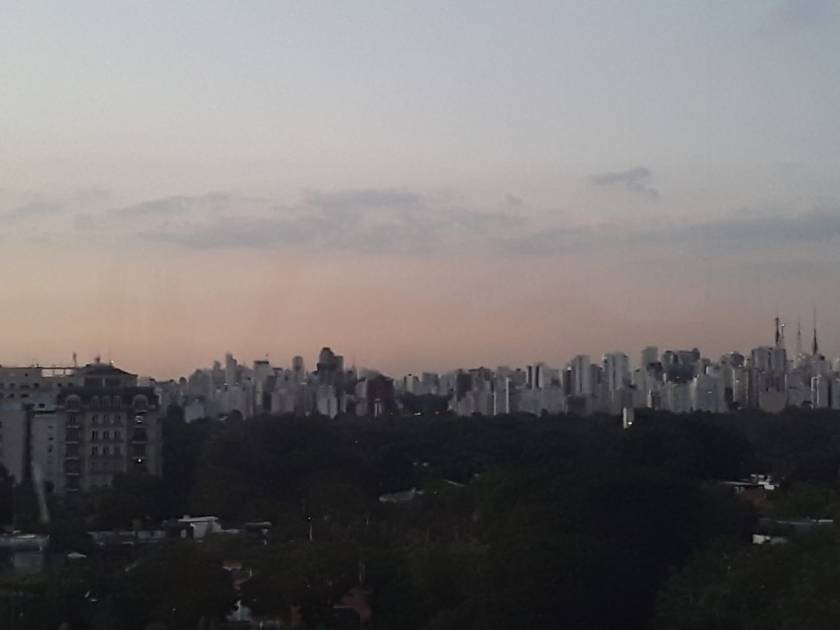
Nighttime in Sampa

PHOTO-2020-04-16-11-11-42 (1)PHOTO-2020-04-16-11-11-42PHOTO-2020-04-16-11-11-41 (1)PHOTO-2020-04-16-11-11-41PHOTO-2020-04-16-11-11-40 (1)PHOTO-2020-04-16-11-11-40PHOTO-2020-04-16-11-11-39PHOTO-2020-04-16-11-11-38PHOTO-2020-04-16-11-11-37 (1)PHOTO-2020-04-16-11-11-37PHOTO-2020-04-16-11-11-36 (2)PHOTO-2020-04-16-11-11-36 (1)PHOTO-2020-04-16-11-11-36PHOTO-2020-04-16-11-11-35

Camera: Samsung Galaxy J2 Core

Location: Parque Ibirapuera; São Paulo, Brazil

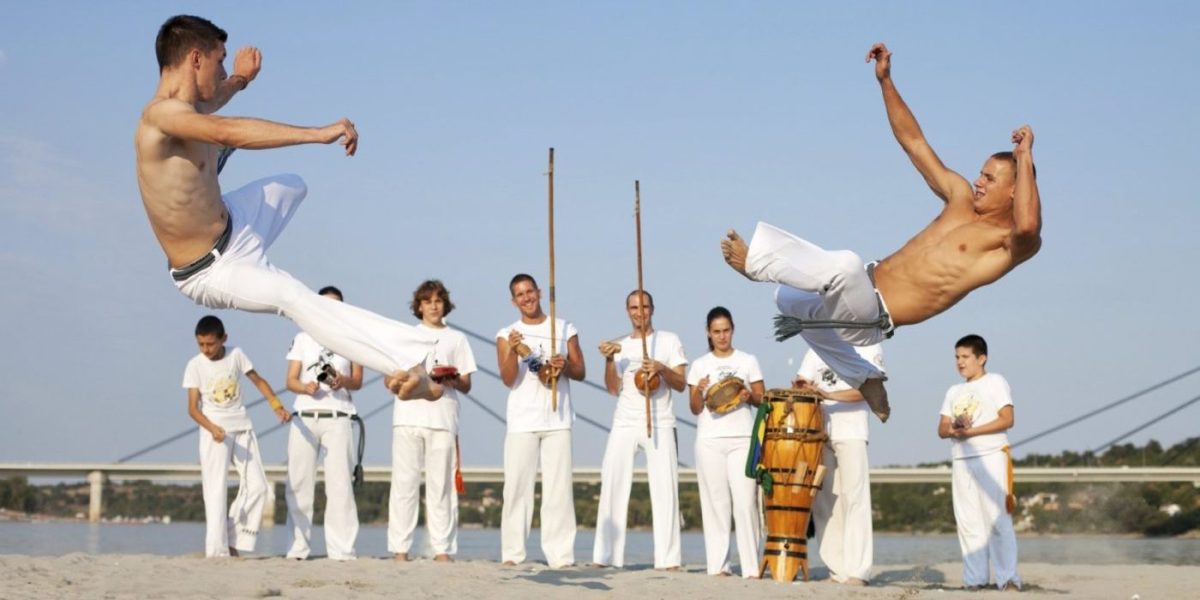
Cultural Spotlight – Capoeira

Capoeira is a very unique cultural aspect of Brazil and one that while it has its origins elsewhere has become very Brazilian in its customs, history, and usage. With different elements of dance mixed in with parts of martial arts, Capoeira is unlike any other form of movement in the Western Hemisphere. Not only is Capoeira based on dance and martial arts, it is also formed from a foundation of acrobatics and music to accompany the many movements. The amount of exercise involved in becoming a true Capoeira artist means that you will definitely break a sweat while getting physically fit if you intend to practice this unique art form on a daily basis.

Capoeira is known for having its origins in different parts of west Africa but was developed after the beginning of the Transatlantic slave trade in the 16th century. After enslaved Africans were first brought to Brazil by the Portuguese settlers, it became a way for the slaves to stay physically fit and strong if they ever decided to flee and run away from their slave masters. If they wanted to collaborate and rebel, they could use their capoeira skills to help defend themselves from possible attack or capture from the slave masters as well.

Capoeira uses the full body and so you can use both your arms, hands, legs, and feet to do a large number of movements. The movements are acrobatic, complex, and fluid and based often off of the music and rhythms that are being played for the dancers. Hands often stay on the ground as inverted kicks are flown in the air. The ginga is the focal point or main focus of any capoeira movement and is usually the beginning of any fluid kick or handstand to come.

The capoeiristas’ are those martial artists or dancers who perform the movements often with other capoeirista while being surrounded by a group of observers who are either playing music or encouraging the capoeiristas on to continue their rhythmic movements to match the other participant. The origin of the word ‘capoeira’ comes from the Tupi language words of ka’a (forest) and pau (round) referring to the low-lying vegetation areas where fugitive African slaves would hide from their masters when they would try to make an escape. Most of the African slaves who started capoeira in Brazil were originally from Angola.

After the end of slavery in Brazil in 1888, the new republic outlawed capoeira throughout the country. If you were caught practicing capoeira anywhere in public, practitioners would be thrown in jail, tortured, or even killed. This prohibition continued throughout most of the 20th century even if it was sometimes tolerated in universities and in private places during times of both democratic and military rule in Brazil. Still though, the Afro-Brazilian communities especially in the Northeast kept capoeira alive during these forbidden times and even renamed capoeira to be called ‘Luta Regional Baiana’ which means the regional fight of Bahia in order so that practitioners could practice their form of capoeira without outside interference.

In the recently enslaved communities of Quilombos who had liberated themselves to be free and self-reliant in parts of Brazil during the 18th and 19th centuries, capoeira became a way of defending themselves in case of war or conflict with Portuguese colonial troops or Brazilian soldiers. By using the martial art to dodge potential attacks and/or captures, the Quilombos were a formidable fighting force who used capoeira to defend their communities and their land at often great cost.

The key to capoeira from my own observations in Brazil is to never stop your movements and to always be thinking of how to dodge, kick, sweep, and even take down your opponent. The ginga movement of being fluid is both an attack and defense mechanism to make sure you are constantly ready to either take your opponent by surprise or to evade their own attack. Most attacks in capoeira are done with leg sweeps, swirling kicks, or knee strikes but can also involve the elbow or head. However, most forms of capoeira today are done as simulations and to train for a game or a competition rather than war or actual combat.

To the public who view capoeira in a non-violent lens, these presentations in the roda or circle are just for show and involve games of aerial acrobatics rather than being more about striking or deflecting physical attacks. The circle involves musical instruments specifically for the game between capoeiristas and there is singing, and dancing involved with everyone in the circle participating at some point. Capoeira instruments include the berimbau, which can be played from very slow to very fast depending upon the rhythms requested as well as other instruments such as pandeiros, atabaques, agogo, and the ganza. The row of musicians in the roda (circle) is called a ‘bateria’ and the touch of the berimbau instrument in particular fuels the speed, aggressiveness, or style of the capoeira game.

Similar to Carnaval and Feijoada, Capoeira is one of Brazil’s most famous and impressive exports to the rest of the world. Every year, thousands of tourists come from around the world including serious non-Brazilian practitioners travel to different parts of Brazil to practice its most famous martial art. The capoeira masters (mestres) often teach the Portuguese language in addition to the movements of capoeira so the foreign student can really immerse themselves in the cultural background and history of this traditional martial art. The capoeira demonstrations are perhaps more acrobatic than physical when in public but in private, you would have to guess that it is much more intense and much more serious in terms of displaying physical prowess than what is shown to the public.

After the 1970s, this unique part of Brazilian culture was on its way to not only being accepted by the people but being embraced and taught to the next generations. A powerful way of resolving conflict, promoting social cohesion, and learning about physical fitness, capoeira is great at bringing the community together in a positive way while showing how important it is to recognize and value past traditions. From the roots of West Africa to groups of escaped Afro-Brazilian slaves whose cultural practices were almost extinguished over the centuries due to subjugation, maltreatment, and neglect, capoeira like their rights to human freedom and basic dignity made a powerful comeback which is still being fought for and advanced to this day.

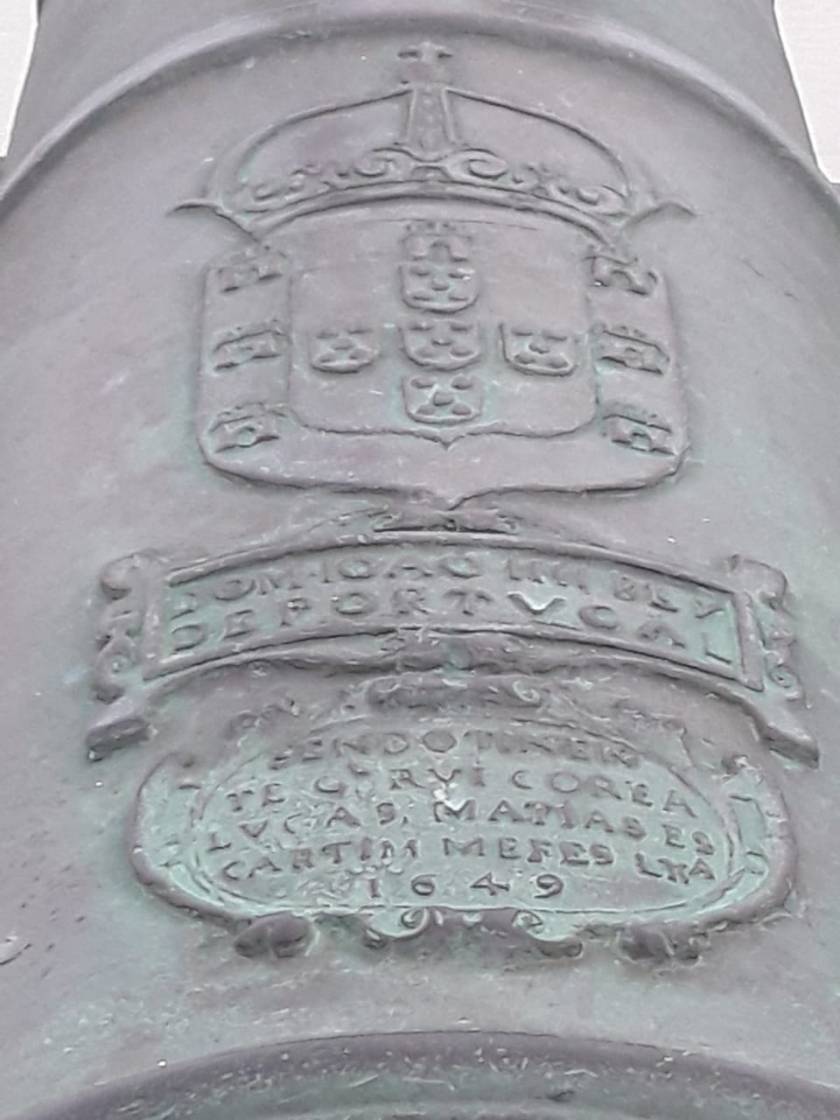
Farol da Barra Lighthouse

PHOTO-2020-04-09-09-13-04PHOTO-2020-04-09-09-13-03 (2)PHOTO-2020-04-09-09-13-03 (1)PHOTO-2020-04-09-09-13-03PHOTO-2020-04-09-09-13-02PHOTO-2020-04-09-09-13-01PHOTO-2020-04-09-09-13-00PHOTO-2020-04-09-09-12-59 (2)PHOTO-2020-04-09-09-12-59 (1)PHOTO-2020-04-09-09-12-59PHOTO-2020-04-09-09-12-58

Camera: Samsung Galaxy J2 Core

Location: Farol da Barra Lighthouse; Salvador, Bahia, Brazil

The Need to Have a Social Conscience

Keeping with what’s been going on in the world lately, I believe it’s important to reinforce just how important it is now and into the future the need to have a social conscience. What do I mean by a social conscience? Boiling down the formal definition to even simpler terms, it is the feeling derived from caring for others more than yourself. You feel the urge to put others’ needs before your own. It does not mean to stop caring for yourself and taking care of your daily needs but to think of others who rely on you and to put them first especially for family members and friends.

However, having a social conscience goes beyond just our family and our friends. It goes for our immediate society as a whole whether it is the community you live in, the nation you reside in, or the world you inhabit. You feel responsible for what goes on outside of your own life and those of family and friends to think of a larger picture. To have a social conscience is to see beyond your own problems and to see the injustices that continue to plague our world.

You also have to realize that your problems while difficult or not unique and others are going through the same tribulations as you are and sometimes worse. Having a social conscience involves putting yourselves into the shoes of other people and to realize how they could possibly be helped and how you personally can be involved in assisting them. Showing concern for others is the right way to have a social conscience and also to think about how these injustices can be resolved. Any individual can make a difference by having a social conscience and by taking it upon themselves to change their behavior to reflect their new attitude.

How do you show your social conscience? There are numerous ways to do so and you could even put them on a scale from small actions to large movements designed to change the foundations of the society. In the case of a social conscience, I find that it’s like exercising your body. You don’t want to take on too much weight or distance at first for weightlifting or running. You should rather want to start small and build up your actions over time and to be more ambitious.
For some examples, starting off small with your social conscience can include environmental stewardship, collecting donations, or getting involved in your local community. Any of these actions can create a ripple effect and can cause a shift in societal behavior for others to follow your lead or for the actions to spread to other people and even communities based on how consistent and courteous you are with these goodwill efforts. For environmental stewardship, it could be recycling your own bottles and cans each day and getting your neighborhood to do so as well.

You can also plant trees and install solar panels on your house if able to gather momentum from smaller actions. Donating your own clothes or extra food can lead to organizing food drives or even creating your own organizations to help collect donations in your town or city. Leading a local trash pickup event can lead to other future leadership roles for yourself such as running for your child’s PTA (parent – teacher association) board to running for the town / city council board seat. Social consciousness does not have to encompass all of humanity but rather as the popular saying goes, “think globally, act locally.”

As long as you are having a positive impact on the life of another person, you are exercising your social consciousness. The more you do it, the more natural it is, and it becomes your routine or habit. Your first time donating your old clothes to the Salvation Army becomes a monthly habit. Your first-time volunteering at the local food bank becomes a weekly occurrence. Helping others feels good and it can lead to you doing it more often so why not give it a try? A social consciousness does not have to extend to everybody in the world all at once but the actions you do locally can definitely ripple out and stand as a positive example for others to implement in their own communities.

If you would like to get involved globally, there are an almost infinite number of opportunities to study, teach, work, and volunteer in non-governmental organizations and local non-for-profits in important areas such as education, health care, infrastructure and the environment. Spending time to educate yourself on the culture, history, politics, and the society of other places around the world will help better inform you of the injustices and problems of your own. No human society is perfect but there are small improvements that each day we can choose to perform to make it a little bit better than it was before.

Even when you are not in a position of local, national, or even global leadership, you can elect to pay attention to the problems that must be solved, form your position on the issues by being educated and choosing your sources of information carefully and then choose to vote and elect those leaders who have a social conscience. You will know if they have one or not by not only of what they advocate for but how they have advocated for these issues and who they have surrounded themselves with. A person with no social conscience cares for no one but himself and his own brood. Their friends are disposable to them and they care nothing for others beyond what they can do for him or her and how their own prospects can be improved. A person without a social conscience deserves to lead nobody and not be followed by anyone.

A socially conscious leader cares for the least among them and feels their pain as his or her own. While they have not experienced pain or misery as those whom he or she advocates for, he can listen to them, see what they say based on those experiences, and come to an educated decision on how to best fix the problem and work with those who are experts in that field to solve the issue as best as humanly possible. Social conscious behavior is so key to have when it comes to be a leader of a community or a nation and it is unfortunately neglected as of late when it comes to judging the men and the women we put into positions of influence and power.

As long as people err in their own behavior and judgment, there will be manmade problems and injustices. What someone with a social conscience can do is to do their best to continue to fight for justice and solve those problems in any way they can. Rather than focus on 100 problems at one time, it is best to focus one’s attention at 1 or 2 big problems that can be solved in time and that can gain popular support from the community after receiving the facts of why and how the injustice exists. Keep educating yourself on the injustices and the problems that exist in your world and decide how you want to push our world back towards the ‘arc of justice’ that our conscience and actions should bend to as Martin Luther King Jr. so eloquently put it. We only have a finite amount of time on this planet and if we can right some wrongs and create justice where there was little or none before then we are doing our small part to make this world a better and fairer place.

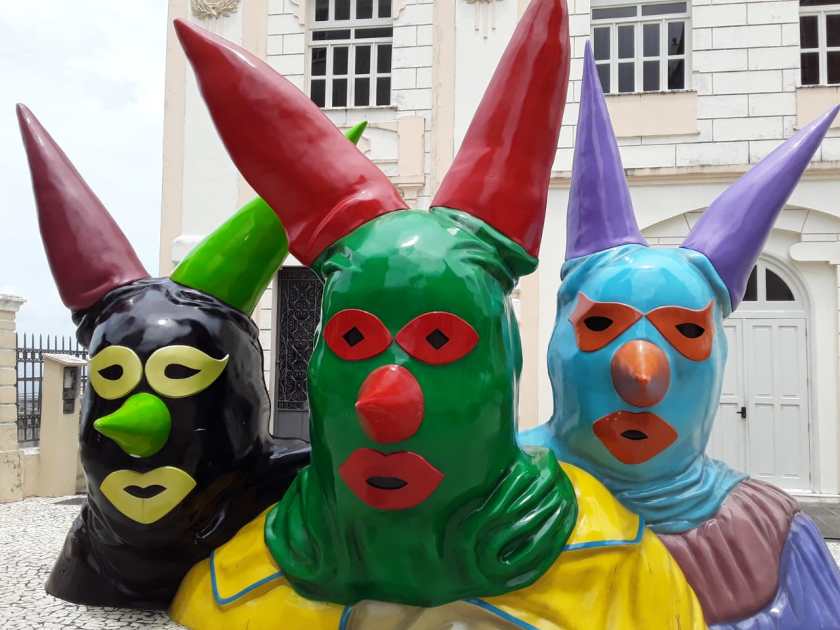
Pelourinho

PHOTO-2020-04-02-09-13-04PHOTO-2020-04-02-09-13-04 (1)PHOTO-2020-04-02-09-13-04 (2)PHOTO-2020-04-02-09-13-05PHOTO-2020-04-02-09-13-06PHOTO-2020-04-02-09-13-06 (1)PHOTO-2020-04-02-09-13-08PHOTO-2020-04-02-09-13-08 (2)PHOTO-2020-04-02-09-13-08 (1)PHOTO-2020-04-02-09-13-10PHOTO-2020-04-02-09-13-10 (1)PHOTO-2020-04-02-09-13-11PHOTO-2020-04-02-09-13-11 (1)PHOTO-2020-04-02-09-13-12PHOTO-2020-04-02-09-13-12 (1)

Camera: Samsung Galaxy J2 Core

Location: Pelourinho; Salvador, Bahia, Brazil

Steady As We Go

As we all know by now, the world is going through a very tough time right now. Instead of speculating about when will things be back to some sense of normalcy, it would not be right to do guesswork about that as of today. Instead, I think it would be best to remind ourselves of a few things we can do over the next few weeks or months to prepare ourselves both mentally and physically for these challenging times. I would like to give my readers out there some advice which has helped me so far in terms of moving forward with my day-to-day activities and also the larger goals that I have for myself.

  1. Take Care of Your Friends and Family: Now is the time to be there for your family and close friends in any way that you can. Even if you are not in the same city or in the same country, take some time out of your day to call or message them to see how they are doing. If you can do so, try to help around the apartment or house with cooking, cleaning, running errands, etc. This is a time to be close to the ones you love and to be there for them.

Remote work and schooling are important and should be a priority, but you should not forget to make time for those around you and to check in on them. Given how much running around you could be doing, you will likely have more time to reach out to loved ones and really take the time to engage in conversation or have dinner together or just to FaceTime every night before bed. I think it is the #1 priority right now to have during this difficult time.

  1. Look for New Opportunities: Obviously, this is a hard time both employment wise and financially. If you have to find a new job or a new opportunity, do your best to be prepared to find those jobs and work opportunities even if they are not ideal for your long-term career pursuits. In a time like this, it would be best to swallow your pride and expand your availability for jobs that will be coming down the pipeline. You have to do what you have to do within reason to keep the lights on and feed your family. It may be working to stock shelves to delivering groceries or to work as a receptionist but if it comes with health insurance and a decent wage, it may be in your best interest to take that opportunity at least for a few months.

Nothing is permanent and even if it is not a job you want to be doing, consider it a way to build up your resilience and to be helping others especially if the job calls for it. The wider you broaden the search, the better off you will be. You just want to make sure you polish off your resume and your cover letter to update it after a gap of some time.

  1. Be Kind to Others: People are stressed out and worried. You have to act like that is currently the situation and give others the benefit of the doubt. You don’t know what is going on in their lives during this crisis and it’s not something you should be asking about. Be respectful, patient, and kind. Don’t be demanding, rude, or just overall a bad person to others. There is such a thing as karma, and it can accrue in both good and bad ways especially now. I do believe that you should treat others the way you would want to be treated and that is how you should approach life under quarantine.

Tempers can flare with ease and things can get out of control so just be aware of your emotions, realize that nothing is worth a verbal or physical confrontation over (especially toilet paper), and always remember to say please and thank you. It does not cost anything to be nice and you should always leave the house if you have to now with that in mind. Good manners will always help you get through a crisis like that.

  1. Volunteer and Donate If You Can: This is only a suggestion but this is the time to give blood if you are eligible, donate extra food and clothes to those organizations who need it and can vouch as to where the money is going, and also see if you can deliver groceries if you have free time. It should go without saying that you should only be volunteering in public if you have a clean bill of health and have not been traveling overseas in the past two weeks. I have seen numerous remote volunteering opportunities pop up in the past week include video conferencing with senior citizens and asking as a pen-pal for them as they stay secluded at home and could use a friend.

Get together with some friends and put together a spreadsheet of organizations / places in your local town or city that are asking for monetary donations or for food/clothing/supplies, etc. It is a misconception that you need to leave the house to donate or to volunteer. In a time like this, sometimes, people especially the elderly or the solitary just could use someone to talk to or listen to them. I have heard stories of mental health professionals volunteering their time for free to help those people in need and that warms my heart quite a bit. If you are not completely healthy and/or free of symptoms, you should not be volunteering outside of the house!

  1. Stay Home and Wash Your Hands: This advice should go without saying by now, but it should be repeated that you should not be leaving your home unless your job requires it or if you need to pick up groceries or go to the pharmacy. I try not to compulsively wash my hands but it’s better to overdo it than under-do it so make sure you sing the ‘happy birthday’ song twice and use enough soap for the 20 seconds it takes to wash your hands.

If you can go for a walk on your own, it is great to get some fresh air even if it is just around the block. You will need some sunlight (vitamin D) and as long as you maintain your social distancing of 2 meters (six feet), there’s nothing wrong with walking for 10-15 minutes to clear your head and shake off the inevitable cabin fever.

  1. Cleaning, Cooking, and Organizing: A good way to avoid being lethargic during this time is to occupy yourself away from work and/or school by keeping things neat, tidy, or clean in the house or apartment where you reside. Daily tasks like cooking meals, cleaning your room, or organizing your papers will definitely keep you busy. Currently, it’s ‘Spring cleaning’ season so you will have your work cut out for you these next few quarantined weeks if you have not cleaned your place since the beginning of the wintertime.

Who knows? If you found extra items or clothes around during cleanup time, you could perhaps donate them when you’re finished collecting all those things you may not need but may help out somebody else during this tough time. With restaurants closed for the time being and delivery every day an expensive proposition, now is the best time to crack open your old recipe book and take your cooking more seriously.

You may be able to eat healthier now more than ever with the added time to cook and prepare your meals in advance and it is a good way to bond if you have a family or a loved one with you. Organizing extends to your personal computer and devices as well to make sure your files, bills, and documents are in order. Don’t forget to take the time to give your phone, tablet, or laptop a good cleaning too because it is a germ magnet and it would be wise to keep it clean as much as possible.

  1. Get Some Exercise In: Gyms and fitness centers are closed. No more pools, saunas, or even Yoga classes. So, what do you do now? Well, it can be easy to give up on your fitness goals but luckily, we have the Internet and delivery services are still working. You can utilize both to keep working out as there are hundreds of home workout exercises and guides out there now. Most of the information is free to use and easily accessible especially with YouTube videos showing you exactly how to do these exercises.

I believe you don’t need much to do these workouts as most of them can be done just with your bodyweight when it comes to pull-ups, sit-ups, pushups, squats, crunches, etc. If you can spend the money, it doesn’t hurt to get some free weights or some barbells in order to add some weight to your exercises. You can also get creative by doing some Yoga and Meditation with just a simple mat.

Due to the Internet, you can look up practically anything fitness related to create a good 30 to 45-minute workout. As if that wasn’t enough, you can always use your body to move quickly with sprints, hill runs, jogs, or a brisk walk if you can get out of the house for a bit. It won’t be the same as going to a physical gym, which has a ton of equipment and a sauna or other great amenities but it’s better than nothing and it is relatively easy to make the most of it.

  1. Flex Your Creative Muscle: If you have some extra time on your hands now, put it to good use by being creative. Sit down and figure out how best you want to pass the time in a productive way. Perhaps you can learn an instrument, pick up a new language, or even write an eBook or an entire book. Harness that energy into action to make the most of your time spent indoors and without most of the distractions that we have in our normal daily lives.

In the next weeks and months, I am positive that there will be an absolute growth in creative pursuits, both online and offline. There are a number of skills and traits that you can work on almost always for free or if you spend money, it is likely be a worthwhile investment from the right teacher. It is also a great time to develop that business idea or side hustle you have been thinking about but never actually committed to. You can always bounce these ideas off your family and friends or if you are able to do so, try to find like-minded people through your network or your organizations to see what they think of your idea and if it has some potential.

Isaac Newton, for example, worked day and night, when a great plague was spreading around the world and due to the time he had to just sit, learn, and experiment, he was able to come up with the brilliant equations and inventions that helped invent the modern life that we have today. Even if you fail, it is better to have tried and done your best than to have wondered later on, what if?

We will all get through this difficult time. It will be a tragic time in human history, but you will be a stronger and more compassionate person at the other end of this pandemic. There are often things in life that happen that are out of our control. It sucks and it is demoralizing but you have to move on, move forward, and keep on moving. We have no choice but to move on and to make the most of the time that we are given. We owe it to ourselves, our family, and our community to be the best that we can be especially now. I hope you take this difficult time to be caring, be kind, and be productive. I wish you well and hope you are well.

English Corner – Using Worksheets to Succeed

If you are learning a language such as English, it can be tough to justify doing homework and worksheets and additional activities. However, here’s a secret for you, dear reader: you have to do it as part of the learning process. In order to retain the knowledge, you have learned either through online courses, private lessons, or group classes, you need to have worksheets or activities in order to be able to remember what the concepts were that you have to put into practice. While worksheets alone will not make you an English master, the practice you can gain from them is invaluable.

From my experiences as an English as a Second Language teacher and as a business owner now, I can tell you that any kind of lectures or instructional materials whether they are by video, audio, or in-person should come with some kind of assessment in order to make sure that the student has absorbed the content and can make good use of it. Now, that does not mean repetition or intensive memorization but rather in the worksheets themselves, can they utilize this lecture material to write a paper, interpret a passage, form questions, give some answers, or even create a video or audio of their own.

It is a fallacy that worksheets have to be boring especially with languages. You can use them for many different purposes for English including grammar and vocabulary of course to be general but also for speaking, writing, reading, and listening. A true measure of a student is how they are able to discuss their reactions to a music video or answer questions about a movie scene or as well as ask questions of their classmates and write down the answers.

If you are a student and don’t have access to a private tutor or a regular English teacher, try to go online to different ESL websites to see if there are free resources to use including worksheets. Many sites offer free worksheets categorized by topics and themes, which you can then use to self-study English on your own. A good habit to pick up is to bookmark those websites that offer these free worksheets and use them each day depending upon which topic within English you would like to learn. You do not have to spend any money in order to get access to worksheets and they should cover a wide range of activities from speaking to writing to reading.

Also, paid worksheets that come with course videos or private lesson instruction come with the added benefit of the professor or teacher reviewing your work and correcting your mistakes. Having a private tutor can also help you realize where you went wrong, what you are doing well, and what you still have to improve upon. A course without any activities or worksheets is not much of an English course at all so it is very important to try to be able to evaluate yourself after going through some course material with either a worksheet, activity, or assignment to be graded.

We all know how having Homework especially as a teenager or an adult is no fun at all but for language learning, it is key to use worksheets that are due on a certain date and require grading to be used both in the virtual classroom and in the real classroom. Doing worksheets is not only for learning but for practice and to retain your knowledge. You can also be sure that by saving these worksheets for the future, you will be giving yourself a chance to go back, look at your mistakes, see where you are now as having improved and hopefully gotten better.

This is especially the case with vocabulary worksheets to help make sure you remember many verbs, adjectives, and nouns you may have forgot and to study them in order to improve your memory. Who knows? Perhaps you may have a family member or friend who wants to learn English who you can pass your worksheets on to so they can learn these concepts and skills too. Similar to a downloaded video, a downloaded worksheet can last for a while so you can always go back to it a few days, weeks, months, or even years later in case your English language skills start to get rusty again.

As I have mentioned, practice makes perfect and there are few better ways to make that happen than by working on and then completing worksheets. Whether you self-study and do them on your own, work with a friend or classmates, or even work through them together with a private tutor, English worksheets are a key part of boosting your knowledge of this language regardless of which part you are focusing on. You can do a worksheet on any part of the English language and I would recommend getting started with a base of vocabulary and grammar sheets before tackling the more advanced speaking, reading, writing, and listening worksheets.

Do not forget to take your time, check your work, read out loud the answers, or even seek the advice of a friend but make sure you do the worksheets, get feedback, and then save them for the future. You never know when you just might need them next and they are an amazing resource to have as an English as a Second Language student. Lastly, don’t forget to highlight your answers in yellow or cross them out with red ink. Using black or blue ink all of the time could get confusing for you.

Scenic Salvador

PHOTO-2020-03-25-19-24-03PHOTO-2020-03-25-19-24-03 (1)PHOTO-2020-03-25-19-24-04PHOTO-2020-03-25-19-24-04 (1)PHOTO-2020-03-25-19-24-04 (2)PHOTO-2020-03-25-19-24-05PHOTO-2020-03-25-19-24-06PHOTO-2020-03-25-19-24-06 (1)PHOTO-2020-03-25-19-24-07PHOTO-2020-03-25-19-24-07 (1)PHOTO-2020-03-25-19-24-09PHOTO-2020-03-25-19-24-09 (1)PHOTO-2020-03-25-19-24-09 (2)PHOTO-2020-03-25-19-24-10PHOTO-2020-03-25-19-24-10 (1)

Camera: Samsung Galaxy J2 Core

Location: Salvador, Bahia, Brazil

‘The Last Samurai’ – Film Review and Analysis

‘The Last Samurai’ (2003) is an epic drama film that takes place in a unique period of Japan’s history and highlights the conflict between modernization and tradition, between cultures, and also between different styles of warfare. However, it is not just the conflicts that are highlighted in this film but also the cooperation and the understanding that can happen as well in certain aspects such as between cultures. While this film is not specifically based on a true story, it is based on a number of true events that took place in the latter half of the 19th century for Japan and highlights the role of Western influence in Japan during the period of the Meiji Restoration or Reforms.

The main character, Nathan Algren (played brilliantly by Tom Cruise) is a Captain in the United States Army of the 7th Cavalry Regiment. Nathan is a veteran of the American – Indian Wars and perhaps the Civil War as well. He is a bitter man who is suffering from trauma related to the atrocities committed against the Indian tribes during these brutal battles. When the film starts, we can see that Nathan is an alcoholic who is regretful over the orders that he had to follow and what happened to innocent Indian women and children whose lives were disregarded by his commanding officers.

However, for lack of purpose or money, or perhaps both, Nathan is recruited by his former commanding officer, Colonel Bagley, whom Nathan still resents for his role in the Indian massacres, to help train Japanese soldiers in the Western way of combat to put down the Samurai rebellion, which is ongoing in Japan. Algren is dealt a bad hand as he has to train peasants and not actual soldiers who are firing guns for the first time and would be better suited to the farms than to the battlefield.

In addition to that, he is expected to lead them soon into battle against the Samurai for which they do not have enough time to prepare. One of themes of this film is how good men are often corrupted by following misguided orders by their superiors and often end up harmed, captured, or killed for the negligence or ignorance of those with a higher rank. Nathan is a good soldier, but he cannot train peasants into soldiers in the time that is given to him especially when he is not familiar with the ways of the Samurai and how lethal they can be compared to his peasant conscripts.

In the battle between his soldiers and the Samurai, the Samurai end up killing most of them through surprise attacks and then an ambush in a refusal to fight the way of the ‘modern’ army that Nathan has assembled. One of Nathan’s fellow American army colleagues is killed in the battle while most of his army is decimated. Undeterred and with nothing to live for, Nathan fights the Samurai ferociously and is able to hold his own. Instead of killing him, the Samurai’s leader, Katsumoto, decides to capture Nathan instead and hold him as their prisoner. Unbeknownst to Nathan, Katsumoto sees something in Nathan and believes that he is a good warrior, who although tries to kill the Samurai, may be one of them due to his capacity to fight to the last breath.

At first, Nathan is not treated kindly by the Samurai given that he is a former enemy and that he also killed the husband of Katsumoto’s sister who resents Ethan’s presence in their village. Nathan also has his preconceptions and stereotypes regarding the Samurai and their culture. Over time though, Nathan starts to acclimate to his new life as a prisoner. He embraces the Japanese language and culture as well as earns the respect of the other Samurai by learning swordsmanship as well as how to train with others.

He also finds he has an affection for Katsumoto’s sister and ends up befriending her son as well. While it is not easy, he gains an appreciation for the Samurai and their way of life. He even begins to resent the modernity and the loss of the tradition that is being imposed on them by the imperial Japanese government. In this way, ‘The Last Samurai’ does an excellent job what it means to ‘go native.’

When you live in another country for long enough, you start to really embrace certain aspects of the culture and also if you take a liking to the language, you may realize you may want to stay there now that you’re acclimated rather than return to a home culture or country whose flaws become so visible to see when you were blind before to them. This movie does a great job of showing ‘Stockholm Syndrome’ and how powerful it can be over time especially if you have a romantic interest in a woman or a man after a long enough period of time.

Algren is also no longer haunted by the nightmares of what he experienced during the Indian wars and has also forgone alcohol as he has found other ways to sustain himself while living with the Samurai. Perhaps most importantly, he develops a friendship with the Samurai’s leader, Katsumoto, who explains to Nathan their worldview and while preserving their 1000-year heritage is so important to them all. Nathan agrees with them and starts to see how important the ways of the Samurai are to Japanese culture and customs themselves.

The biggest turning point in the film is when Nathan begins to fight alongside the Samurai against attacks by both Ninjas, which one of the coolest scenes I have ever watched still. It is an amazing scene when you have Samurai battling with Ninjas and it is a very powerful point in the movie to show Nathan help save Katsumoto’s life. The Samurai are so dedicated to their way of life that they will die or commit ‘seppuku’ (suicide) to preserve their honor.

Without giving away the rest of the film, we can see that the Japanese emperor is being betrayed by big business interests and Western nations in the rapid attempt to modernize. While Japan was right in that it needed to catch up in areas of commerce and warfare, it is also important to remember the ways of the Samurai and to remember their customs as well. It is not right to destroy an important part of their culture and erase it from the history books.

That is what the Samurai leader, Katsumoto, and also Nathan wanted to preserve even if they knew that they were fighting a losing battle. A culture’s customs must be remembered, and its history remembered by all even if the country is to go in a new direction. ‘The Last Samurai’ makes it clear that even if there are no more Samurai, their memory must be retained in the national consciousness and it is important for Japan to not be belittled or bullied around by other powers. Receiving western advice, arms, and goods was a paramount need at that time but not at the sake of destroying a part of Japan that made it a special nation to begin with.

‘The Last Samurai’ is a powerful film because it reminds us all how customs and traditions form the backbone of a country’s culture and its’ history. While nations shift and change, the traditions and customs should never be forgotten by its people. That is the main message of the film and why the Samurai fought and died to preserve their place in Japanese society rather than be changed into something they are not. Becoming ‘Western’ because they had to be was an insult to them and something, they were against in an effort to remain as ‘Samurai’ in whatever capacity they could in order to serve the emperor.

It is a powerful film and also shows the redemption of Nathan Algren who went from a drunken soldier without purpose to a powerful Samurai commander who was able to integrate himself as best as he could into a foreign culture and even earn the love of a woman whose husband’s life he had ended. ‘The Last Samurai’ has many themes to it and each one of them are powerful. Remembering traditions, seeking vengeance, earning one’s redemption are all themes to the film and make it stand out still today as one of the best films of the 2000’s and maybe of this young century still. I hope you will check it out soon and please always remember the Samurai.