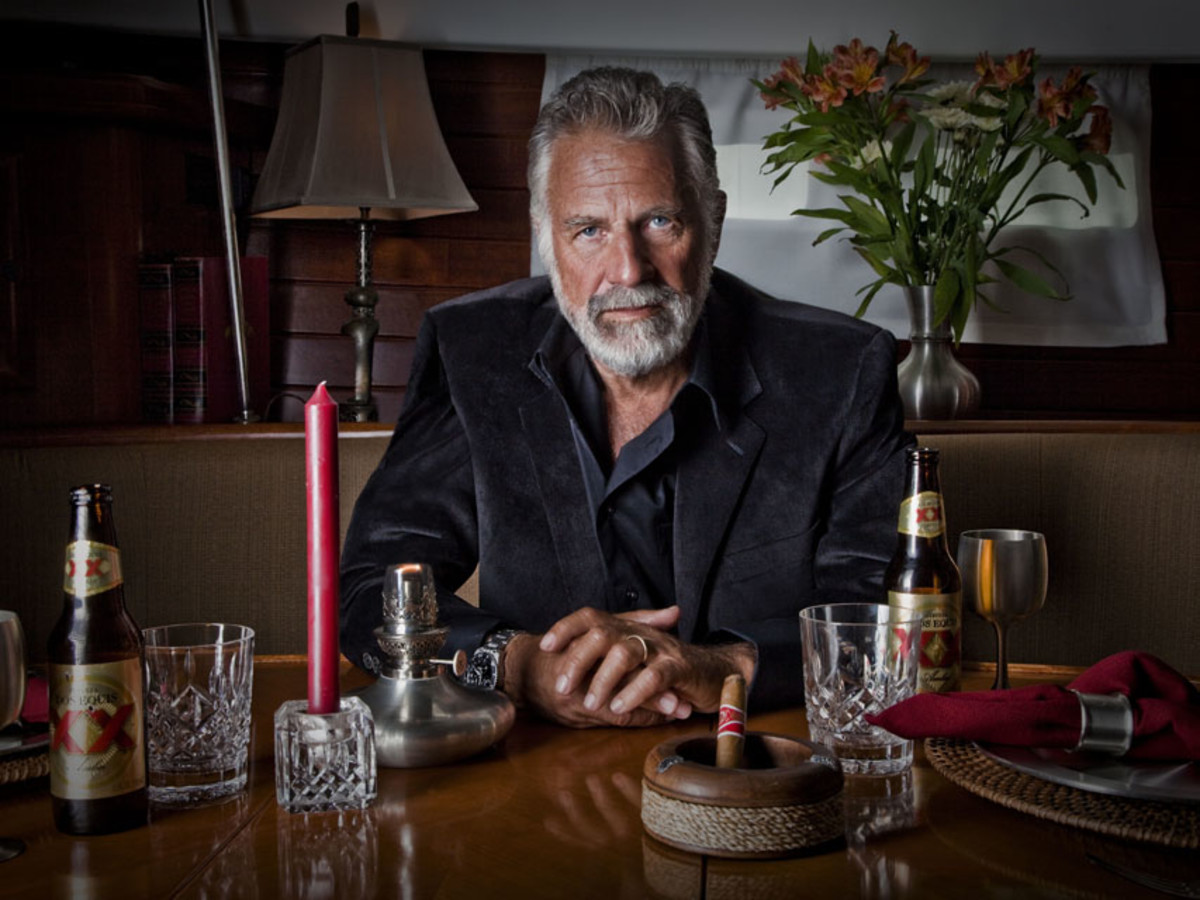
Unlocking More Freedom By Escaping The Hamster Wheel

“I am hopeful that everyone reading this article can find a way to escape at some point in the sense that you keep pursuing a life that is freer, more fulfilling, and less constricted than what is expected of you rather than what you are wishing for.”

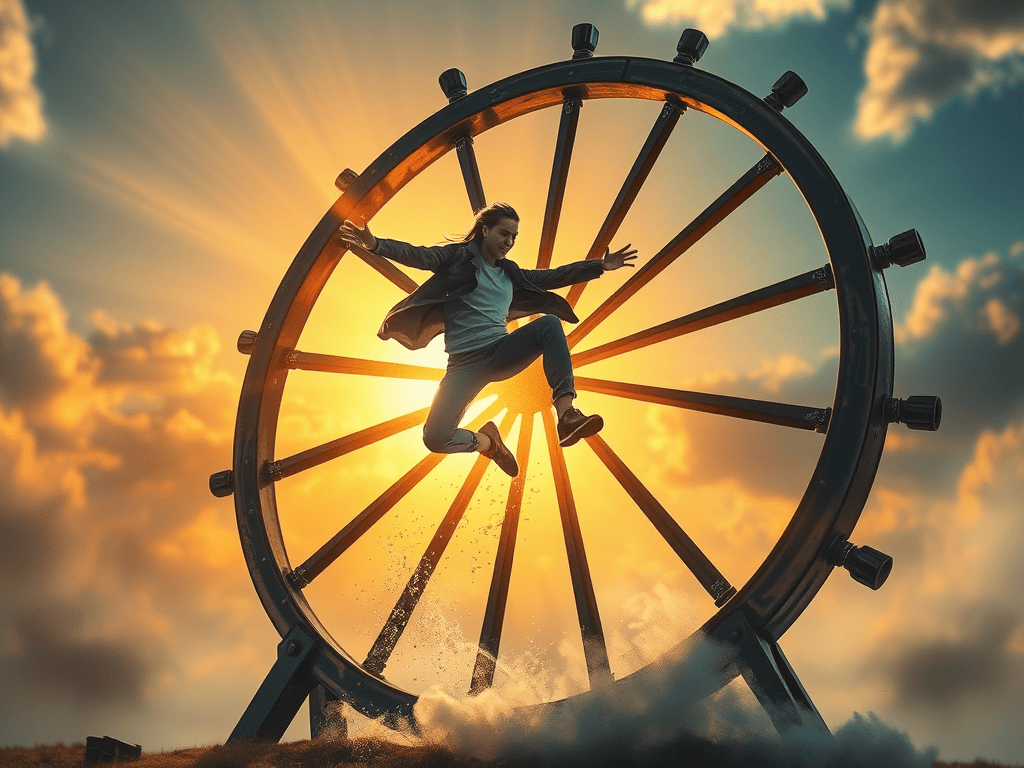
Life can feel a lot like a ‘hamster wheel’ the older you get. The responsibilities, bills, obligations, and societal expectations can pile up without you even noticing at first. The hustle and bustle of life can keep us trapped without a way out. I am hopeful that everyone reading this article can find a way to escape at some point in the sense that you keep pursuing a life that is freer, more fulfilling, and less constricted than what is expected of you rather than what you are wishing for.

It is easy to settle into the steady job, the steady paycheck, the comfort of the ‘daily grind’ despite the dislike of it that a lot of us feel about it. It’s called a ‘grind’ for a reason and while there’s nothing wrong with steady work, paying your bills, and handling your responsibilities like an adult, but it’s about not questioning or working towards a different path that may make you get more out of life and what it has to offer you. You should not resign yourself to a life of constantly chasing something that you don’t even want or what doesn’t make you fulfilled. You should consider the ‘hamster wheel’ as a temporary station and not your permanent status in life.

Society often encourages each of us to take the ‘safe route’ and to ‘climb the ladder’ without thinking about if it’s really fulfilling or giving you the purpose and satisfaction we yearn for as human beings. It’s a cycle of working, earning, spending and saving, and while that’s fine if that’s your choice, I do believe there is more to life than that and you have to try to figure out which path is the right one for you off the wheel.

You may want to get off the proverbial ‘hamster wheel’ if you have a feeling of monotony and boredom each day, there’s a lack of passion or purpose in what you’re doing, and if you’re not earning or having the kind of success you envisioned in your current role in whatever work you are currently doing. Time slips away faster and faster as you age, and you really got to ask yourself more and more is if it’s worth my time and effort. If you’ve aged five years and your goals are still not in reach or if the job or vocation you chosen isn’t doing it for you anymore, you need to have some internal reflection on whether your life is heading in the right direction.

Productivity and achievement can be fulfilling at first but if you find the work to be repetitive, listless, or without any growth, it will often lead to burnout and a lack of overall fulfillment. If you are feeling that days are becoming more listless, directionless, or without any purpose, you may need to adjust your career, your lifestyle, or even your values to decide if where you’re heading is where you want to end up being. If that involves refocusing your priorities to less possessions or less spending or a change in your home location, you may need to shake things up a bit to see if you can get more out of life than you’ve been getting.

I am a fan of routines but if that routine, daily or otherwise, is sucking the life out of you, then you need to change up your routine or lifestyle in a big way. Living freely means not just breaking free of an unfulfilling routine but also creating space for deeper relationships, more creativity in what you do, activities that contribute to personal growth, and diversifying your identity outside of your work and more towards experiences and living more outside of the grind.

If you can’t escape the ‘hamster wheel’, I completely understand but you can still create a more intentional approach to your life. You can still prioritize those things that give you greater satisfaction and meaning including balancing out work, leisure time, and personal development without sacrificing each of these life aspects. Other strategies involve being less materialistic and being minimalistic with your possessions, setting boundaries with people at work and at home, practicing mindfulness in your decision making, and exploring different careers and lifestyles that serve you and not someone else. Those practical steps can help you break free a bit more and help you reclaim control over your life.

Meaningful change takes time and having more personal freedom involves making gradual shifts to where you live, who you work with, how you spend your time, what you prioritize, and how you live your life each day. You don’t need to quit your job today, sell your house, and move to a different city or country, but you can try to make some changes in your life to improve your freedom and choice as much as possible.

Living outside the ‘hamster wheel’ can bring a greater sense of peace, clarity, and contentedness that will allow you to enjoy your time more, bolster your relationships, and allow you to have more experiences that you want to have. Think less of what other think of your life and prioritize a life where you are constrained less about what others think of you and focus more on creating your own joy, happiness, and connections with other people as much as possible. Getting off the hamster wheel fully will not be easy but if you can’t get off now, try to slow down, take measure of what’s working and what isn’t, and make meaningful changes to enjoy life before that spinning wheel comes to an end.

Anatomy of a Scene – Bourdain’s ‘Parts Unknown’ in Congo and NYC Contrast

“One of Anthony Bourdain’s ‘Parts Unknown’ episodes in the Congo has one of the show’s best scenes where it has a vivid description of Bourdain gazing over New York City from his high-rise apartment in the closing moments, set up against the backdrop of his first and only foray to the Democratic Republic of Congo.”

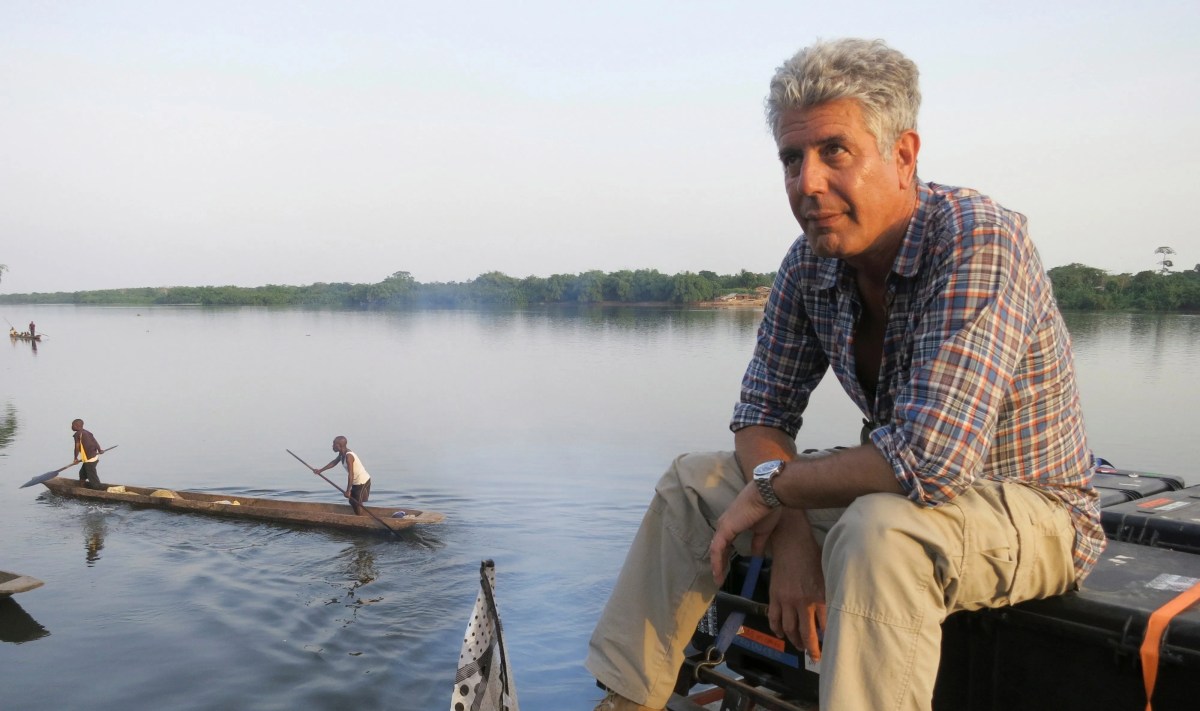
If you had to pick opposites in the world, you couldn’t do much worse to contrast the journey through the thick Congolese jungles and down the Congo River with the urban sprawl of New York City. One of Anthony Bourdain’s ‘Parts Unknown’ episodes in the Congo has one of the show’s best scenes where it has a vivid description of Bourdain gazing over New York City from his high-rise apartment in the closing moments, set up against the backdrop of his first and only foray to the Democratic Republic of Congo.

There are multiple themes to take away from the significance of Bourdain’s perilous journey in the Congo throughout the episode and with the contrasting solitude and isolation he likely had felt back in his NYC apartment after such a harrowing trip. There is a burden that he must have felt in witnessing such a contrast between the Congo and New York City that leaves the contrasting scenes up for our interpretation as fans of his ‘Parts Unknown’ show. How easy it can be to feel lonely amongst millions of people after traveling to such a distinct place, the burden of making it through a perilous journey and putting your life on the line, and how traveling to such extreme places can change your sense of place in a complicated and often troubling world.

Before his passing in 2018, Anthony Bourdain was the preeminent travel host for over 15 years and his last show, Parts Unknown, from 2013-2018 was the deepest dive in his own mission of uncovering people’s stories through food and culture. In terms of looking at human nature and the human condition, few shows, if any, were better than Parts Unknown. More than anything, many of the Parts Unknown episodes had Bourdain providing needed historical context regarding the complex and difficult history of the country or place he would be visiting. This was especially the case during the Congo episode where he spends part of the episode looking at the colonial exploitation, civil conflict, and poverty that has gripped the country both before and after it became the nation state known as the Democratic Republic of the Congo today.

Bourdain was a huge fan of the Joseph Conrad book, ‘Heart of Darkness’ and makes it known in the episode of how became obsessed with the Congo and the Congo River without trivializing the country or its people. His approach is sincere, and he looks to paint an accurate picture of what the Congo is like, why he sought to demystify and humanize the place, and how it was both similar and different to Conrad’s interpretation of it.

“When all is said and done, I wanted to go to the Congo, and I did.” Bourdain knew that this would be one of his most difficult journeys, but he also wanted to pay homage to Conrad’s novel by following a similar exploration to the authors with a boat trip down the Congo river. However, this kind of journey as shown in the episode was not simply a leisurely trip down the river without witnessing the history, culture, or food of the Congolese. Bourdain and his film crew interacted with different villagers, aid workers, and other locals to hear their stories despite how difficult the journey had been especially losing power on the boat and being surrounded by mosquitoes and other insects at one point.

It takes a toll on a person to look at the dark history of a place’s past as well as its uncertain present and not be affected by it. Bourdain has a visible weariness and introspection upon the conclusion of the journey given how hearing about the history of violence, dealing with the security issues involved, the lack of infrastructure to make the journey work, and to hear about the sheer resilience and fortitude of the Congolese people under extremely difficult circumstances.

The hardest part for Bourdain in my view maybe wasn’t the actual trip down the Congo river with all the bureaucracy, bribery, and lack of infrastructure involved to make it finally happen. I think the final scene of this Parts Unknown episode sums up the ‘lost’ feeling and the isolation to have witnessed all that and come back to a New York City that is abundant, thriving yet inequal, and with a completely different set of circumstances than one would encounter in the Congo. There’s ‘culture shock’ and then there is experiencing a bit of a totally different reality that few Americans and fewer New Yorkers would ever see for themselves. This contrast in realities and the stark scene transition from leaving the Congo River to being back at his high-rise apartment in Manhattan is perhaps the greatest scene ever shot for Parts Unknown or in any of his travel shows.

To break down this excellent scene and contrast further, Bourdain is in one of the world’s most crowded cities, but he is alone and isolated in his apartment like being isolated from most people’s lived experiences of the world, which pales in comparison to his own having had been to over 100 countries in his travels. He is filmed sitting behind his apartment windows, which acts as a barrier between Anthony and the rest of the world, seeing everything for himself but finding it difficult to connect with his immediate surroundings in NYC after witnessing such a contrasting reality in the Congo.

I think this final scene of the Congo episode really encapsulates Bourdain’s struggle as a travel host and writer to search for meaning and purpose in a world that often feels indifferent or alienates the struggles of other people who live in a different place or country. Bourdain’s gaze through the window symbolizes the distance between the world he witnessed and the world he felt disconnected from. It reflected the existential tension that marked his life: the constant search for meaning, tempered by the knowledge that some things, no matter how deeply we travel, remain elusive.

In his life, Antony Bourdain likely felt a sense of solitude and isolation having witnessed the worst of humanity at times, which could be hard to relate to other people or even travelers who had not been to the same places. He was brave, kind, and let other people to tell their stories without judgment but it must have been lonely especially after a return from the Congo and returning home where he may have felt the most alone rather than out on the road with others in his crew or amongst people he had met. There is a loneliness in the familiar as any traveler can attest and the novelty of new places, people, and experiences make the routine feel mundane and trite. Bourdain’s entire journey, in this case, from the Congo back to his home in New York, shows that it can be hard to come full circle after visiting one of the least known places in the world.

The final shot of Anthony Bourdain in his New York City apartment, looking out over the vast, bustling city, yet consumed by solitude, serves as a poignant culmination of his journey as a seasoned traveler. After traveling the world, exploring the darkest corners of humanity in places like the Congo, Bourdain returns home, not with answers, but with a profound sense of isolation. The Congo episode, with its harrowing depictions of suffering and resilience, reflects the complexity of human nature that Bourdain grappled with throughout his career. The contrast between the vibrant, chaotic cityscape of NYC and Bourdain’s contemplative stillness in his apartment alone emphasizes a universal paradox: despite all the human connections made in the world, the traveler often finds themselves confronted with a loneliness that cannot be filled as a result.

Bourdain’s Parts Unknown was not merely about exploring food and culture, but it was also an exploration of the man himself. His travels were a quest for greater understanding, but they also unearthed the difficult truth that knowing the world does not necessarily mean knowing oneself at the same time. In the end, Bourdain’s legacy lies in the raw, honest portrayal of this duality, the external world and the internal battles that shape who we are. His life story continues to remind us that, no matter where we go or how much we learn, we all face the same fundamental challenge in life: to find a true connection in a world that often seems vast, indifferent, and overwhelming.

Seeing The Multiplicity of Human Realities Through Travel

“To me, it’s also about seeing alternate realities in the sense that you get to witness how people around the world have distinct ways of living, thinking, and experiencing the world that challenge and even change your own perspective.”

I have always thought of travel as more than just changing your physical location to another place. To me, it’s also about seeing alternate realities in the sense that you get to witness how people around the world have distinct ways of living, thinking, and experiencing the world that challenge and even change your own perspective.

There’s the saying that you should want to “put yourself in someone else’ shoes” and travel is the best way to do that. By relocating ourselves if even for a few days, a week, or more, you can get a deeper understanding of the seemingly almost endless varieties of the human experience and reflect on the limits or possibilities inherent in our own worldview.

As Mark Twain once famously wrote, “Travel is fatal to prejudice, bigotry, and narrow-mindedness.” Travel allows us to gain access to a parallel world in a sense where the values of the people, the rhythms of their lives, and their daily routines or priorities differ from our own or they could surprisingly be similar or even the same as our own. In our own town, city, or country, we have such a tight conception of what everyday life should look like that travel allows us to see beyond our own way of living to see how other people live even if just for a short while.

As mentioned earlier, the reality of time and the pace of life can differ depending on the culture and it can help to reshape our own perception of time or daily rhythm that we are most accustomed to. We may think our quality of life is best based on how we spend our time each day, but travel allows us to see the alternatives out there or the different realities that are out there to experience.

For example, if you go to Italy or Spain, you’ll likely be able to have a long lunch, take an hour or two to go home and rest, and there’s a desire to not rush to do things if there’s no need to do it right away. The emphasis on leisure, family time, or catching up with friends can have a huge impact on our own perception of what’s important with our time after seeing what others think is better for mental well-being and what is actually a good use of one’s time. Focusing on ‘time is money’ or ‘efficiency matters most’ is certainly a reality that is out there but there are other alternatives that people around the world embrace and enjoy each day.

Individualism vs. Collectivism is another way to view the priorities that communities have when it comes to how the society is structured and what the role of the community is. How people connect, what they connect over, and when they connect is a useful observation to make when it comes to seeing the reality of community and connection in your travels. Some cultures prioritize family gatherings and a communal approach to problem solving and making decisions collectively. Others including in the United States focus on being independent, relying on yourself, and making something of yourself without relying on your family or community.

Social structures can differ in terms of how strong or weak the social safety net is and if it is prioritized at all. You can get a good sense of how strong a social structure is when you travel based on the use of public spaces, the embracing of local or national festivals, and how the least well-off people are treated in the society. Each culture in my view values community and social cohesion but travel exposes us to different realities regarding how strong or weak the communal ties are and if there is a sense of togetherness or isolation because of how the community or society is.

Every culture also has their reality of what they value and prioritize especially when it comes to how they interact with the world around them, specifically the material world. Different cultures have conceptions of what is essential and what is superfluous to living. You will likely see that each culture has different priorities in terms of consumption and materialism based on their own priorities but also what the culture tells them to prioritize.

Some cultures are okay with minimalism and cleanliness while others highlight material gain and being consumer driven. It is good to be able to travel to see these different realities of materialism vs. minimalism and how you fall on that spectrum. Some cultures are also more spiritual, in tune with nature and environmentalism, and what exactly constitutes personal happiness, fulfillment, and whether consumption falls within those values or whether it is better to have enough, or to go without as much as possible than to have too much.

Each culture also embraces its reality of what constitutes history, memory, and whether they are oriented more to the present, past, or the future. Societies each try to deal with the past in their own way to create a present identity and how to think about their collective future. Having a collective memory is a way to keep your culture relevant and to bring people together as well. All over the world, museums, memorials, and monuments are dedicated to fostering cultures’ collective memory, responsibility, and how to keep the culture going into the future.

We also have ancient ruins that are still there surrounded by modern life, reminding each culture regarding the rise and fall of past civilizations, and how each culture goes through these cycles of prosperity and decline. Historical awareness helps societies shape their values and keep their cultures alive into the future. When you travel, think about if the culture you are experiencing values the past the most or if it is geared more towards the present or even the future. Preservation of history, memory, and cultural artifacts helps us understand any culture or society’s priorities as well.            

By traveling, you are exposing yourself to the multiplicity of human realities, which comes about because of how many different cultures and societies are out there with differing perspectives on time, consumption, values, community, and history itself. It is good to see these realities in person, even if for a quick trip, to not just explore the world for a bit, but to question your own values, beliefs, and worldview. Our assumptions about a culture, a society, and the world at large are often misguided or incomplete. Traveling allows us to redefine the boundaries of our own existence and help us come closer to understanding more what it truly means to live in this world.

Mi Quinto Conjunto de Poesia en Español (My Fifth Set of Spanish Poems)

My fifth set of Spanish poems focusing on the springtime, solitude, Guatemala, and experiences becoming new memories.

  1. La Distancia Entre Nosotros
    La distancia entre nosotros
    Me da una pena tan grande
    No sé lo que puedo hacer
    ¿Este es el fin, cierto?
    Tu cariño no lo siento como antes
    Eso me va a lastimar mucho
    La pérdida definitiva de ti.

2. Primavera Eterna
Quisiera ver las flores y toda la belleza
Por toda mi vida
El sol me da fuerza para enfrentar la vida
La belleza que no va a dañarme nunca
El florecimiento de la vida animal y vegetal
Es donde quiero estar por siempre


3. La Soledad
Al principio, me siento bien
La paz y la tranquilidad
Pero la soledad no es para todos los días
Es algo que puede destruirte sin interrupción
La conexión es insustituible
Nosotros nos necesitamos como humanos


4. Los Colores de Guatemala
Un país con belleza inmensa
Colores brillantes, ropa brillante y alimentos brillantes
Casi demasiado para mis ojos avellana absorber
Belleza natural se mezcla con belleza humana
Guatemala, impresionante y expresionista
Quisiera explorar la cacofonía de colores aquí


5. Ahora, es un Recuerdo
Momentos bonitos que ya están en el pasado
Quiero volver, pero ya no puedo más
Recapturar el mismo sentimiento será imposible
Los recuerdos que compartimos fueron especiales
Yo sé que solo existen en mi mente ahora, pero para mí
Todos mis días voy a recordarlos y a ti también

The Colorful Beauty of Guatemala

“Guatemala is a land of vibrant colors, where every shade seems to tell a story. The country’s deep appreciation for color is reflected not just in the clothing and jewelry its people wear but also in the landscapes, architecture, and cultural traditions that define it.”

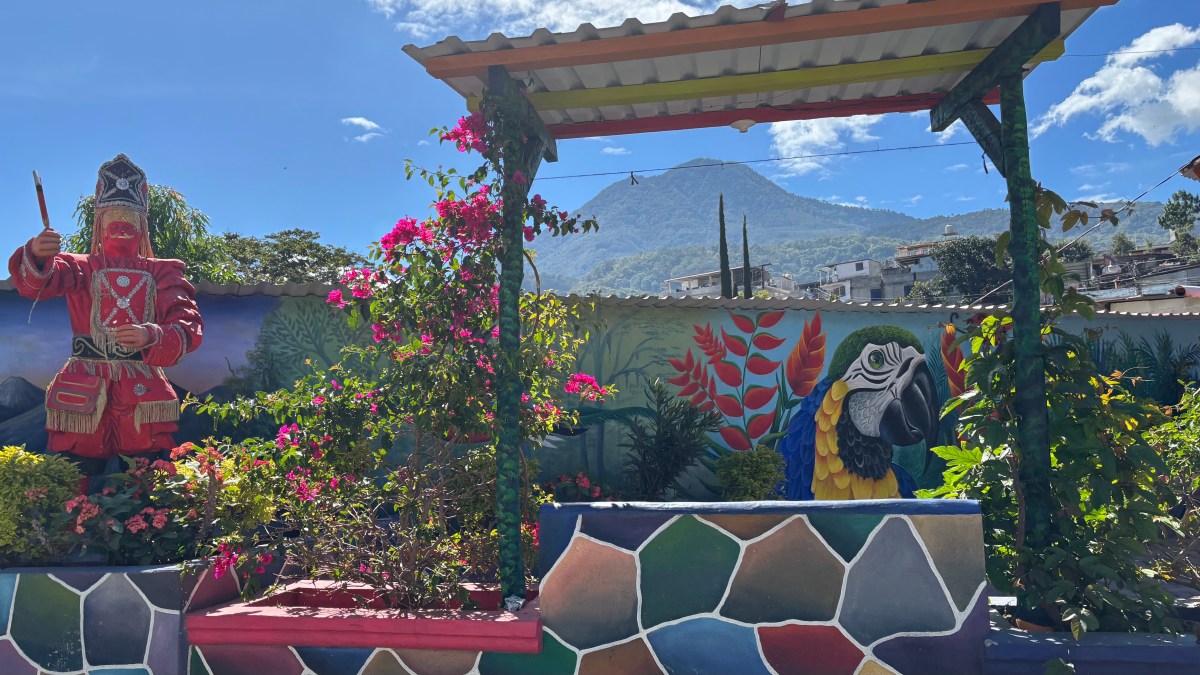
Guatemala is a land of vibrant colors, where every shade seems to tell a story. The country’s deep appreciation for color is reflected not just in the clothing and jewelry its people wear but also in the landscapes, architecture, and cultural traditions that define it. From the intricately woven textiles of the Mayan people to the pastel-hued colonial facades of Antigua, Guatemala’s beauty is a feast for the eyes. Whether through its breathtaking nature, rich history, or enduring traditions, color is woven into the very fabric of daily life.

Nowhere is Guatemala’s love for color more evident than in its exquisite, handwoven textiles. Crafted primarily by Mayan women, these intricate pieces are a testament to patience, skill, and artistic expression. Some pieces take days, weeks, or even months to complete, each stitch infused with care and tradition. One of the most striking examples is the huipil, the traditional blouse worn with pride by many Guatemalan women. These garments are vibrant, highly detailed, and often feature complex patterns unique to different regions and communities.

Textiles remain a vital industry in Guatemala, just as they have been for centuries. Some of the best-known weaving towns include Chichicastenango, San Antonio Aguas Calientes, and Sololá, each producing distinctive patterns with deep cultural significance. Every color and motif have a meaning, and every artisan has a story to tell about the inspiration behind their designs.

Beyond textiles, Guatemala’s markets are an explosion of color and sensory delight. Stalls overflow with handmade pottery, carved wooden masks, beaded jewelry, and an array of fresh tropical produce in every imaginable shade. Walking through the bustling markets near Lake Atitlán, I was struck by the sheer variety of handcrafted goods, each piece reflecting a mix of indigenous Mayan and Spanish influences. The pride artisans take in their work is unmistakable, and the markets offer a chance not just to buy something beautiful but to connect with the people behind the craftsmanship.

The colorful beauty of Guatemala extends beyond textiles and markets to its historic cities, particularly Antigua. This colonial gem is a showcase of pastel-colored buildings that have stood for centuries, ranging from soft blues and warm yellows to rich pinks and deep reds. The cobblestone streets, designed for horse-drawn carriages rather than cars, add to the old-world charm, while churches, monasteries, and convents stand as remnants of a bygone era.

One of the most iconic sights in Antigua is the Santa Catalina Arch, its bold yellow hue standing in striking contrast against the deep greens and grays of the surrounding mountains. Whether wandering through hidden courtyards or admiring the fading frescoes of ancient ruins, it’s impossible not to be enchanted by the layers of color and history in this well-preserved city.

Guatemala’s natural beauty is just as vibrant as its culture. Towering volcanoes covered in lush greenery contrast with the turquoise waters of Lake Atitlán, creating a breathtaking mosaic of colors. In the heart of the country, Semuc Champey’s cascading pools shimmer in shades of blue and emerald, while the deep green of the Tikal rainforest hides ancient Mayan ruins beneath its dense canopy. Even Guatemala’s volcanic past contributes to its visual diversity, with dark gray and black lava fields standing as reminders of the earth’s raw power.

Adding to the country’s natural splendor are its abundant flowers, which seem to bloom everywhere thanks to Guatemala’s spring-like climate. Whether at sunrise or sunset, when the sky is painted in warm oranges, purples, and pinks, the country’s landscapes come together like a living masterpiece.

Guatemala’s love for color is also expressed through its festivals and public art. While I didn’t get to experience Semana Santa, the country’s most famous religious festival, I’ve learned about the breathtaking alfombras—intricate carpets made of dyed sawdust, flowers, and other materials, laid out in the streets as part of the celebrations.

Another spectacular event is the Giant Kite Festival in Sumpango, held on Día de los Muertos (Day of the Dead). During this tradition, enormous hand-painted kites, some reaching up to 60 feet in diameter, are flown as a tribute to ancestors. The designs are intricate and colorful, showcasing a blend of artistic skill and spiritual meaning.

Street art is another way color finds its way into Guatemala’s cultural fabric. Throughout Guatemala City and smaller towns, murals and graffiti depict everything from indigenous folklore to contemporary social issues, adding even more vibrancy to the urban landscape.

Guatemala’s color palette isn’t limited to what you see—it extends to its cuisine as well. The country’s traditional dishes are as visually striking as they are flavorful. Pepián, a deep red stew made with chicken or beef, and jocón, a green chicken stew flavored with tomatillos and cilantro, are just two examples of dishes that showcase the country’s bold use of color.

Tortillas, a staple of Guatemalan cuisine, come in shades of yellow, red, and even blue, depending on the type of corn used. Plates are often filled with black beans, golden plantains, white rice, and vibrant fruits like pitaya (dragon fruit), jocote, rambutan, and bananas. Before taking a bite, it’s tempting to just sit back and admire the array of colors on the plate, each meal is a work of art.

I could write endlessly about each of these colorful aspects of Guatemala, but what ties them all together is how deeply color is embedded in the country’s identity. The vibrant landscapes, clothing, and celebrations reflect the warmth and spirit of the Guatemalan people. If you love having your senses awakened and crave a destination that will captivate your eyes as much as your soul, Guatemala is a place you need to experience firsthand. Let the colors of this incredible country leave their mark on you, just as they have on me.

Be Wary of Bread and Circuses

“There’s nothing wrong with distractions and wanting to enjoy an event, a spectacle, or indulge a bit but in the times that we’re living in, it’s important to realize that focusing only on ‘bread and circuses’ is something we can no longer afford to do.”

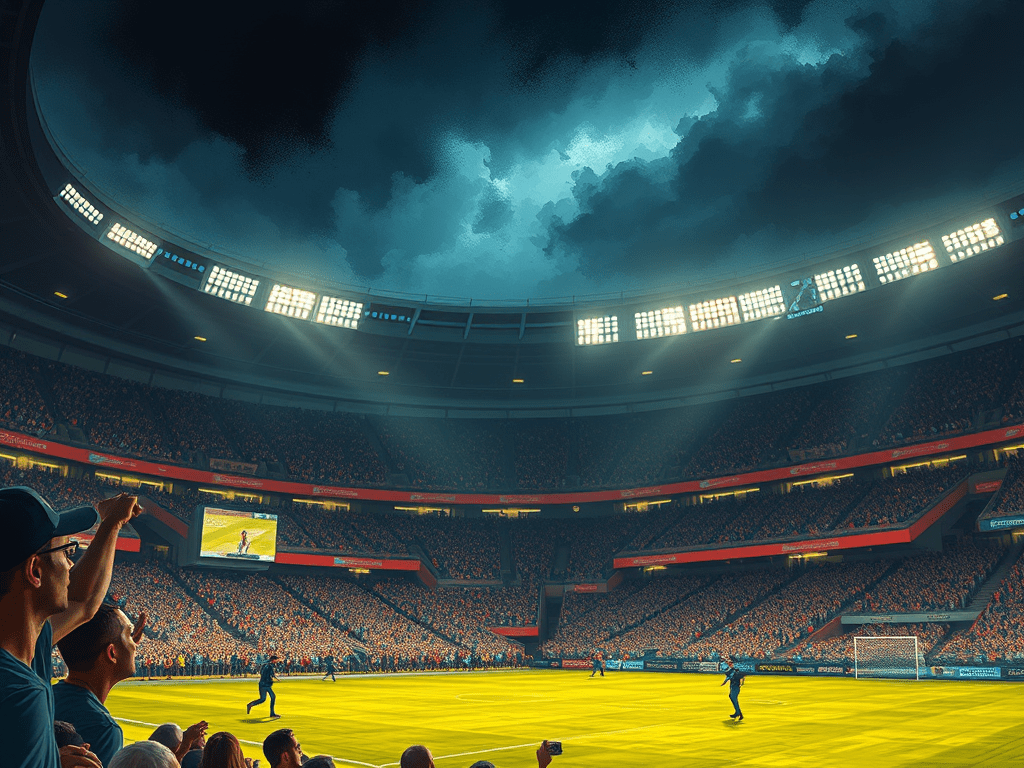
Who doesn’t enjoy sports or entertainment or both? People since the dawn of time have enjoyed being entertained or have been spectators or participants in games, sports, or other spectacles. At best, it is a thrilling adrenaline rush to be part of it to the roar of hundreds or thousands of people. At worse, it is a pleasant distraction from the humdrum of our daily life and our routines. There’s nothing wrong with distractions and wanting to enjoy an event, a spectacle, or indulge a bit but in the times that we’re living in, it’s important to realize that focusing only on ‘bread and circuses’ is something we can no longer afford to do.

The concept and phrasing of “bread and circuses or in Latin known as, “panem et circenses”, comes from the Roman Empire and belongs to the Roman poet Juvenal. Juvenal criticized how the Roman leadership would use free food such as bread and grant entertainment such as the gladiator events and other spectacles of the coliseum to distract the citizenry from societal and economic decay. While the Roman empire declined and fell as all empires do, today, in our modern world, we have major sporting events such as the FIFA World Cup and the NFL Super Bowl. Reality Television shows remain quite popular, and the media spends hours on celebrity scandals and gossip rather than focus on systemic issues affecting each of us daily.

Why is this an issue today as it was almost 200 years ago? I would argue that we are living through an era of upheaval including political instability, economic inequality, the effects of climate change, and the rise of authoritarianism. Distraction such as ‘bread and circuses’ help to keep people distracted from these ongoing issues and is a powerful tool to be utilized by those holding power. While sports and entertainment can be healthy outlets, it does not go well for a society when it is all-consuming, and people are overly reliant on it each day for fulfillment or pleasure. An active citizenry must remain focused on issues that affect them and their families as if they are paying attention and are engaged, positive change is more likely to occur as a result.

Political leaders can use major sporting events to help push their agendas forward as the times surrounding such events are the easiest to enact policies that are controversial but in which public attention is directed elsewhere. Politicians and leaders can also engage in controversies surrounding sporting events and how it related to ‘culture wars’ and ‘celebrity feuds’ to divert from ongoing political scandals or economic problems. Major sporting events are also used to stir national pride in a country and can be used to distract from real issues that the country is facing as well.

Sports and entertainment are big money for corporations and for wealthy individuals. Sports can reflect ongoing economic inequalities especially when multimillion-dollar commercials are paid for by a company rather than in investing in their own workforce’s compensation. Money spent in the billions of dollars each year on sports betting, gambling, or on tickets could have been funneled towards programs focusing on social well-being in health care, education, or infrastructure.

Celebrities and athletes should be compensated well for the work they do but there is an issue when ordinary workers who help make events, games, and other spectacles run smoothly are not paid a living wage. Thousands of workers are making decent pay, but it pales in comparison to what the ‘stars’ are making especially when they are the one preparing their food, keeping them safe with security measures, and helping stock the shelves and sell the merchandise.

There is also the ongoing debate in society about taxpayer money funding massive students and events that are not benefiting the surrounding community or the city itself. A lot of that money gets funneled to corporations in the ‘naming rights’ and to the ‘billionaires’ who see their net worth grow up as the sports franchise becomes more valuable over the years. A society where income inequality is high and is rising will be reflected in sports and entertainment as well. While there are some economic benefits to be made by the average person in these industries, a large sum of the gains to go to the wealthiest owners, players, and stars while the wealth does not ‘trickle down’ much, if at all.

While some of these issues do get coverage in the media although increasingly sparingly, I would argue that general news media, especially in recent years, has become sensationalistic and has focused on ‘click bait’ content rather than on serious investigative journalism. News outlets have prioritized celebrity feuds, sports gossip, and other trivial controversies that pale in comparison in terms of importance compared to real issues going on with the wider society. Viral content gets more clicks and eyeballs, especially on social media, and that’s where the focus has turned especially in recent years. Too much information at one time also presents most people from being able to decipher of what’s real vs. what’s fake and what to pay attention to because ‘information overload’ makes it hard to pinpoint what is likely to affect them the most and is worth paying attention to.

Similarly to the issues I’ve mentioned that ‘bread and circuses’ distract from each day, one issue that is the most immediate and wide scale in terms of ongoing effects is the accelerating climate crisis. Major sports and entertainment events all have an environmental cost and leave a sizable carbon footprint. When you tally up, the travel emissions, energy consumption because of the game or event, and the waste involved from having thousands of people in attendance, communities who support the events or games must deal with the aftermath, including both the financial and environmental costs.

While these massive events like the Super Bowl, the FIFA World Cup, and the Olympics due to pledge to be more sustainable and environmentally friendly, many companies do not end up footing the bill for the carbon emitted or the energy used. They can do so because the companies help sponsor the events and contribute enough money to them, so they aren’t as liable to help with the environmental aftereffects. Looking at two recent examples with the 2016 Rio Olympics and the 2022 FIFA World Cup in Qarar, these two events led to increased carbon emissions (FIFA) and environmental aftereffects. (Olympics)

While I am supportive of sports and entertainment and have been a fan of both, I still recognize the need to tone it back these days because excessive consumption of either will not help our society and our world be better. Sports and reality TV may seem as important as real issues, but they are not and never will be. People must stay engaged in what’s going on in their community, their country, and their world. As consumers of news, we also have the individual and collective power to choose which news outlets we give our time and our money to as well. If frivolities and ‘bread and circuses’ is all a news organization is offering, then it’s not a real news organization to begin with.

 Advocating for solutions to real issues, being a reliable voter, and volunteering in your community consistently can help keep the ‘bread and circuses’ to a more tolerable level. We all want to experience gratification and rewards in our lives and sports, or entertainment do both in providing that kind of dopamine hit but it’s a cheap one, and it’s not something we do ourselves. Political activism, working for social change, and developing our problem-solving abilities is real gratification in whatever issue you want to work on in our world. It’s not as instant and far from being easy but improving anything in society will take effort, discomfort, patience, and a lot of perseverance. Make sure you advocate for what you care about because celebrities and sports figures may not do the same, if at all.

You should stay focused on what’s important in the news, be civically engaged and encourage others in your life to do so. Remember to balance your consumption of entertainment and sports along with awareness of the issues and problems affecting you, your families, and your communities. Watching the Super Bowl is fine and I just did so recently as I have most years of my life, but if we continue to ignore political scandals, economic problems, and societal injustices, there won’t be much to celebrate in our society beyond that one day of the calendar year, where two teams of millionaires play a game that you can’t even be part of or even afford to go to.

Avoiding Analysis Paralysis

“We also often must think if the choice or decision we make is ‘perfect’ but to put it bluntly, no choice or decision is ever perfect.”

With the rapid pace of change and constant streams of information coming at us each day, it leads a lot of us to overthink decisions and choices to the point of inaction. There are too many choices we have to make, sometimes big and sometimes small, but we can easily get overwhelmed by the fear of making the wrong decision or if it’s better to avoid deciding altogether. We also often must think if the choice or decision we make is ‘perfect’ but to put it bluntly, no choice or decision is ever perfect.

Everyday, we are faced with hundreds or even thousands of choices such as choosing what to eat, what to wear, to what to do with your life, career, or school choices. Major life decisions should always take precedence in terms of your focus and your analysis, but you have to make the decision at some point regarding career, school, investments, and relationships. You must be able to prioritize effectively the decisions you have to make in the order of what’s more urgent and what’s most important. Smaller choices should deserve some time, but they should take away from the big choices we have to make day in and day out. Prioritization, knowing when to limit the time spent on a choice, and embracing choices or decisions that are ‘good enough’ over ‘perfect’ will help prevent you from falling into an ‘analysis paralysis.’

I believe that ‘analysis paralysis’ is more common than ever due to several factors. We have too much information and it’s overloading our thought process because it’s seemingly endless with regards to the Internet and it’s harder than ever to filter out good information from bad. The fear of missing out (FOMO) has us thinking that we have endless choices in life rather than a few immediate choices we should focus on that affect our lives.

Social media makes it seem like we have endless time or endless options to consider but we must reframe it as these are the choices I can make that are within my control and for which directly impact me. Society tends to reward those people who seem to have made the best decisions even when we know we don’t know the full story behind the choice because social media and the Internet don’t give us everything regarding how a person decided or made a choice to begin with.

Too many choices each day of life, which society can thrust upon us all at once, is a modern problem especially regarding how many streaming services, career paths, educational options, and other non-essential choices that flood our attention spans. While it’s important to make choices, you should not waste more time than you need analyzing every option out there because it would be a waste of your time.

As I mentioned earlier, to avoid analysis paralysis, you have to choose only on what you can control or have an impact on your life to decide upon immediately. You got to set time limits on these decisions you can make and are relevant to your life at the time. There is also no such thing as a ‘perfect’ choice or decision and every decision we make has positives and negatives to it as well as unknown factors that we cannot foresee upon making the choice.

You should be identifying the key factors of the choice and what impacts it’ll have from making one choice or the other, but for which truly matters rather than analyzing what could be or should be without knowing what those unknowns may lead to. Identifying what truly matters and really impacts you day to day should be priority in your decision making and should be based on relevant information that is creditable and trustworthy too.

Taking small choices or decisions can make it easier as well to handle bigger decisions but both need to be happening in your life. You can’t ignore the big choices or the small choices and often they will need to be made at the same time or same day. Breaking down your decisions and the steps that lead to them will reduce the chances of you being overwhelmed by making them. Take the decision-making process one step at a time, especially for the big decisions, will make it less daunting and give you more confidence in how you analyze the choices you have.

Limit the amount of information you expose yourself to and make sure the information you get is trustworthy before making your choice or decision. There is too much information out there for every choice we could make in this information age so make sure you trust your sources, limit them to a handful, and try to analyze both sides of the choice without delaying it too much.

By recognizing what ‘analysis paralysis’ is, how often it can affect us in our daily lives due to living through the ‘information age’ and taking steps to overcoming this paralysis one choice or decision at a time, you can improve the quality of your life immensely. Go easy on yourself and try to make the best decisions you can with the best information you can get. We all make mistakes in our choices and our decisions because we’re human but it’s important also to learn from past mistakes and do the best we can each day we make a choice or decision.

Beware of the Grifters and Scammers

“As important as it is today to protect your personal peace, it is just as important to protect your own money. With the widening economic inequalities and uncertainties in society mixed in with the invasive nature of social media and AI technology, it is easier now more than ever to fall victim to ‘grifting’ or ‘scamming.’”

As important as it is today to protect your personal peace, it is just as important to protect your own money. With the widening economic inequalities and uncertainties in society mixed in with the invasive nature of social media and AI technology, it is easier now more than ever to fall victim to ‘grifting’ or ‘scamming.’

With technology and social media, grifters and scammers can do serious damage almost instantaneously and it is becoming much more widespread each day. You should be on your guard and look to avoid these people at all costs even though in positions of power, influence, or leadership as they are often looking to line their own pockets with money from yours.

Unfortunately, many of us are dealing with the effects of societal factors outside of our own control including financial stress, political polarization, and technological vulnerabilities that make us more susceptible to grifters and scammers. The proliferation of “get-rich quick” scenes are not new in society and have been around for centuries but now it is in your face more than ever. You really must be careful of what you are buying into and to do your due diligence before trusting anyone with your money or credit. Rising living costs, inflationary pressures, and job insecurity all can lead to people falling victim to scams and grifts because of desperation but you need to hold strong against any kind of scheme or falsehood to make your financial situation worse off.

In addition, more than ever, social media influencers, online personalities, and leadership figures are using their followings to proliferate courses, products, ‘coins’, and other services without telling you about the trustworthiness of the product or service as well as more about their background or reputation. There are always some risks involved with financial transactions, but you should be careful with regards to who is selling you, what their background is, do they have an ulterior motive, or are they pressuring you to buy without taking your time to verify what you’re buying first. There are numerous fake investment opportunities, Ponzi schemes, and pump-and-dump stock schemes out there but they have been fueled furthermore by cryptocurrency coins, deepfake technology, and false information given by certain AI tools.

Always look to see if the person your business doing with is trustworthy, their business background, look to see what clients say and verify the reviews are real, what the money-back guarantee is, and be skeptical of any ‘easy money’ scheme, whether online or over the phone or face to face. Grifters will use your fear, anxiety, or general need for money against you and will pressure you to make bad decisions. If someone ever pressures you into something especially regarding your money, you should not trust them or do business with them.

Fact-checking takes time and can be arduous, but you must look at influencers, businessmen and women, and these online financial personalities to see if they can be trusted. Be informed also about ways to protect yourself by studying the latest schemes and bait-and-switch tactics that scammers and grifters are using. AI scams and deepfakes and voice manipulation over the phone is going to become more prominent in the future so you need to stay up to date on the latest trends especially with how many crypto scams, Ponzi schemes, and spam messages are out there. Use your best judgment, trust your gut if something feels off, and make sure your finances are protected with strong online security factors and make sure any passwords or authentication used is changed regularly. Never divulge that information as well to anyone and make sure you don’t give it up to any scammer as well.

Scams, grifting, and financial manipulation tactics are not going away anytime soon so you have to continue to be on your guard especially with modern technology improving upon the sophistication of these schemes. Constant awareness and vigilance is necessary and are your best defenses against the grifters. Protect yourself with verification tactics, avoiding emotional manipulation, financial security protection, and improving your digital literacy as often as possible.

Keep yourself informed about the latest scams, grifts, and ‘get-rich-quick’ schemes out there, think critically about who you trust your money with, and protect yourself and your loved ones from those grifters who profit off other people’s ignorance. These are the steps I take in my life, and I hope you will consider doing the same to avoid the scammers and the grifters, which continue to proliferate in our society.

Mi Cuarto Conjunto de Poemas en Español (My Fourth Set of Spanish Poems)

My fourth set of Spanish poems with various topics focusing on freedom, money, dance, forgiveness, and about natural settings.

La Plata
Tienes que cuidar mucho
la herramienta más constante en el mundo.
Porque la plata te puede seducir,
creación o destrucción de vida.
Cuidado con ese instrumento;
si no, la plata puede destruir tu vida.


Libertad
La libertad no es una garantía.
Generación tras generación,
todos nosotros necesitamos luchar.
La libertad existe en nuestros corazones y nuestras almas.
Sin luchar por la libertad,
puede extinguirse para siempre.


Cómo tú bailas
Cómo tú bailas,
no puedo resistirte.
No puedo dejar de mirarte,
no puedo dejar de pedirte:
¿Si puedes, bailarías conmigo?
Toda la noche podemos bailar juntos.


Perdóname
Yo tuve la culpa.
Viste a través de mí.
Sabías que no era perfecto,
pero aun así me acogiste.
Con tu tierno cuidado,
perdóname, mi querida.


El Lago Profundo
Bucea más rápido.
Sigue buceando conmigo.
Lleguemos juntos al fondo,
a mil metros de cualquier lugar,
azul cristalino, profundo y puro.
Me pierdo en tu profundidad.


El humo en tus ojos
¿Tú puedes mirarme?
Con el humo en tus ojos,
¿a qué eres adicta más?
¿A mí o a tus cigarrillos?
Elige sabiamente, porque
ambos podemos matar.

My Thoughts on Voltaire’s Most Relevant Quote Today

“His quote underscores the perilous connection between irrational beliefs and destructive actions, an infamous dynamic that has been exploited throughout history and remains a pressing concern today around the world.”

The famous French philosopher and writer, Voltaire, is known for his various works from poetry to stories to essays in the 18th century but Voltaire’s quote, “Those who can make you believe absurdities, can make you commit atrocities,” carries a profound meaning for the modern world in 2025. It serves as both a warning and a call to be vigilant against the forces of misinformation, manipulation, lies, and prejudice. His quote underscores the perilous connection between irrational beliefs and destructive actions, an infamous dynamic that has been exploited throughout history and remains a pressing concern today around the world.

At its core, Voltaire’s quote on ‘absurdities causing atrocities’ highlights the susceptibility of human beings to believe falsehoods when they are presented compellingly and repeatedly particularly by figures of authority or influence or power. In the digital age of social media and instant communications, this vulnerability is amplified by the unprecedented speed and reach of information instantaneously. Social media platforms, news outlets, and even AI-generated content contribute to a landscape where disinformation and blasphemy can thrive. Absurdities, once relegated to the fringes of our society, can now gain mainstream traction in a matter of minutes or hours.

A stark example of this phenomena is the spread of conspiracy theories. From unfounded claims about global health crises to political propaganda, these theories manipulate emotions and exploit fears, dividing societies, and undermining trust in our institutions. The belief in absurdities, whether it’s a denial of scientific evidence or the vilification of certain groups of people unjustly, creates fertile ground for acts of hatred and violence to occur.

To protect against the dangers of absurd beliefs that are spread rapidly without fact checking, fostering critical thinking is more important than ever. Education systems should do a better job of prioritizing media literacy, teaching students and even professionals how to evaluate sources, discern biases, and question narratives. In 2025, where now AI-driven content can mimic credible sources and change them slightly, the ability to think critically is more vital than ever.

Fact-checking organizations and regulatory measures can also play a role especially when social media companies refuse to do it themselves as was evidenced by Meta founder, Mark Zuckerberg, refusing to have his platform offer fact checking to users on what gets posted on the platform. Social media platforms should be held accountable for curbing the spread of disinformation especially when they do nothing to curb it. Transparency in the algorithms that they are using along with stricter content moderation policies are necessary to mitigate potential harm to users and information consumers. However, these efforts should also be balanced with protecting freedom of expression and speech to avoid creating new forms of digital censorship.

At the individual level, fostering open dialogue and empathy is crucial. Encouraging conversations that bridge ideological divides can reduce the allure of echo chambers that can bring out the worst in others. People are less likely to fall prey to absurdities when they are exposed to diverse perspectives and any differences are addressed through mutual understanding.

Voltaire’s quote also speaks to the unseemly process of ‘othering’ where certain groups are dehumanized or treated as inherently inferior based on lies and slander. This phenomenon has been a precursor to some of history’s darkest chapters. When absurd beliefs about the “other” are accepted and not dismissed or countered with facts, atrocities can become justified in the eyes of the perpetrators.

Historical examples abound and there are dozens of them I could write about. The Holocaust during World War II is a chilling reminder of how anti-Semitic propaganda and pseudoscientific absurdities fueled the systematic extermination of over six million Jews and millions of other minority groups. Nazi ideology relied on first dehumanizing Jewish people, portraying them as threats to society. This ‘othering’ laid the foundation for the eventual genocide that occurred.

Similarly, the Rwandan Genocide in 1994 illustrates how media propaganda can incite mass violence. Hutu extremists used radio broadcasts to spread hate speech against the Tutsi minority, describing them as “cockroaches” and urging their extermination. The absurd belief that the Hutu extremists had about an ‘existential threat’ posed by the Tutsi population led to the massacre of approximately 800,000 people within 100 days, one of the darkest years in the 20th century.

In more recent history, the treatment of Rohingya Muslims in Myanmar serves as another example. The dissemination of false online narratives about the Rohingya group, portraying them as invaders and terrorists, was used to justify violence and forced displacement from their homes. The role of social media, particularly Facebook, in amplifying hate speech highlights the modern implications of Voltaire’s warning about believing absurdities eventually leading to atrocities.

As we continue to navigate the complexities of a globalized and interconnected world, Voltaire’s words remind us of our shared responsibility to uphold truth, justice, and basic humanity. Combating absurd beliefs requires collective action across educational, technological, and cultural spheres in our society. Governments, organizations, and individuals must work together to challenge disinformation and promote inclusivity and respect.

Empathy, acts of kindness, and compassion are all potent antidotes to prevent ‘othering.’ Recognizing the shared humanity of all people, regardless of race, religion, or background, diminishes the power of divisive and toxic narratives that are not true. History teaches us that atrocities thrive in the absence of understanding or dialogue. By fostering connections and celebrating diversity while respecting and acknowledging our differences from one another, societies can resist the allure of absurdities and the horrors they could potentially enable.

Anyone can make an impact in preventing the spread of falsehoods, blasphemy, or scapegoating as this begins at the grassroots level, such as within our own neighborhoods and communities. To achieve this goal, individuals and groups must actively engage people in fostering environments of mutual respect and accountability. Open communication and dialogue are key to identifying and addressing harmful narratives before they gain traction and spread futher.

When you encounter falsehoods or lies, it is important to call them out in a civilized manner. This means addressing the issue without resorting to any aggression or personal attacks. Instead, provide clear, evidence-based counterarguments and facts that encourage reflection rather than defensiveness. For example, sharing verified data, fact-checking done through reliable sources, or calmly asking thought-provoking questions can shift the conversation towards the truth.

Community leaders, educators, and influencers have a unique role in setting an example for their neighbors, students, and followers. By promoting fact-checking, highlighting diverse perspectives, and actively countering divisive and hateful rhetoric, they can cultivate a culture of inclusion, tolerance, and critical inquiry. Grassroots initiatives, such as hosting workshops on improving media literacy, how to do fact checking, or creating forums for dialogue with people of different backgrounds, can also help inoculate communities against the spread of absurdities.

Additionally, I believe it is very important to foster empathy through personal storytelling and connections that can counteract scapegoating. For example, over the decades, thousands of Holocaust survivors have shared their story of how they were able to survive atrocities that came about because large groups of people in their society started believing or tolerating absurd claims based on lies and falsehoods. Hearing the lived experiences of marginalized or affected individuals from Rwanda to Myanmar to the Sudan humanizes them and challenges stereotypes. This approach can dismantle the ‘us versus them’ mentality that fuels both hatred and violence.

Ultimately, building resilient communities requires consistent effort and constant dedication. By prioritizing education, empathy, and open dialogue with others, we can better guard against the dangers of falsehoods and prevent absurdities from taking root or spreading. In doing our part, we uphold the principles of truth, justice, and fairness that Voltaire so fervently championed.

In conclusion, Voltaire’s insight is as relevant in 2025 as it was in the 18th century when his quote was born. Believing absurdities paves the way for atrocities to occur, but by embracing critical thinking, rejecting hate, and nurturing empathy, humanity can rise above these challenges that remain with us today sadly. The famous quote from Voltaire is not just a warning for us but a guidepost for maintaining a world grounded in truth, justice, and compassion for one another.