A Little Solitude Can Be Good for You

“As much as it is important to socialize and be around friends, it can also be good to be alone, focus on yourself, and enjoy a little solitude.”

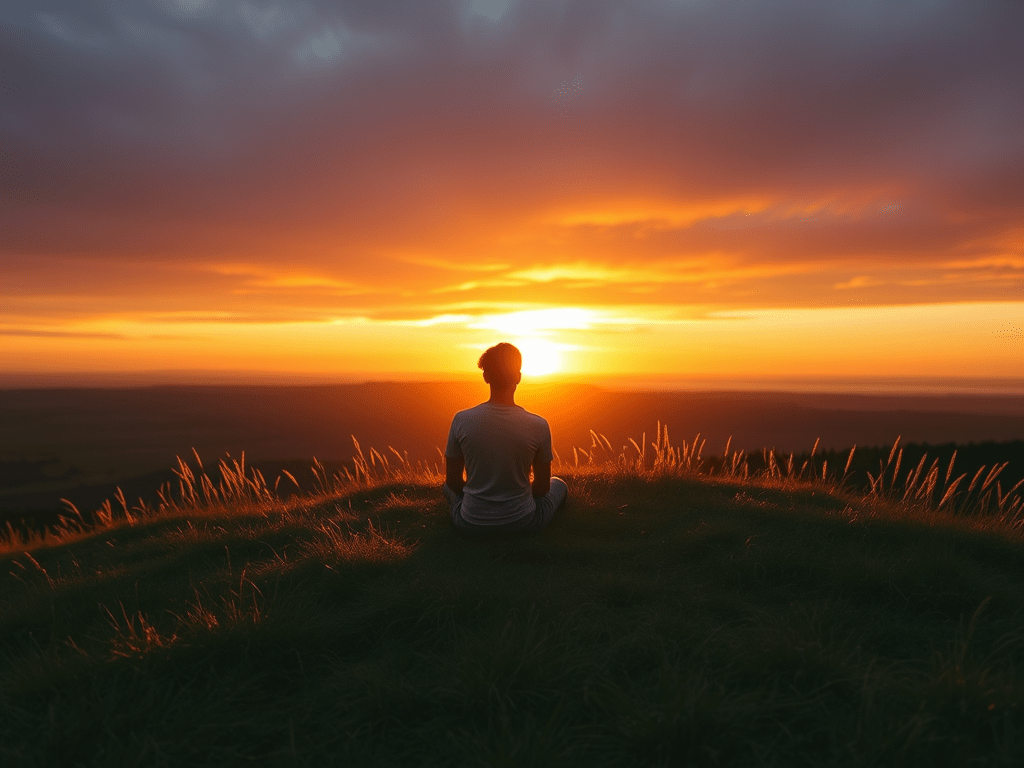
Sometimes, it’s good to recharge your batteries alone. We all need real social connection and friendship, that is for certain, but there is nothing wrong with seeking out solitude to enjoy your alone time. Everybody has a different tolerance for how much time alone they can handle before they seek out a social event, gathering, or activity to dust off the cobwebs and not let one’s social skills atrophy. As much as it is important to socialize and be around friends, it can also be good to be alone, focus on yourself, and enjoy a little solitude.

Solitude often has a negative connotation, and it is often associated with having it imposed on you or having it done without consent such as the similar phrasing of ‘solitary confinement.’ That kind of solitude is denigrating to one’s spirit and causes one to mentally break over time. Just like endless solitude is harmful to one’s health, I also think that is true for the opposite side of the spectrum when you are constantly surrounded by other people, some of them mere acquaintances or coworkers for which you are forced to be around and whose company you do not enjoy. There are many forms of loneliness, and it is true that you can be as lonely by yourself as you can in a room full of people who don’t care for you, or you don’t care for them.

If you are around people who constantly want something from you or need something from you, that can be as draining as it is to have no one to talk to or to share life with. Just as a balance of having some social activity is good for you, it is as important to be on your own sometimes and enjoy one’s own company. There have been times in my own life where I have sought to be on my own deliberately, not because I didn’t enjoy being around others, but that I needed the time alone to meditate, to think, to reflect, to problem solve, and to more fully observe the world around me. In extroverted cultures including in the United States, this kind of activity can be thought of as strange or unusual, but I find that my best ideas or my most relaxing moments can be on my own and even when doing nothing but just the art of being present in the world.

We constantly are having our attention pulled to the next meeting, the next call, the next trip, the next gathering that we can forget to take the time to be on our own in whatever form that may take. Solitary kind of activities have gone out of style lately for some people whether that is reading, writing, walking, meditating, or just doing nothing (looking at your phone doesn’t count here). While these things can be done in concert with other people around, these activities are best done alone in my view and help me to recharge so I can be more present and engaged when seeing friends or family members.

You shouldn’t wait on other people to live your life too even if it’s by yourself. If you must be alone for a little while on a trip, at a concert, in the library, and generally out in public by yourself, it is not the end of the world. No one is judging you for doing life solo sometimes and it can be healthy to do so. Rather than giving too many people too little of your attention or having it split too often, why not focus all of your attention on something singular such as the footsteps you take on a walk, the thoughts in your head as you absorb a good book, and the clacking of a keyboard as you work on your novel.

Being alone all the time is not healthy, I want to make that clear, but it’s also not healthy either to be surrounded by people all the time. Part of being a healthy adult is working to have a little solitude, a little social life, and mix it all together to rewarding yet refreshing lifestyle. By being on your own sometimes, you’ll be more reflective, more observant, more self-aware, and treasure those social moments more when you’re more present, more engaged, and happier to have that social muscle stimulated.

I’ve always been an advocate for a moderate and balanced life and that is why solitude should not always be shunned for someone to progress as a person. Our deepest thoughts, our brightest ideas, our healthiest habits aren’t always cultivated around other people, which is why it is important to use one’s solitude to see if you can think deeper, live better, and build more because your attention is focused inwards rather than outwards. Find out what your tolerance for solitude is and then see what it can give you when you’re alone, because you would be surprised how relaxing and necessary it can be, especially when you put that solitary time to good use.

Seeing The Multiplicity of Human Realities Through Travel

“To me, it’s also about seeing alternate realities in the sense that you get to witness how people around the world have distinct ways of living, thinking, and experiencing the world that challenge and even change your own perspective.”

I have always thought of travel as more than just changing your physical location to another place. To me, it’s also about seeing alternate realities in the sense that you get to witness how people around the world have distinct ways of living, thinking, and experiencing the world that challenge and even change your own perspective.

There’s the saying that you should want to “put yourself in someone else’ shoes” and travel is the best way to do that. By relocating ourselves if even for a few days, a week, or more, you can get a deeper understanding of the seemingly almost endless varieties of the human experience and reflect on the limits or possibilities inherent in our own worldview.

As Mark Twain once famously wrote, “Travel is fatal to prejudice, bigotry, and narrow-mindedness.” Travel allows us to gain access to a parallel world in a sense where the values of the people, the rhythms of their lives, and their daily routines or priorities differ from our own or they could surprisingly be similar or even the same as our own. In our own town, city, or country, we have such a tight conception of what everyday life should look like that travel allows us to see beyond our own way of living to see how other people live even if just for a short while.

As mentioned earlier, the reality of time and the pace of life can differ depending on the culture and it can help to reshape our own perception of time or daily rhythm that we are most accustomed to. We may think our quality of life is best based on how we spend our time each day, but travel allows us to see the alternatives out there or the different realities that are out there to experience.

For example, if you go to Italy or Spain, you’ll likely be able to have a long lunch, take an hour or two to go home and rest, and there’s a desire to not rush to do things if there’s no need to do it right away. The emphasis on leisure, family time, or catching up with friends can have a huge impact on our own perception of what’s important with our time after seeing what others think is better for mental well-being and what is actually a good use of one’s time. Focusing on ‘time is money’ or ‘efficiency matters most’ is certainly a reality that is out there but there are other alternatives that people around the world embrace and enjoy each day.

Individualism vs. Collectivism is another way to view the priorities that communities have when it comes to how the society is structured and what the role of the community is. How people connect, what they connect over, and when they connect is a useful observation to make when it comes to seeing the reality of community and connection in your travels. Some cultures prioritize family gatherings and a communal approach to problem solving and making decisions collectively. Others including in the United States focus on being independent, relying on yourself, and making something of yourself without relying on your family or community.

Social structures can differ in terms of how strong or weak the social safety net is and if it is prioritized at all. You can get a good sense of how strong a social structure is when you travel based on the use of public spaces, the embracing of local or national festivals, and how the least well-off people are treated in the society. Each culture in my view values community and social cohesion but travel exposes us to different realities regarding how strong or weak the communal ties are and if there is a sense of togetherness or isolation because of how the community or society is.

Every culture also has their reality of what they value and prioritize especially when it comes to how they interact with the world around them, specifically the material world. Different cultures have conceptions of what is essential and what is superfluous to living. You will likely see that each culture has different priorities in terms of consumption and materialism based on their own priorities but also what the culture tells them to prioritize.

Some cultures are okay with minimalism and cleanliness while others highlight material gain and being consumer driven. It is good to be able to travel to see these different realities of materialism vs. minimalism and how you fall on that spectrum. Some cultures are also more spiritual, in tune with nature and environmentalism, and what exactly constitutes personal happiness, fulfillment, and whether consumption falls within those values or whether it is better to have enough, or to go without as much as possible than to have too much.

Each culture also embraces its reality of what constitutes history, memory, and whether they are oriented more to the present, past, or the future. Societies each try to deal with the past in their own way to create a present identity and how to think about their collective future. Having a collective memory is a way to keep your culture relevant and to bring people together as well. All over the world, museums, memorials, and monuments are dedicated to fostering cultures’ collective memory, responsibility, and how to keep the culture going into the future.

We also have ancient ruins that are still there surrounded by modern life, reminding each culture regarding the rise and fall of past civilizations, and how each culture goes through these cycles of prosperity and decline. Historical awareness helps societies shape their values and keep their cultures alive into the future. When you travel, think about if the culture you are experiencing values the past the most or if it is geared more towards the present or even the future. Preservation of history, memory, and cultural artifacts helps us understand any culture or society’s priorities as well.            

By traveling, you are exposing yourself to the multiplicity of human realities, which comes about because of how many different cultures and societies are out there with differing perspectives on time, consumption, values, community, and history itself. It is good to see these realities in person, even if for a quick trip, to not just explore the world for a bit, but to question your own values, beliefs, and worldview. Our assumptions about a culture, a society, and the world at large are often misguided or incomplete. Traveling allows us to redefine the boundaries of our own existence and help us come closer to understanding more what it truly means to live in this world.

Be Wary of Bread and Circuses

“There’s nothing wrong with distractions and wanting to enjoy an event, a spectacle, or indulge a bit but in the times that we’re living in, it’s important to realize that focusing only on ‘bread and circuses’ is something we can no longer afford to do.”

Who doesn’t enjoy sports or entertainment or both? People since the dawn of time have enjoyed being entertained or have been spectators or participants in games, sports, or other spectacles. At best, it is a thrilling adrenaline rush to be part of it to the roar of hundreds or thousands of people. At worse, it is a pleasant distraction from the humdrum of our daily life and our routines. There’s nothing wrong with distractions and wanting to enjoy an event, a spectacle, or indulge a bit but in the times that we’re living in, it’s important to realize that focusing only on ‘bread and circuses’ is something we can no longer afford to do.

The concept and phrasing of “bread and circuses or in Latin known as, “panem et circenses”, comes from the Roman Empire and belongs to the Roman poet Juvenal. Juvenal criticized how the Roman leadership would use free food such as bread and grant entertainment such as the gladiator events and other spectacles of the coliseum to distract the citizenry from societal and economic decay. While the Roman empire declined and fell as all empires do, today, in our modern world, we have major sporting events such as the FIFA World Cup and the NFL Super Bowl. Reality Television shows remain quite popular, and the media spends hours on celebrity scandals and gossip rather than focus on systemic issues affecting each of us daily.

Why is this an issue today as it was almost 200 years ago? I would argue that we are living through an era of upheaval including political instability, economic inequality, the effects of climate change, and the rise of authoritarianism. Distraction such as ‘bread and circuses’ help to keep people distracted from these ongoing issues and is a powerful tool to be utilized by those holding power. While sports and entertainment can be healthy outlets, it does not go well for a society when it is all-consuming, and people are overly reliant on it each day for fulfillment or pleasure. An active citizenry must remain focused on issues that affect them and their families as if they are paying attention and are engaged, positive change is more likely to occur as a result.

Political leaders can use major sporting events to help push their agendas forward as the times surrounding such events are the easiest to enact policies that are controversial but in which public attention is directed elsewhere. Politicians and leaders can also engage in controversies surrounding sporting events and how it related to ‘culture wars’ and ‘celebrity feuds’ to divert from ongoing political scandals or economic problems. Major sporting events are also used to stir national pride in a country and can be used to distract from real issues that the country is facing as well.

Sports and entertainment are big money for corporations and for wealthy individuals. Sports can reflect ongoing economic inequalities especially when multimillion-dollar commercials are paid for by a company rather than in investing in their own workforce’s compensation. Money spent in the billions of dollars each year on sports betting, gambling, or on tickets could have been funneled towards programs focusing on social well-being in health care, education, or infrastructure.

Celebrities and athletes should be compensated well for the work they do but there is an issue when ordinary workers who help make events, games, and other spectacles run smoothly are not paid a living wage. Thousands of workers are making decent pay, but it pales in comparison to what the ‘stars’ are making especially when they are the one preparing their food, keeping them safe with security measures, and helping stock the shelves and sell the merchandise.

There is also the ongoing debate in society about taxpayer money funding massive students and events that are not benefiting the surrounding community or the city itself. A lot of that money gets funneled to corporations in the ‘naming rights’ and to the ‘billionaires’ who see their net worth grow up as the sports franchise becomes more valuable over the years. A society where income inequality is high and is rising will be reflected in sports and entertainment as well. While there are some economic benefits to be made by the average person in these industries, a large sum of the gains to go to the wealthiest owners, players, and stars while the wealth does not ‘trickle down’ much, if at all.

While some of these issues do get coverage in the media although increasingly sparingly, I would argue that general news media, especially in recent years, has become sensationalistic and has focused on ‘click bait’ content rather than on serious investigative journalism. News outlets have prioritized celebrity feuds, sports gossip, and other trivial controversies that pale in comparison in terms of importance compared to real issues going on with the wider society. Viral content gets more clicks and eyeballs, especially on social media, and that’s where the focus has turned especially in recent years. Too much information at one time also presents most people from being able to decipher of what’s real vs. what’s fake and what to pay attention to because ‘information overload’ makes it hard to pinpoint what is likely to affect them the most and is worth paying attention to.

Similarly to the issues I’ve mentioned that ‘bread and circuses’ distract from each day, one issue that is the most immediate and wide scale in terms of ongoing effects is the accelerating climate crisis. Major sports and entertainment events all have an environmental cost and leave a sizable carbon footprint. When you tally up, the travel emissions, energy consumption because of the game or event, and the waste involved from having thousands of people in attendance, communities who support the events or games must deal with the aftermath, including both the financial and environmental costs.

While these massive events like the Super Bowl, the FIFA World Cup, and the Olympics due to pledge to be more sustainable and environmentally friendly, many companies do not end up footing the bill for the carbon emitted or the energy used. They can do so because the companies help sponsor the events and contribute enough money to them, so they aren’t as liable to help with the environmental aftereffects. Looking at two recent examples with the 2016 Rio Olympics and the 2022 FIFA World Cup in Qarar, these two events led to increased carbon emissions (FIFA) and environmental aftereffects. (Olympics)

While I am supportive of sports and entertainment and have been a fan of both, I still recognize the need to tone it back these days because excessive consumption of either will not help our society and our world be better. Sports and reality TV may seem as important as real issues, but they are not and never will be. People must stay engaged in what’s going on in their community, their country, and their world. As consumers of news, we also have the individual and collective power to choose which news outlets we give our time and our money to as well. If frivolities and ‘bread and circuses’ is all a news organization is offering, then it’s not a real news organization to begin with.

 Advocating for solutions to real issues, being a reliable voter, and volunteering in your community consistently can help keep the ‘bread and circuses’ to a more tolerable level. We all want to experience gratification and rewards in our lives and sports, or entertainment do both in providing that kind of dopamine hit but it’s a cheap one, and it’s not something we do ourselves. Political activism, working for social change, and developing our problem-solving abilities is real gratification in whatever issue you want to work on in our world. It’s not as instant and far from being easy but improving anything in society will take effort, discomfort, patience, and a lot of perseverance. Make sure you advocate for what you care about because celebrities and sports figures may not do the same, if at all.

You should stay focused on what’s important in the news, be civically engaged and encourage others in your life to do so. Remember to balance your consumption of entertainment and sports along with awareness of the issues and problems affecting you, your families, and your communities. Watching the Super Bowl is fine and I just did so recently as I have most years of my life, but if we continue to ignore political scandals, economic problems, and societal injustices, there won’t be much to celebrate in our society beyond that one day of the calendar year, where two teams of millionaires play a game that you can’t even be part of or even afford to go to.

My Thoughts on Voltaire’s Most Relevant Quote Today

“His quote underscores the perilous connection between irrational beliefs and destructive actions, an infamous dynamic that has been exploited throughout history and remains a pressing concern today around the world.”

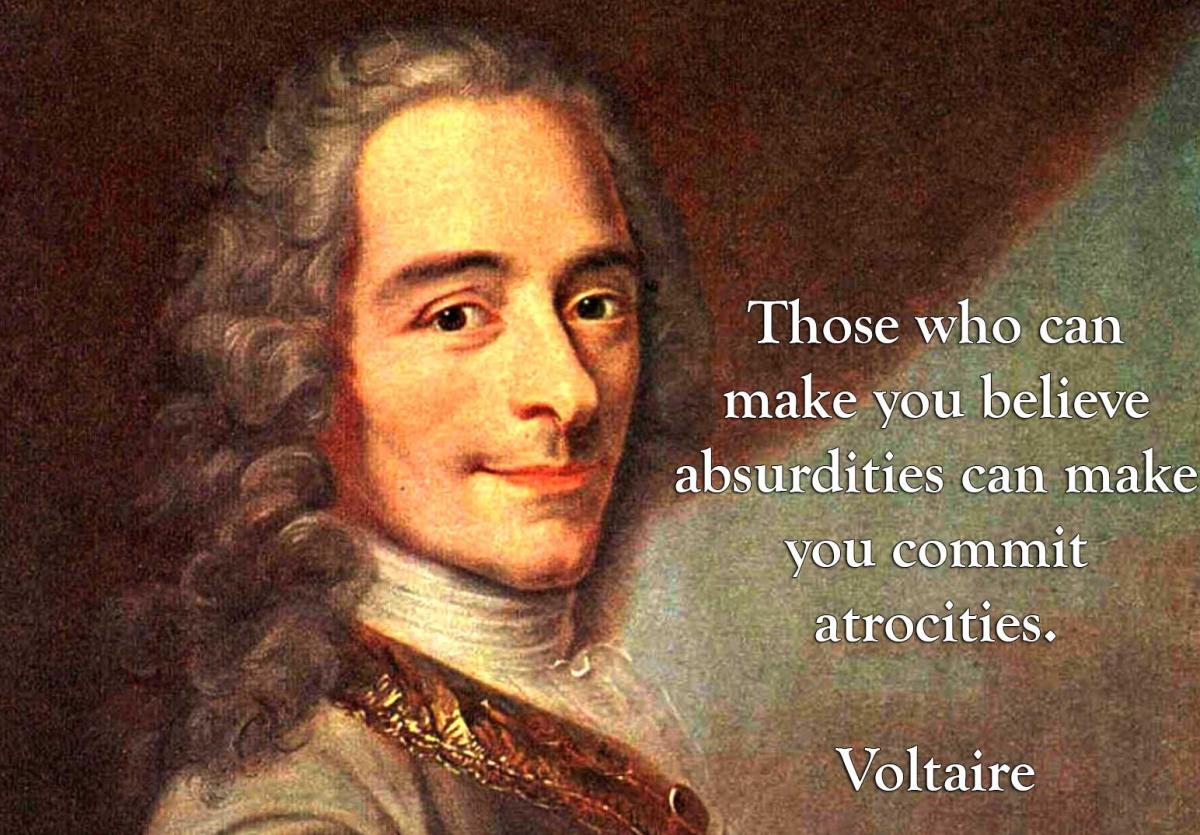
The famous French philosopher and writer, Voltaire, is known for his various works from poetry to stories to essays in the 18th century but Voltaire’s quote, “Those who can make you believe absurdities, can make you commit atrocities,” carries a profound meaning for the modern world in 2025. It serves as both a warning and a call to be vigilant against the forces of misinformation, manipulation, lies, and prejudice. His quote underscores the perilous connection between irrational beliefs and destructive actions, an infamous dynamic that has been exploited throughout history and remains a pressing concern today around the world.

At its core, Voltaire’s quote on ‘absurdities causing atrocities’ highlights the susceptibility of human beings to believe falsehoods when they are presented compellingly and repeatedly particularly by figures of authority or influence or power. In the digital age of social media and instant communications, this vulnerability is amplified by the unprecedented speed and reach of information instantaneously. Social media platforms, news outlets, and even AI-generated content contribute to a landscape where disinformation and blasphemy can thrive. Absurdities, once relegated to the fringes of our society, can now gain mainstream traction in a matter of minutes or hours.

A stark example of this phenomena is the spread of conspiracy theories. From unfounded claims about global health crises to political propaganda, these theories manipulate emotions and exploit fears, dividing societies, and undermining trust in our institutions. The belief in absurdities, whether it’s a denial of scientific evidence or the vilification of certain groups of people unjustly, creates fertile ground for acts of hatred and violence to occur.

To protect against the dangers of absurd beliefs that are spread rapidly without fact checking, fostering critical thinking is more important than ever. Education systems should do a better job of prioritizing media literacy, teaching students and even professionals how to evaluate sources, discern biases, and question narratives. In 2025, where now AI-driven content can mimic credible sources and change them slightly, the ability to think critically is more vital than ever.

Fact-checking organizations and regulatory measures can also play a role especially when social media companies refuse to do it themselves as was evidenced by Meta founder, Mark Zuckerberg, refusing to have his platform offer fact checking to users on what gets posted on the platform. Social media platforms should be held accountable for curbing the spread of disinformation especially when they do nothing to curb it. Transparency in the algorithms that they are using along with stricter content moderation policies are necessary to mitigate potential harm to users and information consumers. However, these efforts should also be balanced with protecting freedom of expression and speech to avoid creating new forms of digital censorship.

At the individual level, fostering open dialogue and empathy is crucial. Encouraging conversations that bridge ideological divides can reduce the allure of echo chambers that can bring out the worst in others. People are less likely to fall prey to absurdities when they are exposed to diverse perspectives and any differences are addressed through mutual understanding.

Voltaire’s quote also speaks to the unseemly process of ‘othering’ where certain groups are dehumanized or treated as inherently inferior based on lies and slander. This phenomenon has been a precursor to some of history’s darkest chapters. When absurd beliefs about the “other” are accepted and not dismissed or countered with facts, atrocities can become justified in the eyes of the perpetrators.

Historical examples abound and there are dozens of them I could write about. The Holocaust during World War II is a chilling reminder of how anti-Semitic propaganda and pseudoscientific absurdities fueled the systematic extermination of over six million Jews and millions of other minority groups. Nazi ideology relied on first dehumanizing Jewish people, portraying them as threats to society. This ‘othering’ laid the foundation for the eventual genocide that occurred.

Similarly, the Rwandan Genocide in 1994 illustrates how media propaganda can incite mass violence. Hutu extremists used radio broadcasts to spread hate speech against the Tutsi minority, describing them as “cockroaches” and urging their extermination. The absurd belief that the Hutu extremists had about an ‘existential threat’ posed by the Tutsi population led to the massacre of approximately 800,000 people within 100 days, one of the darkest years in the 20th century.

In more recent history, the treatment of Rohingya Muslims in Myanmar serves as another example. The dissemination of false online narratives about the Rohingya group, portraying them as invaders and terrorists, was used to justify violence and forced displacement from their homes. The role of social media, particularly Facebook, in amplifying hate speech highlights the modern implications of Voltaire’s warning about believing absurdities eventually leading to atrocities.

As we continue to navigate the complexities of a globalized and interconnected world, Voltaire’s words remind us of our shared responsibility to uphold truth, justice, and basic humanity. Combating absurd beliefs requires collective action across educational, technological, and cultural spheres in our society. Governments, organizations, and individuals must work together to challenge disinformation and promote inclusivity and respect.

Empathy, acts of kindness, and compassion are all potent antidotes to prevent ‘othering.’ Recognizing the shared humanity of all people, regardless of race, religion, or background, diminishes the power of divisive and toxic narratives that are not true. History teaches us that atrocities thrive in the absence of understanding or dialogue. By fostering connections and celebrating diversity while respecting and acknowledging our differences from one another, societies can resist the allure of absurdities and the horrors they could potentially enable.

Anyone can make an impact in preventing the spread of falsehoods, blasphemy, or scapegoating as this begins at the grassroots level, such as within our own neighborhoods and communities. To achieve this goal, individuals and groups must actively engage people in fostering environments of mutual respect and accountability. Open communication and dialogue are key to identifying and addressing harmful narratives before they gain traction and spread futher.

When you encounter falsehoods or lies, it is important to call them out in a civilized manner. This means addressing the issue without resorting to any aggression or personal attacks. Instead, provide clear, evidence-based counterarguments and facts that encourage reflection rather than defensiveness. For example, sharing verified data, fact-checking done through reliable sources, or calmly asking thought-provoking questions can shift the conversation towards the truth.

Community leaders, educators, and influencers have a unique role in setting an example for their neighbors, students, and followers. By promoting fact-checking, highlighting diverse perspectives, and actively countering divisive and hateful rhetoric, they can cultivate a culture of inclusion, tolerance, and critical inquiry. Grassroots initiatives, such as hosting workshops on improving media literacy, how to do fact checking, or creating forums for dialogue with people of different backgrounds, can also help inoculate communities against the spread of absurdities.

Additionally, I believe it is very important to foster empathy through personal storytelling and connections that can counteract scapegoating. For example, over the decades, thousands of Holocaust survivors have shared their story of how they were able to survive atrocities that came about because large groups of people in their society started believing or tolerating absurd claims based on lies and falsehoods. Hearing the lived experiences of marginalized or affected individuals from Rwanda to Myanmar to the Sudan humanizes them and challenges stereotypes. This approach can dismantle the ‘us versus them’ mentality that fuels both hatred and violence.

Ultimately, building resilient communities requires consistent effort and constant dedication. By prioritizing education, empathy, and open dialogue with others, we can better guard against the dangers of falsehoods and prevent absurdities from taking root or spreading. In doing our part, we uphold the principles of truth, justice, and fairness that Voltaire so fervently championed.

In conclusion, Voltaire’s insight is as relevant in 2025 as it was in the 18th century when his quote was born. Believing absurdities paves the way for atrocities to occur, but by embracing critical thinking, rejecting hate, and nurturing empathy, humanity can rise above these challenges that remain with us today sadly. The famous quote from Voltaire is not just a warning for us but a guidepost for maintaining a world grounded in truth, justice, and compassion for one another.


Dealing with Melancholy after Travel

“Still though, it’s hard for me after dozens of trips and hundreds of places visited to not have that feeling of melancholy wash over me after I come home again.”

There is a comedown feeling that happens after the end of a trip, regardless of how long or short it is. All the planning, the effort, the money spent, and the adrenaline rush that goes into relocating yourself elsewhere creates a unique feeling that is hard to replicate. Often, the trip will go smoothly, and you’ll have fond memories to look back on long after it’s over. Still though, it’s hard for me after dozens of trips and hundreds of places visited to not have that feeling of melancholy wash over me after I come home again.

Luckily, it is not a deep melancholy, but it is a melancholy of missing the feeling of being on an adventure or not knowing that the next day will bring. It’s the pure excitement of the unknown, of yearning to experience a new thing or event or place, and about being more open than usual to meeting new and often interesting people you encounter during your travels. Being able to settle back into your usual routine can be a bit of a downer after the rush of going from place to place, city to city, and being footloose for a while.

Despite a routine not being the most fun to go back into, it is necessary to reestablish a routine again as it can provide some comfort after a trip rather than doting on the past trip, however fun and exhilarating it may be. I do believe we need a routine in our lives often, rather than be rudderless and without anything to focus on. If our travels are temporary and we do not live life on the road on a permanent basis, easing back into our daily lives takes time but if we don’t have anything to refocus our attention on after a trip, the melancholy can be even more profound and difficult to deal with.

It is a good idea to develop your hobbies, interests, and your goals even more after a trip to accomplish what you want to set out to do with the time you have been given. Devoting yourself to something you’re working on or taking time to achieve something you want for yourself is a good way to deal with the blues that can happen after your travel is over. Being able to have ‘travel’ as something you enjoy doing is important, but it should not be the only thing you have going for you in your life. We cannot only be one-dimensional in our focus no matter how much we enjoy taking ourselves on the road.

Being able to share your travels with others is important because it helps hone and shape our memories. You may not be able to talk about your trip as much as you would like if you would like but it is good to share with your family and friends how it went because it’s likely they will want to know how it went. Beyond that, make sure to take care of your mementos, souvenirs, keepsakes, and other items you brought back with you, because they will give you a comforting feeling from having been to that place or done that activity, and it is good to reflect on the travels you’ve done in a sustainable way. I also like to organize my photos, create canvas prints, and even share videos from the places I’ve been and to keep them in my own records to reflect on to remember better of where I was, who I was back then, and how I felt about the trip.

Lastly, keep thinking of ways to travel again to go back to the place(s) you loved again or try new places you want to visit. Travel should be a passion that sustains you throughout life and you should know that it is a marathon, not a sprint. I like to casually look at where I want to go next as I do like to plan, and I always like to have something to look forward to. Think about the culture, the language, and the people who live in the place you’re going to and start studying up in advance to learn more about what it will be like there potentially and how to prepare yourself for the trip you want to take next.

The most rewarding travel experiences for me have been those that I spent time learning the language (if need be), studying the places I want to visit as part of the itinerary, and devoting time to knowing the history and the culture a bit there. Travel is more than just taking photos and eating good food to me. While those are both enjoyable to do on a trip, I do make a conscious and concerted effort to know a bit about where I am going, and to learn as much as I can before I step on the bus, plane, or train.  As travel writers have noted, it’s not the destination that is the central reward but the journey it takes to get there.

Remember, when you get back home, it’s not the end of your traveling days. You may have put the suitcase away and the mementos on the shelf, but you’ll be back on the road again, and sooner than you may think. Embrace what you’ve done, enjoy being home for a little while and seeing friends, family again while keeping up a routine, and start planning for your next trip when you can. Travel may not be your permanent mode of living as it isn’t for most people, but once you go somewhere, even if only for a short while, you’re still a traveler for life, and that is something that will never change.

Getting Off The Hedonistic Treadmill

“It is important to explore the pitfalls of exclusively chasing after hedonistic pleasures and why it’s crucial to get off the hedonistic treadmill.”

In our modern world that often seems primarily consumed by the pursuit of pleasure and instant gratification, the philosophy of ‘hedonism’, which advocates for the maximization of pleasure and the minimization of pain, has found its way into the hearts and minds of many people in our society. However, if we undergo a critical examination of the pursuit of hedonism for its own sake, it reveals a complex interplay between short-term pleasure and long-term well-being. It is important to explore the pitfalls of exclusively chasing after hedonistic pleasures and why it’s crucial to get off the hedonistic treadmill.

The hedonistic treadmill is a concept that is defined by how a person can be on a constant pursuit of pleasure, akin to running on a treadmill that never stops like a hamster looking to constantly drink from the waterspout in its cage or have a morsel of food released that it can devour. Despite one’s efforts to increase their well-being by seeking pleasure, individuals find themselves in a perpetual cycle where the happiness derived from hedonistic pursuits is fleeting, short-lived, and can’t match their prior pleasure intake. This treadmill effect occurs because as people experience pleasure, their expectations rise, and what once brought joy and satisfaction becomes the new baseline for the future. Consequently, a person must constantly seek higher and more intense pleasures to maintain the same level of satisfaction as they had experienced before.

At the heart of hedonism is the pursuit of dopamine hits, defined as ‘the brain’s reward neurotransmitter’ that is released in response to pleasurable stimuli. Whether it’s indulging in rich foods, drinks, smoking a cigar or cigarette, engaging in impulsive behaviors like skydiving, sports betting, or seeking another kind of immediate gratification, the dopamine rush provides a temporary sense of euphoria that we seek to replicate more and more. However, relying on these short-term pleasures can have detrimental effects on our long-term well-being.

The more individuals indulge in hedonistic behaviors solely for the sake of having pleasure, the more our brains become desensitized to the dopamine rush. This desensitization leads to a reduced ability to experience pleasure from the same stimuli over time. As a result, individuals may find themselves trapped in a cycle of escalating hedonistic pursuits, constantly searching for more intense experiences, to recapture the initial pleasure that they felt when experiencing it for the first time.

Hedonism fosters a tolerance to pleasure, where the same stimuli that once brought joy or happiness lose its effectiveness. This tolerance often drives individuals to seek novel and riskier experiences to elicit the same level of satisfaction. The pursuit of novelty, especially in different areas of pleasure, can lead to reckless behaviors, as individuals become increasingly desensitized and crave ever more intense experiences to maintain their hedonistic highs.

The relentless pursuit of hedonistic pleasure can take a toll on our mental health. The fleeting nature of pleasure on the hedonistic treadmill can contribute to feelings of emptiness, anxiety, and even depression when the anticipated happiness doesn’t materialize or quickly dissipates. The constant need for more pleasure can create a vicious cycle that undermines mental well-being and prevents the cultivation of lasting contentment.

Hedonism, when pursued exclusively, can create an illusion of fulfillment. Individuals may mistake the pursuit of immediate pleasures for overall life satisfaction, only to realize that the pursuit itself was devoid of deeper meaning. The fleeting nature of hedonistic pleasure leaves individuals yearning for a greater sense of purpose and fulfillment that goes beyond the momentary highs of pleasure-seeking.

In the relentless pursuit of hedonistic pleasures, individuals may inadvertently neglect the development and maintenance of their personal and professional relationships. The focus on self-gratification can lead to a disregard for the emotional needs and connections with others, hindering the development of supportive social networks that are essential for long-term well-being.

Hedonic adaptation is a psychological phenomenon wherein individuals return to a baseline level of happiness despite the positive or negative changes in their lives. This adaptation undermines the long-term effectiveness of hedonistic pursuits, as the pleasure derived from external sources tends to be temporary in nature. Understanding hedonic adaptation highlights the futility of relying solely on external stimulus for achieving lasting happiness and emphasizes the importance of internal factors such as mindset, gratitude, selflessness, and purpose.

While hedonism focuses on the pursuit of pleasure, ‘eudaimonia’, a concept rooted in Ancient Greek philosophy, emphasizes the pursuit of a meaningful and purposeful life. Eudaimonia involves living in a state of well-being, which aligns with one’s own values and contributes to personal growth but also the welfare of others in your life. Eudaimonia encourages individuals to seek their fulfillment through meaningful pursuits that go beyond momentary pleasures. By engaging in activities that align with your personal values and contributes to your personal growth, one can foster a deeper and more enduring sense of well-being.

Unlike hedonism, which can leave individuals vulnerable to the whims of external circumstances such as if the pleasure is achieved or not, eudaimonia promotes resilience. By focusing on internal strengths, values, and personal growth, individuals can weather life’s challenges with a sense of purpose and a resilient mindset.

Eudaimonia places a strong emphasis on the cultivation of positive and meaningful relationships at its core philosophy. Unlike the isolating nature of hedonistic pursuits for one’s own personal gratification, it is better to be building and maintaining connections with other people in your life, which contributes significantly to one’s long-term well-being.

The pursuit of hedonism for its own sake, driven by the relentless chase for dopamine hits, from lust to money to material items, can lead individuals into a never-ending cycle of escalating pleasures on the hedonistic treadmill. The ephemeral nature of these pleasures, coupled with the diminishing sensitivity to any kind of pleasure gained and an escalating tolerance to its achievement, poses a serious threat to any person’s long-term well-being and overall mental health.

It is crucial that we all recognize the limitations of pursuing hedonism, especially as the number one purpose in one’s life above all other priorities. I believe it is necessary to consider alternative paths to well-being, such as eudaimonia. By embracing a life of meaning, purpose, and both deeper and positive relationships, anybody can break free from the hedonistic treadmill and cultivate a more enduring and fulfilling sense of overall well-being. While pleasure has its place in a balanced life of moderating one’s impulses and desires, it should not be the sole driver of one’s overall pursuit of happiness. Ultimately, a life well-lived is one that combines pleasure with purpose, which creates a sustainable foundation for long-term contentment and fulfillment.

Trust Is The Foundation

“Trust is the bedrock that glues our society together. It is the foundation for which our relationships are built on.”

Without trust, there can be nothing. Trust is the bedrock that glues our society together. It is the foundation for which our relationships are built on. Once that bedrock is ruptured, it can never fully heal again. This is why we place such a high value on it because it can be hard to find or even replicate whether in business or in work or in our lives in general. We learn from a young age the value of keeping our word, being accountable for our actions, and being part of a team or a whole.

If we cannot make a promise, we shouldn’t keep it. We learn not to overpromise, undersell, or to bite off more than we can chew in what we can be relied upon for. Whether it is a secret between friends, a business deal that should remain private, or our duty to uphold a certain standard in our professional lives, the ideal of trust is at the center of how we are expected to act and behave. Trust can be earned over time and can take months, years, or even decades to build on it but while it is hard to gain trust initially, it can last a very long time with repeated adherence.

However, once the trust is broken between people or groups or societies, it can never truly be fully healed again as it once was. While verbal trust is a key part of our lives, we often go above and beyond to string together the bonds of trust more deeply. We shake hands to formalize a deal, sign the terms and conditions of an agreement, have legal papers, lawyers, and the ‘fine print’ drawn up, so the trust given and received is as clear as day. There are multiple ways to establish trust with each other but there are just as many ways that trust can be broken too if you are not careful.

It is not just our work lives or business success that depends on the trust established within them but also our personal relationships. If you are not seen as trustworthy but those people who are closest to you, it is likely that will extend outwards to other kinds of relationships in your life. It is vital to maintain your trustworthiness across the board regardless of how fleeting the ties to the other person or group are. While our relationships, business dealings, and professional ties will all begin and come to an end, our reputation precedes us throughout our lives, and it is important to keep your trustworthiness intact as you navigate the years and decades of who you meet and who you establish connections with.

Trust is not only about keeping your word or telling the truth to someone else or acting in an honest matter, but it is also about not promising something that you can’t deliver on or embellishing or making up falsehoods to earn the other person’s trust. You may think you are able to take an action or provide something or to promise a result but if you cannot guarantee it 100%, it’s best to pull back and let that person or group know that it is not entirely possible. How often have you heard that expression, “don’t make a promise that you know you can’t keep.”

It’s not only about breaking a promise that shatters trust but also trying at something that you said would happen and guaranteeing its success without being realistic about the odds or about if you could deliver the intended result without error, delay, or setbacks. You not only have to be honest with other people to establish trust but also honest with yourself and what you can and what you cannot do for them.

Our own ego can sometimes hurt our own trustworthiness because we are biased in believing we can do more or be more or accomplish more than what we can do when we make a promise. It can be difficult to reign back our promises to others and to pull back our own ego when it comes to what we are capable of. However, it is necessary to keep our trust alive with the other group or person with whom you are dealing with. I believe it is better to hurt our own ego when it comes to being realistic about the promises or the actions, we can accomplish rather than to lie or to embellish or to delay the unrealistic promises that were made, which hurts that trust or even breaks it completely. When the trust is broken, the other person won’t think you’re honest or reliable or even a good person so that is why trust itself is the foundation for which any kind of relationship is built upon.

Trust being the foundation of an individual’s relationships is key, but it also portends to our society and our world. Shared values, beliefs, and rules are built on trust in that if you will follow them and obey them so will everyone else living in that society. If that trust is broken in the sense that there are rules for me and you, but not for them, then that trust in one another starts to erode. Basic civility, courteousness, respect for laws and rules, and overall trust builds society up and when promises are broken, when double standards are common, and when one party or group holds unfair advantages over another group, without any kind of recourse or change made to make the society fairer, then the society will suffer as a result.

It is no accident that more productive and successful societies and countries function at a higher level, and it comes down a high level of trust between its citizens regardless of age, gender, race, socioeconomic background, etc. When trust is shared by all to play by the rules and do the right thing for each other, then that society and/or country will flourish as a result. How can a society establish strong economic ties, pass new laws that are enforced for all, and foster a strong education system that works for all? if it is not built on that fundamental trust that we are to look out for one another rather than to take advantage of one another instead.

If you can read this article knowing that your trust for your fellow man or woman is high and that they can rely on you as you would rely on them, then you’re in good shape where you are with the trust of your society. However, if your trust in your fellow man or woman is waning and you are skeptical of other people’s intentions often, well, then unfortunately, your society has a lot of work to do to rebuild and strengthen that fundamental trust. You should be part of that change by helping to build up the trust in one another again where you are at rather than to keep poking holes in the foundation or to tear it down completely. The choice is yours to make.

Thoughts on Carl Sagan’s ‘A Pale Blue Dot’

“This effort will only intensify in the years and decades to come as we go from being space-bound again to even Moon-bound and Mars-bound with our eyes set forward to being a galactic species.”

Carl Sagan’s ‘A Pale Blue Dot’ Speech

As much as we try to ignore it, pay it no thought, or just let it fade into the background of our priorities, Planet Earth is our only current and future home. When I say ‘future home’ as well, I may be met with some skepticism given the exciting recent events in putting man and woman back into space with success. This effort will only intensify in the years and decades to come as we go from being space-bound again to even Moon-bound and Mars-bound with our eyes set forward to being a galactic species.

However, while this excitement is commendable and our goals of being an interplanetary species a revolutionary event that could transform human life, I think we all need to remember that even though this effort to touch down on other planets including Mars may be a decade away, it will be quite a while still where people in large quantities can explore, live, and settle down in a planet not named Earth. You can practically guarantee that by reading this article in the year 2022 that it is very remote that we will be able to see humanity transcend Earth to live on other Earth-like planets in our lifetimes.

While I personally believe that Earth in our galaxy is not the only habitable planet, finding one that is, being able to go there, and then sustaining ourselves there will be the challenges of not years or decades but centuries forward. It is a noble pursuit and one that is likely to occur in the far future. My concern during this renewed era around space travel and interplanetary focus is that we stand to lose our only planet’s hospitable climate while we try to find others like the current one, which we are so blessed to have.

Multiple reports out there especially recently cite that we may be past the point of no return already when it comes to pulling the planet back from the depths of climate change activity already in motion. Our Planet Earth or as the great Carl Sagan would say, the ‘Pale Blue Dot’ is in danger of only having a century or less left where it is hospitable for humans to live there comfortably. Natural disasters are clearly getting worse, droughts, wildfires, flooding, torrential downpours culminating together to create something out of a Biblical prophecy on top of the fact that the Polar ice caps melting has accelerated alongside unseasonably warm temperatures in the Arctic.

While we marvel at putting impressive rockets into space that can land vertically after being thousands of miles away, our planet is going through a stage five fire alarm and basically ringing the warning signs for us to collectively do something about the current climate crisis. We do not know how fast this crisis will accelerate and how bad it will get and when it will be unsustainable for Earth to be a hospitable planet, but we can measure that in decades and not centuries. We race to get to space and to find a hospitable planet other than our neglected and vengeful home of record, but we are at a disadvantage in my view. We do not have centuries to fix our climate crisis, but mere decades or even a decade as some have argued. Our ability to find an Earth-like planet for which humanity would have to relocate in mass would not take place for centuries and not decades.  

I am not writing this article to solve the climate crisis or to illustrate what we all should do to combat it; I believe we know what to do in our lives and what we should tell those in power to implement but rather my fear is that we have lost sight of the importance of why Planet Earth is so precious and worth fighting for. There is no better illustration of the gravity of our current fight to save Earth than the humble video recorded speech of the late famous American astronomer, Carl Sagan, who summed up the sheer importance of why ‘here’ or ‘Earth’ matters so much in the grand scheme of the Cosmos. “That’s here. That’s home. That’s us.”

The ‘A Pale Blue Dot’ speech by Mr. Sagan highlights the totality of how Earth captured the human experience from across the globe among the tens of billions of people who lived on our planet including every hunter, forager, creator, destroyer, king, peasant, mother, father, and hopeful child. Everyone who has existed has lived on Earth on a ‘mode of dust suspended on a sunbeam.’ Mr. Sagan highlights the cruelties and violence that we have committed and continue to commit against each other to control a small part of the ‘pale blue dot’ we call Earth. The delusions of grandeur, the great ego we all struggle with, and how we think of ourselves as greater than the vastness of space and the endless infinity that surrounds us outside of our banal conflicts and glories.

Carl Sagan makes the point that in 2022, “The Earth is where we make our stand.” We can visit other planets like Mars or our own Moon, but we cannot live there yet. Mr. Sagan highlights the need to preserve and cherish ‘the pale blue dot’, which is still the only home we have ever known. To be kind to one another, to treat one another with respect, and to realize that the significance of our lives and of our place in the universe is quite minimal when you consider the vast never-ending spectrum of the cosmos. The Voyager 1 took the photo of the miniscule ‘pale blue dot’, otherwise known as Earth, over thirty years ago on February 14th, 1990, which inspired Carl Sagan’s speech and then book on what it means to see Earth from space to realize how small yet precious it is to have our home in the galaxy, and that it is the only known one we have in our universe.

As much as we try to distance ourselves from the fact that we are quite small and insignificant outside of ‘pale blue dot’, we occasionally should use that photograph to remind ourselves of how significant the Earth is to humanity and how we would not be surviving as a species without it as our home since the dawn of man and woman. If we choose not to preserve and protect for future generations, it will be a sad day with ancestors henceforth will have to leave a dying Earth to hope for a ‘better’ world, which may not even exist for us. All the love, death, goals, hopes, dreams, pain, pleasure of what it means to be human has taken place on our only home of Earth. The speech was a wakeup call to people in 1990 to take our only home of Earth more seriously and it will continue to be that clarion call for 2022 and beyond as the warning signs grow louder and more ominous if actions are not taken to combat the climate crisis.

While the movement to preserve Planet Earth has been around since at least the 1960s with the growth of environmentalism, Sagan’s ‘pale blue dot’ speech has inspired and continues to inspire those of us who realize how grave of an existential threat climate change is to humanity and how vital it is to protect this only home of ours. Sagan would not argue with those people who are trying to get us into space currently and to the parts unknown of our galaxy, but he would also remind us not to neglect our only home, not to abandon it to certain devastation, nor destruction, and to fight to keep it as a hospitable home for future generations. “Every human, who has ever lived, has lived on Earth,” he makes clear in the ‘pale blue dot’ speech and if the Earth is thriving, humanity will also have the chance to thrive too.

The Art of Introspection

“There is no shame in turning inwards from time to time. When I say turning inwards, I am referring to the art of introspection.”

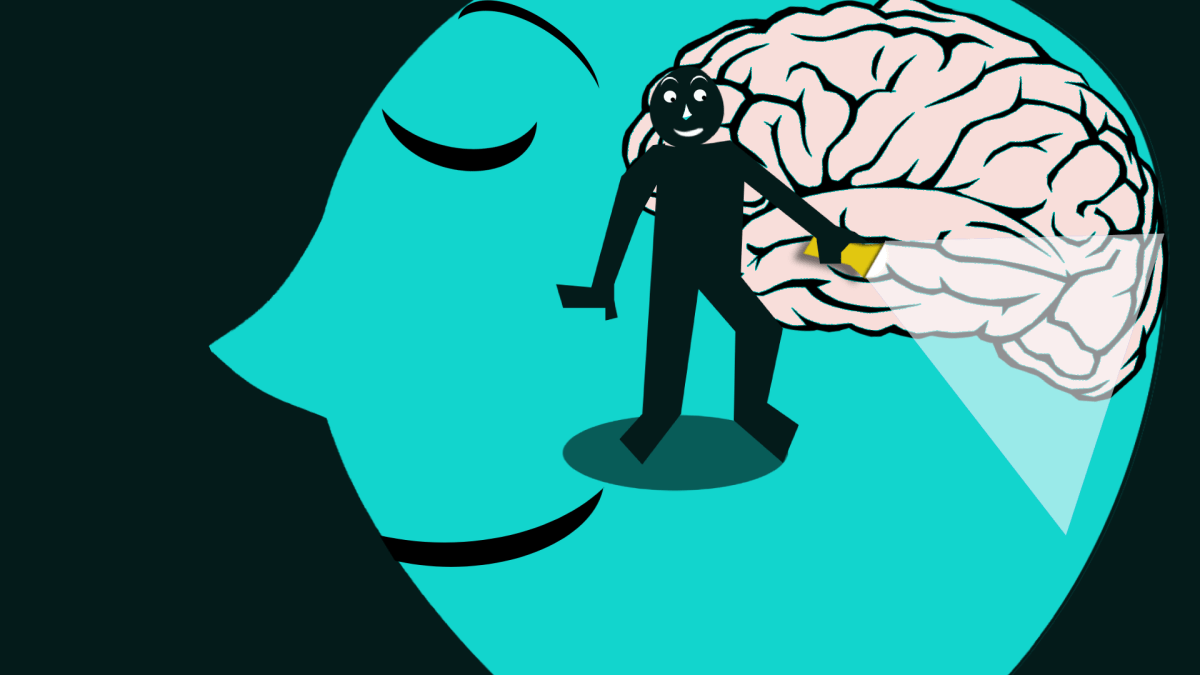
There is no shame in turning inwards from time to time. When I say turning inwards, I am referring to the art of introspection. Being able to concentrate solely on your thoughts, emotions, and feelings is a key part of being emotionally mature. Now, it does not mean that you are constantly evaluating how you feel about someone or something 24 hours a day, 7 days a week, but rather you are taking a few minutes or even an hour out of each day to step back, just pause and think, and reflect on how you are doing emotionally.

Being in touch with how you are doing without being prompted by someone else is healthy emotionally. Also, no one knows how you are feeling, what your thoughts are, or what you believe better than you. We can get caught up a great deal in how others view us and what they are thinking about us when the priority should be about what we are thinking or feeling about ourselves instead. Consciously stepping back from the world to analyze our thought processes, our feelings, and our worldview is a healthy thing to do, and I really encourage every reader perusing this article to do so daily, if not each week if you are pressed for time.

Introversion is never a sign of weakness or aloofness. Rather, it is a sign that you can be self-aware to the extent that you can take a step back from the world to pause, reflect, and view your emotions from your own personal standpoint. Being an observer is key not only for one’s surroundings and regarding other people you come across but also to observe yourself and to be able to sum up how you’re feeling, what you’re thinking not only about the present but to some extent to engage with what you’re examining for the future as well as the past.

Psychologists often say that introversion is not just observing or examining one’s own mental state but also one’s soul. Keeping one’s soul intact by evaluating your actions, beliefs, feelings and knowing how to do soul searching or to invigorate one’s soul is part of the introversion state. As a functioning adult or in the process of becoming one, performing self-analysis is key to being a more mature and responsible individual. Nobody’s perfect, of course, and being able to be introspective, will help you learn from your mistakes, do better next time, and see where you went wrong and how things could have gone better.

It’s easier to examine the people in your life’s actions, beliefs, or thought processes but those assumptions may not be accurate or fully formed because you never truly know what’s going on in another person’s life or why they act or believe in the way that they do. The only 100% analysis I believe that you can do is the one you can do on yourself since no one knows who you are better than you do. While you can still lie to yourself or not be entirely faithful to who you believe yourself to be, introspection is an action that you can always get better at the more you practice it sincerely.

When it comes to introspection or self-analysis, it’s not a one-and-done deal. You must be introspective multiple times a week in my view or at the minimum at least once a week. It is key to be in a quiet or tranquil place or setting by yourself and without any distractions. You should not be on your phone, with a friend, or performing some activity or action. You cannot do a real self-analysis or self-reflection when you are doing other things that require your attention.

Some people do not even realize that we already perform introspection without even noticing that we are committing this action in our daily or weekly routines. Whether it is brushing our teeth, jumping in the shower, going on a solo hike in a secluded forest, or even performing your fifteen minutes of yoga or meditation; these are all excellent forms of introspection where we can take the time to analyze our behavior, emotions, and feelings. It does not take a lot of time to do and if we have an activity that doesn’t distract us with talking, eating, listening to music, or being entertained by something we see or hear, you will better be able to perform your introspection or self-analysis at least a few minutes each day and it will add up over time.

When you can perform some introspection through some habit or activity in solitude that you do, you will get better at being able to perform this introspection without it being too difficult or tedious. There are twenty-four hours in a day and even a few minutes to check in with ourselves to see how we’re doing, what we’re feeling, thinking about how to be a better person or what to change for the future; that kind of introspection will be worth it to do so, and it will be easier to do so when we set some time apart to look inwards.

The next time you feel like you need some alone time to think, reflect, and get in touch with what you’re feeling: you should do that. There is nothing wrong with some introspection and I find personally that it is extremely healthy and beneficial to our mental clarity and our overall state of being. Each day, we are seemingly overwhelmed with the thoughts, beliefs, and actions of others and we are forced to react instantaneously since it affects our lives to some degree. It can be a struggle to take a step back to think things through or analyze why we reacted the way we did. Because of how fast things happen in our lives and how often we are around others and must be quick on our feet, it is very healthy to be able to carve out some time, even if a few minutes each day, to reflect rather than react and to process our actions to be able to be and do better in an effort to be more emotionally healthy and mature.

Anatomy of a Scene – The Dream

“In his 30+ years as a police officer, he means well but he has noticed an increasingly brutal fact that is inescapable. The world has become more unforgiving, violent, and it is hard for him to make an impact whereas at the beginning of his career, he sought to make it a better place.”

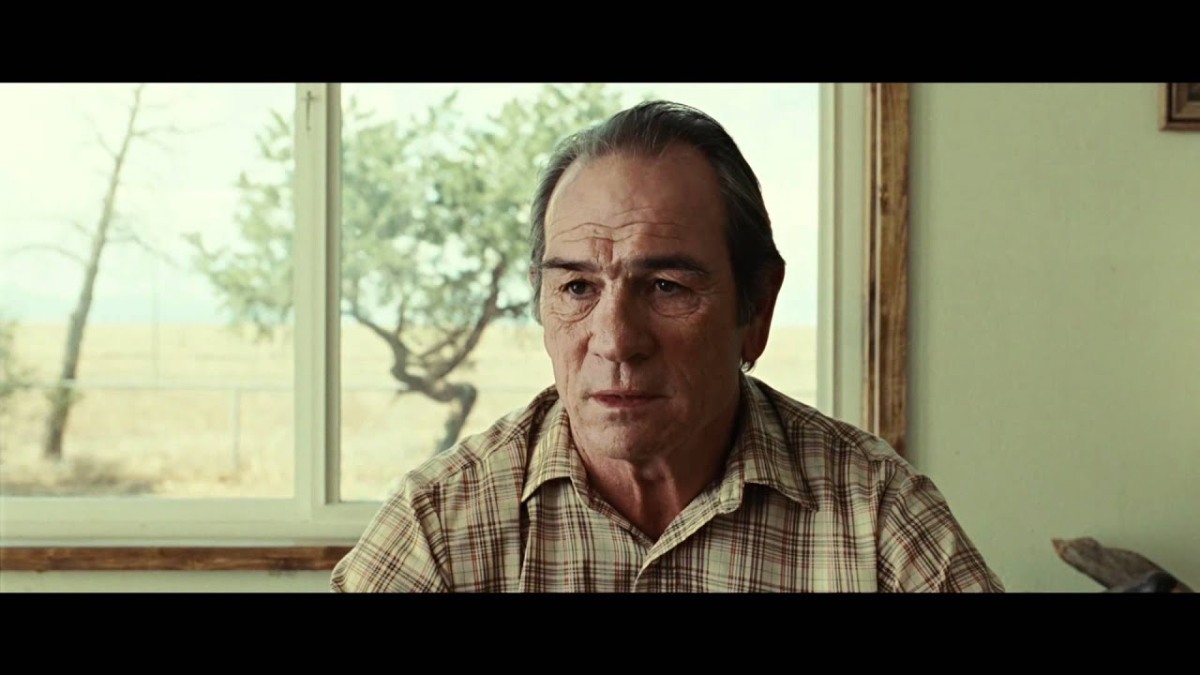
Tommy Lee Jones is an elderly police officer overmatched in the excellent ‘No Country for Old Men’ (2017). He is overmatched for a number of reasons including not being able to keep up with the actions of violent men who show no compassion or no remorse. Throughout the film, he is always just a step behind the sociopathic Anton Chigurh and fails to either apprehend him or to prevent him from killing innocent people. In his 30+ years as a police officer, he means well but he has noticed an increasingly brutal fact that is inescapable. The world has become more unforgiving, violent, and it is hard for him to make an impact whereas at the beginning of his career, he sought to make it a better place.

Ed Tom Bell is your average protagonist who means well, wants to do right in his work, and believes he can do good but finds himself overmatched and overwhelmed by what he is asked to do. When he thinks of his future, he wonders what is left for him and if retirement will bring him peace or have him think back on what could be.

The dream scene begins with Ed Tom, now retiring, looking out of his window at his farm’s seemingly barren landscape with a sole tree to his left through the window behind him. A man of seemingly few hobbies and fewer words, he thinks about his day ahead and thinks about the possibility of riding around on his horse. Not too enthused about it, he also asks his wife if he should help around the house. Seemingly because he is less than skilled at this work, his wife believes it’s better that “he not.” He asks if his wife will join him riding but she is still working and a member of society actively.

Resigned to his fate as a retiree instead of being an active police officer, he reflects to his wife that he’s had dreams and he wants to share them. She says that he has time for them now and that she’ll be polite while he remembers them. He goes ahead and states that there were ‘two dreams’, they were ‘peculiar’ and both of them involved his father who has long passed away. Ed Tom is an older man than his father ever was indicating his father passed away at a younger age that of which Ed Tom will live to be longer.

The first dream is almost like a flash as most of our dreams tend to be with the details muddled and hard to recall. Ed Tom only states that he meets up with his young father in town and he leaves him some money perhaps as a way of his father being there for him even if he wasn’t present physically in his life. Similar to losing his father early in life, Ed Tom believes he lost his money in the dream as well leaving him without help as his father’s early death may have inadvertently done.

The second dream is much more imaginative and involve Ed Tom and his father living in ‘older times’ perhaps when the West was not settled and was lawless. He is no longer a police officer maintaining law and order but rather a horse rider having adventures with his father as he wishes they perhaps would have had time for had he lived longer.

This second dream is much more vivid as Ed Tom recalls how it is cold, they are going through a mountain pass together. They ride together in the snow among the mountains of the night until his father rides past him with no explanation and his blanket wrapped tight against him. This is confusing to Ed Tom at first knowing how hard it is to be without his father who he loves and must face the cold world without him as if he has been abandoned again. Though he may have lost his father, Ed Tom recalls how his father was carrying ahead a fire and a horn of a golden moon color, which gave him comfort despite the fact that he was not with him riding together.

“He was going on ahead, fixing to make a fire.” Ed Tom believes his father in the dream is out there doing this noble act in the middle of all the dark and cold, which is brutal to handle. “I knew whenever I got there, he’d be there…then I woke up.” The hope that Ed Tom haves is that his father even though it seems like he abandoned him as the son is that he really is instead looking out for him and paving the road ahead with light so he would not abandon his hope.

He believes that his father even though he may not be there with him wants him to keep going ahead and to meet him eventually instead of becoming deterred. He paves the way for his son to chase the flame of his absence and to resolve to not let the dark encapsulate him fully. Ed Tom’s expression about the dream is one of resigned sadness that his father is no longer around but also one of lingering strength to believe his death was not in vain and that he will reunite with him one day. His father, like him later, use their lives to keep the flame and the light moving forward even when surrounded by the darkest aspects of human nature.

Like any dream scene in a movie, this one has a deeper meaning behind it related to one man’s grief involving the loss of not only his livelihood but of his hope for a brighter future for humanity. Having seen the horrors that people inflict on one another, he may be resigned to that fact but he also believes his father would have wanted him to keep the flame ‘alive’ and to keep carrying it forward throughout his life even if things looked bleak. His death did not stop Ed Tom from keeping the flame moving in his own life and to carrying it forward in the hopes that he would bring it to his father someday when they would eventually be reunited in another lifetime or in another dream that seemed real.