‘Collateral’ – Film Review and Analysis

It’s not often the case that a Hollywood film can go beyond its’ genre to relay a deeper message about the human condition and why people are the way they are. ‘Collateral’ (2004) is one of those movies that is able to achieve just that by making the audience member such as myself care about the characters as well as appreciate the deeper meanings beyond the dialogue and the setting.

While there are numerous crime thriller films out there, ‘Collateral’ is able to go above and beyond the clichés and be original in its’ own right. Part of this is due to the fact that Tom Cruise and Jamie Foxx give outstanding performances for their respective characters along with the rest of the credit that should be given to director Michael Mann who relishes being a director for crime noir dramas that are set in Los Angeles. While ‘Collateral’ was not an Oscar award winning film unfortunately, its’ characters, the setting, the action sequences, the directing, and the overall message that the plot sends to the audience make it a unique and reputable movie that deserves a viewing or two.

Without going into too much detail, the plot of ‘Collateral’ stars two men who come from very different circumstances and live very different lives. However, the Cosmos align to have them meet for the first time at night in Los Angeles. “Vincent” played by Tom Cruise, has just arrived in Los Angeles from the airport and is looking for someone to take him around the city. What better way to see L.A. than to do so by taxi so Vincent goes to the nearest taxi stand to seek one out for a ride. That’s where the plot of the film begins as Max, played by Jamie Foxx, accepts Vincent as a new passenger after ignoring his presence initially. Vincent, dressed in a gray suit with gray hair could be just like any other businessman in Los Angeles but he’s not what he appears to be. Max starts to realize this as the night goes on but not until after he drops off Vincent at his first but not his last destination.

Vincent is more than just the new guy in town here for business. He’s a contract killer and a hitman who is in Los Angeles for one night only in order to carry out a series of hits. After bearing witness to the first of Vincent’s murders, Max is forced into being Vincent’s chauffeur for the rest of the night as he has four more contract hits to carry out for his boss, “Felix”, played brilliant by actor Javier Bardem. Vincent’s goal for the night is to carry out the rest of the contract hits successfully and then get a flight out of Los Angeles as the sun rises after his boss pays him handsomely for his ‘work’. Max’s goal for the rest of the night is to get out of this situation alive without getting killed by Vincent or being seen by the police as an accomplice of Vincent who is dragging him along as he commit these vicious murders in cold blood.

Mixed up in all of this madness is “Annie”, played by Jada Pinkett Smith, who is a prosecutor in the U.S. Justice Department who works out of their office in Los Angeles. She ends up being the first passenger of the evening in Max’s cab before the fates intertwine and Vincent comes along to change Max’s life forever. The only good part of Max’s night is when he meets Annie and they hit it off enough to the point where he is able to get her phone number but it is uncertain whether or not he will have the confidence to call her and make plans.

Unfortunately, Vincent, the contract killer, has Annie in his sights as one of his five targets setting off a series of events that put Max and Vincent on a tense collision course. On top of all of this, you have members of both the FBI and the Los Angeles Police Department noticing what Vincent and Max have been up to which causes more violence and bloodshed to occur. “LAPD Detective Ray Fanning and FBI Investigator Frank Pedrosa” (played by Mark Ruffalo, and played by Bruce McGill) are the ones leading the investigation into these random but coordinated killings popping up all over Los Angeles in the dead of night orchestrated by Vincent with Max as his unwilling accomplice.

There’s no character in this film that isn’t in danger or who may come into harms way and that is partly what makes the title of the film fitting as called ‘Collateral’ because everybody in this movie feels the damage caused by Vincent in some way. Max has feelings for Annie so he wants to do the most he can to protect her before she become apart of the ‘collateral’ damage that is being inflicted by Vincent.

Michael Mann, the director of ‘Heat’ (1995) previously and of this film ‘Collateral’, does an excellent job of making the setting of Los Angeles feel like its’ own character that sets the tone for the movie as well as provide an analogy for what the characters of Max and Vincent are like. Los Angeles is a sprawling urban city of more than four million people and has highways, tunnels, and bridges that loop and wind through the various neighborhoods that can only be connected by car.

For Max, Los Angeles is the only home he’s ever known but for Vincent, it’s a sprawling, disconnected mess of alienated people who don’t know or care about each other even if the collective Gross Domestic Product (GDP) of their city is more than most countries on the planet. Vincent regales Max about a story of someone who dies on the Los Angeles Metro one day and nobody else on the transit system notices for many hours, which proves his supposed point about the city’s culture of alienation. Similar to L.A., Max and Vincent are disconnected from other people in their own ways. Max is shy and reticent with new people he meets and doesn’t go after what he wants while Vincent is a sociopathic killer who doesn’t have much regard for people in general.

There’s one excellent scene in this film where Vincent and Max chide and prod each other as to why they are who they are. Vincent wants Max to call Annie, the girl whose number he got earlier in the evening, because “Life is short. One day it’s gone…” Max doesn’t reply regardless of what Vincent’s opinion is of his dating life. Later on in the scene, they both see a lone grey wolf walking through the streets of Los Angeles presumably searching for food or for some sort of purpose. In so many ways, this is symbolic of who Vincent and Max both are.

Vincent knows his purpose is to kill people because it’s what he ‘does for a living’ but this job alienates him from his humanity and causes him to be a lone wolf. Max is unsure of his purpose in life and wants desperately to be more than a simple taxi driver. He has dreams to start his own limo company one day but never takes the first step to making that dream come true and actually become a reality.

Even though they are two different men from very different circumstances, they are able to see what they should become if they weren’t so set in their ways. Max is a compassionate person who cares for others but is stuck without a purpose and isn’t able to take control of his life. Vincent is a sociopath who can’t relate to other human beings but knows what his one true purpose in life is and this allows him to feel some control over his existence, which he deems as being ‘meaningless’ in the long run.

Even with the fact that they detest each other, they begin to understand the flaws in their own character and how they could be different if they gave themselves a chance. Max could be more spontaneous and avoid having a repetitive life if he chose to be something more than a taxi driver. There’s no changing that Vincent is a cold-blooded killer but you start to see the circumstances that created his monstrous self. He never knew his mother, and his father was an alcoholic who beat him mercilessly and let young Vincent to grow up in foster homes. Max, nor the audience, can show much sympathy for Vincent’s plight but you start to realize that he is not just a simple-minded killing machine.

While life may be meaningless for Vincent, he still thinks that Max should live it to the fullest and ‘carpe diem’ before it’s too late for him. Max gets Vincent to ask himself why he is a sociopathic killer and gets him to reveal a little about his troubled family as well as to why he is a nihilist. In response, Vincent gets Max to ask why he never did anything to make the Limo Company to become a reality. He implores him to think deeply about making his dream come true because someday it may never come to pass if you don’t do anything to make it happen in the first place.
‘Collateral’ is a great crime thriller that is extremely well written, has great acting, and is directed and choreographed superbly by Michael Mann and his team. Beyond that, ‘Collateral’ is a film that makes you question certain things about life and the limits that we put on ourselves. The nihilism and disconnectedness of both Los Angeles and the main characters of Max and Vincent is both surreal and powerful. This is not your typical Hollywood drama and that’s a good thing. This movie is not a blockbuster and feels more like an independent film that came in way under budget.
‘Collateral’ is a gripping take on two men who are forced together by fate to go through a night together that will change them forever. I highly recommend this movie based on the excellent writing, acting, directing, and the strong storyline that keeps the viewer interested. Jamie Foxx and Tom Cruise do an excellent job and have great chemistry together, which is what makes ‘Collateral’ really shine, and have longevity as a unique film over a decade later. If you get the chance sometime, you should really see this movie.

Steve Jobs – ‘On Failure’

It’s not often when the average person can gleam some wisdom or some insight from a YouTube video but there are exceptions to this fact when you start to dig deeper. One of these videos that I enjoyed viewing focuses on the late Steve Jobs, the innovative and driven entrepreneur, who was the co-founder of Apple Inc. and for the later half of the 20th century and the beginning of the 21st century helped lead the computer and smartphone revolution around the world. While most people may know him from his appearances at developers’ conferences where he would unveil Apple’s latest invention or innovation, there is a side to Steve Jobs that some folks may overlook.

Steve Jobs wasn’t always a great success and had many failures throughout his life. Fired by the company he co-founded and having gone through product setbacks such as with the Apple III and the NeXT computer, not everything went the right way for the legendary entrepreneur at first. However, these setbacks and failures are obscured today but the massive amount of success and innovation he would bring to the world by sticking to his principles and by always taking the initiative to ‘stay hungry’ for more.

The YouTube video I’m referencing in this blog post is titled, “Steve Jobs on Failure” has over one million unique views and has been up on the website for over six years. In the video, most likely set in the 1990’s, a young Steve Jobs talks about one particular time where he took the initiative that was driven by his innate curiosity. At the beginning of the video, Jobs talks about the fact that most people don’t have the experiences they should because they never ask or inquire about them to begin with. Mr. Jobs hints at the fact that he was never afraid to ask for help from other people, especially if they were in his field of work and would be able to assist him in some way by giving him advice or by mentoring him in some capacity.

The adult Steve Jobs in the video recounts how when he was only twelve years old, he called up Bill Hewlett, the engineer and co-founder behind the massively successful information technology company known worldwide as Hewlett Packard or HP, which similarly to Apple Inc., is also based out of Silicon Valley in California. The twelve-year old Jobs introduced himself to Mr. Hewlett and simply asked him directly for help with building a frequency counter. Little Steve asked Mr. Hewlett for some spare parts that could be used in order to build an effective frequency counter. The young Steve Jobs left quite an impression on Mr. Hewlett, so much so that the co-founder of HP gave him the spare parts as well as a summer job working on an assembly job working with the nuts and bolts that help make the frequency counters at Hewlett Packard work effectively.

You can tell the way from the way that Steve reacts to Mr. Hewlett’s genuine help and generosity with giving him a job and a start to his future in information technology that it meant a lot to him both personally and professionally. Certain moments like that in our lives when somebody really gives a chance and helps us along the way to having a brighter future is a lasting memory that simply does not go away. We can only speculate what might have happened if Mr. Hewlett had instead just hung up the phone on young Steve and not helped him out at all. The world could very much be a different place had Steve not gotten that positive feedback and mentorship that we all seek in our own lives.

“I’ve never found anyone who said ‘No’ or hung up the phone when I called…I just asked.” Steve knew that there was a chance at failure when it came to reaching out to others in his field but he knew also that he had to try in order to get ahead in his life. He had to put himself out there, make connections, and learn from others in order to build his company and create successful products. I think Steve realizes that he would not be where he was as an adult without the help he received from others throughout his life. The video shows his sense of gratitude for that assistance and that he is wise enough to remember to give back to other people as well who want to be in his position one day or to be successful like he was.

“Most people never pick up the phone and call…most people never ask.” Steve is right in his assertion that those who don’t reach out for help or don’t seek out opportunities will never get to where they want to be in life. He makes the correct distinction between those people who take the initiative and those other people who let opportunities pass them by. You can dream and wish for things to happen for yourself but unless you put the pen to the paper or put your phone to your ear, you won’t accomplish that much.

Lastly, Steve notes in this video that ‘you have to be willing to fail…you got to be willing to crash and burn.” Steve Jobs like many other inventors and innovators had multiple failures beset them but they did not give up and they were not afraid to fail. Through failure, we learn from our mistakes and we get better and better at what we are trying to accomplish. With enough hard work and effort, we can push forward to achieve what we set out to do originally and so much more. When an Apple product failed to gain traction or when he was forced out of his own company, Steve Jobs like many other successful men and women did not give up and go home. They learned from their mistakes and became better at what they do.

“If you’re afraid of failing, you won’t get very far.” To put it bluntly, failure happens to everybody. Nobody in the world succeeds 100% of the time at everything they do. People like Steve Jobs recognize that this is all too true but it doesn’t deter them from their goals because they won’t stop until they achieve what they want to accomplish. In order to turn those failures into successes, you need to have an indomitable will and to let nothing stand in your way.

Instead of blaming your failures on others or giving up after a few bumps in the road, you should continue to embrace the learning process and seek help from those other people who have been successful in their lives and would be willing to offer their help to you. Steve Jobs did not become one of the most important men of the 20th century by being afraid of failure or from doing it all on his own. He sought the advice and counsel of others while never giving up even when things looked pretty bleak. That kind of mindset that he explains in the video helps us to understand why he became so successful in his life and how we can learn from his words to become successful in our own lives.

Cuisine Spotlight – Sancocho

Many cultures around the world have their own unique take on stews and soups that are both hearty and comes with a number of different ingredients. This is also the case in many Latin American countries where the stew itself is called ‘sancocho’ and is closely related to the Spanish stew known as ‘cocido.’ Along with the Spanish influence, Sancocho takes most of its’ ingredients from local foods that are popular and add flavor to the dish. Sancocho is also considered to be the national dish in a few of the Latin American countries where it is made and eaten.

Among the countries where Sancocho is a popular food dish includes the Canary Islands, Puerto Rico, Honduras, Ecuador, Colombia, Panama, the Dominican Republic, Peru, Venezuela, etc. so you could say that it’s a staple and has become popular in many households and restaurants. Sancocho is believed to have originated from the Canary Islands where it is a dish that heavily is made of a whole-cooked fish with broth and potatoes.

The dish was brought over to Latin America when the Canarians and their descendants immigrated to parts of the new world centuries ago. As is the case with many different foods, the immigrants who move to a different part of the world often bring their favorite dishes with them. While fish was a main ingredient in the ‘original’ sancocho, there are many different types of meats and vegetables that make up variations on the popular dish depending upon which country you’re in. Sancocho is especially common to be served during lunchtime as it is quite filling and can hold a person over until dinner comes around. It’s common for Sancocho to be served in a huge pot for a family gathering or birthday party where the dish can be expanded to served dozens of people total.

In Colombia, specifically, sancocho is an extremely popular dish with a wide range of ingredients that can range from chicken to ox tail. Other meats that can be apart of sancocho include hen, pork ribs, cow ribs, fish, etc. For example, sancocho with fish is really popular on the Atlantic coast of Colombia while pork and beef is more commonly found in the interior of the country. In addition to mean, sancocho can also include large portions of plantains, yucca, potatoes, and various vegetables such as tomatoes, carrots, cilantro, scallions, mazorca (corn on the cob), etc.

There is simply no limit as to what can be put into sancocho and each country puts a different spin on the popular dish. In the Dominican Republic, for example, there is Sancocho de siete carnes, which is a dish made up of a mixture of different meats including chicken, beef, pork, etc. Sancocho de gallina, which is made up of free-range chicken is quite popular in Panama and is also the national dish of the country. Puerto Rico has the distinction of even adding smoked ham, pork feet with chick feats, which is known as sancocho de patitas and is quite unique in terms of its’ culinary characteristics.

The beautiful thing about sancocho is that there are so many different regional and national varieties to this dish are that the possibilities of mixing and matching different ingredients or toppings is simply endless. Any nation that has been touched by Spanish influence or colonization has adapted their own version of sancocho including even in the Philippines, which has a huge amount of meats and vegetables to offer in its own national take on the dish. Keeping to the Spanish heritage of the dish, they call it cocido as it is known in Spain.

If you decide to come to Latin America and find yourself at someone’s family gathering, hanging out with a few friends, or enjoying a birthday party, it’s likely that you’ll get a good serving of sancocho. In addition, the sancocho you get depending upon the country or the region in which the dish is being served to you will most likely be different and have some variation to it. The beauty of a popular dish like sancocho is its’ history, its’ adaptability, as well as the chance to gather with a group of people and dig in to this delicious food together.


Machu Picchu and Huayna Picchu

img_1723img_1726img_1824img_1827img_1828img_1829img_1830img_1838img_1868img_1878img_1881img_1897

img_1955img_1968img_1984img_1989

Camera: Canon PowerShot SX710 HS

Location: Machu Picchu, Peru

The Wonder of Machu Picchu

img_1617
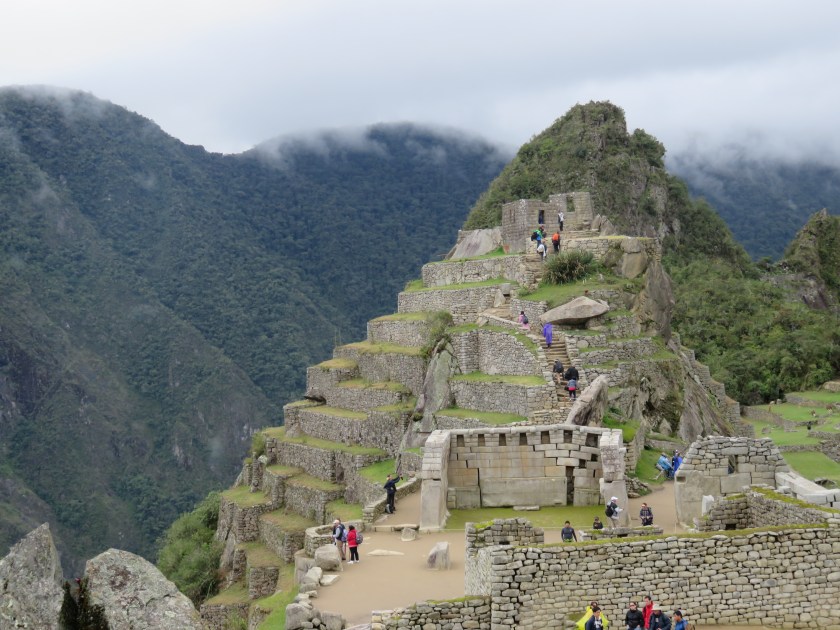
“The hardest yet most rewarding part of my visit: Hiking to the top of Huayna Picchu mountain.” 

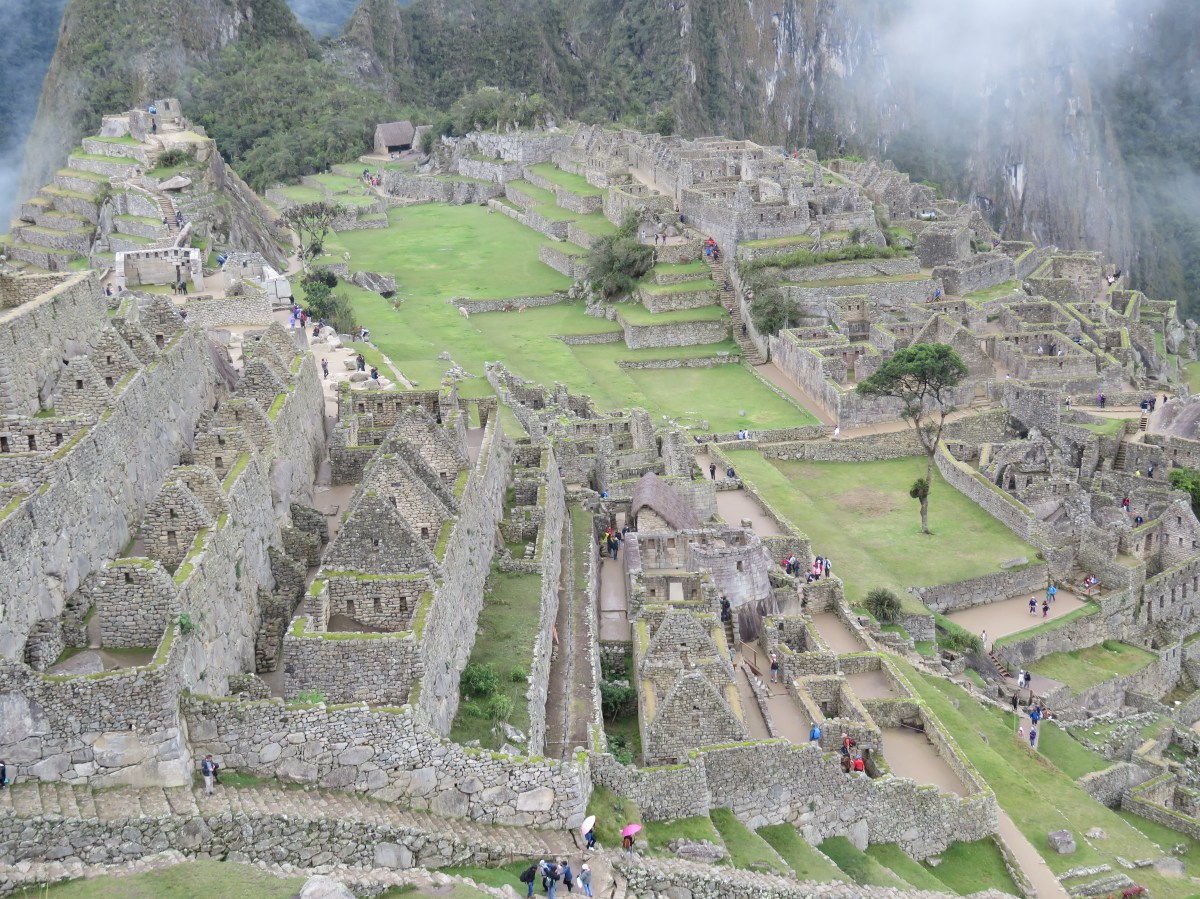
There are few places in the world, which you can truly regard as being special and awe-inspiring. We describe these places as being a ‘wonder’ of humanity and one that represents our brief yet influential time on this planet. Before I came to Machu Picchu, I believed that the only other place that would classify as a ‘wonder’ to me would be the archaeological site of Petra in southern Jordan. A ‘wonder’ both of history and of architecture that goes back thousands of years is what sets apart places like Machu Picchu in Peru and Petra in Jordan. These places that touch on the cultural and historical legacy of man are what drive us to be resolute in protecting these artifacts of mankind and making sure that they are around for future generations.

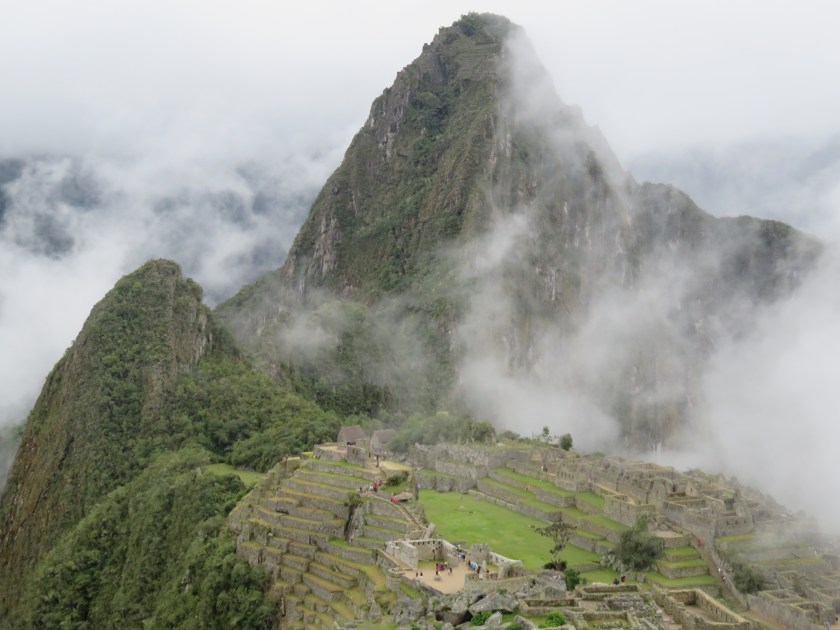
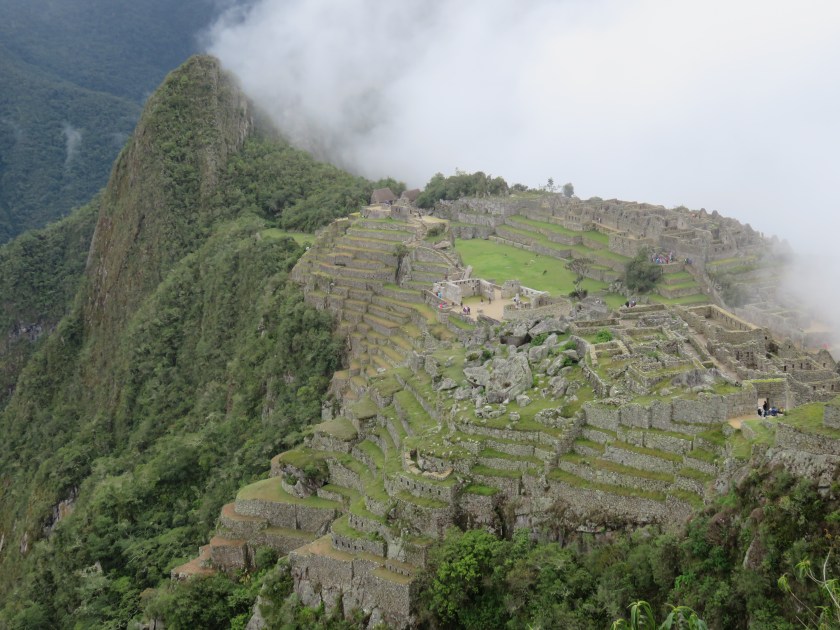
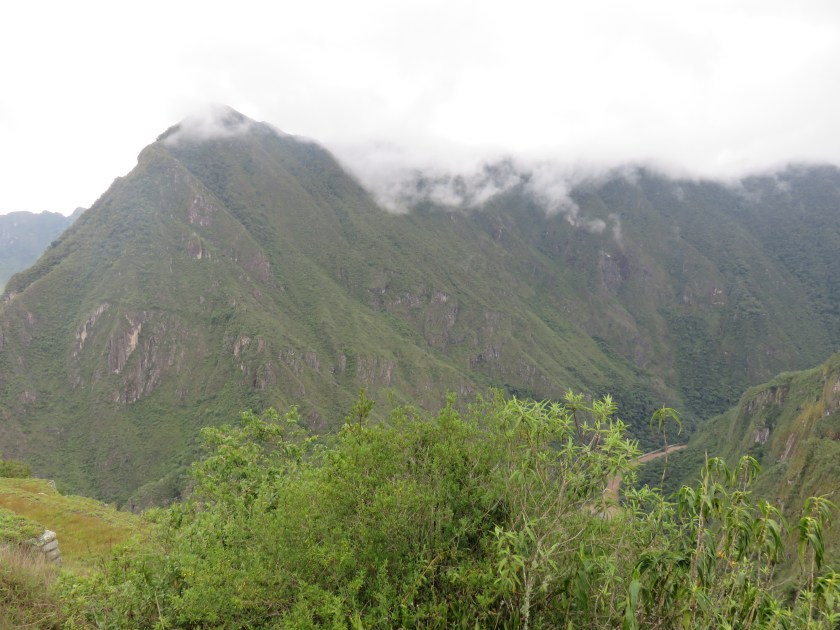
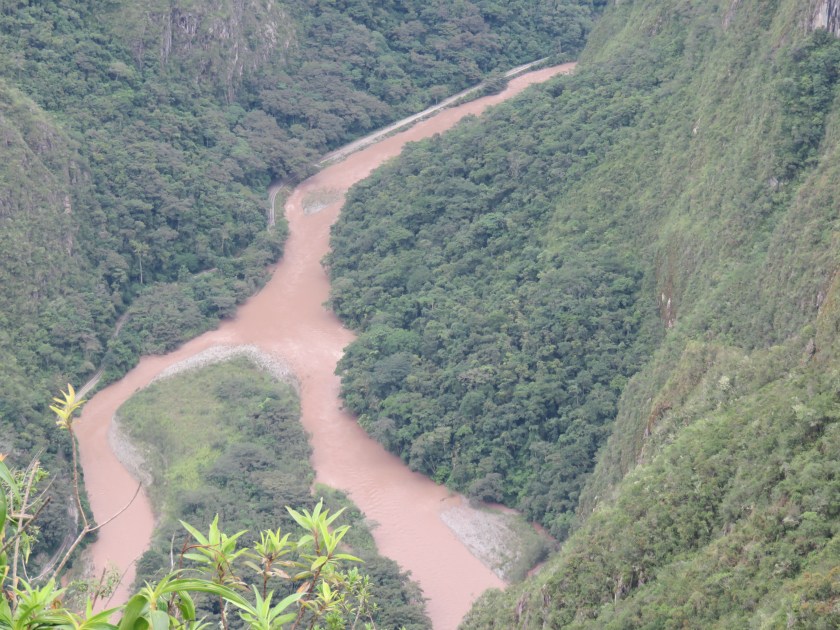
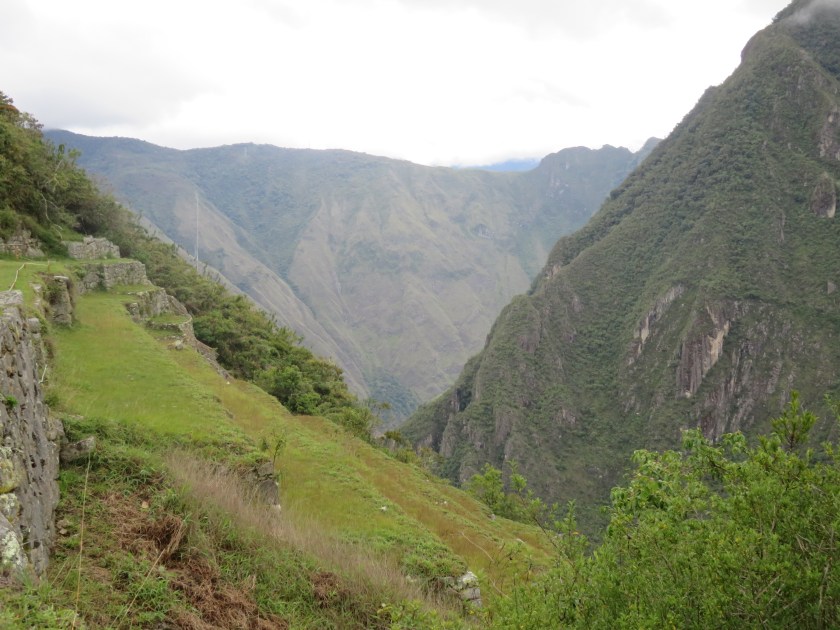
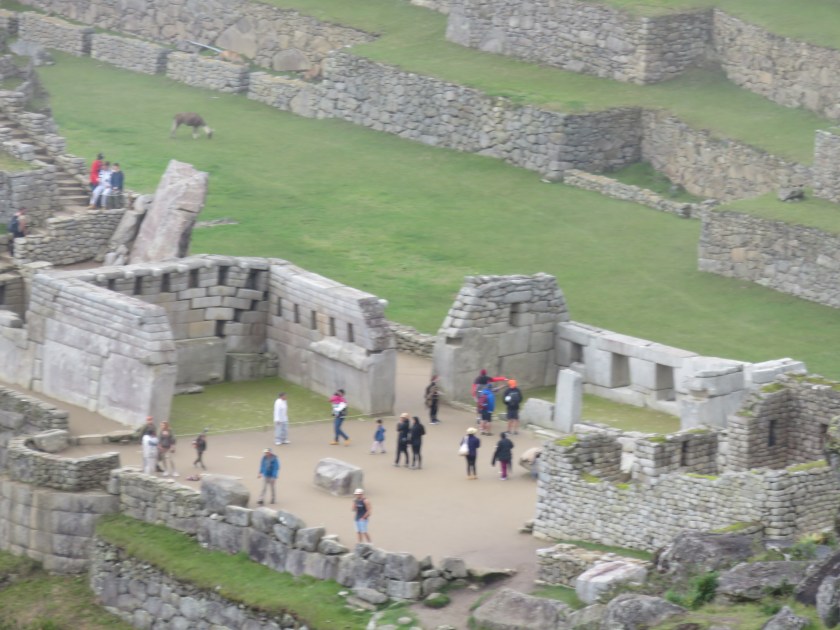
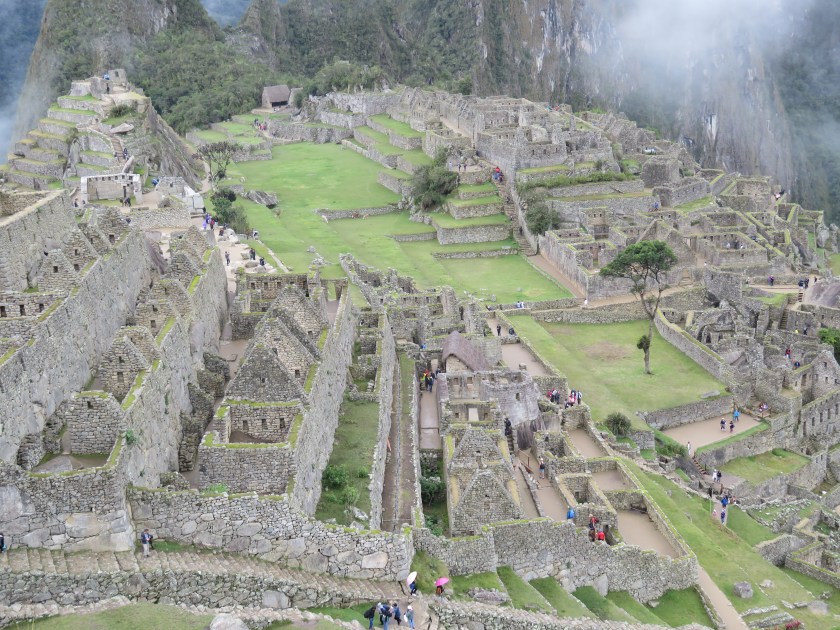
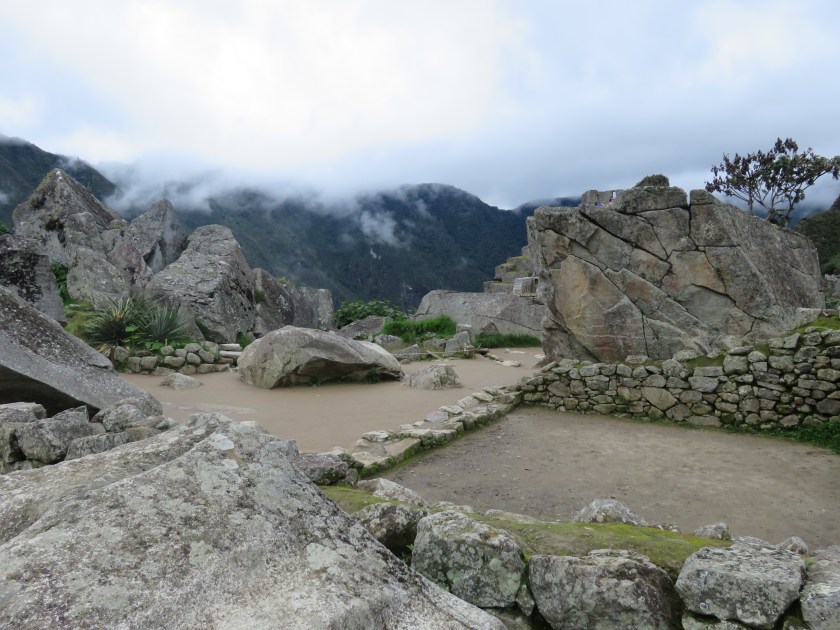
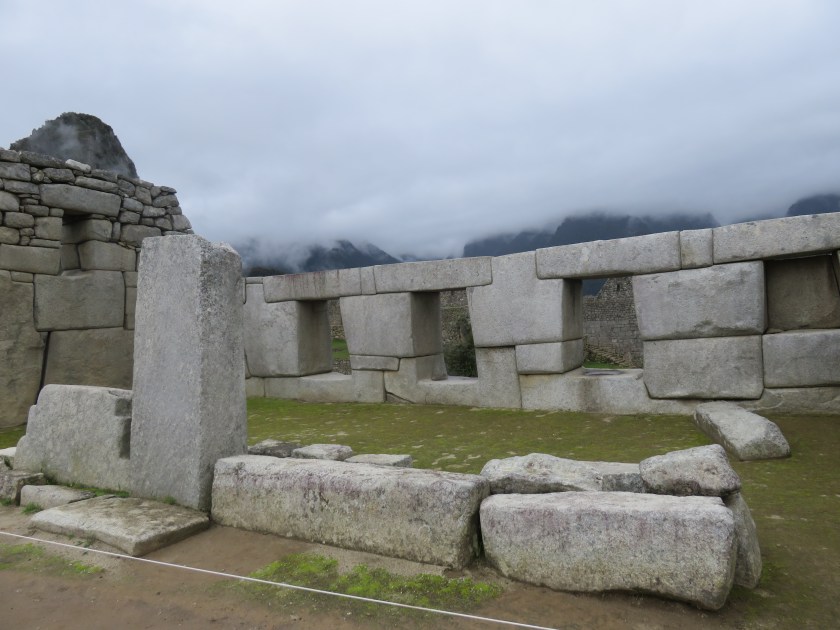
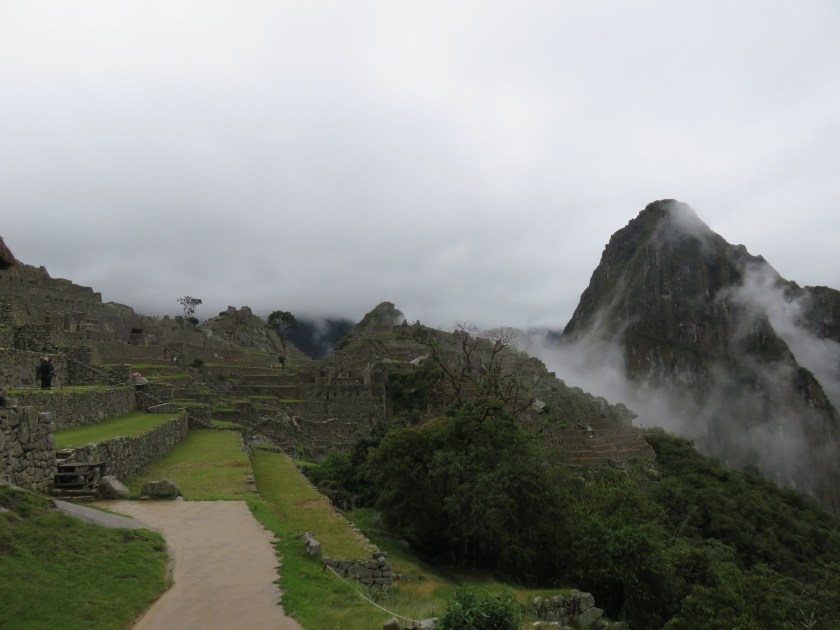
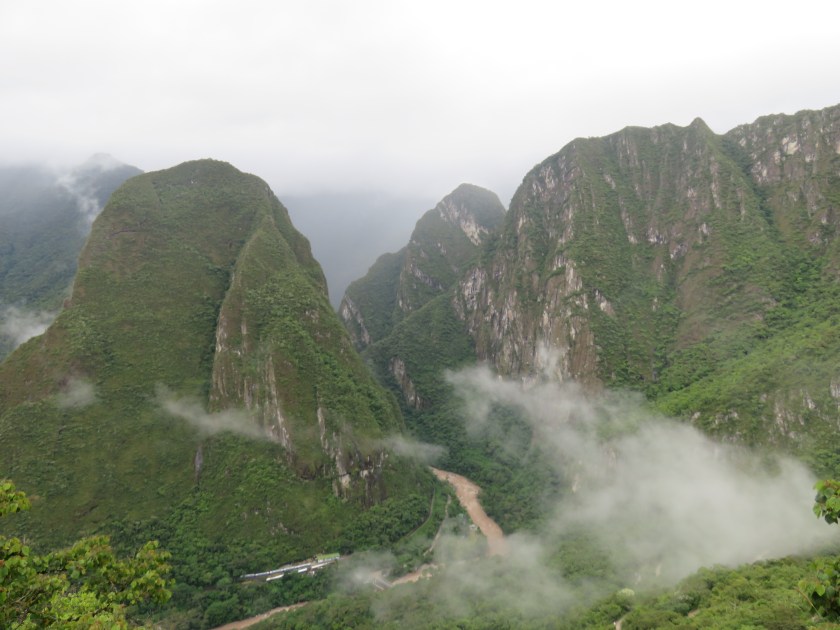
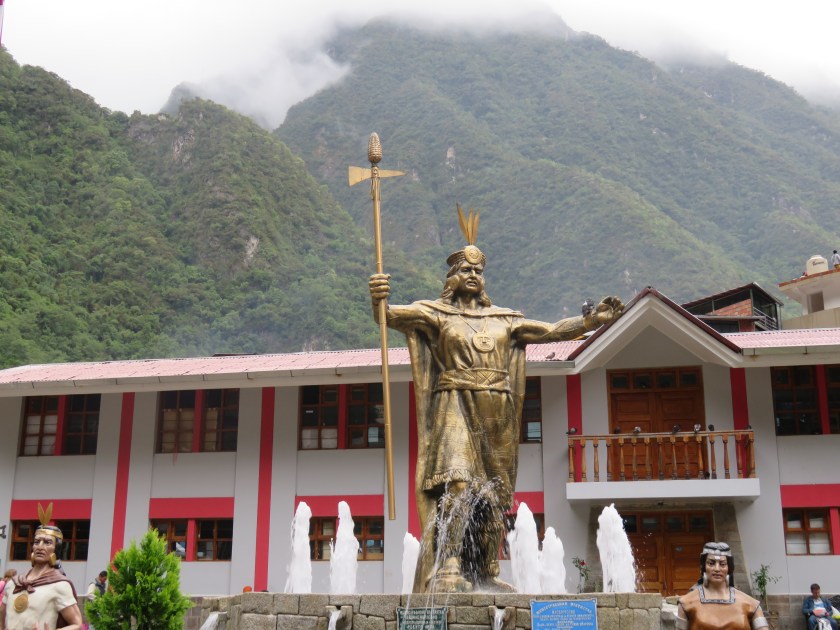
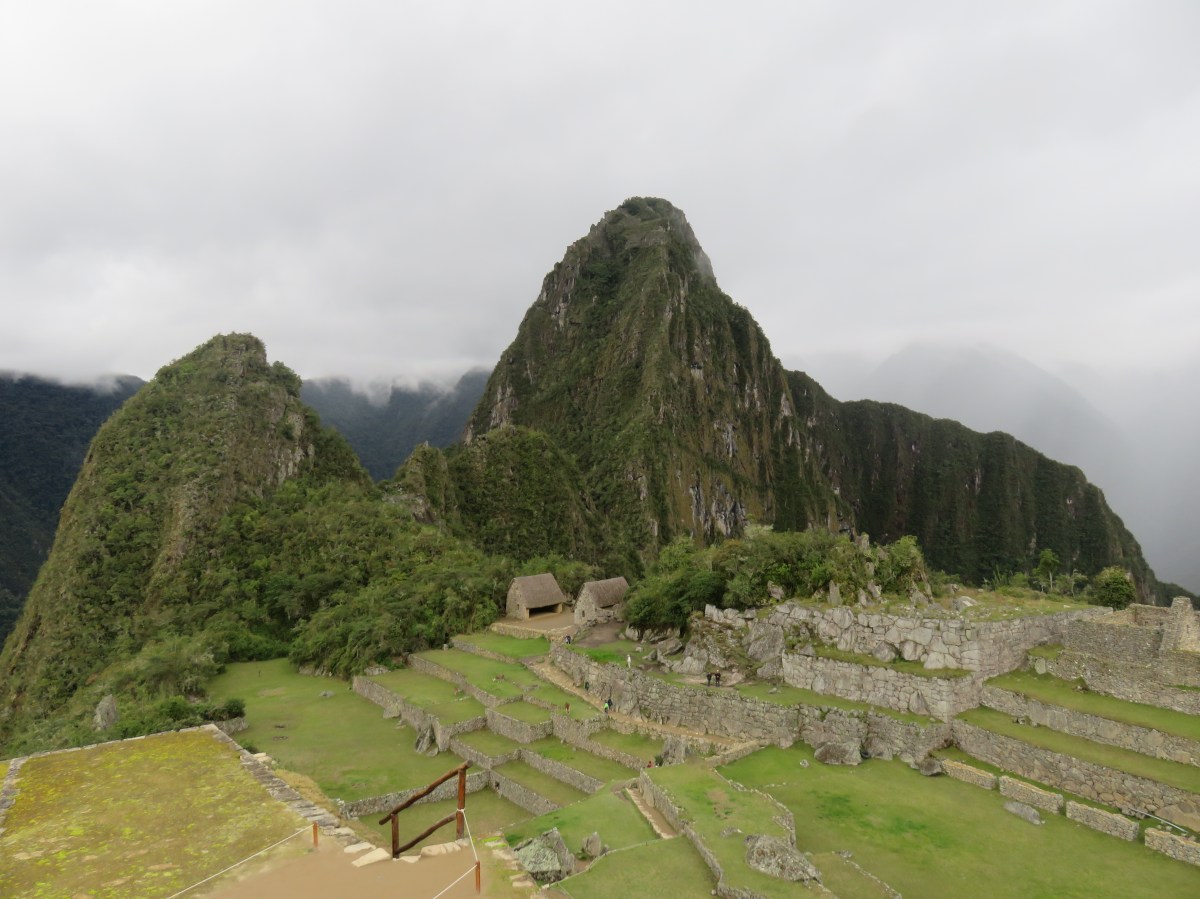
I consider myself to be incredibly lucky to have visited Machu Picchu just recently a couple of days ago. For those who don’t know, Machu Picchu is quite isolated from any major modern city or town but is possible to get to by train and bus due to the wonders of modern technology. Situated between towering mountains and located alongside the flowing Urubamba river, Machu Picchu is not only a wonder of Incan architecture and construction but is also a natural marvel due to the backdrop it has with the surrounding green mountains, wispy clouds, and the numerous kinds of plants that inhabit this part of Peru.

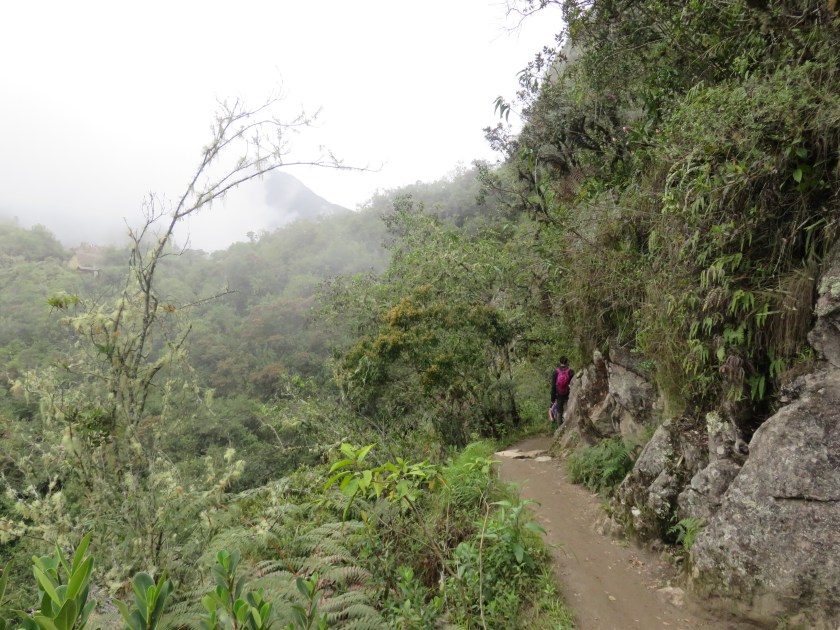
Among the things that stand out about Machu Picchu is that you feel isolated from the rest of the world. It may be the towering mountains that surround this archaeological site or it could be the fact that wispy clouds envelop your presence but you feel very that you’re secluded from other kinds of environment. The higher you climb in elevation, the world gets much quieter and you’re able to reflect more on not only the site of Machu Picchu that lays before you but also about life or whatever is on your mind in general.

I’m far from being an expert on ancient civilizations, especially the Incan civilization of which I know relatively little about but you have to give the people of this group considerable admiration and awe by the fact that they were able to build such a city in the most remote of places. The fact that it was possible for them to create an infrastructure out of rocks, stone, and wood in order to sustain themselves under ever-changing weather conditions is quite remarkable.

To be able to plant and harvest food, create a running water supply, and be able to construct encampments to house hundreds of Incans is very impressive to consider. Not only was there a high risk of death or injury to climb these mountains with heavy rocks or stones attached to your backs, it is likely that you would be on your own if you sustained serious injuries given that there were no modern medicines or hospitals or rely upon.

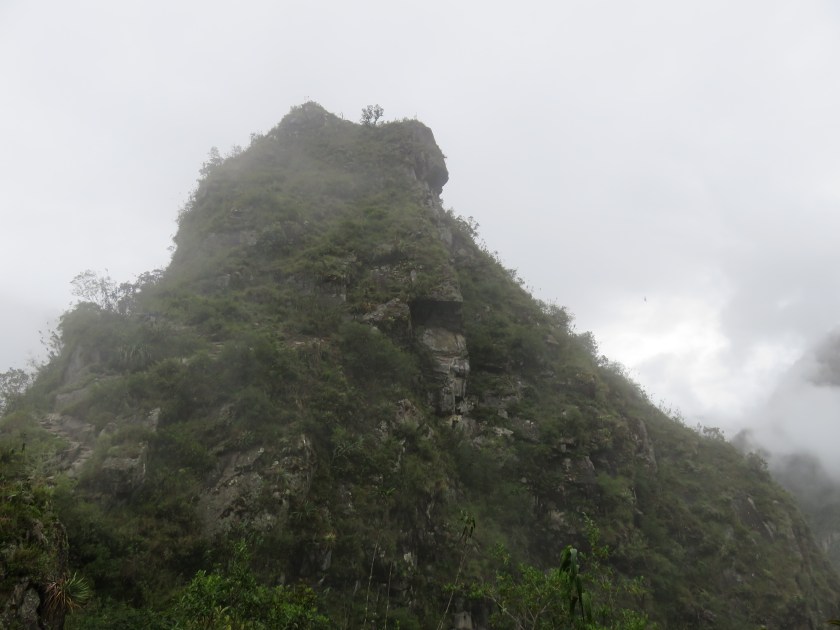
It is difficult for me to list a favorite thing about my trip to Machu Picchu. I really enjoyed climbing to the top of Huayna Picchu at 2,700 meters in total altitude despite my exasperated breath and tired knees. The views from this perching point above Machu Picchu are extraordinary and are something that I will never forget. Besides being able to take a bunch of pictures, it was great to sit and reflect on the wonder that lay before me. At a couple of thousand meters in the air, all your problems dissipate for a moment and you can truly hear the sound of the wind and the movements of the clouds. You can close your eyes and hear nothing but the sound of your own thoughts if you are so lucky.

Thanks to the efforts of the Peruvian Ministry of Culture, Machu Picchu is amazingly well preserved and should be around for future generations to enjoy. A limited amount of tourists, a couple of hundred in total per day can visit Machu Picchu and is a good idea to make sure that none of these famous Incan ruins will be damaged, tampered with, or destroyed. To lose such a precious treasure such as Machu Picchu or any other wonder of the world would be a tragedy for humanity and its’ history on this planet. While it was not cheap to get to Machu Picchu, I can fully understand why we as tourists pay the costs of admissions to visit these beautiful sites.

We do it to make sure that other people have the chance to experience these places firsthand and are able to share it with their children and grandchildren. I am quite lucky to have been able to visit such a wondrous place and I will remember my day at Machu Picchu quite fondly. If you’re reading this blog post and desire now to visit Machu Picchu, I would recommend that you do it with the knowledge that you do some research about the place, respect it during your visit, and do your best to take the experience in not just through your camera lens or smartphone but through your own eyes and ears.

To me, Machu Picchu is more than a lost Incan city of hundreds of years ago; it is a beautiful and awe-inspiring place of natural scenery. With its’ many mountains, huge river, and hundreds of diverse plants, this place can help you reflect not only about the past but on the present and future of yourself, humanity, and the planet itself. With any tourist site that’s located in a unique location, precautions and steps must be undertaken to make sure you have an enjoyable visit. Please make sure you bring some sunscreen, an umbrella, appropriate clothing and a lot of water. The weather can be quite unpredictable at Machu Picchu and it would be good of you to prepare to experience all four seasons in just one day at the site. Best of luck to you reading this post if you decide to take the journey to Machu Picchu. I promise that you won’t regret it.


A Chance Encounter

When it comes to traveling, most people often remember the places they’ve been, the food they ate, and the fun activities they did during their trips. However, what often gets lost in the shuffle is the ability to appreciate and remember the interesting people you meet during your travels, usually at the most random of times and in the most random of places. The best part of traveling can often be those chance encounters on the road that lead to you gaining a new friend, who might be a local from the country you’re visiting or another fellow foreigner who’s exploring the same places as you by coincidence.

One such encounter happened to me very recently during my first trip to Peru. I got up very early at around four in the morning to catch the train from the Peruvian village of Ollantaytambo to the town of Machu Picchu, which is located a couple of hundred feet below the famous ruins of the ancient Incan city of Machu Picchu. Running on just five hours of sleep and anxious to make sure that I had all my paperwork in store for the visit to Machu Picchu, I was not in a talkative mood and feeling pretty lethargic.

I boarded the train at around 5 am and was even more dismayed by the fact that I was assigned an ‘aisle’ seat instead of my usual preference for a ‘window’ seat. Rather than being able to view the beautiful, cascading Andean mountains and the river running through them beneath the train tracks, I would only be able to glance a peak of the scenery by arching my head over, behind, or in front of the person next to me who would soon be occupying my prized window seat.

Still though, I reminded myself internally to not be such a downer and to be grateful that I would soon be departing for one of the wonders of the modern world, which very few people get to visit during their lifetimes. I am also a big fan of train travel, and Peru Rail provided quite a comfortable ride to and from the town of Machu Picchu. Eventually, a man carrying two big toys in his hands asked in Spanish, “Con permiso” politely as he motioned that he was coming through to sit down in the open window seat next to me. I obliged politely and looked on with curiosity at he placed these large two toys on the tray table in front of him nonchalantly.

I thought to myself at the time that it was a curious sight to see a grown man holding two toys that a child would play with, and to especially be sitting by himself with them and not with a son or daughter nearby. The toys themselves captured my attention because they were two of my favorite toys that I owned when I was a child myself. If you have ever seen the ‘Toy Story’ movies, you’ll know that those characters were popular when I was growing up in the 1990’s and even until today due to the series’ recent surge in popularity.

I loved ‘Toy Story’ as a kid and I still do especially given the fact that I saw the movie ‘Toy Story 4’ a couple of years ago and that was just before I graduated from college. The two toys themselves were replicas of the two main characters, Buzz Lightyear and Sheriff Woody, who I had owned in my younger days. I spent many afternoons watching Buzz lift off and having Woody swing his plastic lasso around like a real cowboy would do. Some toys, even when you’re an adult, hold a deep connection for you and bring back a lot of memories that have since receded a long time ago.

Now, suddenly, my interest had been peaked in the man sitting next to me due to the toys that he was bringing with him to Machu Picchu. I started by telling him in Spanish how I used to love playing with those same toys of Buzz and Woody when I was a child. He was very friendly in responding to my curiosity and stated that; yes, he likes the toys a lot too and bought them for his two-year old son recently for his birthday. That put in place another piece of the puzzle for me as I realized that this man was not traveling to Machu Picchu by himself but was sharing this unique experience with his wife and his children.

For being such an early time in the morning to have a conversation, the man whose name I learned was Jorge (first name changed for privacy reasons) was polite, friendly, and patient with my imperfect Spanish. It’s one thing to speak in a foreign language when you’re fully awake in the middle of the afternoon and it’s a much more challenging task to be coherent in a foreign language at 5:30 in the morning when you are lethargic and groggy. However, I was able to communicate with Jorge pretty easily and he was able to practice some of his English as well. Like myself, Jorge also works in the education sector. He is a secretary at a primary / secondary school in Peru, and has been doing this job for over ten years. He is passionate about education and was curious about my experiences as an English teaching fellow in Medellin, Colombia.

From what I could tell about Jorge, he was a caring husband and father. He showed me pictures of his two young children on his iPhone with the traditional ceremonies that they would go through at their primary school. It was pretty interesting to see how they would dress up these little kids in traditional Peruvian clothing for these school events. Jorge must have taken a liking to me because even when one of the cabin crew for the Peru Rail train asked Jorge if he would like someone to move from the other row so he could sit with his wife and his children, he politely declined as I think he was really enjoying the conversation we were having. It also didn’t hurt that his family members were only sitting a row behind him so he could easily reach them if there was anything they needed, including if his little boy happened to want to play with Buzz and Woody again.

It was extremely interesting for me to hear from Jorge as a local and native citizen of Peru about his experiences visiting different parts of his country. He gave a lot of interesting insights about the regional differences between food, people, and the culture depending on where in Peru you were visiting. On this recent trip, I was only able to explore Lima and Cusco, but due to Jorge’s recommendations, I have a pretty good idea of where I would go in Peru for my next visit. I was happy to chat with Jorge about what it was like to grow up and live in New York, as well as talking about popular American music and movies that we both have a mutual fondness for. Despite having been born thousands of miles from each other on different continents and with different cultural backgrounds, we were able to bond as human beings because our similarities in terms of personality and interests were greater than our inherent differences of culture and country of birth.

Perhaps most notable for me about getting to know Jorge was how mature he was for his age. Jorge is only six years older than me but has a steady job, a wife and two young children. A lot of people my age and older are forgoing those traditional responsibilities of life but it says a lot about a man who provides for his family and is able to do things for them like take them on a trip to Machu Picchu. Men like Jorge are admirable in that they are responsible, mature, and do not shy away from their commitments. While all men carve their own path in life, they should try to exemplify the same traits as my new Peruvian friend Jorge has done. Maturity, responsibility, and a kindness to strangers like myself; these are the best traits to emulate when you witness them in another person. That’s how you become a true adult and someone who can be the leader of a family. It’s easy to say that my hour and a half spent talking to Jorge taught me more than just about old toys, it taught me a lot about adulthood and what it means to be a good man.

As we pulled into the Machu Picchu station, Jorge was very gracious and said that if I ever wanted to experience the best of Peruvian cuisine in Lima, where he and his family live, I was more than welcome to join them in the future. I told them that I would be happy to extend the same offer to them if they were ever in Medellin or even in New York if I was back there again. We exchanged our Facebook information, said our goodbyes, and parted ways as we both left the train to our final destinations. I continued on to my full-day visit to Huayna Picchu / Machu Picchu (which was amazing by the way, but that’s for another blog post).

You may ask by now if you’ve read this whole post: Ben, why did you decide to tell me about a chance encounter with a Peruvian guy on a train to Machu Picchu? The answer to your question is quite simple: It’s because traveling isn’t just about eating new foods, seeing cool places, or doing awesome activities. I enjoy all of the above and then some but traveling is also about getting to know the locals like Jorge and learning more about their country and their culture from their perspective.

Traveling is and always has been about broadening one’s horizons and getting outside of your comfort zone. For me, I’ve always been on the shy side personally but by traveling especially by myself, I’m forced to meet new people and start a conversation. I can only say that it’s done wonders for me in terms of building my confidence, improving my self-reliance, and lowering my anxiety when it comes to meeting new people. Traveling is more than just the experiences you’ve had and the places you’ve seen but it’s also about the new people you meet. Your memories will include the people you meet and you’ll look back on those same memories very fondly one day. You may never see that person again but at least you’ll know that they made your trip a little bit more special and rewarding because you met them in the first place.

I hope that as a reader of my blog that you’ll take this story to heart and remember to not be shy when it comes to meeting new people, regardless of whether you’re traveling or are at a party where you don’t know anybody there. The best stories come out of those experiences where you can met someone cool or unique and have a good time getting to know them. You may even be able to make a lifelong friend just by being willing to open your mouth and make the words come out.

Being Sentimental

Is it worth it for a person to be sentimental? Is it healthy or unhealthy to hold on to certain items, memories, or keepsakes for the long-term? Like most things in life, there is a balance that has to be struck when it comes to sentimentality. Some folks are not sentimental at all and don’t have much care for old family photos or for holding on to gifts beyond their initial utility. Other people are much more sentimental and hold on to personal keepsakes for years on end allowing their living spaces and their memories to become cluttered as time goes by.

As you get older, your memories will inevitably start to fade away so certain items, keepsakes, and important people in your life can help you to remember certain moments of your past that you’ll want to preserve due to their importance to you. Not everything and not everyone from your past will live on in your memories so you have to be responsible enough to choose what really matters to you and which memories mean the most to you going forward. Being able to balance your sentimentality will help you to become a more mature and emotionally healthier adult.

In my possessions, I have a duffel bag, which has some sentimental value to me. I tend to be a more sentimental person than most people and I try to collect photographs and hold on to personal keepsakes as long as I can. One of the items that is particularly sentimental to me is my duffel bag. There’s nothing particularly notable about this duffel bag based on its’ design, style or purpose. Its’ similar to most other duffel bags on the market and can be used for multiple purposes including trips to other places, which is something that I have done a lot of the past couple of years.

The one thing that visually stands out about this duffel bag is its’ logo. Its’ a black duffel bag with a logo of a purple dragon and the name ‘Saprissa’ embroidered in the same logo. ‘Saprissa’ is short for ‘Deportivo Saprissa’, which is a popular Costa Rican football club based out of San Jose, the capital of the country. The duffel bag’s significance to me isn’t based out of its’ usability, color, or design but rather its’ importance lies in where I bought the item and what I have done with it since then.

The reason why this particular duffel bag is sentimental to me, and why I have continuously used it for almost a decade now is because it brings back a lot of memories for me. Ever since I bought the Saprissa duffel bag back in 2008 when I was studying the Spanish language in Costa Rica, I’ve held on to it and have brought it around the world with me.

From short trips to Jordan and the Czech Republic to my long-stays in Turkey and Colombia, this duffel bag has been to almost as many foreign countries as I have. What the bag lacks in style or design, it makes up for it in terms of substance and reliability. For over eight years, my duffel bag has weathered mud, dirt, snow, rain, wind, and other natural elements that I’ve traveled in along with the dozens of taxi, train, plane, and bus rides I’ve been on. It’s never failed me and it has concurrently led to me becoming more and more attached to using it for each of my trips to distant places.

After almost nine years of using this duffel bag, like all things, its’ starting to show physical wear and tear. Most likely, I should have stopped using it after two or three years but the memories always seem to flow back to me when I see the bag lying there in my room or when I pack it up for another trip. The bag itself is linked to the places I’ve been, the people I’ve met, the meals I’ve had, and the experiences that were tied into the adventures I’ve gone through with the help of this simple, black duffel bag which I carried along with me.

The bag handle is starting to fray, the zippers are exhausted, and the strap material is starting to rupture, and I think it may be time for a new duffel bag. It will be difficult for me to stop using the Saprissa bag that I’ve grown so accustomed to over the years. You simply can’t transfer those powerful memories to another bag quite so easily. The best you can do is mentally let your attachment dissolve, get rid of the bag, and transfer those special memories over to those other keepsakes and photographs that will remind you similarly of your past adventures.

Everything and everyone in your past will fade away to some degree. The important thing is to have one or two things left in your possession that you can fall back on so those items can also trigger those past memories for you to remember and recollect, whether they were joyous, happy, sad, or challenging. Being sentimental about all the things from your past can lead to a cluttered memory and a lack of set priorities. However, having one or two items from a trip or event can be enough to give you all the memories and remembrance you need in order to feel connected to your past.

Finding that particular balance of healthy sentimentality is a lifelong struggle but it helps to pave the way for a complete and fulfilling life. The key is to not the let the remembrance of your past keep you from living in the present and from creating your future. Your sentimentality should not prevent you from making new memories, creating new friendships, and forming new bonds with keepsakes.

Like my duffel bag, certain objects will fade away so it may be best to sustain your past with personal photographs, writings, or even paintings so that your memories can feel more permanent and can even be enjoyed by your friends and family members long after the day when you’re no longer around. Where you can let go of your sentimentality is when you realize that some things will be taken away from you whether you like it or not sometimes and it’s not productive to fight against this fact of life.

The best you can do is to place your memories into different items whether it be a journal or a photo album, which are much more sturdy and reliable than my trusty yet fading duffel bag. Above all else, Sentimentality is about caring. As an adult, you have to find out what’s truly worth caring about. If you’re lucky, you’ll be able to replace what’s been lost and hold on to the memories that are special to you. You have to be ready to let go one day because nothing lasts forever.

Christmas Lights of Medellin

img_1247img_1250img_1252

img_1253img_1256img_1261

img_1264

img_1265

img_1268
img_1272

Camera: Canon PowerShot SX710 HS

Location: Medellin, Colombia

San Andres Island

img_0284

img_0289img_0295

img_0299

img_0312img_0315img_0309

img_0326img_0341

img_0333img_0349img_0351

CameraiPod Touch, 6th Generation

Location: San Andres Island, Colombia

The Art of Traveling Solo

The famous English author, J.R.R. Tolkien, once wrote in his poem “All that is gold does not glitter” a line that should be noted for its’ truth and its’ profundity. The 2nd line of the poem states, “Not all those who wander are lost.” This is a fitting statement for those of us travelers who have stepped foot in another city or country being completely on our own. It’s not something that can be easily done and requires a bit of mental fortitude to be able to enjoy it despite the inherent challenges.

While most travelers like to go from place to place in packs, big groups, or in guided tours, I believe that it is necessary to try out traveling alone especially if you have prior experience in traveling to other cities and countries. Once you are comfortable with the art of traveling itself, I think it’s a good idea to challenge yourself by traveling alone. I won’t choose to judge you if you decide to never try it by I respect any fellow traveler more when they tell me that they have been by themselves in a new country for days, weeks, months, and even years at a time.

In order to travel alone successfully, I would recommend that a person be able to adapt or inherently have a few traits or characteristics that will put them more at ease with the idea. First, you have to be comfortable being alone. You have to be able to embrace the solitude of your thoughts and to be more observant of the world. This is a hard thing to accomplish for strictly extroverted people who thrive off of the energy of being around others. However, if you’re a strict introvert or fall somewhere in the middle of those two broad categories like myself, then you won’t find traveling solo as hard as pure extroverts. Sometimes, you will have to be alone in a restaurant, in a museum, or in your train/plane/taxi.

I think there’s a benefit to this because then you’re more likely to focus on the place you’re traveling to and be able to better absorb the culture, customs, and especially the food/drinks of the new place you’re traveling to. When you’re with your friends and family on a trip, you’re often wrapped up in what they’re thinking, what you’re going to do with them for the day, if they’re having a good time or not, etc. With friends and family, you’re in a mini-bubble that’s hard to break out of. When you’re traveling with another person or a group in general, you’re less likely to appreciate other aspects of the trip. How can you focus on the sheer beauty of the Coliseum in Rome, Italy when your close friend is trying to discuss the latest Game of Thrones episode with you?

Some critics of traveling solo also forget about the fact that you will still meet people during your travels to new places. You’ll only truly be alone if you never open your mouth and be social. It’s easier now than ever to connect with new people and make new friends due to the wonders of the Internet. Due to the popularity of websites like AirBNB, Couchsurfing, and the ubiquitous amount of hostels in every part of the globe, even if you travel alone for an extended period of time, it’s still easy to meet people due to the sharing economy’s emphasis on affordable, shared living spaces.

I also couldn’t forget the sheer amount of other opportunities to have language exchanges, expat gatherings, and to just make the effort to open your mouth to someone and start a conversation. I find that it’s easier to meet people on the road than it is when I’m at home because they’re curious about where you’re from, how long you have been traveling for, and what you are doing in their country, etc. and you’ll also be curious about the same things.

During my recent trip to Santa Marta, which was done solo, I was able to befriend my kind AirBNB host from Bogota, hang out with the locals at a bar, and practice my beginner Portuguese with a Brazilian woman from Rio de Janeiro. When you’re traveling alone, you really have to put yourself out there and be more social. That’s not easy for a lot of people but it’s important to try it at least once. If you have any kind of social anxiety or shyness, you’ll be able to overcome it more and more due to solo travels.

Traveling alone is something that you have to ease into over time. I think it’s wise to start with a day trip to a nearby city where you don’t know anyone and then eventually work your way up to visiting a new country by yourself for a few days or a week. Personally, the longest that I’ve traveled by myself for has been about two weeks. I’d like to eventually reach that level of a month or more on the road without anyone holding my hand. Traveling alone forces you out of your comfort zone and mentally challenges you. You have to navigate a new city and country, practice the language by yourself, and be able to handle flights, trains, and buses without the guidance of others.

While this is not easy and takes practice, you’ll feel more confident and sure of yourself as a result. The times where you could have been taking selfies with your friends or partying until the wee hours of the morning are instead focused on having a nice coffee by the river or taking your time in an art museum by going through the galleries at your own pace. Traveling solo is a good time to be selfish as you can set your schedule, your own destinations, and decide where you want to go and when you want to go. There’s nobody holding you back and that’s quite liberating. I often get a feeling of true freedom while traveling alone that’s not easily replicated.

Even if there was no one else physically with me, I have nice memories of my past solo travels. The moment when I woke up on my train to Krakow, Poland in the early morning to open my window to see fresh snow on the ground and the sun rising as we entered the train station. The feeling of pure relaxation as I enjoyed a nice mid-day cappuccino with a view of the Prague skyline in the Czech Republic, and the absolute quiet I felt as I sat on the beach in Parque Tayrona, Colombia and heard nothing but the soft, sea breeze and the waves splashing against my feet. These are the memories that I will cherish and never forget. That is why I enjoy the art of solo traveling.