Anatomy of a Scene – ‘Why do we fall?’

“It feels more real than any other comic book movie and the character development is better than most other movies due to the major scenes having a deeper meaning behind them that continue throughout the Nolan Batman trilogy.”

As I have written in a previous blog article, ‘Batman Begins’, directed by Christopher Nolan is one of my all-time favorite movies and still my favorite comic book movie. It feels more real than any other comic book movie and the character development is better than most other movies due to the major scenes having a deeper meaning behind them that continue throughout the Nolan Batman trilogy. One of the scenes from ‘Batman Begins’ that really sum up the core message of this trio of Batman films from 2005-2012 is asking the question of ‘Why do we fall?’. This question not only summarizes the trilogy’s main message of not letting adversity or failure keep us from trying and eventually succeeding but also regarding the need to pick ourselves up, dust ourselves off, and keep moving forward in life.

This simple message of ‘why do we fall?’ is more than just about Batman’s own struggles in terms of having a traumatic experience of falling through a well, getting harassed by a swarm of bats, and injuring himself but it’s about our own setbacks in life and what we can do to put them behind us rather than dwell on them. This peculiar scene from ‘Batman Begins’ is central to the theme of the movie as Batman, an ordinary man who while having inherited obscene wealth and prestige, still suffers from tragedy early in life despite his well-to-do circumstances of birth.

This scene starts with a young Bruce Wayne falling into a boarded up well near his father’s mansion while playing with a childhood friend, Rachel, as they search for an arrow relic. Not only is the fall quite steep causing young Bruce to fracture his arm, after also falling to the bottom of the well, Bruce’s presence agitates a flock of bats who come out rapidly to surround and pester Bruce who is afraid by their mere presence. While his fright appears to be very real, it is likely that they are more frightened of him then he is of them. Luckily, Rachel tells Bruce’s father, Thomas Wayne, about the incident who comes rushing with Alfred to get his young boy out of the well. The elder Wayne is a doctor who can set the bone and care for his son as a doctor would for any patient.

As Dr. Wayne and Alfred carry Bruce to his bedroom, he asks his son, ‘Why do we fall, Bruce?’ and he answers his own question as he knows the boy to not have picked up on the inherent wisdom that comes from falling: ‘So we can learn to pick ourselves up.’ This is the exact kind of fatherly advice that Bruce will remember not only as a child but as an adult as well.

Facing adversity not only as Bruce Wayne but also as Batman will cause him to remember the quote that his father imparts on him. There will be challenges, failures, and setbacks that he must deal with but the only way to get through them is to ‘pick yourself up’ and to keep moving forward. Dr. Wayne’s advice is key also in imparting to Bruce that only through ourselves can we overcome adversity and that we cannot rely on others to do it for us. While he was there for Bruce to help him get out of the well and to heal his bones, he like all fathers will not always be there for his children. Any child including Bruce Wayne must face the passage through adulthood, often by themselves, and be forced to reckon with life’s challenges head on and by yourself without the help of family and friends even when you are an eccentric billionaire born into wealth.

“All creatures feel fear…even the scary ones? Especially the scary ones.” Another key part of the scene that resonates is that the Bats did not attack Bruce because of who he was but because of what he did. All creatures including humans tend to lash out when they are fearful sadly and that includes the bats when Bruce unknowingly invades their territory in the well causing him to be attacked. This part of the scene is also a precursor to a later scene in the Opera house where a man, seemingly both desperate and homeless, steals from the Wayne’s and kills them out of both out of fear, self-loathing, and pain as he murders them to be able to live off the stolen goods to keep himself from economic deprivation.

A good film like this one develops side characters like Bruce Wayne’s characters to show how much they meant to Bruce before their deaths and how devastating the memory is for the young boy whose unfortunate murders would change his life forever. You really feel for Bruce given how wise, caring, and kind he was both to Bruce, to his wife, and to Gotham City.

In the scene, you also see Thomas Wayne plan to surprise his wife with a necklace of pearls and to ask for his son’s opinion before he plans to give it to her on a family outing to the opera house. He cajoles his son out of bed, seemingly healed from his injury, to join them at the opera house.

My favorite part of the scene is Dr. Wayne’s philanthropic efforts directed not just at charities, foundations, and such but also right to the city that helped made the Wayne’s very wealthy as a family. Bruce asks his father, “Did you build this train, Dad?” His father responds, “Gotham’s been good to our family. But the city’s been suffering. People less fortunate than us have been enduring very hard times.”

He goes on to say, “So, we built a new cheap public transportation system to unite the city. And at the center, Wayne Tower.” His son asks if he works at the gleaming financial center with his name, but Thomas says that he works at the hospital where he is most needed and leaves his company’s financial dealings to those men ‘better and more interested’ in that kind of work than he is.

In this version of Batman, Thomas Wayne is a philanthropist and billionaire you can’t help but be proud of in a way. He doesn’t shirk responsibilities and puts the money directly to help those who are less fortunate in a real manner while he is running the company. He may like to direct attention to himself and his name by having the public transportation system be centrally located in Wayne Tower but it’s a small price to pay for an investment project like that for those who need to get around the city in a cheap and efficient manner. For a billionaire to not hoard his wealth, to invest in the city he loves with an actual, physical embodiment of helping others get to work or to school such as a public transportation network, so the city’s residents can have greater opportunities, it makes his untimely death that much more tragic.

Not only a doctor helping at a city hospital but a man willing to put money towards an actual public good like transportation is an example of the rich and powerful galvanizing resources together to help people less fortunate than they are in a concrete way. Whether its building new schools, constructing a train system, or adding more hospitals, that is a real kind of philanthropy to a city that the wealthy of a society should realize their civic duty to do so beyond paying taxes.

Beyond Thomas Wayne’s message of ‘picking yourself up’ when you have an accident, or a tragedy happen to you, his willingness to invest money back into a city that made his family wealthy is a real example in a movie of how to give a fictional character real development in just one two-minute scene. It is a good example for other filmmakers and directors how to really start to care for a character before an untimely demise and to learn about why drives the other characters in the film who were affected by their death or demise. I highly recommend viewing this ‘why do we fall’ scene to better understand character development but also the Batman film franchise of Christopher Nolan as well.

If there’s one thing I know for sure, our world today could use more men and fathers like Thomas Wayne from ‘Batman Begins.’

Movie Scene link here: https://www.youtube.com/watchv=CPvGLawULKw&pbjreload=101

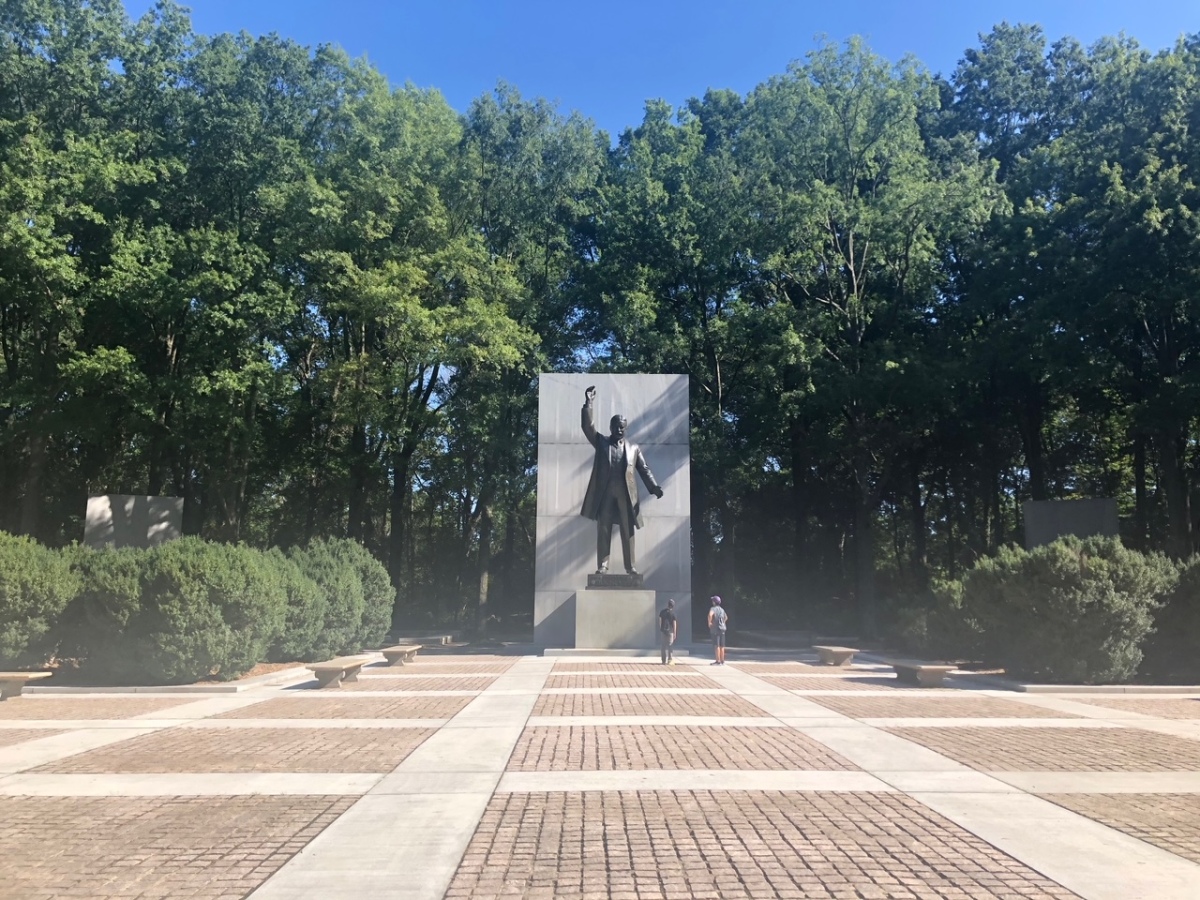
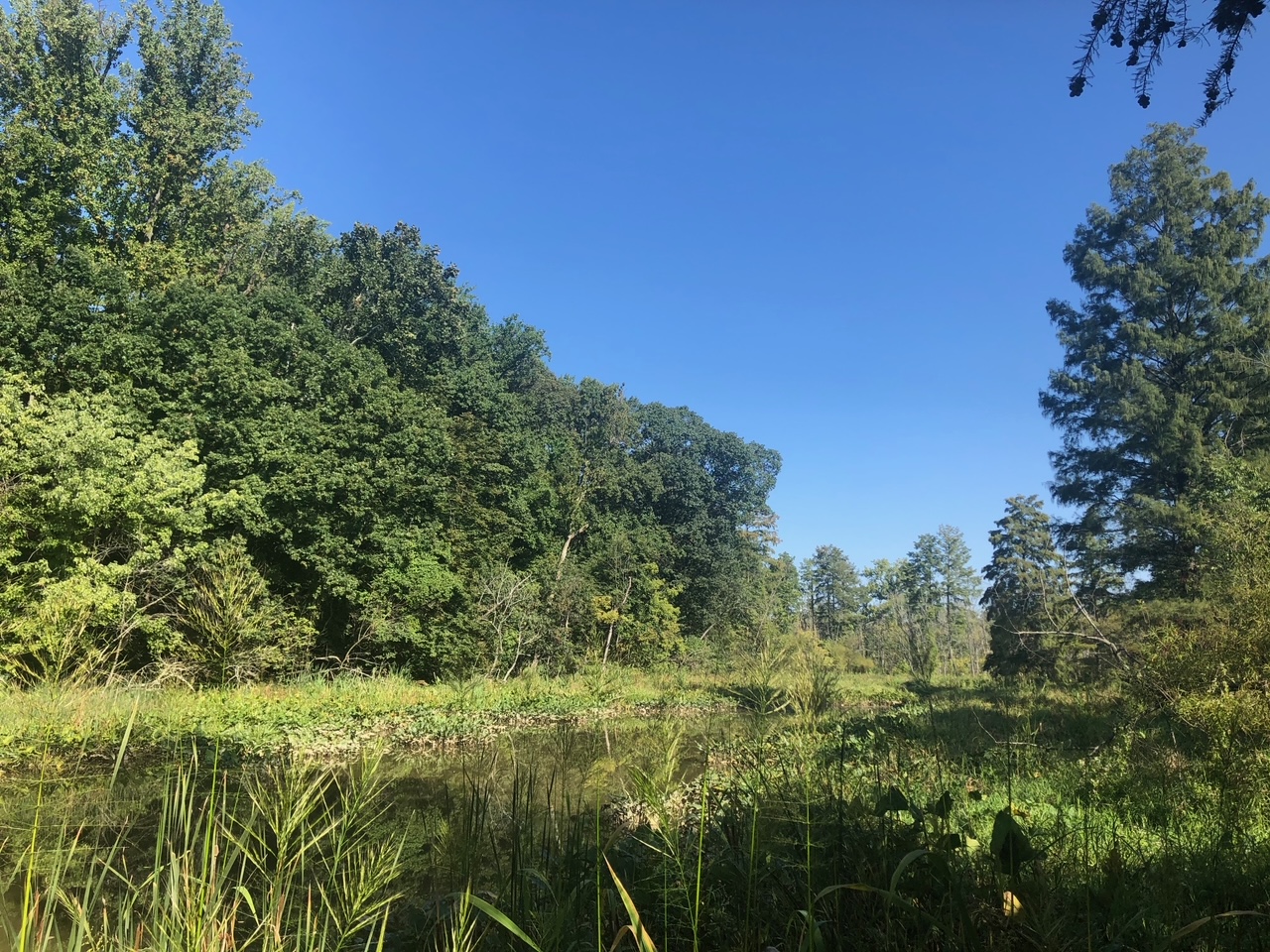
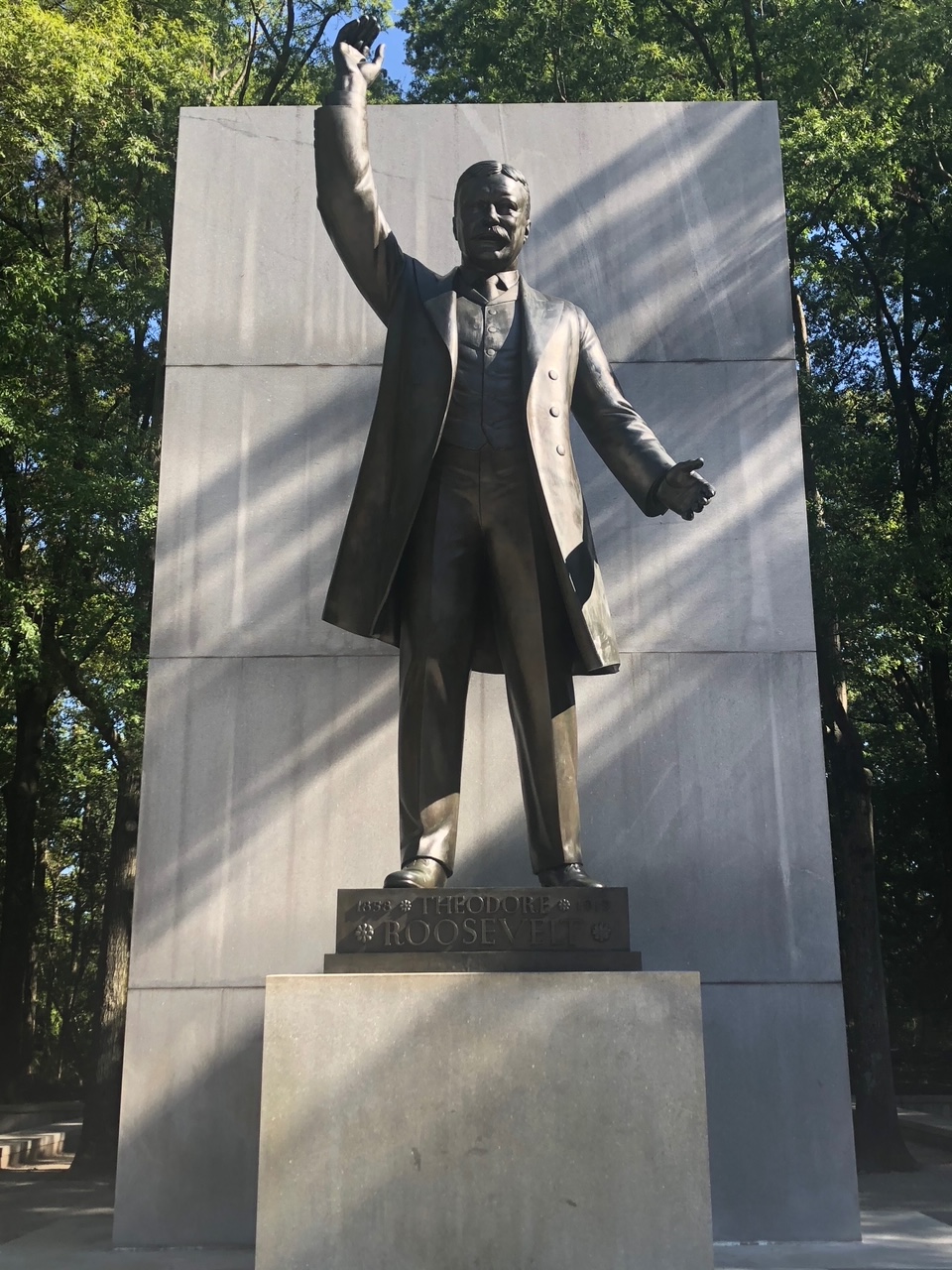
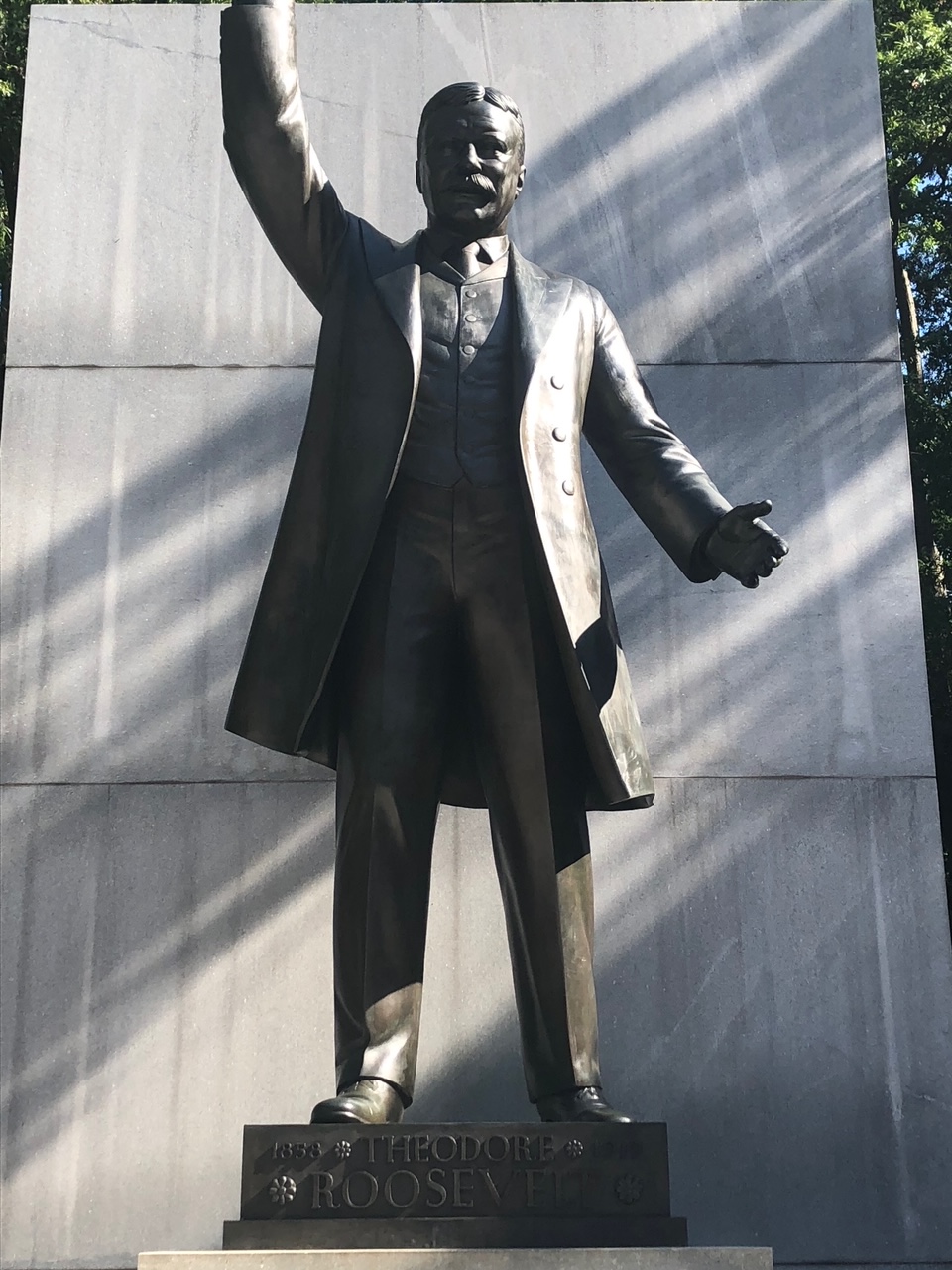
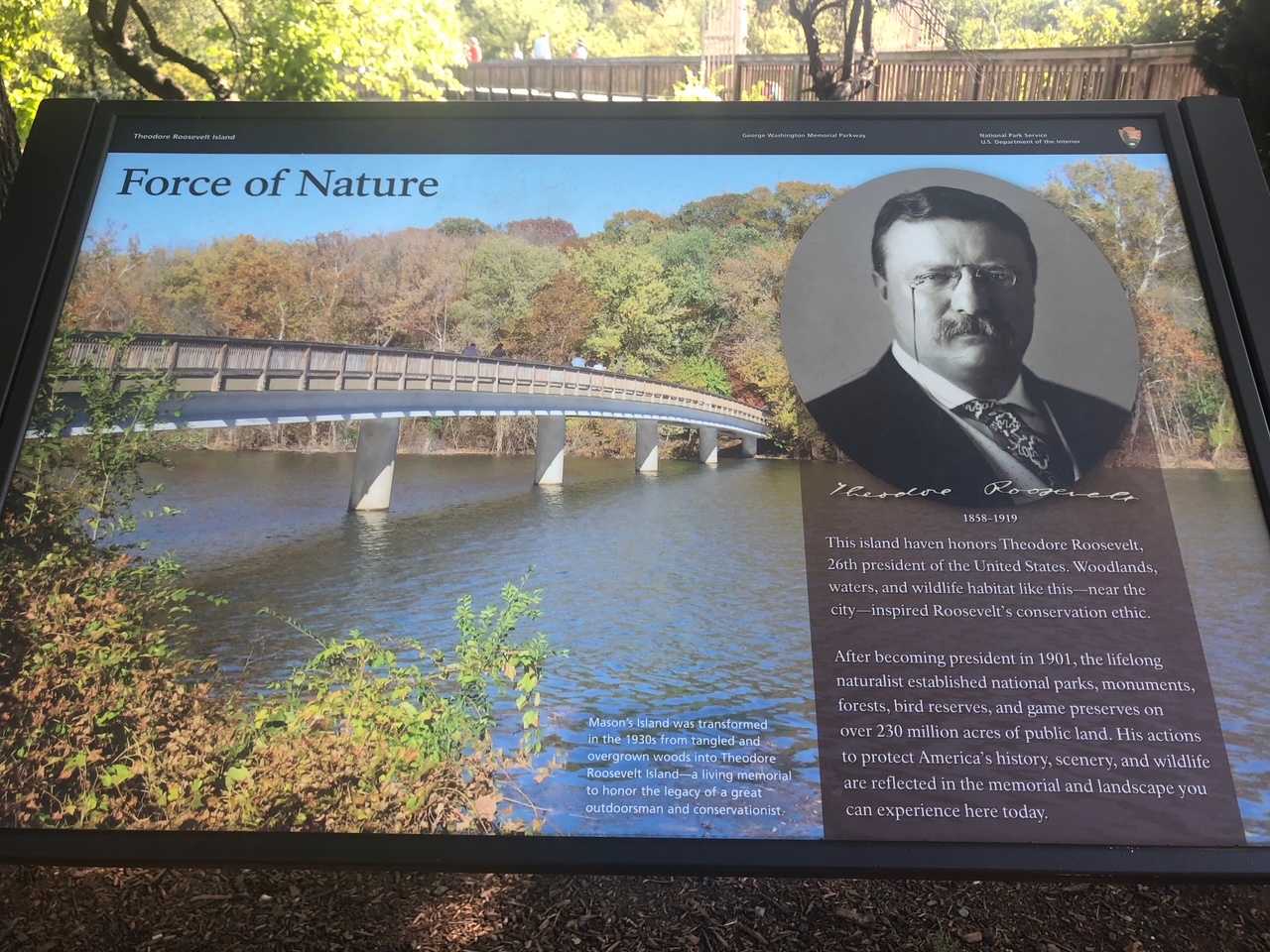
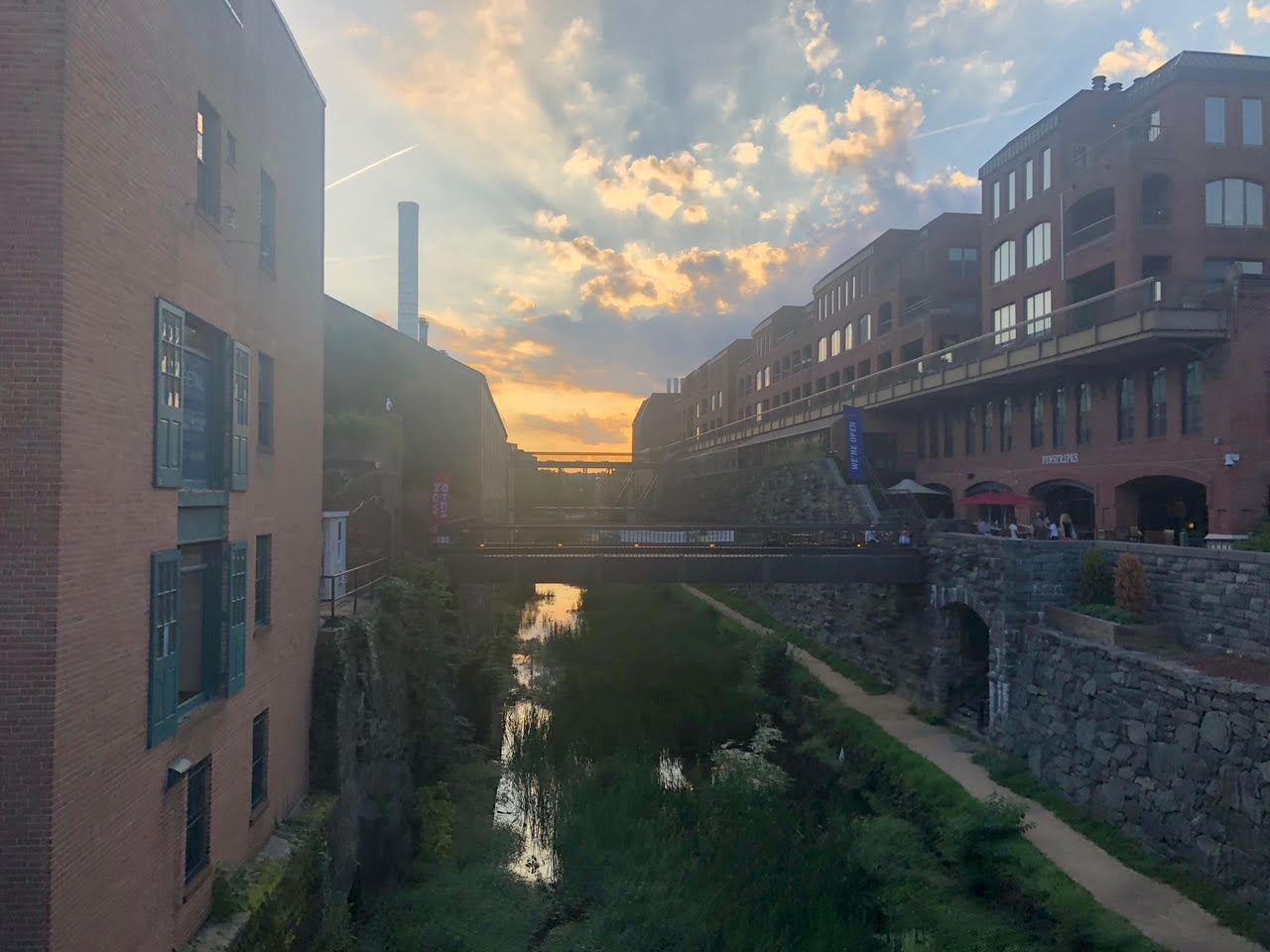
Whitehaven Trails

Camera: iPhone 8

Location: Whitehaven Trails and Chesapeake and Ohio Canal; Washington, District of Columbia, United States

The Whiskey Philosopher

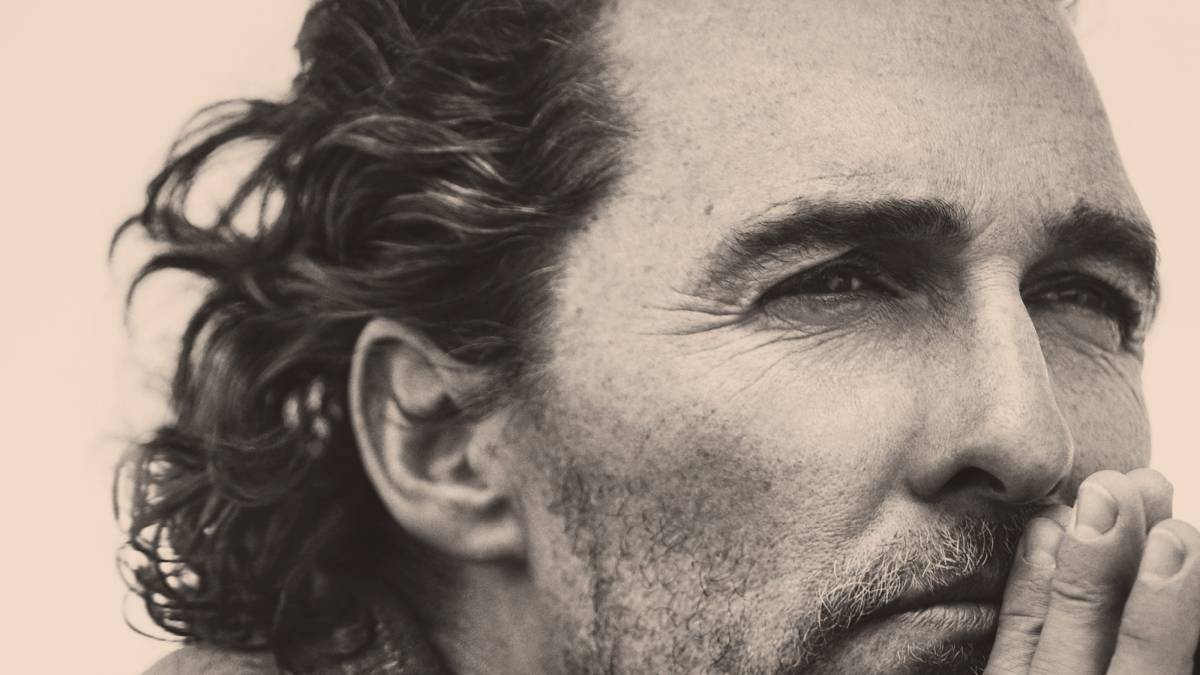
“In a year of ‘red lights’, it’s been both enlightening and refreshing to read a book by a man who has spent his first fifty years on the planet chasing ‘greenlights.’ That phrase of catching ‘greenlights’ is also the formal title of Matthew McConaughey’s memoir / autobiography / personal growth tale that quickly draws the reader in.”

In a year of ‘red lights’, it’s been both enlightening and refreshing to read a book by a man who has spent his first fifty years on the planet chasing ‘greenlights.’ That phrase of catching ‘greenlights’ is also the formal title of Matthew McConaughey’s memoir / autobiography / personal growth tale that quickly draws the reader in. I first heard about Mr. McConaughey’s book when he appeared on the ‘Joe Rogan Experience’, Joe Rogan’s popular podcast. Mr. Rogan coined the book as being ‘whiskey philosophy’ with McConaughey being the philosopher over a glass of whiskey.

I found this metaphor to be quite fitting for the book ‘greenlights’ as the author talks about his life foremost as an observer and a reflector who is able to take a step back and analyze his decisions, his perspectives, and his overall views on his life and how he got to be who he is today. You immediately feel comfortable with McConaughey’s narrative and his ability to tell stories like you were sitting with an old friend over a fire pit drinking whiskey and regaling each other with both good times and bad. Throughout the book, you feel welcomed in and embraced as if you were right there with Matthew having a chat.

What I do love most about ‘Greenlights’ is the raw honesty and the ability to peer into a life like his, which I would argue is different from your average celebrity. Instead of obsessing over the glitz and glamour of being famous in Hollywood, you spend more time with McConaughey in different places around the world. I, for one, did not know that he was an avid traveler ever since he took a gap year in high school to go to Australia on an exchange program. He has often felt the call to go out in the wild, to be secluded from others, and to meet new people along the way.
Surprisingly, the book takes us from the Chihuahua Desert of West Texas to the autobahns of Germany to the jungles of the Peruvian Amazon and across the ocean to the small villages of Mali. One story of Matthew’s that stood out in particular was his wrestling match with a local Malian villager who challenges him as the only white man who has shown up as a guest to wrestle together. It’s not clear to the reader who wins the match, but it doesn’t matter to the village who sees Matthew wrestle. What is most important to them is that he accepted the challenge and not about who won or who lost.

I find that this particular story resonates across Matthew’s life so far and his willingness to put himself out there. Whether it’s going up to ask the woman he eventually marries if he can make her a margarita to seeking his permission from his father to go into acting as long as he doesn’t ‘half-ass it’ to keeping his promise to become a father because that was the most important thing for him to do in life, McConaughey is always willing to accept a challenge and embrace the possibility of failure. His ten guiding goals of what he wanted out of his life back in 1992 when he begun to keep a journal and of which he details in the book of what they were shows the readers how he may have taken a few detours but was able to stay true to his values and his desires even though he’s still working on a few of them.

His main goals of being a father, meeting the woman who was best for him on Earth, putting family first, and even winning a Best Actor award did not happen automatically and he had to run through a number of ‘red lights’ in order to get his ‘greenlights’ eventually. While ‘red lights’ would dissuade a lot of people to keep pushing such as being placed in romcoms for over ten years like Matthew was or perhaps having a falling out with his mother due to his having children out of wedlock, these ‘red lights’ did not discourage him from staying committed to who he was as an actor and as a person.

I think the main message of ‘greenlights’ is to not let the inevitable ‘red lights’ stop you from pursuing your goals and once you see an opportunity, you have to run with it and work hard to turn those lights green. Another particular example from the book that stood out to me was Matthew’s insight to playing Ron Woodroof in the acclaimed film, ‘Dallas Buyers Club’, an immensely emotional role, which led McConaughey to win the Best Actor award for his performance. The role itself wasn’t probably the highest paying role for an actor nor was it going to be a huge box office hit like his previous romcoms.

I believe Matthew took the role because how moving the personal story of Woodroof was and how he was moved to tears talking to Ron’s family and learning about his life through Ron’s own personal journals. While the actor and the man portrayed are very different, they are both native Texans and avid journal keepers. Matthew details his intense diet of losing up to 50 pounds to play the role in the movie and how he had to put himself in the mind of a man quietly dying from the horrific AIDS virus, which was stigmatized at the time. Even if they had to do the film over-budget, it was being made because Matthew, like all good actors, knows a good passion project when he finds one and puts all of his effort into acting the role to make the film as good as it can be. In this case, he won the Best Actor award and made his father proud who tells him the book to not ‘half-ass it’ and those words of encouragement stuck with Matthew.

In addition to seeing Matthew’s life play out since he was a child growing up in Texas, you get to see his really well-written poems, notes, anecdotes, and short stories, which really do convey an intuitive wisdom to them. From discussing love to pleasure to pain to truth to meaning, these poems scattered throughout the book are refreshing to read and relate to his life as a whole. His scribbles, notes, and recollection of different events in life is quite impressive. I do believe even more so after reading ‘Greenlights’ how I should start keeping my own journal for the long-term. Matthew was successfully able to turn his journal full of notes, memories, poems, and stories in a really good book about self-discovery, personal growth, the stages of life from childhood through adulthood, and one’s journey in seeking out ‘greenlights’ even when they can be few and far between as they have been for many of us throughout 2020.

At 285 pages, this is a great memoir and autobiography that doesn’t feel like its length. It is very much an easy page turner that doesn’t feel forced or slow-going. It really grips you for the ride and McConaughey’s life has been full of adventures, events, and precious memories up to year 50 where the book concludes. My only suggestion for improving the book or adding on to it in the future is to really focus more on the ‘red lights’ that happened in the author’s life and what specifically did he learn from those lean times as someone struggling as an actor or having family troubles or being tired of singledom.

I would be curious to learn more from Matthew about what advice he would give to someone during those ‘red lights’ times and how to make the most of them or how to best turn them green in the future. I did find that part to be missing from ‘Greenlights’ a bit too much as the ‘greenlights’ got a lot of the book space whereas I think it’s the ‘red lights’ in life that cause us to reflect more, learn more about who we are, and challenge us to be more creative in overcoming adversity.

In conclusion, ‘Greenlights’ by Matthew McConaughey is one of the best books of 2020. It is an engaging, emotional, and insightful look into a man’s life who has been one of the most important actors and entertainers of the past few decades. You learn a lot more about who Matthew is, what drives him, what’s important to him, how he views family, friends, his career, and what truly matters in life. I enjoy his whiskey philosophy and if I happened to be hanging out in Texas with anyone such as having a stiff drink and swapping stories together, it would be with Matthew McConaughey.

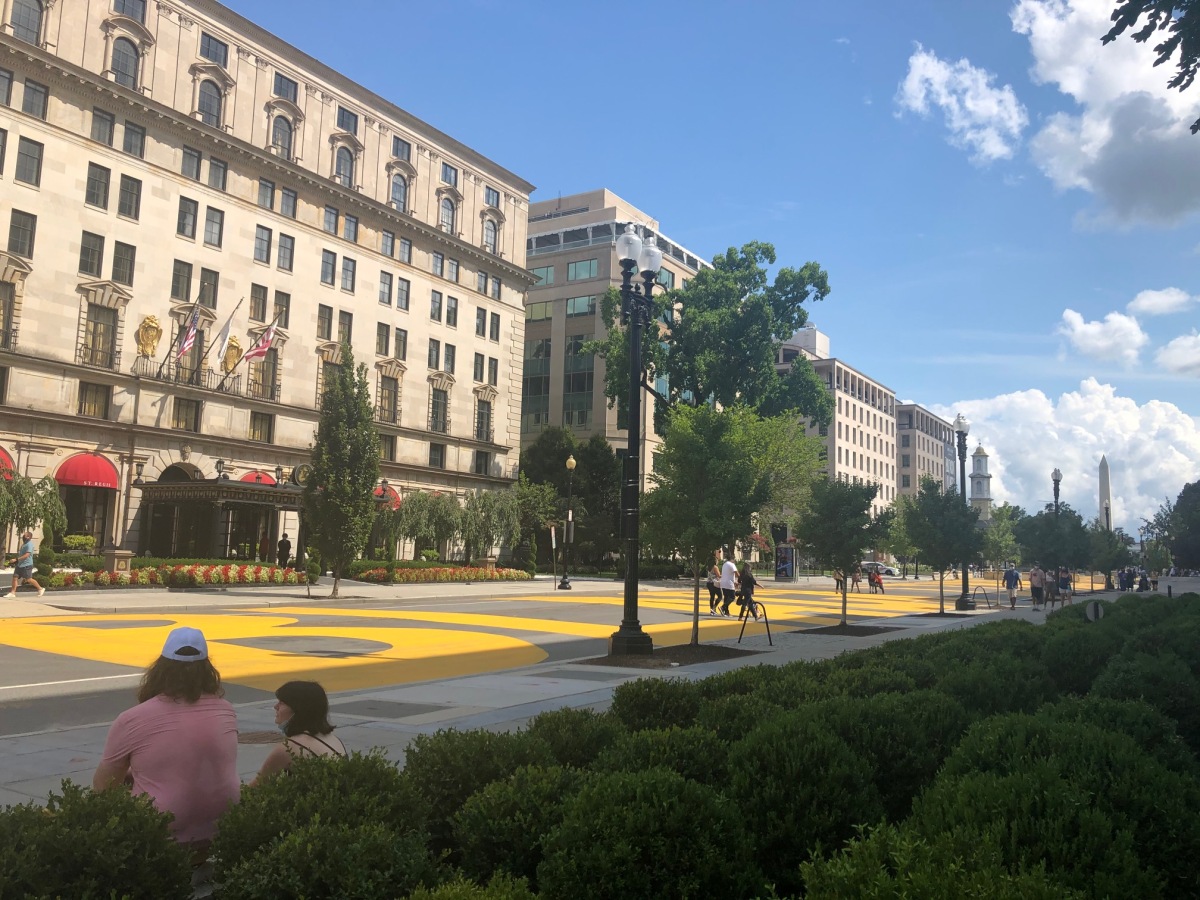
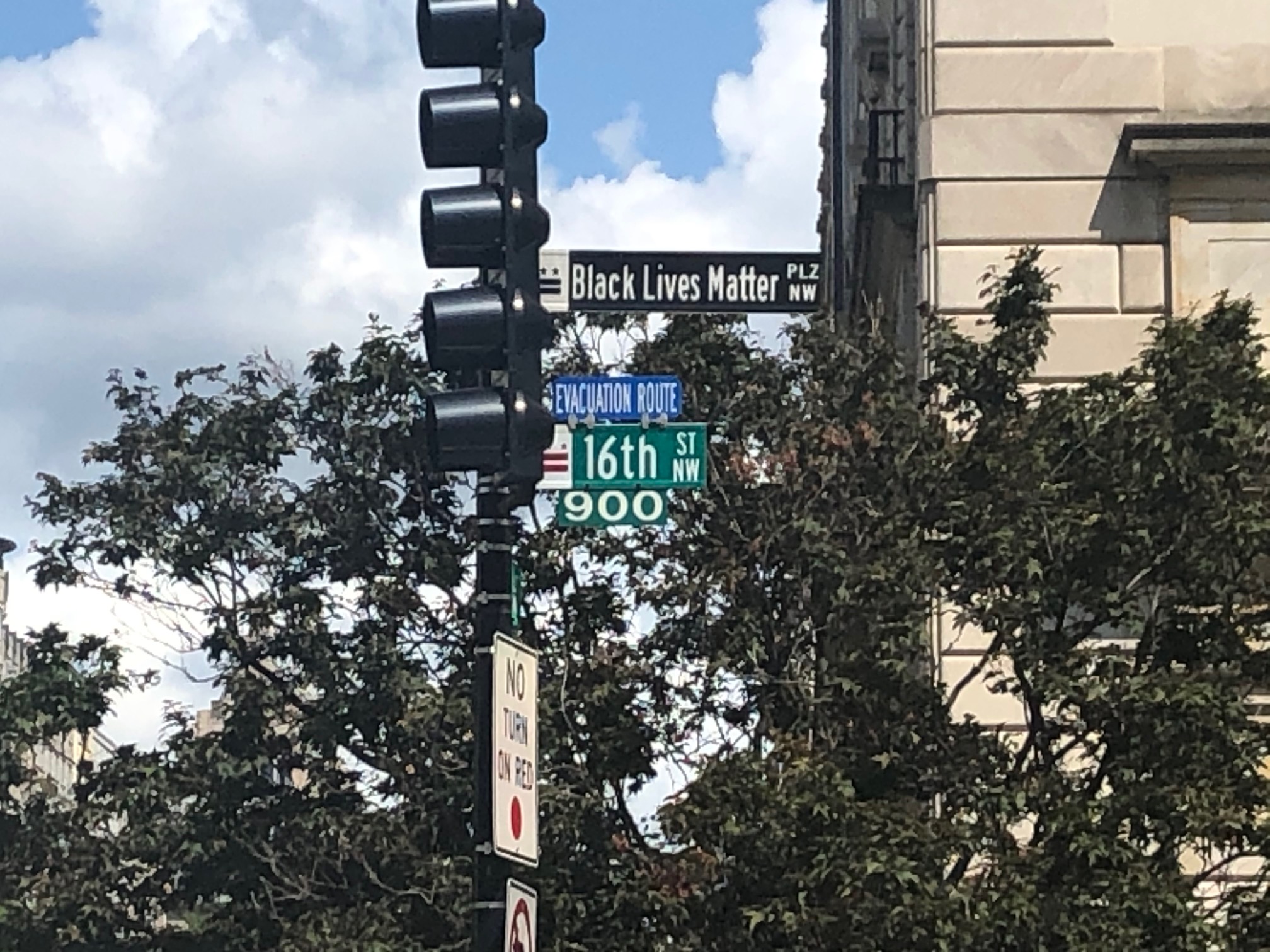
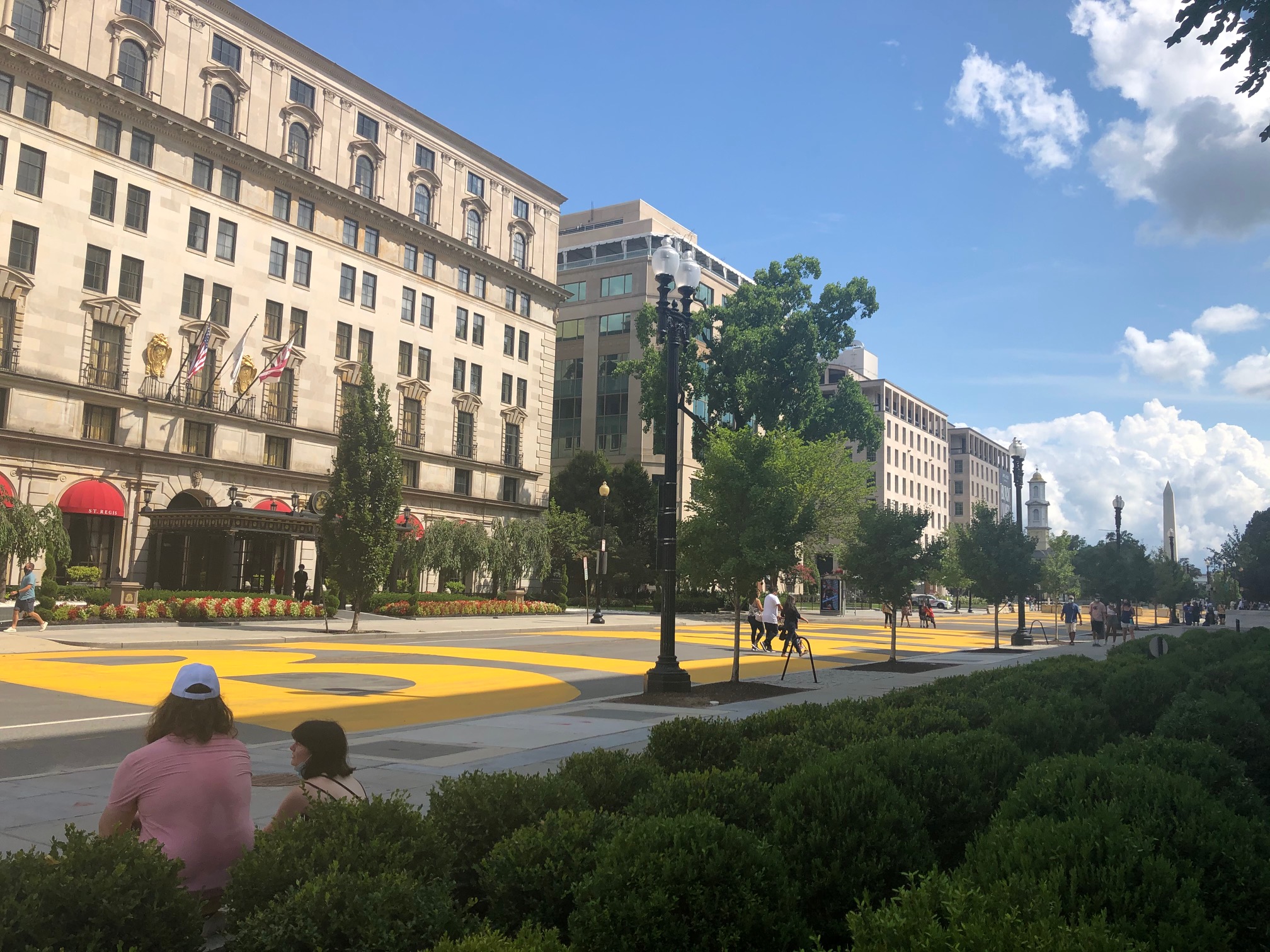
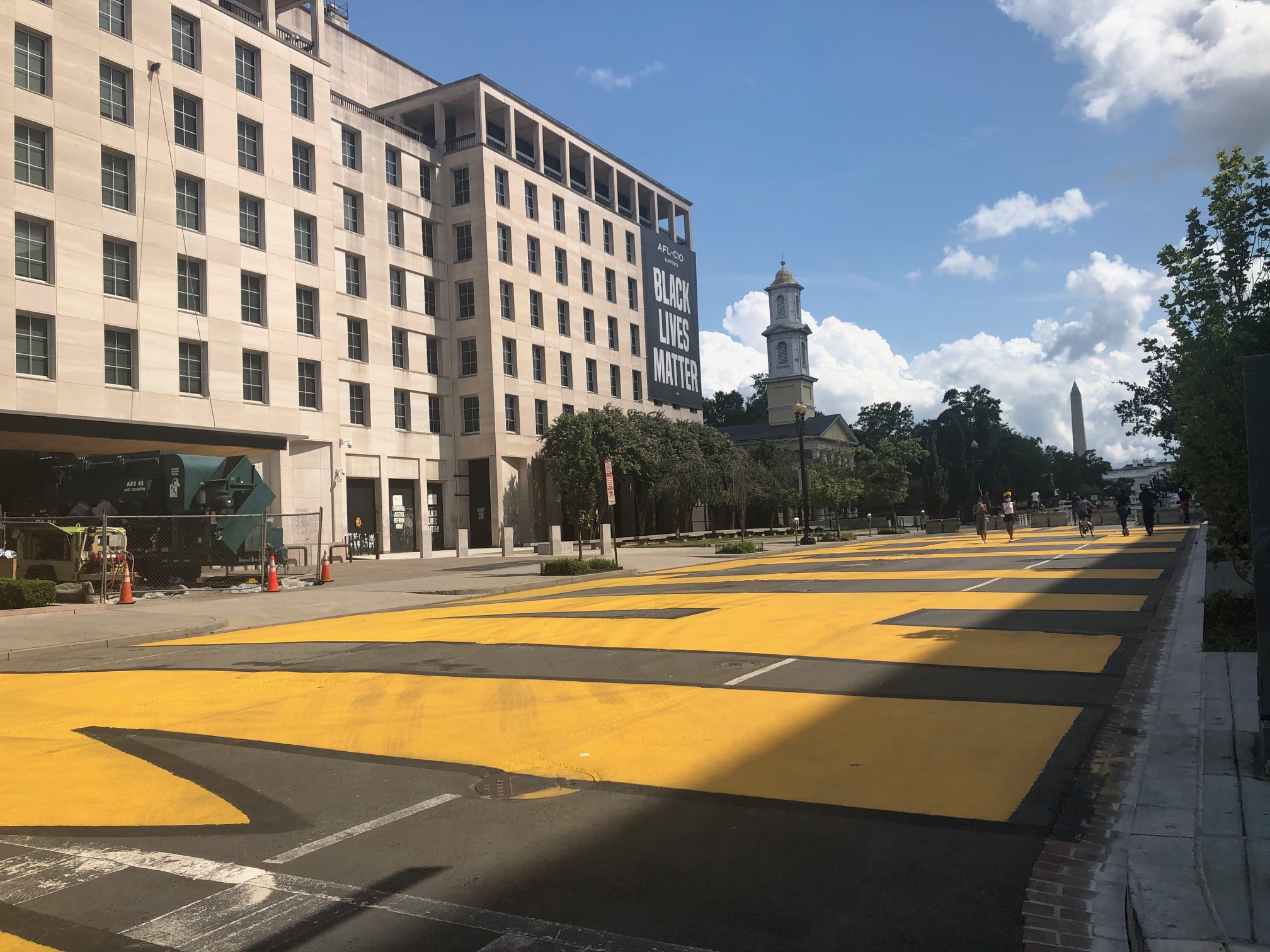
Black Lives Matter Plaza

Camera: iPhone 8

Location: Black Lives Matter Plaza; Washington, District of Columbia, United States

The End of Daily Social Interactions?

“One consequence of the pandemic that has accelerated in terms of being an option for our lives is how the easiness and convenience of going a day or more without seeing or speaking to another human being.”

One consequence of the pandemic that has accelerated in terms of being an option for our lives is how the easiness and convenience of going a day or more without seeing or speaking to another human being. Obviously, if you’re counting virtual meetings on Zoom or Microsoft Teams, you’re interacting with plenty of people on a daily basis but to me, it’s not the same and shouldn’t be considered a real replacement for face-to-face interactions. Whereas ten or twenty years ago, you would need to leave the house or apartment to get pretty much anything done, you now have the chance to do everything from the comfort of your own domicile, for better or for worse.

If you’re an introvert, you may be welcoming this kind of societal shift, but I do worry how we are sacrificing convenience for social awareness and better interpersonal relations. Even if you consider yourself pretty comfortable on your own, I don’t think it’s necessarily healthy to be cooped up all the time even in a pandemic. Of course, we have to be socially distant, stay home according to what guidelines may be in place, and keep washing our hands but that shouldn’t prevent us from saying ‘hello’ to a stranger or asking a cashier that’s not a robot or automated computer the common courtesy of ‘how you are doing?’

Right now, it’s acceptable to minimize human to human contact especially if you’re elderly, vulnerable, or with a preexisting condition but the rest of us should still make time to interact with someone outside of our ‘COVID bubble’ even if it’s in a limited way. I do believe that companies have made it way too easy for us to subsidize our usual running of errands by keeping us at home. While it does help people, who can’t leave due to concerns for their health, I think it does a disservice in making things a little too convenient and then perhaps keeping our reliance on applications, e-commerce, and delivery services to meet our every need.

Running errands to go to the grocery store or to pick up stamps or to pick up medical prescriptions may end up going the way of the Dodo bird and while some of us may be holdouts even after the pandemic, this is a huge societal shift that will affect our way to socialize and build shared communities with other people. The 2020s may have us needing to go out of our way and building our willpower up in terms of seeking out social connections rather than them happening organically. In order to meet new people, it may not happen as much if your university is online or you are a remote worker, you’re going to have to put it upon yourself to find a way to meet people again which will take some creativity.

The good news is that clubs, organizations, sports teams, and language groups aren’t going to die out even if some of them remain online in some capacity. You will have to seek out those groups that are similar to your hobbies and interests especially if you’re in a new city or a new country, but they are going to be out there, but you have to take the initiative to find those groups, attend those meetings, get involved, and also give back to that group when you can. Volunteering your time and effort in person will also be a boost to communities affected by the COVID-19 pandemic and even after it is finally over, if you find yourself isolated and needing to be social more, volunteering with others is a great way to do it and will be sorely needed due to economic and health needs that people will need help with.

What you need to avoid is getting too comfortable with the increasing automation of our society, which will make it harder to deal with anyone face to face, for better or worse. Even if you do leave the house, it’s becoming likelier that you’ll deal with an automated register at a convenience store or supermarket, an ATM at a bank, and with a touchscreen to order food. With just a smartphone alone, you can order groceries delivered to your door, get dry cleaning picked up for you, have prescriptions delivered, food for lunch and dinner, and also most consumer items with a conglomerate like Amazon or Alibaba. The eCommerce industry is set to grow exponentially in this young decade to suit consumer needs and with the rise of Internet of Things, your home will become more adjustable to your comforts too making it harder to leave your place.

Whether it is UberEats, HelloFresh, Amazon’s prescription service (coming soon), online banking, or Zoom for teleconferencing, the pandemic has accelerated wide shifts in society and one that becomes more evident each day is how much easier it is getting to stay at home 24 / 7. Again, after the pandemic, this may let up a bit as people socialize again but the automation of jobs will continue, remote working will become the norm, and online education will become cheaper and of better quality to suit those who want to be virtual for at least part of their higher learning.

I don’t encourage people to become hermits, recluses, or to avoid human contact with anyone who is not a family member or a friend even if it’s during a pandemic with safety precautions in mind. However, the societal shift to convenience at any cost and becoming an island to oneself does have a cost. While you may love your dog Fido or your cat Fifi, they are not substituting for other people. With increased convenience comes a cost like anything else and in this case, it’s our ability to socialize and be around others.

In a post-COVID world where automation, eCommerce, and the Internet of Things will make it harder to leave your home, you are going to need to be more proactive in seeking out activities, events, and groups where you can be free to meet new people and have new friends. We will all be socially awkward after the pandemic but at least we’ll be social again and I promise it will be worth the effort.

While you’re not going to be friends with most of the people we meet, it is important to be open to the possibility and to put yourself out there again. Staying at home with your delivered food, groceries, and prescriptions may be really appealing and easy to get used to but I promise after a while, you’ll miss the feeling of going to a physical store or a pharmacy and just being in a public place again and away from your screen(s). That’s a unique feeling that I hope never truly goes away because our daily interactions, somewhat mundane but potentially unique too, can help make our life that much fuller and richer.

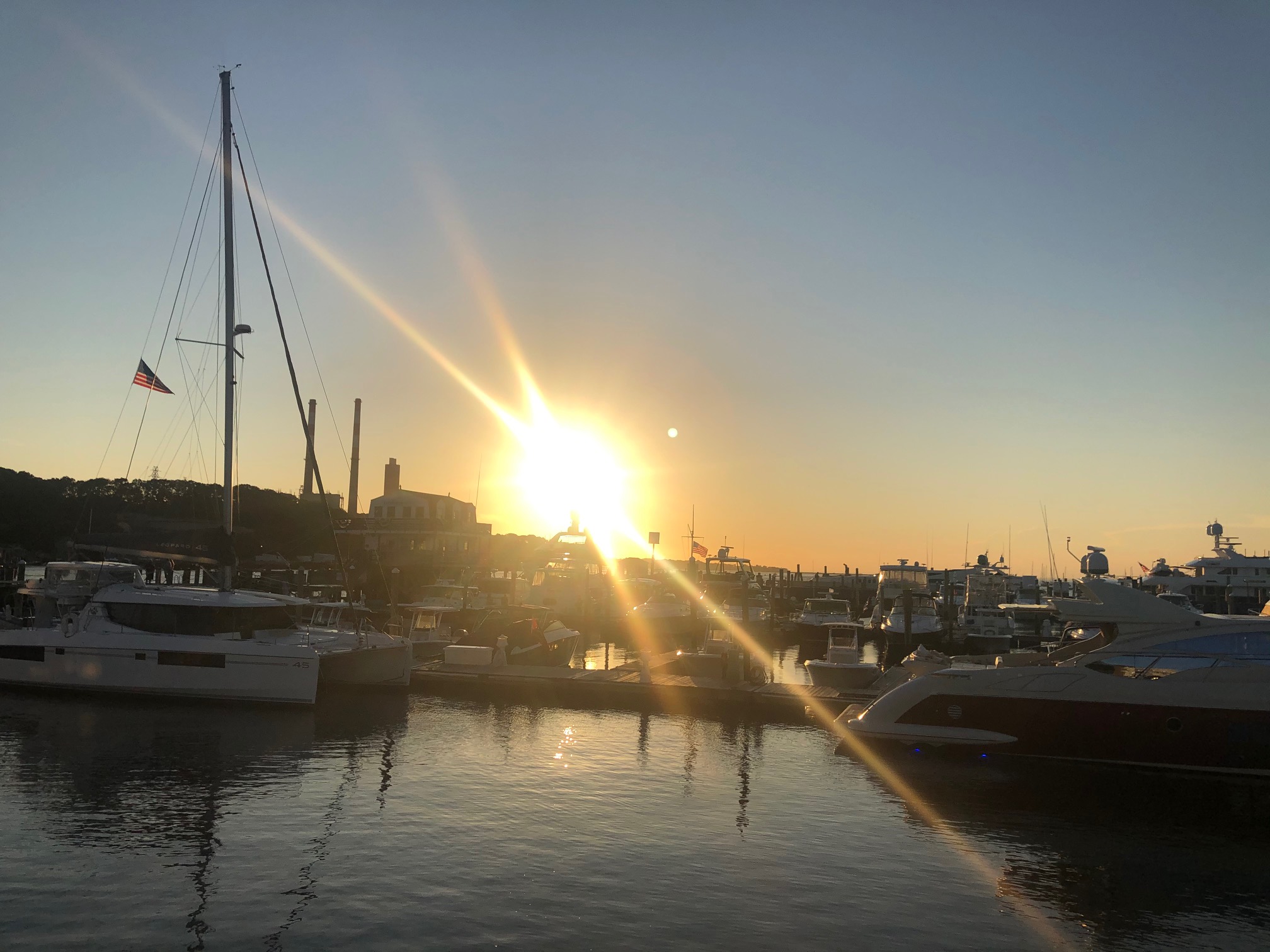
Sunset in Port Jeff

Camera: iPhone 8

Location: Port Jefferson, New York, United States

Greed Is Not Good

“My hope is that the ethos paraded in popular culture and media of ‘Greed is good’ first popularized back in 1987 by the fictional character on Wall Street known as Gordon Gekko (played by Michael Douglas) will die out and be replaced by a different ethos.”

The ethos of an era or a generation usually spans about 40-50 years. I think we are living in a time of great upheaval obviously due to the COVID-19 pandemic but also due to the economic and social disruptions that occur as a result. What was thought to be as acceptable before the pandemic will likely draw condemnation and pushback after the pandemic. My hope is that the ethos paraded in popular culture and media of ‘Greed is good’ first popularized back in 1987 by the fictional character on Wall Street known as Gordon Gekko (played by Michael Douglas) will die out and be replaced by a different ethos.

I’m not sure exactly what that new ethos will become but I do fervently hope that it will push back on the notion of greed being good at all but rather a detriment to the wider society. This new ethos in the 2020s and beyond will hopefully not prioritize the pursuit of money and fame above all else but rather the pursuit of kindness, caring for others, and leaving the world better than we found it.

While Gordon Gekko is just a fictional villain and the movie ‘Wall Street’ fictional in nature, there are examples throughout our society where people actually believe the ethos of ‘greed is good’ and actively pursue it in different ways without understanding or caring about the repercussions.

I’ll give a few examples that are not from 1987 or even earlier in the 1980s but from 2020: A college admissions scandal which involved bribery so the children of well-to-do families could get into prestigious colleges without earning their admissions, Multiple U.S. Senators caught red-handed doing insider trading to profit off of a pandemic and then not admitting their wrong doing, and large firms receiving loans they likely don’t need while they use that money for stock buybacks rather than investing in the solvency of their workers during the height of this unemployment crisis.

These are just three examples of this hopefully dying ethos of ‘greed is good’ but the problem still is that these kinds of practices, while they are being condemned, they are not being cracked down hard enough and the laws have not been changed enough to prevent future misdeeds. When you have an economy that protects high income inequality, lopsided CEO-to-worker compensation ratios, and a consistent hesitancy to guarantee collective bargaining rates for employees and an ability to raise wages to livable levels, that shows that ‘greed is good’ is still a predominant ideology that is hurting the average person.

The stock market may hit all-time highs but that is good news only for those who actually own stocks and that number is only over half of Americans whereas the gains of the stock market are only truly felt by the Top 10% of income earners. The previous financial crisis of 2007-2009 showed the world how ‘greed is good’ can cause companies to go bankrupt, houses to be foreclosed, and businesses to be shuttered, while no CEO who was responsible for the subprime mortgage crisis actually went to jail. The bonuses continued to flow, and the banking system maintained its solvency, but unemployment and inequality grew for the next few years with both now increasing in 2020 even while the Dow Jones Industrial Average hit 30k for the first time.

I should state clearly that I am not against people going into business, try to make money for themselves to feed themselves and their families, and enjoying the fruits of their labor. However, when people are caught being greedy and harming others in the process as which continues to happen, there need to be harsh consequences and changes to the law. As Theodore Roosevelt knew as President, corporate oligopolies need to be reined in, broken up, and held accountable. Gilded ages may be good for the few, but they lead to disaster for the many. In this pandemic, many billionaires have seen their net worth skyrocket and their stock prices increase but at the same time, you have millions of people jobless, homeless, and in food lines often for the first time in their lives.

The ethos of a culture has to push back against this kind of greed and ignorance. It starts with condemning the actions of those who don’t play by the rules, won’t change the rules to be fairer, and who go out of their way to make life difficult and unfair for others trying to succeed. It also means calling out those people who refuse to pay taxes, use offshore tax laws to park their money elsewhere, and whose companies don’t pay a time in actual taxes while other parts of society suffer. Not only should these practices be condemned but they should be made illegal as well.

Social trust, belief in the goodness of others, and the willingness to do what’s right suffers when greed is pursued #1 above all else. The past thirty years have shown this to be true as the increased financialization of the economy as a whole, loose regulations, increased corporate influence and money in government have all atrophied our system to where we are dealing with serious labor, environmental, and employment concerns.

Not everybody who has earned a lot of money is greedy, but they have a role in helping to make the system fairer by abiding by the rules and respecting the fact that they do have a role in allowing others to have their chance to be successful. You can’t climb up the ladder and then pull it out from under you when you get there. Others who are not greedy but do well for themselves have to remember that they have a responsibility to hold those in power and those who have immense wealth in check to be consistently vigilant that they are not flouting the rules or if the rules don’t exist yet, perhaps they should be incorporated to combat unrestrained greed.

There will always be some kind of inequality and differences in outcomes in a capitalist system but there are clear signs to tell when that inequality has gotten out of control, when greed has become too prominent, and when justice or basic fairness has taken a back seat. Greed is not good, and it should be one of the guiding ethos of the next generation. Being a success, working hard for that success, and spreading that success around so others have a good shot at it is a much better philosophy to embody. What’s good for you is not always good for others. It is important that those with immense wealth or power understand that they too live in a society and there are certain duties and obligations that we have to one another.

Knowing when enough is enough, knowing the difference between right and wrong, and knowing when things have gone sideways and need to be fixed, those are all key components on pushing back against the ‘greed is good’ ethos, which has had its prominence over the past four decades. Greed can harm others, do tremendous damage, and atrophy the bonds of trust in our society. It is important that we never forget these facts and to fight against it as much as we can in our lives, both personally and professionally.  

Doubleday Field

Camera: iPhone 8

Location: Cooperstown, New York; Doubleday Field

What We Need vs. What We Want

Understanding that you must be able to divide up the two categories fairly and also be able to balance them healthily with our seemingly limitless desires at times is key to being a fully formed individual.

A key part of adulthood is being able to know the differences between knowing ‘what we want’ vs. knowing ‘what we need.’ Understanding that you must be able to divide up the two categories fairly and also be able to balance them healthily with our seemingly limitless desires at times is key to being a fully formed individual. As children, we are taught to temper our desires to manageable levels and to remember to not be selfish especially when it conflicts with the needs of others.

We are flawed as humans in that we often let our wants overtake our immediate needs and that we cannot distinguish the two in terms of actual importance. I may want a new suit but if I only have so much money, do I really need it? Am I being selfish by buying a suit when I already have a perfectly good one at you? These questions are especially important to pose when you have limited money or time to contribute towards either your needs or wants. What we focus on each day shows us if we care more about ‘needs’ or ‘wants.’

It has to be non-negotiable in your own life how your needs come first and will always come first. Your wants have to be considered in terms of whether you actually need them and how much they will actually add that much to your life. When it comes to your wants, you should not only be thinking about their utility in the short-term but also in the long-term. Will you be that much better off not just a day later, a week later, or a year later when you satisfy those wants? A short-term want will be fleeting and may end up not even be worth it whereas a long-term want like starting a business, getting your degree, or moving overseas are often worthwhile investments and satisfactory wants that will put you ahead in your life. If you do want to fulfill your wants, they should be in the interest of you moving forward, learning new things, and developing your interests.

Short-term wants are good every now and then like a new bicycle, a nice meal out with friends, or a trip to a day spa, but the gratification will be short-term, and you can’t rely on those wants to fulfill you in the long-term. Long-term wants are harder to achieve but they often have higher levels of satisfaction. These wants aren’t automatically given to you and you have to work for them but it’s often worth the effort more so than just things being handed to you automatically. Your wants have to be kept in moderation too because if you let your wants overwhelm your needs, you may be left with less than you had before. An adult keeps their wants in check and prioritizes their needs first to make sure that their life is headed in the right direction. Long-term gains have to always take priority over short-term gratification, which may give you happiness but won’t give you fulfillment in the long run.

Your needs in daily life should always come first in terms of securing them. Whether it is water to drink, clean air to breathe, food to eat, and a roof over your head; they are all part of the equation to keep you in good spirits and in good health. Do not let your wants take away from your immediate needs because when it comes down to it, your wants may come and go but your needs are your needs and that never really changes. Abraham Maslow’s ‘hierarchy of needs’ was pretty much on the money in terms of distinguishing what are most urgent needs are and beyond that, what could be considered wants. We have the physical needs of eating, drinking, sleeping, maintaining homeostasis (not too warm or too cold) but beyond that, we start to go into the wants territory of seeking out self-actualization as well as having a steady purpose in life.

We all need human connection along with friends and family who care about us but that is not given to everybody and that kind of need is something that you have to work for and what you have to ‘want’ in a way. We all need safety and security to carry out our lives but that is something that we have to work towards to and that is not guaranteed when we are born. What we need may not been given to us like friends and family or the security of a place we live in and we may have to take action to turn those needs into a reality by wanting them badly enough.

In Maslow’s ‘Hierarchy of Needs’, our basic needs must be taken care of first as the pyramid shows us but then you have our psychological needs such as love, relationships, friendships, and feelings of accomplishment and goal-setting. As you go up the pyramid, you get into the ‘self-fulfillment’ needs category of achieving our potential, reaching our set goals, and becoming the best version of ourselves through self-actualization. This category is tricky, but we may feel that we need to be fulfilled that way; how hard are you willing to work to achieve that and how much do you really want to achieve it?

I would argue that our basic needs of food, drink, shelter, warmth, etc. are real needs but our psychological or self-fulfillment needs are different in that while each of us need them in our life, they are really ‘wants’ that you have to earn and to work for. Our basic needs are not given to us either, but they are of such urgency that we will do almost anything to have them guaranteed and it often subsumes our other ‘needs’ like love, friendship, or career goals.

What we need to live is our number one priority. Everything after that is supplementary in life. What we want Is important but it’s clear that our wants are endless at times and we need to prioritize with our limited time and/or money what matters to us most to achieve or to have. Being able to prioritize while understanding this internal battle is key to being a fully formed individual capable of holding our wants at bay while getting our needs taken care of.

Lastly, it is important to distinguish between short-term needs and long-term needs. Short-term needs should always take priority over long-term needs, but you can work towards both at the same time. You can hunt for food and still have companionship with a loved one at the same time. You can watch your vegetables grow while you’re studying for your next course exam or replying to emails. However, if your immediate needs are unmet or neglected, your long-term needs will have to take a backseat because they are just not as critical as what short-term needs are in terms of daily occurrence. You need to eat and drink water a lot more than you need to see your family and friends as an adult. I’m sure you would love to see them every day but it’s more likely you would see them once a week or a month or maybe less if you’re really busy.

Your immediate needs can be balanced with long-term needs, however, if you can’t cook for yourself, make money to support yourself, or be able to clean and take care of yourself physically, not many or very few of your long-term needs can be met after. As an adult, you need to take care of the daily details before you can reach your lifelong dreams and goals. What we need vs. what we want is a constant battle taking place in our mind. If we don’t pay attention to how to win this battle by trusting in our innate knowledge of what we are capable of doing to achieve them one by one and what are healthy priorities to focus on, you won’t be able to get very far in life with either your needs or your wants.

Cooperstown – National Baseball Hall of Fame

Camera: iPhone 8

Location: Cooperstown, New York; National Baseball Hall of Fame and Museum