



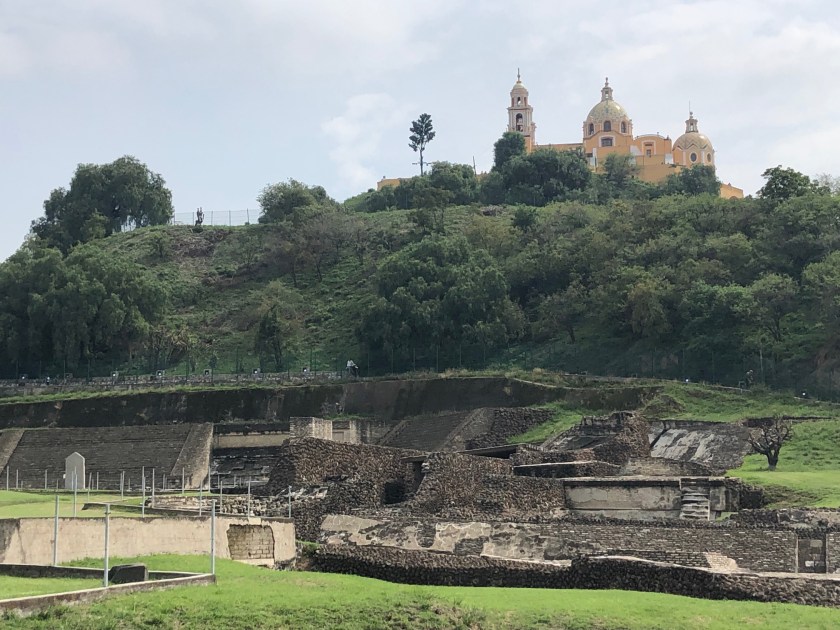
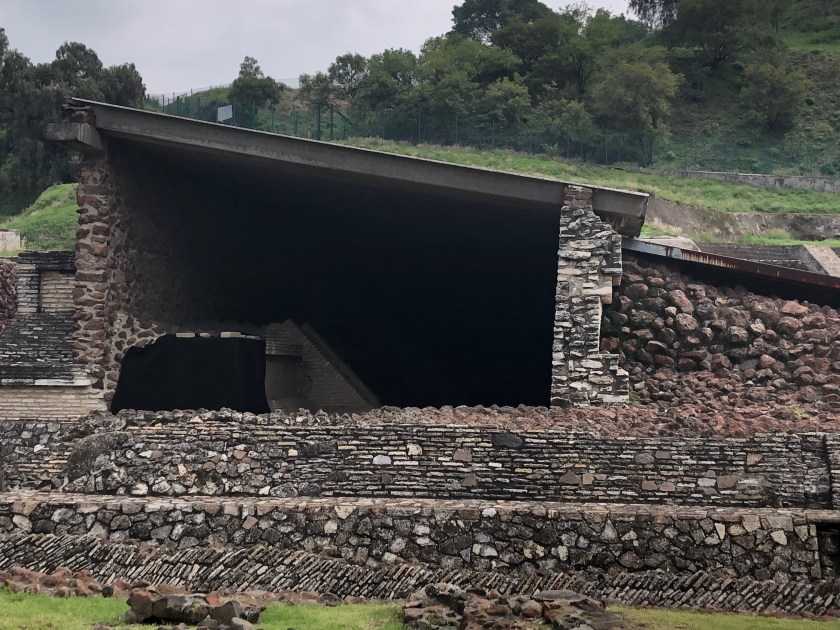
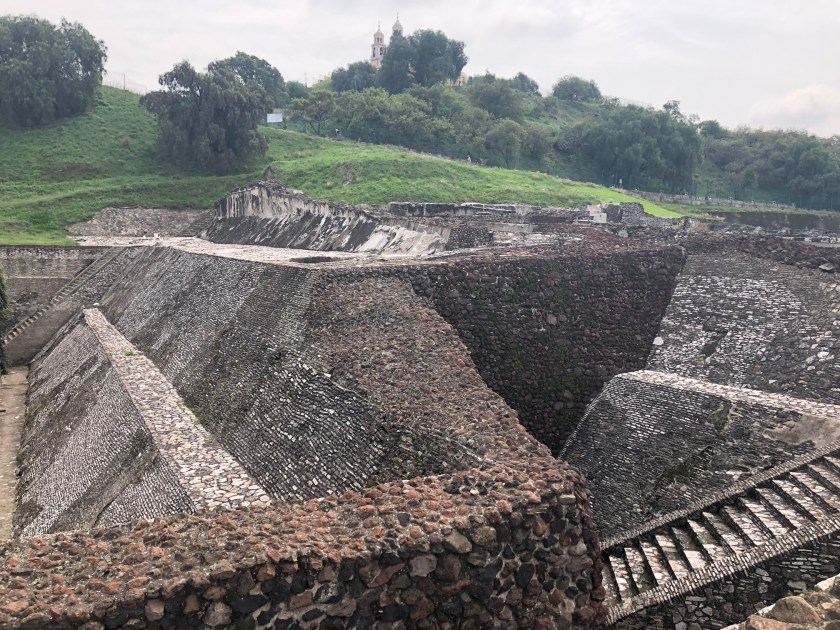
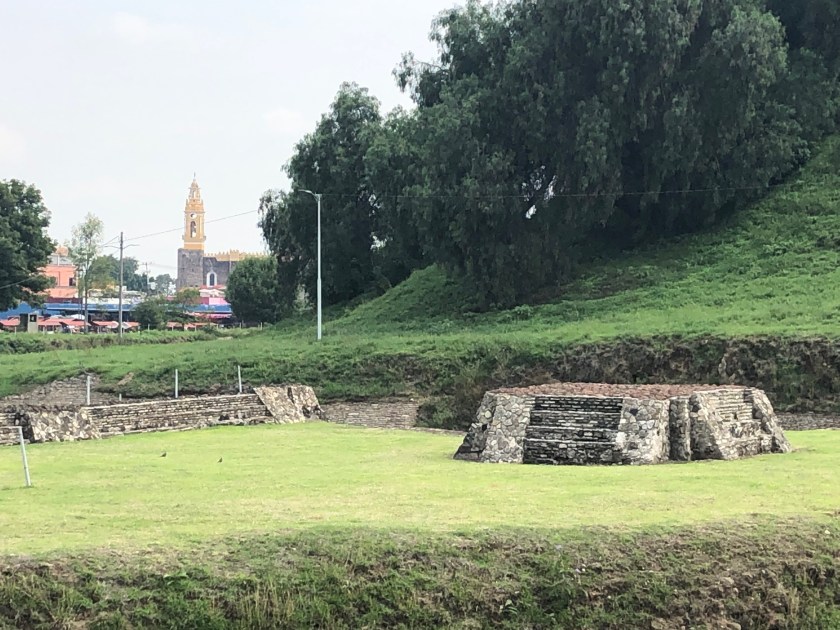


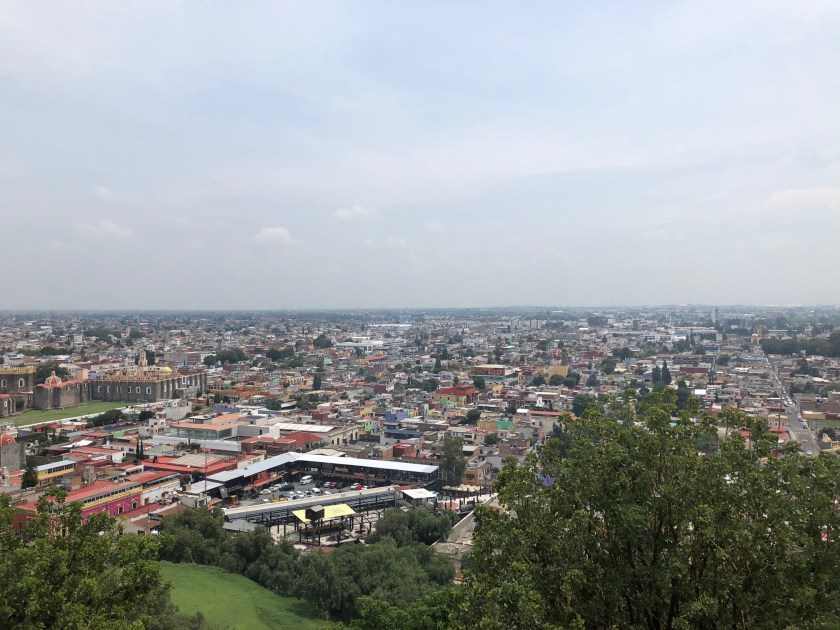






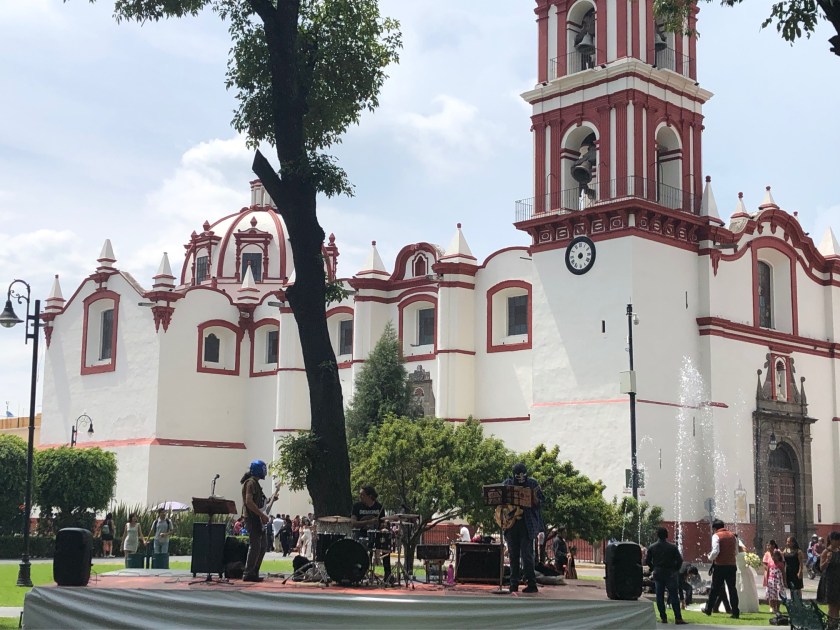

Camera: iPhone 8
Locations: Cholula de Rivadavia, Puebla, Mexico; Puebla de Zaragoza, Puebla, Mexico

Camera: iPhone 8
Locations: Cholula de Rivadavia, Puebla, Mexico; Puebla de Zaragoza, Puebla, Mexico
During my visit to Salento, Colombia, a beautiful town located in the foothills below the Andes Mountains and adjacent to the famous Cocora Valley, I picked up on a slogan that I found very endearing and memorable. “Hay vida en las calles” was posted on an advertisement on one of the vendors there who was dishing out ice cream, snacks, and other goodies. “Hay vida en las calles” translates to the English language as “There is life in the streets” and I found that to be a very positive sign and one that gets people out of their homes and into the parks, squares, and plazas where the basis of all community life is formed. While life in the streets cannot be found everywhere, I found this prevalent attitude consistent in many towns and cities during my travels in Latin America.
The emphasis on communal spaces and public gathering places is something I really admire about Latin culture and I find it to be a healthy feature of any society, which has strong communities and families. Being able to leave your homes every now and then to walk five minutes away to be in a public park or a town square should be natural and available to more and more of us.
As is well known in psychology and sociology, Human beings are social creatures and we want to be around other people even after we have had some alone time. In order to do so, responsible local, state, and national governments should provide that to their peoples in order to build more trusting and kind societies. In societies where people are isolated, lonely, and without opportunities to meet people and build new friendships, problems related to anxiety, depression, and even violence are likely to rise.
In countries such as the United States and other Western countries, statistics related to anxiety, depression, and loneliness are rising and part of the reason I think for the rise in these issues is related to not being able to gather and socialize in a public place. The atomization related to suburban living, the lack of public transportation options, and the decline of shopping centers all help to contribute to this rise in loneliness. I mention the closing of shopping malls because due to technology giants like Amazon, small businesses and large companies alike are closing their doors causing people to order anything from food to clothes to Amazon Echo from their homes.
While shopping malls and outlet stores aren’t an optimal way to build a sense of community, they still brought people together and were a place to hang out. The question remains regarding how will we replace these stores, strip malls, and outlet centers if they all go out of business? A revitalization of public places from small towns to big cities will not just be a prudent step forward but help societies deal with rising anxiety and loneliness rates. There should be life in the streets.
Whose responsibility should it be to encourage this kind of ‘life in the streets’? I believe it’s the local government combined with local businesses who can really make it work. Also, local community groups and organizations can play a big role in making sure everybody feels welcome and to promote activities, discussion groups, and issues in the community that need to be resolved. The average citizen living in the town or city can contribute to by hosting ‘block parties’ or contributing food or drinks. We ask our taxes to pay for roads, schools, and parks, but why not also a community gathering place, indoors or outdoors, where people can be social, discuss issues, and make new friends.
Without investing in our citizens by providing a ‘public square’, we are really selling ourselves short and it could hurt the fabric of our communities, towns, and cities in the long run. Without a way for people to interact and socialize with each other for free and without needing to buy anything, society as a whole can really benefit. It may sound like a ‘utopian’ idea to some but I think it makes a lot of sense in terms of the potential benefits to people’s mental health.
When I was in Salento, Colombia, for example, there were numerous food vendors, there was live music, and people were chatting with each other on benches. Children were playing in a nearby playground and the air was fresh and clean. The noise of the cars and the buses was off in the distance and it was a sea of calm where there were plentiful trees, flowers, and you could hear the birds chirping. People need that kind of space to gather, talk, listen to music, eat food, and watch their children play peacefully.
In my travels through Latin America in the past few years, I have seen this in multiple towns and cities where there is an emphasis on using the public squares for the public’s benefit. While this may not be a universal thing across the entire region, it is a priority here and one that I really appreciate coming from a culture where these gatherings are in decline. The good news should be that with greater effort and investment, we can bring the public spaces back again in the United States and elsewhere.
Further automation and loss of jobs in the retail and manufacturing sector is a tragedy and one worth acknowledging. My hope is that the loss of these retail and commercial spaces can be put to some good use and even lead to different kinds of jobs to take root, ones that are more social and that benefit people more, especially young children and the elderly. Being able to revitalize certain neighborhoods with greener public spacers where people can gather, eat, play, talk, and even dance would help curb the loneliness epidemic that we are seeing in Western societies. If there is life in the streets, people will show up and they will be better for it.
Part of the beauty of travel is seeing how other cultures value family and community life and make it a high priority. I believe that you can take these positive values from other cultures and place them within your own. It must involve buy-in though from the people themselves and they have to feel that it was the next step forward in improving their community. With the rise of automation and the closing of large shopping centers, we may be at the point in time where we can turn these empty buildings and useless parking lots into real gathering places in the future.
Without social interaction and a sense of community, people will suffer as a result mentally. This has been shown in many studies and in many surveys. I think it is part of who we are as social animals and being isolated in our homes and in our cars for 90% of the day will not make us healthier. For what I saw in Salento, Colombia a few years ago and what I have seen in other towns in Latin America, placing a high value on social life within these communities will make people feel a sense of togetherness and cohesion. A greater emphasis on community gatherings and social spaces would create a large ripple effect that would drastically improve the greater society, the country you’re in, and the world.


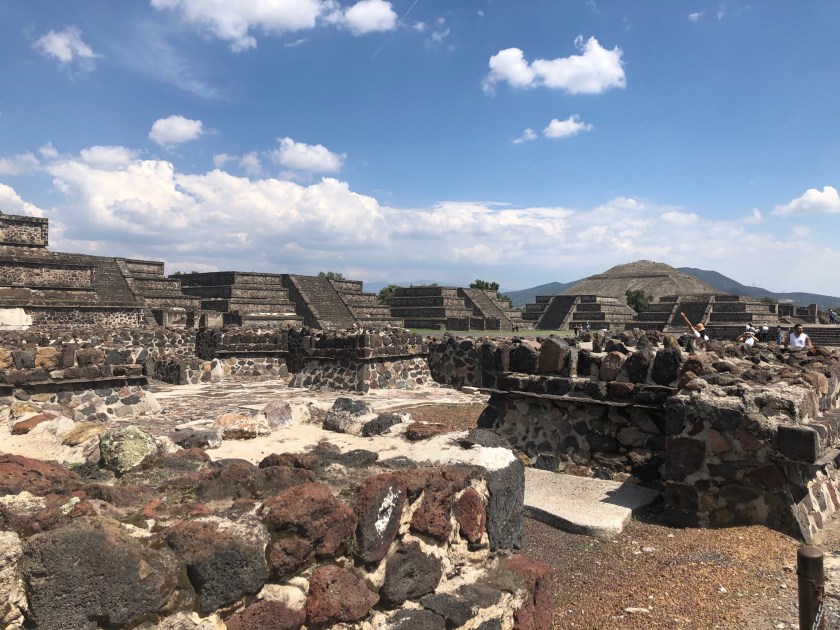

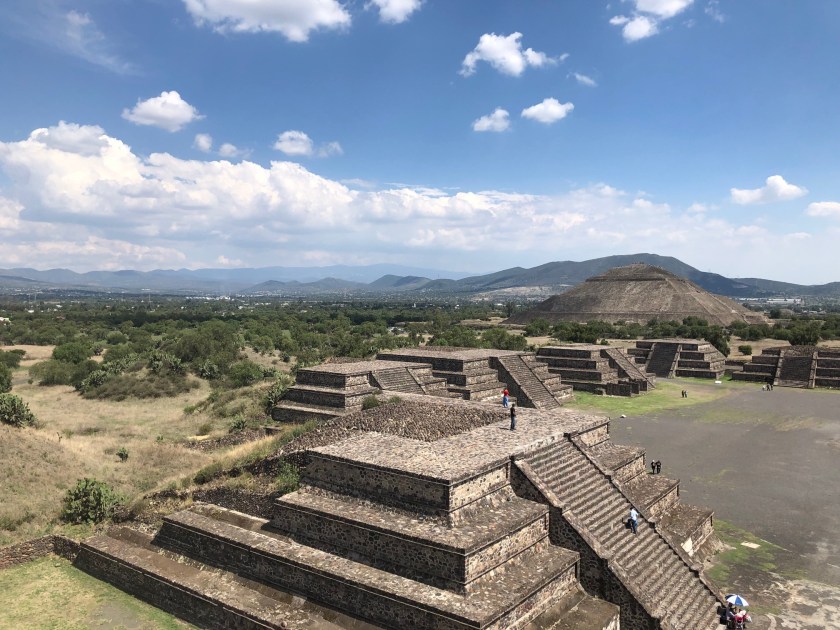
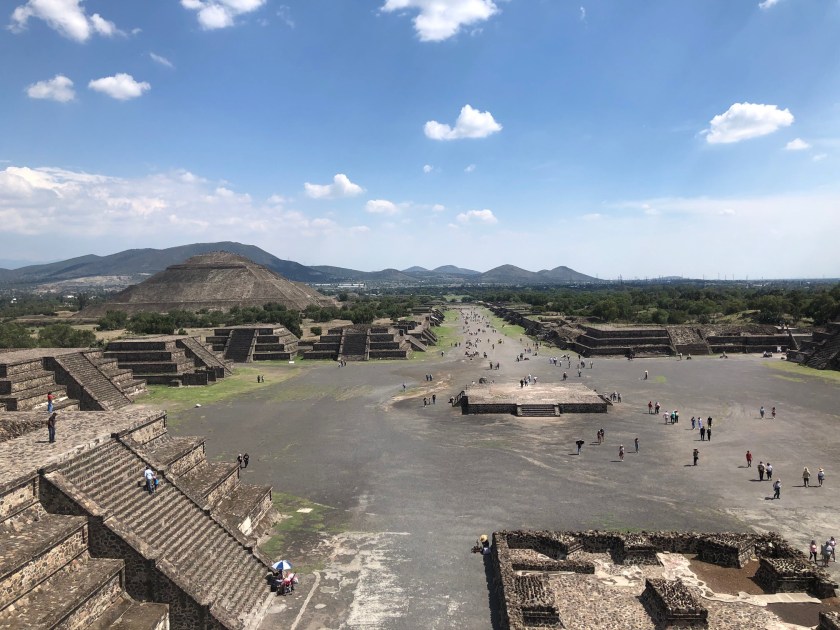


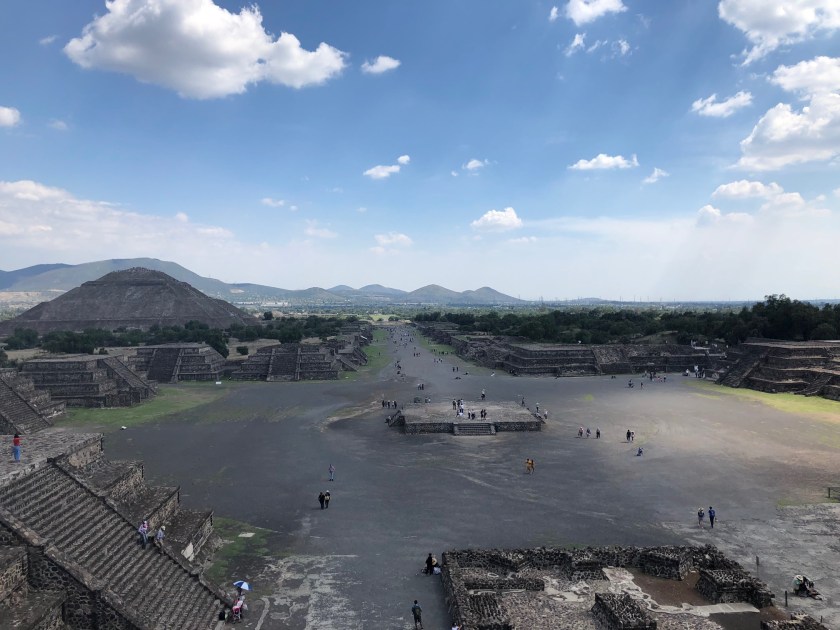




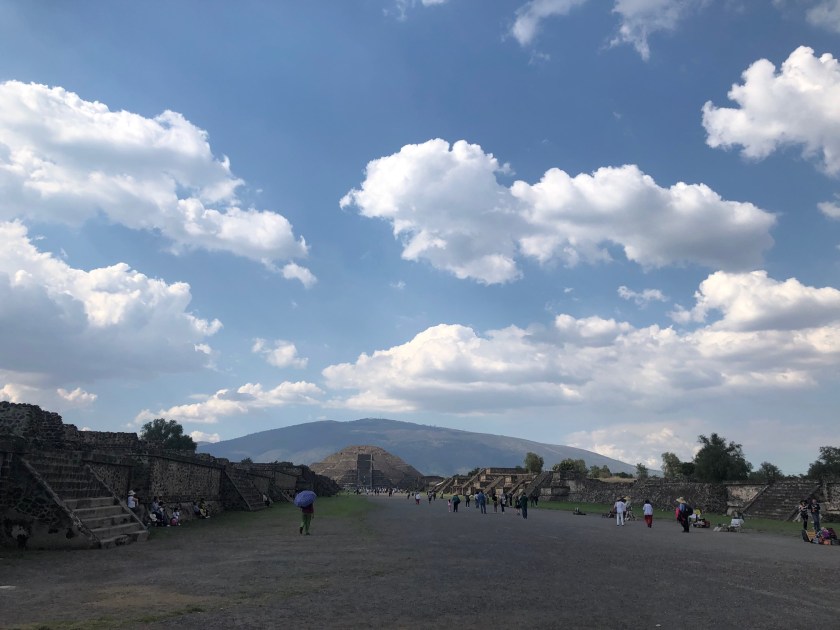
Camera: iPhone 8
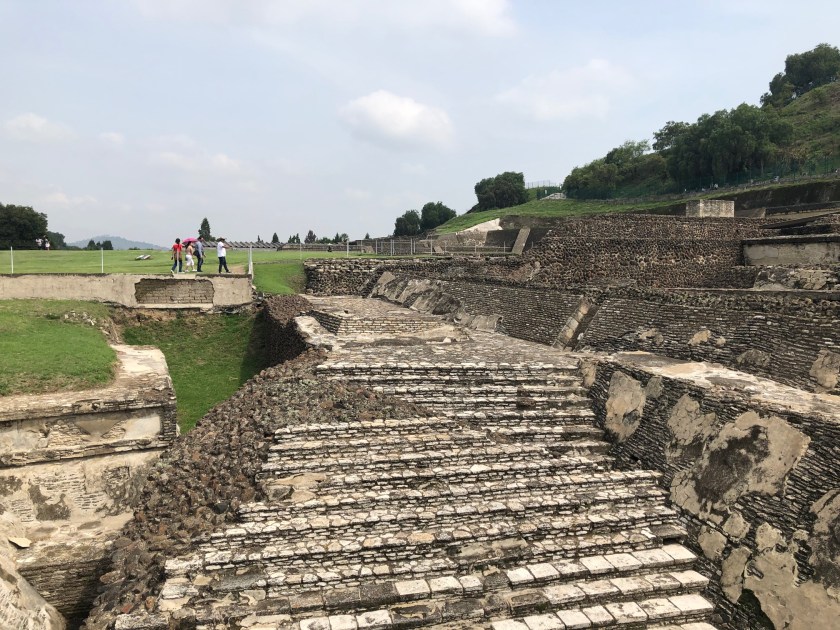
Location: San Juan Teotihuacan de Arista, México State, Mexico
What’s one thing that all professional athletes, musicians, artists, writers, and anyone devoted to their craft have in common? They have all achieved a ‘flow state’, which is difficult to relate to unless you are fully immersed in terms of what you are pursuing and truly enjoy what you are doing. The flow state is elusive for most people because they either haven’t found their passion in life or haven’t put the time in yet to get better through consistent practice or play. The flow state is a higher state of being because for a point in time, your concentration is matched with your intensity producing a beautiful result.
When you can put other thoughts or other concerns out of your mind to focus on your craft regardless of what it is, you are utilizing your full potential and will be able to achieve a better result for yourself. To outside observers, the flow state looks nearly impossible to accomplish but when you are devoted to art, to music, to sports, or to writing, the final result is nearly guaranteed because you have put blood, sweat, and tears to produce something meaningful.
To me, the flow state is the most optimal state of mind that you can be in because it requires you to be at your best and to perform at the highest level. It’s requires being in a state of movement and using your body in some way to produce an action. You are putting your energy, your concentration, and your focus into a singular goal and it’s inspiring to those people who get to benefit in some way from what you were able to produce. It’s better to be a doer than to be an observer but it can inspire others to find their flow state when you see them do theirs and to do it extremely well.
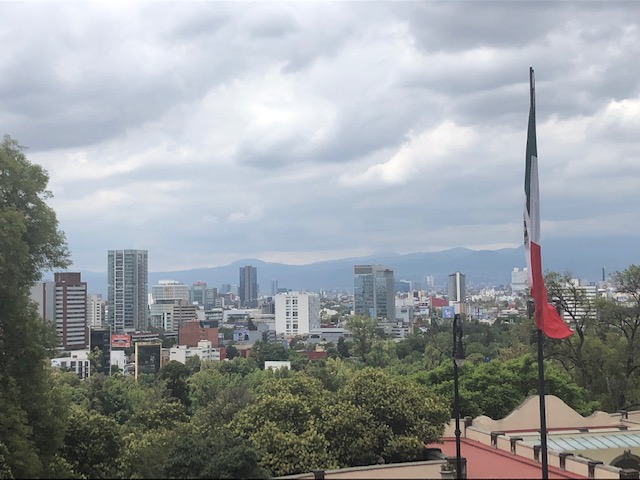
For example, I was at a popular Jazz club in Mexico City recently and the headliner was a talented Danish guitarist along with a group of local musicians backing him up on the saxophone, the drums, and the Jazz bass. Every one of them was talented at what they do and were in sync generating a group kind of ‘flow state’ that is even more powerful. The thing with a good Jazz group is that you start to yourself get into the ‘flow’ of enjoying the music and moving your body to the rhythm as well.
As someone who played trumpet for 11 years straight and enjoyed the feeling of togetherness and comradery that playing in a Jazz Ensemble can bring, it is impressive to see a group working well together and nailing their parts to achieve their flow state together. To play a musical instrumently proficiently on your own is tough enough, but to work together with different musicians to produce a catchy tune without making any mistakes is as near to a modern-day miracle as it can get.
Musicians thrive off the energy and the drive of others as well as professional athletes and even politicians. It is much harder to achieve a flow state on your own in the solitude of one’s house especially if your craft requires some sort of public attention. Writers and artists tend to be more introverted on average and don’t need the attention of others to achieve an individual flow state. However, there’s something to be said for achieving a group flow state when you’re cheering on a ruthless dunk from a professional basketball player or listening intently in an arena to a Presidential candidate’s stump speech.
People want to believe in the achievements of others, and I know that we prefer to lift each other up rather than to tear each other down. While it’s beneficial to take part in watching other people reach and show off their flow state, you should be trying to find yours every day. You will get much more satisfaction out of life when you are in that mode where you are merging with your craft whether that’s art, music, writing, sports, etc. While it’s fun to cheer others on and take part in their joy, you should always be trying to create a little bit of your own.
Intense concentration and effort is not easy to achieve, but it is extremely rewarding to put your worries and anxieties aside to focus on a singular goal that you want to achieve. It may take hours, days, weeks, months, and even years to get to where you want to be but there is joy to be found in putting away all distractions and devoting yourself to a craft that you enjoy and are able to put serious time into. Our individual potential will not be able to be achieved unless we are able to reach a flow state relating to a kind of creative or intuitive pursuit.
Do your best to try different activities out and see what you like. If you find an activity or an interest you enjoy, continue to add more time to it and you should start to see results. Don’t start to look for monetary rewards or personal fame to keep you going with this pursuit but you should be doing it for yourself primarily and for your desire to reach that state of flow where you can fully immerse yourself in the activity whatever it may be.
You should find happiness and joy in what you do and become the best that you can be at it. If you can enjoy the activity, you’ll eventually find your ‘flow’ with it and be able to do it effortlessly. While you will have a lot of frustration and stress with practicing and doing the activity, if you like it and find it worthwhile, you won’t mind the downsides when the upsides can produce such an intense ‘flow’ where you are in the zone and are able to produce a beautiful result that others will appreciate. Being able to inspire others to reach their own ‘flow state’ creates its own ripple effect allowing our society to become more creative, intuitive, and productive as a result.








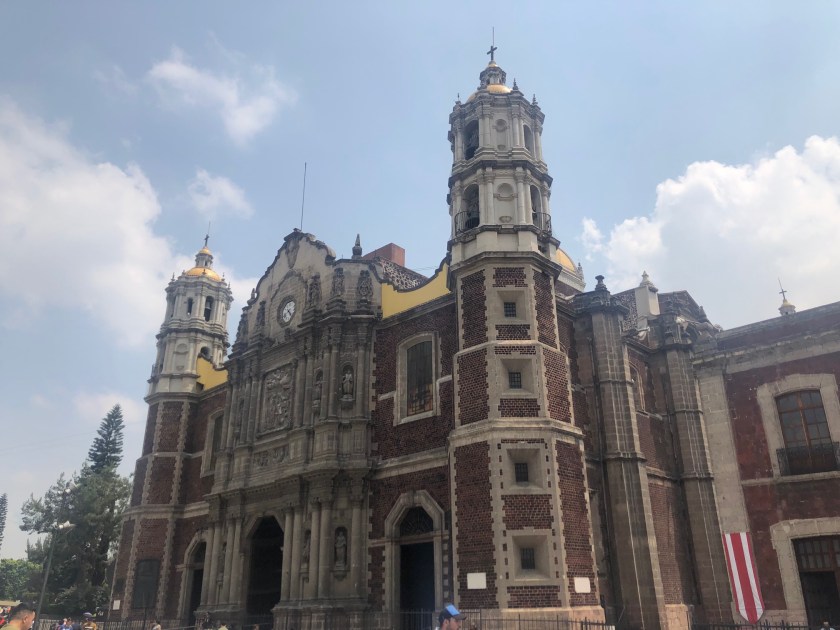

Camera: iPhone 8
Location: Mexico City, Mexico
The Comma is an integral part of any English language sentence and while it may not come up all the time, it is likely to come up many of your sentences especially if they are longer than 10 sentences. The comma helps us to avoid run-on sentences or sentences that are too long-winded, which will distract the reader, and take away from the meaning of your sentence(s).
Commas should be used moderately to not to introduce many pauses within your sentences. You should be looking to use conjunctions in lieu of commas or with them depending upon the context. What you do not want to do is not use commas at all or use them too much. There is a key balance there that a writer in the English language must learn through trial and error as they develop their grammar proficiency.
What a comma (,) does in not just English but in other languages as well is to break down sentences into individual clauses with the comma acting a pause in the action to let the reader catch his or her breath. Commas are used in several scenarios but none as so important as forming a list of two or more items. In a list type of sentence, the comma is effective in separating the people, places, or things into an order from first to last to differentiate them.
If there are two or more items in the list, the comma will come before the conjunction (and, but, or) to finish out the sentence properly. This kind of arrangement forms the basis of the ‘oxford comma’, which is still being debated by English grammar scholars, but for which is popular with some English language students and is advocated for by certain teachers. The comma + conjunction combo is not only just for the oxford comma but for a wide variety of sentences.
If you had to summarize the main uses of commas in sentences, they function in terms of being placed between items for formal lists and they also establish separate yet interdependent clauses within a single sentence. The supplementary uses for commas involve being used between parts of speech such as adjectives, adverbs, and before quotations. Commas can also be used for dates related to days, months, and years in terms of how it is written.
Let’s break down the different uses of commas but listing a few examples for each type of popular usage:
Main Uses
1. Building lists
· Not only was Jenny captain of the Varsity soccer team but she was also President of the Chess club, and a member of the National Honor Society.
· Felix had several things to get from the supermarket today: eggs, milk, bread, meat, and soft drinks for his daughter’s birthday party.
· I think my grandmother, Jean, will be there along with my grandfather, Patrick, and my mother, Eunice.
2. Separating the clauses
· Jack wanted to go out with his friends to the movies, but he couldn’t do so because he had to finish his homework.
· Lying to other people is not a good idea, and it often hurts other people’s feelings.
· They were lost in the woods, hoping to get home by morning, but they were out of food and without a compass to guide them.
Supplementary Uses
1. Adverbs and Adjectives
· However, he was not guilty of the crime they thought he committed.
· Moreover, they apologized to him and let him go free.
· The dreary, sad day was encapsulated by the rainy weather.
· President Franklin Roosevelt was fervent, unwavering in his belief in the American people’s ability to contribute to the war effort.
2. Quotations and Dates
· Mr. Johnson told his students, “You should always know how to use commas in sentences.”
· LeBron was dismissive of the reporters stating, “I scored 50 points and did my best to help the team win the game.”
· Abraham Lincoln was born on February 12th, 1809 in Hodgenville, Kentucky, United States.
· Independence Day happened on July 4th, 1776 as the United States declared its independence from the British Empire.
As you can see from these examples, commas play a really important role in both English writing and in English grammar. There are several main uses and supplementary uses that the English language learner should be aware of. You must be able to practice each of these comma uses regardless of the purpose. In order to use commas properly, you must write your own sentences, make corrections if necessary, and get feedback from your teacher or your other classmates.
Each comma use is important whether its to separate sentence clauses, making a list of items, putting them with adjectives and adverbs, or using them for quotes or dates in those type of sentences. Without commas, you won’t have a complete sentence and you’ll run the risk of having a run-on sentence, which is what you want to avoid as much as possible in mastering English grammar and writing.
There is a well-known law in economics called the ‘Law of Diminishing Marginal Utility’, which states that as consumption of a good or service increases per unit, the satisfaction derived from consuming an additional unit or more will lead to a subsequent decline in its overall utility. In other words, the more you consume, the less satisfied you will be with each additional product or service you purchase. The first thing you buy, use, or consume will be the most satisfying but the 2nd, 3rd, or 4th unit of the same item you utilize will not be as useful and could even not satisfy you at all.
This fundamental law in basic economics is one that is worth memorizing because it makes total sense. The first chocolate bar you consume will be delicious and fulfilling. You may not be satisfied with just one chocolate bar so you may end up eating another one since the first one was so tasty. However, anyone will tell you that the 2nd chocolate bar will not be as tasty or satisfying as the 1st one and you may even end up with a stomachache from eating too much chocolate if you are not careful.
The ‘Law of Diminishing Marginal Utility’ does not just apply to economic principles but goes far beyond that in terms of being applied to human psychology. The act of consumption, I would argue, is not just an economic one but also applies to the psychology of choice and how we live our lives. Everybody is a consumer in one way or another whether it’s the air we breathe, the water we drink, or the food we eat each day. Without any consumption, we would not survive but it is our choices that define our consumption habits and how we behave not just as economic actors but as human beings.
In a psychological context, instead of calling it the ‘Law of Diminishing Marginal Utility’, I would refer to it as the ‘Rule of Diminishing Marginal Return’, which is similar but discussing more how it’s a rule of life that the more we buy of something, the less return on that investment we will get out of it. The first of something whether that’s the purchase of a new car, a first trip to a new country, or the first time you try a new cuisine. These experiences will captivate you and do its job of putting your happiness level to a 9 or 10, but it’s a rule of life that it won’t stay there. While the memory of that experience will provide you with satisfaction and joy in its remembrance, your psychological state will revert to the norm of being level in terms of happiness or satisfaction with life. You may try to buy or consume more of something to recapture that feeling of happiness but that would actually be counterproductive in the long run and actually create false expectations compared to the first time you purchased or consumed that activity, experience, food, or drink.
How do you avoid the marginal returns of consuming, buying, or eating too much? Well, that is not easy to do but that is part of being a mature and responsible adult. You must have enough willpower and be able to reason with yourself that one more plate of food, one more drink, or one more car will not do the trick in giving you happiness. You must realize that your base level of happiness as a person won’t change as a result of consuming more and it may end up backfiring by causing your satisfaction to be lower because you consumed too much in the first place.
Being able to limit your consumption and controlling your vices will make you better off. If you can master your desires or your urges, then you can focus on bettering yourself or making you happier through more sustainable means. If you are working on personal projects, devoting yourself to a volunteer cause, or working on improving yourself mentally and/or physically, that kind of satisfaction will have a higher return on investment than just mindless consumption.
Consumption of goods and services may spike your happiness and satisfaction levels in the short run, but that kind of joy is short-lived and can often feel isolating if you are not sharing in that joy with others. That is why a meal with friends or family is often much better than eating by yourself. It’s why travelling with a close friend will generate more memories than a trip by yourself. It is not wrong to sometimes treat yourself to a nice meal, a nice trip, or a new gadget but shared experiences will make you happier and create more memories than those times that you were on your own in consuming.
One should carefully watch what they consume and monitor how much per day, per week, per month, and even per month they are consuming whether that’s food, drink, goods, etc. Everything in moderation is a good way to be as an adult and if you want to abstain entirely from consuming something, then that is an admirable thing to do as well. The worst thing you would want to do is to become overindulgent or overly reliant on a consumable good to make you happy or give you long-term satisfaction in life. You know better than anyone else the limits of your consumption and that true happiness is derived through shared experiences in life and of challenging yourself to be a better and more developed person.
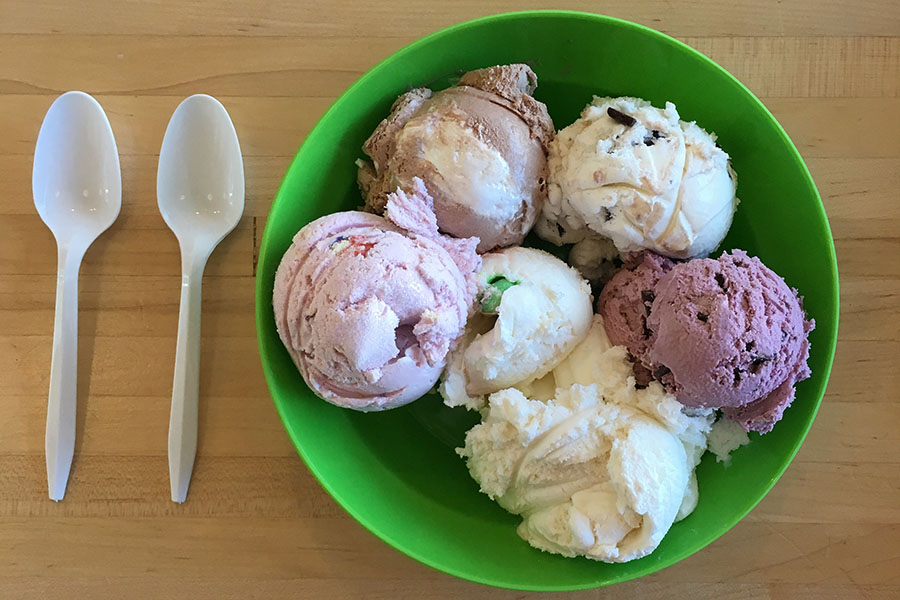
In the long-term, I believe you get increased rather than diminished return through producing instead of consuming, by challenging yourself mentally and physically, and sharing yourself with others whether that’s through a good meal, a volunteer experience, or a worthwhile group project. All the chocolate and ice cream in the world won’t add to your happiness but would rather detract from it. A bowl of ice cream or a chocolate bar will satisfy you for a few hours, but you eventually will be back to that same level of happiness homeostasis that you had previously.
Instead of looking to keep yourself content or happy all of the time, know that happiness is not everything in life and that you benefit more from the hard work and the struggle that you put yourself on a daily basis than of just sitting on the couch and eating ice cream until the end of time.
When you get to that 2nd or 3rd bowl of ice cream, you should realize that you’re starting to get a stomachache and that you should stop yourself before you get sick. The diminishing marginal return of trying to seek out happiness through ice cream should be counteracted by getting off the couch and into the gym to start working out those extra calories you just gained.
By embracing the struggle of a gym workout and burning off all that ice cream, you’ll be sacrificing that short-term happiness for that long-term struggle but eventual satisfaction of improving yourself physically as a person and making yourself happier and healthier in the long-run as a direct result of your choices and decision-making. You should not be afraid to indulge a little bit every now and then but remember that life is better experienced in moderation and you should always watch what choices you are making as you go through your life as both a consumer and a producer.
According to the University of Southern California’s Laboratory of Neuroimaging, the average person has about 70,000 thoughts per day. That is about 45 thoughts per minute and 2,700 thoughts per hour. Most likely, 90% of those thoughts are focused on the day-to-day habits and responsibilities that we take upon ourselves out of necessity. Where we go to eat, where we go shop for food, what to clean and how to clean it, and the need to brush, dress, and groom ourselves so that we look presentable to the world. However, what makes us stand out as a species is our ability to pull a few ideas from these thousands of thoughts that end up changing the world in some measurable way.
Thoughts can be random, scattered, and hard to quantify but with concentrated effort and documentation, these thoughts become ideas that later can become a reality. How does an idea turn into a real thing? Well, one part of making an idea real is jotting it down on paper or even on a smartphone today and really spending a lot of time focusing on the plausibility of it. Ideas can make the best sense in the world to you but if they are not popular or don’t transcend just your belief in them, they will go nowhere fast.
Ideas are meant to be tested, changed, and optimized so that people believe in them, for better or for worse. The paradox that is inherent with ideas is that they are very similar to human nature. They can be used for the greatest good or the greatest evil. Ideas are so powerful that wars have been waged over them, millions have lost their lives, and untold amounts of money have been spent to promote or degrade them.
When you really think about it, ideas that are put into action have caused changes to human civilizations throughout the millennia. Whether its education, health, infrastructure, scientific advancement, community building, ideas are at the forefront of upending the status quo and changing human lives, sometimes for the better or sometimes for worse. While I just mentioned the positive advancements that come from ideas, it is also valid that ideas have led to war, poverty, inequality, destruction, and multiple isms that have caused conflict and strife among nations, races, and religions.
You may be reading this article and wondering that maybe it’s best to not contribute your ideas to the world in some way. I think this is a false dichotomy because I like to think that if your ideas are not harming people, are not harming the planet, and can lead to a better community, country or world, then you should try out your ideas and see what happens. The key part to realizing an idea of yours is to see how other people react to it. Are they happier because of your idea? Are they healthier because of it? Are they better educated because of your idea?
You should be asking yourself: Is my idea doing some sort of measurable good for the world and how can I improve upon it? Ideas start out as being imperfect but once you start acting to make those ideas a reality in the world, you will soon learn that implementation of those ideas will take serious hard work and effort. Getting feedback from unbiased users or participants is a key step to see whether the idea is worth merit and whether it is sustainable or not in the long-term. Imposing your idea on the world without substantive feedback or without understanding how your idea fits in to your specific niche will end up in failure.
If you have an idea, remember to write it down and construct how it could work and whether it would be worth pursuing. Similar to starting a business or launching a campaign, you have to test drive the idea first to see if people would be interested in what you have to offer whether they are paying customers or voters from the town you are running your campaign in. Careful assessment and fleshing out of your idea will make a better idea and will make your idea stand out from others that are similar or may be able to usurp yours.
Ideas do not always have to be original but there must be some added benefit or advantage that hasn’t been tried before or could change the status quo in some positive way. There is a rightful stigma against ideas, but it is important to realize that our faith in ideas is crucial to keeping civilization going even when some ideas turn out to be bad for us. Our shared belief in ideas is what leads to massive companies like Google or Apple becoming the most influential or profitable in the world and has led to nation-states forming in the past few centuries such as the United States of America or the United Kingdom.
Without thoughts that turned into ideas which turned into actions, where would humanity be? Our ability to analyze, process, and think about how to change the world or how to introduce something new in the world is what sets us apart from other species on the planet. Essentially, the story of human progress could be argued to revolve around how to maximize the impact and spread of good ideas and how to minimize the influence and the source of bad ideas. Most of us tend to shy away from sharing our ideas or trying them out but I think having a more entrepreneurial and innovative vision is a key part of being self-actualized as a person.
Having a sense of belief in your ideas and how you can leave the world better than you found it is extremely powerful. While working on the ideas of others and promoting them to the world is also very useful, I tend to think that each and every one of us has a good idea that could be fleshed out, tried out, and implemented with the help of others, which would play a key part in making the world a better place.
Because the world is so interconnected, ideas spread so rapidly that it can be overwhelming with how much is out there. However, the ideas that stick around are the ones that take time to develop, that are tweaked with, that refine their logic and their execution, and for which have gained a solid following of people who believe in those ideas. An idea that has a powerful story which resonates with people can also withstand the test of time.
The next time you have an idea, think deeply about it. Maybe you’re on your commute to work or you’re in the bathroom, or you’re on a walk in the local park, but don’t let it slip away if you think that it can serve a positive purpose and if it is actionable. Ideas can come and go in a millisecond so being able to concentrate on the idea, remember it, and write it down as soon as possible could pay off in a big way. Another way to let your ideas form is to focus on the impact that it could have and how people could benefit from the idea(s). I believe that the more observant you are of your surroundings, the better your ideas will be. Another part of gaining traction with your ideas is reading books, whether they were entrepreneurs, inventors, politicians, and reformists from different eras of history.
You may find that your idea is not so unique and may date back a few decades or even a few centuries but maybe that idea never took off. You are eager to learn more about that so you do your research, you find out more about the history of the idea, and you decide why it may be right for the present and into the future based on changes to society. Just because an idea failed in the past doesn’t mean it can’t make a return with a few useful tweaks. From the electric car to virtual reality to smartphones, these kinds of ideas have their roots buried firmly in previous unsuccessful efforts in the past only to be revived because of inventors and thinkers who thought of how to adapt these inventions to the modern era.
Ideas are powerful because of are shared belief in them and how they can change the world. However, without serious action, commitment, and hard work, ideas of ours will just stay like that as ideas alone. Ideas without belief or without support from others will go nowhere. The key to implementing good ideas in our era is that they have been tested, have some measurable benefit to humanity, and have staying power because of their relevance to our societies. If you are not sure that you are an ‘ideas’ person, try to concentrate on your thoughts and remember whether there are any of them in your daily life that could become a reality.
You must decide if any of these ideas of yours could be written down, planned out, implemented, and eventually supported by the work of others. Once you go through that chronological checklist, you will be ready to start putting those ideas into action. Your ideas may ultimately fail and you may get discouraged but if your idea(s) were able to have a kind of positive impact on someone or something because of that thought that you first had go through your mind, you will know that it will have been worth the effort of carrying it out in the first place.







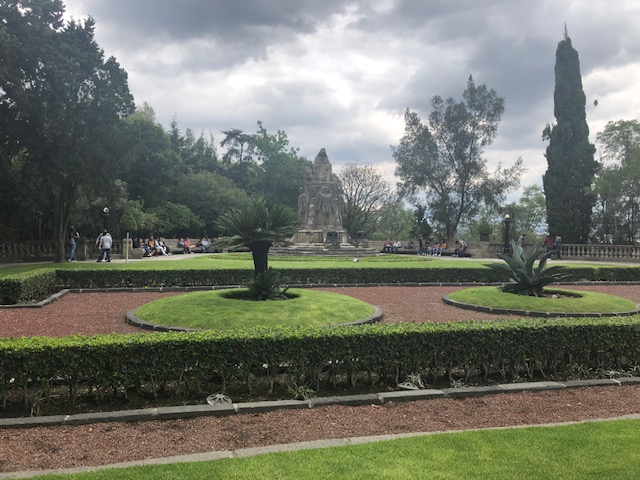
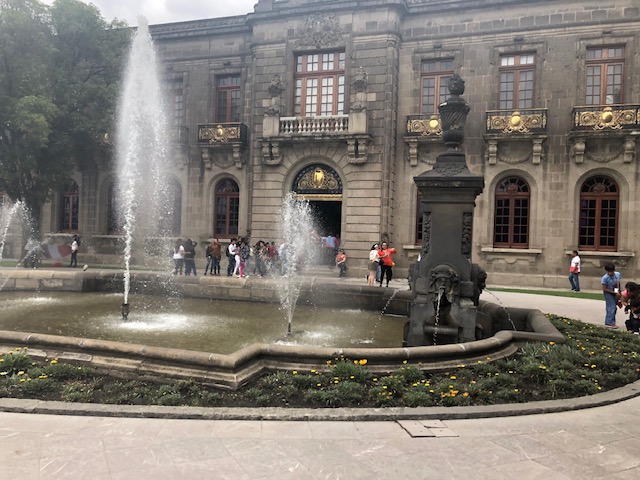
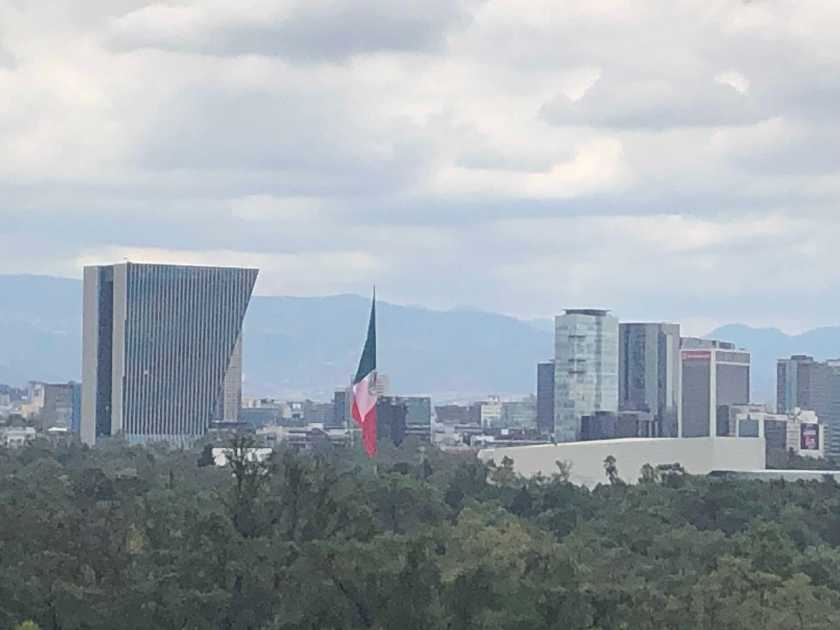

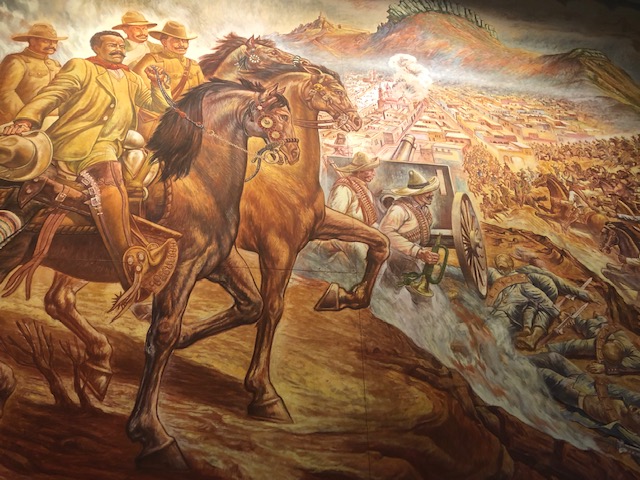

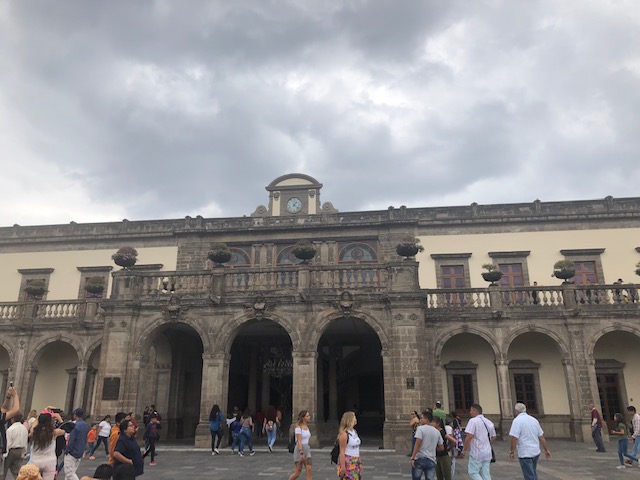
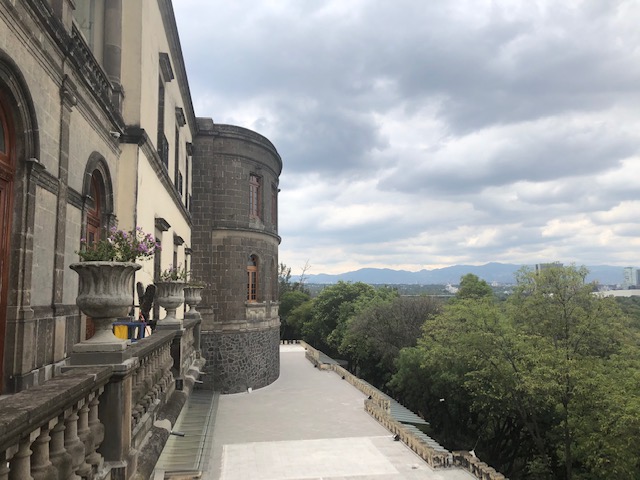
Camera: iPhone 8
Location: Mexico City, Mexico
We often hear the phrase in school that “Reading is fundamental.” Maybe it is our parents, our teachers, or our friends who play the biggest influence on us when it comes to imparting the wisdom of how important it is to read and to read a lot. I remember taking trips to the school library when I was younger to pick out a book and read during recess or after school if I were to borrow one. Sometimes, my classmates and I would go to book fairs to buy a few books for cheap where they would be different genres including action, adventure, history, science fiction, etc. I always looked forward to these book fairs or to go to the library and I was lucky enough to go to schools where reading was encouraged and how it was part of the curriculum. This freedom to pick out books to rent or to buy and to choose what, when, and how to read is one of the fundamental joys of life. However, even in our modern age, I find that reading books is not emphasized nearly as enough as it should.
While we have access to more information than ever before in more ways than ever before, there are still disappointing statistics when it comes to how much the average American is reading books. According to Pew Research, a quarter of American adults have not read a book in electronic or physical form in the past year, either in finishing part of a book or finishing the whole of it. Even with the rise of electronic books such as Amazon Kindle, audiobooks such as Audible, and the continuance of the printed book form, there is still a sizable part of the population who choose not to read books.
It is important to note that you cannot force someone to read books or to acquire knowledge through the written form, but any society does have the responsibility to give its citizens the chance and opportunity to read books at low to no cost. In order to do this, it is important to foster a great sense of importance surrounding books and the acquiring of knowledge through that medium from a very young age. Every child should have access to discounted or free books so that they learn to love reading whatever the subject may be. I was lucky enough to have access through my school, the local public library, or through being assigned books to read by teachers who cared. Every young person should be able to access the same opportunity to read and to acquire knowledge in that way without barriers.
Reading should be a fundamental right and not a luxury. To build a better society, fostering a love of reading plays a critical yet underrated role. At our core, most of us are curious about the world and we can learn so much about it if we have access to books. Reading can be quite powerful in several ways in that it expands our comprehension of the world and all its peculiarities.
Our ability to experience the word is limited so reading plays a great role in expanding our understanding of different people, places, and concepts that we may not get direct exposure to. This is especially the case when it comes to geography, history, science, etc. because while we may not experience these events or these chain reactions or these places directly, reading books is the closest any of us will get to being there in person or being apart of what happened.
Reading also forms the basis of having a strong imagination, one that can conceptualize and create new ideas based on previous books that one has read in the past or currently. Architects, engineers, politicians, scientists, writers, etc. can better develop themselves in their professions precisely because of the books that they have read from those who came before them. While you wouldn’t copy word for word the experiences or the work of others, anybody who reads can take those ideas to influence their own ideas to carry our actions that would change the world in some measurable way.
Reading books is also a needed respite from the daily anxieties and stresses that we experience in daily life. Taking 30 minutes to an hour at night or in the morning to escape to a fictional, fantasy, or previous state of the world is a way to calm the mind and to let your imagination run wild in a healthy manner. To calm yourself down, to ease into a nice book, and to let your mind wander for a little while is a key part of developing a healthy individual and is almost meditative in its calming nature.
Long after high school, college, or even graduate school, the knowledge and wisdom encapsulated in books will remain an important way to develop oneself intellectually and stoke one’s curiosity long after the first part of your life is over. Reading is a way to tap into one’s ability to be a lifelong learner and to become better in your profession or in your career pursuits. Whether you want to become an expert in your chosen field or to start a business or to run with a new idea that could change the world, books hold the key that could make your dreams a reality.
Perhaps the next time you see someone reading a book, go up to them and politely ask them about it. You should bring yourself back to that time when you were younger, and you walked down the halls of the school or local library and were curious about many books that all seem captivating. You should not let that fire go out of you as you get older. You should make the time to go to the bookstore, to the public library, or to a local fair to read something that perks your own interest. One of the worst things that we can do to ourselves is to lose that sense of curiosity and wonder related so closely with reading a new book for the first time. It is also important to bond with other readers, find out what they like to read, and whether they would be able to recommend you anything based on your personal tastes.
Cultivate that love of reading and spread it around to your friends and your family. Reading books is contagious, and people are curious so don’t be afraid to read a book at the lunch counter, on the subway, or even in a public park. We can get more people to read books again by setting the example and by imparting the knowledge and wisdom gained from books to others through our reading experience. As I mentioned at the beginning of this article, “Reading is fundamental” and it should not be gone to waste.
Any active and engaged reader should also be standing up for others in terms of easy access to books, whether psychical or digital in our modern age. In your community, city, or country, you should be playing a part to make sure that public libraries stay open and are in good shape. You should donate books when you are done with them and especially to those children and adults who go without them. In addition, volunteering to read to children and/or teenagers is a great way to give back to your community. Everybody should have access to read and they should not be limited by the cost of it. That is why it is extremely important to support those politicians and community leaders who make sure the schools have libraries, that the public library is free for all, and that there are local book fairs that are cheap and are not too expensive for those citizens who want to buy books.
Without books, true knowledge and wisdom cannot be obtained. Be wary of those who do not read at all but do not insult them. Instead, try to bring them on to your side by highlighting the benefits of reading and how it has changed you to be a better learner. Reading should not be forced, of course, but it should be encouraged in helping to build a better society and a better world. Anyone can play a small part in this and I hope that you, the reader of this article, will play a small part in shaping it.