The Why of Doing Mundane Tasks

“When the famous American inventor and politician, Benjamin Franklin, indicated that the two certainties in life were ‘death and taxes’, I think he forgot to mention an overlooked third one that we all experience at one point or another: mundane tasks.”

How much of our lives are made up of dull and repetitive tasks that we would rather not do? How often during the day, the week, the month, or the year are made of things that we have to do out of lack of choice but also an obligation? Whether it is an obligation based on our work, our homes, our hobbies, or our businesses; mundane tasks are simply part of life’s overall equation. When the famous American inventor and politician, Benjamin Franklin, indicated that the two certainties in life were ‘death and taxes’, I think he forgot to mention an overlooked third one that we all experience at one point or another: mundane tasks.

Whether it is going to pick up the newspaper or taking the mail in or dropping off something at the post office, these little errands or tasks are unavoidable and are not the most stimulating to go through. Other tasks like going to the supermarket, cleaning out a pool or cleaning your pool, doing the laundry, washing the dishes are all repetitive but if you notice how mundane they are, you will likely have a worse time doing them all and forget how important they are.

While we may think that we lack control over these dull tasks, the truth is we often do control our attitude to these mundane tasks and how we go about doing them. We control if we do them at all, how we do them, and how fast it will take us to do them. We can make them fun or enjoyable with the help of some music or even a game to see if you or a friend or a family member can do them faster than you. If you think about these tasks, we often feel better about ourselves for having done them afterwards and feel like our days were more accomplished because we were able to complete these tasks as a habit of ours rather than going out of the way to do them like an abnormal chore.

Tasks are meant to be completed but in many of these cases, without our actions, perhaps our lives will be more disorderly and disorganized without finishing these small tasks first. How can we accomplish great tasks in our day-to-day if we can’t get the little things done first? If we want to tackle issues in our community, our country, or even for the world, should we not start with making our bed first consistently first or being able to cook for ourselves with relative ease?

“If you want to change the world, start off by making your bed.” This particular excerpt of a great speech by United States Navy Admiral and Former JSOC Commander William H. McRaven puts the utility of these mundane tasks in our daily lives in perspective. The focus of his commencement speech was about how by accomplishing these tiny tasks, preferably at the beginning of our day, you start to gain more momentum to complete bigger and bigger tasks by the end of that day. Making your bed is just one of those many mundane tasks that we are faced with in our lives and that we usually have control over doing or not doing.

If we choose to not do them, this lack of confidence or a lack of accomplishment can carry over to the bigger and more pressing tasks that we have to handle later on, often in the span of minutes or hours, at work or in our relationships. As a former Navy SEAL, McRaven saw the bed-making procedure as key to the rest of his day. While at first, he thought of the task of being forced to make his bed tedious and maybe beneath him as a future SEAL, it later taught him necessary skills such as compliance, confidence, and reinforced habits.

Our mundane tasks that we have to do our based on our autonomy in that no one else can do them for us. By doing these tasks on a consistent basis, we build upon our good habits instead of bad habits. Perhaps most importantly, we learn that we do in fact have some control over our lives. While the big things in life can challenge and thwart us again and again, we know that we can handle basic tasks that make us feel better and give us the confidence to try and try again at the bigger tasks that are more complex and complicated.

If we cannot handle the small stuff no matter how tedious it is, we likely will not be able to handle the bigger tasks, which may be even more tedious. The mundane tasks are easy, repetitive, and do not take as much time usually. It goes without saying that if you can start to do them once or twice, you can start to build up that habit muscle and then you will be on your way to doing these tasks on a consistent basis making them easier and less daunting.

In a lot of ways, we overlook the little moments in life which tend to be the most endearing and the most special. It’s important to not do that as well with the little tasks such as making your bed, taking out the trash, or paying your bills. The little things are easy to accomplish when you measure them up against the harder tasks like running a marathon, becoming a millionaire, or having a successful business or career. Once you take care of the little things though, you may be in store for a positive ripple effect that could lead to wins or gains in the harder areas. Even if you have bad days or expectations of your day fall short, at least at the end of the day, you will know that you took care of the small stuff and can be proud of those small victories which keep us going during rough times, especially now in this perilous year of 2020.

Lastly, doing different mundane tasks on different days can help us as well give us that continued sense of accomplishment and meaning that we can often lack on certain days if we don’t have anything to do. Spreading out the mundane parts of life instead of saving them all for a weekend or one day in particular will also ease your stress levels and cause you to feel more evened out as you go through your week. You won’t be stressing out about 5 or 7 mundane tasks you have to do at the end of the week if you do one of them each day to balance it all out.

Nobody likes mundane tasks including myself, but they do serve a purpose in making you a more responsible adult and a better human being. You get better at them the more you do them and which also tends to make them less tedious over time. Unfortunately, we all find out in life that it is not all fun and games and part of life has to be drudgery, but it doesn’t always have to be doom and gloom. Throw on some music or your favorite podcast, use a cup of a coffee or a fruit juice to get you going and make your bed first thing in the morning to get the day started. I promise that with a little self-motivation and self-determination, life will look less daunting and your confidence will start to grow the more mundane tasks you accomplish on a daily and weekly basis.


Ipanema

Camera: Samsung Galaxy J2 Core

Location: Ipanema Beach; Rio de Janeiro, Brazil

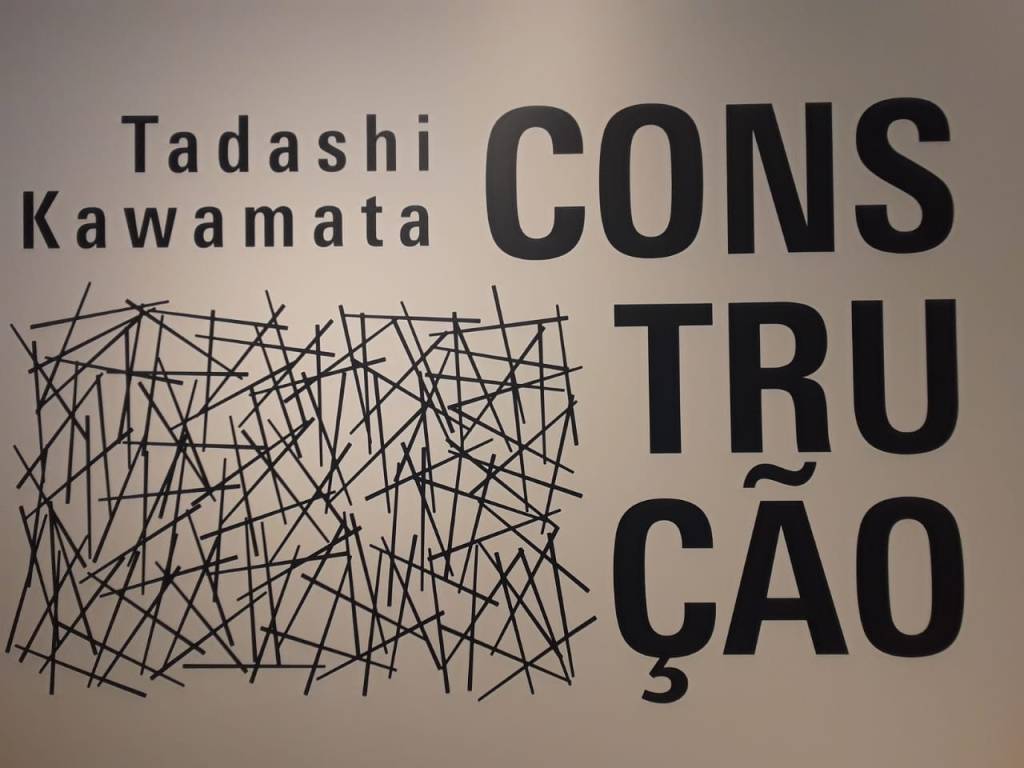
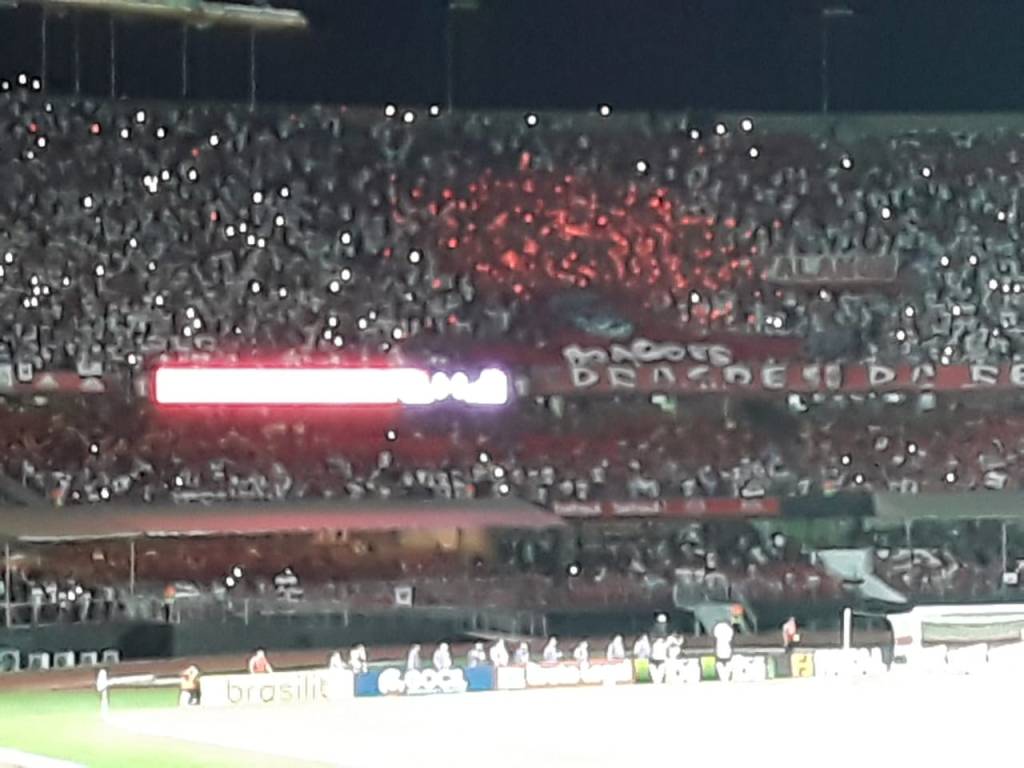
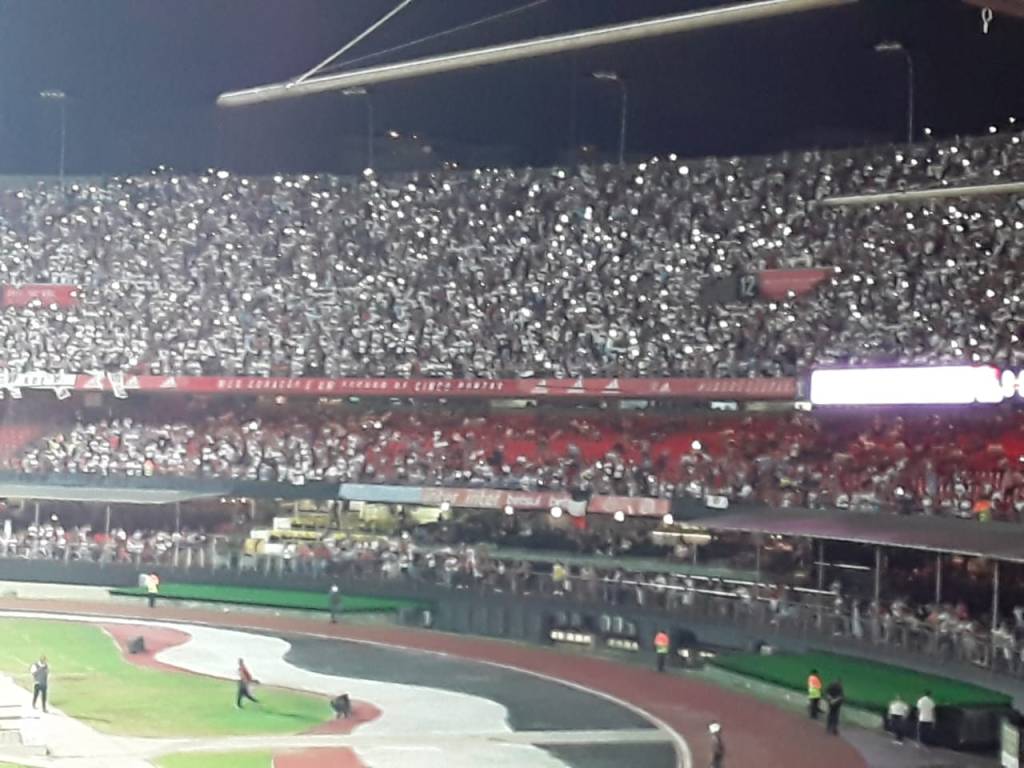
Japan House and Sao Paulo vs. Corinthians

Japan House Exhibit and Corinthians vs. Sao Paulo

Camera: Samsung Galaxy J2 Core

Location: Japan House; Estadio do Morumbi, Sao Paulo, Brazil

English Corner – Double The Word Phenomenon

“The particular reason why this particular comedy hour stood out to me was due to Jerry’s focus on a peculiar aspect of the English language and how it was even strange to him even as a native speaker and whose English vocabulary is varied and mature.”

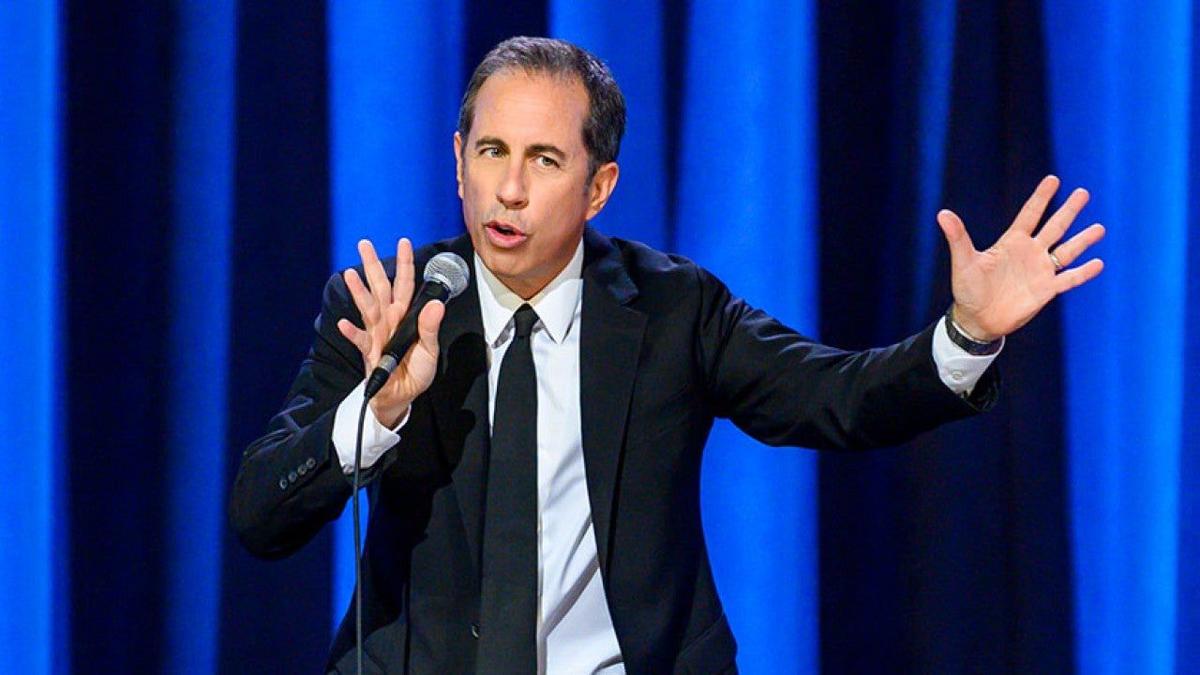
I was watching Jerry Seinfeld’s new Netflix documentary last week titled, “23 Hours to Kill”, which was pretty funny, and I do recommend it if you are looking to watch a comedy special featuring a native English speaker doing a comedy routine. The particular reason why this particular comedy hour stood out to me was due to Jerry’s focus on a peculiar aspect of the English language and how it was even strange to him even as a native speaker and whose English vocabulary is varied and mature. He was drawn to the fact that in the English language, we sometimes have this tendency to repeat certain words again or back to back and it can still make sense.

While he did not give this tendency a name, I am going to refer to it as what I like to call the “Double the Word” phenomenon. In my opinion, it is a phenomenon because it does not happen that often and if you can spot it, you can understand it easily but it tends to happen rarely and when it does, the speaker is unlikely to repeat it or even explain it to you. They may not understand why they doubled the same words or even know the meaning behind why they said it.

The phenomenon of the ‘double word’ or being back to back is not that complicated. It only takes an example or two for you to get the deeper meaning underlying the expression. I also think you will be able to use them after reading these examples. Hopefully, you will be able to take this knowledge gained to expand your English vocabulary and to explain the ‘double word phenomenon’ to your friends and family. A good skill to develop with English is to become acquainted with our various phrases expressions that you won’t find in your average textbook.

  1. “It is what it is.” This phrase means that sometimes, you can’t change things or people to be what you want and that the situation will not change so it’s not worth fighting it. You have to pick your battles but sometimes it’s best to leave things as is. An example of this ‘double word phenomenon’ would be: “Jamie does not want to change jobs at the moment because of the economy; it is what it is.”
  2. “Business is business.” This phrase is a bit neutral in its meaning in that business could be good or it could be bad, but it goes on as usual and remains uninterrupted or in danger of not going on. The meaning behind its positive or negative significance really depends upon the speaker’s tone and body expressions so it’s something to be on the look-out for. “We are making do with what we have in the store: business is business.”
  3. “Rules are rules.” Rules are not meant to be broken and this phrase makes it clear. Usually, an authority figure of some sort would say this to you to say there are no shortcuts or no easy ways out and laws or rules have to be obeyed. This kind of phrase does not lend it to leniency and means that you have the follow the rules whatever they may be. “There is no diving or jumping into the pool. Rules are rules.”
  4. “A deal’s a deal.” In the English-speaking business world, business deals after being finalized are final hence the phrase of “a deal’s a deal.” You cannot back out of a deal after it has been signed and it is a bad cultural practice to renege on your commitments after giving your signature to the paper. If you back out of a deal or want to re-negotiate, you have to make sure that is a possibility before signing the deal. If “a deal’s a deal”, it means you cannot go back on it and it has no room for further negotiations or changes. “You had agreed on the terms and conditions a week ago and now you want to back out? Sorry, but a deal’s a deal.”

  5. “What’s what.” When a person usually a colleague or a friend want to show or explain something to you. They want to show you what something is, how it works, what its’ function is, and why it’s important. When somebody wants to show you “what’s what”, they want to explain it to you so you can understand how it works and even let you figure it out while they watch. This phrase is especially true of machinery of any kind which takes a skilled person to operate it. “Jack took me to Tesla headquarters to show me what’s what regarding the new car model designed to be emissions-free.”
  6. “Who’s who.” This phrase indicates that you or someone you know is indicating that they want to show you who is really important, famous, or worth getting to know. Regardless of which career field or hobby they mastered, they are the ‘who’s who’ of their profession or craft. You might see this double word phenomenon in a Hollywood magazine to show you who are the famous or important people at an awards show. While not used often, it is an interesting ‘double word’ usage that has a deeper meaning. “The Entertainment Tonight hosts were scouring the red carpet at the Oscars to figure out who’s who for the award ceremony later.”
  7. “Whatever happens, happens.” Sometimes in life, you have to let the unknown play out and not try to control the outcome. You have to leave things up to chance or fate and not try to control it. The double the word phenomenon of “whatever happens, happens” means letting things fall as they might and rolling with what life throws at you. If you are in Las Vegas, for example, you could let down your hair a little and enjoy a party or two because in Vegas, whatever happens, happens. “John knew that Las Vegas was a good trip for his friends’ birthday because whatever happens, happens and it stays there after they leave.”
  8. “Whoever does it, does it.” You are very hands off and laid back when you say this particular phrase. You want to express your desire for the responsibility to lie with someone else and for someone else to also take the lead. You express your preference for the work to be done already and for the person to step up and do it already. “Tina did not have a preference for who starts the group’s presentation and stated, whoever does it, does it.”
  9. “And that’s that.” Conclusions or endings can be very subtle, or they can be very sudden. When “And that’s that” comes along, the ending happens very quickly to a story or an event and it is over quicker than you thought it had started. You want to leave no impression behind of any ambiguity after recalling what happened and to indicate that there is no debate to make because the ending was quite clear. There are different ways this double word can be used but this example could be one to use: “Frodo threw the ring into Mordor, Sauron and his minions were destroyed, and they lived happily ever after…And that’s that.”
  10. “Totally totaled.” This phrase may not be an exact double word, but I wanted to include it because it is close enough and includes two similar words that have the same meaning. “Totally totaled” means that something has been destroyed beyond repair or there is no way of fixing it at all. It may not be a bad thing especially if it was your intent to destroy the thing, but it often refers to a car or other kind of vehicle that was damaged beyond repair. “James was anguished when he realized that his beloved car was totally totaled in the accident that happened last night.”

The double the word phenomenon may not be that common in the English language, but these phrases can help you improve your proficiency. You will notice the subtle meanings behind idioms such as these and you will be able to use them in a number of situations, sometimes funny and sometimes serious. Like in most other languages, you can find ways to use the same words back to back and it would still make logical sense to the native speaker.

Part of being an advanced learner of English is recognizing these subtle yet important meanings behind seemingly simple words. The added word that is back to back makes it more subtle in terms of its overall meaning and it’s good to be able to know and understand these deeper meanings behind these seemingly innocuous double word expressions.

Also, if you get a chance, try and look up Jerry Seinfeld’s other comedy specials or YouTube comedy clips. He does other skits that focus on the idiosyncrasies of the English language and is able to explain these weird oddities to both native speakers and those learning the language as their 2nd or 3rd languages.  

Tiete Ecological Park

Camera: Samsung Galaxy J2 Core

Location: Tiete Ecological Park, Sao Paulo, Brazil

Monthly Subscription Plans

Welcome to my Monthly Subscription Plans. Whether it is learning English through private lessons or through my online courses, I have committed myself to helping English language learners succeed for more than five years.

Continue reading “Monthly Subscription Plans”

Iguazu Falls – Argentina Side

84507404_10162871702845262_3771640241245388800_n84119121_10162871702875262_5458278021553192960_n84107570_10162871703045262_3381477612416139264_n84441462_10162871703625262_2685374232480710656_n84573330_10162871703890262_7821284593050320896_n83940750_10162871704045262_7755072037185388544_n84065937_10162871704215262_7154081919200657408_n84019158_10162871704265262_3705706162469994496_n84628274_10162871704370262_546356089575178240_n83948406_10162871704455262_3825514932321910784_n84943272_10162871704630262_9111048548891230208_n84875238_10162871704715262_7398387669111144448_n84101830_10162871705235262_4005863237600935936_n84036571_10162871705575262_907153760713703424_n83702159_10162871705765262_368786353258758144_n

Camera: Samsung Galaxy J2 Core, Canon PowerShot SX710 HS

Location: Las Cataratas del Iguazu, Misiones Province, Argentina


Nighttime in Sampa

PHOTO-2020-04-16-11-11-42 (1)PHOTO-2020-04-16-11-11-42PHOTO-2020-04-16-11-11-41 (1)PHOTO-2020-04-16-11-11-41PHOTO-2020-04-16-11-11-40 (1)PHOTO-2020-04-16-11-11-40PHOTO-2020-04-16-11-11-39PHOTO-2020-04-16-11-11-38PHOTO-2020-04-16-11-11-37 (1)PHOTO-2020-04-16-11-11-37PHOTO-2020-04-16-11-11-36 (2)PHOTO-2020-04-16-11-11-36 (1)PHOTO-2020-04-16-11-11-36PHOTO-2020-04-16-11-11-35

Camera: Samsung Galaxy J2 Core

Location: Parque Ibirapuera; São Paulo, Brazil

The Need to Have a Social Conscience

Keeping with what’s been going on in the world lately, I believe it’s important to reinforce just how important it is now and into the future the need to have a social conscience. What do I mean by a social conscience? Boiling down the formal definition to even simpler terms, it is the feeling derived from caring for others more than yourself. You feel the urge to put others’ needs before your own. It does not mean to stop caring for yourself and taking care of your daily needs but to think of others who rely on you and to put them first especially for family members and friends.

However, having a social conscience goes beyond just our family and our friends. It goes for our immediate society as a whole whether it is the community you live in, the nation you reside in, or the world you inhabit. You feel responsible for what goes on outside of your own life and those of family and friends to think of a larger picture. To have a social conscience is to see beyond your own problems and to see the injustices that continue to plague our world.

You also have to realize that your problems while difficult or not unique and others are going through the same tribulations as you are and sometimes worse. Having a social conscience involves putting yourselves into the shoes of other people and to realize how they could possibly be helped and how you personally can be involved in assisting them. Showing concern for others is the right way to have a social conscience and also to think about how these injustices can be resolved. Any individual can make a difference by having a social conscience and by taking it upon themselves to change their behavior to reflect their new attitude.

How do you show your social conscience? There are numerous ways to do so and you could even put them on a scale from small actions to large movements designed to change the foundations of the society. In the case of a social conscience, I find that it’s like exercising your body. You don’t want to take on too much weight or distance at first for weightlifting or running. You should rather want to start small and build up your actions over time and to be more ambitious.

For some examples, starting off small with your social conscience can include environmental stewardship, collecting donations, or getting involved in your local community. Any of these actions can create a ripple effect and can cause a shift in societal behavior for others to follow your lead or for the actions to spread to other people and even communities based on how consistent and courteous you are with these goodwill efforts. For environmental stewardship, it could be recycling your own bottles and cans each day and getting your neighborhood to do so as well.

You can also plant trees and install solar panels on your house if able to gather momentum from smaller actions. Donating your own clothes or extra food can lead to organizing food drives or even creating your own organizations to help collect donations in your town or city. Leading a local trash pickup event can lead to other future leadership roles for yourself such as running for your child’s PTA (parent – teacher association) board to running for the town / city council board seat. Social consciousness does not have to encompass all of humanity but rather as the popular saying goes, “think globally, act locally.”

As long as you are having a positive impact on the life of another person, you are exercising your social consciousness. The more you do it, the more natural it is, and it becomes your routine or habit. Your first time donating your old clothes to the Salvation Army becomes a monthly habit. Your first-time volunteering at the local food bank becomes a weekly occurrence. Helping others feels good and it can lead to you doing it more often so why not give it a try? A social consciousness does not have to extend to everybody in the world all at once but the actions you do locally can definitely ripple out and stand as a positive example for others to implement in their own communities.

If you would like to get involved globally, there are an almost infinite number of opportunities to study, teach, work, and volunteer in non-governmental organizations and local non-for-profits in important areas such as education, health care, infrastructure and the environment. Spending time to educate yourself on the culture, history, politics, and the society of other places around the world will help better inform you of the injustices and problems of your own. No human society is perfect but there are small improvements that each day we can choose to perform to make it a little bit better than it was before.

Even when you are not in a position of local, national, or even global leadership, you can elect to pay attention to the problems that must be solved, form your position on the issues by being educated and choosing your sources of information carefully and then choose to vote and elect those leaders who have a social conscience. You will know if they have one or not by not only of what they advocate for but how they have advocated for these issues and who they have surrounded themselves with. A person with no social conscience cares for no one but himself and his own brood. Their friends are disposable to them and they care nothing for others beyond what they can do for him or her and how their own prospects can be improved. A person without a social conscience deserves to lead nobody and not be followed by anyone.

A socially conscious leader cares for the least among them and feels their pain as his or her own. While they have not experienced pain or misery as those whom he or she advocates for, he can listen to them, see what they say based on those experiences, and come to an educated decision on how to best fix the problem and work with those who are experts in that field to solve the issue as best as humanly possible. Social conscious behavior is so key to have when it comes to be a leader of a community or a nation and it is unfortunately neglected as of late when it comes to judging the men and the women we put into positions of influence and power.

As long as people err in their own behavior and judgment, there will be manmade problems and injustices. What someone with a social conscience can do is to do their best to continue to fight for justice and solve those problems in any way they can. Rather than focus on 100 problems at one time, it is best to focus one’s attention at 1 or 2 big problems that can be solved in time and that can gain popular support from the community after receiving the facts of why and how the injustice exists. Keep educating yourself on the injustices and the problems that exist in your world and decide how you want to push our world back towards the ‘arc of justice’ that our conscience and actions should bend to as Martin Luther King Jr. so eloquently put it. We only have a finite amount of time on this planet and if we can right some wrongs and create justice where there was little or none before then we are doing our small part to make this world a better and fairer place.