Why It’s Important to Romanticize Life a Little (While Not Losing Your Grip on Reality)

“When I say romanticize life, it’s about choosing a balance between being aware of suffering and cruelty in all its forms but not letting it steal our joy or every drop of beauty we should experience during our short time we are living on this planet.”

A star-filled sky, a sunset that looks like a colorful painting come to life, a delicious cup of coffee on a patio or rooftop, a smile from a stranger, or a song that just puts you in a good mood; romanticizing life itself is important to maintaining one’s contentedness. Romanticizing life itself isn’t about deluding oneself about the ills of our troubled world or denying that life has its problems, but it’s about choosing meaning, joy, and pleasure in a chaotic thing that we call existence. When I say romanticize life, it’s about choosing a balance between being aware of suffering and cruelty in all its forms but not letting it steal our joy or every drop of beauty we should experience during our short time we are living on this planet.

What does it mean exactly to romanticize life itself? For me, it’s about viewing life not only through its troubles, struggles, and effort, but also about embracing wonder in all its forms, keeping your imagination going, and living life with intention to observe joy and be appreciative of being able to exist in this moment. Being able to romanticize life does not come easy and we can lose track of how precious life really is. However, you can appreciate life more when you’re able to enjoy the small rituals and little moments that bring you a sense of calm and contentedness.

Maybe it’s your morning coffee or your daily walk around the neighborhood. If you’re a parent, maybe it’s the sound of your child’s laughter or if you’re married, your partner smiling at you. In those precious moments, you are left with a sense of what the good stuff in life is and that it can be good. You know those moments don’t last forever so it’s important to recognize them when they happen and to find enjoyment in them. I also think romanticizing life is about embracing yourself as the ‘main character’, which I have written about in a previous article. Being able to embrace new places, new foods, new cultures, and new adventures can give your life much more volume of good memories, meaningful connections, and some amazing stories to tell upon your return.

Life isn’t perfect and neither is your own, but it’s important to remind yourself daily of the good stuff even if it’s minor things in your routine and daily rituals. Even if life seems bad, I always think there’s the ‘little’ things in life to be grateful for and to remind yourself of what to be fortunate for even if things can look bleak at times. Romanticizing life matters even more in today’s world in my view. Modern life is designed to overwhelm us seemingly everyday and can drain our joy completely if we are not careful.

A lot of us are burnt out from work, overstimulated by 24/7 news cycles, and overwhelmed by the technological change going on around us. Romanticizing life is not about ignoring these changes going on around us but to remember exactly why life is still beautiful and how to find out what inspires us, moves us, and allows us to embrace the good things in our world.

It is also a good antidote to apathy, nihilism, and numbness to the problems in our society because remembering the good things in life and what’s worth fighting for. We cannot control the world or right every wrong, but we can control how we experience and move through the world in our own way. Being able to romanticize life and the good it can offer us encourages positive feelings of gratitude, mindfulness, and presence especially when there are so many distractions around that can cause us to lose sight of what we really should be focusing on.

While I advocate for romanticizing life, I’ll never shy away from acknowledge the pain and suffering we all inevitably go through in life. However, we cannot let ourselves be consumed by the pain we experience or seek to escape reality in unhealthy ways. Remember to be able to hold the good and the bad of life in you, the joy and the grief, stress and peace, happiness and sadness.

Don’t romanticize life to escape your problems or the pain you experience but instead use it as a tool to ground yourself, to have perspective, and to think in a more balanced way rather than ‘everything is terrible’ or ‘everything is perfect.’ For some examples of this you may experience in life, you can still pay your bills and light a candle for a nice dinner in the same day. You can still enjoy Paris while it’s raining down on you and you’re late for a tour. You can still have a bad day and still journal your thoughts down while being grateful for the good things you have in your life overall.

As the famous philosopher Albert Camus once wrote, “There is no love of life without despair of life.” To me, this quote represents that you can still be in touch with life’s beauty and joy without being broken by the pain and sorrow you experience that’s a part of life too. This is the kind of perspective that you should be cultivating like Mr. Camus in that you need to be romanticizing the ordinary and mundane of life and to find some beauty in it if you can.

How to do this exactly? Well, I like to write and observe to romanticize and find joy in the world. For others, it could be reading literature, watching films, or learning about art. Even better than that is to create these types of output yourself and to collaborate and work with others because building out human connection through these endeavors makes life more enjoyable and makes it easier to romanticize it all.

Romanticizing life does not mean broadcasting for the world every photo you take, every meal you consume, or every sunset you enjoy. It’s about living in the moment, not being performative or fake about what you experience, and taking the time to really embrace beauty wherever it can be found. It’s about being intentional in how you embrace life, little by little, the good and the bad. You need to have perspective in that things are never as bad as they seem nor as good as they seem. Romanticizing life is not about pretending bad things don’t exist or that good things don’t exist, but it’s about believing in that there is good in the world still and it’s worth taking pleasure in.

If you’re into romanticizing life through travel and adventure, do more of that, and for others it could be the comfort of family and friends, while others can do it more simply with watching the passing of a cloud or the blossoming of a flower, you need to find one small way each day to bring some good energy to your life and to uplift oneself when you can. Life is not meant to be an endless grind where we are meant to struggle endlessly without taking some time to reflect, be present, embrace beauty when we see it, and to live life with as much passion  as you can muster when we find things worth enjoying, both big and small, both random and planned, and above all else, reminds us that while life can be tough, it can also be beautiful too.

Watching The World Go By In Paris

“Many cities are great for people watching or just seeing daily life transpire in front of your eyes, but Paris is different from the others because you are allowed to slow down fully to take it all in.”

Few cities embrace the pleasure of watching the world go by more than Paris. No wonder why writers from all corners of the globe have come to the ‘City of Lights’ to be inspired to reach their creative goals. If you’re a keen observer as any good writer should be, you’ll see all walks of life come through Paris each day. Whether it’s a starry-eyed tourist with a camera in their hand, a bookkeeper plying his trade by the Seine River, or a street music performer trying to earn a Euro or two. Many cities are great for people watching or just seeing daily life transpire in front of your eyes, but Paris is different from the others because you are allowed to slow down fully to take it all in.

In Paris, the pace of life is fast like any city but the city’s awe-inspiring beauty, its prominent café culture, its pleasant on their ears language of French encourages you to slow down, have a coffee or a pastry, sit down with a book or a pad of paper, and really take it all in. One of my favorite aspects of the city is that compared to most major cities or even other cities I’ve been to in France is that you are encouraged not to rush the experience whether when you’re dining, drinking, or smoking (for those who partake).

No one cares how long you sit at a café or a brasserie (some places are even open 24/7), if you pay for something on the menu and be kind to your server. Some tables may have you face each other if you’re with a companion but often, your chair(s) and table will be facing out on to the lively Parisian streets or plaza whether you are alone or with someone else.

Paris does not bemoan the lone traveler or the lone wanderer who comes to visit it. It is perfectly normal to be by yourself with your thoughts, your sketch pad, and your cup of coffee spending as much time as you need with whatever you happen to be working on. I’d imagine that even if you visit in the Fall or Winter, you’ll still see people out in the streets or in the plazas, talking, laughing, eating, drinking, and making the most out of their lives in the big city. When you are in Paris, you can watch the world go by and even if you’re in a rush personally that day with work or studies, the city will encourage you to slow down, stop somewhere, and take in its ever-enchanting beauty and detail.

Writers, painters, musicians, and other kinds of artists have had a field day with creating great works from having lived in Paris because there is so much to be inspired by. The city of Paris and French culture, in general, have a high emphasis placed on beauty, aesthetics, and the art of good presentation. Any type of artist will be able to come to Paris to draw or paint about the daily scenes of life they see there, have time to think deeply about their approach to their work, and foster ideas without being interrupted endlessly.

Even with the humming noise of traffic and pedestrians, it is not a overly loud city when compared to other major cities I’ve been to in the world. You can find those moments of quiet and peace amid the waves of people and vehicles who pass you by. Sitting and facing out towards the world and not with your back to it allows you to assess better how you fit into this magnificent city and where you fit into its ever-changing melody and rhythm.

I believe you could spend years in Paris and not have tried every restaurant, café, brasserie, or bar. There are seemingly endless places to sit, drink, relax, think, write, and reflect, which is why the city is and will always be such a haven for brilliant artists of all kinds throughout the millennia. Paris encourages you to soak it all in and to pay attention to what you’re surrounded by.

Throughout Paris’s history, the city has sought to inspire humanity to move forward through making new inventions, creating new works of art, writing new literature, and building more beautiful and awe-inspiring architecture. When you think about a self-fulfilling prophecy for a city to have, Paris was built on reaching higher and higher in terms of our human aspirations to create beauty in this life and to find the beauty in each other.

We may fall short from time to time, but Paris is a city built on pursuing excellence in all facets through the pursuit of one’s dreams. For those people who are creative in any sense of the word, who want to share their creativity and gifts with the world, Paris is a great home to begin doing so. When you come to the ‘Ville de Lumiere’, not only can you watch the world go by without a care in the world and be able to take in all its beauty and charm, but you will also be inspired by the city that was built on fulfilling the hopes and dreams of its many inhabitants.

Paris would not be the city it is today without the creative and forward-thinking men and women who built it to be what it is today and will remain for the future, a beautiful and inspiring beacon of human ingenuity and vision that inspires both visitors and Parisians alike.

Out on the Sea

“While the Sea is as mysterious as it is as vast, as terrifying as it is humbling, it is truly one of the most wondrous places on Earth to find yourself.”

While the Sea is as mysterious as it is as vast, as terrifying as it is humbling, it is truly one of the most wondrous places on Earth to find yourself. You never know what will happen when you’re out in the open sea. Each time you’re out there, you can encounter a variety of experiences to change how you perceive the sea from its walloping waves to clear skies to powerful sunlight to treacherous downpours. From stormy to sunny, the weather when you’re out on the sea can range from peaceful to disastrous. The Sea has an allure to it like the mountains and the desert because of its vastness, its complexities, and its remarkable inhabitants.

I find the Sea to be appealing because it demands you respect it for all it can bring in return if you’re able to overcome the difficulties of setting sail. You can traverse the Sea to reach new destinations, to find food to catch and sustain yourself, or to even create a source of energy from the wind and sun that envelop it at times. We cannot even begin to fathom how vast the sea below us is but as we want to stay above it lest we sink to the bottom on whatever vessel we find ourselves on. As a result, the Sea is not to be disrespected, tampered with, or polluted. What it can give us in its bounty, it can easily take away from us if we are not careful. We should not take more than what we need or pretend that the Sea is not able to take what it needs from us in return.

If you do not take the necessary precautions, use proper navigation tools, or realize when you may head into a storm or squall stronger than your boat, you may end up a victim of the Sea as a result. The Sea is not meant to be terrifying, but if you don’t realize its scope, scale, power, and depths, you may not have a good experience being out there. You should not take chances on the sea that you can’t live with and it’s best to imagine as many scenarios as possible that can occur when you’re out there on your boat, ship, or canoe. Any time out on the Sea, you can expect to find something you never thought you’d ever see before and for which it will continue to surprise each time you’re out on the water.

Because each time at Sea is unique, you need to prepare for what kind of creatures you’ll encounter below from octopus to squid to fish to crabs to sharks to whales, etc. There is a whole ecosystem that you may be able to encounter depending on if you’re a fisherman, a scuba diver, a snorkeler, or a deep-sea explorer. Be careful in remembering that while you may think you’re top of the food chain at Sea, as a human being, you’re not the fastest swimmer or stronger mammal in the deep blue waters, so you should be careful when trying to catch something that may want to catch you first in response.

While the Sea has had a lasting appeal on man economically, socially, and for its plentiful environmental goods, we should remember that it is not our natural environment, and we are the mercy of Mother Nature out there. Make sure you know what you may be getting into when you get on your vessel headed out to Sea because you never know what you may find out there. Maps, compasses, a good crew who knows the waters will all help but you also need to show leadership, resolve, a hard work ethic, and be able to make life or death decisions if you are the captain of the boat or ship you’re traversing the Sea with.

It is not just the waters below that can bring down a boat or a vessel but rather the waves, the squalls, the storm surge, or the lightning that can make your small piece of home sink quicker than you can imagine. Even the biggest boat over a century ago, the Titanic, was thought by most observers to be ‘unsinkable’ at the time, but it was based on faulty hubris, human error, and a lack of respect for what the Sea can throw at you.

You may think your boat, your ship, or your vessel will always stay afloat but in my view, the Sea can take what it wants, when it wants, and you must know to avoid its wrath if you are not careful. We may claim dominion over the land of the Earth, but the Sea is still the Wild West despite us using it for commerce, trade, and for food. You can never fully control the Sea because it is a treacherous, ever-changing environment, for which demands planning, respect, and oftentimes good luck.

While others may shy away from it, I have always found the Sea to be a beautiful part of our Earth where you can be at peace and at ease yet still respect it enough to keep your head about yourself as you make your way through its horizons. It can lull you into complacency one day with calm waters and then snap you back into reality the next day with an unbelievable storm. The Sea yields tremendous beauty but also tremendous terror. You should use the unpredictability of it by being a better Seaman and preparing as much as you can for how to be a good Captain, a good Crew member, or just a good Passenger to make it back home safely after your time at sea is over. If you respect the Sea, you will have a much better time whichever way you choose to enjoy its bountiful fruits and its sheer wonders.

Treating Every Day as a Gift

“While it does no good to dwell endlessly on our own mortality and ponder how long we get to have our existence on this planet, we should take heed each day when we wake up in the morning and when we lie down at night just how special it is to be alive and breathing.”

Recent events in my life have reminded me just how fragile and precious life itself is to me. As you get older and the years start to speed up rather than slow down, you start to realize more and more just how fast time flies and how fleeting life can be. While it can be easy to get bogged down in the day-to-day routines and the busyness of what we have in our own schedules, there’s no denying that we only have so long to live, and we should remember that we are not going to be around forever. It does no good to dwell endlessly on our own mortality and ponder how long we get to have our existence on this planet. We should take heed each day when we wake up in the morning and when we lie down at night just how special it is to be alive and breathing.

Our mere existence at miraculous odds through multiple generations of ancestors who came before us is a clear reminder how miraculous it is to have the gift of life. It can be easy to lose perspective on how the state of being alive rather than the opposite is so special, unique, and wonderful that we can take it for granted. Even when life inevitably throws its challenges, obstacles, and setbacks at you, it is important to slow down, take a deep breath, and remember that this too shall pass, and that having life is always worth the struggles and suffering involved.

I believe that instead of getting caught up in going through the motions, checking all the boxes, and waiting for the next day to begin, try to take a minute or even a few minutes to reflect on the fact that you are in the here and now, reading this article, being able to breathe, eat, drink, and be part of humanity as so many who have come before you. Life is a miracle when you really think about it, and you only have one life to live. Make peace with the fact that life is not forever, our bodies are mortal, and what we should not let trivialities, gossip, and regrets swallow us up as we live and breathe.

Remember to make peace and share love with those closest to you because they such as yourself are mortal too and will not be around forever. Try not to hold grudges, feed off your resentments, dwell endlessly on what’s past in your life. You should try as much as you can to be present in the moment, appreciate what blessings life has given you, and enjoy the beauty and wonder of what living in this world means. We all know that life isn’t perfect and that many days in our lives are a struggle where we might be treading water unsure of where we’re headed, what the meaning of it all is, and how can live a life that others will remember.

Try not to dwell on those questions endlessly but rather strive to be the best person you can be. If you’re a brother, be a better brother. If you’re a mother or a father, be a better parent to your child or children. If you’ve done wrong, atone for what you did and seek forgiveness from others. You can never truly right past wrongs, but you can strive to be better in your life from there on out. Be willing to tell your family and your friends that you care and love them if they have been there for you as much as you have been there for them. Life is precious and fleeting not only for us as the narrative of our own journey through this world but also for those others we love and cherish who we share our precious life with.

Treating every day as a gift even when life is hard will make you more appreciative, grateful, and reflective on what truly matters during our existence. We do not know when our time will come to say goodbye to this world so you should always strive to live true to who you are and to leave this world better than you found it. I encourage you to take a moment or two before you get out of bed or fall asleep to reflect on what life you have led so far.

If you are content with your life and have made the most of it, you are on your way to building a fulfilling canvas that will be bright, colorful, and detailed. If you are not content with how life has gone, think about what joys you’ve had so far, how life could be more fulfilling, and what you can do to improve upon it as it is never too late to make our one life the best it can be. Do not get discouraged by mortality and that our existence may be finite.

Take comfort in knowing that your life, however small it may seem in the grand scheme of our universe, influenced those around you and that the world was changed by your place in it. You may not be remembered a thousand years from now after you’re gone, but you will always know deep down inside what kind of life you led while you were here, in its good and bad times, joys and sorrows, its pleasures and pains. Hopefully, you may be able to rest in eternal peace knowing that the life you had lived, regardless of its days, months, years, or even a century or more, it was worth the gift of life itself.  

Quiet of the Desert

“Here, I find absolute quiet…I struggle to remember the last time in my life where I could hear nothing at all.”

Here, I find absolute quiet…I struggle to remember the last time in my life where I could hear nothing at all. There are sounds here and there but they are all natural and non-man made. The wind blows full gusts across my body, to hear the rocks move or jolt under my feet as I step over and around them to soar to new heights, and to listen to the sharp squawking of the desert falcon soaring into the air above me.

For the first time in a long while, I am completely alone with my thoughts and my feelings. There’s no one else around and I am alright with that. I am finally able to take a much-needed breather in this fast-paced world and able to concentrate on nothing but the natural sounds around me, intermittent at best. As a city slicker and former suburbanite, the desert is so unfamiliar to my senses that it feels overwhelming to me at times.

Away from any civilization, on my own, and accountable to only myself for once, it is truly refreshing to be able to live deeply in each moment, putting one foot in front of the other as I focus on my singular goal of hiking through the Sonora desert landscape, enjoying every sight and sound without a screen or a person in sight. “This is the way that life should be more often”, I think to myself.

Still though, I am not quite used to the quiet and I struggle to remember the last time I went an hour where I heard nothing but natural sounds or sights. Too often, we desire to be in the hustle and bustle, to be constantly in front of a screen, or each other. Maybe what we need more of is more time in a natural environment where our primordial ancestors were born and raised to hike, fish, hunt, and bathe in environments much more natural than our own today. While cities and towns have their modern advantages, as I get older, I crave these nature experiences. Also, I desire to be alone with my thoughts and feelings, but to fully take in each moment that passes as my life narrows down to the minute here rather than to the week or the month ahead.

As I crisscross the hiking trail I’m on in the desert, I am reminded that nothing in life is ever guaranteed and that the desert suffers no fools indeed. The quiet of the desert can lull you into true tranquility but if you are always not fully aware of your surroundings, you can become one of its unknowing victims. Checking to see if you are conserving enough water, getting some shade in the sun, making sure you are on the right trail, and have a path back, these are necessities to making your desert stay a pleasant one. Luckily, your senses are heightened to the 9th degree as your priorities become solely about both survival and endurance rather than about paychecks and promotions.

I continue to watch my footing, check my pulse, and even observe the environment for snakes that could be disguised as branches. I am once again thrust in a foreign place where I must take care, or I could end up not coming back at all. However, unlike being in an average city or town or even a farm, I am truly alive here and for that, I am grateful. Not everyone gets to experience the multi-colored hues of sediment and rock formed over millions of years. Not everyone is able to see the huge mountains, the unique canyons shaped like chimneys, and the red rocks, and the deep valleys that were molded for many millennia before man first walked the Earth. How wondrous it is to experience this kind of environment, for which we are all caretakers of. I treasure these moments because I know that as we live on a planet under threat from our short-sighted actions and careless deeds, the need to protect the quiet of the desert rings true.

Making my way to the summit of Thunder Mountain, I hear nothing but the gasping of my own breath and the sweat dripping down my neck. I am in awe of the large green plants like the cacti, the red mountains, and the bright, blue desert sky. What a great joy it is to hear absolute quiet at the summit of this mountain and I hope it is not long until I can be here again to enjoy a silent hike, to see the beautiful views, and to be able to hear nothing, nothing at all.

As I reach the end of my hike, I realize how the natural environments are best for people and too often today, we try to drown out the quiet because we have little or no peace in our lives. My trip to the desert taught me to embrace the quiet, to embrace my own thoughts, and to remember to be present with myself when no one else is around. The desert asks you to hone your survival skills a bit and if you can persevere, do your homework, and act wisely, you’ll be rewarded with the absolute silence that many of us crave but few of us ever take action to have.      

When it comes to my favorite thing about being in the desert, it is no contest for me: the stillness, the quiet, and the vast nothingness calm me in ways few other things in life have. That revelation, for me, is worth the strenuous journey to get together, to be there, and to come back having learned more about who I am as a person and what I truly need in this life of mine.

Get Your Own House In Order

“Before you can set an example to others in your house, or others in your community, or others in an overall society, you first need to show that you can ‘get your own house in order.’ You need to be able to handle yourself and your own day-to-day problems first before you can lead others to do the same in their own lives.”

There’s an old adage I have been thinking about lately about how it is primarily important to take care of oneself first and not just in one way but in every part of your life. Before you can set an example to others in your house, or others in your community, or others in an overall society, you first need to show that you can ‘get your own house in order.’ You need to be able to handle yourself and your own day-to-day problems first before you can lead others to do the same in their own lives.

It can be hard for other people to take you seriously when you don’t take yourself seriously in the first place. How will you be able to lead a team or an organization or a company if you are not able to master your own tasks and your own desires? Self-development isn’t just about making sure you are able to create a good life for yourself but it’s also about setting a positive example for others who would look up to you as a result. You cannot be a mentor or a role model for others without first putting yourself out there and doing what needs to be done to make yourself successful.

When you have not struggled, when have not persevered, when you have not done what it takes to reach your goals, how can you give advice to other people on what they should do to have the same kind of success? “Getting your own house in order” means taking care of yourself first and doing so consistently before you can use those same pieces of advice and examples for others to follow. Firstly, your own house in order starts with your mental and physical health.

Your body is your own house so it must be taken care of first and foremost in terms of getting good sleep, eating properly, not indulging in vices like alcohol or tobacco to excess, and knowing how to exercise as well to keep yourself in shape. It also extends to being able to relax, de-stress, handle anxiety, and be mentally sharp by challenging yourself but also relaxing your mind so as to not exhaust it entirely. Your body and your mind are their own little houses and they must be maintained thoroughly so that other people will know that you are capable enough to handle other demands in life.

Another house we don’t think of is appearance and grooming. Your own house in this case means maintaining a good appearance and practicing good hygiene. These practices are necessary also on a daily basis and to show to the world that you care about yourself and want to be taken seriously. For a job, an internship, a presentation, a seminar, a lecture, etc., your personal dress should indicate that you are a serious person for the role or for the opportunity and that others will know that they can respect your house because you respect it yourself. They will not respect your house when you show up to an interview in shorts or when you wear Yoga pants to a college lecture. Physical appearance and grooming are another ‘house’ that we all must take seriously and to do so primarily before we can give advice to others on how to maintain their own ‘houses’ in good order.

Lastly, the last ‘house’ on a personal level that I would like to focus on is where you live regardless if it is a small studio apartment or a huge mansion. Maintaining your own physical shape in the world is crucial if you want to tackle bigger and better problems. If you can’t make your bed, clean your bathroom, or keep your kitchen clean, how can you tackle any major issue in your community or in your society? At the end of the day, this kind of ‘house’ maintenance comes down to self-respect and putting your own ego aside to do the work that we all must do.

The chances are good that at the end of the work to maintain this ‘house’ that you will feel a lot better for having done the work needed to keep up a clean and orderly home. It is not easy to do this consistently but it is necessary and if you plan on having guests over, having friends over for a get-together, or want to be romantically involved with someone, a clean ‘house’ will go a long way to making you respectable and responsible in the eyes of others. Being able to maintain care not just of yourself but your own physical space means that people will know that they can trust you with other tasks and matters of importance that extend beyond your ‘house’ and to the ‘houses’ of others in the community and in the society.

Thinking about a community as a whole, their ‘houses’ include making sure that the schools are meeting the needs of the students, that the community is safe and protected for all of its residents, that the roads and bridges are maintained and do not have potholes or faulty beams, and to make sure that each and every person has access to utilities including water, electricity, and yes, an Internet connection too. If a community does not have those necessities for a high quality of life, then that ‘house’ is not in order and those people who have their own ‘houses’ in order need to step up to do their part to help others get the community in good shape.

If you have your own ‘house’ in order, you can set the standard for the rest of the community and be able to use your ideas to help others especially if you gain their respect and their trust. With how you act and how you behave in addition to your own appearance, ideas, and personal goals, you can make the community better and it’s important for you to get in there and show that you can make a difference there.

When a community can all of its necessities in order, that one community can definitely have an impact on the larger society within a country and even the world. A community where everyone has equal access to a good education, where health care is not a privilege but a right to all in that society, and when kindness, honesty, and virtue are rewarded rather than chastised. That is an overall society that is getting its own house in order and can serve as an example to other societies in other parts of the world.

Being able to provide a high quality of life and a chance to succeed to all of the people in a society should be the goal of society with its own ‘home’ in order. I am not talking about a social utopia per say but rather an ideal place where people know that they can succeed if given a fair shot in life. It’s also about providing the basic tools of any society to all of its people without discrimination and without corruption. Whether that is no homelessness, enough healthy food for everyone, and an economy where inequality is minimalized, that is what a society should be focusing on and using as an example to other societies.

When a society prioritizes the needs of the few over the many based on wealth or another privilege, that society does not have its own house in order. If there are people out there hungry, homeless, or without health care, then that society is not in order. A society cannot be an example for other societies when it lacks the courage to invest in its most vulnerable populations or to provide a higher quality of life for all people.

Without that kind of an example, a society will lose its influence or example setting and will turn inward and often tear itself apart without good leadership or good values. A society that gets its own house in order prioritizes the right social needs and finds the investments, funding necessary to maintain these necessities of its people will automatically become an example to other societies whether they are near or far. A society that doesn’t does not have a moral ground to stand on and will lose the example it could set by practicing bad ‘house’ manners in different ways.

“Getting Your Own House in Order” does not just apply to one individual but it also applies to a community and a society as a whole. We all are human and fallible and sometimes, we will fall short but if we strive to do better in our homes, in our lives, and in our examples we set for others, that kind of ‘Ripple Effect’ of positive values will improve the larger community and society as a result. How we treat ourselves (mind and body), our homes, our way of life has a direct effect on the community we share, and, on the society,  we find ourselves a part of. This kind of example setting starts at home, but it can ripple throughout to the rest of the world and it all begins with ourselves and our own actions.

The Power of An Idea

According to the University of Southern California’s Laboratory of Neuroimaging, the average person has about 70,000 thoughts per day. That is about 45 thoughts per minute and 2,700 thoughts per hour. Most likely, 90% of those thoughts are focused on the day-to-day habits and responsibilities that we take upon ourselves out of necessity. Where we go to eat, where we go shop for food, what to clean and how to clean it, and the need to brush, dress, and groom ourselves so that we look presentable to the world. However, what makes us stand out as a species is our ability to pull a few ideas from these thousands of thoughts that end up changing the world in some measurable way.

Thoughts can be random, scattered, and hard to quantify but with concentrated effort and documentation, these thoughts become ideas that later can become a reality. How does an idea turn into a real thing? Well, one part of making an idea real is jotting it down on paper or even on a smartphone today and really spending a lot of time focusing on the plausibility of it. Ideas can make the best sense in the world to you but if they are not popular or don’t transcend just your belief in them, they will go nowhere fast.

Ideas are meant to be tested, changed, and optimized so that people believe in them, for better or for worse. The paradox that is inherent with ideas is that they are very similar to human nature. They can be used for the greatest good or the greatest evil. Ideas are so powerful that wars have been waged over them, millions have lost their lives, and untold amounts of money have been spent to promote or degrade them.

When you really think about it, ideas that are put into action have caused changes to human civilizations throughout the millennia. Whether its education, health, infrastructure, scientific advancement, community building, ideas are at the forefront of upending the status quo and changing human lives, sometimes for the better or sometimes for worse. While I just mentioned the positive advancements that come from ideas, it is also valid that ideas have led to war, poverty, inequality, destruction, and multiple isms that have caused conflict and strife among nations, races, and religions.

You may be reading this article and wondering that maybe it’s best to not contribute your ideas to the world in some way. I think this is a false dichotomy because I like to think that if your ideas are not harming people, are not harming the planet, and can lead to a better community, country or world, then you should try out your ideas and see what happens. The key part to realizing an idea of yours is to see how other people react to it. Are they happier because of your idea? Are they healthier because of it? Are they better educated because of your idea?

You should be asking yourself: Is my idea doing some sort of measurable good for the world and how can I improve upon it? Ideas start out as being imperfect but once you start acting to make those ideas a reality in the world, you will soon learn that implementation of those ideas will take serious hard work and effort. Getting feedback from unbiased users or participants is a key step to see whether the idea is worth merit and whether it is sustainable or not in the long-term. Imposing your idea on the world without substantive feedback or without understanding how your idea fits in to your specific niche will end up in failure.

If you have an idea, remember to write it down and construct how it could work and whether it would be worth pursuing. Similar to starting a business or launching a campaign, you have to test drive the idea first to see if people would be interested in what you have to offer whether they are paying customers or voters from the town you are running your campaign in. Careful assessment and fleshing out of your idea will make a better idea and will make your idea stand out from others that are similar or may be able to usurp yours.

Ideas do not always have to be original but there must be some added benefit or advantage that hasn’t been tried before or could change the status quo in some positive way. There is a rightful stigma against ideas, but it is important to realize that our faith in ideas is crucial to keeping civilization going even when some ideas turn out to be bad for us. Our shared belief in ideas is what leads to massive companies like Google or Apple becoming the most influential or profitable in the world and has led to nation-states forming in the past few centuries such as the United States of America or the United Kingdom.

Without thoughts that turned into ideas which turned into actions, where would humanity be? Our ability to analyze, process, and think about how to change the world or how to introduce something new in the world is what sets us apart from other species on the planet. Essentially, the story of human progress could be argued to revolve around how to maximize the impact and spread of good ideas and how to minimize the influence and the source of bad ideas. Most of us tend to shy away from sharing our ideas or trying them out but I think having a more entrepreneurial and innovative vision is a key part of being self-actualized as a person.

Having a sense of belief in your ideas and how you can leave the world better than you found it is extremely powerful. While working on the ideas of others and promoting them to the world is also very useful, I tend to think that each and every one of us has a good idea that could be fleshed out, tried out, and implemented with the help of others, which would play a key part in making the world a better place.

Because the world is so interconnected, ideas spread so rapidly that it can be overwhelming with how much is out there. However, the ideas that stick around are the ones that take time to develop, that are tweaked with, that refine their logic and their execution, and for which have gained a solid following of people who believe in those ideas. An idea that has a powerful story which resonates with people can also withstand the test of time.

The next time you have an idea, think deeply about it. Maybe you’re on your commute to work or you’re in the bathroom, or you’re on a walk in the local park, but don’t let it slip away if you think that it can serve a positive purpose and if it is actionable. Ideas can come and go in a millisecond so being able to concentrate on the idea, remember it, and write it down as soon as possible could pay off in a big way. Another way to let your ideas form is to focus on the impact that it could have and how people could benefit from the idea(s). I believe that the more observant you are of your surroundings, the better your ideas will be. Another part of gaining traction with your ideas is reading books, whether they were entrepreneurs, inventors, politicians, and reformists from different eras of history.

You may find that your idea is not so unique and may date back a few decades or even a few centuries but maybe that idea never took off. You are eager to learn more about that so you do your research, you find out more about the history of the idea, and you decide why it may be right for the present and into the future based on changes to society. Just because an idea failed in the past doesn’t mean it can’t make a return with a few useful tweaks. From the electric car to virtual reality to smartphones, these kinds of ideas have their roots buried firmly in previous unsuccessful efforts in the past only to be revived because of inventors and thinkers who thought of how to adapt these inventions to the modern era.

Ideas are powerful because of are shared belief in them and how they can change the world. However, without serious action, commitment, and hard work, ideas of ours will just stay like that as ideas alone. Ideas without belief or without support from others will go nowhere. The key to implementing good ideas in our era is that they have been tested, have some measurable benefit to humanity, and have staying power because of their relevance to our societies. If you are not sure that you are an ‘ideas’ person, try to concentrate on your thoughts and remember whether there are any of them in your daily life that could become a reality.

You must decide if any of these ideas of yours could be written down, planned out, implemented, and eventually supported by the work of others. Once you go through that chronological checklist, you will be ready to start putting those ideas into action. Your ideas may ultimately fail and you may get discouraged but if your idea(s) were able to have a kind of positive impact on someone or something because of that thought that you first had go through your mind, you will know that it will have been worth the effort of carrying it out in the first place.

On Leadership

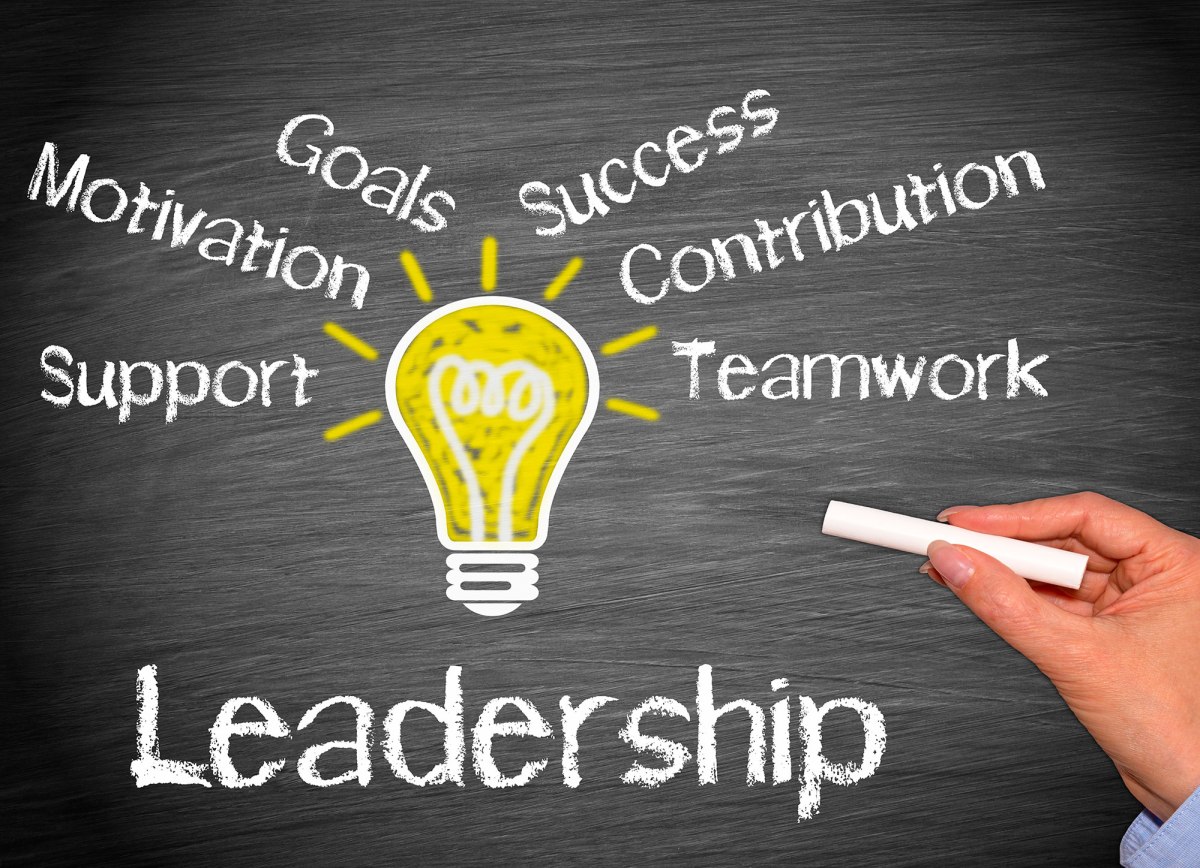
There are a number of keys and steps that it takes to become a good leader. There are also many interpretations of what a good leader can be, but I believe there is also a specific formula of characteristics, habits, and traits that separate the good leaders from the bad ones. It is extremely useful nowadays to go over the themes and the values that often make up the blueprint of a good leader whether you are referring to a business executive or to a prime minister. I particularly rely upon using books and other reference materials for further analysis, which help to highlight the importance of leadership when operating under difficult circumstances.

Especially when it comes to working within an adaptive leadership framework, you have to be able to address different challenges and crises that arise which may cause you to adapt your leadership style to fit the times. In order to meet these challenges, a leader has to be open to new ideas, be able to self-reflect, and stay true to the overall vision or goals at hand even when obstacles are thrown in the way.

Each modern and historical leadership figure that you can think of was an adaptive leader since they were not following a specific script or manual and had to sometimes improvise or change their beliefs or views when the time came for it. Still though, these leaders had a steadfast vision, were good communicators, and had the trust of their constituents and colleagues to carry out the work they were doing even under high pressure situations.

The most useful example for me of displaying adaptive leadership in action was the movie “Invictus”. That movie portrays an excellent example set by the former President of South Africa and human rights icon Nelson Mandela as an adaptive leader. He did not let his past experiences of being jailed unjustly in Robben Island cloud his ability to forgive and bring his country together to fight for a better future. He was open to compromise, dialogue, and reconciliation to heal a very divided country.

I think that even if we do not consider ourselves to be a natural leader, it would do us a lot of good to put ourselves in other leaders’ shoes to decide how we would act if we had been the leader in those situations. I believe it would be very beneficial for anyone to do role playing scenarios, either historical or modern-day ones, where someone is forced to put our leadership abilities to the test and see how they would do when evaluated by counterparts or colleagues.

Being a principled leader takes time but can be rather straightforward when you really think about it. Anyone can have principles that they stand for but that does not necessarily make a good leader. There are other qualities that make a good leader which involves having a deep sense of who they are including their strengths, weaknesses, and how they can tell their story. Even if a leader has principles, they may not be morally sound or ethically fashionable, which is what someone can conclude when you consider the actions of controversial leaders such as U.S. President Donald Trump and Saudi Arabia’s Crown Prince Mohammed bin Salman.

When you contrast these principled yet morally compromised modern leaders with positives historical examples of real leadership from the likes of President John F. Kennedy or Attorney General Robert F. Kennedy, you can get a better sense of how a leader can be principled in their decision-making but still a bad leader in terms of reputation. The Kennedy brothers still had principles, but they were based in sound morals and humane values as well as an ability to reach out for advice and counsel before making an important decision. They were decisive but not arrogant. Both men would be considered well-versed in exercising what is known as emotional intelligence. Under immense pressure, they were able to not let their ego or personal feelings get in the way of making a fateful executive decision that prevented World War III.

I have learned through my own life experience and by reading about other people that a leader must be able to put him or herself in difficult situations where their ability to exercise leadership will be tested. Being able to open yourself up to risk, setbacks, and failure can help to mold a true leader as overcoming adversity has helped many people in the past to rise up to take charge when their community, their country or the world needed them.

You do not need a stirring personal narrative to be a good leader, but it does help you build a strong connection with others. Sharing your story and connecting that story to the larger society is a very powerful tool that can make you stand out as a leader. I believe that a leader should always aim to be authentic when they connect with other people and to see themselves as not the center of attention but a small part of a larger story. To be transformational and a servant of the people, you have to put your ego aside. Those leaders who are the most developed as individuals are those who know themselves well.

A leader must not only be successful in leading himself or herself but also in successfully leading a team to achieve goals and in working together collaboratively. In order to lead a team, every member must be open and honest with each other. Accountability is a key aspect of being a team leader both to themselves and the rest of the group in order to be a more cohesive force.

While the leader has to hold the team members accountable for how they work and what they do, the leader must expect that the team members can also hold their leader fully accountable in response. Each member of the team must live up to the duties expected of them because if just one of the team members isn’t pulling their weight, then everyone on the team will suffer as a result. A true leader will not let the weight of the powers and responsibilities given to them let it go to their head. True leaders must be humble as well as selfless in how they set the example for the rest of the team or organization that they are in charge of.

In a group setting, each member of the team including the leader must be willing to have difficult conversations and point out both the positives and negatives that are ongoing within the team. Sometimes, I believe it is best to pull a team member aside to have a private conversation if the matter is really serious but if it is a consistent yet small error that is hampering progress, then that should be brought up in the team meeting. However, it’s best for the leader or any members to gossip or talk negatively about someone in a passive-aggressive manner.

I, myself, am wary of a hierarchical structure when it comes to leading teams. It creates an unhealthy dynamic where the team leader may not be accountable to anyone in the group but himself or herself. They may be able to critique their team members flaws without any fear, but the team members would not be able to do the same to the leader. The hierarchical system of leadership should be considered imperfect in its nature and I think it’s best to consider a more collaborative approach to the concept of leadership where the team or group take turns becoming the leader at different intervals in order to better understand what it’s like to lead the group rather than just stay on the sidelines and carry out orders from above.

As a leader, you should be willing to bring together qualified people of different skill sets and capabilities together in the hopes of achieving a common goal that you have set for your team. There is an inherent importance of being open with your teammates as well as a willingness to accept your own boundaries within the team or organization. In order to be an effective leader, one must realize their own limits within their given expertise and skillset. A good leader will not try to do everything or infringe upon the necessary work of other team members. Building a true sense of collaboration and cohesiveness instead of competition and infringement is key in order to achieve the goals and objectives you set as a leader.

Being vulnerable with your team members is a key part of being an effective leader. However, there’s a balance that you have to have as a leader. You should be open to having difficult yet necessary discussions with all team members, a few of them, or just one-on-one if the discussion is extremely sensitive. I believe it’s best to be open and honest with your team members rather than closed off and withdrawn. You should act with transparency when it comes to your decision-making process and the actions that the team as a whole should implement. It’s also necessary to not sweep things under the rug and let a small issue become a big one. A leader should also admit his or her own shortcomings, which will let others in the team be more comfortable around you in expressing their flaws as well.

When constructive criticism is warranted both for the leader and team members, it should be discussed. Before criticizing, I think it’s important to follow the rule of saying one or two nice things about the work the team is doing before discussing what should be improved upon. Any kind of critical feedback should be preempted by a positive remark that would soften the blow of a negative comment that could be taken the wrong way. A true leader will let himself hear open feedback from the team he or she is leading and implement those changes to improve the results of the team. Also, it’s the most important job of a leader to delegate responsibilities and tasks well enough so they are not responsible for too much or find themselves to be too prideful to bring on new team members.

Lastly, I think another distinct priority of a leader should be to always actively look for the most qualified people and bring them onboard. Having the diversity of background and of opinion can build a strong team but you must also have a variety of opinions available to you so as to avoid groupthink within the ranks. A leader should be aware of their strengths and weaknesses at all times and be humble enough to fill in the gaps with wise counsel, strategy through the addition of others who compliment his or her area of expertise. Any leader can only go so far in life and in work by themselves, but it is the team, the organization, the army, or the people that the leader builds who can help that leader build their legacy in the history books for their good governance and fair decision-making.

Paying It Forward

Over the course of a lifetime, you can acquire knowledge, resources, and perspective from having lived longer and experienced more than perhaps your peers and more so than those people younger than yourself. Hopefully, although this is not always the case, you will have gained ideas, maturity, and wisdom, which you can impart on those who will come after you. Now while I am not directly referencing mentorship or being a mentor to others, I encourage those who have the knowledge and skills handed down to them or learned through their own efforts to pass that wisdom down to the next generation.

While ‘paying it forward’ may have gone out of style, it has been a part of human history since the early days of man. All great works in this world could be lost if it was not for oral or written recordings so that the knowledge could be passed on to those younger and curious to learn from those who came before them. Teachers, professors, coaches, and mentors play a valuable role in our society because they are entrusted with the high responsibility on passing on their mastery of different subjects on to the next generation. While these are not perfect people, they take it upon themselves to pass on their teachings to those younger and more inexperienced in the hopes that they will take their learnings to improve the world in some way.

However, you do not need to be a teacher or a professor to pass on your knowledge or your skills to younger peers or students. Everybody should take it upon themselves to ‘pay it forward’ in some way by imparting your hard-earned knowledge on to others whether they are family members, friends, mentees, or work colleagues. Part of paying it forward is realizing that you will not be around forever and if you bottle up all of your wisdom, experiences, and overall knowledge inside your mind then it will be truly lost with your passing.

You can be sure that one way to leave an impact, make your mark, and have a legacy is to teach others what you were taught while adding your own perspectives on what you have learned so that you can add your own context to the subjects you have mastered. Nobody is perfect but it is better to share that knowledge with an apprentice or a student than to let it go to waste and be lost to the ether.

From Socrates to Plato and Robespierre to Napoleon, both knowledge and wisdom has been passed down from one generation to the next. In order to progress and advance in your professional life, you’ll sometimes need to reach out on your own to those older and more experienced than you in your field of work. Guilds, trade apprenticeships, and mentoring programs do a lot of the good work in terms of paying it forward, but these opportunities don’t always come around for the average person.

If you see someone who you can help out either professionally or personally and you want to take them under your wing to see how they progress, that’s the best way of paying it forward. Instead of just choosing anyone to help, focus on those people who are interested in your line of work or have the same kind of personal life as you did. You will want to help those folks who are willing to listen, to learn, and to actually implement the advice that you give them. Sometimes, it’s best to let that person reach out to you when they are looking for help but you may have to take the initiative if you don’t have anyone reaching out.

As I discussed in a previous post, mentorship goes both ways but paying it forward is something you should do out of the good of your own heart and out of a desire to leave the world better than when you found it by positively impacting someone’s life. All of us have a lot of experience, knowledge, and skills to share and there are many people out there who don’t or won’t have access to the same resources as we did.

Of course, first, you’ll have to find who that person is who you want to help but remember to not be too selective or wait forever to make your impact. If you have been working hard over the years and decades to build up your knowledge, you should not let it all go to waste by keeping it to yourself. When no one sets the example of paying it forward, it can create a negative ripple effect whereas that kind of useful information or life experience won’t be passed down to those who need it the most.

You may not see the rewards of your efforts in sharing your knowledge or expertise right away but over the years and decades of you helping others, you will definitely see the results whether its’ in the neighborhood, the community, the country, or the world. Everybody has something to contribute to the overall society and even more so when you are able to help others do the same in their own way. ‘Paying it forward’ may not be requirement in living a good life but it will certainly leave an impact on yourself and those who you assist and help during the course of your life.

Crave Discomfort

The mountain looks intimidating. You’re chilled to the bone as you make the final ascent. You didn’t think you were prepared for this moment but you wanted to push yourself to the physical limit. You made this hike not because it was easy but because it was hard. In order to understand your mentality and physicality better, you had to put yourself to the test.

There’s no other way to know what you are capable of than to test yourself and to do it often. It does not matter if you are cold, you are tired, you are hungry, you are sweaty, or you are sleepy, there are times in life when you must simply crave discomfort because you know deep down that you will be more fulfilled from pushing yourself than from having played it safe.

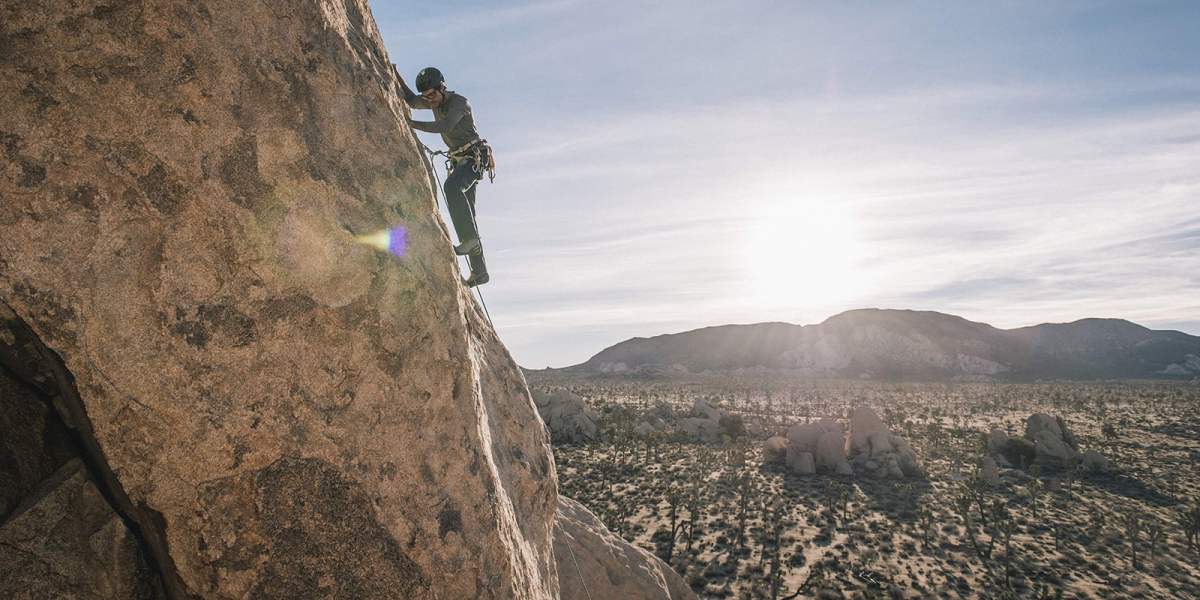
Imagine being on the side of that same mountain and you are rock climbing to get your way to the top. Each move that you make must be analyzed quickly so you don’t make a mistake. It’s likely that you will have a harness or some kind of restraint to catch you if you fall but that’s not always the case. You’re under a large amount of emotional stress and personal discomfort but you feel invigorated when you successfully climb or hike your way to the top. You’ll never regret those times when you put yourself out of your comfort zone especially when you are able to push yourself past those previously held limits that you thought you had.

There is no such thing as a challenge-free life. Putting yourself out there is going to be uncomfortable and you are going to be vulnerable. However, you may find that you will be the most fulfilled emotionally and physically when you challenge yourself. Discomfort as a concept may seem unappealing but it is in those moments or those times of discomfort where we advance the most.

Having the means of comfort may give short-term happiness but it is definitely unlikely to lead to long-term fulfillment. The only way to achieve satisfaction or fulfillment is to acclimate yourself to dealing with discomfort and being able to overcome it again and again. Being able to handle uncertainty will set you apart from other people and give you a level of maturity that will make you a stronger and more resilient person.

Discomfort does not only show up in the form of physical challenges but also in the realm of mental obstacles. Keeping your mind active by putting it to the test will improve you in numerous ways. Whether it’s reading a 400-page book, writing a research paper, or studying a foreign language, these mental challenges will definitely cause some discomfort and that’s a good thing. These personal projects will be very uncomfortable at first, but you will notice results when you stick with them, little bit by bit, and you’ll realize that the discomfort was worth it because of how far you have advanced with your mental development.

Living a life of ease and pleasure is not going to lead you to be the best person that you can become. Only by overcoming obstacles and meeting challenges will you be able to develop yourself fully. It’s good to kick back every now and then to relax and enjoy life yet that kind of pleasure is temporary. True personal growth lies in craving discomfort in whatever form it may yield the highest rewards for you. Whether it’s running a marathon or climbing a mountain to reach new physical capabilities or to writing a thesis paper for your doctorate or solving a complex physics equation, both our body and our mind need these challenges.

If you are ever feeling lethargic or lost, you should evaluate whether or not you are challenging yourself enough. Giving yourself personal goals to work towards will make you uncomfortable but you will also be able to greater fulfillment and longer lasting happiness. Being able to put yourself out there, use your physical and/or mental abilities, and logically think through and solve problems will get you out of your self-imposed funk.

Having a deeper purpose in life that is fulfilling and meaningful is necessary for everyone to pursue. Everybody will struggle at first to find out what exactly they were meant to do. Instead of doing nothing about it, I think it is best to try out different things that are uncomfortable to find out which challenges make you feel the most engaged and willing to overcome. Doing a bunch of different things to keep yourself active is better than to do nothing at all. Time is limited so it’s best to challenge yourself in a variety of ways first before you settle on the one or two major challenges in life that you want to succeed at.

Craving that discomfort is a necessary part of this part of self-development. Failure is possible and you may not ultimately succeed. However, if you fail, you will learn from having tried your hand at it and you will be the better person for it. Once you try at something, even without ultimate success, you know that you have the ability to take on challenges and eventually you’ll meet them without unease and with greater confidence. It is far better to have failed one hundred times and to have succeeded on your 101st try, then to have failed only once and then give up entirely without trying again.

Many people today shy away from being uncomfortable at all, even for a minute, but this is much to their detriment. Being in discomfort and going through painful times is part of being human. Without experiencing that pain and that discomfort, you won’t be able to become a stronger person. The person who has been through several trials by fire is the person you want around in times of discomfort and distress. You don’t want to be around a person who only indulges in pleasures and shies away from any pain.

Having physical toughness and mental fortitude to meet challenges head on are traits that you should want to make part of yourself for the rest of your life. Putting your fear and your doubts aside to climb that mountain, write that book, learn that language, or solve that Math problem will give you an advantage over others who deny themselves discomfort. You have to want to engage in the discomforts in life because in today’s day and age, it is easier than ever to avoid discomfort. Those who pursue discomfort will be rewarded long after the challenge(s) you set for yourself have been overcome.