Finding Your Personal Sanctuary in Modern Life

“With how hectic and chaotic modern life can be, it’s more important now than ever to find your own sanctuary where you can be at peace.”

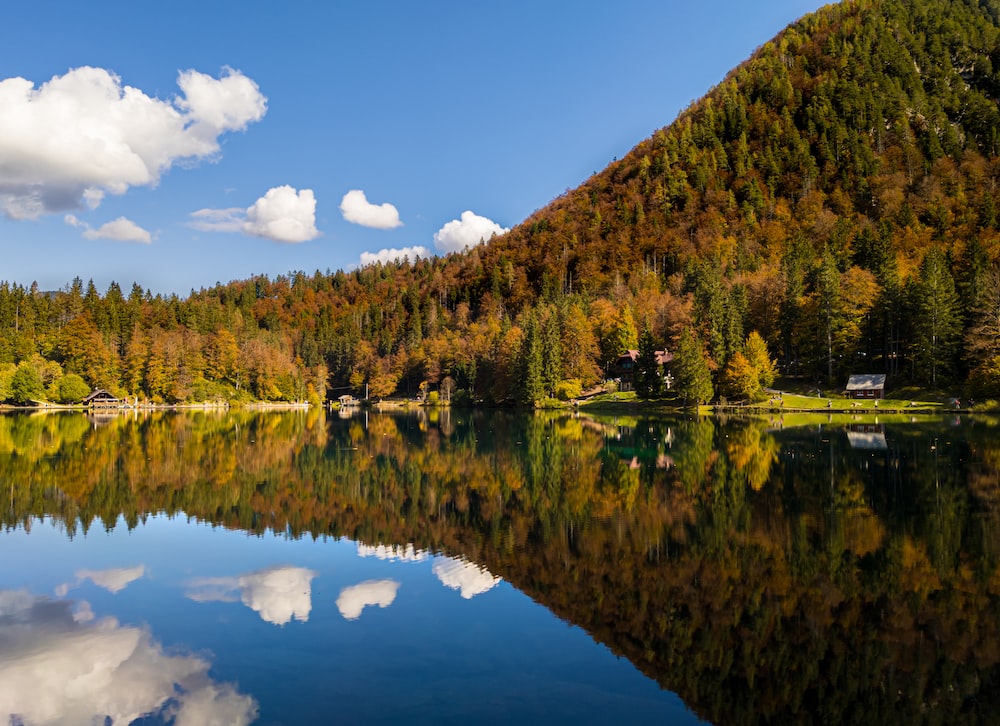
With how hectic and chaotic modern life can be, it’s more important now than ever to find your own sanctuary where you can be at peace. It’s a place that you only know ideally but if not, it is a quiet place where you can be at ease. We all deal with a lot of stressors each day and it is key to find your own sanctuary where you can be yourself, be by yourself, and enjoy being at peace. It is increasingly hard to do these days when there are so many distractions, commitments, or other things to take care of in our day-to-day lives.

Still though, for one’s own mental health, it is more important now than ever to find your own place, secluded in nature or just somewhere you can call your own, public or private, where you can be free to relax and enjoy some peace. Each person’s sanctuary will look differently from another person’s, but it must be a place where you can rest easy, relax fully, and away from work, chores, or other commitments. You should be focused on this place being good for not only your mind and your body but your soul. It is a place that you can choose to be by yourself but also that you can let other people enjoy as well should you choose to.

When I think of these places of sanctuary, it can vary in terms of setting and background. I have always loved being near the sea or the ocean. It calms me down, lets me focus, or just lets me relax and be at ease. I can leave my earthly troubles for a while and just focus on the birds, the sound of the waves, and the sand beneath my feet. I can also think more clearly when I’m just looking at the water crashing down on the beach or to be watching a seal, dolphin, or birds in the distance. There’s something relaxing about a natural setting like the ocean that may not take my problems away but where I can take a break from them instead and realize also how insignificant and temporary they are. I also love to go in the ocean, to walk on the sand, or to play a sport there a bit like volleyball or some football.

If it’s not the ocean, I have discussed the beauty of a walk in the woods or a hiking trek through the mountains to ease one’s stress and provide some clarity through life’s stressors. If you have a park or a mountain, or even just some nature nearby, a place of sanctuary can be found there as well in nature. Being able to camp or to hike or just to walk in nature, preferably by yourself in a deserted area for a while can do a lot of good for mind, body, and soul.

A sanctuary is one that you decide for yourself, and it can range from a mountain pass, a walk through the flat woods, a serene beach by an ocean or the sea, or a local park at sunset where you’re the only one there. You can let people into your own sanctuary, or you can keep it private as it should be up to you. I do believe that we all need our own sanctuary away from people now and then.

It does not mean I am recommending being a social recluse, but we do need a place where we can rest, relax, and recharge to face our challenges again, whatever they may be. We need that alone time to ourselves in a public or private setting where we can truly think freely, feel different emotions, and let us get in touch with nature.

Now, if you have not decided on what your sanctuary is yet, do not be discouraged. You have time to figure out a place in the world where you like to go and is quiet for you to be free in. There are a lot of places to choose from but the key thing to keep in mind is that it is quiet, solitary, and where you can do some reflection. If you cannot find your sanctuary to call your own, it’s important to find a private room, a private garden, or just a private setting in general, where you can be by yourself for a while to give yourself time to relax and reflect amid your days of hustle and bustle.

Your own sanctuary is what you make of it. You must decide how it looks, where it is, and how often you go there. The main thing to take away from having a sanctuary is that wherever or whatever it is, you can call it your own and it is quiet enough where it provides some solitude and peace. Others can join you there, but they don’t have to if you don’t want them to. Make sure your sanctuary is never disturbed and that is always welcoming regardless of whatever may be going on in your life, both good and bad. A sanctuary is where we find true peace in this world, and I hope you’ll find your own one day.

Why Cooking is Relaxing to Me (and Can Be for You Too)

“Cooking, beyond its practical necessity to prepare food to eat without making yourself sick or worse, offers a unique blend of relaxation, creativity, and control that benefits our well-being if you put the time and effort in.”

Cooking may be stressful to some people, but to me, it’s relaxing. In our fast-paced, distraction-filled world, finding an activity that genuinely relaxes yet focuses my mind is a tough challenge. Cooking, while appearing ordinary and mundane on the surface, when approached with mindfulness, can be restorative and even therapeutic to engage in. Cooking, beyond its practical necessity to prepare food to eat without making yourself sick or worse, offers a unique blend of relaxation, creativity, and control that benefits our well-being if you put the time and effort in.

Cooking engages all of one’s senses, creating an immersive kind of experience that naturally draws attention away from other worldly distractions and to focus only on the present moment. The sizzle of garlic sautéing in a pan, the vibrant colors and shapes of fresh vegetables, the aromatic scents of herbs and spices mixing, the pleasure of melting olive oil and butter, and the first to last tastes of a carefully prepared dish – these kinds of inputs anchor the mind in the here and now. This immersion in cooking creates a state of being more mindful, like the effects of doing meditation or taking a yoga class.

The repetitive, rhythmic actions involved in cooking – chopping, stirring, arranging – provide a soothing and almost hypnotic effect. These repetitive actions can be incredibly calming to me, much like the rhythmic movement of playing notes on a guitar or the repetitive strokes of painting a canvas. The predictability of these actions creates a sense of stability and tranquility, allowing the mind to unwind and the stress of the day to dissipate, whatever that may be.

Cooking has always been to me a form of creative expression, offering endless possibilities to create, experiment, and innovate. Unlike many aspects of life that are governed by rules and regimen, cooking allows for a kind of freedom to embrace creativity. This creative aspect can be immensely satisfying and relaxing, which lends to providing a sense of accomplishment and fulfillment. Whether it’s experimenting with new recipes, combining unexpected ingredients, or presenting food in aesthetically pleasing ways, the creative process in cooking is what I’ve grown to enjoy over the years, especially since I started taking it more seriously in the wake of the COVID-19 pandemic.

Cooking requires total attention to detail and concentration, which naturally diverts the mind from other worries and distractions. Following a recipe, measuring the ingredients, timing the cooking process – these tasks demand focus and precision. This kind of attention serves as a mental break from the constant barrage of thoughts, worries, and concerns that often plague our minds. By channeling our cognitive focus into the cooking process instead, we can create a mental space free from our external stressors, promoting a sense of peace and clarity.

In a world where aspects of our lives feel beyond our control on a day-to-day basis, cooking offers one domain where we can exercise complete authority over the outcome. From selecting ingredients to purchasing the kind(s) of food to deciding how to prepare and present the dish, cooking is a personal endeavor where we are responsible for making all the decisions. This kind of control can be empowering and reassuring, providing a counterbalance to the uncertainties and overall unpredictability of life. By mastering the culinary process, we can gain more confidence and a sense of competence, which can extend to other areas of our lives over time.

While cooking can be a solitary activity, it also has the power to foster more connection and strengthen a community. Preparing and sharing meals with your loved ones strengthens social bonds and creates a unique sense of belonging. The act of cooking for other people can be a form of nurturing and care, enhancing feelings of empathy and compassion for the whole group. Additionally, by participating in communal cooking activities, such as cooking classes or potluck dinners, we can expand our social networks and provide opportunities for meaningful interactions.

Cooking more often leads to more mindful eating, a practice that encourages us to savor and appreciate our food fully and to know where it comes from. Mindful eating involves paying attention to the taste, texture, and smell of each bite, as well as acknowledging the effort and care that went into preparing the meal. This practice enhances our enjoyment of food and promotes a healthy relationship with food, reducing tendencies towards mindless or emotional eating or by ordering whatever you’re craving. By focusing on the present meal with the people around you at the dinner table, I believe we can cultivate mindfulness and gratitude for the food we eat.

Cooking is a key life skill that is always evolving, which means that even if you get a meal wrong and it’s a stressful outcome, you will have many other days and nights to grow in your abilities while having endless opportunities for further learning and growth. I particularly enjoy taking the time to experiment with new recipes, cuisines, and techniques, which can expand my culinary knowledge. The process in cooking of learning and improving over one’s life can be satisfying and motivating, providing a sense of both purpose and achievement. Additionally, even if you always find cooking relaxing, it’s good to have a little bit of stress involved. You can do this by finding new challenges in cooking like mastering a difficult recipe or perfecting a technique you learned which builds other skills like resilience and problem-solving.

The preparation process in cooking can be seen as a daily ritual that signals a necessary transition from the busyness of the day to a more relaxed state. Setting up the kitchen, gathering the ingredients, putting the tableware together, and arranging the utensils can be a meditative kind of practice that prepares the mind and body for the act of cooking. This ritualistic aspect of cooking creates a sense of anticipation and intention, enhancing the overall experience, and promoting a mindful approach to the task at hand of feeding yourself. The hungrier you are in my view too, the better of a cook you will be that evening if I can speak from personal experience.

In my opinion, cooking is much more than just a means to an end; it is a therapeutic kind of effort that offers a myriad of benefits for one’s mental well-being. By engaging each of the five senses in a deep way, providing a creative outlet, fostering total focus, offering us a sense of control, and promoting a greater connection to the food we buy and then eat, cooking becomes a powerful tool for both relaxation and mental clarity. In our world filled with constant distractions and stress, the simple act of preparing a meal for oneself and for your loved ones can bring profound peace, happiness, and joy. By embracing the art of cooking, it allows us to nourish not only just our bodies but also our minds and souls.

Don’t Let Yourself Be Gaslighted

“There are numerous ways to combat gaslighting, but it is key to make sure you don’t let yourself be gaslighted, even when it is by people you are close to or have grown to trust or admire.”

‘Gaslighting’, a term that was originally derived from the 1944 film titled, “Gaslight,” is sadly an increasingly common form of psychological manipulation, where one person tries to make another person doubt their own reality, memory, or perceptions.

This manipulative kind of behavior can have severe consequences on an individual’s mental health and overall well-being. Recognizing and combating ‘gaslighting’ is crucial in maintaining one’s psychological integrity and emotional health. There are numerous ways to combat gaslighting, but it is key to make sure you don’t let yourself be gaslighted, even when it is by people you are close to or have grown to trust or admire.

Gaslighting itself can occur in various scenarios, from personal relationships to workplace environments and even on an entire societal level. Here are some common examples that I would like to highlight where ‘gaslighting’ can take place and whom can be responsible for it occurring:

  1. Personal Relationships: In intimate relationships or romantic partnerships, a partner might persistently deny events that have happened, downplay your feelings, or blame you for their own abusive or manipulative behavior. For example, they might say to you, “You’re too sensitive” or “You never take things seriously.” “That never happened; you’re imagining things.” Gaslighting in any relationship at any time is a toxic combination and can cause some long-lasting trauma, regret, or depression.
  2. Family Dynamics: Within families, parents might gaslight children by denying past abusive behavior or shifting the blame onto the child for what the parent did to them. Phrases like, “I never said that”, “I never did that to you”, “I knew you couldn’t do it,” or “You’re just making things up to get attention”, “How would you know? You’re just a child.” are commonly used in terms of gaslighting.
  3. Workplace Conditioning: In professional settings, a supervisor could deny promises they had previously made to an employee or group of employees. They could also undermine their employees’ performance and contributions by taking credit for it themselves or by taking advantage of the work you do without rewarding it later or acknowledging its positive impact. Comments made by a supervisor or fellow employee could be such as, “I never approved that project”, “I did not give you permission to do that”, “That presentation was all my idea”, “You did not do as much as I did” or “You must be mistaken, that wasn’t your idea” can make employees question their own competence, proficiency, and memory when it comes to the work they do for their fellow employees or employer.
  4. Societal Distrust: Gaslighting can also be seen on a broader societal scale where media heads, activists, or political figures deny facts or historical events that did occur, leading to widespread confusion and distrust among the public because leaders of those institutions are meant to be trusted but since they lie or deceive, the institution itself is distrusted and loses its standing in society.

Gaslighting has become increasingly prevalent in today’s digital age, where misinformation and manipulation are rampant combined with seemingly never-ending ways to engage people to disbelieve what they perceive or create a different reality than what we are used to. Social media platforms, where information can be easily distorted, manipulated and spread endlessly, provides fertile ground for gaslighting on a mass scale. Politicians, national leaders, and public figures often engage in gaslighting tactics to sway public opinion or deflect criticism to win support for their agendas and policies. When it comes to personal relationships, the anonymity, the rapid pace, and the sheer distance provided by online communication can embolden individuals to gaslight others without facing immediate repercussions because of how they hide who they are and what they really believe by gaslighting you instead.

Avoiding being gaslighted is not easy especially in the modern era where we are constantly exposed to other people’s worldviews and are made to take in rapid streams of information instantaneously. Being able to avoid gaslighting involves the following steps in no order, which can help you avoid these manipulative tactics that harm your mental health:

  1. Educate Yourself: Understanding what gaslighting is, where it can come from, and recognizing the signs of when it is happening is the first step in protecting yourself. Familiarize yourself with common gaslighting tactics and how they manifest in different situations in different areas of our life.
  2. Trust Your Perception: Keep a journal to document events and conversations where you think gaslighting could have occurred. It won’t always be the case, but this approach can help reinforce your memory and provide tangible evidence of what happened, making it harder for someone to distort your reality because you’re able to jog your memory on what happened, what you did, and what was their reaction or behavior about it.
  3. Set Boundaries: It’s vital to establish clear boundaries with those who exhibit gaslighting behavior even if they are close friends or family. Make it known that manipulative behavior is unacceptable to you and that you will not engage with it regardless of if they think they are gaslighting you or not. It is better to preserve your own mental health and wellness even if it harms the friendship or relationship temporarily.
  4. Seek Support: Confide in friends, family, or a mental health professional who can provide an outside perspective and validate your experiences as an impartial participant in what happened. Support networks from people you trust and can confide in are essential in maintaining your sense of reality and self-worth. Never seek support from someone you found out was gaslighting you or attempting to gaslight you. You must hold your standards high because if they did it once, chances are good that they will do it to you again.
  5. Practice Self-Care: To protect your own health and wellness, you should continue to engage in daily or weekly activities that bolster your mental and emotional health. Exercise, meditation, sports, and hobbies with trusted friends and family members can help reduce stress and enhance your resilience against manipulation and other gaslighting tactics.
  6. Assert Your Reality: Calmly assert your version of events without getting drawn into a debate. If you can give examples surrounding what you were doing at the time or provide proof or evidence to back up your point, it doesn’t hurt to do so. Most impactful will be to use phrases with the accuser such as, “I remember it differently”, “I wrote down what happened and have proof to share with you” or “I don’t agree with your version” can help you maintain your stance without escalating the conflict further.

We know that there are ways to avoid gaslighting, but how do we combat it in different ways to give ourselves options to get out of the situation or to remedy the effects of it happening to us.

  1. Direct Confrontation: If safe to do so with the person(s), address the gaslighter(s) directly. Use specific examples and “I” statements to express how their behavior affects you. For example, “I feel confused when you say that because it contradicts what I remember” or “I am upset when you don’t believe what I tell you was how it happened to me.”
  2. Detach Emotionally: Emotionally distancing yourself from the gaslighter can reduce their impact on you or ability to affect your mental state. Do your best to practice this form of detachment by recognizing that their actions reflect their own issues, and not yours. Their problem is not your problem, and you did not do anything wrong.
  3. Seek Professional Help: Therapy or talking to a professional psychiatrist can be invaluable in recovering from the effects of gaslighting. A therapist can help you rebuild your self-esteem and develop strategies to deal with manipulative behavior if you experiencing it happening again to you.
  4. Limit Physical Contact or Distance Yourself: In some cases, the best course of action is to limit or sever contact with the gaslighter. This is especially true in toxic relationships where the gaslighting is severe and persistent. It is always better to get that person out of your life or to never see him or her again if it gets to be too much to deal with their behavior.

Gaslighting is a deeply harmful form of psychological abuse that can have long-lasting effects on someone’s mental health. It erodes your self-esteem, creates self-doubt, and can lead to anxiety, depression, and a host of other issues. The pervasive nature of gaslighting in our modern era, amplified by endless forms of digital communication, misinformation, and coarsening societal dynamics, makes it a significant issue to address for people everywhere.

Recognizing gaslighting as a negative behavior and taking steps to combat it is essential for maintaining your psychological well-being. By educating yourself, trusting your perceptions, setting boundaries, seeking professional support, practicing self-care, and potentially limiting or ending contact with gaslighters, you can protect yourself from this serious form of manipulation. Ultimately, preventing, addressing, or combating gaslighting is not just about preserving one’s mental health; it is about fostering healthier, stronger, more authentic relationships and societal environments where care for one another, truth, and trust can flourish equally.

Navigating the Down Days in Life

“During these inevitable down days that we all go through, when challenges seem insurmountable, and the losses keep piling up, it is essential to cultivate your internal mental strength to navigate through the storm.”

Life inevitably has its various peaks and valleys, days filled with various successes and other days where nothing goes your way. During these inevitable down days that we all go through, when challenges seem insurmountable, and the losses keep piling up, it is essential to cultivate your internal mental strength to navigate through the storm. Being mentally strong doesn’t mean avoiding any hardship and making sure no problems ever find you; rather, it involves developing the resilience and coping mechanisms necessary to face your adversity head-on.

Everybody has down days in their life, and it is better for you to acknowledge and accept the down days, face them rather than run from them, understand the factors contributing to building up your mental strength, and adopting the practical strategies to emerge stronger and better on the other side.

As the popular English saying goes, “when it rains, it pours.” I’ve found that things tend to go wrong in bunches similarly to how when things go well, they tend to go well all at once. You must be able to brace yourself for these tough times and to look for the positives where you can during the down days. The first step towards bolstering your mental strength during challenging times is acknowledging and accepting the existence of down days.

Denying or suppressing negative emotions can exacerbate the situation, leading to prolonged stress and anxiety for every challenge that comes your way. You should not shy away from the reality of difficult moments as it will allow for a healthier processing of your emotions. It is essential to recognize that everyone faces hardships in life, and experiencing these lows is an integral part of what makes us human.

In addition, acknowledging the down days in life doesn’t equate to having a weakness. On the contrary, it is a testament to having both emotional intelligence and self-awareness. By accepting the presence of challenges that you are facing, you can better understand your emotional state and take proactive steps towards building up resilience.

Mental strength is not a fixed trait but a skill that can be developed through intentional efforts and experiences. Understanding the components of mental strength is crucial for cultivating resilience during tough times. If you can manage your emotions, have a positive mindset despite your circumstances, and still build healthy habits, you will be able to meet the down days head on instead of letting them consume you.

Effective emotional management is a cornerstone of one’s mental strength. It involves acknowledging and expressing emotions in a healthy manner. Suppressing your emotions can lead to a buildup of stress, anxiety, and other negative feelings. When things are going wrong, you should work even harder to navigate your emotions, seek healthy outlets such as writing, playing sports, talking to a friend or family member, or engaging in fun activities. Don’t let an argument, a disagreement, a difference of opinion make your down day worse than it needs to be.

Cultivating a positive mindset doesn’t mean denying the existence of your problems but rather in adopting an optimistic perspective to getting through them. This involves reframing those challenges as actual opportunities for growth and learning. Practicing gratitude, focusing on the solutions rather than the problems only, and surrounding yourself with positive influences can all help contribute to the development of a resilient mindset.

Our Mental strength is closely tied to our daily habits. It is key to keeping your routines going that prioritize physical health, such as regular exercise and sufficient sleep, which positively impacts mental well-being especially during down times. Additionally, I believe that incorporating mindfulness practices, such as practicing meditation, yoga, or deep breathing exercises, can help manage your stress, anxiety and enhance your resilience.

While understanding the components of our mental strength is crucial during rough periods of time, you should be thinking of practical strategies for navigating the down days of life. Here are some strategies that can come in handy when you are going through a tough time and may not know where to go for sustained support:

  1. Cultivate a Support System: During tough times, the value of a strong support system cannot be overstated. Whether it’s family, friends, or a professional counselor, having someone to share thoughts and feelings with about what you are going through will provide both emotional validation and a sense of connection. Social support acts as a buffer against stress and fosters one’s resilience.
  2. Set Realistic Goals: In the face of sustained adversity, it’s essential to set realistic and achievable goals. Breaking down larger challenges into smaller, manageable tasks on a day by day basis can make the journey seem less daunting. Celebrating small victories that happen to you, especially during the down days along the way, contributes to a sense of accomplishment and boosts confidence.
  3. Embrace Change as an Opportunity: Life is inherently dynamic, and change is a constant. Instead of resisting changes to your life, instead, you should view the change(s) as an opportunity for growth and adaptation. Flexibility in your thinking and the ability to adjust to new circumstances are key components of maintaining mental strength. Embracing the change(s) will allow you to navigate challenges with a more open and resilient mindset.
  4. Practice Self-Compassion: During difficult times or days, it can be tempting to often criticize oneself and focus on your perceived shortcomings. Practicing self-compassion instead involves treating oneself with kindness and understanding. Acknowledge that everyone makes mistakes and faces challenges. Nobody’s perfect. Treat yourself with the same empathy and support you would offer to a friend or a family member.
  5. Learn from Adversity: Every challenge, no matter how difficult or large it is, provides an opportunity for personal learning and growth. Reflecting on your past experiences, identifying the lessons learned from past challenges, and applying them to current situations contribute to personal development. Adversity can be a powerful teacher, which can shape individuals into more resilient and resourceful beings.
  6. Seek Professional Help When Needed: It’s important to recognize when professional assistance is necessary and that you do not have to go through it alone. If feelings of sadness, anxiety, or hopelessness persist, reaching out to a mental health professional can provide valuable support. Therapy offers a safe space to explore emotions, develop coping strategies, and gain insights into one’s thought patterns and habitual actions. There is nothing wrong and no stigma with taking care of yourself mentally in my view including reaching out to a mental health professional during down times.

Life’s down days are an inevitable part of being human, but they need not define us. Building mental strength to make it through the down days involves a combination of acknowledging the challenges, understanding the different components of resilience, and implementing practical strategies to navigate adversity and stress. By cultivating a strong support system, setting realistic goals, embracing change, practicing self-compassion, learning from adversity, and seeking professional help when needed, you can develop the mental fortitude necessary to weather life’s storms.

In the journey that is life, it is not the absence of challenges that defines us but our ability to rise above the ones we face. Mental strength is a skill that can be honed, a muscle that grows stronger with intentional dedication, effort, and practice. By embracing the down days and seeing them as possible opportunities for growth and self-discovery, you can emerge from adversity not only intact from having overcome them but also having been strengthened and made more resilient than ever before.

The Increasing Digitization of Everything

“Increasingly gone are the days where you can build a scrapbook of physical items like tickets, boarding passes, certificates, letters, newspaper clippings, etc. because of the digitization of everything.”

Call me old fashioned or a ‘luddite’ but I really do miss the feeling of paper tickets, boarding passes, and even the plastic menu. It does not mean I don’t enjoy the fruits of the abundance of technology that we have today, and it is something I’m comfortable with having grown up in the 1990s and 2000s as the computer, personal cell phone, and mobile applications came into being. I do also remember going to baseball games to buy a physical ticket at the ‘will call’ window and keeping the ticket stub as a form of memorabilia. The same could be said for receiving a boarding pass when you’re traveling to a new city or country and keeping it with you to remember when and where it was when you went there.

Increasingly gone are the days where you can build a scrapbook of physical items like tickets, boarding passes, certificates, letters, newspaper clippings, etc. because of the digitization of everything. Yes, you may still have the option to print out what it is you need or send out birthday cards, wedding invitations, college diplomas to enjoy the momentous occasions that come up throughout our lives, but when it comes to our day-to-day needs, we increasingly rely on digital wallets, QR codes, mobile applications, and smartphones to get the job done.

You could argue that given how present a reality climate change is in our current era that not using paper or plastic to protect our trees and wildlife is a positive step, but I would argue that everything has an environmental effect including our smartphones, smartwatches, and computers. Using less paper and plastic is overall a good thing but my concern these days is that it seems like we are not being given a choice to have either option.

I like to keep physical / paper records, when possible, up to a point whether for personal, financial, or medical reasons. It is hard to do that when you are only allowed to use a digital record for your files, which may not be as permanent or as secure. Maybe physical records are never 100% secure either but at least you know that you are the only one that has access to it or people you trust who you give access to as well.

When it comes to digital records or files, there is a cost involved in building up the security and safety measures around those sensitive records, and it is never 100% secure regardless of how many firewalls or barriers you put up. There have been numerous data breaches, hacks, and manipulation of people’s digital records, and that will be a cause for concern going forward as we increasingly go to a digital-first world where our first go to is a swipe of smart phone instead of the stroke of a pen. I believe that each person should have the option though to go forward with having both options of having a physical as well as a digital copy rather than having to choose between the two options.

There are always going to be external costs involved with both physical records (paper, plastic, etc. or digital records (computer, smartphones, smartwatches, wi-fi enabled devices). The key for the future is how to minimize these harmful costs whether to the environment, to our safety and security, or to our mental health as well when it comes to using either option. Those costs need to be factored in to how much we pay to use them and whether the competition can be fairer as companies vie to be both ethical and responsible in how they use our records, physical or digital.

Having a choice at the end of the day between physical v. digital when it comes to our personal data and records should be advocated for to companies and other entities before we give them access to our information and our wallets. The lack of an option to choose who, when, where, what, why, and how our data is obtained and shared should change especially as we increasingly rely on digital services and products to power our daily lives.

For example, during the COVID-19 pandemic, the QR code or barcode went from being used to scan items that we buy to allowing customers to read menus, see advertisements, subscribe to a new service, and have access to a unique link to sign-up for events and workshops. While in the interest of public health, the QR code utilization helped maintained social distance protocols and assisted in keeping workers safe by limiting contact with clients, however, QR codes have not really gone away in the post-pandemic era and are still being substituted for real person-to-person interaction.

Not only can you see your dinner menu on a QR code, but you scan your movie or concert ticket without needing a paper ticket or printout copy of it, you can also use it to order food or drinks or shop from that QR code without needing a catalog or a store magazine or a customer service employee to help you with the transaction. The rise of self-checkouts, automated service to order what we want and when we want, and being able to pay or reserve or check out with our phone alone is not just creating less paper but also the need for less person-to-person interaction.

Without being someone who yearns for the good old days, but you used to be able to order from a paper menu, get your ticket collected and stub ripped off for you to keep, and be able to pay with cash at a business without worrying if it was card or Apple / Google Pay only. Less paper and plastic are not a bad thing, but I do think it’s healthy from a social interaction point of view and as the world digitalizes and automates, I also think we will be less comfortable making small talk or socializing with those we don’t know who provide us with a service or a product.

There are real security concerns with an increasingly digital only world that have their own potential costs and drawbacks to consider as well. I hope that even as technology continues to advance with automation and artificial intelligence surpassing our own human capabilities, we will not allow ourselves to be robbed of our choice especially when it comes to how we receive our mail, pay our bills, buy our products, or if we can opt to talk to someone at the checkout register instead of self-check-out because we believe that 2-3 minutes we talk to a worker there is better than that 30 seconds or 1 minute we do it ourselves but without talking to anyone and with no one to maybe brighten our day a bit or make small talk with.

Losing that choice of digital vs. physical records or information would be detrimental in the long run. We should know of the environmental, security, and mental health costs involved if we tip too far in one direction or the other, but I think given that we are social creatures and we enjoy the physical touch of a book, a magazine, a letter, or even a ticket to a baseball game, let’s not try to go to 100% digital especially for those of us who remember when information was primarily shared physically.

It’s a complex era that we are currently living through, and it appears that we are transitioning slowly but surely to a digital-only world. However, my hope is that we allow ourselves to choose how much or little as individuals we opt into this ‘brave new world’. We may not be nostalgic now, but something tells me we would miss our scrapbooks, our photo albums, our book collection, and even our baseball tickets, and boarding passes if they were up in the ‘Cloud’ protected by facial recognition and multi-factor authentication instead. That’s not the world I wish for us to have in the future and that our choice(s) to opt-out will never go away.

Putting Yourself in Natural Environments

“Man or woman was not meant to spend all day under fluorescent lighting in an indoor place without windows, natural light, or sun.”

Man or woman was not meant to spend all day under fluorescent lighting in an indoor place without windows, natural light, or sun. While modern life often forces us to work and live in less-than-ideal conditions, we often have to spend our time away from nature and where we feel most comfortable. Whether it is a factory, an office, a clothing store, a mall, or a movie theater, we spend somewhere between 80% – 90% of our lives indoors. While many people consider this to be a normal part of life, I would argue that while it may be ‘normal’ in our modern age, it is far from healthy for all of us.

While we do have limited choice on where we live, where we work, where we eat, etc., I would encourage everyone reading this to remember that we as human being are most comfortable, free, and healthy when we are in a natural environment. In nature whether it is a beach, a jungle, a mountainside, or a forest, while intimidating at first, once you get used to being in the great outdoors, it is hard to get used to being inside or routinely indoors again. You never lose that yearning to be breathing fresh air, swimming in fresh air, and cooking fresh food over an open flame.

I truly believe that this is kind of environment is what is best for our health and well-being. When we are in a natural environment, the stress is less for all involved, we tend to be more social especially if we must cooperate to fish, to hunt, or to cook food together, and there is a great sense of satisfaction achieved from climbing, hiking, fishing, swimming, or starting a fire that you can’t get in other environments.

If you do not have the great outdoors near you, at least make the effort to get outside on your balcony, your rooftop, or even your garden if you have one. I promise that you will feel refreshed from getting out of the florescent light and into real sunlight. While being indoors is not a bad thing, I do think that we have overindulged in modern life in an effort to keep ourselves comfortable rather than challenging ourselves by dealing with the outdoor elements.

No matter where we come from, all our ancient ancestors had to deal with the elements. That is why being out in nature is most rewarding because that is what our ancestors had to deal with for thousands of years. Modern agriculture and industry have been around for maybe a few hundred years in terms of its adoption by most of humanity. We are still more accustomed to being out in the jungle, savannah, or forest rather than inside a city or a factory farm. It is unfortunate that most of our time at work or at home is indoors because there is a lot that can be done outdoors and for which we can socialize with each other in different ways.

If you cannot get outdoors as much as you want, try to at least take 10-15 minutes out of your day to go for a walk or to get lunch and sit outside. If you are having a bad day, I can guarantee that having the sun shining down and the breeze hitting you can really improve how you feel, if only for a short while. Instead of going to a bar or a movie on a warm, spring day, encourage your friends to go hiking or to go hang out at the park instead. You can also make use in some places of an outdoor gym where you can lift weights, do calisthenics, or even practice Yoga with the wind at your back.

When you’re at work, see if you can’t encourage your colleagues to do a working lunch outdoors one day a week when the weather’s nice or to do an event outdoors if possible. A team building event, as cliché as it sounds, can be a good idea to spend more time outdoors if you can ask your boss to do a retreat somewhere where you can be outdoors part of the time or to maybe go hiking, try out kayaking, or walk around the city together to boost your comradery or teamwork.

Society may be pulling you to go from your car to your office to your home and to do it all over again each day but that is no way to live. Try to find the time to get out of unnatural environments and be in nature again, whatever kind of nature that is. You are not meant to be indoors for 90% of your life. Instead of being in your car, walk or bike to work if you can or try to have a work meeting outdoors if you’re remote or can ask your colleagues to do it there.

Taking a trip or vacation where you’re mostly outdoors, exploring new environments, and trying different activities like snorkeling, scuba diving, bungee jumping, skydiving, etc. are ways that you can broaden your horizons and enjoy what the wide world has to offer. Life will get very boring and repetitive if you are constantly going from one indoor environment to another indoor environment without mixing it up. You should remember that it is no way to live and especially no way to live healthily.

Remember to get yourself outside at least 30 minutes to an hour each day. You owe it to your mind and body to put yourself in a natural environment, whichever one is most comfortable to you. A change of scenery can do a world of good. If you’re feeling like you have no energy, are going through the motions, and are just plain bored, getting outdoors and into nature may be the closest thing to a cure. Try to encourage others to do the same as it is healthier, and you’ll feel better from having involved others to be in nature with you. Man or woman was not meant to be indoors for most of our lives and I hope that you all will spend more of your lives outdoors in natural environments and less time indoors under fluorescent lighting.

Thoughts on ‘Roadrunner’

“If there’s any word in the English language that would sum up the life of Anthony Bourdain, a ‘Roadrunner’ would be quite fitting to remember the man by.”

If there’s any word in the English language that would sum up the life of Anthony Bourdain, a ‘Roadrunner’ would be quite fitting to remember the man by. He was also a husband, father, friend, chef, writer, television host, and a cultural ambassador who made the world his oyster after many years as a cook in hot, windowless, stressful New York City kitchens. For some people, travel is a birthright that they have from a young age but for Anthony Bourdain, it was an unexpected gift at middle age after writing the excellent ‘Kitchen Confidential’ book highlighting his years in the underbelly of those same kitchens, which became a New York Times bestseller, and helped lead him into fame, stardom, and notoriety.

Bourdain’s life would never be the same as he was offered other book deals, his first television contract for the show, ‘A Cook’s Tour’, and started to be recognized around the world from Tokyo to Los Angeles. While his life as a newly minted TV host traveling worldwide, tasting different cuisines, meeting different peoples, he opened the world to those of us who only knew what they had read, learned about in school, or heard from others. Those of us who watched his shows learned about the world through the medium of television, but it was Anthony’s narration, his willingness to listen and empathize with whom he shared a meal that made him stand out from others in the travel show business. Bourdain never sugarcoated things and didn’t mince words about what he saw in his travels especially as the focus became less on food and more on culture, politics, and the trajectory of humanity itself. All this time though, watching his shows and reading his books, we knew more about the man’s reflections on the world and then how the world reflected on him.

The shock of his loss still hurts those who were fans of his works over three years later, I included, among the millions of people who were touched by his words, his spirit, and his lust for life. It is hard even now to reconcile the fact that the man who appeared to have had it all still suffered and that there was no outreach, gesture, or love shown that could have prevented his tragic suicide. Feelings of anger, disbelief, regret, and sadness come to mind when you think of how anyone, especially Anthony Bourdain, could decide to let go of life itself especially when it had enveloped him in such a warm embrace especially after his 2nd life of fame, success, and travel had gone on for almost two decades.

What ‘Roadrunner’, the film documentary on Anthony Bourdain’s life tries to answer is not the ‘why?’ of his death but the ‘how?’ of his illustrious life and how it changed, evolved, shifted, swinged on its ups and downs, which the documentary is successful at achieving. Rather than the director, Morgan Neville, attempt to get all of the answers on an unknowable concept such as what makes a person decide to take their own life, which left his friends, family, and fans devastated and unable to make sense of it either, the ‘Roadrunner’ documentary looks at how his life was, which people changed Anthony for better or worse, how he changed as a person, and how did travel affect him over almost 18 years. As a fan of Anthony’s written and television work, you learn a lot about the world through him, but I never got a full sense of who the man was as a person and I’m sure others can relate to this feeling.

Although he gave his all in his craft and in his vision, he rarely liked to be the center of attention in any room and was a shy, slightly self-deprecating, yet also a kind and generous man that would give more to others than would receive himself in return, and who never seemed fully quite comfortable with the fame, success, and notoriety his works produced. Those who remember him in the documentary talk about how he would always reach out to them to see how they are doing and to be a real people-pleaser but not ask for much in return or would find it difficult to confide in others with problems that may have been affecting him, personal or otherwise. While the film does a great job of capturing what it was like for Bourdain as he went from a line cook to a chef to an author to a television host to a cultural icon, we don’t really get to see much about his personal life beyond bits and snippets of details.

The viewer knows Bourdain came from a stable childhood, summers spent in France, loving parents, and a younger brother who he got along with well. However, you can sense from the documentary that he never grasped what most people would want from a ‘normal life.’ Bourdain was a creative soul who was curious by nature, inquisitive, had a taste for linguistics, and had a big imagination given his literary and musical tastes. He was not a man as Mark Twain would rail against as “vegetating in one corner of the planet” for their whole lives. Once he had the opportunity to do so financially and professionally, he seized it and took full advantage of the gifts that he had been given from a young age.

What was missing from the documentary sadly is Bourdain’s own reflections beyond his travels and perhaps the family he built from scratch. We do not hear much about what his childhood was like, how he got introduced to drugs such as heroin, how did he succumb to his addiction to it, and what how his two marriages and past girlfriends affected his outlook on love and life. During the documentary, we are perhaps best informed about who Anthony was as a cook, as a traveler, as a friend, who he was as a father, but it is hard to know who we were behind closed doors when the cameras were not rolling.

There are some aspects of his personality that you can glean from the documentary such as his addictive habits whether it would be using heroin, drinking alcohol, smoking cigarettes, learning Brazilian Jiu Jitsu, or wanting to hold on to his relationships even perhaps their natural end date. For better or worse, as the film portrays, Bourdain loved experiencing novelty and new things which led him to his legendary status as a globetrotter, but it also could backfire in terms of giving too much of himself to people without getting as much in return. It seemed from ‘Roadrunner’ that Bourdain would seek to please others before pleasing himself and that could have led to some deeper dissatisfaction with life. It can be hard to feel as if you’re giving more than receiving and I do believe that does play a role in depression.

You can also infer from ‘Roadrunner’ that Anthony’s romantic views on life, on love and on travel did not always meet reality. He could be very demanding in his professional career and rude or dismissive of his long-time camera crew and production team. It’s shown that he could make rash decisions about hiring and firing of personnel as well as set very high expectations for his television show, which could not always be met by those who worked with him. It’s also true that in his last romantic relationship with Ms. Argento, he would let his personal desires to please her or work with a famous director like Mr. Feng that led to him putting his crew’s creative input on the back burner. When he expressed his desire to quit traveling a few years before his death, his production team encouraged him to do it if he felt it was time to do so and they wouldn’t stop him, but it was as if Bourdain needed someone to validate his decisions to go through with them.

‘Roadrunner’ succeeds in telling the story of one of our young century’s great explorers and cultural ambassadors. In 2021, there are still some gaps in our knowledge of who Anthony Bourdain was and how he felt about his life. Sadly, we will never know the full story because of his tragic death by suicide and we can only infer on how such a bright life could be extinguished too soon when he had so much more to give to the world, to his family, and to his friends. Unfortunately, not all men make it to a ripe old age to be surrounded by those who matter most to them.

Names like Hemingway, London, and now Bourdain died at middle-aged by in their lives accomplished or saw or did as much as five men combined who lived longer than them. It is not the years in your life that matter but the life in your years and Anthony Bourdain made the most of his life as few could or will do again. Even more than three years after his death, he is sorely missed, and the world is not as well off without him and his impact. From the Congo to Iran to Antarctica to Libya, he was not afraid or reticent of sharing a meal with those who were different than him even when he had nothing personally in common with them.

I hope that the ‘Roadrunner’ documentary becomes part of Anthony Bourdain’s legacy and inspires both young and old people to see the world as it is and to hopefully mold it little by little through travels and meals to change the world bit by bit into the world that we would like it to be. That would be a fine way to honor his legacy and to make the world a little less unknown.

___________________________________________

If you or someone you know is having suicidal thoughts, call the National Suicide Prevention Lifeline at 1-800-273-8255 or contact the Crisis Text Line by texting HOME to 741741.

Stay on Top of Things

“Staying on top of the things in your life from finances to exercise to managing your home are all ways to have peace of mind. There are a lot of things in life we have no control over so I encourage you all reading this article to put those things you can control on your to-do list each day and each week.”

It can be hard for a lot of us these days given what’s going on in the world. It is easy to be stressed out, anxious, and generally worried about the future. I would say that on the whole people don’t do well with uncertainty and not knowing what the future holds. It can be quite daunting not know what will happen a month from now, six months from now, or even a year from now. When I think of myself who prefers certainty and planning things out on a week-by-week basis, it can be frustrating to have to change or amend plans due to lack of feasibility or to remember that the world has changed, and you have to adapt to it.

Instead of fighting an uphill battle against the various changes going on in our society right now not alone to due to the pandemic but other economic and social factors, you have to learn to swim with the tide and to adapt as best as you can. Part of doing that is also knowing what it is strictly under your control each day and exercising that kind of control as best as you can. Given a lot of things in our lives now are out of our own control, the best way to combat that fact is to stay on top of the things we can control and to do them to the best of our abilities.

As I’ve mentioned in a previous article about the common-sense kind of wisdom of U.S. Navy Admiral William McRaven, who said that the best way to start your day is “to make your bed” and it relates to having a sense of control in a world where we often lack control. It is also a larger part of staying on top of things or tasks in your life that will always need your attention and won’t get done without your effort. Making your bed is a good habit to build each day and will make you feel better right away for taking action over a thing that you have direct control over.

Other things involve getting enough sleep each night (7-8 hours preferably) and managing that aspect of your life well so you can perform better in your work or schooling. Staying on top of things also involves our diet and our exercise routine. These things are more open ended but establishing what is a good diet for you, buying the food items each week that contribute to your diet, and then cooking the meals to reflect that diet are important things to stay on top of in your life. The general guidance for exercise is 3-4x a week and I’ll leave it up to you to decide how you exercise whether its weightlifting, yoga, running, sports, or even martial arts. The important thing to do is to keep track of how much exercise you’re getting each week, how consistent you are being with it, and whether you are seeing any improvement(s) in your life based on your exercise regime.

I also want to prioritize the importance of control over one’s domain or where you are living. You will feel better when your place is clean, when things are organized, and when you are not living in a place that is messy and unkempt. Part of being a responsible adult is to independently take care of yourself with your grooming, your appearance, but also your abode. Don’t let another thing that you have control over fall by the wayside. Take the necessary time to clean and to tidy your place up from the bathroom to the kitchen to the living room. Your self-esteem will be raised from doing that and you’ll be better off for exercising control of your living space, which is an important place where now we are working from more often and also studying from in this time of the pandemic.

When it comes to staying on top of things, it means making sure too that you are managing your finances whether it’s saving more money, not spending beyond your means, and recording your budget on a weekly or monthly basis. Financial management is a key thing to stay on top of and it will help you to organize your life in another necessary way. It is also a way to be in control because it’s your money and only you know where it’s going each month and how much money you have available to you.

Our own relationships with friends and family members are another aspect of our lives that we often overlook our control of. We can choose to associate with people who value us, respect us, and care about us and I would say that it’s important to prioritize those people, whether family, friends, or general acquaintances who value not only our time but who we are as human beings. You can control who you give your time and effort to in relationships and it’s important to exercise that right to let those people into your life who treat you well, who like you for who you are, and don’t try to belittle or demean you.

Lastly, I do want to mention that beyond taking care of your bed, your sleep, your diet and exercise, your finances, and your relationships, you have to take care of yourself. Mental health is extremely important as well as physical health these days and it’s important that you make time in your life to check in with yourself, to go easy on yourself in terms of not beating up on yourself too much for past mistakes. If you need to meditate or treat yourself to a movie or a video game or a hike on your own, I believe you should do so. If you need to talk to someone about your mental health in a private manner, I encourage it as well. Talking to a licensed professional is something you always have control over so you should feel free to do so if you need to help your mental health. There is absolutely nothing wrong with doing that and it should not carry with it any kind of stigma or reservation.

Staying on top of the things in your life from finances to exercise to managing your home are all ways to have peace of mind. There are a lot of things in life we have no control over so I encourage you all reading this article to put those things you can control on your to-do list each day and each week. Please make it a priority to handle those pending things in your life that you alone are responsible for and don’t let these small things pile up.

You will feel better and happier for handling the small things well before you take on the big things. If you want to make a difference in the world, start by making a difference in your own life and see how that positive momentum will carry you forward. If you can handle your own business successfully, you will gain more confidence and be more self-reliant, which are positive traits when it comes to handling uncertainty, unease, or the inability to know what the future holds. Take things on one day at a time and do the things you can to the best of your ability as often as you can.

What We Need vs. What We Want

Understanding that you must be able to divide up the two categories fairly and also be able to balance them healthily with our seemingly limitless desires at times is key to being a fully formed individual.

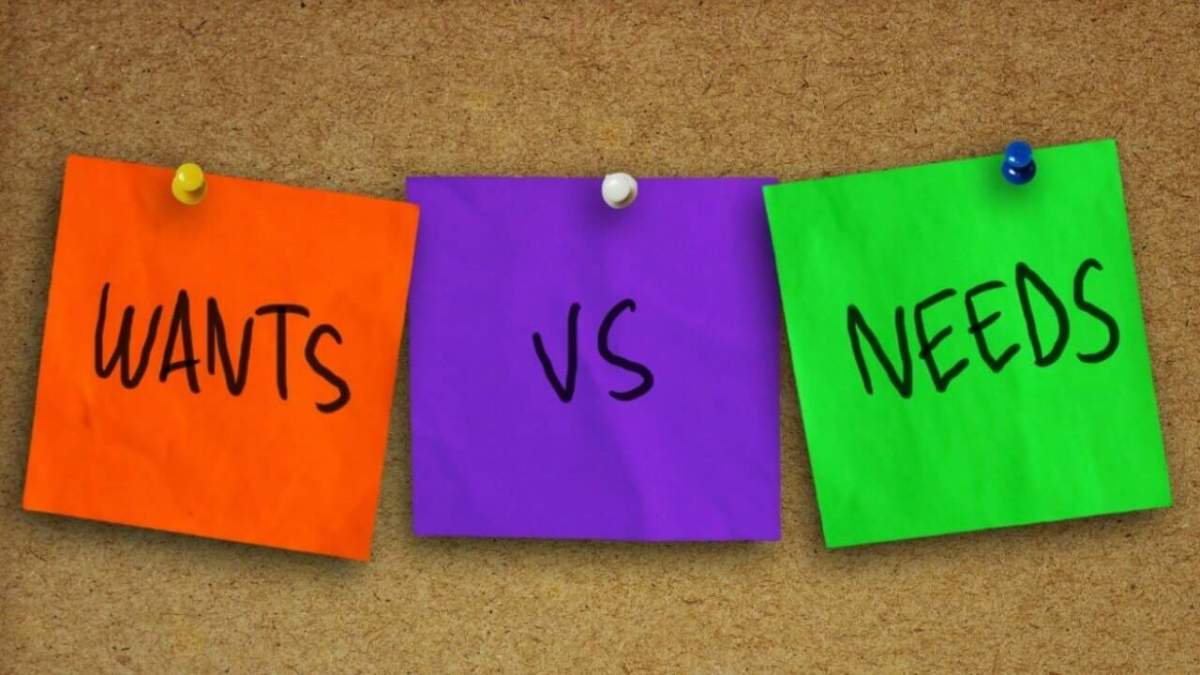
A key part of adulthood is being able to know the differences between knowing ‘what we want’ vs. knowing ‘what we need.’ Understanding that you must be able to divide up the two categories fairly and also be able to balance them healthily with our seemingly limitless desires at times is key to being a fully formed individual. As children, we are taught to temper our desires to manageable levels and to remember to not be selfish especially when it conflicts with the needs of others.

We are flawed as humans in that we often let our wants overtake our immediate needs and that we cannot distinguish the two in terms of actual importance. I may want a new suit but if I only have so much money, do I really need it? Am I being selfish by buying a suit when I already have a perfectly good one at you? These questions are especially important to pose when you have limited money or time to contribute towards either your needs or wants. What we focus on each day shows us if we care more about ‘needs’ or ‘wants.’

It has to be non-negotiable in your own life how your needs come first and will always come first. Your wants have to be considered in terms of whether you actually need them and how much they will actually add that much to your life. When it comes to your wants, you should not only be thinking about their utility in the short-term but also in the long-term. Will you be that much better off not just a day later, a week later, or a year later when you satisfy those wants? A short-term want will be fleeting and may end up not even be worth it whereas a long-term want like starting a business, getting your degree, or moving overseas are often worthwhile investments and satisfactory wants that will put you ahead in your life. If you do want to fulfill your wants, they should be in the interest of you moving forward, learning new things, and developing your interests.

Short-term wants are good every now and then like a new bicycle, a nice meal out with friends, or a trip to a day spa, but the gratification will be short-term, and you can’t rely on those wants to fulfill you in the long-term. Long-term wants are harder to achieve but they often have higher levels of satisfaction. These wants aren’t automatically given to you and you have to work for them but it’s often worth the effort more so than just things being handed to you automatically. Your wants have to be kept in moderation too because if you let your wants overwhelm your needs, you may be left with less than you had before. An adult keeps their wants in check and prioritizes their needs first to make sure that their life is headed in the right direction. Long-term gains have to always take priority over short-term gratification, which may give you happiness but won’t give you fulfillment in the long run.

Your needs in daily life should always come first in terms of securing them. Whether it is water to drink, clean air to breathe, food to eat, and a roof over your head; they are all part of the equation to keep you in good spirits and in good health. Do not let your wants take away from your immediate needs because when it comes down to it, your wants may come and go but your needs are your needs and that never really changes. Abraham Maslow’s ‘hierarchy of needs’ was pretty much on the money in terms of distinguishing what are most urgent needs are and beyond that, what could be considered wants. We have the physical needs of eating, drinking, sleeping, maintaining homeostasis (not too warm or too cold) but beyond that, we start to go into the wants territory of seeking out self-actualization as well as having a steady purpose in life.

We all need human connection along with friends and family who care about us but that is not given to everybody and that kind of need is something that you have to work for and what you have to ‘want’ in a way. We all need safety and security to carry out our lives but that is something that we have to work towards to and that is not guaranteed when we are born. What we need may not been given to us like friends and family or the security of a place we live in and we may have to take action to turn those needs into a reality by wanting them badly enough.

In Maslow’s ‘Hierarchy of Needs’, our basic needs must be taken care of first as the pyramid shows us but then you have our psychological needs such as love, relationships, friendships, and feelings of accomplishment and goal-setting. As you go up the pyramid, you get into the ‘self-fulfillment’ needs category of achieving our potential, reaching our set goals, and becoming the best version of ourselves through self-actualization. This category is tricky, but we may feel that we need to be fulfilled that way; how hard are you willing to work to achieve that and how much do you really want to achieve it?

I would argue that our basic needs of food, drink, shelter, warmth, etc. are real needs but our psychological or self-fulfillment needs are different in that while each of us need them in our life, they are really ‘wants’ that you have to earn and to work for. Our basic needs are not given to us either, but they are of such urgency that we will do almost anything to have them guaranteed and it often subsumes our other ‘needs’ like love, friendship, or career goals.

What we need to live is our number one priority. Everything after that is supplementary in life. What we want Is important but it’s clear that our wants are endless at times and we need to prioritize with our limited time and/or money what matters to us most to achieve or to have. Being able to prioritize while understanding this internal battle is key to being a fully formed individual capable of holding our wants at bay while getting our needs taken care of.

Lastly, it is important to distinguish between short-term needs and long-term needs. Short-term needs should always take priority over long-term needs, but you can work towards both at the same time. You can hunt for food and still have companionship with a loved one at the same time. You can watch your vegetables grow while you’re studying for your next course exam or replying to emails. However, if your immediate needs are unmet or neglected, your long-term needs will have to take a backseat because they are just not as critical as what short-term needs are in terms of daily occurrence. You need to eat and drink water a lot more than you need to see your family and friends as an adult. I’m sure you would love to see them every day but it’s more likely you would see them once a week or a month or maybe less if you’re really busy.

Your immediate needs can be balanced with long-term needs, however, if you can’t cook for yourself, make money to support yourself, or be able to clean and take care of yourself physically, not many or very few of your long-term needs can be met after. As an adult, you need to take care of the daily details before you can reach your lifelong dreams and goals. What we need vs. what we want is a constant battle taking place in our mind. If we don’t pay attention to how to win this battle by trusting in our innate knowledge of what we are capable of doing to achieve them one by one and what are healthy priorities to focus on, you won’t be able to get very far in life with either your needs or your wants.

Get Your Own House In Order

“Before you can set an example to others in your house, or others in your community, or others in an overall society, you first need to show that you can ‘get your own house in order.’ You need to be able to handle yourself and your own day-to-day problems first before you can lead others to do the same in their own lives.”

There’s an old adage I have been thinking about lately about how it is primarily important to take care of oneself first and not just in one way but in every part of your life. Before you can set an example to others in your house, or others in your community, or others in an overall society, you first need to show that you can ‘get your own house in order.’ You need to be able to handle yourself and your own day-to-day problems first before you can lead others to do the same in their own lives.

It can be hard for other people to take you seriously when you don’t take yourself seriously in the first place. How will you be able to lead a team or an organization or a company if you are not able to master your own tasks and your own desires? Self-development isn’t just about making sure you are able to create a good life for yourself but it’s also about setting a positive example for others who would look up to you as a result. You cannot be a mentor or a role model for others without first putting yourself out there and doing what needs to be done to make yourself successful.

When you have not struggled, when have not persevered, when you have not done what it takes to reach your goals, how can you give advice to other people on what they should do to have the same kind of success? “Getting your own house in order” means taking care of yourself first and doing so consistently before you can use those same pieces of advice and examples for others to follow. Firstly, your own house in order starts with your mental and physical health.

Your body is your own house so it must be taken care of first and foremost in terms of getting good sleep, eating properly, not indulging in vices like alcohol or tobacco to excess, and knowing how to exercise as well to keep yourself in shape. It also extends to being able to relax, de-stress, handle anxiety, and be mentally sharp by challenging yourself but also relaxing your mind so as to not exhaust it entirely. Your body and your mind are their own little houses and they must be maintained thoroughly so that other people will know that you are capable enough to handle other demands in life.

Another house we don’t think of is appearance and grooming. Your own house in this case means maintaining a good appearance and practicing good hygiene. These practices are necessary also on a daily basis and to show to the world that you care about yourself and want to be taken seriously. For a job, an internship, a presentation, a seminar, a lecture, etc., your personal dress should indicate that you are a serious person for the role or for the opportunity and that others will know that they can respect your house because you respect it yourself. They will not respect your house when you show up to an interview in shorts or when you wear Yoga pants to a college lecture. Physical appearance and grooming are another ‘house’ that we all must take seriously and to do so primarily before we can give advice to others on how to maintain their own ‘houses’ in good order.

Lastly, the last ‘house’ on a personal level that I would like to focus on is where you live regardless if it is a small studio apartment or a huge mansion. Maintaining your own physical shape in the world is crucial if you want to tackle bigger and better problems. If you can’t make your bed, clean your bathroom, or keep your kitchen clean, how can you tackle any major issue in your community or in your society? At the end of the day, this kind of ‘house’ maintenance comes down to self-respect and putting your own ego aside to do the work that we all must do.

The chances are good that at the end of the work to maintain this ‘house’ that you will feel a lot better for having done the work needed to keep up a clean and orderly home. It is not easy to do this consistently but it is necessary and if you plan on having guests over, having friends over for a get-together, or want to be romantically involved with someone, a clean ‘house’ will go a long way to making you respectable and responsible in the eyes of others. Being able to maintain care not just of yourself but your own physical space means that people will know that they can trust you with other tasks and matters of importance that extend beyond your ‘house’ and to the ‘houses’ of others in the community and in the society.

Thinking about a community as a whole, their ‘houses’ include making sure that the schools are meeting the needs of the students, that the community is safe and protected for all of its residents, that the roads and bridges are maintained and do not have potholes or faulty beams, and to make sure that each and every person has access to utilities including water, electricity, and yes, an Internet connection too. If a community does not have those necessities for a high quality of life, then that ‘house’ is not in order and those people who have their own ‘houses’ in order need to step up to do their part to help others get the community in good shape.

If you have your own ‘house’ in order, you can set the standard for the rest of the community and be able to use your ideas to help others especially if you gain their respect and their trust. With how you act and how you behave in addition to your own appearance, ideas, and personal goals, you can make the community better and it’s important for you to get in there and show that you can make a difference there.

When a community can all of its necessities in order, that one community can definitely have an impact on the larger society within a country and even the world. A community where everyone has equal access to a good education, where health care is not a privilege but a right to all in that society, and when kindness, honesty, and virtue are rewarded rather than chastised. That is an overall society that is getting its own house in order and can serve as an example to other societies in other parts of the world.

Being able to provide a high quality of life and a chance to succeed to all of the people in a society should be the goal of society with its own ‘home’ in order. I am not talking about a social utopia per say but rather an ideal place where people know that they can succeed if given a fair shot in life. It’s also about providing the basic tools of any society to all of its people without discrimination and without corruption. Whether that is no homelessness, enough healthy food for everyone, and an economy where inequality is minimalized, that is what a society should be focusing on and using as an example to other societies.

When a society prioritizes the needs of the few over the many based on wealth or another privilege, that society does not have its own house in order. If there are people out there hungry, homeless, or without health care, then that society is not in order. A society cannot be an example for other societies when it lacks the courage to invest in its most vulnerable populations or to provide a higher quality of life for all people.

Without that kind of an example, a society will lose its influence or example setting and will turn inward and often tear itself apart without good leadership or good values. A society that gets its own house in order prioritizes the right social needs and finds the investments, funding necessary to maintain these necessities of its people will automatically become an example to other societies whether they are near or far. A society that doesn’t does not have a moral ground to stand on and will lose the example it could set by practicing bad ‘house’ manners in different ways.

“Getting Your Own House in Order” does not just apply to one individual but it also applies to a community and a society as a whole. We all are human and fallible and sometimes, we will fall short but if we strive to do better in our homes, in our lives, and in our examples we set for others, that kind of ‘Ripple Effect’ of positive values will improve the larger community and society as a result. How we treat ourselves (mind and body), our homes, our way of life has a direct effect on the community we share, and, on the society,  we find ourselves a part of. This kind of example setting starts at home, but it can ripple throughout to the rest of the world and it all begins with ourselves and our own actions.