Earth Before Mars – Why Humanity Must Solve Today’s Crises First

“We continue to dream about colonizing Mars and visiting the Moon again while ignoring the rising Oceans and hungry mouths here on Earth.”

We continue to dream about colonizing Mars and visiting the Moon again while ignoring the rising Oceans and hungry mouths here on Earth. I read a recent headline that summed this contrast up for me when it was reported that ‘record heat of 2024 triggered a surge in sea level rise’, which is a headline that should give us all some pause going forward as Earth is and will remain our only place in the universe that is habitable for the foreseeable future. Still, we push forward with satellite launches, planned manned missions to the Moon and Mars, and developing other capabilities in the space realm.

Now, I have no issue with organizations and companies that seek to reach the next frontier of Space and there are real benefits for science and technology along with fomenting further international cooperation in this area. However, it is worrisome when we take our collective eye off the ball regarding real man-made issues that we have yet to solve here on Planet Earth that either are lacking attention entirely or continue to get worse (climate, poverty / inequality, wars, famine, etc.) Humanity should always dream big and continue to push ourselves forward intellectually. It is good to devote oneself to a mission when it involves curiosity, knowledge, and progress.

Space travel, universal Internet access (via Starlink, for example), breakthroughs with artificial intelligence, developing the cities of the future, etc. At the same time, we should not risk ignoring or downplaying the real urgent problems in front of us, of which there are many left unsolved. Progress matters and that has been the case throughout human history, but survival, justice, and shared prosperity should be first and foremost in terms of our priorities going forward.

There has been a trend in recent years towards apathy or not putting enough resources to end hunger, homelessness, or poverty in favor of space travel for the privileged few, colonizing planets including Mars where life, more than likely, cannot be sustained there, and mining asteroids and planets for crucial minerals and other resources of interest. There’s nothing wrong with romanticizing exploration beyond Earth and dreaming of what future generations could achieve beyond our planet one day.

Still though, that day is many decades or centuries away and right now, Planet Earth needs more of our attention than those faraway planets and solar systems. Those of great wealth, popularity, fame, and notoriety are pouring more money and resources to interplanetary dreams for themselves (most likely) rather than helping their fellow man or woman who could use their help instead. Some of the wealthy and privileged in our society seem to be hypnotized increasingly about seeking out these distant dreams rather than being part of the solutions here on Earth.

We need a reality check for everyone, including those of superior means, that there are major issues on our planet that are not going away and are getting worse in recent headlines. Whether it is climate change, wealth inequality, political instability, crumbling infrastructure, possible pandemics, wars and conflict, these are the primary issues that should capture all our attention. If we cannot make Earth a livable, sustainable, and safe place for future generations, then we do not deserve to leave the planet to colonize other planets nor set foot on Mars to begin with. All of these issues on Earth are solvable still in my view but we have to keep creating attention to these different yet interconnected problems, and to me, it is not a question of money or resources, as if we have enough money for manned missions to Mars in 5 years then there is no reason why we can’t eliminate poverty or hunger on this planet first.

Prioritizing our present and future on Earth is also not anti-progress for humanity. I am not against dreaming big or for resources to go to space travel. However, it’s about sequencing our collective priorities better going forward. Before we build a new boat, let us fix the leaks in the current boat before we sink and must abandon ship for that new boat.

There is not just innovation to be found in this current space race but I do believe also that solving present issues can accelerate innovation here on Earth. Whether it’s AI tools leading to new health cures, developments in clean energy technology building new industries here, or eliminating hunger allowing children to learn better, retain more information, and create more educated professions to solve the next challenges here on Earth. Humanity must handle survival, stability, prosperity, and justice for our baser levels before we move on to higher-level pursuits, similarly to ‘Maslow’s Hierarchy of Needs’ on a planetary scale.

We are not just dealing with one or two current issues on a humanity scale right now. I can name at least five major issues that are still unresolved and are either stagnating in terms of progress or getting worse currently.

  1. Climate Change & Environmental Collapse – the most existential issue of our time and a threat to all life on the planet, more immediate mitigation is needed and on a scale of global effort to avoid the worst kind of consequences that are likely to happen in my lifetime.
  2. Global Inequality and Poverty – Billions of people still lack clean water, enough food, or a basic education, and we have the money available on the planet to solve these challenges, yet our financial capital is being spent towards other dreams like space travel.
  3. Conflict and Authoritarianism – Recent conflicts or wards along with rising political extremism threaten to destabilize humanity’s future and saps our ability to come together to solve these other problems on my list. We also run the risk of turning against each other rather than rallying our resources together to solve issues on a global scale.
  4. Public Health and Pandemics – COVID-19 showed us all the importance of pandemic preparedness, investing in science and research, and establishing early warning systems to alert the public when a pandemic takes hold. Are we prepared for another pandemic? I am not so sure and believe this is an area where more collective action is needed.
  5. Infrastructure and Governance – Crumbling systems whether its infrastructure, health care, schools, or other vulnerable institutions that fail us leave nations and peoples behind and causes inequality to grow among us. Investing in our collective futures starts with investing in our public systems in different areas so that each of us is given the best chance to succeed and contribute to society.

There is a cost to ignoring or downplaying the issues of today because we will eventually be paying for them in the future. Runaway climate change, more wars, growing inequality, dysfunctional public institutions will all impose a heavy burden on us here on Earth and technological dreams become pointless if society stagnates, ruptures, or collapse beneath the sheer weight of these issues. Space travel isn’t so great when nobody can afford to go, the Earth the astronauts come back to isn’t so pleasant, or when there’s no money to continue funding the dream because other issues became so severe, space travel couldn’t be afforded anymore. A colony on Mars won’t help any of us if we can’t figure out how to keep power grids running here or how to keep our cities from flooding from further projected sea level rise.

Let’s continue to invest in space exploration because of what good it can do for humanity but let us also not sacrifice fixing the problems here on Earth not yet solved because we want to colonize Mars or other planets. We should weigh better as a society our collective priorities and how much funding, talent, and attention we will give to our problems here on Earth vs. our future dreams on a planet far, far away.

Governments, businesses, and individuals can each play a role by changing our priorities to focus first on fixing the problems of today rather than solely focusing on the dreams of tomorrow. We should continue to vote for leaders who prioritize our current Earthly issues, participate civically in helping to draw attention to these issues, and live sustainably to start to shift attention and resources to these issues that I’ve highlighted, which affect all of us today, whether directly or indirectly.

If we devote ourselves to fixing Earth today and into the future, we won’t just survive, we will then be strong enough to reach for the stars while comfortably knowing that we have a thriving and prosperous planet that our astronauts would be returning to, with their heads held high. Ask yourself this question too: what is the one issue of our time that you can help fix today, before we start building the future on another planet many years from now? I think you’ll find that we have more power and influence than we think and that our actions today will inspire others to also act in shaping a better planet where we can both live out our days here and still dream of a space-bound future one day for generations to come.


Combating Alienation and Loneliness in Society

“This is an unfortunate societal transformation that may seem inevitable, but it can be reversed by improving mental health access, building stronger communities, and having better societal outcomes, it is crucial that some solutions are tested and put into place.”

One of the biggest challenges of the 21st century will be focused on how to foster solid connections, friendships, and relationships that are both sustainable and fruitful. Recently, more mainstream attention has been paid to how societies, especially in the Western world, are dealing with a surge in alienation and loneliness. It has caught the attention of politicians, community leaders, and authors who are interested in noting how people are fostering fewer social connections, maintaining fewer friendships, and increasingly living alone. This is an unfortunate societal transformation that may seem inevitable, but it can be reversed by improving mental health access, building stronger communities, and having better societal outcomes, it is crucial that some solutions are tested and put into place.

Traditional means of building strong social connections have been ironically undermined by the rise of social media where people can connect virtually but often, this is difficult to maintain in the real world. You really must make a serious effort these days to build your own friendship and communal networks whereas in previous generations, it was much easier in your small town or village to maintain ties with the local community or religious center, gather at town hall meetings, and be able to know who your neighbor was. It has fallen on the individual person to build their own network, which is often hard to do, especially if you are in a larger town or city, where there are so many people around, yet it may take longer to foster a deeper connection.

Religious places of worship, community centers, social clubs, and communal gathering places have taken a backseat to online social media channels, which while they can bring people together, they tend to be more focused on larger groups and gatherings, which can make it harder to get to know people better. More and more people can do things whether it’s shop, order food, build a business, and learn online, and while that has been transformative in providing greater opportunities and even connected people, I do believe traditional ways to meet people have been on the decline causing a subsequent rise in alienation and loneliness.

While many societal leaders are starting to pick up on this unfortunate phenomenon, it will take a lot of organizing, resources, and cooperation to reverse this trend in the long-term. I am going to propose three ways that by working together in our own towns and cities, we can work to bring people together in a healthy and sustainable way.

  1. Many third spaces outside of home and work have been commoditized in terms of meeting people and it can cause a financial strain on individuals who do not have the means to join an event or a group. I advocate for building and maintaining third spaces that are a public good, maintained and run by community members, and for which are made known to as many of the community as possible through consistent public awareness campaigns.

Each community center would be a good use of taxpayer funds and would be available seven days a week. I discourage the use of membership fees like a YMCA and its offerings would be different depending on the needs or interests of the community. I do think such a third space would allow for peer-to-peer mentoring events, ‘getting to know your neighbor’ dinners or potlucks, and allowing for classes or groups that can discuss financial literacy, cooking, nutrition, and even job searching and networking help to flourish there.

To some degree, these kinds of community centers do exist, but they are limited in scope, often cost fees, and are often hard to reach. These community centers can also take over for dilapidated strip malls, abandoned office buildings, or unused parking lots where the neighboring space can become a public park, playground, an exercise area, or even a fruit / vegetable garden for those people who don’t have access to fresh produce in their neighborhood. A greater long-term challenge is making sure these new kinds of community centers are accessible to all people because not everyone has a car, or a bike, or can walk there. Cities and towns that are designed around the car and where public transportation is hard to use have caused a spike in loneliness, and that is where these community centers can really help fill the gap.

In the long run, it is a crucial and needed change in ensuring that more places, including these community centers, can be accessed by bike, bus, rail, and by foot. The sprawling nature of most American towns and cities has exacerbated the atomization and loneliness issue, which creates a lost opportunity for connections to be fostered. In my view, significant changes to public policy surrounding this issue are unlikely in the near term, but the way we design our communities in the future and emphasizing greater accessibility of free third spaces can really make a dent in our current loneliness predicament.

2. Once you have these community centers in place, you must make sure that there is serious outreach across the town or city in question. I do think there is a current deficit not only in the lack of third spaces, but the ones that exist, few people know about. City, state, and even national governments can and should do a better job reaching out both online and in-person to people, especially if they are living alone, to highlight opportunities in the community to meet others.

When someone is new to a town or city, it would be an excellent idea for a neighbor or a landlord or a town leader to reach out to someone (with their permission, of course) to highlight ways to get involved in their community. Religious centers and places of worship have done this successfully for generations yet in the public sphere, there is a severe dearth of awareness when someone moves to a new town or city regarding which community centers are nearby, what resources are available to learn and to work, and how they can find the resources, the people, or the activities they want to get involved in.

There’s something to be said for the phrase, ‘to hit the ground running’, it can be an anxious, lonely, and often difficult time to make yourself feel at home when you move to a new community or city. I believe if there was a more concentrated and sustained approach to making someone feel welcome regardless of who they are, where they come from, and what their age is, it would really diminish the current loneliness crisis that we find ourselves in as a society. Something as simple as a neighbor, a community leader, or a townsperson, taking the new arrival under their wing, and inviting them to one of the ‘third spaces’ around them, can make a huge difference in that person’s sense of belonging, and even diminish their loneliness. When someone moves to a new town or city, an online community portal and an in-person community hub can go a long way to connect that person to the activities, hobbies, and needs that they are looking to fulfill as they make a life for themselves there.

3. Lastly and most significantly, I believe in volunteering as a time-tested and successful way to both give back to a community and to feel connected to others. Volunteering is not easy to commit to in terms of time and effort, but I believe it is a crucial way to avoid people feeling disconnected or lonely.

It is a positive thing to donate money or resources to a worthwhile charity or organization, but I believe it is even better to spend time with others committing yourself to a good cause at the local, national, or international level. Community hubs, sustained awareness of opportunities near where you live, and being able to find the volunteer work that you are interested in doing can help you find a greater purpose or meaning beyond what you thought was possible.

There is plenty of good work that can be done to revitalize communities and cities in your country and elsewhere. The key is to make sure that as many people are as aware of it as possible. I would argue that one or two years of volunteer service on a local or national scale would make young people more connected and relate more to each other if they were participating in a shared service.

Making a year or two of volunteer service mandatory for young people ages 18-26 would help combat loneliness and alienation among that age demographic and could also be made open to older demographics depending on the interest level. People should feel invested in their communities and where they live. I think that a mandatory volunteer service should be encouraged and if we can provide educational or employment incentives in exchange for the completion of a  national or local volunteer service program such as reduced or free tuition at a higher education institution, I do believe this would not only combat loneliness but encourage new friendships and also build the community hubs, parks, and centers that are currently lacking Being flexible with volunteer service is key especially when it comes to managing educational or employment obligations but offering part-time or weekend options for people can give this kind of initiative a greater chance for success.

If ordinary citizens, especially younger citizens, see that their local and national leadership are aware that there is a loneliness crisis, are actively providing resources to the communities to find possible solutions to this growing problem, and are asking for volunteer help with clear goals in mind on how to better connect people together, we can start to make progress in fixing this issue on a larger scale. If there is a slogan for these three steps to combating alienation and loneliness in society, it would be “we would like to invest more at scale in you and your community, help us to finish the job at hand, and we’ll make sure you receive ten-fold what you put in to helping to move this effort forward.”

People have a strong urge to belong and to be part of a tribe or a group. In our atomized era, it is increasingly harder to find one’s tribe. The causes of this growth in alienation and loneliness are well-known and are well-documented. Personally, I am interested in how best to get out of this hole that collectively, we have dug for ourselves. While some of us have been able to forge our own community, sustain our friendships and relationships, and maintain strong ties to our town or city, there are an increasing number of individuals who feel disconnected and left behind, often through no fault of their own.

I do believe that the three steps I have proposed in this article can make a serious dent in this issue. I hope that there are other numerous ideas out there that will be considered by those with the power and influence to make a difference in how we structure our towns and cities because the sooner we address this problem, the better off we will be as a result. Decades ago, you knew who your tribe or your community was mainly due to family or religious background or just your neighborhood ties, but that is no longer the case for a growing segment of our society.

It is up to us to collectively fill in the gap that these traditional institutions have failed to sustain. I hope that we start to invest more time, money, effort, and attention to solving this issue in the future because it is truly one of the defining issues of our time and regardless of if we are not directly affected by its effects, it is likely that you know of someone or have heard of somebody in your own life who struggles with loneliness. Greater social and communal bonds are crucial to sustain and in these atomized times we’re living through, the more work we do now to diminish this problem, the better off we will all be in the future.

It Feels Good to Do Good

“The good work we do whether it’s volunteering, donating, or contributing to society in our job or a non-paid effort can not only improve the state of the world in a measurable way but also make us feel good in the process.”

It can be disconcerting to make sense of how little is within our control and how much we would like to have the world be different than it is. Whether its politics, culture, the environment, or society in general, our lack of control over these forces that have a massive impact on our lives can be difficult to make sense of. Even when we do our best to make positive change in the world, it may only cause what I have previously referred to as a ‘ripple effect.’ However, we don’t realize that not only does the good we do ripple out in the world in a small yet powerful way, but we become the better for it as a result.

The good work we do whether it’s volunteering, donating, or contributing to society in our job or a non-paid effort can not only improve the state of the world in a measurable way but also make us feel good in the process. Other people in our lives may or may not know about these contributions that we make whether it’s with our physical labor, our financial resources, or just a caring thought or gesture but if we are the ones making the effort, we should take the time to recognize its significance and the beauty of the act itself.

It does not hurt to pat yourself on the back metaphorically for showing up and doing your part. I don’t believe it is egotistical or detrimental to your self-esteem to recognize that you are taking time or money to do something good in the world. While you should not expect others to be so forthcoming in their adulation or praise of what your contribution means, you should feel good about helping others or helping nature or just being kind and caring towards your fellow man or woman.

If you feel like you’re in a rut, I truly believe volunteering some time out of your busy schedule and working towards a goal in that kind of volunteer work can really cheer you up and make you feel a bit better about the world. So much these days is out of our own control in an increasingly technologically driven, lightning-fast world where we do not have as much time to slow down and focus on what really matters, which is to leave the world better than you found it.

The work can be hard, disappointing, and even cause you to question whether it is worth your time or money but hold true to the reason why you got into doing work for the betterment of others in the first place. While it is considered a selfless act to volunteer or to donate or to work for others, do not let yourself forget that it feels good to do good and you’ll often be better off for having done that work even if it was difficult, thankless, or draining to you mentally or physically.

Having that sense of control, to work hard towards a specific goal, and to feel better for having stuck with your good work to its end are all ways that can make us feel good about doing good. People all need to feel that sense of self-worth and to have that self-esteem be boosted a bit and that can come with taking the time or money or both to contribute to the betterment of the world around you. While time and money are precious resources for which we tightly hold onto at times, perhaps too much so, it is without question a good use of time and/or money to help those people out who are less fortunate than you are.

Only you can decide how much of either precious resource, time or money, that you would like to contribute as a volunteer but I promise that whatever you decide to take upon you in terms of doing good, you can guarantee that whatever effort or work you put in will pay you back in the most beautiful way in that sense of satisfaction and contentedness you can get from healing the world or helping a person or contributing to a social cause you care about a lot.

The work involved will be difficult and you will need to put in hours, days, and sometimes months or years to see the fruit of your labor lead to the good you sought to come about as a result. The blood, sweat, and the tears you put in may not seem worth it but if you work in a group or a team with other committed people who care about the same good work that you do, not only will it be easier, but it will be done quicker.

During the good work you do, make sure to keep reminding yourself that results will take time, that you have your goals clearly in mind as to why you’re contributing to do good in the first place, and to remember that you may not get praise from others but that your own satisfaction and happiness from contributing will be most powerful as it comes from within you. We only have so much time to volunteer and to do some good on our own terms so make sure you think deeply about how you want to contribute and why you’re contributing to that cause.

Other people, even friends and family, may question why you are dedicating your time and/or your money to the good work you’re doing, but you do not need their approval to go forward with reaching your goals. You only need to deeply internalize that doing good will make not only you feel good about it but the people or environment or our world, which will be better off as a result. If you have to justify why you did the work you did, don’t look to other people to confirm your righteousness but rather look within yourself in your heart to see what you contributed was needed, that you had the skills or the knowledge to help out, and that the impact you made was measurable and that it could ‘ripple’ out through the society and the entire world.

They Know, They Just Don’t Care

“A lot of personal and professional issues that are unaddressed or dealt with will not go away and will need to be handled. In most cases, the problem or issue will metastasize and becomes even more difficult to resolve.”

The popular adage that goes “the first step to solving a problem is to realize that there is one” is key to recognize in life even if it involves admitting an inconvenient truth. A lot of personal and professional issues that are unaddressed or dealt with will not go away and will need to be handled. In most cases, the problem or issue will metastasize and becomes even more difficult to resolve. On top of that, you’ll often need more manpower, resources, or funds to solve the growing problem when it could have been tackled days, weeks, months, or years ago.

I truly believe that knowing a problem exists and refusing to solve it or letting it fester is worse than when a person is unaware that there is a problem to deal with in the first place. Pleading ignorance when you know the truth but lie to yourself and to other affected problem will lead to a lot of stress and turmoil in the long run. There are numerous ways to describe this kind of mentality but to me, it’s about someone or a group of people knowing that a situation is unsustainable or untenable and refusing to fix it even when it would be the right thing to do.

Acting or admitting fault or an error is never easy but doing so is the first step in actively solving the problem instead of letting it continue. Standing by and not admitting what’s going on is not right or not sustainable will put you on a collision course with a rough ending in most cases. This kind of mentality of “knowing but not caring” can erode trust, relationships, and even ruin people’s lives if it is allowed to go on. In this case, knowledge of a problem and not acting to resolve it can cause a lot of damage in various areas of life. To make this ‘knowing and not caring’ examples of hypothetical professional or personal situations where this kind of attitude would lead to negative consequences, let me discuss two instances where ‘knowing and not acting’ can lead to regrettable events:

Let’s say that someone worked hard to be trained as a lifeguard and was paid to do so by the local city by the beach for the summer season. Many people were trained, funds were spent, and chairs / stations were built. The foundation is strong so that people’s lives can be saved if something bad were to happen and each of the lifeguards were trained in CPR and other first aid tactics in case it is necessary.

Not only are the lifeguards trained in first aid, but they also need to pass swimming tests to qualify for the city’s public beaches as employees. However, since the city’s budget is running a deficit because of improper management and cost overruns, the city council must decide where to cut funding to balance the budget. The folks in charge of the budget knew that the deficit would cause problems when they projected in in the previous years, but nothing was done about it.                                                                                                      

As a result, costs need to be cut by the city so difficult decisions will need to be met. The city needs to keep schools open for some students to receive summer school and must pay the public-school teachers to do so. They also can’t reduce the police or firefighter budget given that the summer season tends to be the busiest for them and they also are guaranteed pensions that are negotiated by the unions.

Sadly, the only way to start to balance the budget is to cut recreational programs including the lifeguards at the beach even after they did the training, and the city spent the money to train them for these jobs. Other recreational programs will need to be cut along with reducing hours for access to public parks and sports courts. Most regrettably, the city council will have to cut access to the public beaches there because they don’t want to take the risk of having liabilities involved of having its citizens swim without lifeguards present. It causes a lot of anger, disappointment with the city’s residents as well as students who were looking forward to swimming, playing on the beach, and seeing friends but since the city can’t afford lifeguards, the public beaches will have to be closed the whole summer season.

While many individuals or one individual in city government would be responsible for seeing where the budget deficit would start to harm the city’s services, but because no one looked hard at how to prevent the deficit from affecting the public recreational programs or saw that cuts would need to be made in a year or two years’ time in other less important areas, the problem was unaddressed. It’s about knowing the problem exists in this case, but doing little or nothing, or ‘passing the buck’ onto someone else in the city’s government rather than working in advance to fixing this issue before people’s lives were affected.

Another potential issue is that it is difficult to keep watch over public beaches 24 hours, 7 days a week. Chances are increasingly high then for an accident to happen where college or high school kids come to the beach even when it’s closed or limited to swim or have a bonfire. Because of their anger, they may end up swimming in defiance or doing something that could put themselves in harm’s way. Not only will the city not have lifeguards there to prevent that from happening, but it’s possible that the city will be blamed or liable for any possible accident or issue with people using the beach illegally because they did not balance the budget in advance.

A potential tragic loss of a life, an accident, or the loss of trust in the city’s government are all regrettable consequences that could be avoided if a group of people or person(s) would do something about the problem when they knew of it rather than letting it grow out of control later. While this is a fictional instance, this kind of regrettable story or event happens a lot in our world and the issue at hand could often be avoided with due diligence, foresight, and good work.

More generally, regarding possible examples of this kind of ‘knowing and not caring’ regarding someone’s personal relations, I believe this could apply to situations when it comes to family members or close friends not helping someone out when they know their beloved family member or friend is going through a tough time. They may know of a problem that person has like an addiction to gambling, drugs, alcohol, or other substances, and believe that only they can help them rather than taking them to a licensed professional or a doctor.

This can also be applied when that person’s addiction is harming their relationships, is getting worse, and tends to cost that personal financially, morally, and in other ways. If the family member(s) or friend(s) don’t address their beloved one’s problems head on and let them continue, that affected person in a personal situation will be more likely to hit ‘rock bottom’ and may not be able to be saved from themselves. When that person is not reigned in and told that they have that problem the family member or friend knows about, then they are doing a real disservice by not helping them get better actively. Letting the addiction or mental health problem continue even when that other person in the relationship or friendship knows it must not go on but won’t take action to resolve it, then that’s a prime example of where ‘knowing and not caring’ enough to solve the problem can really backfire.

Sadly, in most cases, the friend or family member affected may suffer even more from the problem not being fixed or aided by the significant other. They can lose themselves fully to the addiction, end up losing their job, their home, or even their life as a result. Part of being a friend or a family member is to be there when that person needs you the most. They don’t want you to sugar coat things and sometimes, you must give them the ‘tough love’ by telling them the absolute truth and letting them know that they have a problem, but that they are not beyond saving, and that you can go ahead and help them get better. That is the mark of a true friendship and relationship when you know about the other person but also care enough to help them be and get better if necessary.

The world can be a messy and complicated place but the concept of knowing when a problem exists in your personal or professional life and not doing anything about it and trying to find a solution to it is disheartening to me when it does happen. It does happen a lot in life, and I hope that you will be different to act on the problem rather than letting it fester. You may change someone’s life or people’s lives for the better when you know about the problem and address it so the solution can improve lives and make the world a better place through your actions to find solutions rather than let the problems you know about to multiply and grow.

On Territory and Hierarchy

“It’s not just being rewarded financially but there are also the noted past benefits such as being the first to eat at a meal or having livestock awarded to you for leading the tribe or group.”

When you rise in the hierarchy of any company, firm, or organization, you are likely to be rewarded for it subsequently. It’s not just being rewarded financially but there are also the noted past benefits such as being the first to eat at a meal or having livestock awarded to you for leading the tribe or group. The leader, if he or she does a good job, gets first dibs on what they would like as a result whereas if it’s money, food, or what I think is the most common today as it was in the past: land or space.

In my view, there is a direct correlation between rising in the hierarchy and having more space or territory allotted to you. This kind of correlation has really stood the test of time when you think about the era of feudalism when there would be lords over the land and forts or castles would be built to maintain that territory, even if it was contested by outsiders. When you think of the rise of empires from the Ottoman to the French to the British whose kings, queens, emperors, or sultans who would make their royal palaces and compounds as elegant, grand, and massive as they could.

Even your modern-day Presidents and other heads of state live more lavishly than 99% of their population and while they may command a modest salary, they still hold the keys to a massive home and office where they have people waiting on them to make sure any of their needs are taken care of. Because of the way hierarchies are set up, the people who have the most power tend to get the most benefits in terms of taking up space and territory because of the office or title or family legacy that they hold.

While it would make sense that in a capitalist society, you must ensure lopsided rewards and benefits to those people entrusted with political or other forms of power. When you think of your average CEO or company owner, they tend to on average also take up more territory or have more space than your average person. As your status rises so does the amount of acreage or square meters you would like to claim as your own. While there are exceptions, popular culture encourages the acquisition of power and status to correlate with not only acquiring financial wealth but territorial wealth too.

You can even see this in terms of who gets the most space in the c-suite or in the average office. While the average worker may have to work in a cubicle or share a space with others at a lower level of hierarchy in their organization or company, the management or higher-level executive will often have the corner office or their own floor depending on the place of work. It is easy to see where your status in the working world is just by seeing who is taking up the most space even when the impact you or your colleague have on the firm, company, organization, may be different in terms of actual value provided.

The societal drive to get that corner office, or to get a bigger home, or to have a piece of land to call your own is an innate part of what keeps our drive to boost our economic means in life. Taking up territory and holding it is such an innate part of our caveman-like nature that even if we may have come out of the caves into homes, palaces, and offices, we still strive to show off to others where we are in the hierarchy by showing how much space we take up compared to the other guy.

While there’s nothing wrong with staking your claim, working hard for what you earn, and claiming that corner office or hectare of land as your own, it does not mean that you’ll automatically be happy or fulfilled. It’s likely you’ll be satisfied, happy, or content with how far you’ve come and how hard you had to work for your spot in the hierarchy, but it does not guarantee you long-term happiness or fulfillment. When you think about it, while you can get an office or a home or a castle to yourself, it can cause a tendency to isolate yourself, to think you know better than anyone, and worst of all, to lose a kind of empathy for what your co-workers, your compatriots, or your community is going through.

You may be able to stock more resources, live more lavishly, and show off to others, but it won’t fill our most basic need as human beings, and that is to connect with one another on a deeper level. You may have family or close friends but the higher you are up in the hierarchy, the tendency is there to ignore others’ advice, or to start thinking you’re better than other people even when you may not know what to do or what the answer is, and it may prevent you from being touch with other people are going through who are going through a tough time in life.

The more we seek to rise in a hierarchy, whatever it may be, the more likely it is to lead to isolation, loneliness, and even unhappiness if we use the territory that we have to shut the door on interacting with others around us or who work with us. It is tempting to let our success and our status get to our heads, but it can lead to increased narcissism, apathy toward what got you there in the first place, and an ego that can run out of control if it’s not checked by others.

When you think about a successful leader or executive, they let others tell them when they are wrong or show humility when they don’t know the answer. Instead of isolating themselves entirely, they make sure those people who helped them share in the success and are treated well. They share their space with others instead of hoarding it for themselves. They go out in the community to find out how they can help as a leader with more resources and knowledge. Instead of becoming a hermit with a lot of territory but no one around to help, a good leader will let people in to give advice, counsel, and to back down when he or she knows when they are wrong.

It’s the reason why dictators, kleptocrats, and monarchs can be so out of touch with their compatriots and why the CEO who has his own floor and never leaves his mansion are not long for staying in power. They neglect having people around them to be part of their apparatus and to tell them when the decisions they make should be rethought. It is also because when a leader hoards all the wealth, territory, or resources for him or herself and their family or close friends, people who are worse off tend to notice, can congregate, and organize together, and an overthrow of that leader is just around the corner.

A good leader makes sure that he does not hoard more than he needs to succeed in his role and that he or she relinquishes their title so a successor can rise whatever the vocation to share in the continued success of the company, organization, or firm. There’s nothing wrong with letting your rise in hierarchy allow you to acquire more land, territory, or money, but to hoard it all or to do nothing to let others improve their own lot in life to make sure they have the same shot at success is a recipe for disaster. You cannot take land with you after you’re gone so the priority should be on making sure you are a good leader first and also someone who uses their status to assist others, to make wise decisions, and to help give other people in their community or country a leg up so they can have enough territory to live a good life and share their own success with their family and friends.

Cultural Spotlight – Acai

Acai is my favorite thing about Brazil. It is difficult to choose a favorite thing here, but it is the first item on the list that comes to mind. Something so tasty and so nutritious is definitely worthy of my #1 spot. Difficult to find outside of the country and definitely not of the same flavor, taste or variety, Acai is a unique treat that Brazil is rightly known for. Whether it’s made into ice cream, a shake, a juice, or even yogurt, Acai is healthy for you and full of antioxidants. In addition, it really is a kind of superfood that boost your energy levels once you taste it and finish your fill.

If you are having an off day which happens sometimes, you may want to drop the coffee and put down the red bull and make a nice acai juice instead. You are likely to be glad you did. That extra energy boost can give you hours of extra productivity and even added focus allowing you to do your work better and faster. Be careful not to each too much acai as it is full of calories but if you want to substitute a meal like breakfast or lunch, having acai instead may not be the worst option to consider.

The acai berries come from the acai palm tree. The berries are small, round, and have a black-purple color. The acai palm tree is mainly found in the Amazonian region of both Brazil and Peru and has been a staple food in those areas since the 18th century. I would say that the fruit has gained popularity not only in urban cities within Brazil recently but even internationally as demand for the delicious superfood has skyrocketed due to the variety of health benefits.

The acai palm is usually harvested twice a year between January and June and then August and December making it more readily available than other Amazonian fruits. Acai has been part of the Amazon River for centuries and wasn’t only just used for food. Its other uses include a type of cooking oil or for salad dressing as well as being used for certain cosmetics or for grain alcohol or dietary supplements. The palm tree that acai comes from has been also used for hats, baskets, brooms, roof thatch for homes from the leaves of the tree and the wood trunk.

While its health benefits are not clearly known, it has a higher level of antioxidants than other fruits such as oranges, apples or cranberries. One bowl of acai with granola or a fruit like a banana is more than just a snack but rather a full meal that can pack up to 550 calories. What is definitely known about acai is that it has a high amount of carbohydrates, fats, and proteins as well as Vitamin A, Vitamin C, Iron, and Calcium content. Part of the reason why Acai can give you a boost of energy is that it is full of nutrients that we need to have each and every day.

Acai may not have the best taste even if it does contain sugar, but it tastes like something that really is of the Earth and can be drank or consumed naturally without any harmful additives. You can tell from the first time you taste it how unique a flavor it has and to feel the energy it gives you just a few minutes after you have the first bite or the first sip. I would not have acai every day but compared to coffee, tea, or other energy boosting products, this one may be the healthiest for you.

Acai does not have a lot of sugar when it is eaten naturally and is high in fats which is good for the body especially after you’ve been hitting the gym or playing a sport for an hour or two. If you need to replenish your calorie intake and to do so in a healthy way, acai may be one of the best options out there. If you can mash up acai fruit into a pulp, you may be able to get the most antioxidants out of consumption compared to a watered-down juice. The antioxidant content of acai can help someone by neutralizing the negative effects of ‘free radicals’, which to those who don’t know are uneven or unstable atoms that damage cells and cause illnesses and/or premature aging.

Having acai and other superfoods in terms of daily or weekly intake may help in preventing cancer, heart disease, and other serious ailments. Acai can also lower a person’s blood cholesterol level although more research is needed from what I have been reading. The plant compounds that are active in Acai can also assist in improving memory and boosting brain function partially because the antioxidant content can counter inflammation of these parts of the body and provide further clean-up of toxic cells that no longer function well.

While not a perfect snack, the high level of fats, proteins, and vitamins as well as active antioxidants can make acai a good choice especially when you are in Brazil for a visit or a longer stay. I would just be aware of the sugar content and to be aware if there are any other ingredients which could diminish the nutritious content. Acai berries do not last very long so many people have to eat acai after it’s been watered-down or sugared-up as opposed to its natural form. If you can have an acai puree or pulp instead of a smoothie or an ice cream bowl, that may be the best option if you can’t get it directly from the Amazon.

Acai is a flexible kind of food so you can always add more nuts and berries to it or even other ice cream, but you have to watch carefully to make sure you are making the food more nutritious and not full of sugar. Due to its healthy content of fats, fiber, protein, and vitamins, you would not go wrong if you find yourself in Brazil and want to try one of its greatest natural resources, the acai berry. You will be glad you gave it a try and may want your friends to try it too.

Paying It Forward

Over the course of a lifetime, you can acquire knowledge, resources, and perspective from having lived longer and experienced more than perhaps your peers and more so than those people younger than yourself. Hopefully, although this is not always the case, you will have gained ideas, maturity, and wisdom, which you can impart on those who will come after you. Now while I am not directly referencing mentorship or being a mentor to others, I encourage those who have the knowledge and skills handed down to them or learned through their own efforts to pass that wisdom down to the next generation.

While ‘paying it forward’ may have gone out of style, it has been a part of human history since the early days of man. All great works in this world could be lost if it was not for oral or written recordings so that the knowledge could be passed on to those younger and curious to learn from those who came before them. Teachers, professors, coaches, and mentors play a valuable role in our society because they are entrusted with the high responsibility on passing on their mastery of different subjects on to the next generation. While these are not perfect people, they take it upon themselves to pass on their teachings to those younger and more inexperienced in the hopes that they will take their learnings to improve the world in some way.

However, you do not need to be a teacher or a professor to pass on your knowledge or your skills to younger peers or students. Everybody should take it upon themselves to ‘pay it forward’ in some way by imparting your hard-earned knowledge on to others whether they are family members, friends, mentees, or work colleagues. Part of paying it forward is realizing that you will not be around forever and if you bottle up all of your wisdom, experiences, and overall knowledge inside your mind then it will be truly lost with your passing.

You can be sure that one way to leave an impact, make your mark, and have a legacy is to teach others what you were taught while adding your own perspectives on what you have learned so that you can add your own context to the subjects you have mastered. Nobody is perfect but it is better to share that knowledge with an apprentice or a student than to let it go to waste and be lost to the ether.

From Socrates to Plato and Robespierre to Napoleon, both knowledge and wisdom has been passed down from one generation to the next. In order to progress and advance in your professional life, you’ll sometimes need to reach out on your own to those older and more experienced than you in your field of work. Guilds, trade apprenticeships, and mentoring programs do a lot of the good work in terms of paying it forward, but these opportunities don’t always come around for the average person.

If you see someone who you can help out either professionally or personally and you want to take them under your wing to see how they progress, that’s the best way of paying it forward. Instead of just choosing anyone to help, focus on those people who are interested in your line of work or have the same kind of personal life as you did. You will want to help those folks who are willing to listen, to learn, and to actually implement the advice that you give them. Sometimes, it’s best to let that person reach out to you when they are looking for help but you may have to take the initiative if you don’t have anyone reaching out.

As I discussed in a previous post, mentorship goes both ways but paying it forward is something you should do out of the good of your own heart and out of a desire to leave the world better than when you found it by positively impacting someone’s life. All of us have a lot of experience, knowledge, and skills to share and there are many people out there who don’t or won’t have access to the same resources as we did.

Of course, first, you’ll have to find who that person is who you want to help but remember to not be too selective or wait forever to make your impact. If you have been working hard over the years and decades to build up your knowledge, you should not let it all go to waste by keeping it to yourself. When no one sets the example of paying it forward, it can create a negative ripple effect whereas that kind of useful information or life experience won’t be passed down to those who need it the most.

You may not see the rewards of your efforts in sharing your knowledge or expertise right away but over the years and decades of you helping others, you will definitely see the results whether its’ in the neighborhood, the community, the country, or the world. Everybody has something to contribute to the overall society and even more so when you are able to help others do the same in their own way. ‘Paying it forward’ may not be requirement in living a good life but it will certainly leave an impact on yourself and those who you assist and help during the course of your life.

Five Steps to Making Language Gains Quickly

Modern-Foreign-Languages
“Which direction are you headed in?”

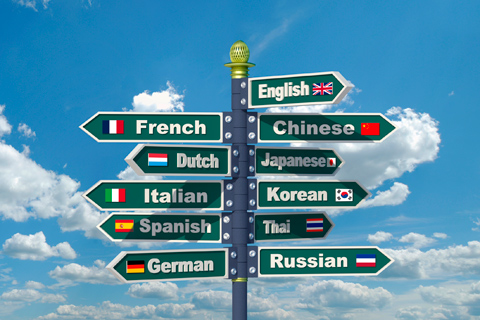
Getting better at a foreign language or achieving an advanced level of proficiency in one is not an easy task. I’m not going to sugarcoat it. Regardless of which language you’re focusing on, it can months or even years to get the hang of it. Depending upon how much hard work and effort you put in, you are going to likely improve quicker and remain committed to the process of becoming bilingual or multilingual. Certain people are going to pick up language(s) quicker because they may have a natural talent for it or because they truly enjoy learning the subject and find it easy to excel in.

However, even if you’re not naturally gifted or don’t pick it up quickly, you can still get ahead and make gains in the language through a number of ways. As someone who has studied foreign languages for over half of my life and has also taught English as a Second Language for a few years now, I have a pretty good idea at what separates those students who are going to succeed in their language studies and those students who are likely to fail.

Even though, you may want to be fluently writing in Japanese or speaking to friends in Spanish, you have to put the work in even if language learning happens to come easy to you. It won’t happen overnight but the process can be sped up if you want to boost your ability to learn with a few key steps that I will highlight in the rest of this post. Take these five steps that I will flesh out to heart because it could mean the difference between you being at an advanced level in a year rather than being stuck at the intermediate stage. You don’t have to do all of my five recommended steps to make language gains quickly but it’s definitely recommended to try our at least one or two of them for your own personal benefit as a student of foreign languages.

  1. Be Consistent

While not the most noteworthy recommendation, some language learners forget to put the work in on a consistent basis. If you happen to work five hours on one day specifically on learning a language, that sounds great on paper but if you happen to neglect the six other days of the week, then you’re not really going to make any progress. This is partly why if you study a foreign language in a school or at a university, you’re going to usually have classes four or five days a week so that it stays fresh in your mind. One or two hours per night five or six days a week will go a long way for you and your learning language goals.

Being consistent and responsible in your hours of study will pay off much greater dividends than cramming all of your language studies into one night for a bunch of hours. It’s likely that your brain and memory will be so overwhelmed by all of that information if you cram it into one night that you won’t be able to remember anything you learned by the next week or month. When it comes to any academic subject including foreign languages, you should listen to wise words of a popular phrase that I remember from my high school days: “It’s better to study smart, then it is to study hard.” Don’t overwhelm yourself, stay committed to a language study schedule, and remember to take one day off instead of five or six days off to retain the vocabulary, grammar, phrases, etc. that you have been learning.

  1. Use Both Online and Offline Resources

We live in an amazing time and I would argue that it’s easier than ever to learn a foreign language if you’re willing to do your research, both online and offline. When it comes to online resources, there is almost a limitless amount of information that you can discover dealing with the study of a foreign language. Whether it’s grammar, vocabulary, listening, writing activities, etc. you’re likely to find what you need in order to study and improve if you make the effort to research carefully. In addition to that, it’s easier now than ever to do a language exchange with a native speaker through the medium of an online platform such as Skype, Google Hangouts, etc. You can also use a website like Meetup.com to find a social group to meet up, hang out, and practice your target language with if you happen to live in a big city or large town.

Beyond just online resources, you can network in person by offering to have coffee for an hour with a native speaker of the language you’re learning and if you haven’t had success with Meetup, you can enroll in language classes for a fee at either a foreign language center, community college, or at a local university of note. It’s much easier to make language gains when you live in a big city and have a good amount of money to spare for some formal classes. However, not everybody in the world has that luxury, which leads me to my next step.

  1. Invest in a Private Tutor / Teacher

As mentioned before, not everybody can live in a big city or have the ability to pay for classes at a university or a language center. However, if you can make the more affordable investment of getting a private tutor, it will save you some money and you will be able to practice directly, one-on-one with a native speaker and teacher of the target language.

Usually, a private tutor or teacher who you meet with face to face in person is going to be a bit more expensive than an online tutor. If you prefer to be physically present with your tutor to make it easier for you to learn and clarify the content that you’re absorbing, you may prefer to shell out the extra money for them to meet you at a café or to make a house call to your home and apartment.

However, if you are on a budget, don’t have access to a native speaker of the language you’re learning in your current location because you’re in a small town, don’t live near a foreign language center, etc. you should consider getting an online tutor or teacher. Even though you won’t be physically in the same room as your tutor, you’ll still be able to learn new material, go through lessons together, speak in the target language, and be able to complete homework and classwork to improve your fluency. Online tutors also tend to be less expensive as an investment when compared to real life tutors or to enroll in group classes.

You have to consider how much time you have to devote to the foreign language you’re learning and what your budget is. The cheapest and least expensive option is to have a free exchange of languages if you have a friend or colleague who wants to improve at your language in exchange for them teaching you their language. If you are particularly interested in learning a foreign language online, you should check out platforms like Verbling or Italki.

  1. Immerse Yourself (Books, Music, Movies, TV)

Another great way to boost your foreign language abilities is by seeking out opportunities outside of the classroom or textbook to brush up on your knowledge. Through a variety of media that is available both online and offline, you can spend an hour or two each day going through books, music (songs), movies, TV shows, etc. to listen and absorb the language you’re learning. For example, when you’re reading a book in a foreign language, you can highlight the words that you do not know and find out the meaning with a dictionary. You can also look up news articles online and take the time to translate the sentences and paragraphs from the foreign language into your own language.

You can immerse yourself more deeply into the culture behind the language you’re learning by being exposed to the songs and dances whose lyrics you’ll be able to study and analyze. In addition, you can pick up a lot of a language when you watch a popular TV Show, Movie, or other program. You can not only pick up a lot of a foreign language by spending some time listening to the language and interacting with it but also by observing the host culture(s), and finding out more about the individual expressions and phrases that also make this language you’re studying unique in its’ own ways.

  1. Move Overseas

To save the best and most important step for last, if you want to immerse yourself fully and take your foreign language studies to the next level, you’re going to want to move overseas for a period of time for some intense study of the language. You can watch a lot of movies, you can take a lot of classes, and you can study five or six nights out of the week, but moving to a country where they speak the language you’re learning as a fact of life will challenge your language skills and abilities as never before and put you to the test. Out of the five steps that I mentioned, this one will be the most beneficial to your language studies and also make the biggest impact on your life. I cannot recommend it enough for you as the student to go overseas for as long as you need to improve your language skills and improve as much as you can.

Even if you can only make it overseas for a cultural / language study exchange program for a month or two, you should take advantage of an opportunity like that. Also, if you happen to be in university and have the chance to study abroad for a semester or even a year, you should really do it especially if you’re committed to mastering the foreign language you’ve chosen. Foreign language learning doesn’t have to end even after you have earned your diploma.

You can continue to make trips to those countries where the language is the official one into the future. Other options include taking a gap year off from work or school to devote yourself to language study while you’re traveling around the world. If you are TEFL certified and want to learn a foreign language at the same time, you can move overseas to teach your language to students while receiving lessons from a teacher in that country as well as being immersed in the culture at the same time. There are tons of options out there so if you want to boost your language skills as much as possible, moving overseas for a long period of time could be a great chance for you.

There is no ‘magic bullet’ that will guarantee you perfect, almost native-like fluency in a foreign language. It’s a goal that takes a lifetime to master and even then you’ll still make mistakes and may retain your accent while speaking the language. Learning a foreign language is a lifetime project and is a skill that has to be consistently studied and improved upon.

It’s a common fact that the younger a person is when they start a foreign language, the better off they’ll be. If you start learning Chinese at five years old, you’ll be at a clear advantage when compared to somebody who is first starting a language at twenty years old. The younger a learner is when it comes to a foreign language, the more vocabulary and grammar they’ll be able to retain.

However, it’s important to not be discouraged about this fact even if you’re starting a foreign language in your 20’s and 30’s. With hard work and determination, you can still make a lot of progress especially if you follow these five steps. You can boost your level quicker than usual if you consider implementing these useful steps in your weekly or daily routine.

It’s also a positive that after you learn your first foreign language well, it’s likely to be easier for you when it comes to getting a high proficiency for your 2nd, 3rd, or 4th foreign language. Anything worth doing in life does not come easy so you have to decide how much the study of languages means to you personally. However, with the five steps that I have outlined in detail for you as the reader, you will be able to learn the language well, improve quickly, and reach your goals as a student to develop this crucial skill for the 21st century.

If you liked this article of mine and you are looking to improve your English language skills, please consider the option of having me as your private tutor. You can find out more information about this opportunity at https://benjweinberg.com/learn-english-with-me/. Whether it’s a lesson through Verbling, Italki, or another platform, I’d be happy to work with any English language student from around the world in their quest to achieve an advanced proficiency in my mother tongue. Good luck!