You Don’t Owe The World A Status Update

“You should not be performing for other people and achieving goals for their attention. The ‘likes’, the ‘emojis’, the ‘congratulations’ are all well and good but when it comes down to it, you don’t owe the world a status update.”

Not everything in your life needs to be broadcast to other people, especially strangers. It’s preferable even to move in silence while you work towards achieving your personal goals or achievements. True self-growth is about achieving your wins in life because of your own hard work and desire and not just to seek validation from others. You should not be performing for other people and achieving goals for their attention. The ‘likes’, the ‘emojis’, the ‘congratulations’ are all well and good but when it comes down to it, you don’t owe the world a status update.

You build a legacy for yourself and not for chasing the validation of others, whether they end up giving it to you or not when your success comes to fruition. We live in a world where broadcasting every tiny move is celebrated, which is fine for those who choose to engage in it, but that’s not what your life should be focused on.

Telling people too much, especially too soon, can be bad for your goal setting and put undue pressure on you to reach that goal even more. If you fail, everyone will know who you shared the original goal with which could sting. While telling people can provide external motivation, at the same time, you are also putting a lot more stress and anxiety on yourself to perform for others because of how public you made your goal.

In my view, overexposure kills momentum and the energy you give towards outside attention can distract you from setting and achieving your goals. To give a personal example, in the past, I let some people I trusted in my life know about my goals, especially when it comes to launching a business or passing a certification for professional reasons. While I enjoyed letting those people I cared about know, I should have waited until I had achieved my goals in both areas before making it public even to close friends and family.

The sting of failure or falling short is accepted best by those closest to you but it can still hurt knowing that you may have let them down by promising more than you could deliver. Often, it’s best to wait until the goal is achieved, like having a profitable business or acing your certification before you let others know you were even working on that accomplishment to begin with.

Some things in life need space, time, and most importantly, privacy to develop like the roots of a tree as they form the foundation for growth. Self-improvement can be shared publicly but it should be thought of primarily as a private contract within yourself, and not public performance. Real growth takes a lot of time and achieving tough goals takes years, decades, and sometimes an entire lifespan.

Updating others constantly will get boring too and if you are going to update others, make sure you are only doing it when you achieve something along the path to success. Progress should be boring and predictable, and you shouldn’t need applause or praise to keep going towards your goal or objective as well.

I find that the most successful people often work in silence until its time to deliver the final result, not announce to the world that it’s in progress. Whether it’s Albert Einstein working on the e=mc(squared) result, Michael Jordan putting in the years as a teenager and college basketball player to make it to the NBA and become a legend there, or even Steve Jobs getting rejected multiple times for what would become world renowned tech products like the iMac and iPod.

These legends in different fields of mathematics, technology, and sports did not announce to the world when they made progress towards their goals, they only announced to the world that they had made it when they achieved their goals. For a personal example, I didn’t tell the world when I started a martial art, I only let it be known to people when I had been doing it for a few years and had some progress or goal achieved to show for the efforts I had made. It’s great to start towards a goal but only announce it after you’ve been grinding for a while and have achieved a result with that job or activity or passion.

Let the results do the talking when you work in silence. When your final product or achievement is ready, it’ll speak louder than any fan or hater will have to say about it when it becomes public. Again, don’t tell people or especially strangers on the Internet your plans, show them the outcomes and the results that you have achieved and maybe how you got there if you want to give that away too. I think it’s best for anybody to be devoted to improving themselves and bettering their lives with real goals is to build in peace and quiet.

Keep your head down, have a steady heart, work consistently towards your goals, whatever they may be, and do so only loud enough for you to hear them constantly, until they echo for everyone else once you’ve achieved what you set out to accomplish.


Be Bold and Take Chances in Life

“Nothing will ever be given to you on a plate whether that’s a new job, a pay raise, acceptance to your preferred college, or achieving a new professional certificate. You have more say over your life than you think with the effort you put into it.”

I want everyone reading this article to succeed in life. I want you to make good choices and not be to rash in your decision making as well. However, to foster new opportunities, you have to take the initiative, be bold, and take chances to really get ahead in this world. Nothing will ever be given to you on a plate whether that’s a new job, a pay raise, acceptance to your preferred college, or achieving a new professional certificate. You have more say over your life than you think with the effort you put into it.

Nowadays, you can’t be too complacent especially with the pace at which we are going through life. Time speeds up the older you get, and you have to make the most with the time given to you. You must be bold, take some chances, and see if it pays off. You don’t want to go all-in per say and take too much risk on to achieve a goal, but you also don’t want to never try at all so be sure to balance your desire to take chances with your need to preserve your livelihood. Going all-in without doing your research, not knowing your limits, or being unprepared is a recipe for disaster and that is the opposite of being bold, it is being foolhardy instead.

Calculated risk-taking is what you should be striving for in your life and to prepare yourself to succeed in whatever you choose to pursue to give yourself the best shot at success. Being bold is not about going all-in with no resources or preparation but it’s rather about taking a shot where you feel as if you have a realistic chance of succeeding. You should always think about what I am getting out of this pursuit, is it worth the risk, and what happens if I succeed or fail? You want to make sure that you can bounce back if it doesn’t turn out well and you still have the means to try again.

To cite a personal example from my own life, I prepared myself for the project management professional (PMP) certification for months, took multiple preparatory exams, enrolled in an intensive course, and took evenings and weekends to study the exam material. It was a good strategy because I didn’t go all-in without preparing myself first and reminding myself that if I fail, it’s not the end of the world and I can try again.

I also thought if it was worth the investment and if passing the exam and getting certified would benefit me in my own professional pursuits. I did the analysis before spending the money and the time to get ready for the certification exam and to go through the steps also to qualify to sit for the exam. Was it easy? No, not at all, but I’m glad I took the time to take and pass the exam because I knew that this kind of chance was worth it and would benefit me in the long run.

You will find that to be bold in life, you may have to suffer to achieve or do something truly great. Whether that is starting your first business, applying for that dream job, moving to a new city, or just asking that girl or guy out who you’ve been meaning to talk to but haven’t yet. Doing anything worthwhile in life is far from easy and often will be painful and difficult. However, the alternative of doing nothing, never trying at anything you want to do, and going through your life thinking of ‘what if?’ is no way to live your life.

I am so adamant about this topic because I’ve been through a lot of these situations I’m describing, and it required a lot of boldness to do it. You have to be bold often to get what you want out of life, especially since nothing is going to be handed to you. Make sure you take measured risks and think before you take upon a challenge as well. Boldness isn’t thoughtlessness or recklessness. Rather, it’s about thinking about what challenges you wish to take on, being realistic about your success chances, and coming up with a plan to give yourself the best shot at being successful.

Whatever dreams, goals, or ambitions you currently have, think about what it would take to make them a reality. Come up with a few steps on how to achieve your goal(s), eventually formulate a plan with further details, and then execute to the best of your ability. Sometimes, your bold decisions will be more instantaneous such as networking on the fly, asking someone out by introducing yourself and being vulnerable, or pitching your supervisor at your job about why you deserve that promotion in a one-on-one conversation.

It’s better to look back on your life and think of ‘how it happened’ rather than ‘why didn’t it happen?’ You want to live life with fewer regrets as you get older and avoid ‘what if?’ in your thoughts as much as possible. That is why I stress to you about the importance of being bold, taking an action, and working hard on what you really want out of life. If you fail, at least you gave it the best effort that you could, and the next time you try, it will be less painful, you’ll have more confidence and you’ll likely have a better chance of success the more times you take the initiative. Good luck and remember to be bold!

Get Used to Rejection

“Rather than hide from a rejection, be ready to embrace and learn from it. Rejections should serve to motivate you to be better, do better, and keep striving forwards to reaching your goals and not letting rejection stop you in your tracks. Get used to rejection because it’s a part of life, but it’s not our whole life.”

Rejection is never enjoyable nor is it pleasant. It is something you always want to forget immediately and to bury it in the recesses of your brain, never to be thought of or remembered again. However, like death and taxes, I truly believe rejection is an inevitable part of life and it happens to everyone. We can never go through life being accepted for everything or being accepted by everyone. Because rejection is so much a part of our life, it is better to face it head on rather than try to hide from it or ignore it completely.

We never really like to address rejection or talk about when they happen. We often feel that reflects who we are rather than what the other person or job or opportunity is looking for. Sure, there are times where maybe we didn’t put the best foot forward or ace the interview or be able to show the best of ourselves to the person(s) considering us, but often, the rejection itself may be a factor of other circumstances beyond what kind of effort you put in or who you are as a person. Even if you get rejected, it’s not a wholesale rejection of who you are but rather there is incompatibility there to begin with or it just wasn’t going to work out in the long run.

It is very hard for us to predict what we will be accepted or rejected for. That fact makes it even more important for us to put ourselves out there even more because the more no’s you get, the likelier it is you’ll eventually get to the ‘yes.’ As the popular expression goes, “Practice makes perfect,” and I do believe it is necessary to face your rejections head on rather than to just get rejected once and then call it quits, never to go through it again. Giving up entirely should not be an option if you want it that badly and you should not be afraid to try again. Yes, rejection hurts and it stings for a while, but it is better for you to build your self-confidence up and shore up your self-esteem by trying than to go through life being afraid of it.

Getting used to rejection does not mean give up after getting the rejection. No, it means you must understand that rejections will happen but the more you try, the likelier it is you’ll find that job, that relationship, that big sale, etc. that you can be proud of after getting to that ‘yes.’ Being rejected is good for one’s ego in that it both keeps it in check and keeps you humble. Maybe you need to do things differently to get that acceptance or maybe work a bit harder or try something new after getting rejected.

You don’t give up, but you keep working at it, getting better, trying again, or even asking the person(s) who rejected you politely why the rejection happened. Asking about the rejection can be a bit sensitive but it doesn’t hurt to see why it wasn’t the right fit or place for you but if an answer isn’t forthcoming, you should just move on and try your efforts elsewhere.

I’m a New York Jets American football fan but I can’t help but think of the story about former New England Patriots quarterback, Tom Brady, when it comes to a story about rejection. Multiple NFL teams chose other quarterbacks ahead of this Hall of Fame player and 198 players went ahead of him in the draft. They essentially rejected him as a quarterback and didn’t think he had it in him to lead their team to a Super Bowl. I’m sure this would have hurt Tom Brady quite a bit waiting for his name to be called. Expecting to be drafted and waiting through 198 players before you in a draft would have that effect on anyone. I’m sure Tom was discouraged but eventually, the New England Patriots took a chance on him and drafted him 199th in the sixth round.

This kind of rejection likely lit a fire under young Tom Brady especially when New England did not consider him at the time to be the kind of NFL quarterback and legend, he turned out to be. Tom did not let the rejection get to him from the other teams, but it motivated him even more to turn those rejections against those teams who did not think he was worth drafting. He worked harder than any other player on the roster, kept his body in better shape than any other quarterback, and put more time in the film room than many NFL veteran players.

The results speak for themselves today as Tom Brady is widely considered the greatest quarterback of all-time and won seven Super Bowl championships and multiple Most Valuable Player (MVP) awards during his 22-year career. Again, I wish the New York Jets had drafted him in the 1st round so we would be talking about how great of a Jets quarterback he was but rejection by my team led to the Patriots getting him later in the sixth round.

I hope that anecdote about Tom Brady, the Patriots former quarterback, will be a lesson for us all on how rejection, while painful and disappointing, can spur us to still be successful and achieve our goals elsewhere. We all are going to get rejected for something whether it’s a job opportunity, making a sale for our company, asking that cute girl or guy for a date with you, or even not being picked to go on a work trip or getting chosen last for the local kickball team. The key is to take it in stride, move on to another opportunity, continue to work hard, improve, and prove the doubters wrong, and to never, ever give up.

Rather than hide from a rejection, be ready to embrace and learn from it. As a child, we don’t know any better when it comes to rejection because it’s so new to us and it hurts the most, but when you’re an adult or even teenager, you should be used to it by now and it should be something that you’re able to handle in a mature manner. It’s never easy but living your life in a way where you avoid it at all costs is neither productive nor healthy. Next time you get rejected, take a deep breath, ask yourself if you put your best effort forward, see where you might have gone wrong or ask for an answer if feasible, and keep moving on and don’t look back. Rejections should serve to motivate you to be better, do better, and keep striving forwards to reaching your goals and not letting rejection stop you in your tracks. Get used to rejection because it’s a part of life, but it’s not our whole life.

Anatomy of a Scene – ‘The NZT-48 Pill’

How often have you thought about the possibility of taking one pill per each day that would maximize your brain’s full potential? With the movie ‘Limitless’ with Bradley Cooper and Robert DeNiro, this film poses the answer in the form of ‘NZT-48’, which can allow you to access everything you’ve read, heard, and learned without any true effort. This kind of wonder drug is purely fictional but many people in real life seek this kind of legal short cut nowadays whether it’s to focus, to lose weight, to improve memory, or to retain more information. In the film’s early scenes such as the one that introduce this magic pill’s effects, we get to see what kind of effects NZT-48 has on Eddie Moura, the main character.

This limitless pill is introduced as one that can improve focus, memory, knowledge retention, tidiness, and even make your intelligence that much more advanced especially after repeated usage. The scene that I would highlight shows just how effective it can be in multiple areas and how well the director shows how its daily usage turns a struggling writer into a financial tycoon and published author in just a week’s time.

The scene starts out with Eddie Moura taking the NZT-48 pill for the first time even though he knows it comes with risks and side effects. He asks, “worth the risk?” by breaking the fourth wall with the audience, and says in the narration, “what would you do?” It’s a pertinent question because due to how many months, years, or decades it takes to be successful naturally without any enhancements, supplements, or advantages, how many of us watching the scene would want to take the easy way out in life even if there were risks involved? It’s part of the reason why this scene is so powerful because we know Eddie will face consequences for using this pill eventually but as we are told, the benefits of the pill may outweigh the consequences at first making it a tempting magic pill.

Eddie’s changes start out small as his pupils dilate and he starts seeing the world much more clearly than before. He’s clear-headed, not anxious socially, able to think and act clearly, and is aware of his own personality traits that need improvement. He gets a haircut, builds his wardrobe with a stylist leather jacket, cleans up his messy apartment, and starts to exercise more frequently and seriously.

From there, Eddie, a struggling writer, finds “a surge of motivation” from the pill to finish the novel he had been failing to finish for years and writes it all in just a few days’ time. Eddie doesn’t stop at that monumental achievement as a new novelist. He learns to play the piano in just three days, becomes a master poker player knowing how to play the odds in his favor and winning a lot of money against the house, and becomes fluent in most languages just by casually listening to them as he goes on a daily run with the headphones playing different vocabulary for him to instantly memorize.

Eddie uses his newfound social and language skills to seduce a beautiful woman and begin to network and build relationships to put his newfound wealth to good use in the stock market. He explains key economic concepts to those around him, can hedge bets on the pharmaceutical industry (partly responsible for his NZT-48 usage), and flies to a far-off beach to enjoy drinks and food at a private mansion with some of his new friends.

These may be selfish desires on Eddie’s part, but he’s able to diagnose exactly what the medical issue is with his aunt and how to fix the issue. “I suddenly knew everything about everything.” He is able to not only explain complicated medical diagnoses but is able to explain complicated concepts simply enough for everybody else to agree and understand. Eddie has access to everything and a 100% capacity to do what he wishes with his life. He has no fears, no anxieties from taking the magic pill and can hold a conversation with anybody about anything.

However, towards the end of the scene, we start to see the drawbacks of this magic pill in how Eddie must keep moving forward or it’ll feel like he’s dying or suffering. We see this briefly in how he drives a Maserati at maximum speed much to the delight of his companion, but for which he has no conception of how dangerously fast he’s going and what the drawbacks can be of his new heart-stopping lifestyle. “I felt like I was going to explode…”

“Anybody ever jump?” Eddie says to his newfound friends on a massive cliff overlooking the ocean. “Are you crazy?”, one woman asks of him given it’s a few hundred meters above sea level. Eddie’s heart is pulsating and while he’s lost his fear including of heights, he’s beginning to see that he can’t pull back on the adrenaline, the curiosity, and the sheer exhilaration the pill is giving him. The pill does have a side effect and it can be a deadly one of not being able to slow down and to live life normally. Eddie constantly must be upping himself and creating bigger and bigger goals for him to accomplish.

We see this play out in the rest of the film as Eddie seeks to become more wealthy, famous, and powerful with the help of his magic pill. As much as the audience sees how exciting and fulfilling Eddie’s life had become since using NZT-48, the film is a warning against how taking the short cut of a ‘magic pill’ or a quick and easy fix can come with devastating consequences. It is a warning on how taking the easy way out may feel good in the short run, it can have side effects that can bring us down as a result.

This scene is shot very well and is rememberable because it shows just how much potential we all have and it’s not from a pill like NZT-48 as it comes instead from within us. We may not be able to write a book in a few days or learn the piano or be a star poker player like Eddie, but we do have the discipline, abilities, and motivation within us to improve ourselves even if it takes longer in the form of months, years, or decades. We can all learn to exercise more consistently, learn a new language quicker with consistent practice, and be able to improve our style, our conversational skills, and build our finances and our talents over a period of time.

Eddie Moura may have needed NZT-48 to reach the heights of human achievement, but the film’s message, especially in this scene, is that while the ‘magic pill’ is fictional, we can strive to achieve more through our own discipline, consistency, and hard work. We may not be as good as Eddie at everything or be able to be as accomplished as quickly, but this scene does show how with consistent effort, hard work, and beliefs, we can reach our own pinnacle as Eddie did.

It’s a fictional scene and movie about one man’s insatiable desire to use this ‘magic pill’ repeatedly to be the man he always dreamed of being without any regard for what this addiction can cause harm to him and others in his life. It is a cautionary story for each of us that while he was able to achieve great things much more quickly, it did cost him a lot as a result. We ourselves can achieve almost as many great things through our own natural abilities and talents, without a ‘magic pill’ needed, and not have to deal with the consequences of using the shortcut taken by Eddie Moura because of that. To be as ‘Limitless’ as possible, you need to work as hard as you can as consistently as you can to do the best that you can.

The Real Meaning of ‘Seize The Day’

“You seize the day when you can plan for how you are going to seize not just today but tomorrow as well.”

Seizing the day or ‘Carpe diem’ is an oft-quoted Latin phrase that has become as popular as often as it has been misunderstood. Seizing the day is definitely a principle that I stand by for a couple of reasons, but I don’t agree with people who say that seizing the day means to ignore the future or not to think past today’s goals or tasks. You seize the day when you can plan for how you are going to seize not just today but tomorrow as well.

Some people choose only to live in the present moment, and I think that is a fundamental misreading of what it means to really ‘seize the day’. You really have a bigger advantage when you plan ahead of time for what you should accomplish not just on the same day but in the weeks or months ahead. You won’t be able to make the most of each day if you do not know ahead of time what you need to get done or what is most important in your life to complete.

Living only for the day will keep you in a constant state of searching and jumping from activity to activity without planning how long you plan to study, work, explore, travel, or focus on. That is to say that life is nothing without a little spontaneity and that when a good opportunity or event pops up out of nowhere and this will be your only chance to experience it, then it would definitely be acceptable to ‘carpe diem.’ If it is truly a once-in-a-lifetime chance or a very rare opportunity that you would live to regret or would change your life, that is an opportune time to seize the day and chart a new course for yourself.

When you don’t plan for your day ahead, you will not be able to seize it as easily. You do not want to spend your days drifting about from idea to idea, opportunity to opportunity, place to place. Life inherently is not all about spontaneity and being in the moment at all times. You should try to plan ahead to some degree but also be open to changing your life course is a good enough lasting opportunity or change of plan comes around that would definitely benefit you in the long run.

Short-term pleasures, wins, and successes can be quite enjoyable especially when you seize them when they come but it’s the little victories over time that build up and lead you to a successful relationship, business, or career will pay off a lot more. You truly do seize the day when you are planning and doing something each day to push those long-term goals forward in some capacity. When you work towards your goals consistently each day and putting in the work each day, you’ll start to see your hard work come to fruition. That is what will truly go along with the phrase ‘seize the day’ when you make the most of each day to give yourself the highest life satisfaction.

Frittering your days away impulsively going from party to party, country to country, or job to job without a long-term plan can be ruinous to somebody. Seizing opportunities that come your way should be encouraged but not at the expense of having some long-term goal or dream in mind that would truly change your life for the better. Making the most of each day to reach your life goals or to do something meaningful whatever that may be should definitely be part of that famous saying of ‘carpe diem.’

‘Seizing the day’ is not just about working consistently to achieve goals and dreams but it’s also about taking care of both your mental and physical health and to take the necessary time out of a busy day to see a friend or a family member, to go on a bike ride, or to do another hobby like photography or hiking, which will make you feel more well-rounded and relaxed. Human being are not machines that can be constantly on the go and we need that time to reflect alone or socialize with others to improve our relationships as much as possible.

Another key thing to know about ‘seize the day’ is just showing up every day and doing your best. You may not get every opportunity that presents itself, you may not hit your goals each day, or you may not prioritize your relationships or hobbies as much as you want but the main thing is to just show up each and every day to work hard at what you have going on not just immediately but into the future.

As another popular saying goes, “showing up is just half the battle.” Putting yourself out there takes courage and grit, and some people today can’t even do that. Seizing the day is about putting yourself out there enough so you can attract those chances and opportunities that you wouldn’t have gotten ahold of had you not even made yourself available. When you stay at home, isolate yourself, and don’t try at all, you won’t get anywhere in one day or even in one year. If you don’t put in the effort each day, you won’t be able to seize anything of importance or value to make yourself that much more meaningful.

If you are reading this article, I hope you rethink the meaning of ‘carpe diem’ or ‘seize the day.’ It’s much more than just living in the moment and pursuing instant gratification in whatever form that may be. It’s about putting in the effort each day, consistently, in pursuit of a long-term opportunity or goal that isn’t handed to you automatically and which will often take more than one day to succeed at. Whether it’s competing for a championship, building a business, or planning out one-year of travel around the world, you seize the day by working towards these visions each and every day by putting yourself in front of those opportunities and doing your best to succeed at them with hard work, grit, and a little bit of luck too.

The Whiskey Philosopher

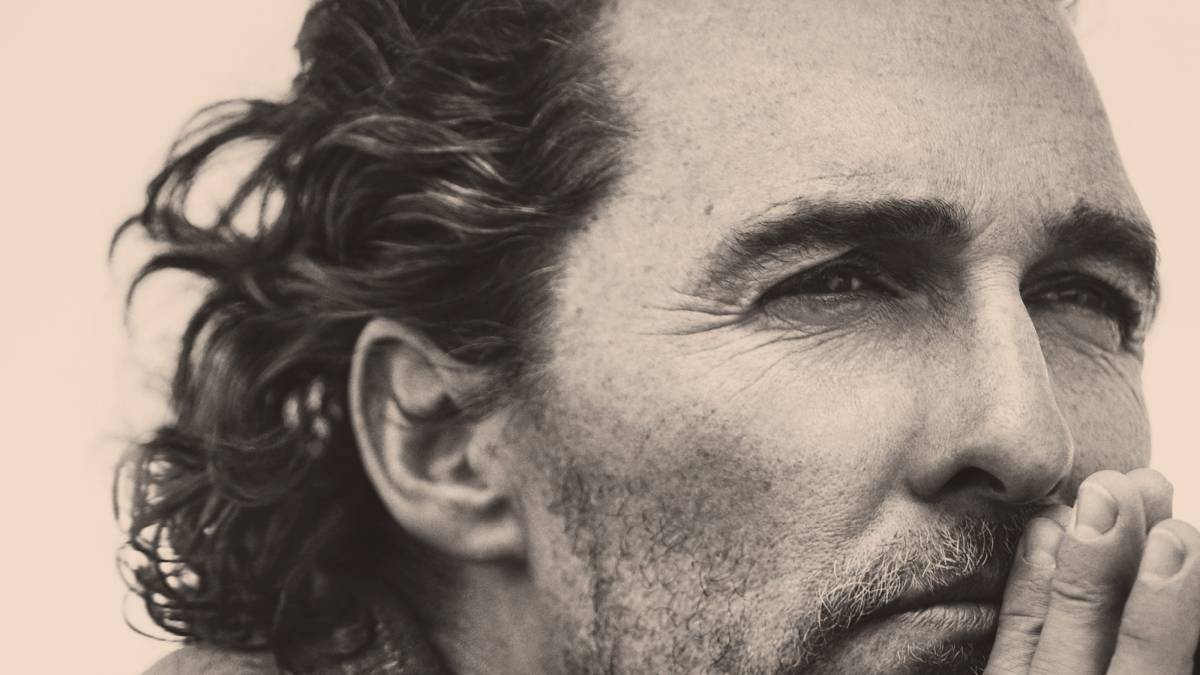
“In a year of ‘red lights’, it’s been both enlightening and refreshing to read a book by a man who has spent his first fifty years on the planet chasing ‘greenlights.’ That phrase of catching ‘greenlights’ is also the formal title of Matthew McConaughey’s memoir / autobiography / personal growth tale that quickly draws the reader in.”

In a year of ‘red lights’, it’s been both enlightening and refreshing to read a book by a man who has spent his first fifty years on the planet chasing ‘greenlights.’ That phrase of catching ‘greenlights’ is also the formal title of Matthew McConaughey’s memoir / autobiography / personal growth tale that quickly draws the reader in. I first heard about Mr. McConaughey’s book when he appeared on the ‘Joe Rogan Experience’, Joe Rogan’s popular podcast. Mr. Rogan coined the book as being ‘whiskey philosophy’ with McConaughey being the philosopher over a glass of whiskey.

I found this metaphor to be quite fitting for the book ‘greenlights’ as the author talks about his life foremost as an observer and a reflector who is able to take a step back and analyze his decisions, his perspectives, and his overall views on his life and how he got to be who he is today. You immediately feel comfortable with McConaughey’s narrative and his ability to tell stories like you were sitting with an old friend over a fire pit drinking whiskey and regaling each other with both good times and bad. Throughout the book, you feel welcomed in and embraced as if you were right there with Matthew having a chat.

What I do love most about ‘Greenlights’ is the raw honesty and the ability to peer into a life like his, which I would argue is different from your average celebrity. Instead of obsessing over the glitz and glamour of being famous in Hollywood, you spend more time with McConaughey in different places around the world. I, for one, did not know that he was an avid traveler ever since he took a gap year in high school to go to Australia on an exchange program. He has often felt the call to go out in the wild, to be secluded from others, and to meet new people along the way.

Surprisingly, the book takes us from the Chihuahua Desert of West Texas to the autobahns of Germany to the jungles of the Peruvian Amazon and across the ocean to the small villages of Mali. One story of Matthew’s that stood out in particular was his wrestling match with a local Malian villager who challenges him as the only white man who has shown up as a guest to wrestle together. It’s not clear to the reader who wins the match, but it doesn’t matter to the village who sees Matthew wrestle. What is most important to them is that he accepted the challenge and not about who won or who lost.

I find that this particular story resonates across Matthew’s life so far and his willingness to put himself out there. Whether it’s going up to ask the woman he eventually marries if he can make her a margarita to seeking his permission from his father to go into acting as long as he doesn’t ‘half-ass it’ to keeping his promise to become a father because that was the most important thing for him to do in life, McConaughey is always willing to accept a challenge and embrace the possibility of failure. His ten guiding goals of what he wanted out of his life back in 1992 when he begun to keep a journal and of which he details in the book of what they were shows the readers how he may have taken a few detours but was able to stay true to his values and his desires even though he’s still working on a few of them.

His main goals of being a father, meeting the woman who was best for him on Earth, putting family first, and even winning a Best Actor award did not happen automatically and he had to run through a number of ‘red lights’ in order to get his ‘greenlights’ eventually. While ‘red lights’ would dissuade a lot of people to keep pushing such as being placed in romcoms for over ten years like Matthew was or perhaps having a falling out with his mother due to his having children out of wedlock, these ‘red lights’ did not discourage him from staying committed to who he was as an actor and as a person.

I think the main message of ‘greenlights’ is to not let the inevitable ‘red lights’ stop you from pursuing your goals and once you see an opportunity, you have to run with it and work hard to turn those lights green. Another particular example from the book that stood out to me was Matthew’s insight to playing Ron Woodroof in the acclaimed film, ‘Dallas Buyers Club’, an immensely emotional role, which led McConaughey to win the Best Actor award for his performance. The role itself wasn’t probably the highest paying role for an actor nor was it going to be a huge box office hit like his previous romcoms.

I believe Matthew took the role because how moving the personal story of Woodroof was and how he was moved to tears talking to Ron’s family and learning about his life through Ron’s own personal journals. While the actor and the man portrayed are very different, they are both native Texans and avid journal keepers. Matthew details his intense diet of losing up to 50 pounds to play the role in the movie and how he had to put himself in the mind of a man quietly dying from the horrific AIDS virus, which was stigmatized at the time. Even if they had to do the film over-budget, it was being made because Matthew, like all good actors, knows a good passion project when he finds one and puts all of his effort into acting the role to make the film as good as it can be. In this case, he won the Best Actor award and made his father proud who tells him the book to not ‘half-ass it’ and those words of encouragement stuck with Matthew.

In addition to seeing Matthew’s life play out since he was a child growing up in Texas, you get to see his really well-written poems, notes, anecdotes, and short stories, which really do convey an intuitive wisdom to them. From discussing love to pleasure to pain to truth to meaning, these poems scattered throughout the book are refreshing to read and relate to his life as a whole. His scribbles, notes, and recollection of different events in life is quite impressive. I do believe even more so after reading ‘Greenlights’ how I should start keeping my own journal for the long-term. Matthew was successfully able to turn his journal full of notes, memories, poems, and stories in a really good book about self-discovery, personal growth, the stages of life from childhood through adulthood, and one’s journey in seeking out ‘greenlights’ even when they can be few and far between as they have been for many of us throughout 2020.

At 285 pages, this is a great memoir and autobiography that doesn’t feel like its length. It is very much an easy page turner that doesn’t feel forced or slow-going. It really grips you for the ride and McConaughey’s life has been full of adventures, events, and precious memories up to year 50 where the book concludes. My only suggestion for improving the book or adding on to it in the future is to really focus more on the ‘red lights’ that happened in the author’s life and what specifically did he learn from those lean times as someone struggling as an actor or having family troubles or being tired of singledom.

I would be curious to learn more from Matthew about what advice he would give to someone during those ‘red lights’ times and how to make the most of them or how to best turn them green in the future. I did find that part to be missing from ‘Greenlights’ a bit too much as the ‘greenlights’ got a lot of the book space whereas I think it’s the ‘red lights’ in life that cause us to reflect more, learn more about who we are, and challenge us to be more creative in overcoming adversity.

In conclusion, ‘Greenlights’ by Matthew McConaughey is one of the best books of 2020. It is an engaging, emotional, and insightful look into a man’s life who has been one of the most important actors and entertainers of the past few decades. You learn a lot more about who Matthew is, what drives him, what’s important to him, how he views family, friends, his career, and what truly matters in life. I enjoy his whiskey philosophy and if I happened to be hanging out in Texas with anyone such as having a stiff drink and swapping stories together, it would be with Matthew McConaughey.

English Corner – The Building Blocks of Reading Materials

“When you are first starting out in reading the English language, it’s important to incorporate reading materials into your weekly habits.”

When you are first starting out in reading the English language, it’s important to incorporate reading materials into your weekly habits. It is a necessary complement to your learning and will help flex that muscle needed to retain both the grammar and the vocabulary that can drive your overall proficiency forward. It is not so much which reading material you choose but the fact that it should be appropriate for your reading level as a whole.

For example, it would not make sense to try something very difficult because you think you will advance that much quicker. Often times, if you go beyond your reading level in English, it will often cause an unnecessary step back and you will waste precious time in trying to understand a level of vocabulary and grammar that you are not yet ready for. It is often better to be err on the side of caution in terms of selecting multiple reading materials that you find yourself comfortable with and will challenge you yet you know for sure what the material is about and you can interpret the meaning and explain it to a teacher or a colleague.

If you are a beginner in the English language, I would start off your reading adventure with short poems and short stories, not more than a couple hundred words. Even if you are an adult as well, children’s books are a great way to get more familiar with the language level that you are currently at with basic vocabulary, phrases, and grammar principles. You may also want to read fliers and short email examples as well to become aware of the structure of those forms of writing.

I would also recommend short letters written about different subjects such as sports, weather, the daily habits someone has, and about going shopping or out to eat. It is key to read these short pieces of writing twice or three times to really understand the full meaning of what is being written. You may also want to read the story, the poem, or the letter out loud to work on your own pronunciation too to feel more comfortable absorbing the vocabulary that you are learning. A beginner should not be reading anything more than a few pages in length and at a very low vocabulary level. Preferably, a children’s book, a short email, or a quick poem are best for beginners in this sense.

For the intermediate learner, it is important to challenge yourself more and depending upon one’s age level, there are different options to consider. I encourage students who are younger to choose comic books, short stories, and even short mystery novels as well. Older students may enjoy reading magazines about sports, news, and even fashion depending upon their interests. I also encourage becoming more familiar with reading current events and news articles and being able to explain them to the teacher or to a friend.

Adding on to the difficulty means reading longer reading passages as well as longer letters or poems as well at any age group. You want to make sure that the reading level is higher so instead of at a 1st or a 3rd grade level, you should try to read materials that are at a 5th or an 6th grade level and perhaps up to an 8th grade level. Perhaps most importantly, at the Intermediate level, you should be able to hold a conversation about the topic you just read and to explain the main ideas and supporting ideas of the piece you read. Lastly, with your vocabulary, I would encourage being able to explain too your point of view for an article, what you thought about it.

The advanced learner should be at the point where they can read full books, magazines, and longer-form pieces of writing of at least a few thousand words or more. They should be able to understand and interpret vocabulary at the high school level. Depending upon which English-speaking culture they would like to learn more about, they should do their best to become familiar with writers of different backgrounds and be able to read successfully in a few genres, both fiction and non-fiction.

Reading and interpreting different kinds of texts that deal with different subjects and modern-day issues is also a key part of advancing in the English language. You should be a flexible enough reader at this point to be able to handle different types of reading that is longer than the other levels. From a 500-word poem to a 2500-word article to a 100-page book, being able to handle these types of reading at a high level will set you apart from the beginner or intermediate levels that you used to be at.

Another key to this advanced reading level is one’s ability to speak and write about what you just read with accuracy and by utilizing some advanced vocabulary and phrases learned from these reading exercises. If the professor or teacher were to assign you a persuasive, narrative, or argumentative essay for you to write about your reading assignment, you should feel comfortable by this point in doing so across a number of genres.

‘Building blocks’ take time to assemble and the same goes for building up your reading prowess. Again, it is necessary to start slow with short forms of writing from poetry to a short story to a quick email and then work your way up to a long article or a magazine and then on to the full novel or book that may take a month or two to finish. Getting better at reading in English is a key skill to have and is necessary to boost your proficiency and to do so in a comprehensive manner. It is not only true that your reading skills will get better the more consistent and driven you are with each page but your speaking skills should also improve and your writing abilities will be complemented if you can analyze, interpret, and describe what you have just written in your own words.

Patience is a virtue and reading are the biggest part of that quality when it comes to developing your English language skills. You may show quicker gains with speaking or writing but the long-term success of your English proficiency will be determined about how well you read, how you understand the reading, and what you can tell others about what you have read.

Finding Your Flow State

What’s one thing that all professional athletes, musicians, artists, writers, and anyone devoted to their craft have in common? They have all achieved a ‘flow state’, which is difficult to relate to unless you are fully immersed in terms of what you are pursuing and truly enjoy what you are doing. The flow state is elusive for most people because they either haven’t found their passion in life or haven’t put the time in yet to get better through consistent practice or play. The flow state is a higher state of being because for a point in time, your concentration is matched with your intensity producing a beautiful result.

When you can put other thoughts or other concerns out of your mind to focus on your craft regardless of what it is, you are utilizing your full potential and will be able to achieve a better result for yourself. To outside observers, the flow state looks nearly impossible to accomplish but when you are devoted to art, to music, to sports, or to writing, the final result is nearly guaranteed because you have put blood, sweat, and tears to produce something meaningful.

To me, the flow state is the most optimal state of mind that you can be in because it requires you to be at your best and to perform at the highest level. It’s requires being in a state of movement and using your body in some way to produce an action. You are putting your energy, your concentration, and your focus into a singular goal and it’s inspiring to those people who get to benefit in some way from what you were able to produce. It’s better to be a doer than to be an observer but it can inspire others to find their flow state when you see them do theirs and to do it extremely well.

For example, I was at a popular Jazz club in Mexico City recently and the headliner was a talented Danish guitarist along with a group of local musicians backing him up on the saxophone, the drums, and the Jazz bass. Every one of them was talented at what they do and were in sync generating a group kind of ‘flow state’ that is even more powerful. The thing with a good Jazz group is that you start to yourself get into the ‘flow’ of enjoying the music and moving your body to the rhythm as well.

As someone who played trumpet for 11 years straight and enjoyed the feeling of togetherness and comradery that playing in a Jazz Ensemble can bring, it is impressive to see a group working well together and nailing their parts to achieve their flow state together. To play a musical instrumently proficiently on your own is tough enough, but to work together with different musicians to produce a catchy tune without making any mistakes is as near to a modern-day miracle as it can get.

Musicians thrive off the energy and the drive of others as well as professional athletes and even politicians. It is much harder to achieve a flow state on your own in the solitude of one’s house especially if your craft requires some sort of public attention. Writers and artists tend to be more introverted on average and don’t need the attention of others to achieve an individual flow state. However, there’s something to be said for achieving a group flow state when you’re cheering on a ruthless dunk from a professional basketball player or listening intently in an arena to a Presidential candidate’s stump speech.

People want to believe in the achievements of others, and I know that we prefer to lift each other up rather than to tear each other down. While it’s beneficial to take part in watching other people reach and show off their flow state, you should be trying to find yours every day. You will get much more satisfaction out of life when you are in that mode where you are merging with your craft whether that’s art, music, writing, sports, etc. While it’s fun to cheer others on and take part in their joy, you should always be trying to create a little bit of your own.

Intense concentration and effort is not easy to achieve, but it is extremely rewarding to put your worries and anxieties aside to focus on a singular goal that you want to achieve. It may take hours, days, weeks, months, and even years to get to where you want to be but there is joy to be found in putting away all distractions and devoting yourself to a craft that you enjoy and are able to put serious time into. Our individual potential will not be able to be achieved unless we are able to reach a flow state relating to a kind of creative or intuitive pursuit.

Do your best to try different activities out and see what you like. If you find an activity or an interest you enjoy, continue to add more time to it and you should start to see results. Don’t start to look for monetary rewards or personal fame to keep you going with this pursuit but you should be doing it for yourself primarily and for your desire to reach that state of flow where you can fully immerse yourself in the activity whatever it may be.

You should find happiness and joy in what you do and become the best that you can be at it. If you can enjoy the activity, you’ll eventually find your ‘flow’ with it and be able to do it effortlessly. While you will have a lot of frustration and stress with practicing and doing the activity, if you like it and find it worthwhile, you won’t mind the downsides when the upsides can produce such an intense ‘flow’ where you are in the zone and are able to produce a beautiful result that others will appreciate. Being able to inspire others to reach their own ‘flow state’ creates its own ripple effect allowing our society to become more creative, intuitive, and productive as a result.

What can the creative process give us?

Anything that is done in the creative process takes effort and hard work. Any work of art, any piece of music, any lengthy novel took days, weeks, months, and even years to create. The creative process allows any person to express oneself in any way they see fit. The idea to keep in mind is that it is best for somebody to discover what he or she would like to create based on what his or her interests are. They then must discover for themselves what exactly they are good at creating and what they have a passion for doing. Being creative cannot be forced on someone.

The person in question has to decide what they enjoy doing and how far their talent can take them. Sometimes, the person can discover his creative vocation on his or her own but other times, it’s often the recommendation of a close friend or family member who gives the person inspiration to continue on with their craft. The key to remember about the creative process is that it can add value to people’s lives and also provide substantive meaning for any human being.

Being creative allows you to step outside of yourself and observe the external world in some way to shape it in a way that you see fit. Whether it is painting, writing, sculpting, etc., you’re putting yourself out there to see how you can do it differently and how can you create something truly unique. The creative possibilities out there are infinite and it’s important to choose a hobby or interest that appeals to you and which you can devote serious time to.

Some other traits that you can develop besides being observant and aware of the world around you are to become more collaborative and open to learning from others. A creative person will learn from others who have come before him or her in order to develop themselves as an artist, writer, builder, etc. Without copying them directly or replicating their kind of work, a creator will take what they have learned and studied to develop their own style or add value to their field. You don’t have to become the next Mozart or Rembrandt but you should try to innovate or change up the creative field so as to do something that will be remembered in the future.

Collaborating with other creative people and working alongside them or just to learn from them can make you more skilled in your work. You can learn a lot of valuable lessons from other creative people and they can mentor you based on their years of experience if you’re just starting out. Even if you suffer setbacks or false starts, knowing that you have a network of people similar to you in your creative world who can give you advice or a new perspective will give you the extra motivation to continue forward and learn from your mistakes. Through collaboration, you’ll learn to be less defensive and tame your ego so that you can learn and become better at your creative vocation.

Harnessing your creative energies can make you more outgoing, more connected to the world and can make you more humble. In a world that seems to be moving faster and faster, being able to slow down, observe your surroundings, and collect your thoughts is a great way to fuel your creative impulses. While we cannot control much outside of our own choices and decisions, harness your creative abilities will give you a sense of control over the external world. You can also gain a lot of satisfaction from putting something out into the world even if it never gains popular recognition. To keep it as a healthy endeavor, exercising your creative abilities should never be done for the possible fame, fortune, or notoriety of it but rather for your own benefit.

Without any kind of creative outlet, humans can stagnate both mentally and physically. People can often be placed into two categories: producers and consumers. We have the capacity to do both but we are often told by the larger society and culture to consume, consume, and consume some more. While there’s nothing wrong with consumption within reason, being able to channel our energies into a productive endeavor can be good for both the mind and the body. This is especially the case when you’re working to solve a problem or to make life better for people. You don’t know what your own potential or capacity for creativity is until you begin to do it. Everybody has the ability to be creative but they have to figure out where they can contribute the most to an idea, a project, or a work of art.

There has never been a better time in human history to be a creative individual. The advent of the Internet and global social networking has allowed people of all backgrounds to express themselves in various ways. More than ever, the average person is a website, a YouTube channel, an eCommerce shop away from sharing their creativity with the world at the click of a button. While the creative process is long, challenging, and comes with no certain reward, the benefits to a person’s mental and physical health cannot be overstated. The Einsteins, Beethovens, and Rembrandts of the world knew that their creative contributions would change the world in one way or another. They did it not just for the world though but their own sense of fulfillment and purpose. Instead of asking themselves what they could receive from the world, they thought instead of what they could contribute to the world with their individual talents.

Being creative, innovative, and experimental comes with risks but also a number of rewards. Even if you fail or don’t reach your goals, you will still learn a lot about yourself as well as what you are capable of. The key is to keep working at it to find out what you are skilled at whether that’s being an artist, a writer, an architect, an engineer, etc. Everybody has a creative flame within them that can be harnessed and molded. You just have to figure out for yourself how to develop, practice, and become proficient in your craft throughout the creative process.