How to Spot a BS Artist

I do not like to speak ill of people, but I do think it is important to warn about certain people who may not have your best interests in mind. You may want to look out for what I will reference as being ‘BS Artists’ as I do not like to curse in my writings. I will tell you what a BS Artist is, what to look for in spotting a BS Artist, and how to avoid them as best as you can. BS Artists do not necessarily intend or want to be mean and they are not necessarily bad people, but they can be deceptive, misleading, and not have your interests in mind.

BS Artists are definitely not your friends even though they may initially appear to be friendly. They seem to care about you initially and remember certain details about who you are. Their kind of friendliness is an obvious bit of shallowness that leaves you feeling a little let down. You can tell after a little while that the friendliness was not genuine, that they are looking to curry a favor or are trying to take more from you than they want to give back, and they are mainly looking out for themselves and want to take advantage of your time or your money.

A BS Artist will do their best to convince you of something without giving any proof or by hyping something up without checking his or her facts. They do not see lying as that bad if it’s a means to an end even if that hurts people’s feelings or misleads them. They resent facts and the truth and will attack you if you push back on them. If it is in their interests, they will BS their way even if it means disregarding the truth to further their own agenda even if it causes harm.

Instead of admitting that they are wrong or that they do not know or to say that they need to find out the facts first, they go ahead with illogical assumptions and conclusions on any given subject and will not back down at any cost. They would rather ‘save face’ or maintain positive relations with others rather than be honest and upfront about what they might have been wrong about. Because lies upon lies can do the most damage, BS Artists cause a lot more harm because the little white lies become big lies and before they can admit fault, many people can be hurt from being misled.

It is not a bad trait to be confident, but BS Artists take it to the next level by being cocky and showing hubris even in the face of contrary evidence or contradictory claims. They can be overconfident, selfish, and demeaning when other people disagree with them or want to debate regarding the facts of the matter. Being that cocky will get a BS Artist into trouble and can cost them dearly even if they are able to evade the truth for a little while. Even if they put off the truth for months of years, it will come back to bite them and it could cost them money, their jobs, their families, and their freedom.

From devious landlords to banking fraudsters to pyramid scheme creators to corrupt politicians, they are all BS artists at the heart of it and while some people in these professions are good people and care about others, BS artists in these fields of work give others a bad reputation because of the heinous acts they end up committing.

What we have to do as a society is to not enable them to rise to influence other or hold power over others. It starts with a strong sense of accountability, ethics, and holding people responsibility for their actions. It has to also begin with not any of the small lies slide which end up becoming bigger and bigger lies that cause a lot more damage the more a BS artist gets enabled. A BS Artist is bad enough but when he or she has free reign to do as they please with no consequences so then the rest of society will be left holding the bag and with no due recourse to hold them accountable.

You first have to detect if there are any lies, get to know that person really well and decide if they are truthful and trustworthy. It may take months or even years but don’t jump into a friendship or a business partnership with someone you haven’t seriously gotten to know for. When you are not in a rush, why risk a lot when you don’t know anything about that person? Another warning sign is when they refuse to divulge information about themselves when you start to get to know them such as what their job is like, a little about their hobbies, and what they enjoy doing.

You should also make sure that they want to get to know you and that they follow up on their commitments when you ask them for their time. If they aren’t willing to respond to your emails or phone calls, you should not push forward with any higher level of commitment such as an in-person commitment or any long-term partnership or relationship. Do not let a BS Artist let you waste your time or your money whether it’s through the television or face-to-face.

A BS Artist is not hard to find, and they are always going to be around. Part of being a functioning adult is knowing how to think critically about who you are dealing with and how you deal with them. You have to be skeptical to some degree and having a ‘wait and see’ mentality when it comes to other people. You do not want to give much or give too little but it’s not good to heavily invest since you may get burned in the process. The best you can do is really get to know the other person well whether its’ for business, relationships, or career-wise.

The main characteristics that you want to avoid are people who are deceitful, uncaring about the truth, and not willing to hear the facts. They can be manipulative, compulsive liars, and they may use you to get ahead and not feel any remorse about it. Some BS Artists are so good at it sadly that you may only realize that they are a BS Artist a decade or two decades later. There are going to be times like that unfortunately where you may be taken advantage of and done all you can to avoid that happening. The best you can do in that case is admit that you made a mistake but were trying to protect yourself to the best of your ability. At times in life, you have to cut your losses and hope the damage was not too bad.

Ultimately, what we all must do is make sure that the BS Artists do not hold too much sway over our society or our economy. That is when the real trouble begins when they control a lot of daily life leading to greater corruption, inequality, and societal dysfunction. When an entire society is deceived, the damage may last for decades and we are likely to know that we were warned but not enough of us were aware that we were dealing with BS Artists rather than genuine and good people. We have to do better than that and make sure that we prioritize the right kind of character, ethics, and personal qualities in our politics, in our daily life, and in our society.


English Corner – Writing Formal Letters

Writing a formal letter has gone out of style with the rise of e-mails and text messages. However, it is not gone yet and if you would like to stand out as a great English writer, I really recommend you learn more about the art of writing formal letters. Writing a letter, in general, is great practice especially when it comes to developing your vocabulary and sentence structure. Being able to write down your thoughts, be truthful with your words, and hold the person’s attention singularly is not easy to do nowadays but it is not a lost art.

Simply put, it is an extremely thoughtful gesture that won’t go unnoticed by the person or people whom you write letters to. It is also a nice way for you to be able to receive letters and to work on your reading comprehension skills too as an English learner. It is also overlooked how writing a letter by hand especially will increase your penmanship and make your writing more legible. Perhaps most importantly, you are using formal language in writing letters and there are various ways you can use this kind of language from the beginning of the letter to its final conclusion.

Let’s start with writing formal letters in a general way. Depending upon the gender of the person you are writing to, it will change. In terms of greetings, your options will look like the following:

  • Dear Sir
  • Dear Madam
  • Dear Sir/Madam
  • Dear Mr Brown
  • Dear Ms Jones

Then, after the greeting and citing who you are writing to, you must state your purpose or you reason for writing your letter to them, also in a formal manner.

  • I am writing in response to your article/advertisement/letter/email/message
  • I am writing with regard to your article/advertisement/letter/email/message
  • I am writing regarding your article/advertisement/letter/email/message
  • I am writing to you about my proposal / my business / my project, etc.
  • I am writing for the purpose of sharing my findings / research / news / updates, etc.

When you come to ending a generally addressed letter, you can choose to end it formally in a number of ways and it would be fine to do so in any of these cases. Here are some of the most common examples:

  • I look forward to receiving your reply
  • I look forward to your reply
  • I look to hearing from you
  • I am, yours faithfully (if you don’t know the name of the person you are writing to)
  • I am, yours sincerely (if you know the name of the person you are writing to)
  • Yours faithfully
  • Yours sincerely
  • Sincerely
  • Warm Regards
  • Best Wishes

Beyond just writing letters for general purposes, we can sometimes write letters that involve complaints whether it is to an airline for their baggage policy, to a restaurant for unusually poor service, or to a company to request money back for a product that didn’t work, sometimes, a written letter with the right language can do the trick to help you get your money back and also help maintain your patience with that same company.

If you would like to formally introduce a complaint that is singular in nature, there are a number of ways to do so and politely since you don’t want to hurt anyone’s feelings unnecessarily.

  • Firstly
  • In the first place
  • First of all
  • My first complaint is
  • The first problem is
  • The first thing I would like to draw your attention to is
  • My first concern is

If the letter you are writing happens to have more than one complaint, do not worry because there are ways in English for you to make it known to the reader that there is more than one thing that you disproved of or would like to see fixed in the future.

  • Secondly
  • In the second place
  • Not only…but also
  • In addition
  • In addition to this
  • Added to this
  • ________ was also unacceptable and unfortunate

The heart of this kind of complaint letter involves demanding some kind of action on the part of the reader and you can make this also known in a polite way. If you would like to see change happen, you have to be kind about it even if you are steaming mad on the inside. A sign of a mature person is when they can make their complaints known in a polite way without using insults or derogatory language to demean the person reading the letter.

After you have made your complaint(s) known, you can wrap up the letter by demanding action and then ending it with the form of resolution you hope comes about after they read it.

  • I suggest that you replace the item
  • I therefore suggest that I be given a full refund
  • I would be grateful if my money was refunded
  • I would be grateful if you could give me a full refund
  • I look forward to hearing from you
  • I look forward to receiving a full refund
  • I look forward to receiving a replacement
  • I look forward to receiving your explanation

Beyond just your complaints, formal letters are also great ways to make suggestions to people you know on how they could improve or become better in some way, shape, or form. You can describe possibilities, options, and opportunities that they did not know existed.

  • I am writing to suggest
  • I am writing to arrange
  • I am writing to offer suggestions
  • I am writing make arrangements

When it comes to making these suggestions, the beginning of your sentences should look formally like these options:

  • My first suggestion is
  • First of all, I suggest
  • I would like to suggest
  • Another possibility is
  • A further possibility is
  • I further suggest
  • I would further suggest
  • Secondly

Giving suggestions in a letter also means not forcing anybody to act or do anything they would not want to do so part of your language used should offer a choice that they must decide upon themselves. Here is how that might look in your letter’s formal language:

  • Would you therefore mind choosing between ….?
  • Either……or
  • You might choose either ……. Or

Requesting information is another big reason why people choose to write in-depth letters so they can be made aware of a person, place, or situation that they do not know much about but would like to find out more. In terms of the English language, there are numerous ways to express your reason for writing a formal letter in this case:

  • I am writing to receive further information about….
  • I am writing to inquire about…
  • I am writing to receive more detailed information about…
  • I am writing to receive further details about…

Further on in the letter, you will ask for the details or pieces of information and there are likely to be more than one of them. In these cases, you have to phrase your sentences to the point but in a polite manner so as to get that information over to you without causing any hard feelings or distrust.

  • The first thing I would like to know is…
  • First of all, I would like to know…
  • I wonder if you would mind telling me first of all ….?
  • Could you also tell me….?
  • Could you also inform me ….?
  • Would you also mind informing me ….?
  • Would you also mind telling me ….?
  • Do you know ….?
  • I would also like to know if…
  • I would also like to know whether…
  • I hope you might also let me know about…

In this particular kind of letter, you really do have to thank the person for their work in helping you get the information you requested. It probably takes a lot of work on their part so it would be nice of you to show thanks in terms of your language used towards the end of this particular letter.

  • I would like to thank you in advance for this information.
  • Thanking you in advance for this information.
  • Thanking you in advance…

Often times, you will be writing these letters to give out information that will be necessary for business, work, or for school. There are a few ways to address the reasons you are writing to give out this information such as:

  • I am writing to inform you about…
  • I am writing to provide you with information about…
  • I am writing to let you know that…

Next, you will want to lay out your main point and supporting points regarding the information you are giving out that would help the reader out and inform them of what they need to know.

  • The first thing I would like to inform you of is..
  • The first thing I would like to tell you is..
  • The first thing I wish to inform you of is..
  • I would like to begin by informing you of…
  • I would also like to let you know that…
  • I would also like to inform you that…
  • You might also find the following information useful:
  • It might also be useful for you to know that…
  • Another piece of information that might be useful is…

When you end a formal kind of informative letter, you should conclude with asking if they need anything else or if there are any other questions that they may have regarding the information given.

  • If you require further information, please do not hesitate to let me know.
  • If I can be of further assistance, please do not hesitate to ask…
  • I will willingly provide further information on request…
  • I am at your disposal should you require further information…
  • I am at your disposal should you need further assistance…
  • Please do not hesitate to ask should you require further information…

Lastly, you will want to write a formal letter from time to time regarding requesting or asking for permission to do something, go somewhere, or start a new project. To start off your reason for writing a permission kind of letter, it should look something like this:

  • I am writing to ask permission for…
  • I am writing to ask permission to…
  • I am writing to request permission to…
  • I am writing to request permission for…
  • I am writing to ask if I might…

Your permission or request letter might come with more than one enclosed in the letter so make sure you let the reader know that there is only one request or more than one request and what are these requests specifically.

  • Firstly, I wonder if you would…
  • First of all, I wonder whether you would mind…
  • The first request I would like you to consider is…
  • I would be grateful if you would also consider doing…
  • I wonder if it might be possible for me to…
  • I would also like to request permission for…
  • I would also like to request permission to…

Make sure you thank the reader for their permission or for granting your request(s) ahead of time and upon reading the letter. Hopefully, they will grant you permission after you give them formal reasons and good explanations as to why your requests are necessary. Here are the examples:

  • Many thanks for kindly considering my requests
  • Thank you for considering my requests

Writing formal letters is clearly an underrated skill as it has gone out of practice, but people will really appreciate it if you are able to do it for them especially for a family member or a friend. You can practice your penmanship, handwriting, and your overall writing knowledge. It is clear that with enough practice, your vocabulary and your grammar will also improve, and it will benefit you in the long run.

Whether it is a letter to a work colleague about a project, a letter to your girlfriend or your boyfriend about a wedding plan, or a letter to a friend about your next semester classes, these are all formal letter examples that you can use these sentence examples to get started.

Once you have formal letters down, you can move on to more informal topics, which are much easier and much faster to master. However, becoming an expert in writing formal letters about formal topics will put you ahead in your English language learning and give you great writing practice that will stay with you as a student into the future. It will also make you a more compassionate and understanding person to communicate by letter instead of by a short e-mail, or an even shorter text message.

Farol da Barra Lighthouse

PHOTO-2020-04-09-09-13-04PHOTO-2020-04-09-09-13-03 (2)PHOTO-2020-04-09-09-13-03 (1)PHOTO-2020-04-09-09-13-03PHOTO-2020-04-09-09-13-02PHOTO-2020-04-09-09-13-01PHOTO-2020-04-09-09-13-00PHOTO-2020-04-09-09-12-59 (2)PHOTO-2020-04-09-09-12-59 (1)PHOTO-2020-04-09-09-12-59PHOTO-2020-04-09-09-12-58

Camera: Samsung Galaxy J2 Core

Location: Farol da Barra Lighthouse; Salvador, Bahia, Brazil

English Corner – Using Worksheets to Succeed

If you are learning a language such as English, it can be tough to justify doing homework and worksheets and additional activities. However, here’s a secret for you, dear reader: you have to do it as part of the learning process. In order to retain the knowledge, you have learned either through online courses, private lessons, or group classes, you need to have worksheets or activities in order to be able to remember what the concepts were that you have to put into practice. While worksheets alone will not make you an English master, the practice you can gain from them is invaluable.

From my experiences as an English as a Second Language teacher and as a business owner now, I can tell you that any kind of lectures or instructional materials whether they are by video, audio, or in-person should come with some kind of assessment in order to make sure that the student has absorbed the content and can make good use of it. Now, that does not mean repetition or intensive memorization but rather in the worksheets themselves, can they utilize this lecture material to write a paper, interpret a passage, form questions, give some answers, or even create a video or audio of their own.

It is a fallacy that worksheets have to be boring especially with languages. You can use them for many different purposes for English including grammar and vocabulary of course to be general but also for speaking, writing, reading, and listening. A true measure of a student is how they are able to discuss their reactions to a music video or answer questions about a movie scene or as well as ask questions of their classmates and write down the answers.

If you are a student and don’t have access to a private tutor or a regular English teacher, try to go online to different ESL websites to see if there are free resources to use including worksheets. Many sites offer free worksheets categorized by topics and themes, which you can then use to self-study English on your own. A good habit to pick up is to bookmark those websites that offer these free worksheets and use them each day depending upon which topic within English you would like to learn. You do not have to spend any money in order to get access to worksheets and they should cover a wide range of activities from speaking to writing to reading.

Also, paid worksheets that come with course videos or private lesson instruction come with the added benefit of the professor or teacher reviewing your work and correcting your mistakes. Having a private tutor can also help you realize where you went wrong, what you are doing well, and what you still have to improve upon. A course without any activities or worksheets is not much of an English course at all so it is very important to try to be able to evaluate yourself after going through some course material with either a worksheet, activity, or assignment to be graded.

We all know how having Homework especially as a teenager or an adult is no fun at all but for language learning, it is key to use worksheets that are due on a certain date and require grading to be used both in the virtual classroom and in the real classroom. Doing worksheets is not only for learning but for practice and to retain your knowledge. You can also be sure that by saving these worksheets for the future, you will be giving yourself a chance to go back, look at your mistakes, see where you are now as having improved and hopefully gotten better.

This is especially the case with vocabulary worksheets to help make sure you remember many verbs, adjectives, and nouns you may have forgot and to study them in order to improve your memory. Who knows? Perhaps you may have a family member or friend who wants to learn English who you can pass your worksheets on to so they can learn these concepts and skills too. Similar to a downloaded video, a downloaded worksheet can last for a while so you can always go back to it a few days, weeks, months, or even years later in case your English language skills start to get rusty again.

As I have mentioned, practice makes perfect and there are few better ways to make that happen than by working on and then completing worksheets. Whether you self-study and do them on your own, work with a friend or classmates, or even work through them together with a private tutor, English worksheets are a key part of boosting your knowledge of this language regardless of which part you are focusing on. You can do a worksheet on any part of the English language and I would recommend getting started with a base of vocabulary and grammar sheets before tackling the more advanced speaking, reading, writing, and listening worksheets.

Do not forget to take your time, check your work, read out loud the answers, or even seek the advice of a friend but make sure you do the worksheets, get feedback, and then save them for the future. You never know when you just might need them next and they are an amazing resource to have as an English as a Second Language student. Lastly, don’t forget to highlight your answers in yellow or cross them out with red ink. Using black or blue ink all of the time could get confusing for you.

Cuisine Spotlight – Feijoada

Feijoada: The National dish of Brazil. It is delicious, fulfilling, savory, and tasty. There are not enough adjectives in the English language to describe this scrumptious plate of goodness. While also prepared in other parts of the Portuguese-speaking world such as Portugal, Angola, Cape Verde, and Mozambique, Brazilian Feijoada is more than just beans and pork. It has a little bit of everything to make it a unique dish that has protein, carbs, and even sugar to satisfy one’s taste buds. The Brazilian Feijoada was born in Recife and developed in Rio de Janeiro but has now spread across the entire country reflecting its status as a beloved national dish.

From Salvador to Sao Paulo and from Recife to Rio, every Thursday and/or Saturday, the hearty Feijoada dish is prepared for families and friends to enjoy together. While there is some variation in terms of what is to be offered on your plate, you can definitely expect to find a big clay pot bubbling with black beans, different pork and beef parts including oxtail and tripe, as well as tongue perhaps. In the Northeast of the country, the clay pot can also include different vegetables such as kale, potatoes, okra, carrots, etc.

The side dishes can vary across the country, but it is quite common to serve couve, a kind of collard greens dish that is chopped up and stir fried adding to its overall flavor. You also can have chicken steak with fried yucca (mandioca) as well as fried plantains (bananas) as a kind of dessert or sweet tooth necessity if you still have room. To mix with the black beans and the couve, you also have cooked white rice, which is nicely mixed together with the meats as well to create a beautiful plate of both Brazilian history and culture.

To clean your palate afterwards, some fresh orange slices can also be added to the plates offered in order to help with digestion. Beforehand, usually, you will be offered a cup of savory black bean broth, kind of like the soup, to slurp down ahead of the feijoada, which can also be added to the dish if you so choose to. Of course, you have baked pieces of bread as well that can soak up the juices and the broth to add on to an already gigantic plate of heavenly food.

What you need to keep in mind about Feijoada before diving in is that you need to eat it on an empty stomach and to clear your schedule for the day because chances are good that you will need a nap and a glass of water after diving in. For those of you who get the ‘meat sweats’, it’s good to take your time and eat slowly. The Feijoada dish is very heavy so it’s good to relax, have a beer or caipirinha, talk with your friends, and make sure you pace yourself since you will be likely not to do anything else for the rest of the day.


This is not a national dish for vegetarians and Brazil is not the easiest country to be a vegetarian in. You can have Feijoada without the pork parts and the beef stew, but it is really not the same in my opinion. Vegetarians can join in on this delicious dish, but they are definitely not getting the same experience as meat lovers sadly enough. I do love that Feijoada is only offered once or twice per week showing that it’s kind of a national pastime to have it specifically on a Saturday and then you can take the rest of the weekend off as you will probably need to after gaining a few pounds or kilograms.

You can have Feijoada for lunch or for dinner, but it usually is only eaten one day a week. The only thing you should really plan to do after eating Feijoada is perhaps watching the big football match of the weekend and perhaps relaxing with a few glasses of water. You can compare it to the Colombian dish of Bandeja Paisa in a way, but the amount of different foods represented in Feijoada is definitely impossible to beat. You could compare it to the ‘soul food’ cuisine of the Southern United States but there’s still no dish from the American South that quite compares to Feijoada. Similar to the traditions of ‘soul food’, there is a complicated and rough history behind the beginnings of Feijoada which just goes to show how resilient people in very difficult situations regarding food can make a beautiful, tasty dish out of almost nothing or the scraps made available to them on purpose. In order to really know Feijoada, it’s important to dive into the history of the dish as well and what exactly makes it unique to Brazil.

From what I have learned, the origins of Feijoada are up for date but since this kind of stew with pork and beans was quite popular among European settlers, it can be inferred that it was brought over by the Portuguese during the colonization period. However, it seems that the dish was expanded upon by the slaves in Brazil who would add other ingredients such as the couve, the arroz (rice), and the mandioca as these were other foods available to them. Gathering all of these foods together and putting them as a mixture on a big plate would be a hearty yet simple meal to have when it came time to preparing it before or after a long day of work in the fields or farms. While slaves were restricted to rice and beans, special occasions such as holidays allowed them to get different pork parts or beef parts considered less desirable by their masters and to throw them together in a stew to help them feed themselves and get more protein as they worked in the kitchens. From the kitchens to the fields to the cities, Feijoada has earned its status as the national dish of Brazil.

Feijoada is very much a creative and improvisational dish where you have to do the best you can with what you have and put it all together when you don’t have much time to prepare a flashier meal. What Feijoada lacks in flashiness, it more than makes up for it in the sheer number of flavors and food groups the dish makes up. Between the rice and beans, the meats, the greens, and the after-meal delight of an orange slice or a shot or two of cachaça and you will definitely be satisfied with one of the greatest meals you could ever have in Brazil.

English Corner – Creating a Resume

What is a resume? To sum it up, it is the backbone of your professional background and experience summed up in a one or two-page document which you will be showcasing to potential employers and/or co-workers. It is not the sum total of who you are as a person but rather who you are as a worker and what professional skills you have to offer and to whom your skills would be useful for. In order to get a better job, to get a better salary, or to get that promotion to take the next step in your career, a good resume could make the difference between a ‘yes’ or a ‘no’ answer when it comes to you getting that employment opportunity.

The resume is how you showcase yourself to the professional world and let companies and organizations know what your value would be to them. It’s a document that is the heart of your application, but it’s not the only piece of the puzzle to getting a job. The ideal resume by U.S. standards is 1 to 2 pages length and nothing longer than that. The CV (Curriculum Vitae) is different from a resume.

Again, a resume should highlight your professional experience, educational background, job skills and knowledge, and your technical capabilities. You can create different resumes depending upon the job you’re applying to especially if you can only highlight certain previous work experiences. Without the interview or direct networking, the resume and the cover letter, if requested, are the only ways that you will be able to reach potential employers.

It’s a summation of who you are professionally, what you can offer in business, and should showcase your work effort and drive. It is also a great way for employers to verify that you are qualified for the job opening and that you would be an asset to them rather than a liability.

Compared to less qualified candidates, if your resume looks good on paper, you’ll be able to stand out for a potential interview when your qualifications are better than the other applicants.

When you first beginning writing out your resume, you are going to want to make sure to use action words to highlight those professional experiences and your previous accomplishments you’ve had as well. These actions words should not be the same each sentence and you should never repeat the same one more than once. Also, it is important to use the present tense or past tense correctly based upon if you are still doing the same job or if it was done previously and that you are no longer there.

There are hundreds of action words in the English language and learning a good amount of them is a great way to ensure that you have a good resume. In order to keep the interviewer interested, you do not want to repeat the same action word twice or three times so be sure to do your best to learn as many as you can and know what the meaning of those words are too.

Your action word is a key component of making the resume look legitimate to the reader. The action word should always go at the beginning of the sentence (i.e. next to the bullet point) during the ‘work experience’ part of the resume. If you are currently working at a job but are applying to change to a new job, the action word must be in the present tense. However, if you are writing about previous work experience in your resume, your action words should be in the past tense. Without using action words, your resume won’t look as persuasive or as actionable as it could be otherwise. Your employer will want to know what you bring to the table based on your past work experiences.

Here is a list of good action words you can use in your resume if they apply to what your profession does, it is a small sample list but includes many words that commonly come up in professional resumes and accurately depict what some jobs do:

  • assemble
  • assist
  • build
  • cook
  • drive
  • fly
  • operate
  • program
  • repair
  • sell
  • sew
  • supervise
  • translate

Action Word – Sentence Examples

  • Assemble the cars in the manufacturing plant before they can be inspected.
  • Assembled over 10,000 cars in the manufacturing plant before they were inspected.
  • Cook meals that were prepared by hand without any outside training.
  • Cooked dozens of meals per day that were prepared by hand without any outside training.
  • Lead a Sales team of five people to sell medical device products to clients.
  • Led a Sales team of five people in selling hundreds of medical device products to clients in biomedical industry.
  • Develop software products to make it easier for customers to order their groceries online.
  • Developed ten different software products that made it easier for customers to order their groceries online.

In the introduction of a resume, you will want to be able to do many things well to set it up on sound footing before getting to the heart of your resume by introducing yourself and your current skillset. You will want to have a statement of one to two sentences discussing who you are and what you can offer to the employer. It’s basically a summary of your resume and a short summary of what your professional skillset is.

“My name is John Anderson and I have over 10 years of experience in digital marketing focusing on SEO, social media, and advertising campaigns. I am a dependable, hard-working, and motivated individual looking to expand my knowledge and expertise.”

Remember to include at the top of your resume your full name, address, e-mail address, and cell phone number so the employer may be able to contact you.

Headline Example:

John Doe

22 Winston Way, Toronto, Canada 24589

   John.Doe@gmail.com

                                                  +( ) (   ) (   ) (    ) –> Phone Number

 The body part of your resume should focus on two major parts: your professional experiences as well as your educational background. At the top of your resume, you’ve introduced yourself and your professional profile but now you want to go more into detail.

Make sure to include relevant bullet points regarding actions you undertook in each of your previous jobs as well as what goals you were able to accomplish. Remember to write in complete sentences and use a timeline in chronological order from most recent to furthest away in terms of commitment.

For example: Bachelor of Arts Degree, Stanford University; Biochemistry (Major), Physics (Minor). 2011 – 2015.

In the conclusion, you want to highlight what your area of expertise is. You want to leave the reader aware of what kind of professional abilities, skills, and technical capabilities you have. Also, if you have any awards or earned any professional honors, you will want to list them in chronological order from most recent to furthest in the past.

If your work has been published or if you have any items in your professional portfolio, you’ll want to highlight the title of these articles as well as for which publication they were featured in. Depending upon what kind of employer you are focusing on, it’s sometimes beneficial to list what kind of hobbies and interests you have even if they are not professionally related. Regarding coding or foreign languages, you should highlight by the end of your resume which languages you know whether its Python (coding) or Spanish (foreign language) to stand out from the competition.

With a great resume, you will have a much better chance of landing that dream job. While it is not guaranteed, if you can explain yourself well professionally with good vocabulary with the correct action words as well as few or no grammatical errors, it’s likely you will be called in for an interview or be able to take that pivotal next step towards landing your next employment opportunity.

Pinacoteca Museum

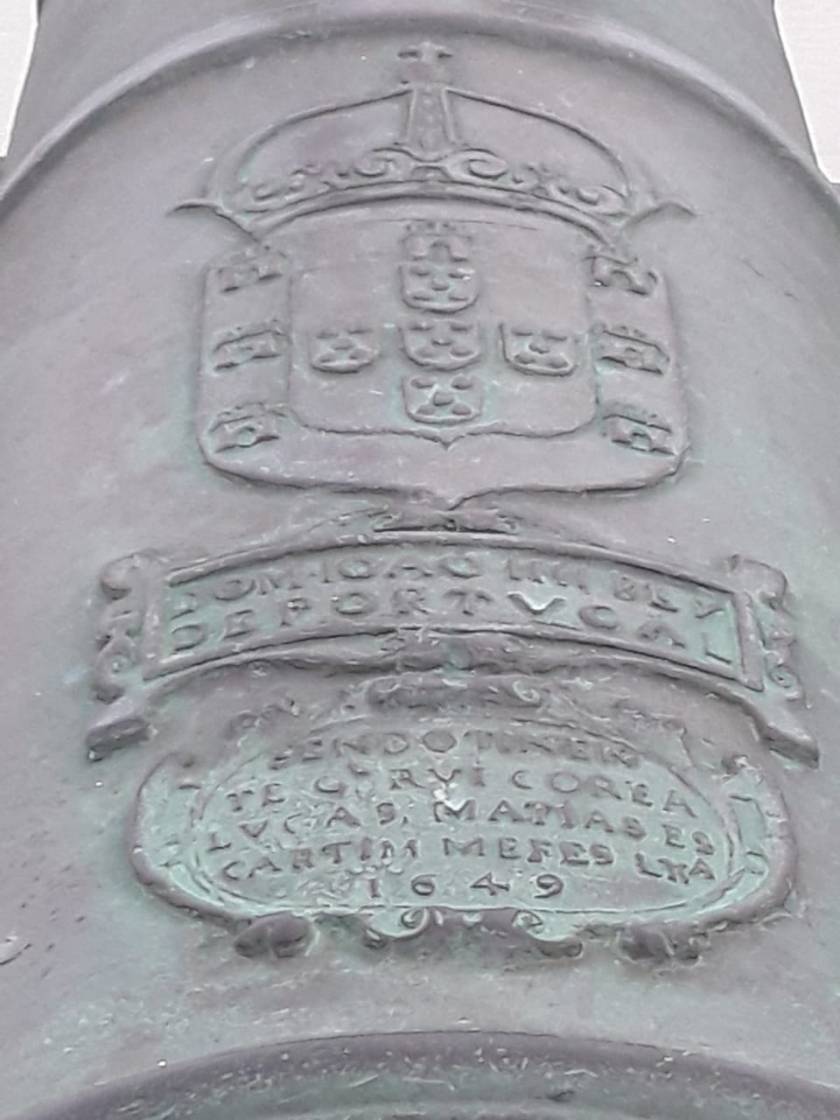
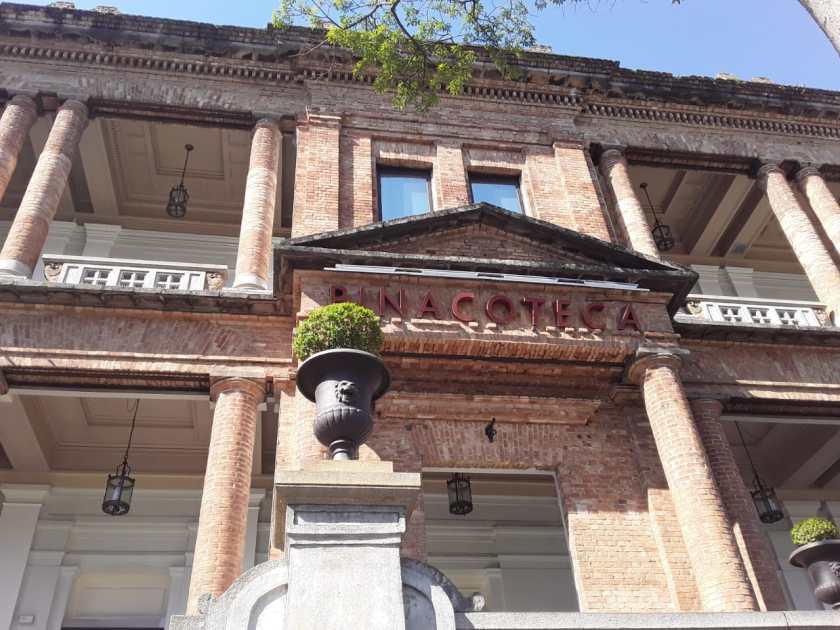
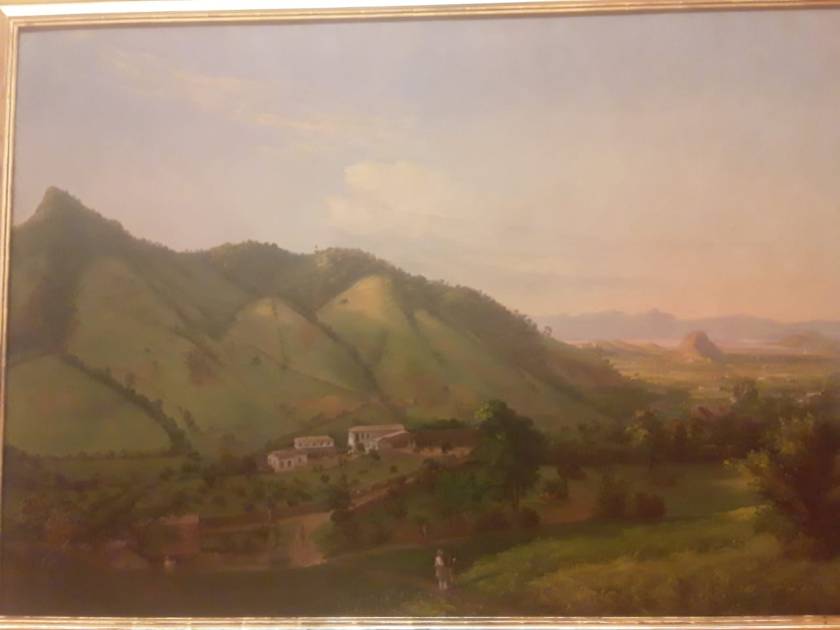
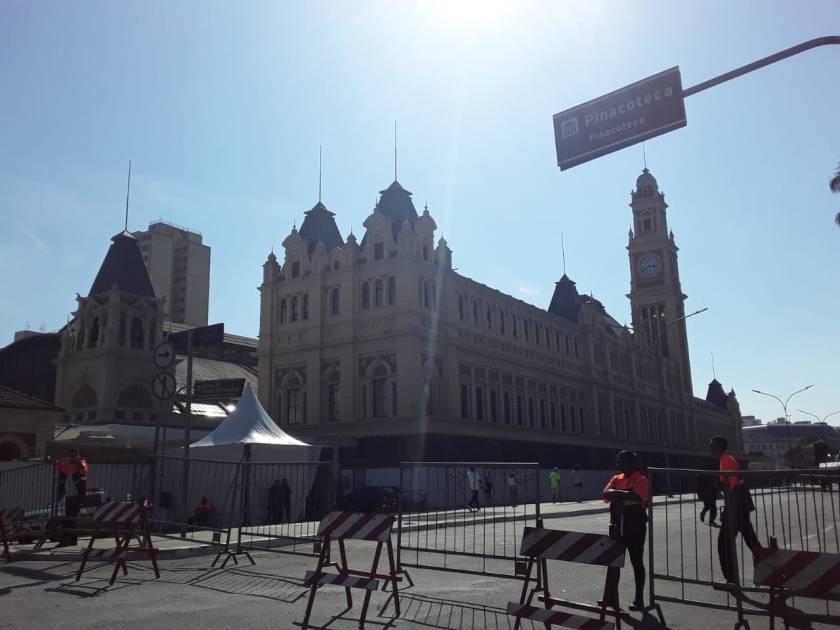
PHOTO-2020-01-29-22-33-54PHOTO-2020-01-29-22-33-54 (2)PHOTO-2020-01-29-22-33-54 (1)PHOTO-2020-01-29-22-33-55PHOTO-2020-01-29-22-33-56PHOTO-2020-01-29-22-33-56 (1)PHOTO-2020-01-29-22-33-57PHOTO-2020-01-29-22-33-58PHOTO-2020-01-29-22-33-59PHOTO-2020-01-29-22-33-59 (1)PHOTO-2020-01-29-22-34-01PHOTO-2020-01-29-22-34-00

Camera: Samsung Galaxy J2 Core

Location: Pinacoteca do Estado de São Paulo; São Paulo, Brazil

English Corner – Creating a Cover Letter

What is a cover letter? Why is it important for an English learner to know about it and also how to create a good one? Well, a good cover letter can make the difference between landing that dream job or hitting refresh on the search results again to find the next job opportunity. Your experience and your professional background need to be succinct and summed up in a well-written way and the cover letter is your best way of doing that. It is an excellent way in which for you to improve your English writing skills and to prove that you can handle your future job’s writing components which there is likely to be many of them since you are a worker during an age of e-mails, 24 hour communications, and instant messaging services.

A cover letter is an opportunity for you to go into more detail about yourself and your experience(s) and background, both professionally and personally. However, your cover letter should focus on the job you are applying for as well as why you are interested in the particular company that you intend to work for. Your cover letter should be a balance of who you are as a professional, what you can offer for the job you’re applying to, and what your interest in the company is. It’s a balancing act between these two objectives and you should remember to personalize your cover letter depending on where you are applying to.

You may be asking yourself as you read this blog post: Why do I need a cover letter and what benefit(s) do I get from creating a worthwhile one? Well, there are a number of reasons for it which I will list below but be sure to note that it’s more than just a chance to land a good job but it’s a chance for yourself to become a better writer and know how to sell your abilities and skills.

Your cover letter is different from the resume in that it allows you to go more in-depth about yourself and why you’re a good fit for the job. Instead of short bullet points, you can highlight your experiences in broader detail. Employers will also expect why you would like to work for their company and how your skills line up with their requirements. It’s a chance to tell your story to them while interweaving how their company or organization aligns with your professional goals. In addition, you have the ability to showcase how good of a writer you are because the cover letter is more grammatically, and vocabulary focused than your resume.

Action words will make up a large component of your cover letter’s sentences so please be sure to put these verbs to good use. Here below are just a sampling of them listed below but remember that there are hundreds that can be used within the context of a regular cover letter. Try not to repeat yourself too much and to keep your usage of action words fresh and consistent throughout the letter.

Sample Action Words

  • Activate
  • Compose
  • Communicate
  • Develop
  • Direct
  • Manage
  • Organize
  • Review
  • Systemize
  • Test
  • Verify
  • Value

Note: Remember to add –d or –ed to the end of the action verb if using it for the past tense.

In addition, you have to be able to choose and use some phrases and sentences that will come in handy either at the beginning or end of the cover letter so that you will come off as being both professional and serious. You do not have to use all of them but there are a number of them that are cordial in nature that a potential employer will expect from you to see when they read it during their evaluation.

Here are some key useful phrases/sentences that you can use for your average cover letter:

  • Dear Sir or Madam…
  • I am applying for this ________________ opening with _______________ for the purpose of __________________________________.
  • This job appeals to me because ________________________.
  • Your company / organization / firm is my top choice because ____________________________________.
  • I believe that I offer a lot to this position based on my skills and qualifications.
  • For example, last year, I was tasked with ____________________________________ and I was able to help by ______________________________________.
  • Please do not hesitate to let me know if you have any questions or comments about my application.
  • Thank you for your consideration of my application for this _________________ position with ________________ and I look forward to hearing from someone soon.
  • Sincerely, __________________ (Your Name).

To give you reading at home a better idea of what the content and the structure of a cover letter looks like, I have included two sample cover letter excerpts that will show you how it can be written and what to write about potentially if you are still struggling for ideas as to how the cover letter should be shaping up.

Sample Cover Letter Excerpts

  • “I have over five years of management experience and led my team of software developers to develop a successful mobile application. This mobile application was instrumental in connecting doctors with patients in an online booking system that took out the middle man from participating in this previously onerous process.”
  • “I believe your company, Syntax Inc., has been successful in implementing various infrastructure projects related to bridges and tunnels throughout the Middle East. These kind of projects are related to what I hope to do with my career and I think that this work is very important to the future.”

Remember that you should know who your audience is and tailor your phrases to reflect who you are writing the cover letter for. Always use formal language such as sir, madam, sincerely, respectfully, please, thank you, etc. Go into detail about the job you are applying for and give different reasons on what you bring to the table for the position opening. Structure the cover letter into multiple paragraphs with an introduction, body paragraph(s), and a conclusion. The cover letter is a formal piece of writing so it should be structured as a formal letter whereas a resume is less substantive and more general.

In the introduction of the cover letter, remember to always put your full name, your current mailing address, your cell phone number, and your e-mail address at the header of the cover letter. The date at which you are sending out the cover letter should go next in the left hand part of the cover letter below your header. Then, you should begin the cover letter with “Dear Sir or Madam..” or “To Whom It May Concern”, or “Dear Mr. or Mrs. ________” if you know who specifically the cover letter should be addressed to. The introduction should be a paragraph or two focusing on what position you are applying to, the company associated with the position, and for which reasons you are applying for this specific position. You can also add the person or place that referred you to this job application especially if the person works for the company you’re applying to.

The body paragraph(s) of the cover letter should be a few paragraphs in total length but not be too lengthy or repetitive. Each paragraph should cover a different part of your professional or educational background and highlight what these experiences meant to you and what skills you developed. You should give a few examples of where you showed leadership, where you completed a successful project, and what you took from the experience. Do remember to not discuss every professional experience or educational program you’ve gone to but instead highlight the relevant ones related to the job application in question. Always use complete sentences for this part of the cover letter and check it over for grammatical coherence and correct vocabulary usage.

When it comes to a cover letter’s conclusion, you’ll want to re-state again why you are applying to this particular position and company. Discuss which characteristics, skills, and personal traits you have that will make you stand out as a job candidate. The conclusion of your cover letter should indicate gratitude and thankfulness for being able to apply and that you hope to hear back soon from the employer. Sign off with a salutation such as Sincerely, Best regards, Warm regards, Best wishes, Cordially, etc. and re-state your full name at the end of the cover letter. Don’t be too presumptuous that you will land the position but let your experiences, skills, and qualifications speak for themselves.

Your cover letter is what you make of it really and if you want the job bad enough, it will come through in your writing and in your sincerity. The point of becoming a better English learner is to put yourself to the test and to make the most of your abilities in this language and developing a good cover letter is a great way to do that. If you follow this advice, practice until there are few if no mistakes at all, and revise multiple times what you have written, you will be well on your way to having better success in your professional career in the English-speaking world.

Independence Park at Ipiranga

PHOTO-2019-12-04-23-27-04 (1)PHOTO-2019-12-04-23-27-04PHOTO-2019-12-04-23-27-03 (2)PHOTO-2019-12-04-23-27-03 (1)PHOTO-2019-12-04-23-27-03PHOTO-2019-12-04-23-27-01 (1)PHOTO-2019-12-04-23-27-01PHOTO-2019-12-04-23-27-00 (1)PHOTO-2019-12-04-23-27-00PHOTO-2019-12-04-23-26-59 (2)PHOTO-2019-12-04-23-26-59 (1)PHOTO-2019-12-04-23-26-58

Camera: Samsung Galaxy J2 Core

Location: Independence Park; Ipiranga, São Paulo, São Paulo State, Brazil

Avenida Paulista

PHOTO-2019-11-27-22-22-52PHOTO-2019-11-27-22-22-53PHOTO-2019-11-27-22-22-56PHOTO-2019-11-27-22-22-57PHOTO-2019-11-27-22-22-58PHOTO-2019-11-27-22-22-59PHOTO-2019-11-27-22-22-59 (1)PHOTO-2019-11-27-22-22-59 (2)PHOTO-2019-11-27-22-23-00 (1)PHOTO-2019-11-27-22-23-00PHOTO-2019-11-27-22-22-58 (1)PHOTO-2019-11-27-22-22-54

Camera: Samsung Galaxy J2 Core

Location: Avenida Paulista; São Paulo, São Paulo State, Brazil