Thinking of Life Like It’s a Cup of Turkish Coffee

“Similarly to life itself, I find that the Turkish coffee experience is a lot like life and perhaps even more so than a box of chocolates (no offense to any Forrest Gump fans).”

I love Turkish coffee. Its roast, its scent, its strength, and subtle sweetness that I can’t get enough of. I don’t even mind the times I drink too much, leaving bitter remains on my tongue. I’m not too bothered by it because sometimes you must taste the bitter ends to get the sweetness out of most of the coffee you drink. Turkish coffee is unique, the jolt and caffeine rush unlike any other I’ve experienced in the world. Similarly to life itself, I find that the Turkish coffee experience is a lot like life and perhaps even more so than a box of chocolates (no offense to any Forrest Gump fans).

Preparing Turkish coffee to be served is an art, requiring patience, precision, and care, qualities life demands from us as well. The finely ground beans must be measured just right, water poured with attention, and heat applied slowly to coax out the perfect brew without letting it boil over. A slight misstep can change the flavor entirely, just as small choices in life can ripple into large consequences. Stirring the coffee gently, watching the foam rise, and letting it rest before serving mirrors the need to pause, reflect, and nurture the moments that matter most. In both coffee and life, the effort put into preparation shapes the richness of the experience and skipping the process only leaves you with a bitter, incomplete taste.

Just like a cup of Turkish coffee is carefully prepared with time and attention, life rewards those who pause to notice the details. The swirling patterns at the bottom of the cup hint at what’s to come, just as small choices ripple into larger consequences. Sometimes, life surprises you with unexpected flavors like a hint of cardamom, a twist of fortune, and other times it’s a sharp bitterness that makes you wince. But every sip, whether sweet or strong, shapes the experience and reminds you that the richness of life comes from paying attention, savoring the moment, and accepting the unknown.

When you first taste Turkish coffee, it’s like a jolt of pure energy and a rush that I would liken to the sun hitting your face as you wake up from a dream and when your consciousness first stirs in the morning. You try to recapture that feeling with each sip, chasing the sweetness that lingers consistently. You can even add a bit of sugar, stir it around to keep the bitterness at bay, and prolong the experience as much as you can. Life like a Turkish coffee cup is pretty small and the portion is not as big as you would expect. It’s a concentrated dose of caffeine and is a high-quality batch of brew.

Like life itself, you got to enjoy it to the fullest but also savor it at the same time. No matter your age, life rushes by, just like the last sip at the bottom of a Turkish coffee cup. Bitterness is inevitable in a Turkish coffee experience as it’s mixed in with the rest of the sweet flavor. There are bitter times in life to be had mixed in with the sweet times and as much as you try to avoid it or abstain from it, you need the bitter parts of life to truly realize how sweet the overall experience was. The bitterness reminds you to savor the good times and to not let it affect your perception of the life you had as a whole. Coffee, like life, can be bitter or strong at times, but that doesn’t mean we should stop living or stop drinking it. 

Especially towards the end of life, the bitterness is unavoidable and comes on strong. As health wanes and loved ones are lost, life goes on and you sip, and you savor it while it lasts. A good Turkish coffee is enjoyed ideally by a body of water like the Bosphorus Strait in Istanbul but ideally, it can be with a view of the ocean, the mountains, or even just on your back patio with the quiet of the day. Life, like Turkish coffee, should be embraced in all its sweetness, bitterness, and everything in between. You really don’t want to miss out on the whole experience having never fully lived it to the most extent. Don’t miss it. Drink it all.

Self-Awareness is a Key Trait to Cultivate

“In a world where everyone has an opinion on every imaginable topic, but very few people have genuine self-awareness, that quality now feels like a rare mineral. True self-awareness is valuable, hard to find, and even harder to refine if you do not cultivate it like copper or silver.”

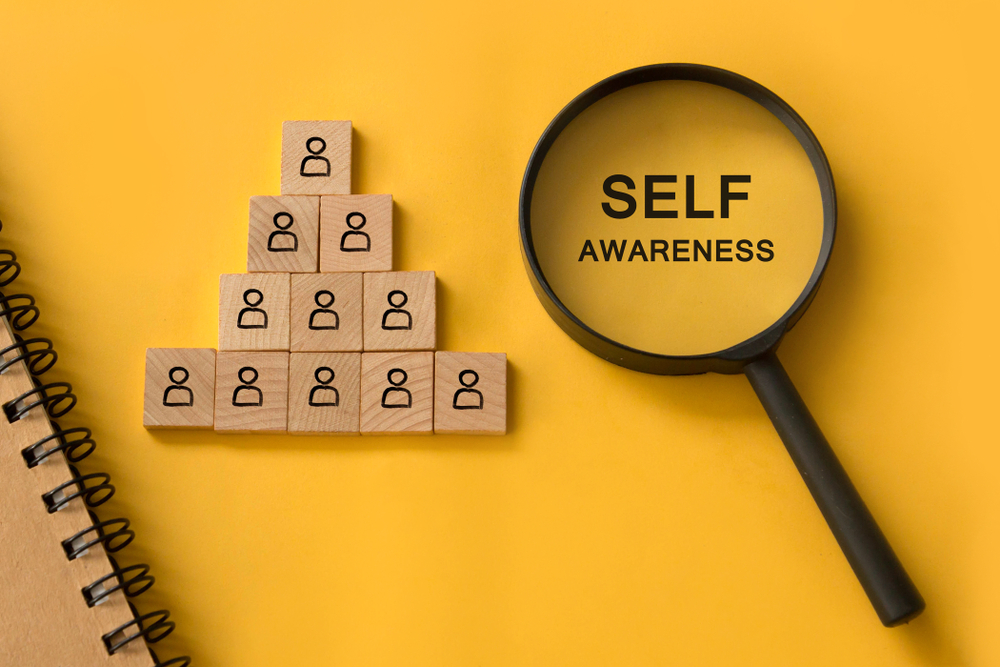
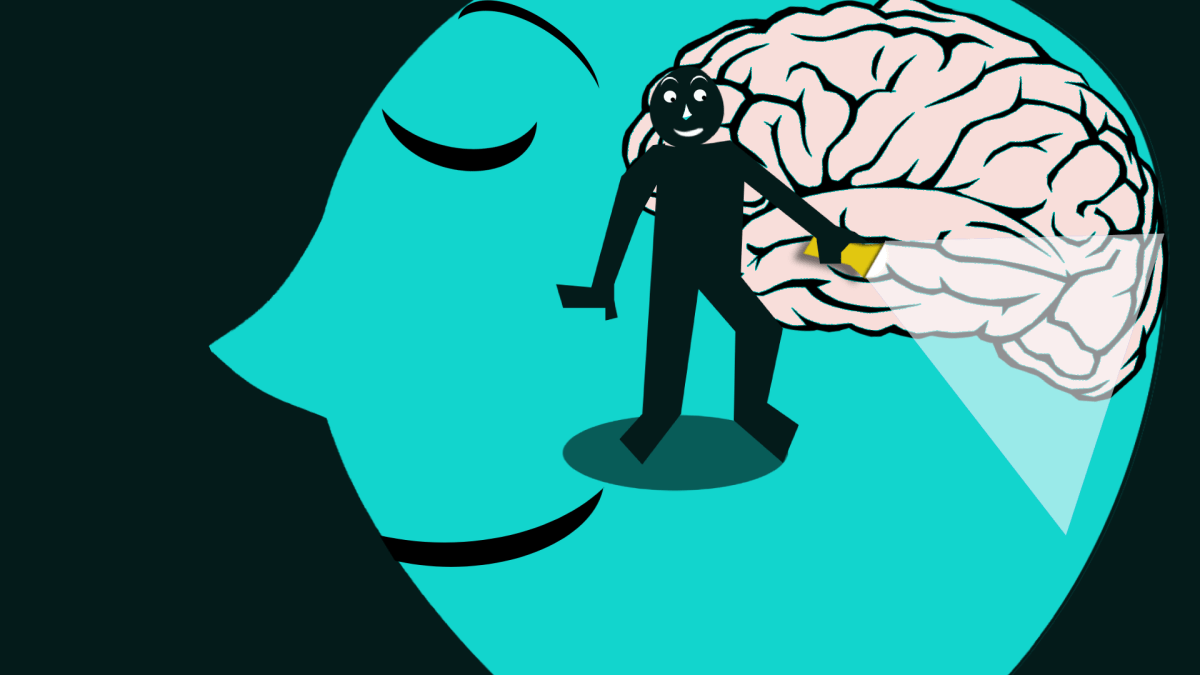
In a world where everyone has an opinion on every imaginable topic, but very few people have genuine self-awareness, that quality now feels like a rare mineral. True self-awareness is valuable, hard to find, and even harder to refine if you do not cultivate it like copper or silver. At its core, self-awareness is simply understanding your thoughts, emotions, habits, and personal blind spots without flinching or ignoring them. It’s the ability to see yourself honestly instead of through the fog of ego, insecurity, or willful ignorance. That sounds simple, but anyone who’s confronted with their own emotional patterns knows that simple isn’t easy. In terms of personal traits that will serve you well at home, in the workplace, or in public, exercising self-awareness makes a huge difference and is a net positive in one’s life.

Self-awareness is rare today for a few reasons. First, distraction is the default setting of modern life. Between social media, nonstop notifications, and the pressure to perform instead of looking inward about their behavior, most people never slow down long enough to reflect or contemplate who they are or how they act. Secondly, ego protection kicks in for many of us. It’s uncomfortable to recognize that you might be wrong, inconsistent, reactive, or stuck in old habits that drain you or other people. Thirdly, our individualistic culture rewards projection over introspection and putting on an act over being yourself. Being loud, visible, and “on brand” is praised more than being grounded or honest with oneself. The result is a society full of people acting on autopilot, repeating the same behavioral patterns, and wondering why life keeps giving them the same lessons. Introspection is hard to do but it could help get you off an autopilot setting.

When life turns upside down, that’s exactly when self-awareness becomes most valuable. When the world is chaotic, clarity becomes a superpower. The more you understand yourself along with your triggers, your strengths, your weaknesses, your values, the better decisions you will make. You react less to external circumstances and respond more from a place of self-assurance by knowing who you are and what you want to be. Your relationships improve because you’re paying attention to how your behavior affects others. Even your career trajectory changes: self-aware people take feedback well, adapt quickly, and build trust, which quietly but consistently pushes them upward.

The good news for us all in this? Self-awareness isn’t fixed and it’s a muscle you can train. It’s a skill you can cultivate intentionally but you must make a consistent effort to do so successfully. At work, start doing quick “post-project or post-task reviews” for yourself: what went well, what drained you, what you’d do differently, what could be better next time, and how well did you work with others. Ask trusted people for feedback and instead of defending yourself, listen to what they have to say first and what they are genuinely telling you. Notice your stress triggers and learn to pause before reacting, whether it’s in meetings, emails, or elsewhere in your workplace.

I’ve had my own moments at work where I reacted prematurely instead of responding thoughtfully, only to later realize that having self-awareness could’ve saved me a headache. Instead of interrupting, acting abrasive, and preventing a real discussion, think about where they are coming from and why they think of you the way that they do. Focus on the ways that you can improve when they have legitimate critiques and suggestions for improvement in your work performance.

In your personal life, carve out time for your own reflection. Making that kind of effort will pay off tenfold by turning inwards to discover more about your mindset, your thought process, and your personal habits, good or otherwise. Even five minutes of journaling can reveal emotional patterns you never noticed. Try also meditation or silence at the beginning or end of your day and in just ten uninterrupted minutes, it can be surprisingly revealing. Pay attention to your relationships and friendships as well: where you feel energized, where you feel defensive, and where conflicts repeat with the people in your life. Life is too short to be around people who avoid self-awareness. If you are making the effort to be introspective and try to be a better person with self-awareness, you should gravitate to those people in your life who are making that effort too, friends, family or acquaintances especially.

Ultimately, self-awareness isn’t about perfection; it’s about alignment with who you are and how others see you. The more honest you are with yourself, the easier it becomes to make choices that fit the life you want. Know yourself deeply. Pause often for self-reflection. The world will stop dictating your path and you finally begin choosing it. 

Does He or She or It Spark Joy for You?

“Just like keeping a clean house or organizing your closet is what helped American homeowners create joy in their home lives, I fully believe Kondo’s asking of “does it spark joy?” can be reframed for our friendships, relationships, and our hobbies.”

I’ll be honest in that I never really watched Marie Kondo’s famous show, “Tidying Up”, and while I do respect her commitment to reducing clutter and helping hoarders get rid of their extra junk, I am going to focus more on who or what sparks joy for you beyond just household items. Just like keeping a clean house or organizing your closet is what helped American homeowners create joy in their home lives, I fully believe Kondo’s asking of “does it spark joy?” can be reframed for our friendships, relationships, and our hobbies.

You should never want to exert too much effort into someone or something that doesn’t provide ‘joy’ or at least ‘contentedness’ and while ‘joy’ like any feeling is ephemeral, we should work to maximize the ‘joy’ we feel in life. If you are not getting that ‘joy’ at all from that relationship, that friend, or that job, you got to do some soul searching to see if it’s worth the effort involved to keep it going. You can’t choose your family, your coworkers, or even where you live at times so instead of finding ‘joy’ only there, find those things and people that are voluntarily in your life and where you can better evaluate if they are worth your time.

If you find you are spending your limited time with people who are as dull as dishwater or are even putting you down, you need to cast them aside like old clothes that Marie Kondo would want you to discard from your closet. Now, this does not mean being mean, cutting off contact without a reason, or just straight up ending on bad terms, it’s rather about letting them know that the relationship, the friendship, or the hobby you’re doing isn’t worth the effort anymore. Very few things in life are permanent and if it does not spark any kind of joy for you, you should not keep pursuing it to no fulfilling end.

Instead, I believe it is key to find those people or those activities that continue to give you some joy or happiness. I would classify it as giving you a ‘real shot of life’ and making you feel more alive. It’s not an easy thing to be conscientious of but you’ll often know when someone or something is breathing life into you rather than leaving you drained of it.

Not everything or everyone you interact with in life will give you that ‘spark of joy’ or a ‘shot of life’ but your job is to work hard in those interactions that you do control such as a friendship or a relationship to choose wisely and to do so discerningly. Your boss or your tax attorney is rarely going to spark that ‘joy’ but you’re going to have to interact with them regardless because it’s necessary in life. What you can do instead in your free time is to maximize ‘joy’, ‘happiness’ or just ‘fulfillment’ with people, places, and hobbies that make you feel most alive.

It really is a rare thing in our technologically driven, profit maximizing, socially shallow, and standardized daily routine to find those people who leave a big impression on you, but you got to put yourself out there to receive those kinds of connections. Build a life around trying to find interesting people who inspire you, who make you laugh, who you want to learn from, who you enjoy being around, and for you to be the same to them.

Life is too short to be around ‘joyless’ people who you could choose not to be around instead and to commit yourself to prioritizing those people who make you happy or joyful because of how they make you feel. The same can be said of those activities, hobbies, or interests that brighten your day and that you can look forward to. Routine in adulthood is monotonous, contrite, and not joyful, but you can still find those moments, those hobbies, and those people who make your life that much richer and more colorful.

At the end of the day, Marie Kondo had it right. Joy should be the filter through which we decide what stays and what goes in our life. The difference is that life’s clutter isn’t just found in closets or drawers of hoarders whose houses are too full; rather, it’s in the people we chase, the jobs we keep, and the habits we cling to long after they’ve stopped serving us. Maybe the real act of tidying up isn’t just folding shirts; it’s clearing out the emotional junk that keeps us from feeling alive and fulfilled. When you ask yourself what sparks joy as Marie Kondo does to her clients, don’t stop at your wardrobe or your closet. Ask it instead about your world, your personal life, your hobbies and don’t be afraid to get rid of the extra clutter.

Mi Quinto Conjunto de Poesia en Español (My Fifth Set of Spanish Poems)

My fifth set of Spanish poems focusing on the springtime, solitude, Guatemala, and experiences becoming new memories.

  1. La Distancia Entre Nosotros
    La distancia entre nosotros
    Me da una pena tan grande
    No sé lo que puedo hacer
    ¿Este es el fin, cierto?
    Tu cariño no lo siento como antes
    Eso me va a lastimar mucho
    La pérdida definitiva de ti.

2. Primavera Eterna
Quisiera ver las flores y toda la belleza
Por toda mi vida
El sol me da fuerza para enfrentar la vida
La belleza que no va a dañarme nunca
El florecimiento de la vida animal y vegetal
Es donde quiero estar por siempre


3. La Soledad
Al principio, me siento bien
La paz y la tranquilidad
Pero la soledad no es para todos los días
Es algo que puede destruirte sin interrupción
La conexión es insustituible
Nosotros nos necesitamos como humanos


4. Los Colores de Guatemala
Un país con belleza inmensa
Colores brillantes, ropa brillante y alimentos brillantes
Casi demasiado para mis ojos avellana absorber
Belleza natural se mezcla con belleza humana
Guatemala, impresionante y expresionista
Quisiera explorar la cacofonía de colores aquí


5. Ahora, es un Recuerdo
Momentos bonitos que ya están en el pasado
Quiero volver, pero ya no puedo más
Recapturar el mismo sentimiento será imposible
Los recuerdos que compartimos fueron especiales
Yo sé que solo existen en mi mente ahora, pero para mí
Todos mis días voy a recordarlos y a ti también

Dealing with Melancholy after Travel

“Still though, it’s hard for me after dozens of trips and hundreds of places visited to not have that feeling of melancholy wash over me after I come home again.”

There is a comedown feeling that happens after the end of a trip, regardless of how long or short it is. All the planning, the effort, the money spent, and the adrenaline rush that goes into relocating yourself elsewhere creates a unique feeling that is hard to replicate. Often, the trip will go smoothly, and you’ll have fond memories to look back on long after it’s over. Still though, it’s hard for me after dozens of trips and hundreds of places visited to not have that feeling of melancholy wash over me after I come home again.

Luckily, it is not a deep melancholy, but it is a melancholy of missing the feeling of being on an adventure or not knowing that the next day will bring. It’s the pure excitement of the unknown, of yearning to experience a new thing or event or place, and about being more open than usual to meeting new and often interesting people you encounter during your travels. Being able to settle back into your usual routine can be a bit of a downer after the rush of going from place to place, city to city, and being footloose for a while.

Despite a routine not being the most fun to go back into, it is necessary to reestablish a routine again as it can provide some comfort after a trip rather than doting on the past trip, however fun and exhilarating it may be. I do believe we need a routine in our lives often, rather than be rudderless and without anything to focus on. If our travels are temporary and we do not live life on the road on a permanent basis, easing back into our daily lives takes time but if we don’t have anything to refocus our attention on after a trip, the melancholy can be even more profound and difficult to deal with.

It is a good idea to develop your hobbies, interests, and your goals even more after a trip to accomplish what you want to set out to do with the time you have been given. Devoting yourself to something you’re working on or taking time to achieve something you want for yourself is a good way to deal with the blues that can happen after your travel is over. Being able to have ‘travel’ as something you enjoy doing is important, but it should not be the only thing you have going for you in your life. We cannot only be one-dimensional in our focus no matter how much we enjoy taking ourselves on the road.

Being able to share your travels with others is important because it helps hone and shape our memories. You may not be able to talk about your trip as much as you would like if you would like but it is good to share with your family and friends how it went because it’s likely they will want to know how it went. Beyond that, make sure to take care of your mementos, souvenirs, keepsakes, and other items you brought back with you, because they will give you a comforting feeling from having been to that place or done that activity, and it is good to reflect on the travels you’ve done in a sustainable way. I also like to organize my photos, create canvas prints, and even share videos from the places I’ve been and to keep them in my own records to reflect on to remember better of where I was, who I was back then, and how I felt about the trip.

Lastly, keep thinking of ways to travel again to go back to the place(s) you loved again or try new places you want to visit. Travel should be a passion that sustains you throughout life and you should know that it is a marathon, not a sprint. I like to casually look at where I want to go next as I do like to plan, and I always like to have something to look forward to. Think about the culture, the language, and the people who live in the place you’re going to and start studying up in advance to learn more about what it will be like there potentially and how to prepare yourself for the trip you want to take next.

The most rewarding travel experiences for me have been those that I spent time learning the language (if need be), studying the places I want to visit as part of the itinerary, and devoting time to knowing the history and the culture a bit there. Travel is more than just taking photos and eating good food to me. While those are both enjoyable to do on a trip, I do make a conscious and concerted effort to know a bit about where I am going, and to learn as much as I can before I step on the bus, plane, or train.  As travel writers have noted, it’s not the destination that is the central reward but the journey it takes to get there.

Remember, when you get back home, it’s not the end of your traveling days. You may have put the suitcase away and the mementos on the shelf, but you’ll be back on the road again, and sooner than you may think. Embrace what you’ve done, enjoy being home for a little while and seeing friends, family again while keeping up a routine, and start planning for your next trip when you can. Travel may not be your permanent mode of living as it isn’t for most people, but once you go somewhere, even if only for a short while, you’re still a traveler for life, and that is something that will never change.

Reading Between The Lines Is A Key Skill

“When you ‘read between the lines’, you understand better what someone means even when they may not be outright saying or expressing it.”

‘Reading Between the Lines’ is a popular expression or phrase that really holds a lot of weight to it when you think of the meaning. When you ‘read between the lines’, you understand better what someone means even when they may not be outright saying or expressing it. Beyond simply verbally conveying their thoughts or feelings, the key ability to perceive how someone really feels through other factors such as their tone, their body language, their interaction(s) with the environment around them, this can really make a difference in how well you read them and what they really mean.

Culturally, indirect speech, behavior, or communication is quite common and what is not said is as important or if not more so important than what is said. You can save yourself a lot of trouble in life by reading between the lines and inferring what is meant or indicated than what is vaguely said or stated to you directly. Maybe you will be able to grasp a basic idea of what someone means through their speech or their mannerisms, but you will often have to look at not just those factors but also the environment for which it was said, the context for which it was given, the body language of the person(s) involved, and the tone of voice that they used to convey the message.

Because of trying to protect sensitivities or not disrupt group harmony or not wanting to ‘rock the boat’, another similar expression, either professionally or personally, you will be asked to read between the lines of what is written and what is said throughout life. Knowing the difference and how to understand what is directly implied to you but indirectly stated will save you a lot of confusion, disappointment, and time above all else. I’ve written before about how important it is to mind your surroundings, and that ties into why it is key to notice the environment you’re in when the speech is given, or where the meeting happens.

Some factors that come into play when it comes to reading between the lines of a speech or a public discourse that is happening, the speaker(s) body language, tone, and whether they are really conveying their true feelings or beliefs in what they are saying. If they are masking what they truly believe or feel, you should be able to pick that up through steady practice. It is not just about the spoken word but also about the written word and this can be crucial when it comes to important legal, medical, or financial documents.

You should constantly be noting the who / when / where / what / why / how of the author and who is the audience they are addressing. It is also necessary to ask are they writing with a specific tone and do they have a personal bias or an agenda that shows through their written piece. It is much easier to read between the lines when you are with that person in the same room and they are speaking to you directly or indirectly in an audience because you can hear the tone, see the body language, and watch their emotional state. It is much harder yet no less important to be able to pick that up through writing whether it is a text message from a friend or a legal contract from a lawyer.

This kind of skill is not taught to many people, but it is a vital skill to have especially when you are trying to tell if someone is being truthful, if they have your best interests at heart, and if they really understand what you are telling them. If you are listening intently, absorbing what you are hearing or reading, and able to come to your own conclusions after putting some thought into it, you will be ahead of other people. Reading between the lines is a skill that takes not only additional concentration but patience as well. You should not be interrupting when you do this verbally, be distracted by another task or person to mix up your attention, really watching the person(s) talking and observing how they act in the environment they’re in, and most importantly, what is your relation to the person, how long have you known them for, and if you know anything about their background for which you can infer something about who they are.

It is easier to know someone’s true thoughts, feelings, or beliefs when you are giving them your undivided attention. You also have an advantage if you know a little bit about them beforehand, their background, what their personality is like, and what their point of view is likely to be based on all those factors. This kind of perspective can make a big difference especially professionally because you’ll know better of who you’re dealing with, where they’re coming from, and what they might be like when they meet and talk with you.

There are going to be crucial points in your life where you’ll need to read between the lines such as during an intense negotiation, dealing with business meetings, and just making sure in your day-to-day life that you’re not being taken advantage of. It can be hard to trust other people at times and you really must screen them hard to see if they are giving you the truth, embellishing a little bit, or outright lying. Being able to read between the lines will not only help with the major events in life but also in small day-to-day interactions as well. Most importantly, if you carry yourself well, give steady eye contact, listen without interrupting, speak clearly and in a steady tone, avoid distractions when you’re reading or listening, you will have a much easier time being able to read people.

You likely won’t be anywhere near 100% successful in thinking you know the person or people you’re reading in terms of body language, behavior, and their actions but you’ll be much better off than before if you at least try. Indirect communication can be a real pain to navigate but it is quite common in our culture and our society. To remedy that, make sure you do your best to read between the lines, make an assessment, and carry forward with the best intentions. I think it is quite likely you’ll be in a better position than you were before by adopting this skill and making it a priority in your life.

Being The Bigger Person

“If you are not direct with someone about the issue and decide to go behind their back, they may think less of you and to not apologize or at least make the effort to because they will be surprised that there was even an issue to begin with.”

Sadly, some people never grow out of the ‘high school’ or ‘college’ phase of their lives. They become accustomed to gossiping or making conjecture about other people behind their backs and without their knowledge. This is often childish behavior and should be called out as such. If you have a problem or an issue with someone, you should address it in a mature manner, and directly if feasible as an adult. To not do so and to opt to gossip or slander someone’s reputation, even if justified, can often make the situation worse, not better.

There’s nothing wrong with speaking out about a kind of grievance or a specific problem you may have with another person but to do so in terms of gossip or hearsay is wrong. When you decide to ‘go through the grapevine’, it can often insult the person on top of the problem you already have with them and cause the problems to escalate rather than to be solved. If you are not direct with someone about the issue and decide to go behind their back, they may think less of you and to not apologize or at least make the effort to because they will be surprised that there was even an issue to begin with.

If the issue is valid and there is a real concern there, the best way to do it as adults is directly or with a third party directly involved to the ease the tension. If you go through a third party or a third person and then the person you have an issue with hears about it from them, I tend to think that will make them think less of you for having told a third person or party about the problem rather than going to that third party and to you at the same time. To do so professionally can cause problems but to do so in your personal life in the wrong manner can rupture a friendship or a family tie even worse.

When it comes to interpersonal relations, if someone has an issue with you, justly or unjustly, you should always advocate for that issue to be worked on directly whether with just the two parties involved or with a third party, who is supposed to be neutral in weighing the arguments or grievances from both parties. When you have someone as a third party who only hears one side of the story and then already makes a judgment without consideration of the other person’s perspective or viewpoint, then that is also a cause for concern in alleviating the situation.

Indirect grievances or gripes, conveyed to a third party indirectly, with the person or people you have issue with not even hearing from you about it at all can cause further annoyance especially when they feel that their reputation or their livelihood is at risk. I am an advocate for direct communication as much as possible even when the matter at hand can cause offense. It is simply better for both parties to hear each other out and to see if a resolution can be had, especially with a third party as an intermediary who does not make a premature judgment before both persons can be heard fairly.

If one side is not playing fair and is distorting the truth or completely lying about you or what happened, you have the right to defend both your honor and your reputation. You should air your side of the story and make sure the truth is heard. You should not gossip in retaliation or spread falsehoods ever about that person to get even if they have lied or gossiped or spread slander about you. That is what ties into the notion of ‘being the bigger person’ in interpersonal relations. You should not look to score cheap points or to get even or to go down to their level.

You must rise above their childish or teenage behavior and to be the only adult in the room if it comes to that. People’s perception of you or of your reputation does matter a lot especially if you’re a leading member of a community, a state / region, or a country. Even if what you think is gossip or conjecture should not be taken seriously or with a ‘grain of salt’, other people may not take it the same way and your reputation will be harmed as a result. Indirect complaints or problems can often cause bigger issues to emerge because it creates a toxic atmosphere of distrust or ill will especially when one person’s side of the story is not being heard at all, or they can’t find a neutral third party to issue a conclusion or a verdict, or when they would prefer to deal with the problem or issue at hand directly.

It’s often harder to be the ‘bigger person’ in any dispute or issue because some folks want to commit childish actions because they know it will be popular to do so. As odious as ‘gossiping’ is, some adults never grow out of that stage and act like children still even if they are of middle age or even elderly. They want to bring you down to their level in a way and get you to do the same kind of indirect gossip and conjecture as they do, but you should avoid that at all costs.

If you can make a dispute directly with that person in return or find fault with their argument(s), make sure you find a neutral third party to hear you out especially if they heard from that other party without you even knowing. It’s important to not let your guard down in a dispute and protect your reputation to the best of your ability and use the truth and the facts to outweigh the gossip and the falsehoods you may encounter. Being the bigger person is never easy, but it will show to others that you are able to deal with criticism in a healthy and mature manner.

Overreacting by getting upset or using the same ill-advised gossip as they do is a recipe for disaster and for that one issue to lead to multiple other issues. Resolve any dispute or issue that you may find yourself in with the truth of the matter, the straight facts, and to deal with the other party directly. Do not rely upon hearing something suspect, through the ‘grapevine’ as some others prefer to do and accept it without any reservations or questions. Those who accept this kind of conjecture without any pushback or evidence or getting the facts from both sides shows that they may not have matured as much as they think even after having left their high school grounds or their college campus.

The Art of Introspection

“There is no shame in turning inwards from time to time. When I say turning inwards, I am referring to the art of introspection.”

There is no shame in turning inwards from time to time. When I say turning inwards, I am referring to the art of introspection. Being able to concentrate solely on your thoughts, emotions, and feelings is a key part of being emotionally mature. Now, it does not mean that you are constantly evaluating how you feel about someone or something 24 hours a day, 7 days a week, but rather you are taking a few minutes or even an hour out of each day to step back, just pause and think, and reflect on how you are doing emotionally.

Being in touch with how you are doing without being prompted by someone else is healthy emotionally. Also, no one knows how you are feeling, what your thoughts are, or what you believe better than you. We can get caught up a great deal in how others view us and what they are thinking about us when the priority should be about what we are thinking or feeling about ourselves instead. Consciously stepping back from the world to analyze our thought processes, our feelings, and our worldview is a healthy thing to do, and I really encourage every reader perusing this article to do so daily, if not each week if you are pressed for time.

Introversion is never a sign of weakness or aloofness. Rather, it is a sign that you can be self-aware to the extent that you can take a step back from the world to pause, reflect, and view your emotions from your own personal standpoint. Being an observer is key not only for one’s surroundings and regarding other people you come across but also to observe yourself and to be able to sum up how you’re feeling, what you’re thinking not only about the present but to some extent to engage with what you’re examining for the future as well as the past.

Psychologists often say that introversion is not just observing or examining one’s own mental state but also one’s soul. Keeping one’s soul intact by evaluating your actions, beliefs, feelings and knowing how to do soul searching or to invigorate one’s soul is part of the introversion state. As a functioning adult or in the process of becoming one, performing self-analysis is key to being a more mature and responsible individual. Nobody’s perfect, of course, and being able to be introspective, will help you learn from your mistakes, do better next time, and see where you went wrong and how things could have gone better.

It’s easier to examine the people in your life’s actions, beliefs, or thought processes but those assumptions may not be accurate or fully formed because you never truly know what’s going on in another person’s life or why they act or believe in the way that they do. The only 100% analysis I believe that you can do is the one you can do on yourself since no one knows who you are better than you do. While you can still lie to yourself or not be entirely faithful to who you believe yourself to be, introspection is an action that you can always get better at the more you practice it sincerely.

When it comes to introspection or self-analysis, it’s not a one-and-done deal. You must be introspective multiple times a week in my view or at the minimum at least once a week. It is key to be in a quiet or tranquil place or setting by yourself and without any distractions. You should not be on your phone, with a friend, or performing some activity or action. You cannot do a real self-analysis or self-reflection when you are doing other things that require your attention.

Some people do not even realize that we already perform introspection without even noticing that we are committing this action in our daily or weekly routines. Whether it is brushing our teeth, jumping in the shower, going on a solo hike in a secluded forest, or even performing your fifteen minutes of yoga or meditation; these are all excellent forms of introspection where we can take the time to analyze our behavior, emotions, and feelings. It does not take a lot of time to do and if we have an activity that doesn’t distract us with talking, eating, listening to music, or being entertained by something we see or hear, you will better be able to perform your introspection or self-analysis at least a few minutes each day and it will add up over time.

When you can perform some introspection through some habit or activity in solitude that you do, you will get better at being able to perform this introspection without it being too difficult or tedious. There are twenty-four hours in a day and even a few minutes to check in with ourselves to see how we’re doing, what we’re feeling, thinking about how to be a better person or what to change for the future; that kind of introspection will be worth it to do so, and it will be easier to do so when we set some time apart to look inwards.

The next time you feel like you need some alone time to think, reflect, and get in touch with what you’re feeling: you should do that. There is nothing wrong with some introspection and I find personally that it is extremely healthy and beneficial to our mental clarity and our overall state of being. Each day, we are seemingly overwhelmed with the thoughts, beliefs, and actions of others and we are forced to react instantaneously since it affects our lives to some degree. It can be a struggle to take a step back to think things through or analyze why we reacted the way we did. Because of how fast things happen in our lives and how often we are around others and must be quick on our feet, it is very healthy to be able to carve out some time, even if a few minutes each day, to reflect rather than react and to process our actions to be able to be and do better in an effort to be more emotionally healthy and mature.

The Value of Self-Awareness

“Having self-awareness shows that you also have the right personal values that will make it easier for you to get ahead in life in terms of your character.”

Self-awareness is a key character trait that will improve your relationships with others and also improve your relationship with yourself. Having self-awareness shows that you also have the right personal values that will make it easier for you to get ahead in life in terms of your character. Achieving self-awareness takes a number of traits to embody such as showing wisdom by working to understand yourself and your own actions. You have to understand how your actions affect others, both positively and negatively, and to also take responsibility for those actions in both cases.

Beyond wisdom, you have to be honest about what you are capable of and what you need help with including your abilities at work or at school. You want to be able to keep your ego in check and to know your own limits but to be able to work on pushing those limits. This is also a key part of having self-awareness. There are key differences between being confident and being cocky and a self-aware person knows the differences between the two traits. You should show confidence but know how that confidence is coming across to others and to be open to receive feedback even when it can be critical at times.

A confident person knows their strengths but also knows their weaknesses and will make those traits aware so that others know what you can do and what you cannot do. Being aware of those strengths and weaknesses will make you humbler and more open to learn from others. Admitting to others that you have weaknesses and that you have strengths openly will garner respect and help from people who will know that you are not perfect and that you always have things to work on to be better and to do better.

Humility and self-awareness go hand in hand too. Being self-aware means owning up to your failures and shortcomings and not blaming others for them. Taking responsibility for yourself and your actions is a key part of being self-aware. You applaud and recognize other people and do not take all of the credit yourself, which is what happens most often in life that you cannot take sole credit for an accomplishment, but with which is achieved through the mentorship and support of others. Showing humility and being humble are key parts of being self-aware and having that personality trait be made known to others through your actions and your words.

A self-aware person can exercise wisdom, be honest, show confidence without being cocky, and displaying humble actions and words to get others to support you and be a friend to you. Arrogance, dismissiveness, immaturity, and dishonesty all show a lack of self-awareness and I would argue that not being straightforward and direct with people will often hurt you in the long run because they will not know where you stand. Being able to self-reflect and look inward to what you did and why you did it will help you to become more self-aware in retrospect even if you do not practice self-awareness in the moment. Ideally, you would like to be self-aware at all times but if you are not self-aware at the present moment, at the least, you should try to be self-aware about the past for better or for worse.

Self-awareness and self-reflection go hand in hand so you must be able to so some self-reflection in order to be fully self-aware. Actions speak louder than words, so you need to make sure that the actions you take offer some space for some self-reflection afterwards. It’s critical that you know how to practice self-awareness in your actions, and I would like to give a few examples below.

Self-awareness in practice means also knowing how to apologize and being aware of your actions when they have caused harm or anguish. If you do not say ‘sorry’ or give an apology, it means you have a lack of self-awareness and other people may not want to be around you knowing that you do not take accountability for your actions. On the other hand, you do not want to react with anger or other strong emotions in order to get what you want. Remaining calm, cool, and collected is much needed as well when dealing with others. You should not ever be insulting them when they give you some feedback that you may not want to hear but it’s in your best interest to take it into consideration.

As mentioned earlier, you should not pretend to be a know-it-all and you should be self-aware to know the limits of your knowledge as well as your skillset. In life, you should not be afraid to reach out to others for advice, counsel, mentorship, or for them to teach you things whether that is a new language, a job skill, or a sport. You will never be the expert on everything, and it is not wise to pretend you know everything as that will cause other people to see that you are arrogant and too egotistical.

Being honest and direct with others should be done politely and tactfully. It is better for others to know where you stand than for them to be guessing where your head and heart are at a lot of the time. The feedback that you give should be genuine and the feedback that you receive from others should be taken into consideration even if you don’t agree with it. Being defensive, attacking the person who criticized you, or getting too emotional about it will look bad in the eyes of others and hurt your ability to work with other people.

A self-aware person knows where and when they need help, how they can become a better person, or always striving to be as empathetic as possible. You should want to put others in your shoes and vice versa to be emotionally in tune with other people (related to having a high level of emotional intelligence). Above all else, you want to stay true to yourself, to your family and friends, as well as knowing what your core values and principles are in life. You should always put yourself on the path to succeed while not stepping over anyone to get there.

Being self-aware will make you an emotionally healthier person, allow you to form healthier relationships, and also be able to form better friendships at work, at school, or elsewhere. You want to value other people and not ignore how they feel but to recognize their emotions and understand where they are coming from without dismissing their views outright. Self-awareness is not an innate trait in the sense that we all have it equally. It has to be worked on, fostered, and built up over our lives.

You need to be consistently aware of your behavior, your emotions, and how they play off on other people. It comes down to having respect for others, being humble in your demeanor and your abilities, and also knowing how to behave responsibly and without letting your emotions control how you act all the time without regulating them. Self-awareness is a really important personal trait and has so much value that you must be willing to work on it day-in and day-out to become a better human being.

The Art of an Apology

“One thing I have noticed recently is that some people have a hard time giving a simple apology when they mess up, are rude to others, or don’t have the emotional intelligence to realize when they were in the wrong about something. Now, this is not a good habit to develop as an adult and one that makes you appear to be childish more so than any other negative trait that you could display.”

One thing I have noticed recently is that some people have a hard time giving a simple apology when they mess up, are rude to others, or don’t have the emotional intelligence to realize when they were in the wrong about something. Now, this is not a good habit to develop as an adult and one that makes you appear to be childish more so than any other negative trait that you could display. Learning how to apologize is done when we are children and our parents tell us to always ‘say sorry’ and to learn to be nice to others.

‘Sorry’ is one of the golden words we learn are key to our day-to-day lives. It doesn’t take much to do and will cost you nothing. The fact that many adults don’t know how to do this today in our society is a worrisome sign of how personal relations have decayed compared to previous times. Some people choose to dance around the offense and not acknowledge it while others refuse to take responsibility for their actions which leads to the person who was offended feeling aggrieved and holding a grudge against that person for longer than they should need to.

The old adage of ‘you forgive but you don’t forget’ is not a pretty one but if there is no apology from that person who committed the offense, the other person may learn to forgive them but they will not forget that there was no apology rendered from the other person. I do not endorse holding a long-lasting grudge against other people but being rude, saying bad things about others, and overall not being a respectful person will cause you to lose many different relationships with others. Most adults do not know want to associate with somebody who refuses to apologize or does not take responsibility for their actions.

I believe that with social media and how often we do not see the other person’s face and their body language that we feel comfortable getting away with rude behavior and it has led to that kind of behavior spilling over into real life interactions. A lack of an apology can be due to a person’s own narcissistic nature and to think that the rules like the ‘golden rule’ don’t apply to them and that they can ever do no wrong including causing harm or offense to other people.

The sign of a true mature adult is one who apologize and does so in a sincere manner. It is a heartfelt apology and is usually more than just a simple ‘sorry’ and then move on. If someone cannot even say ‘sorry’ or realize the hurt that they have caused, then they still have a lot of growing up to do and act more like a child or a teenager in an adult’s body than an adult themselves. The sad thing to see in society is when a 45 year old acts like a 15 year old or when a 75 year old acts like a 5 year old, which is often as the result of them not registering other people’s emotions or feelings, and thinking reflectively about their behavior, their tone of voice, and how their language was inappropriate.

The art of an apology is not as simple as it can be made out to be with just a quick ‘sorry’. Often in life, a simple ‘sorry’ does not cut it. I think it’s better to follow these steps to having a legitimate and heartfelt apology that will make the other person feel better and try to restart the relationship or improve it rather than letting it fester and causing the other person to dwell on your insult.

1. Acknowledge You Were Wrong

The first step for any good apology is to acknowledge to someone face-to-face if you can or over phone or email if you can’t see that person that you were wrong. Whether it was something you said or something you did or that you hurt their feelings, acknowledge the thing that caused the original offense, state how it wasn’t right for you to do that, and apologize in that way beyond a quick ‘sorry’. It’s as direct as “I was wrong to…”, “It was not right for me to…”, “You deserve an apology for…”

2. Remember the Incident and What You Took from It

When you acknowledge what you did and that it was wrong, it makes the other person feel like you remembered that it was not the right thing for them to do and that pain was caused. It also means remembering that certain feelings were hurt and that the other person realizes they could have done things different / not said anything at all / or watched what they have said better. Saying ‘sorry’ or apologizing without saying what the ‘sorry’ is for is not a good way to do an apology because you have to be specific regarding what the apology is for and what you did wrong if you caused offense.

3. Be Sincere and Don’t Rush It

How you say an apology is often more important than what you say in the apology. If you are rushing through it, only saying a one-word apology, and not even looking at the person or acknowledging their presence while saying it, then that is not a real apology. A real apology must be congruent with your body language and your eye contact and your tone of voice all on the same page together. You should give that person your full attention and not be checking your phone, reading your email, or have your attention generally elsewhere while doing the apology.

Also, not rushing it means it’s going to take more than a five second ‘sorry’ and move on, if you follow the previous two steps, a good apology will take as long as it needs to which could be anywhere from a minute to ten minutes depending upon what the other person has to say. Depending on the severity of the negative action, you want to give that person a chance to respond, to accept your apology, and to decide how your relationship with them is going to move forward. You cannot force an apology to move forward without the other person agreeing to it so make sure you are patient, forthcoming, and open to listening to what they have to say to you.

4. Be Open to a Change in the Relationship

Even with an apology, sometimes, that person is going to want to take a break from seeing you, hanging out with you, or being around. It can be hard to bring that relationship back to what it was when harsh words are exchanged or when negative actions happened between two people to cause the strife. You have to understand and accept what the other person does because they may not want to trust you again as much or recognize that you aren’t the person who they thought you were.

This may be a hard pill to swallow but you are likely going to have to spend some time away from that person, let them forgive you on their own timetable, and they will set the terms on if they see you again or not. It is possible they may never fully get over what you did and not want to be around you again at all. This is a harsh truth to face for most people but the least you can do is apologize and try to move on.

If that person chooses to accept your apology but not go out of their way to see you again then that is their right to do so and it is up to them how they want to conduct their interactions with you moving forward. As adults, people want to spend time with those people who treat them well, respect them, and are emotionally mature. If you can’t do that, it’s going to be tough to have friends or to be around other family members.

I write this article because too often today I have seen other adults refuse to apologize for being in the wrong and this can cascade throughout the rest of our society. There is a fundamental lack of accountability and also responsibility that starts with a failure to apologize sincerely. It takes real wisdom and maturity to apologize to someone, but it is necessary since we are all flawed and make mistakes.

A true adult owns up to these mistakes they made, apologizes for them to seek forgiveness, and accepts what the other person does in response without any future expectations on how the relationship can move forward. It begins with saying ‘you’re sorry’ but it does not end there and a good apology is more than saying ‘sorry.’ It means acknowledging what you did was wrong, being sincere about it, listening to the other person, and being open to a change in the relationship based on how they want to move forward with you in the future. That is the true art of an apology and one that I hope you will follow in your own life.