Camera: iPhone 8
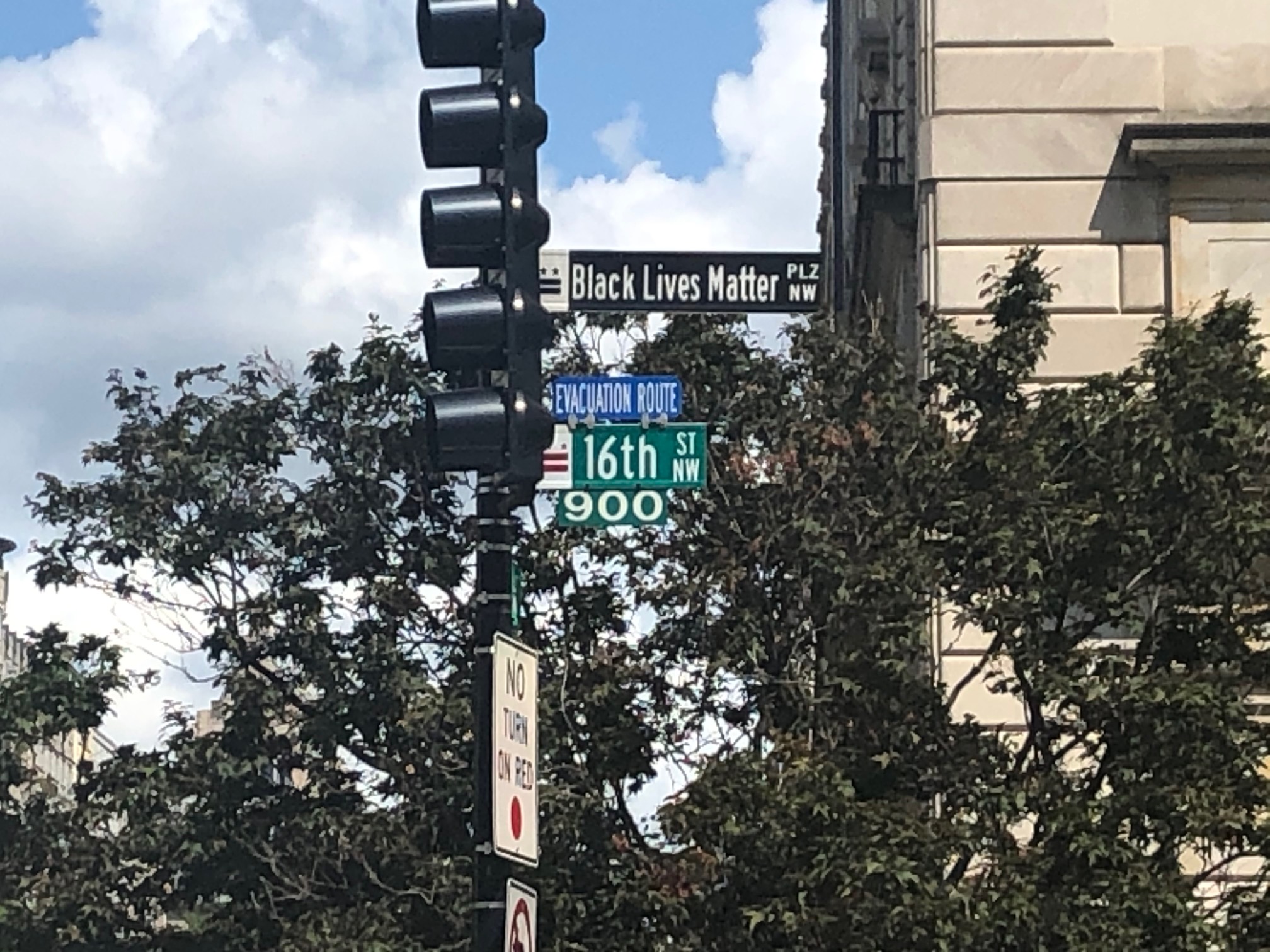
Location: Black Lives Matter Plaza; Washington, District of Columbia, United States













Camera: iPhone 8
Location: Black Lives Matter Plaza; Washington, District of Columbia, United States
“One consequence of the pandemic that has accelerated in terms of being an option for our lives is how the easiness and convenience of going a day or more without seeing or speaking to another human being.”
One consequence of the pandemic that has accelerated in terms of being an option for our lives is how the easiness and convenience of going a day or more without seeing or speaking to another human being. Obviously, if you’re counting virtual meetings on Zoom or Microsoft Teams, you’re interacting with plenty of people on a daily basis but to me, it’s not the same and shouldn’t be considered a real replacement for face-to-face interactions. Whereas ten or twenty years ago, you would need to leave the house or apartment to get pretty much anything done, you now have the chance to do everything from the comfort of your own domicile, for better or for worse.
If you’re an introvert, you may be welcoming this kind of societal shift, but I do worry how we are sacrificing convenience for social awareness and better interpersonal relations. Even if you consider yourself pretty comfortable on your own, I don’t think it’s necessarily healthy to be cooped up all the time even in a pandemic. Of course, we have to be socially distant, stay home according to what guidelines may be in place, and keep washing our hands but that shouldn’t prevent us from saying ‘hello’ to a stranger or asking a cashier that’s not a robot or automated computer the common courtesy of ‘how you are doing?’
Right now, it’s acceptable to minimize human to human contact especially if you’re elderly, vulnerable, or with a preexisting condition but the rest of us should still make time to interact with someone outside of our ‘COVID bubble’ even if it’s in a limited way. I do believe that companies have made it way too easy for us to subsidize our usual running of errands by keeping us at home. While it does help people, who can’t leave due to concerns for their health, I think it does a disservice in making things a little too convenient and then perhaps keeping our reliance on applications, e-commerce, and delivery services to meet our every need.
Running errands to go to the grocery store or to pick up stamps or to pick up medical prescriptions may end up going the way of the Dodo bird and while some of us may be holdouts even after the pandemic, this is a huge societal shift that will affect our way to socialize and build shared communities with other people. The 2020s may have us needing to go out of our way and building our willpower up in terms of seeking out social connections rather than them happening organically. In order to meet new people, it may not happen as much if your university is online or you are a remote worker, you’re going to have to put it upon yourself to find a way to meet people again which will take some creativity.
The good news is that clubs, organizations, sports teams, and language groups aren’t going to die out even if some of them remain online in some capacity. You will have to seek out those groups that are similar to your hobbies and interests especially if you’re in a new city or a new country, but they are going to be out there, but you have to take the initiative to find those groups, attend those meetings, get involved, and also give back to that group when you can. Volunteering your time and effort in person will also be a boost to communities affected by the COVID-19 pandemic and even after it is finally over, if you find yourself isolated and needing to be social more, volunteering with others is a great way to do it and will be sorely needed due to economic and health needs that people will need help with.
What you need to avoid is getting too comfortable with the increasing automation of our society, which will make it harder to deal with anyone face to face, for better or worse. Even if you do leave the house, it’s becoming likelier that you’ll deal with an automated register at a convenience store or supermarket, an ATM at a bank, and with a touchscreen to order food. With just a smartphone alone, you can order groceries delivered to your door, get dry cleaning picked up for you, have prescriptions delivered, food for lunch and dinner, and also most consumer items with a conglomerate like Amazon or Alibaba. The eCommerce industry is set to grow exponentially in this young decade to suit consumer needs and with the rise of Internet of Things, your home will become more adjustable to your comforts too making it harder to leave your place.
Whether it is UberEats, HelloFresh, Amazon’s prescription service (coming soon), online banking, or Zoom for teleconferencing, the pandemic has accelerated wide shifts in society and one that becomes more evident each day is how much easier it is getting to stay at home 24 / 7. Again, after the pandemic, this may let up a bit as people socialize again but the automation of jobs will continue, remote working will become the norm, and online education will become cheaper and of better quality to suit those who want to be virtual for at least part of their higher learning.
I don’t encourage people to become hermits, recluses, or to avoid human contact with anyone who is not a family member or a friend even if it’s during a pandemic with safety precautions in mind. However, the societal shift to convenience at any cost and becoming an island to oneself does have a cost. While you may love your dog Fido or your cat Fifi, they are not substituting for other people. With increased convenience comes a cost like anything else and in this case, it’s our ability to socialize and be around others.
In a post-COVID world where automation, eCommerce, and the Internet of Things will make it harder to leave your home, you are going to need to be more proactive in seeking out activities, events, and groups where you can be free to meet new people and have new friends. We will all be socially awkward after the pandemic but at least we’ll be social again and I promise it will be worth the effort.
While you’re not going to be friends with most of the people we meet, it is important to be open to the possibility and to put yourself out there again. Staying at home with your delivered food, groceries, and prescriptions may be really appealing and easy to get used to but I promise after a while, you’ll miss the feeling of going to a physical store or a pharmacy and just being in a public place again and away from your screen(s). That’s a unique feeling that I hope never truly goes away because our daily interactions, somewhat mundane but potentially unique too, can help make our life that much fuller and richer.















Camera: iPhone 8
Location: Port Jefferson, New York, United States
“My hope is that the ethos paraded in popular culture and media of ‘Greed is good’ first popularized back in 1987 by the fictional character on Wall Street known as Gordon Gekko (played by Michael Douglas) will die out and be replaced by a different ethos.”
The ethos of an era or a generation usually spans about 40-50 years. I think we are living in a time of great upheaval obviously due to the COVID-19 pandemic but also due to the economic and social disruptions that occur as a result. What was thought to be as acceptable before the pandemic will likely draw condemnation and pushback after the pandemic. My hope is that the ethos paraded in popular culture and media of ‘Greed is good’ first popularized back in 1987 by the fictional character on Wall Street known as Gordon Gekko (played by Michael Douglas) will die out and be replaced by a different ethos.
I’m not sure exactly what that new ethos will become but I do fervently hope that it will push back on the notion of greed being good at all but rather a detriment to the wider society. This new ethos in the 2020s and beyond will hopefully not prioritize the pursuit of money and fame above all else but rather the pursuit of kindness, caring for others, and leaving the world better than we found it.
While Gordon Gekko is just a fictional villain and the movie ‘Wall Street’ fictional in nature, there are examples throughout our society where people actually believe the ethos of ‘greed is good’ and actively pursue it in different ways without understanding or caring about the repercussions.
I’ll give a few examples that are not from 1987 or even earlier in the 1980s but from 2020: A college admissions scandal which involved bribery so the children of well-to-do families could get into prestigious colleges without earning their admissions, Multiple U.S. Senators caught red-handed doing insider trading to profit off of a pandemic and then not admitting their wrong doing, and large firms receiving loans they likely don’t need while they use that money for stock buybacks rather than investing in the solvency of their workers during the height of this unemployment crisis.
These are just three examples of this hopefully dying ethos of ‘greed is good’ but the problem still is that these kinds of practices, while they are being condemned, they are not being cracked down hard enough and the laws have not been changed enough to prevent future misdeeds. When you have an economy that protects high income inequality, lopsided CEO-to-worker compensation ratios, and a consistent hesitancy to guarantee collective bargaining rates for employees and an ability to raise wages to livable levels, that shows that ‘greed is good’ is still a predominant ideology that is hurting the average person.
The stock market may hit all-time highs but that is good news only for those who actually own stocks and that number is only over half of Americans whereas the gains of the stock market are only truly felt by the Top 10% of income earners. The previous financial crisis of 2007-2009 showed the world how ‘greed is good’ can cause companies to go bankrupt, houses to be foreclosed, and businesses to be shuttered, while no CEO who was responsible for the subprime mortgage crisis actually went to jail. The bonuses continued to flow, and the banking system maintained its solvency, but unemployment and inequality grew for the next few years with both now increasing in 2020 even while the Dow Jones Industrial Average hit 30k for the first time.
I should state clearly that I am not against people going into business, try to make money for themselves to feed themselves and their families, and enjoying the fruits of their labor. However, when people are caught being greedy and harming others in the process as which continues to happen, there need to be harsh consequences and changes to the law. As Theodore Roosevelt knew as President, corporate oligopolies need to be reined in, broken up, and held accountable. Gilded ages may be good for the few, but they lead to disaster for the many. In this pandemic, many billionaires have seen their net worth skyrocket and their stock prices increase but at the same time, you have millions of people jobless, homeless, and in food lines often for the first time in their lives.
The ethos of a culture has to push back against this kind of greed and ignorance. It starts with condemning the actions of those who don’t play by the rules, won’t change the rules to be fairer, and who go out of their way to make life difficult and unfair for others trying to succeed. It also means calling out those people who refuse to pay taxes, use offshore tax laws to park their money elsewhere, and whose companies don’t pay a time in actual taxes while other parts of society suffer. Not only should these practices be condemned but they should be made illegal as well.
Social trust, belief in the goodness of others, and the willingness to do what’s right suffers when greed is pursued #1 above all else. The past thirty years have shown this to be true as the increased financialization of the economy as a whole, loose regulations, increased corporate influence and money in government have all atrophied our system to where we are dealing with serious labor, environmental, and employment concerns.
Not everybody who has earned a lot of money is greedy, but they have a role in helping to make the system fairer by abiding by the rules and respecting the fact that they do have a role in allowing others to have their chance to be successful. You can’t climb up the ladder and then pull it out from under you when you get there. Others who are not greedy but do well for themselves have to remember that they have a responsibility to hold those in power and those who have immense wealth in check to be consistently vigilant that they are not flouting the rules or if the rules don’t exist yet, perhaps they should be incorporated to combat unrestrained greed.
There will always be some kind of inequality and differences in outcomes in a capitalist system but there are clear signs to tell when that inequality has gotten out of control, when greed has become too prominent, and when justice or basic fairness has taken a back seat. Greed is not good, and it should be one of the guiding ethos of the next generation. Being a success, working hard for that success, and spreading that success around so others have a good shot at it is a much better philosophy to embody. What’s good for you is not always good for others. It is important that those with immense wealth or power understand that they too live in a society and there are certain duties and obligations that we have to one another.
Knowing when enough is enough, knowing the difference between right and wrong, and knowing when things have gone sideways and need to be fixed, those are all key components on pushing back against the ‘greed is good’ ethos, which has had its prominence over the past four decades. Greed can harm others, do tremendous damage, and atrophy the bonds of trust in our society. It is important that we never forget these facts and to fight against it as much as we can in our lives, both personally and professionally.





Camera: iPhone 8
Location: Cooperstown, New York; Doubleday Field
Understanding that you must be able to divide up the two categories fairly and also be able to balance them healthily with our seemingly limitless desires at times is key to being a fully formed individual.
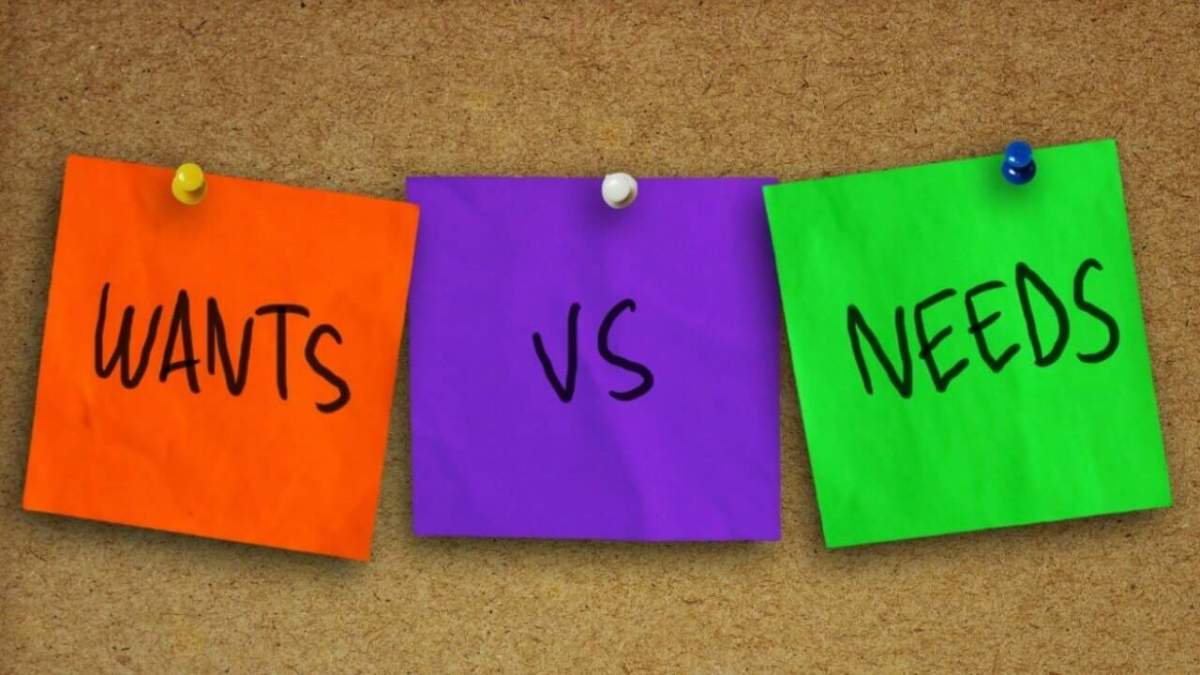
A key part of adulthood is being able to know the differences between knowing ‘what we want’ vs. knowing ‘what we need.’ Understanding that you must be able to divide up the two categories fairly and also be able to balance them healthily with our seemingly limitless desires at times is key to being a fully formed individual. As children, we are taught to temper our desires to manageable levels and to remember to not be selfish especially when it conflicts with the needs of others.
We are flawed as humans in that we often let our wants overtake our immediate needs and that we cannot distinguish the two in terms of actual importance. I may want a new suit but if I only have so much money, do I really need it? Am I being selfish by buying a suit when I already have a perfectly good one at you? These questions are especially important to pose when you have limited money or time to contribute towards either your needs or wants. What we focus on each day shows us if we care more about ‘needs’ or ‘wants.’
It has to be non-negotiable in your own life how your needs come first and will always come first. Your wants have to be considered in terms of whether you actually need them and how much they will actually add that much to your life. When it comes to your wants, you should not only be thinking about their utility in the short-term but also in the long-term. Will you be that much better off not just a day later, a week later, or a year later when you satisfy those wants? A short-term want will be fleeting and may end up not even be worth it whereas a long-term want like starting a business, getting your degree, or moving overseas are often worthwhile investments and satisfactory wants that will put you ahead in your life. If you do want to fulfill your wants, they should be in the interest of you moving forward, learning new things, and developing your interests.
Short-term wants are good every now and then like a new bicycle, a nice meal out with friends, or a trip to a day spa, but the gratification will be short-term, and you can’t rely on those wants to fulfill you in the long-term. Long-term wants are harder to achieve but they often have higher levels of satisfaction. These wants aren’t automatically given to you and you have to work for them but it’s often worth the effort more so than just things being handed to you automatically. Your wants have to be kept in moderation too because if you let your wants overwhelm your needs, you may be left with less than you had before. An adult keeps their wants in check and prioritizes their needs first to make sure that their life is headed in the right direction. Long-term gains have to always take priority over short-term gratification, which may give you happiness but won’t give you fulfillment in the long run.
Your needs in daily life should always come first in terms of securing them. Whether it is water to drink, clean air to breathe, food to eat, and a roof over your head; they are all part of the equation to keep you in good spirits and in good health. Do not let your wants take away from your immediate needs because when it comes down to it, your wants may come and go but your needs are your needs and that never really changes. Abraham Maslow’s ‘hierarchy of needs’ was pretty much on the money in terms of distinguishing what are most urgent needs are and beyond that, what could be considered wants. We have the physical needs of eating, drinking, sleeping, maintaining homeostasis (not too warm or too cold) but beyond that, we start to go into the wants territory of seeking out self-actualization as well as having a steady purpose in life.
We all need human connection along with friends and family who care about us but that is not given to everybody and that kind of need is something that you have to work for and what you have to ‘want’ in a way. We all need safety and security to carry out our lives but that is something that we have to work towards to and that is not guaranteed when we are born. What we need may not been given to us like friends and family or the security of a place we live in and we may have to take action to turn those needs into a reality by wanting them badly enough.
In Maslow’s ‘Hierarchy of Needs’, our basic needs must be taken care of first as the pyramid shows us but then you have our psychological needs such as love, relationships, friendships, and feelings of accomplishment and goal-setting. As you go up the pyramid, you get into the ‘self-fulfillment’ needs category of achieving our potential, reaching our set goals, and becoming the best version of ourselves through self-actualization. This category is tricky, but we may feel that we need to be fulfilled that way; how hard are you willing to work to achieve that and how much do you really want to achieve it?
I would argue that our basic needs of food, drink, shelter, warmth, etc. are real needs but our psychological or self-fulfillment needs are different in that while each of us need them in our life, they are really ‘wants’ that you have to earn and to work for. Our basic needs are not given to us either, but they are of such urgency that we will do almost anything to have them guaranteed and it often subsumes our other ‘needs’ like love, friendship, or career goals.
What we need to live is our number one priority. Everything after that is supplementary in life. What we want Is important but it’s clear that our wants are endless at times and we need to prioritize with our limited time and/or money what matters to us most to achieve or to have. Being able to prioritize while understanding this internal battle is key to being a fully formed individual capable of holding our wants at bay while getting our needs taken care of.
Lastly, it is important to distinguish between short-term needs and long-term needs. Short-term needs should always take priority over long-term needs, but you can work towards both at the same time. You can hunt for food and still have companionship with a loved one at the same time. You can watch your vegetables grow while you’re studying for your next course exam or replying to emails. However, if your immediate needs are unmet or neglected, your long-term needs will have to take a backseat because they are just not as critical as what short-term needs are in terms of daily occurrence. You need to eat and drink water a lot more than you need to see your family and friends as an adult. I’m sure you would love to see them every day but it’s more likely you would see them once a week or a month or maybe less if you’re really busy.
Your immediate needs can be balanced with long-term needs, however, if you can’t cook for yourself, make money to support yourself, or be able to clean and take care of yourself physically, not many or very few of your long-term needs can be met after. As an adult, you need to take care of the daily details before you can reach your lifelong dreams and goals. What we need vs. what we want is a constant battle taking place in our mind. If we don’t pay attention to how to win this battle by trusting in our innate knowledge of what we are capable of doing to achieve them one by one and what are healthy priorities to focus on, you won’t be able to get very far in life with either your needs or your wants.






Camera: iPhone 8
Location: Cooperstown, New York; National Baseball Hall of Fame and Museum
“Having self-awareness shows that you also have the right personal values that will make it easier for you to get ahead in life in terms of your character.”
Self-awareness is a key character trait that will improve your relationships with others and also improve your relationship with yourself. Having self-awareness shows that you also have the right personal values that will make it easier for you to get ahead in life in terms of your character. Achieving self-awareness takes a number of traits to embody such as showing wisdom by working to understand yourself and your own actions. You have to understand how your actions affect others, both positively and negatively, and to also take responsibility for those actions in both cases.
Beyond wisdom, you have to be honest about what you are capable of and what you need help with including your abilities at work or at school. You want to be able to keep your ego in check and to know your own limits but to be able to work on pushing those limits. This is also a key part of having self-awareness. There are key differences between being confident and being cocky and a self-aware person knows the differences between the two traits. You should show confidence but know how that confidence is coming across to others and to be open to receive feedback even when it can be critical at times.
A confident person knows their strengths but also knows their weaknesses and will make those traits aware so that others know what you can do and what you cannot do. Being aware of those strengths and weaknesses will make you humbler and more open to learn from others. Admitting to others that you have weaknesses and that you have strengths openly will garner respect and help from people who will know that you are not perfect and that you always have things to work on to be better and to do better.
Humility and self-awareness go hand in hand too. Being self-aware means owning up to your failures and shortcomings and not blaming others for them. Taking responsibility for yourself and your actions is a key part of being self-aware. You applaud and recognize other people and do not take all of the credit yourself, which is what happens most often in life that you cannot take sole credit for an accomplishment, but with which is achieved through the mentorship and support of others. Showing humility and being humble are key parts of being self-aware and having that personality trait be made known to others through your actions and your words.
A self-aware person can exercise wisdom, be honest, show confidence without being cocky, and displaying humble actions and words to get others to support you and be a friend to you. Arrogance, dismissiveness, immaturity, and dishonesty all show a lack of self-awareness and I would argue that not being straightforward and direct with people will often hurt you in the long run because they will not know where you stand. Being able to self-reflect and look inward to what you did and why you did it will help you to become more self-aware in retrospect even if you do not practice self-awareness in the moment. Ideally, you would like to be self-aware at all times but if you are not self-aware at the present moment, at the least, you should try to be self-aware about the past for better or for worse.
Self-awareness and self-reflection go hand in hand so you must be able to so some self-reflection in order to be fully self-aware. Actions speak louder than words, so you need to make sure that the actions you take offer some space for some self-reflection afterwards. It’s critical that you know how to practice self-awareness in your actions, and I would like to give a few examples below.
Self-awareness in practice means also knowing how to apologize and being aware of your actions when they have caused harm or anguish. If you do not say ‘sorry’ or give an apology, it means you have a lack of self-awareness and other people may not want to be around you knowing that you do not take accountability for your actions. On the other hand, you do not want to react with anger or other strong emotions in order to get what you want. Remaining calm, cool, and collected is much needed as well when dealing with others. You should not ever be insulting them when they give you some feedback that you may not want to hear but it’s in your best interest to take it into consideration.
As mentioned earlier, you should not pretend to be a know-it-all and you should be self-aware to know the limits of your knowledge as well as your skillset. In life, you should not be afraid to reach out to others for advice, counsel, mentorship, or for them to teach you things whether that is a new language, a job skill, or a sport. You will never be the expert on everything, and it is not wise to pretend you know everything as that will cause other people to see that you are arrogant and too egotistical.
Being honest and direct with others should be done politely and tactfully. It is better for others to know where you stand than for them to be guessing where your head and heart are at a lot of the time. The feedback that you give should be genuine and the feedback that you receive from others should be taken into consideration even if you don’t agree with it. Being defensive, attacking the person who criticized you, or getting too emotional about it will look bad in the eyes of others and hurt your ability to work with other people.
A self-aware person knows where and when they need help, how they can become a better person, or always striving to be as empathetic as possible. You should want to put others in your shoes and vice versa to be emotionally in tune with other people (related to having a high level of emotional intelligence). Above all else, you want to stay true to yourself, to your family and friends, as well as knowing what your core values and principles are in life. You should always put yourself on the path to succeed while not stepping over anyone to get there.
Being self-aware will make you an emotionally healthier person, allow you to form healthier relationships, and also be able to form better friendships at work, at school, or elsewhere. You want to value other people and not ignore how they feel but to recognize their emotions and understand where they are coming from without dismissing their views outright. Self-awareness is not an innate trait in the sense that we all have it equally. It has to be worked on, fostered, and built up over our lives.
You need to be consistently aware of your behavior, your emotions, and how they play off on other people. It comes down to having respect for others, being humble in your demeanor and your abilities, and also knowing how to behave responsibly and without letting your emotions control how you act all the time without regulating them. Self-awareness is a really important personal trait and has so much value that you must be willing to work on it day-in and day-out to become a better human being.







Camera: iPhone 8
Location: Ithaca, New York
“When you are first starting out in reading the English language, it’s important to incorporate reading materials into your weekly habits.”
When you are first starting out in reading the English language, it’s important to incorporate reading materials into your weekly habits. It is a necessary complement to your learning and will help flex that muscle needed to retain both the grammar and the vocabulary that can drive your overall proficiency forward. It is not so much which reading material you choose but the fact that it should be appropriate for your reading level as a whole.
For example, it would not make sense to try something very difficult because you think you will advance that much quicker. Often times, if you go beyond your reading level in English, it will often cause an unnecessary step back and you will waste precious time in trying to understand a level of vocabulary and grammar that you are not yet ready for. It is often better to be err on the side of caution in terms of selecting multiple reading materials that you find yourself comfortable with and will challenge you yet you know for sure what the material is about and you can interpret the meaning and explain it to a teacher or a colleague.
If you are a beginner in the English language, I would start off your reading adventure with short poems and short stories, not more than a couple hundred words. Even if you are an adult as well, children’s books are a great way to get more familiar with the language level that you are currently at with basic vocabulary, phrases, and grammar principles. You may also want to read fliers and short email examples as well to become aware of the structure of those forms of writing.
I would also recommend short letters written about different subjects such as sports, weather, the daily habits someone has, and about going shopping or out to eat. It is key to read these short pieces of writing twice or three times to really understand the full meaning of what is being written. You may also want to read the story, the poem, or the letter out loud to work on your own pronunciation too to feel more comfortable absorbing the vocabulary that you are learning. A beginner should not be reading anything more than a few pages in length and at a very low vocabulary level. Preferably, a children’s book, a short email, or a quick poem are best for beginners in this sense.
For the intermediate learner, it is important to challenge yourself more and depending upon one’s age level, there are different options to consider. I encourage students who are younger to choose comic books, short stories, and even short mystery novels as well. Older students may enjoy reading magazines about sports, news, and even fashion depending upon their interests. I also encourage becoming more familiar with reading current events and news articles and being able to explain them to the teacher or to a friend.
Adding on to the difficulty means reading longer reading passages as well as longer letters or poems as well at any age group. You want to make sure that the reading level is higher so instead of at a 1st or a 3rd grade level, you should try to read materials that are at a 5th or an 6th grade level and perhaps up to an 8th grade level. Perhaps most importantly, at the Intermediate level, you should be able to hold a conversation about the topic you just read and to explain the main ideas and supporting ideas of the piece you read. Lastly, with your vocabulary, I would encourage being able to explain too your point of view for an article, what you thought about it.
The advanced learner should be at the point where they can read full books, magazines, and longer-form pieces of writing of at least a few thousand words or more. They should be able to understand and interpret vocabulary at the high school level. Depending upon which English-speaking culture they would like to learn more about, they should do their best to become familiar with writers of different backgrounds and be able to read successfully in a few genres, both fiction and non-fiction.
Reading and interpreting different kinds of texts that deal with different subjects and modern-day issues is also a key part of advancing in the English language. You should be a flexible enough reader at this point to be able to handle different types of reading that is longer than the other levels. From a 500-word poem to a 2500-word article to a 100-page book, being able to handle these types of reading at a high level will set you apart from the beginner or intermediate levels that you used to be at.
Another key to this advanced reading level is one’s ability to speak and write about what you just read with accuracy and by utilizing some advanced vocabulary and phrases learned from these reading exercises. If the professor or teacher were to assign you a persuasive, narrative, or argumentative essay for you to write about your reading assignment, you should feel comfortable by this point in doing so across a number of genres.
‘Building blocks’ take time to assemble and the same goes for building up your reading prowess. Again, it is necessary to start slow with short forms of writing from poetry to a short story to a quick email and then work your way up to a long article or a magazine and then on to the full novel or book that may take a month or two to finish. Getting better at reading in English is a key skill to have and is necessary to boost your proficiency and to do so in a comprehensive manner. It is not only true that your reading skills will get better the more consistent and driven you are with each page but your speaking skills should also improve and your writing abilities will be complemented if you can analyze, interpret, and describe what you have just written in your own words.
Patience is a virtue and reading are the biggest part of that quality when it comes to developing your English language skills. You may show quicker gains with speaking or writing but the long-term success of your English proficiency will be determined about how well you read, how you understand the reading, and what you can tell others about what you have read.