Some Thoughts On “This Too Shall Pass”

“The main message of the quote is meant to be comforting to those who hear the words strung together either in a poem, a speech, a song, or a fable, and it is supposed to let us all know that whatever we are experiencing or feeling at the moment, whether it is positive or negative, good or bad, happy or sad, “this too shall pass.”

A favorite quote of mine in the English language, originally adapted from Farsi / Persian centuries ago, has been used by both Sufi poets and American presidents alike to describe the impermanence of everything. The main message of the quote is meant to be comforting to those who hear the words strung together either in a poem, a speech, a song, or a fable, and it is supposed to let us all know that whatever we are experiencing or feeling at the moment, whether it is positive or negative, good or bad, happy or sad, “this too shall pass.”

The human condition is ever evolving and what we experience one moment, one hour, or one day can be drastically different later from what was before. Nothing is permanent as we all know because one of the first things we become sentient of is our own mortality and our own impermanence on Earth. While this can fill us with existential dread and despair, it can be a blessing too because the pain, the suffering, and other negative emotions we experience in this life are not for forever. Just as we can’t be experiencing euphoria in the form of only good things happening every moment of our life, the same can be said for having everything go wrong throughout life.

What happens to us in life is largely beyond our control but what we can control is how we react to life and its challenges. In addition, we should remind ourselves that tough times are not forever and if you stay in the game, you keep moving forward, you give yourself a chance of pulling yourself out of a bad rut or a down time. I find it healthy emotionally to remember the Persian and now translated to English saying of, “this too shall pass.” It is a good reminder for us all about the impermanence of all things we experience including life itself.

In addition, this quote of “this too shall pass” can be correlated to “carpe diem” because we must do our best to enjoy life despite its challenges because we never know how many days will be given to live this life. You may not know what life will throw your way day by day, but you should be prepared to make the most of it, to ‘seize’ it, and to have an impact on it in whatever way you can.

The impermanence of everything in life should make us savor the good moments more whenever they come to us. We can remind ourselves that the bad times don’t last forever too and that good times can be just around the corner if we believe in ourselves to turn things around. Being more grateful, more appreciative, more kind, and being a better person even when we don’t feel like karma or life itself is reflecting the good that we’re doing should not mean we stop trying. The reward of life is to live it to the fullest and to do it well even with the inevitable ups and downs, the highs and lows that come with it.

We must refuse to give up or surrender when the bad times in life challenge us, sometimes beyond what we would ever want to endure. We must believe in doing good and being good even when bad things or times happen to us. Life is a gift; however we are affected by existing and living day by day, we must make the most of it and to continue making our lives better even when times are tough on us. Those four words of “this too shall pass” have comforted people in different cultures and in different languages throughout the centuries.

The human condition is not the same day by day and what we experience today will not be what we experience tomorrow. Time can blend, routines can become suffocating, and experiences can become mundane in life, but it is up to you and you alone first to make changes to your life, to make different choices to how you react to life, and to form different habits that could make what looks like a permanent situation turn into a temporary blip in your life trajectory. We may think that we are on a set course, but we have agency, and nothing is permanent, and we can make our lives what we wish if we decide to act and make change to go from good to bad or bad to good depending on how we act on both our actions and choices.

“This too shall pass” is a timeless piece of wisdom that resonates deeply with the human experience and has done so for centuries. At its core, this universal phrase has served as a powerful reminder to all human beings of the impermanence of all things and of life itself. By acknowledging that both good and bad moments are fleeting, we cultivate a healthier and balanced perspective on life. When faced with the challenges life throws at us each day, remembering that “this too shall pass” helps us to endure the hardships with greater resilience, humility, and patience. It encourages us to stay grounded, knowing that difficult times will not last forever. This outlook can alleviate the weight of anxiety and stress, providing a sense of hope, belief, and a clear mind to navigate through life’s adversities.   

Similarly, this kind of wisdom also teaches us to cherish the happy and joyful moments more fully, understanding that they are both precious and temporary. It fosters an appreciation for the present moment we are living in, urging us to savor the beauty and happiness we encounter even in a minute way. By internalizing this phrase in our lives, we become more mindful and grateful for the positive experiences in our lives when they occur.

Incorporating “this too shall pass” into our mindset every day can lead to a more balanced emotional and mental state. This quote promotes resilience by reassuring us during tough times and maximizing our joy by reminding us to live in the present, whether good or bad. Ultimately, this simple yet profound wisdom from earlier times in the history of humanity helps us embrace the ebb and flow of life with grace and humility, transforming how we approach both our triumphs and our trials.

Navigating the Down Days in Life

“During these inevitable down days that we all go through, when challenges seem insurmountable, and the losses keep piling up, it is essential to cultivate your internal mental strength to navigate through the storm.”

Life inevitably has its various peaks and valleys, days filled with various successes and other days where nothing goes your way. During these inevitable down days that we all go through, when challenges seem insurmountable, and the losses keep piling up, it is essential to cultivate your internal mental strength to navigate through the storm. Being mentally strong doesn’t mean avoiding any hardship and making sure no problems ever find you; rather, it involves developing the resilience and coping mechanisms necessary to face your adversity head-on.

Everybody has down days in their life, and it is better for you to acknowledge and accept the down days, face them rather than run from them, understand the factors contributing to building up your mental strength, and adopting the practical strategies to emerge stronger and better on the other side.

As the popular English saying goes, “when it rains, it pours.” I’ve found that things tend to go wrong in bunches similarly to how when things go well, they tend to go well all at once. You must be able to brace yourself for these tough times and to look for the positives where you can during the down days. The first step towards bolstering your mental strength during challenging times is acknowledging and accepting the existence of down days.

Denying or suppressing negative emotions can exacerbate the situation, leading to prolonged stress and anxiety for every challenge that comes your way. You should not shy away from the reality of difficult moments as it will allow for a healthier processing of your emotions. It is essential to recognize that everyone faces hardships in life, and experiencing these lows is an integral part of what makes us human.

In addition, acknowledging the down days in life doesn’t equate to having a weakness. On the contrary, it is a testament to having both emotional intelligence and self-awareness. By accepting the presence of challenges that you are facing, you can better understand your emotional state and take proactive steps towards building up resilience.

Mental strength is not a fixed trait but a skill that can be developed through intentional efforts and experiences. Understanding the components of mental strength is crucial for cultivating resilience during tough times. If you can manage your emotions, have a positive mindset despite your circumstances, and still build healthy habits, you will be able to meet the down days head on instead of letting them consume you.

Effective emotional management is a cornerstone of one’s mental strength. It involves acknowledging and expressing emotions in a healthy manner. Suppressing your emotions can lead to a buildup of stress, anxiety, and other negative feelings. When things are going wrong, you should work even harder to navigate your emotions, seek healthy outlets such as writing, playing sports, talking to a friend or family member, or engaging in fun activities. Don’t let an argument, a disagreement, a difference of opinion make your down day worse than it needs to be.

Cultivating a positive mindset doesn’t mean denying the existence of your problems but rather in adopting an optimistic perspective to getting through them. This involves reframing those challenges as actual opportunities for growth and learning. Practicing gratitude, focusing on the solutions rather than the problems only, and surrounding yourself with positive influences can all help contribute to the development of a resilient mindset.

Our Mental strength is closely tied to our daily habits. It is key to keeping your routines going that prioritize physical health, such as regular exercise and sufficient sleep, which positively impacts mental well-being especially during down times. Additionally, I believe that incorporating mindfulness practices, such as practicing meditation, yoga, or deep breathing exercises, can help manage your stress, anxiety and enhance your resilience.

While understanding the components of our mental strength is crucial during rough periods of time, you should be thinking of practical strategies for navigating the down days of life. Here are some strategies that can come in handy when you are going through a tough time and may not know where to go for sustained support:

  1. Cultivate a Support System: During tough times, the value of a strong support system cannot be overstated. Whether it’s family, friends, or a professional counselor, having someone to share thoughts and feelings with about what you are going through will provide both emotional validation and a sense of connection. Social support acts as a buffer against stress and fosters one’s resilience.
  2. Set Realistic Goals: In the face of sustained adversity, it’s essential to set realistic and achievable goals. Breaking down larger challenges into smaller, manageable tasks on a day by day basis can make the journey seem less daunting. Celebrating small victories that happen to you, especially during the down days along the way, contributes to a sense of accomplishment and boosts confidence.
  3. Embrace Change as an Opportunity: Life is inherently dynamic, and change is a constant. Instead of resisting changes to your life, instead, you should view the change(s) as an opportunity for growth and adaptation. Flexibility in your thinking and the ability to adjust to new circumstances are key components of maintaining mental strength. Embracing the change(s) will allow you to navigate challenges with a more open and resilient mindset.
  4. Practice Self-Compassion: During difficult times or days, it can be tempting to often criticize oneself and focus on your perceived shortcomings. Practicing self-compassion instead involves treating oneself with kindness and understanding. Acknowledge that everyone makes mistakes and faces challenges. Nobody’s perfect. Treat yourself with the same empathy and support you would offer to a friend or a family member.
  5. Learn from Adversity: Every challenge, no matter how difficult or large it is, provides an opportunity for personal learning and growth. Reflecting on your past experiences, identifying the lessons learned from past challenges, and applying them to current situations contribute to personal development. Adversity can be a powerful teacher, which can shape individuals into more resilient and resourceful beings.
  6. Seek Professional Help When Needed: It’s important to recognize when professional assistance is necessary and that you do not have to go through it alone. If feelings of sadness, anxiety, or hopelessness persist, reaching out to a mental health professional can provide valuable support. Therapy offers a safe space to explore emotions, develop coping strategies, and gain insights into one’s thought patterns and habitual actions. There is nothing wrong and no stigma with taking care of yourself mentally in my view including reaching out to a mental health professional during down times.

Life’s down days are an inevitable part of being human, but they need not define us. Building mental strength to make it through the down days involves a combination of acknowledging the challenges, understanding the different components of resilience, and implementing practical strategies to navigate adversity and stress. By cultivating a strong support system, setting realistic goals, embracing change, practicing self-compassion, learning from adversity, and seeking professional help when needed, you can develop the mental fortitude necessary to weather life’s storms.

In the journey that is life, it is not the absence of challenges that defines us but our ability to rise above the ones we face. Mental strength is a skill that can be honed, a muscle that grows stronger with intentional dedication, effort, and practice. By embracing the down days and seeing them as possible opportunities for growth and self-discovery, you can emerge from adversity not only intact from having overcome them but also having been strengthened and made more resilient than ever before.

Tempering The Ego

“Ego, to me, is a holistic sense of our abilities, capabilities, and our possibilities. For the ego to not go out of control, it has to be tamed and to be done so repeatedly.”

The Ego can either be your best friend or your worst enemy. It can drive us forward to make progress in different areas of your lives, but it can also detract from us by setting our expectations too high and in not actually challenging ourselves to see if our ego is being realistic. Ego, to me, is a holistic sense of our abilities, capabilities, and our possibilities. For the ego to not go out of control, it has to be tamed and to be done so repeatedly.

When the Ego is not tamed, it has an unhealthy tendency to run wild. Your Ego can grow, often unhealthily, when you leave it to be unchallenged. I have found that those people with the biggest Egos in life are the ones who never challenge themselves to back it up in a real way. The Ego can inflate our sense of self to the point where we are actively deluding ourselves with who we want to be without taking account of who we really are.

Everyone has an ‘Ego’ or Latin for ‘I’ and as world-renowned psychologist Sigmund Freud pointed out1, we each have a perception of our ‘self’ that will differ often from how others would perceive us. Our ‘Ego’ or our ‘I’ is often about our physical self, the sum of our experiences, our innate abilities, and our drive to get ahead in life. The ego can grow, or it can shrink, often based on how we alone view ourselves, but it also is reflective of how others see us and what they expect of us. The Ego must be kept in check because it can inflate or deflate based on what we tell ourselves about who we are and how others tell us who we are. The Ego is malleable and can be different on the day based on what we experience or what happens to us.

You can have an excellent day one day where you win a sports competition, gain a promotion at work, or overcome a challenge that you previously thought was impossible. One good day can massively inflate our Egos and while it is good to boost one’s Ego and be proud of what you accomplished and how hard you worked, you should still have that sense of humility and understand that one good day does not mean that you are suddenly God’s gift to Earth.

The same can be said of when you have a terrible day such as perhaps you failed an important test or exam, a work presentation you gave wasn’t received well, or you had someone insult you or talk down to you. These kinds of events, especially in the same day, can really wound your Ego and your self-worth. While bad events can hurt you, you should not totally give up your Ego or sense of ‘self’ from them as that would be disastrous. One bad day does not have to be a referendum on the sum of your entire life. Your Ego has to be resilient, when it is both humbled and challenged, and this should happen on a daily basis.

My firm belief is that you should never get too low or get too high when it comes to the self or your Ego. You have to constantly remind yourself of what you do well on, what you need to work on, and what you have no experience or ability with. For example, I like to think that I’m a good writer at this point, but some articles have turned out better than I expected, and some have been worse than I thought. Despite how I perceive my written work and how others do so, I can continue to work on my style, syntax, and substance, and I can expand my writing focus to challenge myself that I may have previously avoided on different topics that are new to me.

I also think of how one’s Ego needs to be challenged especially in a new activity or hobby that you have picked up. A good way to think about the Ego is to challenge it in different ways by putting yourself out there physically for yourself to be tested in that manner. One example of this is to train in the martial arts where your body is being challenged. You may weightlift, run, or consider yourself athletic, but it’s a good way to measure yourself against others when you are training against other people who have been doing it for a while and who could be bigger or stronger than you.

It does not mean that you won’t become better as a martial artist, but you should temper the Ego by challenging those practitioners who know more, can teach you new skills and abilities, and who you can face off with even when you are getting beaten for a while by them. Whether it’s’ boxing, jiu jitsu, krav maga, or kickboxing, I think any martial arts, whichever one(s) you choose, are a great way to temper one’s Ego. This is because you’ll see just how exactly you measure up against other fighters, especially if you’re new to the sport, and while you may think you are strong, fast, or have great stamina, you won’t truly know if that is the case or not until you step on the mat or into the ring.

The same could be said when you challenge your Ego mentally such as when you try to learn something new or adapt a new skillset that you know nothing about. I find that learning a new language is a way to temper my Ego in a healthy manner because every language, while they have some similarities, are also quite different and cause me to adapt how I learn that language, and the kinds of difficulties I’ll have when learning it based on how the language is written or spoken.

While I may be great at learning Spanish and am comfortable there, I can throw my Ego for a loop by learning a non-romance language such as German. I can brag that I can speak one or two foreign languages well after a lot of practice and that fuels my Ego but so that it doesn’t get too fragile, I temper it by learning a different language or trying to advance my Spanish or other learned language with more advanced material.

The Ego is constantly changing and evolving because our sense of self is different daily. The key is to not let it grow too big without putting yourself out there and being challenged or by deluding yourself by not ever trying anything new by putting your mental or physical abilities to the test. The best way to temper the Ego is to constantly challenge it both physically and mentally to have a more accurate measure of yourself against other peers in your field(s) or area(s) of expertise.

You should not ever ignore your Ego as it is your sense of ‘self’ and how you fit into the world, but rather you should not think of yourself as either the best or the worst in anything without going out into the world and seeing where exactly you fit in. As the popular expression goes, “you’ll never know until you try” and when it comes to the Ego or self, you must be testing yourself and by extension, testing your Ego to temper it or and keep it in check. The worst thing to do to yourself when it comes to the Ego is to continue to delude yourself by not trying, never challenging yourself, or not trying to go beyond the standards that you have set for yourself.

Source:

1.) https://www.britannica.com/topic/ego-philosophy-and-psychology

‘Everything In Moderation’

“My philosophy on enjoying what life has to offer and its libations such as food, drink, or gambling is ‘Everything in Moderation.’”

I find that it is very important to find balance in life whenever possible whether that’s between work and play, relaxation, and exertion, and even abstaining and indulging. My philosophy on enjoying what life has to offer and its libations such as food, drink, or gambling is ‘Everything in Moderation.’ I mean that kind of balance for adults who I usually write for when it comes to being of the legal age for these types of indulgence and regarding what is legally allowed to put as a disclaimer up front. Life should be enjoyed responsibly especially if you’re hoping to find pleasure out of it.

Still though, it can be hard to find a balance of enjoying something too much or not at all. I have nothing against people who abstain entirely from food, drink, gambling, or other risky yet fun activities nor do I think it’s harmful to indulge a bit too much on the rare occasion where someone can go a bit overboard as long as they’re not hurting themselves or others from that kind of overindulgence. However, I don’t think it’s right to deny someone entirely when they would like to enjoy something in moderation nor is it right to indulge their vices so much that they end up either getting addicted to the vice or abusing it when those around them know that it’s become a problem.

You have to be looking out for your own health and well-being especially as you get older and age out of certain pleasures. However, if you have the self-awareness to realize which vice(s) you should stay away from or be extra cautious about, you should work to make sure you don’t indulge as much as you want to. Self-control around different pleasures can be difficult so if you need help from people around you to temper your indulgences or need to stay away from it entirely, there is no shame in doing so. Certain people can enjoy something moderately like a glass of wine or a cigar every now and then without becoming dependent on it. There are those people who are unable to do so at the same time when they play poker, go to the dinner buffet, or bet on a sporting event though.

Certain indulgences hold sway over the individual person more than others, so you must be aware of which vices or pleasures you really enjoy and learn to temper your use or consumption of them. It’s good to be self-aware and exercise self-control so that one glass of wine each night doesn’t become three or four glasses each night or that when you bet money on Fantasy Football once a year with friends, you don’t end up betting multiple times on different Fantasy Sports leagues where you’re losing a lot more money without controlling how much you’re betting.

If an obsession becomes an unhealthy addiction, I think that is cause enough to abstain entirely from that vice or indulgence. If you are being harmed by it or others around you are hurting cause of the addiction, you need to abstain entirely because moderation won’t be able to cut it then. Now, that doesn’t mean you need to give up a cigar or some wine because of you have a gambling or betting addiction, but you just need to recognize what pleasurable activities you can take too far and which moderation does not work. If you like to gamble too much, it doesn’t mean you need to give up alcohol or fast food entirely too as a result.

Part of being a healthy, mature, and responsible adult is recognizing that life is to be enjoyed but to do so responsibly by knowing your own limits both mentally and physically. If your health, money, or relationships are being affected by the fact that you’re indulging too much or abstaining entirely, you may need to rethink your relationship to that pleasurable activity that you enjoy. I do believe that ‘everything in moderation’ can be done for most people who know their limits, who understand what they are doing is legal yet must be consumed or done responsibly and legally and are able to recognize when others are going too far or may need to tone it back a lot.

It’s good to learn about moderation when you’re first in college or in your 20s so as you get older, you form those healthy habits around vices, indulgences, or fun activities that you know require you to be responsible and mature about them but for which you know what is moderate and what is excessive.

Regarding prohibition or having people forced to be abstinent, banning alcohol and making it illegal to obtain, buy, or sell liquor in the United States during that 1920s era failed miserably. Partly as a result, bootlegging and organized crime came about to help fill the supply for alcohol because demand did not go away even when alcohol was illegal. Responsible adults of legal drinking age had to go to ‘speakeasies’ and ‘backroom bars’ to drink, dance, and enjoy their free time after work.

I would argue that during prohibition, the average adult American wasn’t looking to abuse alcohol even when it was illegal, but that they enjoyed having a drink or two with work colleagues, friends, or family after a hard day’s work and were denied that pleasure. It didn’t work for long as that amendment was repealed, and people were trusted by the larger society and government again to drink alcohol moderately and responsibly without issue.

 When it comes to alcohol, gambling, and even smoking, adults should be allowed to make their own decisions about their consumption or taking part in those activities. Of course, it is vital to be aware of the negative health consequences or issues that come as a result, but to forcibly make abstaining the only way forward would not make it go away. Rather, it’s important to educate about how to enjoy these ‘vices or pleasures’ moderately and responsibly, while helping those people who overindulge or get addicted to these pleasures, and may need help, support, rehabilitation, instead of judgment, neglect, and punishment.

At the end of the day, adulthood comes with responsibilities in our society including gaining wisdom, judgment, and acting responsibly. Acting responsibly includes enjoying life’s pleasures but to do so in moderation because abstaining or overindulging should be avoided as much as possible, and we should do well to know our own limits and know what a vice is, how to manage it, and what to do when we need to rethink our relationship around one. ‘Everything In Moderation’ is a good start in terms of that relationship but if you want to abstain entirely, you should also be free to do so but be careful as well to avoid overindulgence but if it is to happen once or twice, it is not the end of the world as they say. Be careful, be safe, be responsible, and remember to enjoy life, because we only get one life to live.

A Life Well Lived According to Emerson

“Emerson was not a man who saw success in only the material or popular means that is often the case of how individuals measure success today. Instead, Emerson believed success in life was about much more than fame, fortune, and overall popularity.”

Whenever I am looking for inspiration in my own life whether it comes to how to develop myself professionally or to be better on a personal level with others, I like to refer to the excellent quote on success and on a well-lived life by American essayist, philosopher, abolitionist, and 19th century transcendentalist Ralph Waldo Emerson. Emerson was not a man who saw success in only the material or popular means that is often the case of how individuals measure success today. Instead, Emerson believed success in life was about much more than fame, fortune, and overall popularity.

Emerson saw success and life itself as leaving the world a little better than when you found it. He believed in the importance of caring for nature, of having good relationships with other people, of honing your craft professionally in whatever you were passionate about, and of caring for family or friends who could rely upon your kindness and care. This quote by Ralph Waldo Emerson has always been a favorite of mine because while it was a conventional means of measuring a life well lived or a ‘successful’ life in the 19th century; I believe that too often today, we measure a ‘good life’ in shallow and often selfish ways.

In the era of the transcendentalist movement, there was much more to life than accruing things for material worth, or showing off how much money you had, or thinking that because you have more you are then better than someone else. On the contrary, Emerson and other thinkers of that movement believed in progressive ideals of equality, justice, and fairness. They believed in giving back to others in whatever way was possible and to do so consistently. While it was not a religious movement, it was based around individual actions to help a larger community or society.

It did not shun personal success or individual wants or needs as being unnecessary, but it asked people to believe in the power of working together to a common goal or cause, treating your fellow man or women with respect, fairness, and dignity, and to believe in giving back through charity, through helping others, and to be of good character not just in words but in actual deeds. Emerson like others were idealists and believed in the goodness of humanity despite the dark impulses that can lead us astray. While we are unique individuals of free will, we must never forget to care for our family or our friends, or nature itself which is gift not to be squandered.

The actual quote by Ralph Waldo Emerson is a long yet impactful one that touches on many different parts of one’s success in life that must not be ignored. When most people define success in a singular manner and often involving their own joy and happiness, Emerson does quite the contrary by arguing that success or a good life is based on how we leave the world after we depart from the Earth and what do we do in life to leave those around us better off than they were before. Above all else, Emerson asks the reader to imagine how they can impact the world in their own way for the betterment of not just themselves but for others as well and humanity.

In the quote, he does not ignore our hierarchy of mental needs such as the need to be respected by others, to laugh often with friends, to be appreciated for what we do, to be able to overcome adversity such as suffering betrayal, which is inevitable at points in our lives but to also appreciate the beauty around us because it is temporary in life as well. Fulfilling that life well lived according to Emerson is not just about being there for others but also being there for ourselves mentally by having our emotional needs met and fulfilled with joy, happiness, laughter, kindness, respect, and overcoming negative emotions such as betrayal and deceit.

“What is success?…
To laugh often and much; to win the respect of intelligent people and the affection of children; to earn the appreciation of honest critics and endure the betrayal of false friends; to appreciate the beauty; to find the best in others; to leave the world a bit better, whether by a healthy child, a garden patch Or a redeemed social condition; to know even one life has breathed easier because you have lived. This is to have succeeded!”

― Ralph Waldo Emerson

When you look at this memorable quote from Emerson, he prioritizes in life partaking in individual joy in the form of laughter most importantly. He also indicates the need to be respected by other people especially who you choose to associate with as being intelligent either emotionally or figuratively. He also discusses the need to be compassionate towards children, whether they are your own or not. Knowing that critics are inevitable in various avenues of life, Emerson seeks that any individual appreciate the critics who are honest about him or her and asks the reader of the quote to be mindful of those who want you to improve and to try to do right by them in becoming better at what you do.

Emerson also asks that while some friends are necessary to have in life; we must be prepared for betrayals that can occur from those who you thought were friends but were rather only looking out for themselves. Even though others, even friends and family members will let us down at times, we should still seek to see the good in others and to try to get the best out of everyone we meet. Human beings are fallible creatures, Emerson would say, but we should try to look for signs of redemption and efforts of good faith because people deserve to show you that they have good in them, and they can rectify their wrong doings often when they are given a real chance.

Despite facing inevitable criticism, betrayal, and disappointments throughout life, we must stop and take time to appreciate life itself for all its natural beauty. It will calm us down, put our lives in perspective, and think of a world much bigger than our own internal musings. Because of the sheer beauty surrounding us that we can often fail to fully appreciate, this divine beauty should inspire us to be caretakers of this world that we inherited at our birth and to be true guardians of the planet for the next generations. He includes in his musings on success in life to include leaving the world ‘a bit better.’ As individuals, we can only do so much for the state of the world, but if we all pitch in to do our part, that will cause massive change to occur on a societal and global level.

Leaving the world, a bit better is not just about recycling or not littering or being aware of how you’re affecting the natural world with consumption but it’s also about beautifying the world too. Whether it is cleaning a park littered with trash or creating a garden patch for others to enjoy or deciding to walk instead of driving a car, little actions like these by individuals can leave the world better off than before. I saw this kind of contagious effect working with others as a volunteer lately in helping to create a new vegetable and flower garden for a youth center in Washington, DC. Getting your hands dirty, beautifying a small part of the neighborhood, and having others pitch in to help is one of the best feelings one can have in life. It’s not often in our lives when we get to see a positive change happen in real life but creating a garden or even beautifying a park has a large ‘ripple effect’ that can change the world for the better even if it is on a small scale.

Emerson lasts mentions that if you have a child or care for one in your custody that to ensure their health and happiness is one of the great joys of living and contributes to improving the world in a measurable way. Giving back to nature and to other people is a consistent theme in this quote by Emerson and to redeem a societal condition such as creating a garden, raising a child, or being a mentor to a friend who needs your help will not only be doing good for you but for others as well. Ralph Waldo Emerson finishes his quote to sum up success in life and having a good life as coming down to fundamentally whether because you lived, did others live easier because of your presence? Was someone or something healthier, happier, or more fulfilled because you were there? These are important questions to ask yourself. In your life, are you just in it for the fame, fortune, and your own personal gratification? Or are you living your life to leave a legacy that can do some good in the world in some measurable way?

Emerson never mentions personal gratification such as having a lot of money or being popular as keys to a life well-lived and I agree with him. Emerson prioritizes the fact that after we depart from this Earth, what will we be remembered by? What contribution to others and our society did we make? Are people in our lives better or worse off because of your existence? That is what true ‘success’ means in the long-run and that a life well-lived should be based around. I hope that you take this excellent quote by Ralph Waldo Emerson to heart as I have. It’s a brilliant piece of wisdom that gives each of us steps to make the most of our remaining days on this Earth. Let the joy, laughter, beauty, conscientiousness, and unselfishness among other characteristics that he mentions as being the keys to a life well-lived guide you in all your days here.

A Sense of Balance

“When the show talks about balance, it is not just about karate in terms of making sure you are able to work to anticipate your own movements as well as those of your own opponent but to be sure to not be balancing too much where your life suffers from imbalance.”

Recently, I have been watching the ‘Cobra Kai’ series on Netflix and while I was never really a huge fan of the Karate Kid movie series, I have really taken a liking to this TV series featuring the same characters with some new ones over 35 years later. There are a lot of great things about this particular popular series such as the 80s music and influence, the acting, the fight choreography among other positives that make you root for each character for different reasons. However, my favorite thing about the series is the life lesson that is not only applicable to the martial art of Karate but to someone’s life in general.

Without spoiling too much about the show, Mr. Miyagi’s philosophy of living life with a sense of balance is applicable not only to his protégé student, Daniel LaRusso, but also to the audience who is watching the show. When the show talks about balance, it is not just about karate in terms of making sure you are able to work to anticipate your own movements as well as those of your own opponent but to be sure to not be balancing too much where your life suffers from imbalance.

Imbalance can cause you to slip, fall, and end up in a fishpond as what happens to Daniel in the movie and to some of the characters for whom he teaches. When you balance on a plank or board, you have to balance your body but beyond karate as in regular life, you have to balance your mind in order to succeed in life. It’s important to be able to not lose sight of what is important in your life to what is trivial at best. When you don’t have balance, you can quickly lose sight of what’s important and what should not take up both your time and your mental capacity.

In the movie and the show too, Daniel, the protagonist of Karate Kid and a teacher in Cobra Kai, struggles to balance his responsibilities as an adult. He has a loving wife and two great kids but finds his life is out of balance. He loves Karate and misses Mr. Miyagi, his sensei or teacher, so when the show begins, his life is somewhat out of balance, which takes time for him to realize. He has a really successful car dealership business with multiple locations but even then, he uses Karate metaphors as a way of expressing how much he misses the martial art he had been practicing for years. In a way, while his life is successful on the surface, he has placed too much weight on his family and personal success but had forgotten the nurturing, passionate side of who he is as a person.

This sense of balance can be missing as it was for Daniel when we put too much weight on professional and personal success but forget what makes us passionate about life and to devote some time out of our busy lives to focus on that passion even if it doesn’t make us money. When it comes to balancing out responsibilities, duties, and habits, you should make time for each part of one’s life but not too much where one responsibility crowds out the rest.

With Daniel as an example, he has to balance it out, so he does not overwhelm himself with one part of his life when he is being pulled in three directions. He has to keep his marriage romantic and show love to his children while not neglecting his role as a business owner and making sure his customers are satisfied. If he spends too much time at work, he still has to be a present father and a loving husband, so he has to be extra cognizant of how much time he is spending on each responsibility.

When you add his love of Karate in the show to the mix, it makes that ‘sense of balance’ much harder to achieve. However, the love of Karate and spending time on his passion makes him as happy, if not more so, than when he is at his job or when he is with family. If you in your life find a passion that great where you want to mentor or help others develop that passion, you should try to add that to your life and do your best to maintain balance.

Karate, like life itself is about maintaining balance and anticipating what your opponent or what life will throw at you next. Part of having a sense of balance is to predict what is to come and adjusting your duties and responsibilities in terms of time spent on those commitments.

For example, if Daniel has a big meeting at work, hypothetically, when it comes to car sales, he may need someone to fill in at the Karate dojo for him such as a top student so that his business does not suffer. If he has to do so, he can move his training hours for the dojo to nights or weekends but that may conflict with his family obligations so maybe he has to ask his wife first to make sure he is spending enough time with them when he’s not managing the car dealership. He also has to be sure to not spend too many hours at the dealership so as to miss breakfast or dinner with his children who may be in school all day.

A good way Daniel can balance his love of Karate with his love of family and work is to incorporate an element of Karate in his work and with his family. He can add a line like ‘kicking the competition’ to his company logo or giving away Bonsai trees to customers who buy cars from them. He can also involve his wife in his dojo by showing her around the training center he set up for his students. Daniel can also encourage his children to join him and to show them how to use Karate in their lives when they are not busy with school.

Similar to Daniel in ‘Cobra Kai’ and ‘Karate Kid’, we must continue to maintain that sense of balance in our lives and to keep adjusting the balance when we become too top heavy in one part of our life which can crowd out our other responsibilities. Be sure to not lose your passion or your family or your livelihoods in the process but see first how much time and effort you can devote to each commitment you make to yourself.

Rather than totally give up something you love or are passionate about, try to do better with time management first, see if it really conflicts with your other daily or weekly tasks, and then determine if it brings enough joy in your life before getting rid of it to improve your internal balance. Balance is not just about time management but it’s also about being aware of other people’s feelings and emotions. You have to anticipate how they’ll react to what you choose to focus on. If you spend too much time at work, you should be aware of how your wife may feel about it. If you are working on a passion too much, your family may feel neglected. If you are focusing on family too much and your work suffers, you have to improve your concentration in order to be able to provide for them.

Balance involves analyzing how your life is going and being self-aware enough to know if change is needed in it. If you do nothing, your life balance is likely to suffer. When you can instead manage your time better, seek out input from others, and figure out what priorities come first, your life balance will be that much better, and your level of happiness will likely increase as a result.

The Whiskey Philosopher

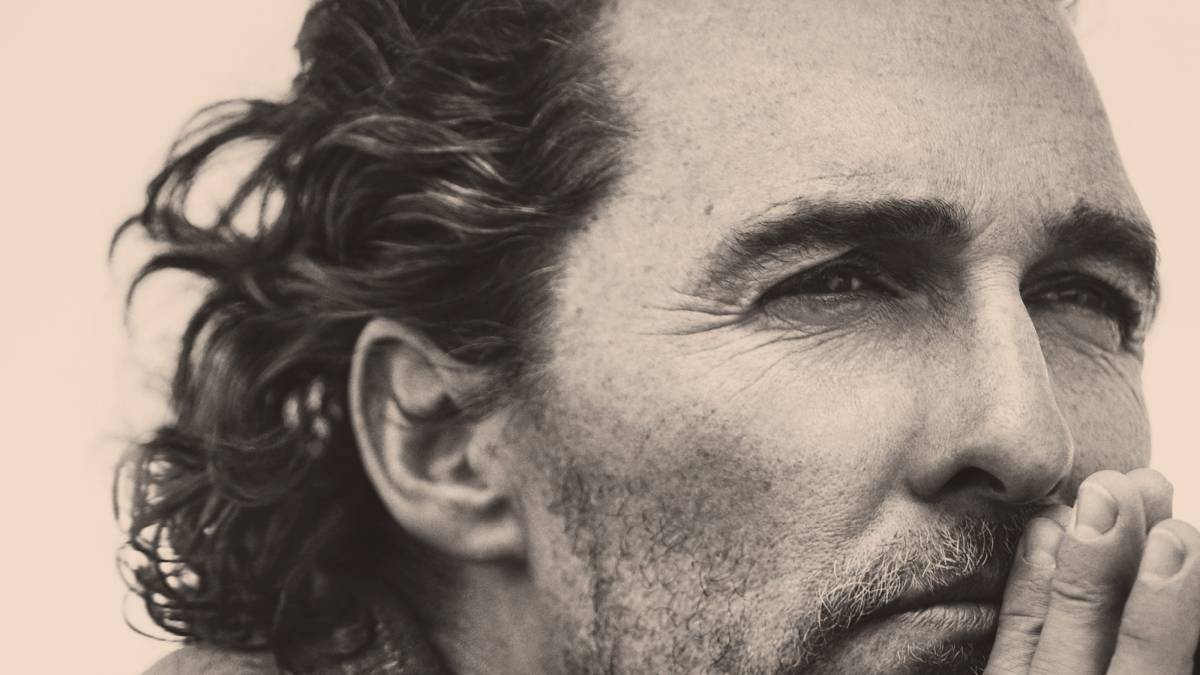
“In a year of ‘red lights’, it’s been both enlightening and refreshing to read a book by a man who has spent his first fifty years on the planet chasing ‘greenlights.’ That phrase of catching ‘greenlights’ is also the formal title of Matthew McConaughey’s memoir / autobiography / personal growth tale that quickly draws the reader in.”

In a year of ‘red lights’, it’s been both enlightening and refreshing to read a book by a man who has spent his first fifty years on the planet chasing ‘greenlights.’ That phrase of catching ‘greenlights’ is also the formal title of Matthew McConaughey’s memoir / autobiography / personal growth tale that quickly draws the reader in. I first heard about Mr. McConaughey’s book when he appeared on the ‘Joe Rogan Experience’, Joe Rogan’s popular podcast. Mr. Rogan coined the book as being ‘whiskey philosophy’ with McConaughey being the philosopher over a glass of whiskey.

I found this metaphor to be quite fitting for the book ‘greenlights’ as the author talks about his life foremost as an observer and a reflector who is able to take a step back and analyze his decisions, his perspectives, and his overall views on his life and how he got to be who he is today. You immediately feel comfortable with McConaughey’s narrative and his ability to tell stories like you were sitting with an old friend over a fire pit drinking whiskey and regaling each other with both good times and bad. Throughout the book, you feel welcomed in and embraced as if you were right there with Matthew having a chat.

What I do love most about ‘Greenlights’ is the raw honesty and the ability to peer into a life like his, which I would argue is different from your average celebrity. Instead of obsessing over the glitz and glamour of being famous in Hollywood, you spend more time with McConaughey in different places around the world. I, for one, did not know that he was an avid traveler ever since he took a gap year in high school to go to Australia on an exchange program. He has often felt the call to go out in the wild, to be secluded from others, and to meet new people along the way.

Surprisingly, the book takes us from the Chihuahua Desert of West Texas to the autobahns of Germany to the jungles of the Peruvian Amazon and across the ocean to the small villages of Mali. One story of Matthew’s that stood out in particular was his wrestling match with a local Malian villager who challenges him as the only white man who has shown up as a guest to wrestle together. It’s not clear to the reader who wins the match, but it doesn’t matter to the village who sees Matthew wrestle. What is most important to them is that he accepted the challenge and not about who won or who lost.

I find that this particular story resonates across Matthew’s life so far and his willingness to put himself out there. Whether it’s going up to ask the woman he eventually marries if he can make her a margarita to seeking his permission from his father to go into acting as long as he doesn’t ‘half-ass it’ to keeping his promise to become a father because that was the most important thing for him to do in life, McConaughey is always willing to accept a challenge and embrace the possibility of failure. His ten guiding goals of what he wanted out of his life back in 1992 when he begun to keep a journal and of which he details in the book of what they were shows the readers how he may have taken a few detours but was able to stay true to his values and his desires even though he’s still working on a few of them.

His main goals of being a father, meeting the woman who was best for him on Earth, putting family first, and even winning a Best Actor award did not happen automatically and he had to run through a number of ‘red lights’ in order to get his ‘greenlights’ eventually. While ‘red lights’ would dissuade a lot of people to keep pushing such as being placed in romcoms for over ten years like Matthew was or perhaps having a falling out with his mother due to his having children out of wedlock, these ‘red lights’ did not discourage him from staying committed to who he was as an actor and as a person.

I think the main message of ‘greenlights’ is to not let the inevitable ‘red lights’ stop you from pursuing your goals and once you see an opportunity, you have to run with it and work hard to turn those lights green. Another particular example from the book that stood out to me was Matthew’s insight to playing Ron Woodroof in the acclaimed film, ‘Dallas Buyers Club’, an immensely emotional role, which led McConaughey to win the Best Actor award for his performance. The role itself wasn’t probably the highest paying role for an actor nor was it going to be a huge box office hit like his previous romcoms.

I believe Matthew took the role because how moving the personal story of Woodroof was and how he was moved to tears talking to Ron’s family and learning about his life through Ron’s own personal journals. While the actor and the man portrayed are very different, they are both native Texans and avid journal keepers. Matthew details his intense diet of losing up to 50 pounds to play the role in the movie and how he had to put himself in the mind of a man quietly dying from the horrific AIDS virus, which was stigmatized at the time. Even if they had to do the film over-budget, it was being made because Matthew, like all good actors, knows a good passion project when he finds one and puts all of his effort into acting the role to make the film as good as it can be. In this case, he won the Best Actor award and made his father proud who tells him the book to not ‘half-ass it’ and those words of encouragement stuck with Matthew.

In addition to seeing Matthew’s life play out since he was a child growing up in Texas, you get to see his really well-written poems, notes, anecdotes, and short stories, which really do convey an intuitive wisdom to them. From discussing love to pleasure to pain to truth to meaning, these poems scattered throughout the book are refreshing to read and relate to his life as a whole. His scribbles, notes, and recollection of different events in life is quite impressive. I do believe even more so after reading ‘Greenlights’ how I should start keeping my own journal for the long-term. Matthew was successfully able to turn his journal full of notes, memories, poems, and stories in a really good book about self-discovery, personal growth, the stages of life from childhood through adulthood, and one’s journey in seeking out ‘greenlights’ even when they can be few and far between as they have been for many of us throughout 2020.

At 285 pages, this is a great memoir and autobiography that doesn’t feel like its length. It is very much an easy page turner that doesn’t feel forced or slow-going. It really grips you for the ride and McConaughey’s life has been full of adventures, events, and precious memories up to year 50 where the book concludes. My only suggestion for improving the book or adding on to it in the future is to really focus more on the ‘red lights’ that happened in the author’s life and what specifically did he learn from those lean times as someone struggling as an actor or having family troubles or being tired of singledom.

I would be curious to learn more from Matthew about what advice he would give to someone during those ‘red lights’ times and how to make the most of them or how to best turn them green in the future. I did find that part to be missing from ‘Greenlights’ a bit too much as the ‘greenlights’ got a lot of the book space whereas I think it’s the ‘red lights’ in life that cause us to reflect more, learn more about who we are, and challenge us to be more creative in overcoming adversity.

In conclusion, ‘Greenlights’ by Matthew McConaughey is one of the best books of 2020. It is an engaging, emotional, and insightful look into a man’s life who has been one of the most important actors and entertainers of the past few decades. You learn a lot more about who Matthew is, what drives him, what’s important to him, how he views family, friends, his career, and what truly matters in life. I enjoy his whiskey philosophy and if I happened to be hanging out in Texas with anyone such as having a stiff drink and swapping stories together, it would be with Matthew McConaughey.

Paying It Forward

Over the course of a lifetime, you can acquire knowledge, resources, and perspective from having lived longer and experienced more than perhaps your peers and more so than those people younger than yourself. Hopefully, although this is not always the case, you will have gained ideas, maturity, and wisdom, which you can impart on those who will come after you. Now while I am not directly referencing mentorship or being a mentor to others, I encourage those who have the knowledge and skills handed down to them or learned through their own efforts to pass that wisdom down to the next generation.

While ‘paying it forward’ may have gone out of style, it has been a part of human history since the early days of man. All great works in this world could be lost if it was not for oral or written recordings so that the knowledge could be passed on to those younger and curious to learn from those who came before them. Teachers, professors, coaches, and mentors play a valuable role in our society because they are entrusted with the high responsibility on passing on their mastery of different subjects on to the next generation. While these are not perfect people, they take it upon themselves to pass on their teachings to those younger and more inexperienced in the hopes that they will take their learnings to improve the world in some way.

However, you do not need to be a teacher or a professor to pass on your knowledge or your skills to younger peers or students. Everybody should take it upon themselves to ‘pay it forward’ in some way by imparting your hard-earned knowledge on to others whether they are family members, friends, mentees, or work colleagues. Part of paying it forward is realizing that you will not be around forever and if you bottle up all of your wisdom, experiences, and overall knowledge inside your mind then it will be truly lost with your passing.

You can be sure that one way to leave an impact, make your mark, and have a legacy is to teach others what you were taught while adding your own perspectives on what you have learned so that you can add your own context to the subjects you have mastered. Nobody is perfect but it is better to share that knowledge with an apprentice or a student than to let it go to waste and be lost to the ether.

From Socrates to Plato and Robespierre to Napoleon, both knowledge and wisdom has been passed down from one generation to the next. In order to progress and advance in your professional life, you’ll sometimes need to reach out on your own to those older and more experienced than you in your field of work. Guilds, trade apprenticeships, and mentoring programs do a lot of the good work in terms of paying it forward, but these opportunities don’t always come around for the average person.

If you see someone who you can help out either professionally or personally and you want to take them under your wing to see how they progress, that’s the best way of paying it forward. Instead of just choosing anyone to help, focus on those people who are interested in your line of work or have the same kind of personal life as you did. You will want to help those folks who are willing to listen, to learn, and to actually implement the advice that you give them. Sometimes, it’s best to let that person reach out to you when they are looking for help but you may have to take the initiative if you don’t have anyone reaching out.

As I discussed in a previous post, mentorship goes both ways but paying it forward is something you should do out of the good of your own heart and out of a desire to leave the world better than when you found it by positively impacting someone’s life. All of us have a lot of experience, knowledge, and skills to share and there are many people out there who don’t or won’t have access to the same resources as we did.

Of course, first, you’ll have to find who that person is who you want to help but remember to not be too selective or wait forever to make your impact. If you have been working hard over the years and decades to build up your knowledge, you should not let it all go to waste by keeping it to yourself. When no one sets the example of paying it forward, it can create a negative ripple effect whereas that kind of useful information or life experience won’t be passed down to those who need it the most.

You may not see the rewards of your efforts in sharing your knowledge or expertise right away but over the years and decades of you helping others, you will definitely see the results whether its’ in the neighborhood, the community, the country, or the world. Everybody has something to contribute to the overall society and even more so when you are able to help others do the same in their own way. ‘Paying it forward’ may not be requirement in living a good life but it will certainly leave an impact on yourself and those who you assist and help during the course of your life.

The Brilliance of a Speech – Charlie Chaplin

Charlie Chaplin, one of the great film figures of the 20th century and known for his silent work in film, took a great leap of faith and showed moral courage by his performance parodying Adolf Hitler in ‘The Great Dictator.’ This film was the first one where Chaplin had any actual dialogue even though he had been in numerous silent films in previous decades from the 1910s through the 1930s. By that time of the late 1930s, Chaplin had achieved worldwide success and critical acclaim as an actor and a comedian but at that tumultuous time in world affairs, he knew he had the responsibility to speak out about growing militant nationalism that was surging in both Europe and Asia.

Compared to the modern times in which we live, Chaplin was taking a big risk with both his career and his personal safety by mixing politics and world events in his roles in ‘The Great Dictator.’ Because this film was the first of his to use sound and the fact that still in 1940, it was not common to condemn and criticize the rise of fascism and Nazism in Europe by Hollywood. Even though World War II had begun, and the U.S. had remained neutral up until that point, Charlie Chaplin brought to life through satire and comedy just how ridiculous dictators like Hitler and Mussolini were in their desire to conquer territory and expand their rule.

It was unknown to Chaplin and the other people involved in making ‘The Great Dictator’ though that Hitler and the Nazis would create concentration camps and extermination chambers to kill over eleven million people, including six million Jewish men, women, and children. Chaplin, like few other actors of the time, was able in this satirical film to play both the main protagonist and the main antagonist. Both a Jewish barber and Adenoid Hynkel, Chaplin in both roles was able to lay out how clearly to the audience how prescient of a threat the rise of fascism in Europe was but also how important it was to poke fun still at the Nazi threat in order to be better able to confront it later on.

While 95% of ‘The Great Dictator’ is making fun of Hitler and the Nazi leadership, the last five minutes is a speech given by Chaplin playing the satirical role of Adenoid Hynkel in full costume but talking seriously about the need to confront Nazism and how it got to this low point in world history. This speech is extremely popular and brilliantly crafted to put it simply. It is no wonder that this film was commercially and critically acclaimed especially in the United States and in the United Kingdom. The invigorating words that Chaplin passionately and profoundly passes on directly to the audience of ‘The Great Dictator’ carries real weight to it especially by the end of the film where it’s been comical and relatively lighthearted up until that point. At the time of the film and of the year it was released, 1940, the horrors of World War II were far from being fully realized yet. However, the ending speech was not just foreboding of what was to come but it was also a forewarning to humanity that this can happen at any time and in any part of the world. Chaplin urges the audience to consider how it got to this point, how we can turn it all around, and how to avoid the dictators who pit us against each other and separate us into us vs. them.

“I’m sorry, but I don’t want to be an emperor. That’s not my business. I don’t want to rule or conquer anyone. I should like to help everyone – if possible – Jew, Gentile – black man – white. We all want to help one another. Human beings are like that. We want to live by each other’s happiness – not by each other’s misery. We don’t want to hate and despise one another. In this world there is room for everyone. And the good earth is rich and can provide for everyone. The way of life can be free and beautiful, but we have lost the way.”

Being able to take care of people and to treat each other with respect and dignity is crucial to one’s humanity regardless of race, ethnicity, or religious background. In Chaplin’s speech, he caters to the better angels of our nature and how we really should yearn to make each other’s live better and spread happiness, not hate. The Earth that we have been given is big enough for everyone regardless of who we are and is ‘rich’ in its natural resources and its ability to provide for everybody with food, water, etc. The natural state of man should be yearning for freedom and beauty, but sometimes we have to collectively steer ourselves back in that direction when we have ‘lost the way.’

“Greed has poisoned men’s souls, has barricaded the world with hate, has goose-stepped us into misery and bloodshed. We have developed speed, but we have shut ourselves in. Machinery that gives abundance has left us in want. Our knowledge has made us cynical. Our cleverness, hard and unkind. We think too much and feel too little. More than machinery we need humanity. More than cleverness we need kindness and gentleness. Without these qualities, life will be violent, and all will be lost….”

Greed has turned men against one another, has caused hate to fill our souls, and has led us down the paths to misery and bloodshed. Similar to the pre-WWII period, we live in a time of rapid technological change where ‘speed’ is the essence of progress, but this same ‘speed’ has led to the consequence of alienating ourselves from others with these ‘advances in technology.’ While we live in abundant times, there are many out there who still ‘want’ for more because of increasing inequalities. Too much knowledge without wisdom can lead to cynicism. There is a lot of cleverness in the world but what really matters is how you treat other people and that ‘kindness’ and gentleness’ too often takes a back seat to ‘cleverness’ and showing your ego off to others. When there is not enough humanity, Chaplin tells us, life is violent, brutal, and the progress we have made can be reversed all too easily.

“The aeroplane and the radio have brought us closer together. The very nature of these inventions cries out for the goodness in men – cries out for universal brotherhood – for the unity of us all. Even now my voice is reaching millions throughout the world – millions of despairing men, women, and little children – victims of a system that makes men torture and imprison innocent people.”

Substitute the iPhone and social media for ‘the aeroplane and the radio’, and this part of Chaplin’s speech is just as relevant as it was in 1940 with regards to technological change and its effects on humanity. While these devices and inventions can bring us together in an effort to achieve ‘universal brotherhood’, these same tools can be used to drive us apart from one another and lead to more universal forms of control, subjugation, and surveillance if we are not careful. Reaching out using technology to help men, women, and children in trouble thousands of miles away is what we should be striving for especially when they are in danger of being tortured, imprisoned, and killed.

“To those who can hear me, I say – do not despair. The misery that is now upon us is but the passing of greed – the bitterness of men who fear the way of human progress. The hate of men will pass, and dictators die, and the power they took from the people will return to the people. And so long as men die, liberty will never perish.”

Misery is temporary and so is greed which cannot go on forever because it stands in the way of both human progress and human development. Those men who benefit from hatred and violence also fear the progress of humanity because it will prevent them from taking all of the resources, money, and land for themselves. Dictators like all humans will eventually die and disappear from the face of the Earth and the power that was taken from the people will eventually be returned to them. There is always a chance for liberty to exist as long as the people have hope and as long as dictators can have their power be taken from them by force or by the passing of time. The torch of liberty can only be fully extinguished if people give up hope or if one dictator is exchanged for another dictator like nothing ever changed.

“Soldiers! don’t give yourselves to brutes – men who despise you – enslave you – who regiment your lives – tell you what to do – what to think and what to feel! Who drill you – diet you – treat you like cattle, use you as cannon fodder. Don’t give yourselves to these unnatural men – machine men with machine minds and machine hearts! You are not machines! You are not cattle! You are men! You have the love of humanity in your hearts! You don’t hate! Only the unloved hate – the unloved and the unnatural! Soldiers! Don’t fight for slavery! Fight for liberty!”

Dictators and authoritarian brutes do not care about the soldiers who they command and use them as pawns in their game of chess with other nations. These ‘leaders’ give the soldiers commands and teach them what to think, do, and feel, but they don’t instruct them on why they are fighting or what they are fighting for? The men who order soldiers to battle think like ‘machines’ rather than as human being. Men are born with the love of humanity in their hearts and were not born already hating others. Only those who are ‘unloved’ and ‘unnatural’ can be led to hate others (often by dictators). Soldiers enslave themselves to dictators and other leaders by fighting without questioning and instead should fight for the liberty of all human beings to live in peace, pursue their dreams, and better the world. The only fight worth having, Chaplin argues in the speech, is the ‘fight for liberty!’

“In the 17th Chapter of St Luke, it is written: “the Kingdom of God is within man” – not one man nor a group of men, but in all men! In you! You, the people have the power – the power to create machines. The power to create happiness! You, the people, have the power to make this life free and beautiful, to make this life a wonderful adventure.”

“The Kingdom of God is within man.” We are born imperfect as human beings but in order to create peace, prosperity, and liberty, it is within us alone to make. Only when all men unite together and not just one group or one man alone, there is nothing that we can’t accomplish together. For one, the power to create technology and machines is one that we have exercised for the past few centuries now. This power can be used for terrible things but if we unite together as one humanity then there is the power to do great good such as to pursue happiness, justice, and to make life free and beautiful for all peoples. One man can’t do it alone nor can a group of men from a country or region, but we must be all together united in the struggle to create a better future. These ‘machines’ that man creates can be used for evil or for good, and it is ultimately up to us in how to use the technology we have to further the progress of mankind.

“Then – in the name of democracy – let us use that power – let us all unite. Let us fight for a new world – a decent world that will give men a chance to work – that will give youth a future and old age a security. By the promise of these things, brutes have risen to power. But they lie! They do not fulfill that promise. They never will!”

Democracy and not dictatorship are the only power we need to unite under a banner of shared humanity. Dictators look to divide and conquer but democracy urges unity and peace among all nations in order to create a decent world. Being able to work and create is what men desire to give future generations a shot at a good life and to aid the elderly in age to have a secure retirement. Brutes promise a lot of things to their peoples under the guise of democracy, but they do not care for democracy or its principles of liberty, equality, and justice for all. Brutes are dictators and authoritarians who lie to the people in order to free themselves financially and politically, so their own families, friends, and connected elites can benefit. They never fulfill the promises that they were elected to handle, and they use the people’s trust to enrich themselves and consolidate power for themselves while criticizing anyone who thinks differently from them.

Dictators free themselves but they enslave the people! Now let us fight to fulfill that promise! Let us fight to free the world – to do away with national barriers – to do away with greed, with hate and intolerance. Let us fight for a world of reason, a world where science and progress will lead to all men’s happiness. Soldiers! in the name of democracy, let us all unite!

When dictators rise to ultimate power, they keep that power for themselves and quite literally ‘enslave the people.’ This was the case in World War II with Hitler and Mussolini and is still the case today almost eighty years later. Chaplin argues that the only way the world and its seven billion inhabitants can be truly free is to do away with the borders we have imposed on ourselves to cause unnecessary tension, conflict, and violence, and to stop greed, hate, and intolerance in all of its forms or before it becomes too powerful to resist.

Democracy, liberty, equality, and justice are everlasting principles for human freedom but they must be fought for and obtained with each generation. These principles are not perfect either and they must be reformed and improved upon so that all humans can benefit from these ideals. Only in a world with reason, education (science and other subjects), the quest for humane progress can happiness and self-satisfaction be achieved. In order to prevent dictators from seizing power, democracy must be strengthened not just by ‘soldiers’ but by ‘citizens’ of all nations. Only when we unite together to disavow of false prophets like dictators and rather work together in a fair and free democratic system can we ensure the continued progress of man, woman, and child through the decades, generations, and centuries to come.

Charlie Chaplin’s ‘The Great Dictator’ was a brilliant speech that tried to warn the world about the coming world war that would be the deadliest in human history. His words still carry immense weight and troubling foreboding in our world today. I hope and pray that we continue to heed his speech for its vision of a better, free, and just world or we could once again find ourselves staring into the abyss of future conflict, violence, and destruction….

You can read the full speech here: https://www.charliechaplin.com/en/articles/29-The-Final-Speech-from-The-Great-Dictator-