You Don’t Owe The World A Status Update

“You should not be performing for other people and achieving goals for their attention. The ‘likes’, the ‘emojis’, the ‘congratulations’ are all well and good but when it comes down to it, you don’t owe the world a status update.”

Not everything in your life needs to be broadcast to other people, especially strangers. It’s preferable even to move in silence while you work towards achieving your personal goals or achievements. True self-growth is about achieving your wins in life because of your own hard work and desire and not just to seek validation from others. You should not be performing for other people and achieving goals for their attention. The ‘likes’, the ‘emojis’, the ‘congratulations’ are all well and good but when it comes down to it, you don’t owe the world a status update.

You build a legacy for yourself and not for chasing the validation of others, whether they end up giving it to you or not when your success comes to fruition. We live in a world where broadcasting every tiny move is celebrated, which is fine for those who choose to engage in it, but that’s not what your life should be focused on.

Telling people too much, especially too soon, can be bad for your goal setting and put undue pressure on you to reach that goal even more. If you fail, everyone will know who you shared the original goal with which could sting. While telling people can provide external motivation, at the same time, you are also putting a lot more stress and anxiety on yourself to perform for others because of how public you made your goal.

In my view, overexposure kills momentum and the energy you give towards outside attention can distract you from setting and achieving your goals. To give a personal example, in the past, I let some people I trusted in my life know about my goals, especially when it comes to launching a business or passing a certification for professional reasons. While I enjoyed letting those people I cared about know, I should have waited until I had achieved my goals in both areas before making it public even to close friends and family.

The sting of failure or falling short is accepted best by those closest to you but it can still hurt knowing that you may have let them down by promising more than you could deliver. Often, it’s best to wait until the goal is achieved, like having a profitable business or acing your certification before you let others know you were even working on that accomplishment to begin with.

Some things in life need space, time, and most importantly, privacy to develop like the roots of a tree as they form the foundation for growth. Self-improvement can be shared publicly but it should be thought of primarily as a private contract within yourself, and not public performance. Real growth takes a lot of time and achieving tough goals takes years, decades, and sometimes an entire lifespan.

Updating others constantly will get boring too and if you are going to update others, make sure you are only doing it when you achieve something along the path to success. Progress should be boring and predictable, and you shouldn’t need applause or praise to keep going towards your goal or objective as well.

I find that the most successful people often work in silence until its time to deliver the final result, not announce to the world that it’s in progress. Whether it’s Albert Einstein working on the e=mc(squared) result, Michael Jordan putting in the years as a teenager and college basketball player to make it to the NBA and become a legend there, or even Steve Jobs getting rejected multiple times for what would become world renowned tech products like the iMac and iPod.

These legends in different fields of mathematics, technology, and sports did not announce to the world when they made progress towards their goals, they only announced to the world that they had made it when they achieved their goals. For a personal example, I didn’t tell the world when I started a martial art, I only let it be known to people when I had been doing it for a few years and had some progress or goal achieved to show for the efforts I had made. It’s great to start towards a goal but only announce it after you’ve been grinding for a while and have achieved a result with that job or activity or passion.

Let the results do the talking when you work in silence. When your final product or achievement is ready, it’ll speak louder than any fan or hater will have to say about it when it becomes public. Again, don’t tell people or especially strangers on the Internet your plans, show them the outcomes and the results that you have achieved and maybe how you got there if you want to give that away too. I think it’s best for anybody to be devoted to improving themselves and bettering their lives with real goals is to build in peace and quiet.

Keep your head down, have a steady heart, work consistently towards your goals, whatever they may be, and do so only loud enough for you to hear them constantly, until they echo for everyone else once you’ve achieved what you set out to accomplish.

How to Evaluate Your Year

“Evaluating the year that has passed can be a valuable exercise for yourself to gain deeper insights, identify growth opportunities for the new year, and celebrate the accomplishments or successes you had.”

2024 is ending soon as I write this article and I do believe it is important to look back on the year that was to evaluate it holistically, such as whether it was good, bad, or a mixed bag. Evaluating the year that has passed can be a valuable exercise for yourself to gain deeper insights, identify growth opportunities for the new year, and celebrate the accomplishments or successes you had.

Reflecting on various aspects of your life, even areas that you can improve upon will help you to set meaningful goals for the year ahead. Here’s a guide I have created on how to evaluate your year comprehensively, focusing on the five major areas of friends, family, relationships, experiences, and work or business.

Friends

Friendships are an essential part of life and key to one’s mental health as a surefire way to stay truly connected and bond over shared activities or hobbies or even lend each other a helping hand. Think about reflecting on your relationships with friends from over the past year. Ask yourself the following questions when doing so:

  1. Giving or Getting Support: Were your friends there for you during challenging times? Were you there for them when they needed you when they were in a rut or needed help? Did they offer emotional or practical support when needed? Could you say the same?
  2. Showing Mutual Effort: Did you invest some effort into maintaining these friendships? Conversely, did your friends reciprocate to make the effort to reach out to you as well?
  3. Quality over Quantity: Did you prioritize meaningful, deep connections over superficial ones with your friends? Were your interactions enriching and positive with your friends?
  4. Encouraging Growth: Did your friendships encourage personal growth or help you broaden your perspective? Did you give each other advice on how to better yourselves?

Document the moments and memories that stood out to you, whether they were fun gatherings, heart-to-heart conversations, or instances where you and your friends supported each other through a difficult time. Evaluate if there were any friendships that became draining or unbalanced and consider whether to address these issues or set boundaries or even cut off the friendship if it isn’t working out.

Family

Family relationships can greatly influence your emotional well-being in both positive but also negative ways depending on your own situation with your family members. I encourage you to reflect on the past year’s interactions with your family members and consider these questions:

  1. Building Connection: Did you spend enough quality time with your family? Were you present and engaged during these moments or were you distracted by your phone or another device?
  2. Conflict Resolution: Were there any unresolved conflicts? How well did you communicate and handle disagreements? Why did those conflicts arise and how can they be avoided next year?
  3. Support System: Did your family serve as a source of strength or encouragement? Were you able to offer the same in return? Did you help each other out in a mutual manner?
  4. Milestones and Memories: Were there any significant events or milestones within your family? How did you contribute to these moments? Did they celebrate your wins this year and did you do the same for them when they had successes?

Think about whether you balanced your time and energy across the various family member dynamics that are constantly evolving each year along with the different personalities that you have in your family. Identify some ways to strengthen bonds with family members next year who may need more of your attention or love than you were able to give up until this point.

Relationships

If you’re in a romantic relationship currently, evaluating this aspect of your life is crucial to keeping it on the right track into next year. Even if you’re single, reflecting on your relationship with yourself or any potential romantic connections is just as important. Ask yourself these questions as you close out the year:

  1. Compatibility: Are you and your partner aligned in your values, goals, and vision for the future? Have you talked about how you felt about the relationships enough in terms of how it is going?
  2. Communication: How effectively did you communicate this year? Were you able to express your needs and listen to your partner’s? Did you handle disagreements respectfully and come to a positive resolution with each other?
  3. Growth: Did your relationship encourage mutual growth? Did you feel supported and loved? Did they support you when you needed it, and have you done the same for them?
  4. Quality Time: How much time did you spend together? Were those moments meaningful and fulfilling? Were you also able to spend time apart in a healthy manner?
  5. Self-Reflection: If you’re single, consider how you’ve nurtured your relationship with yourself. Did you take time to understand your needs, desires, and goals in a potential relationship for next year?

Identify areas where you’ve grown together as a couple or individually when you two were apart. If there were challenges this year, consider how you’ll address them moving forward in your relationship.

Experiences (Travel, Hobbies, Interests, Fun Activities)

Reflect on how you spent your free time outside of work, school, or business and how engaged with life outside of your daily obligations and weekly chores you were. Think about where you went, what you did, what you learned, and how much you enjoyed life beyond the office or the shop or the factory floor. Consider the following in your assessment of your experiences:

  1. Local and International Travel: Did you explore new places, whether locally or internationally? How did these experiences broaden your perspective? What did you learn from the places you traveled to? Would you travel in 2025 and how did you grow as a person in your travels?
  2. Hobbies and Interests: Did you pursue activities that bring you joy or help you grow? Did you try something new? Were you committed to these hobbies and spend enough time on them? What new hobby or interest would you like to try in the new year?
  3. Having Fun and Relaxation: Did you allocate time for leisure and enjoyment? Were you able to strike a balance between work and play? How often were you able to relax yourself?
  4. Making Memories: What were the highlights of your year? Did you attend events, celebrate milestones, or create special moments? Who did you share those memories with?

Take note of the activities, hobbies, interests, etc. that brought you the most happiness and fulfillment. If your year felt monotonous and a bit too routine, think about incorporating more variety or adventure into your life next year. Plan the destinations, places, or cities with regards to travel ahead of time that you hope to visit in the new year.

Work or Business

Your professional or business life is another crucial area to evaluate at the end of any year as it makes up about 80% of our time throughout the year. Reflect on your career or business journey over the past year by asking yourself these questions:

  1. Major Accomplishments: What were your major achievements? Did you meet or exceed your professional goals? What was the process you used to achieve your goals?
  2. Overcoming Challenges: What obstacles did you face, and how did you overcome them? Were there any failures, and what lessons did you learn from them? Who helped you overcome these challenges in your professional or business pursuits?
  3. Professional Growth: Did you acquire new skills, take on new responsibilities, or achieve personal growth in your role? How will these new skills help you next year and beyond?
  4. Managing Work-Life Balance: Were you able to maintain a healthy boundary between work and personal life? Did work leave you feeling fulfilled or drained? Did you take enough time off for vacation or for staying healthy? How did you spend your time outside of work or business?
  5. Establishing Future Goals: Are you satisfied with your current trajectory, or do you feel the need for a change? Did you take steps toward your long-term career aspirations? Will you find a new job next year? Do you plan to launch a new business or company? Will you ask for a raise or promotion and how will you ask this question to your supervisor?

Reflect on whether your work or business aligns with your personal values and passions. If there are gaps in that assessment, start thinking about how to address them in the coming year with regards to making your work or business more personally fulfilling Once you’ve reviewed these areas and answered as many questions in these five major areas as possible, combine your thoughts to identify patterns, strengths, and areas for improvement.

Lastly, think about the following ways generally on how you could make next year the best one yet:

  1. Showing Your Gratitude: What are you most grateful for this year? Acknowledge the people and experiences that enriched your life and made it the year that it was.
  2. Compile Lessons Learned: What did the failures, challenges, and successes of this year teach you? How will these lessons shape your approach to the new year and beyond?
  3. Having Goals for Improvement: What areas need more focus or change from you? How will you set realistic and actionable goals to address these aspects next year?

Evaluating your year holistically gives you a clearer perspective on where you stand in your life and how to move forward in a positive manner. Use this article, the questions I’ve posed and to write a yearly reflection about these five major areas as a substantive foundation for setting meaningful goals and resolutions for the year ahead.

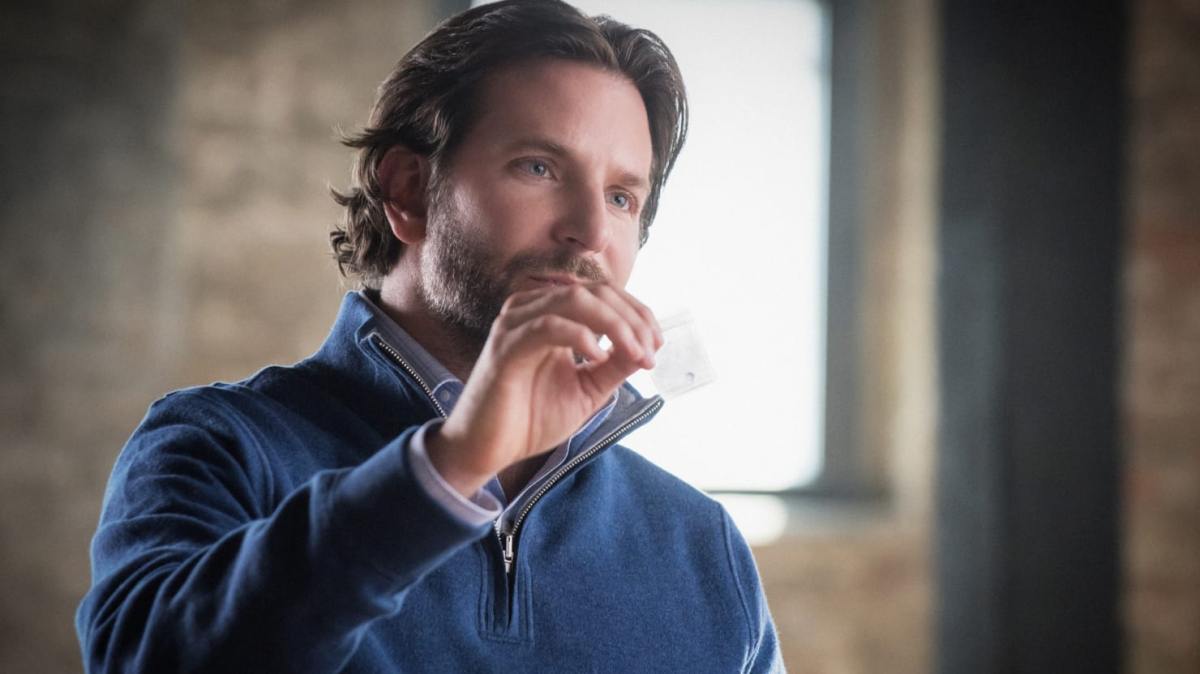
Anatomy of a Scene – ‘The NZT-48 Pill’

How often have you thought about the possibility of taking one pill per each day that would maximize your brain’s full potential? With the movie ‘Limitless’ with Bradley Cooper and Robert DeNiro, this film poses the answer in the form of ‘NZT-48’, which can allow you to access everything you’ve read, heard, and learned without any true effort. This kind of wonder drug is purely fictional but many people in real life seek this kind of legal short cut nowadays whether it’s to focus, to lose weight, to improve memory, or to retain more information. In the film’s early scenes such as the one that introduce this magic pill’s effects, we get to see what kind of effects NZT-48 has on Eddie Moura, the main character.

This limitless pill is introduced as one that can improve focus, memory, knowledge retention, tidiness, and even make your intelligence that much more advanced especially after repeated usage. The scene that I would highlight shows just how effective it can be in multiple areas and how well the director shows how its daily usage turns a struggling writer into a financial tycoon and published author in just a week’s time.

The scene starts out with Eddie Moura taking the NZT-48 pill for the first time even though he knows it comes with risks and side effects. He asks, “worth the risk?” by breaking the fourth wall with the audience, and says in the narration, “what would you do?” It’s a pertinent question because due to how many months, years, or decades it takes to be successful naturally without any enhancements, supplements, or advantages, how many of us watching the scene would want to take the easy way out in life even if there were risks involved? It’s part of the reason why this scene is so powerful because we know Eddie will face consequences for using this pill eventually but as we are told, the benefits of the pill may outweigh the consequences at first making it a tempting magic pill.

Eddie’s changes start out small as his pupils dilate and he starts seeing the world much more clearly than before. He’s clear-headed, not anxious socially, able to think and act clearly, and is aware of his own personality traits that need improvement. He gets a haircut, builds his wardrobe with a stylist leather jacket, cleans up his messy apartment, and starts to exercise more frequently and seriously.

From there, Eddie, a struggling writer, finds “a surge of motivation” from the pill to finish the novel he had been failing to finish for years and writes it all in just a few days’ time. Eddie doesn’t stop at that monumental achievement as a new novelist. He learns to play the piano in just three days, becomes a master poker player knowing how to play the odds in his favor and winning a lot of money against the house, and becomes fluent in most languages just by casually listening to them as he goes on a daily run with the headphones playing different vocabulary for him to instantly memorize.

Eddie uses his newfound social and language skills to seduce a beautiful woman and begin to network and build relationships to put his newfound wealth to good use in the stock market. He explains key economic concepts to those around him, can hedge bets on the pharmaceutical industry (partly responsible for his NZT-48 usage), and flies to a far-off beach to enjoy drinks and food at a private mansion with some of his new friends.

These may be selfish desires on Eddie’s part, but he’s able to diagnose exactly what the medical issue is with his aunt and how to fix the issue. “I suddenly knew everything about everything.” He is able to not only explain complicated medical diagnoses but is able to explain complicated concepts simply enough for everybody else to agree and understand. Eddie has access to everything and a 100% capacity to do what he wishes with his life. He has no fears, no anxieties from taking the magic pill and can hold a conversation with anybody about anything.

However, towards the end of the scene, we start to see the drawbacks of this magic pill in how Eddie must keep moving forward or it’ll feel like he’s dying or suffering. We see this briefly in how he drives a Maserati at maximum speed much to the delight of his companion, but for which he has no conception of how dangerously fast he’s going and what the drawbacks can be of his new heart-stopping lifestyle. “I felt like I was going to explode…”

“Anybody ever jump?” Eddie says to his newfound friends on a massive cliff overlooking the ocean. “Are you crazy?”, one woman asks of him given it’s a few hundred meters above sea level. Eddie’s heart is pulsating and while he’s lost his fear including of heights, he’s beginning to see that he can’t pull back on the adrenaline, the curiosity, and the sheer exhilaration the pill is giving him. The pill does have a side effect and it can be a deadly one of not being able to slow down and to live life normally. Eddie constantly must be upping himself and creating bigger and bigger goals for him to accomplish.

We see this play out in the rest of the film as Eddie seeks to become more wealthy, famous, and powerful with the help of his magic pill. As much as the audience sees how exciting and fulfilling Eddie’s life had become since using NZT-48, the film is a warning against how taking the short cut of a ‘magic pill’ or a quick and easy fix can come with devastating consequences. It is a warning on how taking the easy way out may feel good in the short run, it can have side effects that can bring us down as a result.

This scene is shot very well and is rememberable because it shows just how much potential we all have and it’s not from a pill like NZT-48 as it comes instead from within us. We may not be able to write a book in a few days or learn the piano or be a star poker player like Eddie, but we do have the discipline, abilities, and motivation within us to improve ourselves even if it takes longer in the form of months, years, or decades. We can all learn to exercise more consistently, learn a new language quicker with consistent practice, and be able to improve our style, our conversational skills, and build our finances and our talents over a period of time.

Eddie Moura may have needed NZT-48 to reach the heights of human achievement, but the film’s message, especially in this scene, is that while the ‘magic pill’ is fictional, we can strive to achieve more through our own discipline, consistency, and hard work. We may not be as good as Eddie at everything or be able to be as accomplished as quickly, but this scene does show how with consistent effort, hard work, and beliefs, we can reach our own pinnacle as Eddie did.

It’s a fictional scene and movie about one man’s insatiable desire to use this ‘magic pill’ repeatedly to be the man he always dreamed of being without any regard for what this addiction can cause harm to him and others in his life. It is a cautionary story for each of us that while he was able to achieve great things much more quickly, it did cost him a lot as a result. We ourselves can achieve almost as many great things through our own natural abilities and talents, without a ‘magic pill’ needed, and not have to deal with the consequences of using the shortcut taken by Eddie Moura because of that. To be as ‘Limitless’ as possible, you need to work as hard as you can as consistently as you can to do the best that you can.

The Fruits of One’s Labor

“The song is called ‘Victory Dance’ by My Morning Jacket and whose lyrics directly address the earned happiness and contentedness after a day of struggle through a hard day’s work.”

One of my favorite song lyrics deals with the satisfaction of another day worked and to see the fruits of one’s labor enjoyed at the end of the day. The song is called ‘Victory Dance’ by My Morning Jacket and whose lyrics directly address the earned happiness and contentedness after a day of struggle through a hard day’s work.

“Hope to watch the victory dance after the days’ work is done
Hope to watch the victory dance in the evenings setting sun…
Hope to watch the victory dance over many lives to come…
Hope to watch the victory dance in the evenings setting sun.”

The ‘victory dance’ could be interpreted as a metaphor for a celebration or a relaxation or a general happiness that comes over you at the end of the working day. Regardless of the work involved, at the end of the day or the week or even the year, you can be able to look back with pride and satisfaction in your ability to ‘dance’ or enjoy the fruits of your labor in the evening or night or whenever your work is done.

The key lyric I can relate to is that the work may be done for the day, but it will continue for many ‘lives’ or ‘years’ to come. While the work you did today was hopefully meaningful or valuable, your progress will need to continue in the future so you can keep enjoying the ‘victory dance’ in whatever form you celebrate or take stock of what you were able to do.

Fruit takes time to grow and to be at its most ripe for eating and the same goes for our labor. While labor or work can be evaluated on a day-to-day basis, real progress in our labor whether it’s a business, a corporation, or a conglomerate, that kind of work can take years, decades, or even generations to build. You can enjoy a ‘victory dance’ for any kind of daily labor you can put in because of the progress made, but a key point as highlighted in this song by My Morning Jacket is that you really should try to enjoy the ‘victory dance’ for “many lives to come”, which I interpret as years to come or even over the generations from one family member to another.

Long-term progress requires ‘lives’ or ‘workers’ to build over the years or decades so it’s important to not celebrate too early or to ‘dance’ too early because the fruits of your labor should not be enjoyed too prematurely but rather when the moment is right or when the fruit is all ripe. Fruit, like one’s labor, takes time to enjoy so it’s best to be patient and work hard over time rather than to try to rush the process to enjoy ‘the fruits’ prematurely rather than when things have progressed to a finished point and even then, there is always room for further progress and improving in one’s work.

Another few of the lyrics from ‘Victory Dance’ that I really enjoy is the emphasis on trying out whatever labor may be best for you to thrive, or for which is done out of necessity to survive. It is key to adapt to the labor required of you or which is most available at the time since the ‘fruits’ will be just as enjoyable at the end of it. If you are committing yourself to ‘labor’, which inevitably involves struggle, either mentally or physically, the rewards or ‘fruits’ will likely be worth it because of that same ‘struggle’ involved.

“But you should work, for the self and the family
Should I hit the water or stay on dry land, even though I never swam?
Take machete into the brush, though at first there is no path
Taste the warpaint on my tongue as it’s drippin’ with my sweat
Place my gaze in the futures path, seein’ things that aint come yet.”

Your labor or work is not just for your own fruits as the lyrics state above. It’s also for your family or for the people who depend on your labor. They must share in the ‘fruits’ as well beyond your own needs and desires. Needing labor to survive and enjoy the fruits of life’s necessities such as food, water, shelter, clothing, etc. will sometimes force us to get out of our comfort zone as well. As the lyric above suggests, we often must test our limits to secure labor to have the ‘fruits’ in life. We may have to swim even when we have never swum before, but labor will require learning both new abilities and skills to be good at what we do.

You may have to learn those new skills to secure labor to do or to have work for the future. You should leave your comfort zone such as learning to swim, or to hike, or to hunt, or to lift heavy things or to use your mind to solve problems.

Whether it is a machete or a screwdriver or a keyboard, you are going to have to ‘clear a path’ with your labor even as the song says, nothing was there before. Creating something or making something out of nothing is a key part of being able to enjoy those fruits later by the work of sound mind or a good body.

Lastly, you may be physically challenged in your labor especially if there happens to be conflict as the song alleges. You may not know it, but you may be asked for labor of national importance or survival such as in times of peace but also in warfare, and you may have to provide service as part of your labor not for yourself but for community or for country as well. The final lyric in particular sums up why we labor for our fruits to begin with to plan for an uncertain or unknown future.

We may not have planned to do certain types of labor or work but regardless of if you’re an engineer, a blacksmith, or a doctor, you may be asked to do other types of work that you will have to both learn and then be proficient at. One must always be prepared to do other kinds of work to stay agile, be flexible, and plan for the unexpected such as a war or conflict that you did not see coming but you may be forced into fighting as the reluctant warrior in the song lyrics.

To secure the fruits now and for later as well will help to make sure that our collective labor will not have been for nothing. When your secure labor for yourself to do, you cannot work forever so it is important to think of the future and how to plan to have those ‘fruits’ not just for today, next year, but for the rest of your life too.

The Whiskey Philosopher

“In a year of ‘red lights’, it’s been both enlightening and refreshing to read a book by a man who has spent his first fifty years on the planet chasing ‘greenlights.’ That phrase of catching ‘greenlights’ is also the formal title of Matthew McConaughey’s memoir / autobiography / personal growth tale that quickly draws the reader in.”

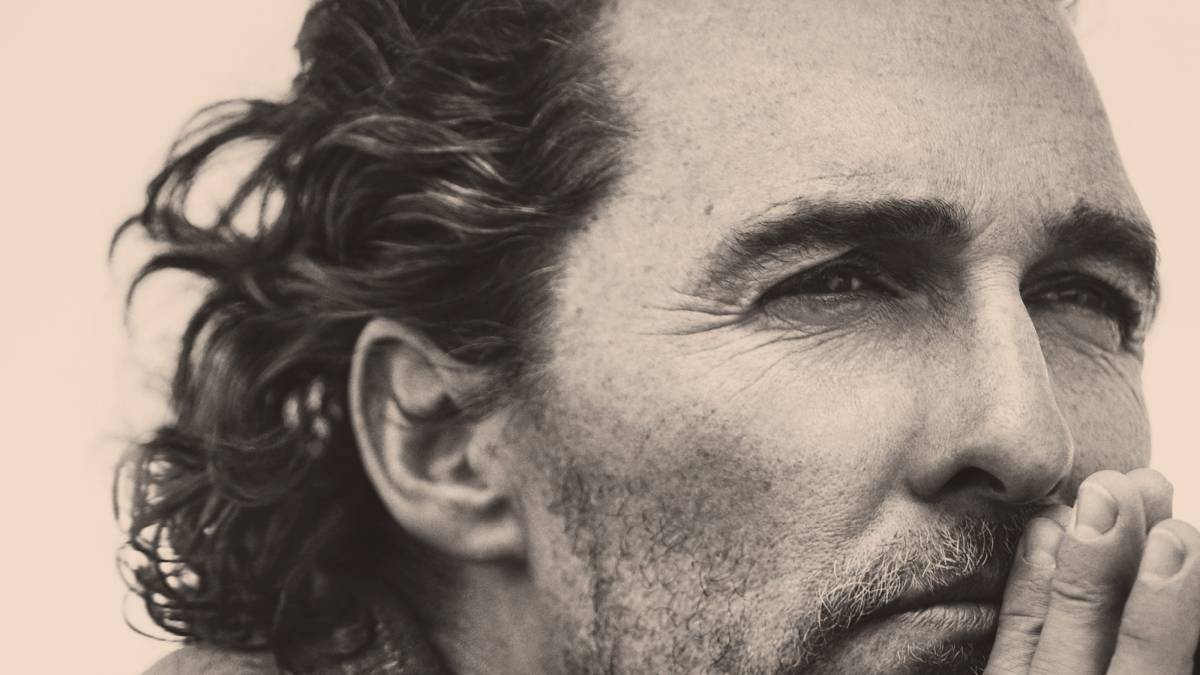
In a year of ‘red lights’, it’s been both enlightening and refreshing to read a book by a man who has spent his first fifty years on the planet chasing ‘greenlights.’ That phrase of catching ‘greenlights’ is also the formal title of Matthew McConaughey’s memoir / autobiography / personal growth tale that quickly draws the reader in. I first heard about Mr. McConaughey’s book when he appeared on the ‘Joe Rogan Experience’, Joe Rogan’s popular podcast. Mr. Rogan coined the book as being ‘whiskey philosophy’ with McConaughey being the philosopher over a glass of whiskey.

I found this metaphor to be quite fitting for the book ‘greenlights’ as the author talks about his life foremost as an observer and a reflector who is able to take a step back and analyze his decisions, his perspectives, and his overall views on his life and how he got to be who he is today. You immediately feel comfortable with McConaughey’s narrative and his ability to tell stories like you were sitting with an old friend over a fire pit drinking whiskey and regaling each other with both good times and bad. Throughout the book, you feel welcomed in and embraced as if you were right there with Matthew having a chat.

What I do love most about ‘Greenlights’ is the raw honesty and the ability to peer into a life like his, which I would argue is different from your average celebrity. Instead of obsessing over the glitz and glamour of being famous in Hollywood, you spend more time with McConaughey in different places around the world. I, for one, did not know that he was an avid traveler ever since he took a gap year in high school to go to Australia on an exchange program. He has often felt the call to go out in the wild, to be secluded from others, and to meet new people along the way.

Surprisingly, the book takes us from the Chihuahua Desert of West Texas to the autobahns of Germany to the jungles of the Peruvian Amazon and across the ocean to the small villages of Mali. One story of Matthew’s that stood out in particular was his wrestling match with a local Malian villager who challenges him as the only white man who has shown up as a guest to wrestle together. It’s not clear to the reader who wins the match, but it doesn’t matter to the village who sees Matthew wrestle. What is most important to them is that he accepted the challenge and not about who won or who lost.

I find that this particular story resonates across Matthew’s life so far and his willingness to put himself out there. Whether it’s going up to ask the woman he eventually marries if he can make her a margarita to seeking his permission from his father to go into acting as long as he doesn’t ‘half-ass it’ to keeping his promise to become a father because that was the most important thing for him to do in life, McConaughey is always willing to accept a challenge and embrace the possibility of failure. His ten guiding goals of what he wanted out of his life back in 1992 when he begun to keep a journal and of which he details in the book of what they were shows the readers how he may have taken a few detours but was able to stay true to his values and his desires even though he’s still working on a few of them.

His main goals of being a father, meeting the woman who was best for him on Earth, putting family first, and even winning a Best Actor award did not happen automatically and he had to run through a number of ‘red lights’ in order to get his ‘greenlights’ eventually. While ‘red lights’ would dissuade a lot of people to keep pushing such as being placed in romcoms for over ten years like Matthew was or perhaps having a falling out with his mother due to his having children out of wedlock, these ‘red lights’ did not discourage him from staying committed to who he was as an actor and as a person.

I think the main message of ‘greenlights’ is to not let the inevitable ‘red lights’ stop you from pursuing your goals and once you see an opportunity, you have to run with it and work hard to turn those lights green. Another particular example from the book that stood out to me was Matthew’s insight to playing Ron Woodroof in the acclaimed film, ‘Dallas Buyers Club’, an immensely emotional role, which led McConaughey to win the Best Actor award for his performance. The role itself wasn’t probably the highest paying role for an actor nor was it going to be a huge box office hit like his previous romcoms.

I believe Matthew took the role because how moving the personal story of Woodroof was and how he was moved to tears talking to Ron’s family and learning about his life through Ron’s own personal journals. While the actor and the man portrayed are very different, they are both native Texans and avid journal keepers. Matthew details his intense diet of losing up to 50 pounds to play the role in the movie and how he had to put himself in the mind of a man quietly dying from the horrific AIDS virus, which was stigmatized at the time. Even if they had to do the film over-budget, it was being made because Matthew, like all good actors, knows a good passion project when he finds one and puts all of his effort into acting the role to make the film as good as it can be. In this case, he won the Best Actor award and made his father proud who tells him the book to not ‘half-ass it’ and those words of encouragement stuck with Matthew.

In addition to seeing Matthew’s life play out since he was a child growing up in Texas, you get to see his really well-written poems, notes, anecdotes, and short stories, which really do convey an intuitive wisdom to them. From discussing love to pleasure to pain to truth to meaning, these poems scattered throughout the book are refreshing to read and relate to his life as a whole. His scribbles, notes, and recollection of different events in life is quite impressive. I do believe even more so after reading ‘Greenlights’ how I should start keeping my own journal for the long-term. Matthew was successfully able to turn his journal full of notes, memories, poems, and stories in a really good book about self-discovery, personal growth, the stages of life from childhood through adulthood, and one’s journey in seeking out ‘greenlights’ even when they can be few and far between as they have been for many of us throughout 2020.

At 285 pages, this is a great memoir and autobiography that doesn’t feel like its length. It is very much an easy page turner that doesn’t feel forced or slow-going. It really grips you for the ride and McConaughey’s life has been full of adventures, events, and precious memories up to year 50 where the book concludes. My only suggestion for improving the book or adding on to it in the future is to really focus more on the ‘red lights’ that happened in the author’s life and what specifically did he learn from those lean times as someone struggling as an actor or having family troubles or being tired of singledom.

I would be curious to learn more from Matthew about what advice he would give to someone during those ‘red lights’ times and how to make the most of them or how to best turn them green in the future. I did find that part to be missing from ‘Greenlights’ a bit too much as the ‘greenlights’ got a lot of the book space whereas I think it’s the ‘red lights’ in life that cause us to reflect more, learn more about who we are, and challenge us to be more creative in overcoming adversity.

In conclusion, ‘Greenlights’ by Matthew McConaughey is one of the best books of 2020. It is an engaging, emotional, and insightful look into a man’s life who has been one of the most important actors and entertainers of the past few decades. You learn a lot more about who Matthew is, what drives him, what’s important to him, how he views family, friends, his career, and what truly matters in life. I enjoy his whiskey philosophy and if I happened to be hanging out in Texas with anyone such as having a stiff drink and swapping stories together, it would be with Matthew McConaughey.

Don’t Rest on Your Laurels

“One of my favorite expressions in the English language: “Don’t rest on your laurels” means to not be complacent with what you have done and to keep moving forward.”

Complacency is the killer of any sustained success. What you have done in the past is in the past. Unfortunately, you cannot rest on your laurels for very long. One of my favorite expressions in the English language: “Don’t rest on your laurels” means to not be complacent with what you have done and to keep moving forward. Success is only temporary and while it can be lasting, if you don’t sustain what you’ve done to accomplish more, you may find yourself back at square one. You can be satisfied with your achievements and recognize them, but it is not wise to continue relying upon them when you need to be aware of what you have to do in the present and in the future.

With the current pandemic not going away anytime soon, it can be difficult to resign yourself to going with the flow, staying housebound, and waiting for things to become somewhat normal again. However, it should not be used as an excuse for you to let yourself go mentally or physically. Even if the first half of the year was a total wash for you and you put your own goals on hold, you still have a good chunk of the second half to make progress in whatever you set your mind to. Even though you may not be able to have fun as much as you like, this is a great time to reassess what is truly important to you, who truly matters to you, and how you want to be into the future. We all have extra time to think now and while that may feel like an undue burden, there is an opportunity in there to seek out what you are hoping to accomplish and will keep moving you forward during this unprecedented and difficult time.

Not resting on your laurels may sound difficult right now but it may be the perfect chance for you to move forward, to accomplish personal tasks that you’ve been putting off, and to pick up learning something new that you’ve been meaning to but never had the time before quarantine began or before you were resigned to staying at home more than you would have liked.

Each person is going to have their own set of goals and hopes but the main thing to keep in mind is that you have at least one thing that you want to accomplish that you didn’t have time for before the pandemic hit. Use your extra time even if it is just an hour or so each day to work towards a personal goal. With just one hour, you can accomplish a lot over the next five months. I would recommend setting a mental goal to hit like practicing meditation each day for 10 to 15 minutes or doing daily language practice for a new language that you would like to learn. You should also have one physical goal in mind like doing 50 pushups each day or 20 sprints or just being able to get in a form of exercise when you are not working or studying.

You cannot have just good physical health but poor mental health or vice versa. You need to work on both forms of health as they complement each other quite a bit. I truly believe that if you are making progress in both forms of health than you will be better able to confront the challenges of your day and your week. With this extra time at home, you can hit on both your mental and physical health in ways that you might not even be aware of.

If the gym is closed, go ahead and use your workout equipment at home. There are dozens of videos on how to do these kinds of exercises without needing very fancy equipment. You can also likely find stretch bands, jump rope, barbells, dumbbells, pull-up bars online to help you create that good 30-minute workout that can hit on different parts of the body. If you don’t have an outdoor space, look to your nearest park or public outdoor area to do sprints, go for a walk, go for a jog, or even do Yoga if you so desire to get a workout in.

Daily exercise is not only good for your body but it’s good for your mind as well. I think the pandemic has personally shown me as well the importance of staying fit and healthy and how it can get neglected when you are running around all the time, commuting to school or to work, and not making enough time for yourself to take care of your body. Now, with a little extra time, hopefully, we can collectively prioritize our physical health even if it’s just a simple home workout of 30 minutes.

Challenging yourself mentally on at least a weekly basis but preferably daily means learning something new to keep your mind sharp. If you are looking for work or haven’t been to school in a while, online learning opportunities are abundant from Coursera to LinkedIn Learning to Duolingo, which can challenge you to learn new skills to not only help you with your mental dexterity but can help you find a job depending on the type of industry you’re focusing on. Online learning is often less expensive than traditional means of education and since you are likely spending a lot more time in your apartment or your house, giving yourself thirty minutes to an hour per day of self-study can help you learn new skills while we are all living in this age of pandemic.

Keeping both your mental health and your physical health in mind during this trying time is very important. Not resting on your laurels even when life is influx and so many things are uncertain is not an excuse for your letting your mental and physical abilities go to waste. You are not only keeping yourself sharp to face ongoing challenges but you’re also getting out of your own head and letting your worries fall away for a little while. Wear a mask, socially distance, and wash your hands are all necessary in this current time but what’s also not being said is make sure you are taking care of both your mental and physical health too.

Whether it is a walk in the park, learning a new skill, doing home workouts, improving your cooking, trying to keep your routine even when homeward bound is very key to coming out of this pandemic better and more resilient. It’s something I have to work on myself but it’s key to keeping up a positive and forward-looking spirit. If you have more free time on your hands, that’s natural right now. Don’t become a sloth though and look to just vegetate out in front of the television. You have to do your best to stay active, stay positive, and keep moving forward.

It can be easy to rest on your laurels when much of our lives have been upended but you have to keep making progress towards your goals in ways that are possible right now. Hopefully, you have had time to think about which goals you want to achieve in the past few months and how you want to make the most of these remaining months of 2020. It’s been a hard year for everyone around the world, but you can still make it a fulfilling one for your own development by focusing on what you can control and how you make the most of these remaining months too.

Anatomy of a Scene – The Climb

My love for The Dark Knight trilogy by Christopher Nolan is based on how realism blends with the superhero themes that make it a compelling series of movies. Not only is the acting, cinematography, and directions of these films brilliant but you enjoy the deeper themes and meaning behind the storylines. Some of these scenes including the one I am highlighting from ‘The Dark Knight Rises’ have not only great symbolism but larger lessons for our own lives on how we react to adversity and the challenges that life throws at us. Even when you are not Batman, a superhero with genius level intellect and almost superhuman physical strength, we can relate to Batman because he is fallible, and he has his weaknesses like we all do.

The brilliance of this particular scene from ‘The Dark Knight Rises’ is it shows Batman or Bruce Wayne at one of his lowest lows. He is an older man, not as physically imposing or as intimidating as he used to be, and he has lost almost everyone who meant to something to him. This scene comes in the 2nd half of the film and is located in a pit which has a double meaning to it. From the depths of this pit, we wonder if Batman will be able to rise and become who he is meant to be in order to face his adversaries head on.

‘The Climb’ scene from ‘The Dark Knight Rises’ is the best scene in the The Dark Knight trilogy in my opinion. Between Hans Zimmer’s music to the dialogue to the feeling of suspense to the ultimate payoff, it is an incredibly powerful scene that will stick with you even years later when you have forgotten other parts of the movie. I would like to breakdown the scene’s setting and what is happening along with giving some background as to what is significant about the events of the scene.

The beginning of the scene begins with the Bruce training physically in order to be strong enough to leave the pit where he is a prisoner like other similarly forsaken men. He is confident in his abilities even after having fractured a few of his back vertebrae after getting ‘broken’ by Bane, a masked villain who seems to be immune from Batman’s stealth and fighting tactics. After being sent to ‘the worst hell on Earth’ according to Bane, Batman slowly recovers from his injuries with help from the prison doctor and the blind seer who give him the history of the prison. It is Bane’s prison and he has sent many men there to die as no one has ever escaped except for Bane, which is only a rumor at this point. Bruce tells the prison doctor that he is not ‘meant to die in here’ even though to the doctor, it makes little difference where Bruce dies since no one has ever made the leap to freedom to survive and leave.

Even with Bruce’s back healing and seeing the urgency of Gotham City being under lockdown by being threatened with a nuclear weapon and his armed henchmen, Bruce has to spend a few months doing pushups, pull-ups, sit-ups and any other activity in order to physically be ready to escape. “Survival is the spirit” says the blind seer who used to care for Bane when he was in the prison. Bruce is ready physically according to him and he says his soul is ready, but he fails a few different times and re-injures himself while trying to make this leap to freedom.

It is more than just your body being ready to jump but it is also about the spirit, which revolves around mental toughness. The blind seer reminds Bruce that he cannot make the leap if he does not fear death. Bruce is not afraid of death in general but is afraid of dying in a pit prison for which there is no escape while his home city burns and suffers. Bruce is angry at Bane and wants vengeance but before he is able to leave, he must conquer the ultimate fear of death by facing it head on.

The blind seer tells him again that he has to “Make the climb…” Bruce asks incredulously, “How?” having tried multiple times with a rope attached to him to prevent him from falling to death from the top area of the pit. The blind seer reminds him that he must jump “without the rope” which acts as a safety harness, “Then fear will find you again…” In order to conquer the fear of death and dying in the pit, Bruce must leap to freedom with nothing holding him back, not a rope nor his fears such as of bats.

Bruce only brings with him ‘supplies’ for his journey back to Gotham remaining ever hopeful he will survive this leap to freedom with no rope to hold him back or keep him from suffering the deadly consequences. Bane’s prisoners start chanting from their cells ‘Deshi Bashara’ over and over again and louder as Bruce gets ready to climb out of the pit. Bruce asks the Doctor, “what does it mean?” and the Doctor replies, “Rise.” Bruce’s father, before his death, asked his son, “Why do we fall?” and after all this time as Batman and the trials and tribulations he has experienced as a caped crusader, he finally knows the only answer in his life is to “Rise.”

Looking on and as the blind seer hears the ‘Deshi Bashara’ chants get louder and louder, Bruce begins his climb out of the pit without the rope. As Bruce gets towards the final jump out from the top ledge of the pit to climb out, the music starts to crescendo and the bats that he has feared all of his life since his parents’ death fly out of the top edge of the pit and surround him as he gets ready to jump.

Realizing he no longer has the constant fear of them, he realizes he is Batman risen again and can make the full jump with confidence that he will make it. Seeing daylight above him and having faith in his ability to rise up to save his city, Bruce holds on to the other ledge successfully making about a 3-meter jump to avoid death and live to fight another day. Having seen daylight and the sun fully for the first time in months, Bruce is aghast that he made it but his determination to save Gotham steadies himself for the long journey ahead.

Because Bruce Wayne is Batman, he remembers to save Bane’s prisoners, most likely innocent men captured in the fight asked the supervillain and throws them down the long ropes so that they too can climb out to freedom with his help. It’s the small details like that which make Nolan’s Batman trilogy the best of all Batman films. Bruce’s Batman persona does not forget the men who helped him heal his back, train himself physically, and offer the wisdom to face death head on in order to face Bane again and save the city. This very pit that Bruce rises from is directly inspired by the comic books themselves as it is similar to the ‘Lazarus Pit’ where men can be regenerated and made immortal again by the pit’s healing powers.

There is also references made to Ra’s Al-Ghul who appears to Bruce in a vision speaking about the ‘many forms of immortality’ that exist and how he may still be around through Bane’s control of the League of Shadows or otherwise. “There is a prison in a more ancient part of the world, a pit where men are thrown to suffer and die, but sometimes a man rises from the darkness. Sometimes, the pit sends something back.”

Bruce was able to get back because he rose from the darkness of his own despair from being broken in terms of mind and body but was able to risk it all in order to save his city. He faced his fears head on and was able to have enough confidence in his abilities to leap to freedom and be ‘sent back’ to Gotham to avenge those suffered under Bane’s tyranny. Bruce is a hero as well because he is selfless and thinks about others before himself such as those men in the pit he freed and giving them real hope rather than just a glimmer of sunlight by handing them down the rope so they could be free too from Bane’s cruelties.

This brilliant scene can have a deeper meaning for us all because during our lives, we will all be down in the metaphorical pit being unable to escape our own fears, doubts, and phobias. However, we must always face our fears and rise out of the pit of despair to give ourselves the best chance to succeed. Whether its feeding your family, learning a new skill to be employed, or winning a championship in an intensive physically or mentally challenging activity, we must face our fear head on and realize it is better to have thrust ourselves into these challenges head on than staying down in the pit of our own worries.

During our lives, we must cut the proverbial rope of convenience, comfort, and easy living to truly develop ourselves and our abilities. Life is not without risk including sickness and death, but we must continue to fight on and continue to escape the self-made pits that lie within each and every one of us. Motivating yourself to fight against these problems and letting go of your fears will make you a stronger person. Whenever life gets you down, remember to fight on and use this movie scene as a motivation for you to continue on. You will be down in the pit as Bruce was during this film, but it does not mean that you are doomed to stay there. With taking on your fears, living life how you want it to be lived, and overcoming challenges and obstacles, you too will make the leap to freedom in mind, body, and soul.

Sagamore Hill National Historic Site

wCeO%GJTSwe8IRU0IqEhhwtPjgli2XTrSTPu5upz4tfQaC1d2BC+QZeE1fFV9JBMvwzzYSFTLVTP6KJL0bGq5HYwCv9TszueQDGP5WSMn6gfkQ9FQ2ZzzGQIiQb4Yd1Xjx2gDrDwjp12RJSpTYe+KoybzAgxXrFVLYSKiFuM+OE81PUQGTqlhd6UQKi6jB6J1yDrTQW0wEZVKgQRKbK7U6yC7KpwhwbUQXPuSD2U5Y5%xQlZnw+JxUTqsgSOecKaozF6qhmQeIWrtMNFSRaNodRBAk4Vfw9nat41eVST23wltrFOiHwg

CameraiPhone 8

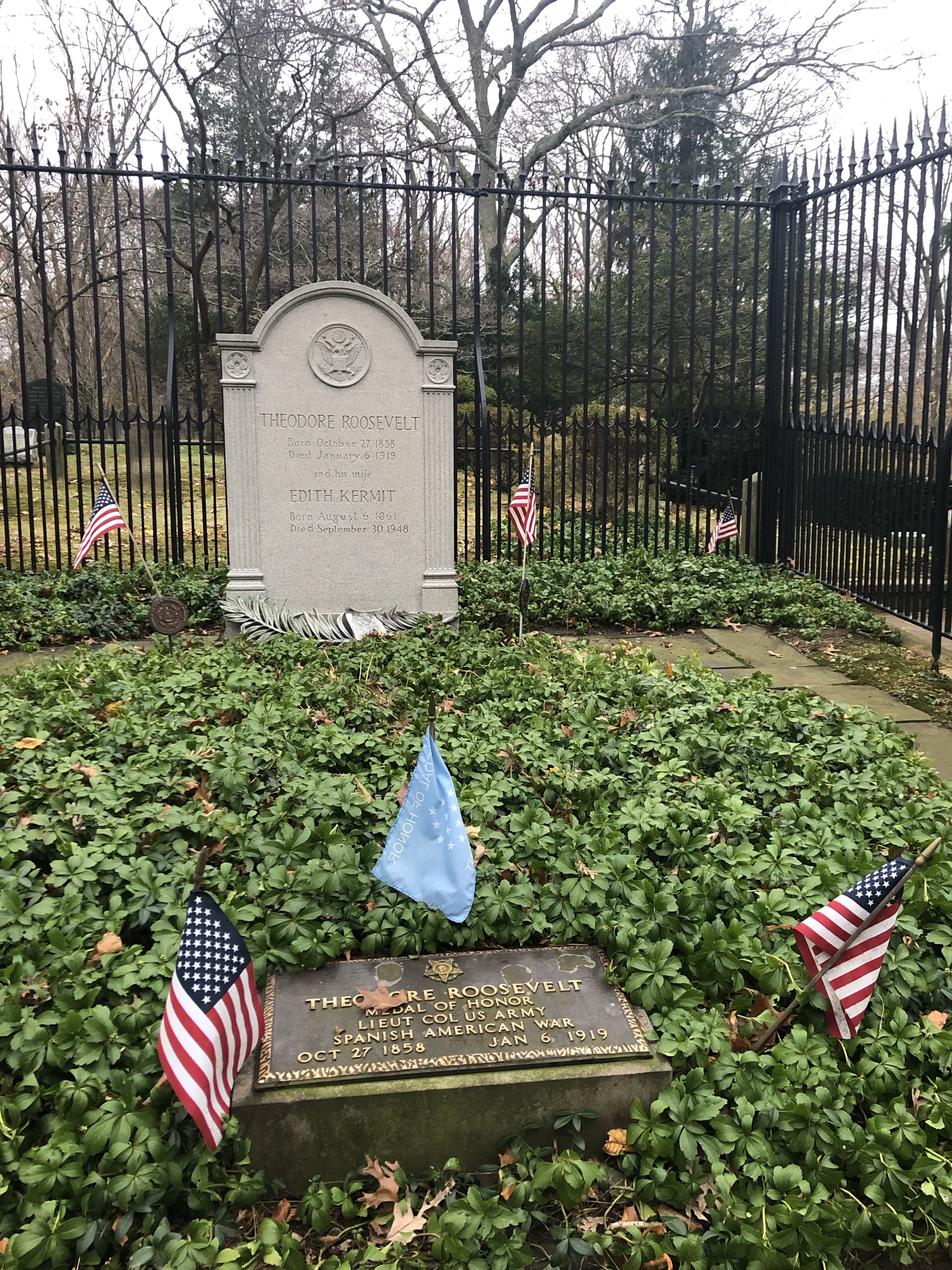
Location: Sagamore Hill National Historic Site; Oyster Bay, New York, USA

“Get Action”

“Get action. Do things; be sane; don’t fritter away your time; create, act, take a place wherever you are and be somebody; get action.”

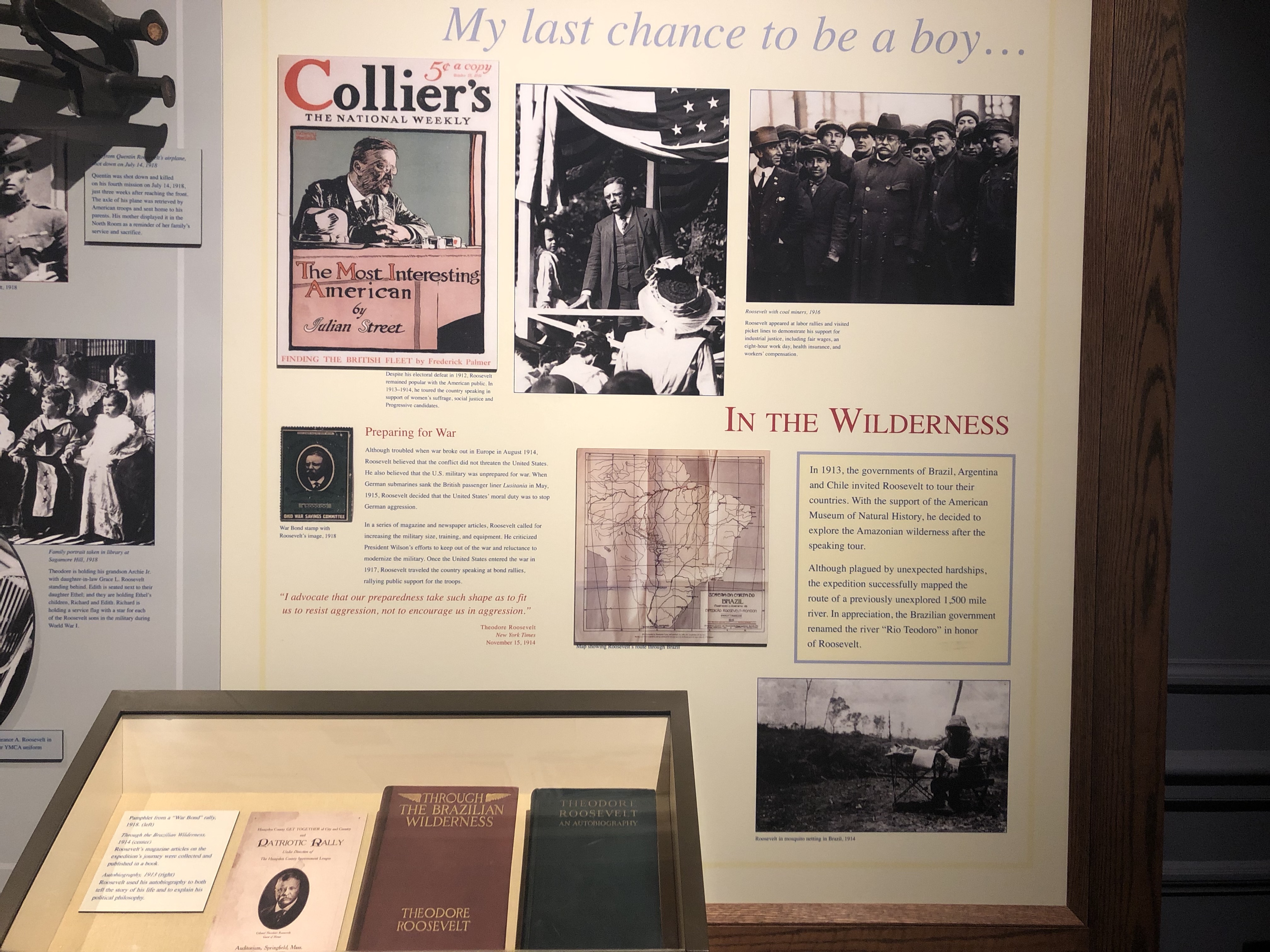
Theodore Roosevelt, the 26th President of the United States, was unlike many of the men who came before him or who came after him who served as President. He was a truly unique individual in how much he was able to do during his life. While Roosevelt only lived to the age of 60 years old, looking at how much he was able to accomplish and what he was able to do with his life, you could easily make the argument that he lived the lives of five men put together. To put it simply, he was a man of action regardless of how strenuous and difficult that action may be.

When you look at Teddy Roosevelt, he wasn’t just President of the United States which is a massive accomplishment in its own right, but he was also Vice President, Governor of New York, Assistant Secretary of the U.S. Navy, Leader of the Rough Riders during the Spanish-American war, and a Harvard College graduate. On top of all of that, he was a noteworthy explorer who spent over two years in the Amazonian basin of Brazil, a hunter who herded cattle out in the Dakotas, and a historian who wrote several books including a military history titled, ‘The Naval History of 1812.’ On top of everything that he did, while he was boisterous and a bit cocky to a fault, he backed up his words with actions, and he did his best to maintain his integrity in everything that he did. Roosevelt was not a man who cut corners or looked for shortcuts. Once he committed himself to something, he made sure to give it his best effort.

While Teddy Roosevelt was a member of a wealthy family from Oyster Bay, New York, he struggled with adversity throughout his life. He had severe bouts of asthma and would suffer from attacks that were debilitating. Instead of staying still and not exerting himself, he found that being active, physically and mentally, would actually help to minimize his asthma and improve his spirits. Roosevelt was not a man who would go about and pity for himself ever.

He was home-schooled, naturally curious about the world, and self-educated himself in a number of subjects including taxidermy, geography, French, German, history, etc. Roosevelt to make himself physically stronger would take it upon himself to learn boxing and then rowing in his desire to keep himself fit and active. Roosevelt lost his father at a young age, which was an almost unbearable loss for him, but he used his father as an example of who he should strive to be in life in terms of his father’s morals, career, and his overall character. Also, when he was only 22 years old, Theodore Roosevelt lost both his mother and his first wife within a few hours of each other.

Losing your mother and wife in such a terrible manner would break a lesser man but while Roosevelt grieved in a manner that was natural, he knew that he must go on and that he must live up to the memory of those family members who passed before him. Theodore was not one to sit around and grieve forever but a man who desired to make the most of his life and commit himself to action. Even when he was almost assassinated in 1912 when he was campaigning for the Presidency a second time, he would read his speech and refused medical attention for over ninety minutes before seeking assistance with a bullet lodged in his chest.

What lessons can we draw in our own lives from the energetic and boisterous life of Theodore Roosevelt? There are many lessons to draw upon but the most important one that can just be summed up in two words is to “get action.” Roosevelt believed that man is most content in the pursuit of action whether its’ in the form of academia, physical exertion, public service, and military duty. Roosevelt’s life was made up of numerous actions that fit his various interests and he committed himself to these actions over a long period of time. When we read about Teddy, we admire how much he was able to accomplish and how possibly he could have done of all that. My take on it is that Roosevelt made the most of his time and committed himself to pursuits instead of lazing about and being distracted by idle pleasures.

How many of us can say that we would be able to do ½ or 1/5 of what Theodore Roosevelt was able to do during his life? Not many. In this day and age of Netflix, smartphone, video games, and virtual reality, it’s easier now than ever to not get action but to be lazy. You have to put blinders on and prevent yourself from being distracted from the technologies of today. While Roosevelt may have had a harder time accomplishing everything he did in the early 20th century compared to what he may have done in the early 21st century, his core personality, his priorities, and his spirit would not have changed. Roosevelt’s life is a testament to the power of taking actions in various pursuits and to push both your body and your mind to the limit.

He did not let his setbacks, failures, and limitations hold him back from becoming the great man that we recognize him as being today. He fundamentally knew that he was at his happiest and his most vibrant when he was putting himself to work. His hobbies, interests, and his professional career were his number one priority and he still managed to re-marry, raise six children, and explore the world from Brazil to Egypt. Did he have a leg up in life due to his family name and his wealthy background? Yes, you could argue that fact, but he made the most of the deck of cards he was dealt but still had the common decency and integrity to commit himself to public service and helping out his countrymen and women as well.

Roosevelt could have enjoyed his wealth, spent opulently on material goods and hedonistic pursuits, and sat back for the rest of his days but he was not that kind of man. Not only was he aware that he had one life to live but he knew fundamentally that every day counts and that every day matters. Luckily, he used his mental and physical prowess in the service of others whether that was in the United States Army, the Governorship of New York, or Office of President of the United States. Theodore Roosevelt put his energies and his time into productive matters and was able to do amazing things in his life. If Roosevelt were to give anybody a piece of advice today, it would be to simply ‘get action.’ Without action, there is stagnation and with stagnation, there is no future. Even if you are not successful in your actions, don’t ever be so discouraged that you do not try again or try something new.

Whether it was reading, writing, making speeches, hunting, traveling, Roosevelt was a man who embodied the human spirit when it is fully unleashed. He made the most out of this thing we call ‘life.’ If you are feeling down in the dumps and aren’t sure what to do next, just ‘do something.’ By doing something and sticking to it as a routine, you’ll get better at it and it may take you places in life that you never thought was possible to begin with. Taking any kind of action in your day to day life is the natural and healthy thing to do. Sitting in bed, lazing around, letting your mind and body wither away is no way to go through life.

When you commit yourself to getting out in the world in whatever way appeals to you, you move forward as a person and you develop yourself in various ways. You’ll fail, you may get hurt, and you will learn a lesson or two but at least you got yourself out into the arena as Theodore Roosevelt did. ‘Get Action’ are two words that can make a world of difference in one’s life. Make sure you make the most of the time for which you have been given.

A Sense of Wonder

If you were to define the word ‘wonder’, you would characterize it as meaning a feeling of amazement or admiration caused by seeing or witnessing something beautiful, unexpected, captivating, and inexplicable. When you are a child, it’s easy to have that sense of wonder about the world. Your sense of curiosity and disbelief is quite high and your imagination can run wild believing in the possibilities of the unknown.

Even as we grow older and become adults, we still have a sense of wonder that never fully leaves us and is part of our essence as human beings. While you may not have the same sense or amount of wonder as you did when you were a child, it’s important to never fully extinguish that feeling and to let it stay within you even if you are an adult or in your elderly years.

Having a sense of wonder connects you to your childhood years and reignites the kid within you because that part of your being never truly goes away unless you let it. By maintaining that curiosity and desire to know about the world, this helps us keep our sense of wonder about life and its’ beauty. It can be easy nowadays to be jaded about the state of the world and to think that everything is going to hell in a handbasket.

While there are certainly serious problems to be fixed in our ever-changing and complicated world, being doom and gloom about it 24 / 7 won’t make you feel any better. You have to maintain the ability to never be too down or be too up about your surroundings. While there can be a lot of ugliness to be found, there is also a staggering amount of beauty to be in awe about.

I believe that it can be much easier to see things through a negative lens and seek out the ugliness in life. It’s harder yet much more rewarding to seek out the beauty and wonder that you can find if you know where to look. You also have to take the time to enjoy the beauty of things and open yourself up to the beauty of the world. While it may be cliché to state this, you have to have an open heart and an open mind. If you close yourself off to the wonders of life, you’ll never really be able to appreciate them fully.

A sense of wonder has to be cultivated over a long period of time and doesn’t happen overnight. When you are a child, you’re amazed by anything and almost everything new and unique. As you get older and you experience more of life, it can be more and more difficult to feel amazement or be captivated by life. Each person has a different sense of wonder, and different things amaze different people. When I think about wonder though, there are a few things that cause me to feel that unexpected thrill or captivation.

I think most people would agree that a sunrise or a sunset could really create awe and wonder in a person. The colors and the vibrancy of the environment when the sun lights up your world at dawn’s break or when it fades into darkness to make way for the stars and night sky; those moments can truly captivate a person’s imagination. You could also make the case that when you witness the sunrise from a mountain top or see the sun set from the backdrop of a vast ocean, witnessing those natural occurrences are too beautiful to be put into words.

Sunrises and sunsets never get old for me because they are never the same and they are always different depending upon which environment you’re witnessing them in. It only takes a few minutes to stop what you’re doing in your hectic day-to-day life to really enjoy the spectacle of the sun’s rising and setting. It’s also a reminder about how our time here on Earth is limited and that there are cosmic occurrences that happen beyond our control and our understanding.

I think this is mainly why solar eclipses are so powerful to witness in person because you’re seeing an event that is beyond human control and that only comes around once or twice in a lifetime. Those men, women, and children who traveled hundreds or thousands of miles to see the recent solar eclipse occur across the continental United States are in touch with their sense of wonder, and they believe in its’ ability to make you feel astonished, wowed, and even humbled.

Witnessing the sun’s and the moon’s movements aren’t the only ways to cause yourself to feel wonder though. There are hundreds, if not thousands of possibilities out there that will make your jaw drop in disbelief. I have always thought of photography as a good way to capture the wonders of the world, and I have taken many photos throughout my previous travels in order to really remember those special moments of life when I was on the road. Beyond just taking photos, it’s really wonderful to interact with your environment by jumping in a freezing lake, hiking up a mountain, smelling different flowers in a garden, rafting down a streaming river, etc. Those moments really make you feel alive and help to maintain a sense of wonder about the world.

You don’t have to travel, take photos, or be an adventure junkie to have a sense of wonder though. If you’re willing to challenge yourself by learning new things and bettering yourself, that will help you maintain a healthy curiosity about life and a thirst for knowledge. Whether its’ learning a new trade, developing a website, or speaking a new language, the pursuit of knowledge in different areas is a great idea and the things you will learn about yourself and the world around you will captivate and excite you. If you’re curious, confident, and willing to have an open mind, the world will teach you many things if you open yourself up to the possibilities.

Never let the flame inside you go out. As a child, you definitely did not have worry about wonder because you always had it and every day, you most likely had energy and a curiosity not easily extinguished. However, when you get older and more accustomed to the ways of the world, it can be very tempting to think of everything as mundane, childish, and routine, but that’s simply not how it should be.

However, The differences that occur when you’re a teenager or a fully-grown adult is that you have to pursue the wonder for yourself. You have to take the time and put yourself out there to figure out what really captivates you. Everybody has a unique way of seeing the world but make sure it’s not always from a serious and pessimistic point of view. Let yourself be wowed by the unknown or by the newly discovered. Pursue the passions and the beauty in life based on what fills your heart or your mind up.

For some, it may be playing Jazz music and for others, it may be hiking through the mountains. The best thing about experiencing wonder is that it is ever-present in our lives but you have to be aware of what reaches out to you and touches your soul. Most people live out their lives not fully embracing the wonders around them.

You have to be always on the lookout for what fills your heart up with joy and happiness whether it’s a watching beautiful sunset over the water, viewing an original painting by Claude Monet, or playing Beethoven in a symphony orchestra as your friends and family sit in the audience. Always be looking out for the wonders in life, otherwise, you’ll never find them at all.