The Megacity: A Cacophony of Humanity

“Only from above can you see how such massive populations can occupy relatively small portions of the Earth, while vast stretches of land remain sparsely populated.”

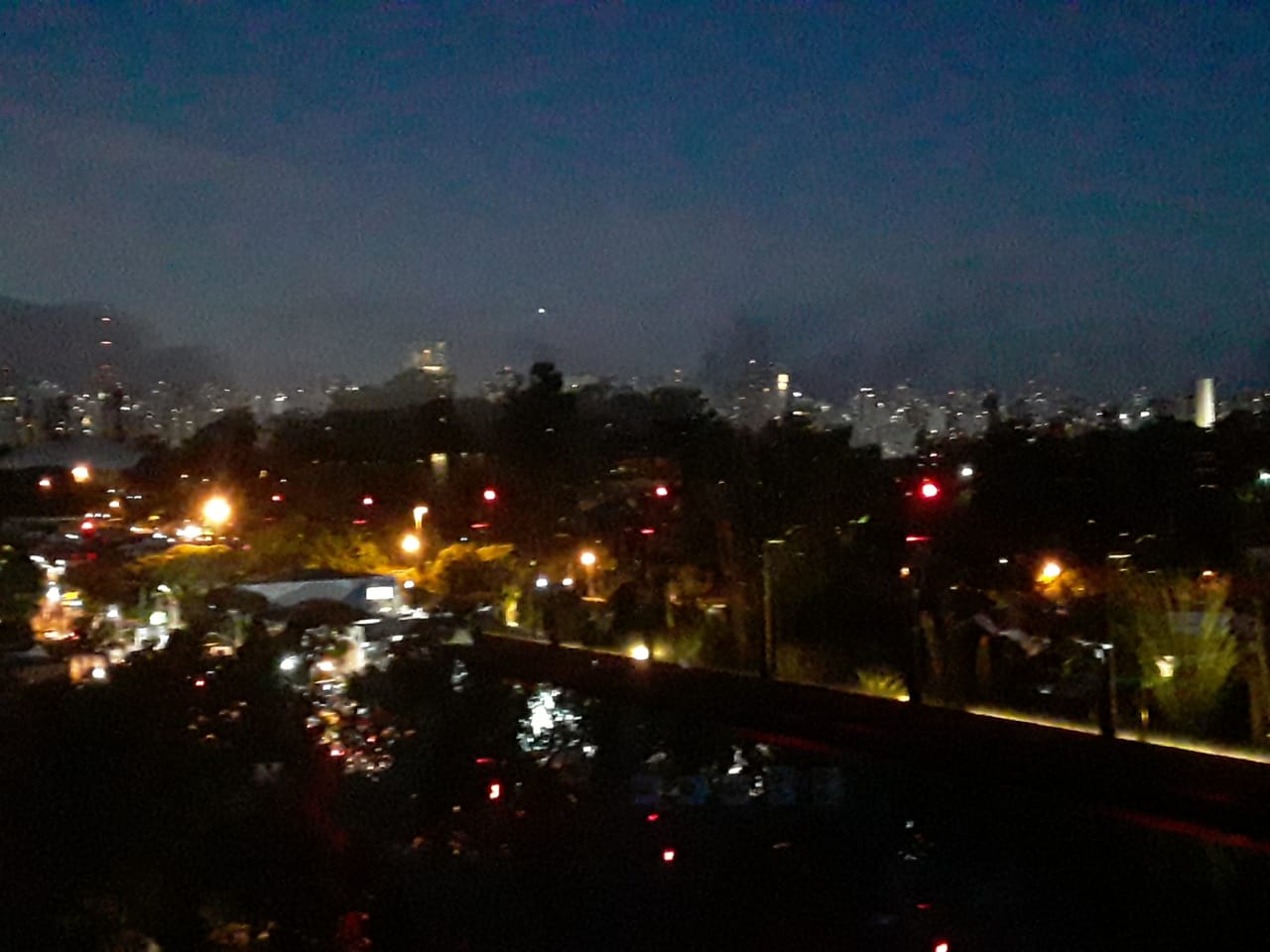
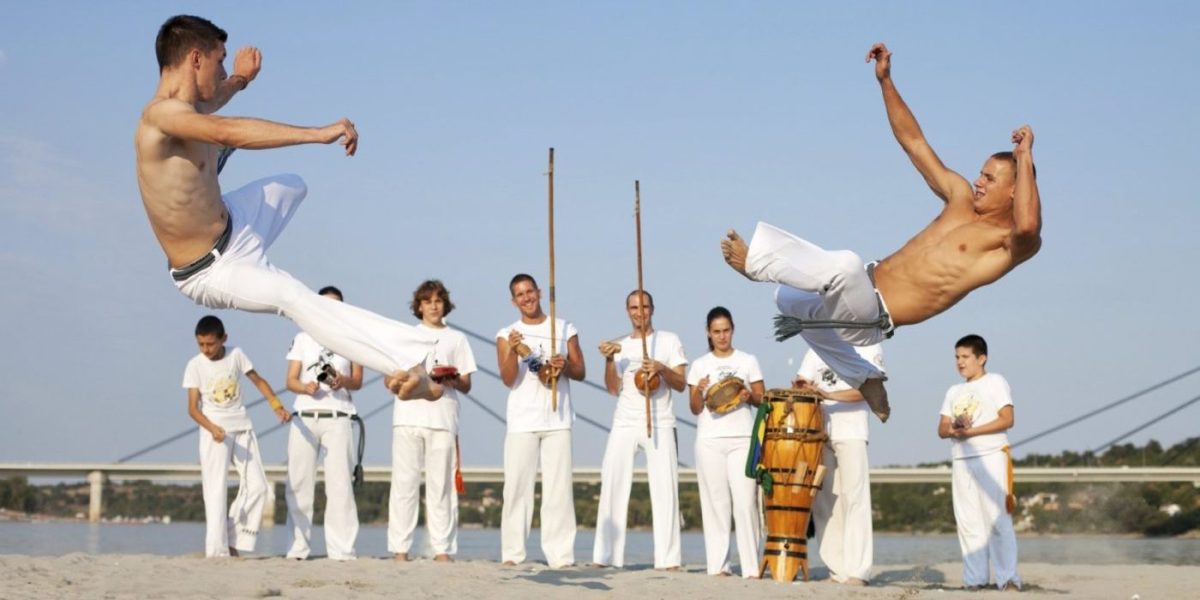
Flying into a megacity offers a unique perspective on its scale as I have done countless times over the years. From the window seat of an airplane, it’s impossible to fully grasp the size of cities like Istanbul, Mexico City, São Paulo, New York, or Los Angeles—cities that house tens of millions of people. Only from above can you see how such massive populations can occupy relatively small portions of the Earth, while vast stretches of land remain sparsely populated.

In these cities, one can sense how humanity has evolved over the centuries, transitioning from primarily agricultural societies to industrial powerhouses, and now, to the complexities of a post-industrial world. The growth of cities, especially megacities, reflects humanity’s ongoing desire to improve civilization, particularly in the realms of efficiency, innovation, and social equity.

In the 21st century, megacities are projected to grow at an unprecedented rate, particularly in Africa and Asia. New cities are expected to join the ranks of those already housing tens of millions of people, with some approaching populations of 100 million. This trend of urbanization is part of a broader pattern that dates to ancient civilizations. From Ancient Rome and Babylon to Athens, our cities have always concentrated power, knowledge, culture, commerce, and industry in urban centers. With a global population of 8 billion and rising, megacities are a relatively recent development, but they reflect historical trends toward greater urbanization. This process will likely continue throughout the 21st century.

More than ever, megacities are testing grounds for technological advancements and infrastructure developments that will shape the future. Whether it’s high-speed rail, autonomous vehicles, smart electricity grids, or renewable energy sources, these cities are ideal laboratories for innovation. Given their size and complexity, megacities allow for large-scale experiments in sustainability, from energy-efficient buildings to advanced waste management systems. These cities are also at the forefront of efforts to address current environmental challenges, integrating technologies that reduce their carbon emission footprint and improve water and energy use.

With millions of people living in near proximity, megacities serve as testing grounds for the social systems that underpin modern life: healthcare, education, and public safety. Cities with large populations can quickly reveal whether social safety nets are effective or in need of reform. These urban centers provide a direct feedback loop for policy ideas and social services, offering a unique opportunity to evaluate and improve the systems that impact the quality of life. The success or failure of these initiatives in megacities often sets the tone for broader national or even global policy shifts.

Megacities are also microcosms of global culture, where different languages, customs, and traditions coexist, creating a vibrant and diverse urban fabric. This cultural mixing is a hallmark of humanity’s increasing interconnectedness. Cities with millions of people can foster greater cooperation, creativity, and tolerance, but they also present various challenges. Integrating diverse cultures and languages in ways that promote social cohesion can be difficult, especially when disparities in wealth, power, and opportunity persist. However, megacities are often sites of cultural innovation and collaboration, where new ideas are born and tested on a global stage.

Cities are often the birthplace of new political ideas and social policies. When these policies succeed, they can be scaled up and implemented nationwide or even worldwide. Urban areas, being more densely populated and diverse, offer the ideal environment for experimenting with solutions to systemic issues, such as education reform, income inequality, or civic engagement. The ability to gather immediate feedback from a large and diverse population means that cities can rapidly assess the effectiveness of new public policies, making them key players in shaping the future of society.

The rapid urbanization of the world since the industrial age brings with it both opportunities and challenges. As cities continue to grow and scale, they will increasingly become the focal points for innovations and social experiments that shape the trajectory of human civilization. At their core, cities reflect humanity’s inherent desire to evolve, improve, and create something greater than us. The drive for progress embodied in the ambition, growth, and efficiency of urban areas mirrors our collective aspiration for a better future. However, this continued growth plans to bring more complexities. As megacities expand, they face the challenge of providing a good quality of life for millions of people while managing the unintended consequences of scale, such as overcrowding, pollution, and social inequality.

The success or failure of megacities in the 21st century has global implications. As urban centers grapple with present challenges like climate change, wealth inequality, and the effects of economic globalization, the solutions they implement or fail to implement will have ripple effects across the globe. From Tokyo to Cairo, from Bogotá to Kinshasa, these cities are testing grounds for humanity’s ability to adapt to a rapidly changing world. The development of megacities is not just a local issue or an urban issue; it is a global concern that reflects our collective ability to meet the challenges of the 21st century.

The paradox of progress is that while we strive to improve our cities and societies, we must recognize the complexities of providing a high quality of life for growing populations. The ambition to create more efficient, sustainable, and equitable urban environments must be balanced with the practical realities of physical infrastructure, resource management, and social integration. If megacities are successful in making responsible choices now, they will be better equipped to meet these challenges in the future. The decisions made today will shape the cities of tomorrow and, by extension, the world at large.

As the world becomes increasingly urbanized, the fate of megacities and urban areas will be intertwined with the well-being of all people. What happens in these cities, whether positive or negative, will affect everyone, whether they live in rural, suburban, or exurban areas. The interconnectedness of our societies means that the success or failure of urban areas will have far-reaching consequences. We must ensure that the policies and solutions developed in megacities are inclusive and benefit all members of society. The prosperity of our cities is not just the concern of city dwellers, but it is a global concern too. This becomes particularly evident to me when I fly over a city or megacity, witnessing its sprawling lights and endless streets, and realizing that the future of our civilization is unfolding in these urban spaces.

Combating Alienation and Loneliness in Society

“This is an unfortunate societal transformation that may seem inevitable, but it can be reversed by improving mental health access, building stronger communities, and having better societal outcomes, it is crucial that some solutions are tested and put into place.”

One of the biggest challenges of the 21st century will be focused on how to foster solid connections, friendships, and relationships that are both sustainable and fruitful. Recently, more mainstream attention has been paid to how societies, especially in the Western world, are dealing with a surge in alienation and loneliness. It has caught the attention of politicians, community leaders, and authors who are interested in noting how people are fostering fewer social connections, maintaining fewer friendships, and increasingly living alone. This is an unfortunate societal transformation that may seem inevitable, but it can be reversed by improving mental health access, building stronger communities, and having better societal outcomes, it is crucial that some solutions are tested and put into place.

Traditional means of building strong social connections have been ironically undermined by the rise of social media where people can connect virtually but often, this is difficult to maintain in the real world. You really must make a serious effort these days to build your own friendship and communal networks whereas in previous generations, it was much easier in your small town or village to maintain ties with the local community or religious center, gather at town hall meetings, and be able to know who your neighbor was. It has fallen on the individual person to build their own network, which is often hard to do, especially if you are in a larger town or city, where there are so many people around, yet it may take longer to foster a deeper connection.

Religious places of worship, community centers, social clubs, and communal gathering places have taken a backseat to online social media channels, which while they can bring people together, they tend to be more focused on larger groups and gatherings, which can make it harder to get to know people better. More and more people can do things whether it’s shop, order food, build a business, and learn online, and while that has been transformative in providing greater opportunities and even connected people, I do believe traditional ways to meet people have been on the decline causing a subsequent rise in alienation and loneliness.

While many societal leaders are starting to pick up on this unfortunate phenomenon, it will take a lot of organizing, resources, and cooperation to reverse this trend in the long-term. I am going to propose three ways that by working together in our own towns and cities, we can work to bring people together in a healthy and sustainable way.

  1. Many third spaces outside of home and work have been commoditized in terms of meeting people and it can cause a financial strain on individuals who do not have the means to join an event or a group. I advocate for building and maintaining third spaces that are a public good, maintained and run by community members, and for which are made known to as many of the community as possible through consistent public awareness campaigns.

Each community center would be a good use of taxpayer funds and would be available seven days a week. I discourage the use of membership fees like a YMCA and its offerings would be different depending on the needs or interests of the community. I do think such a third space would allow for peer-to-peer mentoring events, ‘getting to know your neighbor’ dinners or potlucks, and allowing for classes or groups that can discuss financial literacy, cooking, nutrition, and even job searching and networking help to flourish there.

To some degree, these kinds of community centers do exist, but they are limited in scope, often cost fees, and are often hard to reach. These community centers can also take over for dilapidated strip malls, abandoned office buildings, or unused parking lots where the neighboring space can become a public park, playground, an exercise area, or even a fruit / vegetable garden for those people who don’t have access to fresh produce in their neighborhood. A greater long-term challenge is making sure these new kinds of community centers are accessible to all people because not everyone has a car, or a bike, or can walk there. Cities and towns that are designed around the car and where public transportation is hard to use have caused a spike in loneliness, and that is where these community centers can really help fill the gap.

In the long run, it is a crucial and needed change in ensuring that more places, including these community centers, can be accessed by bike, bus, rail, and by foot. The sprawling nature of most American towns and cities has exacerbated the atomization and loneliness issue, which creates a lost opportunity for connections to be fostered. In my view, significant changes to public policy surrounding this issue are unlikely in the near term, but the way we design our communities in the future and emphasizing greater accessibility of free third spaces can really make a dent in our current loneliness predicament.

2. Once you have these community centers in place, you must make sure that there is serious outreach across the town or city in question. I do think there is a current deficit not only in the lack of third spaces, but the ones that exist, few people know about. City, state, and even national governments can and should do a better job reaching out both online and in-person to people, especially if they are living alone, to highlight opportunities in the community to meet others.

When someone is new to a town or city, it would be an excellent idea for a neighbor or a landlord or a town leader to reach out to someone (with their permission, of course) to highlight ways to get involved in their community. Religious centers and places of worship have done this successfully for generations yet in the public sphere, there is a severe dearth of awareness when someone moves to a new town or city regarding which community centers are nearby, what resources are available to learn and to work, and how they can find the resources, the people, or the activities they want to get involved in.

There’s something to be said for the phrase, ‘to hit the ground running’, it can be an anxious, lonely, and often difficult time to make yourself feel at home when you move to a new community or city. I believe if there was a more concentrated and sustained approach to making someone feel welcome regardless of who they are, where they come from, and what their age is, it would really diminish the current loneliness crisis that we find ourselves in as a society. Something as simple as a neighbor, a community leader, or a townsperson, taking the new arrival under their wing, and inviting them to one of the ‘third spaces’ around them, can make a huge difference in that person’s sense of belonging, and even diminish their loneliness. When someone moves to a new town or city, an online community portal and an in-person community hub can go a long way to connect that person to the activities, hobbies, and needs that they are looking to fulfill as they make a life for themselves there.

3. Lastly and most significantly, I believe in volunteering as a time-tested and successful way to both give back to a community and to feel connected to others. Volunteering is not easy to commit to in terms of time and effort, but I believe it is a crucial way to avoid people feeling disconnected or lonely.

It is a positive thing to donate money or resources to a worthwhile charity or organization, but I believe it is even better to spend time with others committing yourself to a good cause at the local, national, or international level. Community hubs, sustained awareness of opportunities near where you live, and being able to find the volunteer work that you are interested in doing can help you find a greater purpose or meaning beyond what you thought was possible.

There is plenty of good work that can be done to revitalize communities and cities in your country and elsewhere. The key is to make sure that as many people are as aware of it as possible. I would argue that one or two years of volunteer service on a local or national scale would make young people more connected and relate more to each other if they were participating in a shared service.

Making a year or two of volunteer service mandatory for young people ages 18-26 would help combat loneliness and alienation among that age demographic and could also be made open to older demographics depending on the interest level. People should feel invested in their communities and where they live. I think that a mandatory volunteer service should be encouraged and if we can provide educational or employment incentives in exchange for the completion of a  national or local volunteer service program such as reduced or free tuition at a higher education institution, I do believe this would not only combat loneliness but encourage new friendships and also build the community hubs, parks, and centers that are currently lacking Being flexible with volunteer service is key especially when it comes to managing educational or employment obligations but offering part-time or weekend options for people can give this kind of initiative a greater chance for success.

If ordinary citizens, especially younger citizens, see that their local and national leadership are aware that there is a loneliness crisis, are actively providing resources to the communities to find possible solutions to this growing problem, and are asking for volunteer help with clear goals in mind on how to better connect people together, we can start to make progress in fixing this issue on a larger scale. If there is a slogan for these three steps to combating alienation and loneliness in society, it would be “we would like to invest more at scale in you and your community, help us to finish the job at hand, and we’ll make sure you receive ten-fold what you put in to helping to move this effort forward.”

People have a strong urge to belong and to be part of a tribe or a group. In our atomized era, it is increasingly harder to find one’s tribe. The causes of this growth in alienation and loneliness are well-known and are well-documented. Personally, I am interested in how best to get out of this hole that collectively, we have dug for ourselves. While some of us have been able to forge our own community, sustain our friendships and relationships, and maintain strong ties to our town or city, there are an increasing number of individuals who feel disconnected and left behind, often through no fault of their own.

I do believe that the three steps I have proposed in this article can make a serious dent in this issue. I hope that there are other numerous ideas out there that will be considered by those with the power and influence to make a difference in how we structure our towns and cities because the sooner we address this problem, the better off we will be as a result. Decades ago, you knew who your tribe or your community was mainly due to family or religious background or just your neighborhood ties, but that is no longer the case for a growing segment of our society.

It is up to us to collectively fill in the gap that these traditional institutions have failed to sustain. I hope that we start to invest more time, money, effort, and attention to solving this issue in the future because it is truly one of the defining issues of our time and regardless of if we are not directly affected by its effects, it is likely that you know of someone or have heard of somebody in your own life who struggles with loneliness. Greater social and communal bonds are crucial to sustain and in these atomized times we’re living through, the more work we do now to diminish this problem, the better off we will all be in the future.

“Got to, This is America, Man…” – Anatomy of a Scene

“‘The Wire’ is the greatest television show of all-time. Even as the show nears the 20th anniversary since when it first aired on American cable television network, HBO, it still rings as culturally relevant and as emotionally stirring as it was when it first debuted in the Summer of 2002. While technology may be different now, the characters would not be the same, the setting could be different from the show, the overall themes, and messages from ‘The Wire’ as well as the institutions that the show focused on for five great seasons have not changed that much.”

‘The Wire’ is the greatest television show of all-time. Even as the show nears the 20th anniversary since when it first aired on American cable television network, HBO, it still rings as culturally relevant and as emotionally stirring as it was when it first debuted in the Summer of 2002. While technology may be different now, the characters would not be the same, the setting could be different from the show, the overall themes, and messages from ‘The Wire’ as well as the institutions that the show focused on for five great seasons have not changed that much.

I could write a thesis on ‘The Wire’ and devote at least 10,000 words on the show in terms of an in-depth breakdown on how it’s the modern equivalent to a Shakespeare tragedy or drama. However, in this ‘Anatomy of a Scene’, I am going to focus on one of my favorite scenes in this classic television show. This scene is the opening one for the entire five-season series and discusses a core tenet of the show not just about what kind of ‘game’ that the characters play, but also the ‘game’ inherent to the setting of Baltimore, Maryland as well as America as a country.

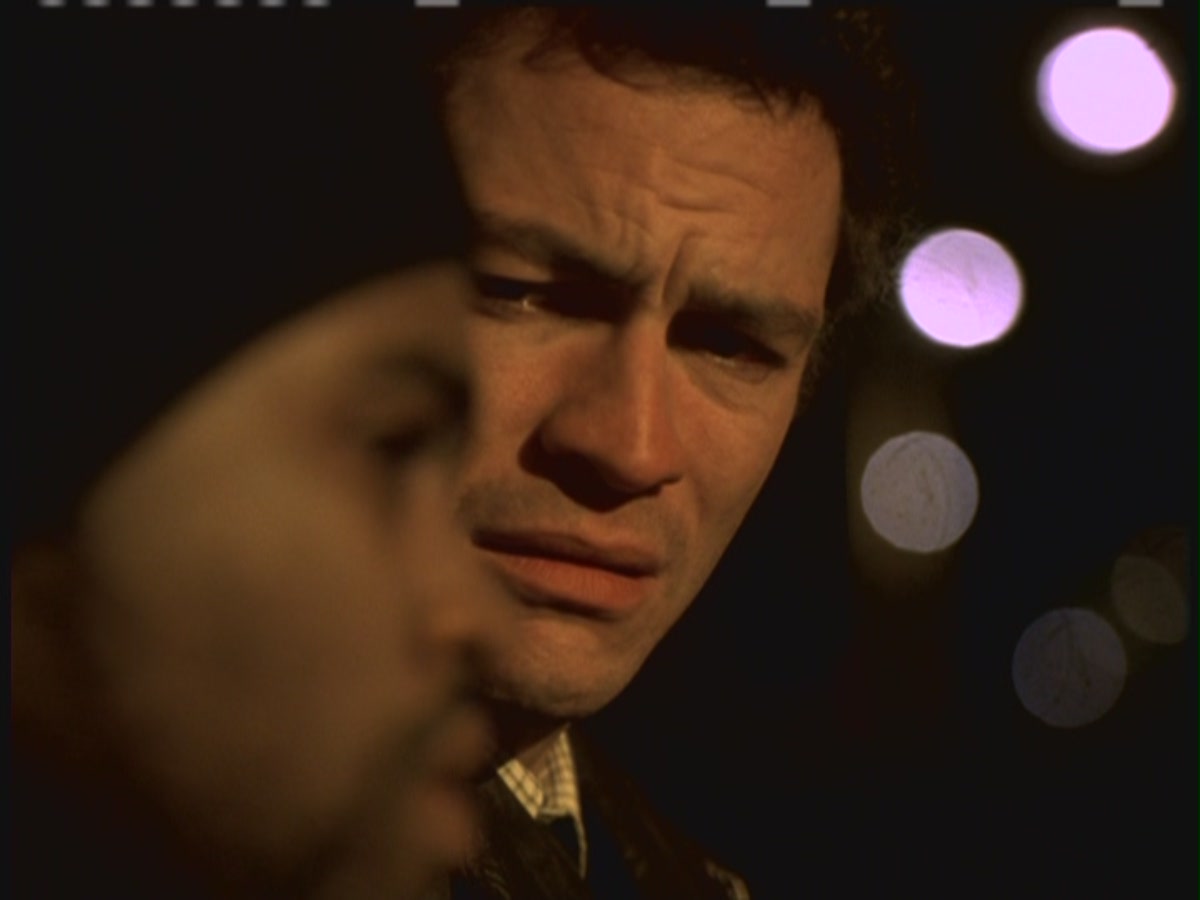
The opening scene, more than any other scene, even if it is the 1st, one pinpoints exactly what ‘The Wire’ is about. In the first shots, you can see a young man lay face down dead on the ground on some dark city street with the police collecting evidence and a main character, who is a detective, questioning a potential witness. The associate of the victim talks about how they were involved with street gambling and how it was not fair that it was not right to kill the victim, non-ironically known as ‘snot boogie’ to the game’s players. The victim of the crime has a real name but is endeared to the rest of the game’s players by that nickname alone.

As the witness explains to Detective Jimmy McNulty of Baltimore Police, ‘Snot Boogie’ was the victim of the crime, but his associate did not expect him to be killed for stealing from the other players of the street game for playing craps. The associate tells McNulty that the victim is known for stealing and grabbing the money to run away but they never want beyond just ‘beating his ass’ up a bit.

While it is a grim description of the dangers of gambling illegally on the streets, the witness to McNulty’s murder case explains that there is an unwritten rule to the ‘game’ of street gambling and that ‘Snot Boogie’ should not have been murdered for stealing from the other players. Nobody ever tried to kill the victim even after he was found guilty of stealing money from the street game players even if they did often catch him and beat him for having done it multiple times.

The witness refuses to tell McNulty who killed his associate in this game and does not want to go to court even though he believes it was disgraceful how ‘Snot Boogie’ was killed because they always let him play even though he would always steal from them.
“I got to ask ya, if every time Snot Boogie would grab the money and run away…why’d you even let him in the game?”
“…What?”
“If Snot Boogie always stole the money, why did you always let him play?”
“Got to, This America, man.”

McNulty looks incredulously as the witness tells him this reasoning because at its face, it does not make much sense for a guy who steals from folks repeatedly to continue playing a dangerous and illegal craps street game. It’s clear to both characters that life itself, and life in America is far from being fair at the end of the day especially a man got killed, which was against to how the game was being played, according to the witness, even if he was stealing from them.

Even if the game is fair or is rigged to some degree, it occurs to the witness and then McNulty after he sees the guy’s reasoning that even if the game was not meant to be won and the result would always be the same, you still let the game play out. The game may not be fair like life itself in general or in America, but it must be played by everyone. It may not be a fair shot and there is no equal outcome, but there is equal opportunity out there for each player to be involved even if someone cheats, steals, and comes back to play again. The game exists for everyone to be given a shot at it and if they don’t, that’s against the principle of life itself and life in America.

There are tragic consequences to this craps game for Snot Boogie who loses his life senselessly as well as for the men who will go to jail for it or lose all their money, but the game goes on and it’s open to everyone. Like the witness explains, the game deserves to be played by everyone equally although the outcome may not be something everyone will like or even will cost some people dearly. This excellent opening scene opens with the most prominent themes of The Wire perfectly and almost seems like a graphic novel come to life. Its visuals are striking, the characters are who you can relate to on a human level, and there is a lot of foreshadowing about the rest of the show and its messages to the viewers from this tone-setting scene.

‘The Wire’ is a show about the early stages of 21st century America in its first decade of the 2000s but it is as still as relevant about 20 years later. The metaphor of this opening scene for not just a couple of guys in a craps game gone wrong in the street can pair directly too what can happen when capitalism can go off the rails when someone tries to beat the rules or try to gain an advantage when they are put at a disadvantage to begin with. If the game is rigged from the get-go even if you’re given a shot at it, what’s the point in playing by the rules? If you can beat the system even if there are dire consequences, is it not worth trying?

‘Snot Boogie’s associates knew he was a thief and a cheater because they believed that he still deserved a shot at winning like everyone else even though it was likely rigged so he would never make it after multiple tries. As the opening scene of the greatest television show of all-time shows the viewer, everybody can play the game even if they are a cheater in the sense of having equal opportunity, but what happens when no one is held accountable when the odds are stacked against them from the start of the game and there is no other way to win than by cheating the system and facing serious consequences?

The show may not be defined by its iconic opening scene but as you find as you watch the entire series, the metaphor for what that scene represents about the show and about the ethic that binds American society together long after you finish watching each of its five seasons.

Cultural Spotlight – Brazilian Jiu Jitsu

“A growing and popular martial art can be found in Brazil known as Brazilian Jiu Jitsu. While Jiu Jitsu or Judo originated in Japan and was meant more for fighting and hand to hand combat, Brazilian Jiu Jitsu is more focused on using the skills of grappling and then submission in order to become victorious.”

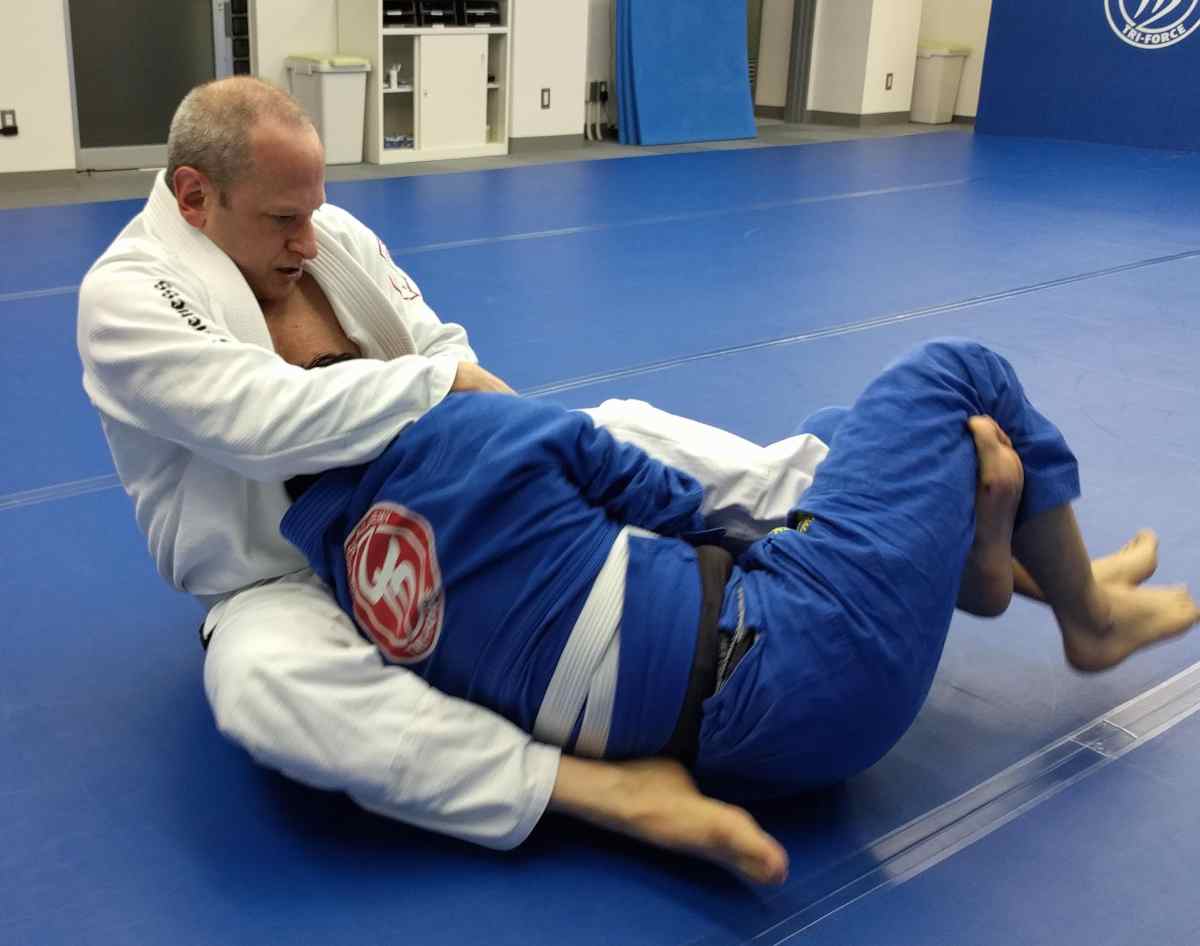
You cannot fully enjoy a culture until you dabble in or learn about its martial arts if that culture has them available. From Karate in Japan to Kung Fu in China, most martial arts are thought to be of Asian origin but that is not always the case. A growing and popular martial art can be found in Brazil known as Brazilian Jiu Jitsu. While Jiu Jitsu or Judo originated in Japan and was meant more for fighting and hand to hand combat, Brazilian Jiu Jitsu is more focused on using the skills of grappling and then submission in order to become victorious.

Brazilian Jiu Jitsu has become more popular in recent years especially due to the corresponding growth of the Ultimate Fighting Championship (UFC) sport, which focuses on mixed martial arts training including BJJ as part of a fighter’s overall repertoire. Jiu Jitsu originated as a martial art in Japan and was firstly used by Japanese samurai warriors as a means of self-defense especially if they were unarmed and without any other way to fight.

While Japanese Jiu-Jitsu has morphed into the modern Judo sport, which emphasizes throws, takedowns, and joint locks, Brazilian Jiu Jitsu was founded as a martial art that is similar but focuses primarily on ground fighting including submission and stamina.

A student of the traditional form of Japanese Jiu Jitsu and a participant at the Kodokan, Mr. Mitsuo Maeda brought his training and his over twenty years of experience with him over the ocean to Brazil where he arrived in 1914 essentially founding the sport which became known as BJJ. Maeda had a lot of prowess in Judo actions like throws and takedowns, but his specialty was in ground fighting, which made it logical for him to want to help create a new form of the martial art.

History was made when Maeda met Gastao Gracie, a businessman, who encouraged his sons including Carlos and Helio to study Jiu Jitsu with Maeda as his students. Over time, the two brothers adapted the Judo style of jiu jitsu to their own liking including the ability to adapt the system of ground fighting known as ‘newaza’ to be more of its own kind of sport and that anybody of different size or strength could learn about. Instead of relying on pure strength like Judo, BJJ relies more on knowledge of the various moves you could make, anticipating your opponents’ actions, and using speed to gain an advantage over your opponent.

For many years, the Gracie family would create Brazilian jiu jitsu and establish this unique fighting style, which incorporated other elements of wrestling, judo, and jiu jitsu but is primarily focused on how to grapple and submit your opponent on the ground. Since the Gracie family were experts in the sport they help found, they rarely lost a match but ended up spreading the sport around Brazil and the rest of the Latin America throughout the latter half of the 20th century. Without their influence, their competitions, and their move creations, BJJ would not be as popular as it is today.

Rorion Gracie later came to the United States in the 1970s to spread the sport to America in the hopes that it could compete with boxing, karate, wrestling, and other forms of martial arts that had gained a hold in the popular culture. Rorian Gracie’s biggest move in terms of popularizing Brazilian Jiu Jitsu and helping to mainstream the sport was making it part of the skillset needed for the Ultimate Fighting Championship (UFC). Rorion co-founded the UFC along with Bob Meyrowitz and others which came about in November of 199

Rorion’s younger brother, Royce, was an instrumental part of showing how Brazilian Jiu Jitsu could be instrumental in helping a smaller or less big fighter win a match due to the leverage, technique, and thinking involved in making the right move at the right time. Royce Gracie is one of the greatest MMA fighters of all time and is in the UFC hall of time. His influence helped paved the way for the Brazilian form of Jiu Jitsu being integral to competing in mixed martial arts with its grappling, submission, and ground fighting techniques.

The Gracie’s have helped create many new BJJ fighters and MMA fighters in general. From Brazil to America to the rest of the world, BJJ is an extremely popular martial art whose origins in Rio de Janeiro by way of Japan have changed people’s lives for the better. Not only great for one’s sense of accomplishment, BJJ is great exercise and good for one’s mental health too. While not as physically punishing as boxing or wrestling, you have to be in great shape to win in a BJJ match and to do rolling (sparring, grappling) with another classmate in a class.

From podcast host Joe Rogan to TOOL musician Maynard James Keenan to the late, great Anthony Bourdain, Brazilian Jiu Jitsu counts millions of students from around the world who rank from white belt to black belt. GI or No GI, you don’t need to be a certain size or weight level to get started. You just simply need to be determined, practice at least a couple of times a week, and be willing to learn a lot in order to be successful in this particular martial art. Once I have the chance to do so, I would like to start training and getting involved in Brazilian Jiu Jitsu and I hope that you at home will consider giving it a chance as well. Good luck.

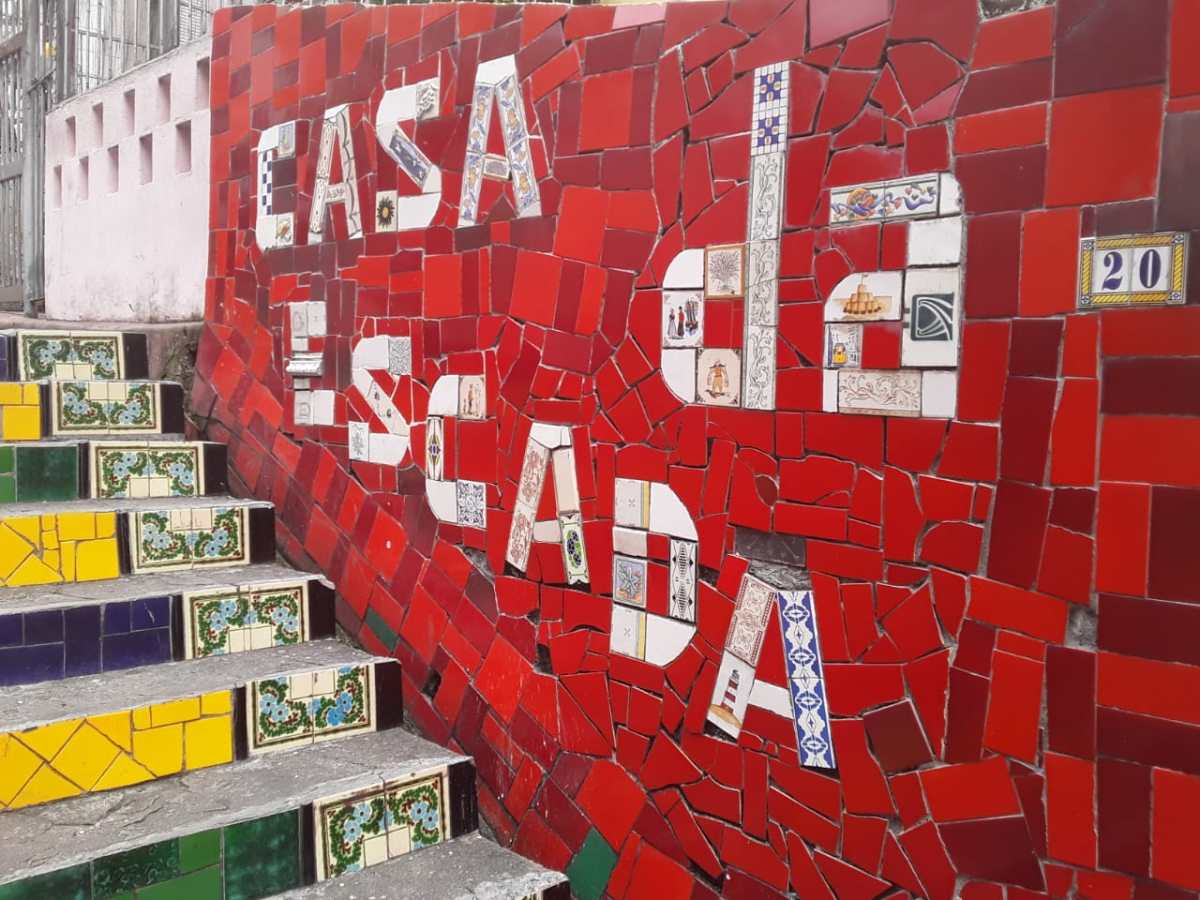
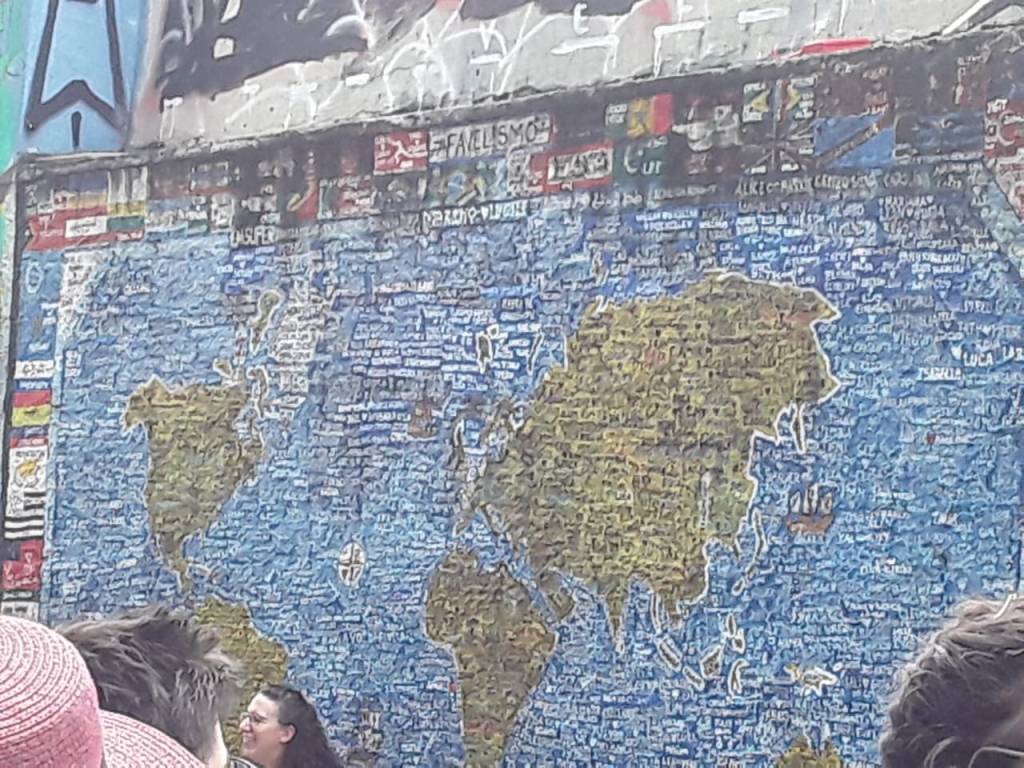
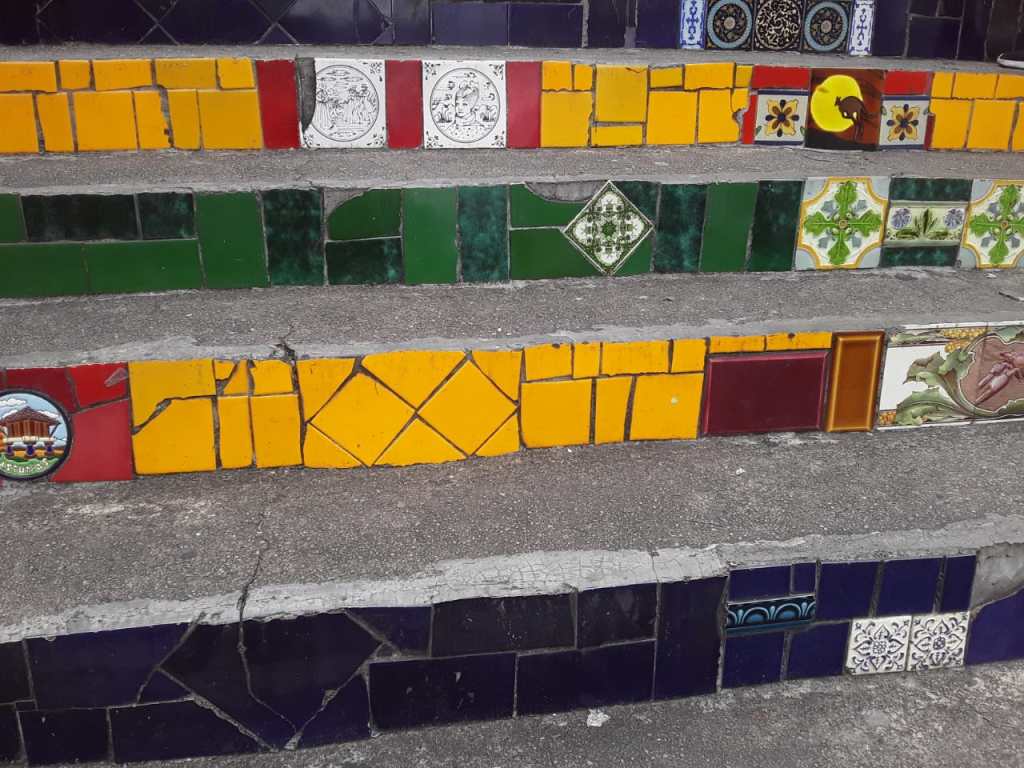
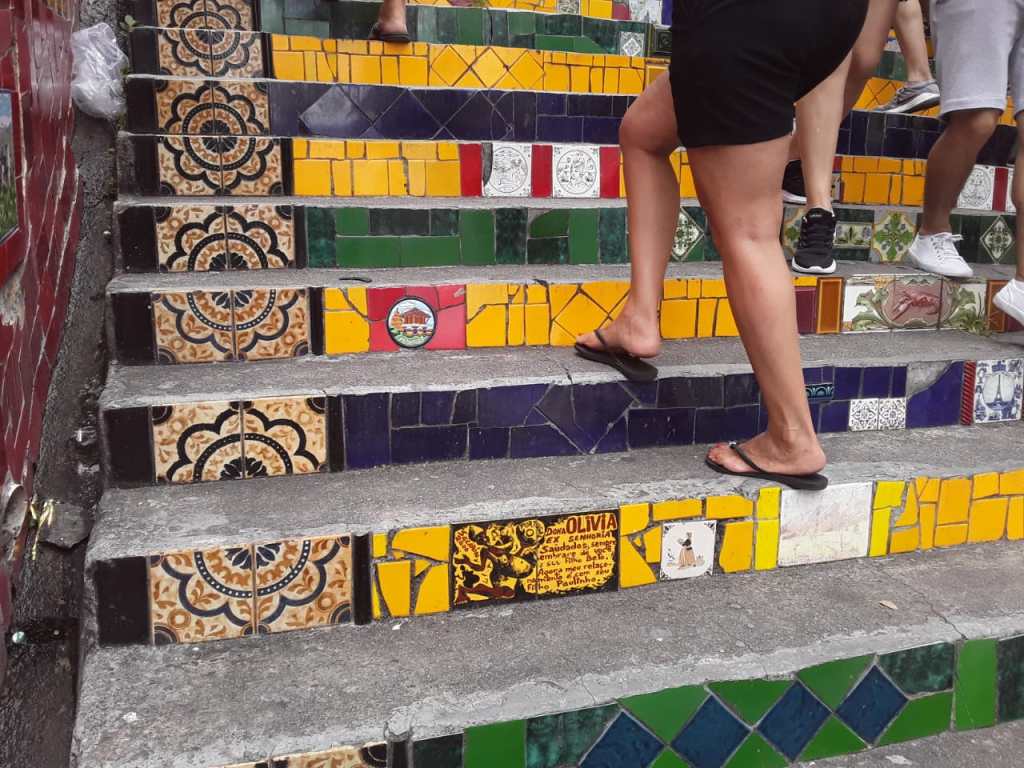
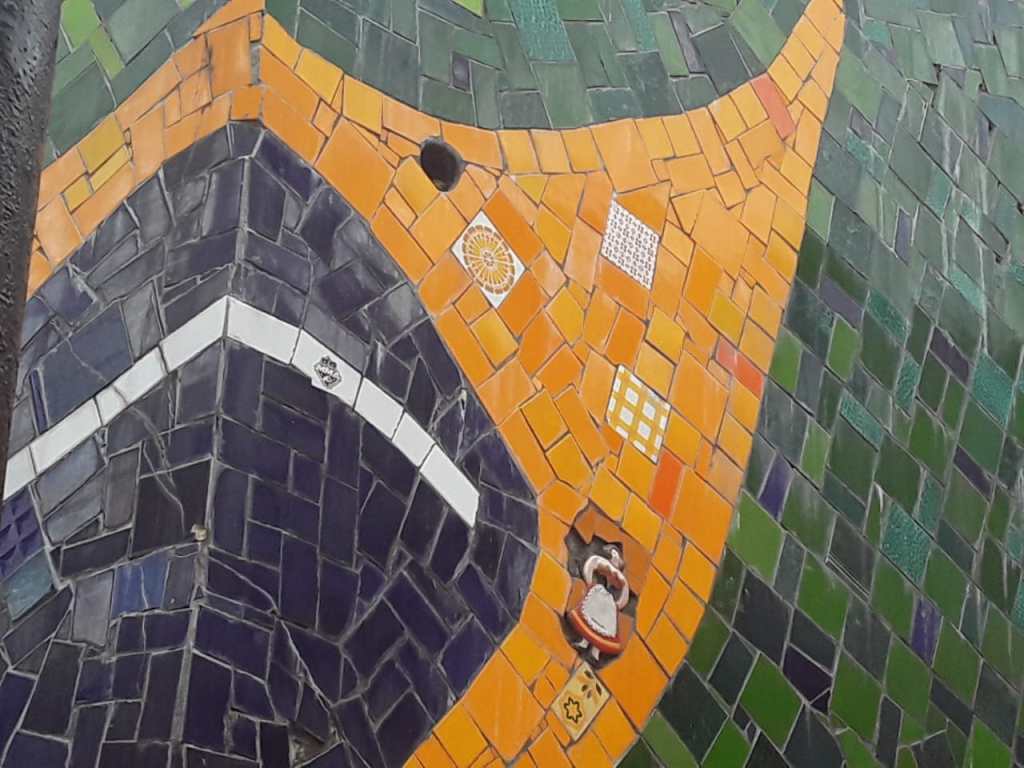
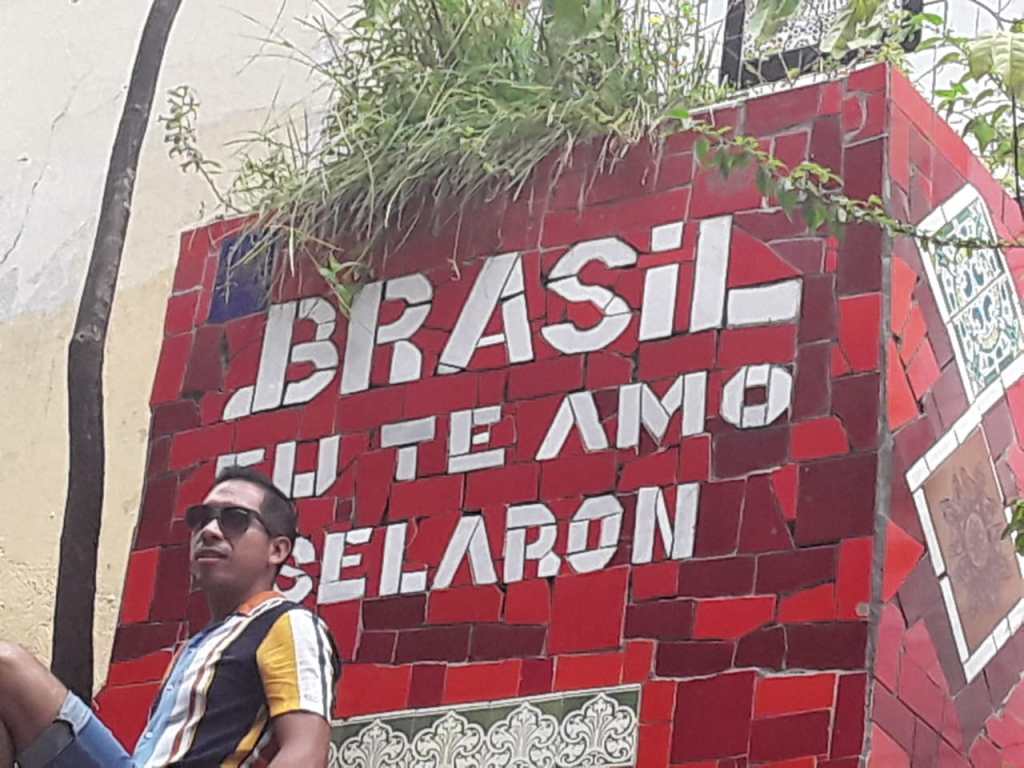
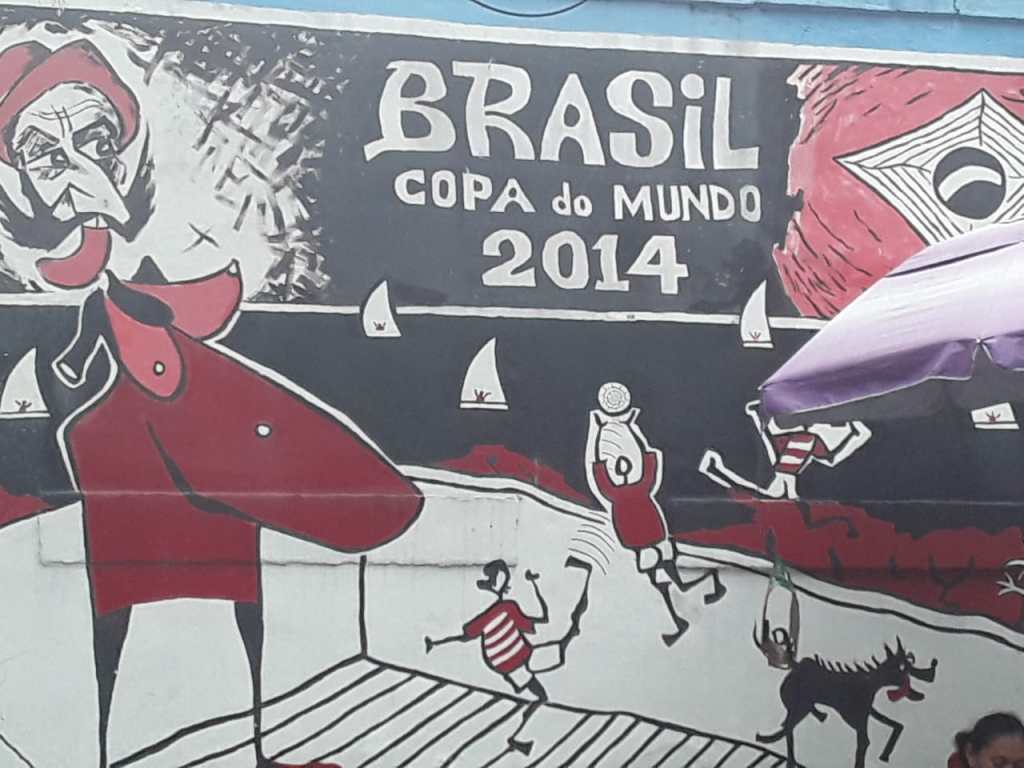
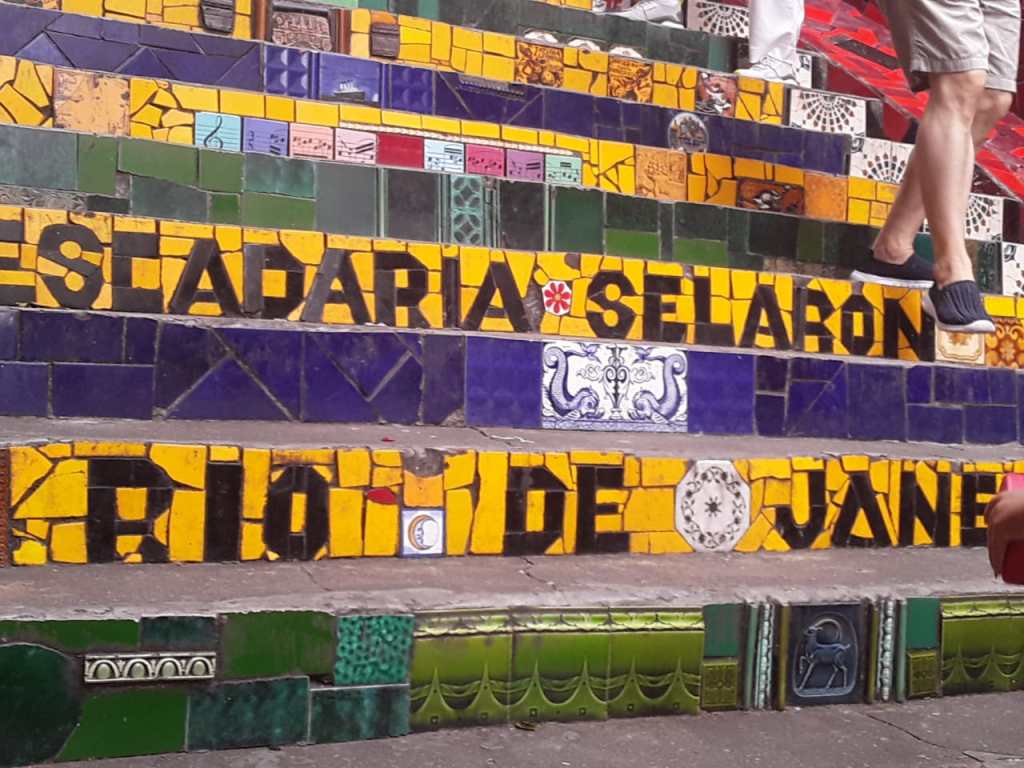
The Selaron Steps (Escadaria Selaron)

Camera: Samsung Galaxy J2 Core

Location: Santa Teresa Neighborhood; Rio de Janeiro, Brazil

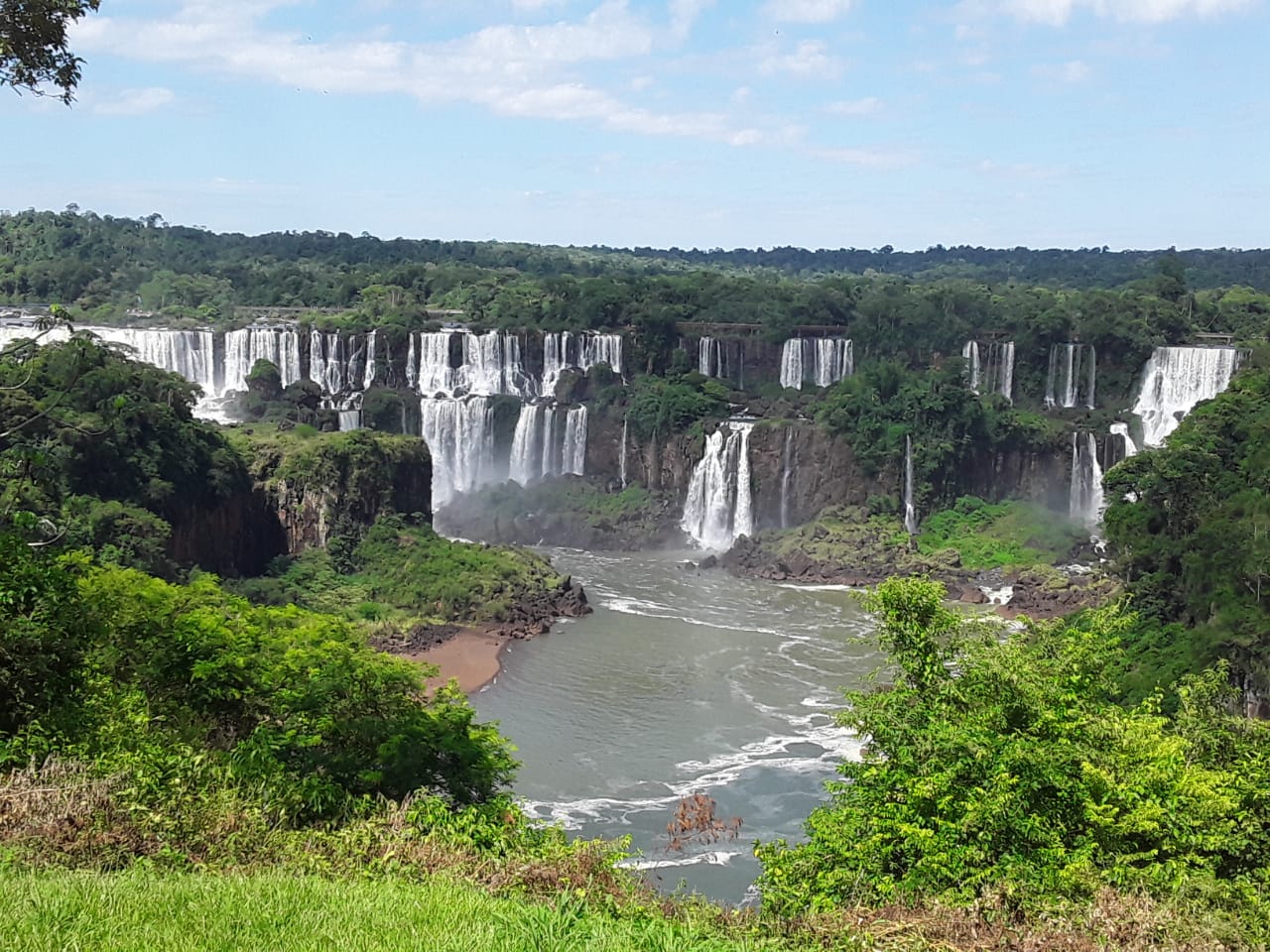
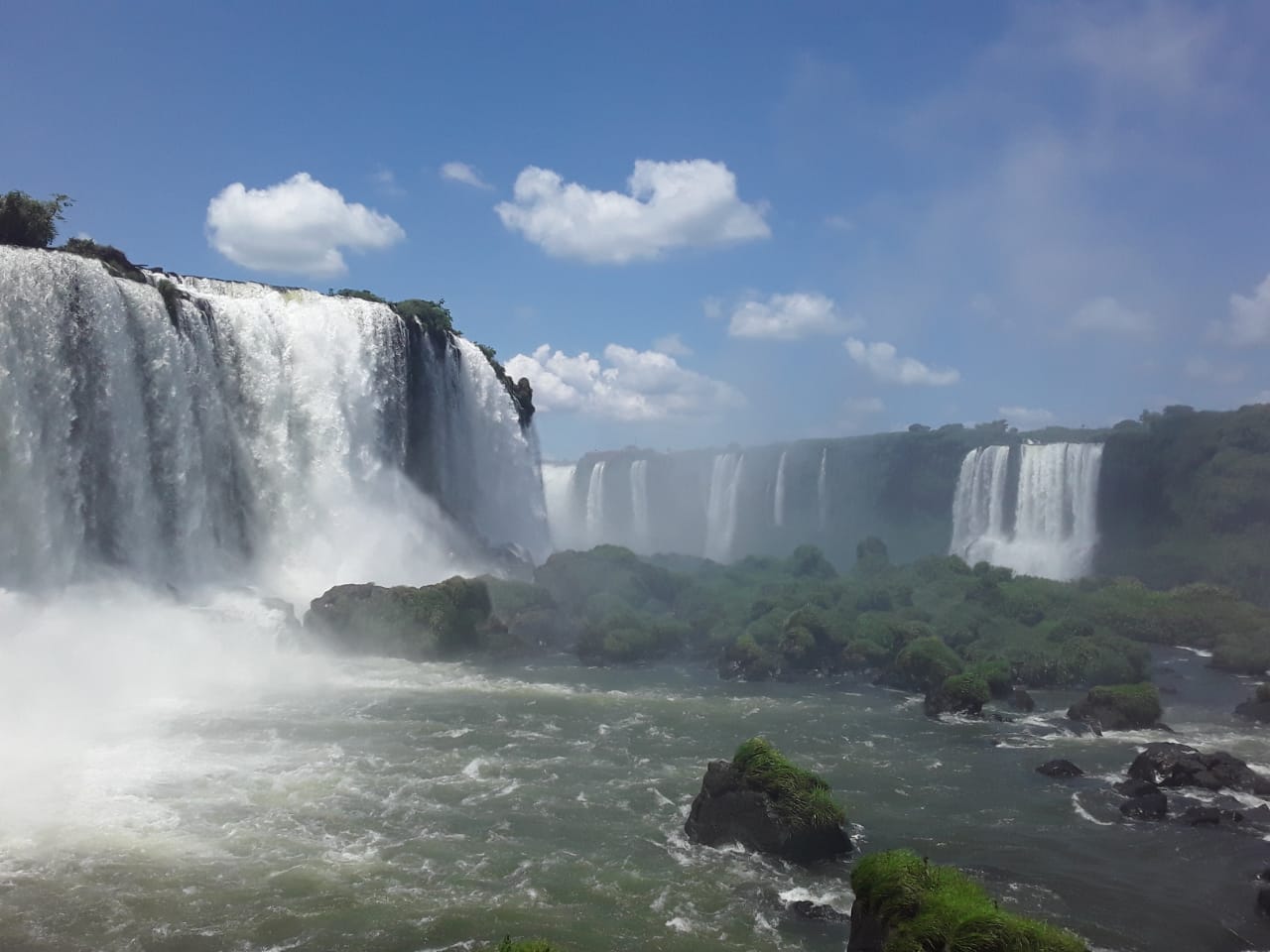
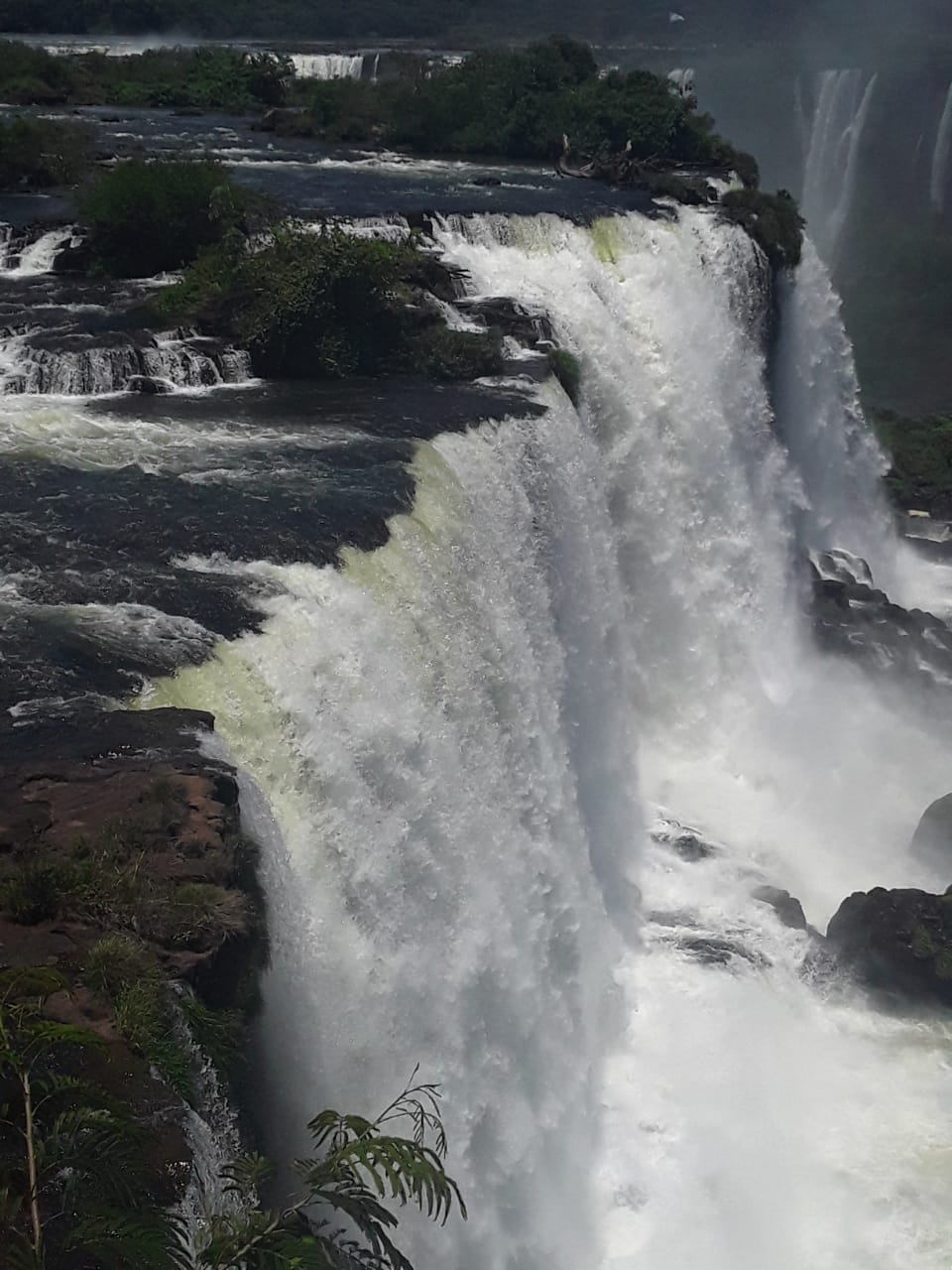
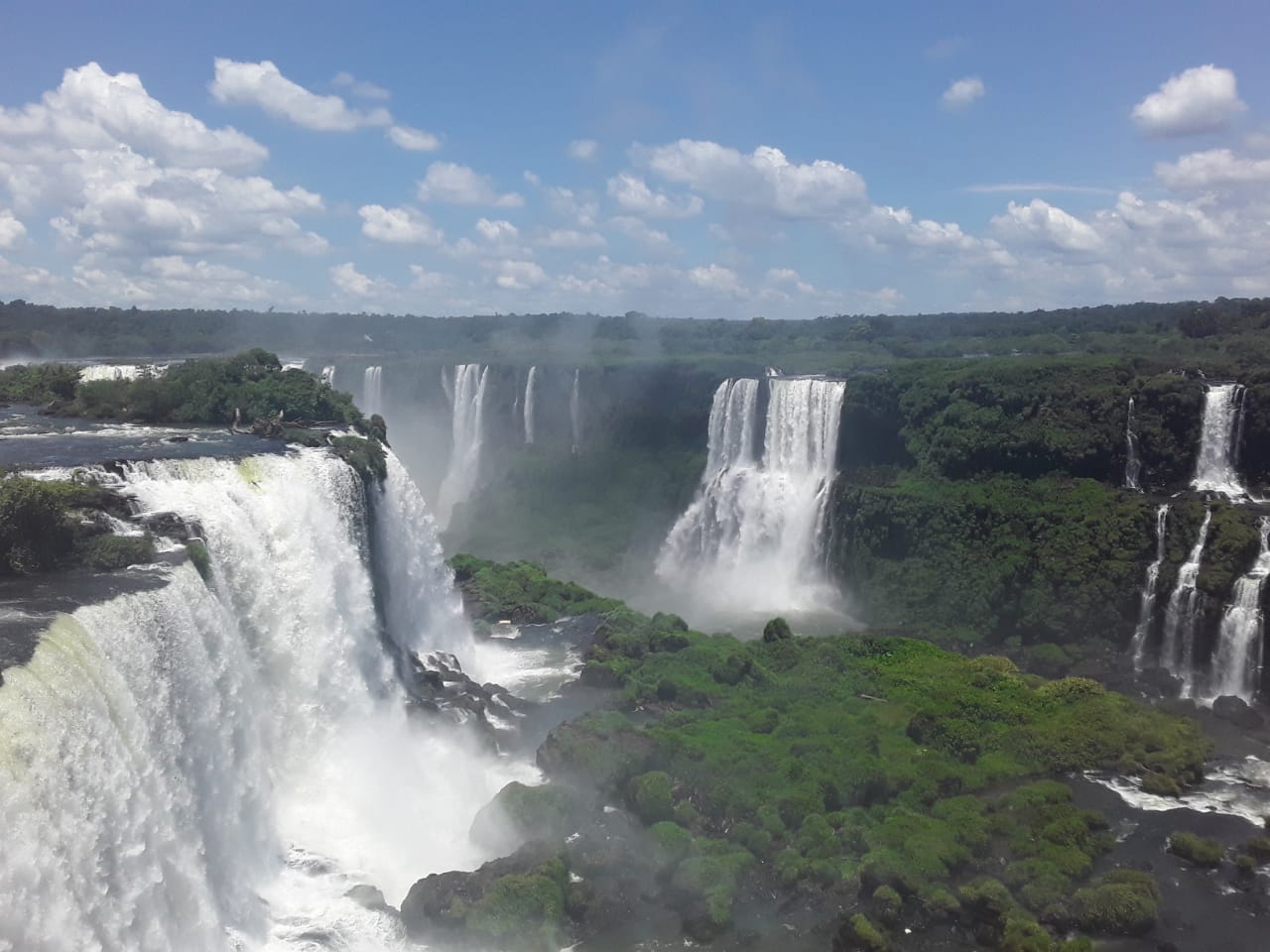
Iguazu Falls – Brazil Side

PHOTO-2020-04-29-20-52-30PHOTO-2020-04-29-20-52-31PHOTO-2020-04-29-20-52-32PHOTO-2020-04-29-13-37-00PHOTO-2020-04-29-13-37-00 (1)PHOTO-2020-04-29-13-37-00 (2)PHOTO-2020-04-29-13-37-01PHOTO-2020-04-29-13-37-01 (1)PHOTO-2020-04-29-13-37-01 (2)PHOTO-2020-04-29-13-37-03PHOTO-2020-04-29-13-37-04PHOTO-2020-04-29-13-37-04 (1)

Camera: Samsung Galaxy J2 Core

Location: Iguazu Falls, Parana, Brazil

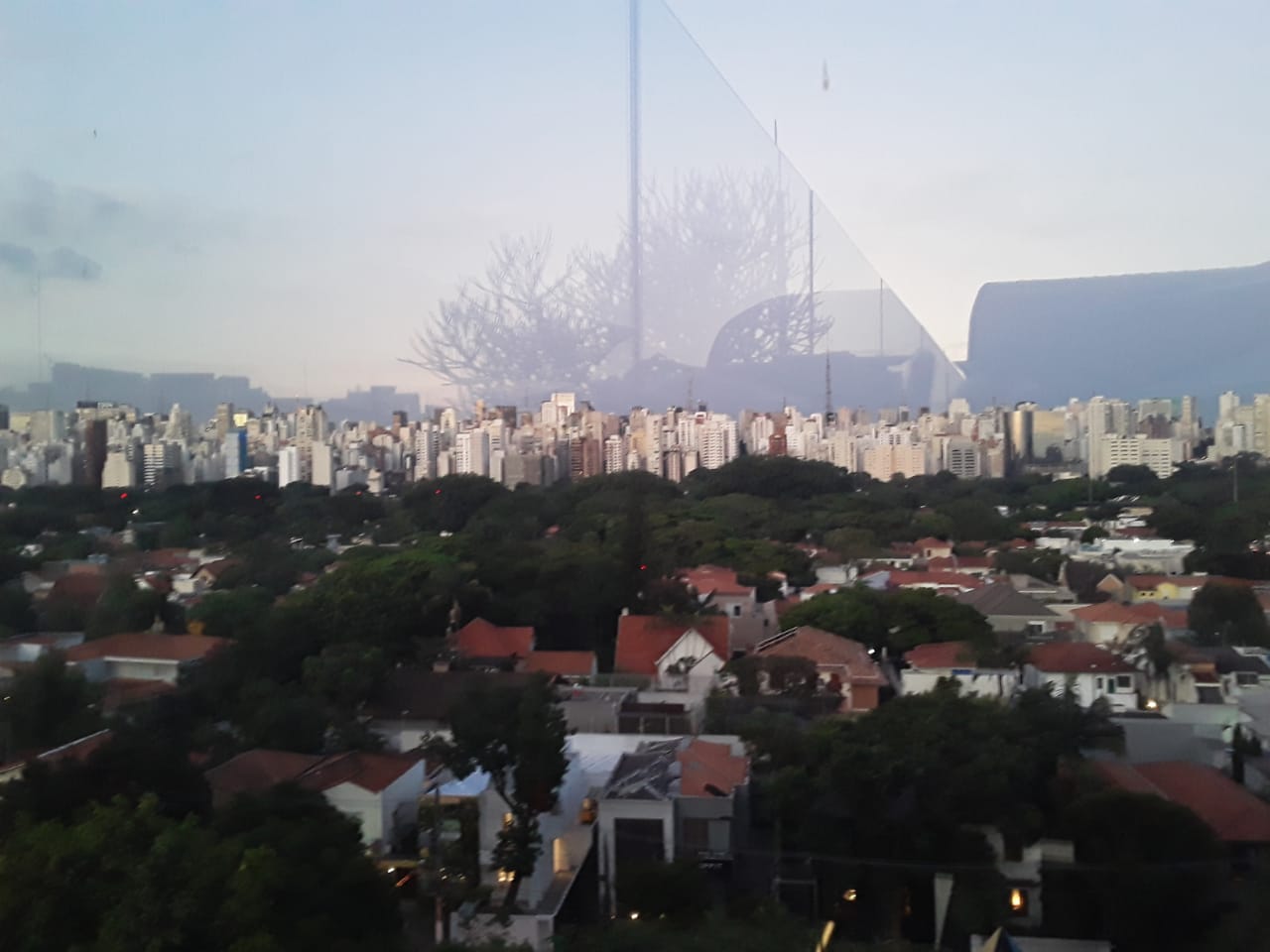
Nighttime in Sampa

PHOTO-2020-04-16-11-11-42 (1)PHOTO-2020-04-16-11-11-42PHOTO-2020-04-16-11-11-41 (1)PHOTO-2020-04-16-11-11-41PHOTO-2020-04-16-11-11-40 (1)PHOTO-2020-04-16-11-11-40PHOTO-2020-04-16-11-11-39PHOTO-2020-04-16-11-11-38PHOTO-2020-04-16-11-11-37 (1)PHOTO-2020-04-16-11-11-37PHOTO-2020-04-16-11-11-36 (2)PHOTO-2020-04-16-11-11-36 (1)PHOTO-2020-04-16-11-11-36PHOTO-2020-04-16-11-11-35

Camera: Samsung Galaxy J2 Core

Location: Parque Ibirapuera; São Paulo, Brazil

Cultural Spotlight – Capoeira

Capoeira is a very unique cultural aspect of Brazil and one that while it has its origins elsewhere has become very Brazilian in its customs, history, and usage. With different elements of dance mixed in with parts of martial arts, Capoeira is unlike any other form of movement in the Western Hemisphere. Not only is Capoeira based on dance and martial arts, it is also formed from a foundation of acrobatics and music to accompany the many movements. The amount of exercise involved in becoming a true Capoeira artist means that you will definitely break a sweat while getting physically fit if you intend to practice this unique art form on a daily basis.

Capoeira is known for having its origins in different parts of west Africa but was developed after the beginning of the Transatlantic slave trade in the 16th century. After enslaved Africans were first brought to Brazil by the Portuguese settlers, it became a way for the slaves to stay physically fit and strong if they ever decided to flee and run away from their slave masters. If they wanted to collaborate and rebel, they could use their capoeira skills to help defend themselves from possible attack or capture from the slave masters as well.

Capoeira uses the full body and so you can use both your arms, hands, legs, and feet to do a large number of movements. The movements are acrobatic, complex, and fluid and based often off of the music and rhythms that are being played for the dancers. Hands often stay on the ground as inverted kicks are flown in the air. The ginga is the focal point or main focus of any capoeira movement and is usually the beginning of any fluid kick or handstand to come.

The capoeiristas’ are those martial artists or dancers who perform the movements often with other capoeirista while being surrounded by a group of observers who are either playing music or encouraging the capoeiristas on to continue their rhythmic movements to match the other participant. The origin of the word ‘capoeira’ comes from the Tupi language words of ka’a (forest) and pau (round) referring to the low-lying vegetation areas where fugitive African slaves would hide from their masters when they would try to make an escape. Most of the African slaves who started capoeira in Brazil were originally from Angola.

After the end of slavery in Brazil in 1888, the new republic outlawed capoeira throughout the country. If you were caught practicing capoeira anywhere in public, practitioners would be thrown in jail, tortured, or even killed. This prohibition continued throughout most of the 20th century even if it was sometimes tolerated in universities and in private places during times of both democratic and military rule in Brazil. Still though, the Afro-Brazilian communities especially in the Northeast kept capoeira alive during these forbidden times and even renamed capoeira to be called ‘Luta Regional Baiana’ which means the regional fight of Bahia in order so that practitioners could practice their form of capoeira without outside interference.

In the recently enslaved communities of Quilombos who had liberated themselves to be free and self-reliant in parts of Brazil during the 18th and 19th centuries, capoeira became a way of defending themselves in case of war or conflict with Portuguese colonial troops or Brazilian soldiers. By using the martial art to dodge potential attacks and/or captures, the Quilombos were a formidable fighting force who used capoeira to defend their communities and their land at often great cost.

The key to capoeira from my own observations in Brazil is to never stop your movements and to always be thinking of how to dodge, kick, sweep, and even take down your opponent. The ginga movement of being fluid is both an attack and defense mechanism to make sure you are constantly ready to either take your opponent by surprise or to evade their own attack. Most attacks in capoeira are done with leg sweeps, swirling kicks, or knee strikes but can also involve the elbow or head. However, most forms of capoeira today are done as simulations and to train for a game or a competition rather than war or actual combat.

To the public who view capoeira in a non-violent lens, these presentations in the roda or circle are just for show and involve games of aerial acrobatics rather than being more about striking or deflecting physical attacks. The circle involves musical instruments specifically for the game between capoeiristas and there is singing, and dancing involved with everyone in the circle participating at some point. Capoeira instruments include the berimbau, which can be played from very slow to very fast depending upon the rhythms requested as well as other instruments such as pandeiros, atabaques, agogo, and the ganza. The row of musicians in the roda (circle) is called a ‘bateria’ and the touch of the berimbau instrument in particular fuels the speed, aggressiveness, or style of the capoeira game.

Similar to Carnaval and Feijoada, Capoeira is one of Brazil’s most famous and impressive exports to the rest of the world. Every year, thousands of tourists come from around the world including serious non-Brazilian practitioners travel to different parts of Brazil to practice its most famous martial art. The capoeira masters (mestres) often teach the Portuguese language in addition to the movements of capoeira so the foreign student can really immerse themselves in the cultural background and history of this traditional martial art. The capoeira demonstrations are perhaps more acrobatic than physical when in public but in private, you would have to guess that it is much more intense and much more serious in terms of displaying physical prowess than what is shown to the public.

After the 1970s, this unique part of Brazilian culture was on its way to not only being accepted by the people but being embraced and taught to the next generations. A powerful way of resolving conflict, promoting social cohesion, and learning about physical fitness, capoeira is great at bringing the community together in a positive way while showing how important it is to recognize and value past traditions. From the roots of West Africa to groups of escaped Afro-Brazilian slaves whose cultural practices were almost extinguished over the centuries due to subjugation, maltreatment, and neglect, capoeira like their rights to human freedom and basic dignity made a powerful comeback which is still being fought for and advanced to this day.

Steady As We Go

As we all know by now, the world is going through a very tough time right now. Instead of speculating about when will things be back to some sense of normalcy, it would not be right to do guesswork about that as of today. Instead, I think it would be best to remind ourselves of a few things we can do over the next few weeks or months to prepare ourselves both mentally and physically for these challenging times. I would like to give my readers out there some advice which has helped me so far in terms of moving forward with my day-to-day activities and also the larger goals that I have for myself.

  1. Take Care of Your Friends and Family: Now is the time to be there for your family and close friends in any way that you can. Even if you are not in the same city or in the same country, take some time out of your day to call or message them to see how they are doing. If you can do so, try to help around the apartment or house with cooking, cleaning, running errands, etc. This is a time to be close to the ones you love and to be there for them.

Remote work and schooling are important and should be a priority, but you should not forget to make time for those around you and to check in on them. Given how much running around you could be doing, you will likely have more time to reach out to loved ones and really take the time to engage in conversation or have dinner together or just to FaceTime every night before bed. I think it is the #1 priority right now to have during this difficult time.

  1. Look for New Opportunities: Obviously, this is a hard time both employment wise and financially. If you have to find a new job or a new opportunity, do your best to be prepared to find those jobs and work opportunities even if they are not ideal for your long-term career pursuits. In a time like this, it would be best to swallow your pride and expand your availability for jobs that will be coming down the pipeline. You have to do what you have to do within reason to keep the lights on and feed your family. It may be working to stock shelves to delivering groceries or to work as a receptionist but if it comes with health insurance and a decent wage, it may be in your best interest to take that opportunity at least for a few months.

Nothing is permanent and even if it is not a job you want to be doing, consider it a way to build up your resilience and to be helping others especially if the job calls for it. The wider you broaden the search, the better off you will be. You just want to make sure you polish off your resume and your cover letter to update it after a gap of some time.

  1. Be Kind to Others: People are stressed out and worried. You have to act like that is currently the situation and give others the benefit of the doubt. You don’t know what is going on in their lives during this crisis and it’s not something you should be asking about. Be respectful, patient, and kind. Don’t be demanding, rude, or just overall a bad person to others. There is such a thing as karma, and it can accrue in both good and bad ways especially now. I do believe that you should treat others the way you would want to be treated and that is how you should approach life under quarantine.

Tempers can flare with ease and things can get out of control so just be aware of your emotions, realize that nothing is worth a verbal or physical confrontation over (especially toilet paper), and always remember to say please and thank you. It does not cost anything to be nice and you should always leave the house if you have to now with that in mind. Good manners will always help you get through a crisis like that.

  1. Volunteer and Donate If You Can: This is only a suggestion but this is the time to give blood if you are eligible, donate extra food and clothes to those organizations who need it and can vouch as to where the money is going, and also see if you can deliver groceries if you have free time. It should go without saying that you should only be volunteering in public if you have a clean bill of health and have not been traveling overseas in the past two weeks. I have seen numerous remote volunteering opportunities pop up in the past week include video conferencing with senior citizens and asking as a pen-pal for them as they stay secluded at home and could use a friend.

Get together with some friends and put together a spreadsheet of organizations / places in your local town or city that are asking for monetary donations or for food/clothing/supplies, etc. It is a misconception that you need to leave the house to donate or to volunteer. In a time like this, sometimes, people especially the elderly or the solitary just could use someone to talk to or listen to them. I have heard stories of mental health professionals volunteering their time for free to help those people in need and that warms my heart quite a bit. If you are not completely healthy and/or free of symptoms, you should not be volunteering outside of the house!

  1. Stay Home and Wash Your Hands: This advice should go without saying by now, but it should be repeated that you should not be leaving your home unless your job requires it or if you need to pick up groceries or go to the pharmacy. I try not to compulsively wash my hands but it’s better to overdo it than under-do it so make sure you sing the ‘happy birthday’ song twice and use enough soap for the 20 seconds it takes to wash your hands.

If you can go for a walk on your own, it is great to get some fresh air even if it is just around the block. You will need some sunlight (vitamin D) and as long as you maintain your social distancing of 2 meters (six feet), there’s nothing wrong with walking for 10-15 minutes to clear your head and shake off the inevitable cabin fever.

  1. Cleaning, Cooking, and Organizing: A good way to avoid being lethargic during this time is to occupy yourself away from work and/or school by keeping things neat, tidy, or clean in the house or apartment where you reside. Daily tasks like cooking meals, cleaning your room, or organizing your papers will definitely keep you busy. Currently, it’s ‘Spring cleaning’ season so you will have your work cut out for you these next few quarantined weeks if you have not cleaned your place since the beginning of the wintertime.

Who knows? If you found extra items or clothes around during cleanup time, you could perhaps donate them when you’re finished collecting all those things you may not need but may help out somebody else during this tough time. With restaurants closed for the time being and delivery every day an expensive proposition, now is the best time to crack open your old recipe book and take your cooking more seriously.

You may be able to eat healthier now more than ever with the added time to cook and prepare your meals in advance and it is a good way to bond if you have a family or a loved one with you. Organizing extends to your personal computer and devices as well to make sure your files, bills, and documents are in order. Don’t forget to take the time to give your phone, tablet, or laptop a good cleaning too because it is a germ magnet and it would be wise to keep it clean as much as possible.

  1. Get Some Exercise In: Gyms and fitness centers are closed. No more pools, saunas, or even Yoga classes. So, what do you do now? Well, it can be easy to give up on your fitness goals but luckily, we have the Internet and delivery services are still working. You can utilize both to keep working out as there are hundreds of home workout exercises and guides out there now. Most of the information is free to use and easily accessible especially with YouTube videos showing you exactly how to do these exercises.

I believe you don’t need much to do these workouts as most of them can be done just with your bodyweight when it comes to pull-ups, sit-ups, pushups, squats, crunches, etc. If you can spend the money, it doesn’t hurt to get some free weights or some barbells in order to add some weight to your exercises. You can also get creative by doing some Yoga and Meditation with just a simple mat.

Due to the Internet, you can look up practically anything fitness related to create a good 30 to 45-minute workout. As if that wasn’t enough, you can always use your body to move quickly with sprints, hill runs, jogs, or a brisk walk if you can get out of the house for a bit. It won’t be the same as going to a physical gym, which has a ton of equipment and a sauna or other great amenities but it’s better than nothing and it is relatively easy to make the most of it.

  1. Flex Your Creative Muscle: If you have some extra time on your hands now, put it to good use by being creative. Sit down and figure out how best you want to pass the time in a productive way. Perhaps you can learn an instrument, pick up a new language, or even write an eBook or an entire book. Harness that energy into action to make the most of your time spent indoors and without most of the distractions that we have in our normal daily lives.

In the next weeks and months, I am positive that there will be an absolute growth in creative pursuits, both online and offline. There are a number of skills and traits that you can work on almost always for free or if you spend money, it is likely be a worthwhile investment from the right teacher. It is also a great time to develop that business idea or side hustle you have been thinking about but never actually committed to. You can always bounce these ideas off your family and friends or if you are able to do so, try to find like-minded people through your network or your organizations to see what they think of your idea and if it has some potential.

Isaac Newton, for example, worked day and night, when a great plague was spreading around the world and due to the time he had to just sit, learn, and experiment, he was able to come up with the brilliant equations and inventions that helped invent the modern life that we have today. Even if you fail, it is better to have tried and done your best than to have wondered later on, what if?

We will all get through this difficult time. It will be a tragic time in human history, but you will be a stronger and more compassionate person at the other end of this pandemic. There are often things in life that happen that are out of our control. It sucks and it is demoralizing but you have to move on, move forward, and keep on moving. We have no choice but to move on and to make the most of the time that we are given. We owe it to ourselves, our family, and our community to be the best that we can be especially now. I hope you take this difficult time to be caring, be kind, and be productive. I wish you well and hope you are well.

English Corner – Creating a Resume

What is a resume? To sum it up, it is the backbone of your professional background and experience summed up in a one or two-page document which you will be showcasing to potential employers and/or co-workers. It is not the sum total of who you are as a person but rather who you are as a worker and what professional skills you have to offer and to whom your skills would be useful for. In order to get a better job, to get a better salary, or to get that promotion to take the next step in your career, a good resume could make the difference between a ‘yes’ or a ‘no’ answer when it comes to you getting that employment opportunity.

The resume is how you showcase yourself to the professional world and let companies and organizations know what your value would be to them. It’s a document that is the heart of your application, but it’s not the only piece of the puzzle to getting a job. The ideal resume by U.S. standards is 1 to 2 pages length and nothing longer than that. The CV (Curriculum Vitae) is different from a resume.

Again, a resume should highlight your professional experience, educational background, job skills and knowledge, and your technical capabilities. You can create different resumes depending upon the job you’re applying to especially if you can only highlight certain previous work experiences. Without the interview or direct networking, the resume and the cover letter, if requested, are the only ways that you will be able to reach potential employers.

It’s a summation of who you are professionally, what you can offer in business, and should showcase your work effort and drive. It is also a great way for employers to verify that you are qualified for the job opening and that you would be an asset to them rather than a liability.

Compared to less qualified candidates, if your resume looks good on paper, you’ll be able to stand out for a potential interview when your qualifications are better than the other applicants.

When you first beginning writing out your resume, you are going to want to make sure to use action words to highlight those professional experiences and your previous accomplishments you’ve had as well. These actions words should not be the same each sentence and you should never repeat the same one more than once. Also, it is important to use the present tense or past tense correctly based upon if you are still doing the same job or if it was done previously and that you are no longer there.

There are hundreds of action words in the English language and learning a good amount of them is a great way to ensure that you have a good resume. In order to keep the interviewer interested, you do not want to repeat the same action word twice or three times so be sure to do your best to learn as many as you can and know what the meaning of those words are too.

Your action word is a key component of making the resume look legitimate to the reader. The action word should always go at the beginning of the sentence (i.e. next to the bullet point) during the ‘work experience’ part of the resume. If you are currently working at a job but are applying to change to a new job, the action word must be in the present tense. However, if you are writing about previous work experience in your resume, your action words should be in the past tense. Without using action words, your resume won’t look as persuasive or as actionable as it could be otherwise. Your employer will want to know what you bring to the table based on your past work experiences.
Here is a list of good action words you can use in your resume if they apply to what your profession does, it is a small sample list but includes many words that commonly come up in professional resumes and accurately depict what some jobs do:

  • assemble
  • assist
  • build
  • cook
  • drive
  • fly
  • operate
  • program
  • repair
  • sell
  • sew
  • supervise
  • translate

Action Word – Sentence Examples

  • Assemble the cars in the manufacturing plant before they can be inspected.
  • Assembled over 10,000 cars in the manufacturing plant before they were inspected.
  • Cook meals that were prepared by hand without any outside training.
  • Cooked dozens of meals per day that were prepared by hand without any outside training.
  • Lead a Sales team of five people to sell medical device products to clients.
  • Led a Sales team of five people in selling hundreds of medical device products to clients in biomedical industry.
  • Develop software products to make it easier for customers to order their groceries online.
  • Developed ten different software products that made it easier for customers to order their groceries online.

In the introduction of a resume, you will want to be able to do many things well to set it up on sound footing before getting to the heart of your resume by introducing yourself and your current skillset. You will want to have a statement of one to two sentences discussing who you are and what you can offer to the employer. It’s basically a summary of your resume and a short summary of what your professional skillset is.

“My name is John Anderson and I have over 10 years of experience in digital marketing focusing on SEO, social media, and advertising campaigns. I am a dependable, hard-working, and motivated individual looking to expand my knowledge and expertise.”

Remember to include at the top of your resume your full name, address, e-mail address, and cell phone number so the employer may be able to contact you.

Headline Example:

John Doe

22 Winston Way, Toronto, Canada 24589

   John.Doe@gmail.com

                                                  +( ) (   ) (   ) (    ) –> Phone Number

 The body part of your resume should focus on two major parts: your professional experiences as well as your educational background. At the top of your resume, you’ve introduced yourself and your professional profile but now you want to go more into detail.

Make sure to include relevant bullet points regarding actions you undertook in each of your previous jobs as well as what goals you were able to accomplish. Remember to write in complete sentences and use a timeline in chronological order from most recent to furthest away in terms of commitment.

For example: Bachelor of Arts Degree, Stanford University; Biochemistry (Major), Physics (Minor). 2011 – 2015.

In the conclusion, you want to highlight what your area of expertise is. You want to leave the reader aware of what kind of professional abilities, skills, and technical capabilities you have. Also, if you have any awards or earned any professional honors, you will want to list them in chronological order from most recent to furthest in the past.

If your work has been published or if you have any items in your professional portfolio, you’ll want to highlight the title of these articles as well as for which publication they were featured in. Depending upon what kind of employer you are focusing on, it’s sometimes beneficial to list what kind of hobbies and interests you have even if they are not professionally related. Regarding coding or foreign languages, you should highlight by the end of your resume which languages you know whether its Python (coding) or Spanish (foreign language) to stand out from the competition.

With a great resume, you will have a much better chance of landing that dream job. While it is not guaranteed, if you can explain yourself well professionally with good vocabulary with the correct action words as well as few or no grammatical errors, it’s likely you will be called in for an interview or be able to take that pivotal next step towards landing your next employment opportunity.