‘Tikkun Olam’ – Why Healing the World Matters More Than Ever

“In a world that often feels fractured, chaotic, divisive, and downright overwhelming when it comes to making positive changes reverberate, the ancient Jewish concept of Tikkun Olam – “repairing the world”, rings out like a timeless call to action in 2025.”

In a world that often feels fractured, chaotic, divisive, and downright overwhelming when it comes to making positive changes reverberate, the ancient Jewish concept of Tikkun Olam – “repairing the world”, rings out like a timeless call to action in 2025. This ancient idea in Judaism isn’t stuck in dusty scrolls or isolated in synagogue sermons alone, as it is a timeless principle that challenges every one of us, of any religion or non-religion, to take ownership of the cracks in our communities, the inequities in our cities, the damage being done to our planet, and even healing the wounds within ourselves. Rarely, if ever, have I written about religion and my own faith background but the need for practicing Tikkun Olam is something in Judaism I’ve always held dear not just for myself but for others to participate in, regardless of their own religious or other background.

What is ‘Tikkun Olam’ and Why Does It Matter?

Literally, Tikkun from the Hebrew language means “repair” or “healing,” and Olam (also from Hebrew) means “world.” It’s an invitation to actively make the world a better, more just, and more whole place, even if it is just a small action you partake in individually to counteract the evils and injustices taking place at the same time. Originating in Jewish thought, this concept for lending a hand to fight injustice and to do some good in the world, has evolved into a broader ethical framework that resonates far beyond Judaism. It’s a powerful reminder that healing for humanity, whether social, environmental, economic or personal is not someone else’s job. It starts with all of us, and we must all do our own part, whatever form that may be. As Mahatma Gandhi famously said, “Be the change that you wish to see in the world.”

Why does Tikkun Olam Matter More Than Ever in 2025?

Look around what’s going on around the world today: climate change threatens our very survival as a species on this planet, social inequality keeps millions trapped in poverty and continues to increase (especially in the United States), countless thousands have died in recent wars and conflicts from Eastern Europe to the Middle East to Sub-Saharan Africa and political polarization fractures communities worldwide leading to extremism and increasing stress on democratic values and freedoms. It’s tempting to feel helpless with all the ills taking place around the world, like the problems are too big and complex for any single person to fix any of them.

However, Tikkun Olam flips that script on itself. It says: the world isn’t going to heal by itself and no one person can do it alone. It requires active participation by more people, conscious choices on how to commit good acts, and collective courage to stand up against known evils and injustices. As Margaret Mead wisely put it, “Never doubt that a small group of thoughtful, committed citizens can change the world; indeed, it’s the only thing that ever has.” History has shown us repeatedly that when regular people mobilize consistently for change, are organized around their cause that they know is just, then their collective power can indeed make things better if it is sustained and united.

Healing Isn’t One-Dimensional for Humanity


Tikkun Olam asks us to think holistically about how we heal as humanity. Healing the world means tackling injustice across the board, whether racial, economic, or social, because inequality weakens the social fabric whatever form it may take. It means protecting the environment, our shared home, from exploitation and neglect, and coming up with solutions that keep it that way for future generations. Perhaps most importantly, it means looking inward to heal our own biases, fears, and prejudices. Because how can we fix the world if we’re broken ourselves or unwilling to be honest about our own healing process? The philosopher William James said it well, “Act as if what you do makes a difference. It does.”

How Do We Live Tikkun Olam in 2025?

The beauty of Tikkun Olam is that it doesn’t require grand gestures or heroic feats because collective power to create change will always usurp that of any individual. While the average political leader, environmental activist, and social critic, can influence change with their platform they have, it’s not enough if no one else believes in your cause and will work with you to implement it together.

It’s in the everyday actions that really push change across the finish line: volunteering at a local shelter, voting for political leaders who will represent your beliefs and values, feeding and clothing the homeless with your donations, supporting sustainable businesses, speaking up against injustice in your community, or simply educating ourselves about the issues at hand. Small choices as well that we have heard about since we were children like reducing, recycling, or reusing your waste (if possible), donating time or money to causes that make positive change, or listening with empathy and kindness accumulate into real change.

The Road to Change is Never Easy but It’s Necessary

Good intentions sometimes falter no matter how much work and effort we can put into positive change. Activism can lead to burnout due to lack of support or funding. The world’s problems can feel like a tidal wave threatening to pull us all under. Tikkun Olam doesn’t promise a quick fix or painless journey towards being successful in seeing the world get better. It demands persistence, consistency, and resilience from everyone involved.

Here’s the truth of the matter: when you commit to healing some aspect of the world, you’re also joining a community of changemakers worldwide who believe in the power of repair and that is powerful to be in good company with other citizens wanting to better the world. As the novelist Paulo Coelho reminds us, “The world is changed by your example, not by your opinion.”

Looking Ahead: Hope for Action in a Fractured World

The future of Tikkun Olam or ‘healing the world’ lies in believing in global citizenship, recognizing that we’re all interconnected to one another despite our ever-present divisions. What happens halfway around the world affects us as much as what happens down the street from us. It’s about continuing to use technology, education, and cross-cultural understanding for good and work to bridge growing divides, learn from other’s advocacy to fuel our own, and inspire sustainable solutions that benefits humanity for the foreseeable future. The healing starts small but grows exponentially, like cascading ripples in a pond, momentum that starts in one town or city and spreads globally because of how universally justice, peace, and compassion can be applied. Reverend Martin Luther King Jr.’s words guide us here: “Injustice Anywhere is a Threat to Justice Everywhere.”

Why Waiting on Change Will Never Lead to It

If you are waiting on the world to change on its own, you’ll be waiting until your dying day. The world is crying out for repair from every one of us, and the clock is ticking. Tikkun Olam is more than a spiritual ideal from Judaism; it’s a practical roadmap for living with purpose in a fractured world. The question isn’t whether you can make a difference, amplify your impact by combining your efforts with others to create collective change on top of individual change to create that ‘ripple effect’ it’s whether you’re ready to start and what problem(s) do you want to start tacking first. So, what’s your first step? The world is waiting on you.

Watching The World Go By In Paris

“Many cities are great for people watching or just seeing daily life transpire in front of your eyes, but Paris is different from the others because you are allowed to slow down fully to take it all in.”

Few cities embrace the pleasure of watching the world go by more than Paris. No wonder why writers from all corners of the globe have come to the ‘City of Lights’ to be inspired to reach their creative goals. If you’re a keen observer as any good writer should be, you’ll see all walks of life come through Paris each day. Whether it’s a starry-eyed tourist with a camera in their hand, a bookkeeper plying his trade by the Seine River, or a street music performer trying to earn a Euro or two. Many cities are great for people watching or just seeing daily life transpire in front of your eyes, but Paris is different from the others because you are allowed to slow down fully to take it all in.

In Paris, the pace of life is fast like any city but the city’s awe-inspiring beauty, its prominent café culture, its pleasant on their ears language of French encourages you to slow down, have a coffee or a pastry, sit down with a book or a pad of paper, and really take it all in. One of my favorite aspects of the city is that compared to most major cities or even other cities I’ve been to in France is that you are encouraged not to rush the experience whether when you’re dining, drinking, or smoking (for those who partake).

No one cares how long you sit at a café or a brasserie (some places are even open 24/7), if you pay for something on the menu and be kind to your server. Some tables may have you face each other if you’re with a companion but often, your chair(s) and table will be facing out on to the lively Parisian streets or plaza whether you are alone or with someone else.

Paris does not bemoan the lone traveler or the lone wanderer who comes to visit it. It is perfectly normal to be by yourself with your thoughts, your sketch pad, and your cup of coffee spending as much time as you need with whatever you happen to be working on. I’d imagine that even if you visit in the Fall or Winter, you’ll still see people out in the streets or in the plazas, talking, laughing, eating, drinking, and making the most out of their lives in the big city. When you are in Paris, you can watch the world go by and even if you’re in a rush personally that day with work or studies, the city will encourage you to slow down, stop somewhere, and take in its ever-enchanting beauty and detail.

Writers, painters, musicians, and other kinds of artists have had a field day with creating great works from having lived in Paris because there is so much to be inspired by. The city of Paris and French culture, in general, have a high emphasis placed on beauty, aesthetics, and the art of good presentation. Any type of artist will be able to come to Paris to draw or paint about the daily scenes of life they see there, have time to think deeply about their approach to their work, and foster ideas without being interrupted endlessly.

Even with the humming noise of traffic and pedestrians, it is not a overly loud city when compared to other major cities I’ve been to in the world. You can find those moments of quiet and peace amid the waves of people and vehicles who pass you by. Sitting and facing out towards the world and not with your back to it allows you to assess better how you fit into this magnificent city and where you fit into its ever-changing melody and rhythm.

I believe you could spend years in Paris and not have tried every restaurant, café, brasserie, or bar. There are seemingly endless places to sit, drink, relax, think, write, and reflect, which is why the city is and will always be such a haven for brilliant artists of all kinds throughout the millennia. Paris encourages you to soak it all in and to pay attention to what you’re surrounded by.

Throughout Paris’s history, the city has sought to inspire humanity to move forward through making new inventions, creating new works of art, writing new literature, and building more beautiful and awe-inspiring architecture. When you think about a self-fulfilling prophecy for a city to have, Paris was built on reaching higher and higher in terms of our human aspirations to create beauty in this life and to find the beauty in each other.

We may fall short from time to time, but Paris is a city built on pursuing excellence in all facets through the pursuit of one’s dreams. For those people who are creative in any sense of the word, who want to share their creativity and gifts with the world, Paris is a great home to begin doing so. When you come to the ‘Ville de Lumiere’, not only can you watch the world go by without a care in the world and be able to take in all its beauty and charm, but you will also be inspired by the city that was built on fulfilling the hopes and dreams of its many inhabitants.

Paris would not be the city it is today without the creative and forward-thinking men and women who built it to be what it is today and will remain for the future, a beautiful and inspiring beacon of human ingenuity and vision that inspires both visitors and Parisians alike.

The Increasing Digitization of Everything

“Increasingly gone are the days where you can build a scrapbook of physical items like tickets, boarding passes, certificates, letters, newspaper clippings, etc. because of the digitization of everything.”

Call me old fashioned or a ‘luddite’ but I really do miss the feeling of paper tickets, boarding passes, and even the plastic menu. It does not mean I don’t enjoy the fruits of the abundance of technology that we have today, and it is something I’m comfortable with having grown up in the 1990s and 2000s as the computer, personal cell phone, and mobile applications came into being. I do also remember going to baseball games to buy a physical ticket at the ‘will call’ window and keeping the ticket stub as a form of memorabilia. The same could be said for receiving a boarding pass when you’re traveling to a new city or country and keeping it with you to remember when and where it was when you went there.

Increasingly gone are the days where you can build a scrapbook of physical items like tickets, boarding passes, certificates, letters, newspaper clippings, etc. because of the digitization of everything. Yes, you may still have the option to print out what it is you need or send out birthday cards, wedding invitations, college diplomas to enjoy the momentous occasions that come up throughout our lives, but when it comes to our day-to-day needs, we increasingly rely on digital wallets, QR codes, mobile applications, and smartphones to get the job done.

You could argue that given how present a reality climate change is in our current era that not using paper or plastic to protect our trees and wildlife is a positive step, but I would argue that everything has an environmental effect including our smartphones, smartwatches, and computers. Using less paper and plastic is overall a good thing but my concern these days is that it seems like we are not being given a choice to have either option.

I like to keep physical / paper records, when possible, up to a point whether for personal, financial, or medical reasons. It is hard to do that when you are only allowed to use a digital record for your files, which may not be as permanent or as secure. Maybe physical records are never 100% secure either but at least you know that you are the only one that has access to it or people you trust who you give access to as well.

When it comes to digital records or files, there is a cost involved in building up the security and safety measures around those sensitive records, and it is never 100% secure regardless of how many firewalls or barriers you put up. There have been numerous data breaches, hacks, and manipulation of people’s digital records, and that will be a cause for concern going forward as we increasingly go to a digital-first world where our first go to is a swipe of smart phone instead of the stroke of a pen. I believe that each person should have the option though to go forward with having both options of having a physical as well as a digital copy rather than having to choose between the two options.

There are always going to be external costs involved with both physical records (paper, plastic, etc. or digital records (computer, smartphones, smartwatches, wi-fi enabled devices). The key for the future is how to minimize these harmful costs whether to the environment, to our safety and security, or to our mental health as well when it comes to using either option. Those costs need to be factored in to how much we pay to use them and whether the competition can be fairer as companies vie to be both ethical and responsible in how they use our records, physical or digital.

Having a choice at the end of the day between physical v. digital when it comes to our personal data and records should be advocated for to companies and other entities before we give them access to our information and our wallets. The lack of an option to choose who, when, where, what, why, and how our data is obtained and shared should change especially as we increasingly rely on digital services and products to power our daily lives.

For example, during the COVID-19 pandemic, the QR code or barcode went from being used to scan items that we buy to allowing customers to read menus, see advertisements, subscribe to a new service, and have access to a unique link to sign-up for events and workshops. While in the interest of public health, the QR code utilization helped maintained social distance protocols and assisted in keeping workers safe by limiting contact with clients, however, QR codes have not really gone away in the post-pandemic era and are still being substituted for real person-to-person interaction.

Not only can you see your dinner menu on a QR code, but you scan your movie or concert ticket without needing a paper ticket or printout copy of it, you can also use it to order food or drinks or shop from that QR code without needing a catalog or a store magazine or a customer service employee to help you with the transaction. The rise of self-checkouts, automated service to order what we want and when we want, and being able to pay or reserve or check out with our phone alone is not just creating less paper but also the need for less person-to-person interaction.

Without being someone who yearns for the good old days, but you used to be able to order from a paper menu, get your ticket collected and stub ripped off for you to keep, and be able to pay with cash at a business without worrying if it was card or Apple / Google Pay only. Less paper and plastic are not a bad thing, but I do think it’s healthy from a social interaction point of view and as the world digitalizes and automates, I also think we will be less comfortable making small talk or socializing with those we don’t know who provide us with a service or a product.

There are real security concerns with an increasingly digital only world that have their own potential costs and drawbacks to consider as well. I hope that even as technology continues to advance with automation and artificial intelligence surpassing our own human capabilities, we will not allow ourselves to be robbed of our choice especially when it comes to how we receive our mail, pay our bills, buy our products, or if we can opt to talk to someone at the checkout register instead of self-check-out because we believe that 2-3 minutes we talk to a worker there is better than that 30 seconds or 1 minute we do it ourselves but without talking to anyone and with no one to maybe brighten our day a bit or make small talk with.

Losing that choice of digital vs. physical records or information would be detrimental in the long run. We should know of the environmental, security, and mental health costs involved if we tip too far in one direction or the other, but I think given that we are social creatures and we enjoy the physical touch of a book, a magazine, a letter, or even a ticket to a baseball game, let’s not try to go to 100% digital especially for those of us who remember when information was primarily shared physically.

It’s a complex era that we are currently living through, and it appears that we are transitioning slowly but surely to a digital-only world. However, my hope is that we allow ourselves to choose how much or little as individuals we opt into this ‘brave new world’. We may not be nostalgic now, but something tells me we would miss our scrapbooks, our photo albums, our book collection, and even our baseball tickets, and boarding passes if they were up in the ‘Cloud’ protected by facial recognition and multi-factor authentication instead. That’s not the world I wish for us to have in the future and that our choice(s) to opt-out will never go away.

It Feels Good to Do Good

“The good work we do whether it’s volunteering, donating, or contributing to society in our job or a non-paid effort can not only improve the state of the world in a measurable way but also make us feel good in the process.”

It can be disconcerting to make sense of how little is within our control and how much we would like to have the world be different than it is. Whether its politics, culture, the environment, or society in general, our lack of control over these forces that have a massive impact on our lives can be difficult to make sense of. Even when we do our best to make positive change in the world, it may only cause what I have previously referred to as a ‘ripple effect.’ However, we don’t realize that not only does the good we do ripple out in the world in a small yet powerful way, but we become the better for it as a result.

The good work we do whether it’s volunteering, donating, or contributing to society in our job or a non-paid effort can not only improve the state of the world in a measurable way but also make us feel good in the process. Other people in our lives may or may not know about these contributions that we make whether it’s with our physical labor, our financial resources, or just a caring thought or gesture but if we are the ones making the effort, we should take the time to recognize its significance and the beauty of the act itself.

It does not hurt to pat yourself on the back metaphorically for showing up and doing your part. I don’t believe it is egotistical or detrimental to your self-esteem to recognize that you are taking time or money to do something good in the world. While you should not expect others to be so forthcoming in their adulation or praise of what your contribution means, you should feel good about helping others or helping nature or just being kind and caring towards your fellow man or woman.

If you feel like you’re in a rut, I truly believe volunteering some time out of your busy schedule and working towards a goal in that kind of volunteer work can really cheer you up and make you feel a bit better about the world. So much these days is out of our own control in an increasingly technologically driven, lightning-fast world where we do not have as much time to slow down and focus on what really matters, which is to leave the world better than you found it.

The work can be hard, disappointing, and even cause you to question whether it is worth your time or money but hold true to the reason why you got into doing work for the betterment of others in the first place. While it is considered a selfless act to volunteer or to donate or to work for others, do not let yourself forget that it feels good to do good and you’ll often be better off for having done that work even if it was difficult, thankless, or draining to you mentally or physically.

Having that sense of control, to work hard towards a specific goal, and to feel better for having stuck with your good work to its end are all ways that can make us feel good about doing good. People all need to feel that sense of self-worth and to have that self-esteem be boosted a bit and that can come with taking the time or money or both to contribute to the betterment of the world around you. While time and money are precious resources for which we tightly hold onto at times, perhaps too much so, it is without question a good use of time and/or money to help those people out who are less fortunate than you are.

Only you can decide how much of either precious resource, time or money, that you would like to contribute as a volunteer but I promise that whatever you decide to take upon you in terms of doing good, you can guarantee that whatever effort or work you put in will pay you back in the most beautiful way in that sense of satisfaction and contentedness you can get from healing the world or helping a person or contributing to a social cause you care about a lot.

The work involved will be difficult and you will need to put in hours, days, and sometimes months or years to see the fruit of your labor lead to the good you sought to come about as a result. The blood, sweat, and the tears you put in may not seem worth it but if you work in a group or a team with other committed people who care about the same good work that you do, not only will it be easier, but it will be done quicker.

During the good work you do, make sure to keep reminding yourself that results will take time, that you have your goals clearly in mind as to why you’re contributing to do good in the first place, and to remember that you may not get praise from others but that your own satisfaction and happiness from contributing will be most powerful as it comes from within you. We only have so much time to volunteer and to do some good on our own terms so make sure you think deeply about how you want to contribute and why you’re contributing to that cause.
Other people, even friends and family, may question why you are dedicating your time and/or your money to the good work you’re doing, but you do not need their approval to go forward with reaching your goals. You only need to deeply internalize that doing good will make not only you feel good about it but the people or environment or our world, which will be better off as a result. If you have to justify why you did the work you did, don’t look to other people to confirm your righteousness but rather look within yourself in your heart to see what you contributed was needed, that you had the skills or the knowledge to help out, and that the impact you made was measurable and that it could ‘ripple’ out through the society and the entire world.

Book Recommendations – Volume XII

“However, while staying outdoors will become less and less pleasurable, this is definitely the time of the year to dive into your reading and to get back into the swing of things when it comes to reading good books.”

The end of the Summer is always a bittersweet one. With mixed feelings, August turns to September, fall season will soon be upon us and the daylight will become shorter while the cold weather is drawing near. However, while staying outdoors will become less and less pleasurable, this is definitely the time of the year to dive into your reading and to get back into the swing of things when it comes to reading good books. Colder weather, shorter days, and back to work / school will cause our minds to re-focus our attentions on the tasks at hand in our lives but we should not forget at night or on the weekends to kick back, relax, and enjoy a good book.

These four books that I’ve chosen are all non-fiction, but they tackle different subjects and are relevant to different academic or personal interests such as history, sociology, travel, or entrepreneurship. Each author brings something different to the table as well and the writing style is different along with the kind of narration you can expect. I can definitively say that each of these books is educational and you would not go wrong with reading any of the following books in the upcoming Fall season.

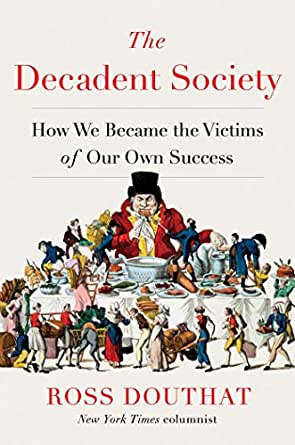
  1. The Decadent Society: How We Became Victims of Our Own Success by Ross Douthat

New York Times op-ed writer and author Ross Douthat is not optimistic about the future. Given that the present involves polarization, stalemates, and a lack of technological innovation, what does humanity have to look forward to? That is the main argument of Douthat’s book ‘The Decadent Society’ on how we may have reached the limits of our own ‘progress’ and that modernity is less fulfilling than we thought it would be. Douthat’s view is that our current culture, innovations, and motivations like originality and that we have become too complacent as a society.

Douthat cites falling birth rates, more reliance on video games / virtual reality, lack of new businesses being started along with increasing government dysfunction leading us all to be ‘comfortably numb’ as the famous Pink Floyd song goes. Douthat’s diagnosis of our current cultural and political malaise is quite convincing from citing Star Wars remakes to the fact that the Trump and Clinton families have stayed relevant for decades in politics with a lack of a fresh face to get us out of our national ennui.

While our ‘modernity’ has left us more comfortable than satisfied, Douthat struggles to mention ways that we can get out of the malaise or the needed policy or cultural changes that should take place to push our horizons more and our boundaries as a society. This was my one main gripe with the book as in the 2nd half or towards the end, a little optimism or forward-thinking would have gone over well but perhaps that was done on purpose. Douthat is not optimistic that much will change in the future and that perhaps it is best to accept our current ‘decadence’ as being set in stone or perhaps to prepare for a fall from grace that would shake more of us out of our slumber. I hope either scenario is not the case. ‘Decadence’ in my perspective gets boring after a while and human beings are creative and innovative at our core so hopefully our current malaise is not permanent as Douthat argues but rather a temporary blip on human history.

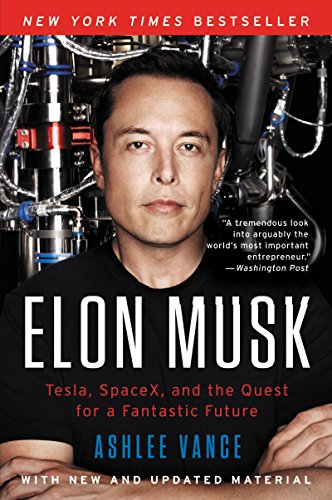
2. Elon Musk: Tesla, SpaceX and the Quest for a Fantastic Future by Ashlee Vance

Perhaps the great ‘irony’ of our age will be that a President or a Senator won’t be the one to lead us out of our current decadence. Perhaps it will instead be a foreign-born entrepreneur who rose from nothing to build multiple successful ventures that could transform the way we transport ourselves and how we interact with the cosmos. Entrepreneur Elon Musk may be the one to help lead us out of decadence and he seems to be on the way to making a dent in the wall that prevents us from creating the future. As many people don’t realize, Mr. Musk did not have an easy childhood, moved around multiple times, and even was a mediocre student at times but what he has that all entrepreneurs need is grit, resolve, and determination. To create something out of nothing and build your vision to make it a reality is where Elon has succeeded where many others have failed.

Musk clearly did not do it on his own whether it was Zip2, PayPal, or SolarCity but he was able to create a team and even companies to carry out his lofty vision. His tolerance for risk as an entrepreneur both financially and personally is simply beyond most people’s comprehension. Elon Musk is an entrepreneur so dedicated to making his companies a success that he will pour millions of dollars from a previous venture into his next one to ensure its longevity. Elon is currently the third richest person in the world and this autobiography gives rare insight into what it took for Musk to get to this point today with more than two decades of setbacks, failures, and even a few lawsuits here and there to overcome.

Ashlee Vance does an excellent job highlighting who Musk is as a person, what drives him, how his childhood and family affected him, who were the people around him, how could Tesla and SpaceX change life in the future and how big of an impact could they really have. Vance is illustrative in showing the whole of Elon Musk, both the good and bad, of the visionary entrepreneur. While he disdains any notion of socialism in government policy, he has received millions in government subsidies to help his businesses; His commitment to succeed can sometimes cause him to fall out with others who feel they were not treated well or were not given the recognition that they thought they deserved. A good biography shows both the triumphs and the warts of a man and this one is no different. Overall, this biography is an excellent look into the man behind both Tesla and SpaceX who continues on his quest to change the world by molding its future.

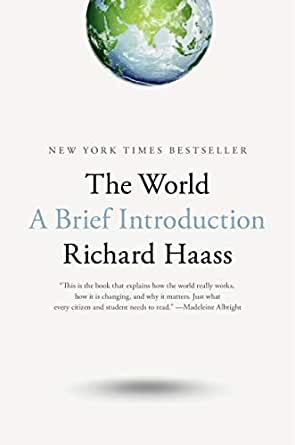
3. The World: A Brief Introduction by Richard Haass

This book is a love letter to International Relations in 2020 (pre-COVID) by the President of the Council on Foreign Relations Richard Haass. For those new to this field, it is a very enlightening and comprehensive book to ground someone especially in high school or their 1st year in college to know about the basics of the world in terms of foreign affairs and what are some of the main challenges of the 21st century for nation-states. While primarily a guide to the world for those new to international relations, I found that it is a good refresher for more advanced or experienced students of international affairs.

I enjoyed the historical overview, the breakdown of the regions in a succinct manner, and the number of economic, security, and development challenges that the world is grappling with at the beginning of the third decade of the 21st century. Richard Haass would definitely be an excellent professor to have in your Introduction to International Relations / International Relations Theories and this book would be a good starter text to have.

Clocking in at around 400 pages total, no major detail is spared, and no region of the world is left uncovered. If you are not familiar with an issue in IR or a region where you don’t know the culture or the language, Haass’s book is a good way to familiarize yourself and to stay up to date with what is going on regionally or thematically. For those of you in high school interested in the world and geopolitics, this book is a good place to start. For those of you starting college and planning to major in international relations, it is likely you will be reading this book not before too long.

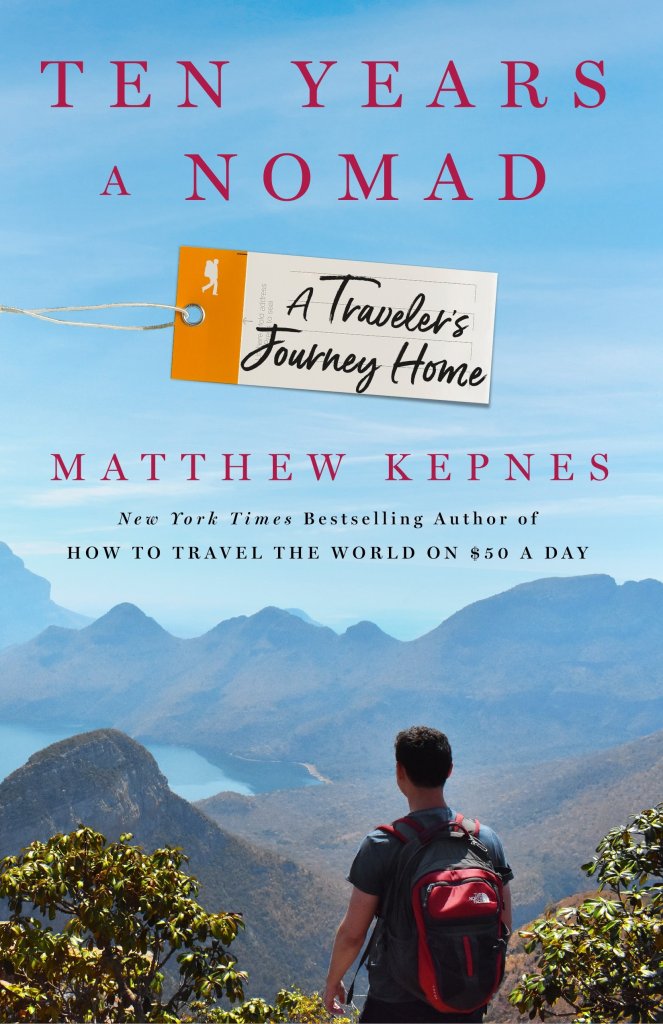
4. Ten Years a Nomad: A Traveler’s Journey Home by Matthew Kepnes

Home is whatever place you can find yourself comfortable in over a long enough period of time. I remember reading this piece of wisdom in Matthew Kepnes’s book and finding it to be quite the piece of truth. As a fellow traveler and shorter-term ‘nomad’ myself, Matthew’s travel memoir appealed to me because of its raw honesty and vulnerability. Life at home is comfortable but it can get dull and repetitive. Life on the road is new and exhilarating but can also lead to a sense of fatigue moving from place to place without settling down roots or losing friends and relationships as you feel the call to move somewhere else.

In my experience, Travel memoirs can be rather hit or miss but this one by Mr. Kepnes is on the mark in terms of the ups and downs of long-term travel and also about staying in a country for a year or more. I was personally away from home in my 20s for over three years and I can only imagine how ten years on the road would fundamentally change who I am, what I value, and how I want to live my life.

I really admire Matthew’s deep understanding on the joys of travel and how lucky we are to be on the road when we can. Travel is a privilege that especially now, we tend to have taken for granted. Once you get started on the path outside your town or country, it can be impossible to put the genie back in the bottle. That nomadic yearning to live life on your own terms, on your own pace is a flickering light that can burnish again with renewed intensity often times when we least expect it. This memoir highlights how rewarding travel can be, how much it can develop your personality and your worldview, and why it is so important to listen to your gut at times to know what you want in life.

Some of us travelers are meant to have one foot out of the door at all times and when we stay in one place too long, we tend to get stir crazy. I think what Matthew learned is how important it is to find that balance of being a nomad at heart but finding roots somewhere while keeping the freedom he gained over many years of hard work of being an independent writer, a recognized travel expert, and an overall creator with an ability to work remotely, which may becoming more and more common into the future.

You may think starting the journey is the hardest step to take when you’re going out on the road, but I find it’s true instead how coming home is often the hardest thing you’ll do when the journey comes to an inevitable end at some point. The good thing that Matthew notes in his memoir is that the nomad or the traveler is always within us even after the journey ends and that eternal flame can be rekindled making it easier and easier to get out on the road in the future to have more journeys without feeling that fear of the first step as happens on the first journey out of our comfort zone.

Book Recommendations – Volume XI

“There’s nothing better than sitting under your favorite tree in a backyard or out on the balcony with the sun in your face reading an engaging and enlightening book. As I have mentioned previously, Summer is the best season for reading and since a lot of other summer activities are postponed or cancelled, why not catch up on some reading?”

There’s nothing better than sitting under your favorite tree in a backyard or out on the balcony with the sun in your face reading an engaging and enlightening book. As I have mentioned previously, Summer is the best season for reading and since a lot of other summer activities are postponed or cancelled, why not catch up on some reading? Regardless if the book is fiction or non-fiction, spending a few hours each day reading a good book can make the time pass by quicker and get rid of any kind of twiddle-your-thumbs moments that can happen when you don’t have a movie, concert, or sporting event to distract you. While live events may be out of order this summer, your bookshelf is dying to have you open up a book, sit down on your favorite couch or chair, and let your mind wander to an imaginary or a real place to pass the time.

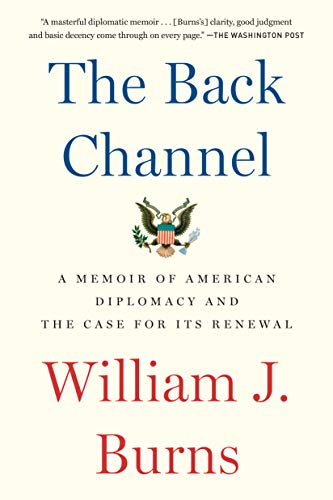
  1. The Back Channel: A Memoir of American Diplomacy and The Case for Its Renewal by William J. Burns

William J. Burns might be one of the best diplomats the United States has ever had. With over thirty years of experience and having served in two of the most important regions of the world, Mr. Burns’s story is an example of the good that diplomatic efforts can do in resolving conflicts, promoting peace, and ensuring cooperation among both allies and adversaries. He is one of only two career diplomats to have ever earned the title of ‘Deputy Secretary of State’ and he gave advice and counsel to five U.S. Presidents and ten Secretaries of State.

Mr. Burns’s storied career includes Ambassadorships to both Jordan and Russia and he held numerous Assistant Secretary positions within the State Department during his three-decade tenure. He was partly responsible for ceasefire agreements between the Israelis and the Palestinians, for helping to eliminate Libya’s nuclear weapons program, and for helping to reset U.S. relations with Russia in the early 2010s. He also shares insights in this book that were previously not publicly known involving his views on the Iraq War, the Civil War in Syria, and of the Russian aggression against Ukraine at the end of his tenure.

This 400+ page memoir is simply a must-read for anyone interested in how diplomacy works and how vital it is to maintain within a government’s foreign policy. In a time now where it has been underinvested and mismanaged, Burns’s book illuminates how big of a difference it can make and how one man’s impact can be felt throughout an entire foreign policy apparatus due to his vigorous study of culture, languages, and history in order for him to be taken seriously. The book is not only educational but is also gripping in terms of his recall of major events throughout his diplomatic career as well as the written cables that explain them. It is a real page turner and should be required reading for any student of international relations and who hopes to become a diplomat in their own future career.

2. On the Plain of Snakes: A Mexican Journey by Paul Theroux

Cooperation, friendship, and understanding is important among friends, but it is even more important among your neighbors. The US-Mexico relationship has been fraught with mistrust and tension especially during the years of the Trump administration. The best way to do away with stereotypes and misgivings about each other is to visit the lesser known places of a country and visit the non-touristy areas. Paul Theroux may be the best living American travel writer today.

From his experience as a Peace Corps volunteer in Malawi in the 1970s to his trek in the American Deep South, Paul Theroux has traveled around the world over five decades and counting. His latest novel about his travels in Mexico is a must-read for Americans and anyone else looking to understand Mexico from an outside lens. While not an exhaustive take on the complex country and its people, Theroux’s book, somewhat observant and otherwise felt like you’re in the middle of his travels is both illuminating and powerful.

Paul Theroux is really a true traveler and even though this is the first of his travel novels that I have read, this one felt very timely as it was released in 2019 during a time of souring relations between the two North American neighbors. Theroux spares no miles or kilometers in seeing all of Mexico that he can. From the desert Region of Sonora in the North to the Mexico mundo of Mexico City to the Southeast of the country where he visits the Zapatistas, this is an extremely educational look at modern Mexico.

Theroux’s book highlights the issues that Mexico is going through from immigration from the Northern Triangle to the ever-present threat of the drug cartels to the hopes of Mexico’s indigenous populations who believe that they have been left behind as other villages and towns hollowed out while the economic gains went elsewhere. It’s not just the issues that Theroux shines a lens on but also the beauty of the country’s culture and its warm people. As an elderly traveler, Theroux is treated with great respect and even reverence as ‘Don Pablo.’

He is welcomed as a guest, kept safe by complete strangers, and invited to interview Mexicans who normally would not talk to foreign travelers. Theroux travels all the way from Massachusetts across the border where few Americans are found to cross. He does so in his own car on his own dime and does not travel with any security or any kind of companionship. He learns Spanish and teaches writing to Mexican students. He is a refreshing kind of traveler, one who remembers to show people through a human lens and to not deal with harmful stereotypes.

Overall, ‘On the Plain of Snakes’ is an excellent travel novel for anyone interested in learning more about Mexico’s people, its culture, its struggles, and its hopes for a better future.

3. Rule Makers, Rule Breakers: How Tight and Loose Cultures Wire Our World by Michele J. Gelfand

This book has been my favorite one of 2020 and I only heard of it through a weekly David Brooks column in The New York Times Opinion section. The differences and similarities between cultures and societies is a topic that has fascinated me for years. As someone who has lived in both loose and tight countries as Mrs. Gelfand so brilliantly classifies, it is fascinating to see her extensive research come into fruition and how these loose and tight countries affect our outlook on everything from celebrations to driving to health care to tattoos.

Tight countries are cultures where norms are preserved and breaking them is frowned upon. Societal cohesion is encouraged and straying from norms is open to punishment. Loose countries are cultures where norms are often broken and breaking them usually comes with a shrug or a lack of care. Why do Germans always stop at a red light even when its 3 AM? Why do Brazilian clocks never run on time? Why do Japanese trains always run on time? Why do Singaporean laws ban gum from being chewed?

These tight and loose differences do not just extend to countries but also to states, cities, organizations, businesses and even within us. This book of ‘tight and loose’ norms highlights how we feel about any subject and how that is reflected in how we act with others. There is no right or wrong answer as to whether living in a tight culture is better or if living in a loose culture is better. Mrs. Gelfand excellently points out in each chapter how they both have their advantages and disadvantages depending upon the norm being considered.

Our upbringing, our environment, our country’s history, etc. all have effects on how ‘tight’ a culture is or how ‘loose’ a culture is. There can also be changes to a culture depending if there are big events like a terrorist attack, a pandemic, a natural disaster, etc. Cultures can tighten or loosen depending upon what is going on in the country and how people are being affected by these natural or manmade shifts to our lives.

Having seen both ‘tight cultures’ and ‘loose cultures’ up close and personal, this book has been a revelation to me in terms of explaining what I thought about only in my theories that I concocted after traveling from country to country but never really expressing it as well as she has in this great book. Mrs. Gelfand has done extensive research across many countries and continents to explain why some countries have more ‘rule makers’ and why other countries have ‘rule breakers.’ In order for our own cultures to shift from one spectrum to the other, we have to first understand why the country’s culture is the way it is and if it can shift, what benefits are there to tightening up or loosening up depending on what is going on in our lives and in our society at the time?

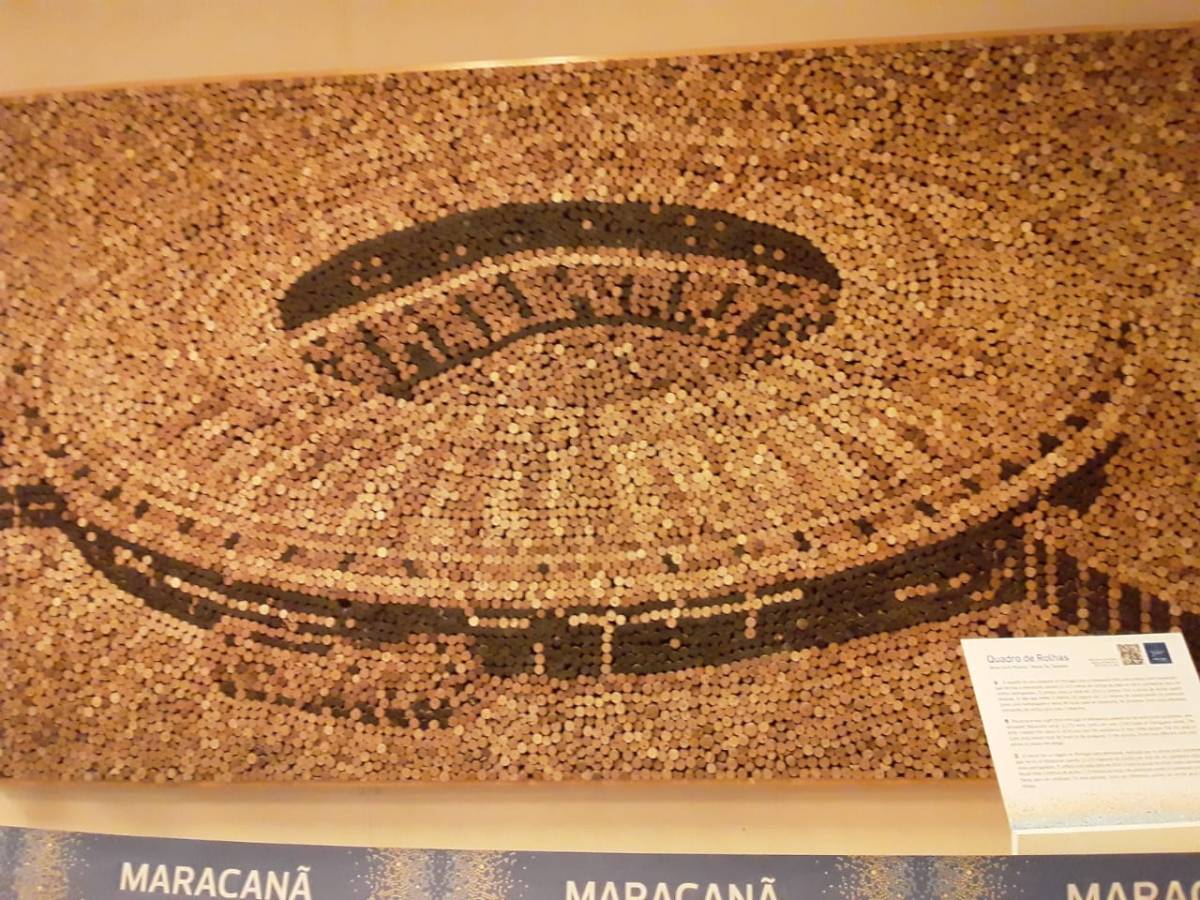
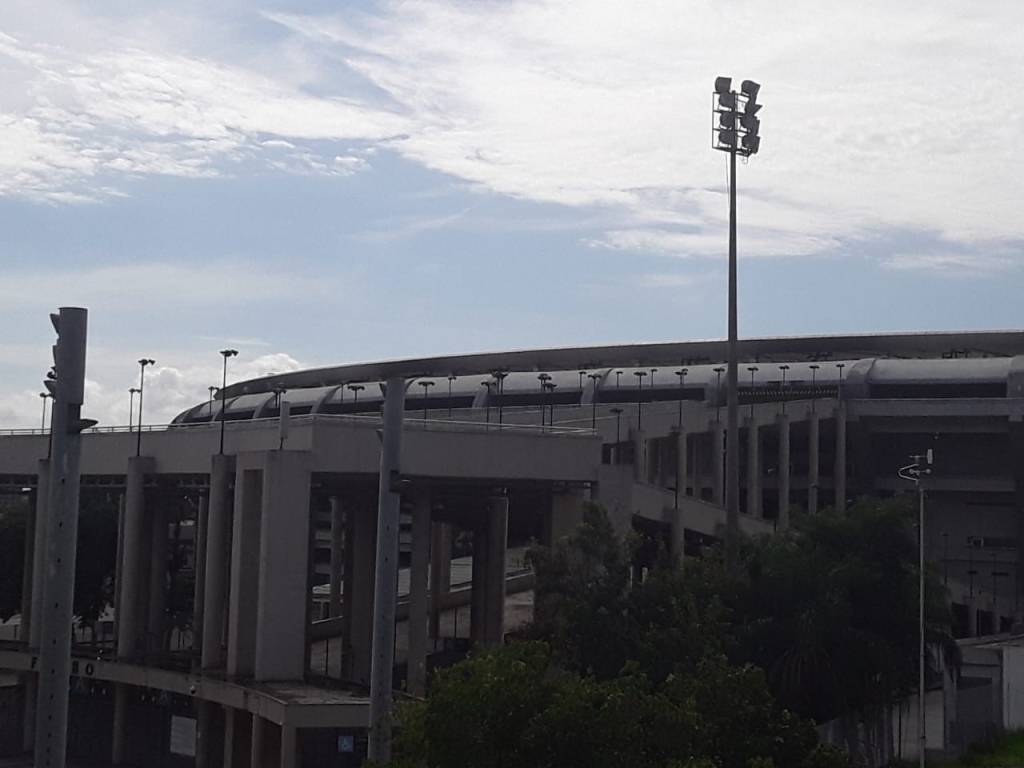
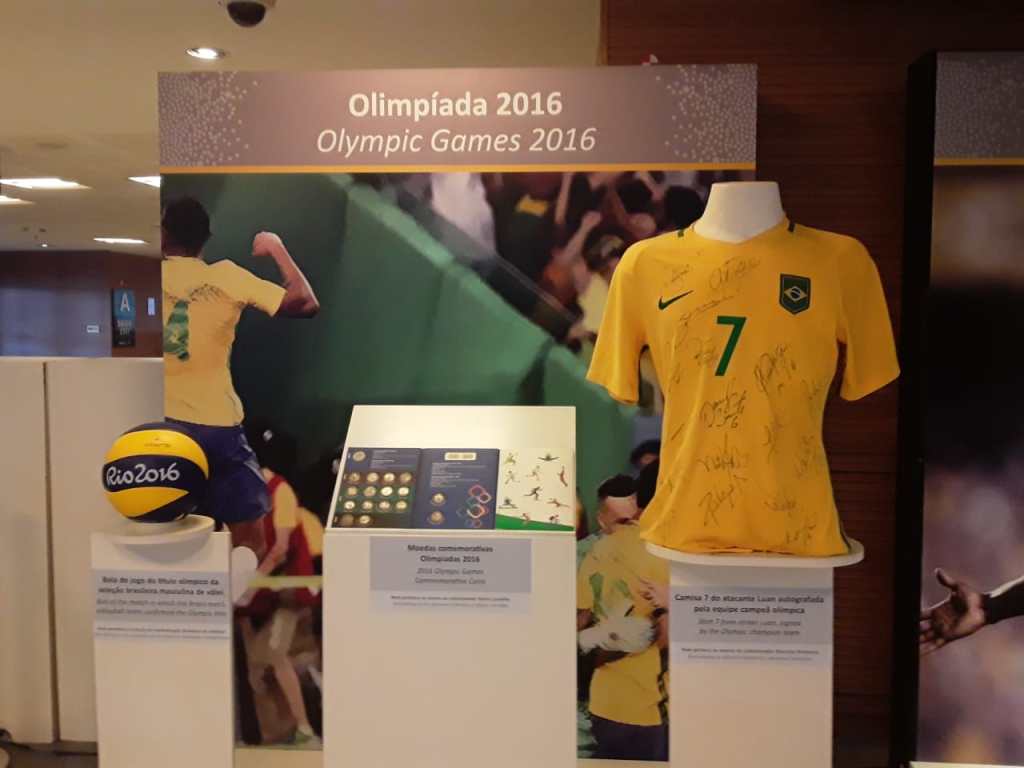
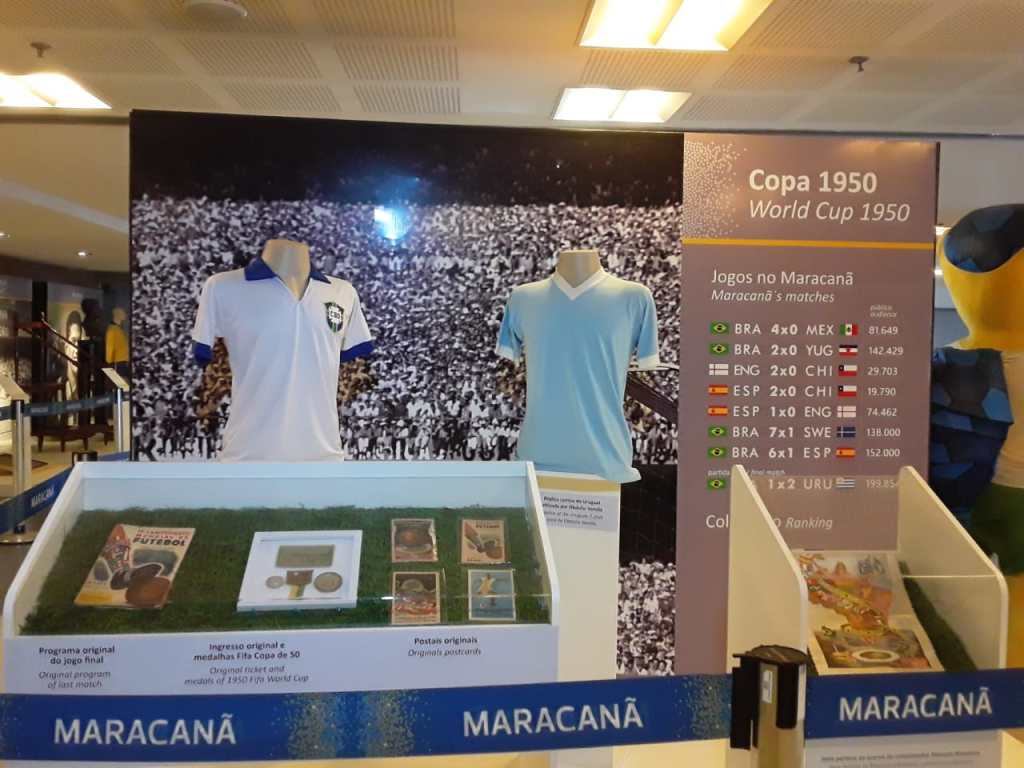
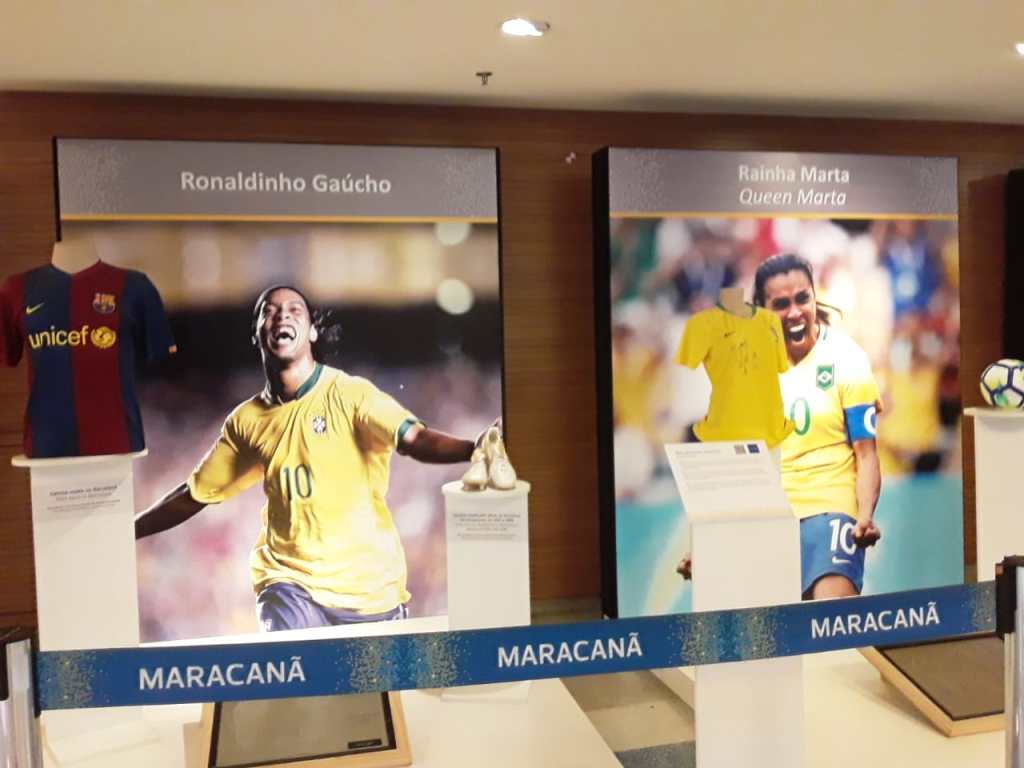
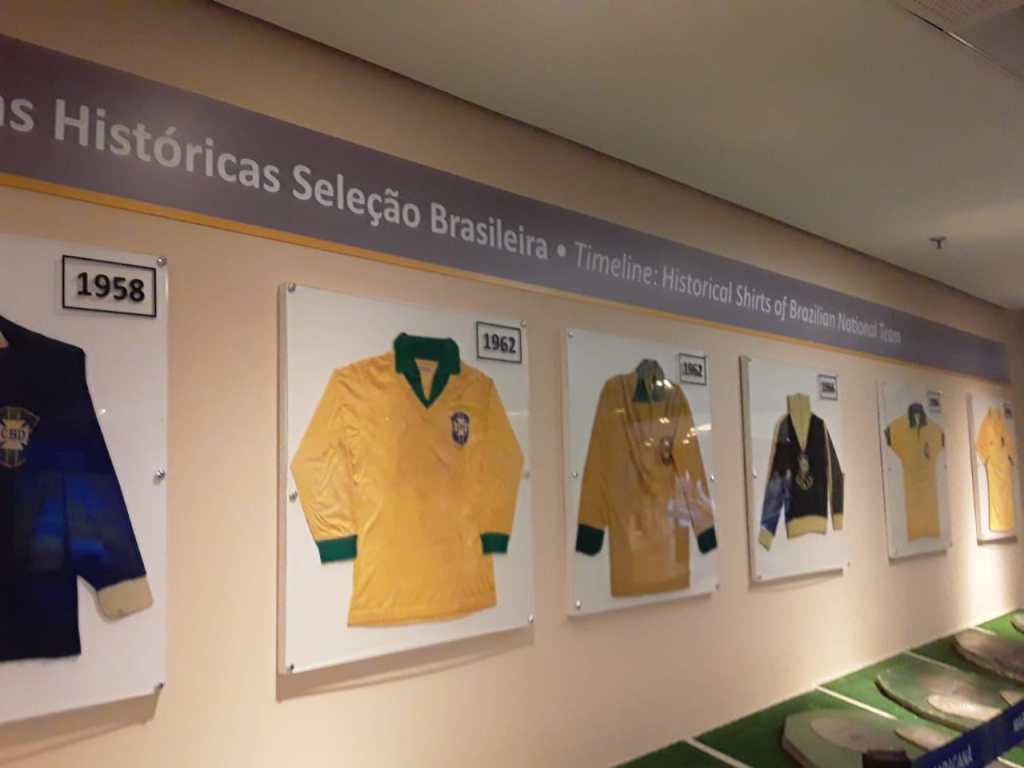
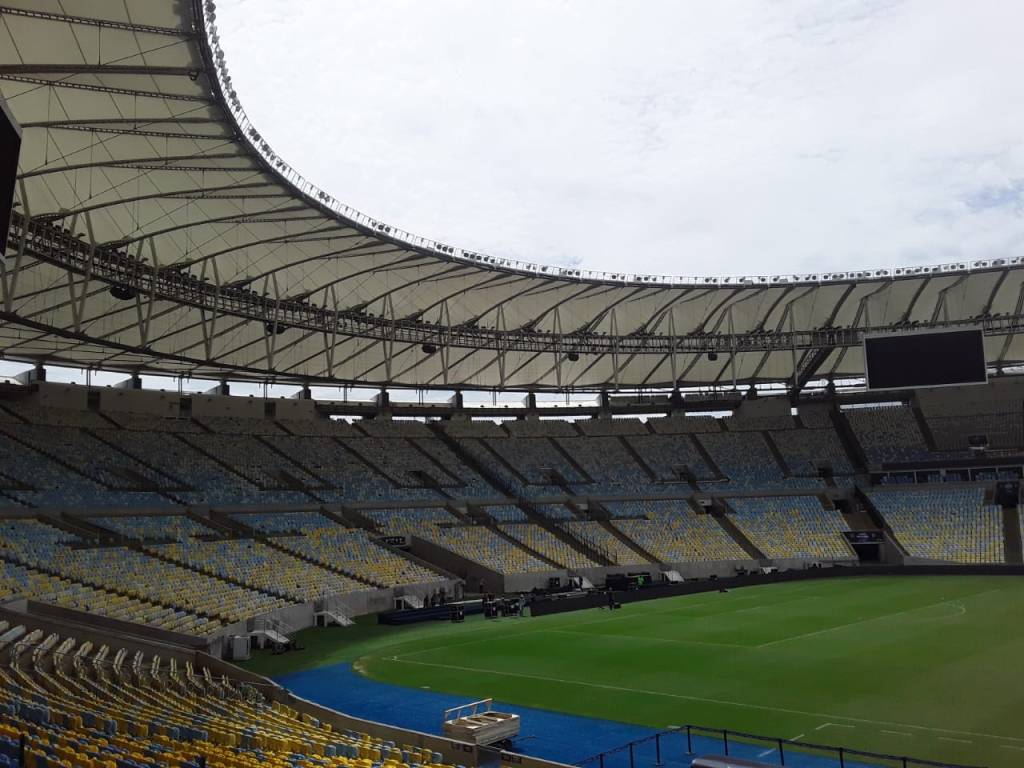
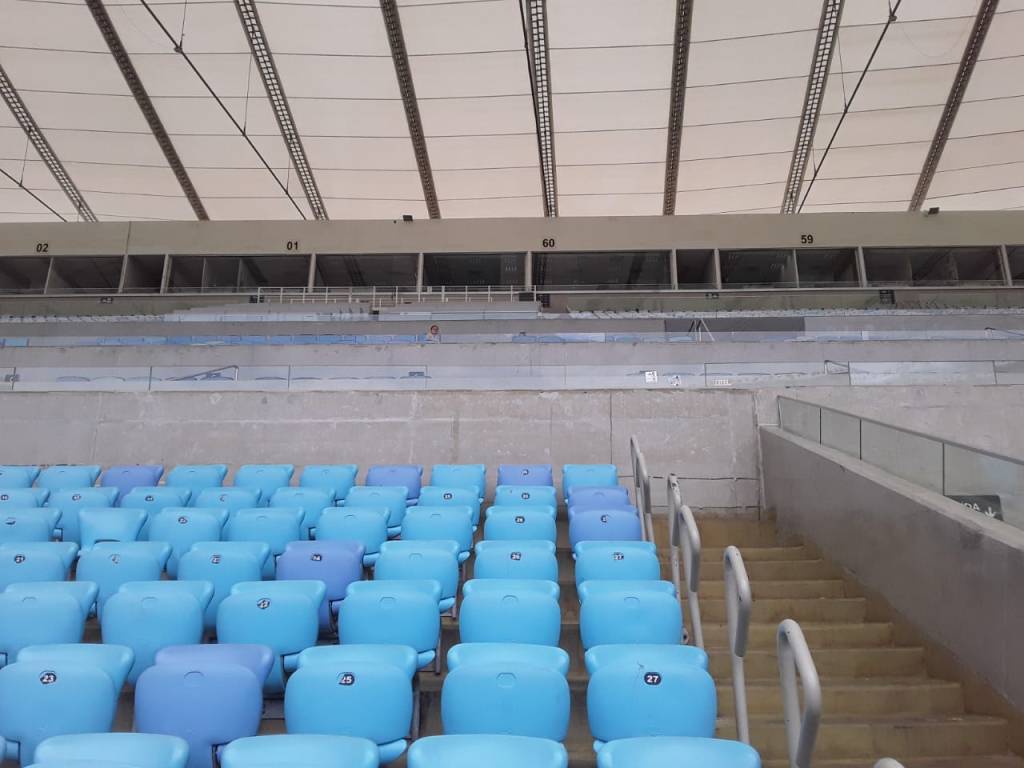
The Maracanã

“One of the most famous football stadiums in the world and which was featured in the 2010 FIFA World Cup in Rio de Janeiro, Brazil.”

Camera: Samsung Galaxy J2 Core

Location: Maracana Stadium or Estádio Jornalista Mário Filho; Rio de Janeiro, Brazil

Steady As We Go

As we all know by now, the world is going through a very tough time right now. Instead of speculating about when will things be back to some sense of normalcy, it would not be right to do guesswork about that as of today. Instead, I think it would be best to remind ourselves of a few things we can do over the next few weeks or months to prepare ourselves both mentally and physically for these challenging times. I would like to give my readers out there some advice which has helped me so far in terms of moving forward with my day-to-day activities and also the larger goals that I have for myself.

  1. Take Care of Your Friends and Family: Now is the time to be there for your family and close friends in any way that you can. Even if you are not in the same city or in the same country, take some time out of your day to call or message them to see how they are doing. If you can do so, try to help around the apartment or house with cooking, cleaning, running errands, etc. This is a time to be close to the ones you love and to be there for them.

Remote work and schooling are important and should be a priority, but you should not forget to make time for those around you and to check in on them. Given how much running around you could be doing, you will likely have more time to reach out to loved ones and really take the time to engage in conversation or have dinner together or just to FaceTime every night before bed. I think it is the #1 priority right now to have during this difficult time.

  1. Look for New Opportunities: Obviously, this is a hard time both employment wise and financially. If you have to find a new job or a new opportunity, do your best to be prepared to find those jobs and work opportunities even if they are not ideal for your long-term career pursuits. In a time like this, it would be best to swallow your pride and expand your availability for jobs that will be coming down the pipeline. You have to do what you have to do within reason to keep the lights on and feed your family. It may be working to stock shelves to delivering groceries or to work as a receptionist but if it comes with health insurance and a decent wage, it may be in your best interest to take that opportunity at least for a few months.

Nothing is permanent and even if it is not a job you want to be doing, consider it a way to build up your resilience and to be helping others especially if the job calls for it. The wider you broaden the search, the better off you will be. You just want to make sure you polish off your resume and your cover letter to update it after a gap of some time.

  1. Be Kind to Others: People are stressed out and worried. You have to act like that is currently the situation and give others the benefit of the doubt. You don’t know what is going on in their lives during this crisis and it’s not something you should be asking about. Be respectful, patient, and kind. Don’t be demanding, rude, or just overall a bad person to others. There is such a thing as karma, and it can accrue in both good and bad ways especially now. I do believe that you should treat others the way you would want to be treated and that is how you should approach life under quarantine.

Tempers can flare with ease and things can get out of control so just be aware of your emotions, realize that nothing is worth a verbal or physical confrontation over (especially toilet paper), and always remember to say please and thank you. It does not cost anything to be nice and you should always leave the house if you have to now with that in mind. Good manners will always help you get through a crisis like that.

  1. Volunteer and Donate If You Can: This is only a suggestion but this is the time to give blood if you are eligible, donate extra food and clothes to those organizations who need it and can vouch as to where the money is going, and also see if you can deliver groceries if you have free time. It should go without saying that you should only be volunteering in public if you have a clean bill of health and have not been traveling overseas in the past two weeks. I have seen numerous remote volunteering opportunities pop up in the past week include video conferencing with senior citizens and asking as a pen-pal for them as they stay secluded at home and could use a friend.

Get together with some friends and put together a spreadsheet of organizations / places in your local town or city that are asking for monetary donations or for food/clothing/supplies, etc. It is a misconception that you need to leave the house to donate or to volunteer. In a time like this, sometimes, people especially the elderly or the solitary just could use someone to talk to or listen to them. I have heard stories of mental health professionals volunteering their time for free to help those people in need and that warms my heart quite a bit. If you are not completely healthy and/or free of symptoms, you should not be volunteering outside of the house!

  1. Stay Home and Wash Your Hands: This advice should go without saying by now, but it should be repeated that you should not be leaving your home unless your job requires it or if you need to pick up groceries or go to the pharmacy. I try not to compulsively wash my hands but it’s better to overdo it than under-do it so make sure you sing the ‘happy birthday’ song twice and use enough soap for the 20 seconds it takes to wash your hands.

If you can go for a walk on your own, it is great to get some fresh air even if it is just around the block. You will need some sunlight (vitamin D) and as long as you maintain your social distancing of 2 meters (six feet), there’s nothing wrong with walking for 10-15 minutes to clear your head and shake off the inevitable cabin fever.

  1. Cleaning, Cooking, and Organizing: A good way to avoid being lethargic during this time is to occupy yourself away from work and/or school by keeping things neat, tidy, or clean in the house or apartment where you reside. Daily tasks like cooking meals, cleaning your room, or organizing your papers will definitely keep you busy. Currently, it’s ‘Spring cleaning’ season so you will have your work cut out for you these next few quarantined weeks if you have not cleaned your place since the beginning of the wintertime.

Who knows? If you found extra items or clothes around during cleanup time, you could perhaps donate them when you’re finished collecting all those things you may not need but may help out somebody else during this tough time. With restaurants closed for the time being and delivery every day an expensive proposition, now is the best time to crack open your old recipe book and take your cooking more seriously.

You may be able to eat healthier now more than ever with the added time to cook and prepare your meals in advance and it is a good way to bond if you have a family or a loved one with you. Organizing extends to your personal computer and devices as well to make sure your files, bills, and documents are in order. Don’t forget to take the time to give your phone, tablet, or laptop a good cleaning too because it is a germ magnet and it would be wise to keep it clean as much as possible.

  1. Get Some Exercise In: Gyms and fitness centers are closed. No more pools, saunas, or even Yoga classes. So, what do you do now? Well, it can be easy to give up on your fitness goals but luckily, we have the Internet and delivery services are still working. You can utilize both to keep working out as there are hundreds of home workout exercises and guides out there now. Most of the information is free to use and easily accessible especially with YouTube videos showing you exactly how to do these exercises.

I believe you don’t need much to do these workouts as most of them can be done just with your bodyweight when it comes to pull-ups, sit-ups, pushups, squats, crunches, etc. If you can spend the money, it doesn’t hurt to get some free weights or some barbells in order to add some weight to your exercises. You can also get creative by doing some Yoga and Meditation with just a simple mat.

Due to the Internet, you can look up practically anything fitness related to create a good 30 to 45-minute workout. As if that wasn’t enough, you can always use your body to move quickly with sprints, hill runs, jogs, or a brisk walk if you can get out of the house for a bit. It won’t be the same as going to a physical gym, which has a ton of equipment and a sauna or other great amenities but it’s better than nothing and it is relatively easy to make the most of it.

  1. Flex Your Creative Muscle: If you have some extra time on your hands now, put it to good use by being creative. Sit down and figure out how best you want to pass the time in a productive way. Perhaps you can learn an instrument, pick up a new language, or even write an eBook or an entire book. Harness that energy into action to make the most of your time spent indoors and without most of the distractions that we have in our normal daily lives.

In the next weeks and months, I am positive that there will be an absolute growth in creative pursuits, both online and offline. There are a number of skills and traits that you can work on almost always for free or if you spend money, it is likely be a worthwhile investment from the right teacher. It is also a great time to develop that business idea or side hustle you have been thinking about but never actually committed to. You can always bounce these ideas off your family and friends or if you are able to do so, try to find like-minded people through your network or your organizations to see what they think of your idea and if it has some potential.

Isaac Newton, for example, worked day and night, when a great plague was spreading around the world and due to the time he had to just sit, learn, and experiment, he was able to come up with the brilliant equations and inventions that helped invent the modern life that we have today. Even if you fail, it is better to have tried and done your best than to have wondered later on, what if?

We will all get through this difficult time. It will be a tragic time in human history, but you will be a stronger and more compassionate person at the other end of this pandemic. There are often things in life that happen that are out of our control. It sucks and it is demoralizing but you have to move on, move forward, and keep on moving. We have no choice but to move on and to make the most of the time that we are given. We owe it to ourselves, our family, and our community to be the best that we can be especially now. I hope you take this difficult time to be caring, be kind, and be productive. I wish you well and hope you are well.

Book Recommendations – Volume VIII

As always, the summer season is an excellent time to be catching up on personal reading. One of my favorite activities during the summer is to lie out in the park or at the beach and dive into some books that have piqued my interest. Whether you are a fiction fan or a non-fiction fan, there are a lot of excellent books out there to keep you occupied. My three choices for reading this summer deal with non-fiction topics yet I hope they peak your interest as well even if you are a fiction fan.

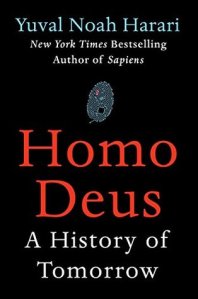
1.) “Homo Deus: A Brief History of Tomorrow” by Yuval Noah Harari

Click Me!

The follow-up to Harari’s first book, ‘Sapiens: A Brief History of Humankind’ dives into the promise, the challenges, and the problems facing humanity as we go through the 21st century and beyond. ‘Homo Deus: A Brief History of Tomorrow’ looks at how human beings got to this point in our collective history and how we will need to come up with new solutions whether political, economic, or social to adapt to this current age of rapid technological and climatic change. Clearly, this book deals with more speculation on the part of Harari as he lays out a number of possibilities that could come about in this century and beyond, rather than solely focusing on past human history as ‘Sapiens’ did.

Harari devotes a large part of the book to the fact at how much progress has been made across humankind in terms of eradicating disease, famine, and also how war has been limited in a time of relative peace and prosperity. The question that Harari poses is what will humanity focus its efforts on now that we have been able to get past in large part major sources of human suffering in the form of disease, famine, and war. Mr. Harari makes the argument that humanity will focus a lot of its collective effort on artificial intelligence, genetic engineering, machine learning, etc.

The goal particularly of the rich and wealthy will be to conquer death and achieve immortality through various means that the author goes more into detail about. However, how will social harmony be insured as artificial intelligence, robotics, and machine learning wipe out a large percentage of human jobs over the next few decades? Will the rights of the individual be maintained when a large part of the population no longer are able to find work or where they can receive adequate educational training for the jobs of tomorrow?

Harari is a sociologist so the details of the actual engineering and technology that would need to occur to make this shift happen is lacking in the book. However, he poses urgent questions for policymakers, economists, and other leaders as to what will happen when ‘big data’ algorithms know us and our desires better than they ever have. How will the meaning of ‘work, leisure, and relationships’ change as artificial intelligence continues to advance? Increasingly, Mr. Harari concludes that humans and machines will complement each other in various ways whether its in education, technology, the workplace, etc. and there can be nothing done to avoid this shift from happening in our lifetimes. What remains to be seen is how human societies react to a future where people must adapt to these technological changes to survive, prosper and how man and machine will act as they merge together beyond what was considered possible just a century ago.

2.) “Us v. Them: The Failure of Globalism” by Ian Bremmer

Click Me!

Ian Bremmer, a notable political scientist has written a new book on the populist resurgence in the United States and around the world. He tackles the failure of ‘globalism’ as an ideology and how unfortunately it doesn’t look like we will all be able to live and thrive in a truly borderless world without political, economic, and social differences getting in the way. The fear of the ‘other’ and the tendency for human beings to organize themselves in separate tribes whether it’s the form of nations, races, and religions takes precedence even today as the reaction to globalism.

Mr. Bremmer makes the argument that ‘globalism’ and ‘globalization’ are separate in their meanings as ‘globalism’ as a term is primarily political in nature while ‘globalization’ is primarily economic. Globalization will continue to expand and thrive because its’ practical for nations to engage in trade and finance at the international level to boost and grow their national economies. As long as it is economically advantageous for nations to trade and do business with each other, globalization will continue to be a mainstay in economic relations.

‘Globalism’ however has received a backlash from the rise of political populism primarily in the Western world (the U.S., the U.K.) but also in Eastern Europe (Hungary, Poland), and also in developing nations like India, Mexico, Turkey, etc. Issues of mass migration, cultural shifts in nations, growing income inequality have led populations to look towards protectionism and ‘strongmen-lite’ politicians to address these systemic issues. In my opinion, Bremmer correctly argues that while the world is collectively doing well in terms of economic growth and the subsequent rise in living standards, there is still a serious political recession going on with far left and far right politicians gaining stream in terms of popularity.

‘Us v. Them’ reflect the growing unease and anxiety that a lot of people have regarding ‘globalism.’ Besides the cosmopolitan populations that live in the major cities of the world and who have benefited from the cross-cultural exchange of peoples, trade, finance, etc., there are many others who feel threatened by the ‘other’ and how their country and culture may be changing as a result. Mr. Bremmer sees the happening of Brexit, the election of Trump, and the rise of strongmen around the world as a reaction to ‘globalism’, and how there are drawbacks in that many people feel left behind by their political and economic elites who enacted these policies without their support. ‘Us v. Them’ is something that has occurred throughout human history and to myself, it goes back to our fundamental nature of our willingness to divide ourselves into separate tribes and to look upon the ‘other’ with suspicion and fear.

According to Mr. Bremmer, political populism is not likely to go away anytime soon and the rise of automation, an increase in artificial intelligence, the weakening of the middle class in both the developed and developing world are likely to put continued pressure on weakening political institutions who may or may not be agile and forward-thinking enough to come up with satisfactory solutions to these 21st century issues.

3.) “Notes on a Foreign Country: An American Abroad in a Post-American World” by Suzy Hansen

Click Me!

‘Notes on a Foreign Country: An American Abroad in a Post-American World’ by Suzy Hansen is a refreshing take on the way American foreign policy decisions have affected the U.S.’s relationships with certain countries such as Iran, Greece, Afghanistan, Turkey, Egypt, and specifically the people who feel that they have been negatively affected by those decisions. The average American is likely to be unaware of how large of a role the country has played beyond its borders and how some of those decisions have left deep, festering wounds in the people of those countries who were directly affected and still haven’t forgotten.

Ms. Hansen who came from a personal background similar to mine has lived in Turkey for over ten years and has traveled to the Middle Eastern countries such as Iran and Egypt looking for the perspectives of those citizens in regards to how America changed their countries, mainly for the worse. Her personal background growing up was very insular and she went to travel and live overseas in order to see her country differently.

From reading this book, it was refreshing to see Ms. Hansen do her research about the countries she was living in and visiting as well as interviewing many people in those countries to hear their stories and their perspectives. I believe that her book does a great job of enlightening Americans about negative foreign policy decisions made in the past that our country may not like to remember but is still forefront in many other countries’ perspective of the United States.

As Hansen left home and lived overseas, her innocence and that of America is stripped away because it’s a harsh truth to face yet it is one that we must all face is that America has not always done good in the world and there have been negative effects of past U.S. foreign policy decisions that heavily resonate with those peoples to this day. The key aspect of this mix of journalism and personal memoir makes this book stand out as a referendum on America’s role in the world, and how its likely to decline in the future. While our impact may lessen on our nations in the future, Hansen sees that as a possible good occurrence do the damage that has already been done.

My main critiques of this book is that while Ms. Hansen diagnoses that issues with U.S. foreign policy, I do wish there was an addition to the book where the author discusses how America can better its foreign relations in the future and to move forward positively with the countries she has become familiar with. However, to be fair, that would take a whole another book to diagnose how U.S. foreign policy should move forward. Also, I believe that this book was a bit too negative in its perspective on America and it could have been more balanced in its overall viewpoint. Ms. Hansen’s book pulls no punches and is a clear-eyed look on the blindspots of American exceptionalism and how our values have not always been well received beyond our borders.

Choosing the Right Travel Backpack for You

You have the money, you have the time, and you have some destinations in mind: you’re ready to live the nomadic lifestyle for a while and travel the world. This may be your dream life but the question is: are you prepared to make the jump? and do you have everything you need to make the journey? Having the right backpack with you could make the difference between having the time of your life or booking an early flight home.

Where’s Your Backpack?

Despite having the money, the time, and the destinations finalized in your mind, do you have the gear that you’ll need in order to complete the journey? Unless you plan on lugging a suitcase through the Andes or the Himalayas, you’re going to need a sturdy and reliable travel backpack. However, thankfully for you, there are more options now than ever when it comes to travel backpacks and they’re not as expensive as they used to be.

There are dozens of backpacks that I could write about but then this article would be ten thousand words total. Instead, I’m going to focus on three great options that you should seriously consider, one of them which that I have personally used during my travels throughout South America and can highly recommend to my readers.

You can check out a number of options if you visit the website titled, ‘Live Once Live Wild’ and see their ‘What is the Best Travel Backpack’? article which you can access here: http://liveoncelivewild.com/best-travel-backpack/. Regardless of which backpack you choose, you’ll have plenty of good options to choose from.

JanSport Katahdin 40L – Best Bargain

If you’re not looking to spend a lot of money but still want to get some good value out of a travel backpack, you may want to consider buying the JanSport Katahdin 40L. This backpack is made out of Polyester material so it can withstand the elements pretty well and it can store a good amount of camping gear as well as a laptop if you’re going to need to do some work when you’re on the road.

There’s a top loading main compartment, a padded hipbelt for comfort, and dual water bottle pockets on the sides in case you get thirsty. The price may vary depending upon which store you buy the JanSport Katahdin but if you go to (goo.gl/MuNVtX) you can get it on sale now for about $55, which is a pretty good discount considering the original price is about $80. While not as flashy as some other options on the market, this travel backpack has a good amount of features that make it worth a look when you’re shopping for a bargain option that still gets the job done.

Mountaintop 50L

If you can’t spend all that much money, the cheapest option you may want to divulge in would be the Mountaintop 50L. The best thing about this travel backpack is the amount of storage for your items and clothes that you can fit in there. You can do a lot with 50L of storage and there are a lot of deep pockets, expendable collars, a big front pocket, and even a hydration system that make up this backpack. It’s also a comfortable fit for your body and back.

There’s a good amount of cushion and comfort for you so that you won’t feel too uncomfortable during your journeys when you are carrying this backpack around. Even though this Mountaintop 50L is one of the cheapest options out there, it’s still a top rated travel backpack that has become increasingly popular over the past couple of years. If you’re looking to buy one of these bad boys, you can go to (goo.gl/dTCNXI) where you can buy one for only $45, which is extremely affordable compared to other options. As if that wasn’t enough, you can buy the Mountaintop 50L in different colors including red, blue, green, gold, etc.

Osprey Farpoint 55

A personal favorite of mine that I have used during my recent travels in South America is the Osprey Farpoint 55. Depending upon how big you want your backpack to be, Osprey has you covered by offering the average traveler the Farpoint 40, 55, and 70. The bigger your Osprey is, the more expensive it’s going to be to buy. Osprey’s are top-notch quality but they are among the costliest backpacks on the market. However, in return, your Osprey backpack will last for years because of its’ high quality. It’s made entirely of polyester, is resistant to most weather elements, and comes with a lot of storage and space including an extra daypack bag that’s attached to the front of your Osprey backpack.

You can choose from three different colors and you can find the price for the Farpoint 55 at (goo.gl/z3EvQc). As noted, the price of this backpack can range from $160 – $190 so it’s important you make sure to save some money up before you go ahead and click the ‘buy’ button.

If you want to check out some more backpack options for travel, go to your local camping store and it’s likely that you’ll find what you’re looking for. I hope you choose the backpack that you believe is right for you and I’ll see you out there on the road.