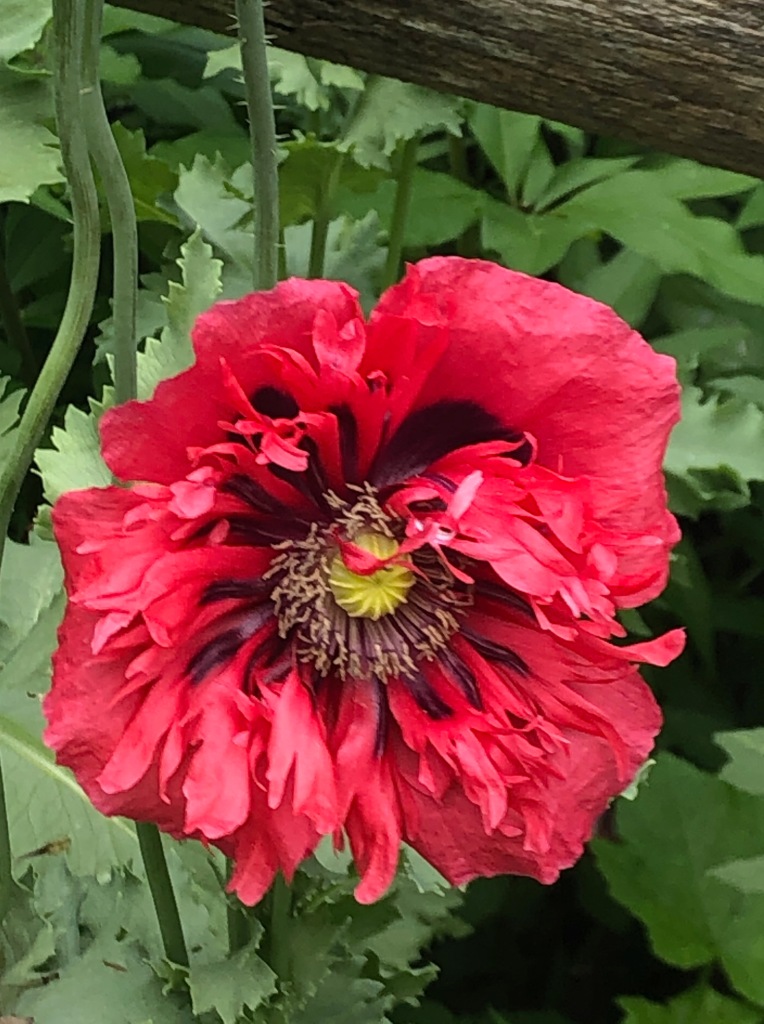
Camera: iPhone 12
Location: Paranoa Lake; Brasilia, Federal District (DF), Brazil









Camera: iPhone 12
Location: Paranoa Lake; Brasilia, Federal District (DF), Brazil



















Camera: iPhone 12
Location: Pirenopolis, Goias, Brazil
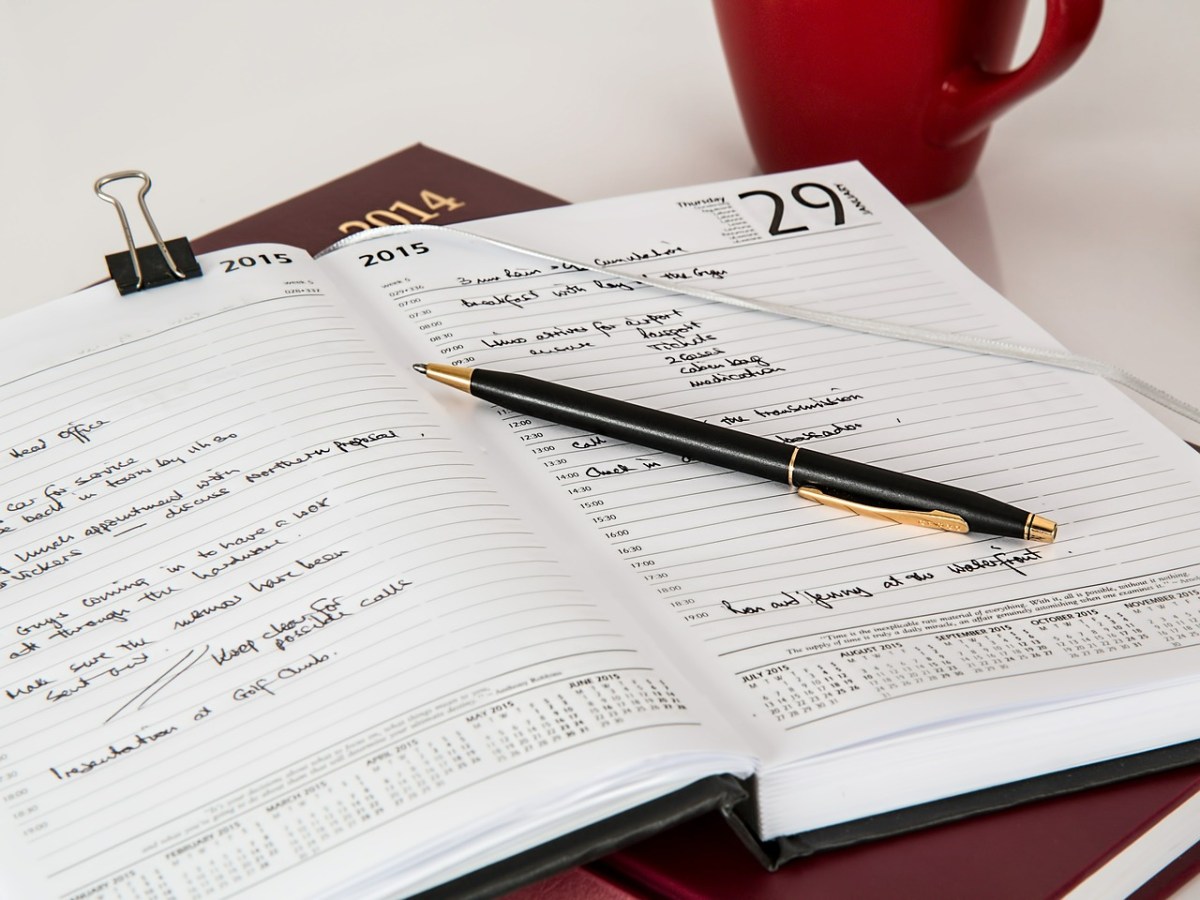
“Staying on top of the things in your life from finances to exercise to managing your home are all ways to have peace of mind. There are a lot of things in life we have no control over so I encourage you all reading this article to put those things you can control on your to-do list each day and each week.”
It can be hard for a lot of us these days given what’s going on in the world. It is easy to be stressed out, anxious, and generally worried about the future. I would say that on the whole people don’t do well with uncertainty and not knowing what the future holds. It can be quite daunting not know what will happen a month from now, six months from now, or even a year from now. When I think of myself who prefers certainty and planning things out on a week-by-week basis, it can be frustrating to have to change or amend plans due to lack of feasibility or to remember that the world has changed, and you have to adapt to it.
Instead of fighting an uphill battle against the various changes going on in our society right now not alone to due to the pandemic but other economic and social factors, you have to learn to swim with the tide and to adapt as best as you can. Part of doing that is also knowing what it is strictly under your control each day and exercising that kind of control as best as you can. Given a lot of things in our lives now are out of our own control, the best way to combat that fact is to stay on top of the things we can control and to do them to the best of our abilities.
As I’ve mentioned in a previous article about the common-sense kind of wisdom of U.S. Navy Admiral William McRaven, who said that the best way to start your day is “to make your bed” and it relates to having a sense of control in a world where we often lack control. It is also a larger part of staying on top of things or tasks in your life that will always need your attention and won’t get done without your effort. Making your bed is a good habit to build each day and will make you feel better right away for taking action over a thing that you have direct control over.
Other things involve getting enough sleep each night (7-8 hours preferably) and managing that aspect of your life well so you can perform better in your work or schooling. Staying on top of things also involves our diet and our exercise routine. These things are more open ended but establishing what is a good diet for you, buying the food items each week that contribute to your diet, and then cooking the meals to reflect that diet are important things to stay on top of in your life. The general guidance for exercise is 3-4x a week and I’ll leave it up to you to decide how you exercise whether its weightlifting, yoga, running, sports, or even martial arts. The important thing to do is to keep track of how much exercise you’re getting each week, how consistent you are being with it, and whether you are seeing any improvement(s) in your life based on your exercise regime.
I also want to prioritize the importance of control over one’s domain or where you are living. You will feel better when your place is clean, when things are organized, and when you are not living in a place that is messy and unkempt. Part of being a responsible adult is to independently take care of yourself with your grooming, your appearance, but also your abode. Don’t let another thing that you have control over fall by the wayside. Take the necessary time to clean and to tidy your place up from the bathroom to the kitchen to the living room. Your self-esteem will be raised from doing that and you’ll be better off for exercising control of your living space, which is an important place where now we are working from more often and also studying from in this time of the pandemic.
When it comes to staying on top of things, it means making sure too that you are managing your finances whether it’s saving more money, not spending beyond your means, and recording your budget on a weekly or monthly basis. Financial management is a key thing to stay on top of and it will help you to organize your life in another necessary way. It is also a way to be in control because it’s your money and only you know where it’s going each month and how much money you have available to you.
Our own relationships with friends and family members are another aspect of our lives that we often overlook our control of. We can choose to associate with people who value us, respect us, and care about us and I would say that it’s important to prioritize those people, whether family, friends, or general acquaintances who value not only our time but who we are as human beings. You can control who you give your time and effort to in relationships and it’s important to exercise that right to let those people into your life who treat you well, who like you for who you are, and don’t try to belittle or demean you.
Lastly, I do want to mention that beyond taking care of your bed, your sleep, your diet and exercise, your finances, and your relationships, you have to take care of yourself. Mental health is extremely important as well as physical health these days and it’s important that you make time in your life to check in with yourself, to go easy on yourself in terms of not beating up on yourself too much for past mistakes. If you need to meditate or treat yourself to a movie or a video game or a hike on your own, I believe you should do so. If you need to talk to someone about your mental health in a private manner, I encourage it as well. Talking to a licensed professional is something you always have control over so you should feel free to do so if you need to help your mental health. There is absolutely nothing wrong with doing that and it should not carry with it any kind of stigma or reservation.
Staying on top of the things in your life from finances to exercise to managing your home are all ways to have peace of mind. There are a lot of things in life we have no control over so I encourage you all reading this article to put those things you can control on your to-do list each day and each week. Please make it a priority to handle those pending things in your life that you alone are responsible for and don’t let these small things pile up.
You will feel better and happier for handling the small things well before you take on the big things. If you want to make a difference in the world, start by making a difference in your own life and see how that positive momentum will carry you forward. If you can handle your own business successfully, you will gain more confidence and be more self-reliant, which are positive traits when it comes to handling uncertainty, unease, or the inability to know what the future holds. Take things on one day at a time and do the things you can to the best of your ability as often as you can.
“Part of the beauty of the English language is the diversity amongst the countries where it is the primary language of communication. Like many other languages around the world, there are different accents, words, and expressions unique to that particular country where it is the primary language.”
Part of the beauty of the English language is the diversity amongst the countries where it is the primary language of communication. Like many other languages around the world, there are different accents, words, and expressions unique to that particular country where it is the primary language. There’s a popular saying that goes: “The United States and the United Kingdom are two nations separated by a common language.” It is a funny result of the quirks, changes, and adaptations that come with being separated by a natural border such as an ocean or a man-made border. However, it goes to show you that a language can be molded over time by a culture leading towards small yet noticeable differences in the words we use, the phrases we say, and even the way we spell individual words.
In this article, I want to focus on the different words and spelling that while similar are not the same between the U.S., U.K., and Canada. I believe an English language learner should be familiar with these differences in spelling and vocabulary to build an even richer understanding of this language and how it can differ by country. While Australia, Ireland, New Zealand, and South Africa also have their own differences from the United Kingdom, I find that the former colonies of Great Britain have followed the UK in terms of the spelling and vocabulary used.
Canada tends to be similar in some ways to the US and in other ways similar to the UK so I would call it a mixture of the two countries, and you will see why this is the case in a chart detailing both these similarities and differences. I will analyze the chart a little bit and ask you to think about other words and phrases unique to these three countries and how you have come across them in your own studies or travels.

From this ‘International English Spelling Chart’, we can see some slight changes to the spelling of multiple words with each country being different from each other (color-colour, center, centre, defense-defence). As you can also make out from the spelling chart, there are certain words that the US is alone with using such as ‘gray’ compared to ‘grey’, which is backed up by Canada, the UK, and Australia. However, the UK is alone with using ‘globalisation’ whereas you have Canada and the US using ‘globalization’ with the change from ‘s’ to ‘z’ instead. This is also the case with ‘aluminum’ (Canada/US) compared to ‘aluminium’ for the UK.
Also, this spelling chart indicates to us that Canada is aligned with the US on some words in terms of spelling and aligned with the UK on other words. You never see Canada with its own spelling where they are alone in usage, but you do see that for the US and the UK being unique in their own spelling with Canada siding with one mode of spelling over the other version.
With the exception of the word ‘concert programme’, Australia and New Zealand (not featured) are totally aligned with the United Kingdom on each word presented above in terms of spelling highlighting their common history together and cultural heritage ties.
Most of these spelling changes are quite minor in difference and usually are either an addition of a letter such as a ‘u’ (color (USA) –> colour (UK)), or with an ‘i’ (aluminum (USA) –> aluminium (UK). They can also involve simply switching one letter in the word to another as we see with defence (UK) –> defense (US) with ‘c’ becoming an ‘s’ or globalization (USA) –> globalisation (UK) with ‘z’ becoming an ‘s’ with that change. Besides adding a letter to the word or changing one letter for another, these spelling changes among English of different variants according to country origin are quite minor. Although spelling changes are few and far between, differences in vocabulary words are greater when you compare the U.S. and the U.K. especially.

While the American / Canadian English tend to use the same words in a common vocabulary, British and American English words differ fundamentally in terms of word meanings and word usage. Still though, given the expansive list above, you realize just how rich and varied the English language is. Even if you are an American or if you are British, learning the dialect of each other’s country may require a bit of time and translation work. Despite sharing the same language, we don’t always share the same words, or the same meaning tot those words. It is important for both native and non-native speakers to familiarize yourself with the different dialects of the English language even if you’re not living in that country.
If you are planning to travel to different countries of the English-speaking world from Toronto to New York or from Los Angeles to Sydney, you should take the time to study the vocabulary sheets to know the difference in word usage as well as the slight spelling changes from other words that the charts above cite. When you adapt your English language skills to the local dialects, the people in those towns and cities will be quite impressed and it will make it a more fun trip or stay for you to use those common expressions or slang that will help you interact with others and even make a new friend. Please take some time to review these charts I have shared with you and try to use these different vocabulary words from each country in written sentences to help you understand. Don’t be shy also in pronouncing each one and being aware that while the meaning is the same, the word used by country is different.
I would just ask you to remember though not to get them confused and end up saying ‘chips’ in America when you meant ‘fries’ while ordering food or when you ask the kind British police officer for help in opening the ‘trunk’ instead of the ‘boot’. Those accidental cultural faux pas can be hard to avoid especially when you’re not from that country originally which is why it’s important to learn about and study these spelling and vocabulary distinctions that make the English language such a diverse and rich one in the world.
“Having self-awareness shows that you also have the right personal values that will make it easier for you to get ahead in life in terms of your character.”
Self-awareness is a key character trait that will improve your relationships with others and also improve your relationship with yourself. Having self-awareness shows that you also have the right personal values that will make it easier for you to get ahead in life in terms of your character. Achieving self-awareness takes a number of traits to embody such as showing wisdom by working to understand yourself and your own actions. You have to understand how your actions affect others, both positively and negatively, and to also take responsibility for those actions in both cases.
Beyond wisdom, you have to be honest about what you are capable of and what you need help with including your abilities at work or at school. You want to be able to keep your ego in check and to know your own limits but to be able to work on pushing those limits. This is also a key part of having self-awareness. There are key differences between being confident and being cocky and a self-aware person knows the differences between the two traits. You should show confidence but know how that confidence is coming across to others and to be open to receive feedback even when it can be critical at times.
A confident person knows their strengths but also knows their weaknesses and will make those traits aware so that others know what you can do and what you cannot do. Being aware of those strengths and weaknesses will make you humbler and more open to learn from others. Admitting to others that you have weaknesses and that you have strengths openly will garner respect and help from people who will know that you are not perfect and that you always have things to work on to be better and to do better.
Humility and self-awareness go hand in hand too. Being self-aware means owning up to your failures and shortcomings and not blaming others for them. Taking responsibility for yourself and your actions is a key part of being self-aware. You applaud and recognize other people and do not take all of the credit yourself, which is what happens most often in life that you cannot take sole credit for an accomplishment, but with which is achieved through the mentorship and support of others. Showing humility and being humble are key parts of being self-aware and having that personality trait be made known to others through your actions and your words.
A self-aware person can exercise wisdom, be honest, show confidence without being cocky, and displaying humble actions and words to get others to support you and be a friend to you. Arrogance, dismissiveness, immaturity, and dishonesty all show a lack of self-awareness and I would argue that not being straightforward and direct with people will often hurt you in the long run because they will not know where you stand. Being able to self-reflect and look inward to what you did and why you did it will help you to become more self-aware in retrospect even if you do not practice self-awareness in the moment. Ideally, you would like to be self-aware at all times but if you are not self-aware at the present moment, at the least, you should try to be self-aware about the past for better or for worse.
Self-awareness and self-reflection go hand in hand so you must be able to so some self-reflection in order to be fully self-aware. Actions speak louder than words, so you need to make sure that the actions you take offer some space for some self-reflection afterwards. It’s critical that you know how to practice self-awareness in your actions, and I would like to give a few examples below.
Self-awareness in practice means also knowing how to apologize and being aware of your actions when they have caused harm or anguish. If you do not say ‘sorry’ or give an apology, it means you have a lack of self-awareness and other people may not want to be around you knowing that you do not take accountability for your actions. On the other hand, you do not want to react with anger or other strong emotions in order to get what you want. Remaining calm, cool, and collected is much needed as well when dealing with others. You should not ever be insulting them when they give you some feedback that you may not want to hear but it’s in your best interest to take it into consideration.
As mentioned earlier, you should not pretend to be a know-it-all and you should be self-aware to know the limits of your knowledge as well as your skillset. In life, you should not be afraid to reach out to others for advice, counsel, mentorship, or for them to teach you things whether that is a new language, a job skill, or a sport. You will never be the expert on everything, and it is not wise to pretend you know everything as that will cause other people to see that you are arrogant and too egotistical.
Being honest and direct with others should be done politely and tactfully. It is better for others to know where you stand than for them to be guessing where your head and heart are at a lot of the time. The feedback that you give should be genuine and the feedback that you receive from others should be taken into consideration even if you don’t agree with it. Being defensive, attacking the person who criticized you, or getting too emotional about it will look bad in the eyes of others and hurt your ability to work with other people.
A self-aware person knows where and when they need help, how they can become a better person, or always striving to be as empathetic as possible. You should want to put others in your shoes and vice versa to be emotionally in tune with other people (related to having a high level of emotional intelligence). Above all else, you want to stay true to yourself, to your family and friends, as well as knowing what your core values and principles are in life. You should always put yourself on the path to succeed while not stepping over anyone to get there.
Being self-aware will make you an emotionally healthier person, allow you to form healthier relationships, and also be able to form better friendships at work, at school, or elsewhere. You want to value other people and not ignore how they feel but to recognize their emotions and understand where they are coming from without dismissing their views outright. Self-awareness is not an innate trait in the sense that we all have it equally. It has to be worked on, fostered, and built up over our lives.
You need to be consistently aware of your behavior, your emotions, and how they play off on other people. It comes down to having respect for others, being humble in your demeanor and your abilities, and also knowing how to behave responsibly and without letting your emotions control how you act all the time without regulating them. Self-awareness is a really important personal trait and has so much value that you must be willing to work on it day-in and day-out to become a better human being.
“When you are first starting out in reading the English language, it’s important to incorporate reading materials into your weekly habits.”
When you are first starting out in reading the English language, it’s important to incorporate reading materials into your weekly habits. It is a necessary complement to your learning and will help flex that muscle needed to retain both the grammar and the vocabulary that can drive your overall proficiency forward. It is not so much which reading material you choose but the fact that it should be appropriate for your reading level as a whole.
For example, it would not make sense to try something very difficult because you think you will advance that much quicker. Often times, if you go beyond your reading level in English, it will often cause an unnecessary step back and you will waste precious time in trying to understand a level of vocabulary and grammar that you are not yet ready for. It is often better to be err on the side of caution in terms of selecting multiple reading materials that you find yourself comfortable with and will challenge you yet you know for sure what the material is about and you can interpret the meaning and explain it to a teacher or a colleague.
If you are a beginner in the English language, I would start off your reading adventure with short poems and short stories, not more than a couple hundred words. Even if you are an adult as well, children’s books are a great way to get more familiar with the language level that you are currently at with basic vocabulary, phrases, and grammar principles. You may also want to read fliers and short email examples as well to become aware of the structure of those forms of writing.
I would also recommend short letters written about different subjects such as sports, weather, the daily habits someone has, and about going shopping or out to eat. It is key to read these short pieces of writing twice or three times to really understand the full meaning of what is being written. You may also want to read the story, the poem, or the letter out loud to work on your own pronunciation too to feel more comfortable absorbing the vocabulary that you are learning. A beginner should not be reading anything more than a few pages in length and at a very low vocabulary level. Preferably, a children’s book, a short email, or a quick poem are best for beginners in this sense.
For the intermediate learner, it is important to challenge yourself more and depending upon one’s age level, there are different options to consider. I encourage students who are younger to choose comic books, short stories, and even short mystery novels as well. Older students may enjoy reading magazines about sports, news, and even fashion depending upon their interests. I also encourage becoming more familiar with reading current events and news articles and being able to explain them to the teacher or to a friend.
Adding on to the difficulty means reading longer reading passages as well as longer letters or poems as well at any age group. You want to make sure that the reading level is higher so instead of at a 1st or a 3rd grade level, you should try to read materials that are at a 5th or an 6th grade level and perhaps up to an 8th grade level. Perhaps most importantly, at the Intermediate level, you should be able to hold a conversation about the topic you just read and to explain the main ideas and supporting ideas of the piece you read. Lastly, with your vocabulary, I would encourage being able to explain too your point of view for an article, what you thought about it.
The advanced learner should be at the point where they can read full books, magazines, and longer-form pieces of writing of at least a few thousand words or more. They should be able to understand and interpret vocabulary at the high school level. Depending upon which English-speaking culture they would like to learn more about, they should do their best to become familiar with writers of different backgrounds and be able to read successfully in a few genres, both fiction and non-fiction.
Reading and interpreting different kinds of texts that deal with different subjects and modern-day issues is also a key part of advancing in the English language. You should be a flexible enough reader at this point to be able to handle different types of reading that is longer than the other levels. From a 500-word poem to a 2500-word article to a 100-page book, being able to handle these types of reading at a high level will set you apart from the beginner or intermediate levels that you used to be at.
Another key to this advanced reading level is one’s ability to speak and write about what you just read with accuracy and by utilizing some advanced vocabulary and phrases learned from these reading exercises. If the professor or teacher were to assign you a persuasive, narrative, or argumentative essay for you to write about your reading assignment, you should feel comfortable by this point in doing so across a number of genres.
‘Building blocks’ take time to assemble and the same goes for building up your reading prowess. Again, it is necessary to start slow with short forms of writing from poetry to a short story to a quick email and then work your way up to a long article or a magazine and then on to the full novel or book that may take a month or two to finish. Getting better at reading in English is a key skill to have and is necessary to boost your proficiency and to do so in a comprehensive manner. It is not only true that your reading skills will get better the more consistent and driven you are with each page but your speaking skills should also improve and your writing abilities will be complemented if you can analyze, interpret, and describe what you have just written in your own words.
Patience is a virtue and reading are the biggest part of that quality when it comes to developing your English language skills. You may show quicker gains with speaking or writing but the long-term success of your English proficiency will be determined about how well you read, how you understand the reading, and what you can tell others about what you have read.
“However, while staying outdoors will become less and less pleasurable, this is definitely the time of the year to dive into your reading and to get back into the swing of things when it comes to reading good books.”
The end of the Summer is always a bittersweet one. With mixed feelings, August turns to September, fall season will soon be upon us and the daylight will become shorter while the cold weather is drawing near. However, while staying outdoors will become less and less pleasurable, this is definitely the time of the year to dive into your reading and to get back into the swing of things when it comes to reading good books. Colder weather, shorter days, and back to work / school will cause our minds to re-focus our attentions on the tasks at hand in our lives but we should not forget at night or on the weekends to kick back, relax, and enjoy a good book.
These four books that I’ve chosen are all non-fiction, but they tackle different subjects and are relevant to different academic or personal interests such as history, sociology, travel, or entrepreneurship. Each author brings something different to the table as well and the writing style is different along with the kind of narration you can expect. I can definitively say that each of these books is educational and you would not go wrong with reading any of the following books in the upcoming Fall season.
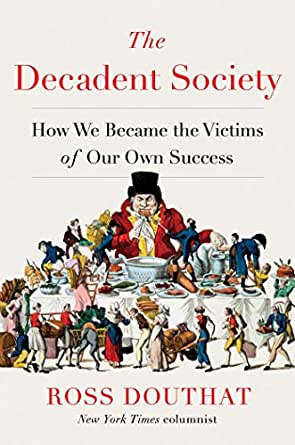
New York Times op-ed writer and author Ross Douthat is not optimistic about the future. Given that the present involves polarization, stalemates, and a lack of technological innovation, what does humanity have to look forward to? That is the main argument of Douthat’s book ‘The Decadent Society’ on how we may have reached the limits of our own ‘progress’ and that modernity is less fulfilling than we thought it would be. Douthat’s view is that our current culture, innovations, and motivations like originality and that we have become too complacent as a society.
Douthat cites falling birth rates, more reliance on video games / virtual reality, lack of new businesses being started along with increasing government dysfunction leading us all to be ‘comfortably numb’ as the famous Pink Floyd song goes. Douthat’s diagnosis of our current cultural and political malaise is quite convincing from citing Star Wars remakes to the fact that the Trump and Clinton families have stayed relevant for decades in politics with a lack of a fresh face to get us out of our national ennui.
While our ‘modernity’ has left us more comfortable than satisfied, Douthat struggles to mention ways that we can get out of the malaise or the needed policy or cultural changes that should take place to push our horizons more and our boundaries as a society. This was my one main gripe with the book as in the 2nd half or towards the end, a little optimism or forward-thinking would have gone over well but perhaps that was done on purpose. Douthat is not optimistic that much will change in the future and that perhaps it is best to accept our current ‘decadence’ as being set in stone or perhaps to prepare for a fall from grace that would shake more of us out of our slumber. I hope either scenario is not the case. ‘Decadence’ in my perspective gets boring after a while and human beings are creative and innovative at our core so hopefully our current malaise is not permanent as Douthat argues but rather a temporary blip on human history.
2. Elon Musk: Tesla, SpaceX and the Quest for a Fantastic Future by Ashlee Vance
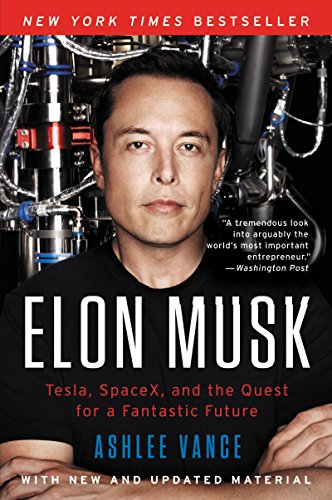
Perhaps the great ‘irony’ of our age will be that a President or a Senator won’t be the one to lead us out of our current decadence. Perhaps it will instead be a foreign-born entrepreneur who rose from nothing to build multiple successful ventures that could transform the way we transport ourselves and how we interact with the cosmos. Entrepreneur Elon Musk may be the one to help lead us out of decadence and he seems to be on the way to making a dent in the wall that prevents us from creating the future. As many people don’t realize, Mr. Musk did not have an easy childhood, moved around multiple times, and even was a mediocre student at times but what he has that all entrepreneurs need is grit, resolve, and determination. To create something out of nothing and build your vision to make it a reality is where Elon has succeeded where many others have failed.
Musk clearly did not do it on his own whether it was Zip2, PayPal, or SolarCity but he was able to create a team and even companies to carry out his lofty vision. His tolerance for risk as an entrepreneur both financially and personally is simply beyond most people’s comprehension. Elon Musk is an entrepreneur so dedicated to making his companies a success that he will pour millions of dollars from a previous venture into his next one to ensure its longevity. Elon is currently the third richest person in the world and this autobiography gives rare insight into what it took for Musk to get to this point today with more than two decades of setbacks, failures, and even a few lawsuits here and there to overcome.
Ashlee Vance does an excellent job highlighting who Musk is as a person, what drives him, how his childhood and family affected him, who were the people around him, how could Tesla and SpaceX change life in the future and how big of an impact could they really have. Vance is illustrative in showing the whole of Elon Musk, both the good and bad, of the visionary entrepreneur. While he disdains any notion of socialism in government policy, he has received millions in government subsidies to help his businesses; His commitment to succeed can sometimes cause him to fall out with others who feel they were not treated well or were not given the recognition that they thought they deserved. A good biography shows both the triumphs and the warts of a man and this one is no different. Overall, this biography is an excellent look into the man behind both Tesla and SpaceX who continues on his quest to change the world by molding its future.
3. The World: A Brief Introduction by Richard Haass
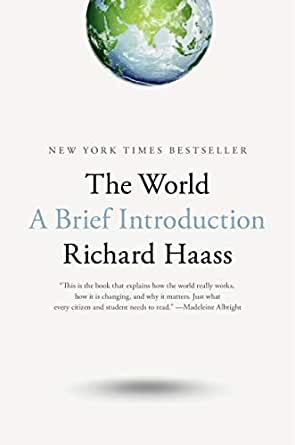
This book is a love letter to International Relations in 2020 (pre-COVID) by the President of the Council on Foreign Relations Richard Haass. For those new to this field, it is a very enlightening and comprehensive book to ground someone especially in high school or their 1st year in college to know about the basics of the world in terms of foreign affairs and what are some of the main challenges of the 21st century for nation-states. While primarily a guide to the world for those new to international relations, I found that it is a good refresher for more advanced or experienced students of international affairs.
I enjoyed the historical overview, the breakdown of the regions in a succinct manner, and the number of economic, security, and development challenges that the world is grappling with at the beginning of the third decade of the 21st century. Richard Haass would definitely be an excellent professor to have in your Introduction to International Relations / International Relations Theories and this book would be a good starter text to have.
Clocking in at around 400 pages total, no major detail is spared, and no region of the world is left uncovered. If you are not familiar with an issue in IR or a region where you don’t know the culture or the language, Haass’s book is a good way to familiarize yourself and to stay up to date with what is going on regionally or thematically. For those of you in high school interested in the world and geopolitics, this book is a good place to start. For those of you starting college and planning to major in international relations, it is likely you will be reading this book not before too long.
4. Ten Years a Nomad: A Traveler’s Journey Home by Matthew Kepnes
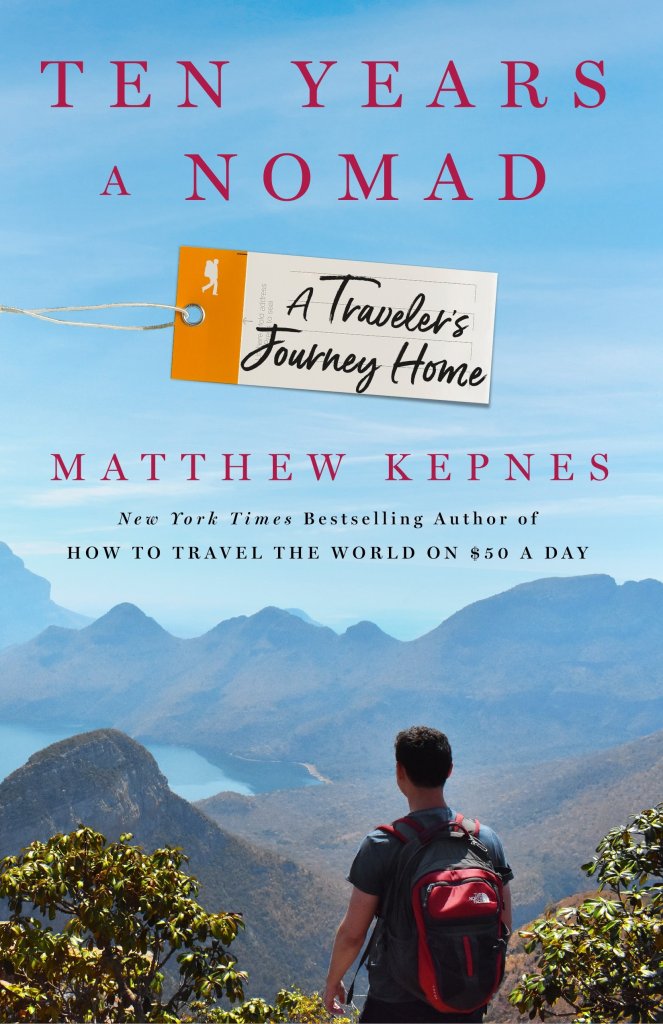
Home is whatever place you can find yourself comfortable in over a long enough period of time. I remember reading this piece of wisdom in Matthew Kepnes’s book and finding it to be quite the piece of truth. As a fellow traveler and shorter-term ‘nomad’ myself, Matthew’s travel memoir appealed to me because of its raw honesty and vulnerability. Life at home is comfortable but it can get dull and repetitive. Life on the road is new and exhilarating but can also lead to a sense of fatigue moving from place to place without settling down roots or losing friends and relationships as you feel the call to move somewhere else.
In my experience, Travel memoirs can be rather hit or miss but this one by Mr. Kepnes is on the mark in terms of the ups and downs of long-term travel and also about staying in a country for a year or more. I was personally away from home in my 20s for over three years and I can only imagine how ten years on the road would fundamentally change who I am, what I value, and how I want to live my life.
I really admire Matthew’s deep understanding on the joys of travel and how lucky we are to be on the road when we can. Travel is a privilege that especially now, we tend to have taken for granted. Once you get started on the path outside your town or country, it can be impossible to put the genie back in the bottle. That nomadic yearning to live life on your own terms, on your own pace is a flickering light that can burnish again with renewed intensity often times when we least expect it. This memoir highlights how rewarding travel can be, how much it can develop your personality and your worldview, and why it is so important to listen to your gut at times to know what you want in life.
Some of us travelers are meant to have one foot out of the door at all times and when we stay in one place too long, we tend to get stir crazy. I think what Matthew learned is how important it is to find that balance of being a nomad at heart but finding roots somewhere while keeping the freedom he gained over many years of hard work of being an independent writer, a recognized travel expert, and an overall creator with an ability to work remotely, which may becoming more and more common into the future.
You may think starting the journey is the hardest step to take when you’re going out on the road, but I find it’s true instead how coming home is often the hardest thing you’ll do when the journey comes to an inevitable end at some point. The good thing that Matthew notes in his memoir is that the nomad or the traveler is always within us even after the journey ends and that eternal flame can be rekindled making it easier and easier to get out on the road in the future to have more journeys without feeling that fear of the first step as happens on the first journey out of our comfort zone.




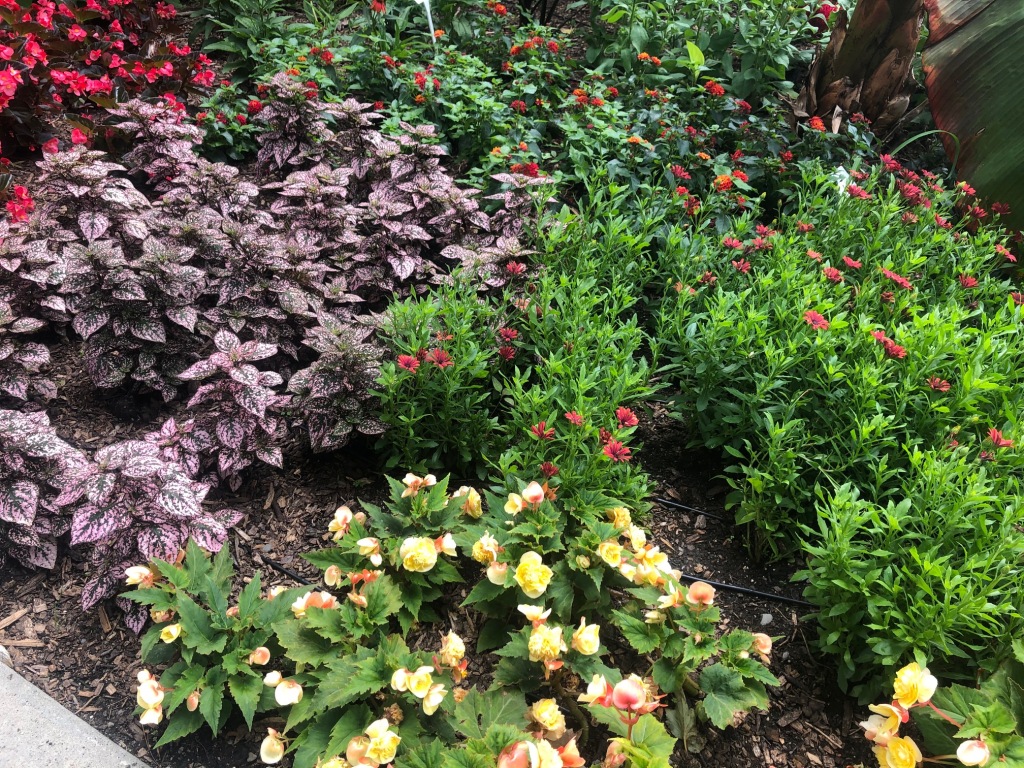


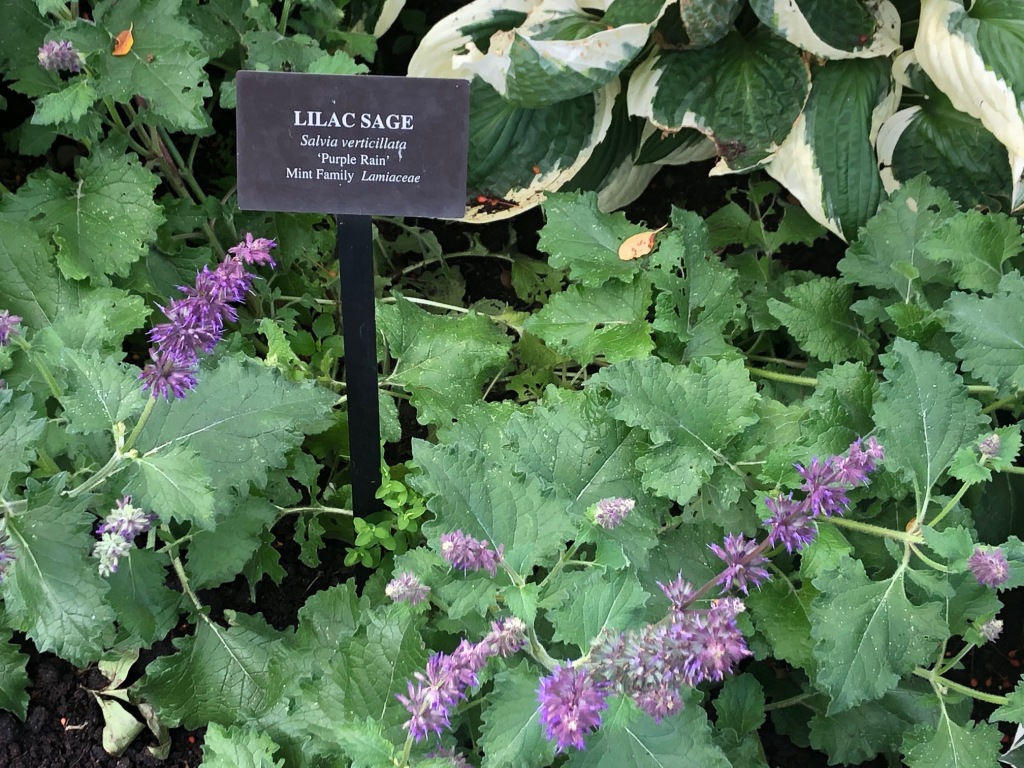
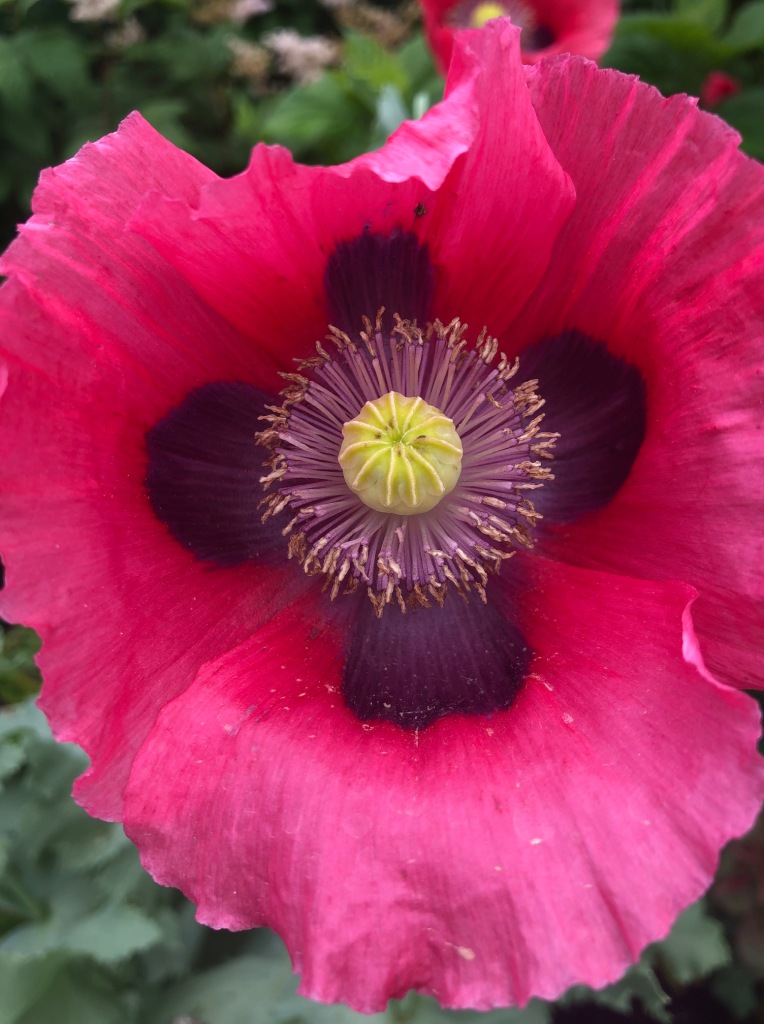
Camera: iPhone 8
Location: Cornell University; Ithaca, New York







Camera: iPhone 8
Location: Cornell University; Ithaca, New York
“One of my favorite expressions in the English language: “Don’t rest on your laurels” means to not be complacent with what you have done and to keep moving forward.”
Complacency is the killer of any sustained success. What you have done in the past is in the past. Unfortunately, you cannot rest on your laurels for very long. One of my favorite expressions in the English language: “Don’t rest on your laurels” means to not be complacent with what you have done and to keep moving forward. Success is only temporary and while it can be lasting, if you don’t sustain what you’ve done to accomplish more, you may find yourself back at square one. You can be satisfied with your achievements and recognize them, but it is not wise to continue relying upon them when you need to be aware of what you have to do in the present and in the future.
With the current pandemic not going away anytime soon, it can be difficult to resign yourself to going with the flow, staying housebound, and waiting for things to become somewhat normal again. However, it should not be used as an excuse for you to let yourself go mentally or physically. Even if the first half of the year was a total wash for you and you put your own goals on hold, you still have a good chunk of the second half to make progress in whatever you set your mind to. Even though you may not be able to have fun as much as you like, this is a great time to reassess what is truly important to you, who truly matters to you, and how you want to be into the future. We all have extra time to think now and while that may feel like an undue burden, there is an opportunity in there to seek out what you are hoping to accomplish and will keep moving you forward during this unprecedented and difficult time.
Not resting on your laurels may sound difficult right now but it may be the perfect chance for you to move forward, to accomplish personal tasks that you’ve been putting off, and to pick up learning something new that you’ve been meaning to but never had the time before quarantine began or before you were resigned to staying at home more than you would have liked.
Each person is going to have their own set of goals and hopes but the main thing to keep in mind is that you have at least one thing that you want to accomplish that you didn’t have time for before the pandemic hit. Use your extra time even if it is just an hour or so each day to work towards a personal goal. With just one hour, you can accomplish a lot over the next five months. I would recommend setting a mental goal to hit like practicing meditation each day for 10 to 15 minutes or doing daily language practice for a new language that you would like to learn. You should also have one physical goal in mind like doing 50 pushups each day or 20 sprints or just being able to get in a form of exercise when you are not working or studying.
You cannot have just good physical health but poor mental health or vice versa. You need to work on both forms of health as they complement each other quite a bit. I truly believe that if you are making progress in both forms of health than you will be better able to confront the challenges of your day and your week. With this extra time at home, you can hit on both your mental and physical health in ways that you might not even be aware of.
If the gym is closed, go ahead and use your workout equipment at home. There are dozens of videos on how to do these kinds of exercises without needing very fancy equipment. You can also likely find stretch bands, jump rope, barbells, dumbbells, pull-up bars online to help you create that good 30-minute workout that can hit on different parts of the body. If you don’t have an outdoor space, look to your nearest park or public outdoor area to do sprints, go for a walk, go for a jog, or even do Yoga if you so desire to get a workout in.
Daily exercise is not only good for your body but it’s good for your mind as well. I think the pandemic has personally shown me as well the importance of staying fit and healthy and how it can get neglected when you are running around all the time, commuting to school or to work, and not making enough time for yourself to take care of your body. Now, with a little extra time, hopefully, we can collectively prioritize our physical health even if it’s just a simple home workout of 30 minutes.
Challenging yourself mentally on at least a weekly basis but preferably daily means learning something new to keep your mind sharp. If you are looking for work or haven’t been to school in a while, online learning opportunities are abundant from Coursera to LinkedIn Learning to Duolingo, which can challenge you to learn new skills to not only help you with your mental dexterity but can help you find a job depending on the type of industry you’re focusing on. Online learning is often less expensive than traditional means of education and since you are likely spending a lot more time in your apartment or your house, giving yourself thirty minutes to an hour per day of self-study can help you learn new skills while we are all living in this age of pandemic.
Keeping both your mental health and your physical health in mind during this trying time is very important. Not resting on your laurels even when life is influx and so many things are uncertain is not an excuse for your letting your mental and physical abilities go to waste. You are not only keeping yourself sharp to face ongoing challenges but you’re also getting out of your own head and letting your worries fall away for a little while. Wear a mask, socially distance, and wash your hands are all necessary in this current time but what’s also not being said is make sure you are taking care of both your mental and physical health too.
Whether it is a walk in the park, learning a new skill, doing home workouts, improving your cooking, trying to keep your routine even when homeward bound is very key to coming out of this pandemic better and more resilient. It’s something I have to work on myself but it’s key to keeping up a positive and forward-looking spirit. If you have more free time on your hands, that’s natural right now. Don’t become a sloth though and look to just vegetate out in front of the television. You have to do your best to stay active, stay positive, and keep moving forward.
It can be easy to rest on your laurels when much of our lives have been upended but you have to keep making progress towards your goals in ways that are possible right now. Hopefully, you have had time to think about which goals you want to achieve in the past few months and how you want to make the most of these remaining months of 2020. It’s been a hard year for everyone around the world, but you can still make it a fulfilling one for your own development by focusing on what you can control and how you make the most of these remaining months too.